

Moscheles: Grand Characteristic Studies, Op. 95: Piano Book
By Ignaz Moscheles
Item: 00-PK-0003892

$9.99
Pickup currently not available
Buy Extra Parts (Digital PDF Download)
Parts Added to Cart!
Description
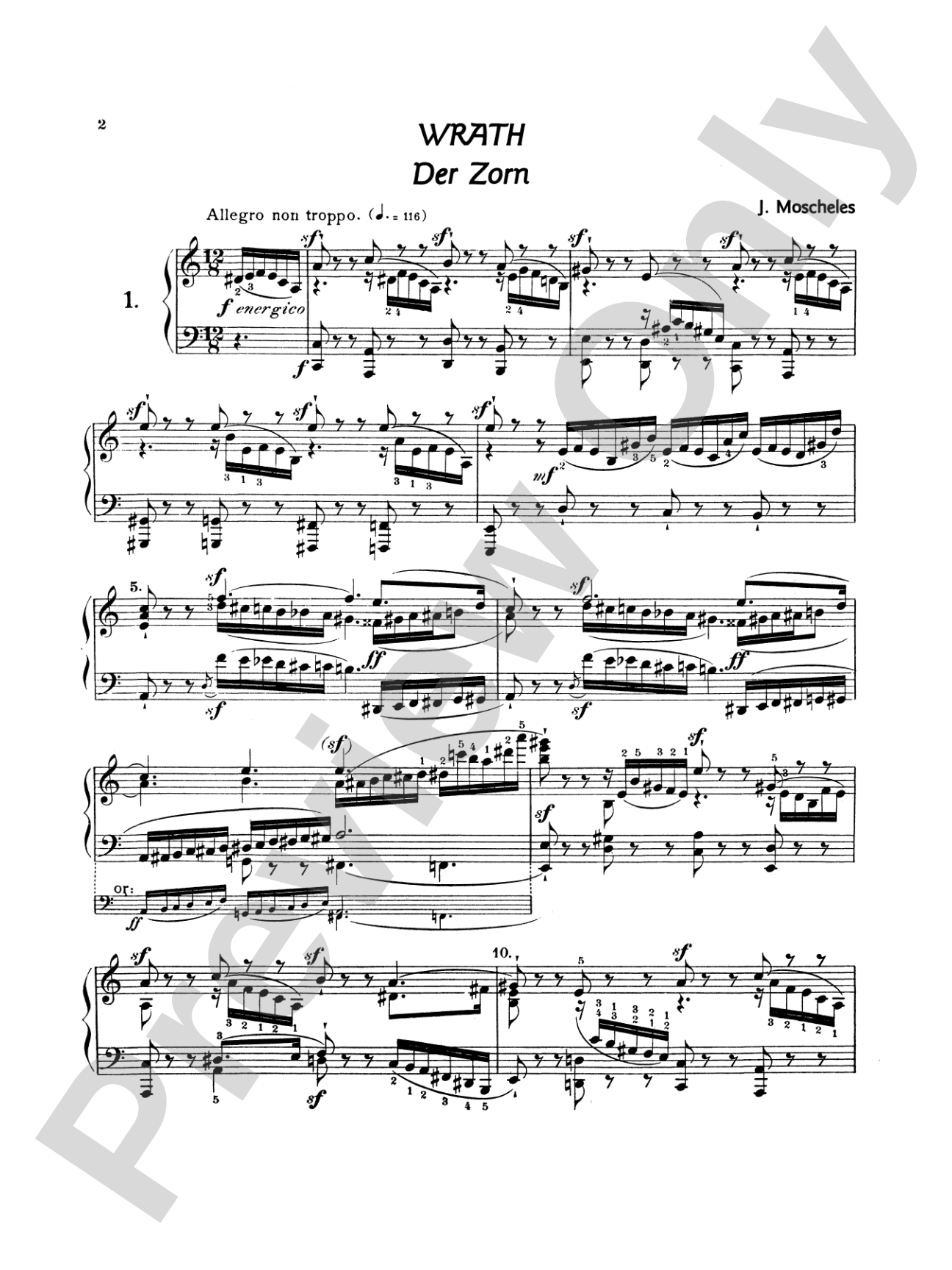
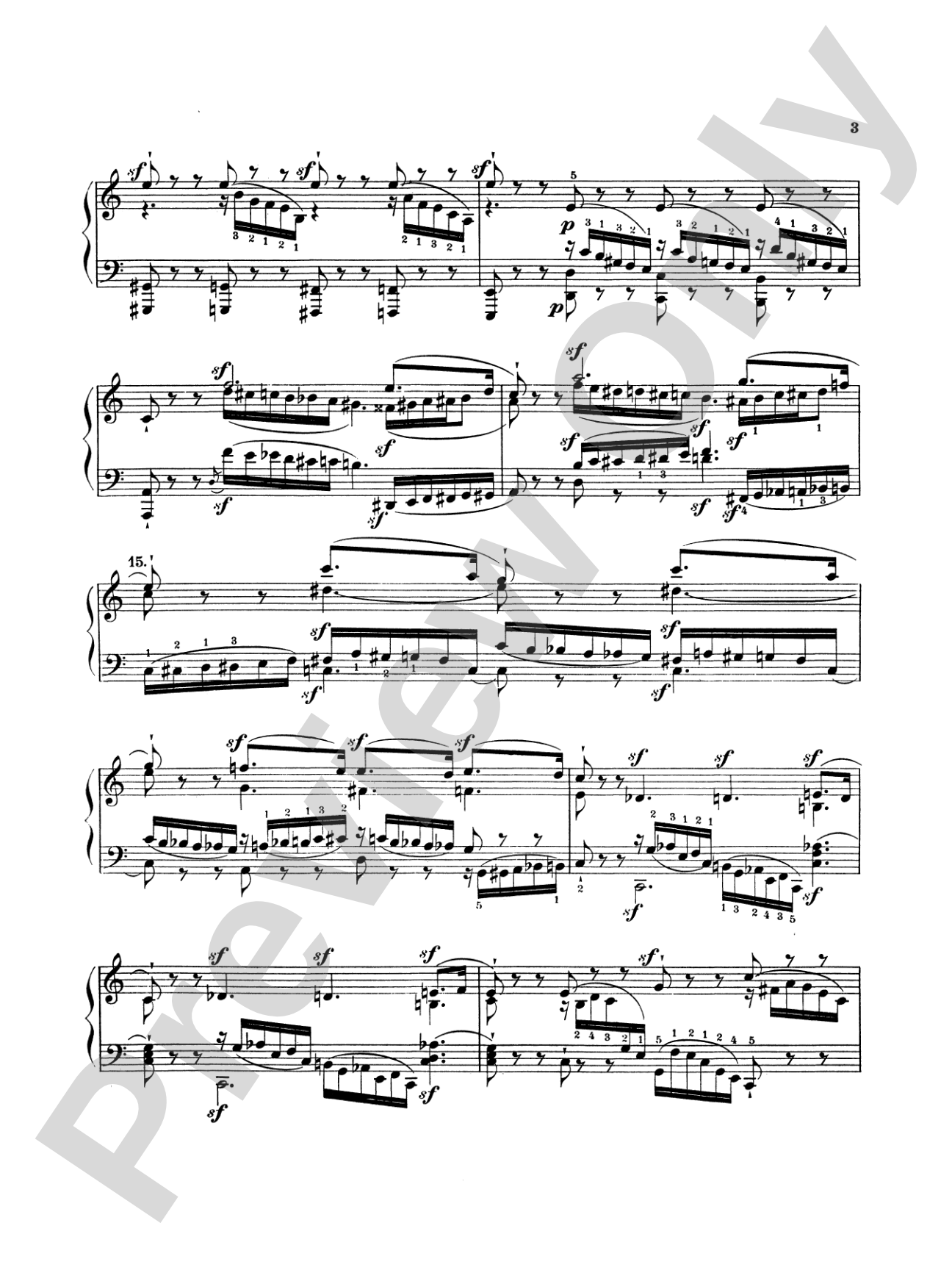
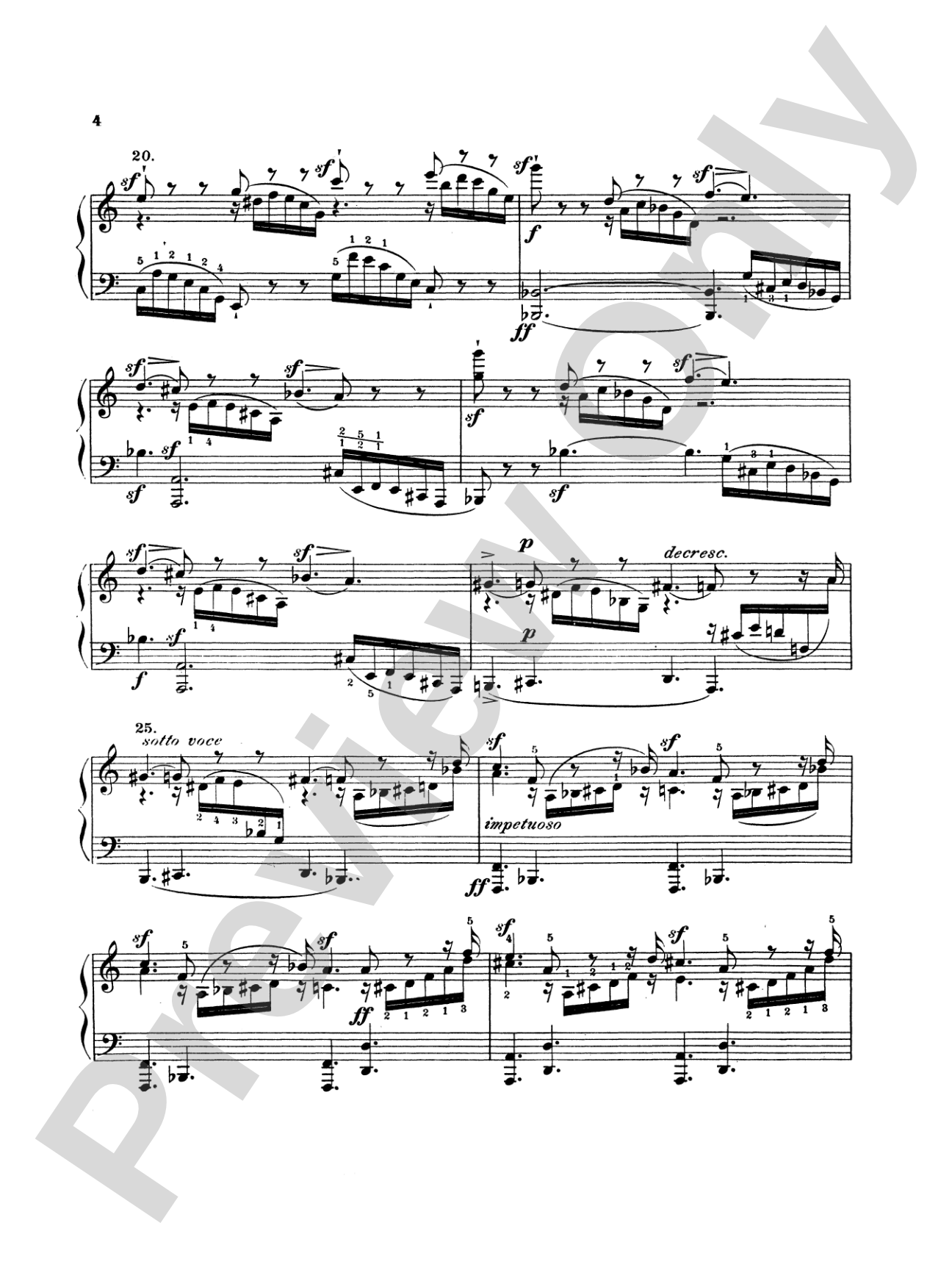
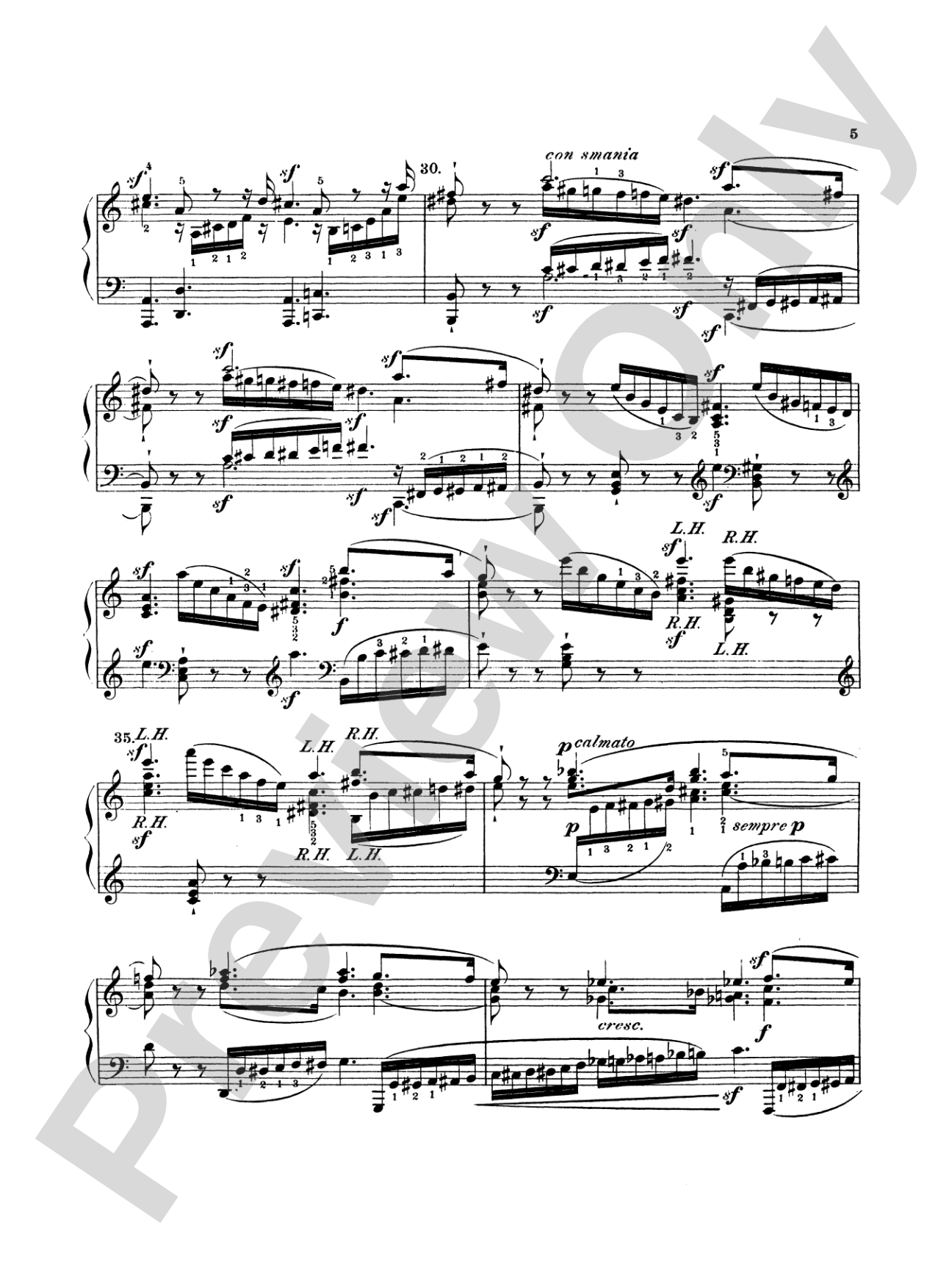
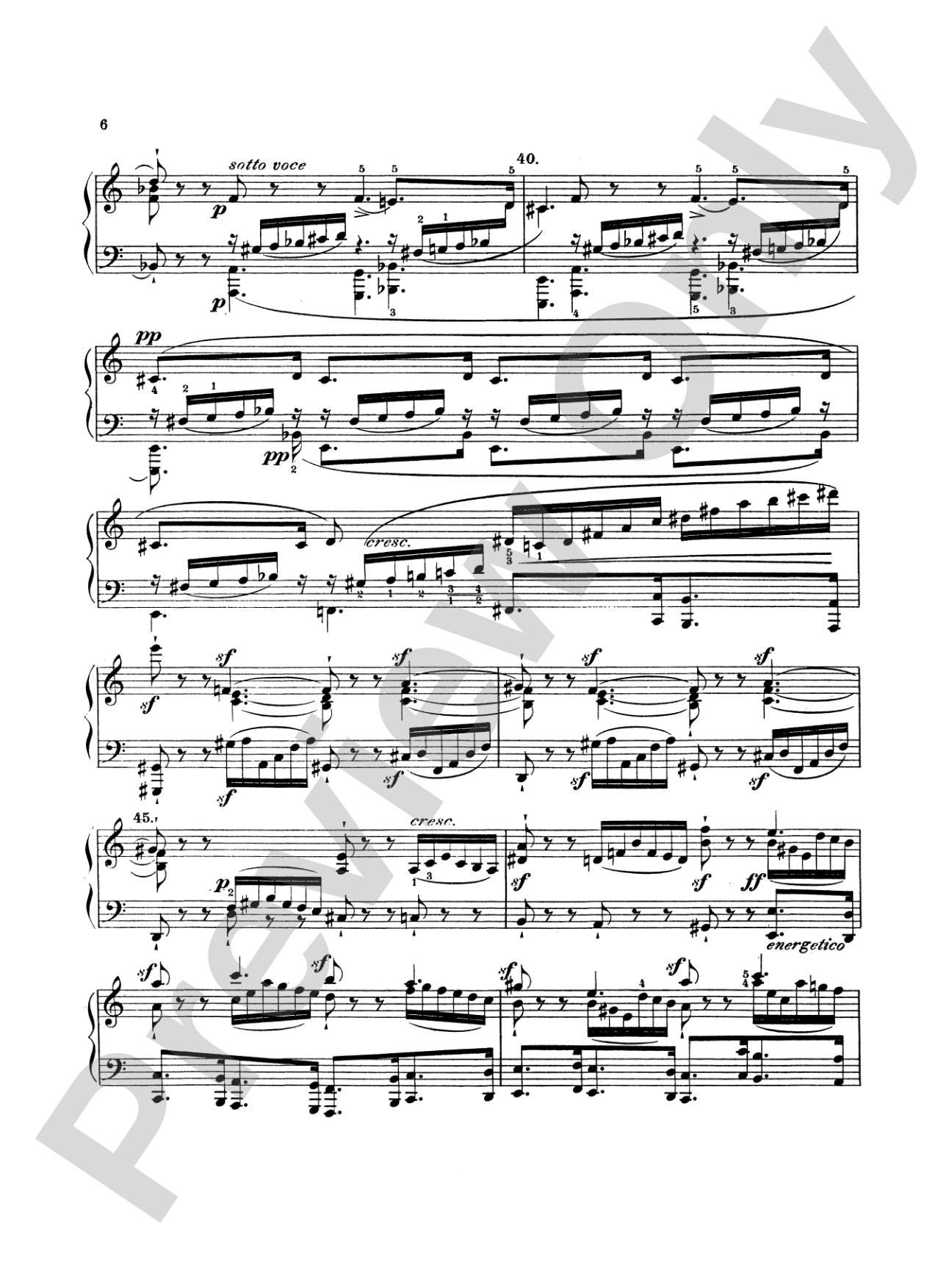
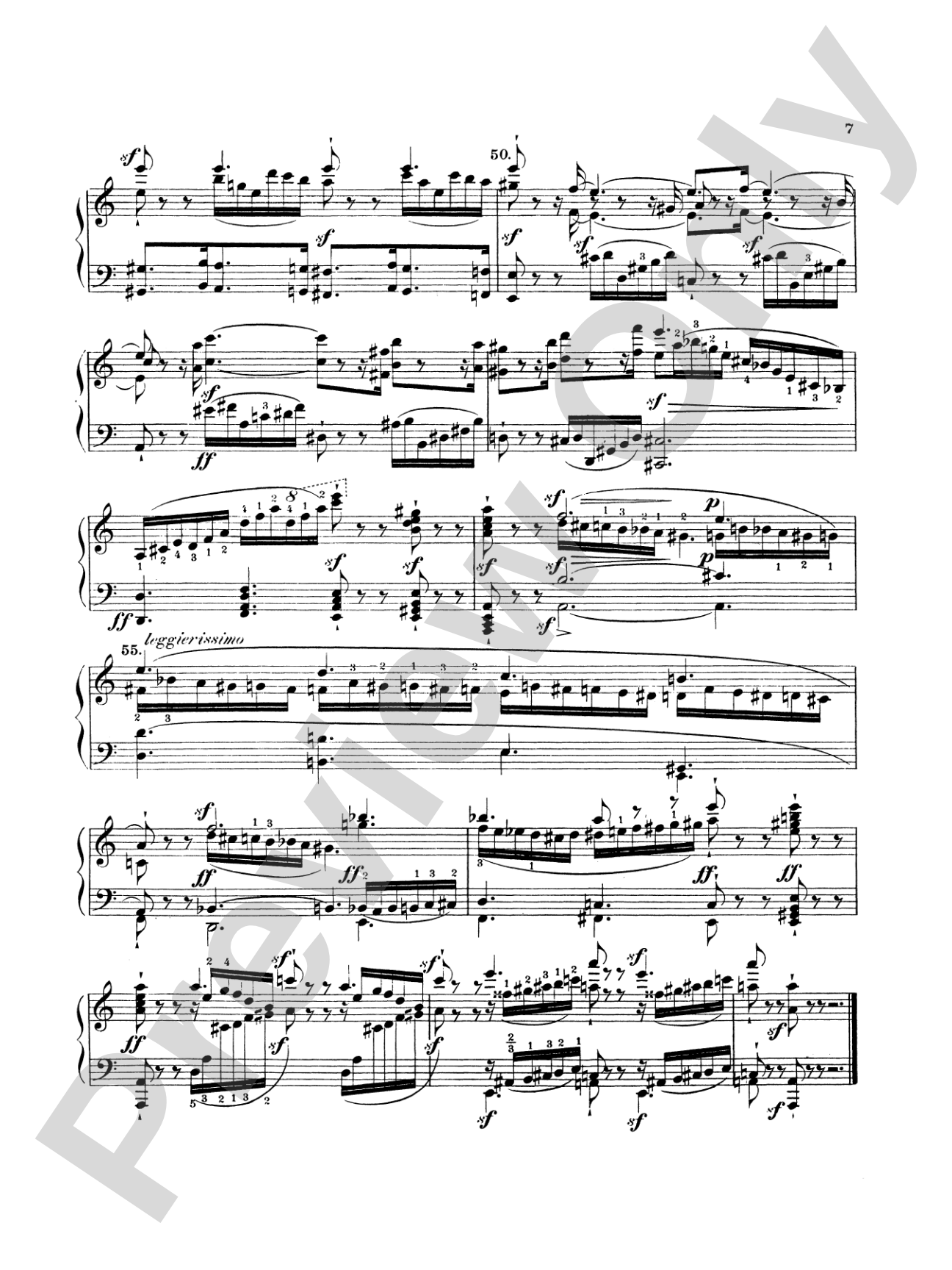
A collection of Piano Solos by Ignaz Moscheles. Songs: Wrath * Reconciliation * Contradiction * Juno * A Nursery Tale * Bacchanale * Affection * Alla Napolitana * Moonlight on the Sea-Shore * Terpsichore * A Dream * Terror.


Don't just read it, hear it, play along with it, and watch your students grow with it. In MakeMusic Cloud, Moscheles: Grand Characteristic Studies, Op. 95: Piano Book comes alive with professional accompaniment, adjustable tempo, and built-in practice tools that turn solo practice into real progress.
Open in the Player
Jump straight in and assign it today.
Start Your Free Trial
Open this title and explore the full library in minutes.
Sample Audio
No sample audio found.
Sample Video
No sample videos found.
Additional Details
Series:
Kalmus Edition
Publisher:
Alfred Music
Page Count:
80
SKU:
00-PK-0003892
More about this title
About the Composer: Ignaz Moscheles
Ignaz Moscheles (1804-1870) was a Bohemian pianist and composer whose technical brilliance and musical sophistication made him one of the most celebrated keyboard virtuosos of the Romantic era. A student of Carl Czerny and contemporary of Chopin and Mendelssohn, Moscheles brought a composer's sensibility to the study piece, elevating the étude from mere technical exercise into music of genuine artistic merit.
His Grand Characteristic Studies represent the culmination of this approach. Rather than isolating individual technical problems, Moscheles embedded finger work, hand independence, and interpretive challenges within vividly titled pieces that tell stories or evoke moods. This collection became essential repertoire for serious piano students seeking to develop virtuosity alongside musicianship.
Why we love this
These studies succeed where many technical collections fail: they demand genuine artistry alongside finger work. Each piece carries a distinct character and narrative arc, making them far more engaging to study and perform than abstract exercises. Teachers who assign from this collection find their students developing both technical command and musical imagination simultaneously.
What to expect
Moving through these studies feels like reading a series of character sketches. One moment you're caught in turbulent dramatic conflict; the next you're floating through a moonlit seascape or dancing at a raucous celebration. The music never feels like drudgery, even when the technical demands are substantial. Moscheles maintains a balance between virtuosity and melody that makes extended practice sessions genuinely enjoyable.
Who it's for
Advanced pianists preparing for competitions, conservatory auditions, or recitals need repertoire that combines technical display with artistic substance. This collection serves upper-level students and professional pianists seeking 19th-century studies that reward careful interpretation alongside disciplined practice.
How to get the most out of it
- Plan the emotional arc of each piece carefully. "Wrath" and "Terror" require different dynamic and textural intensity than "Affection" and "Moonlight on the Sea-Shore." Sketch the dramatic shape before diving into technical details.
- Attend to voice leading in passages with rapid figuration. Moscheles often hides a singing melody beneath flowing passagework; hearing these inner lines will clarify both interpretation and technique.
- Balance speed with clarity in the more virtuosic studies. Technical bravura serves the character, not the other way around. "Bacchanale" and "Terpsichore" demand energy without sacrificing definition.
- Use the titles as interpretive anchors. A title like "A Nursery Tale" invites a different touch and phrasing than "Contradiction." Let the narrative guide your choices about pedal, articulation, and rubato.
How to use it
Select individual studies as recital encore pieces or as part of a thematic program exploring Romantic character pieces. "Moonlight on the Sea-Shore" and "A Dream" pair beautifully with works by Mendelssohn or early Liszt; the more dramatic studies complement Schumann or Chopin on the same concert. They also serve beautifully as repertoire for master classes and student showcase performances where you want to highlight both technical progress and interpretive development.
Skills your students will build
- Rapid passagework and finger agility across multiple registers
- Hand independence and voice leading in texturally complex passages
- Dynamic control and tonal shaping at various tempos
- Character and mood interpretation within a structured musical narrative
- Pedal technique and sustain without muddying harmonic clarity
- Stamina and focus across an extended collection of varied technical demands