
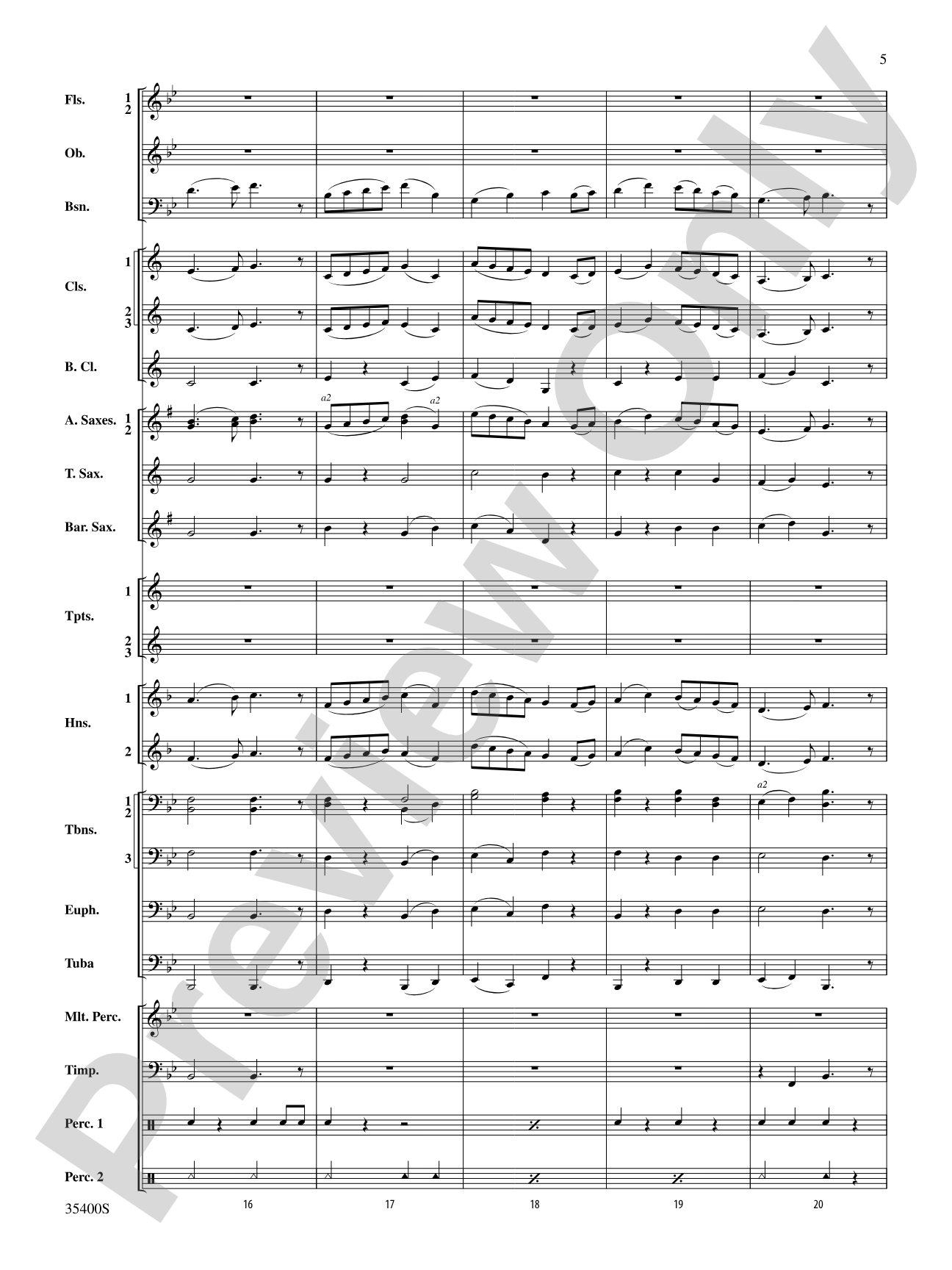
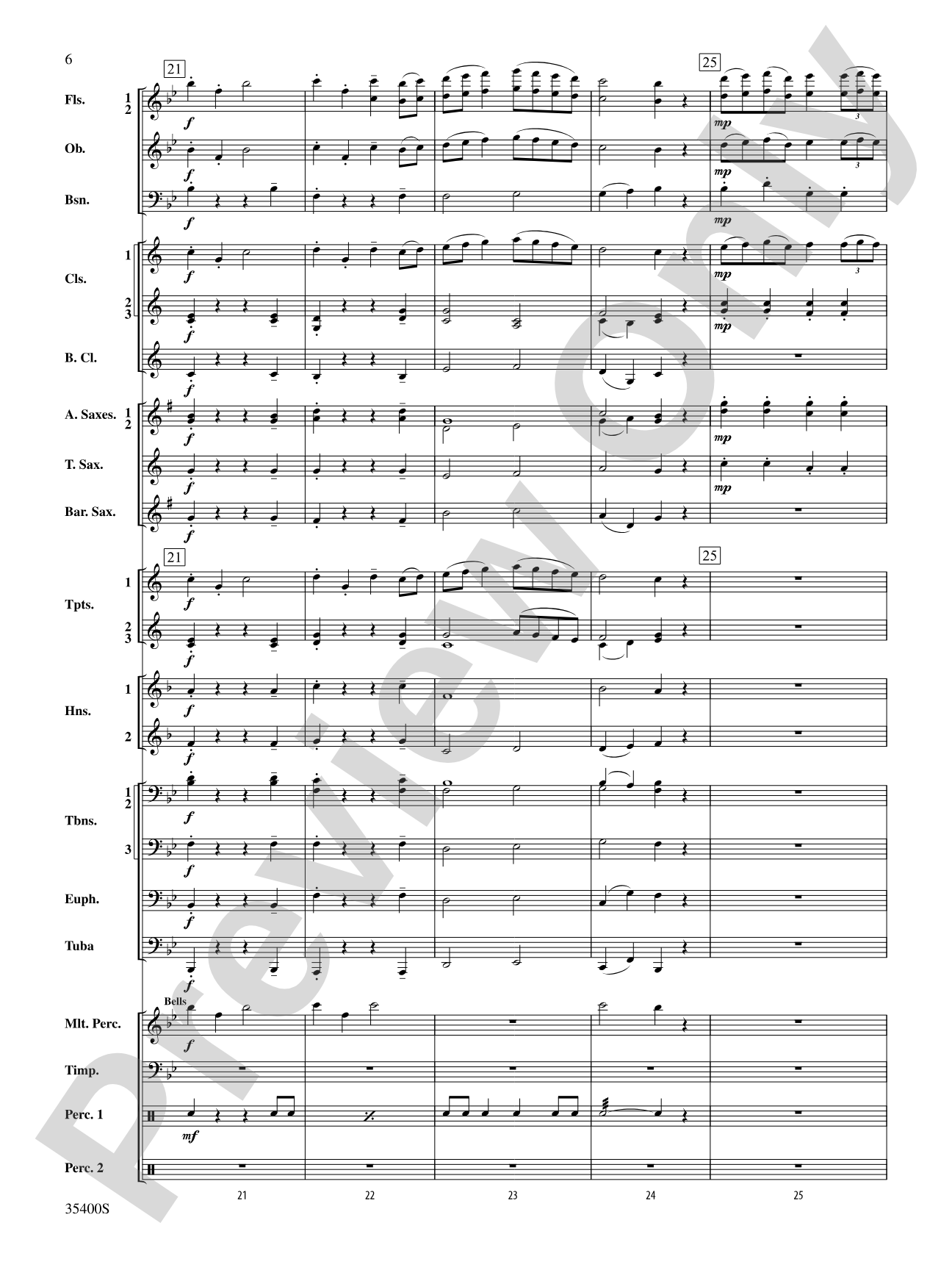
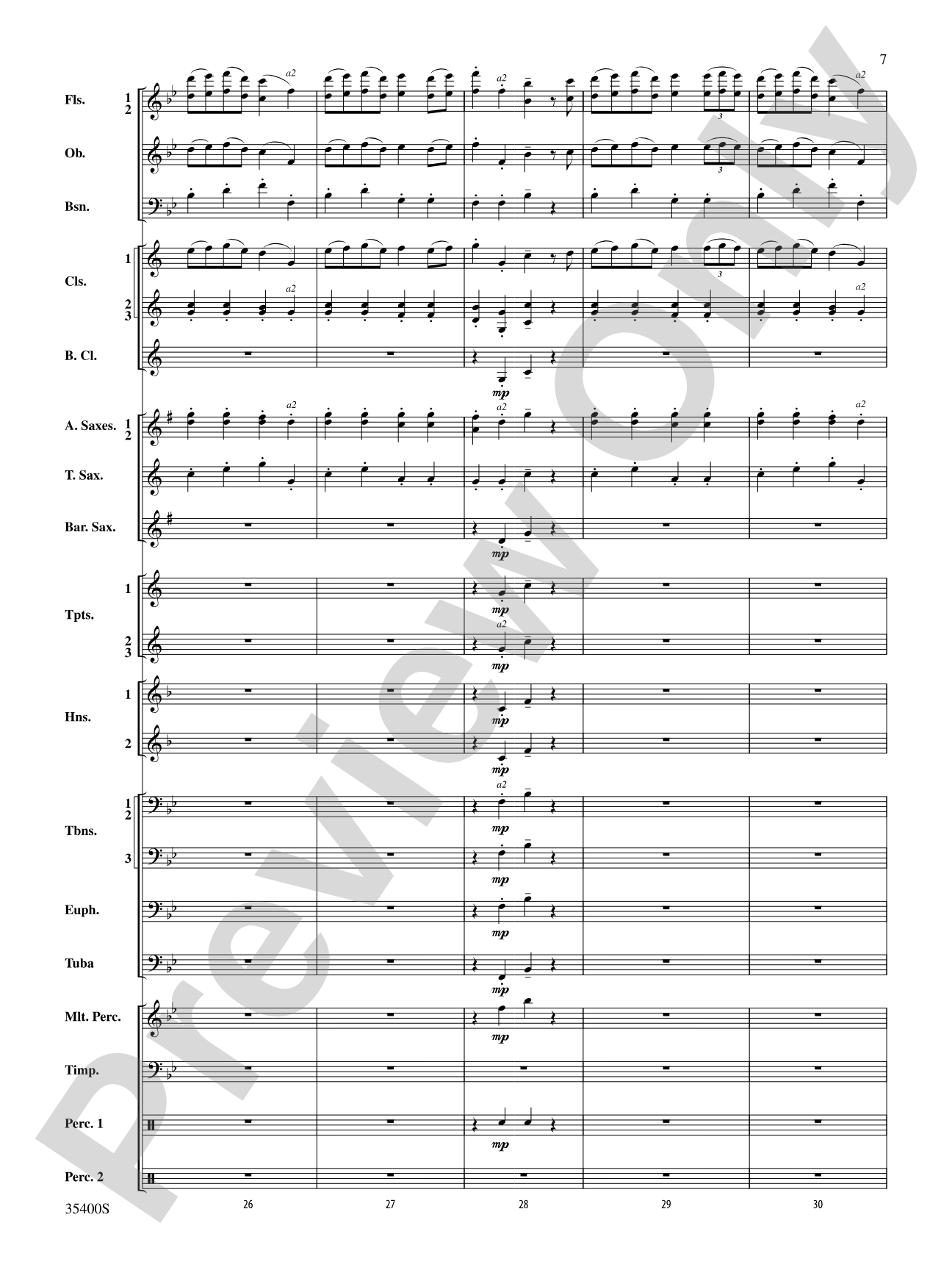
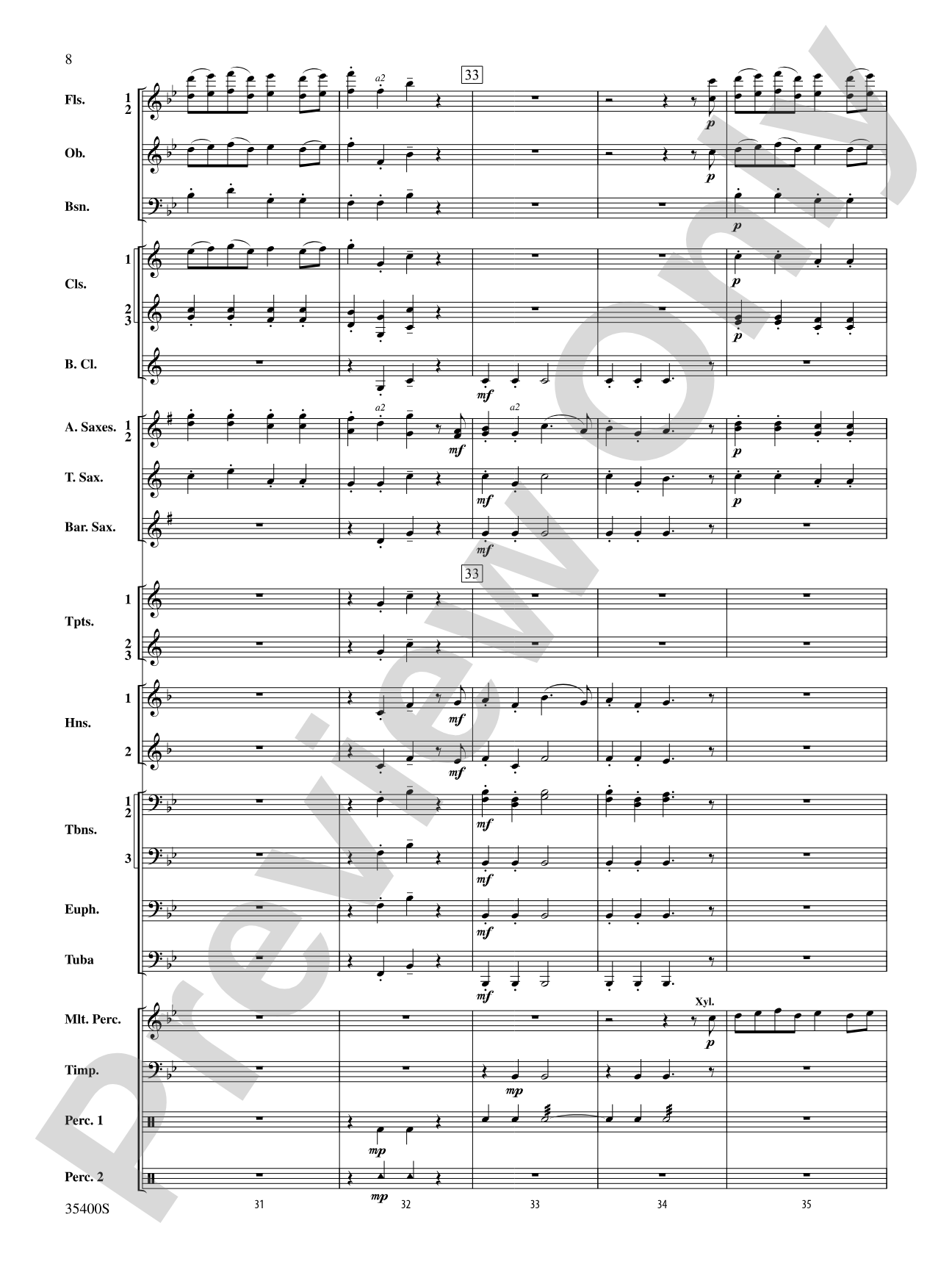
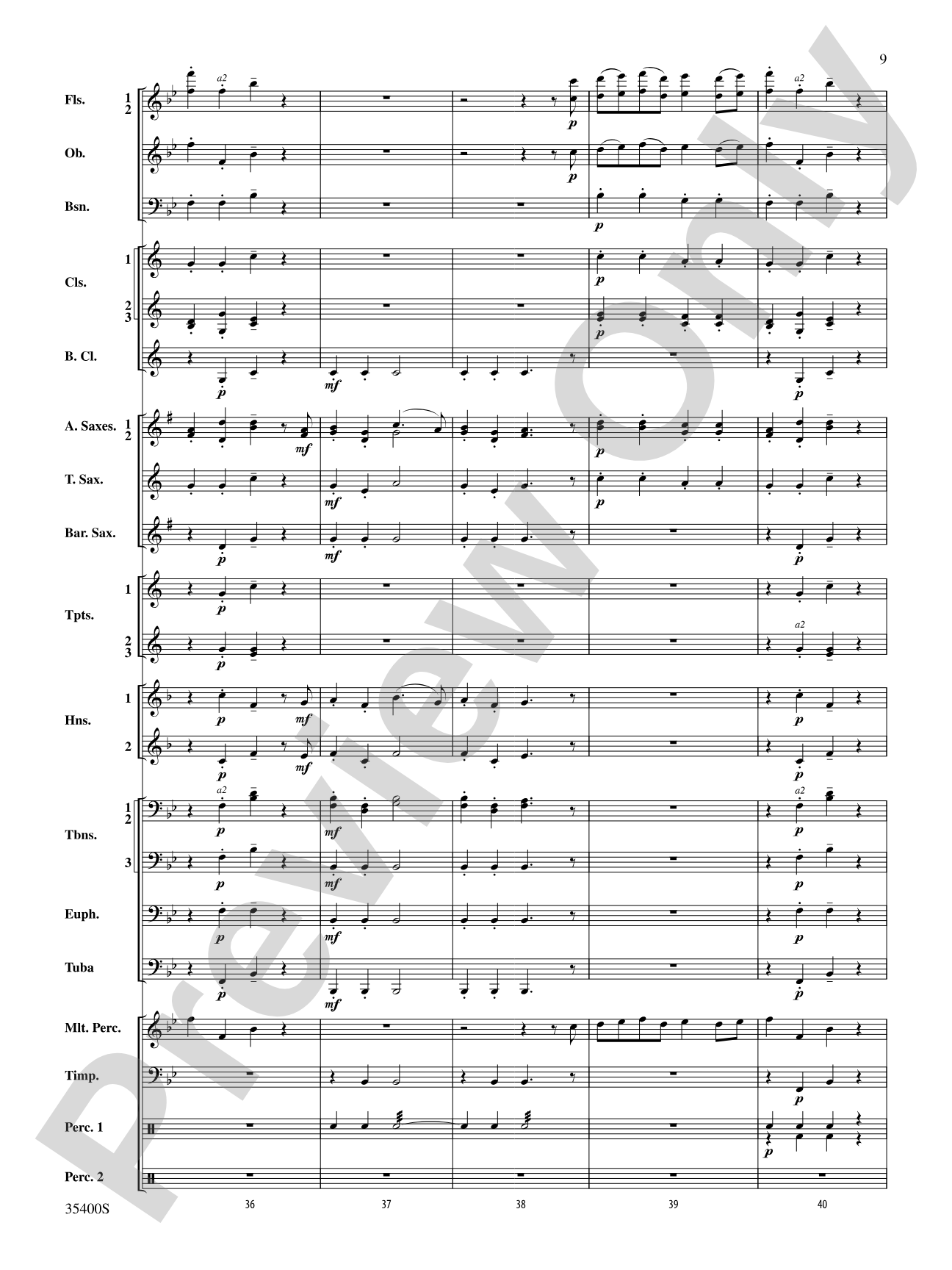
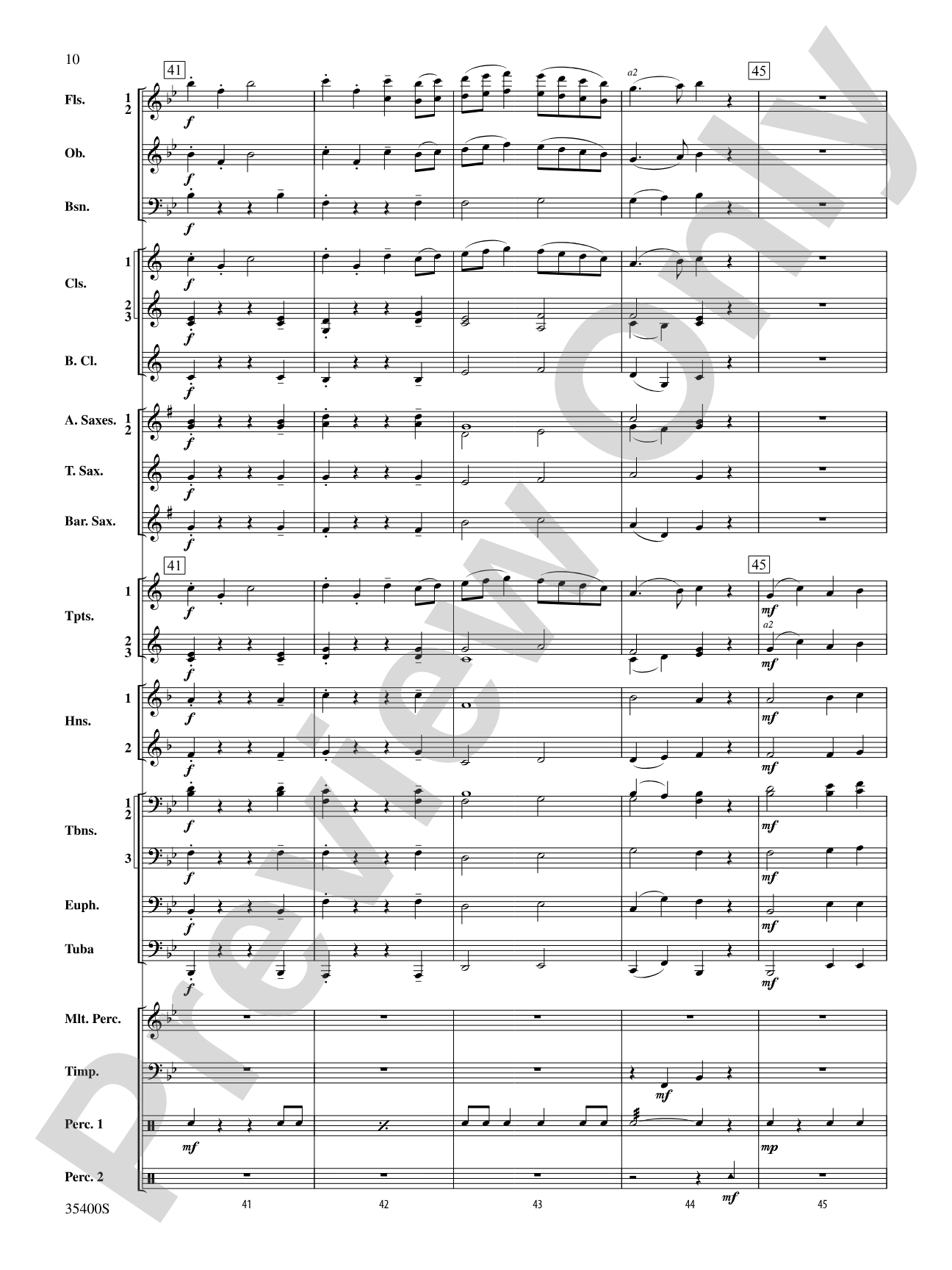
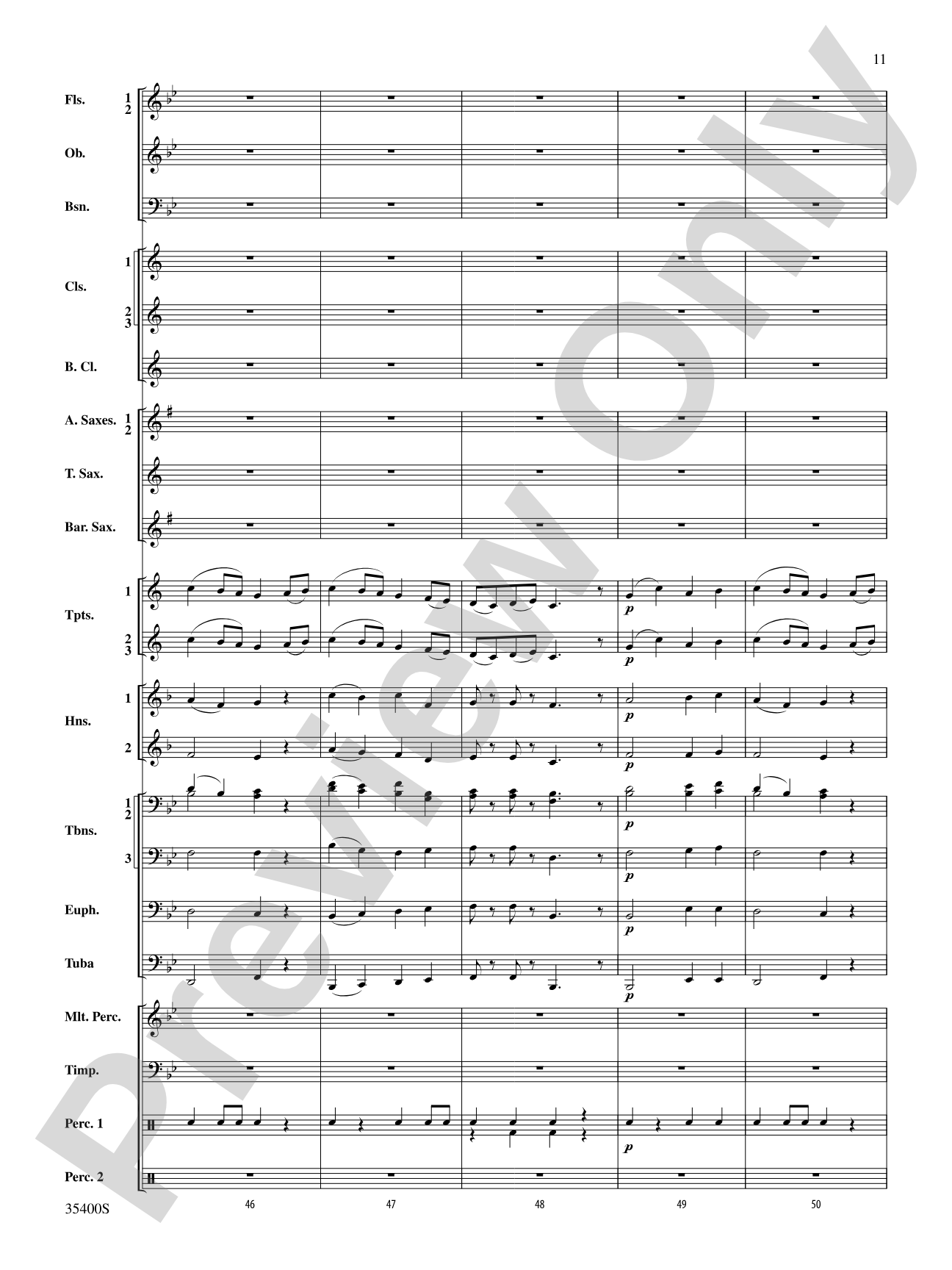
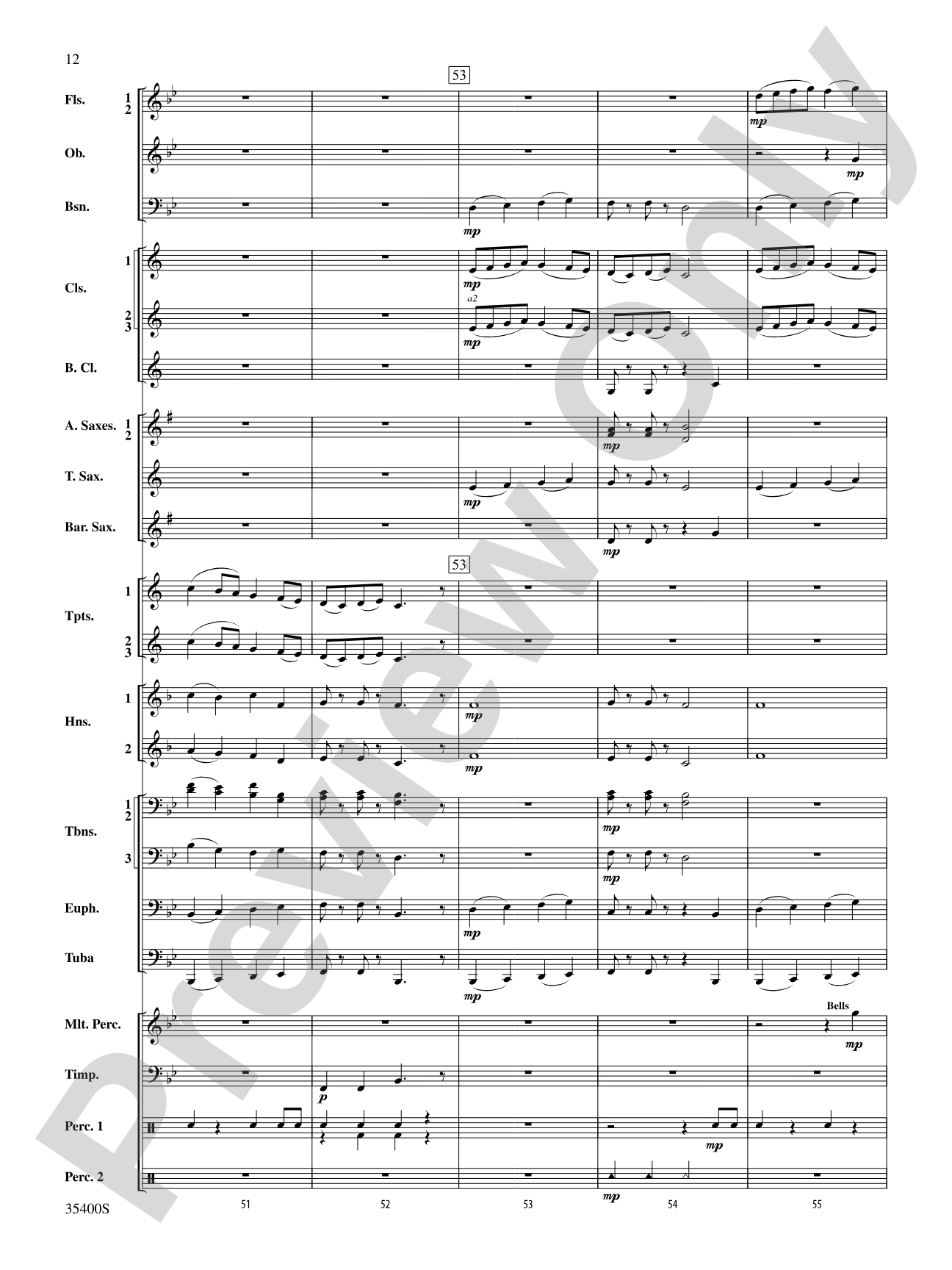
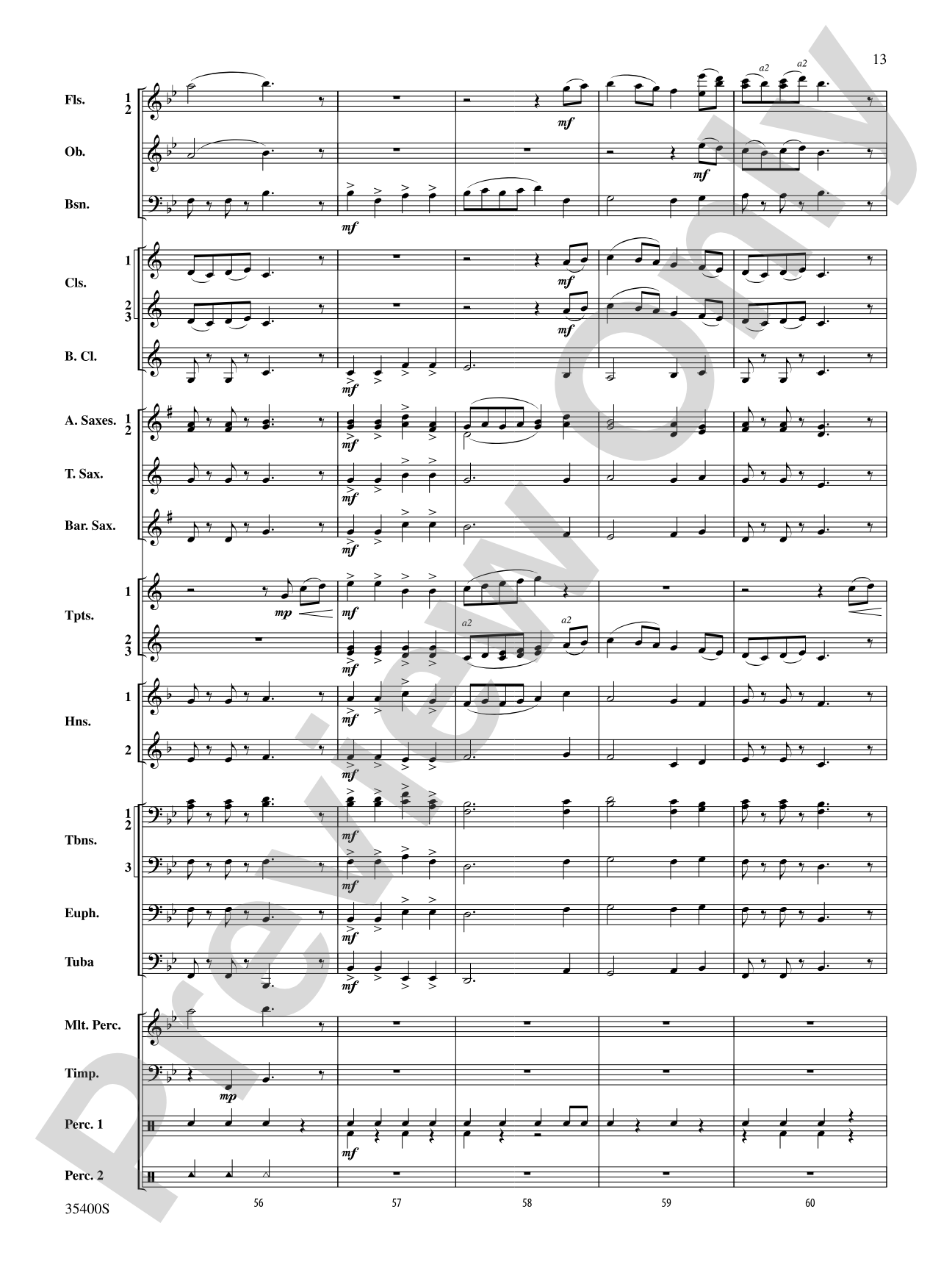
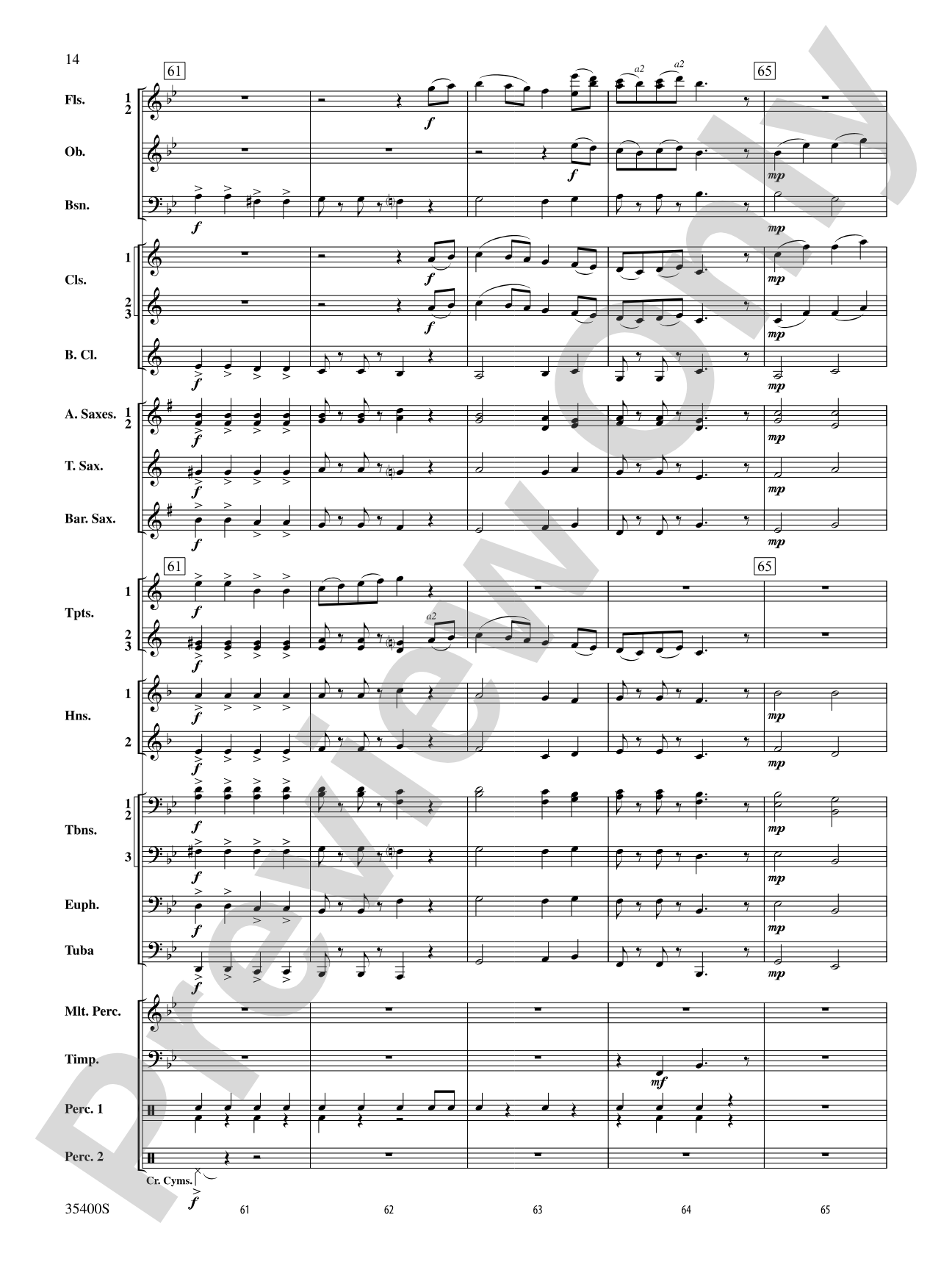
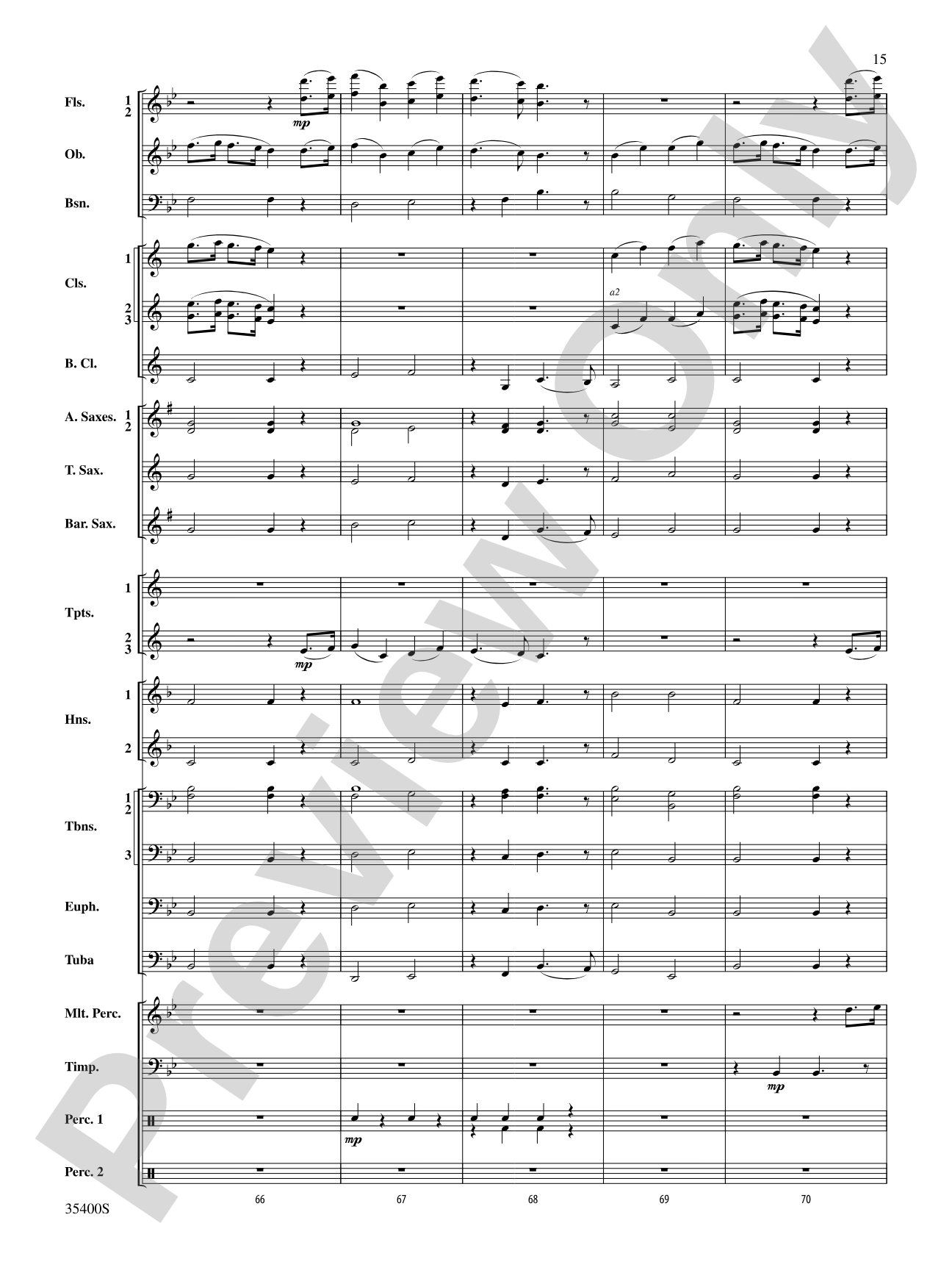
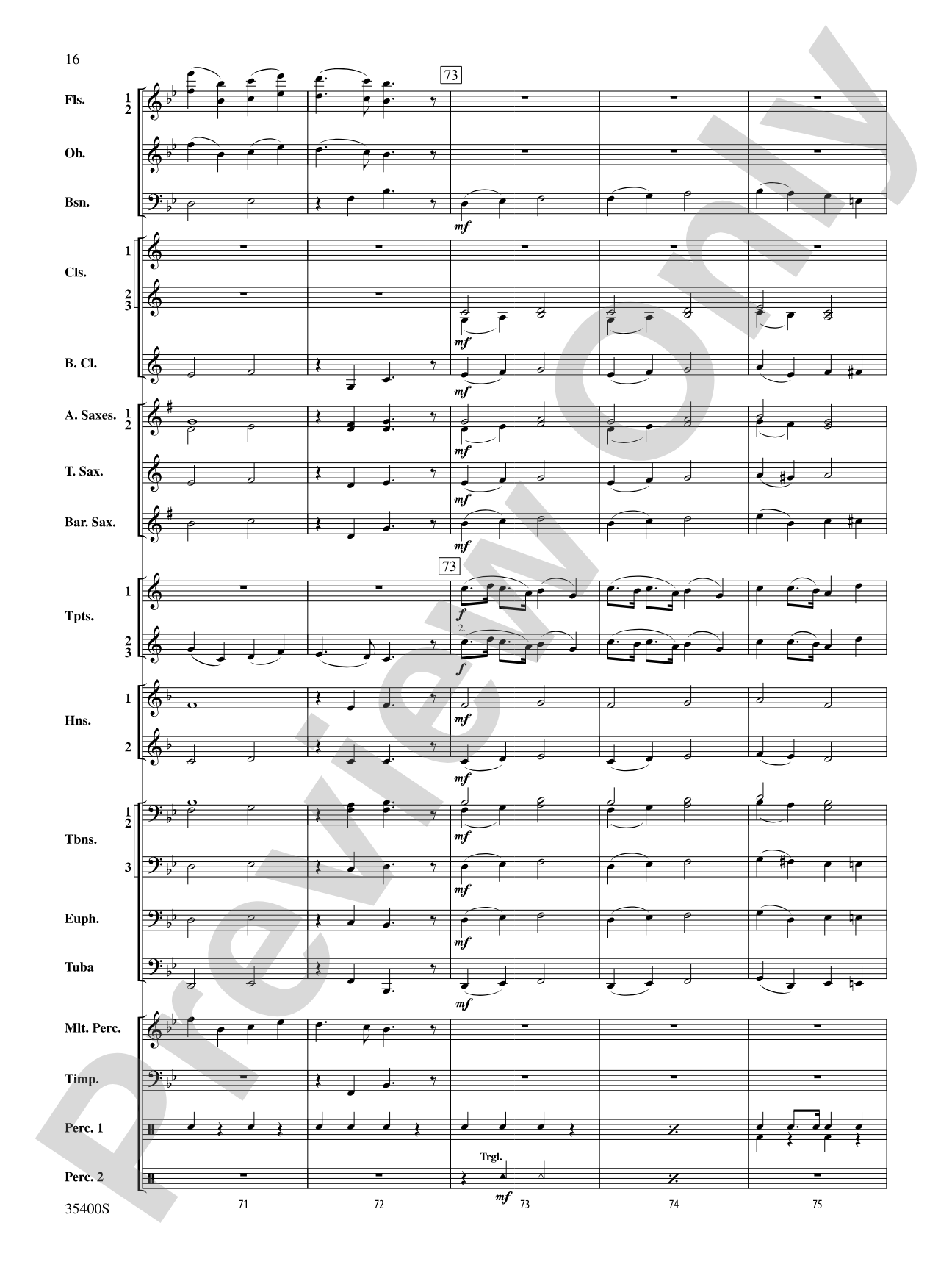
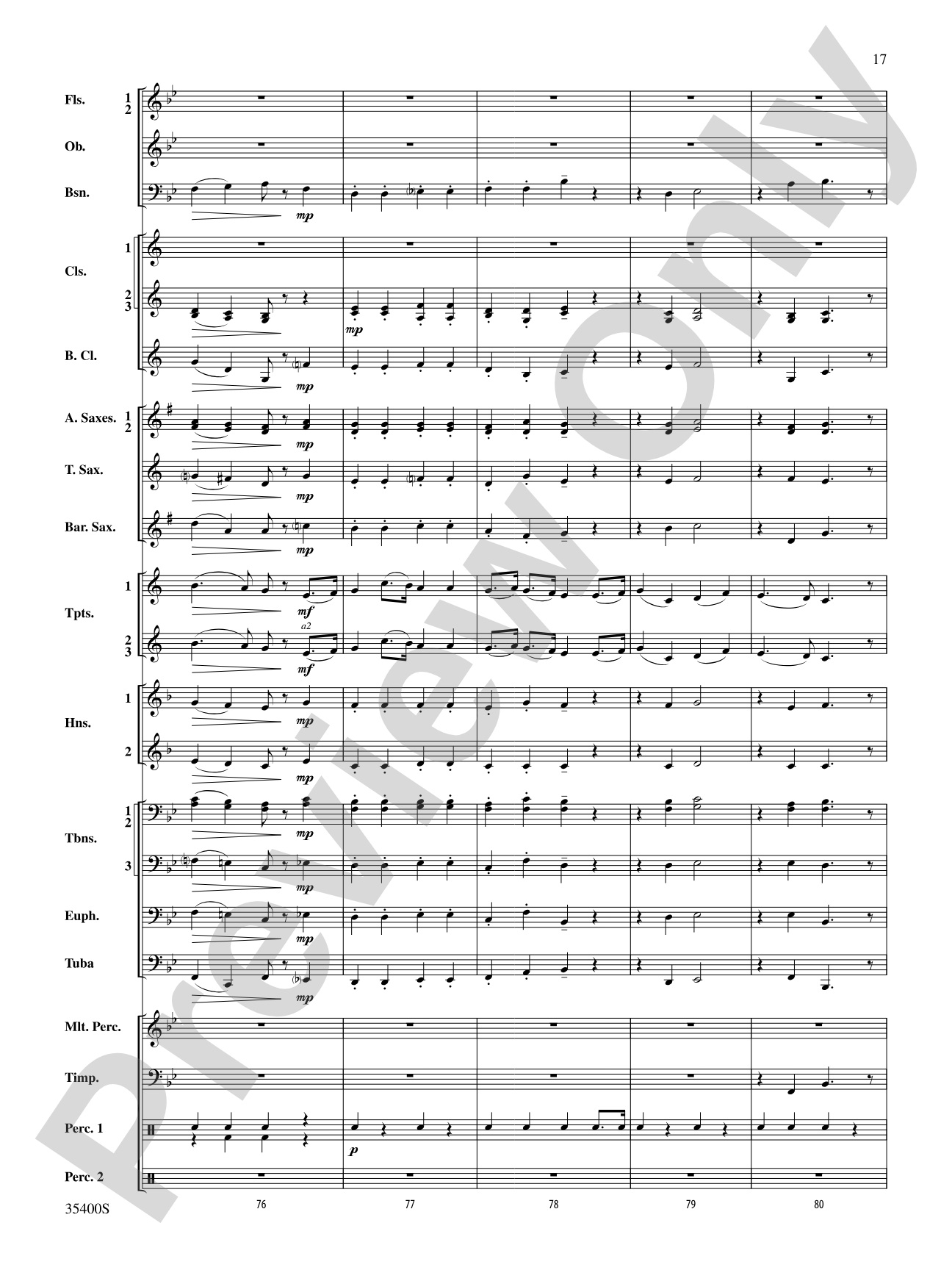
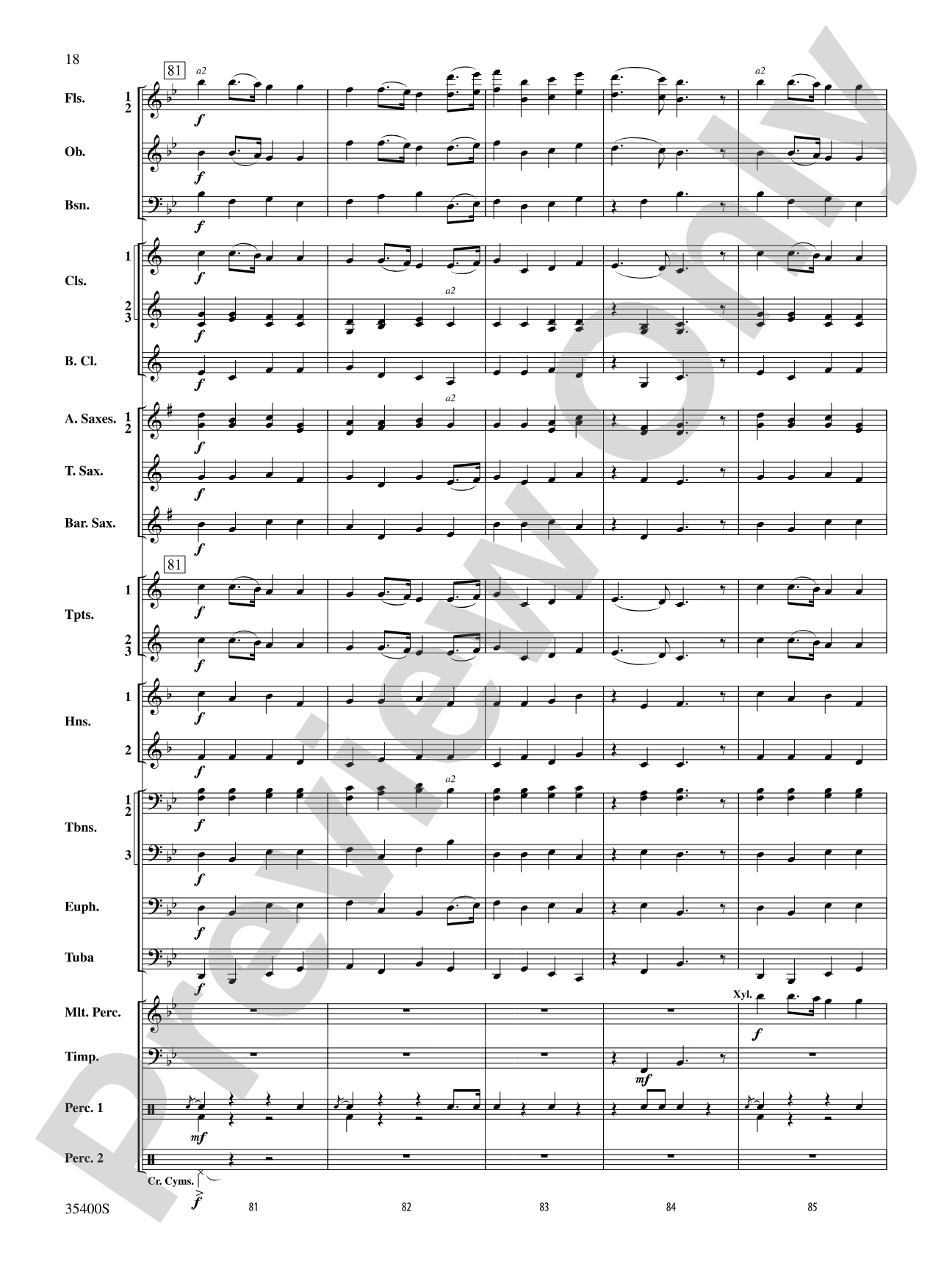
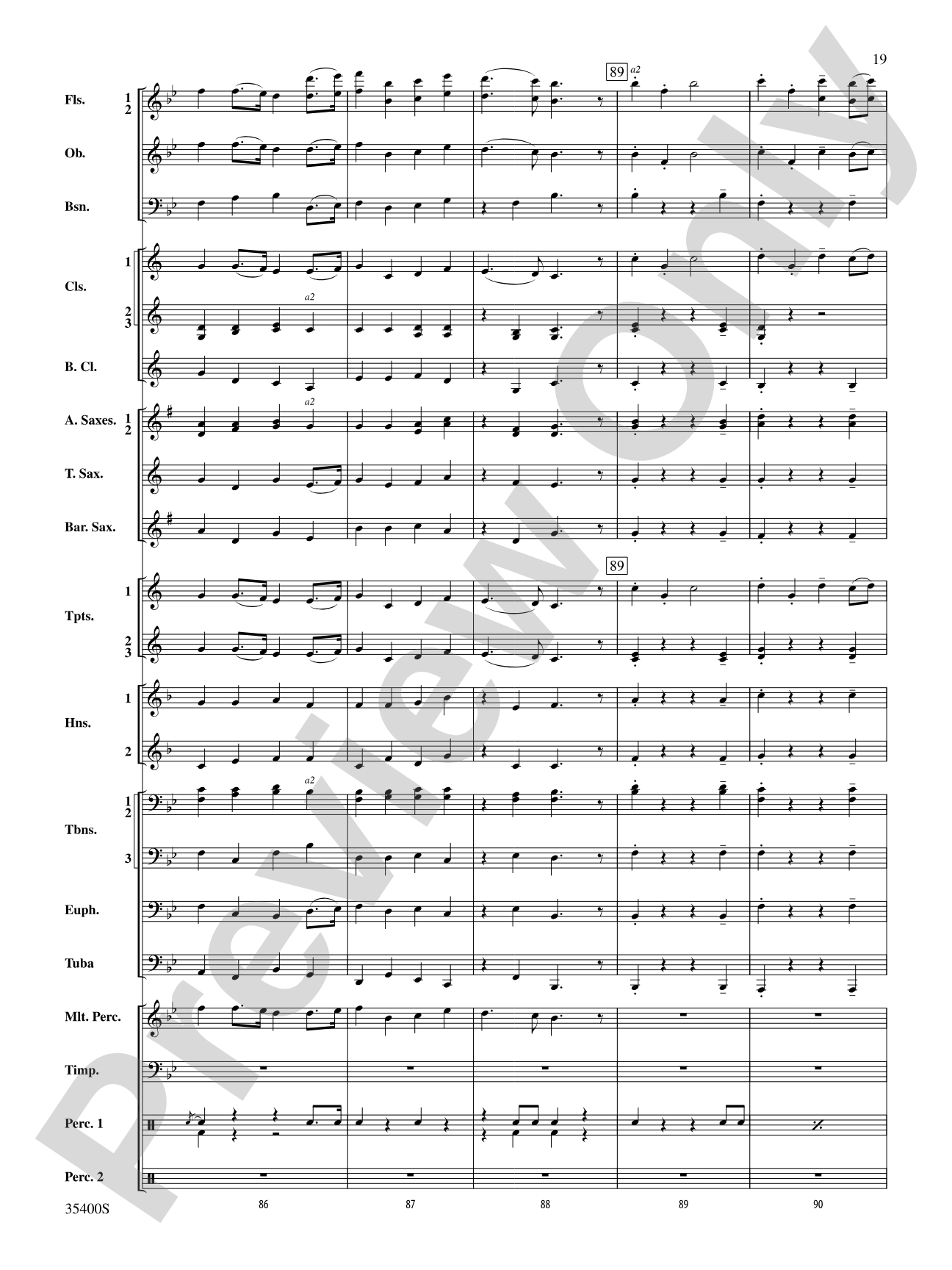
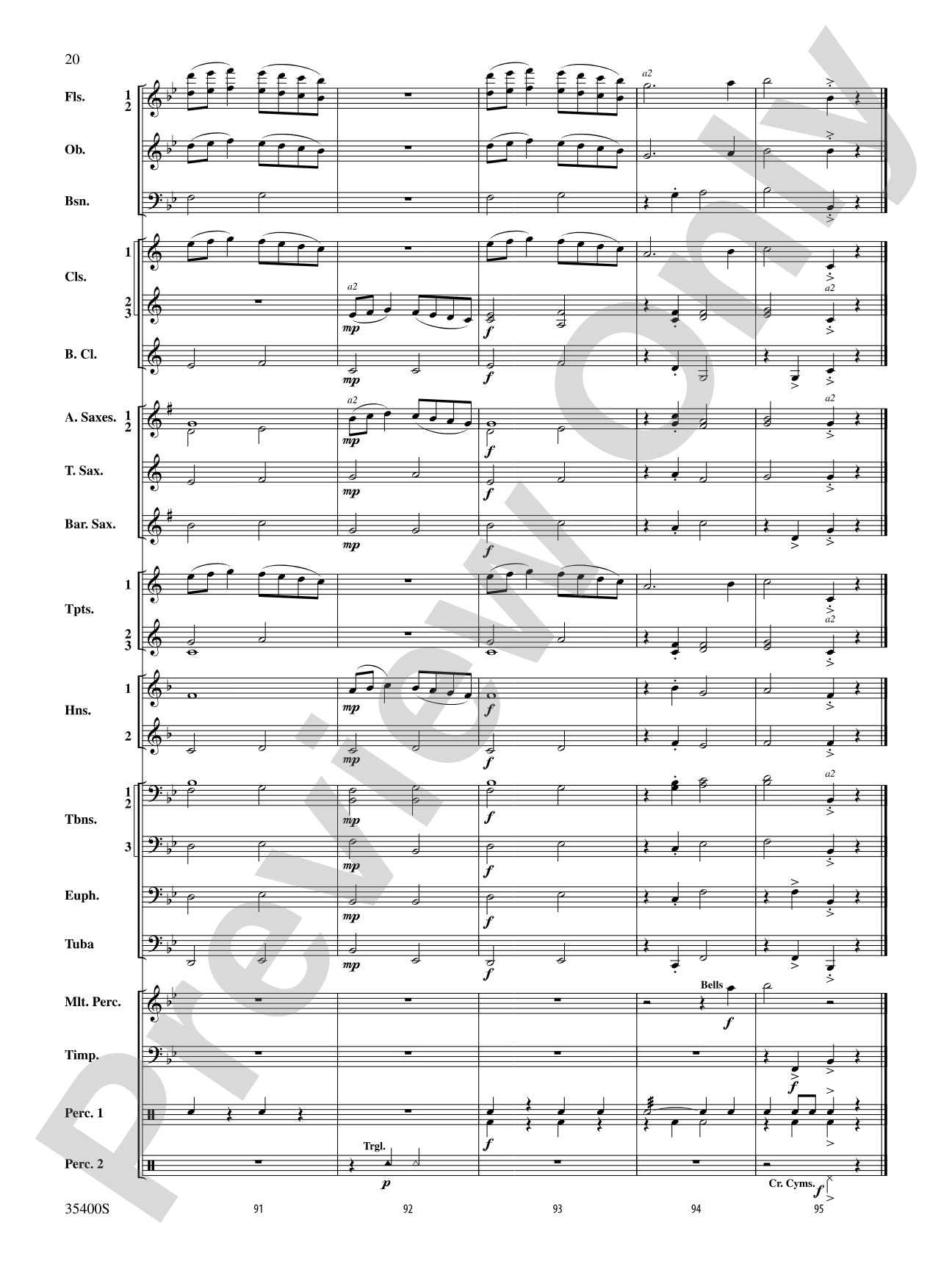

Morris Dance Tunes: Concert Band Conductor Score & Parts
By Gustav Holst / arr. Douglas E. Wagner
Grade: 3 (Medium Easy)
Item: 00-PK-0004657

$70.00
Pickup currently not available
Buy Extra Parts (Digital PDF Download)
Parts Added to Cart!
Description
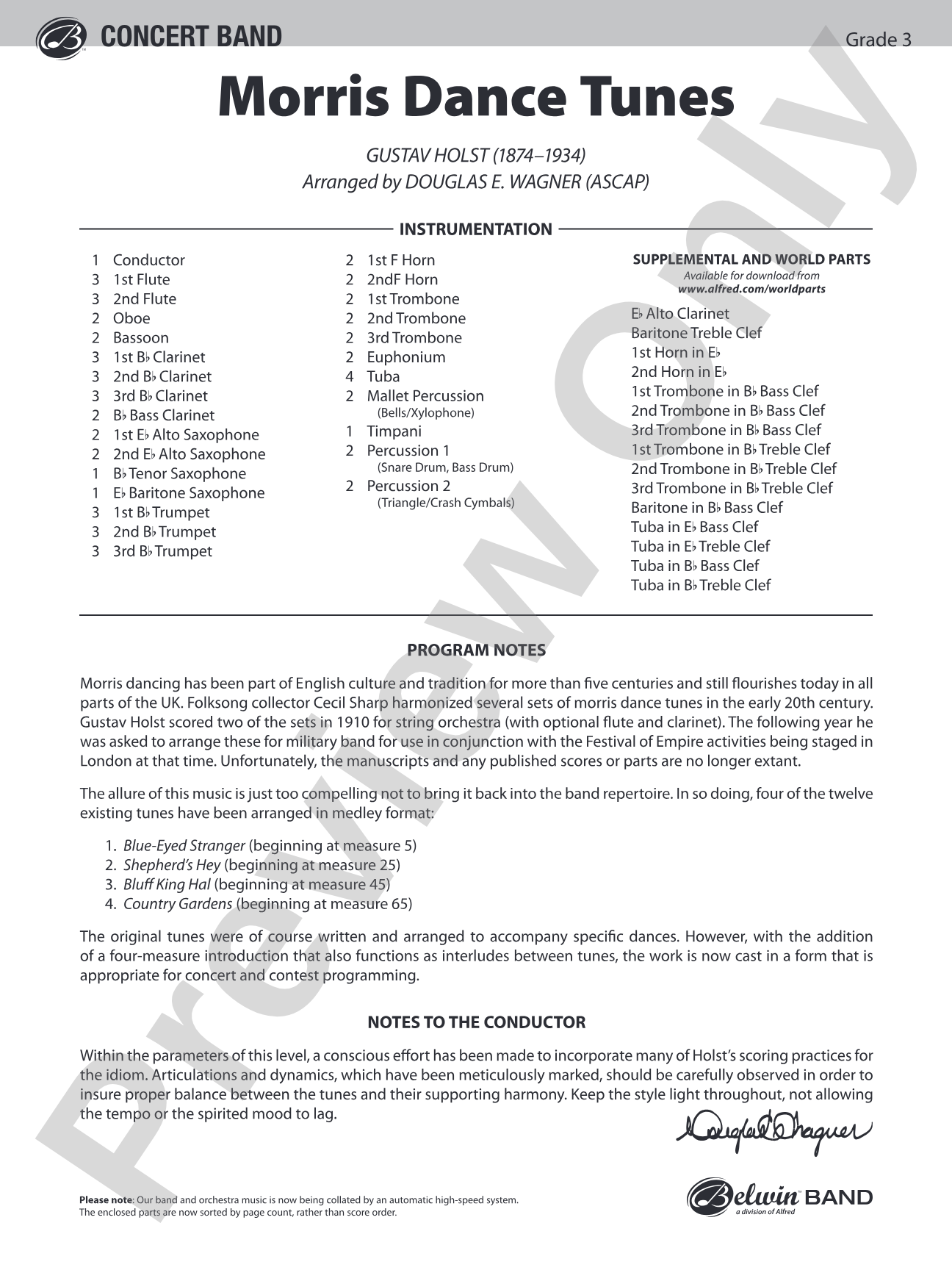
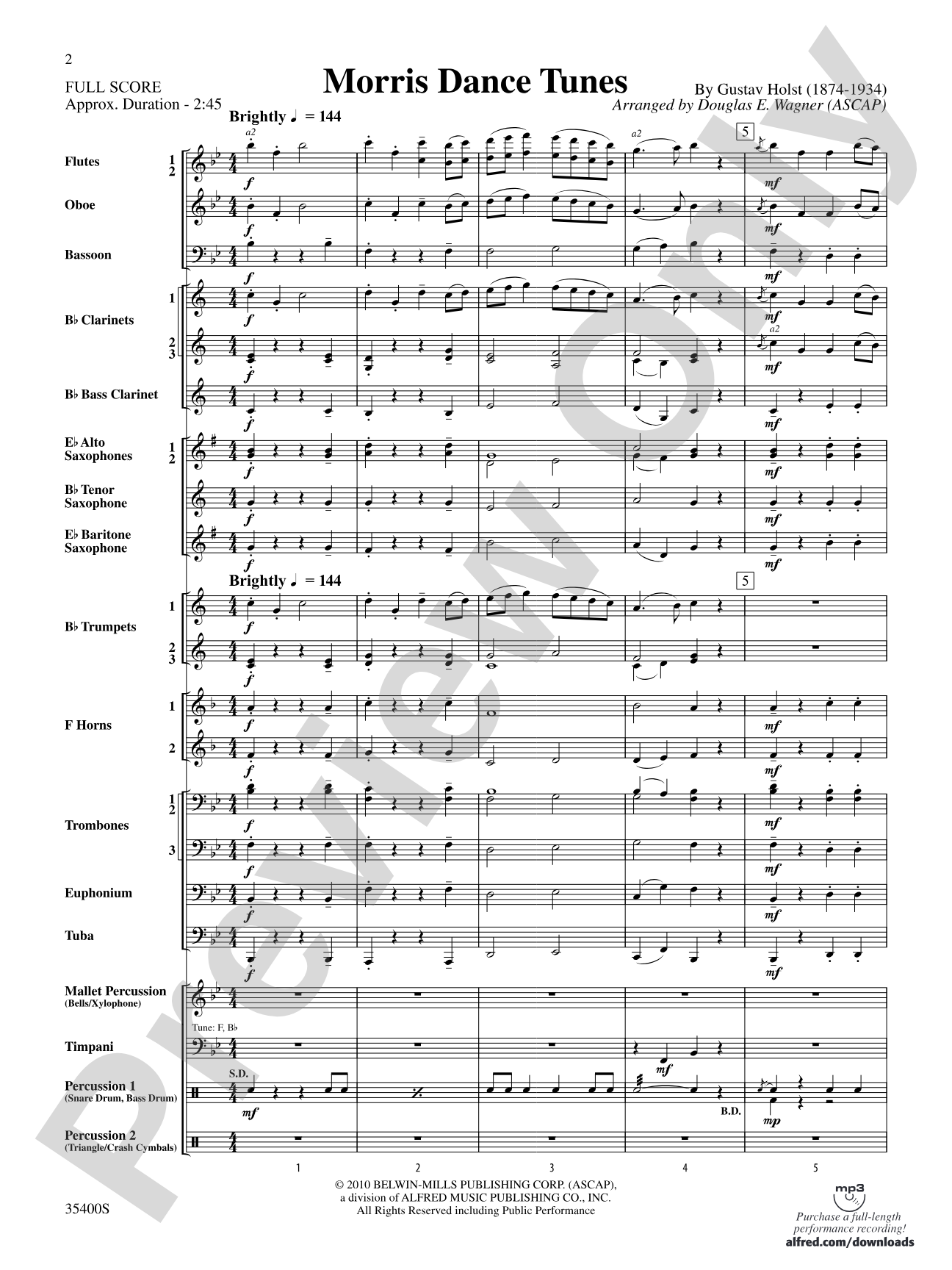
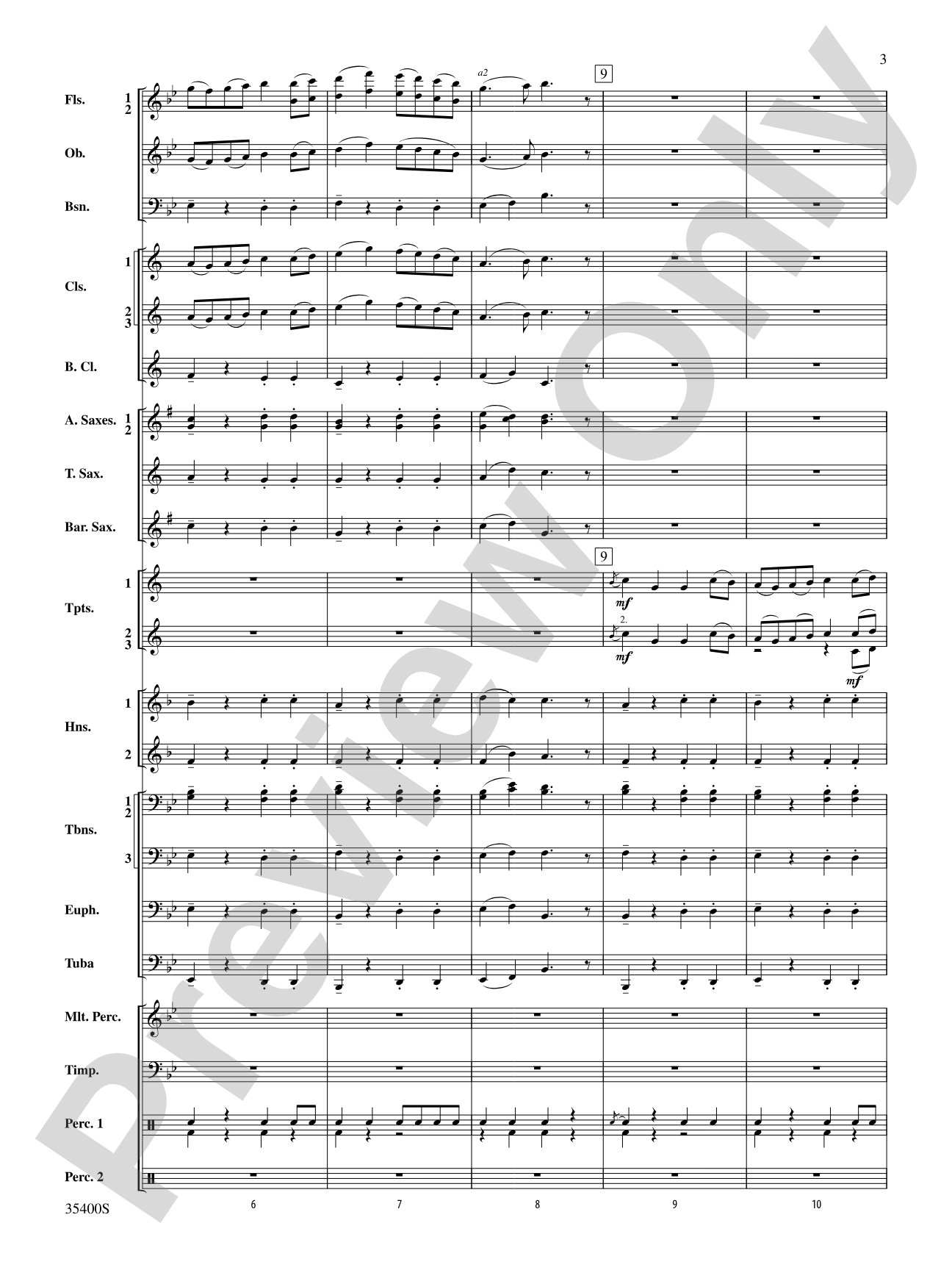
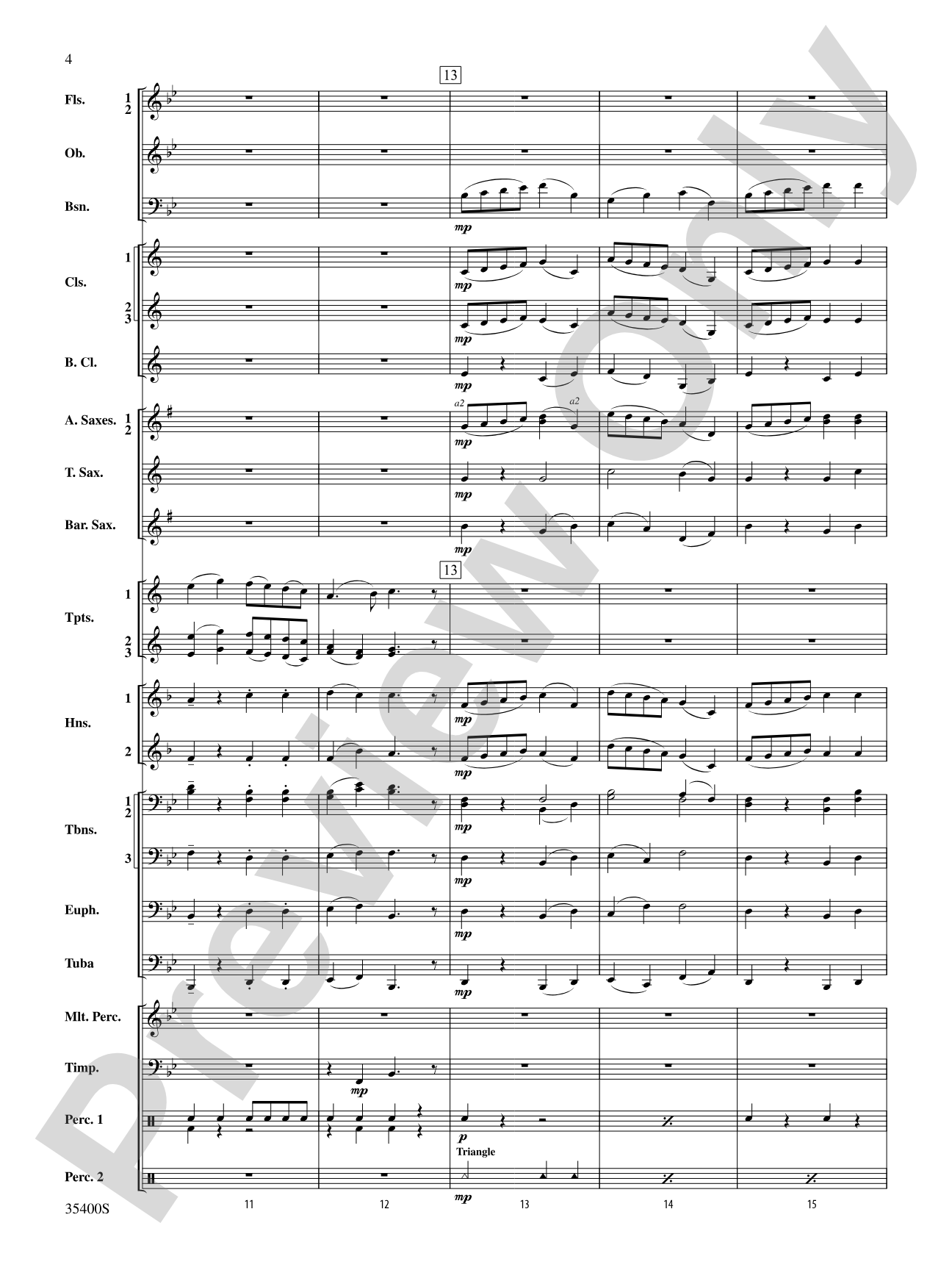
Morris dancing has been part of English culture and tradition for more than five centuries and still flourishes today in all parts of the UK. Douglas Wagner has made use of Holst's charismatic style in these four spirited 'dance' tunes which now each include a brief introduction that also serves as an interlude for this through-played work. A charming cross-cultural addition to the concert band repertoire! This title is available in MakeMusic Cloud.
"This attractive educational material will provide many teaching opportunities."
- The Instrumentalist


"This attractive educational material will provide many teaching opportunities."
- The Instrumentalist
Don't just read it, hear it, play along with it, and watch your students grow with it. In MakeMusic Cloud, Morris Dance Tunes: Concert Band Conductor Score & Parts comes alive with professional accompaniment, adjustable tempo, and built-in practice tools that turn solo practice into real progress.
Open in the Player
Jump straight in and assign it today.
Start Your Free Trial
Open this title and explore the full library in minutes.
Sample Audio
1
Audio File
--:--
0:00
0:00
Sample Video
No sample videos found.
Additional Details
Series:
Belwin Concert Band
Publisher:
Alfred Music
Page Count:
226
SKU:
00-PK-0004657
More about this title
About the Composer: Gustav Holst
Gustav Holst (1874-1934) was a British composer whose music combined meticulous orchestration with deep engagement in folk tradition. His fascination with English cultural heritage informed many of his most enduring works, particularly The Planets and his folk song arrangements, which became foundational to 20th-century band and orchestral literature.
Holst's approach to composition emphasized clarity, accessibility, and respect for source material. His influence on concert band music runs profound; arrangers and composers continue to draw from his harmonic language and his gift for making traditional forms feel both timeless and fresh.
Why we love this
Douglas Wagner's arrangement captures Holst's gift for melodic charm while creating a through-composed structure that maintains energy across four distinct dances. The built-in introductions serve double duty as both entrance music and scene-setting interludes, giving conductors natural breathing room without stopping momentum. At Grade 3, this sits in the sweet spot where the orchestration rewards careful ensemble work without making the parts prohibitively technical.
What to expect
Spirited and approachable, these dances move with folk-inspired lilt and orchestral color. The writing feels both historically grounded and contemporary, creating a sonic world that's playful without being trivial.
Who it's for
Conductors leading Grade 3 concert bands who want repertoire that connects students to a major composer while offering immediate musical gratification. This works well for groups seeking engaging festival or contest material that doesn't require an extensive soloist section or unusual instrumentation.
How to get the most out of it
- Shape each dance as a distinct character study. The introduction before each tune telegraphs what's coming; use it to reset the ensemble's focus and establish the new flavor before the dance proper begins.
- Balance melodic clarity against the supporting voices. Wagner's writing gives multiple sections equally engaging material, so resist the urge to spotlight the melody exclusively.
- Thread the tempo through all four dances without stopping. Even when introducing new material, maintain enough forward motion so the work feels like a complete narrative rather than four separate pieces.
- Attend closely to the percussion writing. The rhythmic foundation makes or breaks the dance character; locks in articulation among mallets, battery, and bass drum early in rehearsal.
How to use it
Open a pops concert or family-oriented program with this work; its dance character and accessibility make it an ideal icebreaker. Alternatively, pair it on a classical program alongside other Holst arrangements or early 20th-century British band music to build thematic coherence.
Skills your students will build
- Sustaining ensemble balance across multiple sections playing equal material
- Maintaining pulse and character across linked movements without stops
- Interpreting folk-inspired rhythm and articulation conventions
- Responding to conductor cues for tempo and dynamic shifts between sections