More Trios for Saxophones Cover Image

More Trios for Saxophones: Saxophone Book

$6.99 USD
Sale price  $6.99 USD Regular price 
Skip to product information
More Trios for Saxophones Cover Image

More Trios for Saxophones: Saxophone Book

Arr. John Cacavas

Item: 00-20615

$6.99
Shipped

One moment…

Description
This collection of Trios for Saxophone contains 22 distinctive arrangements of famous songs.

Titles:
* Away in a Manger
* Give My Regards to Broadway
* Battle Hymn of the Republic
* Jingle Bells
* Black Is the Color of My True Love's Hair
* The Kerry Dance
* Theme from Piano Concerto in B-flat
* (I'm a) Yankee Doodle Dandy
* Streets of Laredo
* La Cucaracha
* Greensleeves
* Sweet Betsy from Pike
* Deep River
* O Come, All Ye Faithful
* America, the Beautiful
* Havah Nagilah
* Evening Star
* Sweet and Low
* Washington Post
* Largo (from the New World Symphony)
* To a Wild Rose
* Little Brown Jug.

More Trios for Saxophones: Saxophone Book isn't in MakeMusic Cloud just yet...but it could be. Let us know you'd like to see it, and you'll help shape what comes next. In the meantime, start a free trial and dive into thousands of interactive titles your students can play along with today.

Sample Pages

No sample pages found.

Sample Audio
No sample audio found.
Sample Video
Additional Details
Series: John Cacavas Trio Series
Publisher: Alfred Music
Page Count: 24
ISBN10: 0-7390-2331-4
ISBN13: 978-0-7390-2331-0
UPC: 038081195063
SKU: 00-20615

More about this title

About the Arranger: John Cacavas
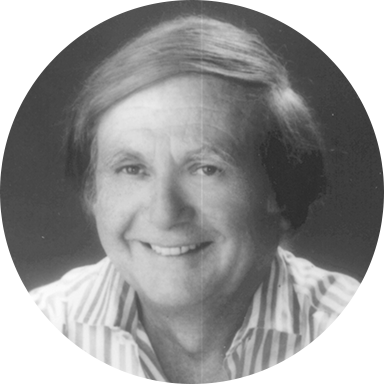
John Cacavas

John Cacavas built his career on a foundation of rigorous training in composition and theory at Northwestern University, followed by service as an arranger with the United States Army Band in Washington, D.C. His work extends across film, television, and concert music; he has arranged music for over 400 television hours, 50 made-for-TV films, and 15 feature films, reaching audiences worldwide through his prolific output.

Beyond his screen and stage work, Cacavas has documented his craft in two published books: Orchestration and Music Arranging and The Art of Writing Music. His arrangements reflect decades spent solving practical problems in scoring and adaptation, making his writing immediately playable and musically rewarding.

Why we love this

Cacavas selects material that saxophonists actually want to play: familiar melodies from American songbook standards, folk traditions, and classical crossover works that sit perfectly for the instrument. The arrangements balance accessibility with genuine musicianship, so trios can sound polished after modest rehearsal without sacrificing the character of each piece.

What to expect

These arrangements invite saxophones into territory typically claimed by piano or strings. You hear familiar melodies transformed into warm, blended textures that feel both accessible and concert-ready. The writing respects the saxophone's lyrical nature while letting the instrument shine through recognizable, beloved material.

Who it's for

Intermediate saxophone students and amateur saxophone ensembles looking for repertoire that bridges classical and popular traditions. This collection works equally well in a lesson studio setting, community band saxophone section, or chamber ensemble contexts where three saxophones can gather.

How to get the most out of it

  • Balance the three saxophone parts by listening to the uppermost voice first, then anchor the bottom part, and let the middle voice fill the harmonic space. This approach keeps the melody clear while maintaining full ensemble sound.
  • Match vowel shapes and breath support across all three players so phrases breathe together; unison attacks will feel coordinated and cutoffs clean.
  • Adjust intonation as a trio, not individually. Play through a few passages at soft dynamics where tuning issues become obvious, then return to performance tempo once adjustments settle.
  • Use the natural tempo of each arrangement to guide phrasing rather than pushing for speed; these selections benefit from clear diction and shaped lines over flashy tempo.

How to use it

Slot these trios into chamber music showcases, pops concerts, or community holiday performances where audiences respond to well-known material. Individual pieces also work as opening warmups in rehearsals or teaching demonstrations of ensemble balance and tone.

Skills your students will build

  • Voicing balance in three-part saxophone writing
  • Ensemble intonation and breath coordination
  • Shaping longer melodic phrases across registers
  • Reading and executing dynamic contrast in arranged music
  • Blending alto and tenor saxophone timbres in mixed combinations

You May Also Like