More Trios for Clarinets Cover Image

More Trios for Clarinets: Clarinet Book

$5.95 USD
Sale price  $5.95 USD Regular price 
Skip to product information
More Trios for Clarinets Cover Image

More Trios for Clarinets: Clarinet Book

Arr. John Cacavas

Item: 00-20613

$5.95
Shipped

One moment…

Description
This collection of Trios for Clarinets contains 21 distinctive arrangements of famous songs.

Titles:
* Cockles and Mussels
* Jolly Old St. Nicholas
* Largo
* Jazzy Licorice Stix
* Swan Lake
* British Grenadiers
* March Militaire
* Havah Nagilah
* Black Is the Color or My True Love's Hair
* (I'm a) Yankee Doodle Dandy
* America the Beautiful
* Air
* Can-Can (from Orpheus in the Underworld)
* Amazing Grace
* Loch Lomond
* Streets of Laredo
* The First Noel
* O Little Town of Bethlehem
* Barcarolle
* Dance of the Sugar Plum Fairy
* Eine Kleine Nachtmusick.

More Trios for Clarinets: Clarinet Book isn't in MakeMusic Cloud just yet...but it could be. Let us know you'd like to see it, and you'll help shape what comes next. In the meantime, start a free trial and dive into thousands of interactive titles your students can play along with today.

Sample Pages

No sample pages found.

Sample Audio
No sample audio found.
Sample Video
Additional Details
Series: John Cacavas Trio Series
Publisher: Alfred Music
Page Count: 24
ISBN10: 0-7390-2329-2
ISBN13: 978-0-7390-2329-7
UPC: 038081195049
SKU: 00-20613

More about this title

About the Arranger: John Cacavas
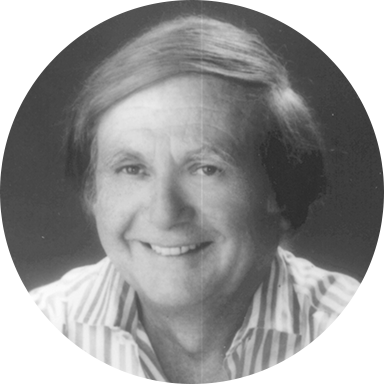
John Cacavas

John Cacavas brings decades of professional scoring experience to his work as a composer and arranger. His career has spanned television, film, and concert music, with credits including over 400 television hours, 50 TV movies, and 15 feature films. A graduate of Northwestern University with a degree in Composition and Theory, Cacavas served as an arranger with the United States Army Band in Washington, D.C., where he refined his craft within one of America's most respected musical institutions.

Beyond his film and television work, Cacavas has contributed significantly to music education through his published texts on orchestration and music arranging. His arrangements and compositions are built on a deep understanding of instrumental writing and the practical needs of musicians at all levels.

Why we love this

Cacavas crafted these trios with a musician's ear for what works on three clarinets. The collection spans centuries of musical styles (from Bach to Tchaikovsky, folk traditions to Broadway) without sacrificing the clarity and balance that make trio playing rewarding. Directors appreciate that these arrangements maintain distinctive character and musicality while remaining genuinely playable for developing ensembles.

What to expect

The collection moves effortlessly between familiar classics and recognizable tunes, creating moments of genuine musicality even in shorter arrangements. Each trio has its own character, whether rollicking (like the Can-Can), lyrical (Swan Lake, Barcarolle), or spirited (Havah Nagila), keeping rehearsals engaging and performances fresh.

Who it's for

This collection serves clarinets in grades 5-8 who are ready for small ensemble work but still developing their independence and listening skills. It works equally well for three players in a private studio or for selecting trios from a mixed band or orchestra rehearsal.

How to get the most out of it

  • Balance the three parts by having the melody lead; resist the urge to make the accompanimental voices too prominent, even when they contain interesting figures.
  • Listen carefully for the underlying harmonic progression, which will help the group lock together and shape phrases as an ensemble rather than three individuals.
  • Vary articulation slightly among the three voices to clarify texture and part independence, especially in arrangements with distinct accompanying patterns.

How to use it

Use individual trios as concert filler between larger ensemble pieces, programming them by mood or era to create a varied recital. You might also pull three trios from the collection to form a short standalone concert of clarinet chamber music, showcasing how well young players are developing their ensemble listening and balance.

Skills your students will build

  • Balancing melodic and accompanimental roles within a small ensemble
  • Listening to and matching intonation with two other players
  • Maintaining rhythmic independence while staying synchronized with peers
  • Shaping phrases and creating musical direction in a trio texture
  • Reading and interpreting stylistically diverse arrangements (folk, classical, jazz-influenced)

You May Also Like