
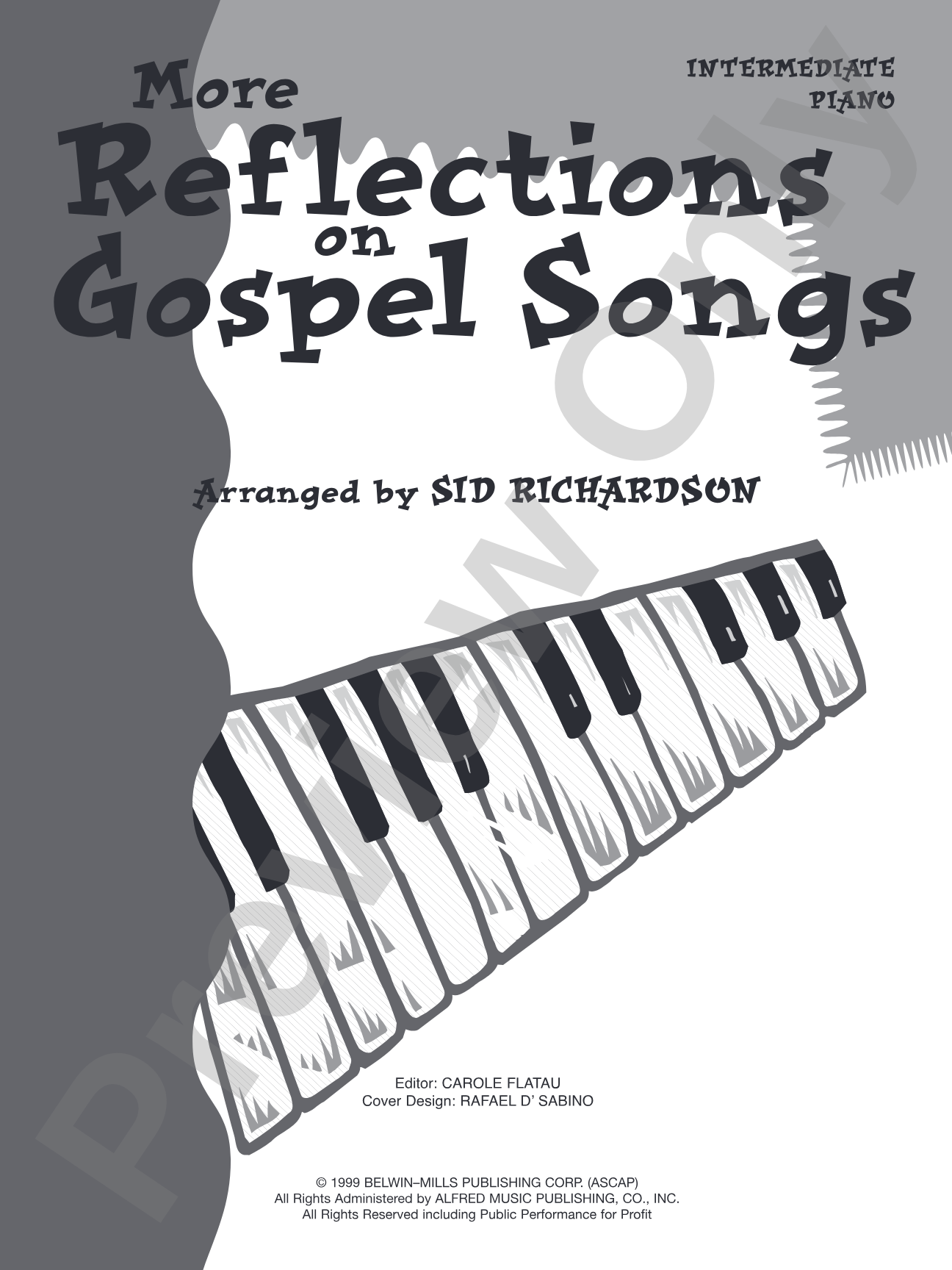

More Reflections on Gospel Songs: Piano Solo Arrangements of Gospel Favorites: Piano
Piano Solo Arrangements of Gospel Favorites
Arranged by Sid Richardson
Level: Late Intermediate (4-5)
Item: 00-PB-0001962
$9.99
Pickup currently not available
Related Items
More Reflections on Gospel Songs: Piano Book |
$9.99
|
View |
Description
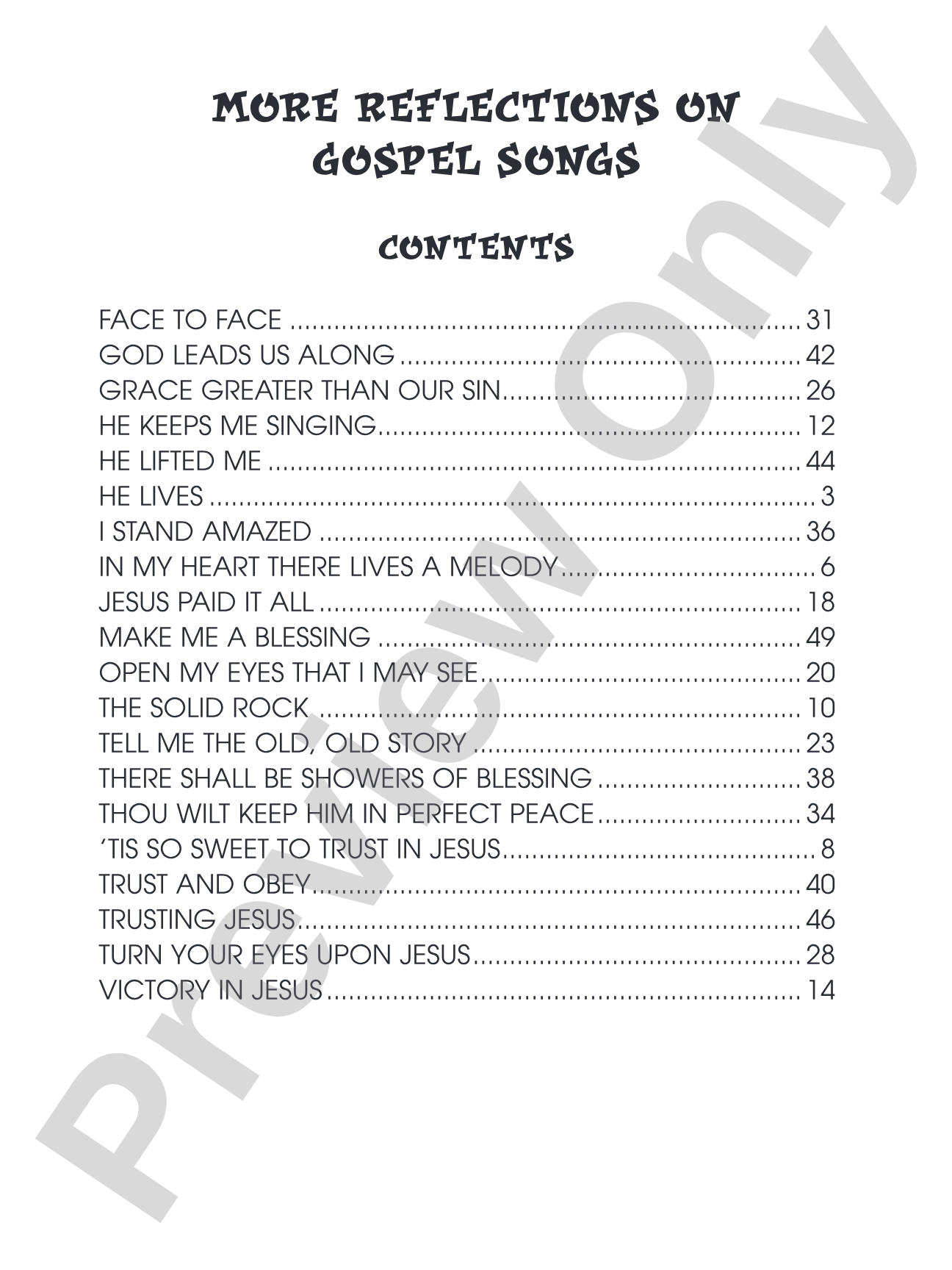
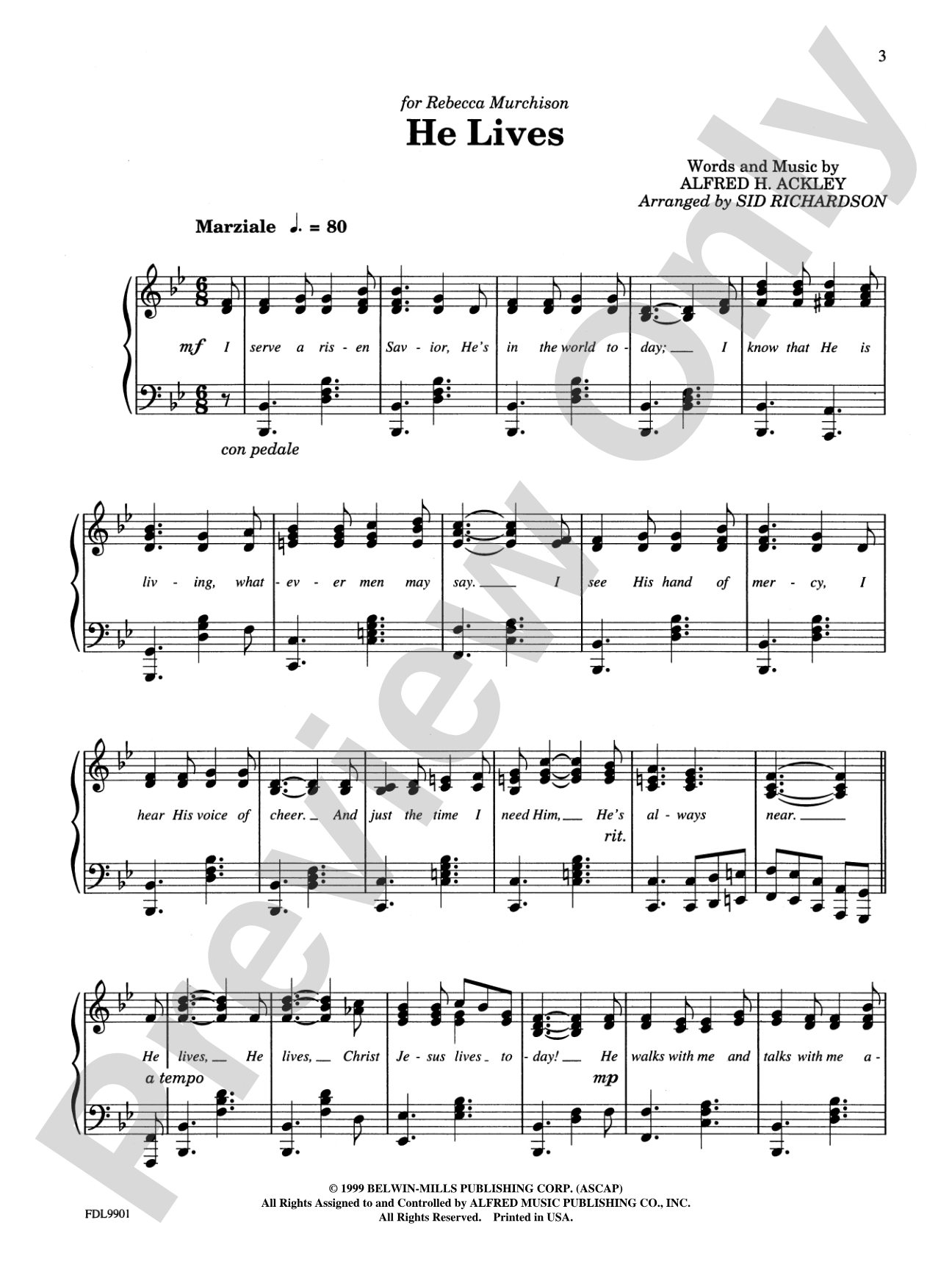
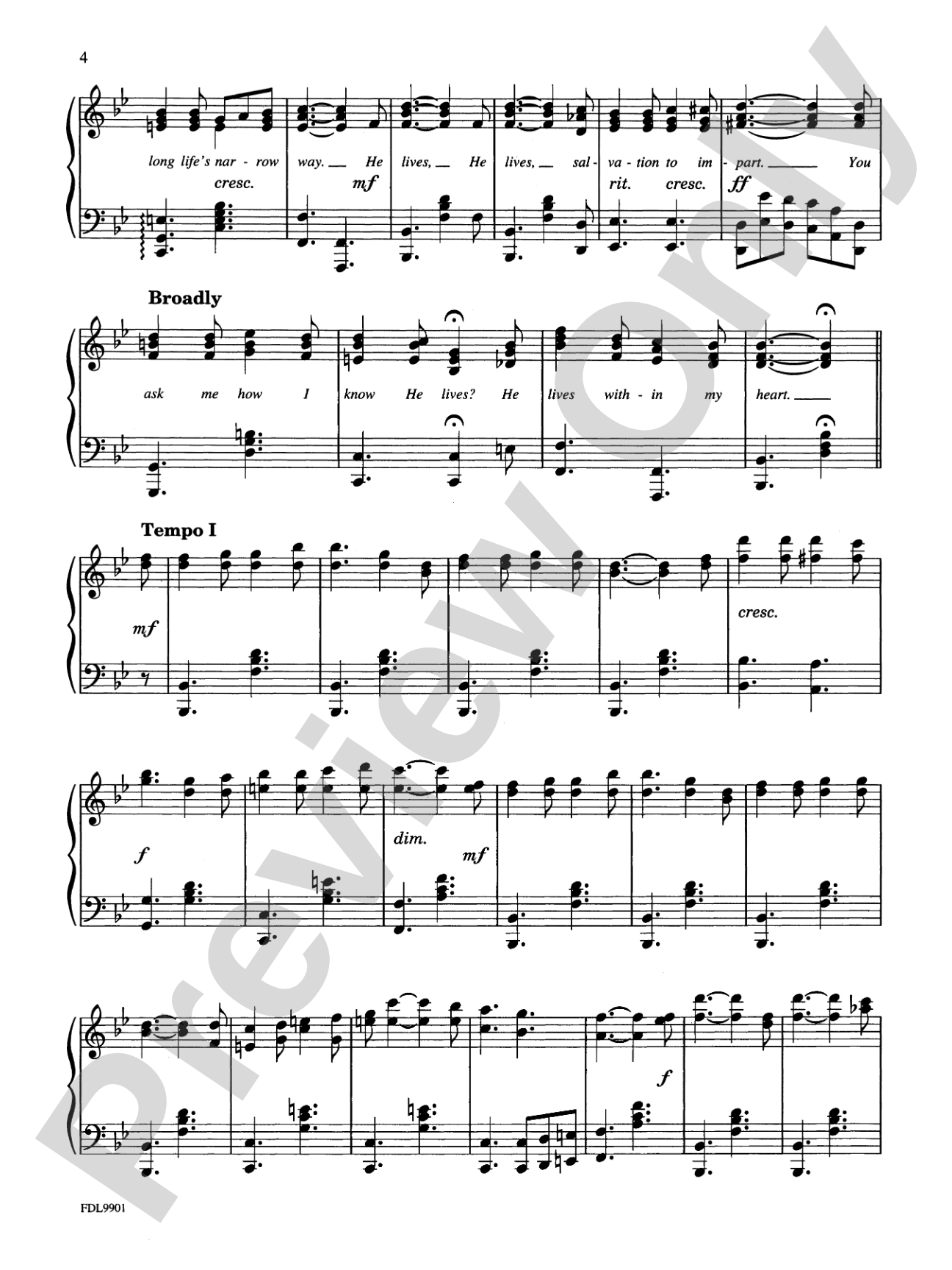
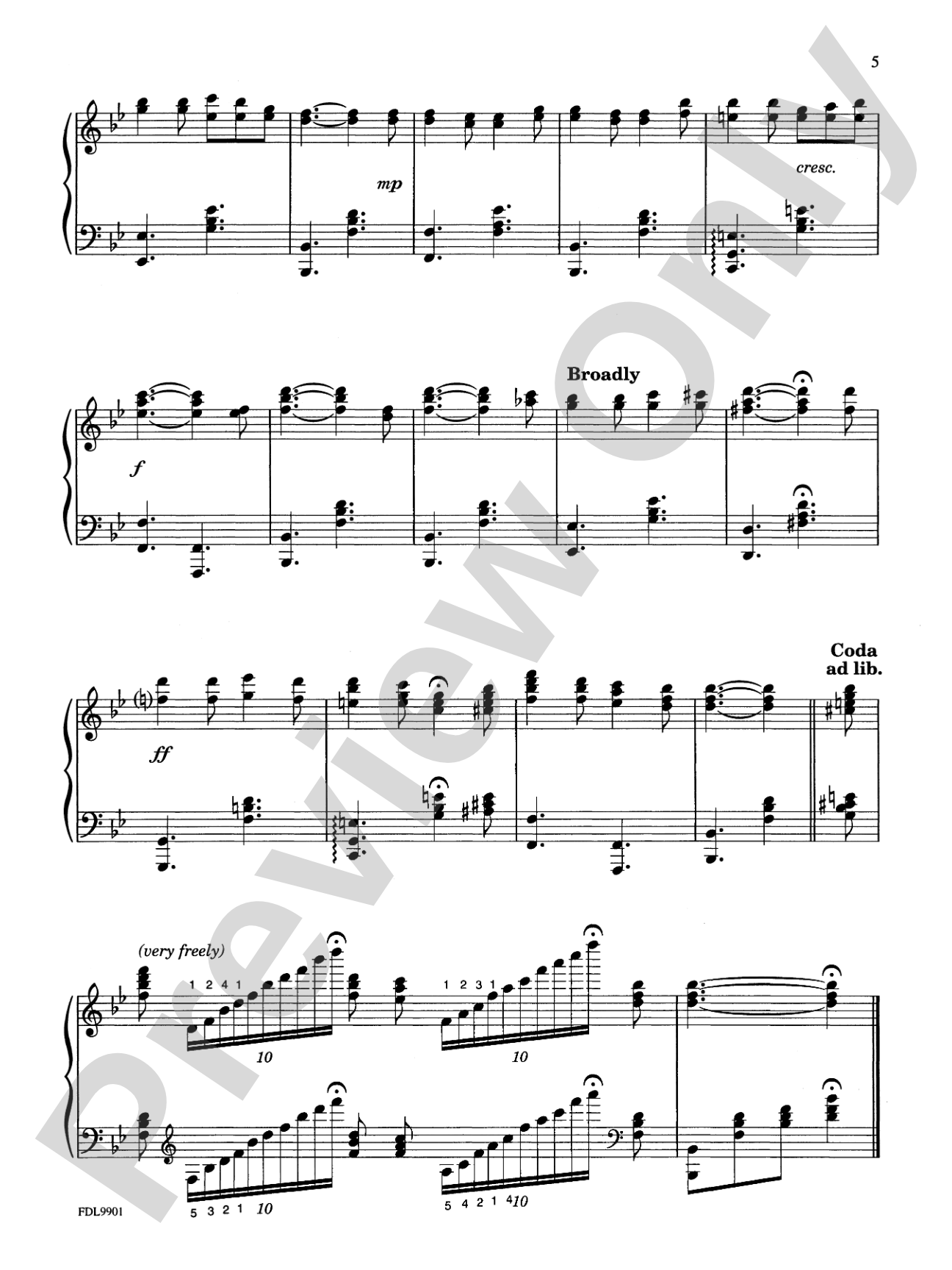
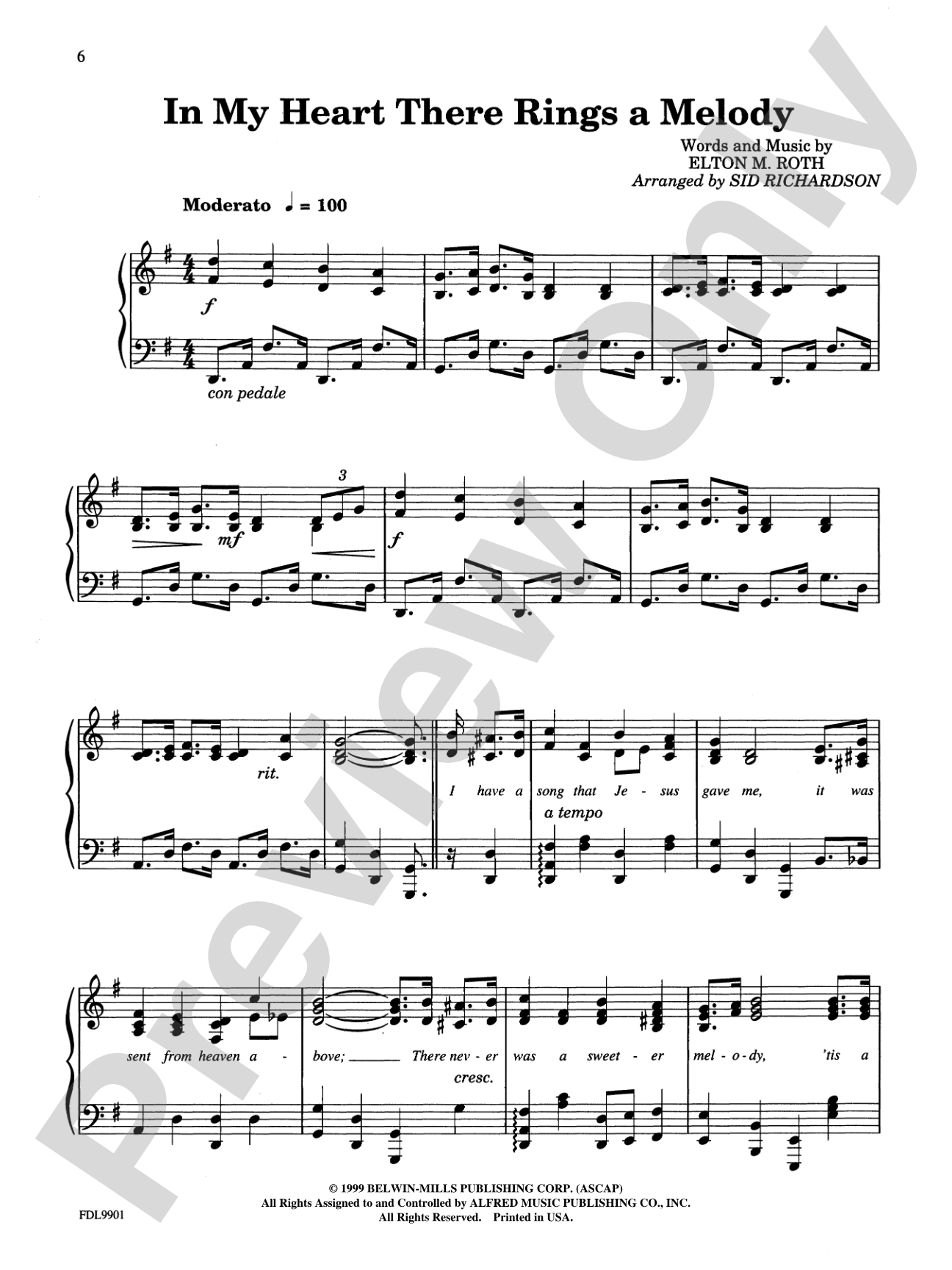
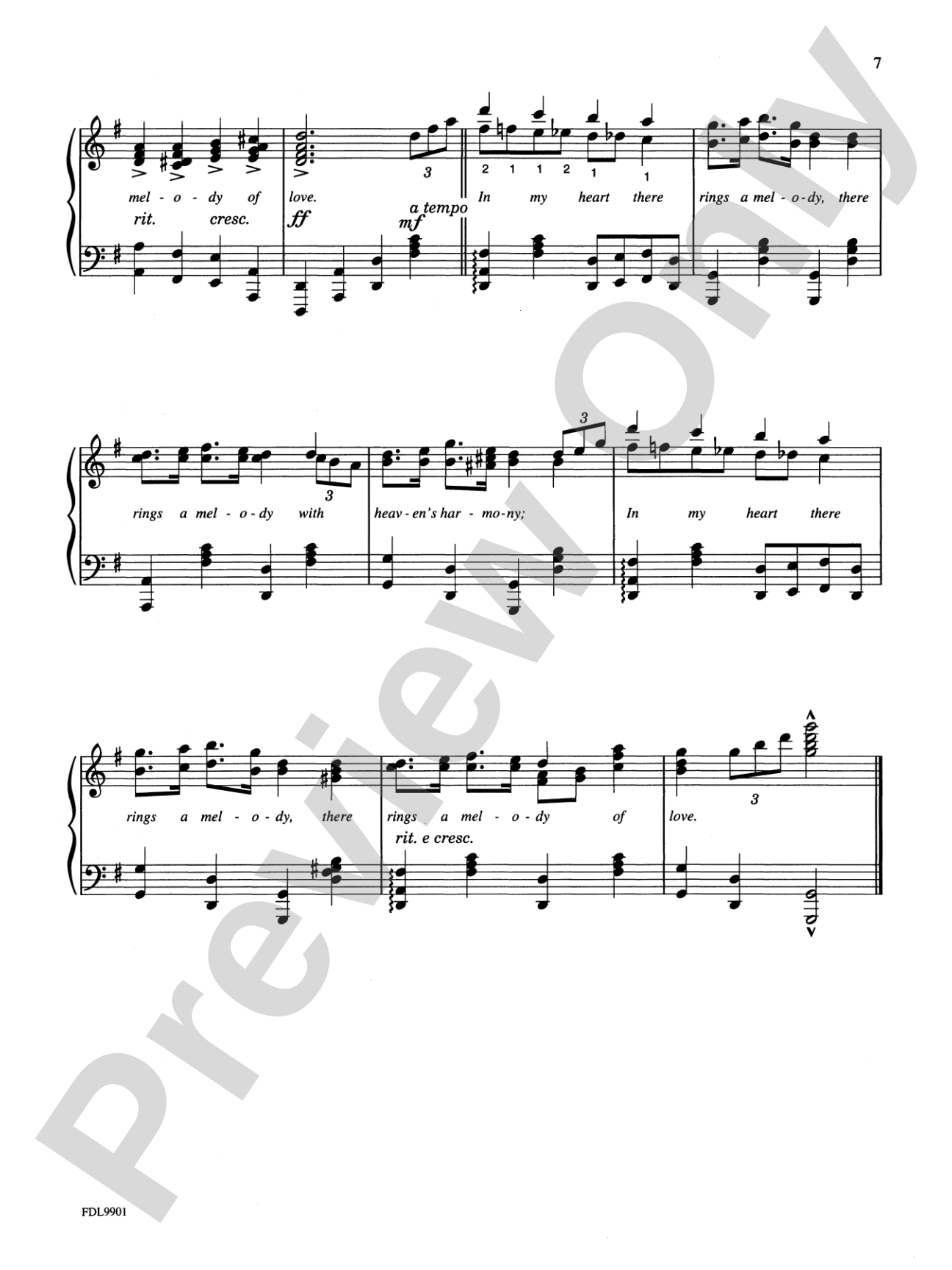
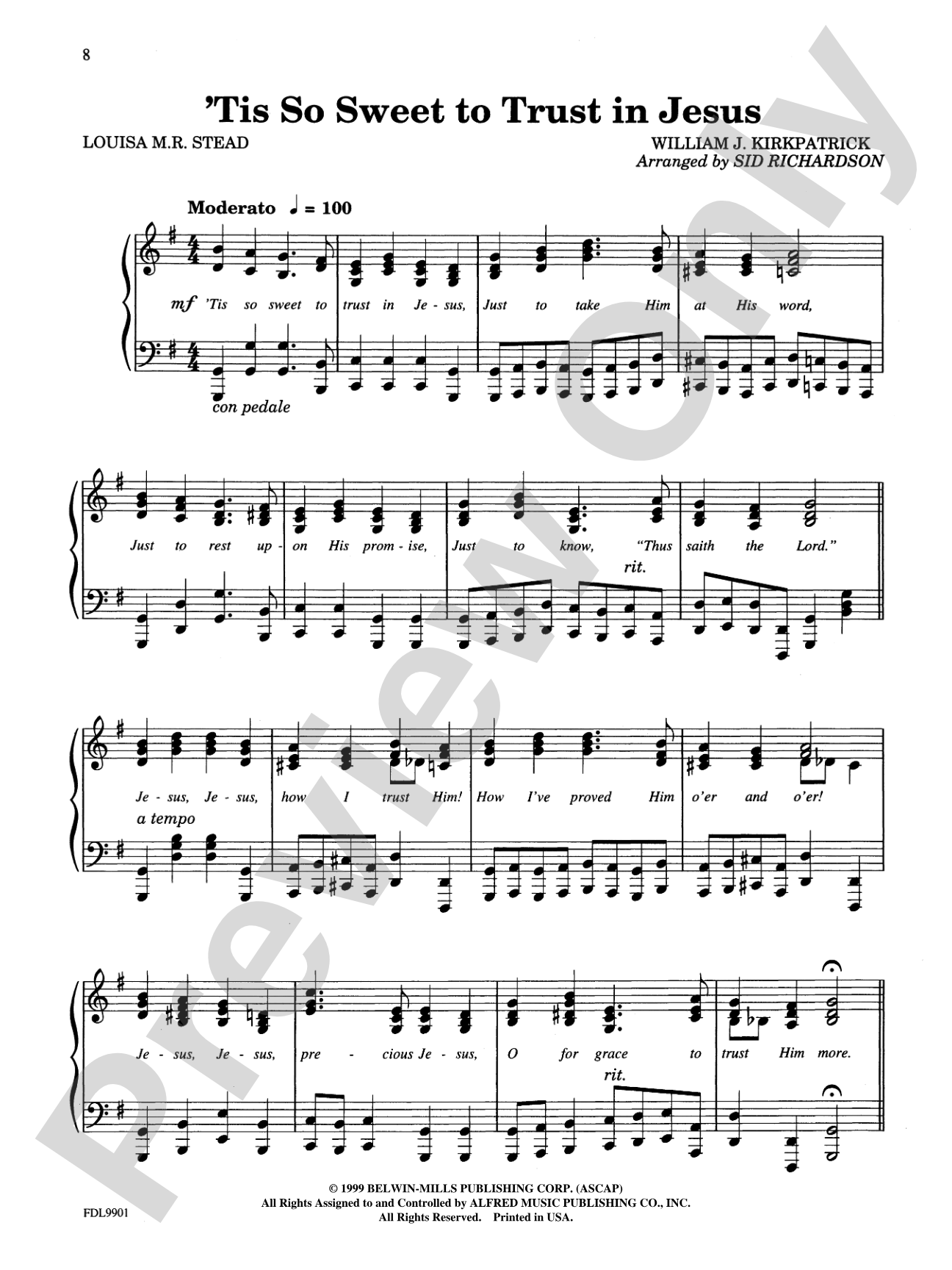
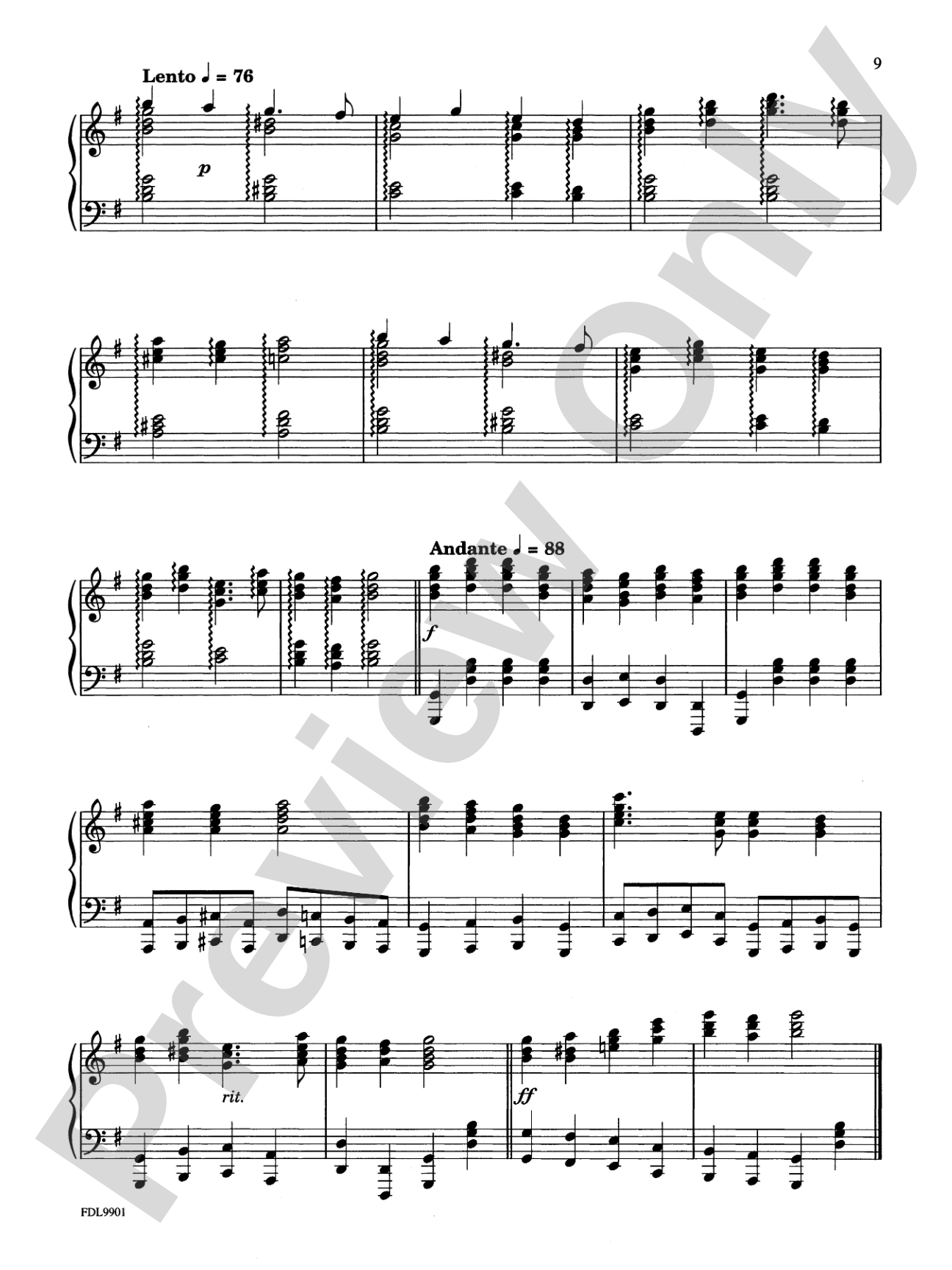
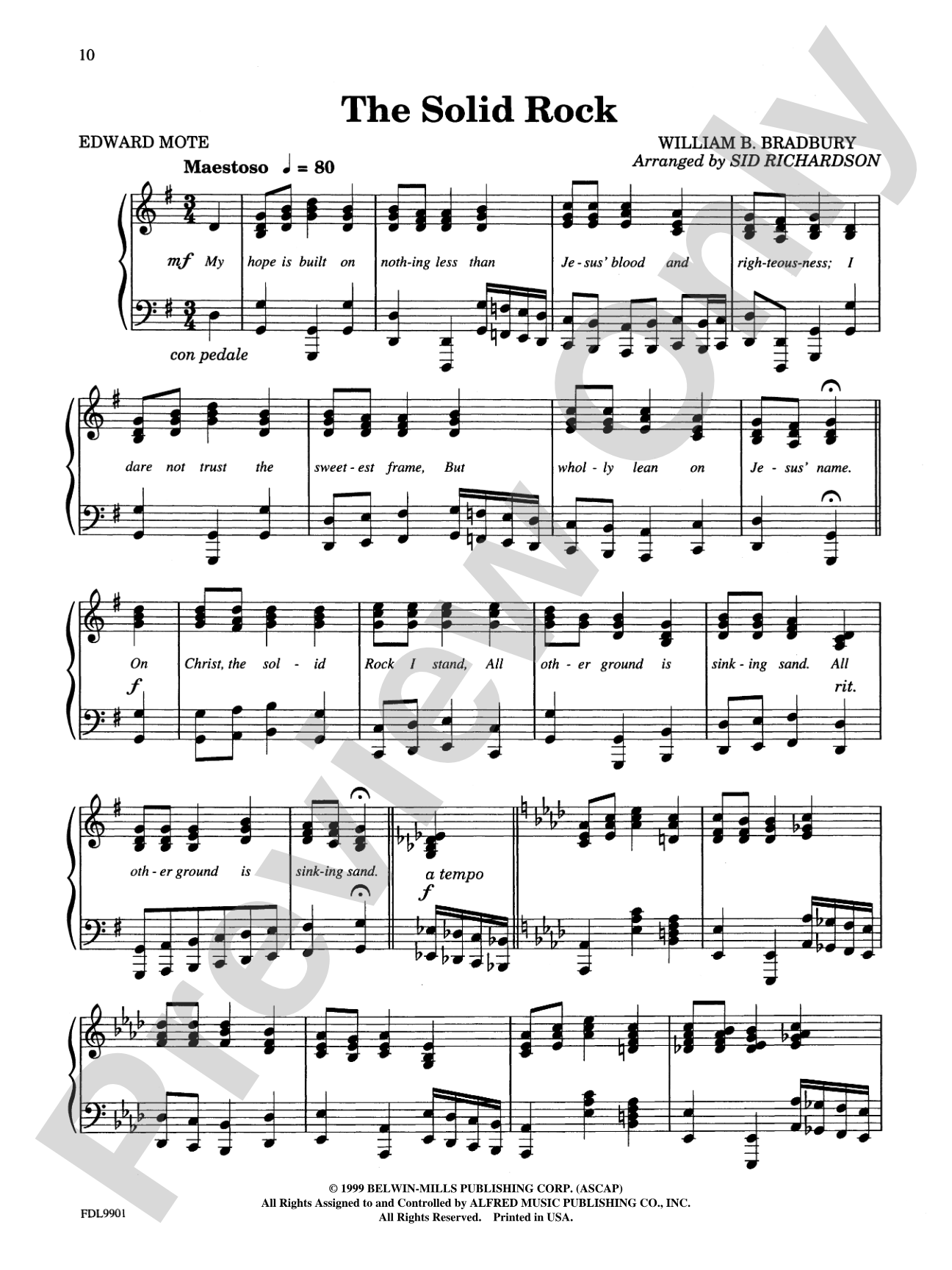
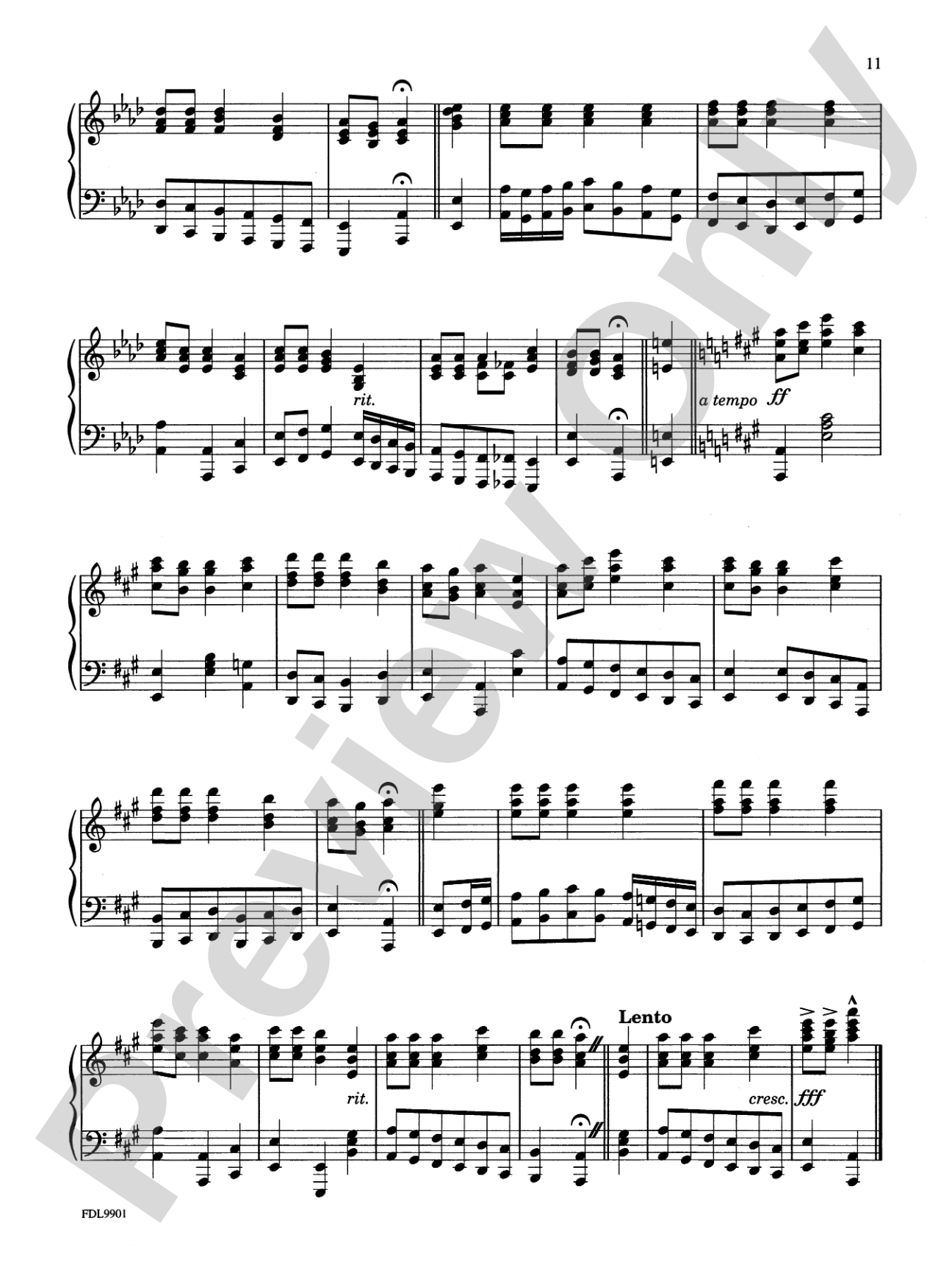
Church pianists have asked Sid Richardson to create more gospel song arrangements - and here they are. Teachers have also requested them; they are a wonderful tool for teaching improvisation techniques. There are 20 solos, each one arranged to capture the message of the song. Styles vary, ranging from peaceful and meditative to solid and energetic. Each is totally pianistic, and in good taste. This is a collection that will get lots of use!


More Reflections on Gospel Songs: Piano Solo Arrangements of Gospel Favorites: Piano isn't in MakeMusic Cloud just yet...but it could be. Let us know you'd like to see it, and you'll help shape what comes next. In the meantime, start a free trial and dive into thousands of interactive titles your students can play along with today.
Request This Title
Tell us you want it.
Start Your Free Trial
Explore everything that's ready to play right now.
Sample Audio
No sample audio found.
Sample Video
No sample videos found.
Additional Details
Series:
David Carr Glover Christian Piano Library
Publisher:
Alfred Music
Page Count:
52
SKU:
00-PB-0001962
More about this title
About the Arranger: Sid Richardson
Sid Richardson has built a reputation for creating gospel arrangements that honor both the spiritual substance of the music and the capabilities of pianists at varying levels. His work in the Glover Christian Library reflects a deep understanding of how arrangement can serve teaching as much as performance, making him a trusted voice for church musicians seeking accessible yet musically satisfying material.
Why we love this
Richardson's gift here is restraint combined with personality. These arrangements don't oversell the material or bury the melodies in unnecessary flourishes. Instead, each one finds a distinct voice that fits the song's character, making this collection feel like 20 separate discoveries rather than variations on a template. The fact that they're explicitly designed to teach improvisation means you're building toward student independence, not just filling rehearsal time.
What to expect
These pieces carry the spiritual warmth of gospel music while maintaining the sophistication and control that late intermediate pianists can genuinely achieve. You'll find moments of introspection alongside passages that invite energy and life; the collection as a whole breathes with the kind of musicality that makes people listen rather than just hear.
Who it's for
Church pianists looking for substantive solo material that works for Sunday services, special music programs, or their own continued growth. Teachers who want to deepen students' improvisational skills while keeping them grounded in the gospel tradition.
How to get the most out of it
- Treat the style markings as genuine instructions for character, not just tempo. The range from peaceful to energetic reflects actual emotional content in the gospel tradition, and honoring those distinctions will make the difference between pleasant playing and compelling music.
- Listen to recorded versions of these gospel standards before you sit down to learn them. The vocabulary of gospel piano (rhythmic flexibility, call and response phrasing, implied harmonies) lives in the tradition itself, not just on the page.
- When introducing improvisation work, start by having students play the written arrangement several times first. Knowing the harmonic journey and the song's message gives them ground to stand on when they venture into their own variations.
How to use it
Consider featuring individual solos during services or special music events, where their varied styles create natural variety across a program. In the classroom, use them as the foundation for improvisation units: students master the written arrangement first, then gradually construct their own variations using the harmonic and stylistic scaffolding Richardson provides.
Skills your students will build
- Improvisation over gospel harmonic changes
- Stylistic interpretation of spiritual and sacred music
- Left hand independence and rhythmic flexibility
- Voice leading and chord substitution within a spiritual context
- Pedal control for sustained, resonant sonorities
- Reading and executing style markings that affect phrasing and articulation