More Festive Strings for Ensemble Cover Image

More Festive Strings for Ensemble: Cello Ensemble

$7.95 USD
Sale price  $7.95 USD Regular price 
Skip to product information
More Festive Strings for Ensemble Cover Image

More Festive Strings for Ensemble: Cello Ensemble

Arr. and ed. Joanne Martin

Item: 00-0975

$7.95
Shipped

One moment…

Description
More Festive Strings is a collection of well-known Christmas and Chanukah melodies arranged to meet the needs of individuals, groups and orchestras. In order to provide flexibility, the collection is available in a number of instrumentations, all of which are compatible with each other. Accessible keys have been used and shifting is kept to a minimum. Titles: O Chanukah * Angels We Have Heard on High * We Three Kings * Silent Night in D Major * We Wish You a Merry Christmas * O Come All Ye Faithful * Dreydl * Silent Night in G Major * Good King Wenceslas * What Child Is This (Greensleeves).

More Festive Strings for Ensemble: Cello Ensemble isn't in MakeMusic Cloud just yet...but it could be. Let us know you'd like to see it, and you'll help shape what comes next. In the meantime, start a free trial and dive into thousands of interactive titles your students can play along with today.

Sample Pages

Sample Audio
No sample audio found.
Sample Video
Additional Details
Publisher: Alfred Music
Page Count: 24
ISBN10: 0-87487-975-2
ISBN13: 978-0-87487-975-9
UPC: 029156953688
SKU: 00-0975
Instrumentation: Cello Ensemble

More about this title

About the Arranger: Joanne Martin
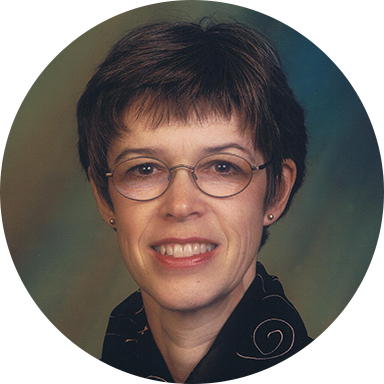
Joanne Martin

Joanne Martin brings decades of experience across multiple roles: chamber musician, orchestral performer, Suzuki pedagogue, and prolific arranger. Based between Canada and France, she has performed with ensembles including the Winnipeg Symphony Orchestra and Manitoba Chamber Orchestra, and earned recognition as a Suzuki Teacher Trainer with the Suzuki Association of the Americas and European Suzuki Association. In 2007, she received the American Suzuki Institute's Suzuki Chair Award for her contributions to talent education.

Martin's arrangements are built on deep pedagogical insight. Her I Can Read Music series became the standard beginning note-reading method for Suzuki students worldwide. Her ensemble works, including the Festive Strings and Folk String series, ViolaFest, and Trio Tapestry, are designed with flexibility at their core, allowing teachers to blend multiple levels and instrumental colors in a single rehearsal. This practical approach to scoring has made her publications classroom staples.

Why we love this

Martin understands what actually happens in a school music program: mixed ability levels, odd instrument combinations, and the need to move repertoire efficiently into performance. These arrangements sit in comfortable keys, minimize shifting, and work beautifully whether you're running a full ensemble or filling a gap with available players. Ten recognizable melodies means you can program this as a complete concert block or pull individual selections to fit your winter calendar.

What to expect

Immediate and unpretentious. These arrangements honor the melodies without embellishment, you hear why people have sung these songs for generations. There's warmth in the cello's natural register and a quiet satisfaction in the harmony that develops across the ensemble.

Who it's for

Cello ensembles spanning beginner to intermediate levels, school orchestras looking for flexible holiday programming, and any director juggling cellists with varying technical ability. This collection works equally well for a dedicated cello section, mixed strings with cello reinforcement, or chamber groups seeking accessible seasonal repertoire.

How to get the most out of it

  • Balance the melody line across your ensemble rather than assigning it to a single player. Even in a cello arrangement, passing the tune between sections creates warmth and prevents any one voice from sounding exposed.
  • Pay attention to Martin's articulation choices, they're minimal by design. Resist the urge to add extra bowings or style unless she's marked it. The restraint lets the familiar melodies breathe.
  • Adjust your rehearsal order by difficulty, not by the collection's sequence. Identify which pieces your students can secure fastest and schedule those for early rehearsals to build confidence before tackling the more rhythmically complex ones.
  • Record a run-through early and listen as a group. Hearing balance issues and intonation problems that your ears might miss in the moment accelerates refinement.

How to use it

Pull this out in October to build your December concert without wrestling with demanding transpositions or extended shifting passages. The dual Silent Night options (D and G major) let you program one version with your full ensemble and another with a smaller chamber group, or use the key change as a chance to feature different cellists. With ten titles, you can open a winter concert, fill an intermission, or build an entire set around these arrangements.

Skills your students will build

  • Reading multiple harmonic lines and identifying supporting voices vs. melody
  • Intonation in extended positions while maintaining accessibility
  • Ensemble balance and blend across the cello range
  • Sight-reading in various keys with minimal shifting demands
  • Rhythmic accuracy in straightforward meters with occasional syncopation

You May Also Like