
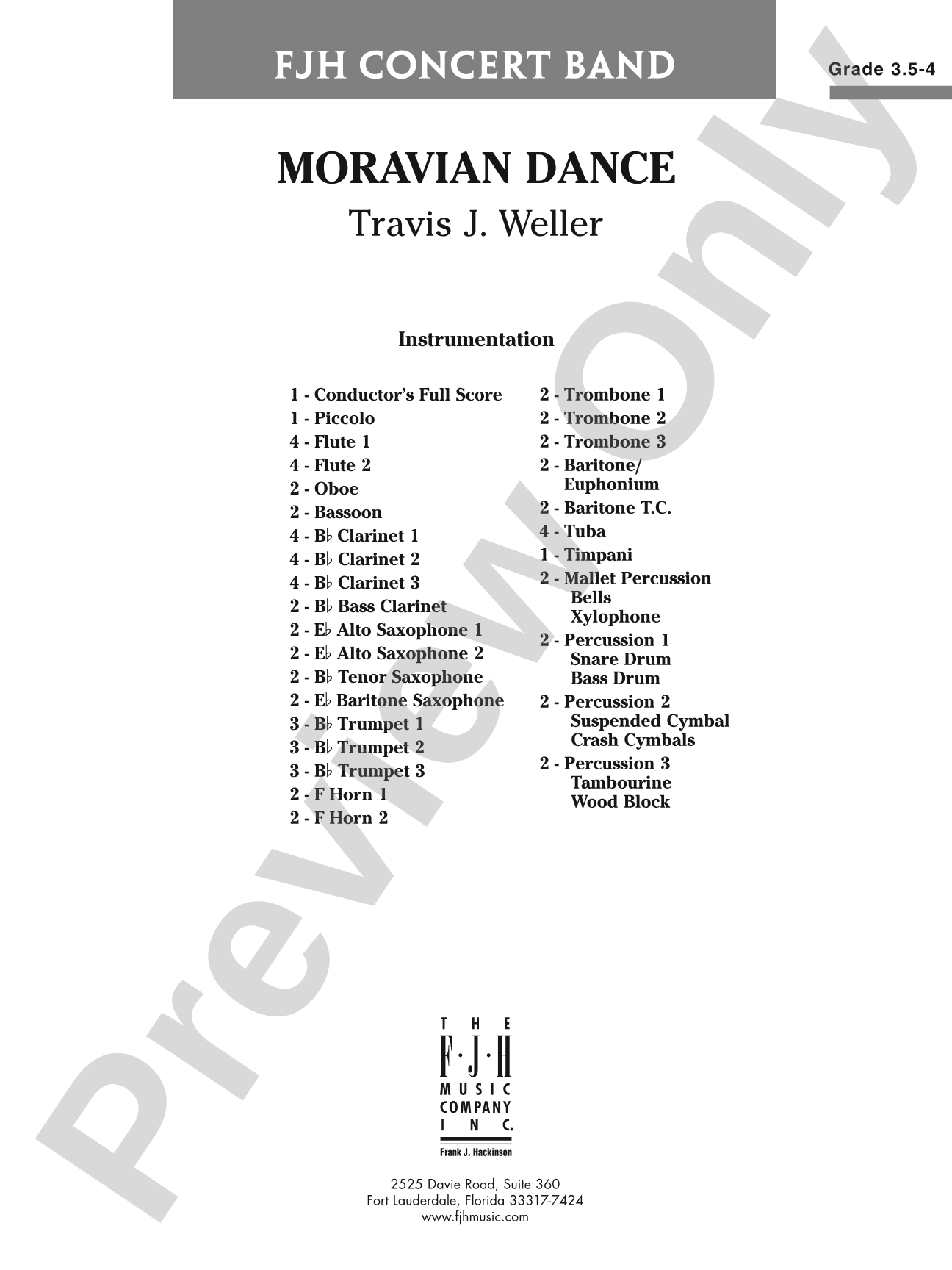
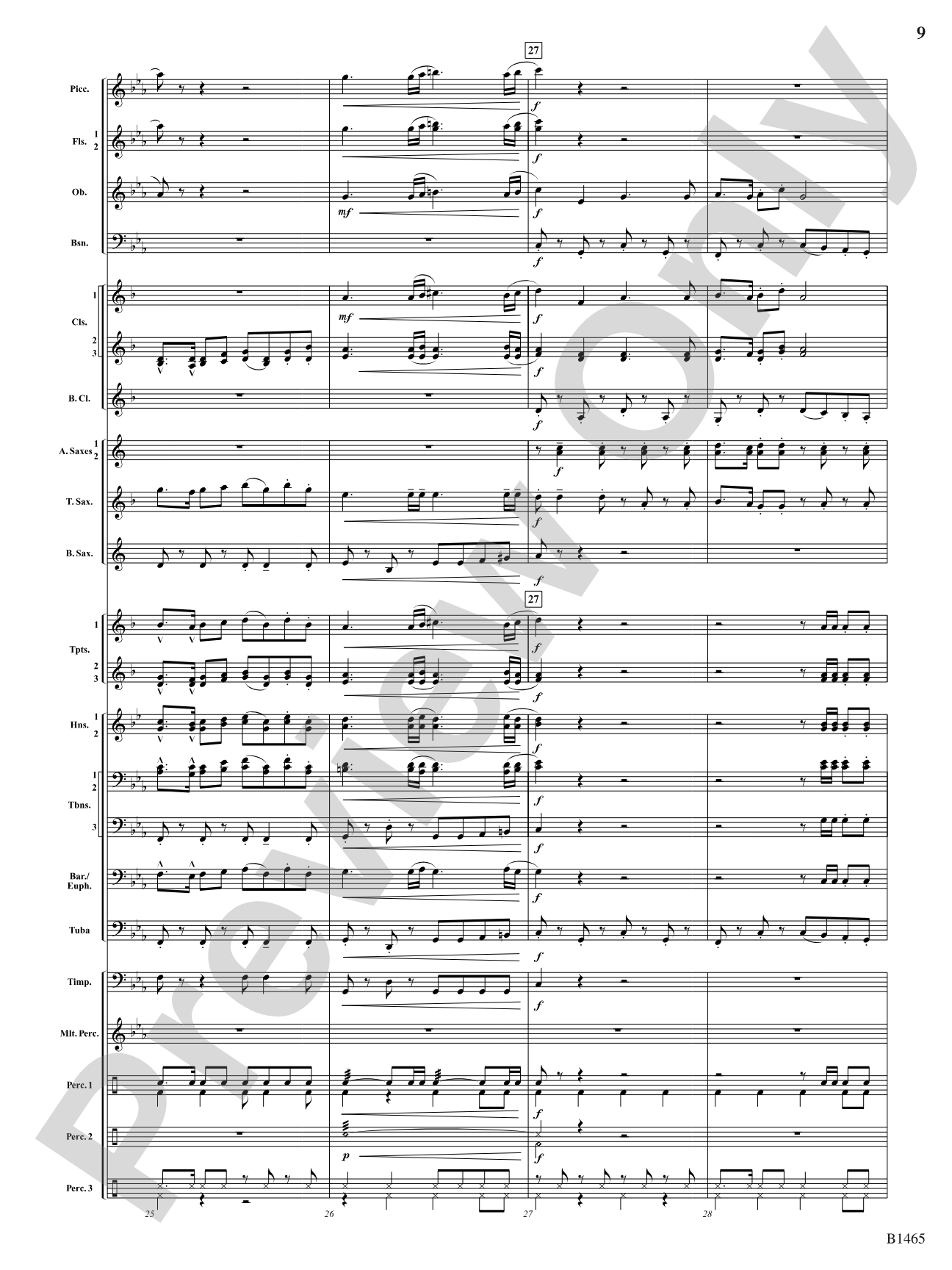
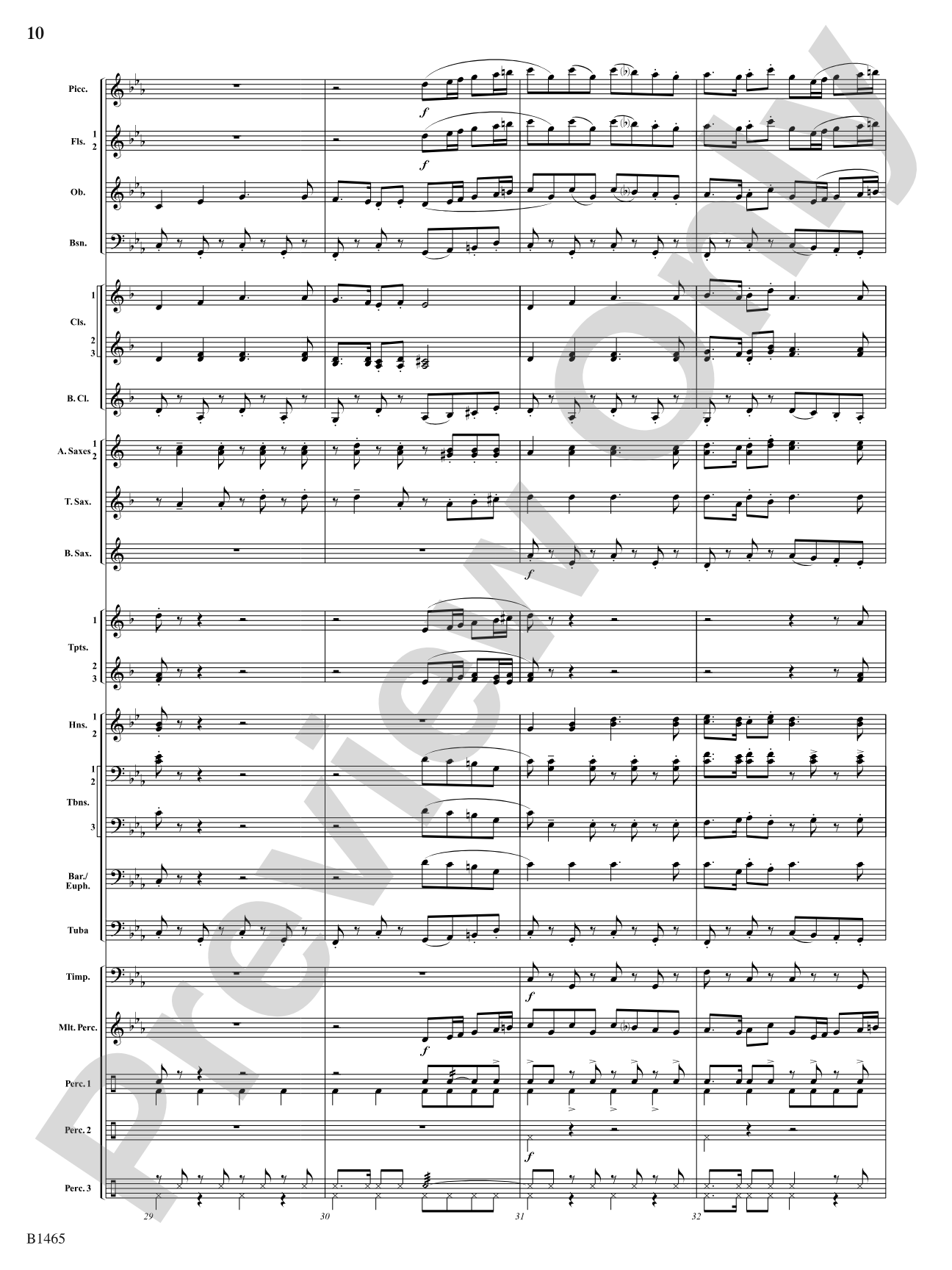
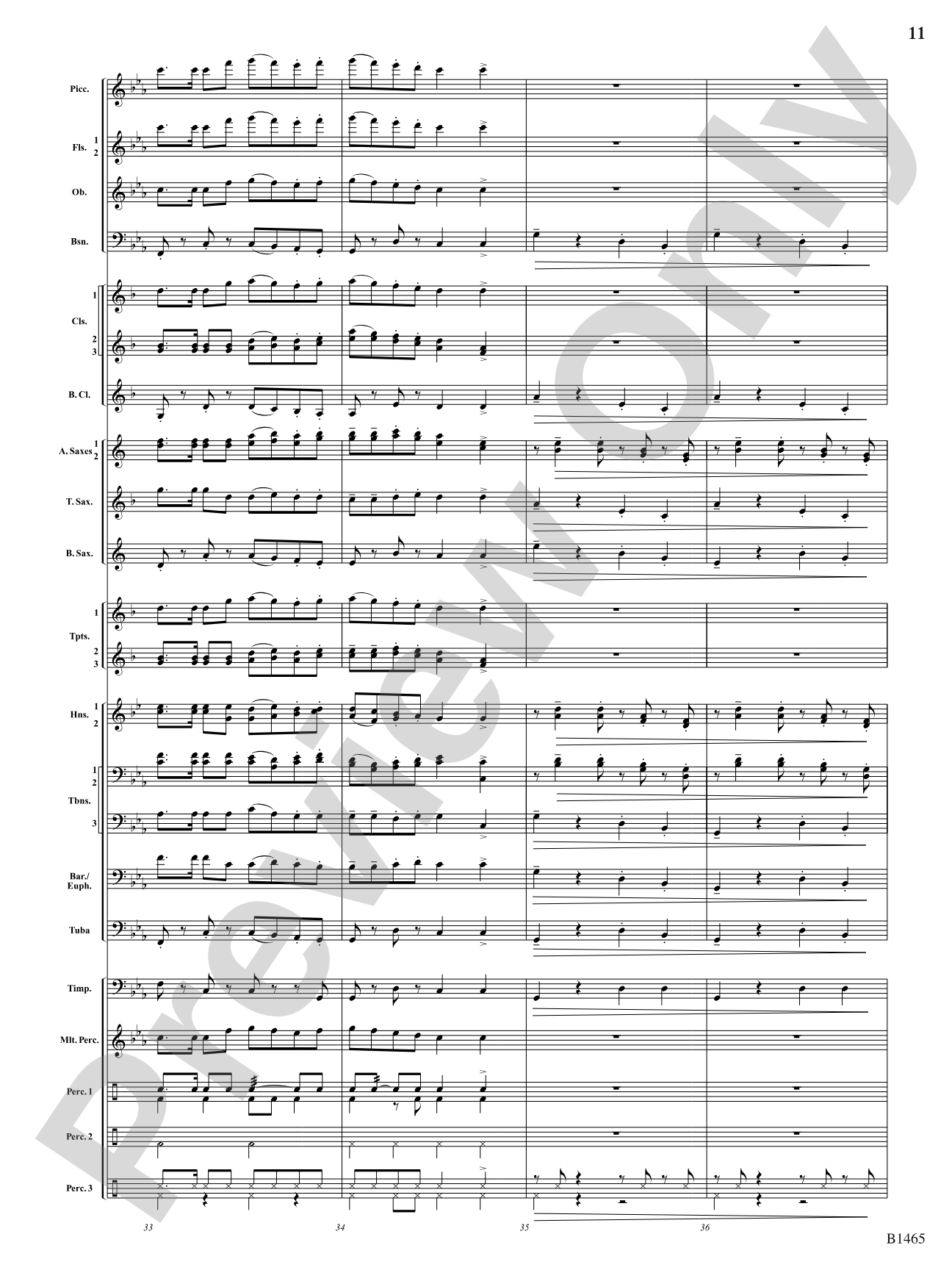
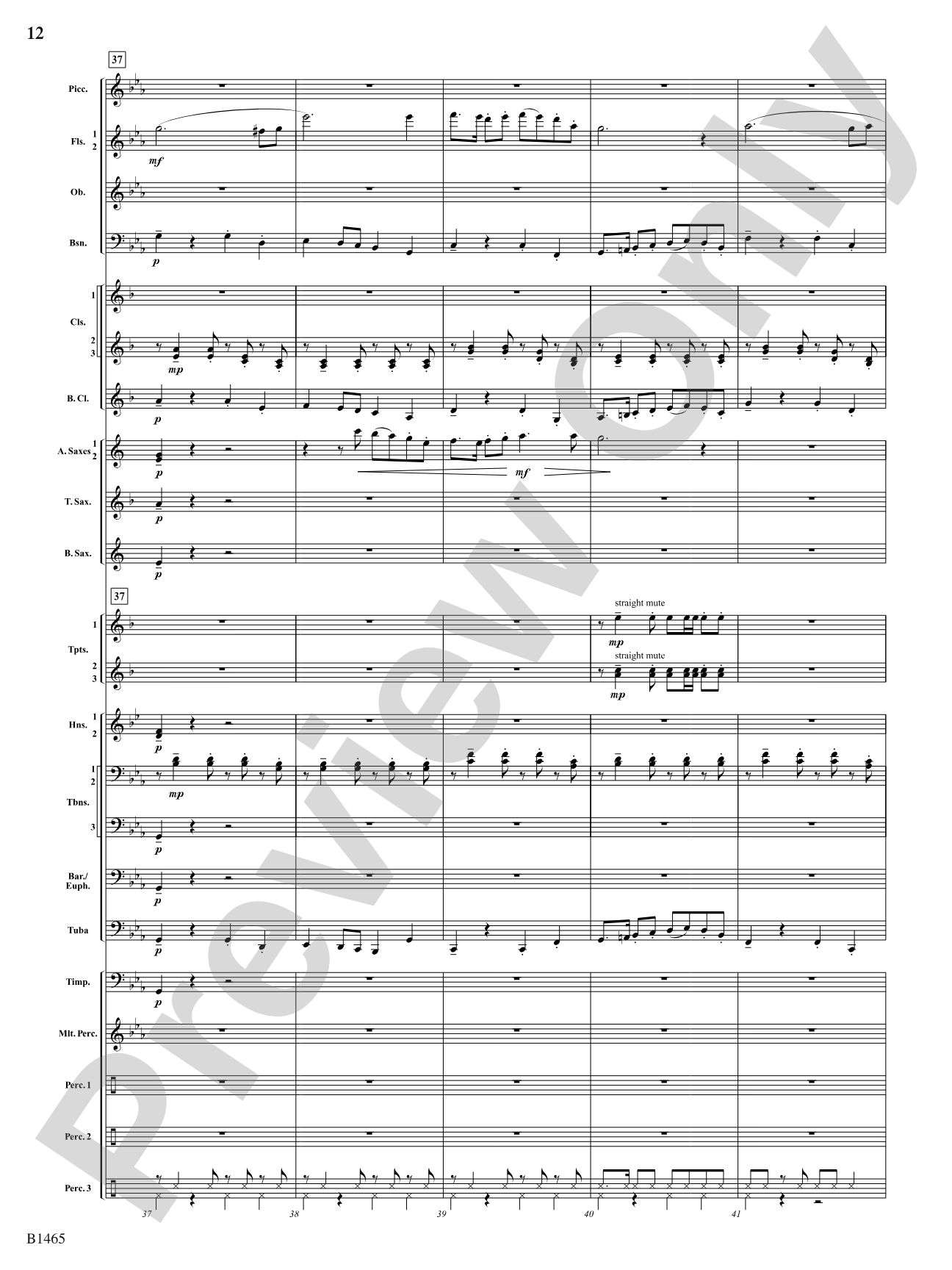
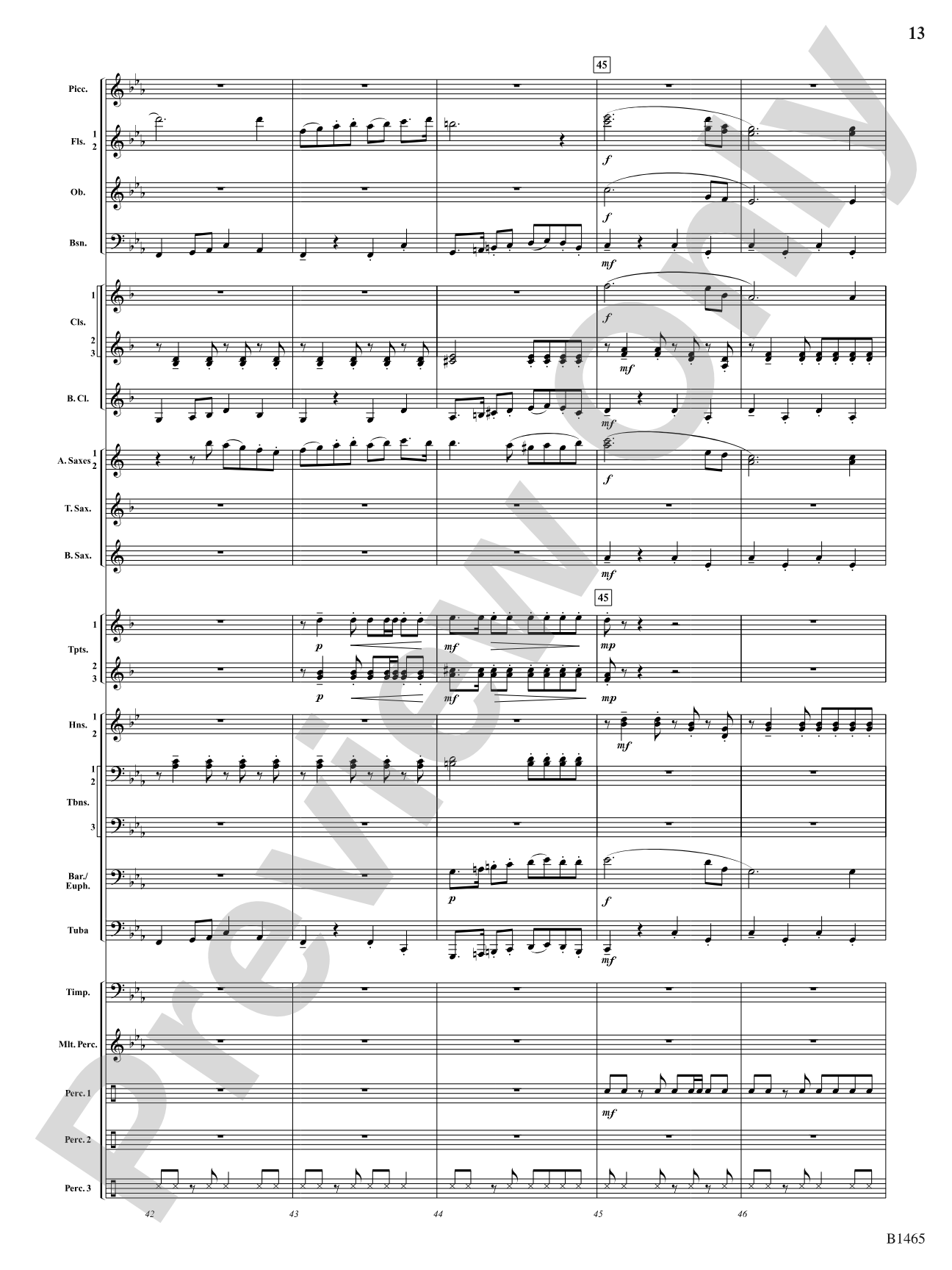
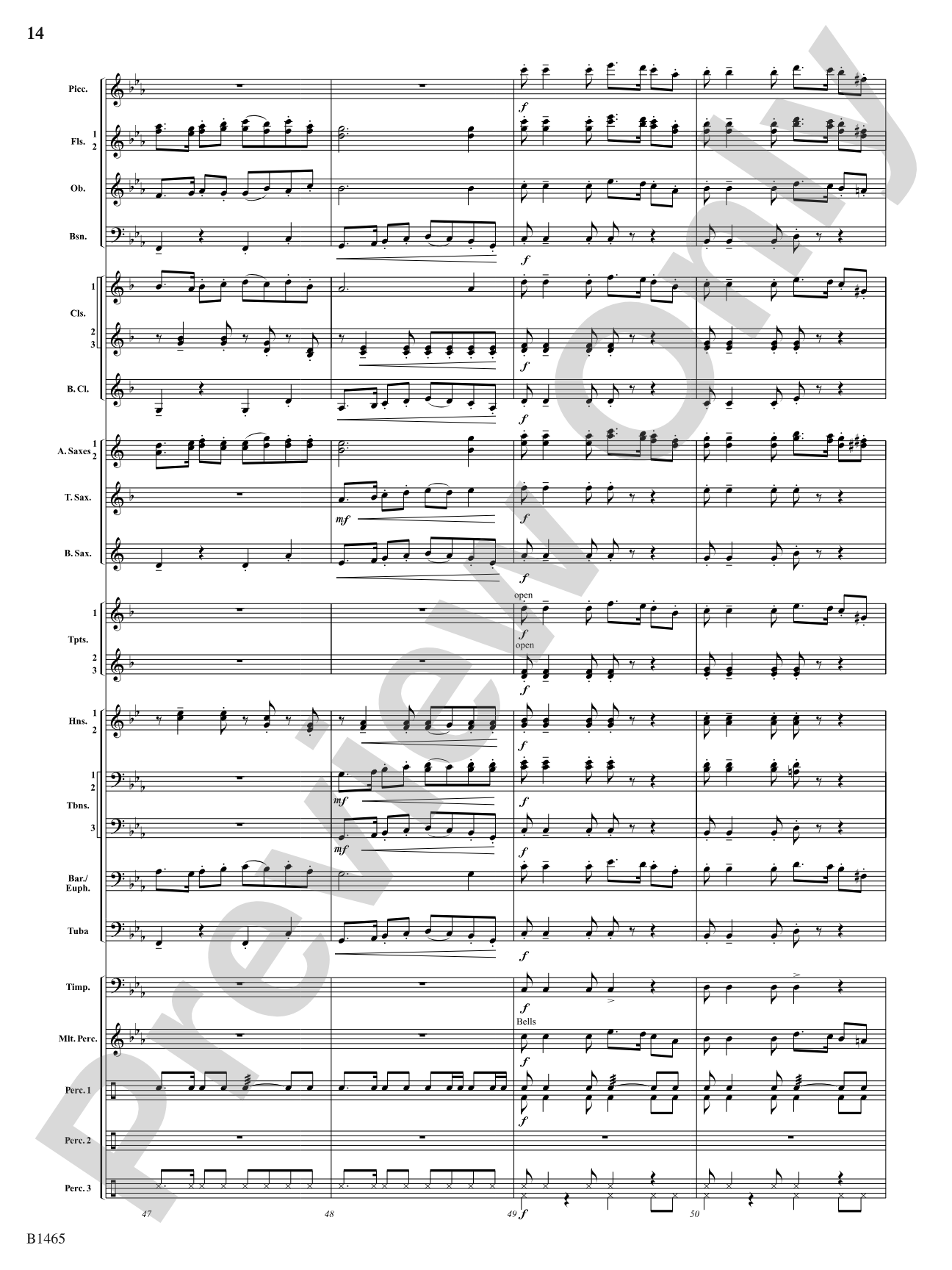
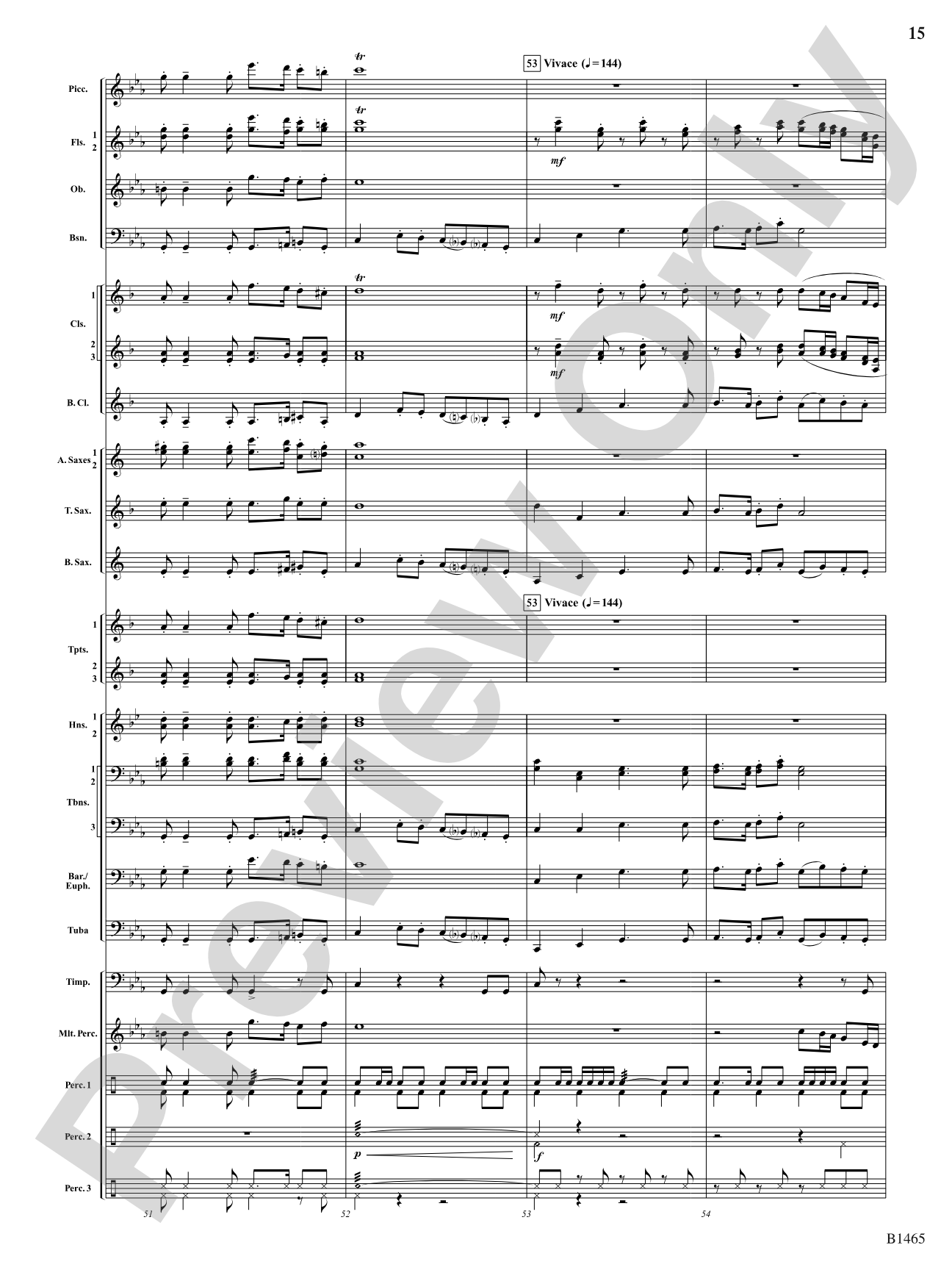
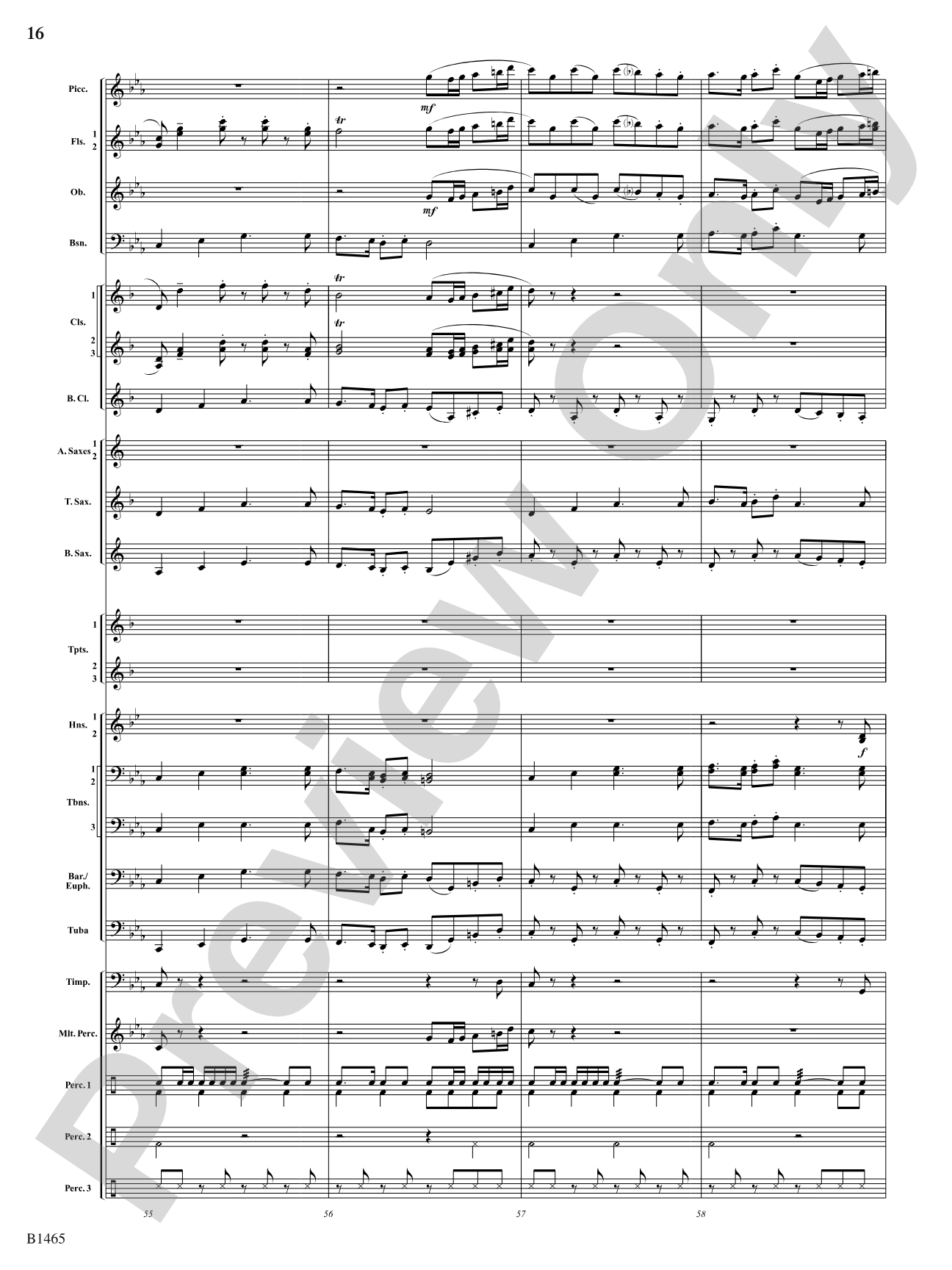
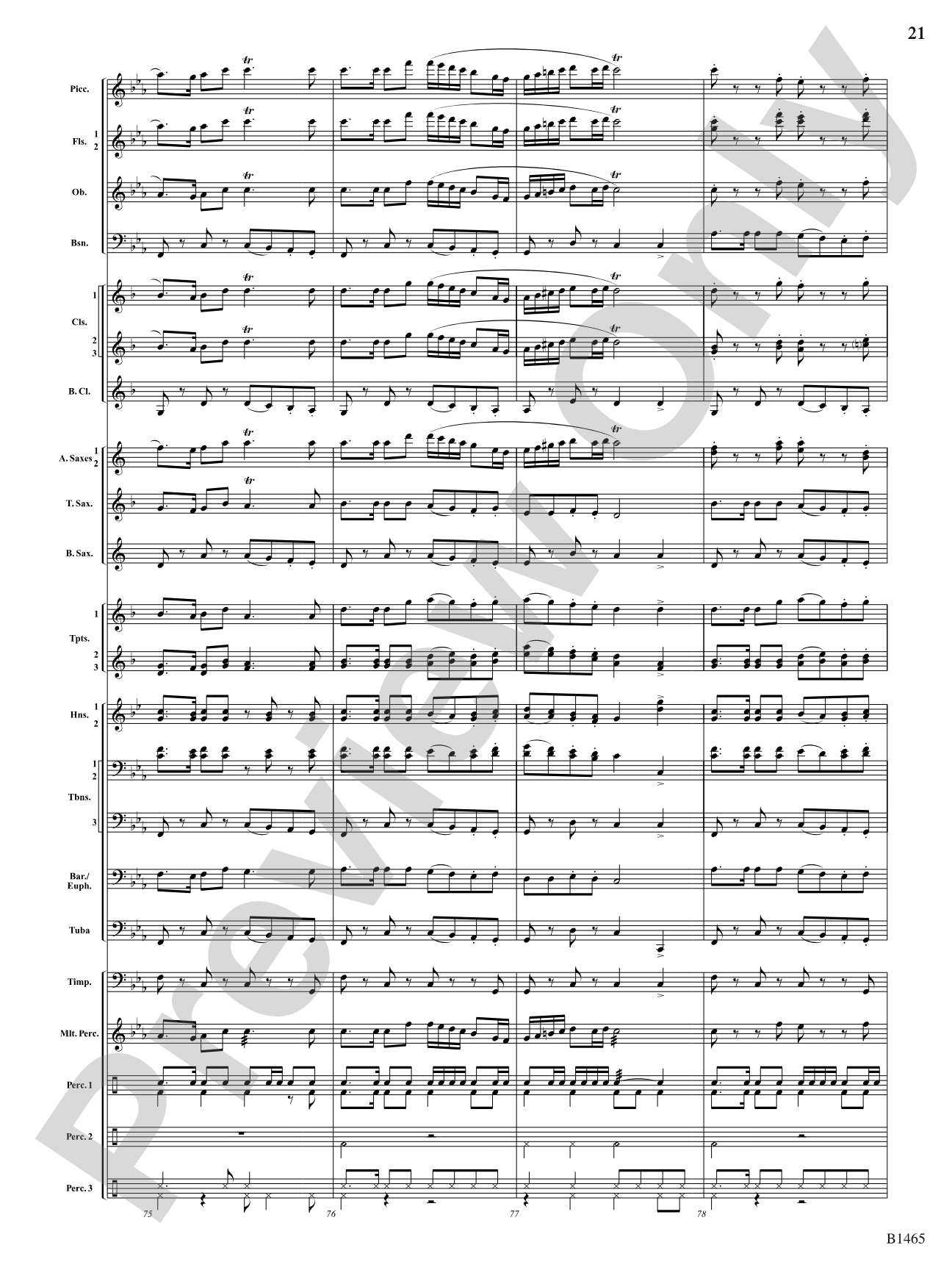
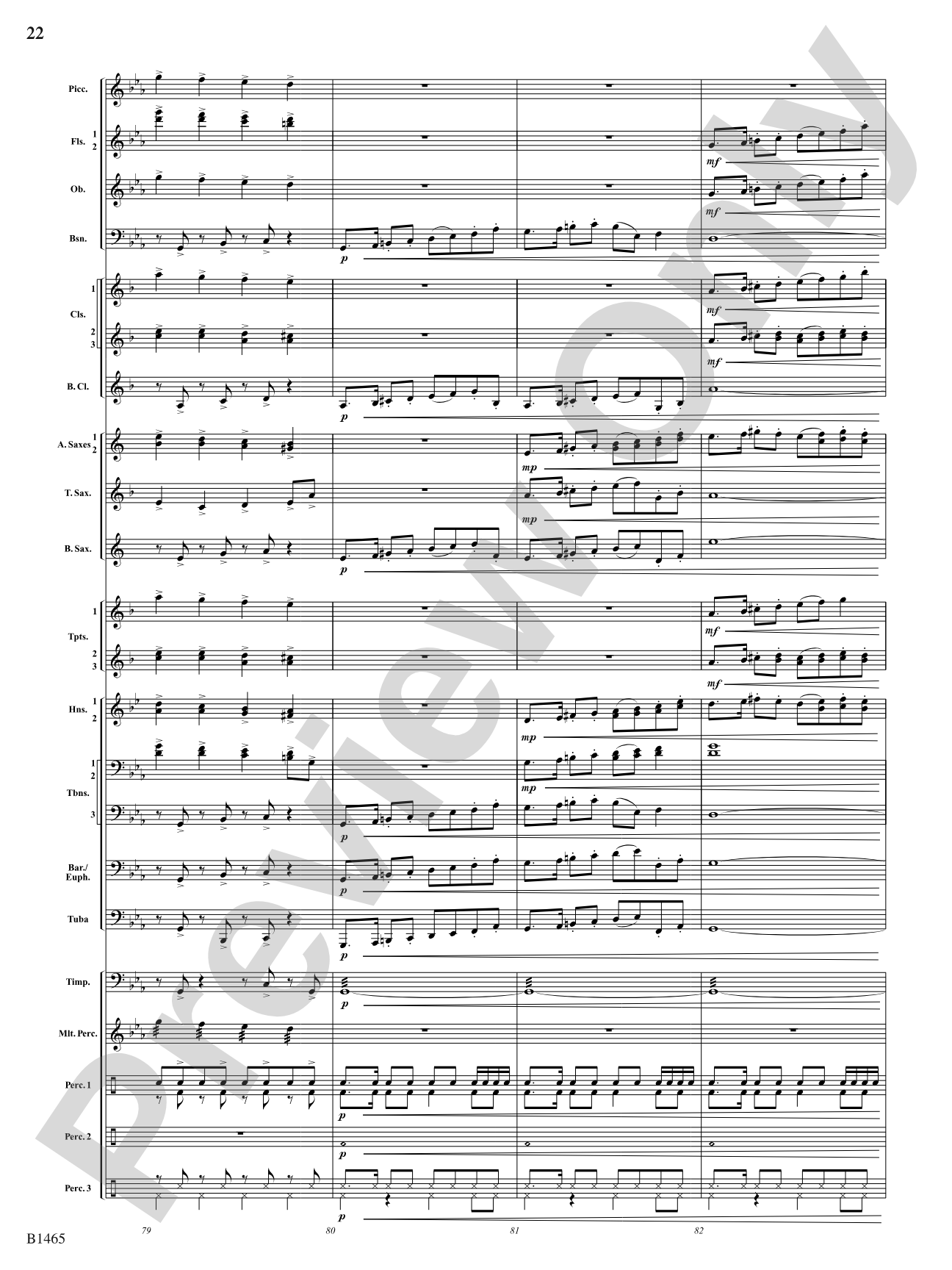
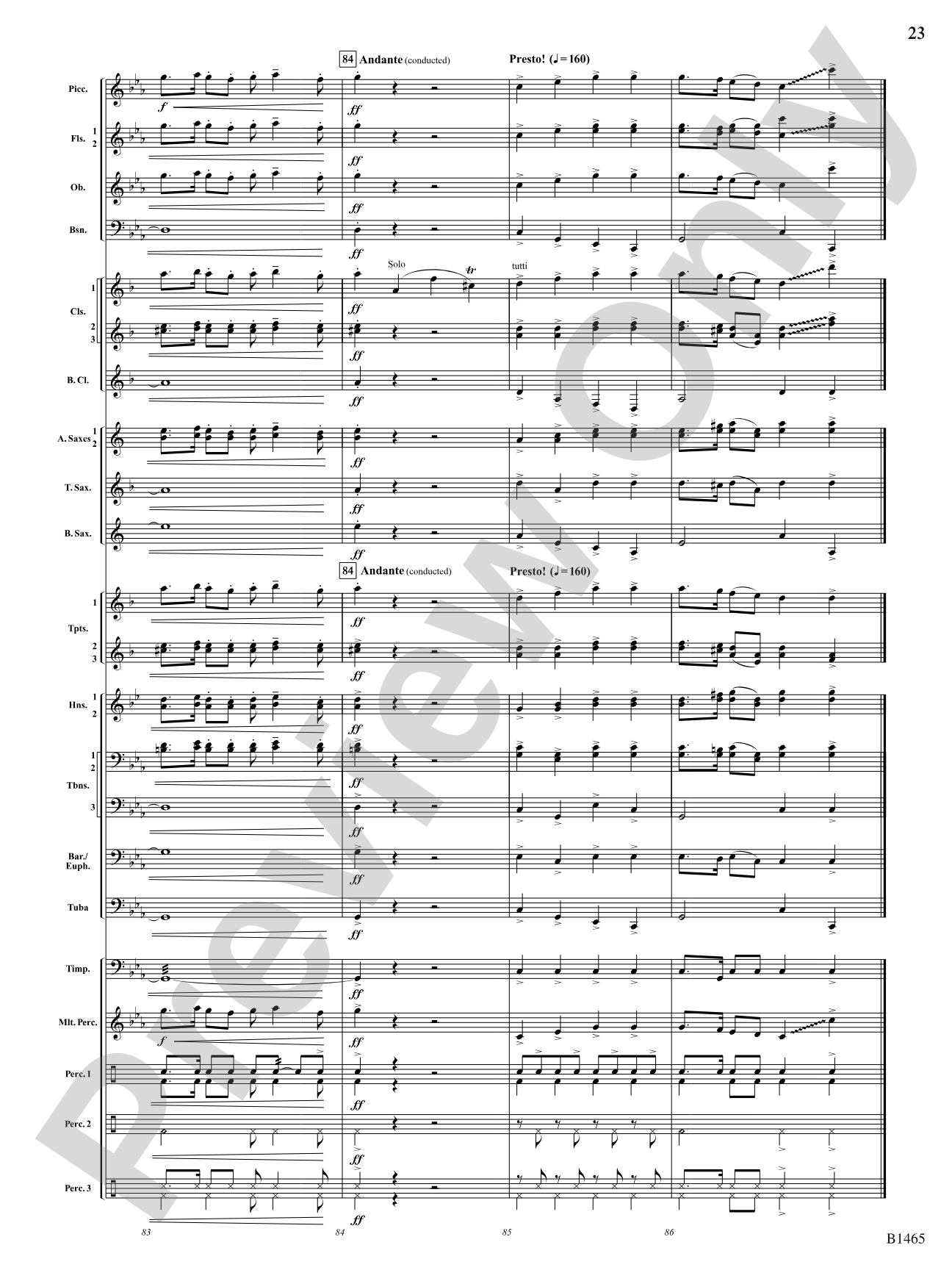

Moravian Dance: Concert Band Conductor Score & Parts
By Travis J. Weller
Grade: 3.5;4
Item: 98-DB1465
$60.00
Pickup currently not available
Buy Extra Parts (Digital PDF Download)
Parts Added to Cart!
Description
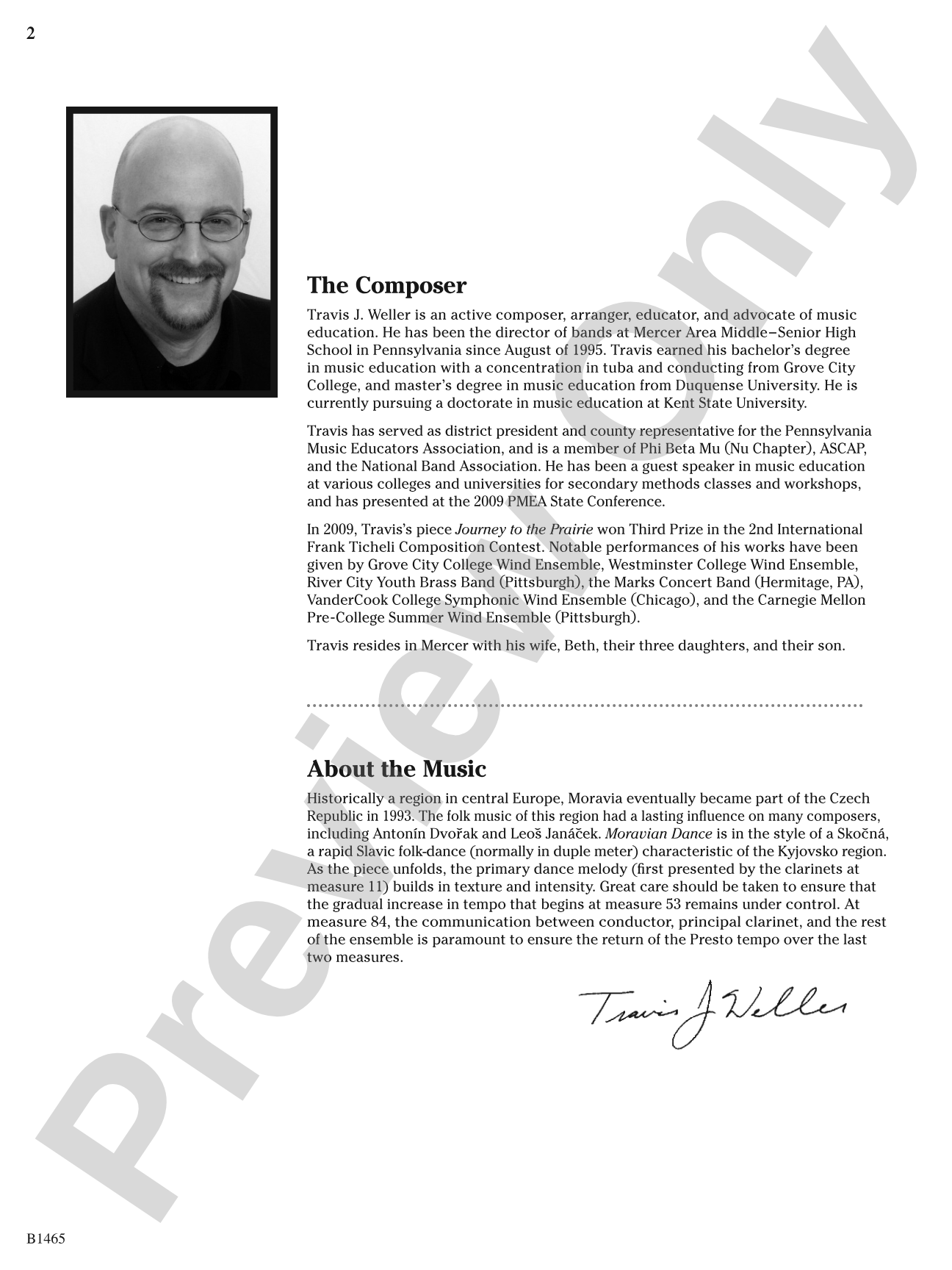
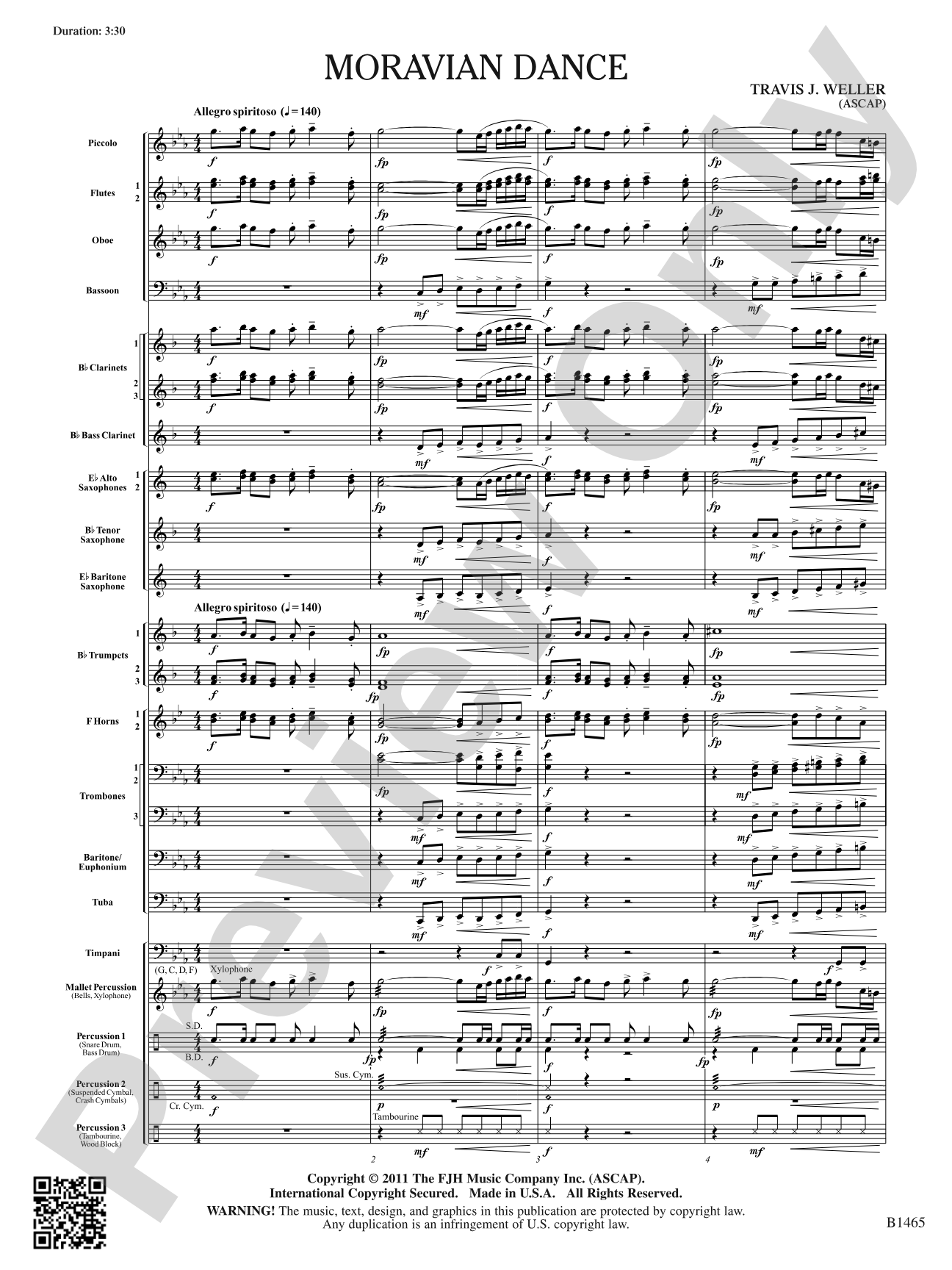
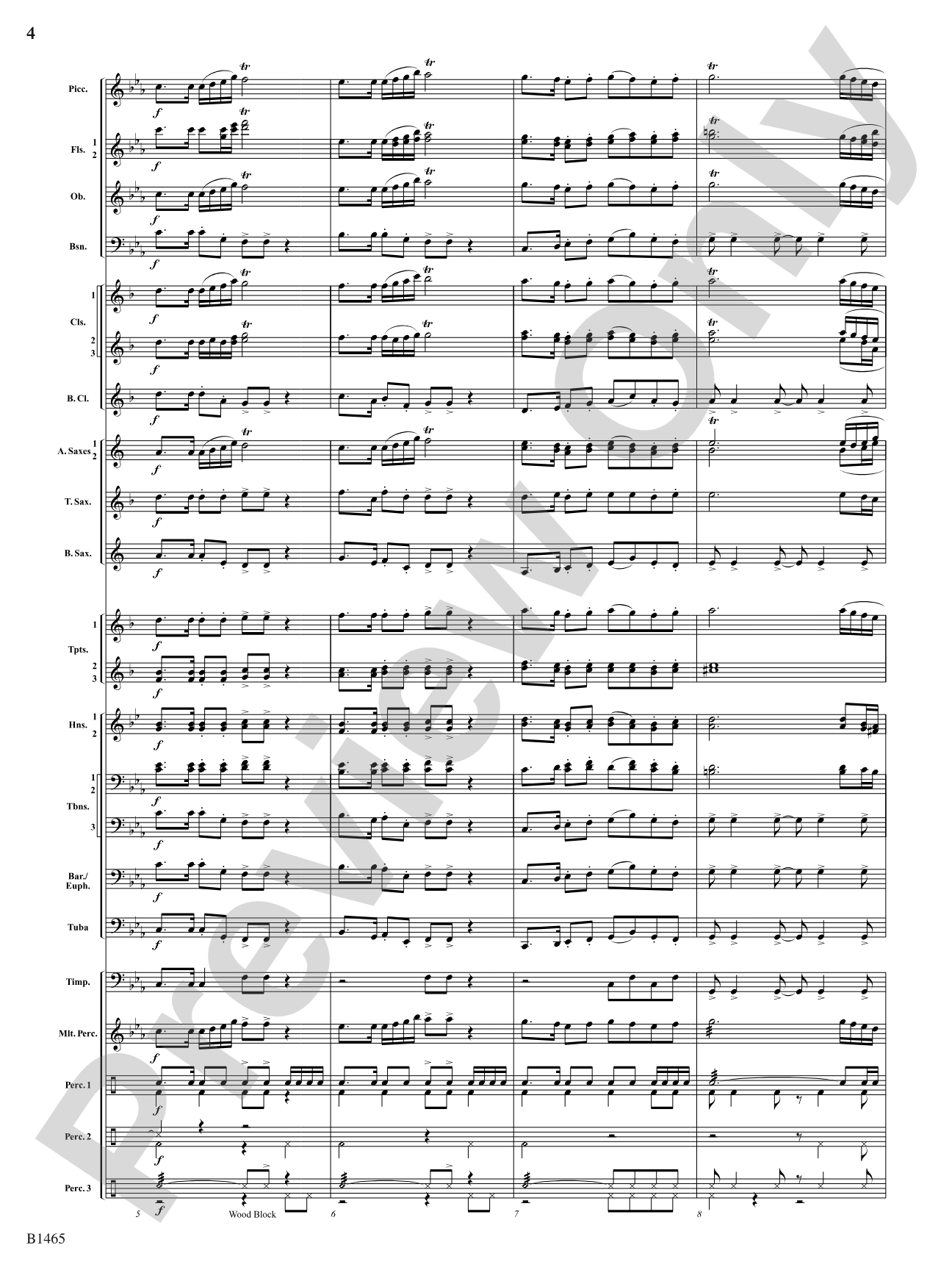
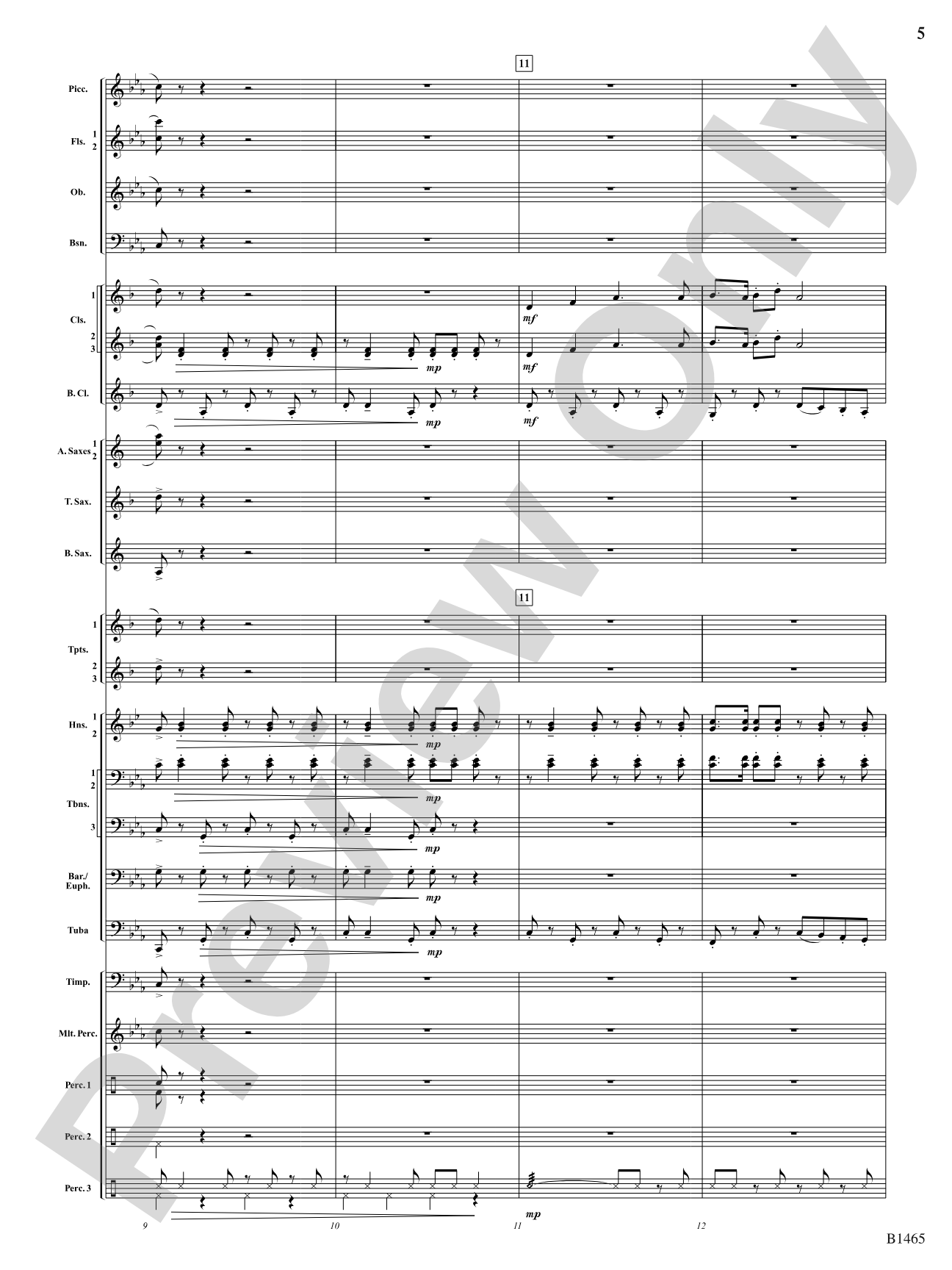
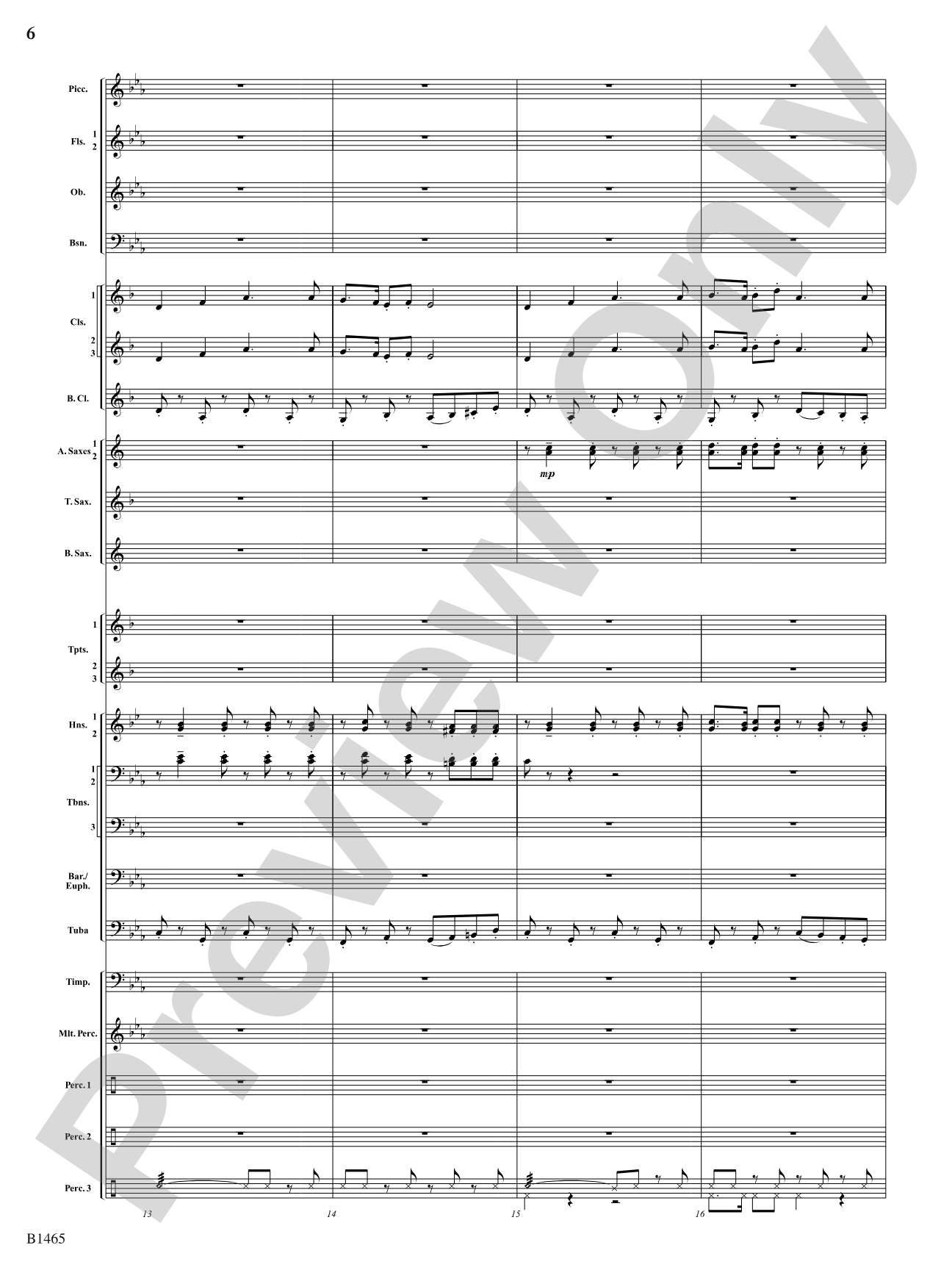
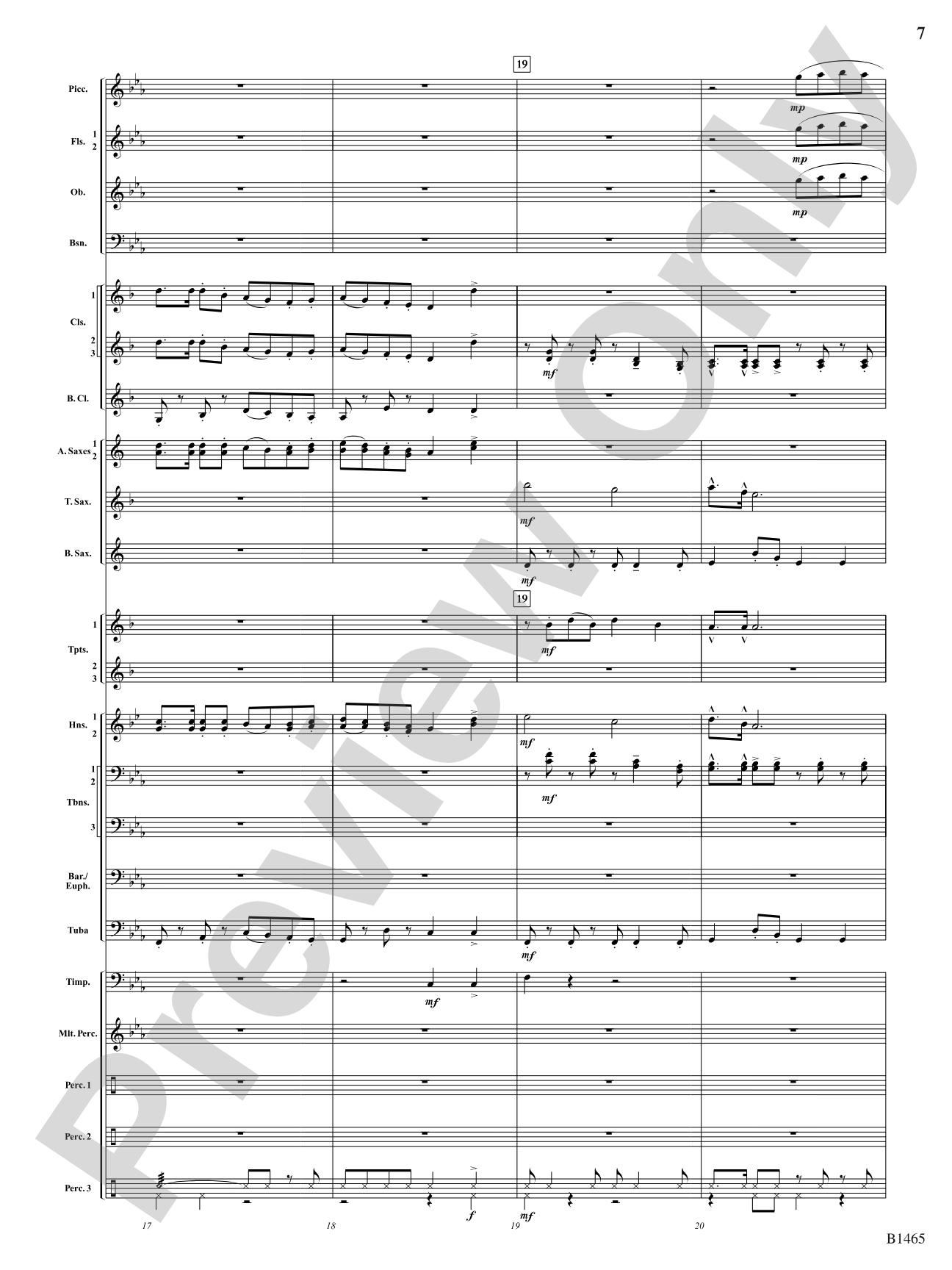
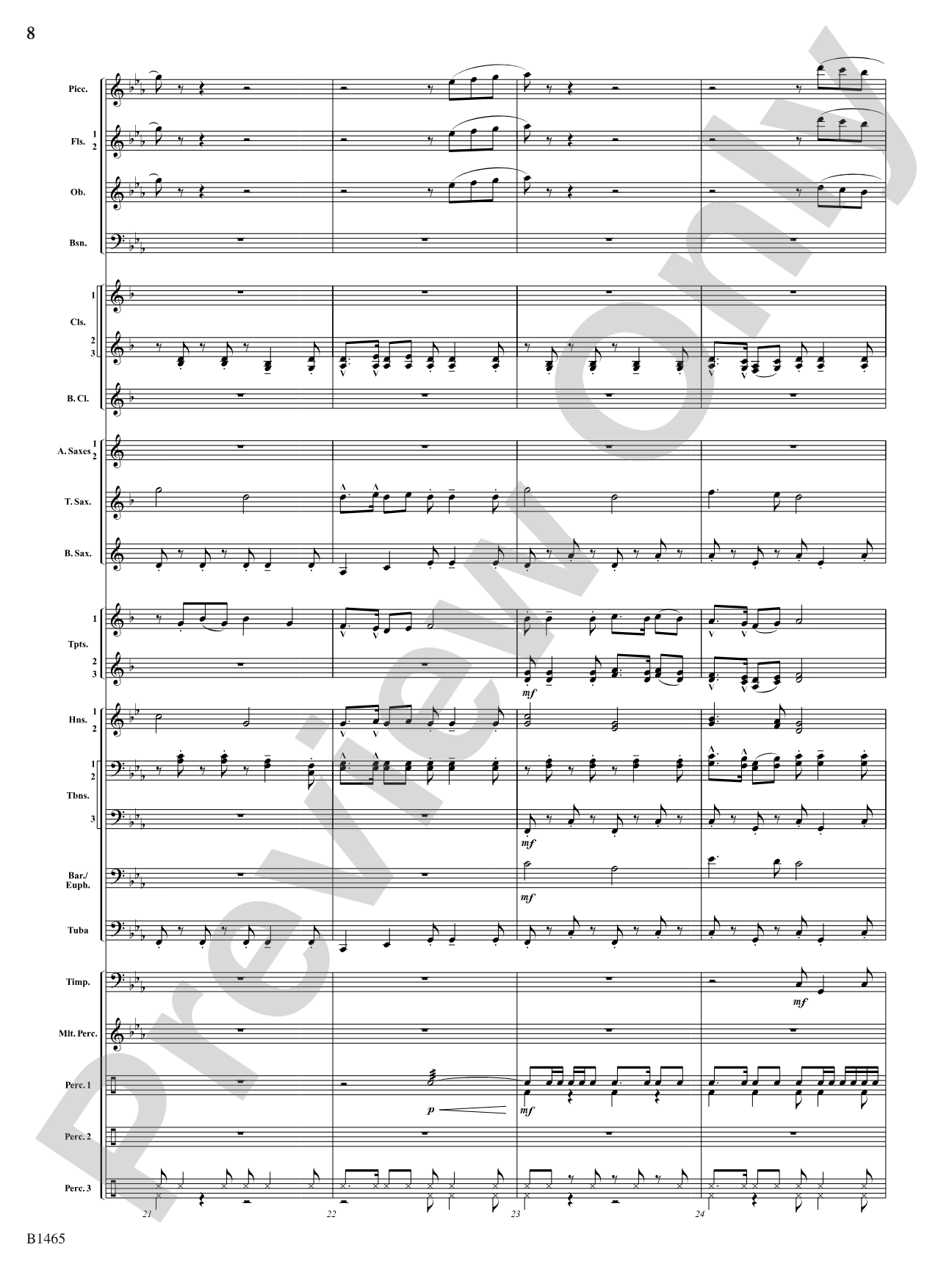
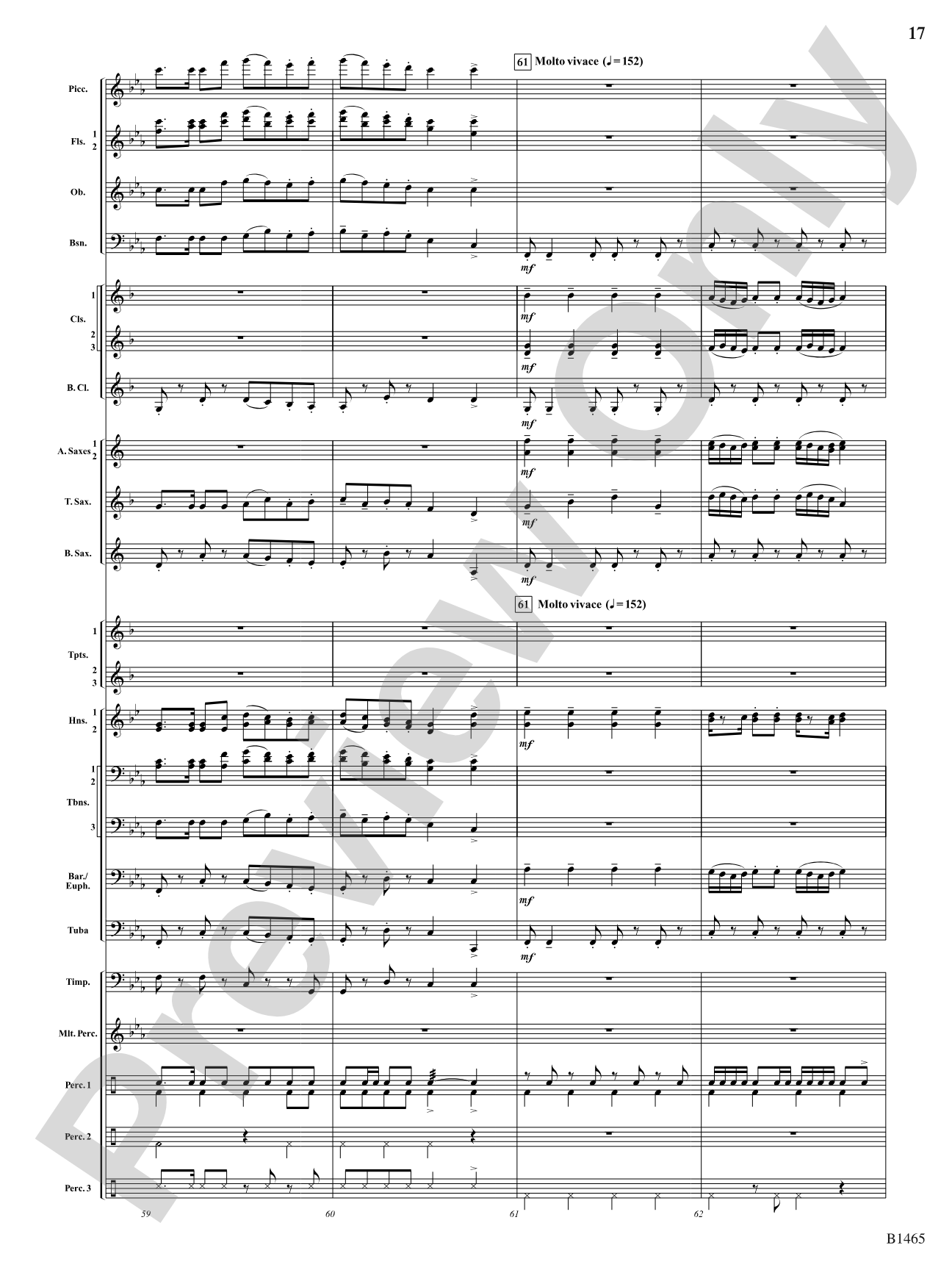
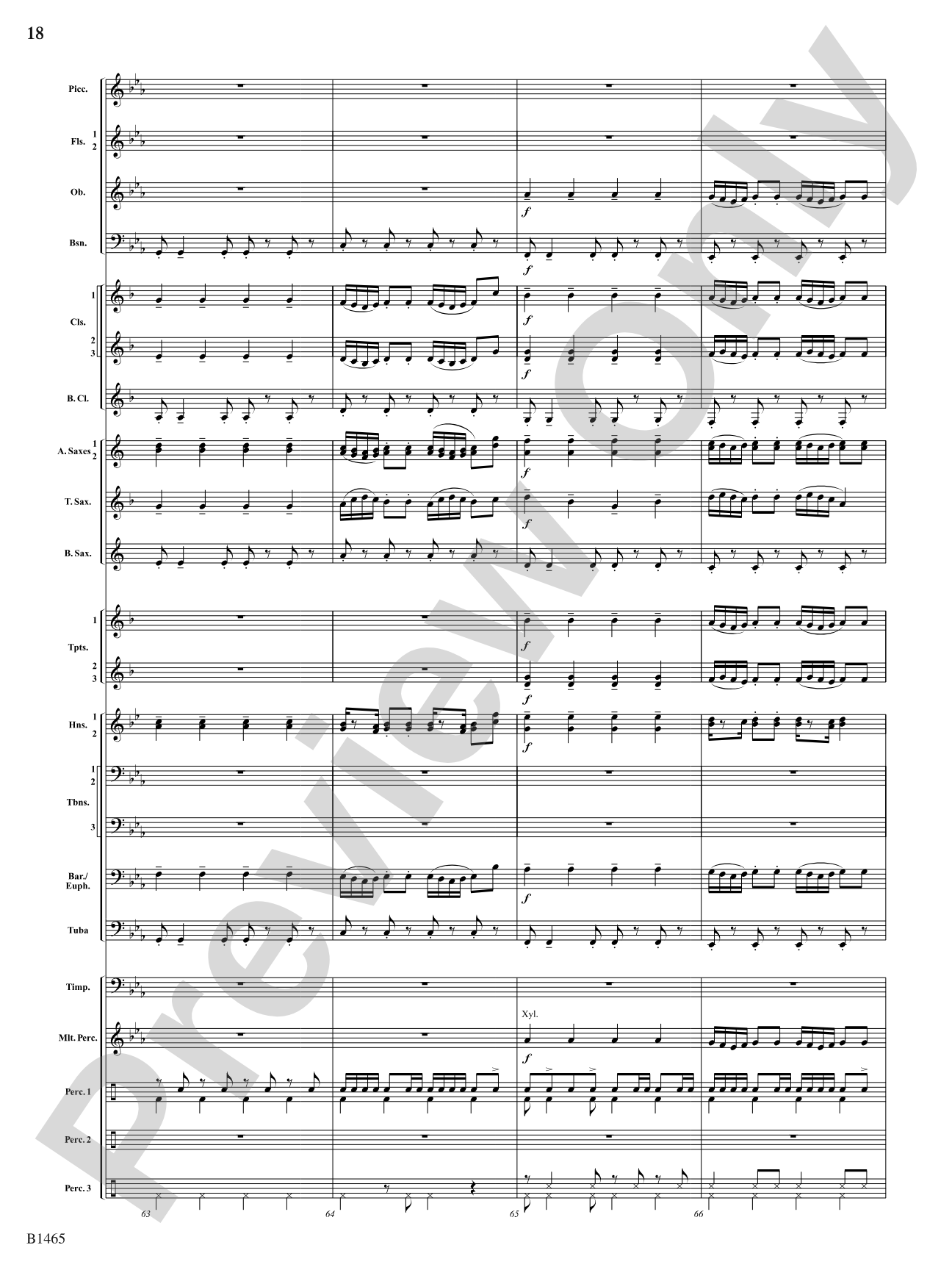
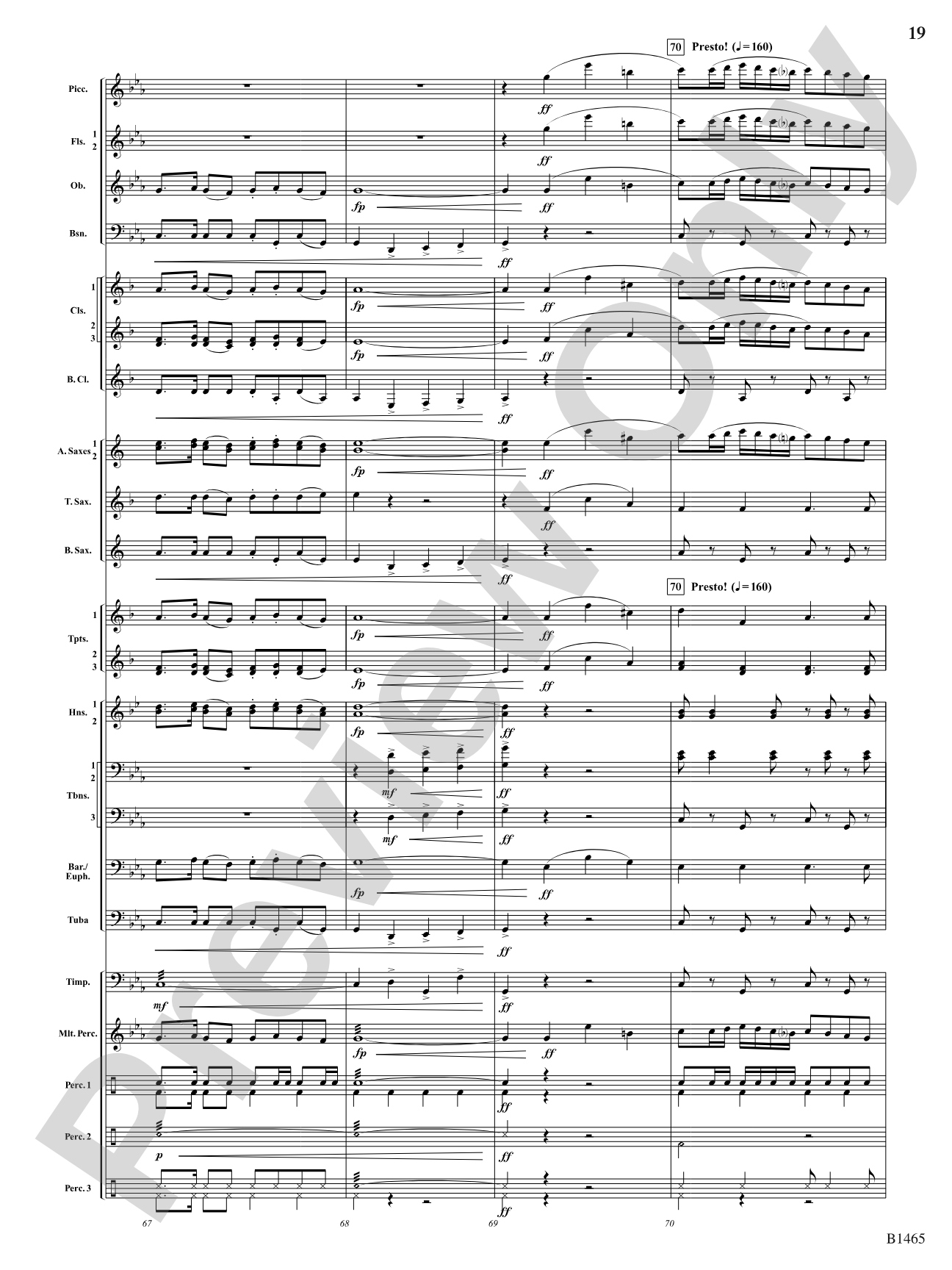
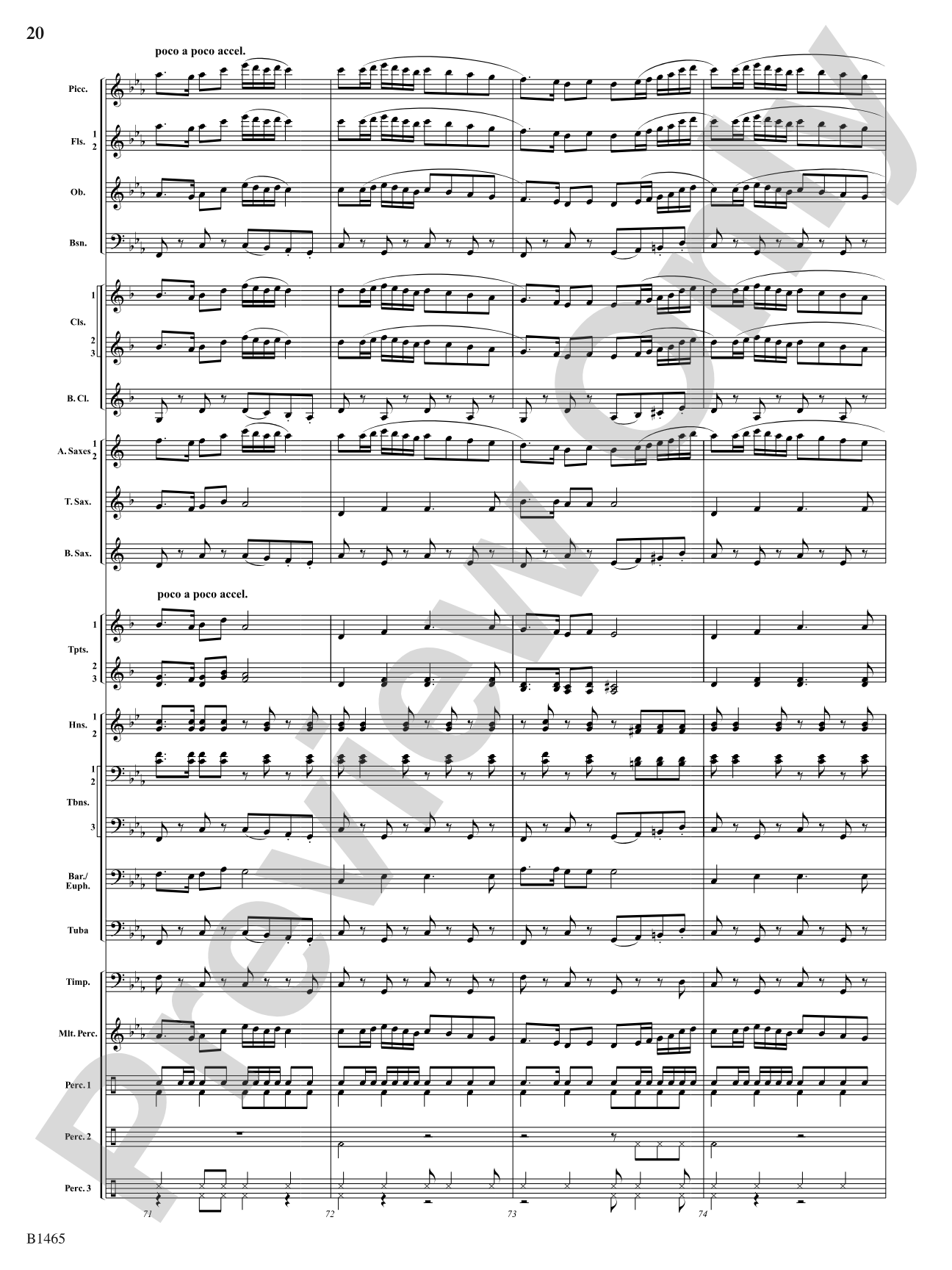
Close your concert with this original Czech-style dance that constantly builds in texture, intensity, and tempo. After an aggressive introduction with full band, clarinets state the melody as the wild ride begins. A lighter trio provides a brief respite before the main theme returns in low brass, this time at a faster tempo. With each section, tempo increases as the piece accelerates to a frantic and wild conclusion!


Discover MakeMusic Cloud: thousands of interactive titles your students can play along with today.
Sample Audio
1
Audio File
--:--
0:00
0:00
Sample Video
No sample videos found.
Additional Details
Series:
FJH Concert Band
Publisher:
The FJH Music Company, Inc.
SKU:
98-DB1465
More about this title
Why we love this
Weller captures the propulsive energy of a folk celebration without sacrificing clarity or playability. The accelerating tempo structure is a natural crowd-pleaser that works brilliantly as a closer, and the writing demonstrates how a Grade 3-4 piece can still feel sophisticated through smart orchestration and strategic use of textural layering.
What to expect
Imagine a village celebration that begins with restless energy and builds into something almost reckless. The Czech-style melody dances over shifting accompaniment patterns, and as the tempo climbs with each return, the music feels increasingly wild and uncontainable, driving toward a breathless finish.
Who it's for
Concert bands at the Grade 3-4 level looking for a high-energy closer with clear structural identity and manageable technical demands. This piece rewards students who can handle tempo changes and coordinate dynamic shifts across a full ensemble without requiring virtuosic individual playing.
How to get the most out of it
- Mark the tempo increases clearly in your score before rehearsal. Conductors often rush the accelerations; use your preparation time to establish exactly how much faster each section should feel so players can follow your stick without losing ensemble.
- Balance the clarinet melody statement against the background texture. This section sits right at the point where the band shifts from unison aggression to harmonic support, so work the accompanying voices to sit just below the solo line.
- Treat the trio as a genuine dramatic pause. Its lighter character only lands if the players genuinely pull back the intensity after the opening attack; this gives the final return of the main theme even more impact.
- Lock the low brass entrances when the theme returns in the lower register. These voices often struggle to anchor the faster tempos, so isolated sectional rehearsal of the brass line through the acceleration section pays dividends.
How to use it
This works as your program finale because the accelerating structure and escalating dynamics create a natural arc that leaves audiences energized. Its multicultural flavor also provides a refreshing contrast if you're programming alongside standard American concert band repertoire, and the contest-ready label means it holds up under festival scrutiny if that's part of your season.
Skills your students will build
- Executing tempo changes precisely while maintaining rhythmic integrity
- Balancing foreground melody against harmonic accompaniment
- Reading and performing with accelerating intensity across full ensemble
- Coordinating dynamic and textural shifts across multiple sections
- Responding to conductor cueing during non-standard structural moments