
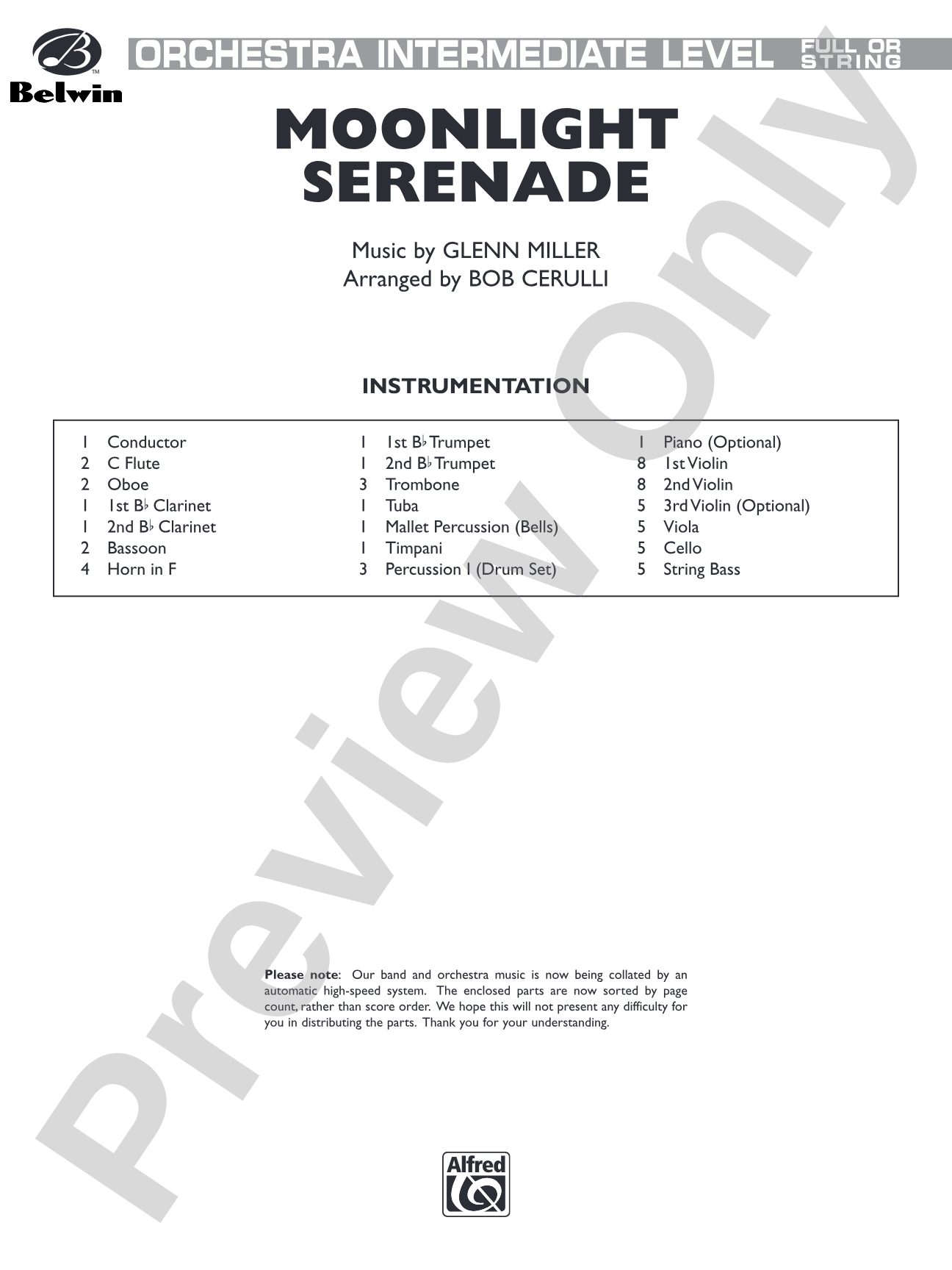
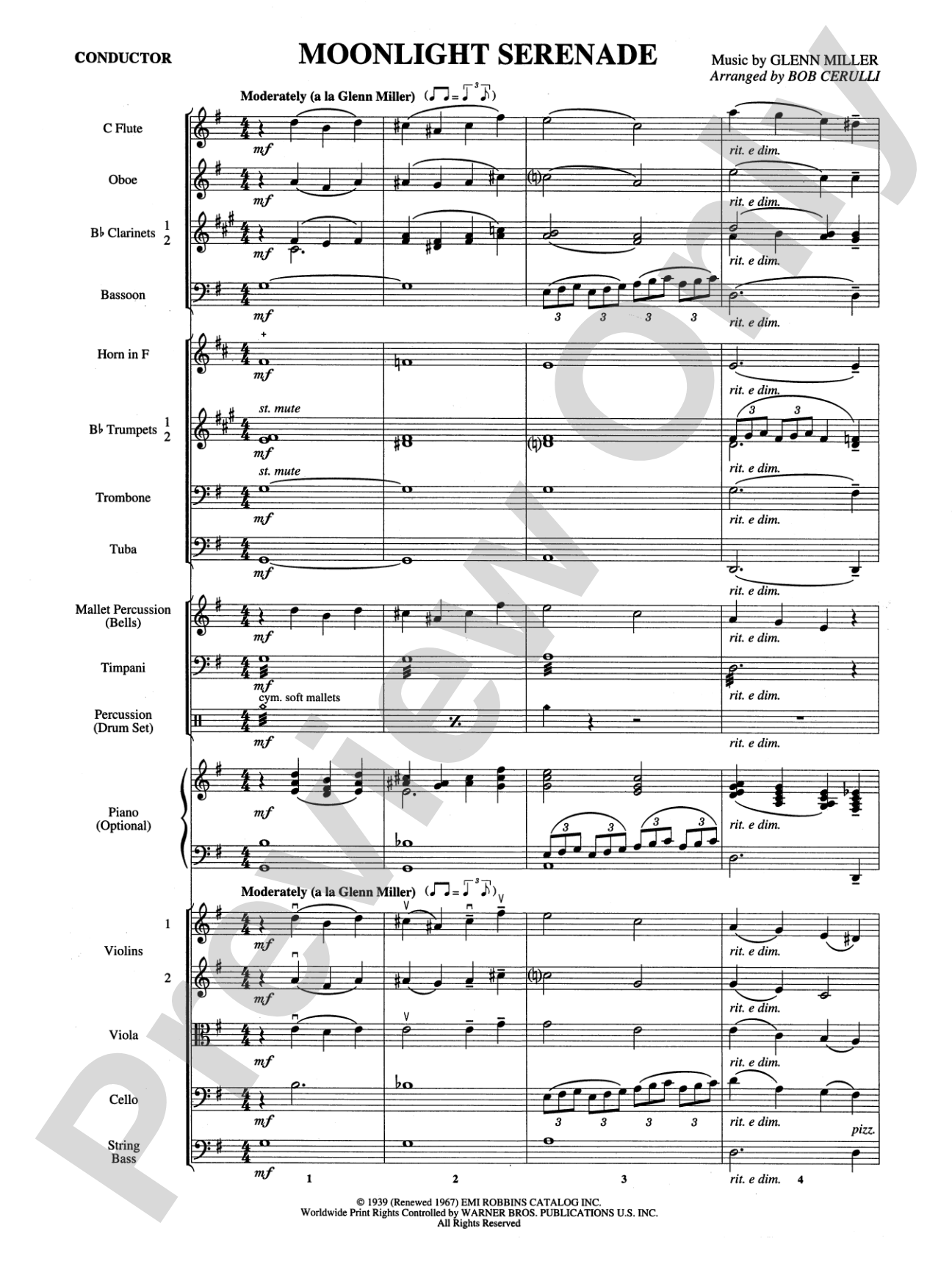
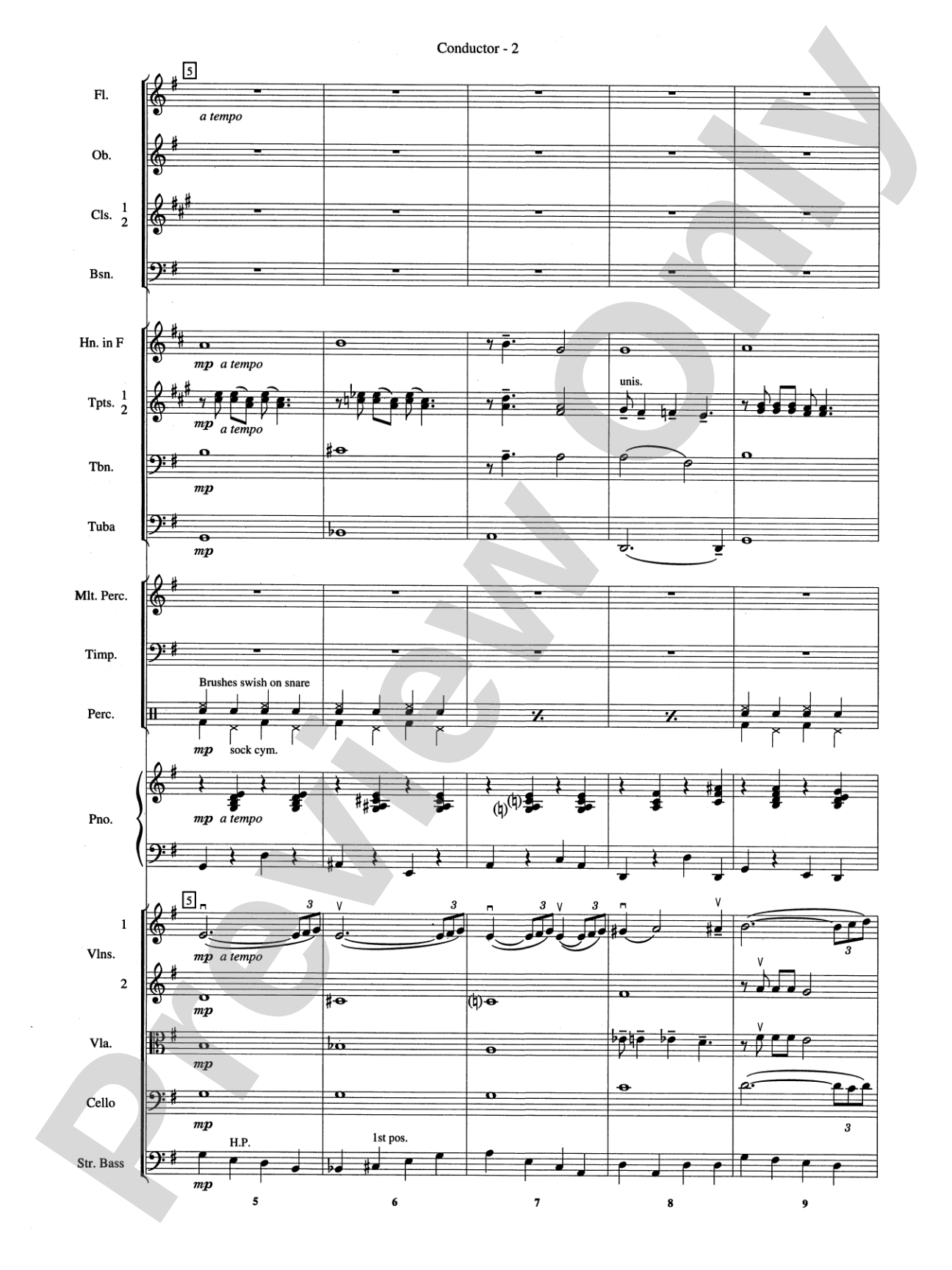
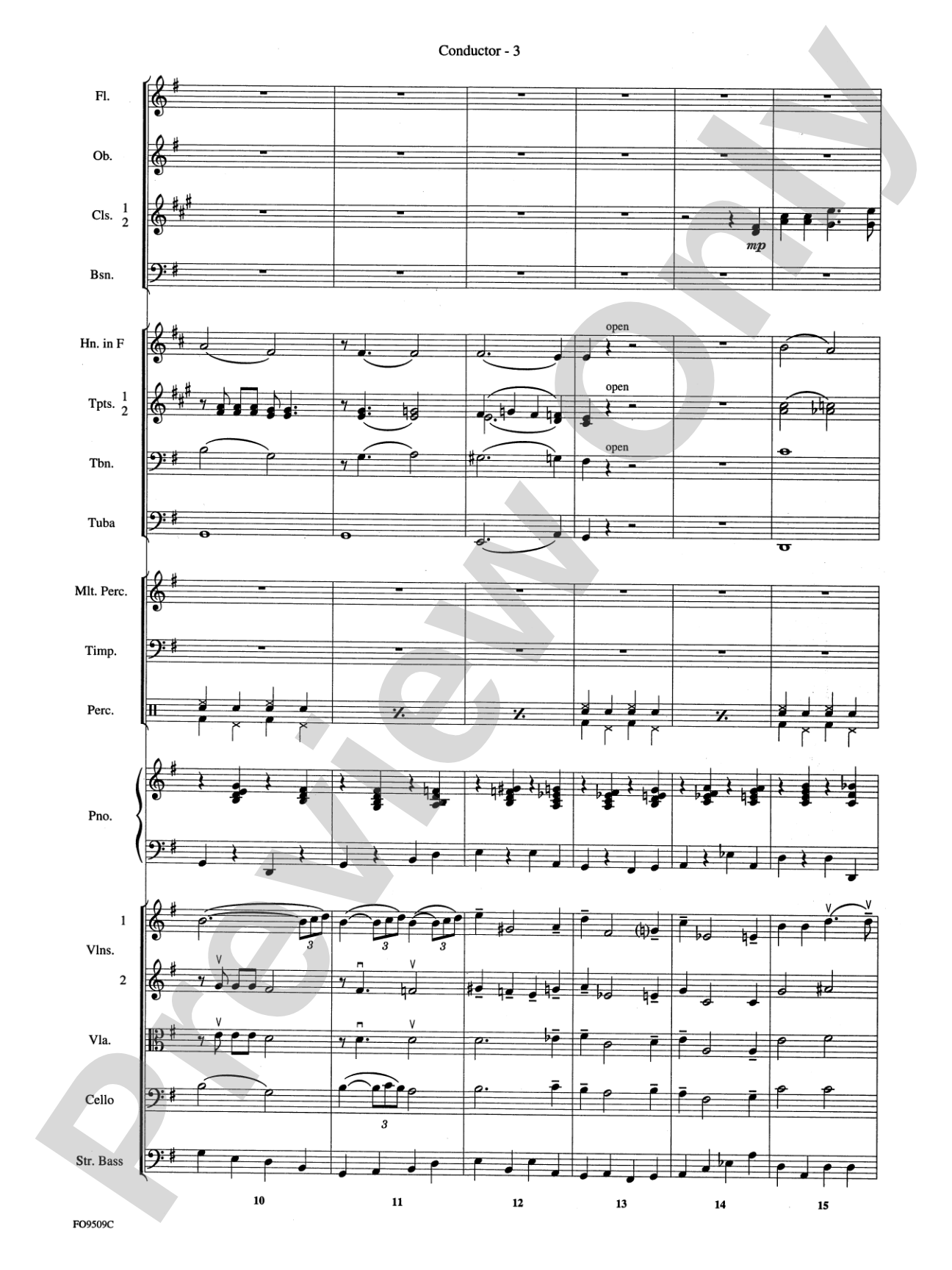
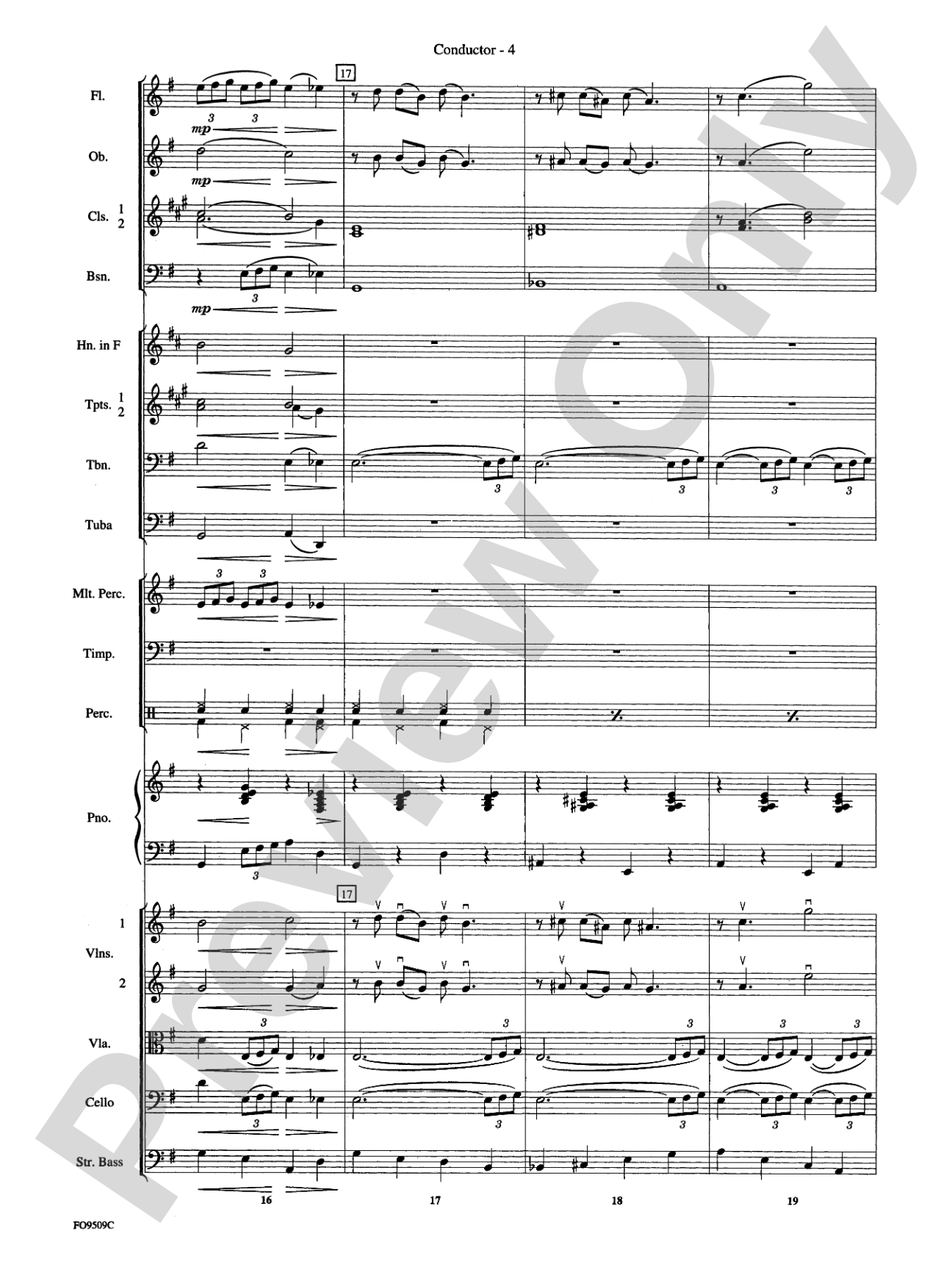
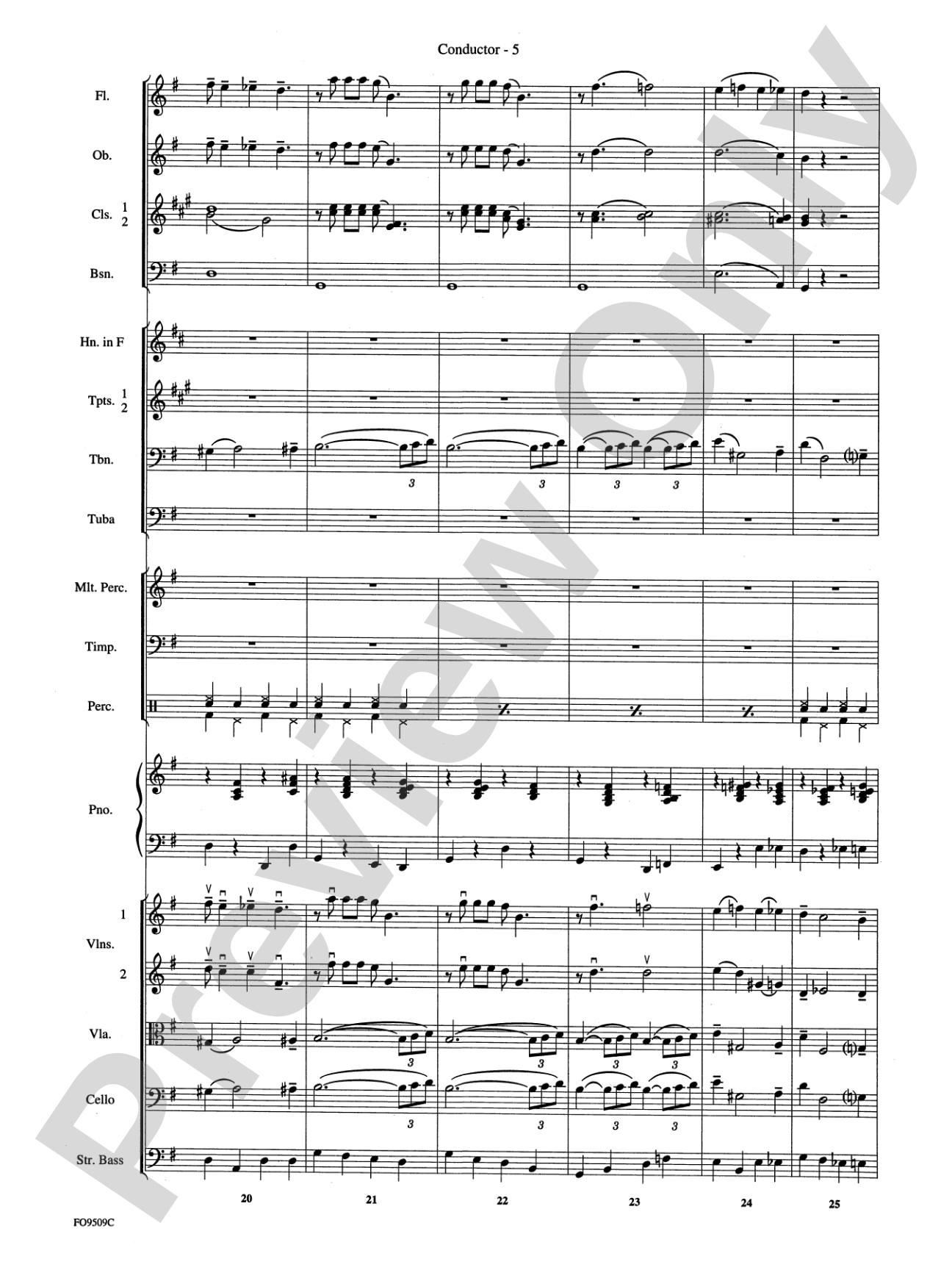
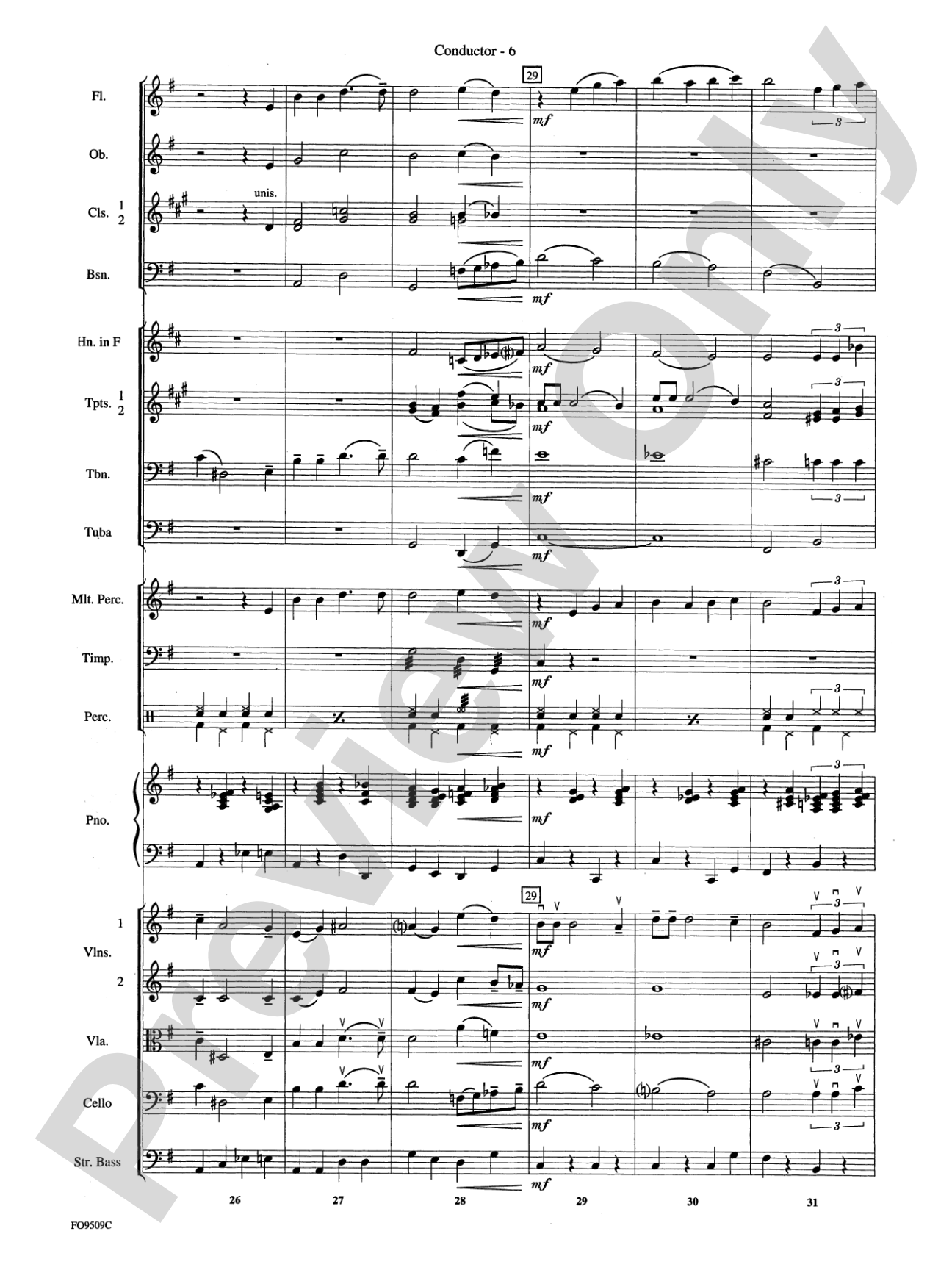
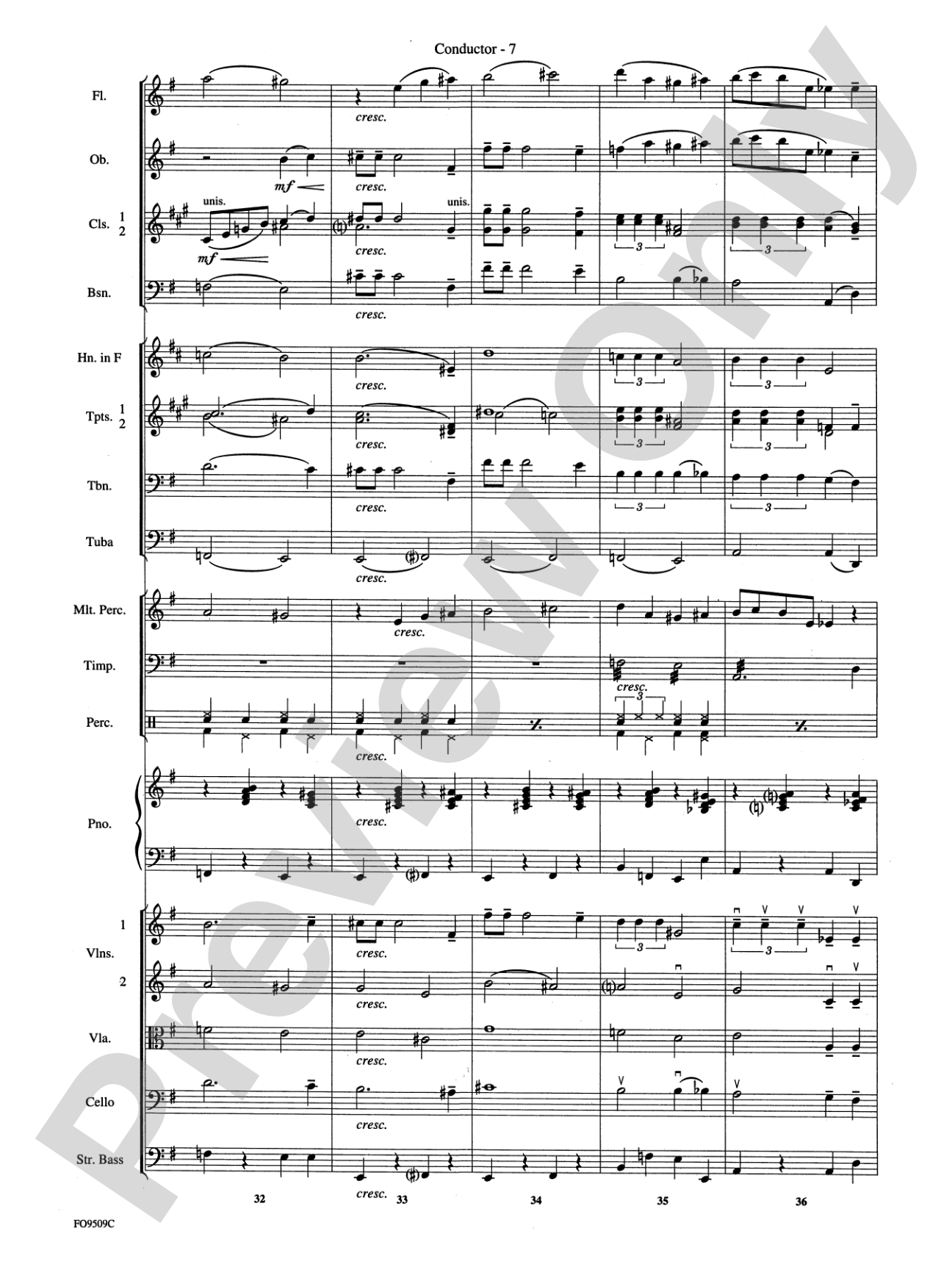
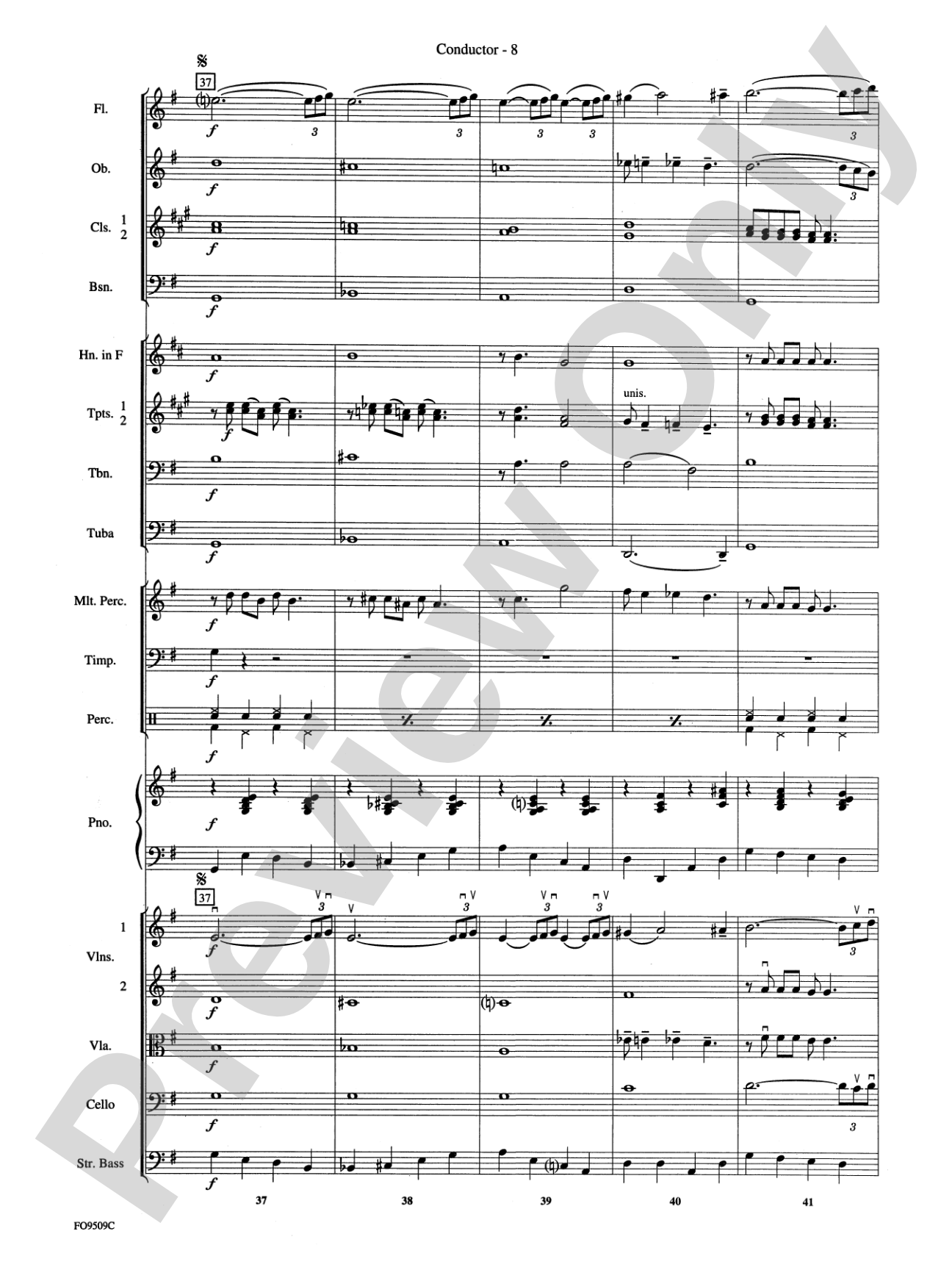
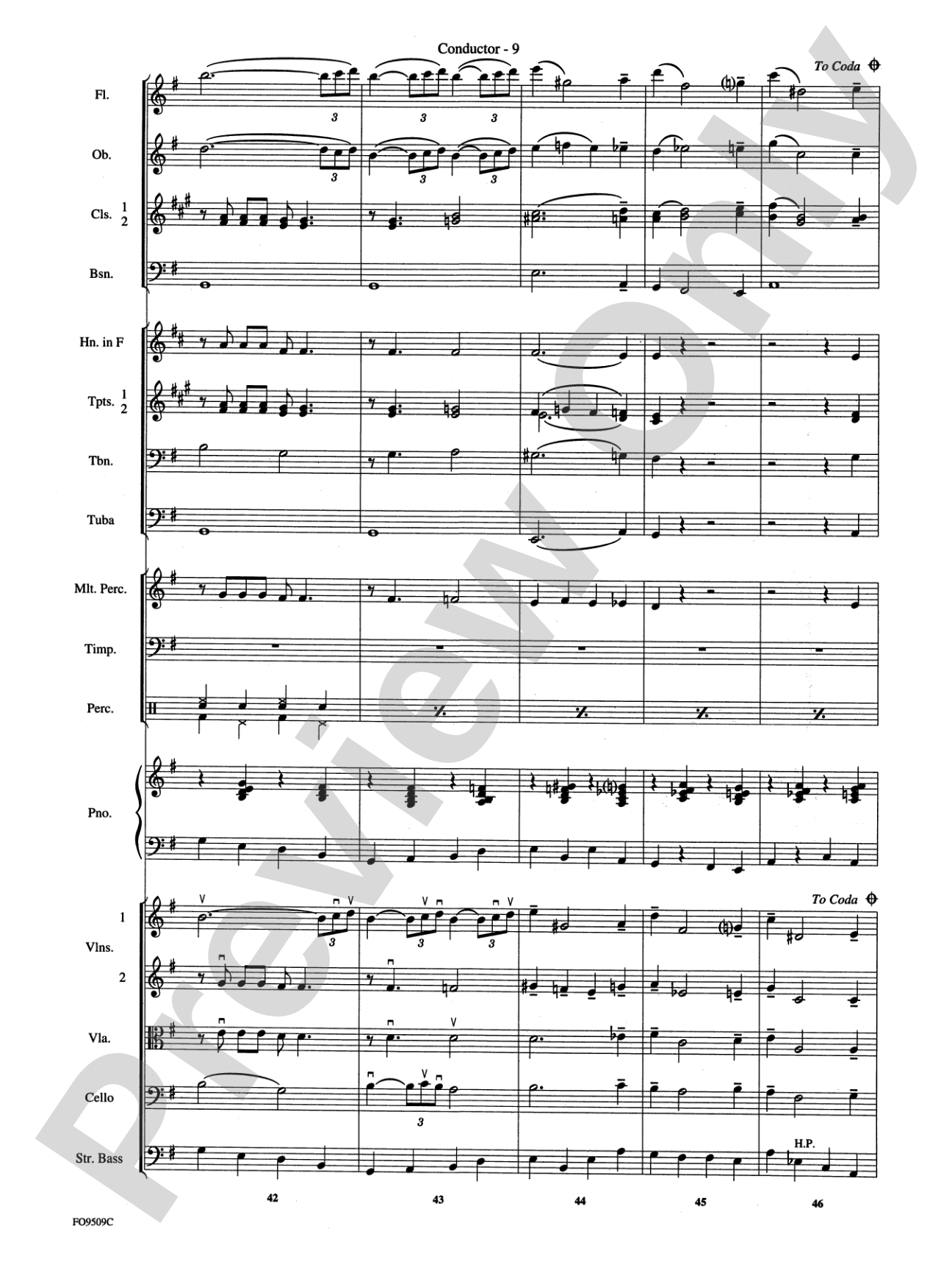
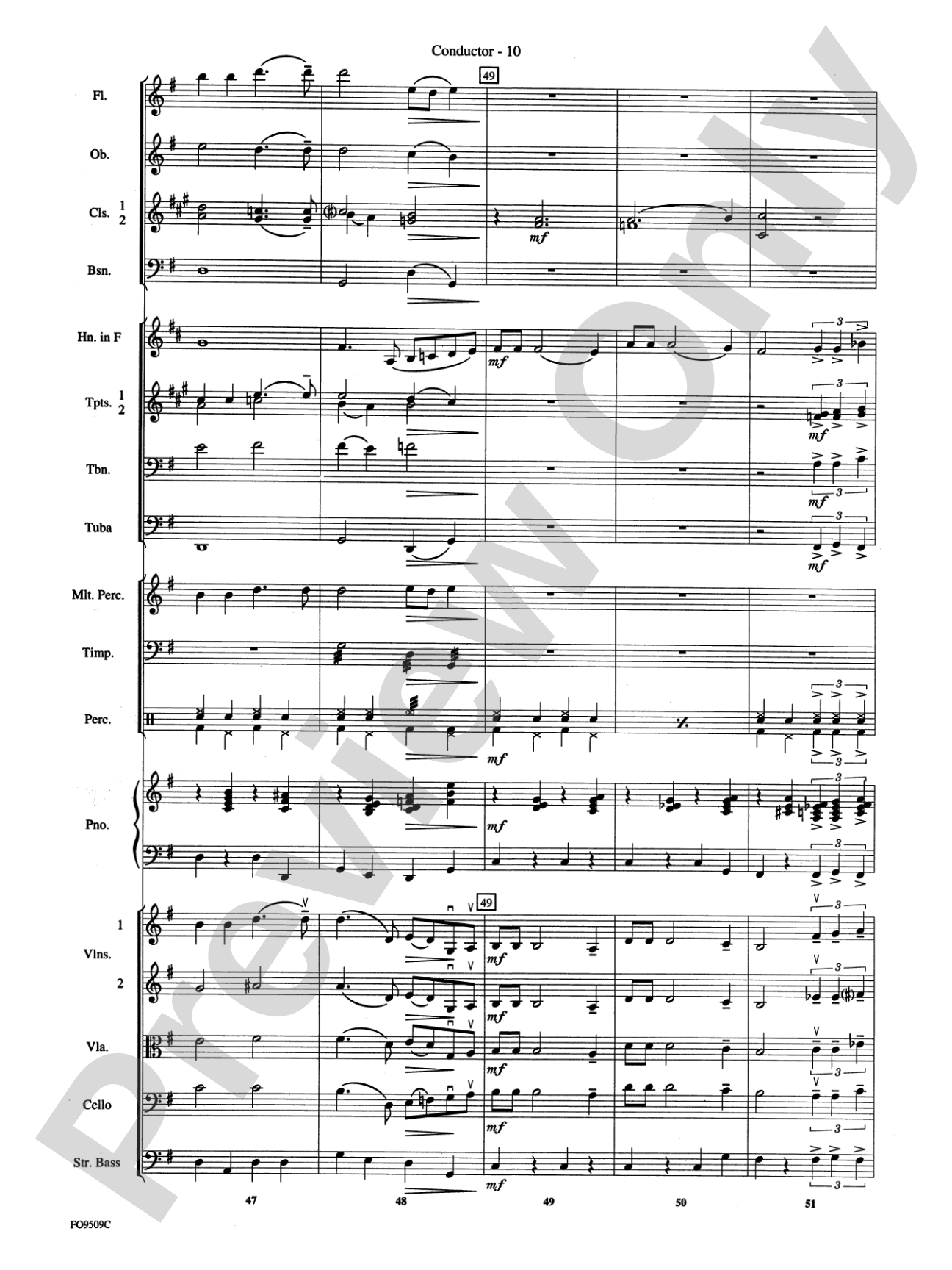
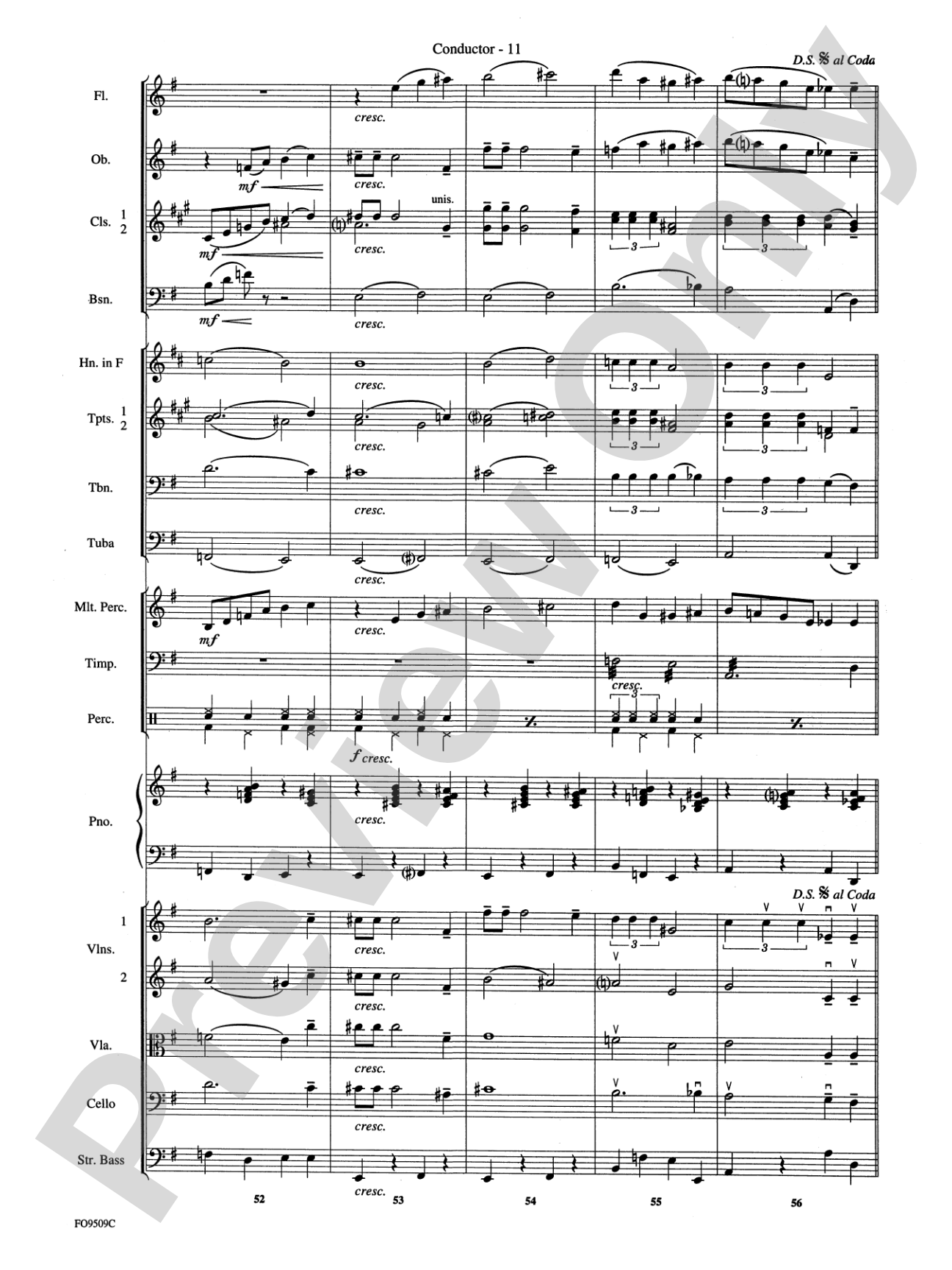
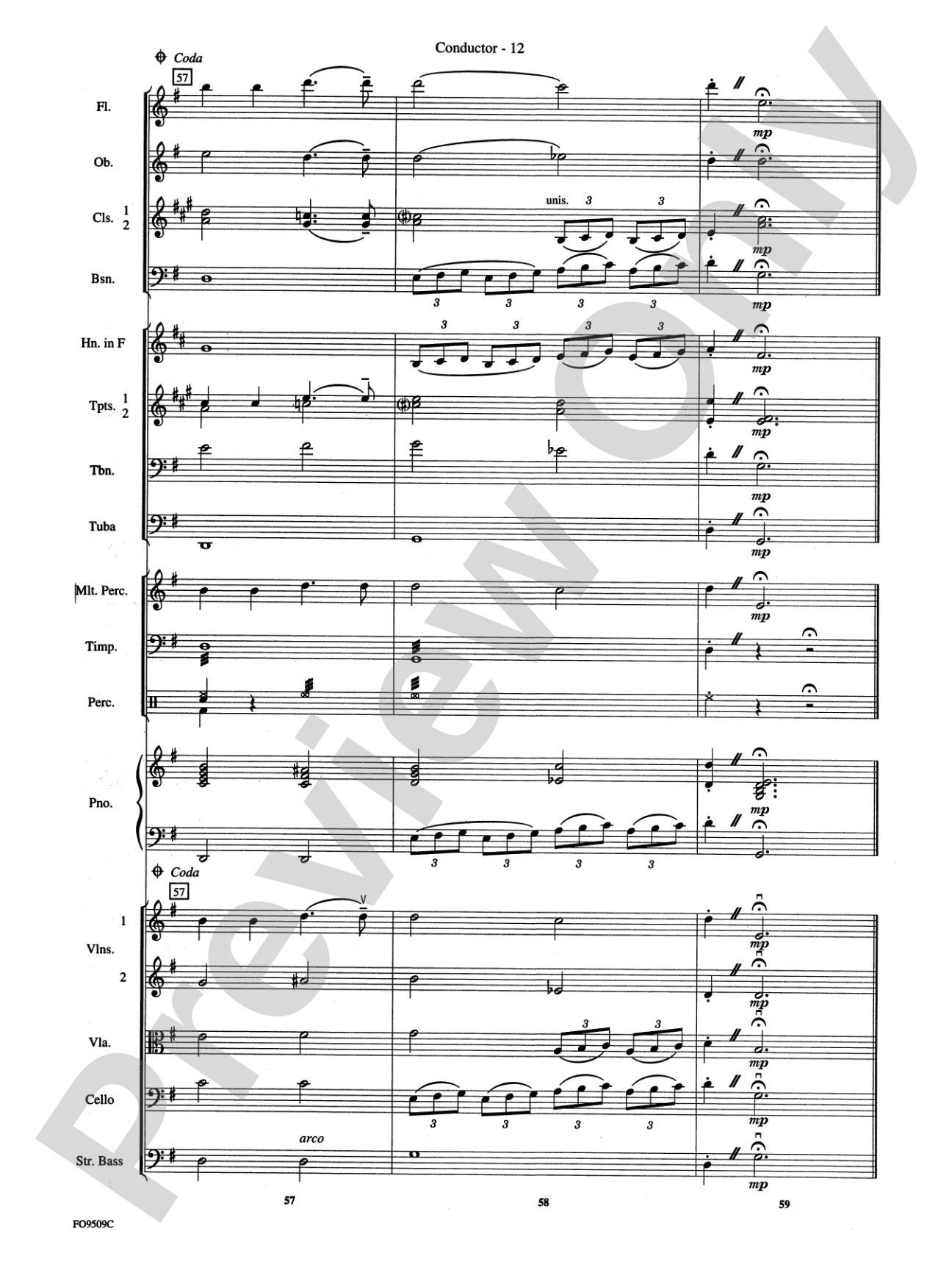




Moonlight Serenade: Full Orchestra Conductor Score & Parts
By Glenn Miller / arr. Bob Cerulli
Grade: 2.5
Item: 00-PK-0002399

$58.00
One moment…
Description
This original Glenn Miller theme song in an easy arrangement for young performers. It can be performed by strings alone or with the addition of one instrument up to full orchestra. Mom and dad will love it! (3:12)


Don't just read it, hear it, play along with it, and watch your students grow with it. In MakeMusic Cloud, Moonlight Serenade: Full Orchestra Conductor Score & Parts comes alive with professional accompaniment, adjustable tempo, and built-in practice tools that turn solo practice into real progress.
Open in the Player
Jump straight in and assign it today.
Start Your Free Trial
Open this title and explore the full library in minutes.
Sample Audio
No sample audio found.
Sample Video
No sample videos found.
Additional Details
Series:
Pop Intermediate String/Full Orchestra
Publisher:
Alfred Music
Page Count:
124
SKU:
00-PK-0002399
More about this title
About the Composer: Glenn Miller
Glenn Miller (1904-1944) stands as one of the most commercially successful bandleaders of the swing era, commanding a devoted following through his distinctive clarinet-led sound and meticulously arranged compositions. His orchestra's precision and the infectious melody of pieces like "Moonlight Serenade" made him a household name during the 1940s, and his music remains a touchstone for understanding big band arranging and ensemble balance.
Why we love this
Bob Cerulli's Grade 2.5 arrangement captures the elegance and yearning of this iconic Miller theme while making it genuinely playable for young orchestras. The flexibility to perform with strings alone or add instruments progressively means you can scale the piece to your ensemble's strength without losing the emotional core that makes audiences respond.
What to expect
Moonlight Serenade unfolds with the quiet nostalgia of a night breeze, serene and contemplative. The familiar melody carries a warmth that invites listeners in while the arrangement's clarity lets young players experience the satisfaction of executing ensemble balance and lyrical phrasing.
Who it's for
Young orchestras at the intermediate level will find this arrangement accessible without feeling condescending. It works equally well for festival or concert settings where you want to program something the audience recognizes and loves, performed with genuine musicianship.
How to get the most out of it
- Highlight the lyrical quality of the melody by encouraging the lead section to phrase generously through longer lines rather than articulating every note crisply.
- Use the optional instrumentation structure to your advantage: rehearse the string foundation thoroughly first, then layer in woodwinds and brass for rehearsal polish and confidence.
- Balance the accompaniment texture so the gentle harmonies support rather than overwhelm the soaring main theme.
- Take advantage of the 3:12 duration to shape the arc deliberately, building slightly through the middle section before returning to the opening's intimate quality.
How to use it
This piece sits comfortably in a spring concert or festival program, offering a moment of reflection between more energetic selections. Its accessibility and audience appeal make it an excellent choice when you're programming for a mixed crowd of musicians and families who appreciate melody-driven repertoire.
Skills your students will build
- Balancing ensemble sonority across multiple instrumental families
- Sustaining lyrical phrasing in a slow tempo without dragging
- Reading and executing optional instrumental doubling
- Interpreting romantic-era rubato and expression within a jazz-influenced arrangement