

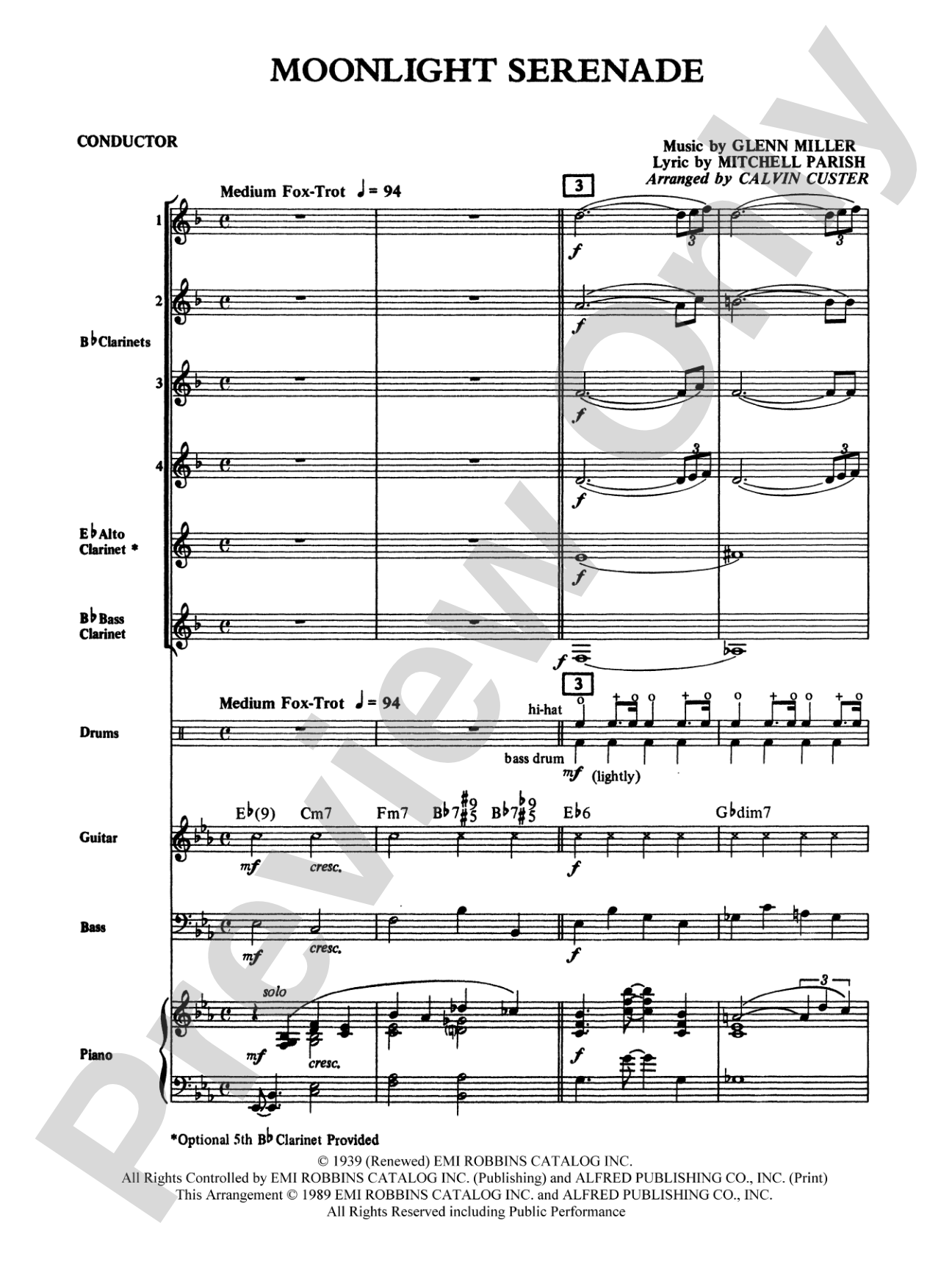
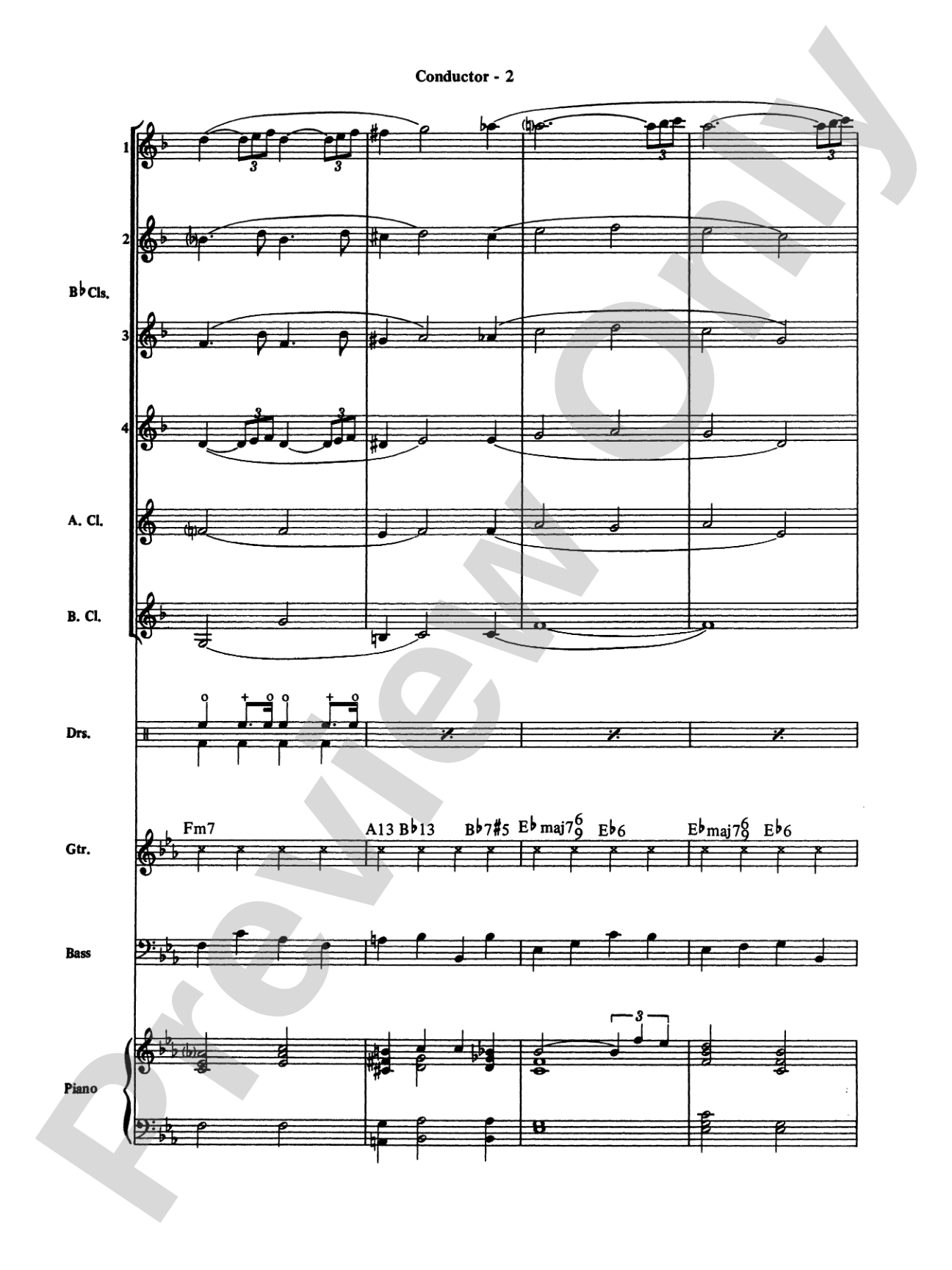
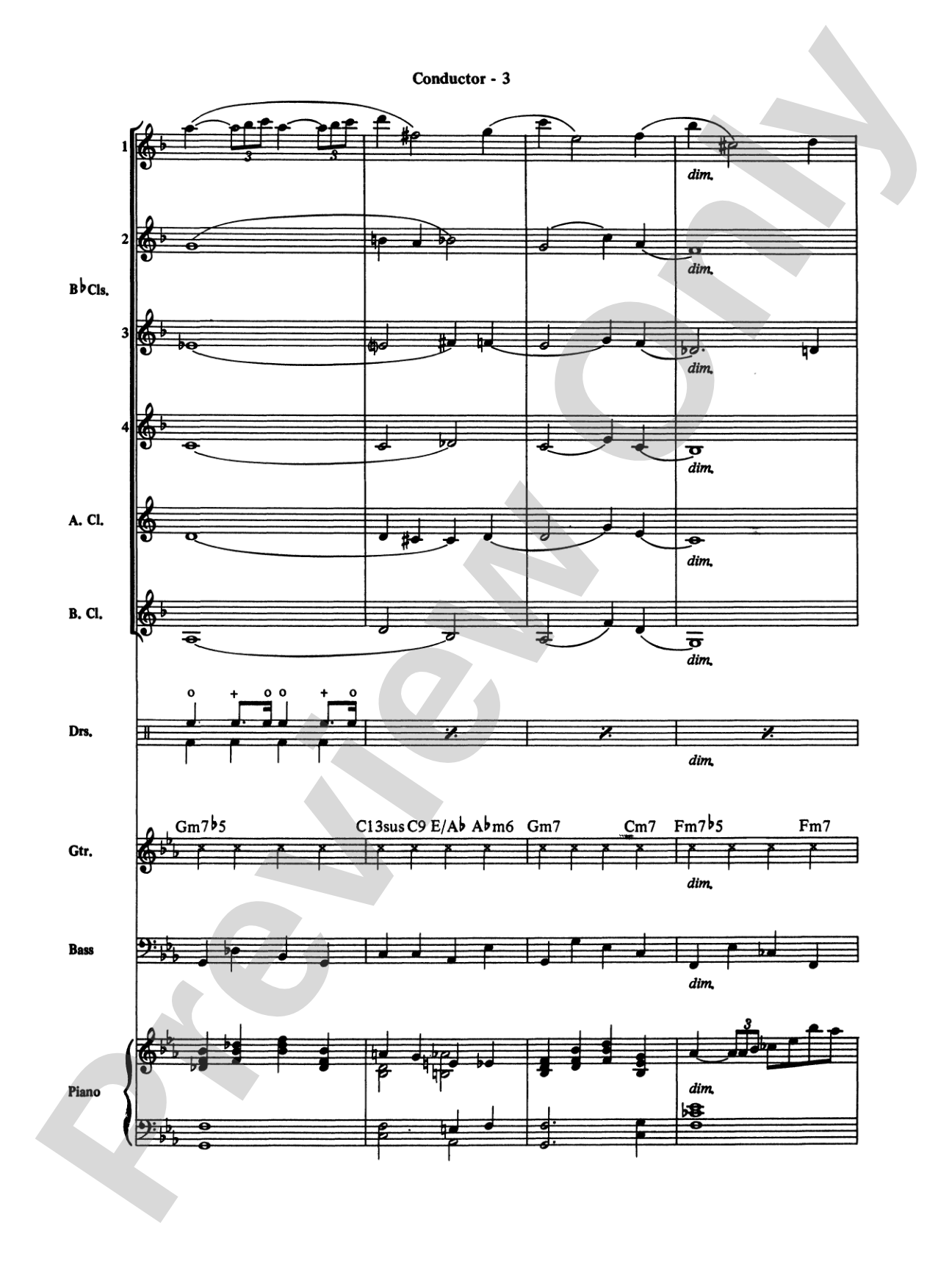
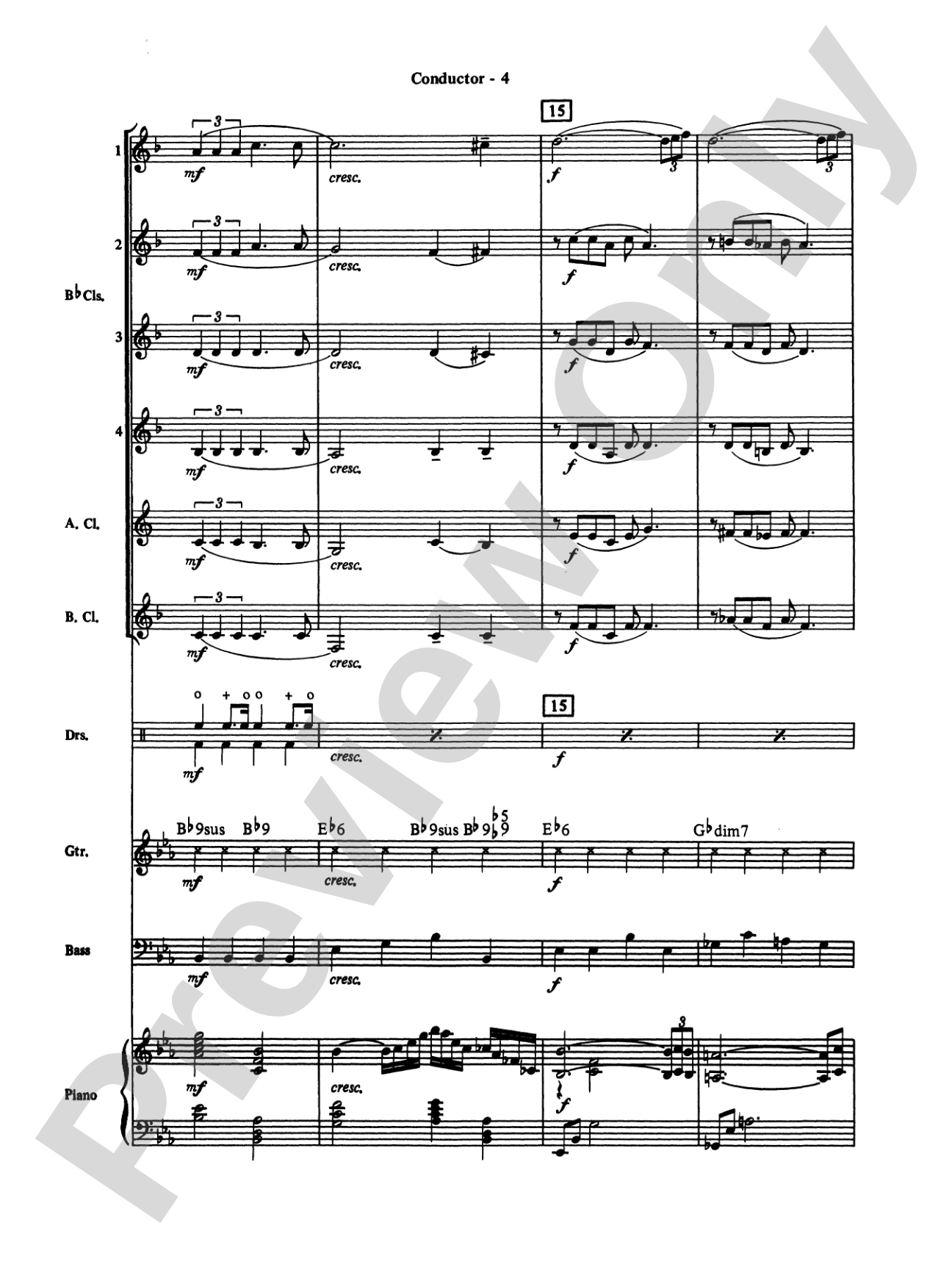
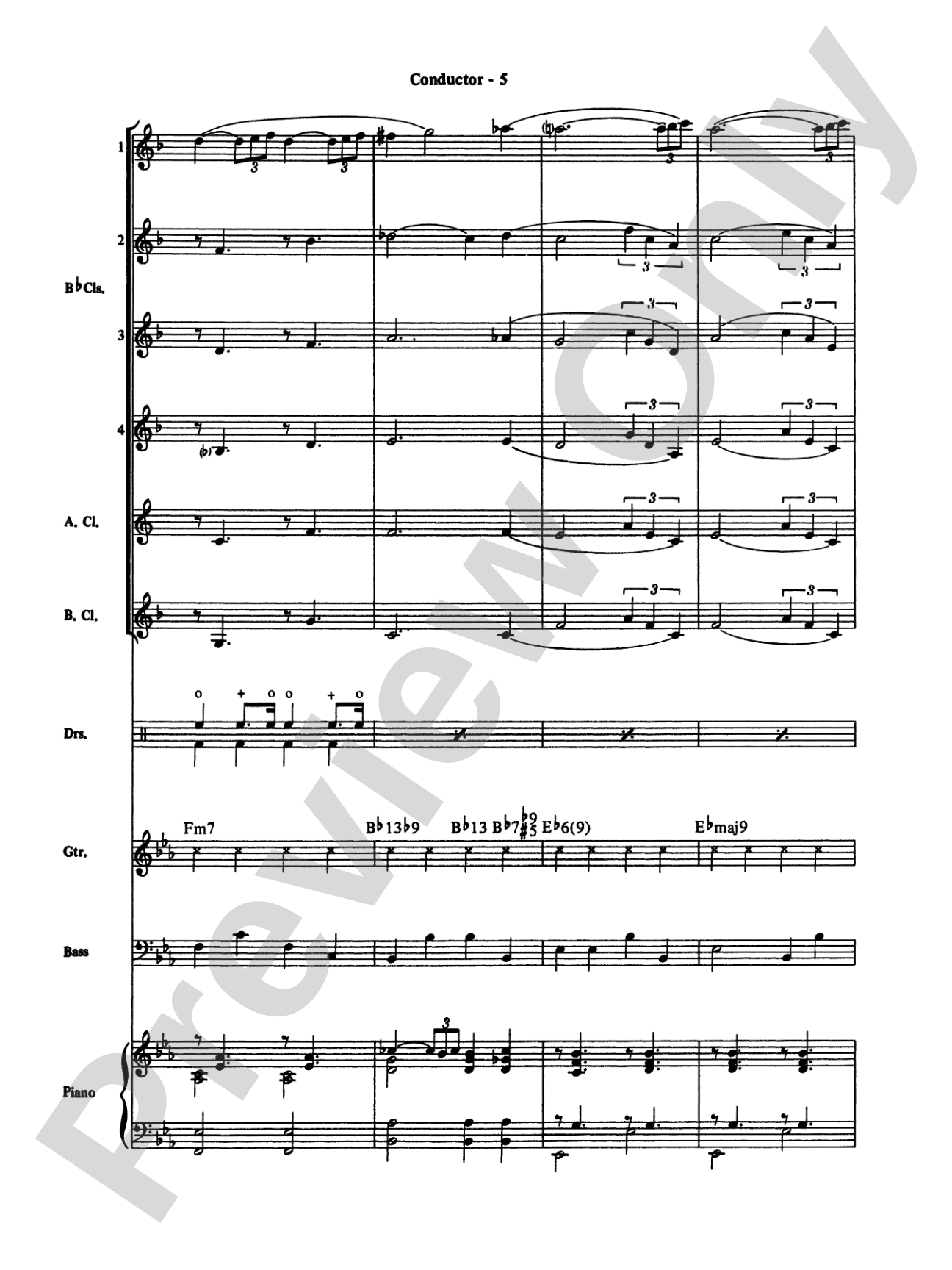
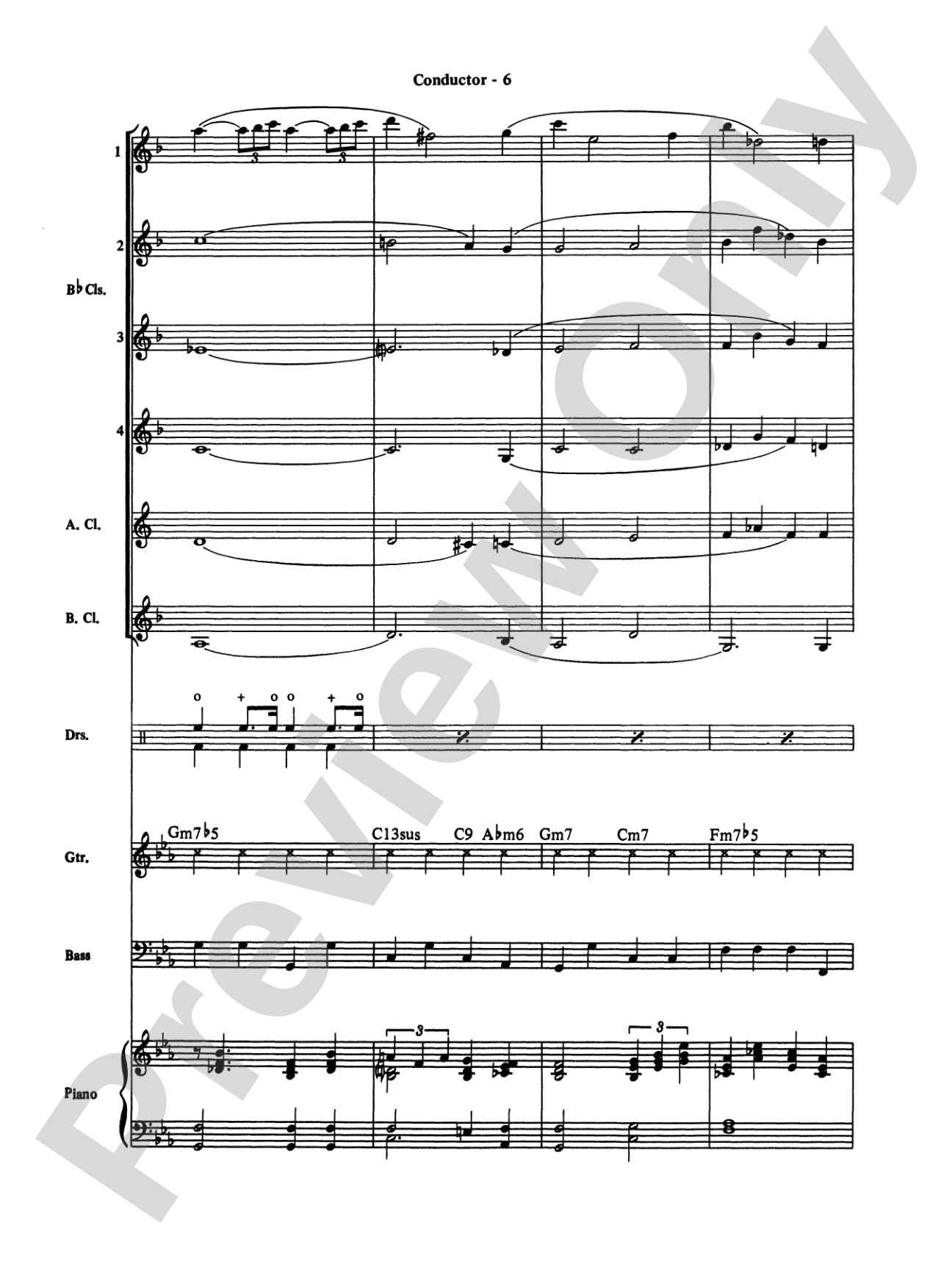
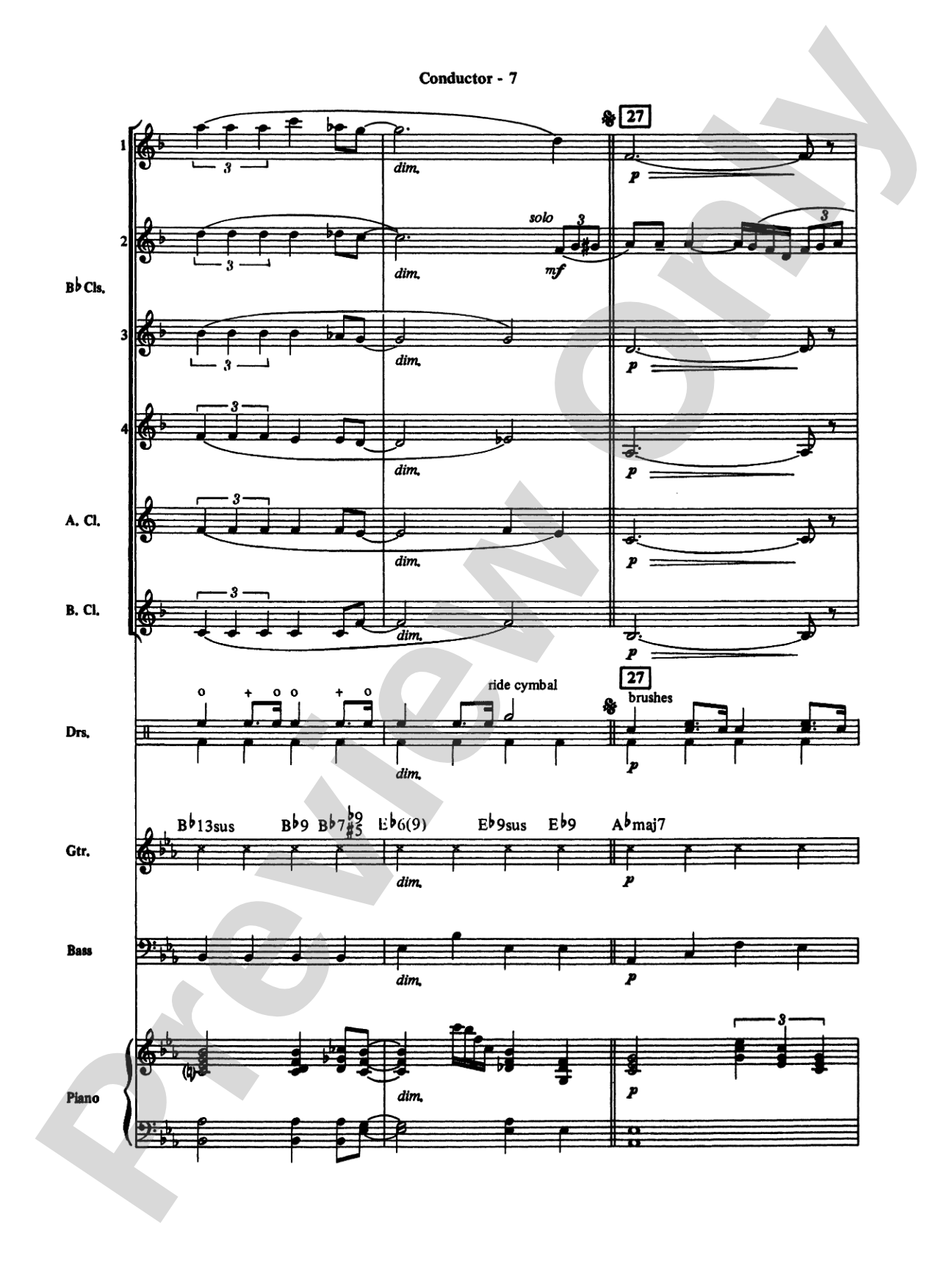
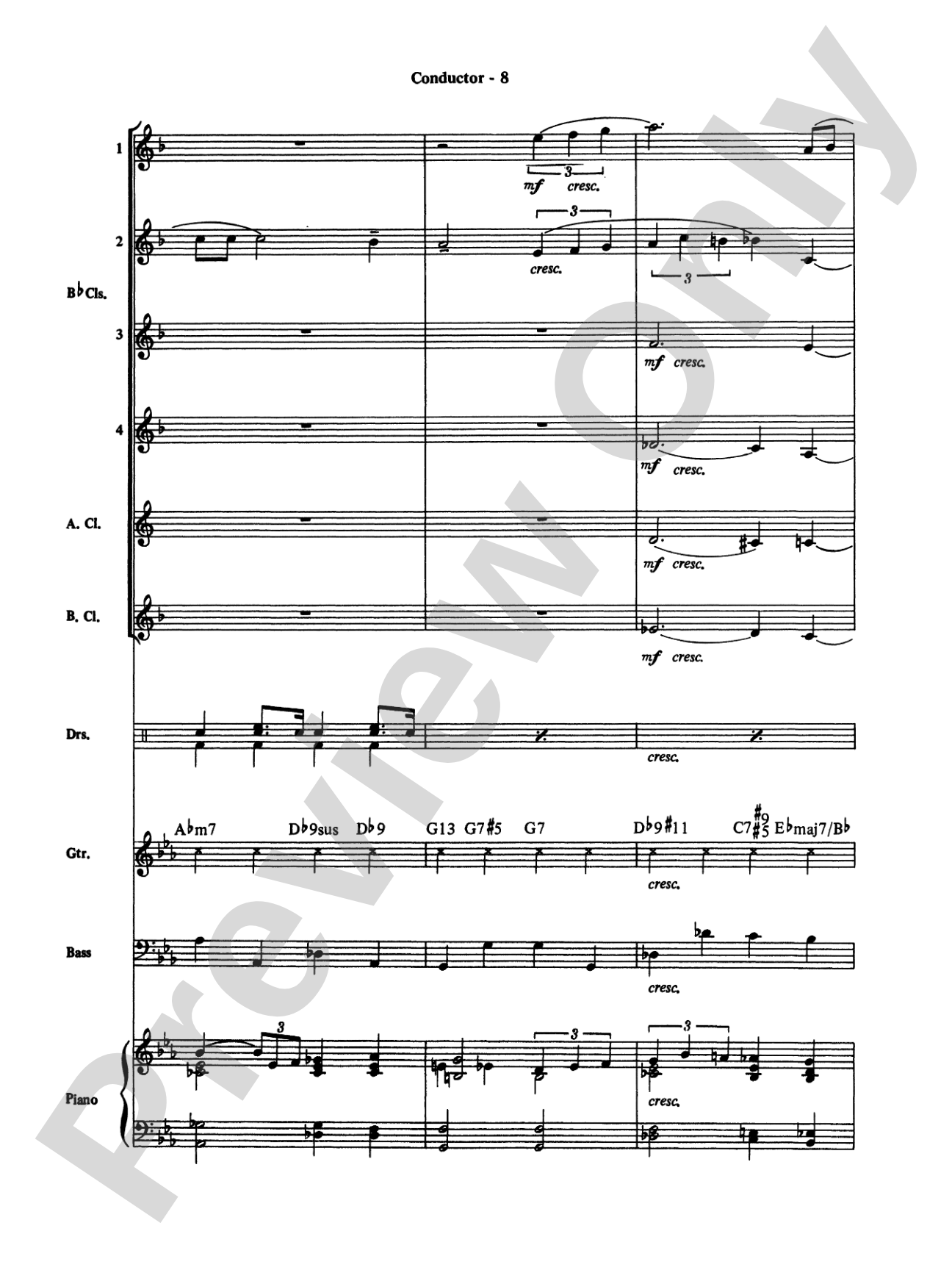
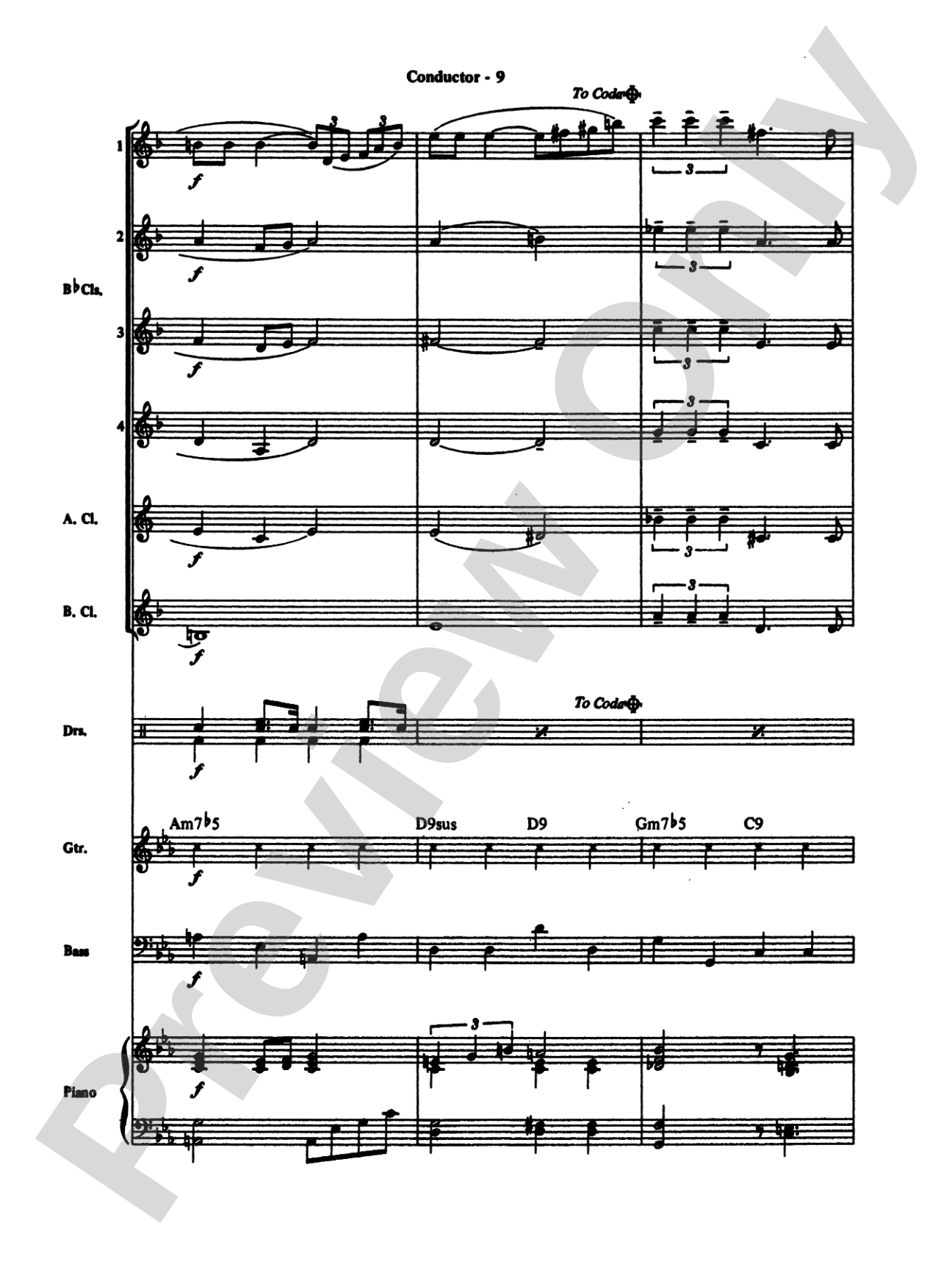
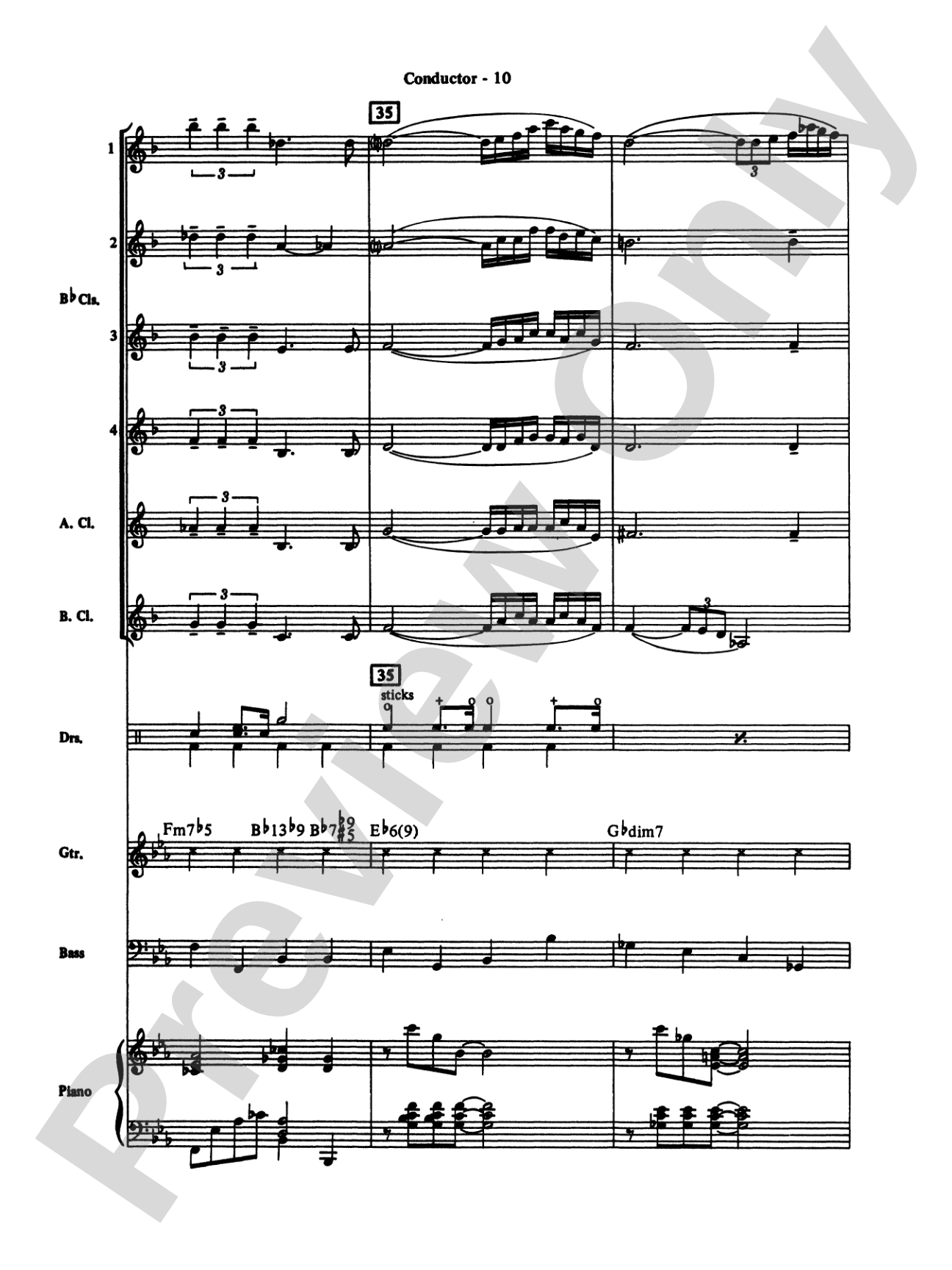
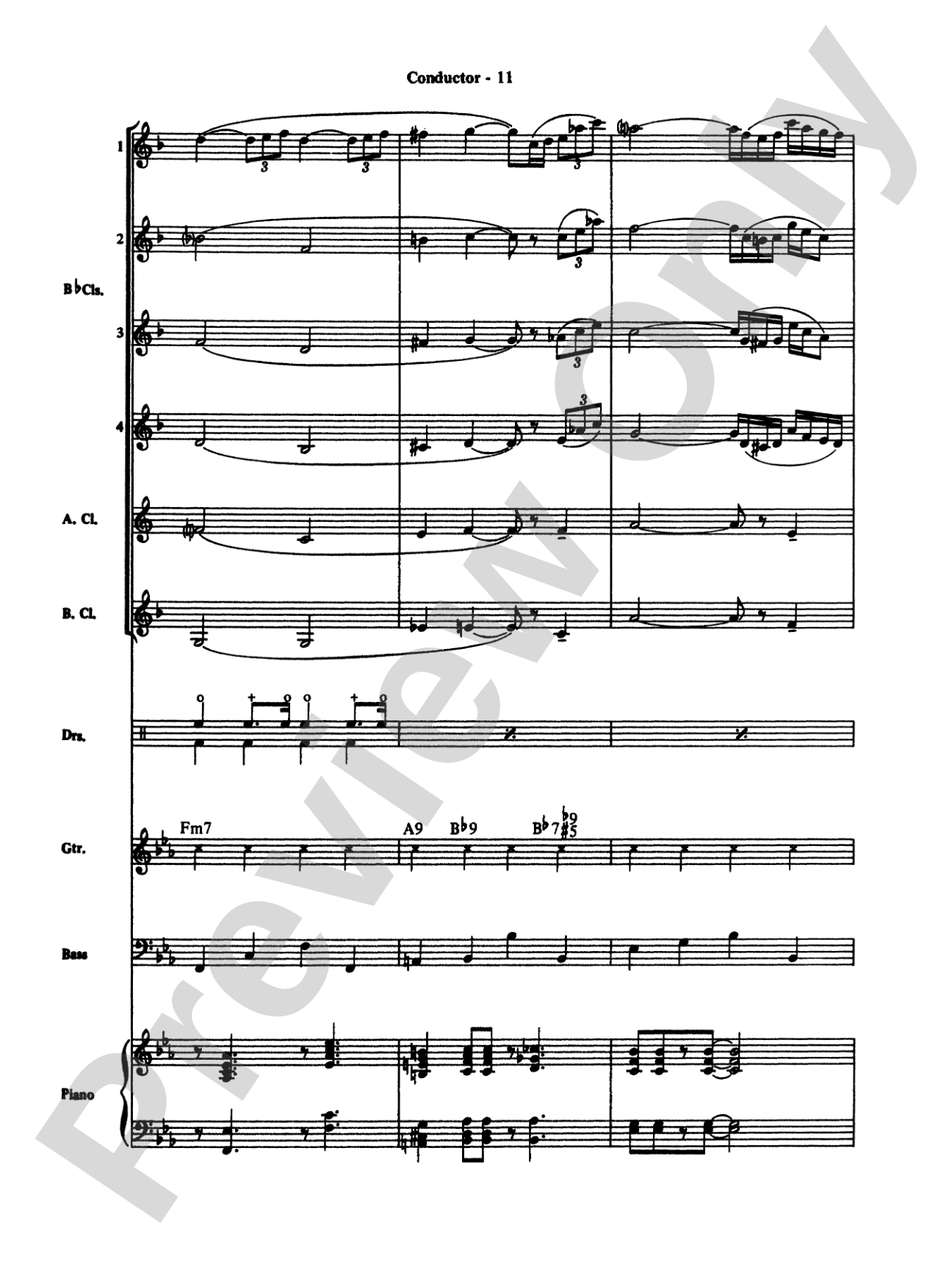
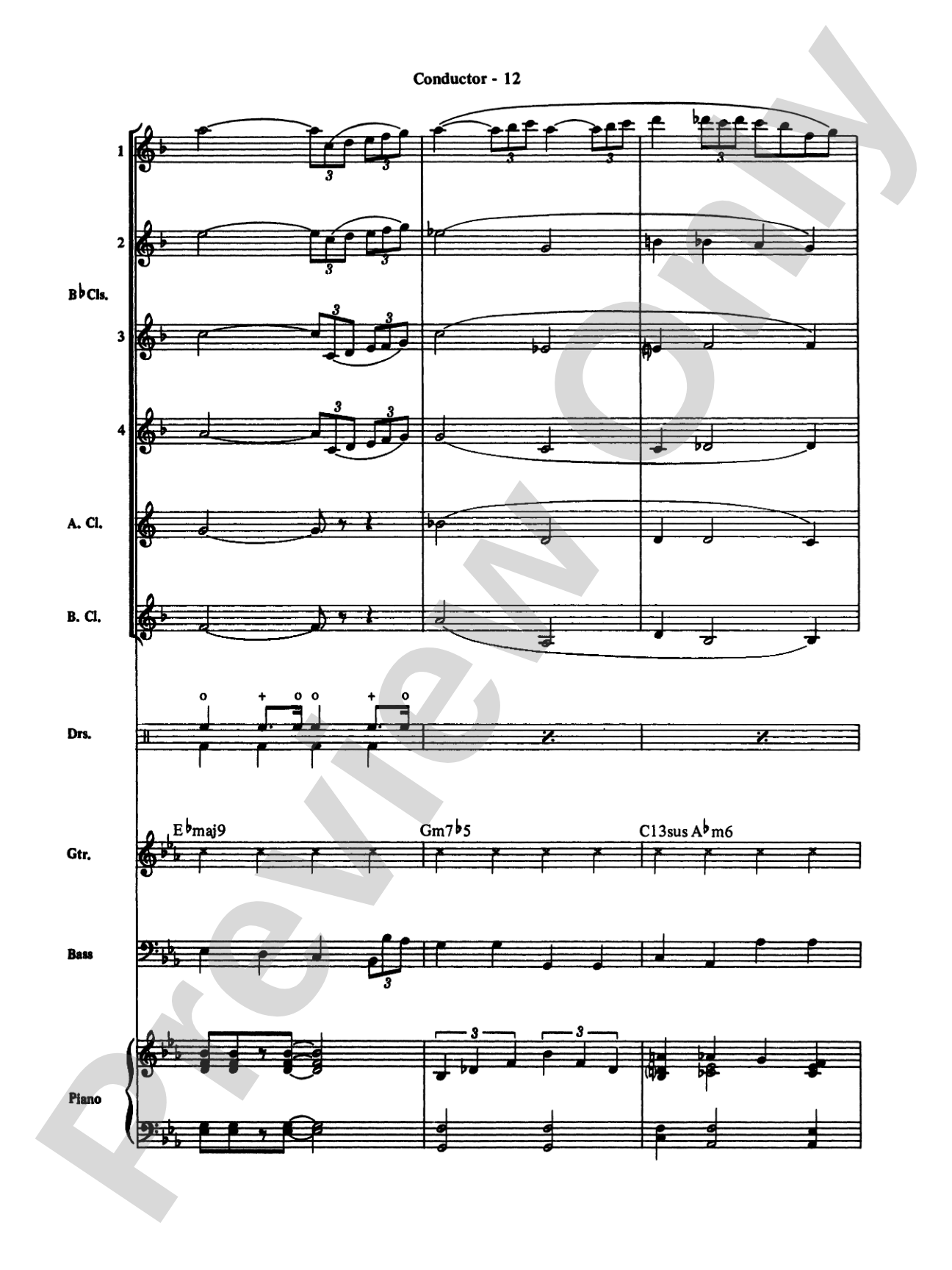
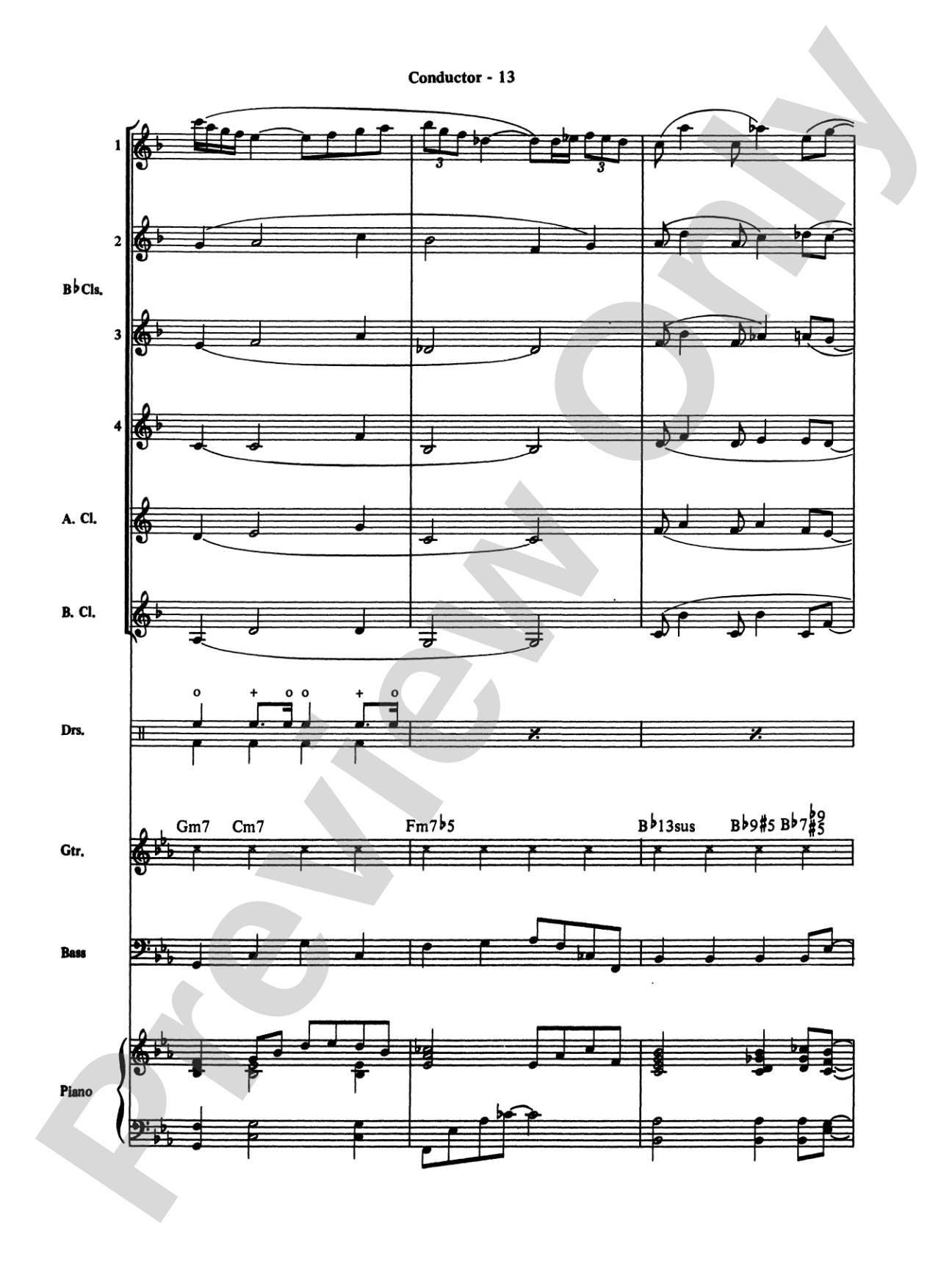
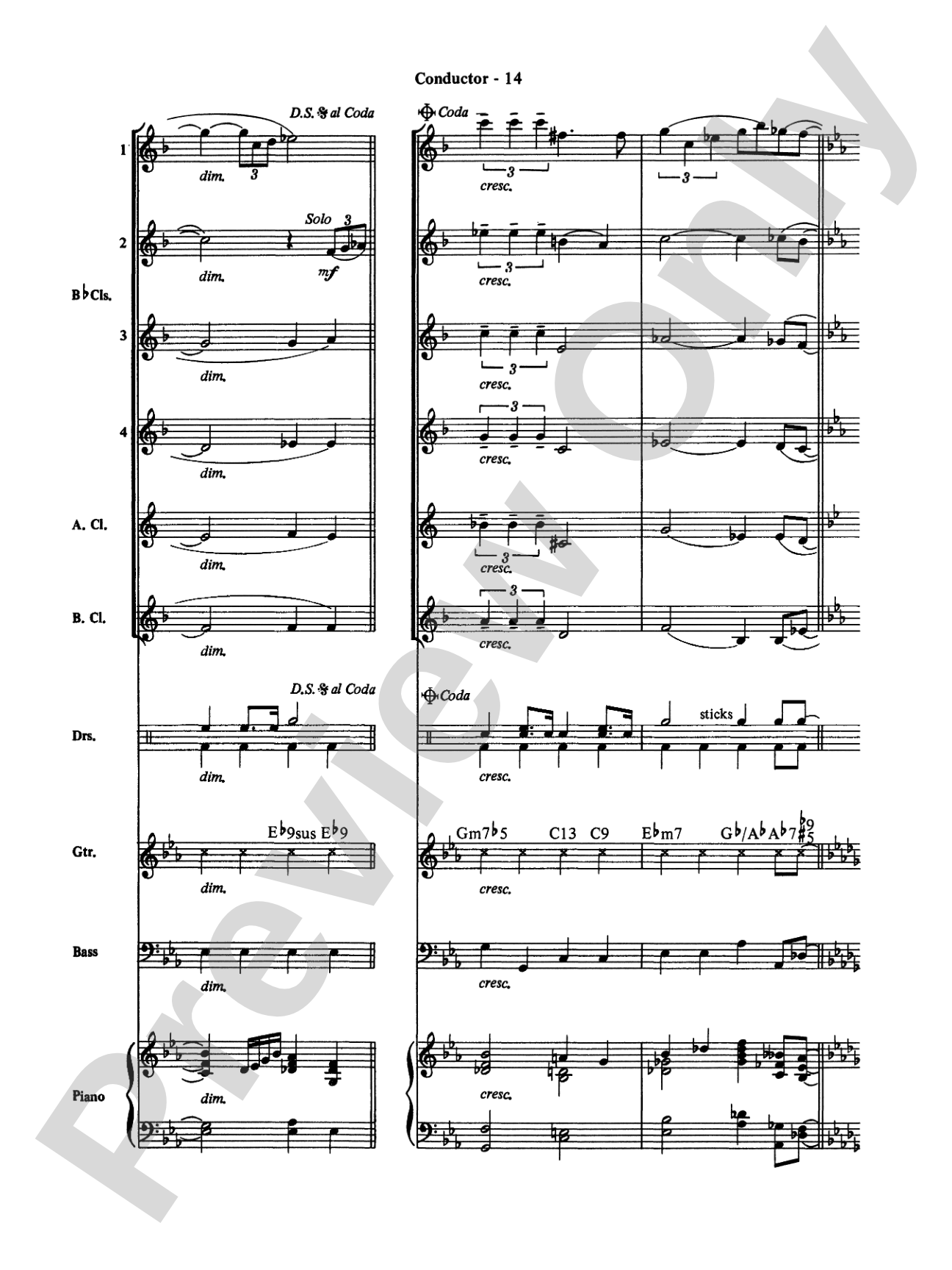
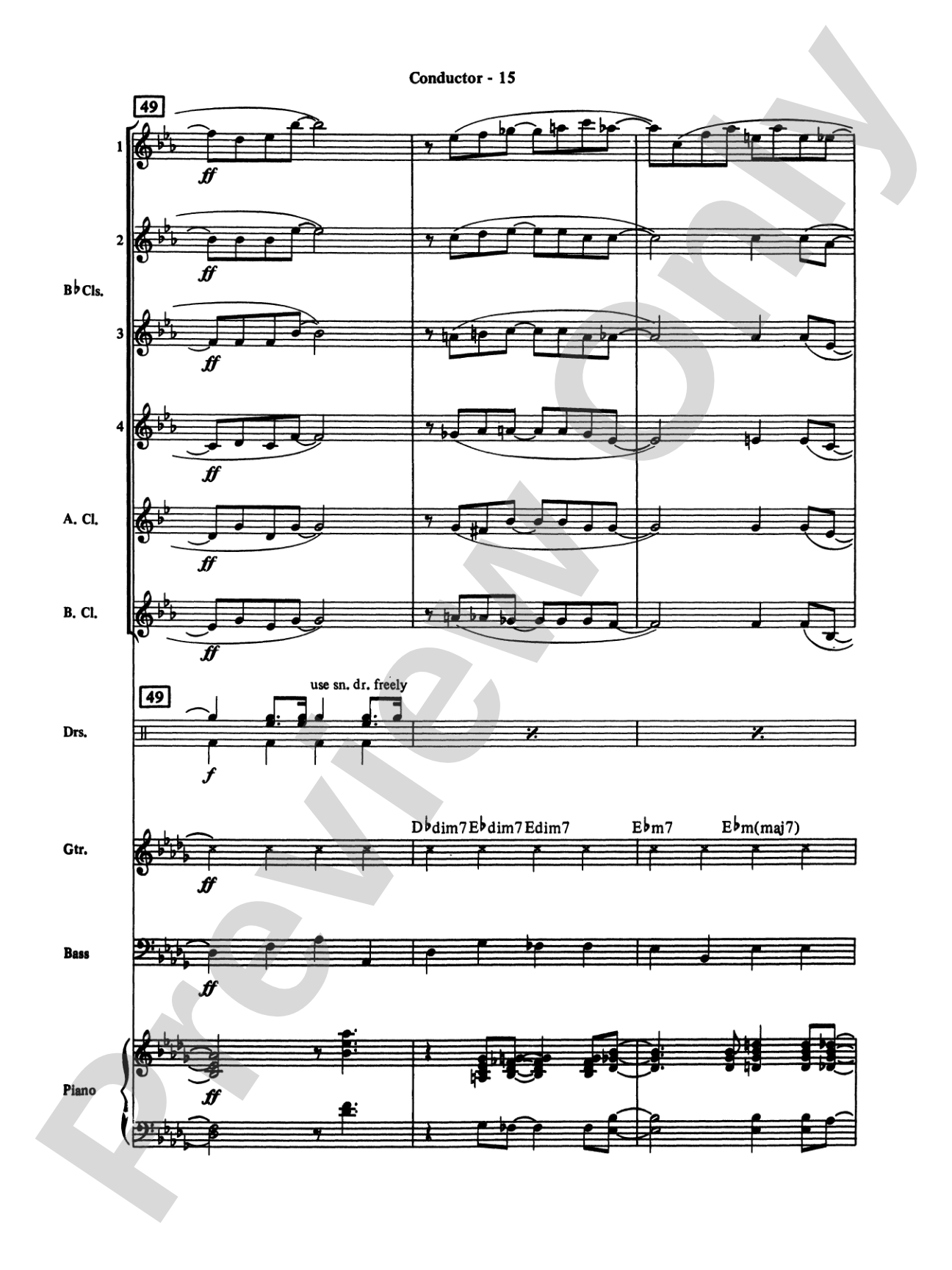
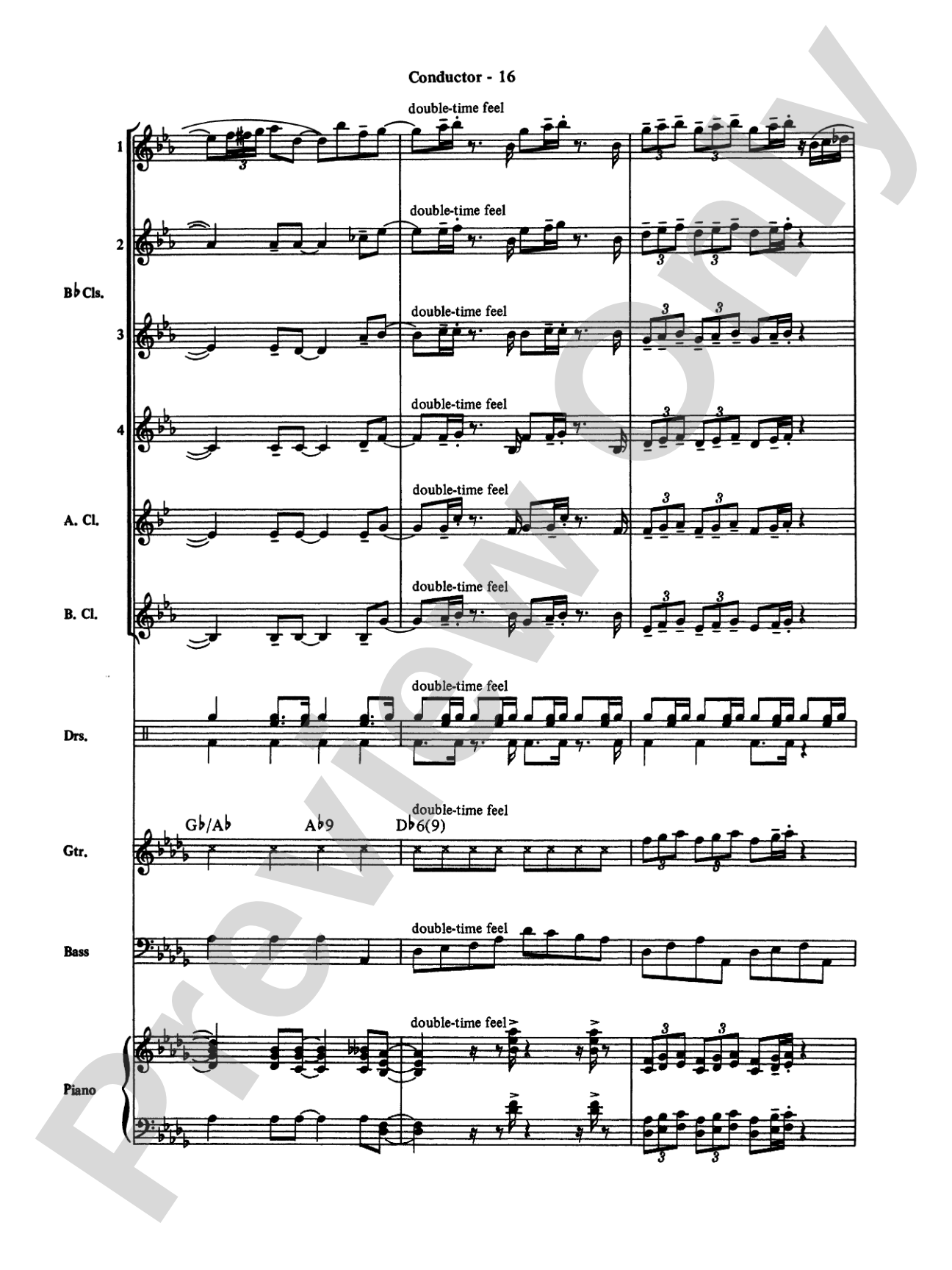
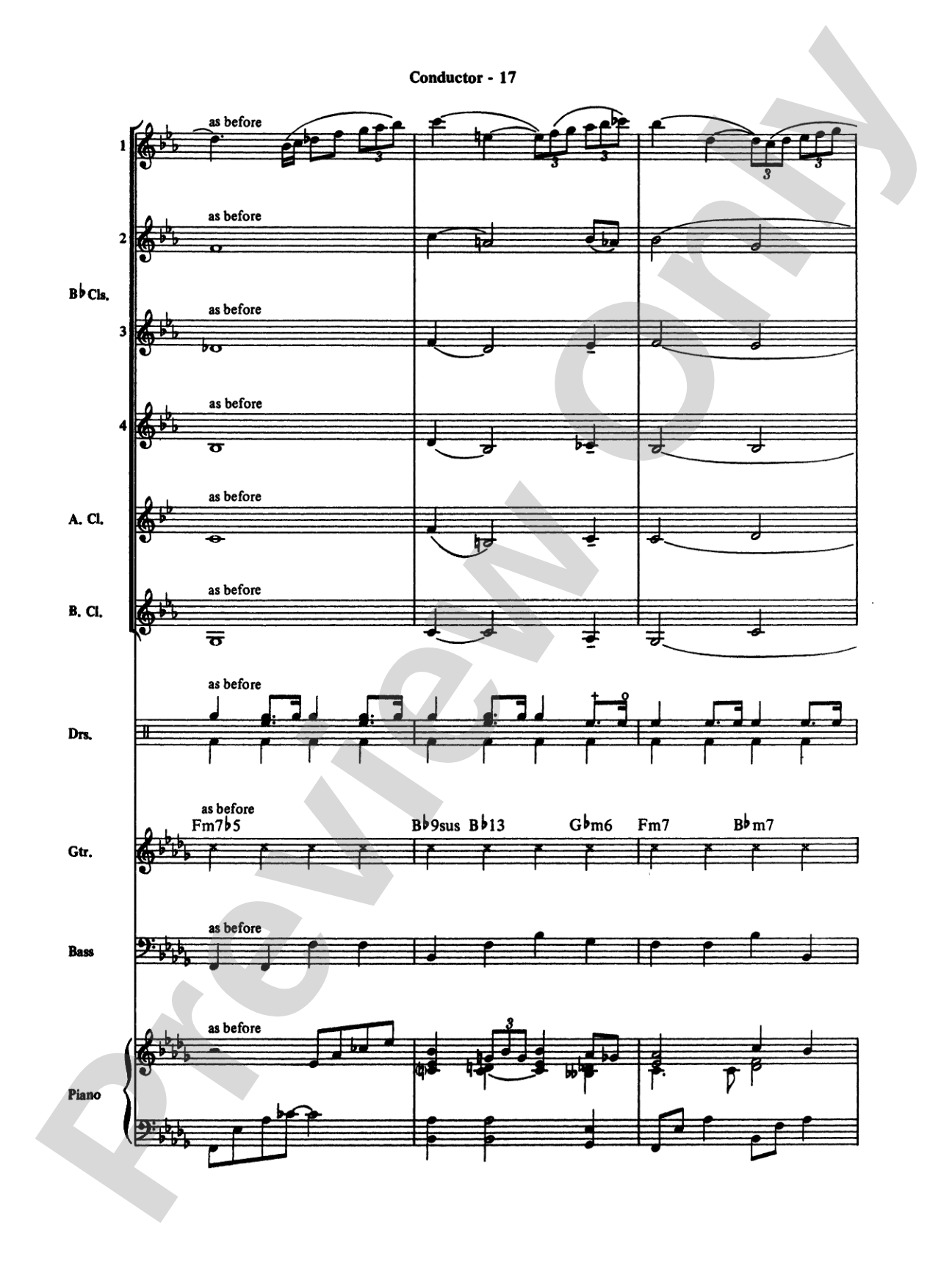
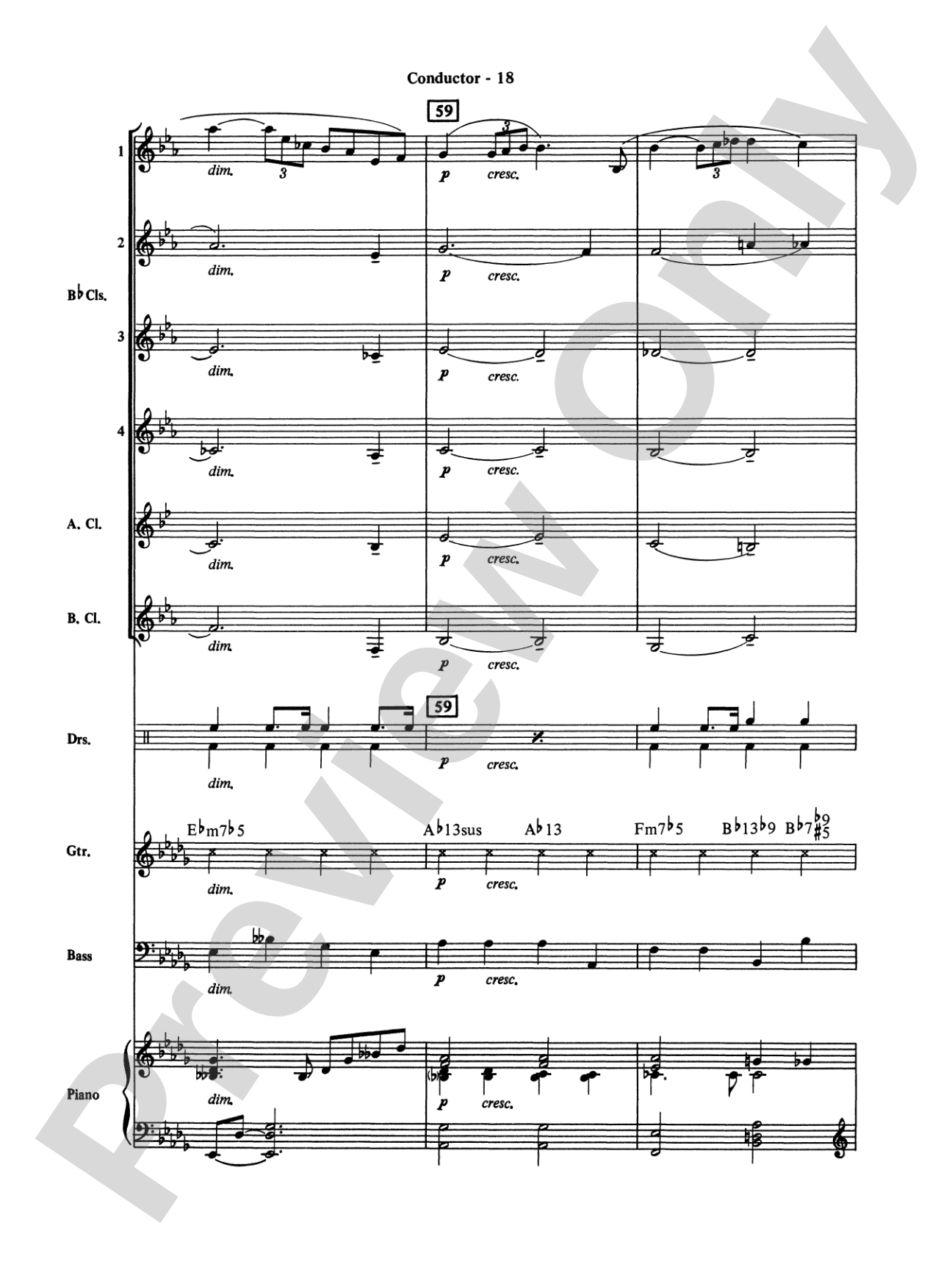
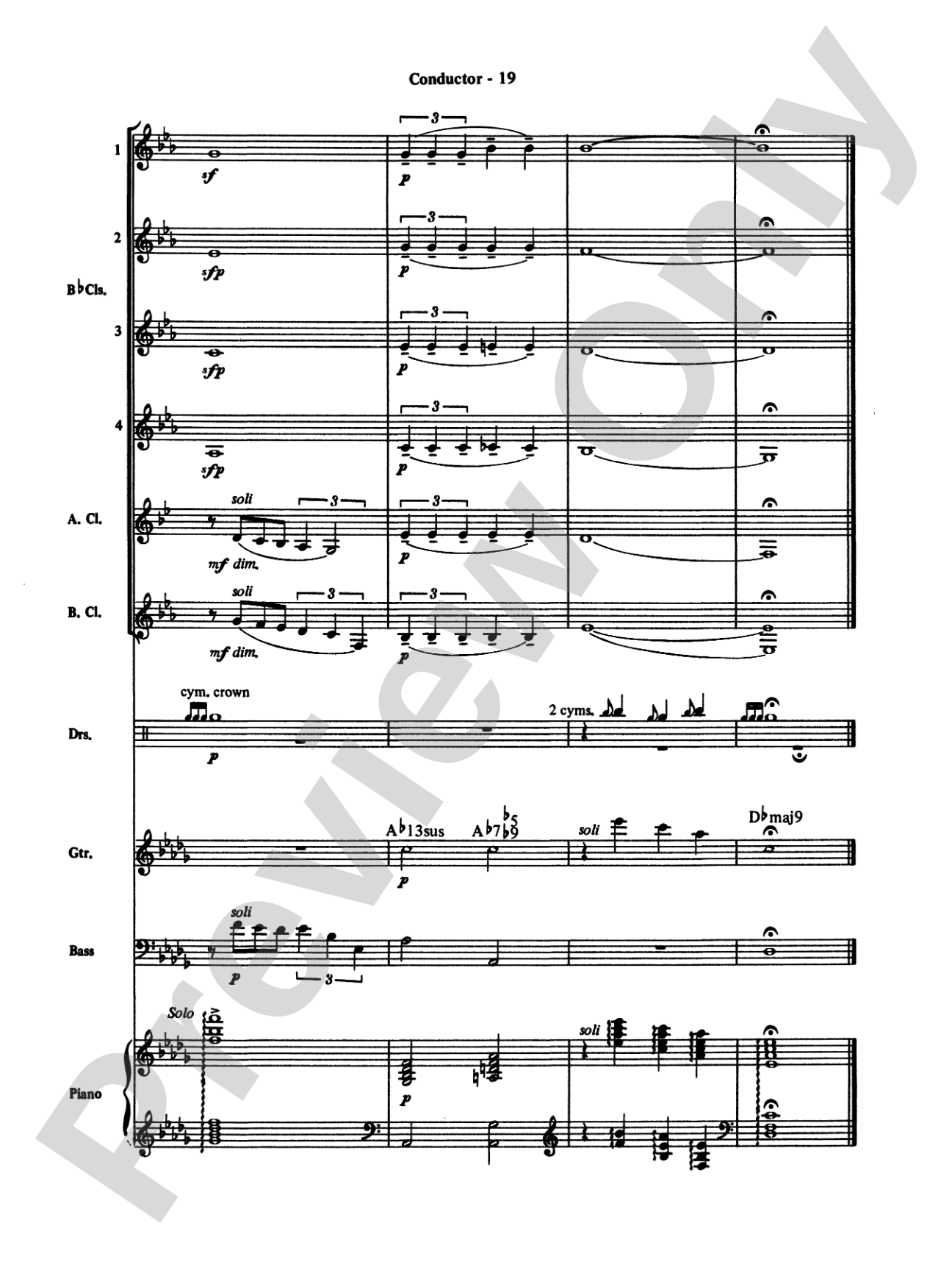

Moonlight Serenade: Clarinet Choir
By Glenn Miller / arr. Calvin Custer
Item: 00-PK-0001705

$15.99
One moment…
Related Items
Moonlight Serenade: Clarinet Choir |
$15.99
|
View |
Description
Ensemble for clarinet choir with rhythm section accompaniment.
Download free full-performance and accompaniment recordings. Play along with the music and learn the correct style with the full-performance track. The accompaniment track includes only piano, guitar, bass, and drums, so if you don't have a rhythm section, you can play along with this track in rehearsal and performance.
Free Recording Downloads:
Full Performance Track
Accompaniment Track


Download free full-performance and accompaniment recordings. Play along with the music and learn the correct style with the full-performance track. The accompaniment track includes only piano, guitar, bass, and drums, so if you don't have a rhythm section, you can play along with this track in rehearsal and performance.
Free Recording Downloads:
Full Performance Track
Accompaniment Track
Don't just read it, hear it, play along with it, and watch your students grow with it. In MakeMusic Cloud, Moonlight Serenade: Clarinet Choir comes alive with professional accompaniment, adjustable tempo, and built-in practice tools that turn solo practice into real progress.
Open in the Player
Jump straight in and assign it today.
Start Your Free Trial
Open this title and explore the full library in minutes.
Sample Audio
1
Audio File
--:--
0:00
0:00
Sample Video
No sample videos found.
Additional Details
Series:
Ensembles That Swing
Publisher:
Alfred Music
Page Count:
40
SKU:
00-PK-0001705
Instrumentation:
Clarinet Choir
More about this title
About the Composer: Glenn Miller
Glenn Miller (1904-1944) shaped the sound of American popular music during the swing era with his orchestra's distinctive clarinet-led voicings and tight ensemble arrangements. His compositions and band became synonymous with the big band sound of the 1940s, influencing generations of jazz and popular musicians. Miller's emphasis on clear, blended ensemble textures and singable melodies made his music accessible to both dancers and serious musicians alike.
Why we love this
Custer's arrangement captures the luminous quality that made Miller's clarinet choir writing legendary, and the included accompaniment track means you can perform this sophisticated swing number regardless of whether you have a full rhythm section available. The free full-performance recording gives students a stylistic reference they can internalize before rehearsal, accelerating their grasp of swing articulation and ensemble balance. This is repertoire that sounds polished and professional while remaining genuinely playable for clarinet choirs of intermediate ability.
What to expect
Moonlight Serenade evokes the sophisticated elegance of 1940s ballroom swing, with warm clarinet harmonies that float above a propulsive rhythm section. The piece feels both intimate and energetic, balancing romantic phrasing with the forward momentum that defines Miller's arranging style.
Who it's for
Clarinet choirs with some ensemble experience who are ready to explore swing style and blend, whether in school bands, community music groups, or college wind studios. Directors seeking high-quality arrangement that sounds professional but doesn't require a full big band setup will find this ideal for concert programming or sectional showcases.
How to get the most out of it
- Balance the clarinet lines so the melody sings without overpowering the harmonies; the warmth of this arrangement depends on each voice being heard but blended.
- Lock onto the swing feel early by listening to the full-performance track multiple times before the first sectional; this is not classical phrasing, and the rhythmic feel is essential.
- Shape phrases with deliberate dynamics rather than playing at one volume; Miller's arrangements reward musical storytelling that matches the serenade quality of the title.
- Use the accompaniment track in rehearsal to develop independence from the rhythm section, then transition to playing with live piano, guitar, bass, and drums to build confidence for performance.
How to use it
Feature this on a jazz or American music concert alongside other swing-era arrangements to give audiences a taste of the big band repertoire that shaped popular taste. It works beautifully as an opening number that establishes an elegant mood, or as a contrast piece in a program mixing classical and jazz traditions.
Skills your students will build
- Swing articulation and phrasing (short-long rhythmic feel, jazz interpretation)
- Clarinet choir balance and blend across four or more parts
- Style-specific rhythm section independence and listening
- Reading part writing that prioritizes harmonic texture over unison lines
- Ensemble intonation in jazz context (tuning to the ensemble sound rather than equal temperament references)