
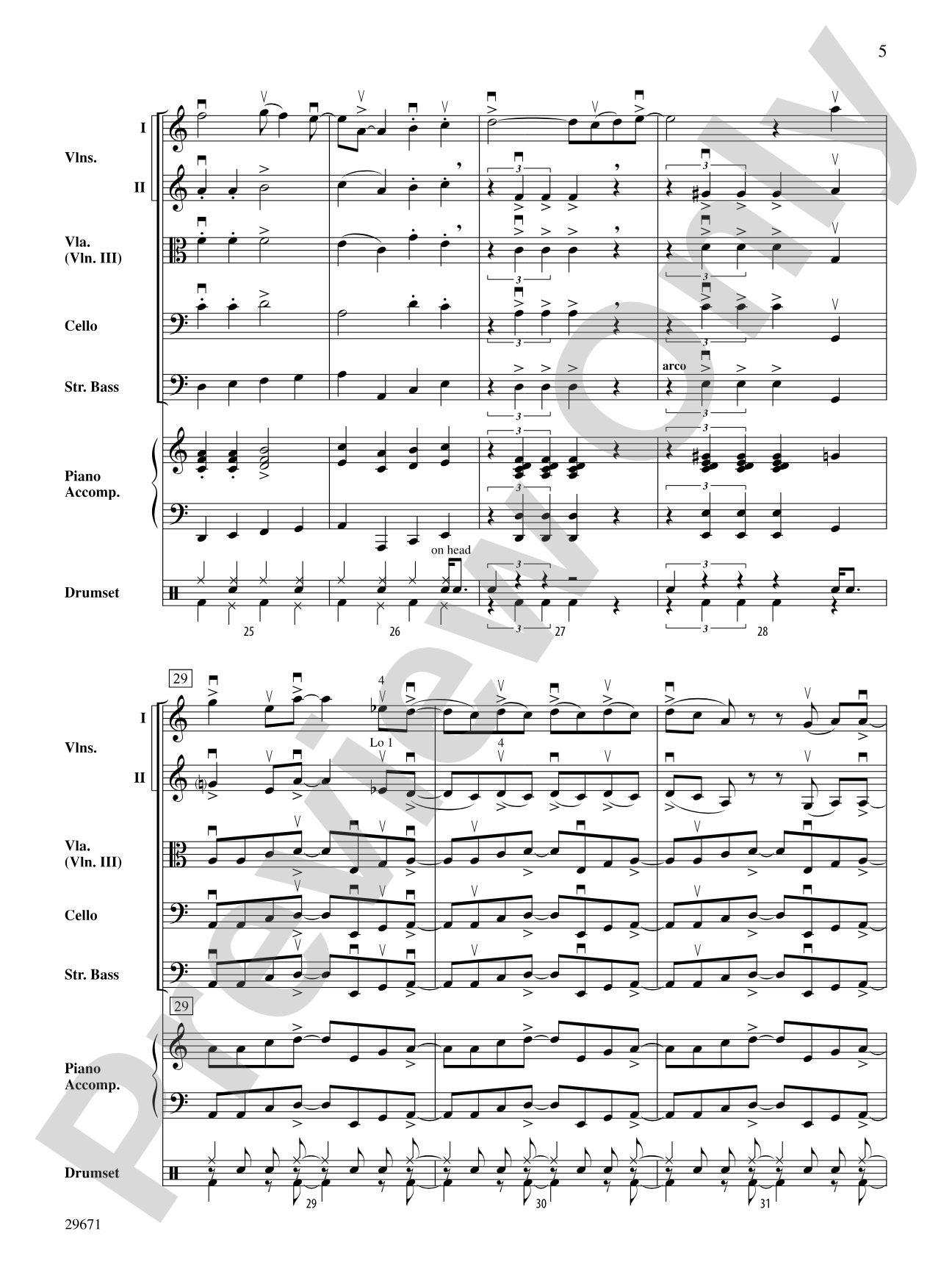
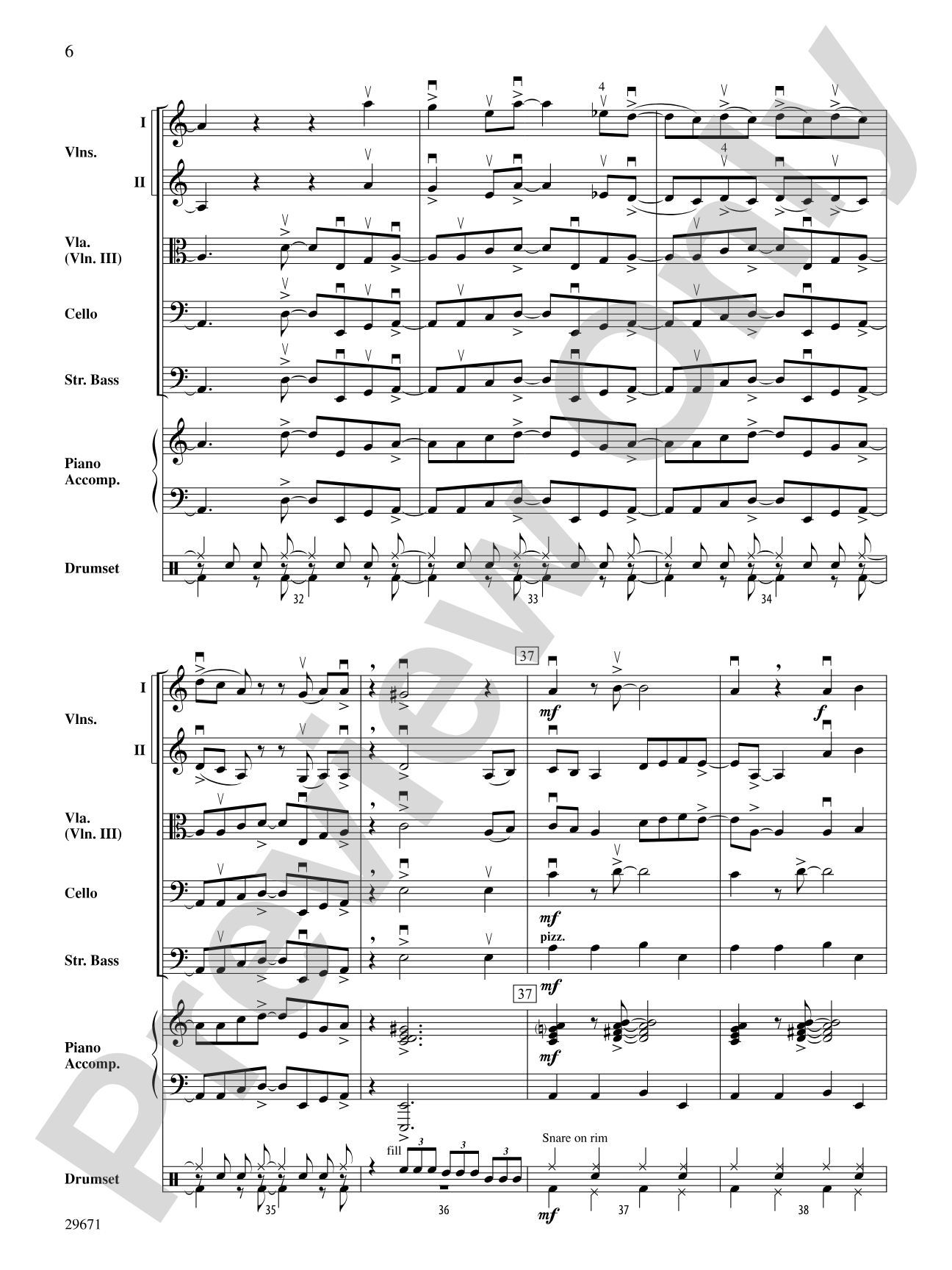
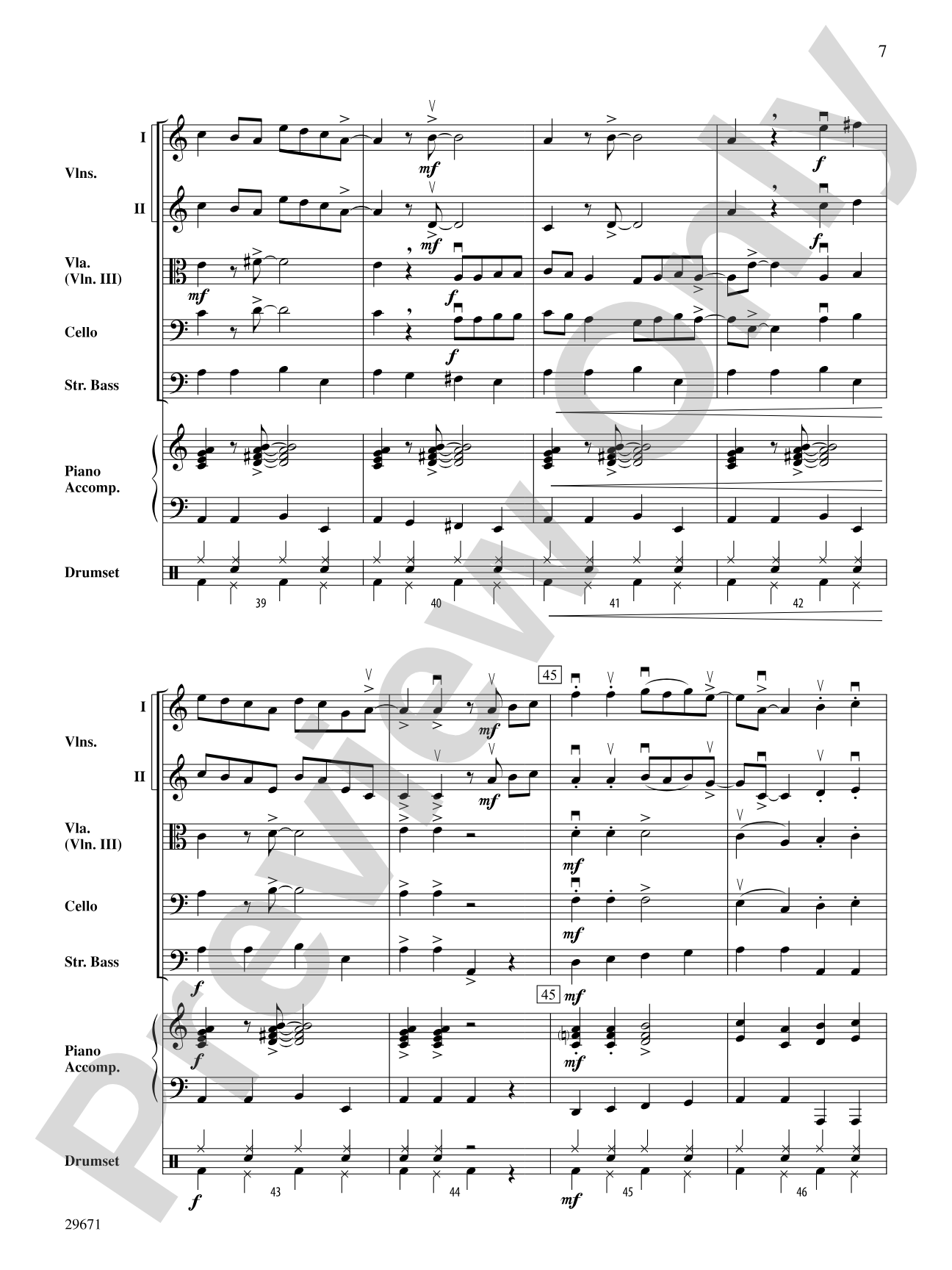
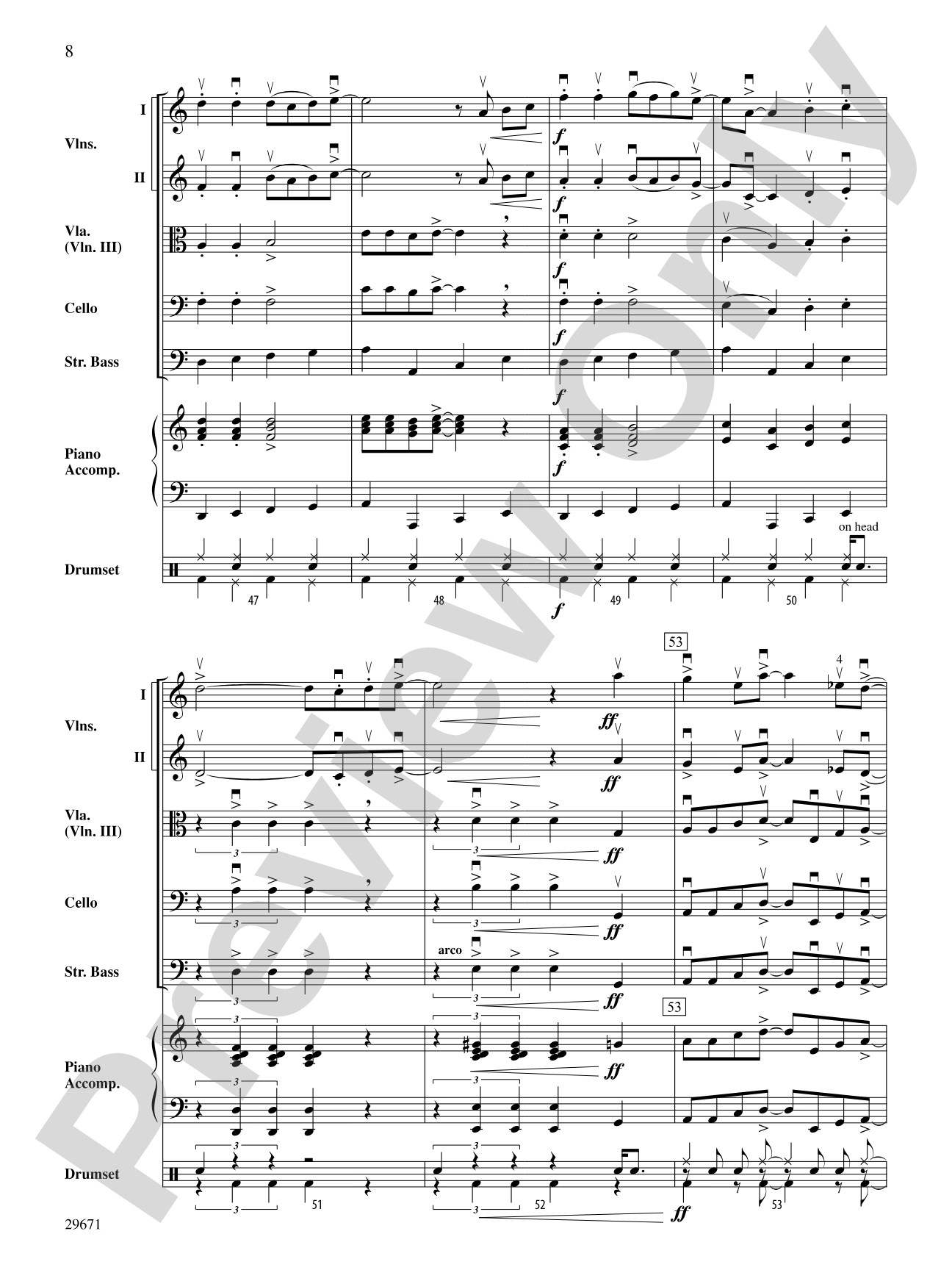
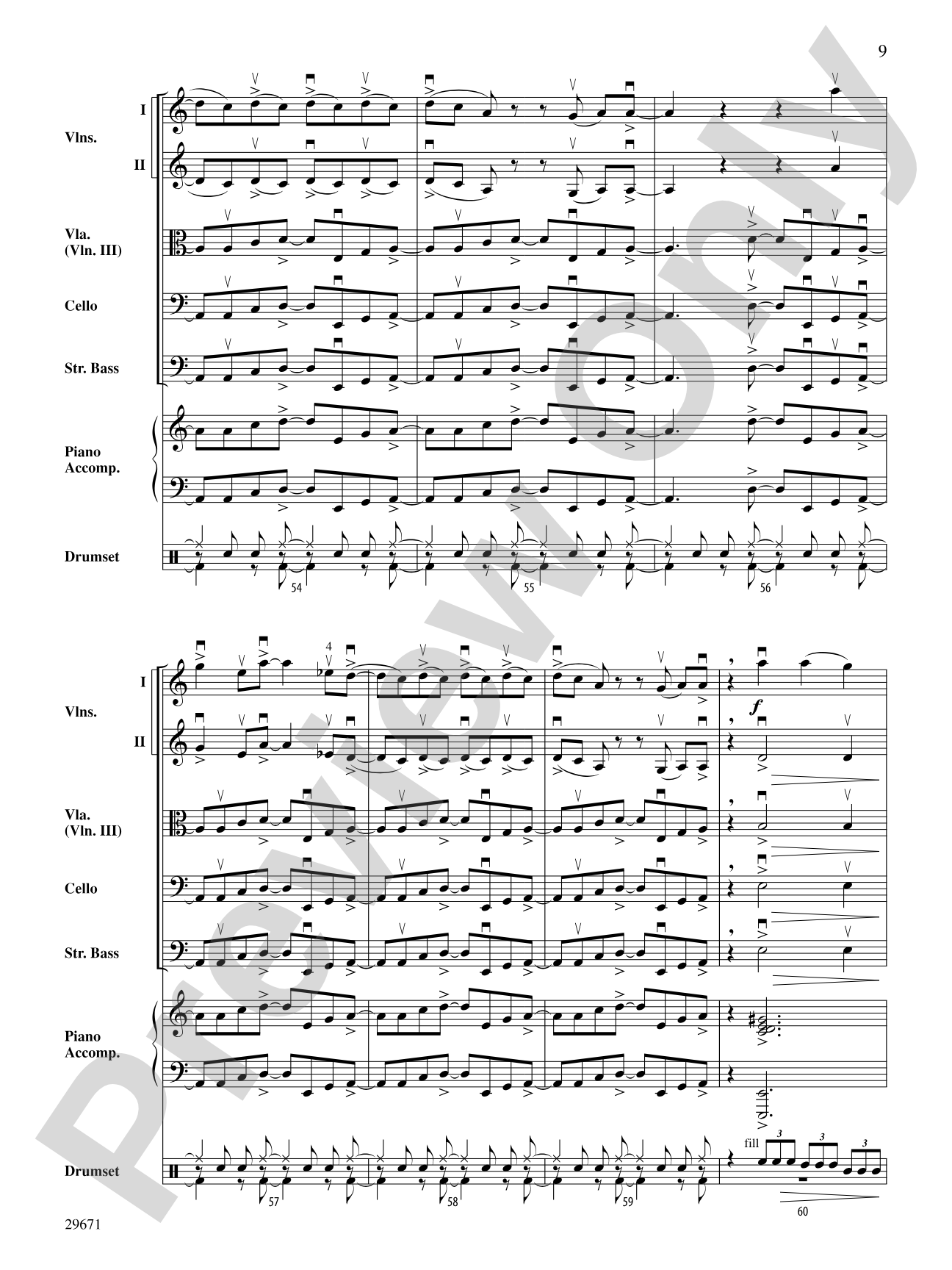
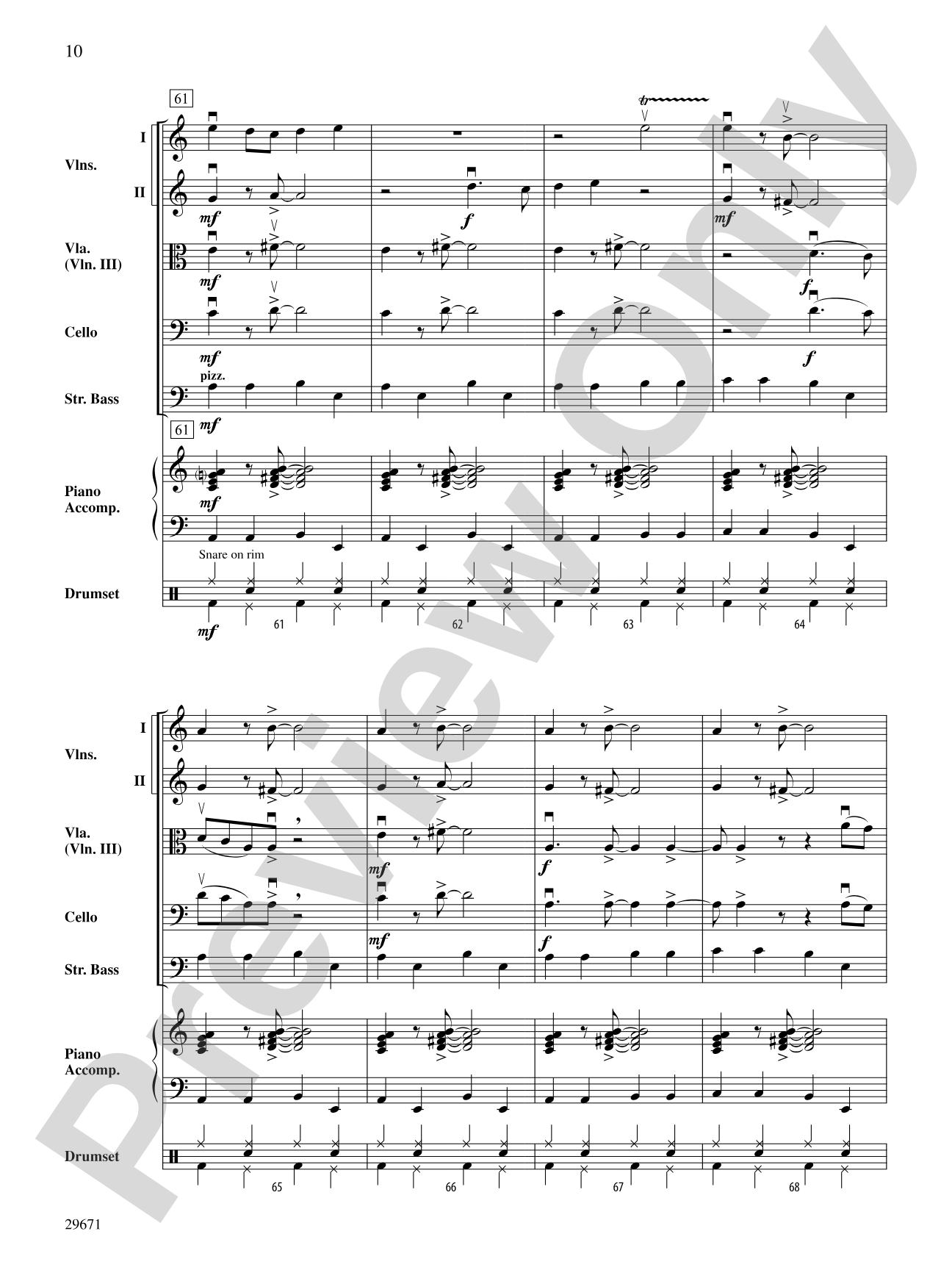
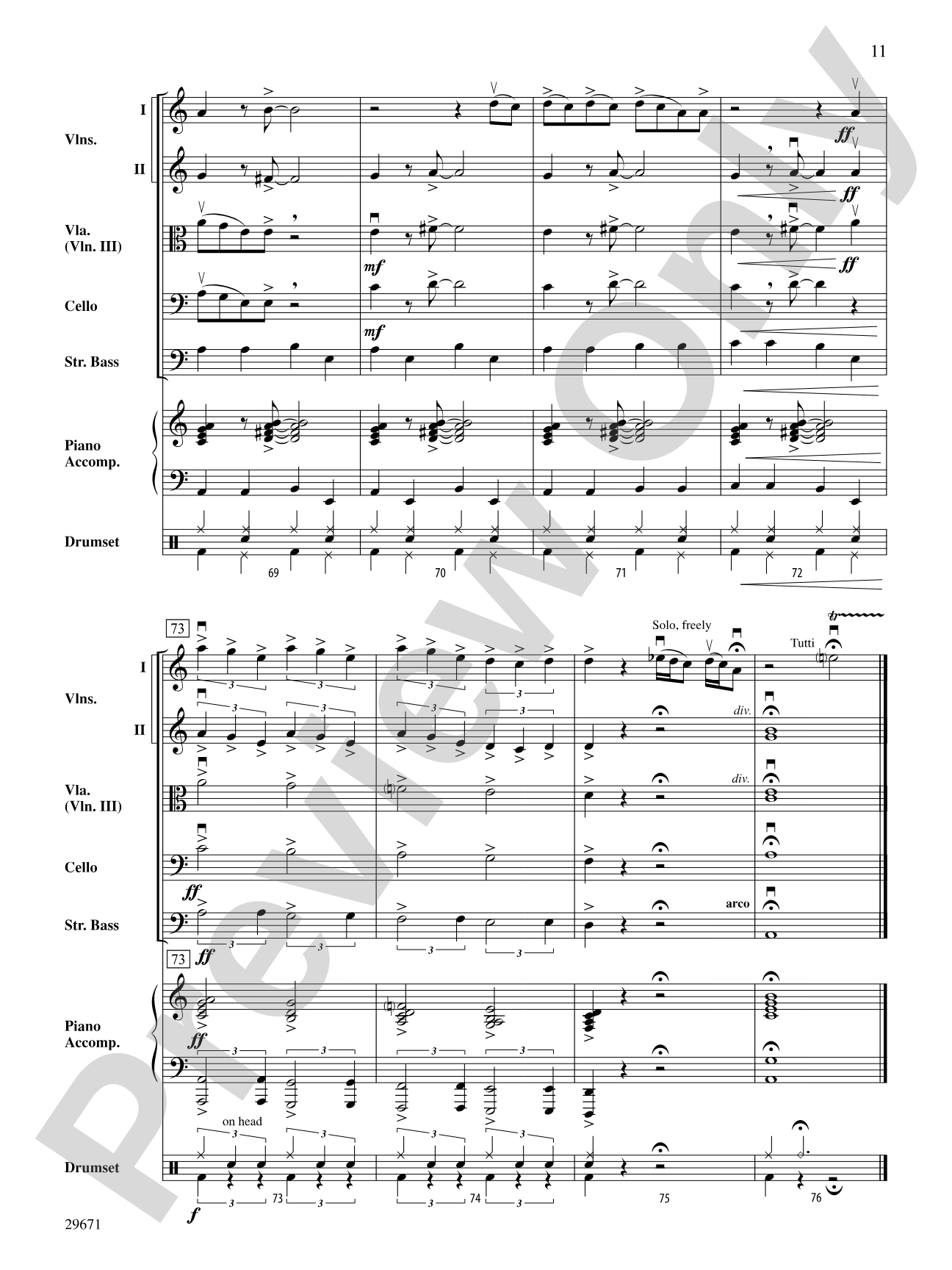


Moondance: String Orchestra Conductor Score & Parts
Words and music by Van Morrison / arr. Michael Hopkins
Grade: 3
Item: 00-PK-0001553

$61.00
One moment…
Description
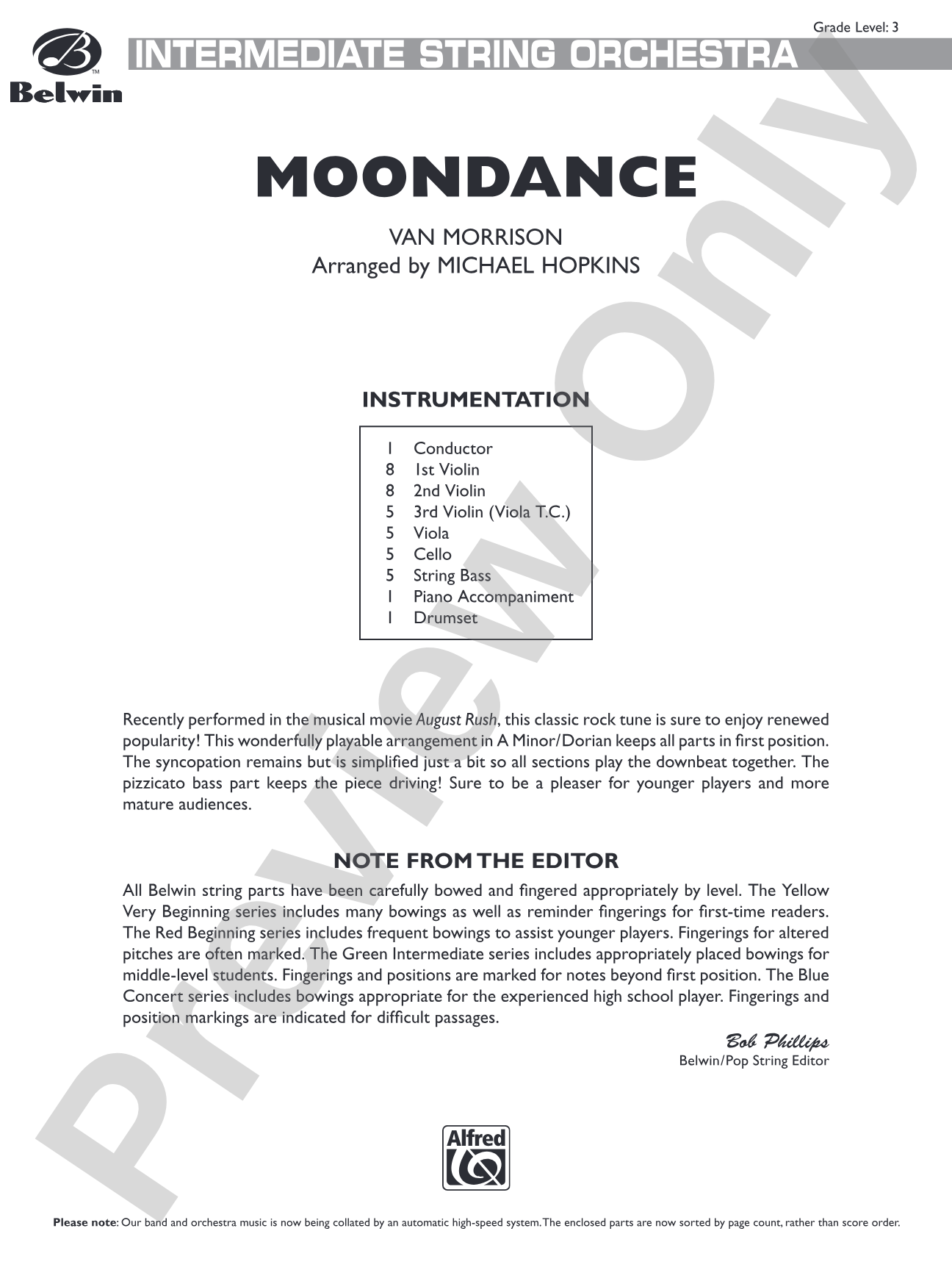
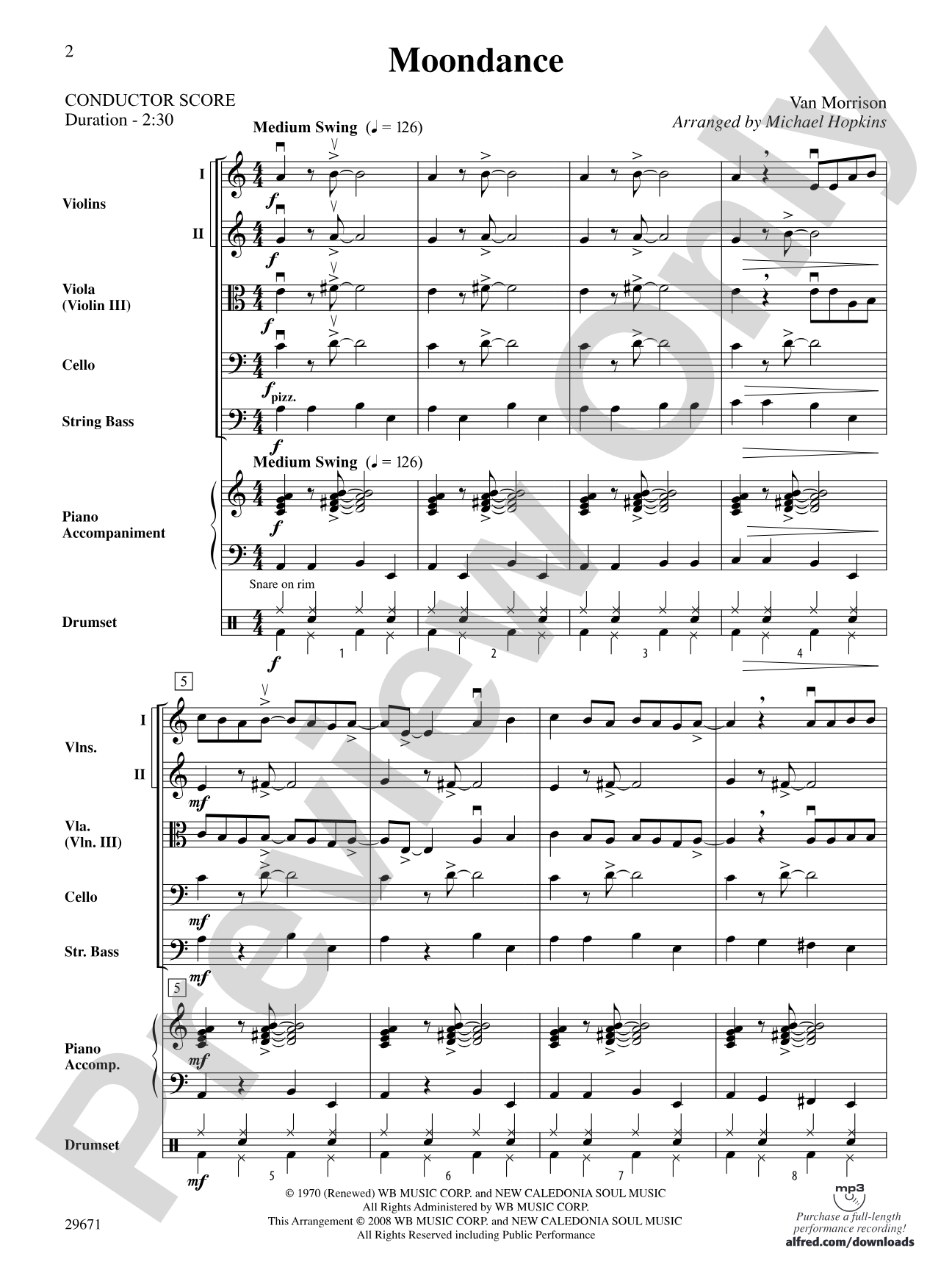
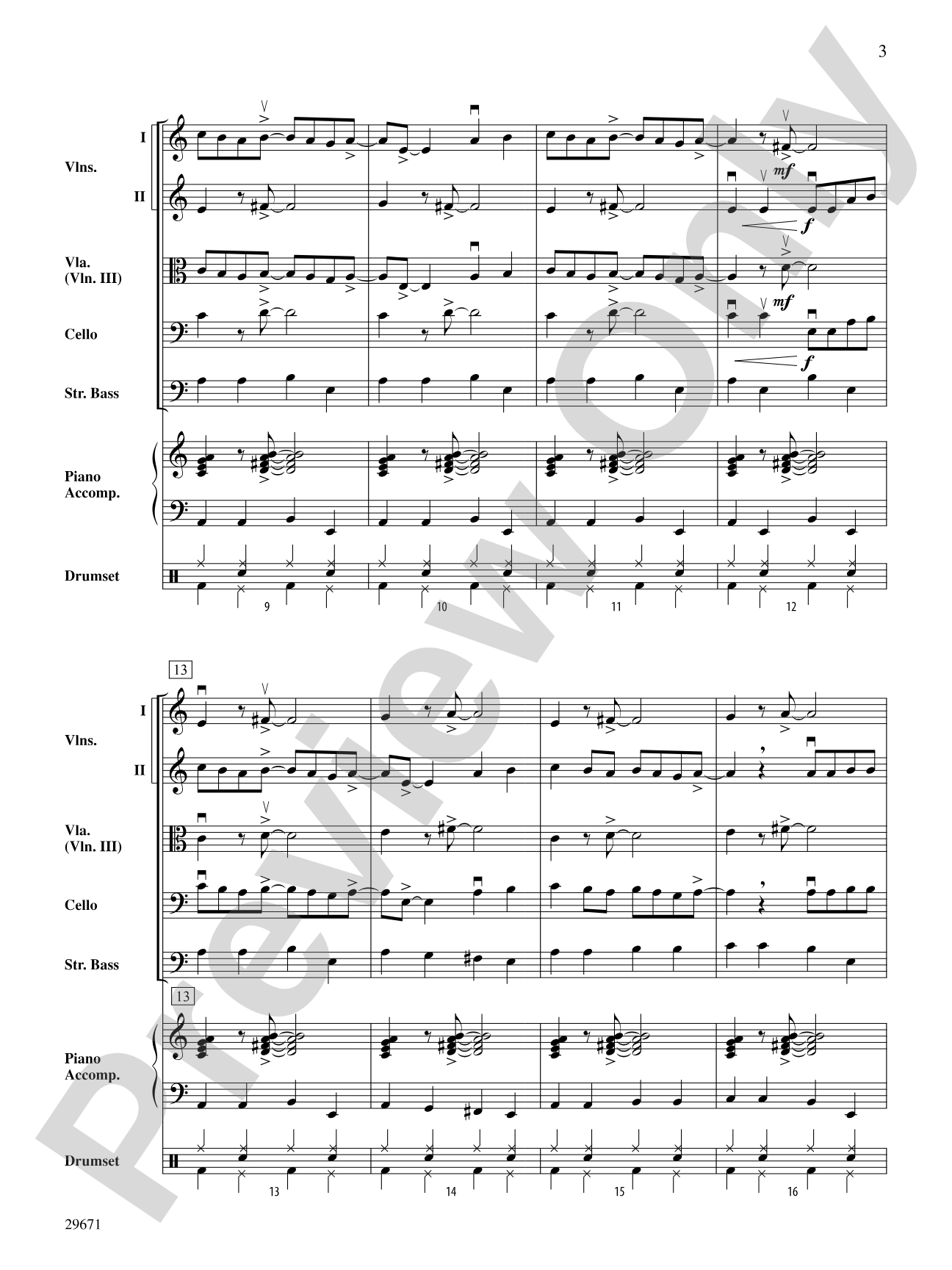
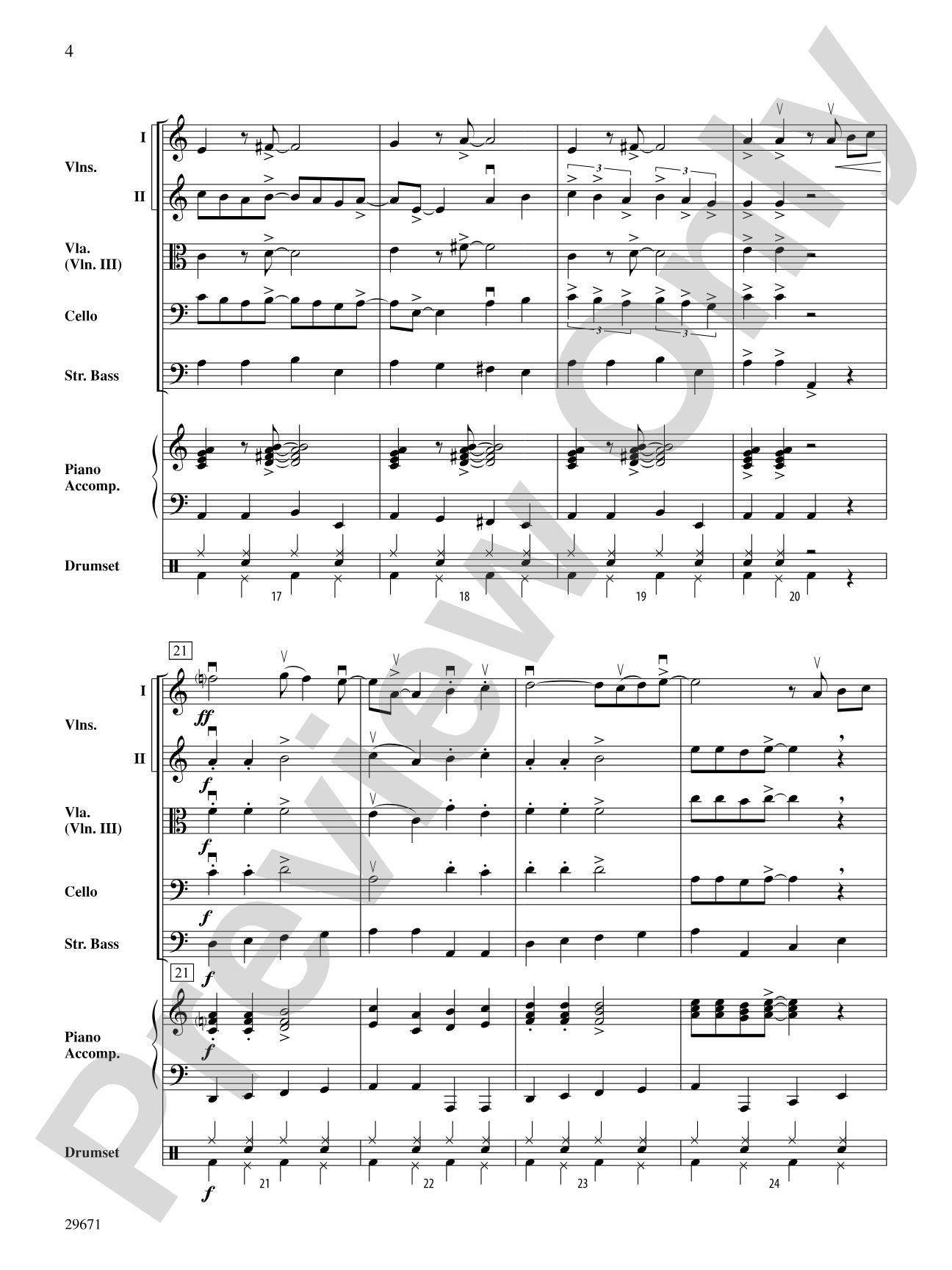
Recently performed in the musical movie, August Rush, this classic rock tune is sure to enjoy renewed popularity! This wonderfully playable arrangement in A Minor/Dorian keeps all parts in first position. The syncopation remains, but just a bit simplified, so all sections play the downbeat together. The pizzicato bass part keeps the piece driving! Sure to be a pleaser for younger players and more mature audiences! (2:30)


Don't just read it, hear it, play along with it, and watch your students grow with it. In MakeMusic Cloud, Moondance: String Orchestra Conductor Score & Parts comes alive with professional accompaniment, adjustable tempo, and built-in practice tools that turn solo practice into real progress.
Open in the Player
Jump straight in and assign it today.
Start Your Free Trial
Open this title and explore the full library in minutes.
Sample Audio
1
Audio File
--:--
0:00
0:00
Sample Video
No sample videos found.
Additional Details
Series:
Pop Intermediate String Orchestra
Publisher:
Alfred Music
Page Count:
150
SKU:
00-PK-0001553
More about this title
About the Composer: Van Morrison
Van Morrison is a Northern Irish singer-songwriter whose career spans from the 1960s to the present. His compositions blend rock, soul, and folk influences into deeply lyrical works that have earned him recognition as one of the most significant songwriters of his generation. "Moondance," released in 1970, stands among his most enduring compositions and has become a cultural touchstone covered across genres and ensembles.
Why we love this
This arrangement brings a universally beloved rock standard into the string orchestra repertoire without sacrificing the song's infectious groove. Michael Hopkins's orchestration keeps the syncopation and energy intact while respecting the technical reach of Grade 3 players, making it genuinely rewarding to conduct rather than a simplified afterthought. The pizzicato bass line propels the whole ensemble forward, giving younger musicians a visceral sense of how rhythm section and melody work together.
What to expect
Moondance swings with the kind of effortless cool that makes rock standards so durable. The A Minor/Dorian tonality gives it a slightly dreamlike quality; when the pizzicato bass locks in, the whole piece lifts into forward motion that feels organic rather than forced.
Who it's for
This arrangement suits Grade 3 string orchestras ready to explore contemporary repertoire beyond classical tradition. Conductors looking to program music that resonates with younger audiences while maintaining strong pedagogical value will find a winning choice here.
How to get the most out of it
- Lock the pizzicato bass line with the conductor's pulse early in rehearsal; it's the harmonic and rhythmic engine of the piece, and ensemble precision depends on it holding steady.
- Balance the syncopated passages carefully so they sit alongside the downbeats without losing clarity; spotlight a few rehearsals on vertical alignment in measures where parts stagger.
- Let the opening breathe slightly to establish the Dorian character before the bass enters; a gentle prep gesture sets the groove's pocket rather than rushing into it.
- Check intonation closely in the key of A Minor, particularly where the Dorian mode sits; voicing exercises on sustained chords will anchor pitch before tackling the full arrangement.
How to use it
Place this in a pops or contemporary-focused concert to bridge classical and modern audiences, or program it alongside folk-influenced string repertoire to explore how melody and rhythm anchor different musical traditions. Its 2:30 length makes it ideal as a concert opener that captures attention immediately.
Skills your students will build
- Syncopated rhythm reading with simplified articulation relative to the original rock recording
- First-position intonation in Dorian tonality
- Pizzicato technique and sustaining rhythmic precision as an ensemble
- Balancing melody and accompaniment across string sections
- Connecting groove-based music to formal conducting and sectional balance