

Moodscape: String Orchestra Conductor Score & Parts
By Susan H. Day
Grade: 2.5
Item: 00-PK-0000947

$48.00
Pickup currently not available
Buy Extra Parts (Digital PDF Download)
| Product | Price | Quantity |
|---|---|---|
| Moodscape: Score | $7.00 | |
| Moodscape: 1st Violin | $5.99 | |
| Moodscape: 2nd Violin | $5.99 | |
| Moodscape: Viola | $5.99 | |
| Moodscape: Cello | $5.99 | |
| Moodscape: String Bass | $5.99 |
Parts Added to Cart!
Description
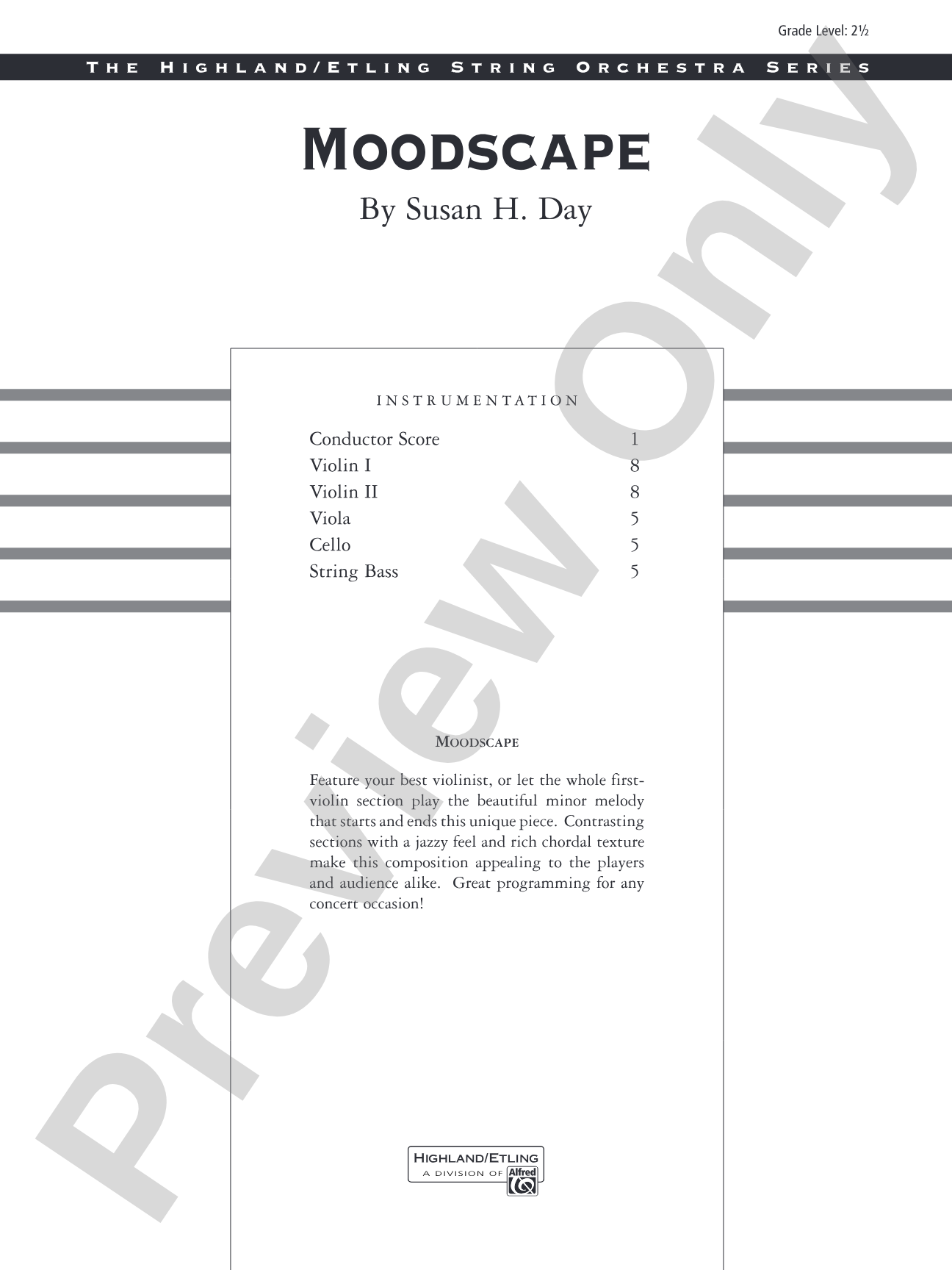
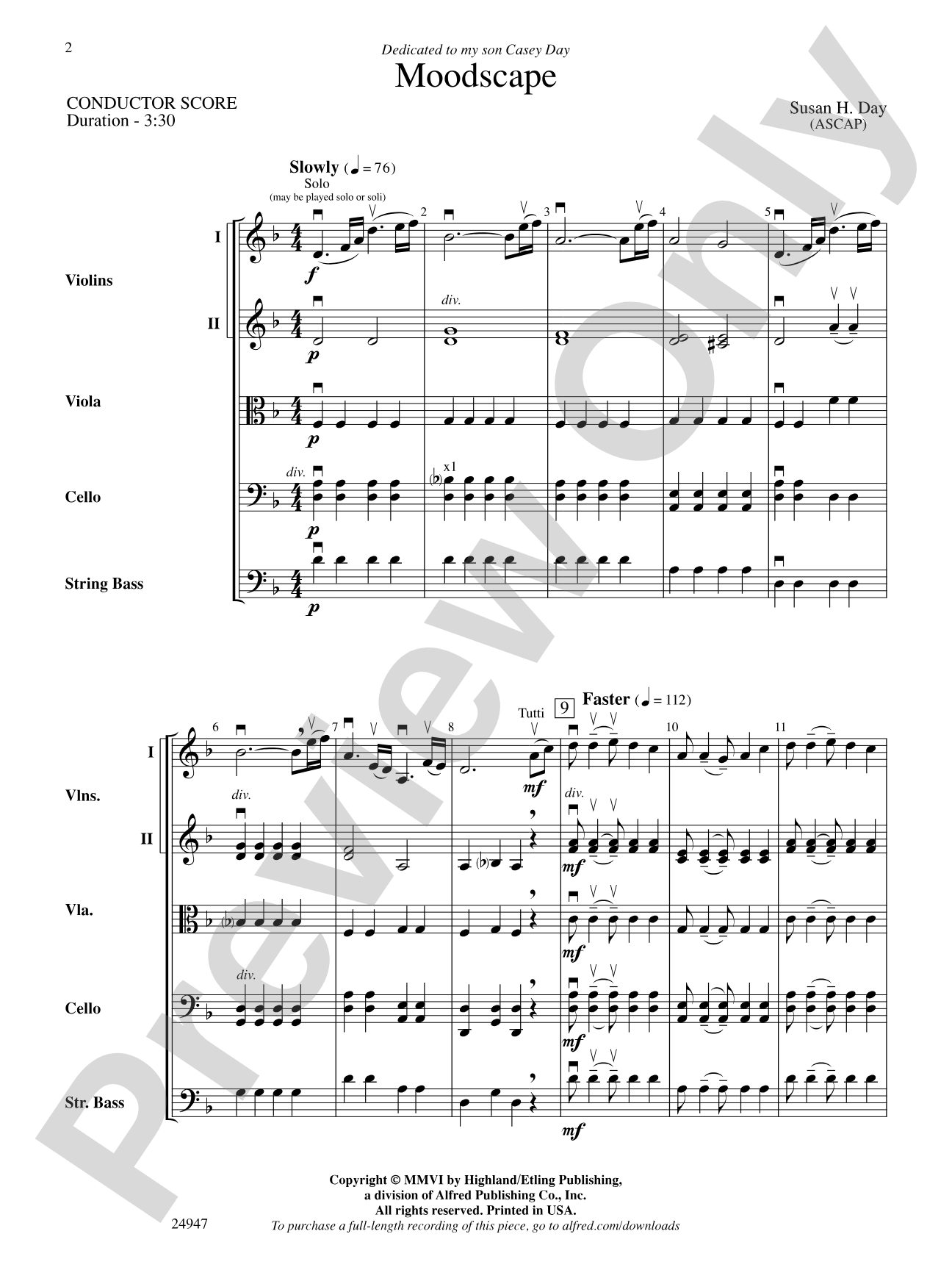
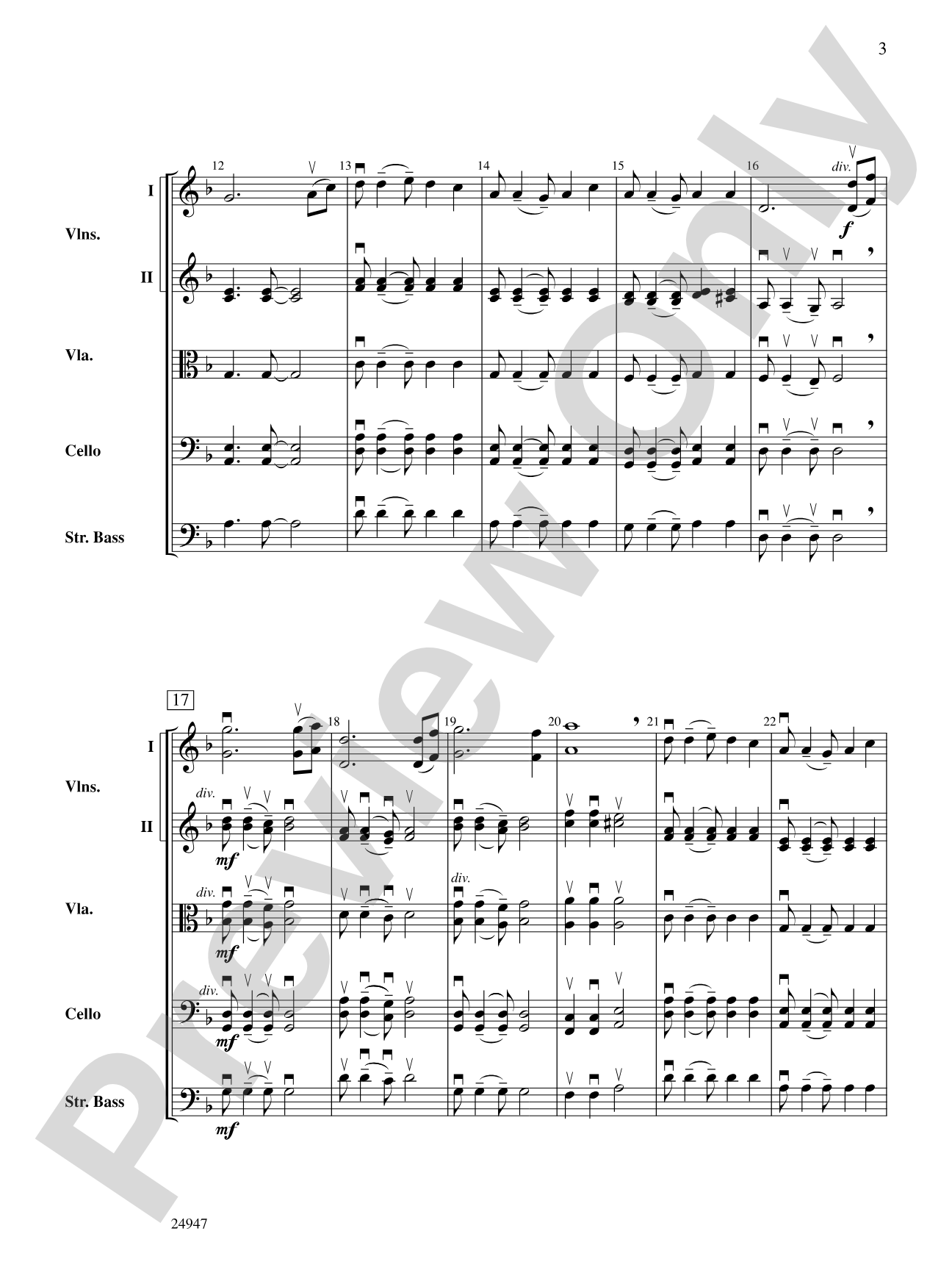
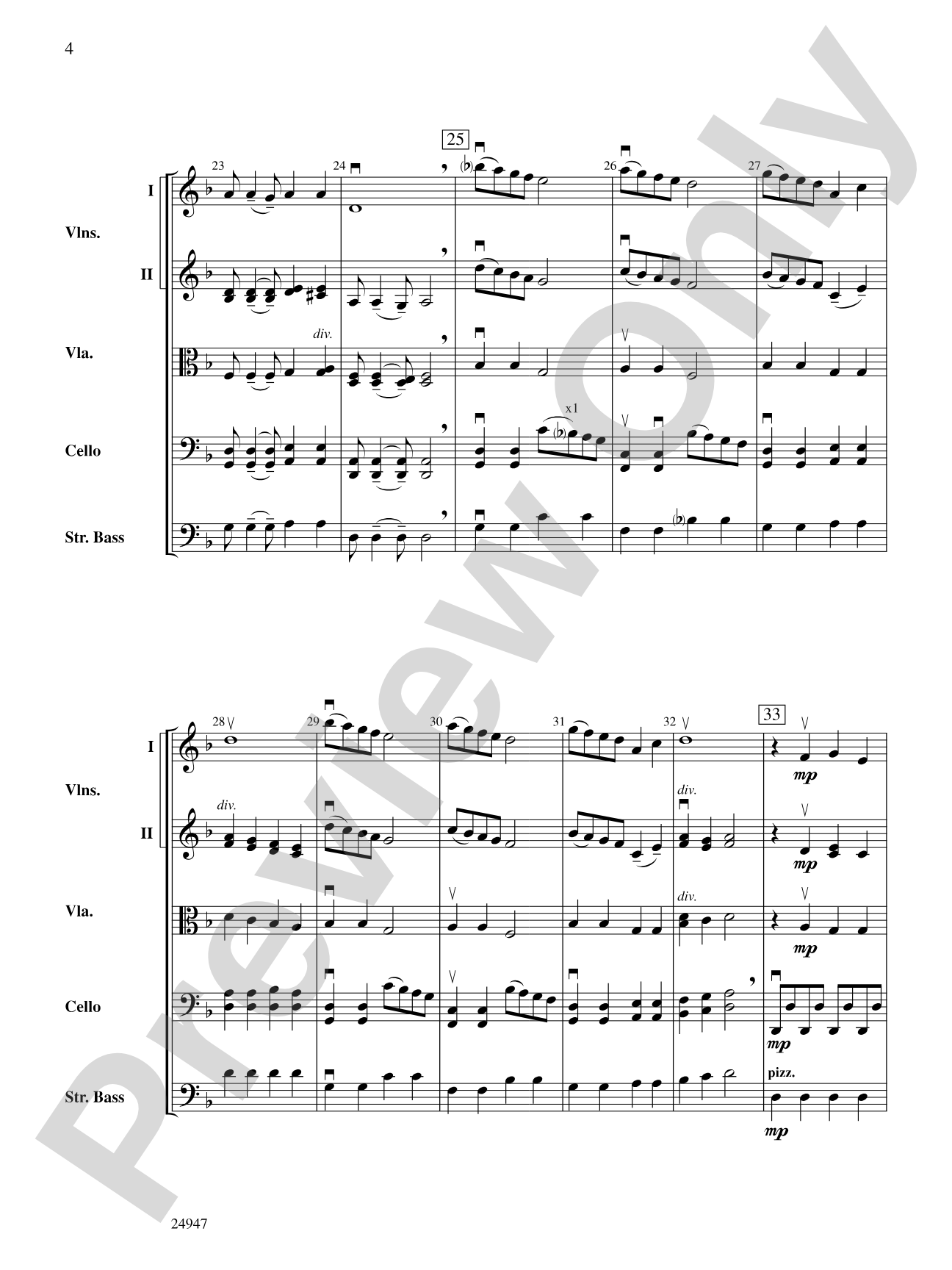
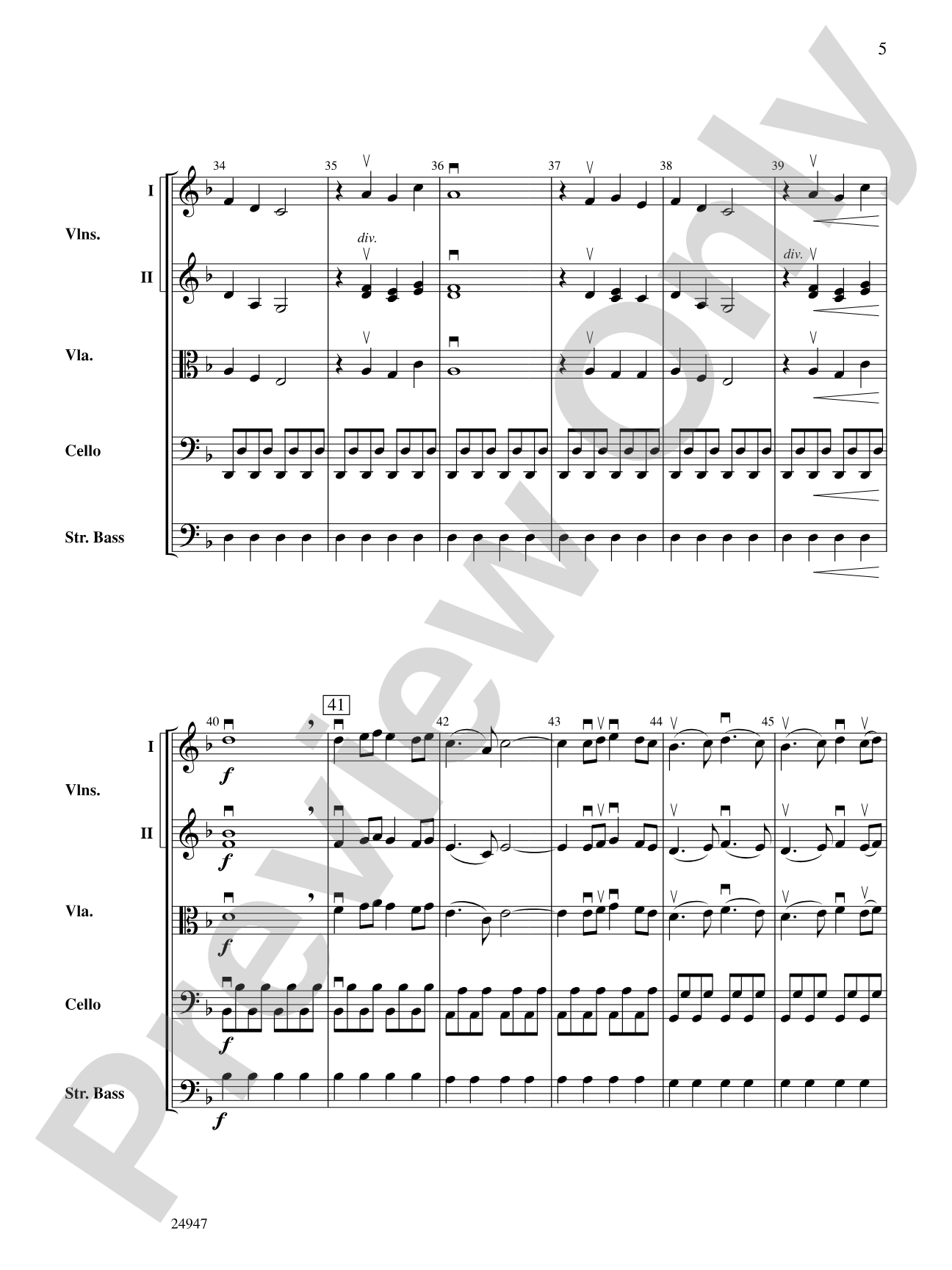
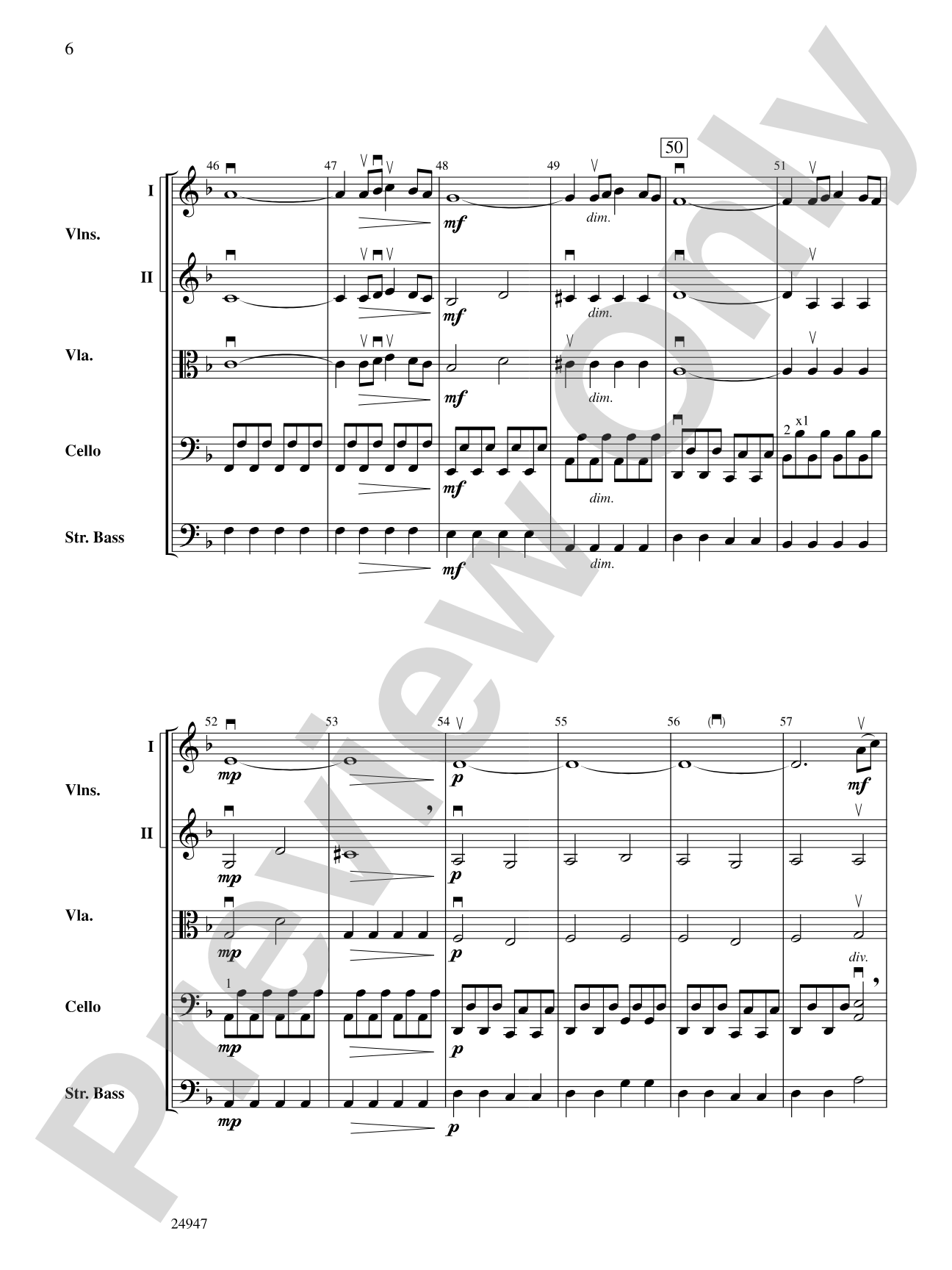
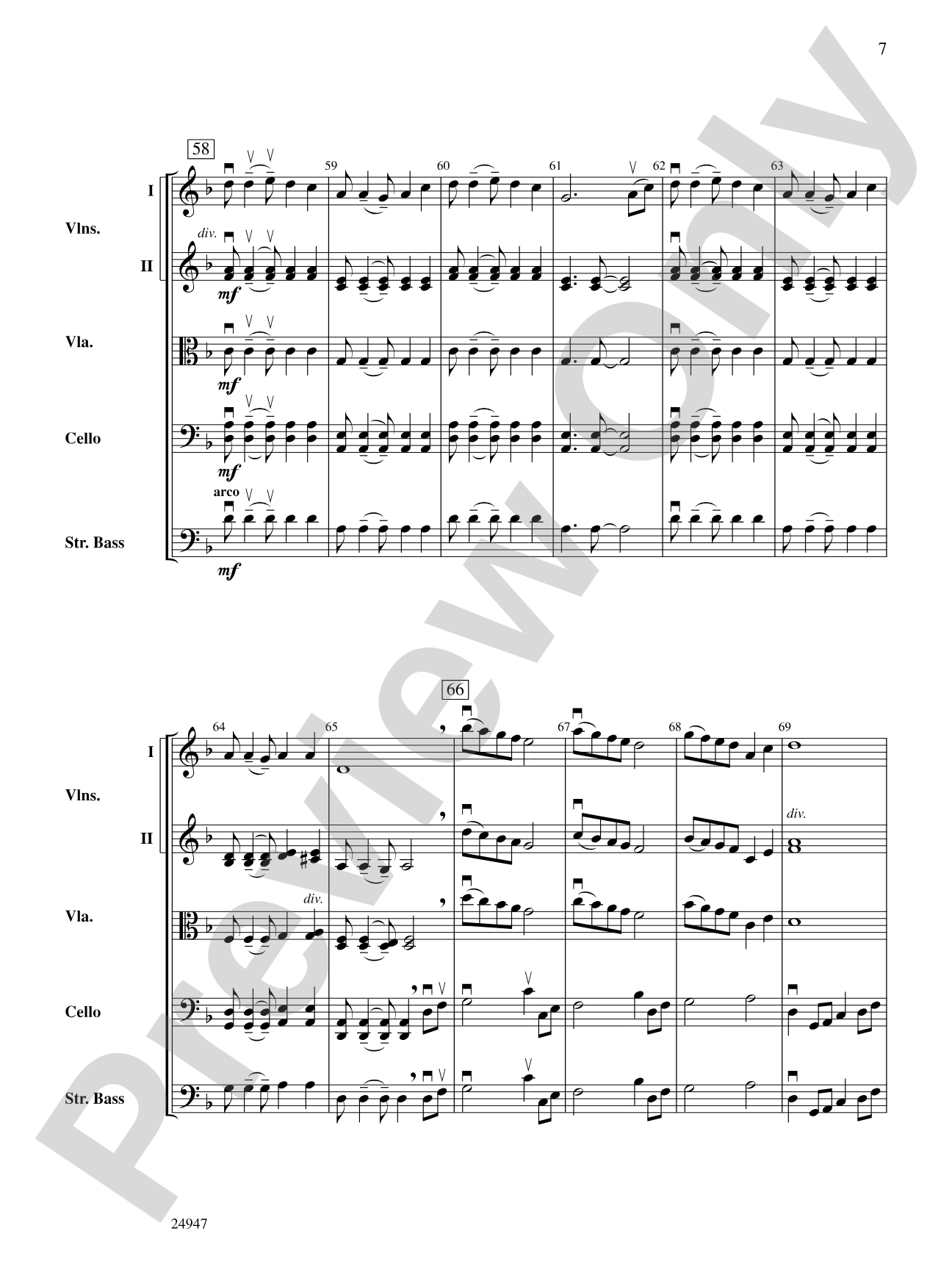
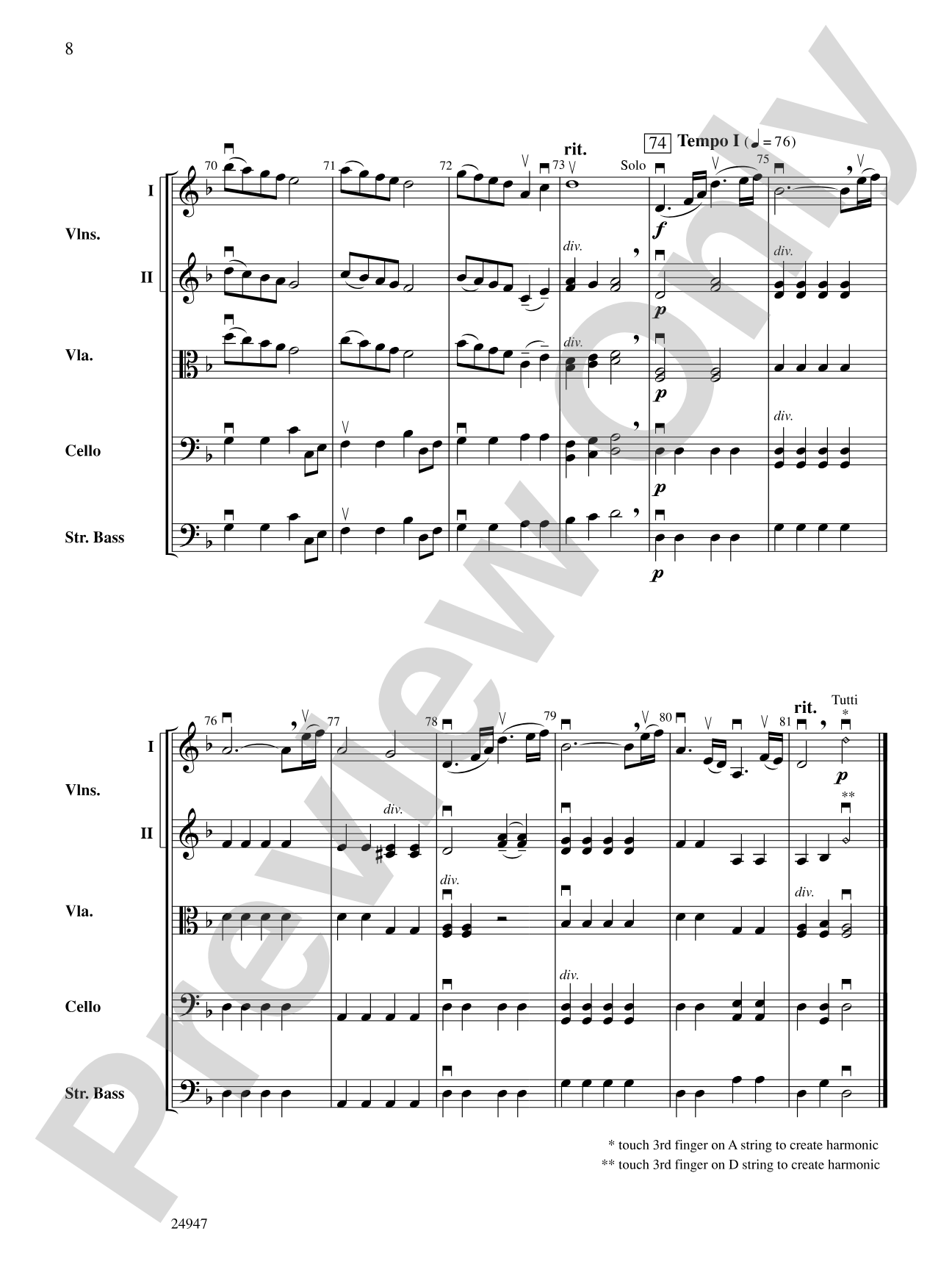
Feature your best violinist, or let the whole 1st violin section play the beautiful minor melody starting and ending this unique piece. Contrasting sections with a jazzy feel and rich chordal texture make this composition appealing to the players and their audience. Great programming for any concert occasion!


Don't just read it, hear it, play along with it, and watch your students grow with it. In MakeMusic Cloud, Moodscape: String Orchestra Conductor Score & Parts comes alive with professional accompaniment, adjustable tempo, and built-in practice tools that turn solo practice into real progress.
Open in the Player
Jump straight in and assign it today.
Start Your Free Trial
Open this title and explore the full library in minutes.
Sample Audio
1
Audio File
--:--
0:00
0:00
Sample Video
No sample videos found.
Additional Details
Series:
Highland/Etling String Orchestra
Publisher:
Alfred Music
Page Count:
124
SKU:
00-PK-0000947
More about this title
Why we love this
Day writes for string orchestras with a real ear for what sounds impressive without demanding virtuosity. The opening violin feature gives your best player a moment to shine, while the full ensemble sections keep everyone engaged and sounding full. The contrast between lyrical minor-key writing and jazzy textures gives directors a piece that works equally well as a concert opener or a programming anchor.
What to expect
Moodscape opens with a haunting minor melody that immediately establishes emotional ground. The jazzy sections inject forward momentum and warmth through tight harmonic writing, creating a compelling journey from introspection to energy and back again.
Who it's for
String orchestra directors working at the middle school or early high school level who want a concert piece with genuine musical substance and built-in flexibility. Whether you have a standout first violin soloist or a strong violin section, this piece accommodates both scenarios without compromise.
How to get the most out of it
- Balance the featured violin line in the opening against the harmonic foundation below it. The melody should sing clearly without the accompaniment receding into mere background texture.
- Bring out the rhythmic energy in the jazzy sections through precise ensemble articulation. Mark the stylistic shift clearly in rehearsal so players understand when they're supporting and when they're driving the groove.
- Shape the minor melody's return at the end with careful dynamic control. A soft, introspective finish will create closure and emotional resonance that contrasts beautifully with the earlier energy.
- Let the rich chordal textures breathe. Avoid over-balancing the upper voices; the full sonority depends on hearing all four parts working together.
How to use it
This works beautifully as an opening number that demonstrates your orchestra's range in one piece. You could also pair it with a contrasting baroque or classical selection to show the breadth of your group's repertoire in a single concert.
Skills your students will build
- Playing exposed melodic lines with musical phrasing and vibrato control
- Responding to style changes within a single piece (lyrical minor key to jazz-influenced sections)
- Balancing harmony and counterpoint across four-part string writing
- Ensemble precision in rhythmically driven sections with syncopation
- Dynamic control and shaping sustained harmonic passages