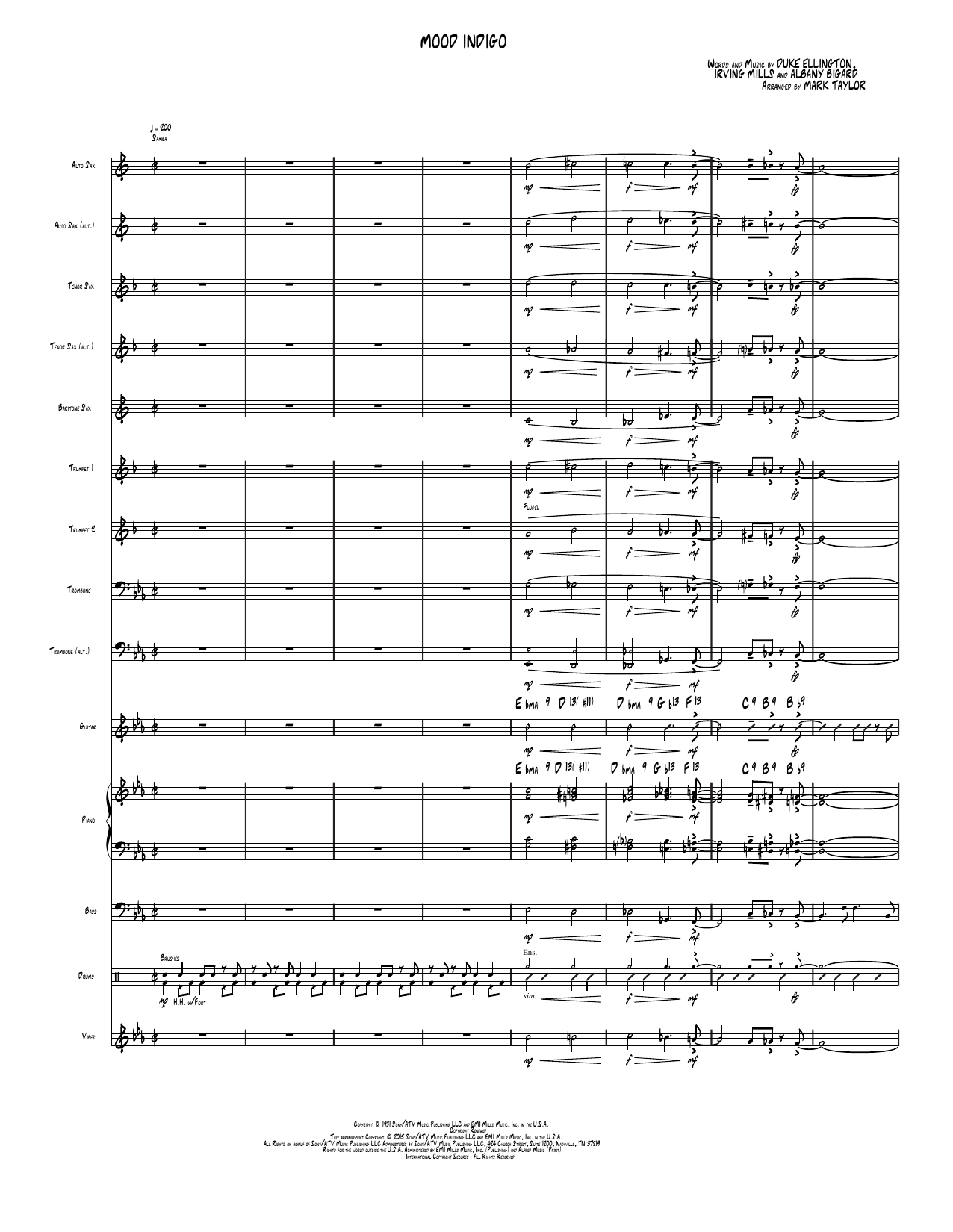
Irving Mills was a pivotal figure in early jazz history, serving as composer, lyricist, and publisher during the 1920s and 1930s. Though often working behind the scenes, Mills shaped some of the era's most enduring standards and had a keen ear for the melodic and harmonic innovations emerging from the jazz world. His collaborations with Duke Ellington and other jazz pioneers produced music that remains central to the jazz repertoire educators teach today.
Mills' gift lay in crafting accessible yet sophisticated compositions that captured the essence of jazz modernism. His work helped legitimize jazz as a serious musical form during a period when the genre was still fighting for cultural respect. For music educators, Mills represents a bridge between popular songwriting and art music; his standards reward careful ensemble playing while remaining engaging for students discovering jazz.