

Molecules and Stars: Score
By Martin Norgaard
Grade: 3
Item: 00-PR-0002852
$7.00
Pickup currently not available
Description
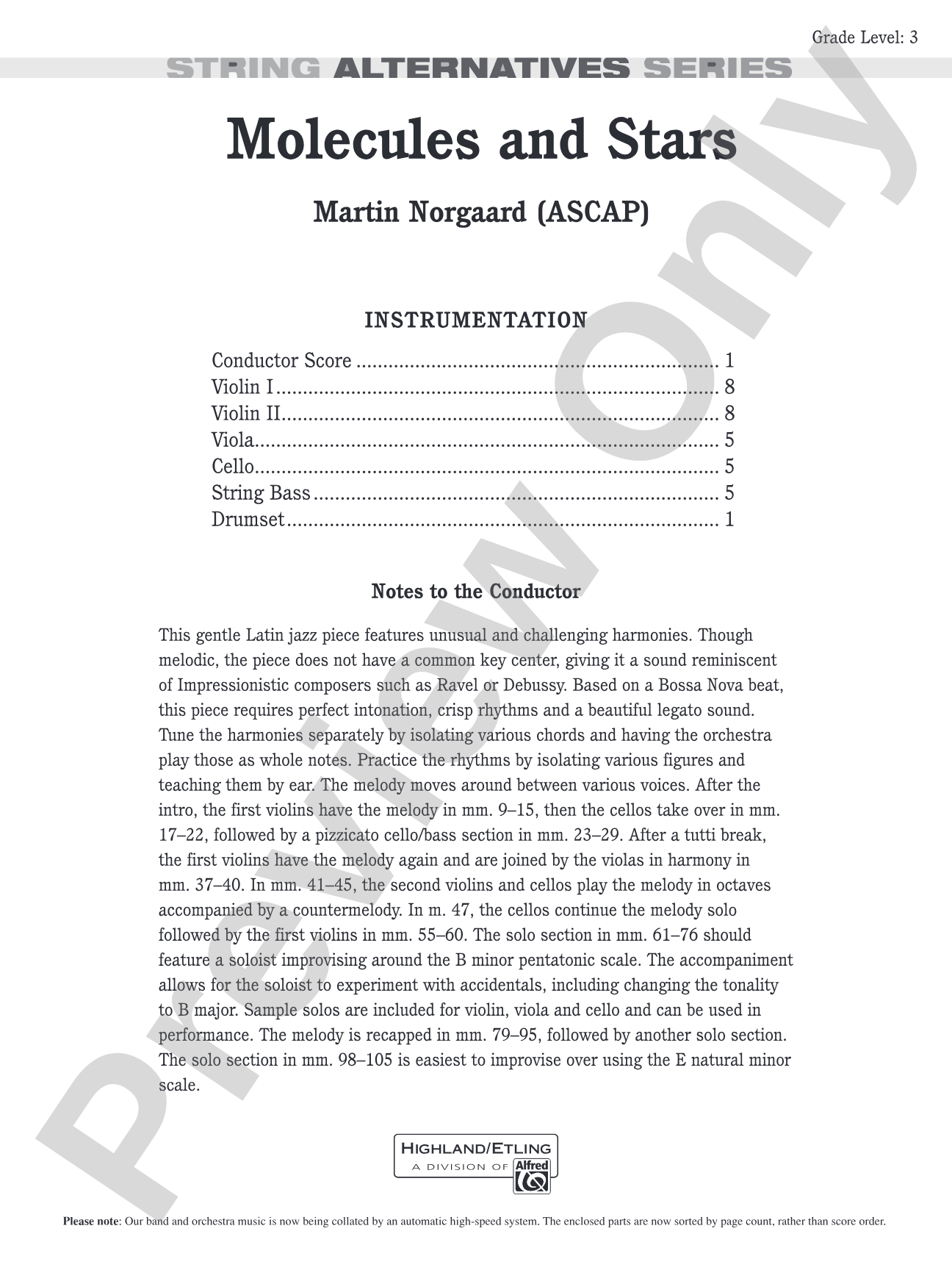
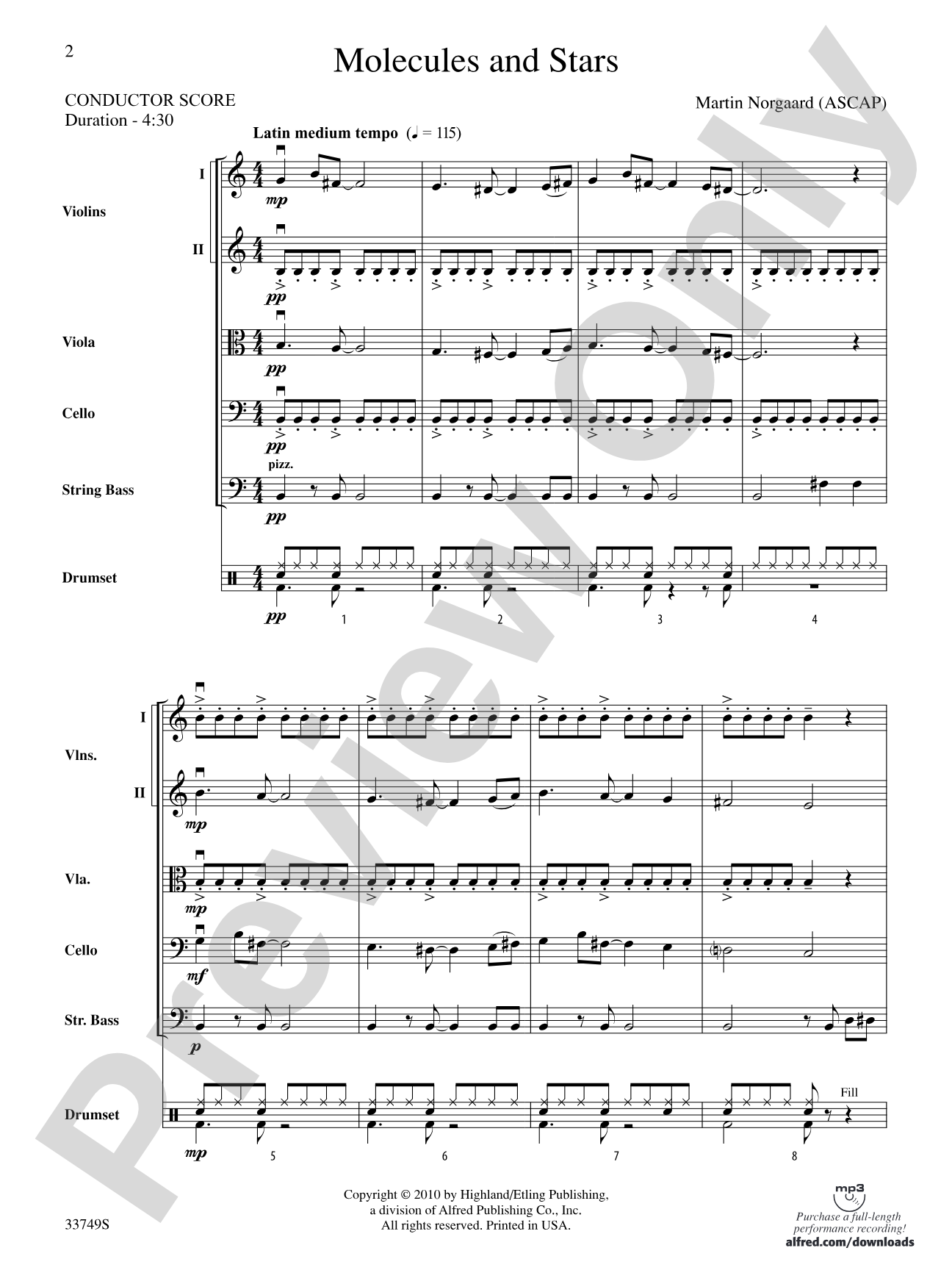
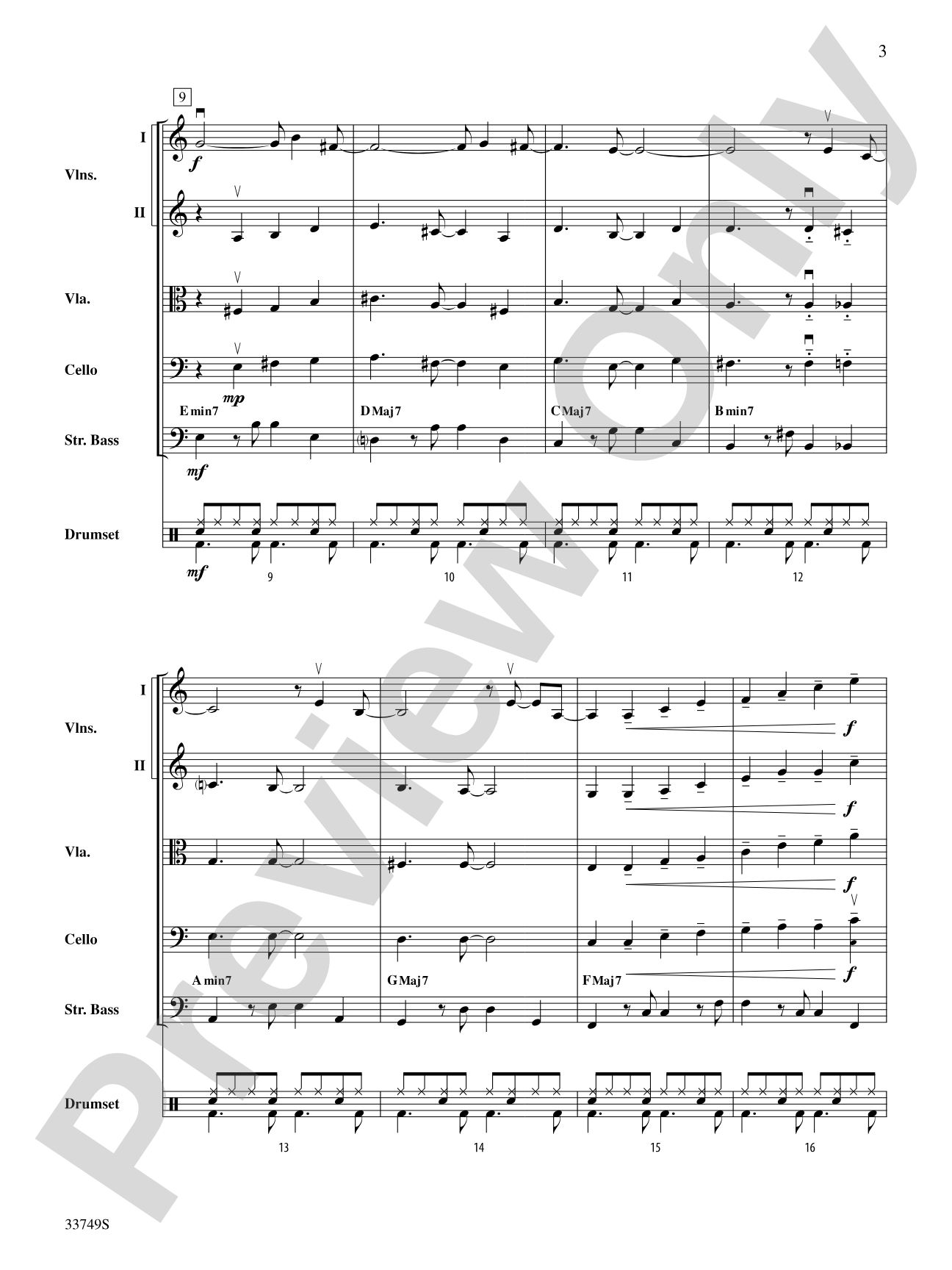
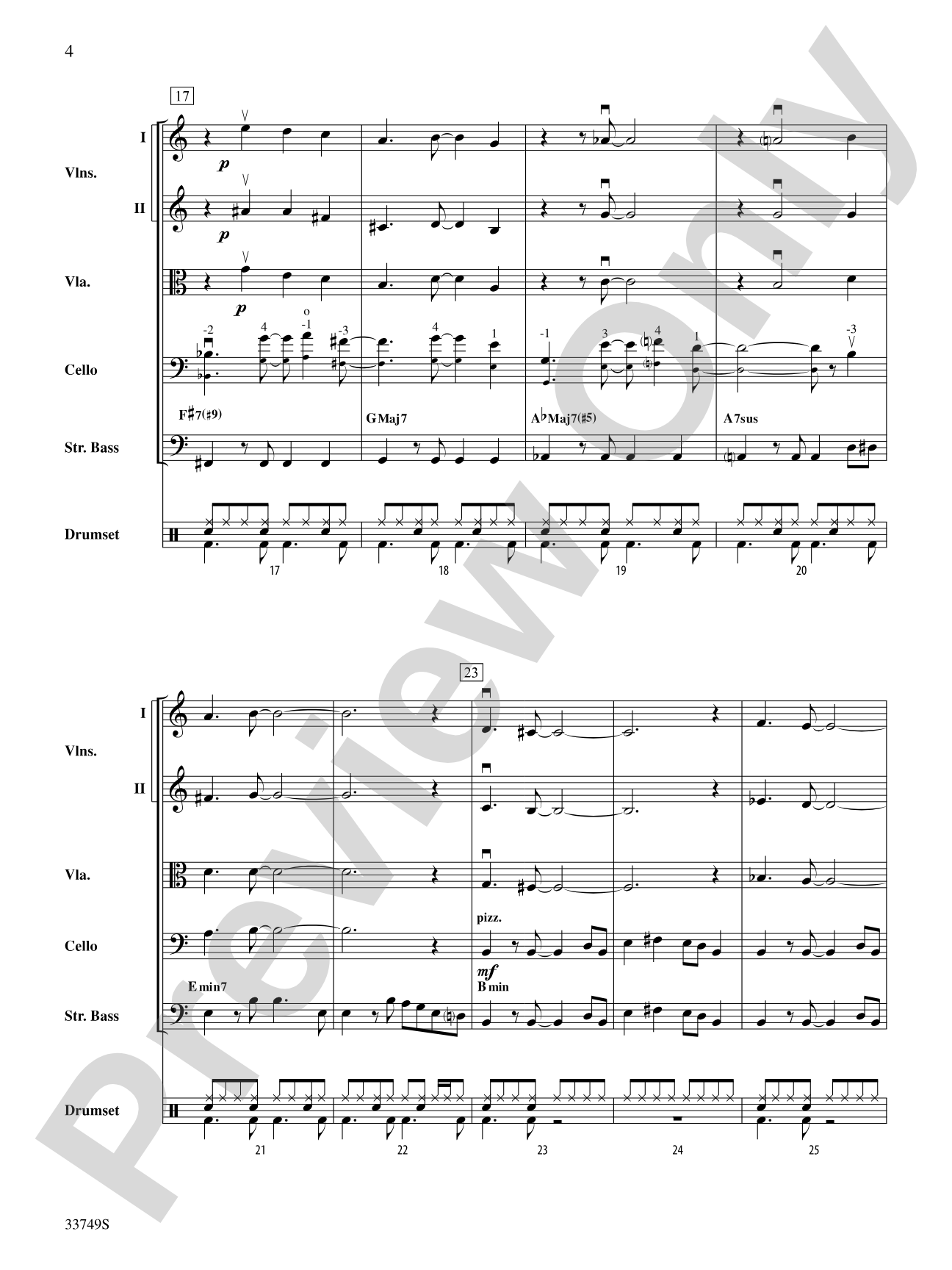
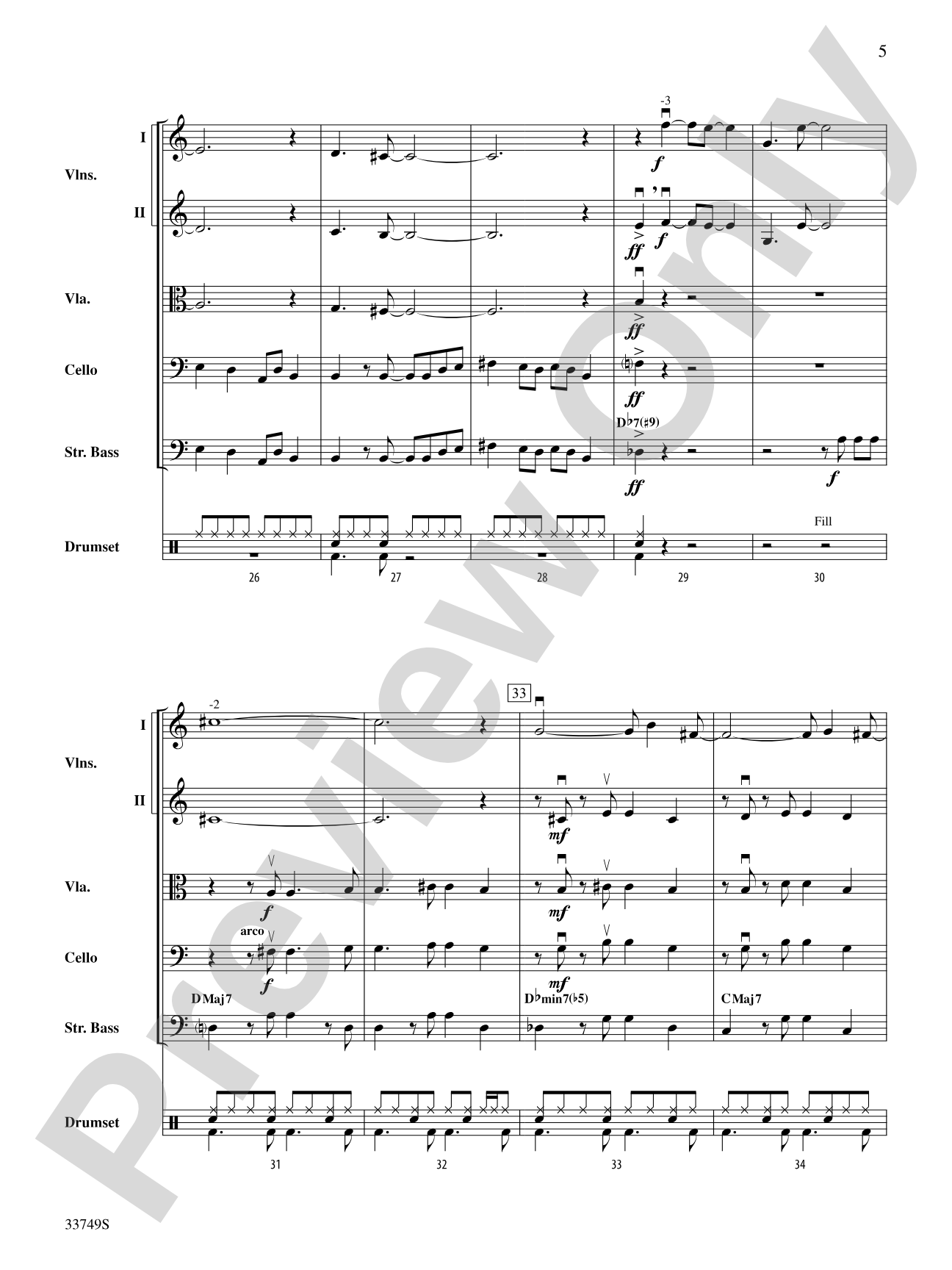
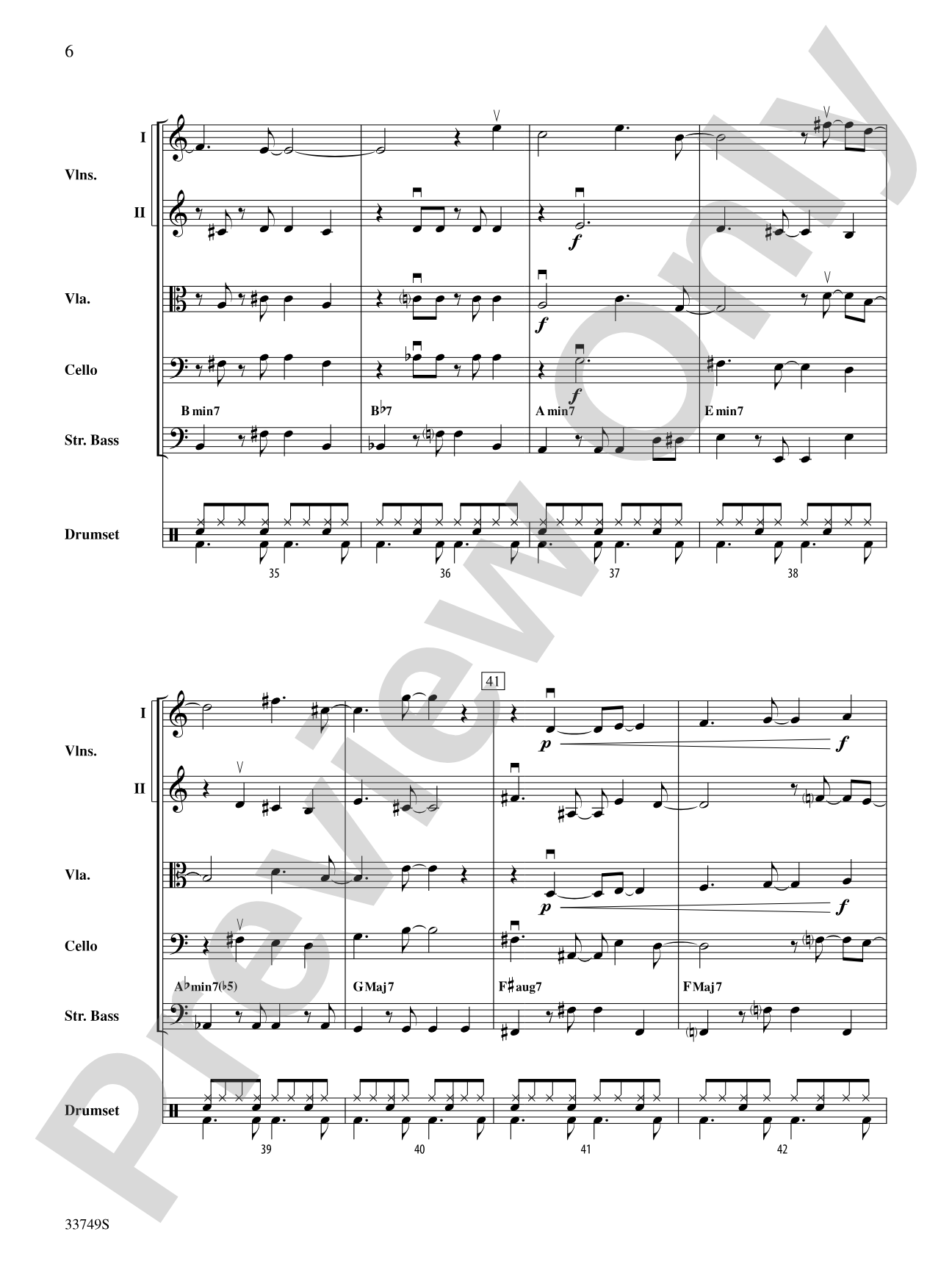
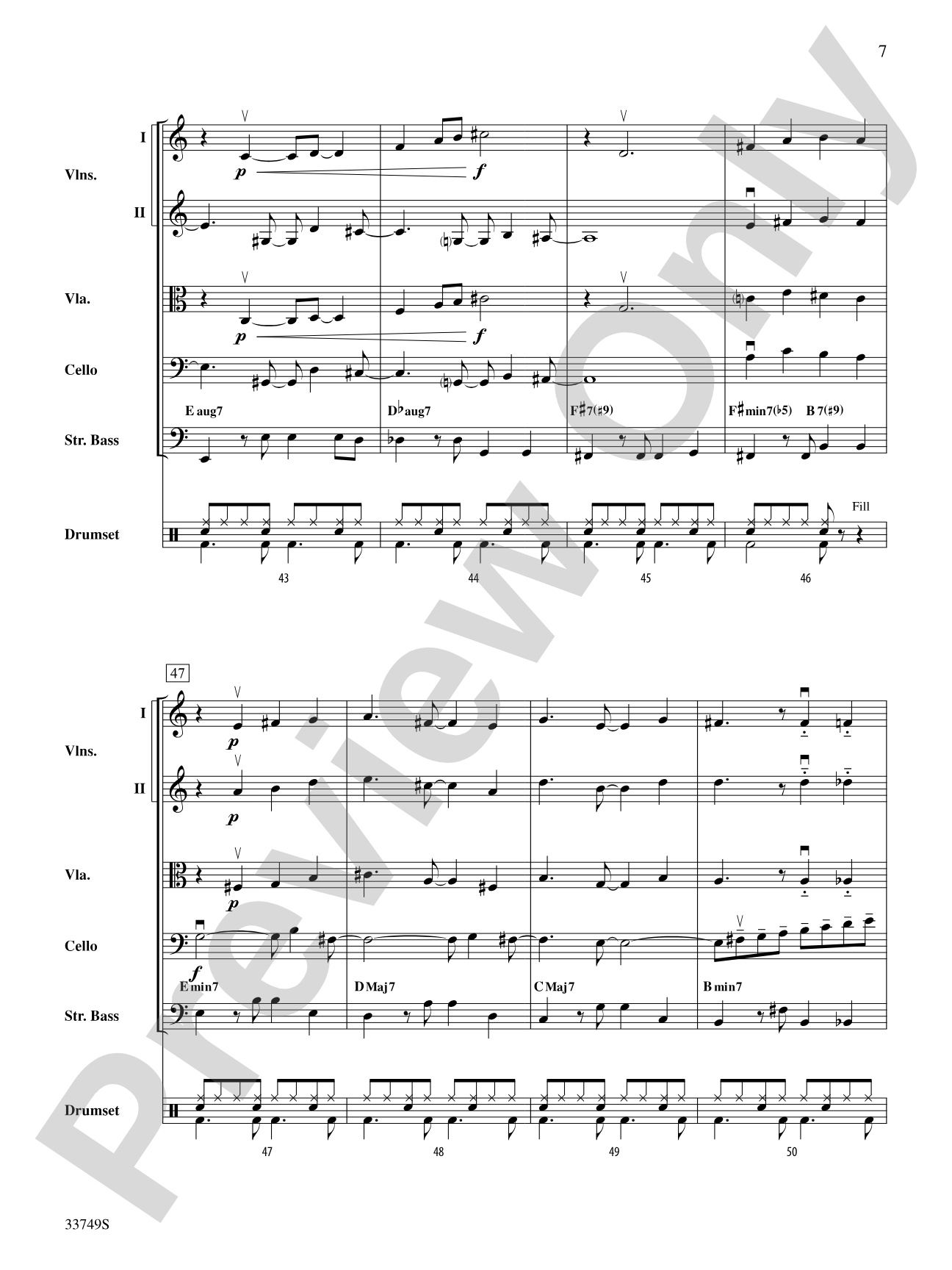
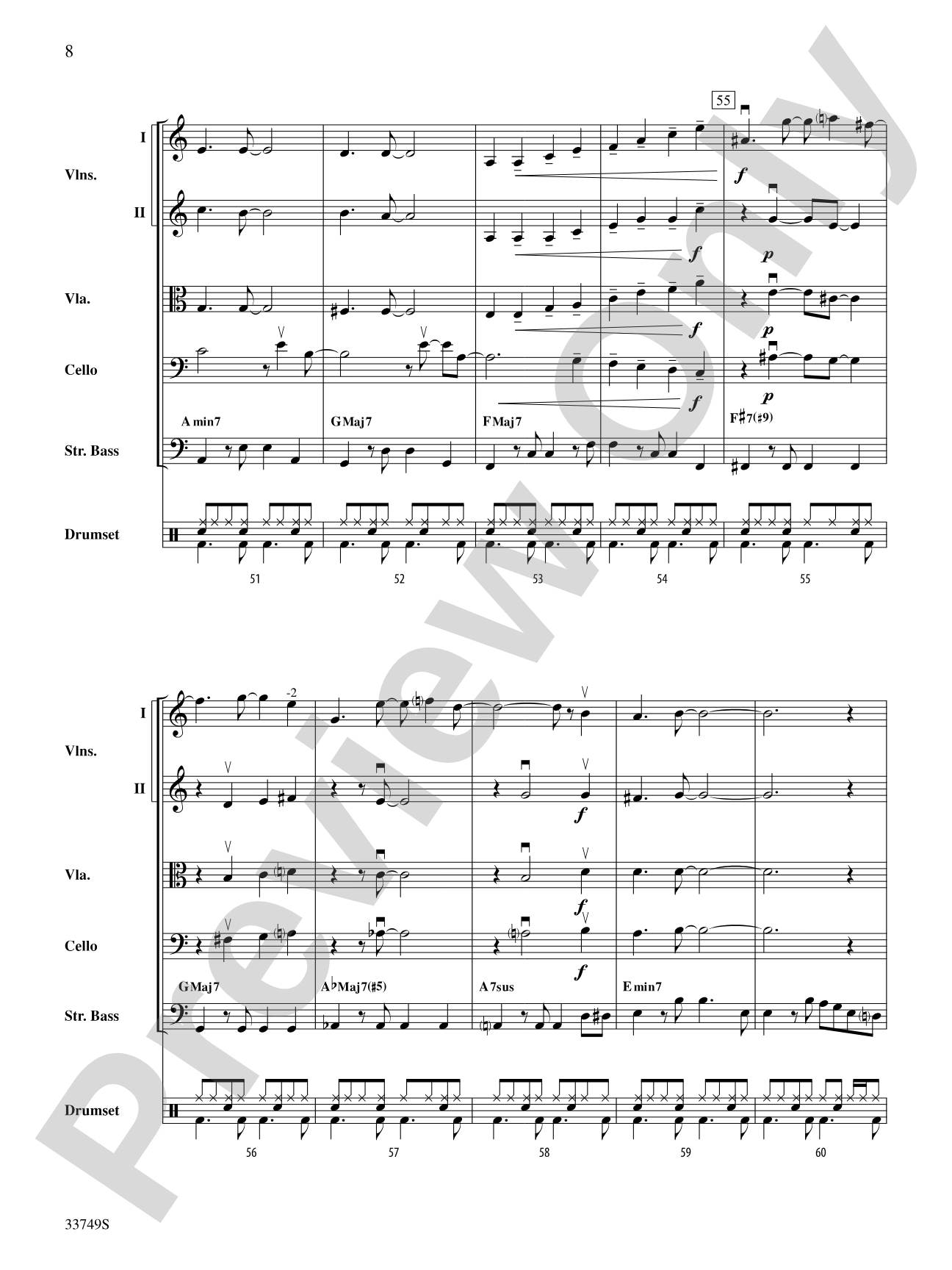
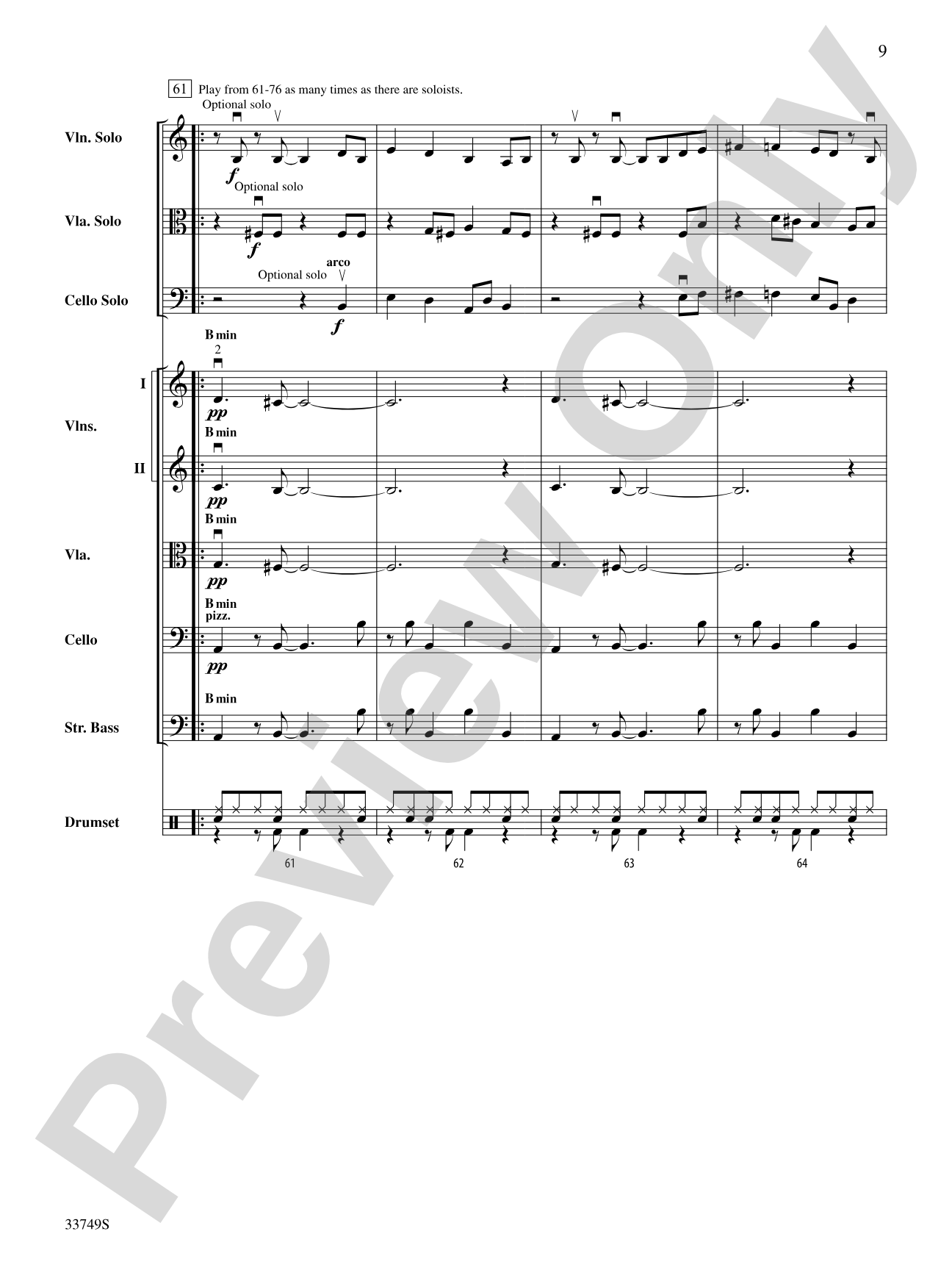
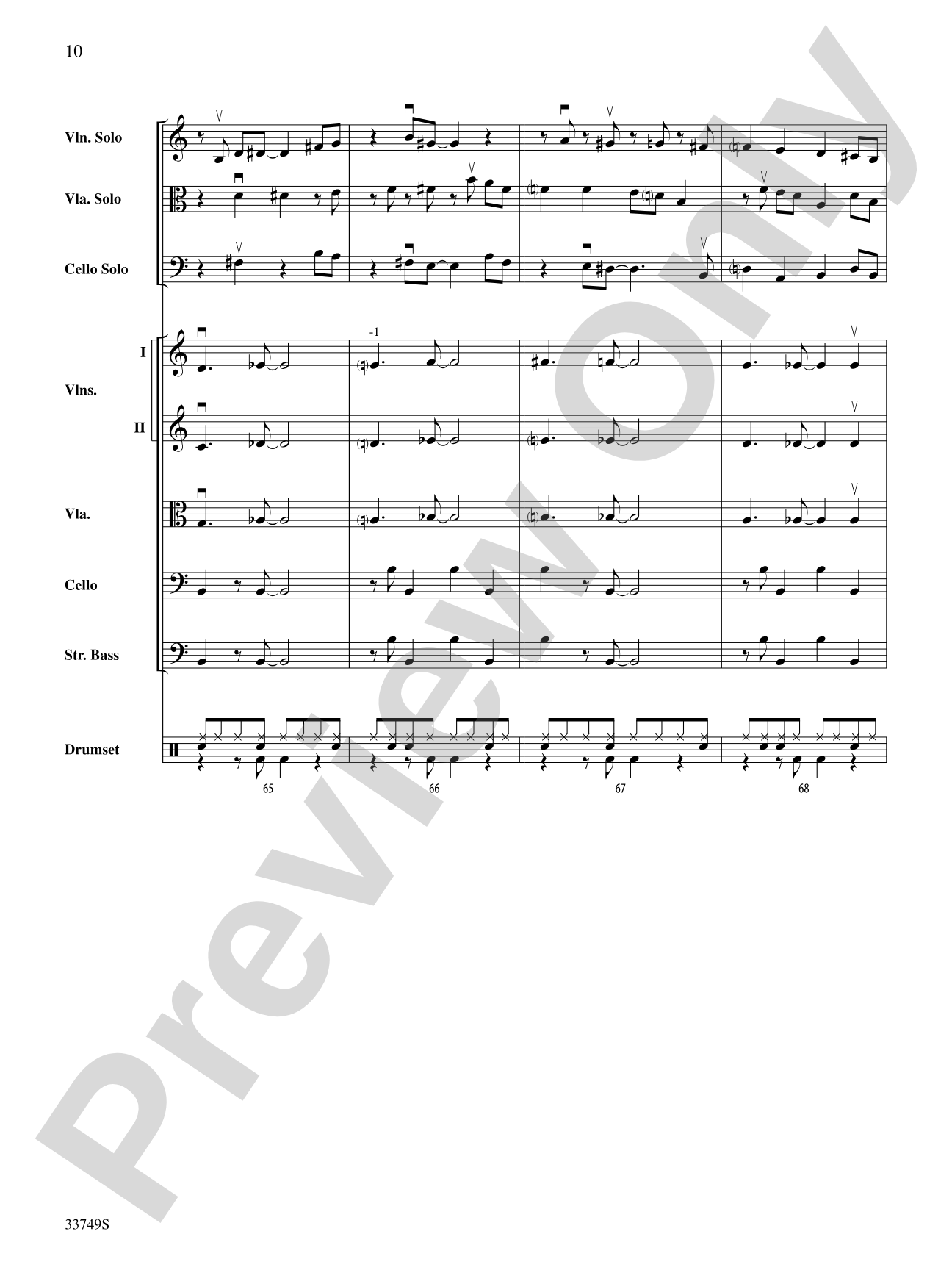
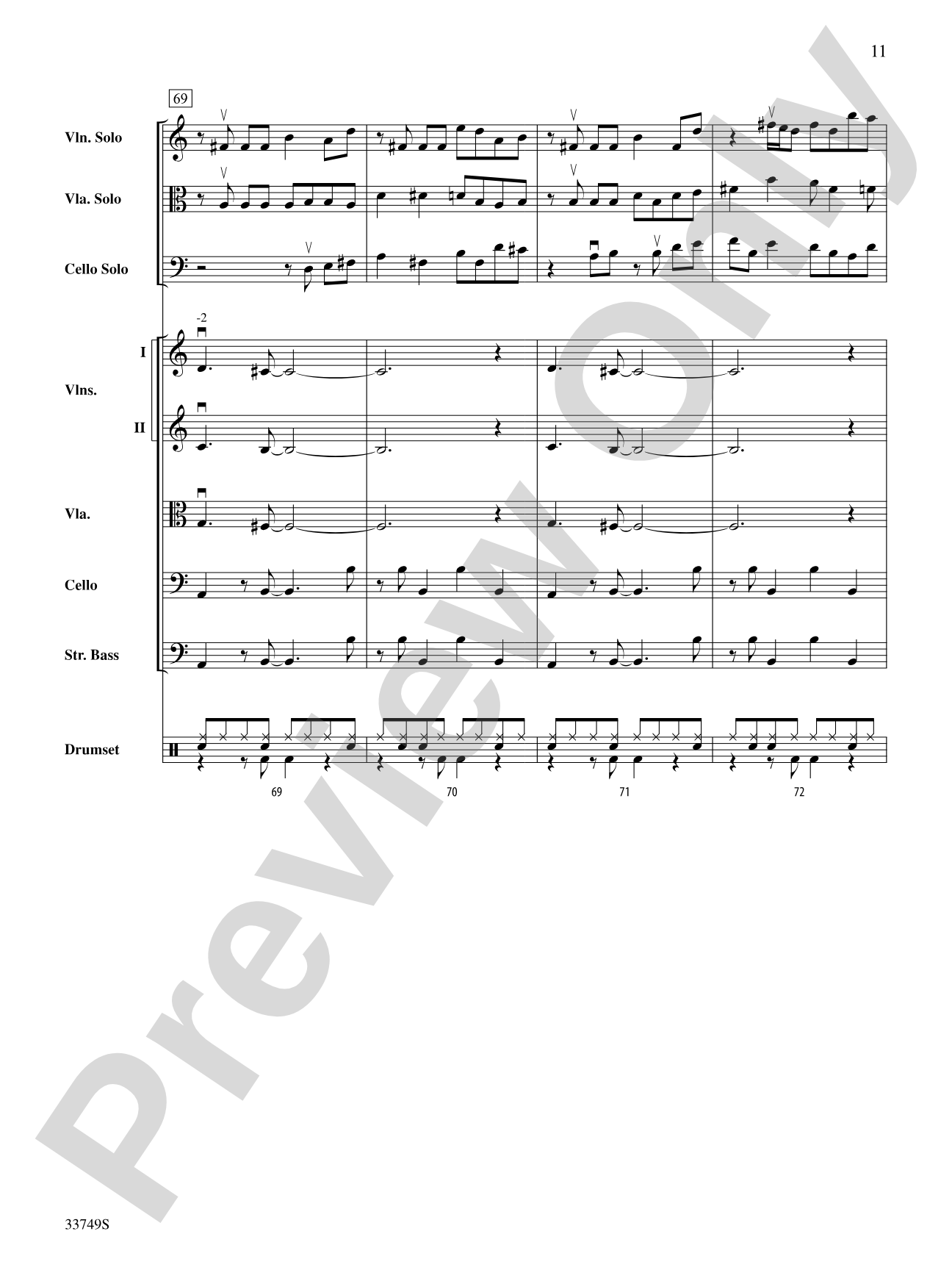
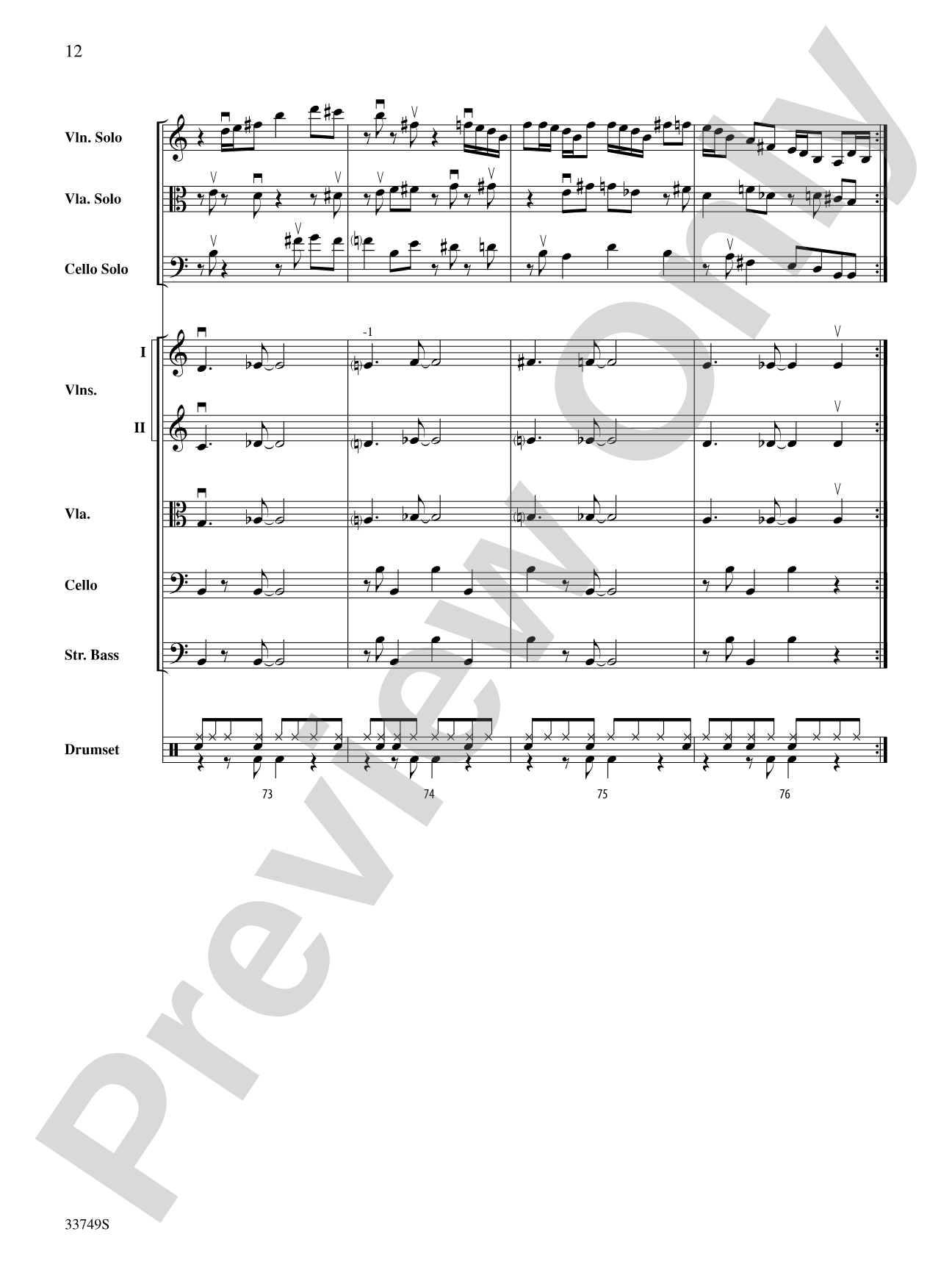
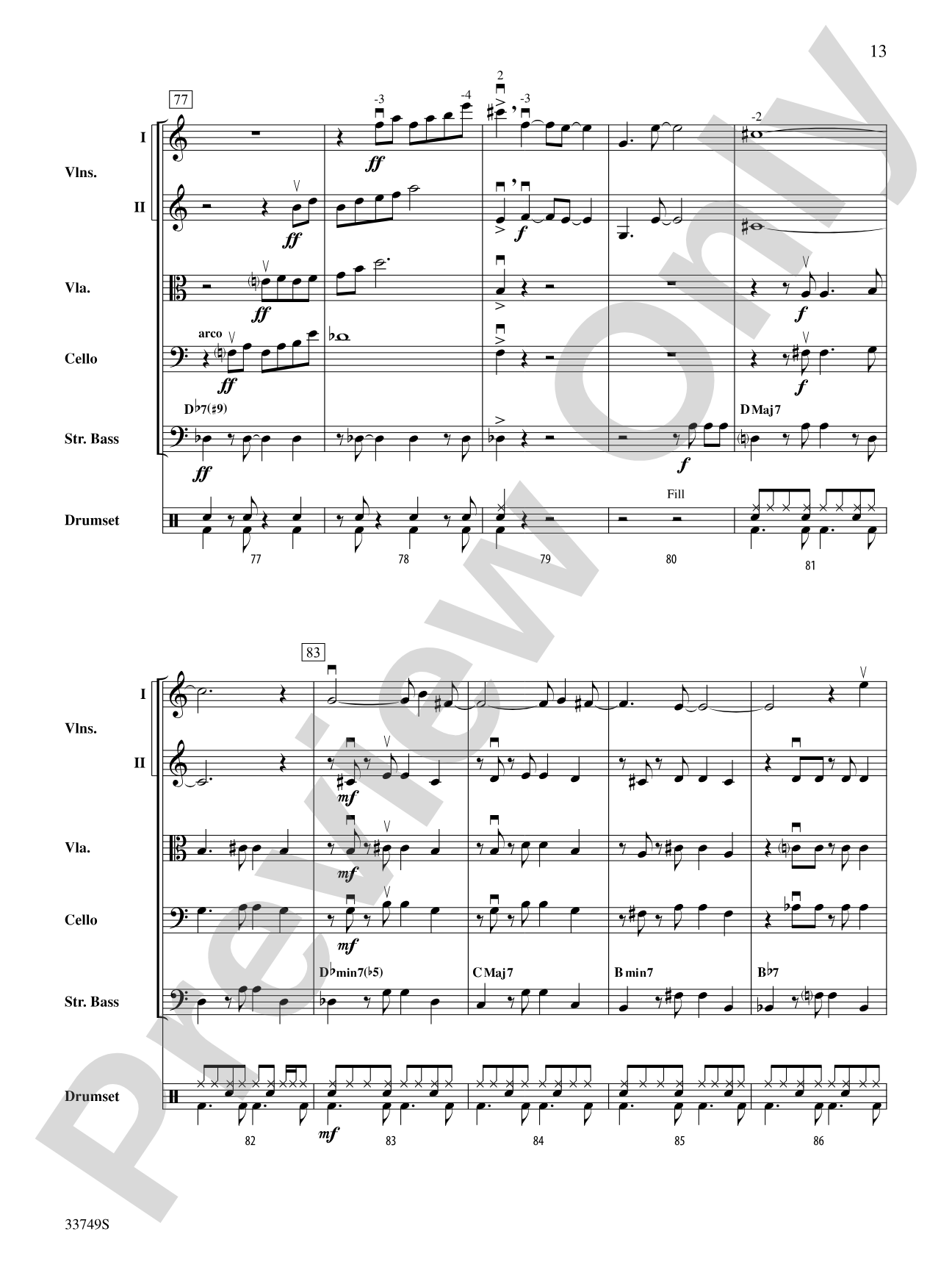
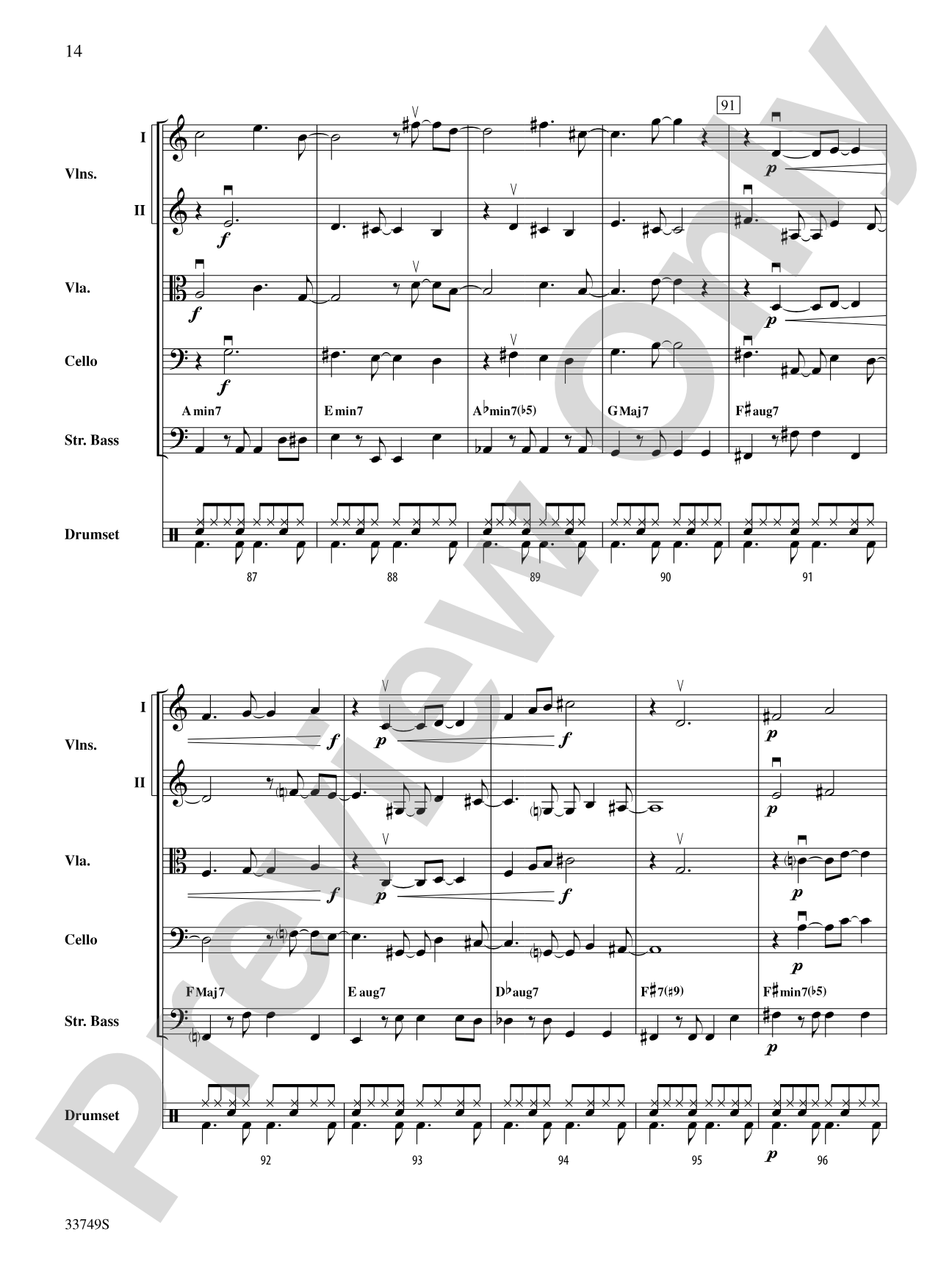
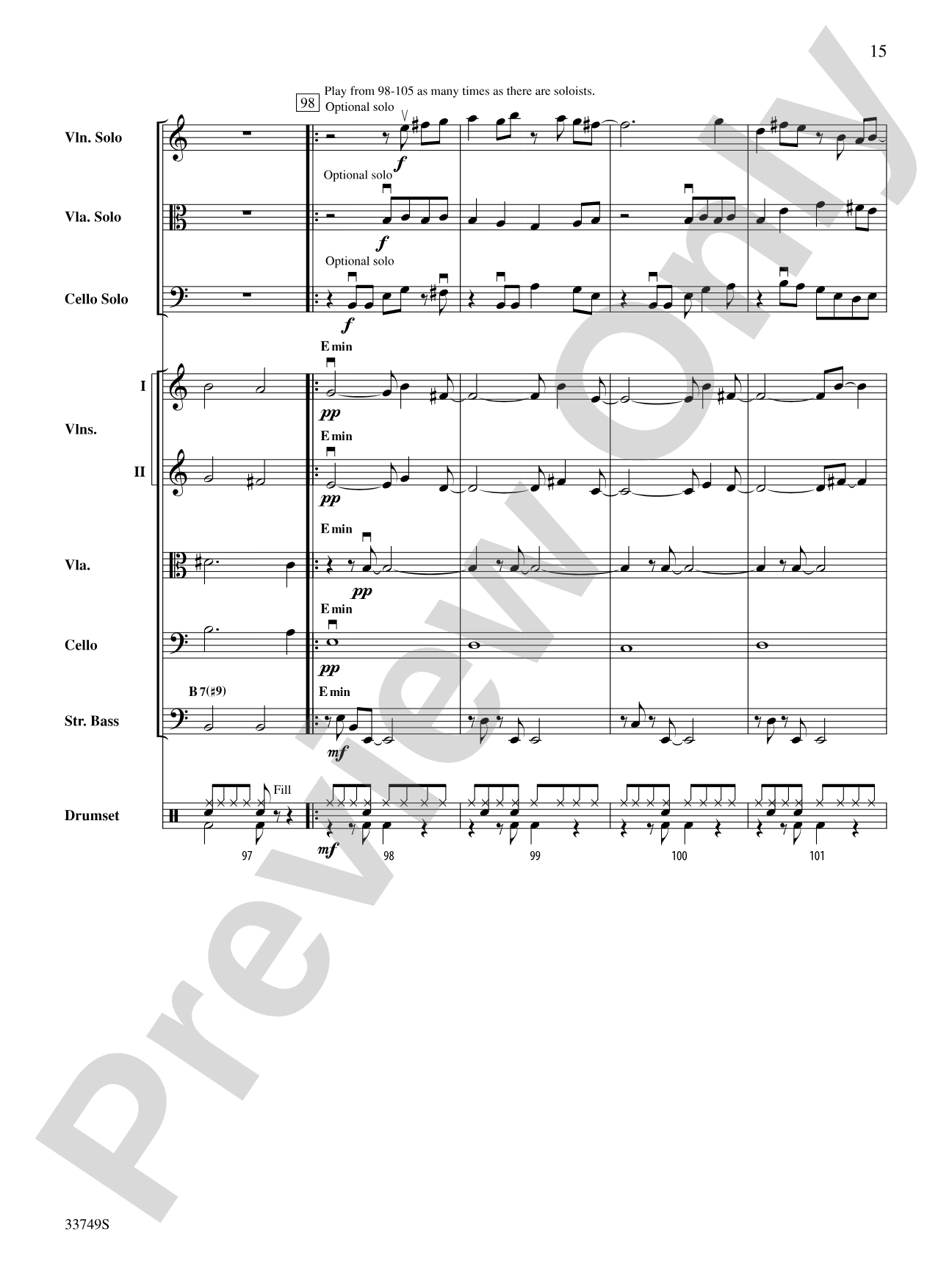
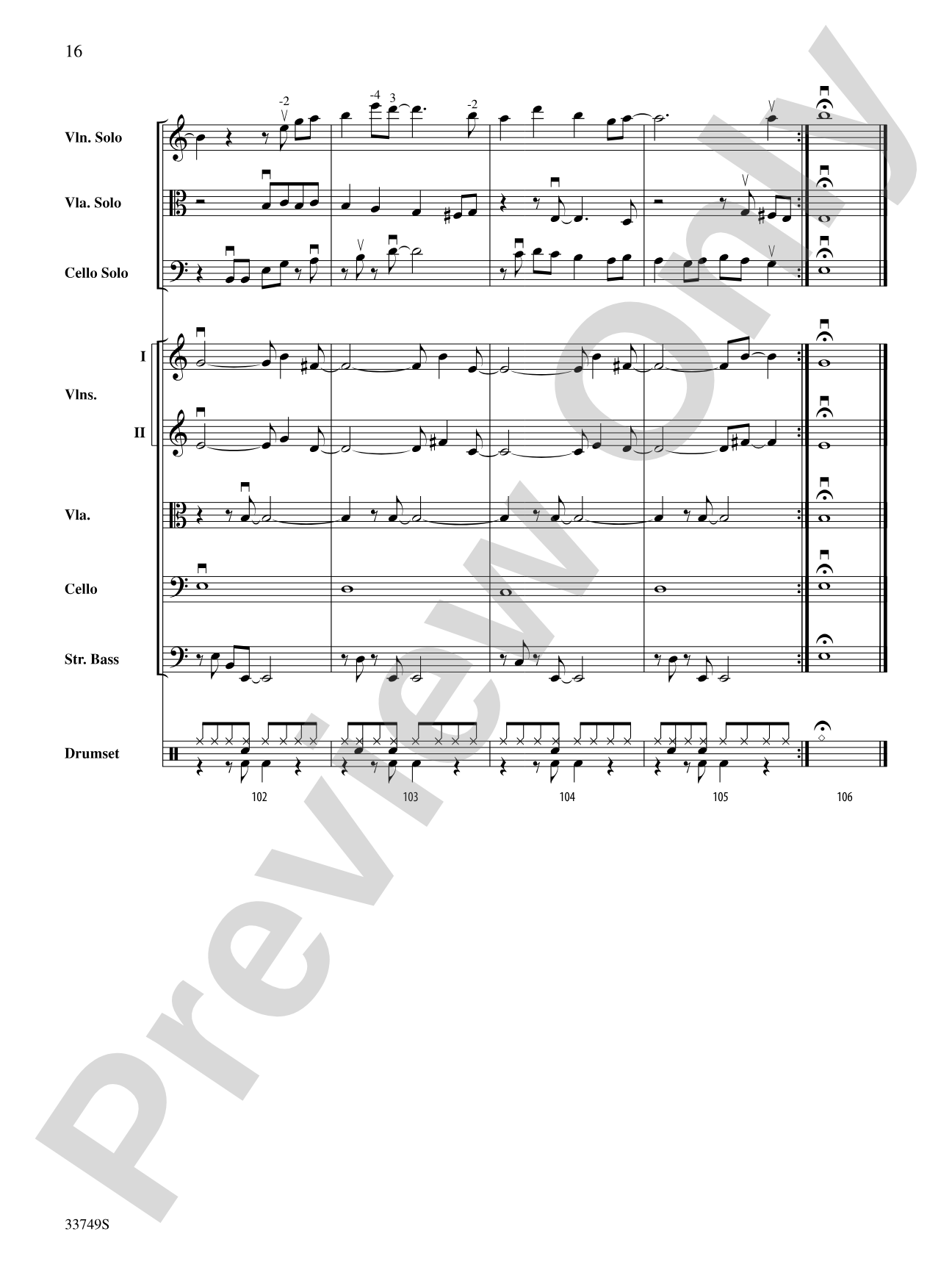
This gentle Latin piece features unusual and challenging harmonies. Though melodic, the piece does not have a common key center, giving it a sound reminiscent of Impressionistic composers such as Ravel or Debussy. Yet, following the jazz tradition, the piece is based on a Bossa Nova beat and includes individual solos that are written out or can be improvised. Sure to become a modern jazz string orchestra classic!


Don't just read it, hear it, play along with it, and watch your students grow with it. In MakeMusic Cloud, Molecules and Stars: Score comes alive with professional accompaniment, adjustable tempo, and built-in practice tools that turn solo practice into real progress.
Open in the Player
Jump straight in and assign it today.
Start Your Free Trial
Open this title and explore the full library in minutes.
Sample Audio
1
Audio File
--:--
0:00
0:00
Sample Video
No sample videos found.
Additional Details
Series:
Highland/Etling String Alternatives
Publisher:
Alfred Music
Page Count:
128
SKU:
00-PR-0002852
More about this title
About the Composer: Martin Norgaard
Martin Norgaard is a composer and educator whose work bridges classical orchestration with jazz and contemporary idioms. His compositions for string ensembles demonstrate a sophisticated understanding of both traditional orchestral writing and modern harmonic language, making complex musical ideas accessible to student musicians.
Why we love this
Norgaard has created a piece that sounds mature and impressionistic while remaining playable by Grade 3 orchestras. The written-out solos (with improvisation options) give students real agency in shaping the music, and the Bossa Nova foundation provides enough harmonic anchor that even younger players feel secure despite the non-functional harmony.
What to expect
The music floats somewhere between the dreamy impressionism of early twentieth-century classical music and the groove-oriented warmth of Latin jazz. Though harmonically adventurous and lacking a traditional tonal center, the piece remains lyrical and inviting, never awkward or difficult to listen to.
Who it's for
String orchestras at the Grade 3 level looking to expand beyond standard classical repertoire into jazz and contemporary idioms. Directors seeking an accessible entry point into improvisation and non-functional harmony can use this piece to build student confidence and curiosity.
How to get the most out of it
- Establish the Bossa Nova rhythm section early in rehearsals; lock the bass and cello parts together before layering in the melody to give the ensemble a solid rhythmic foundation.
- Address the lack of traditional key center by focusing on the harmonic colors and voice leading rather than pulling toward a tonal home; encourage players to listen for balance and blend in the inner voices.
- If students improvise the written-out solos, set clear rhythmic and harmonic boundaries beforehand so the improvisation stays grounded in the ensemble sound rather than straying into unfamiliar territory.
- Shape the melodic lines with rubato and expression typical of Latin styles; the gentle character requires restraint and sensitivity rather than driving forward.
How to use it
Program this as a bridge between your classical and contemporary repertoire, or feature it as part of a concert exploring jazz influences in art music. The piece works particularly well as a contrasting element in a program heavy with Baroque or Romantic works, introducing audiences to modern orchestral thinking.
Skills your students will build
- Reading and playing music without a traditional key center
- Understanding and executing Bossa Nova rhythmic patterns
- Balancing melody and harmony in impressionistic textures
- Improvising solos within written harmonic and rhythmic frameworks
- Listening for tonal color and blend in non-functional harmony