
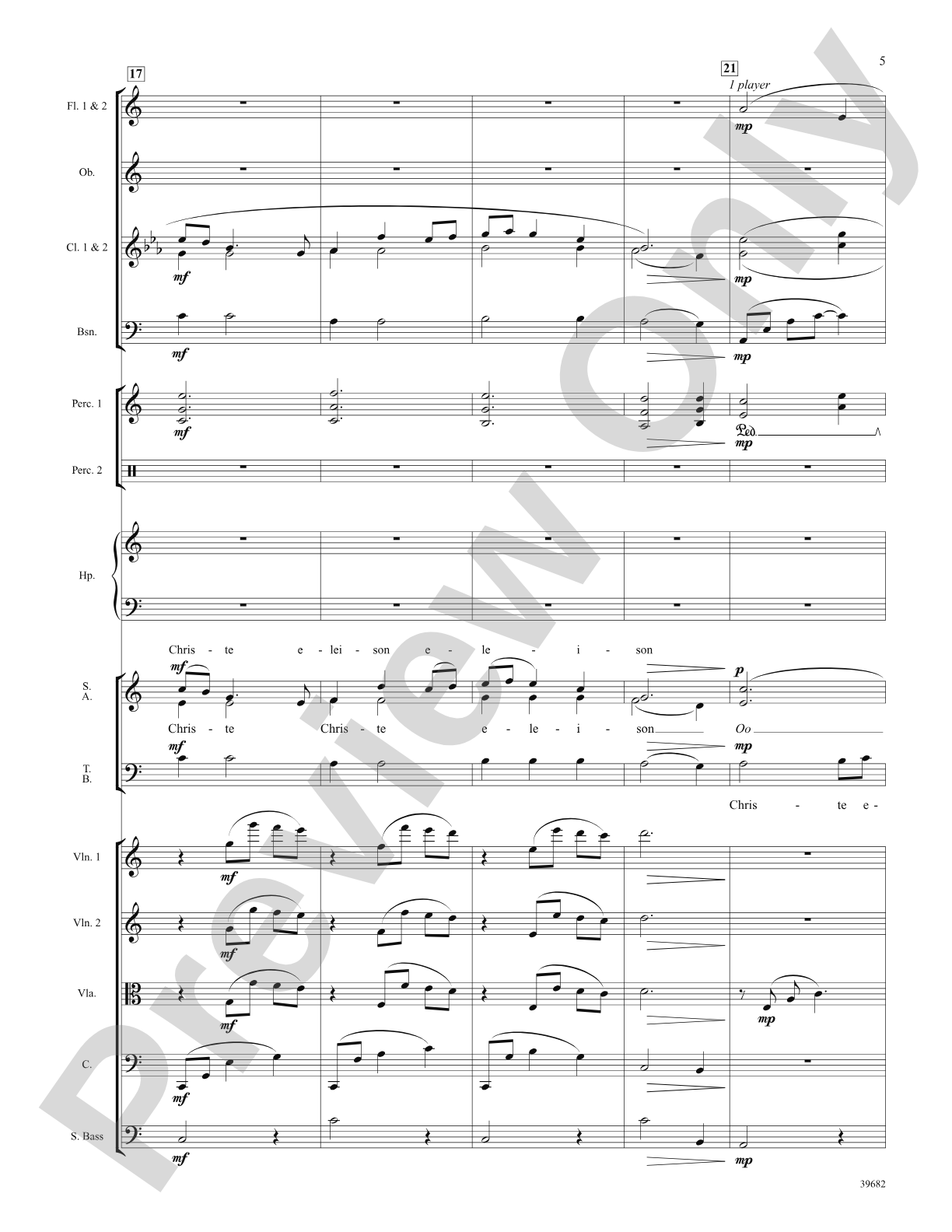
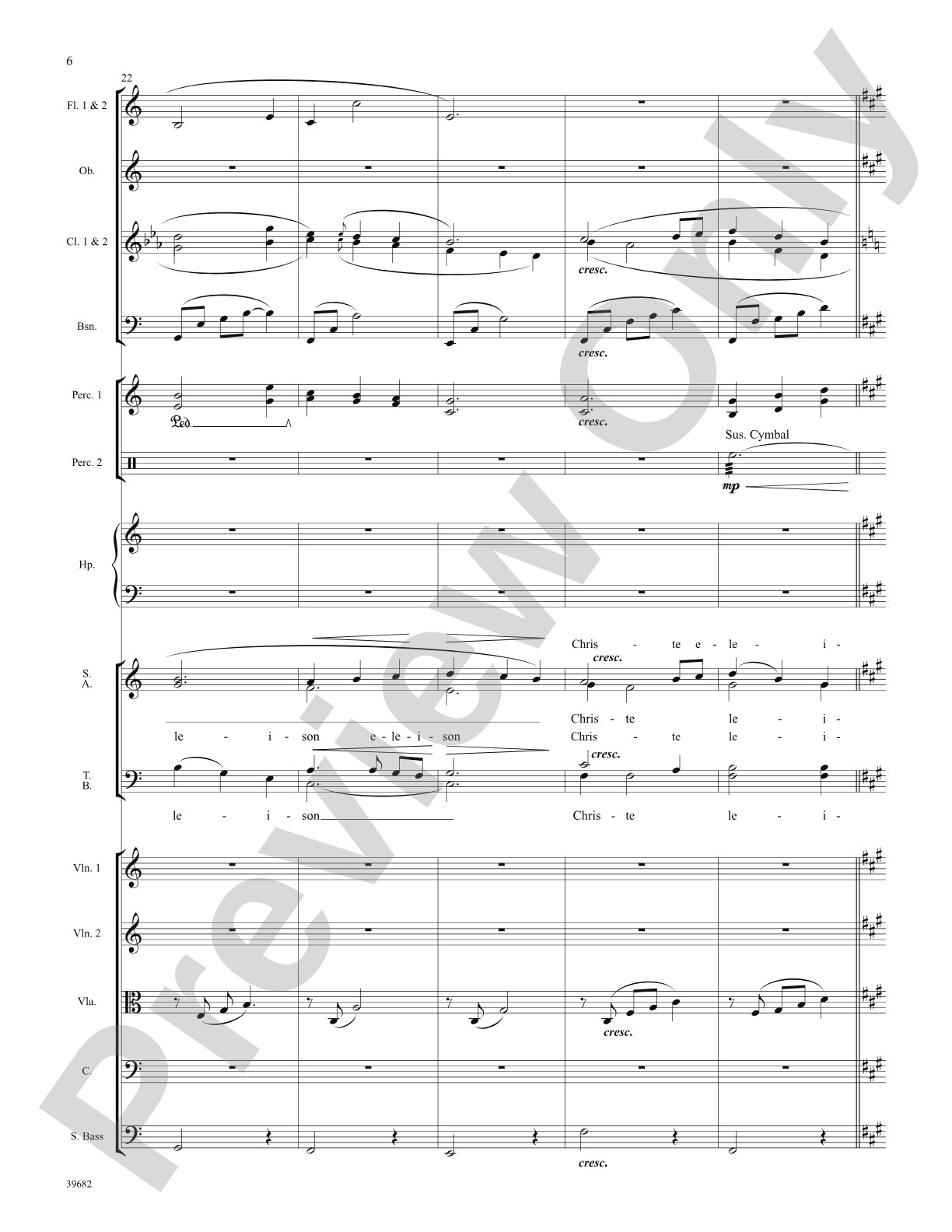
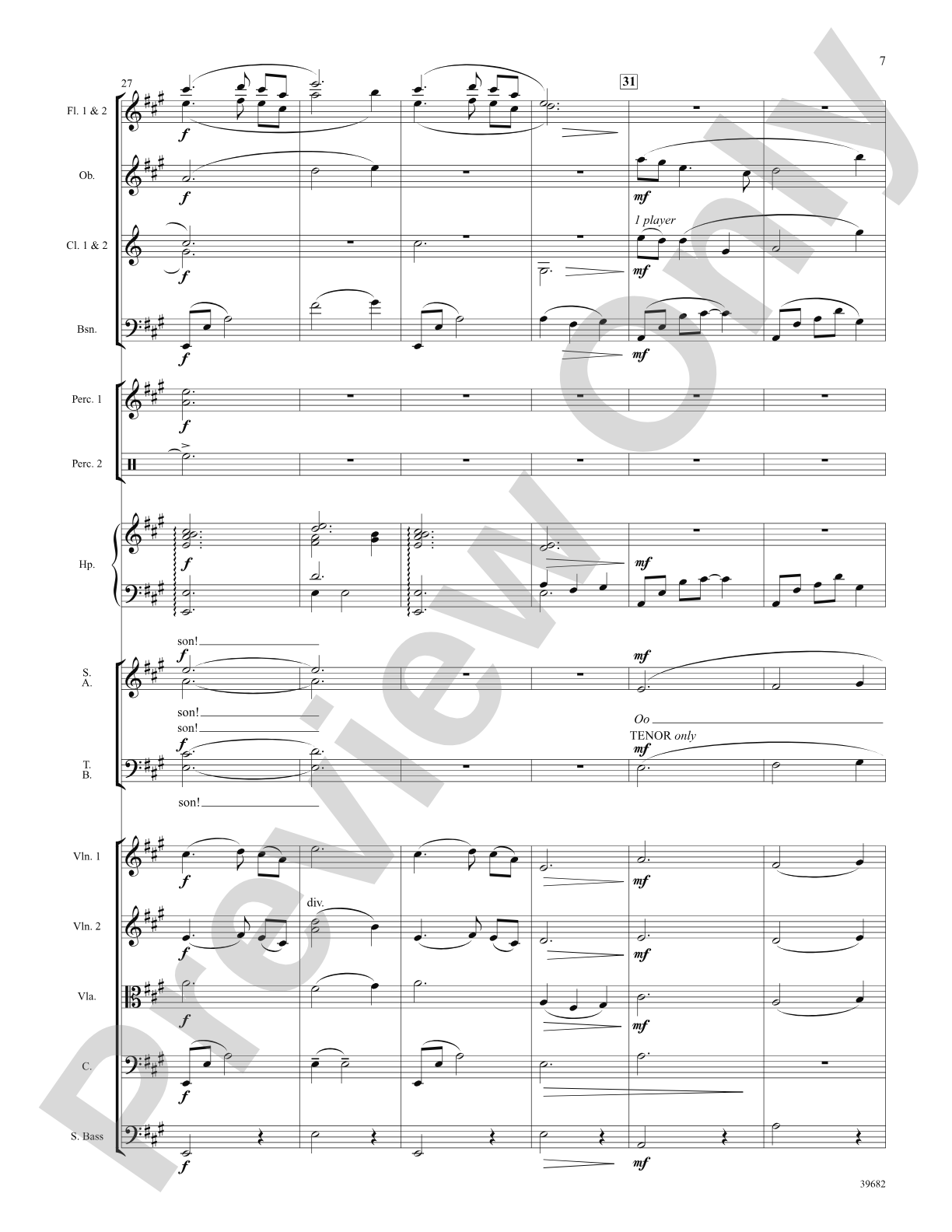
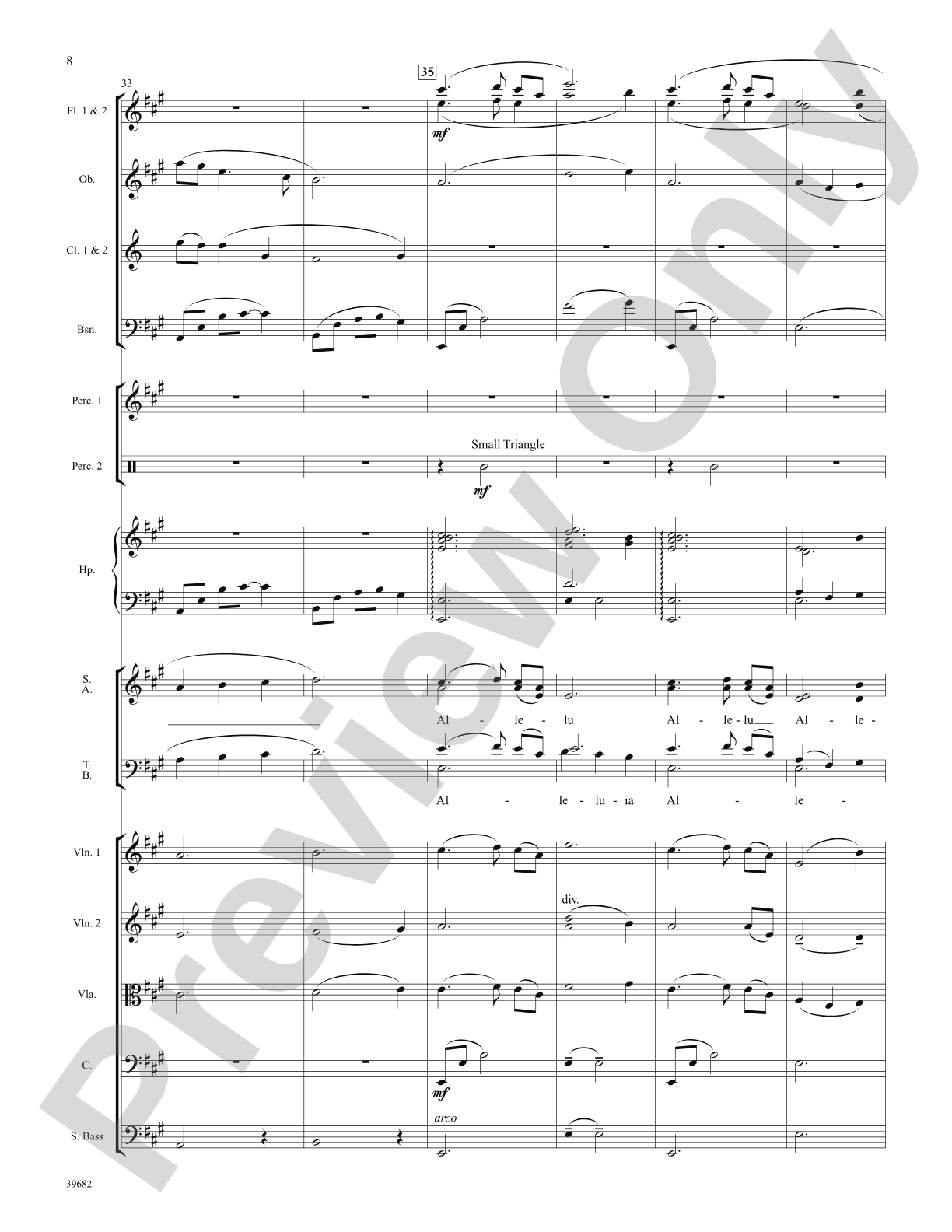
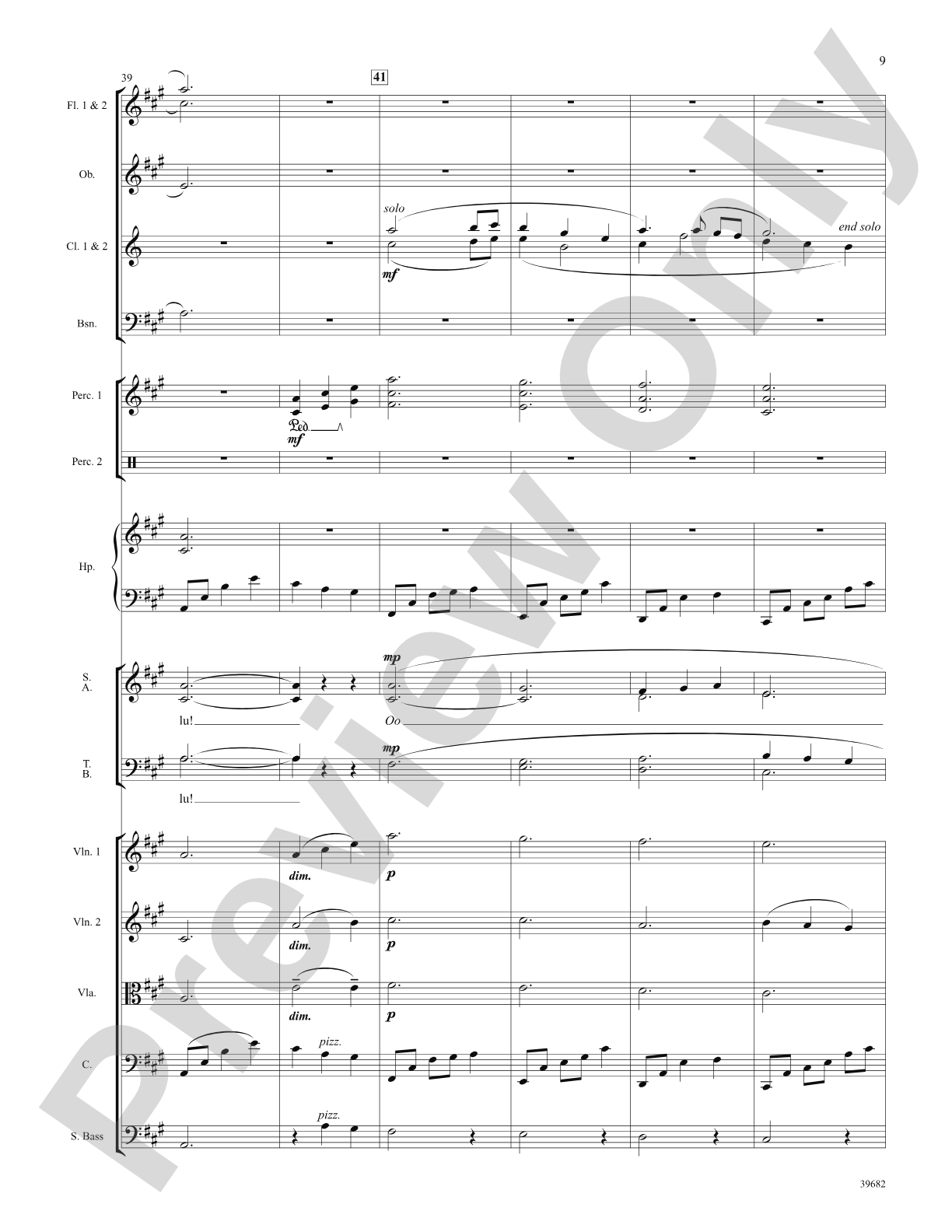
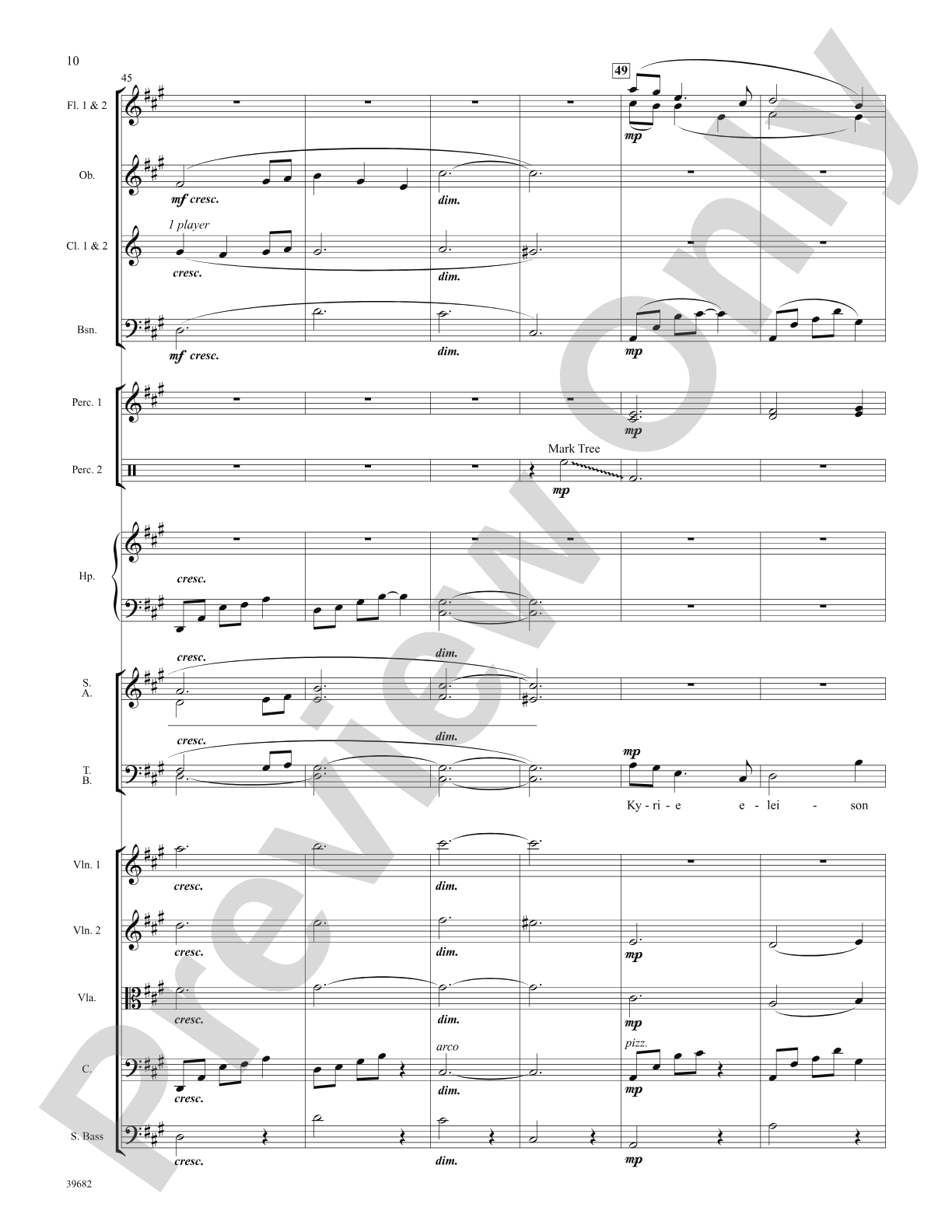
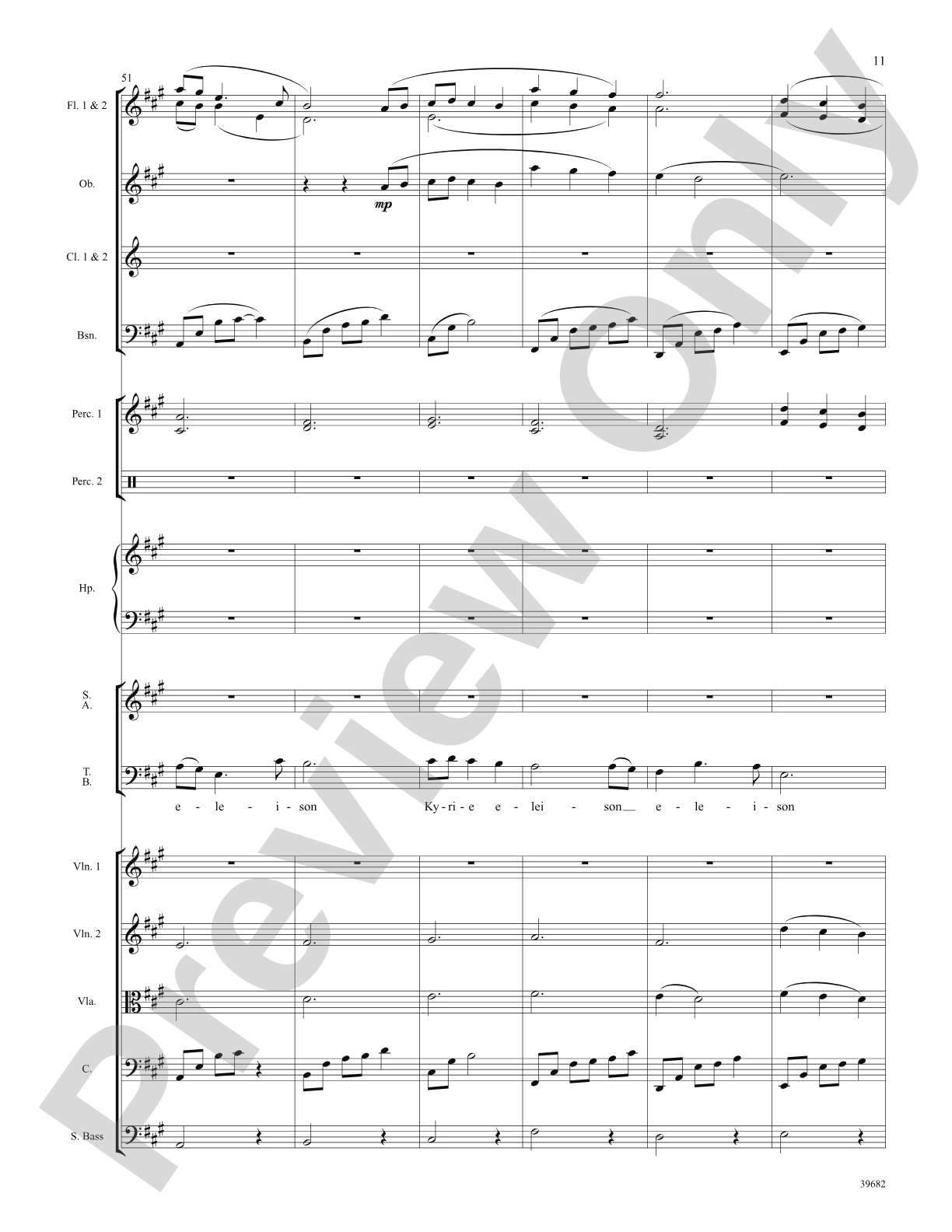
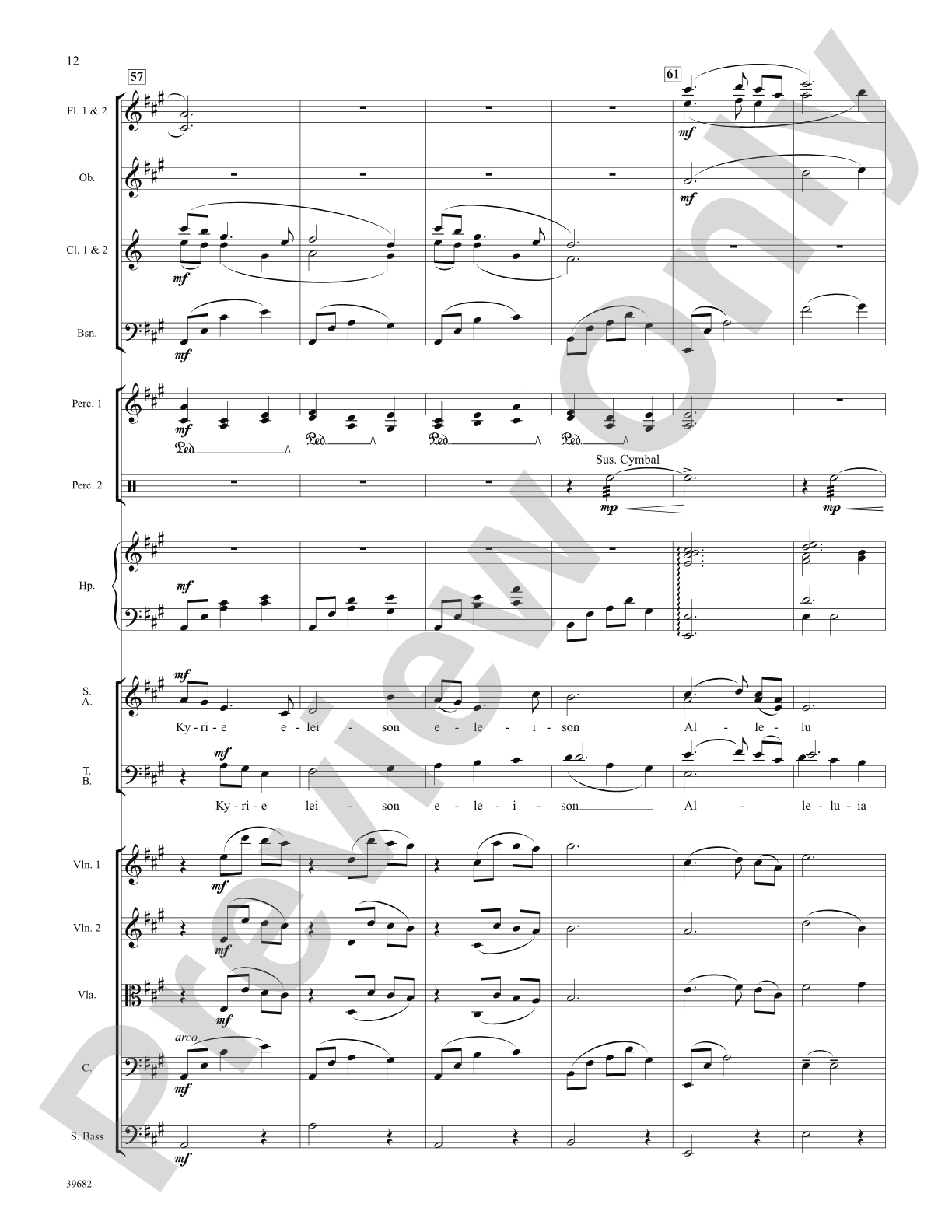
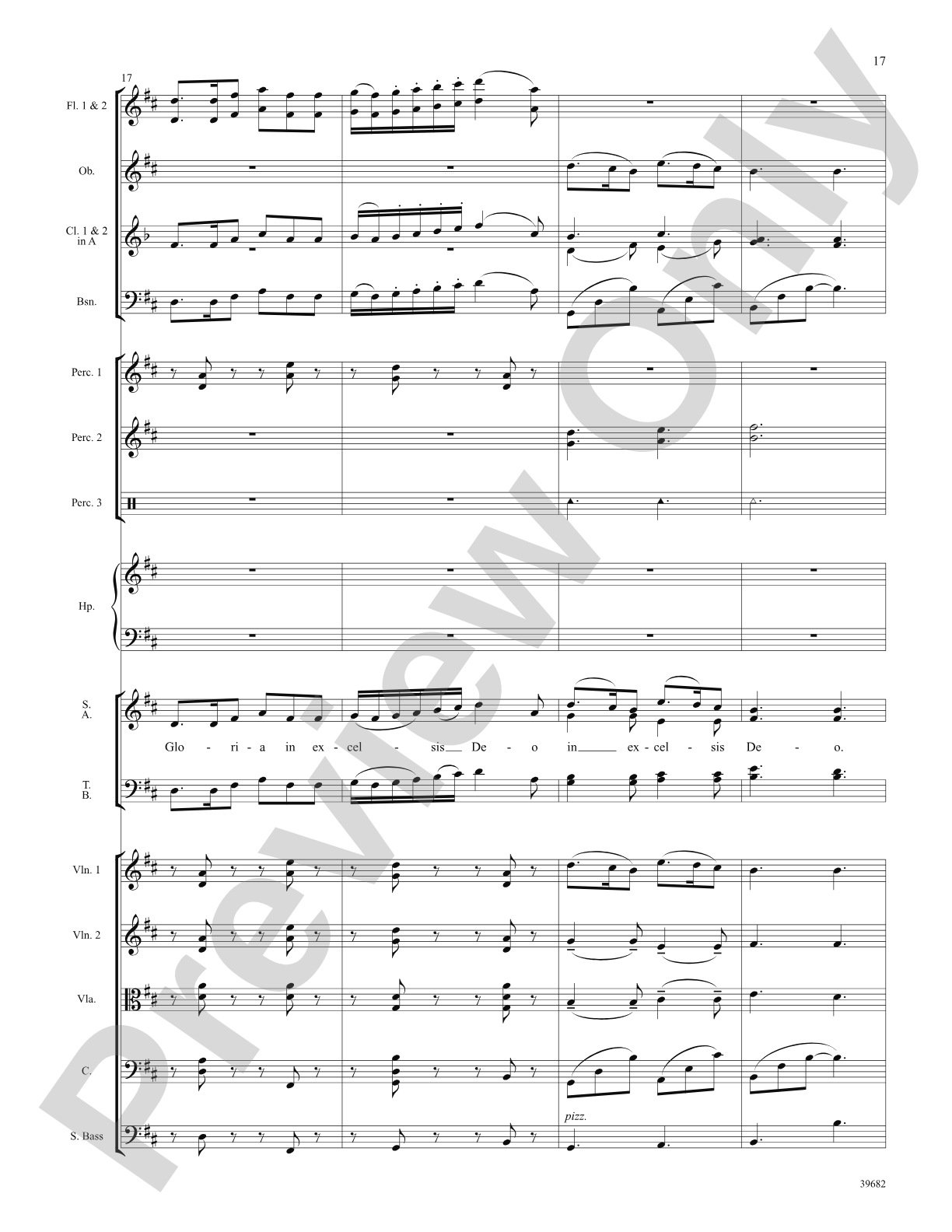
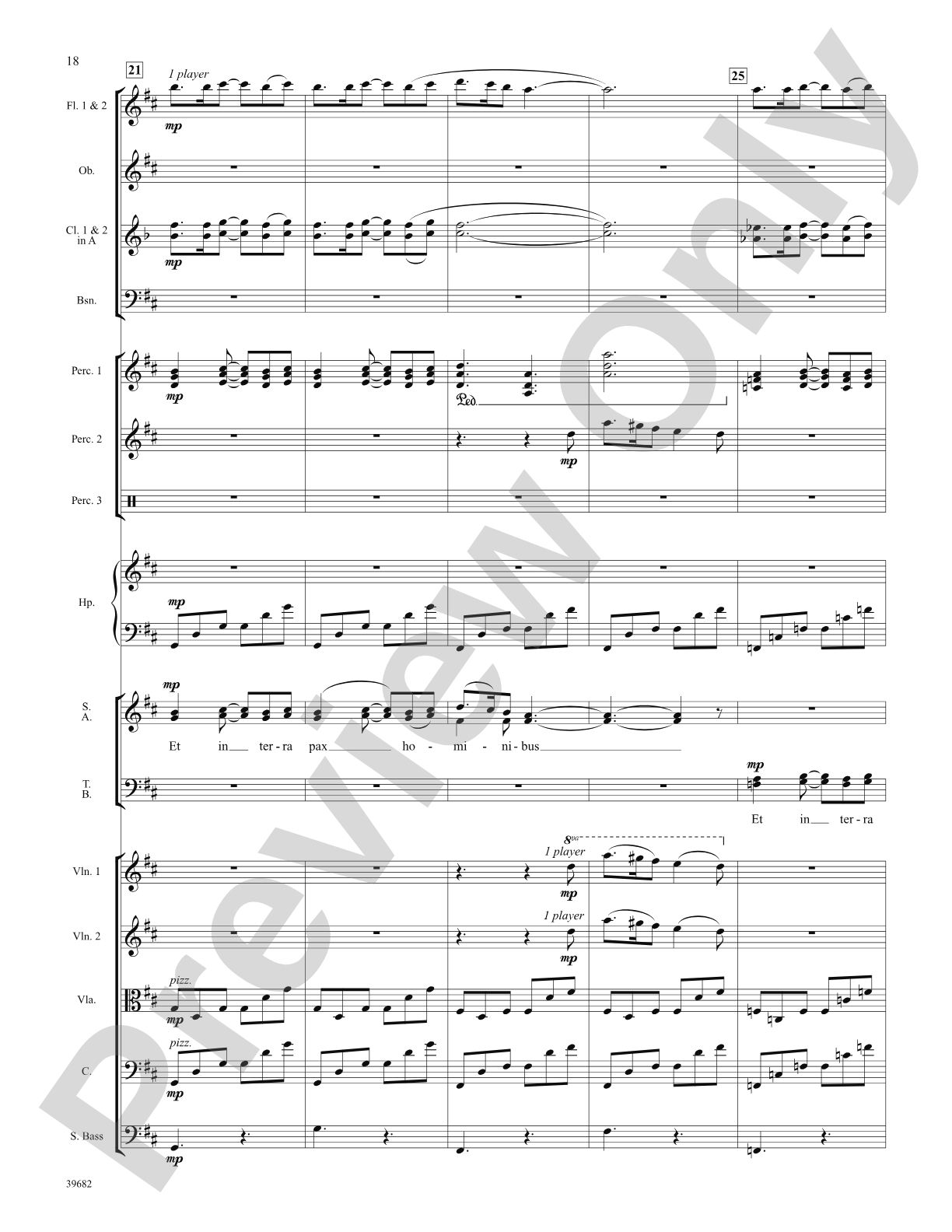
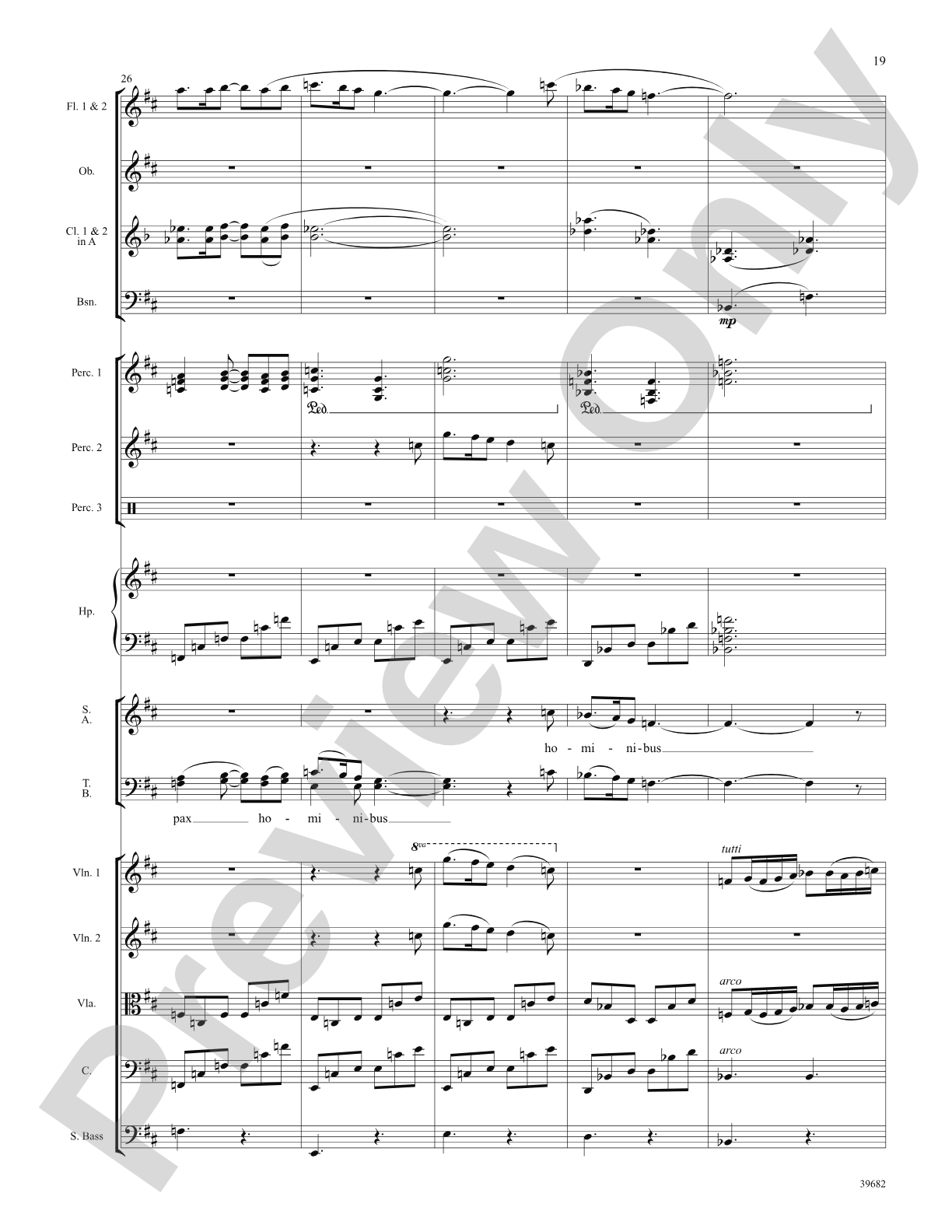
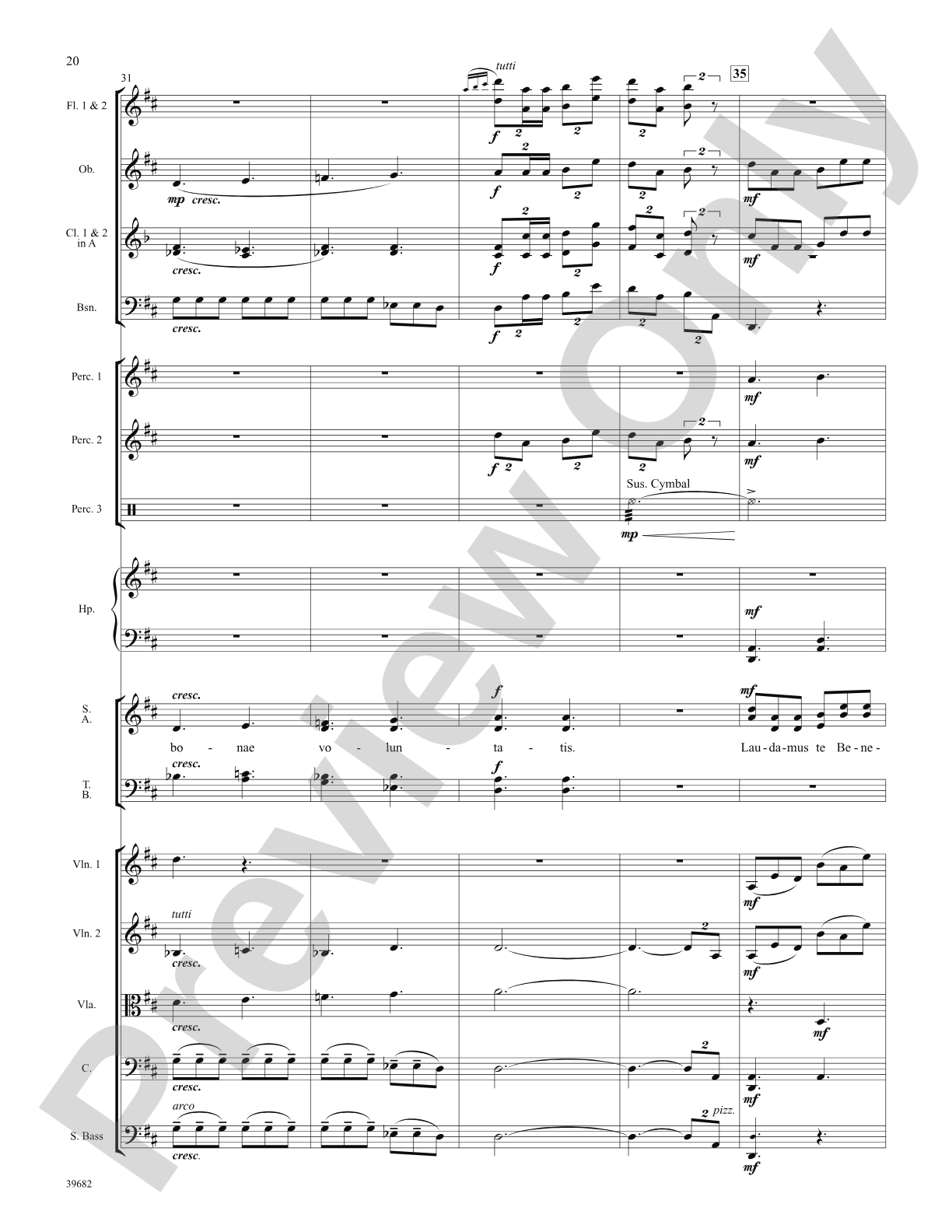
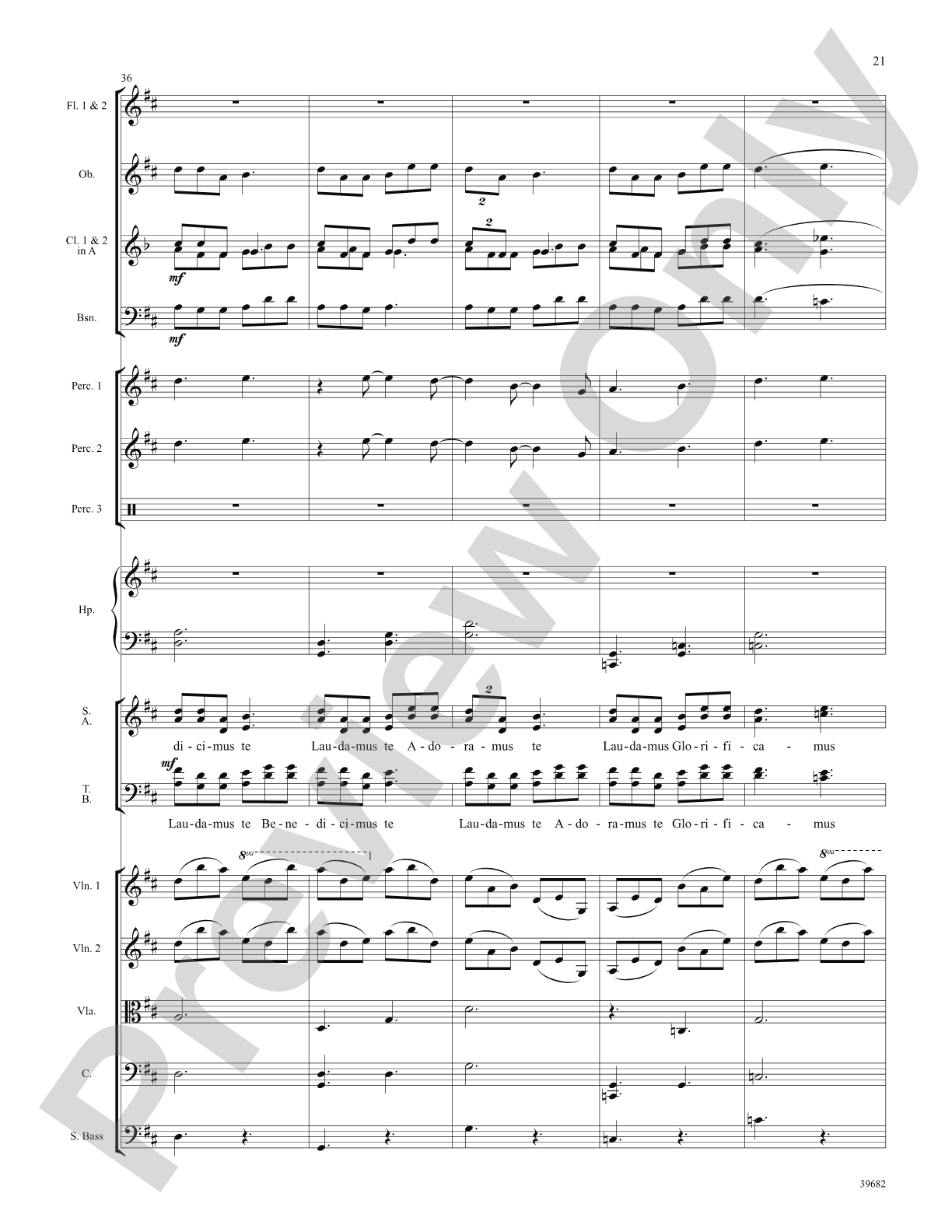
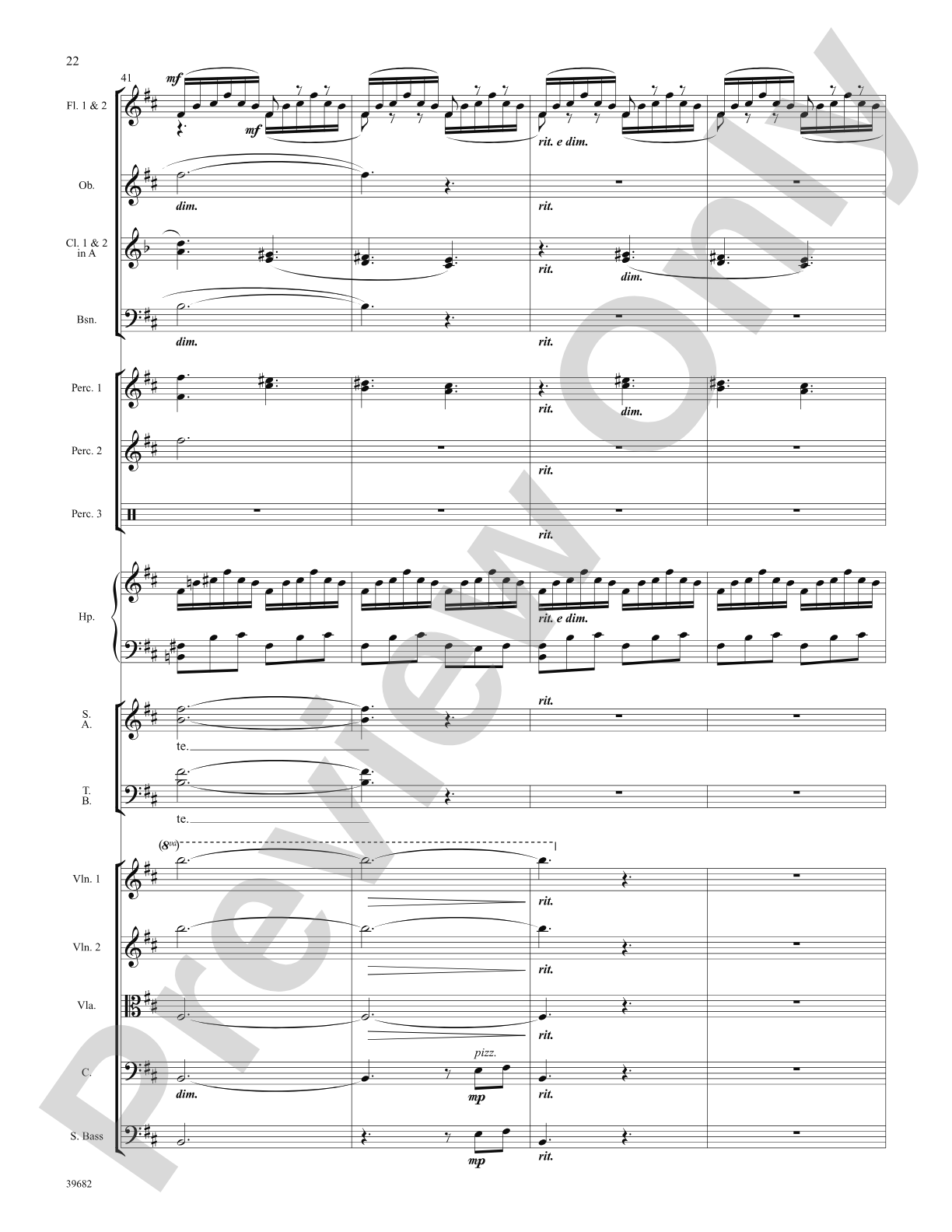
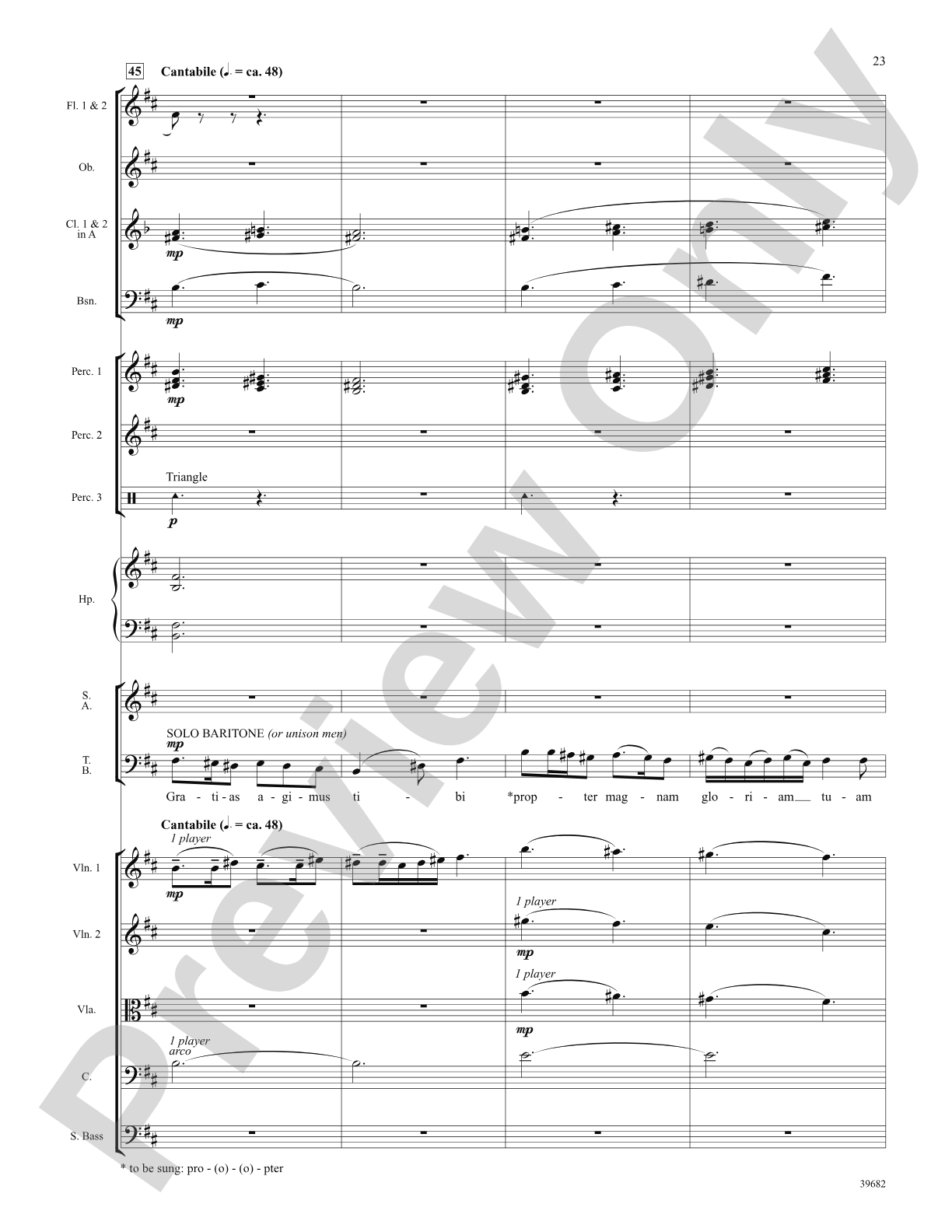
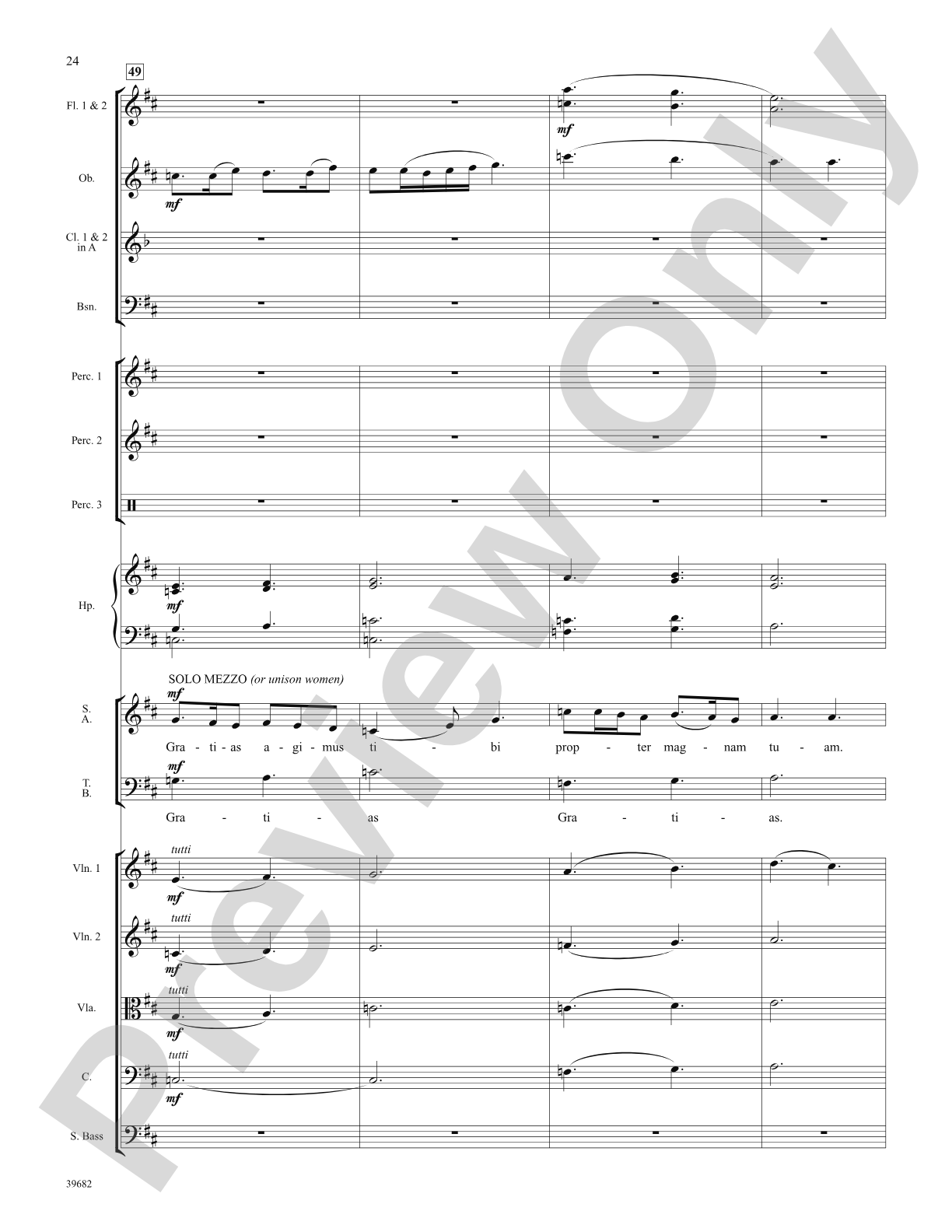
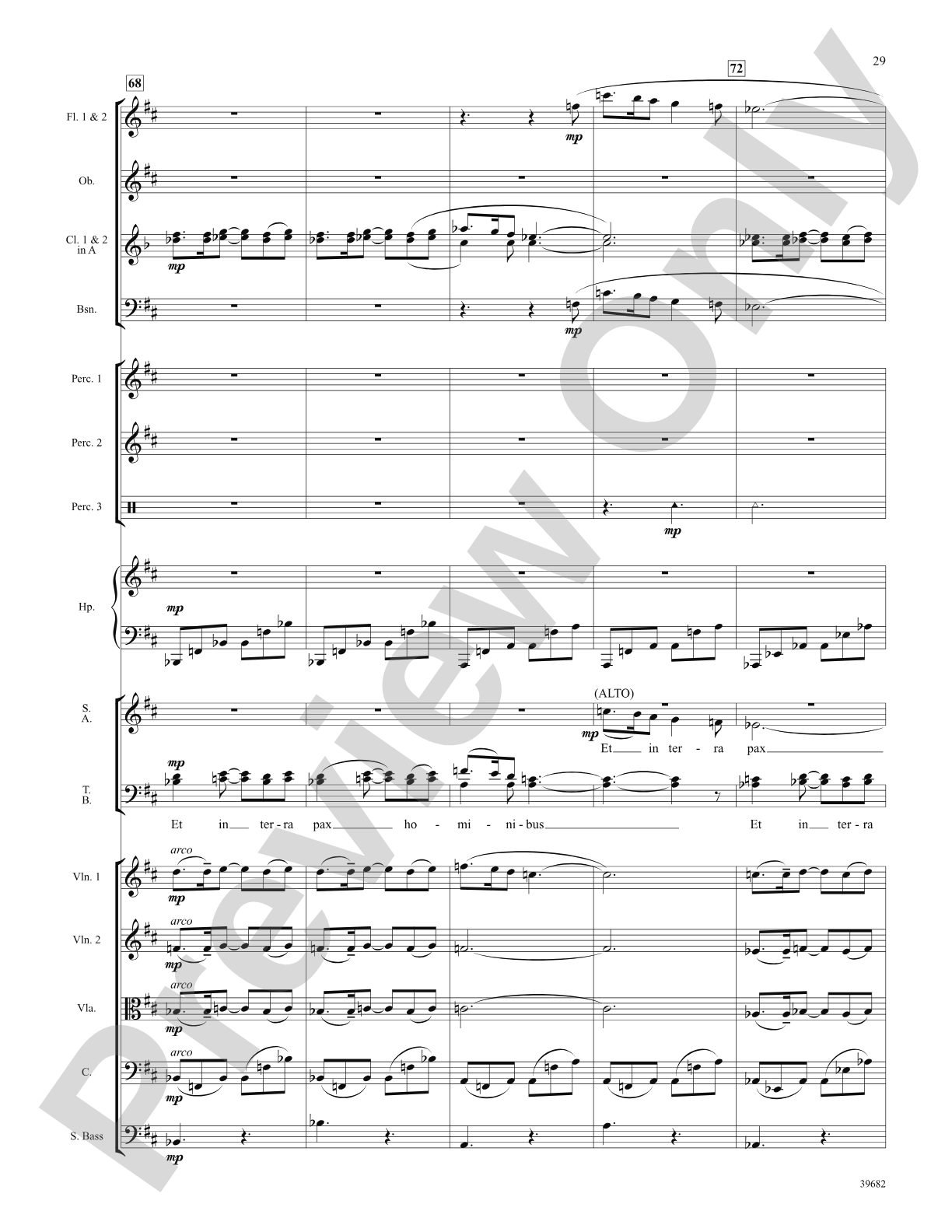
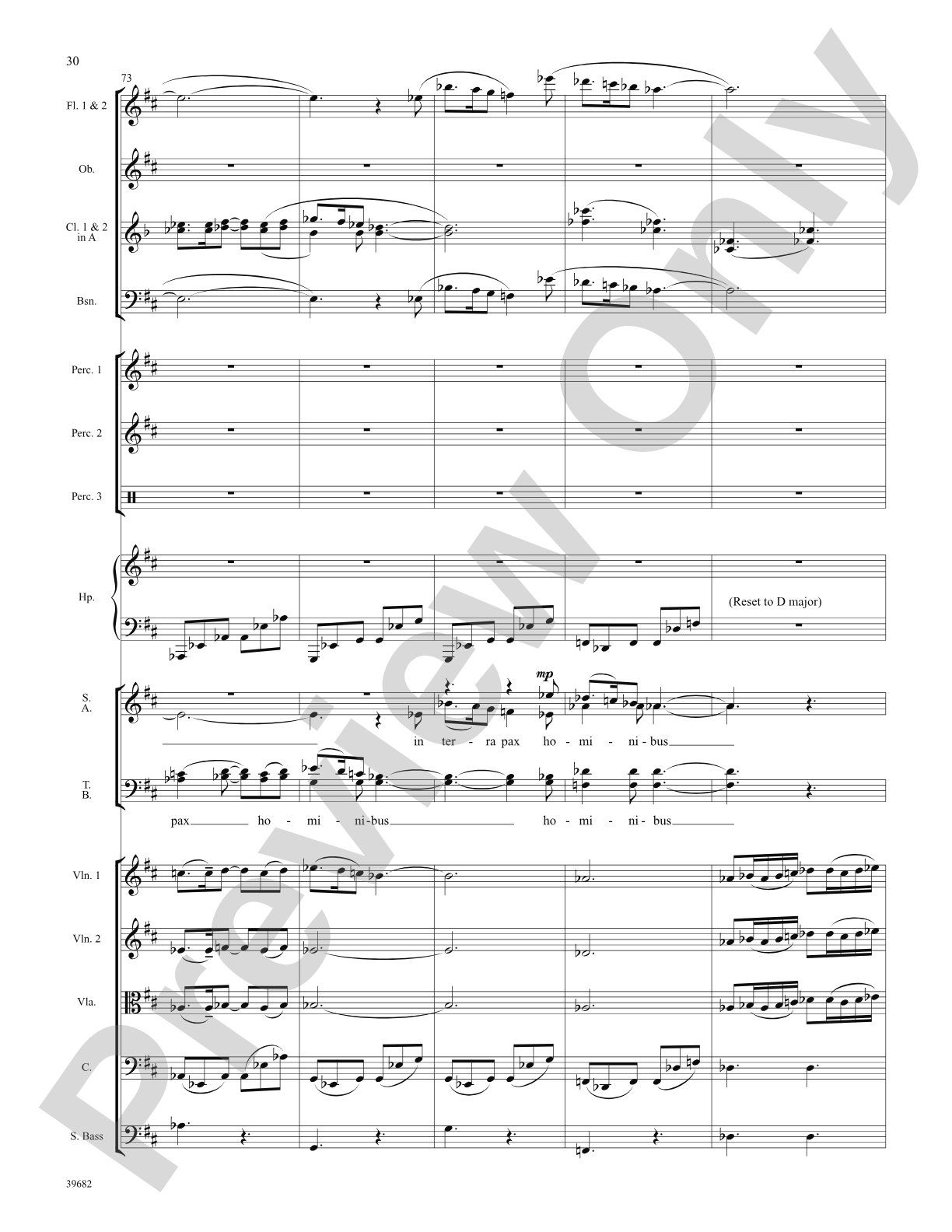
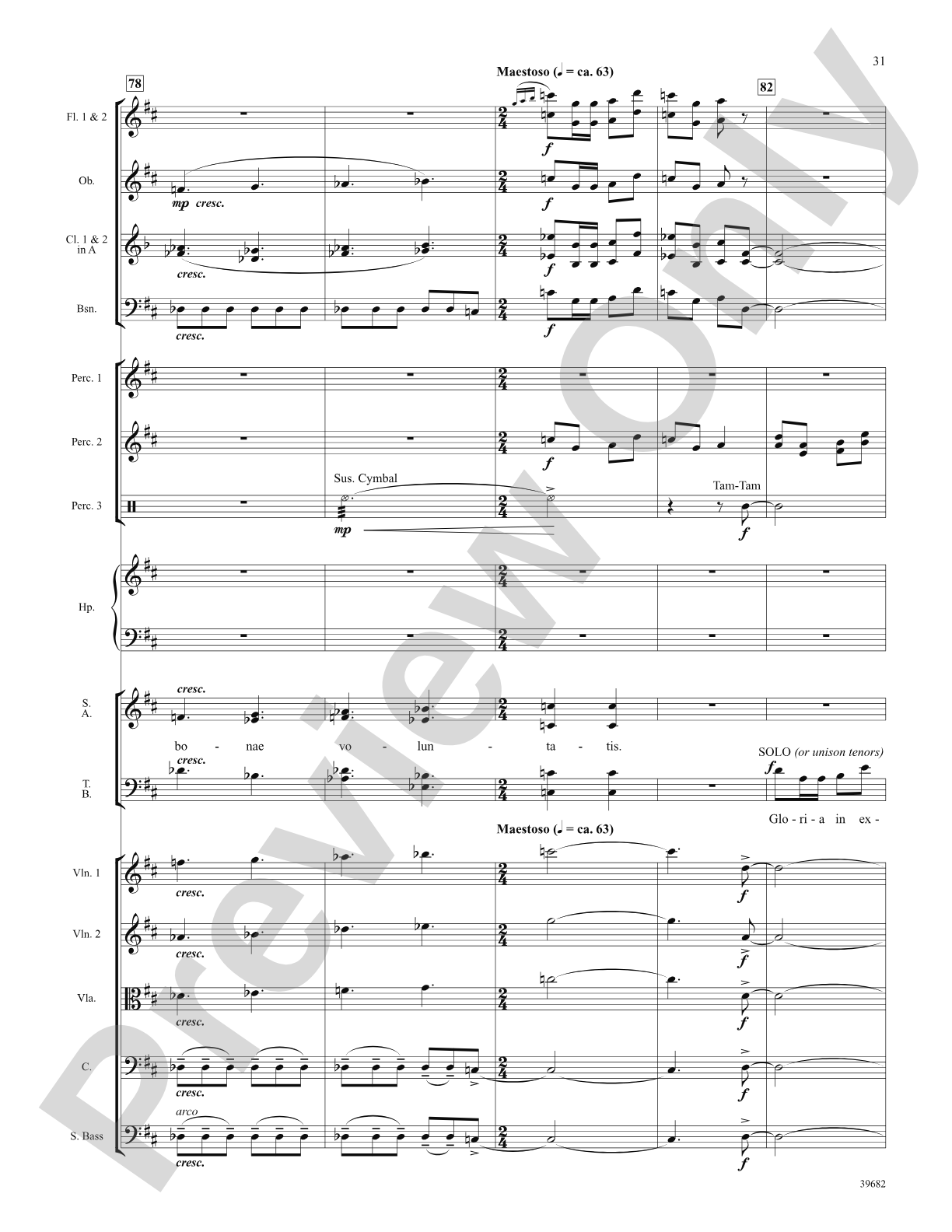
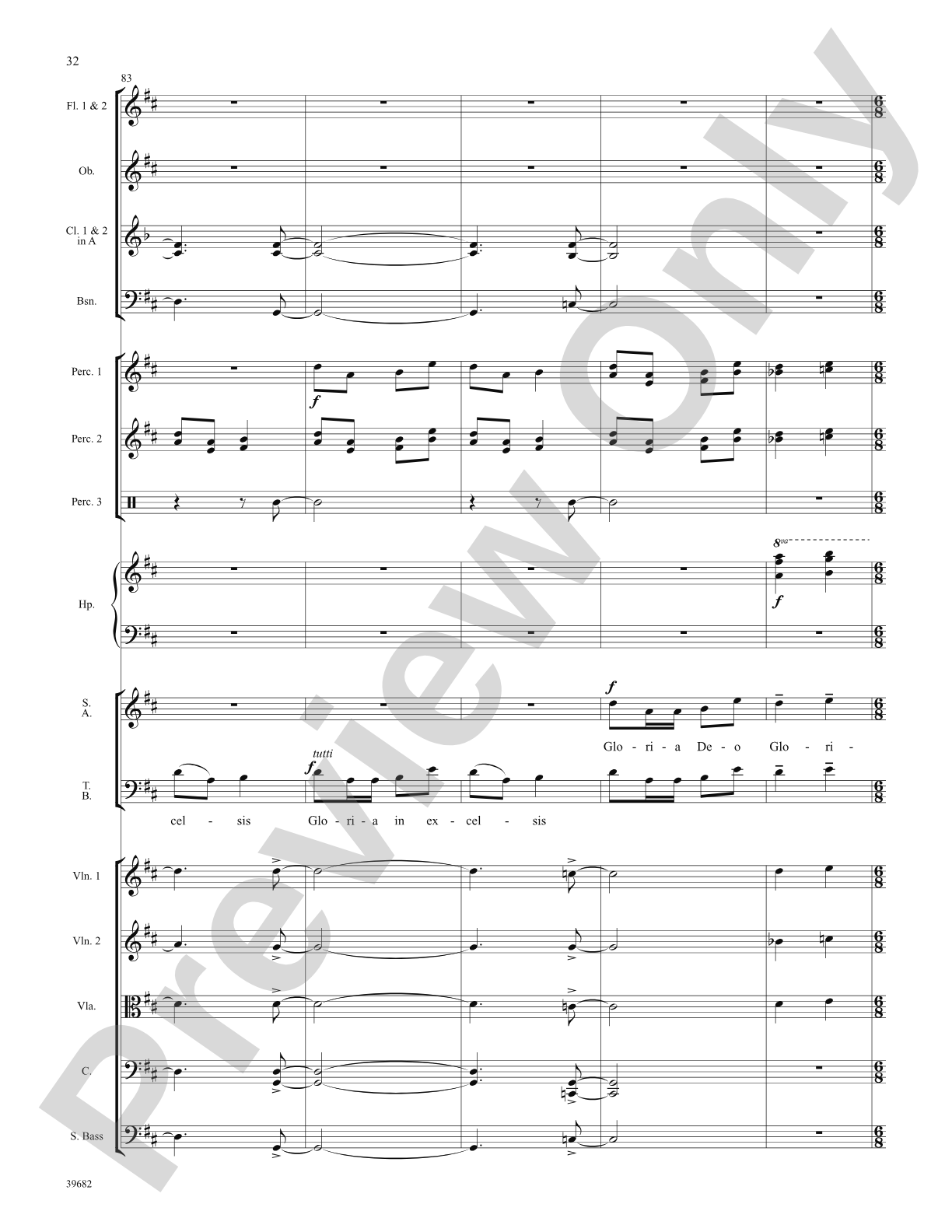
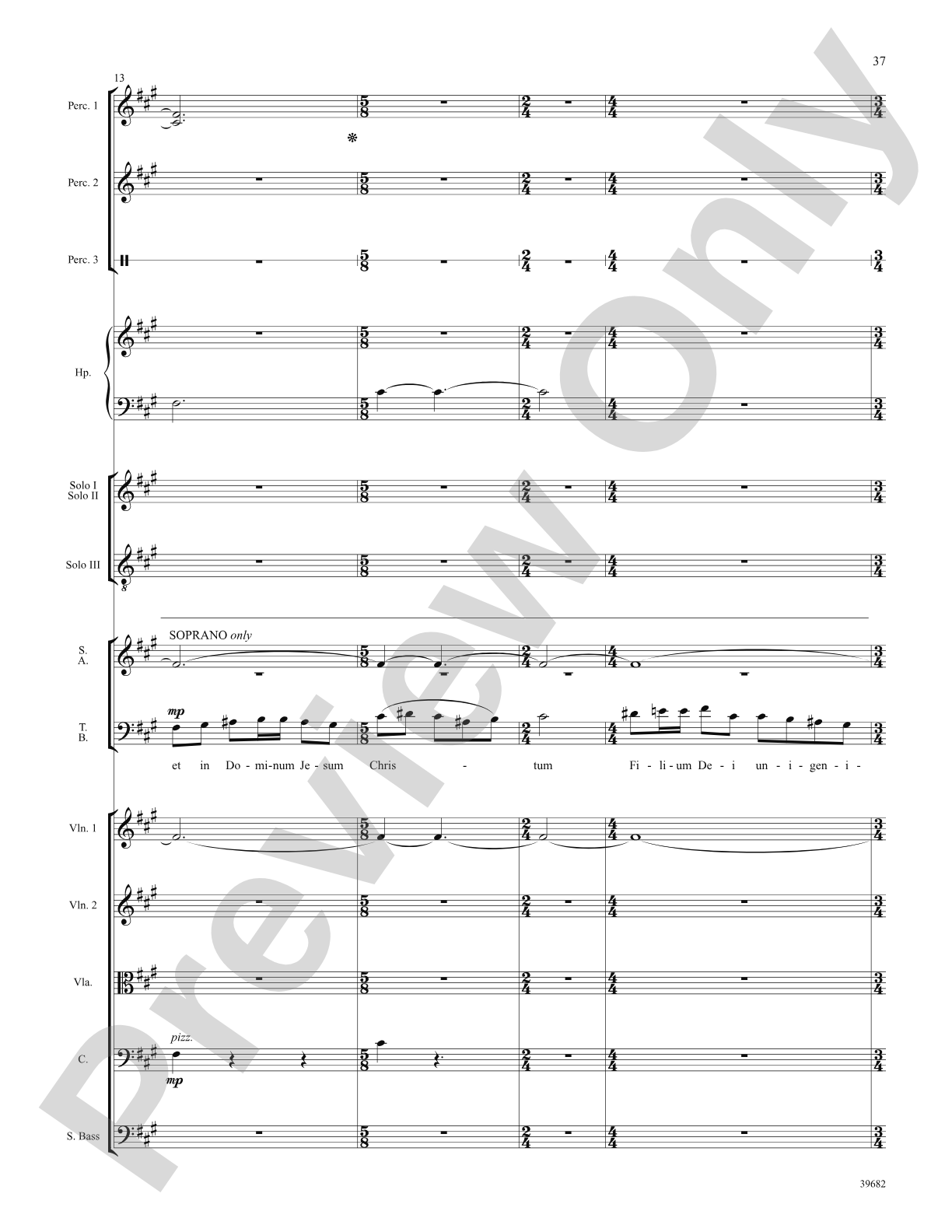
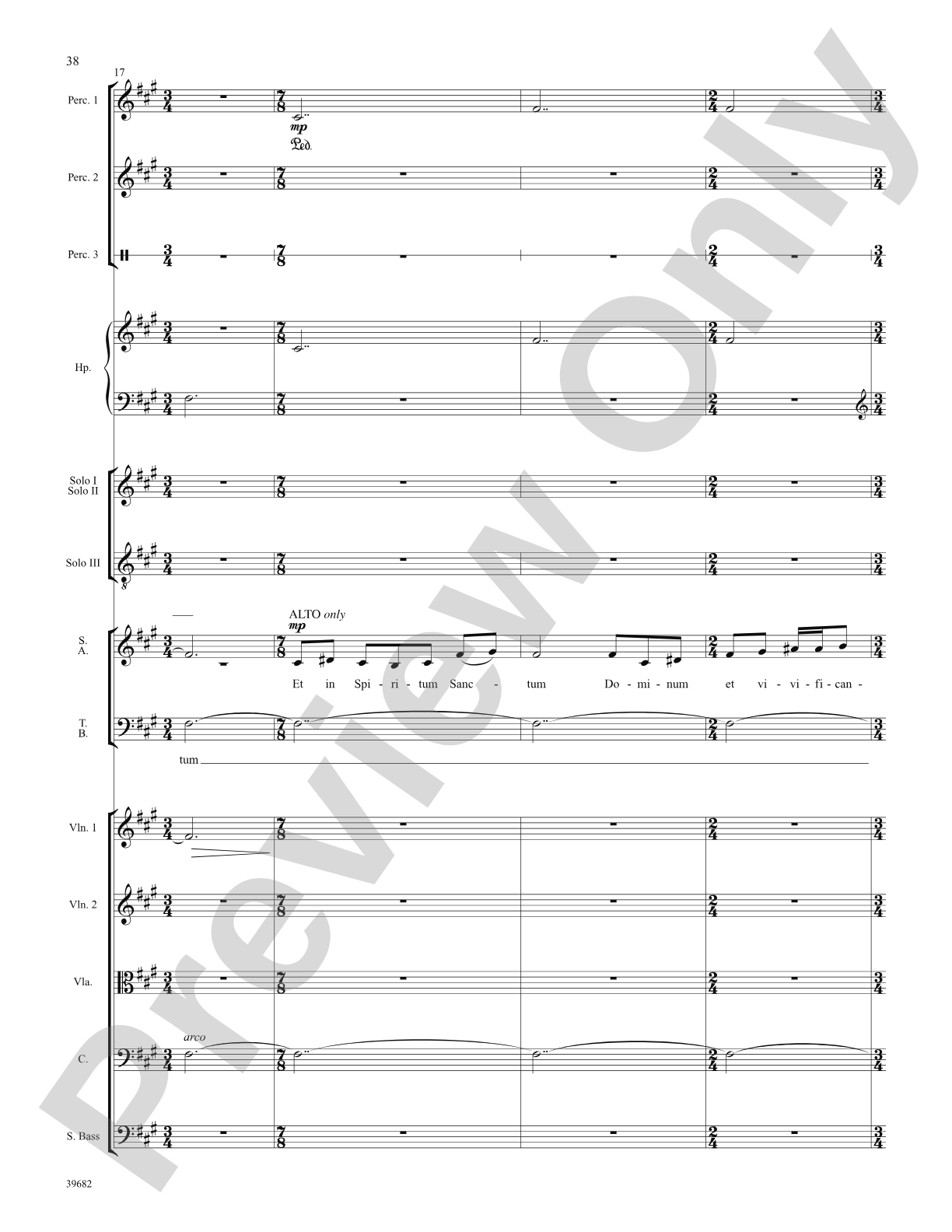
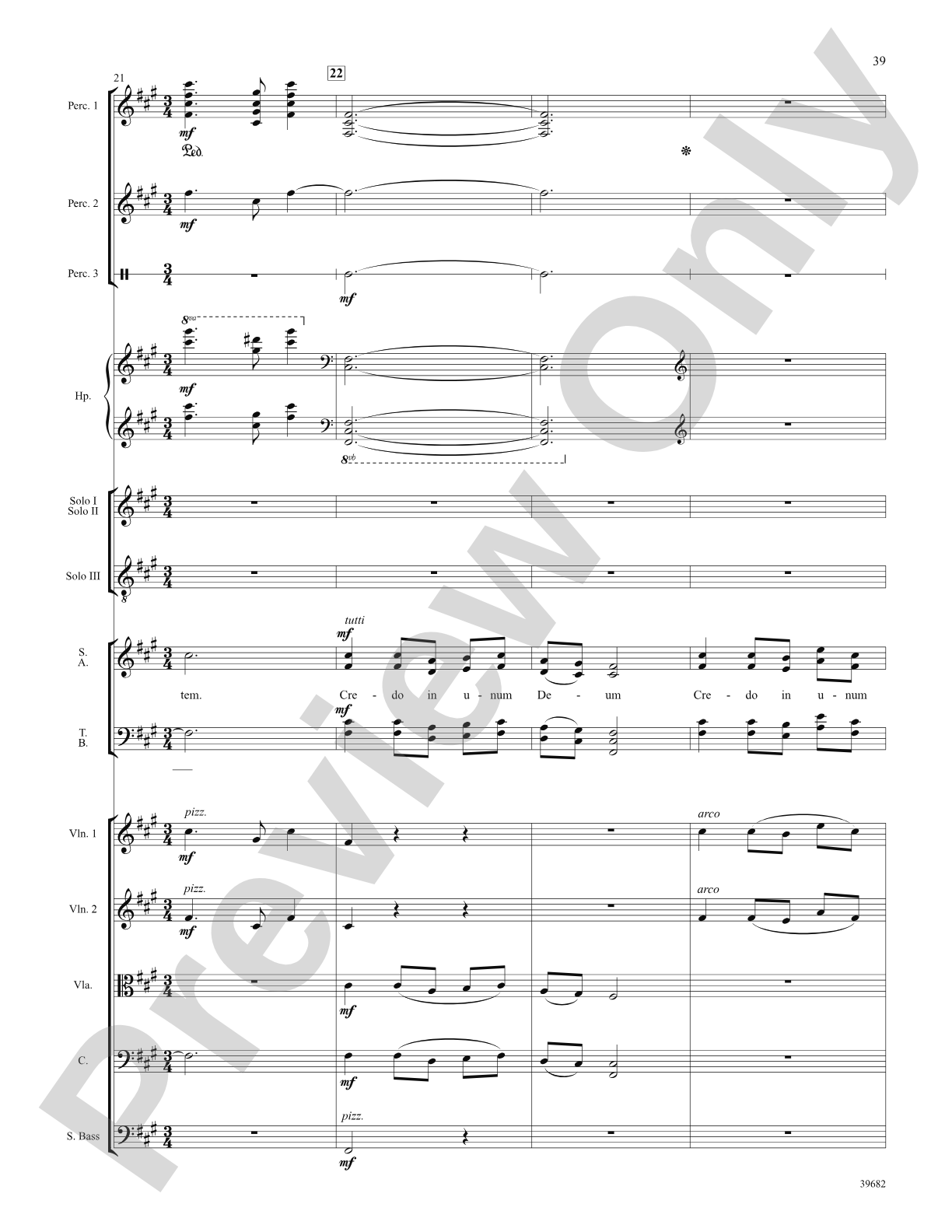
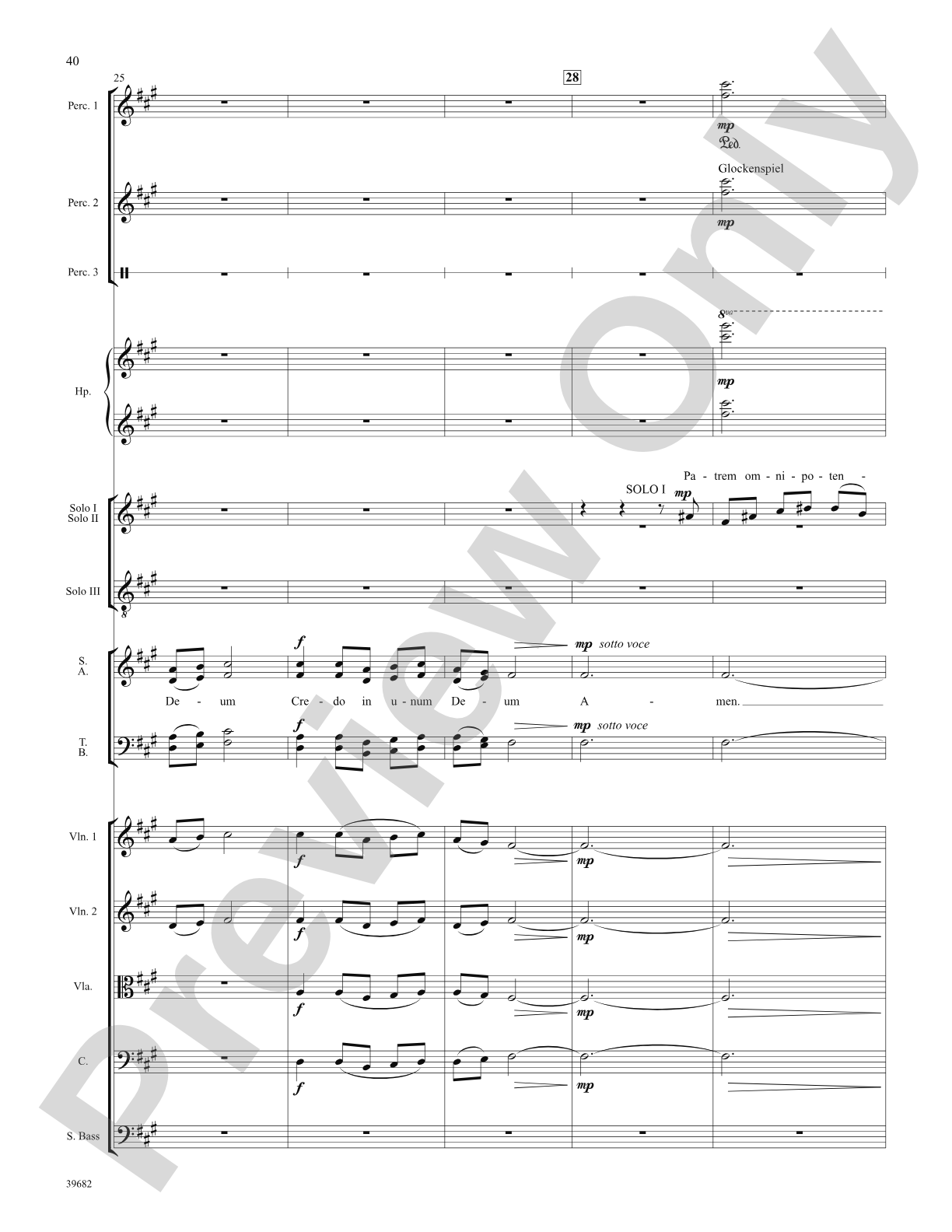
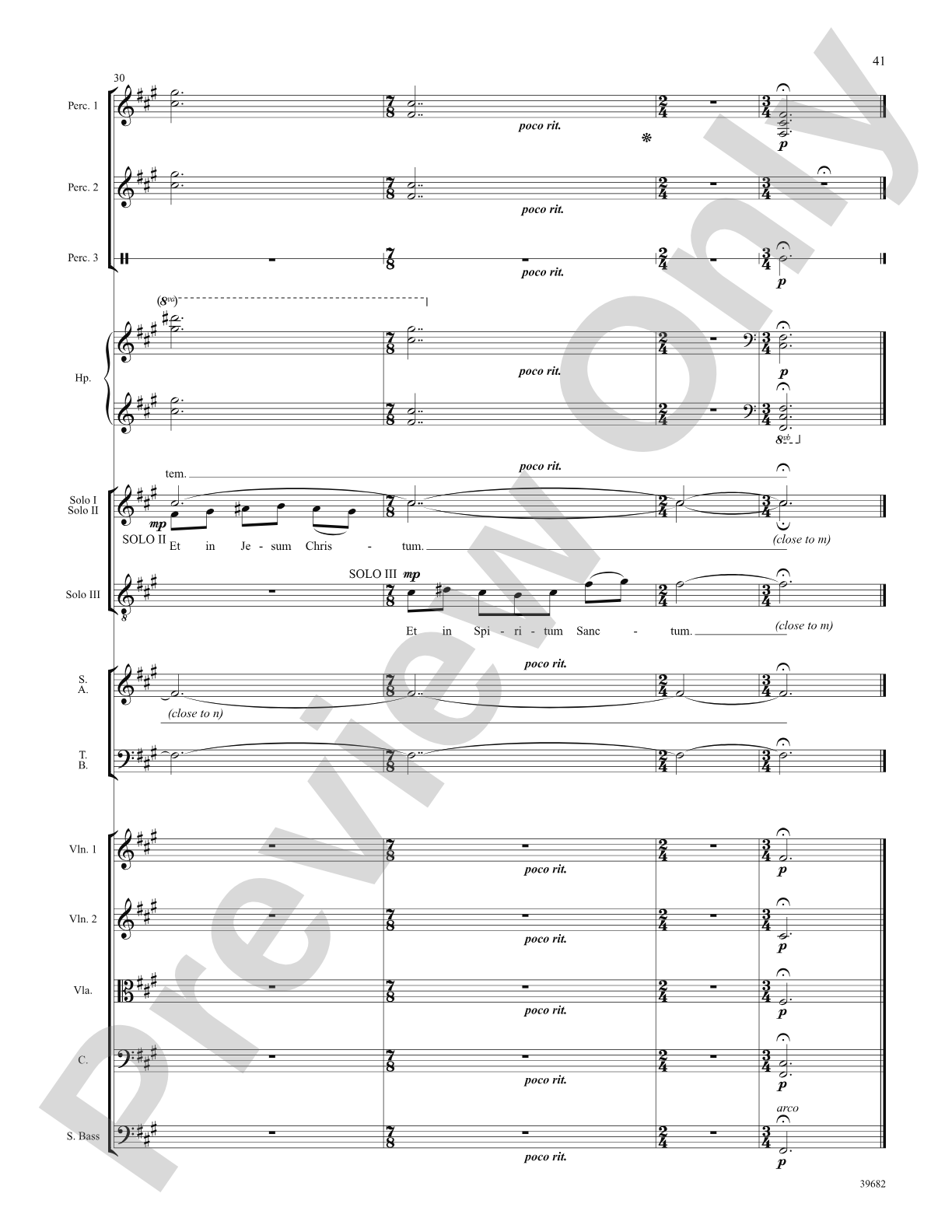
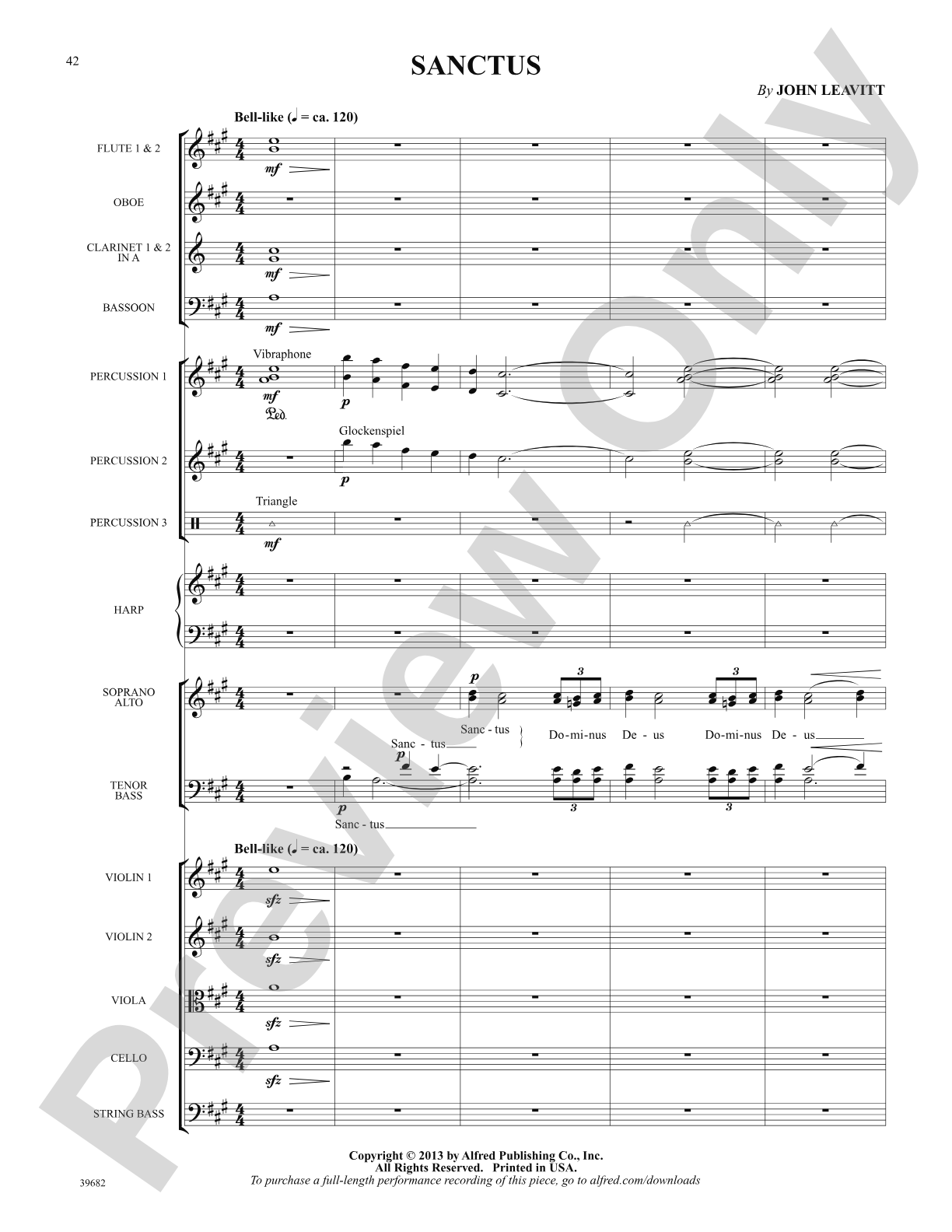
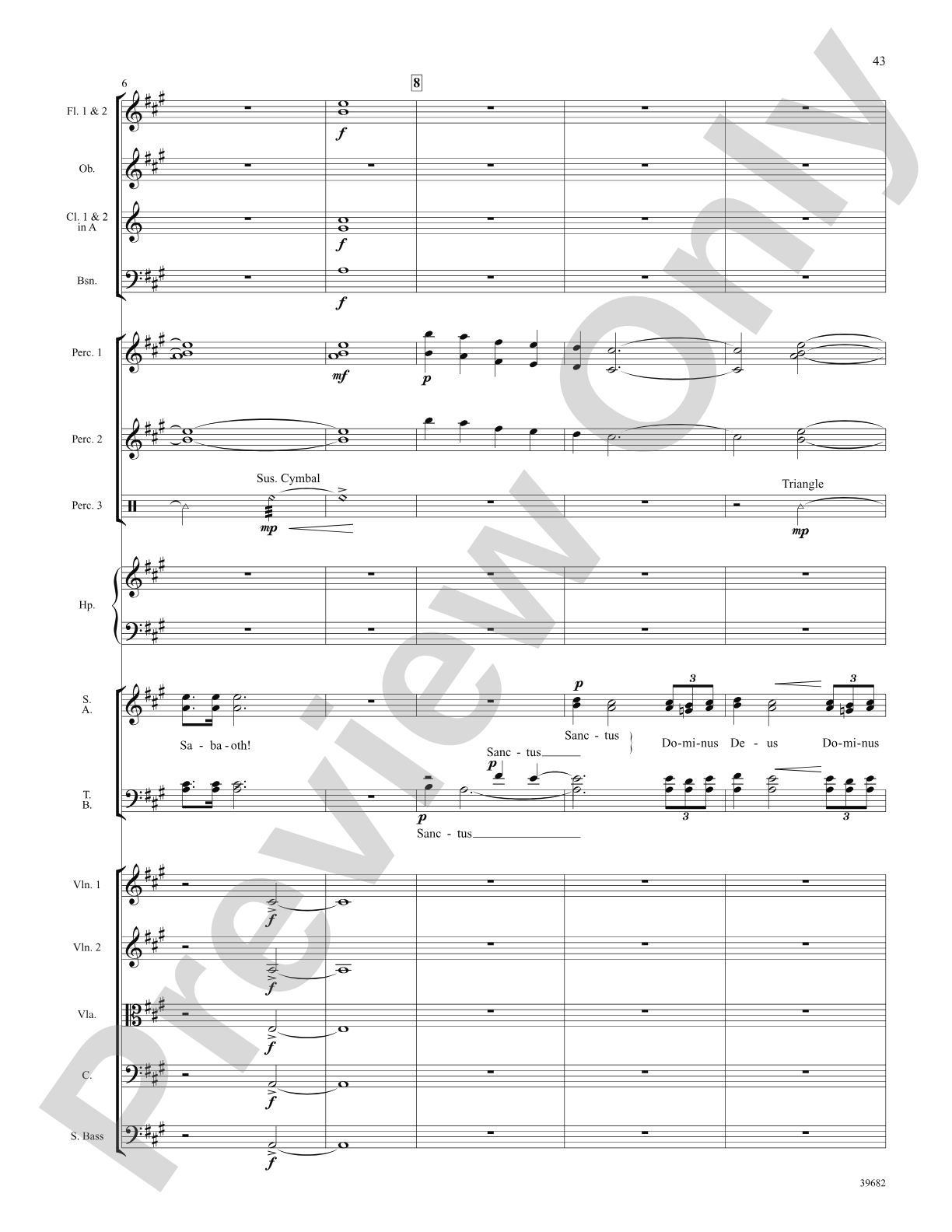
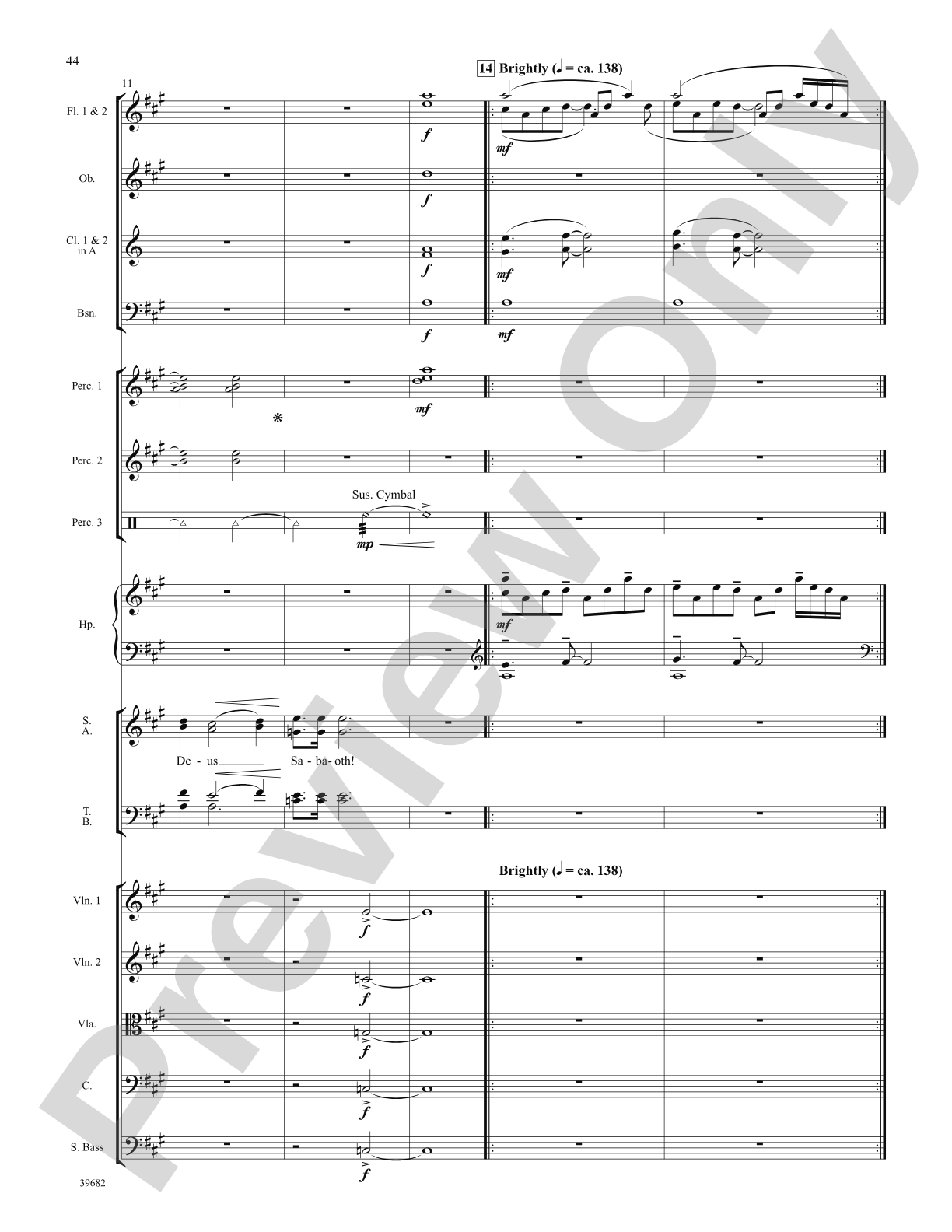
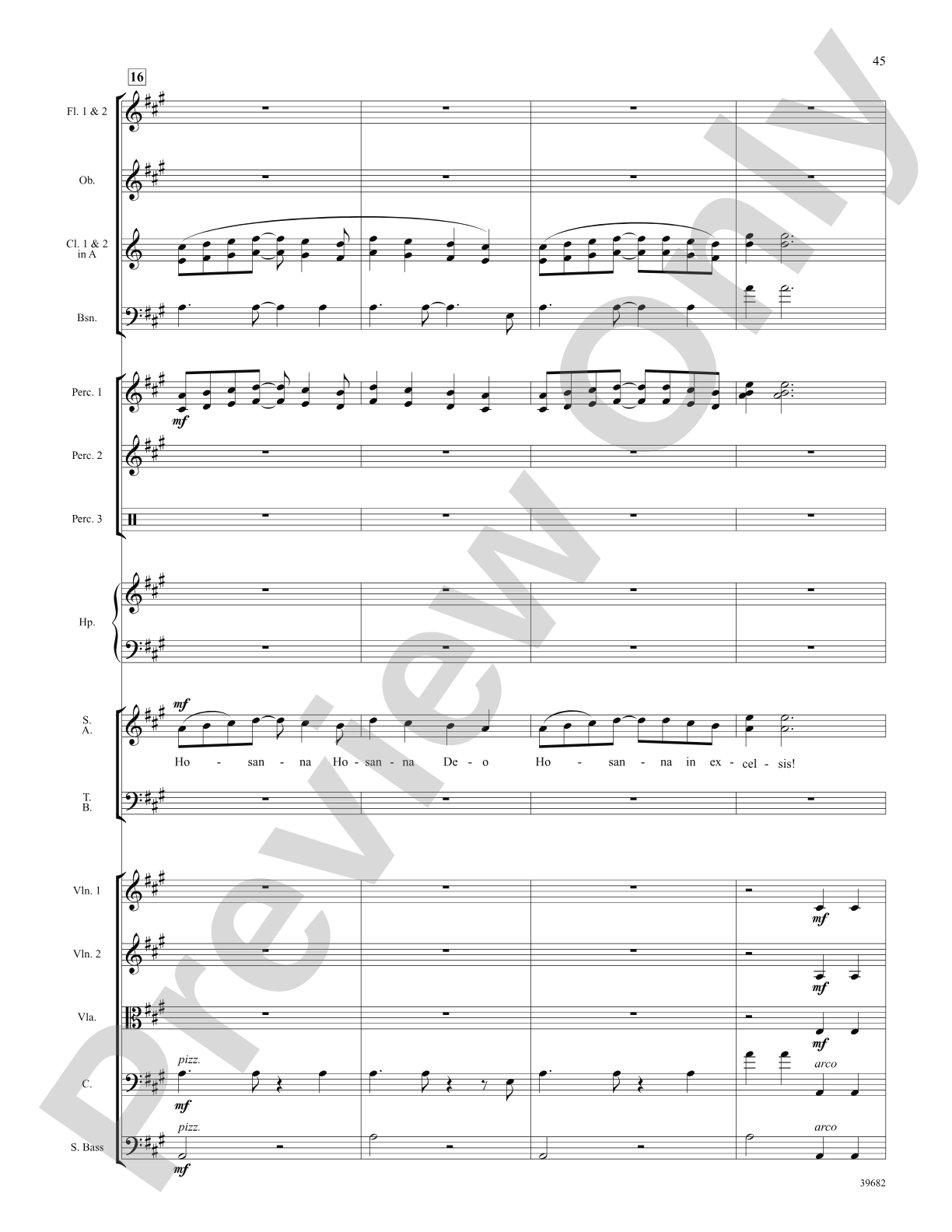
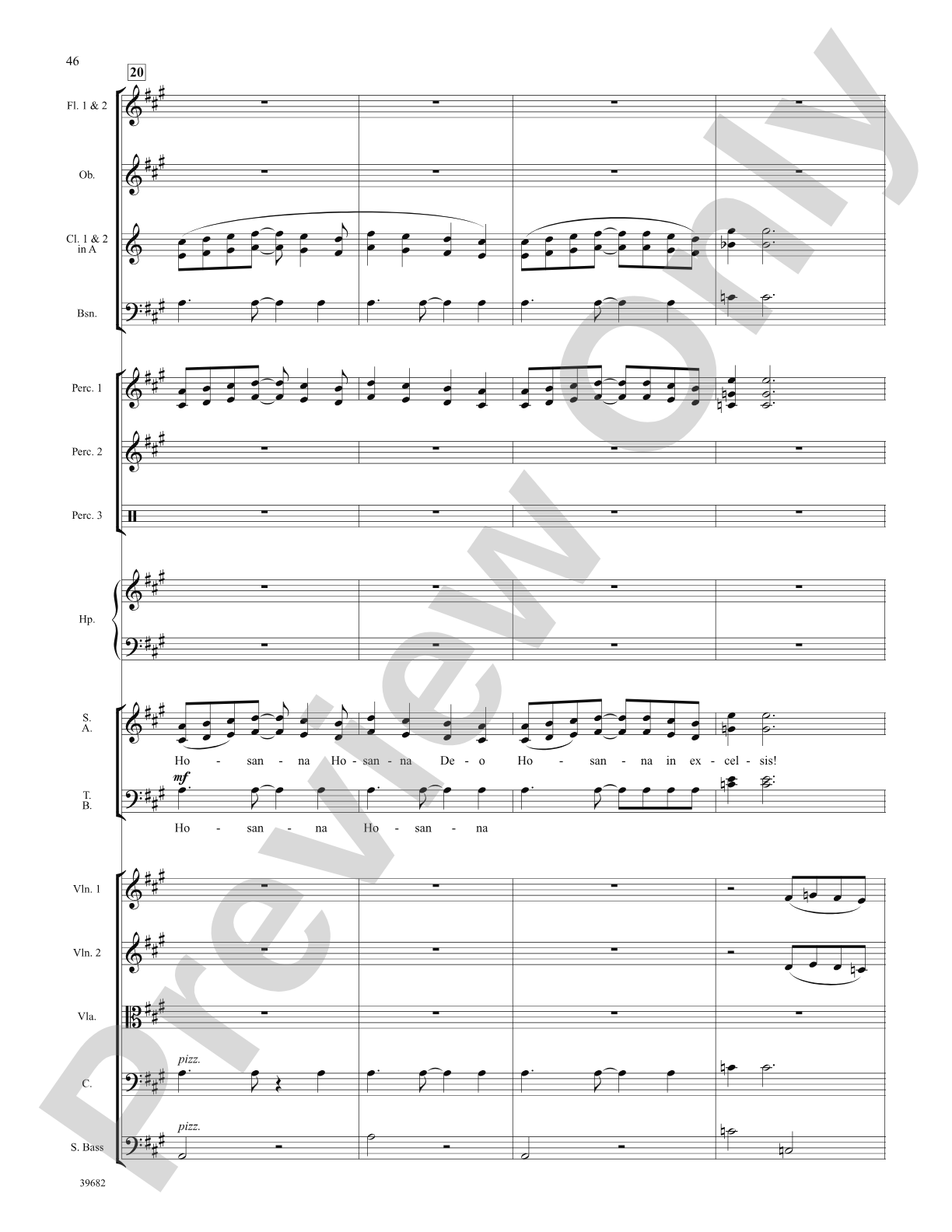
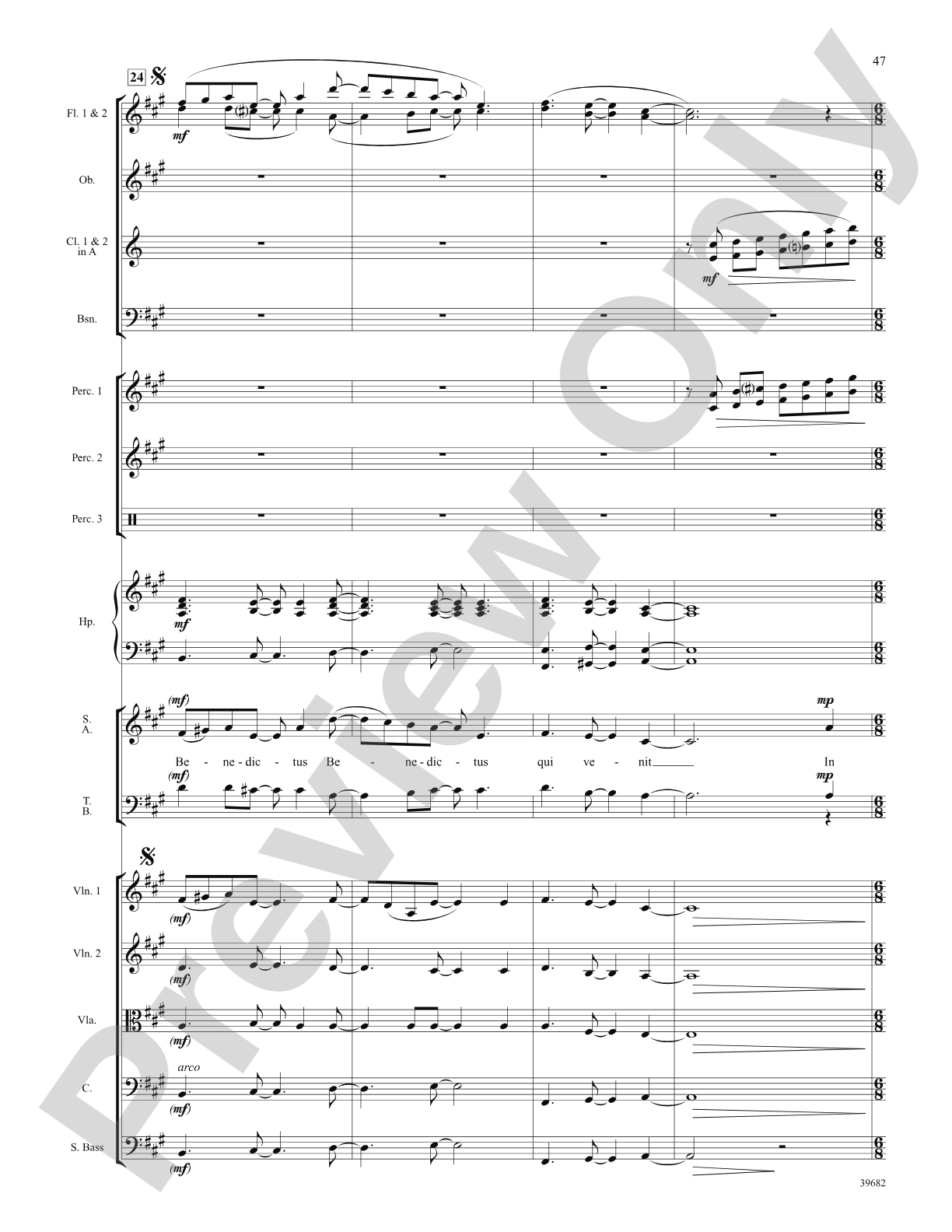
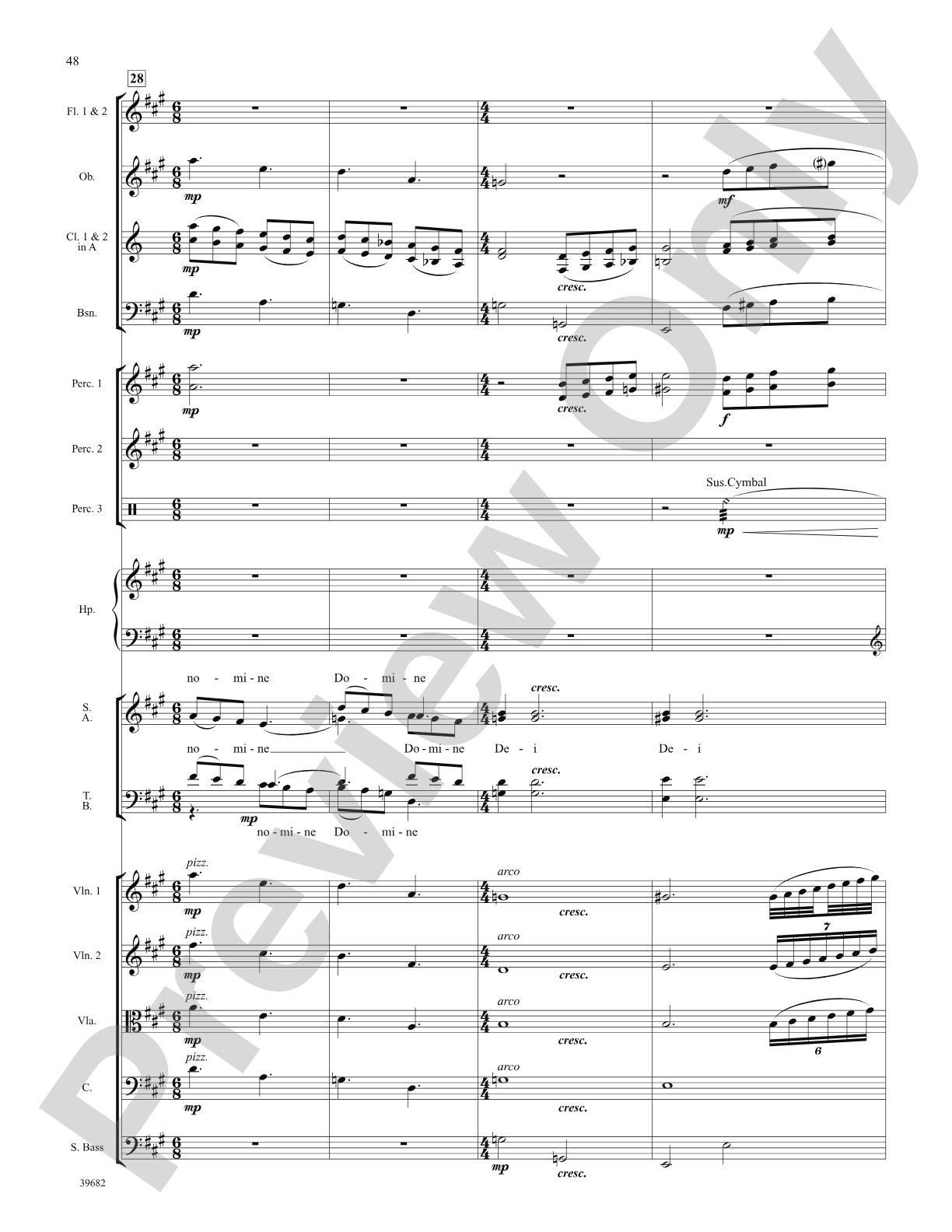
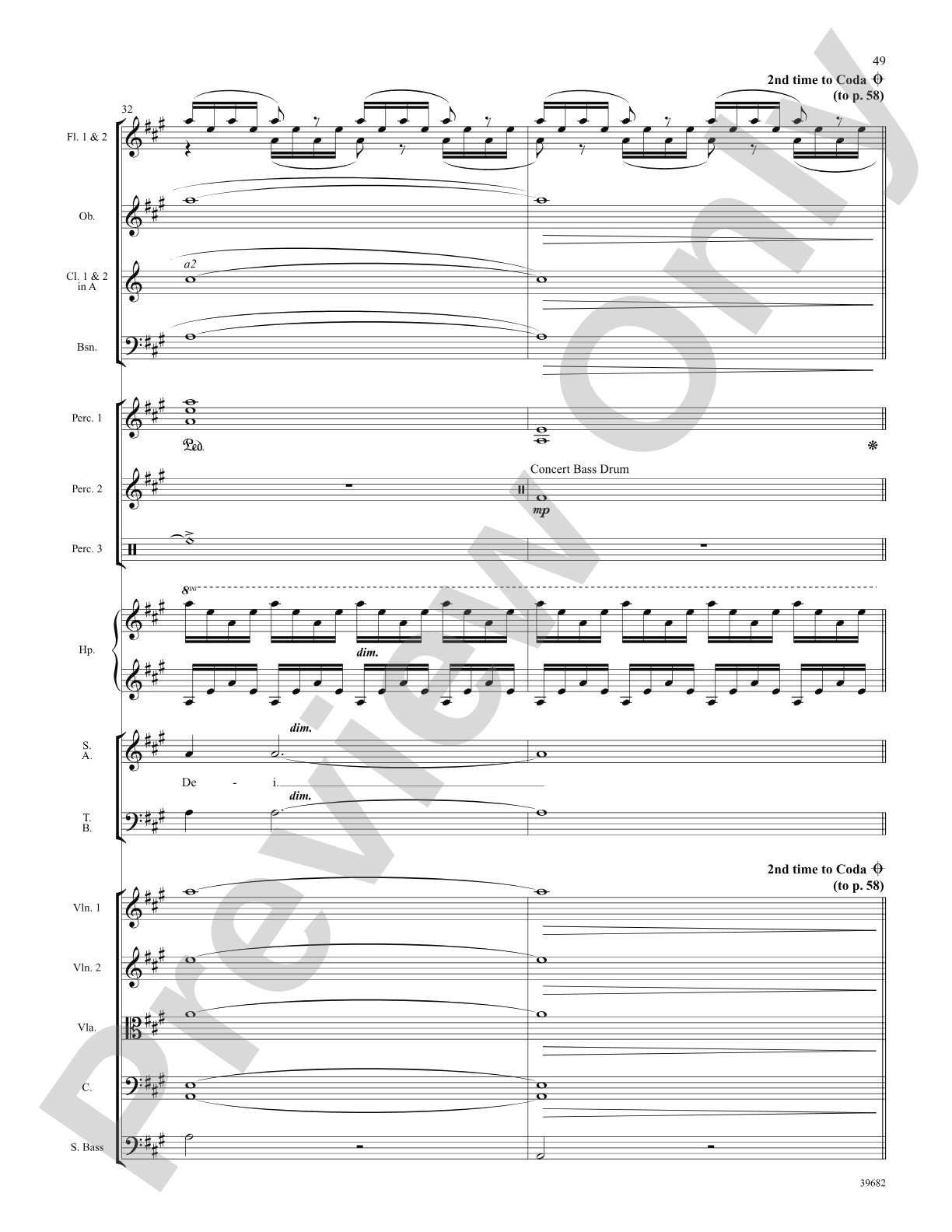
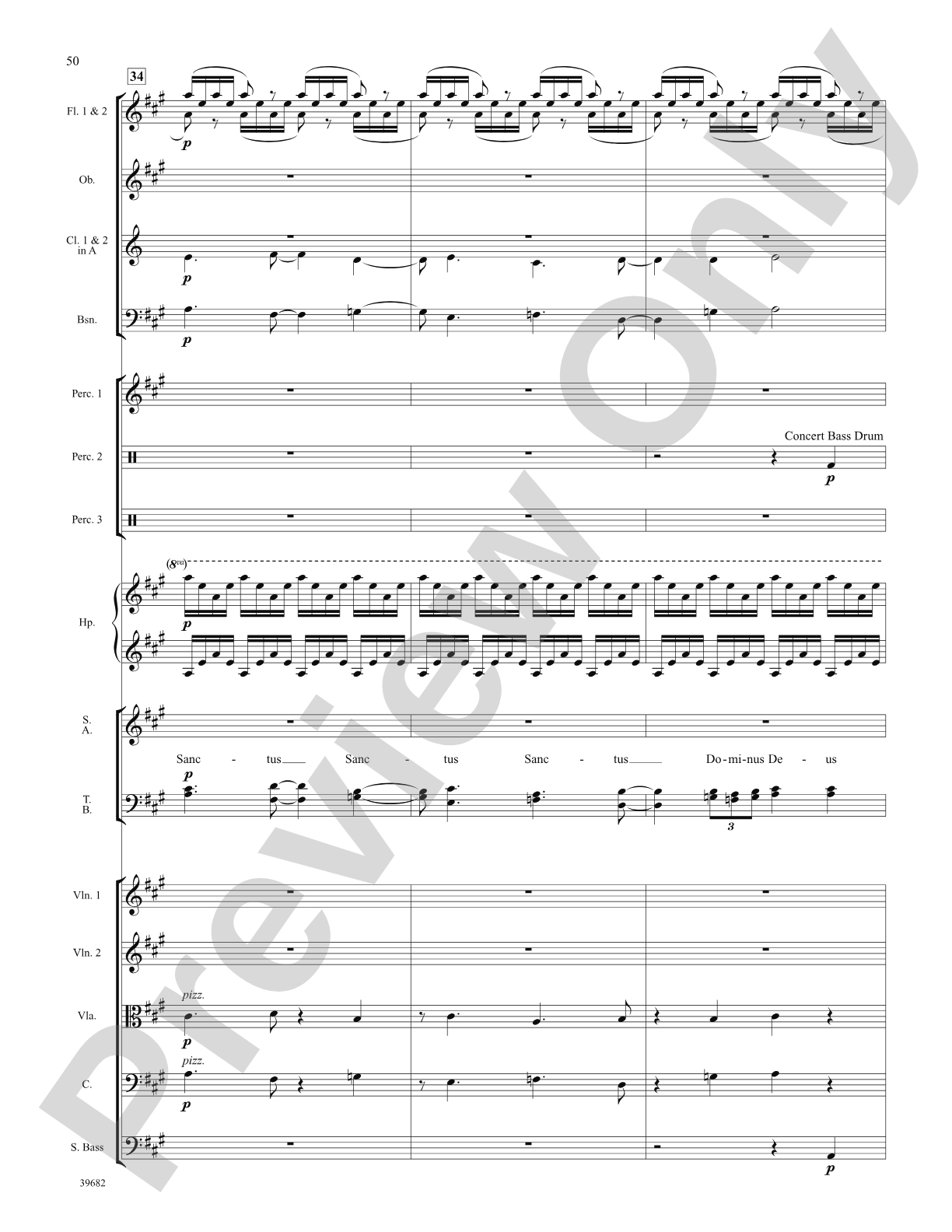

Missa Festiva: Score: Choral SoundPax
By John Leavitt
Item: 00-PR-0004236
$40.00
Pickup currently not available
Description
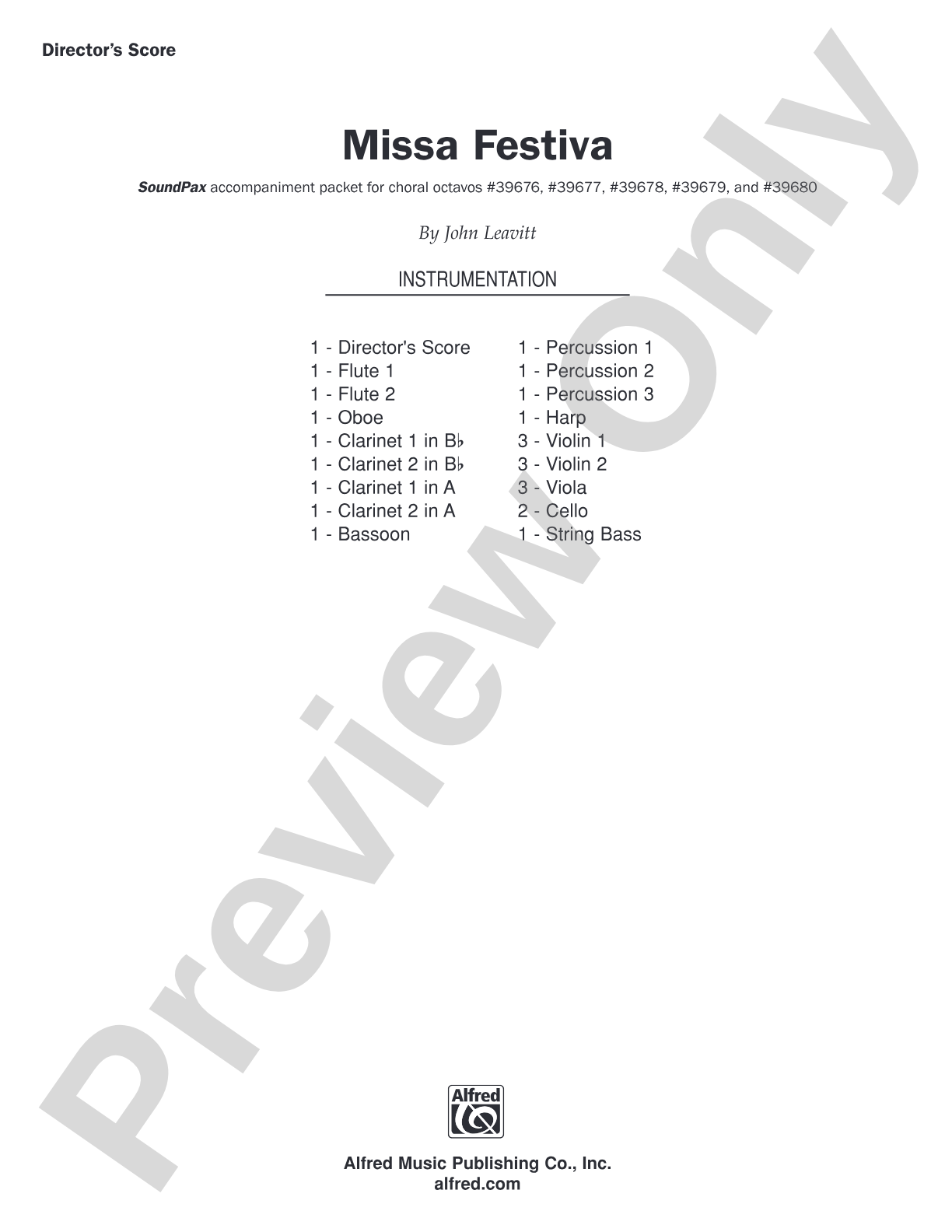
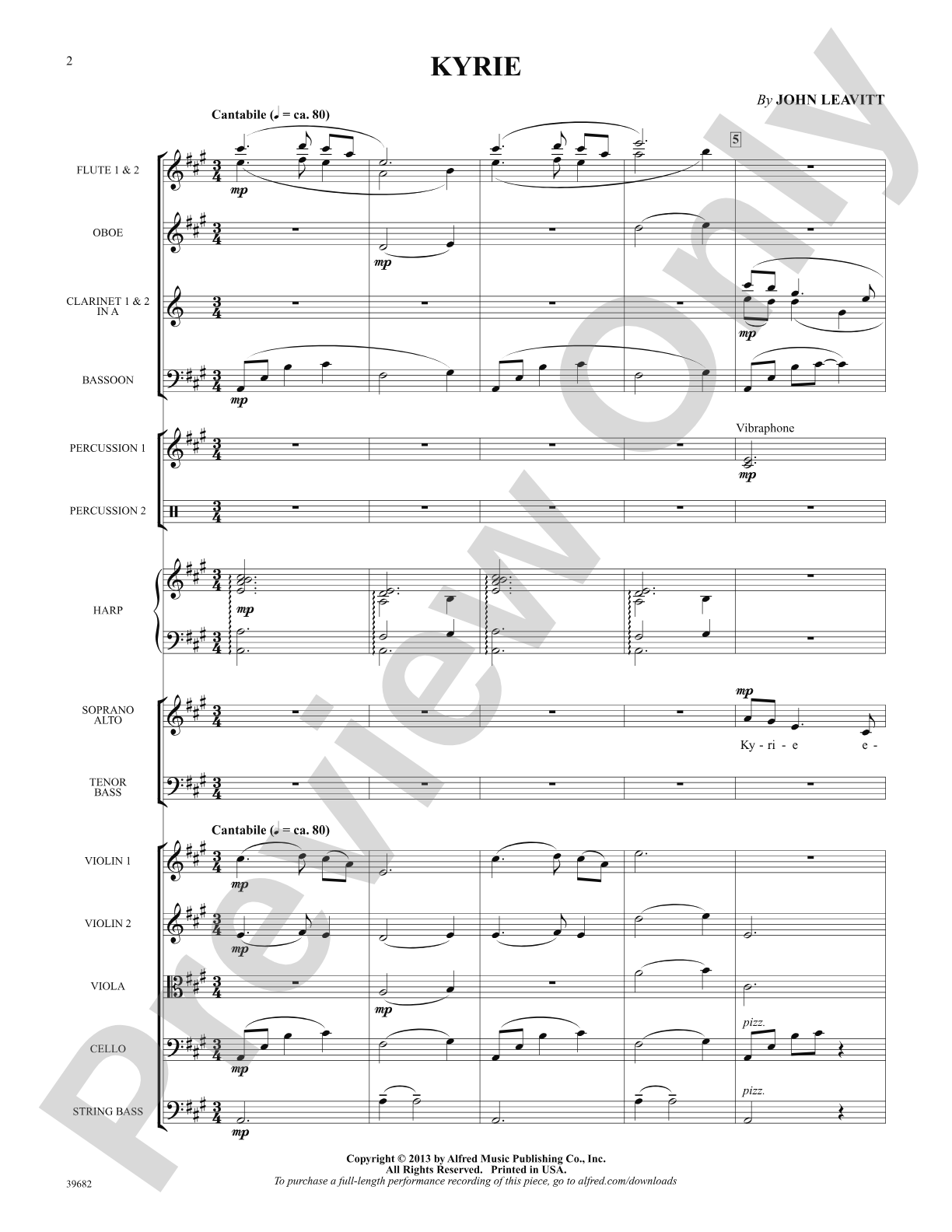
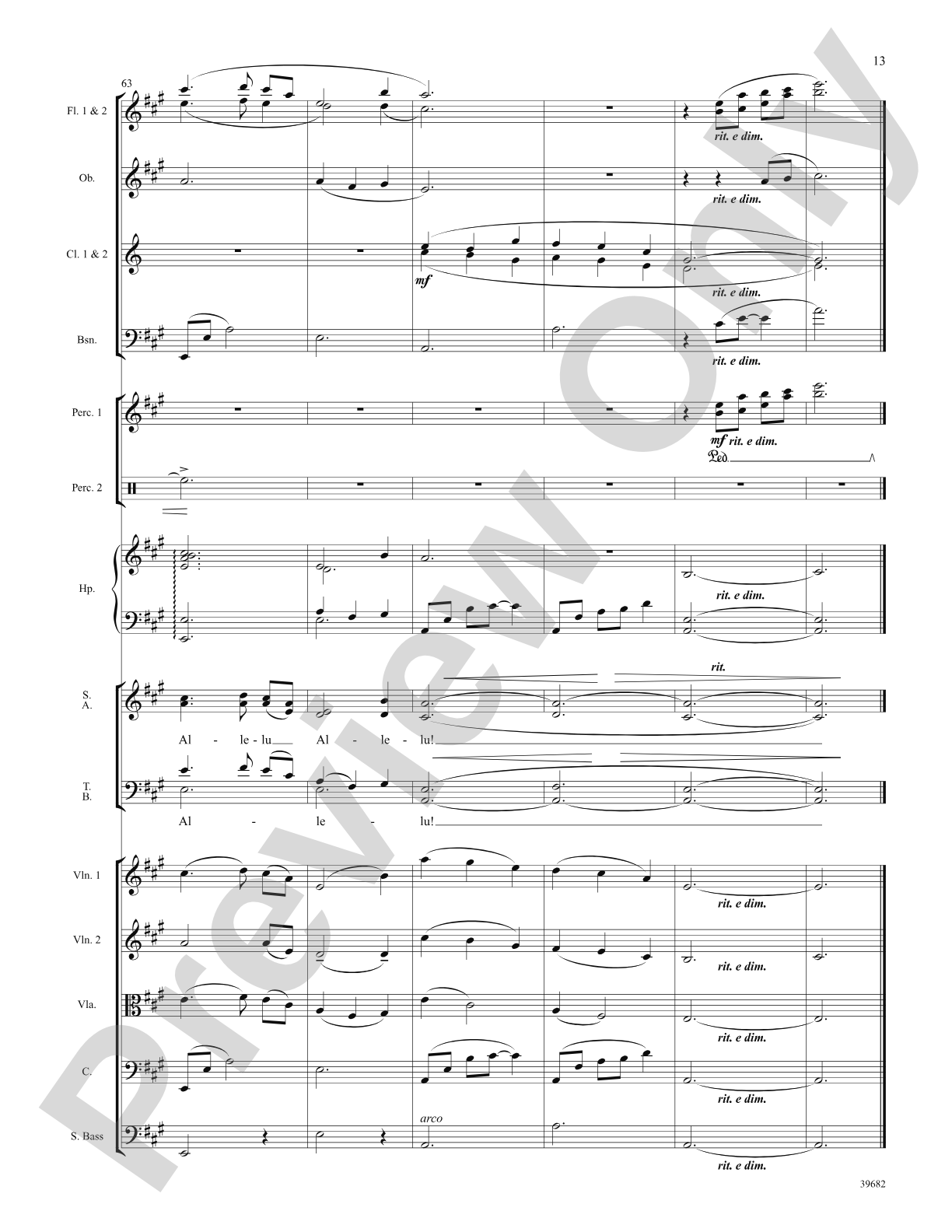
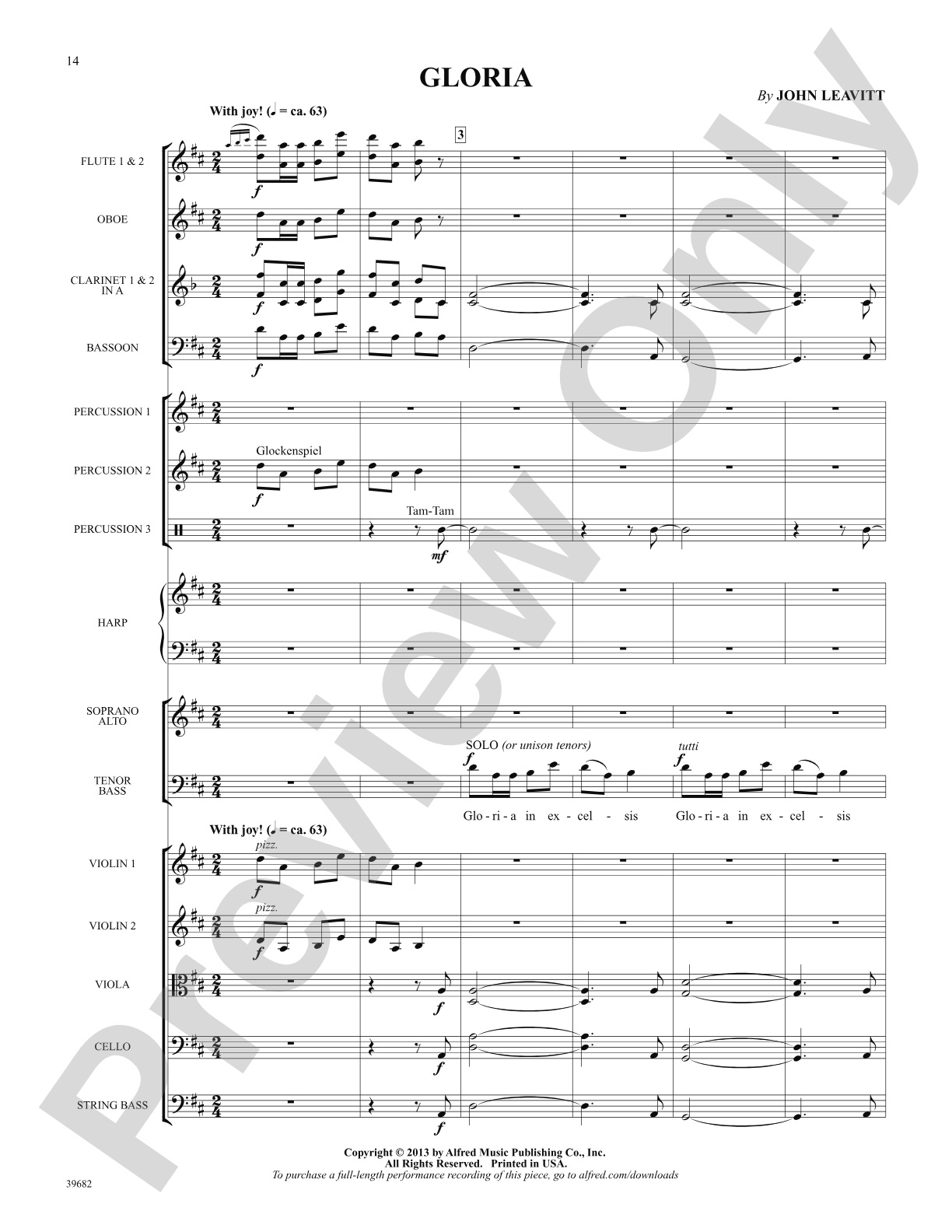
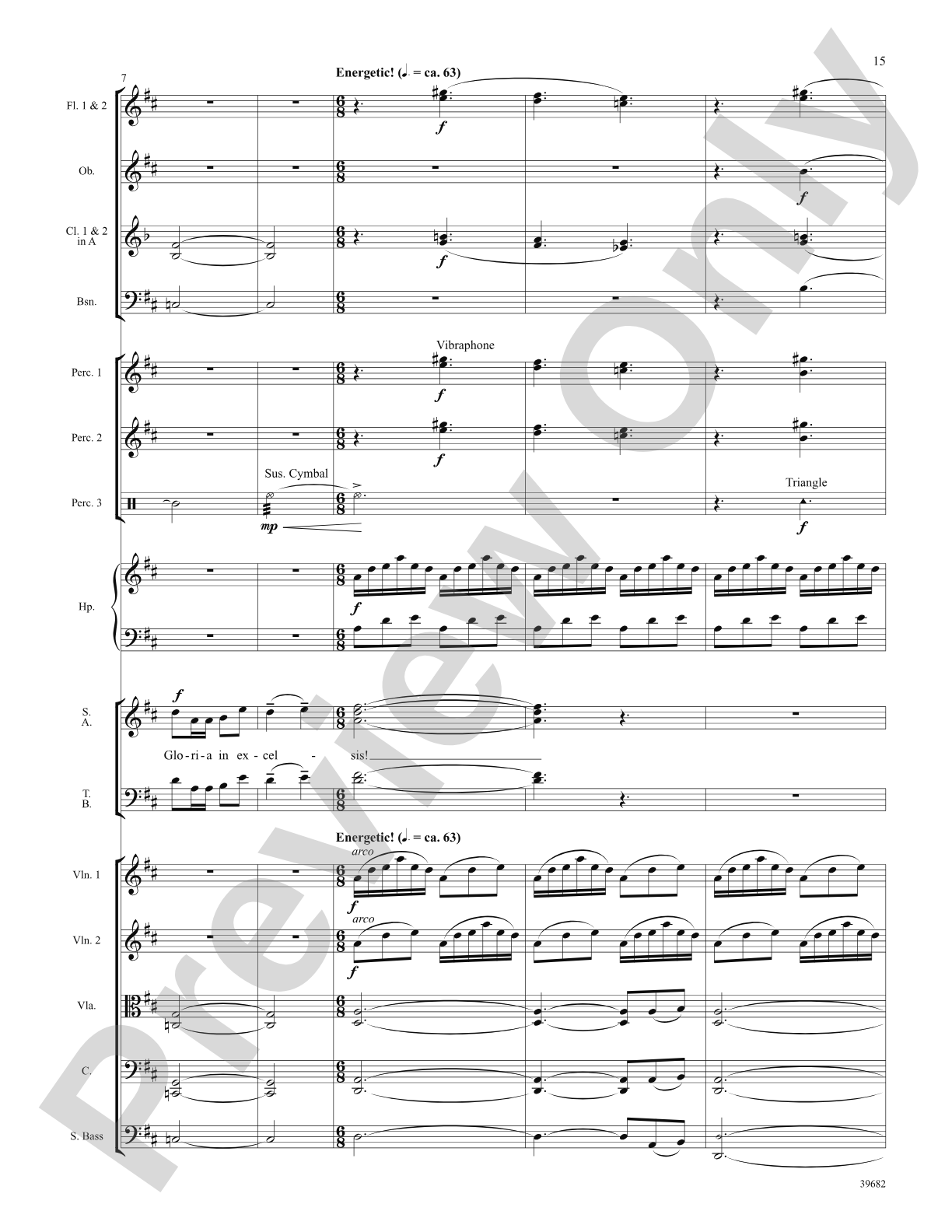
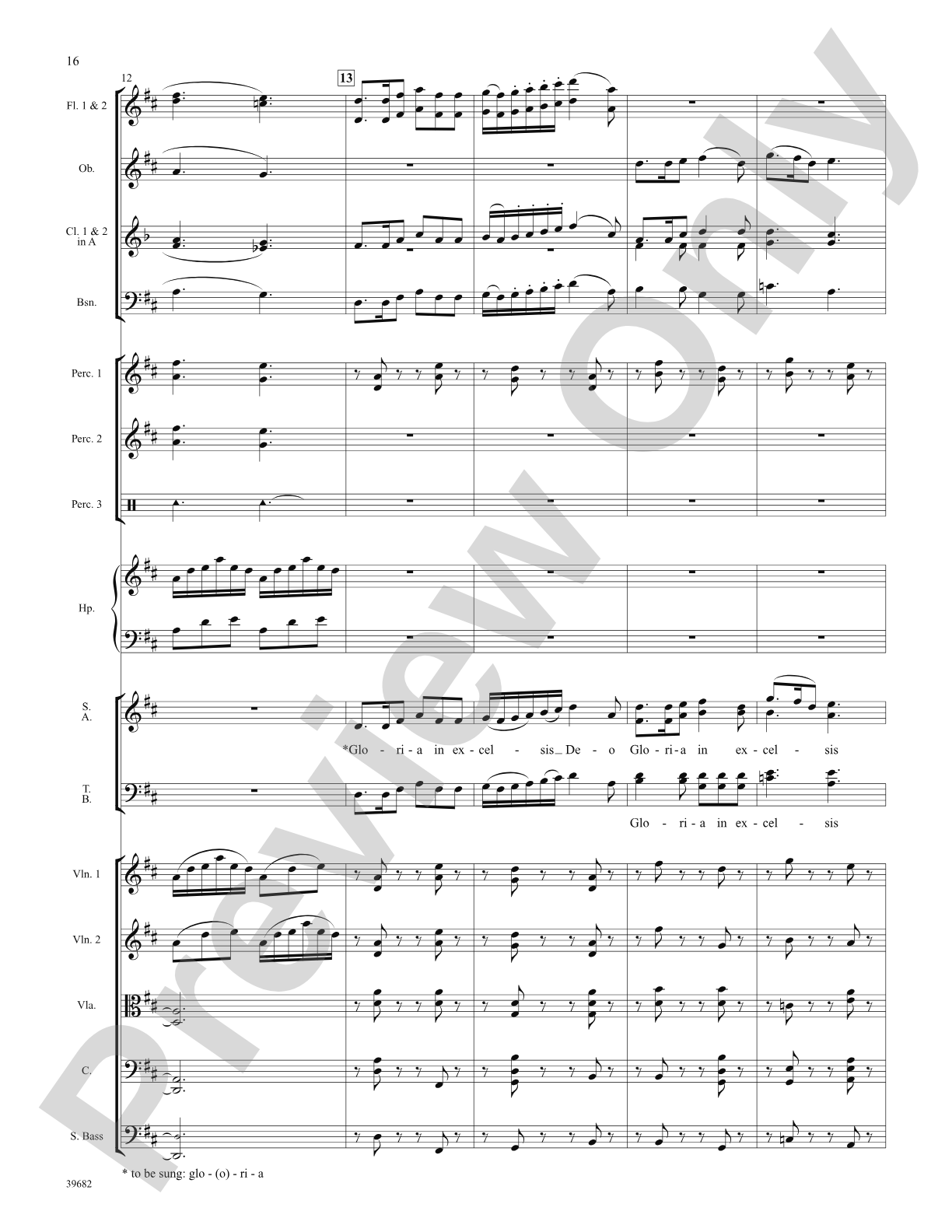
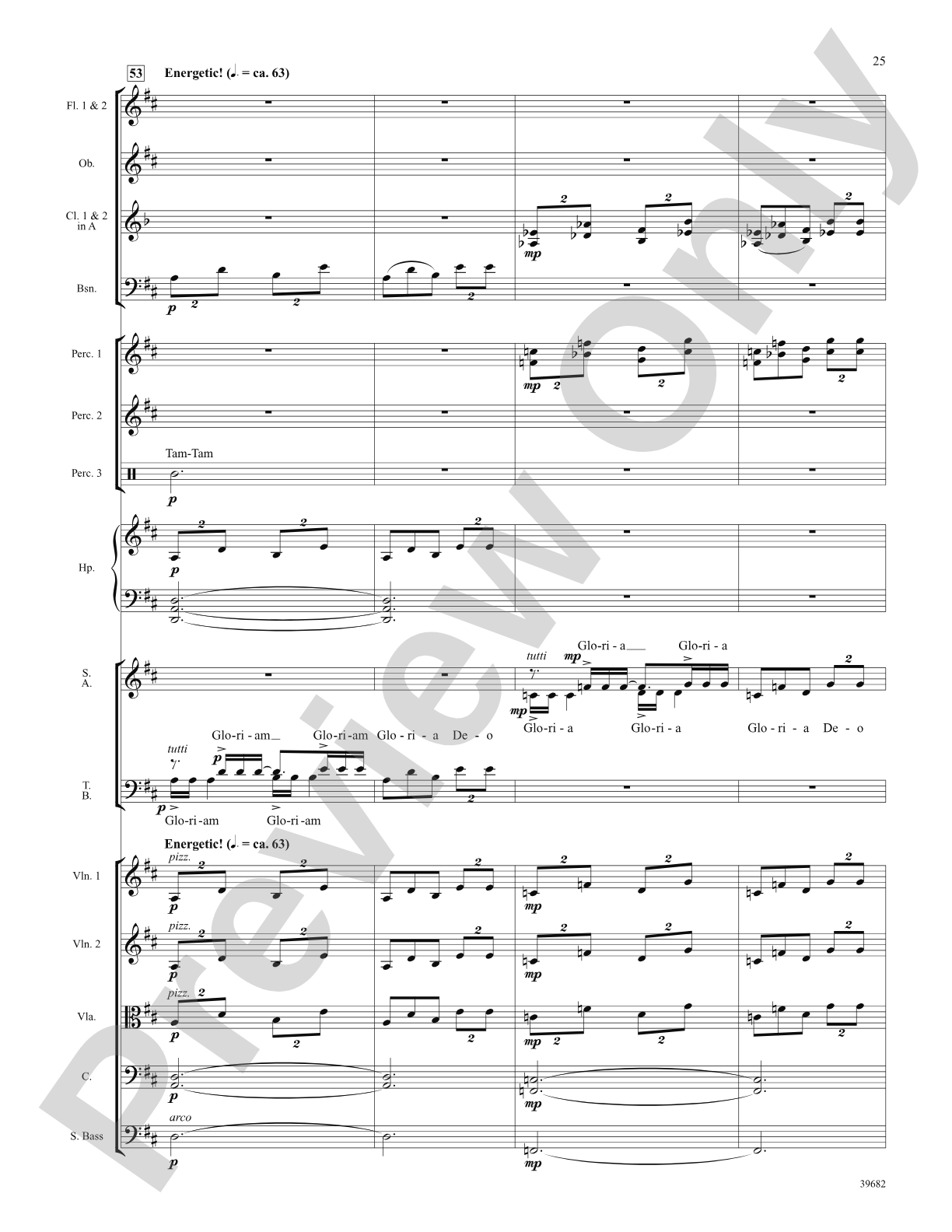
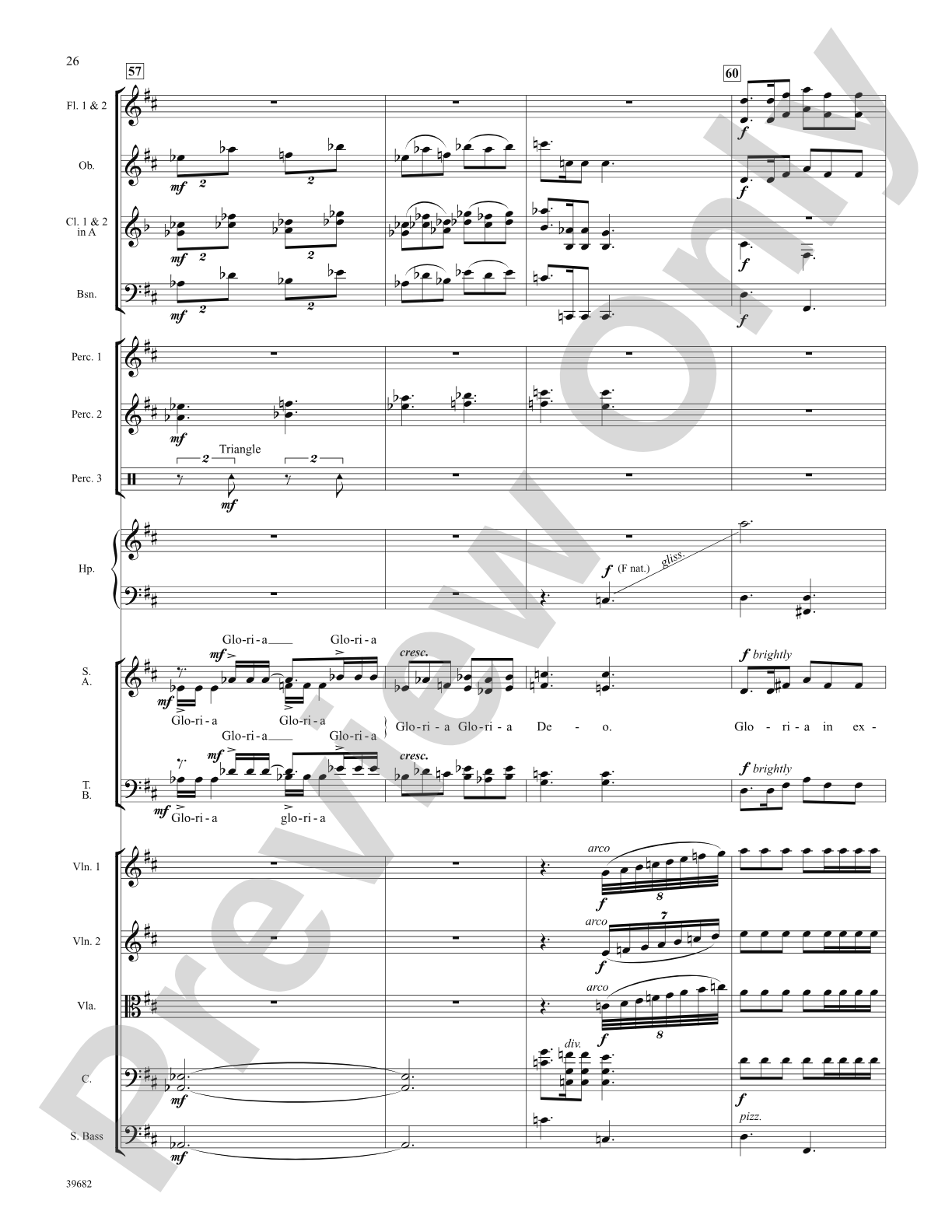
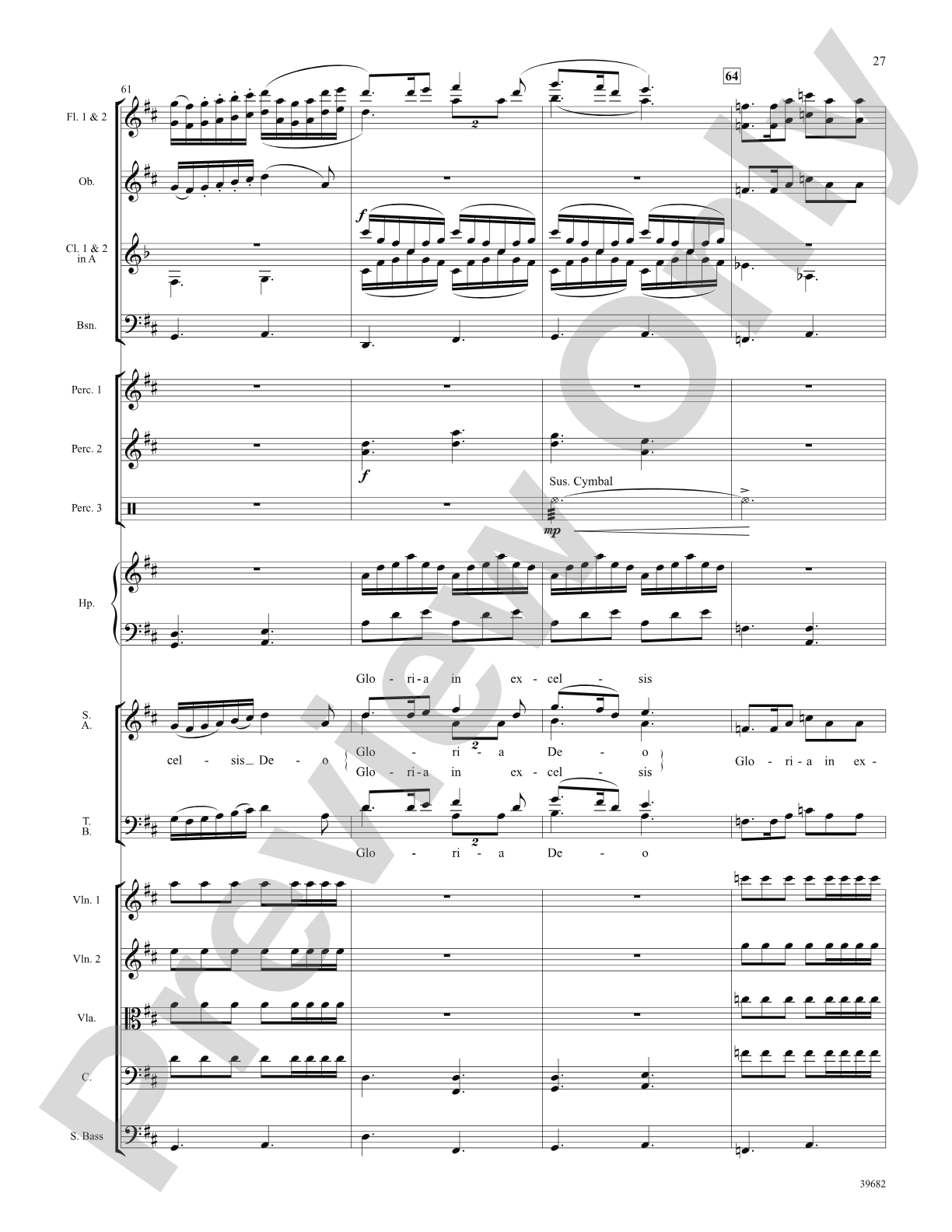
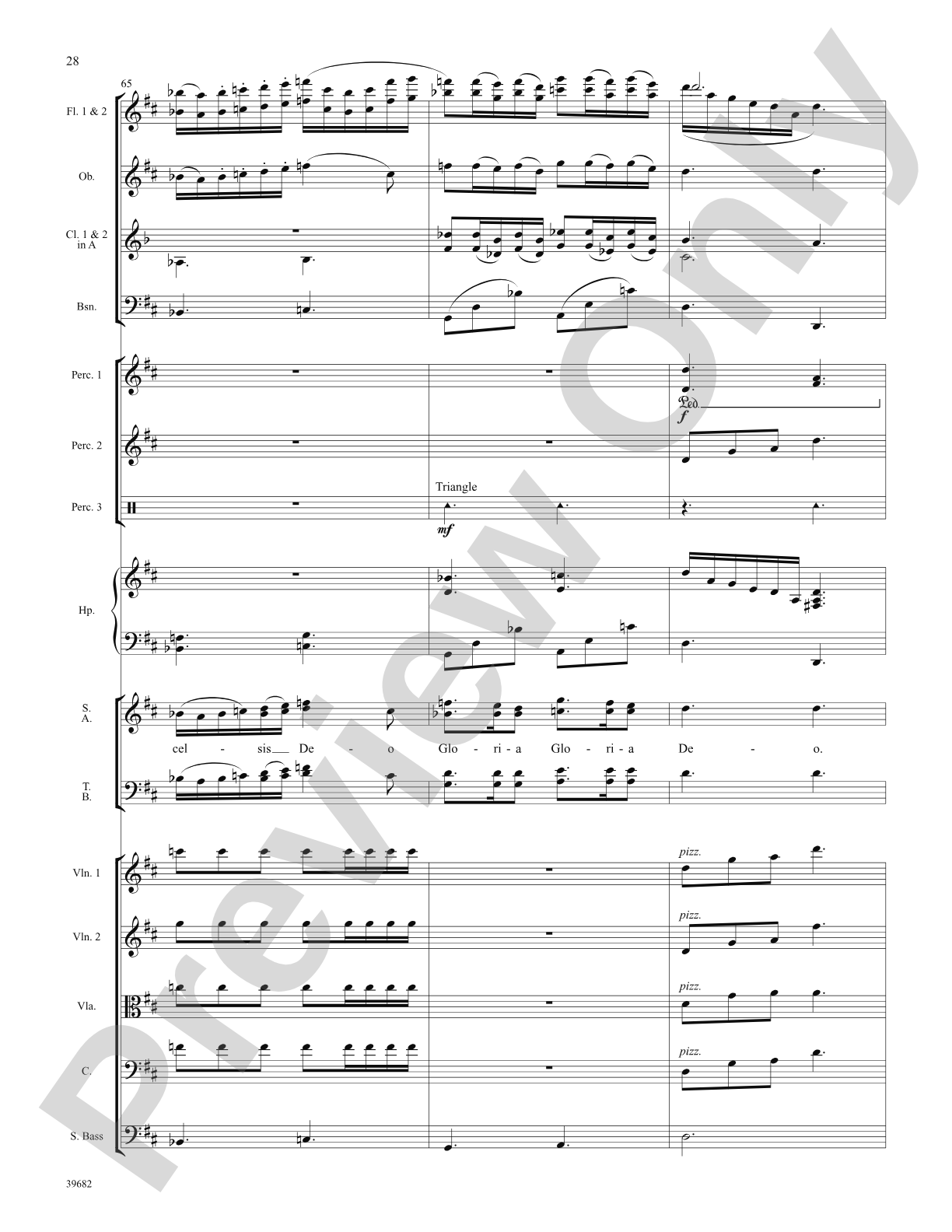
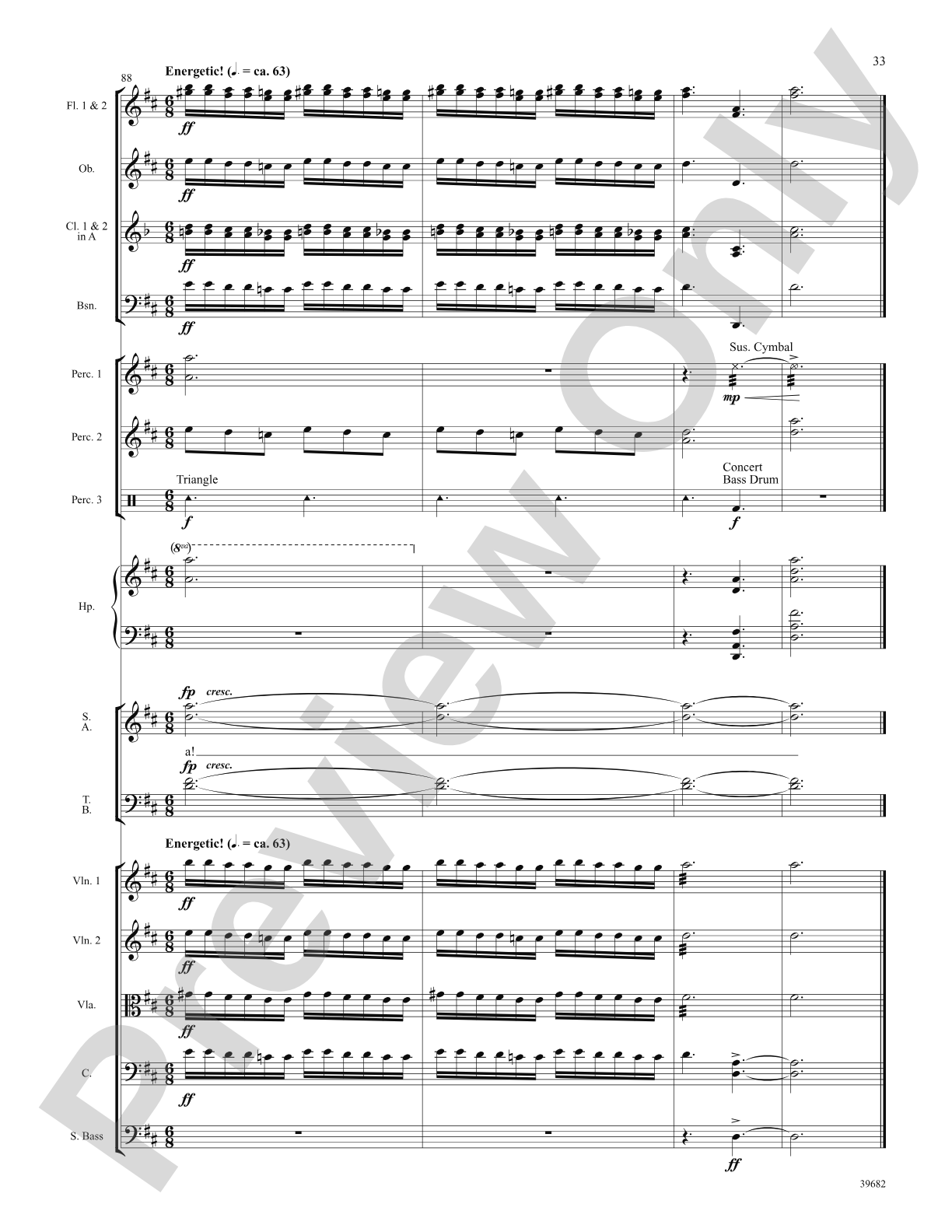
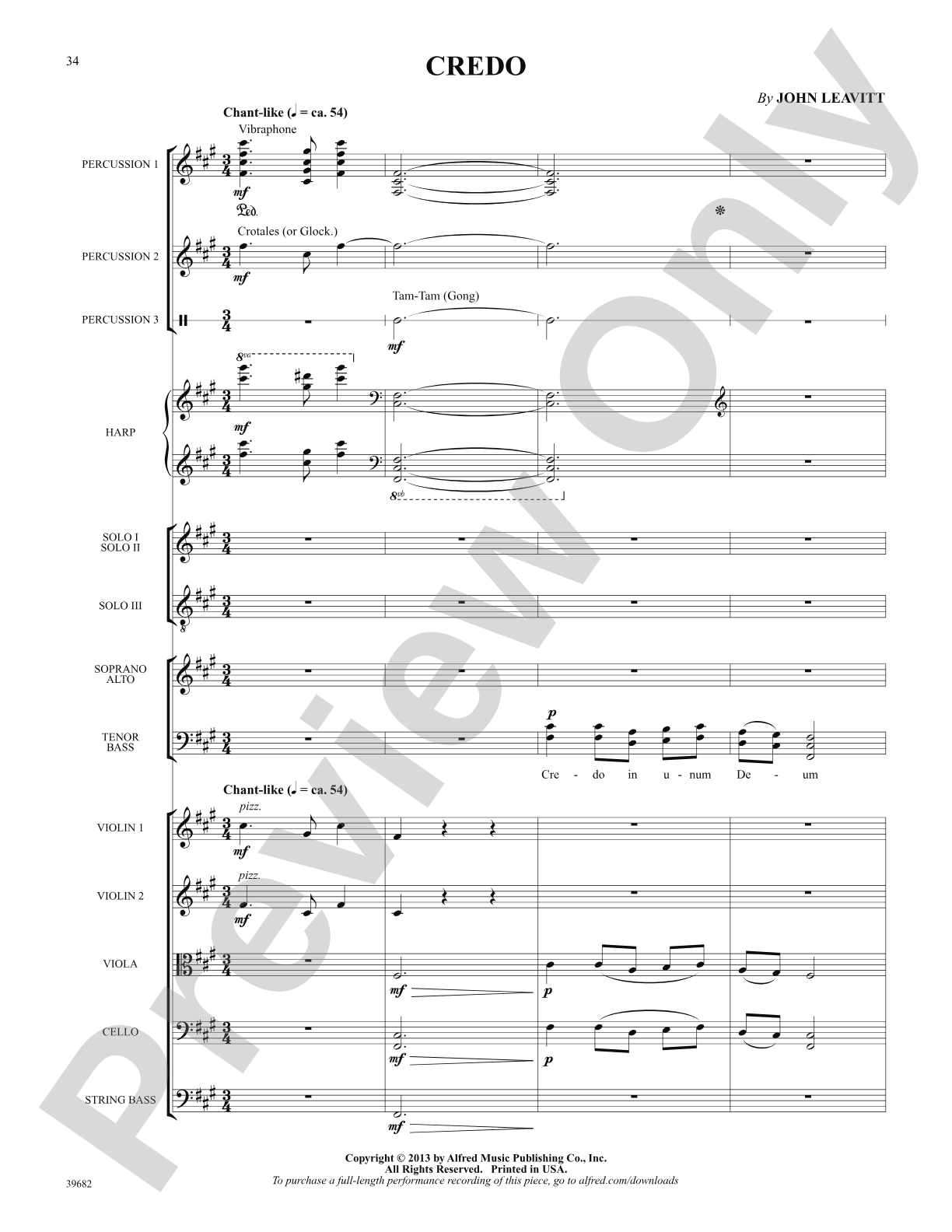
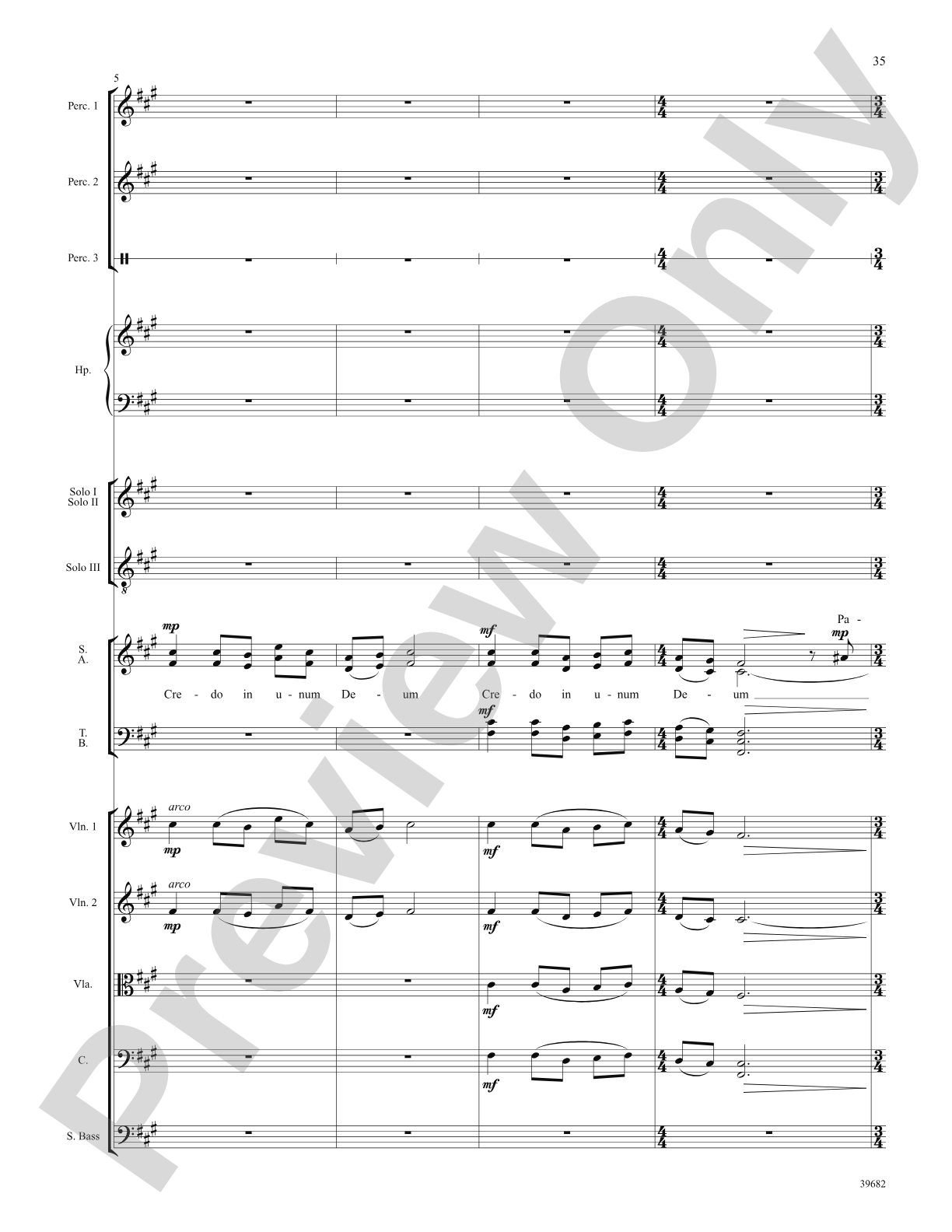
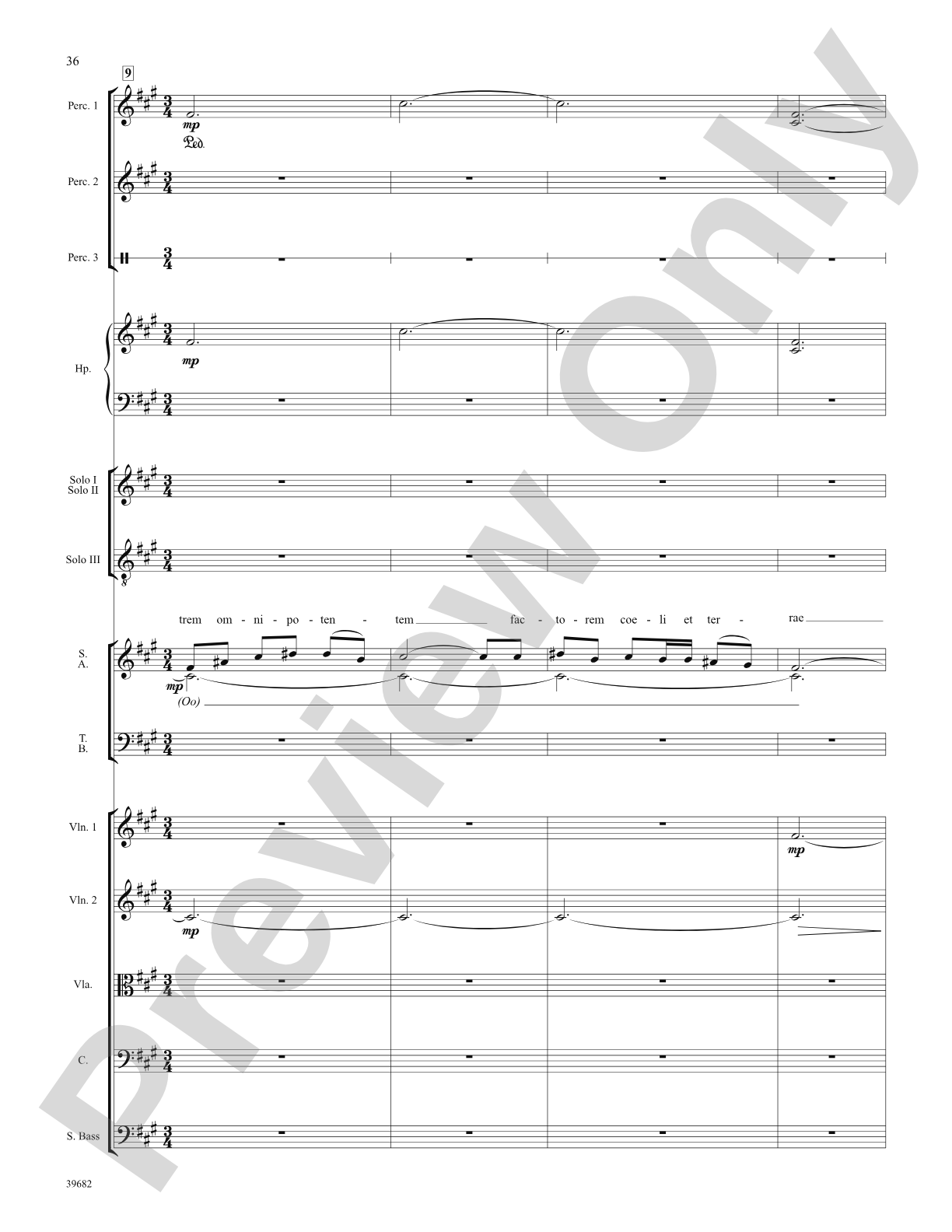
Considered to be one of the most important choral works of our time, each of five individual movements is beautifully set with strength and dignity. The Latin texts from the Mass Ordinary provide a vehicle for excellent choral singing. This revised edition offers an expanded chamber orchestration and additional voicings. Instrumentation includes: 1 - Director's Score, 1 - Flute 1, 1 - Flute 2, 1 - Oboe, 1 - Clarinet 1 in B-flat, 1 - Clarinet 2 in B-flat, 1 - Clarinet 1 in A, 1 - Clarinet 2 in A, 1 - Bassoon, 1 - Percussion 1, 1 - Percussion 2, 1 - Percussion 3, 1 - Harp, 3 - Violin 1, 3 - Violin 2, 3 - Viola, 2 - Cello, and 1 - String Bass.


Don't just read it, hear it, play along with it, and watch your students grow with it. In MakeMusic Cloud, Missa Festiva: Score: Choral SoundPax comes alive with professional accompaniment, adjustable tempo, and built-in practice tools that turn solo practice into real progress.
Open in the Player
Jump straight in and assign it today.
Start Your Free Trial
Open this title and explore the full library in minutes.
Sample Audio
No sample audio found.
Sample Video
No sample videos found.
Additional Details
Publisher:
Alfred Music
Page Count:
188
SKU:
00-PR-0004236
Instrumentation:
SoundPax
More about this title
About the Composer: John Leavitt
John Leavitt has established himself as one of the most performed composers in American choral music, with a catalog spanning sacred works, secular choruses, and extended compositions for choir and orchestra. His writing consistently prioritizes clarity of texture and accessibility without sacrificing musical substance, making his works equally at home in collegiate choirs, church music programs, and community ensembles.
Leavitt's approach to sacred music draws on his deep understanding of liturgical traditions and the practical needs of working directors. His compositions have earned widespread recognition for their craftsmanship, singability, and ability to elevate both professional and developing choirs.
Why we love this
This revised edition gives you expanded orchestration that transforms a substantial choral work into something genuinely symphonic without requiring the logistics of a full orchestra. The additional voicings mean you can program it with singers at different experience levels while maintaining the work's inherent strength and dignity. It's the kind of cornerstone piece that validates a choir's capabilities and gives your season a centerpiece.
What to expect
The music unfolds with ceremonial grandeur tempered by intimacy. Each movement of the Mass Ordinary emerges with its own character while maintaining a unified architectural sense, and the orchestration supports rather than dominates the voices, creating space for text and emotion to resonate. The overall effect is one of both reverence and vitality.
Who it's for
This work serves advanced high school choirs, collegiate programs, and professional church and community choirs seeking substantial liturgical repertoire with orchestral scope. Directors working with ensembles that include instrumentalists will find the expanded voicings and chamber orchestration provide multiple pathways to successful performance regardless of instrumental roster size.
How to get the most out of it
- Balance the choir's blend against the chamber orchestration by rehearsing sections independently first; the string writing will be present enough to anchor the music without drowning out vowel colors.
- Pay attention to the Latin text articulation and pronunciation across all five movements to maintain clarity even when the orchestral texture grows dense.
- Use the recorded accompaniment during early rehearsals to establish the harmonic and rhythmic framework, then gradually transition to working with the live instrumental ensemble.
- Shape the dynamics across entire movements rather than within phrases; this work rewards long-line thinking and will sound more unified if you resist the impulse to overemphasize internal gestures.
How to use it
Program this as a season-defining choral concert centerpiece, either standalone or paired with related sacred repertoire at a different scale. It works equally well in a liturgical context during a festival or special service, where the five movements of the Mass Ordinary create a complete musical and spiritual arc. This is the kind of work that justifies promoting concert attendance beyond your regular audience.
Skills your students will build
- Sustained legato singing across long phrases and entire movements
- Latin text pronunciation and clarity within ensemble blend
- Balance and blend with a full chamber orchestra
- Part independence while maintaining choral unity
- Dynamic shaping across large structural units
- Intonation precision in chromatic and extended harmonic contexts