

Miraj: String Orchestra Conductor Score & Parts
By Richard Meyer
Grade: 4
Item: 00-PK-0006702

$62.00
Pickup currently not available
Buy Extra Parts (Digital PDF Download)
| Product | Price | Quantity |
|---|---|---|
| Miraj: Score | $10.00 | |
| Miraj: 1st Violin | $5.99 | |
| Miraj: 2nd Violin | $5.99 | |
| Miraj: Viola | $5.99 | |
| Miraj: Cello | $5.99 | |
| Miraj: String Bass | $5.99 |
Parts Added to Cart!
Description
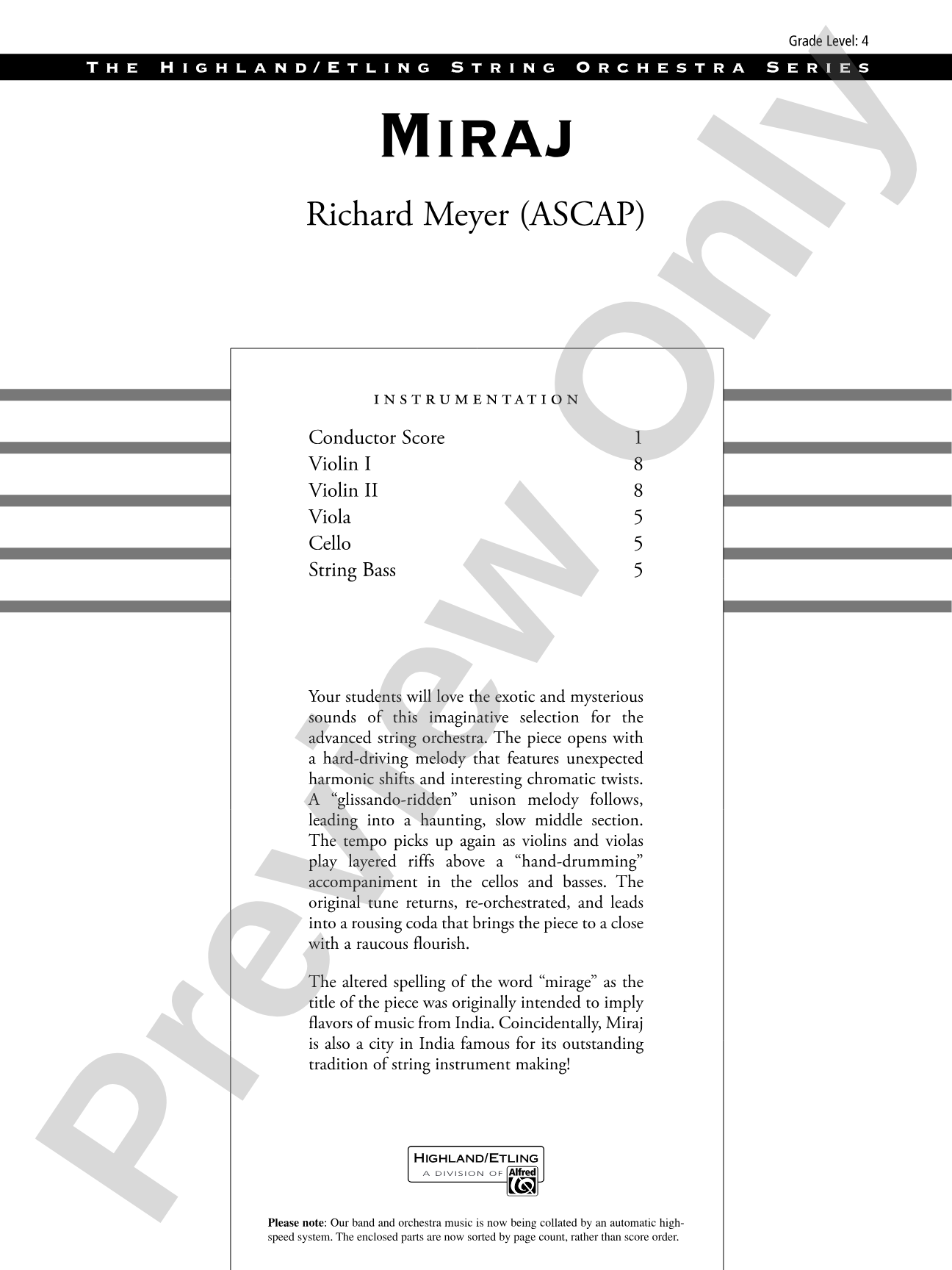
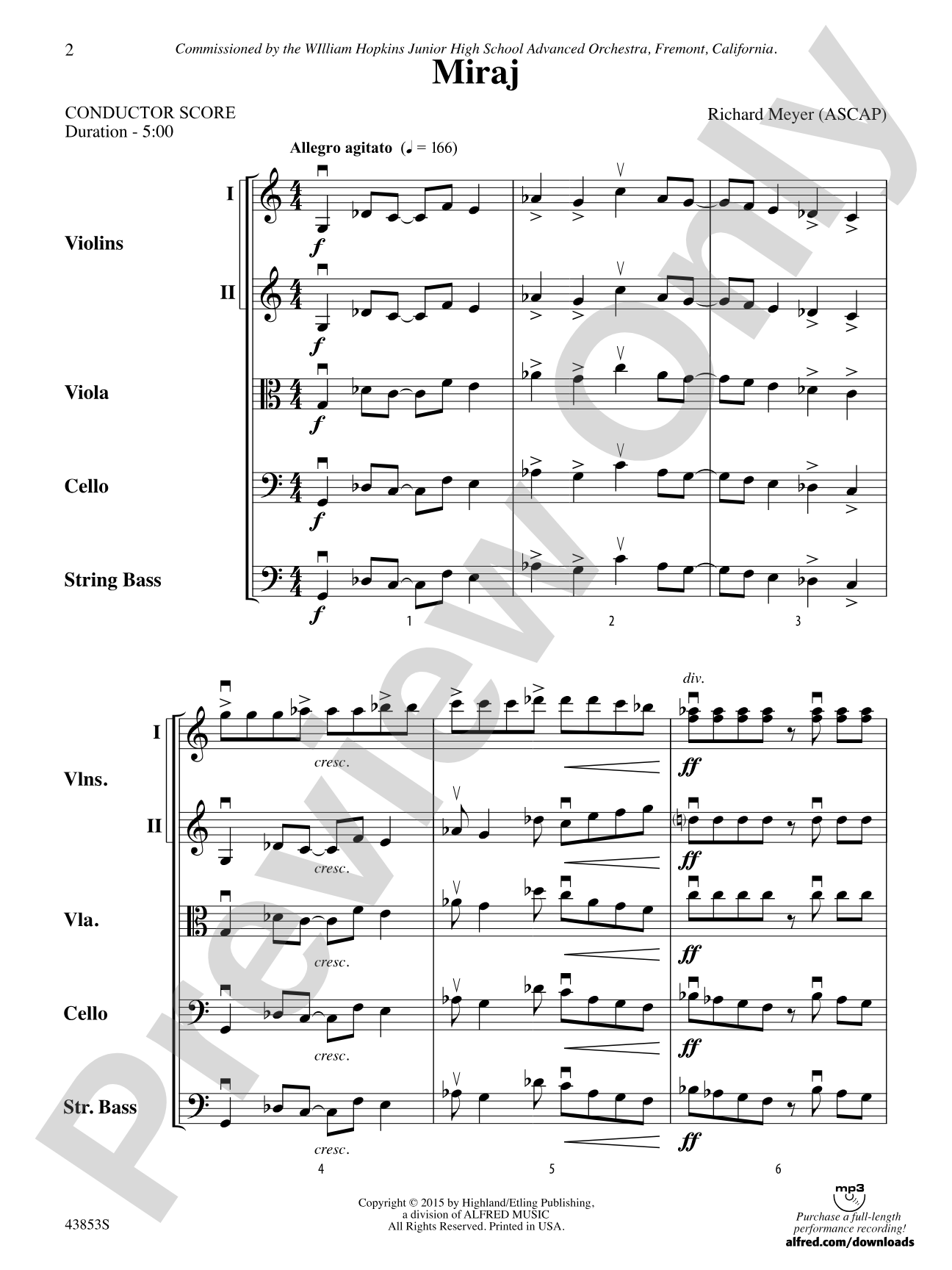
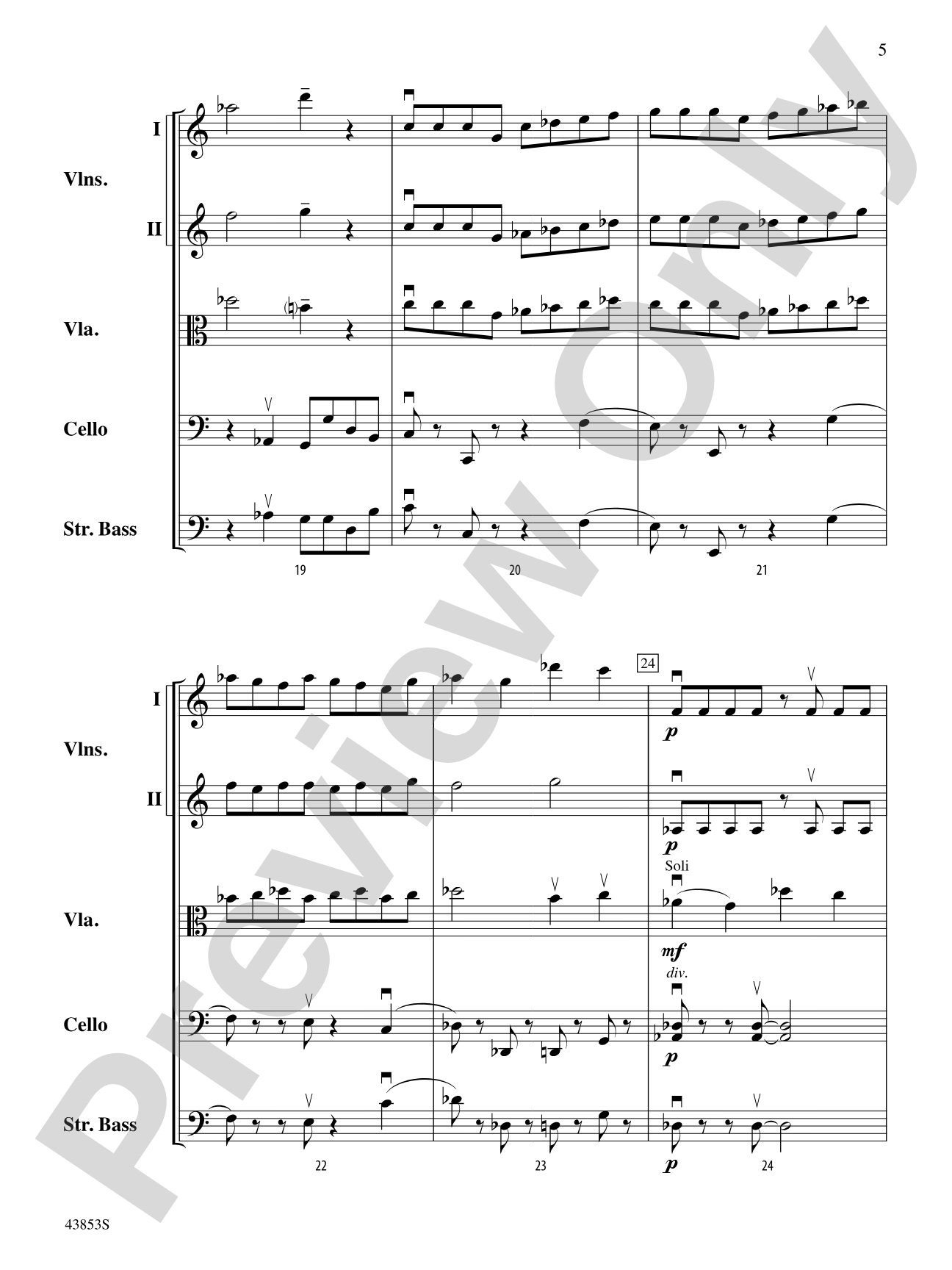
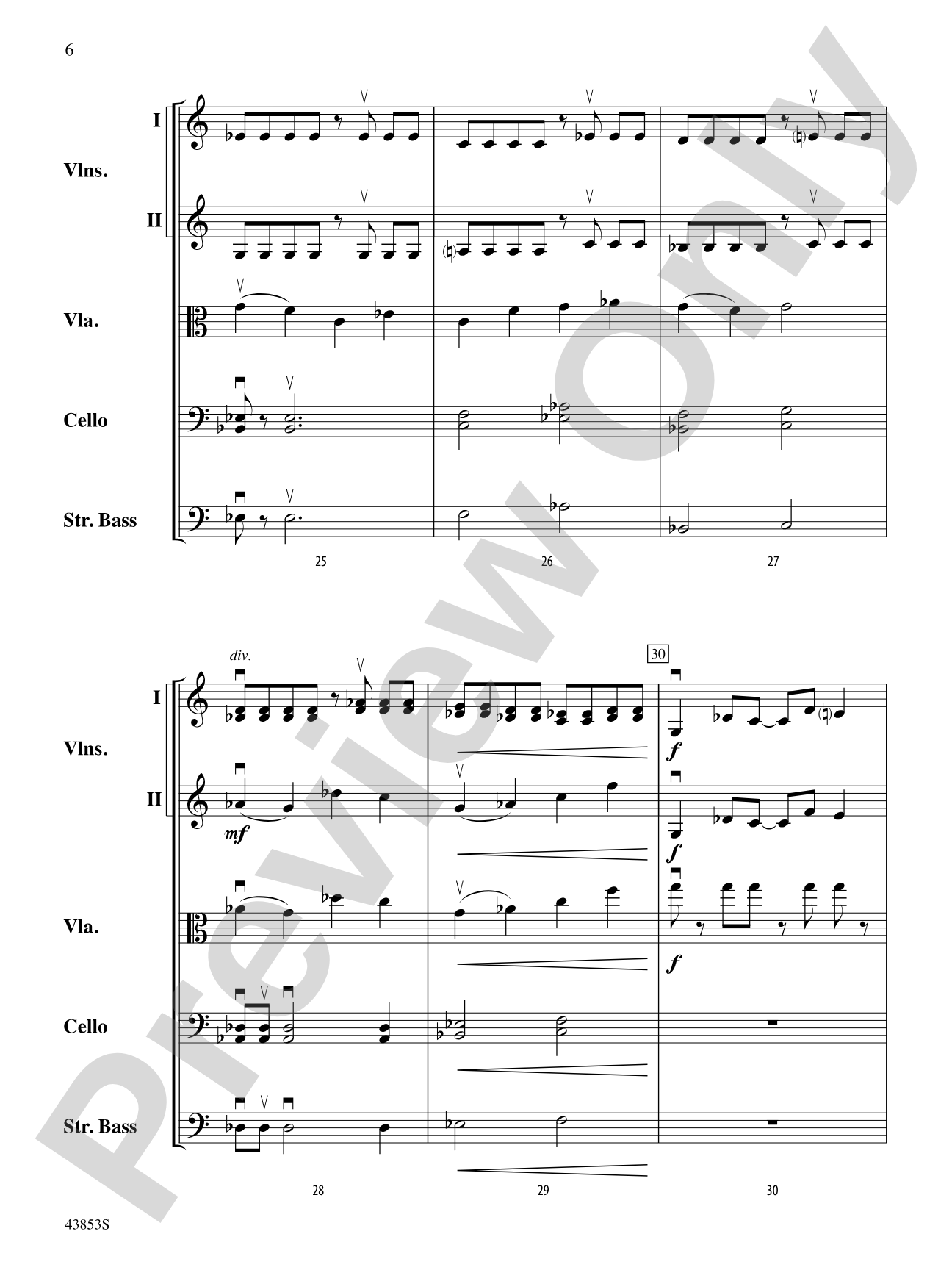
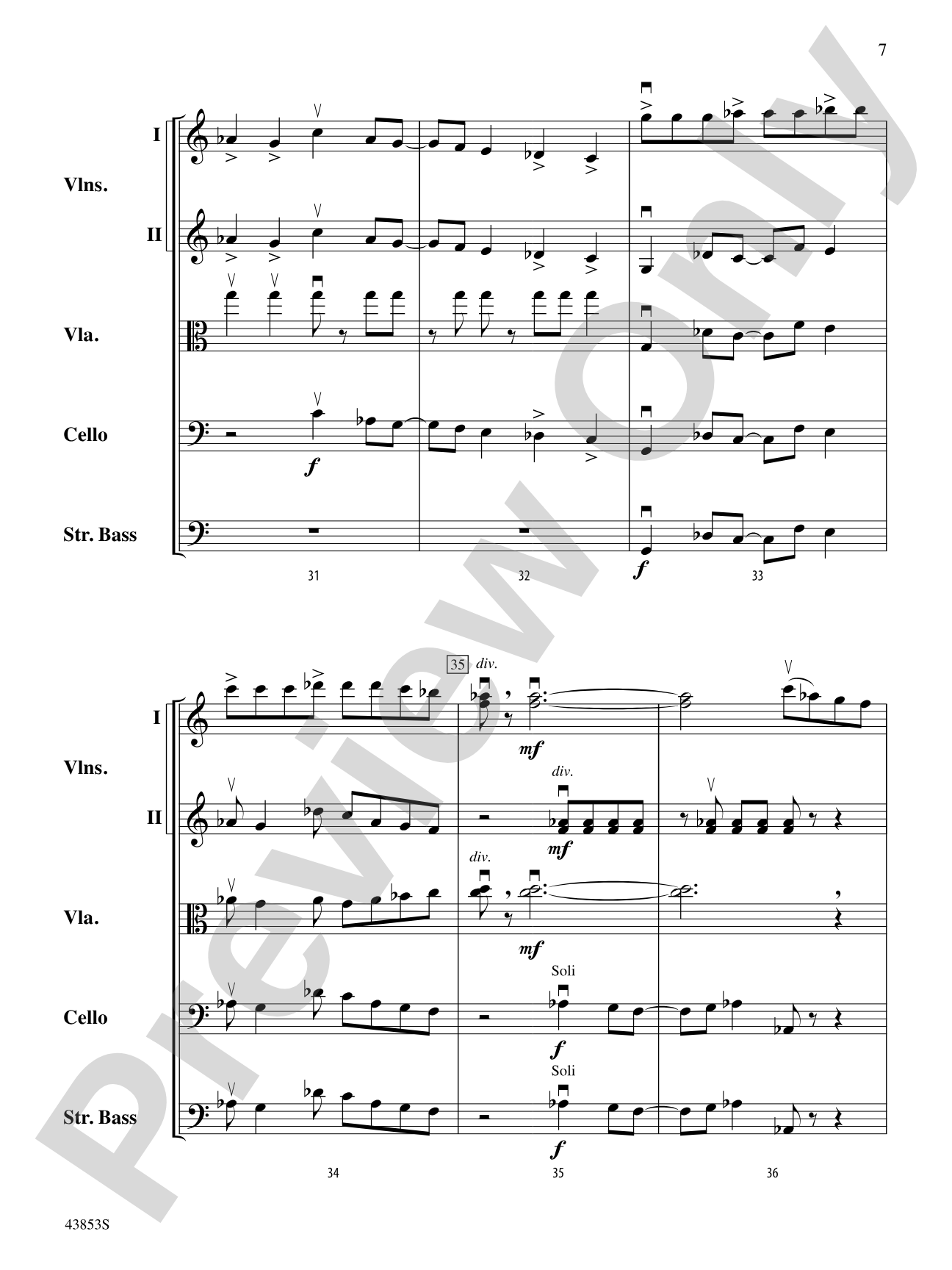
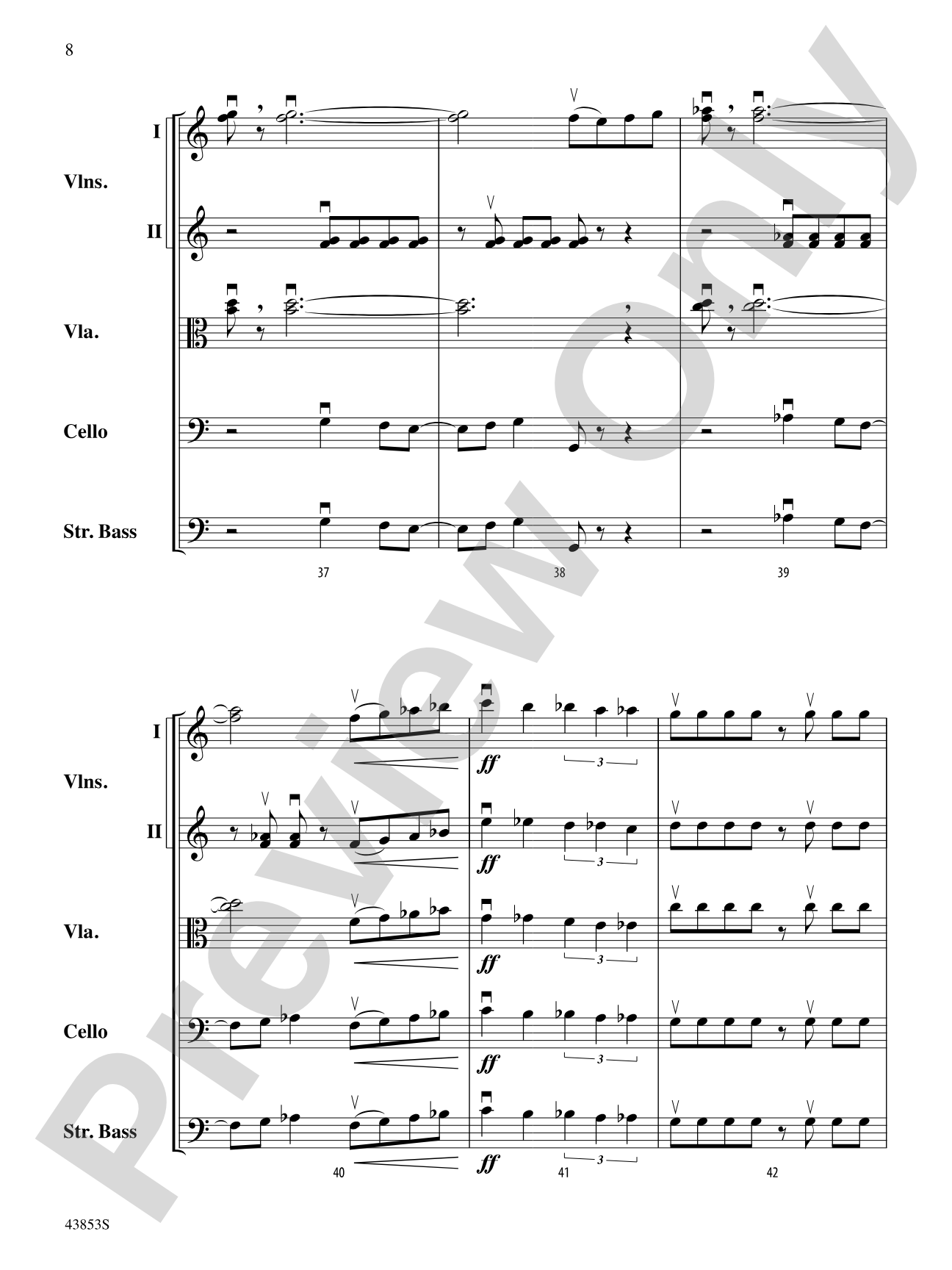
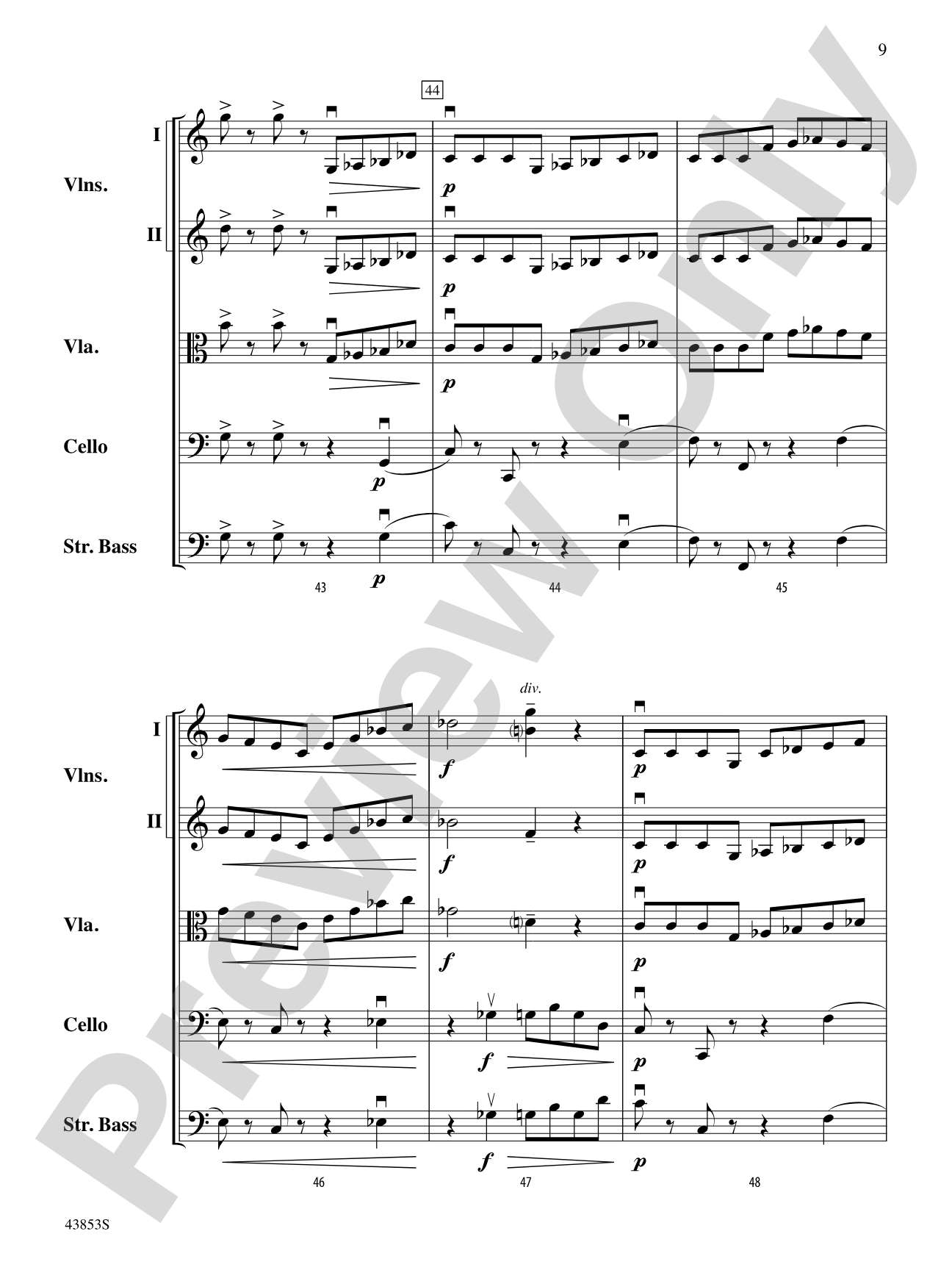
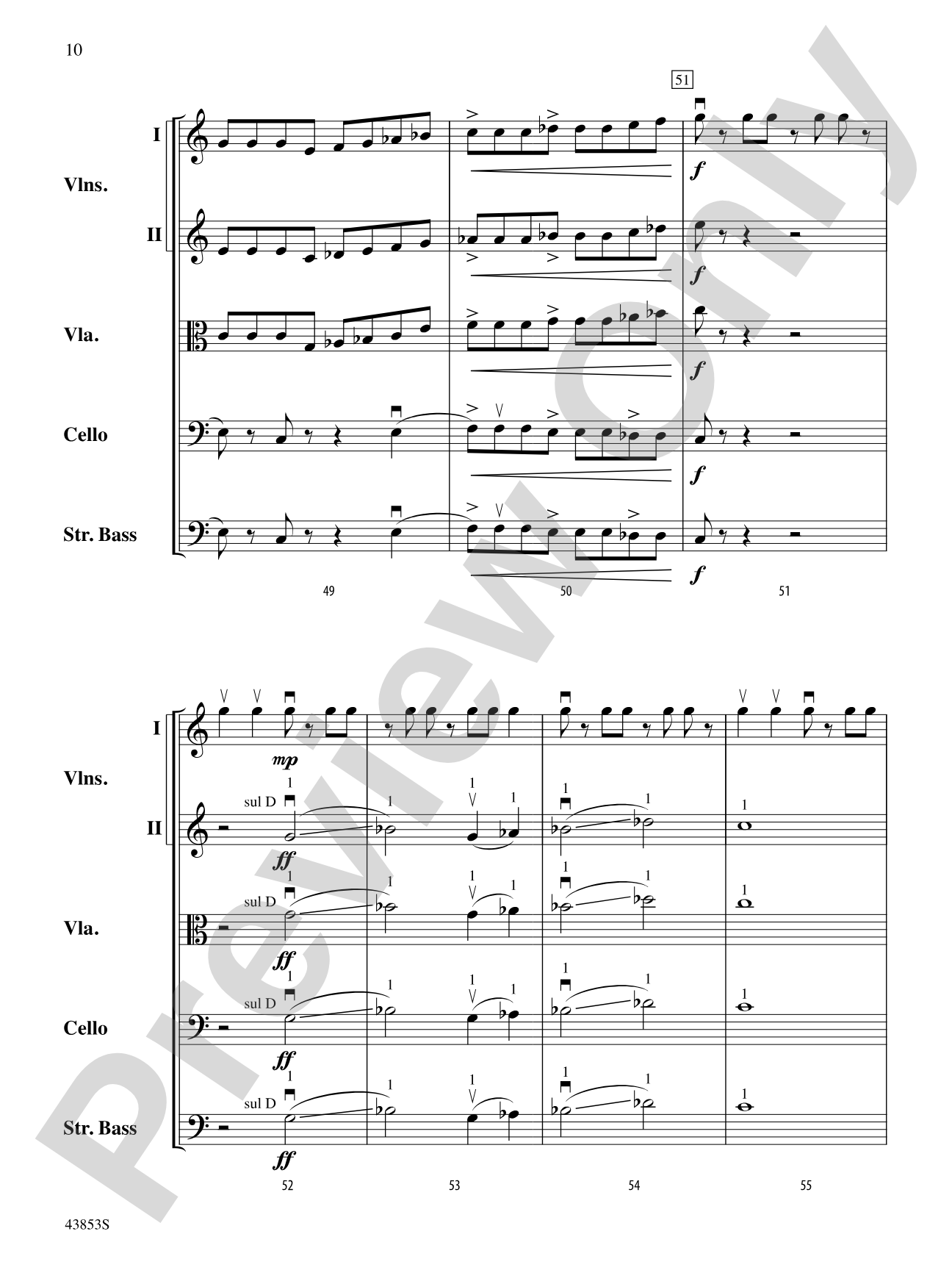
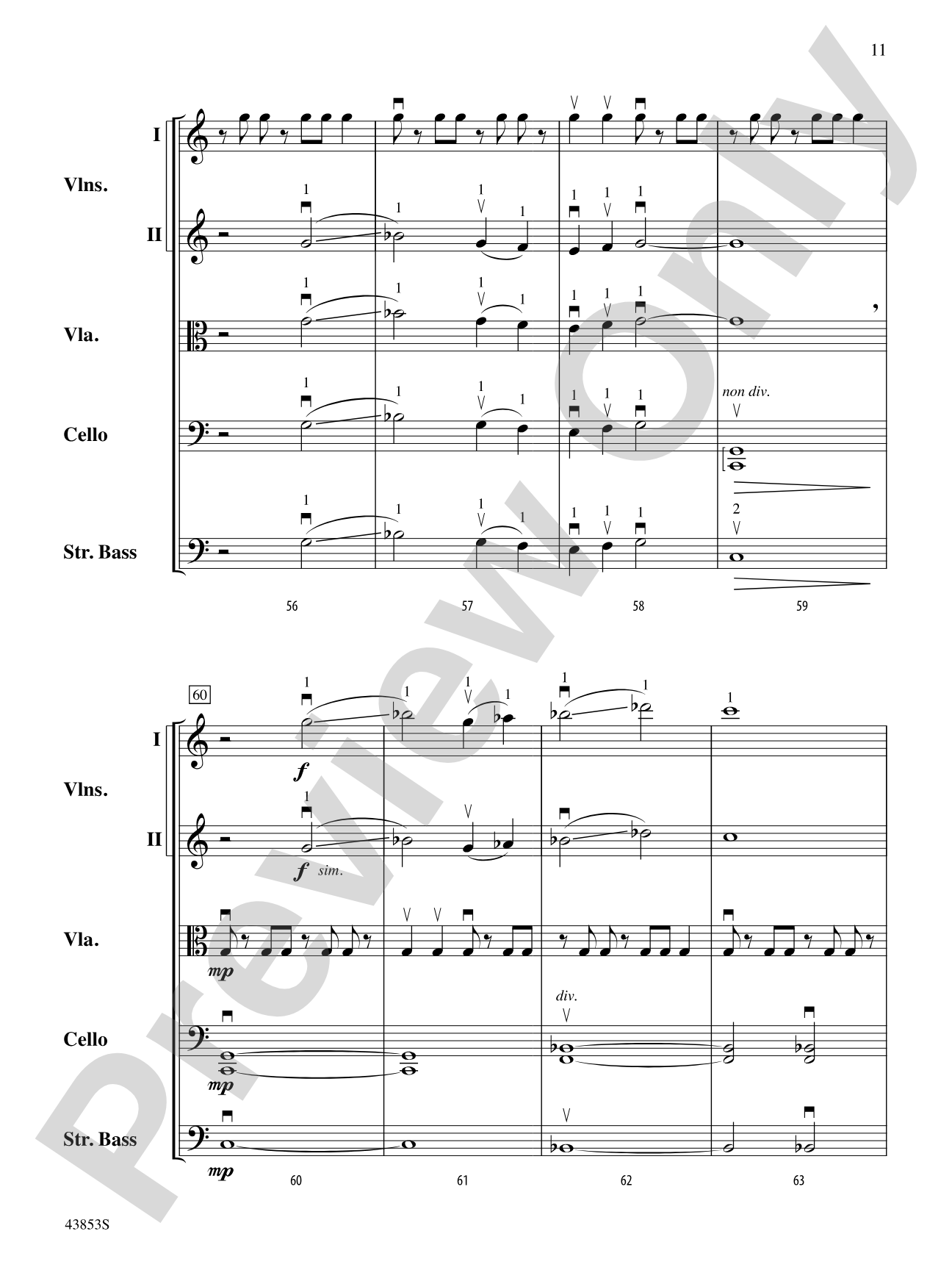
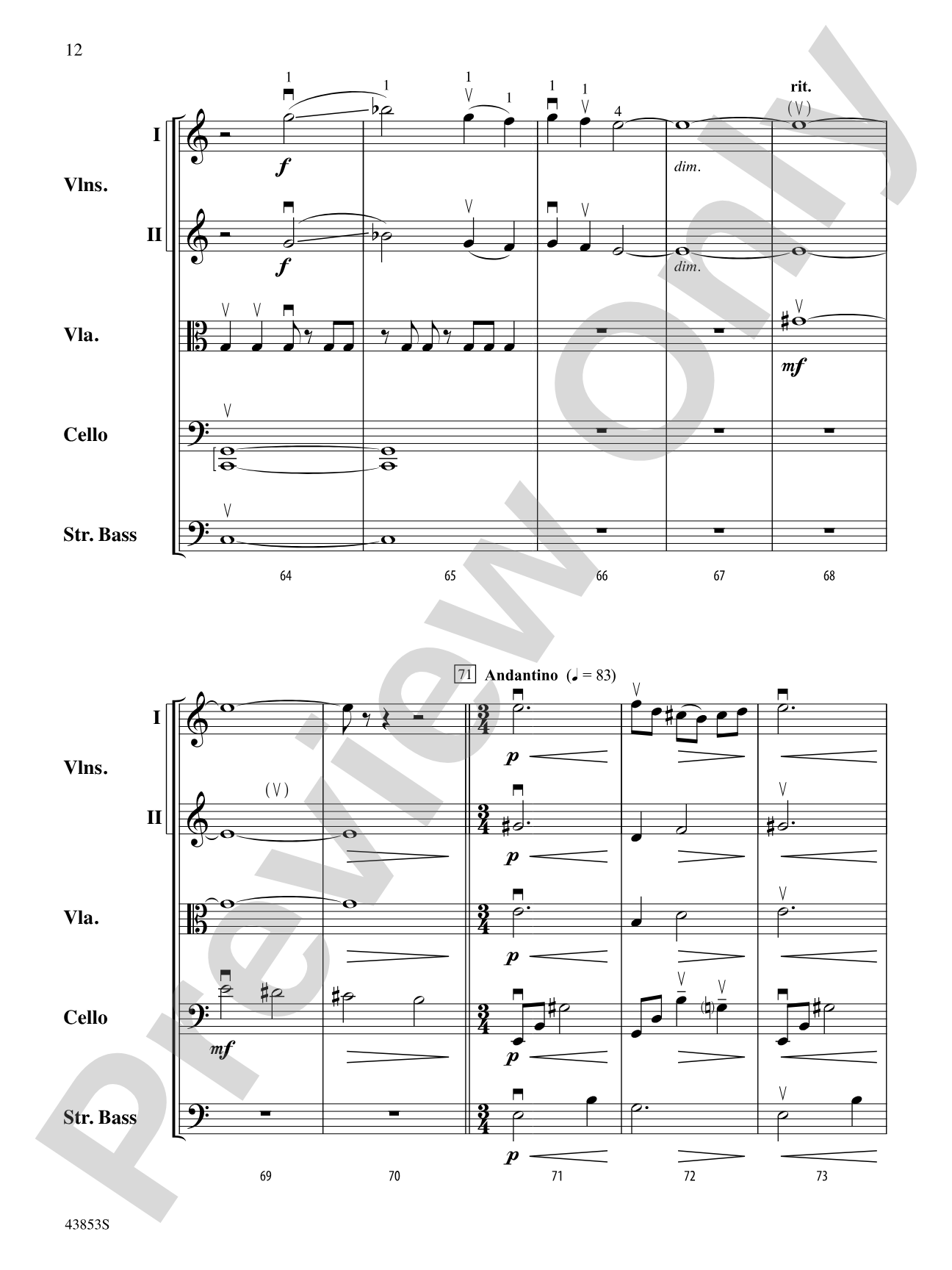
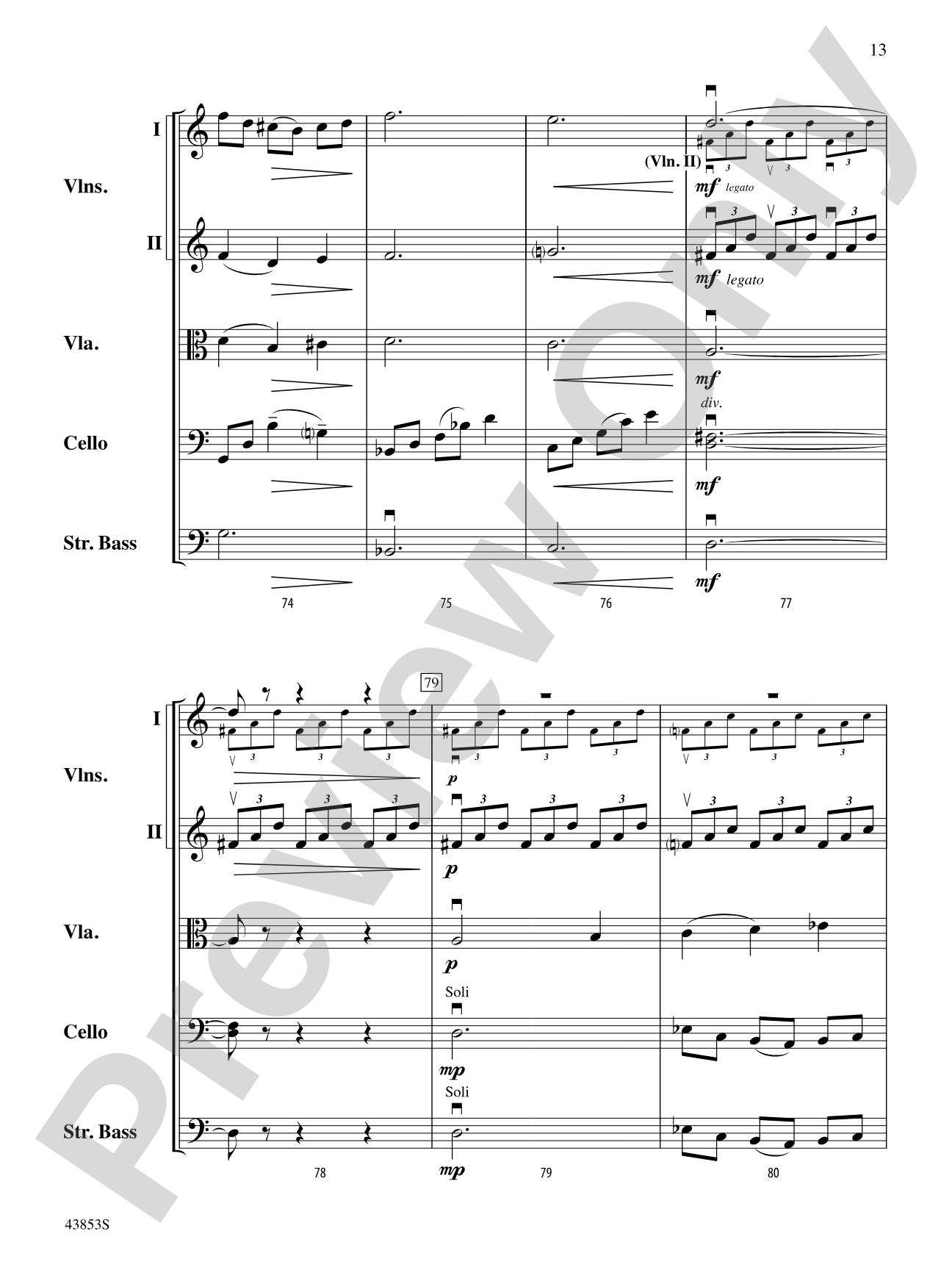
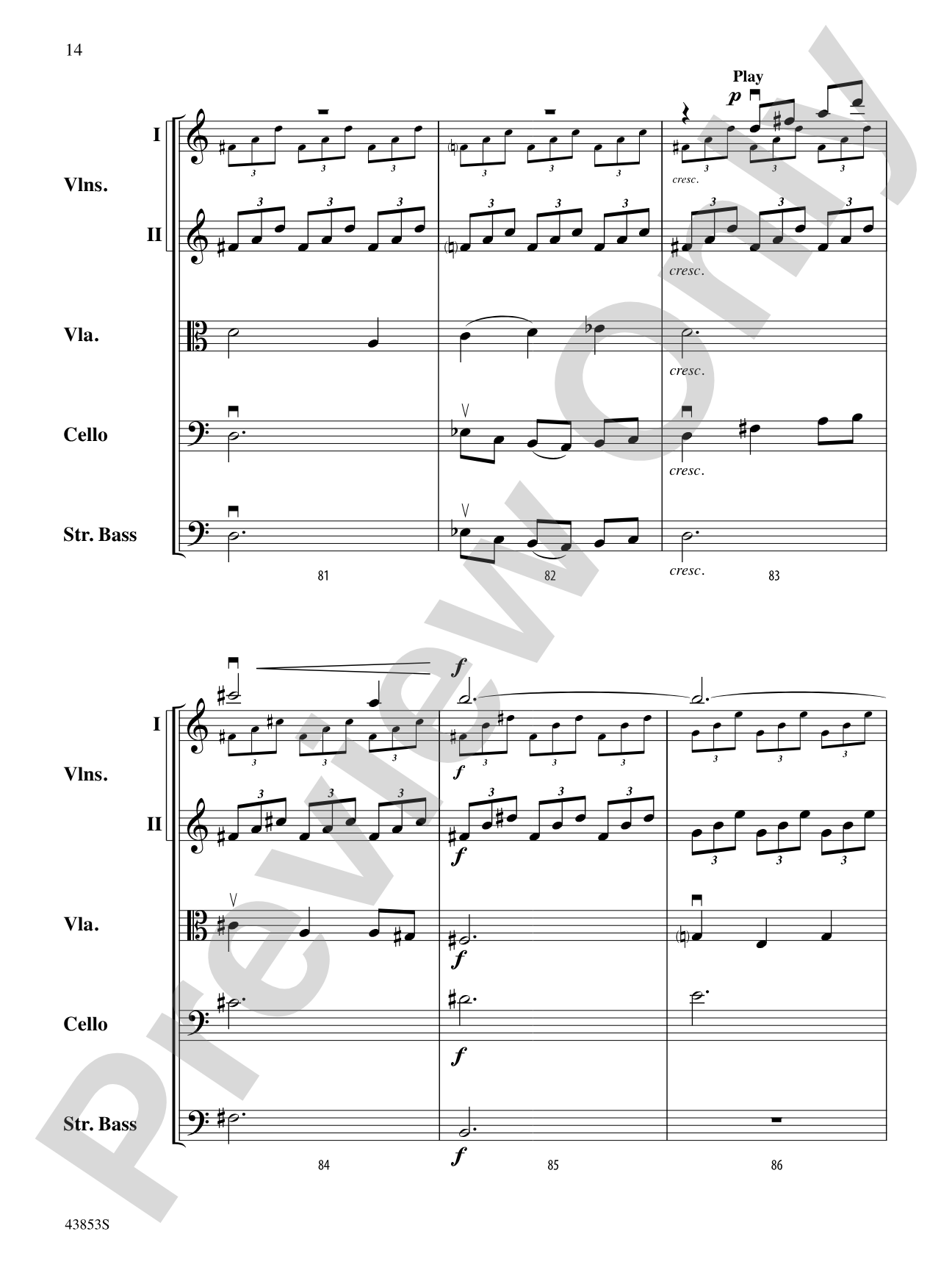
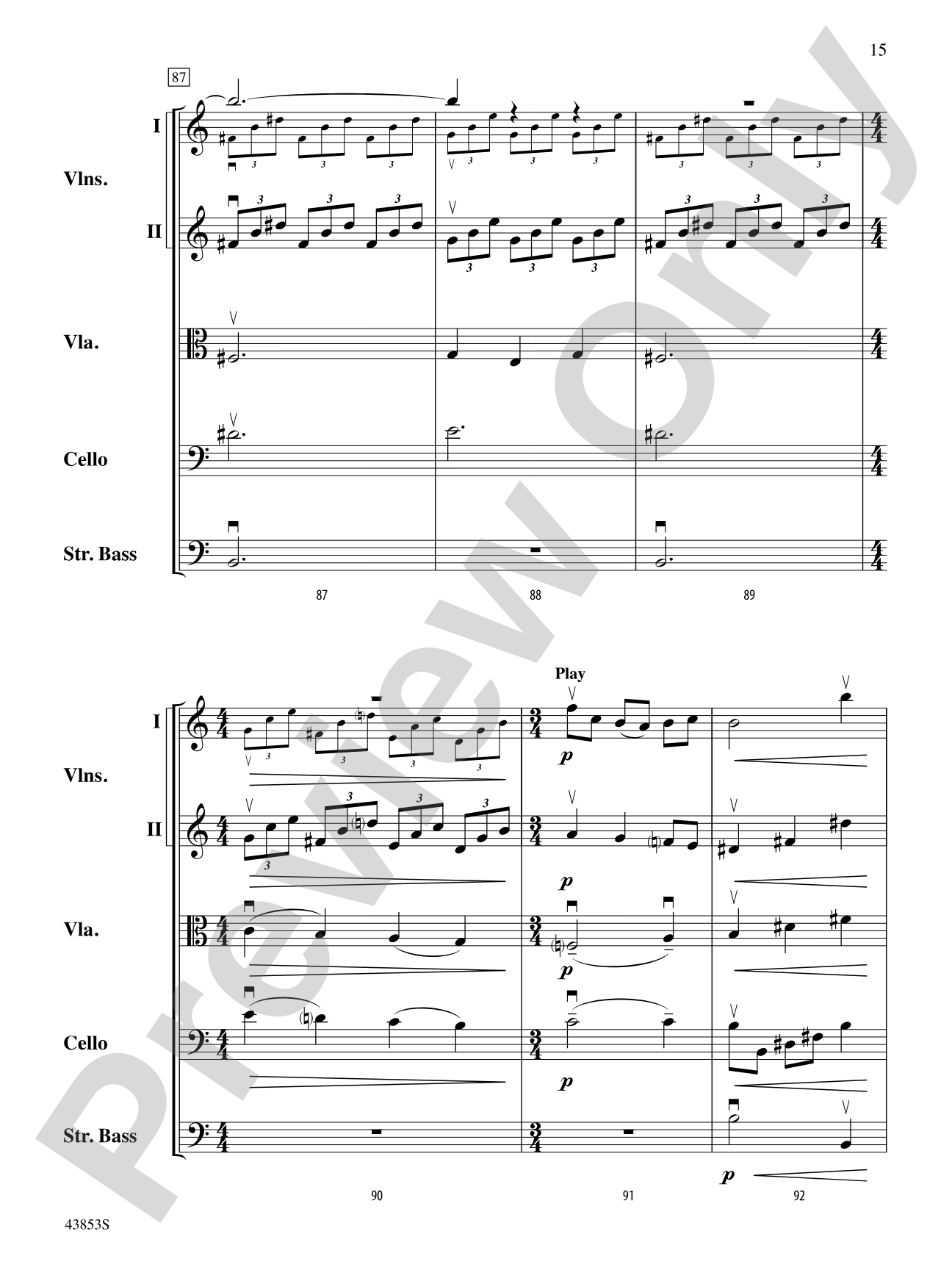
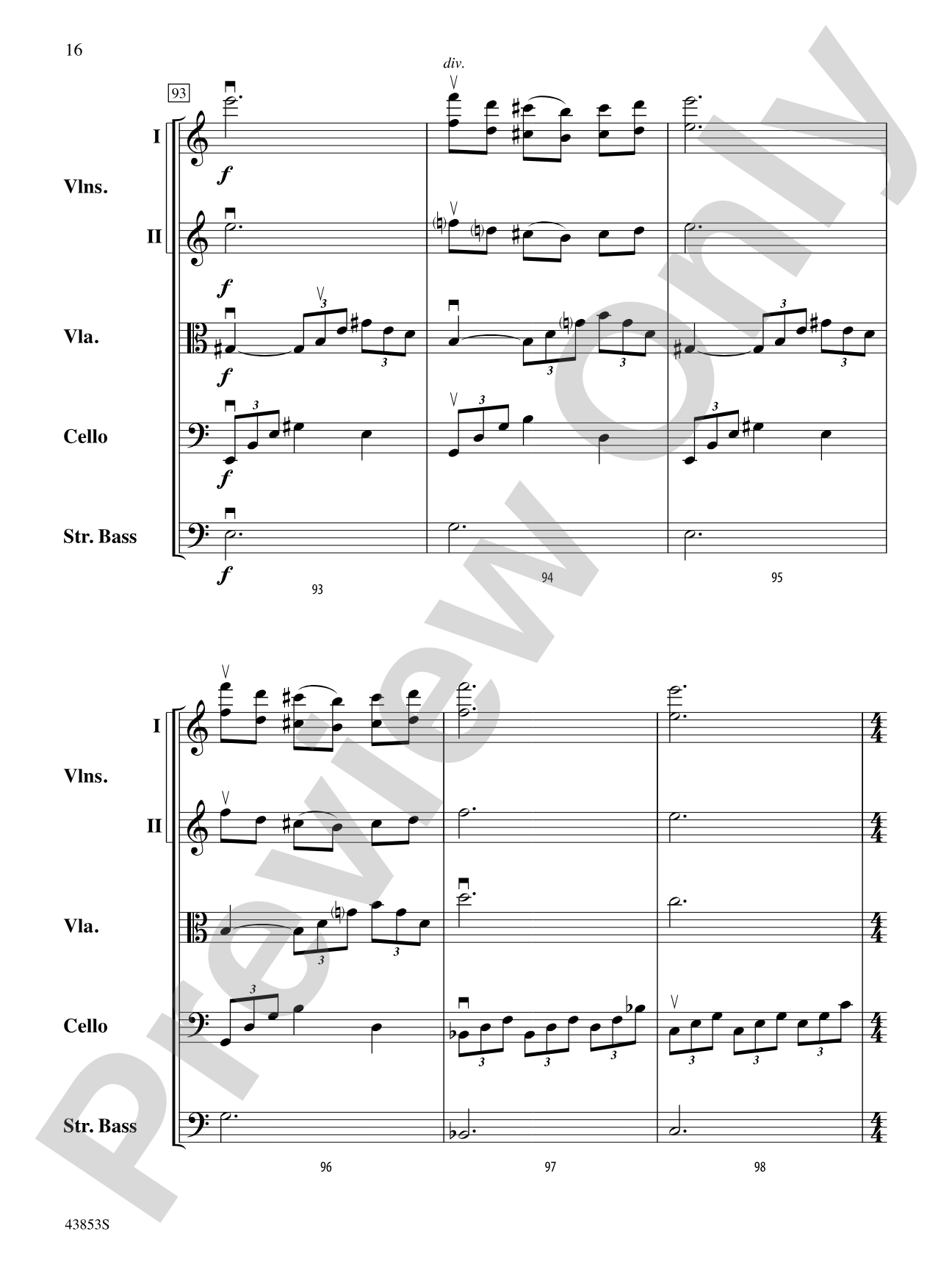
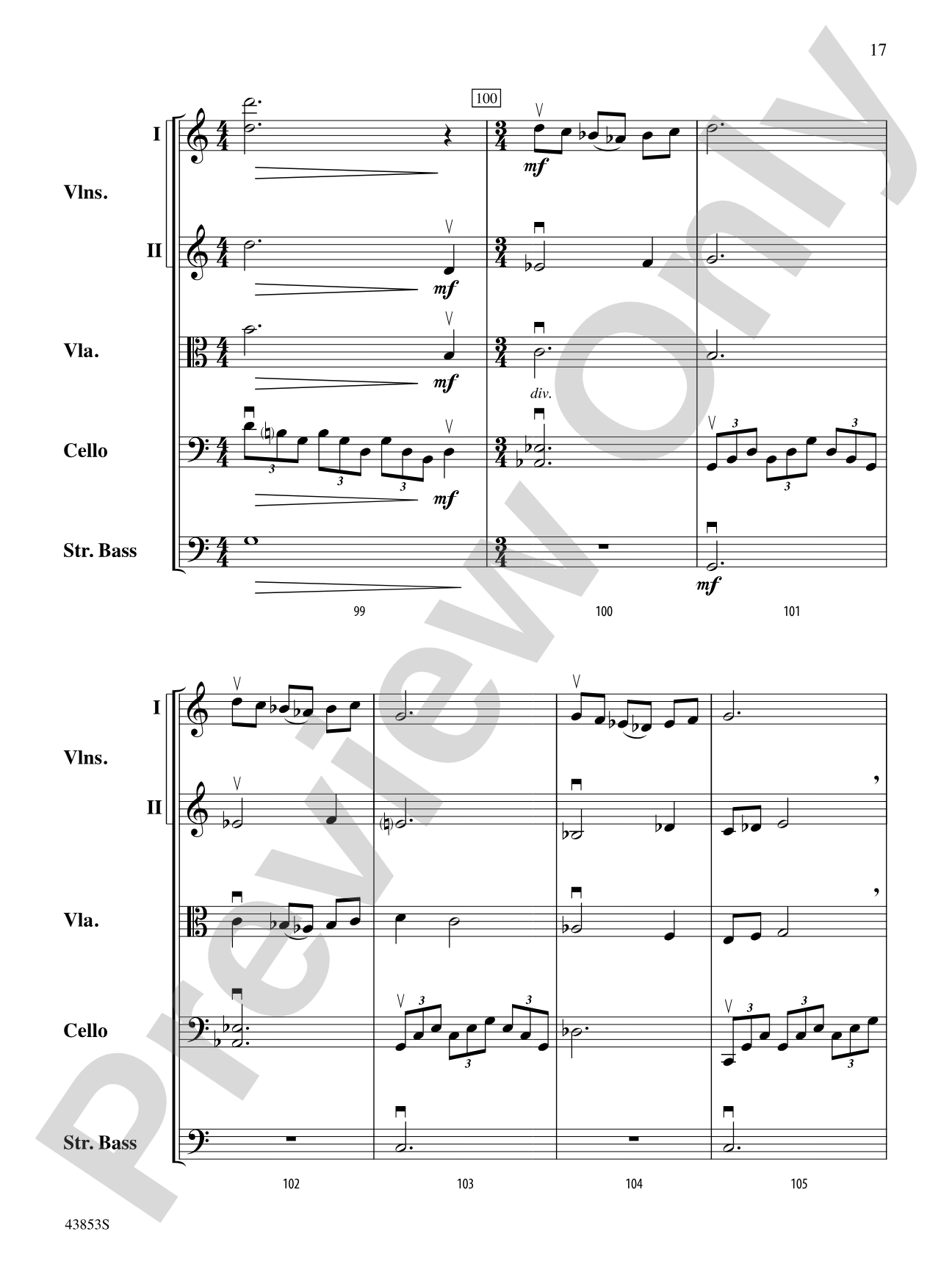
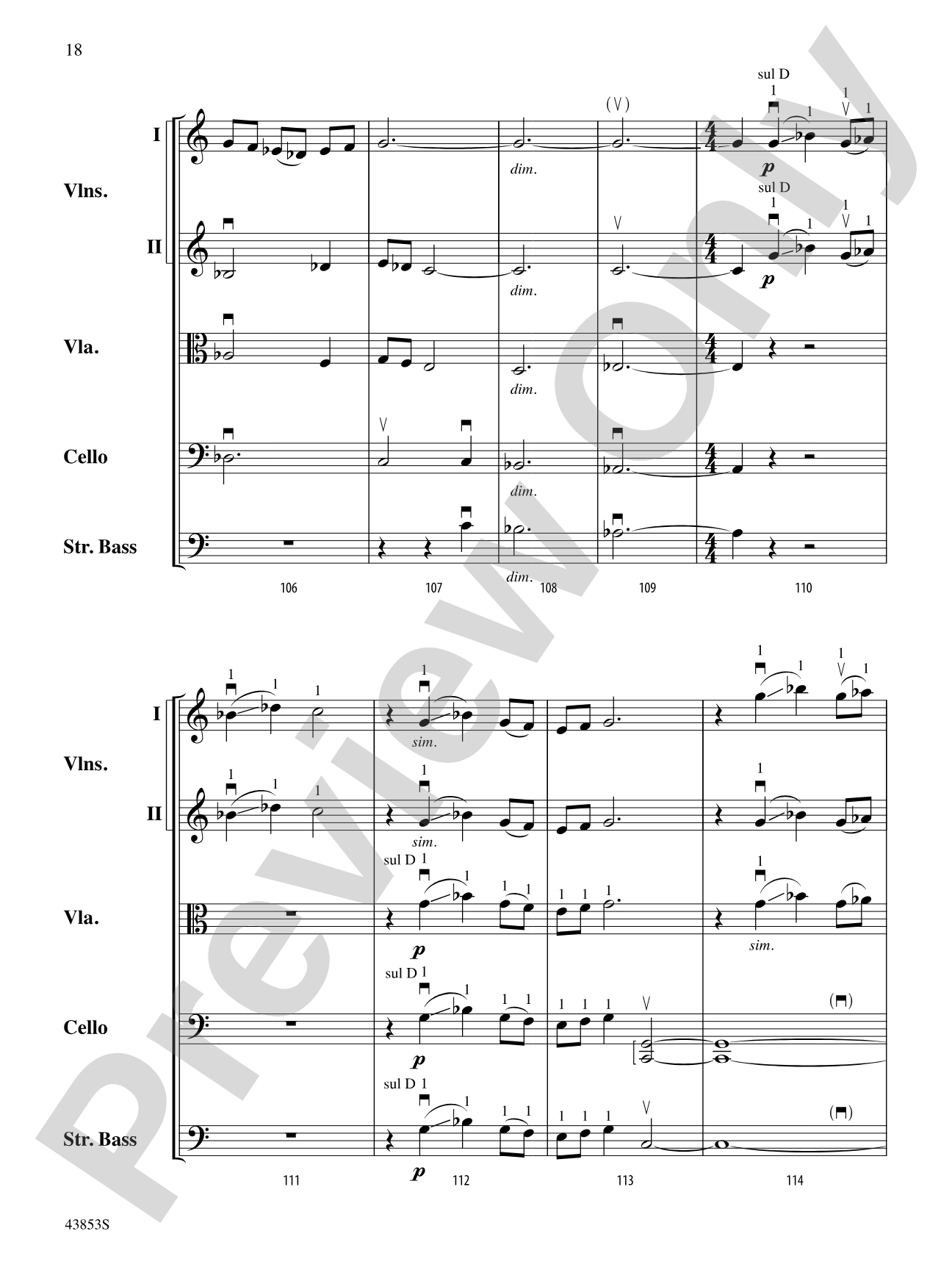
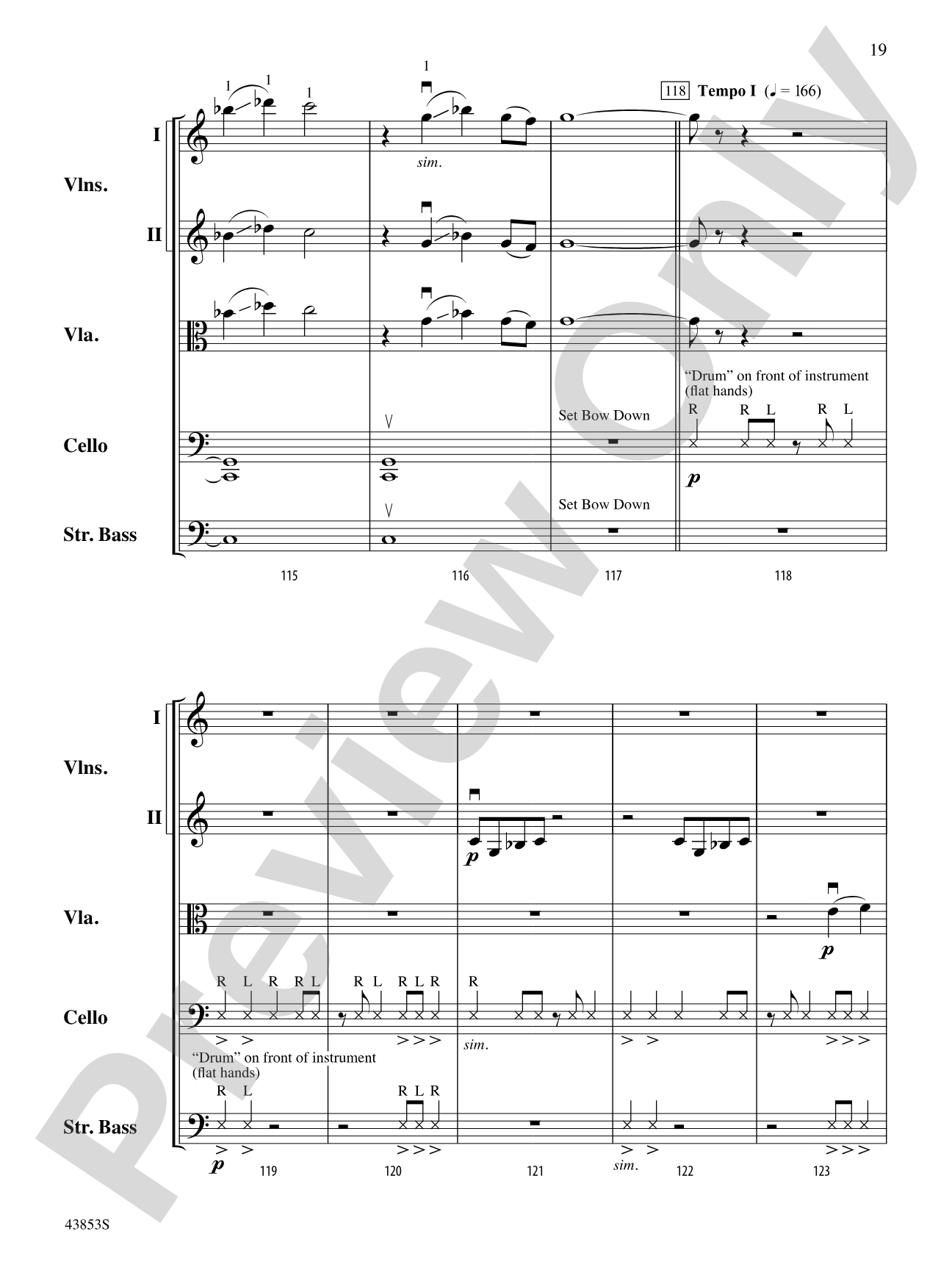
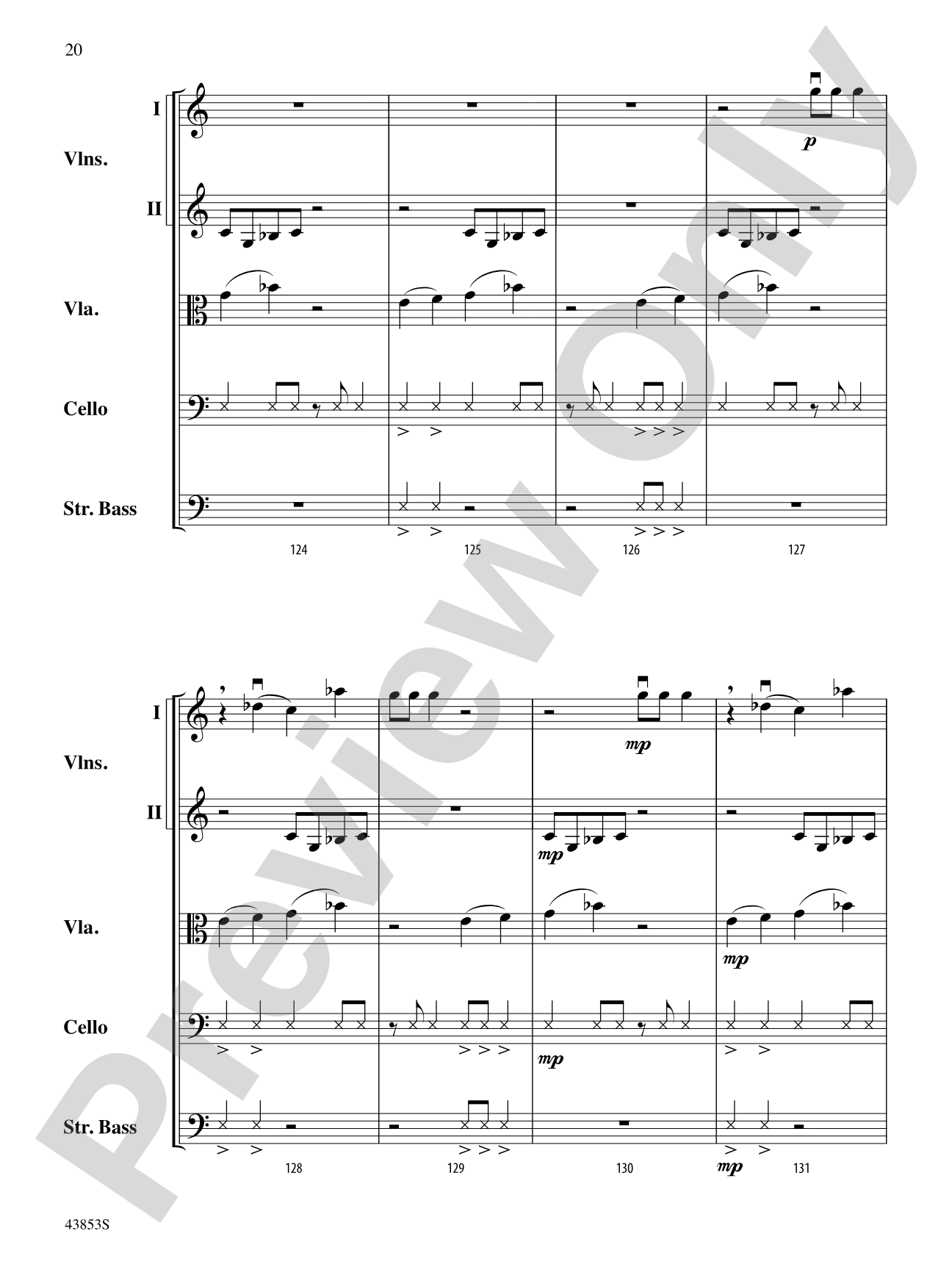
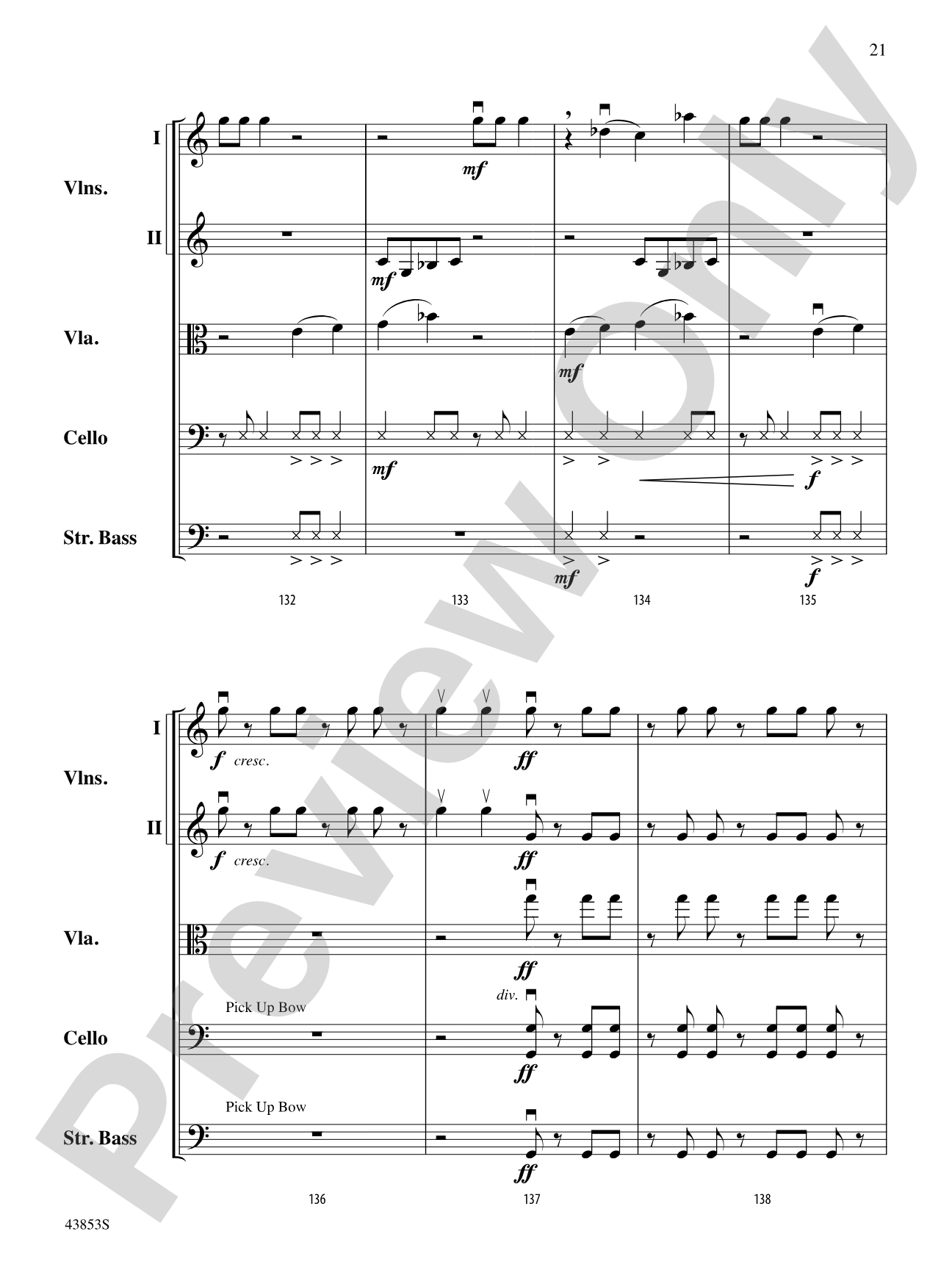
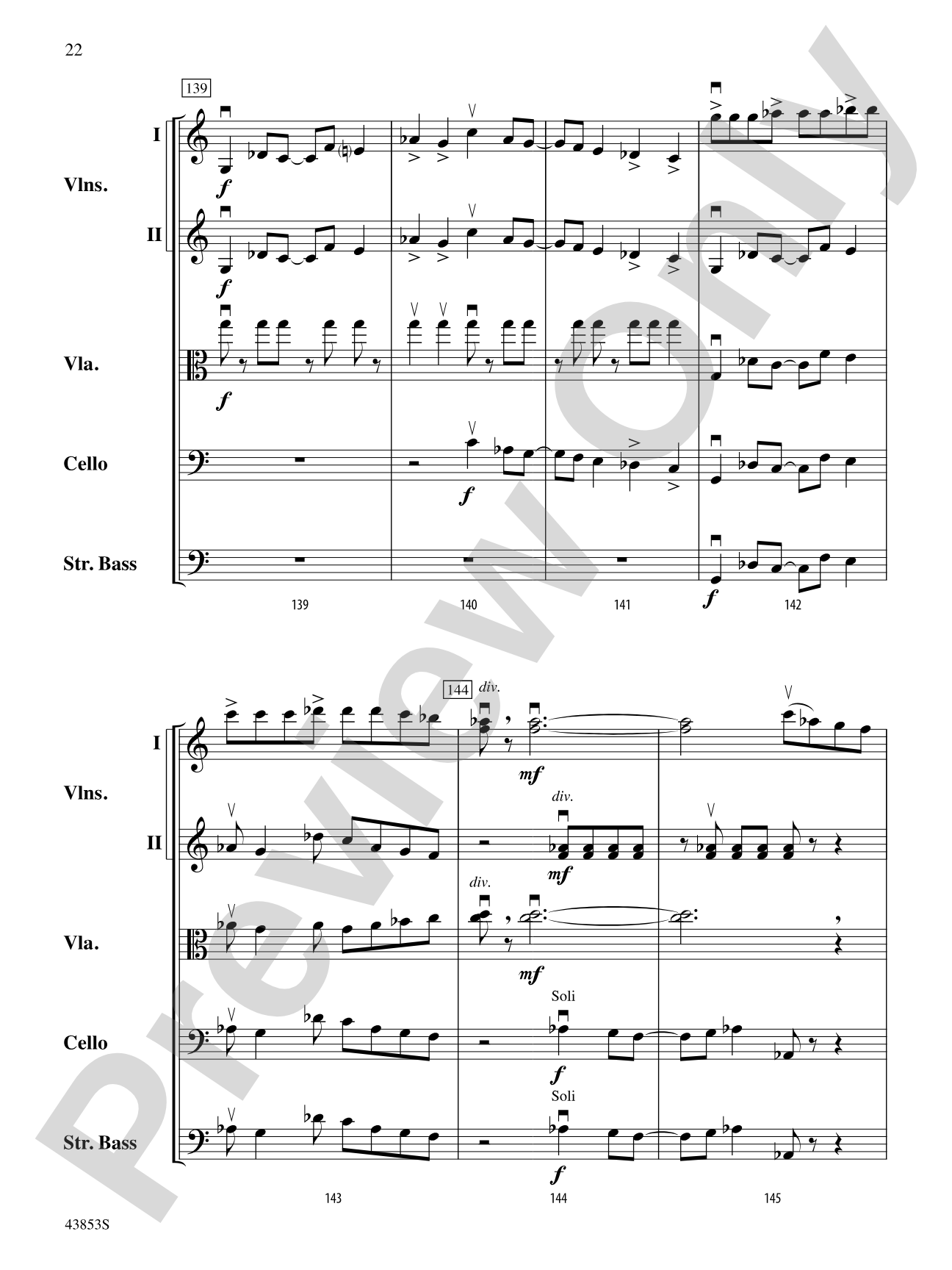
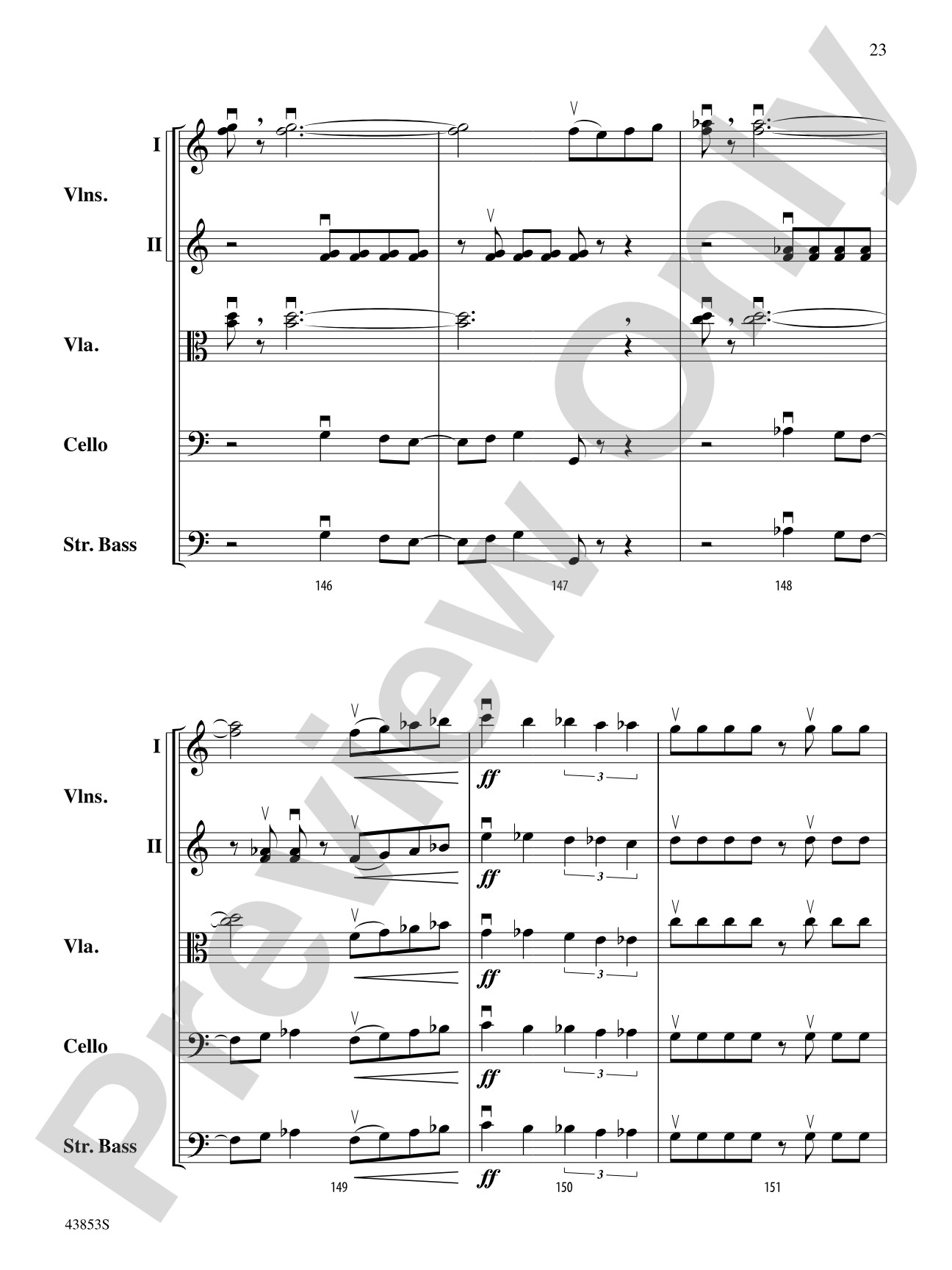
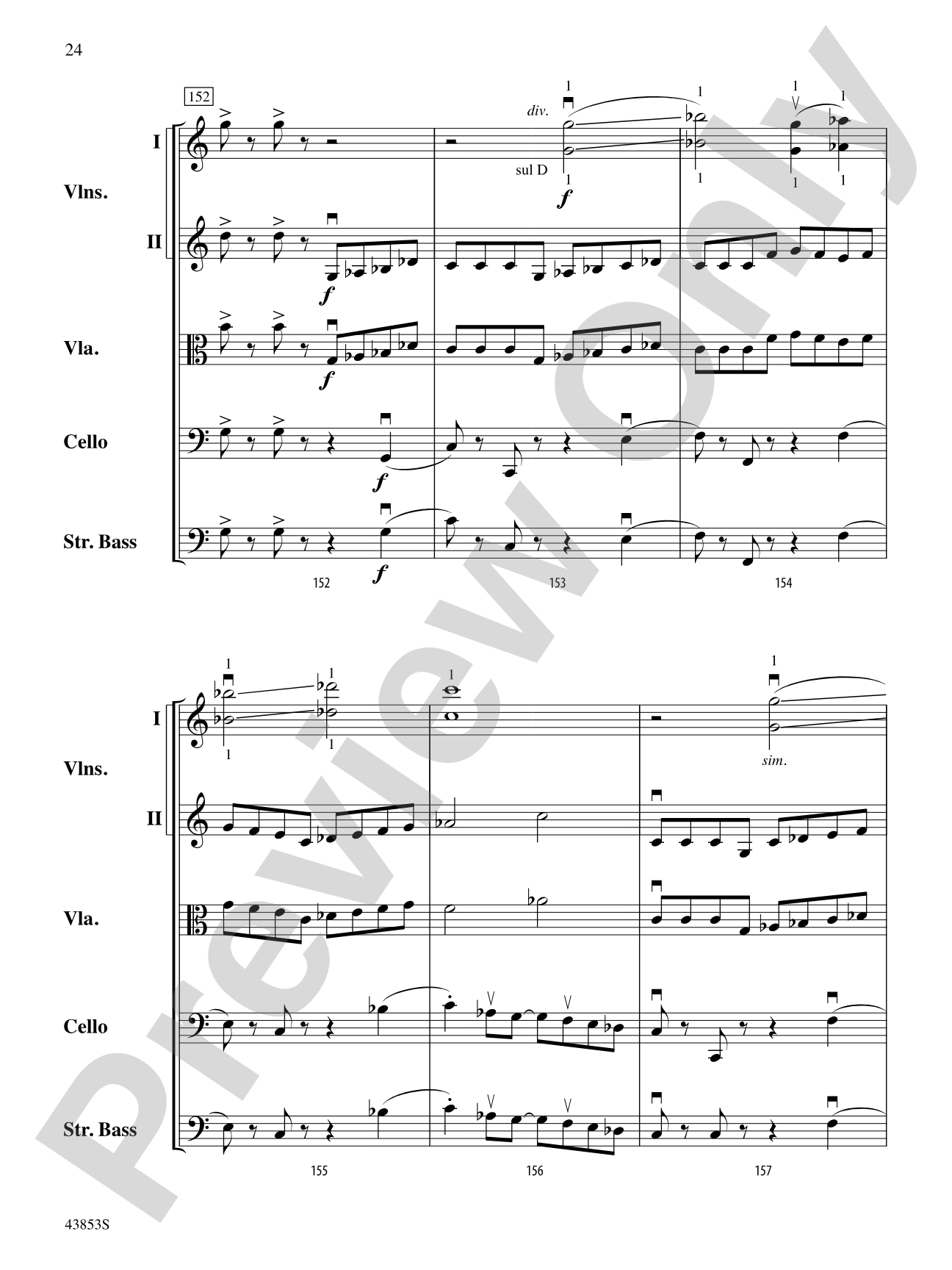
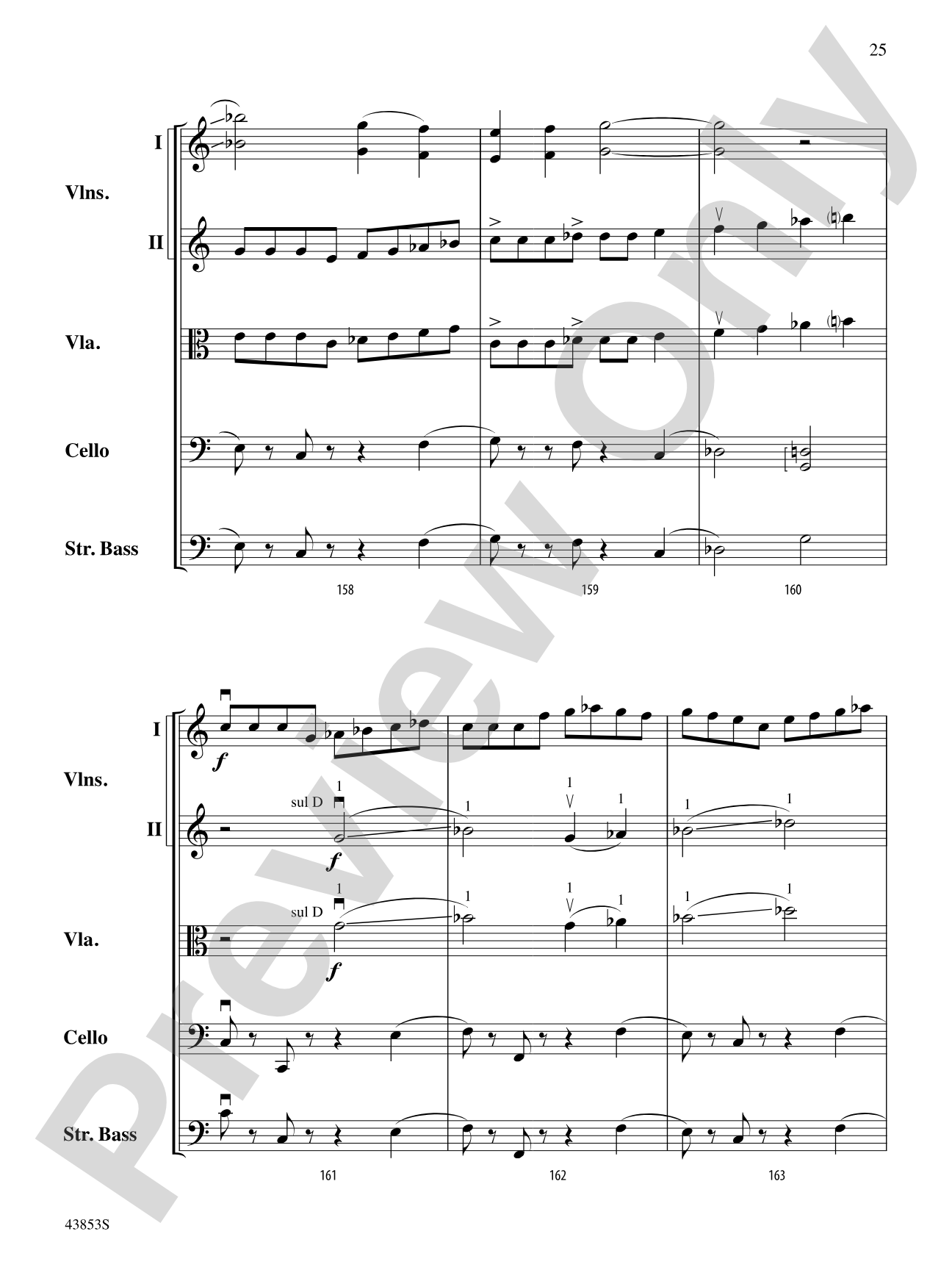
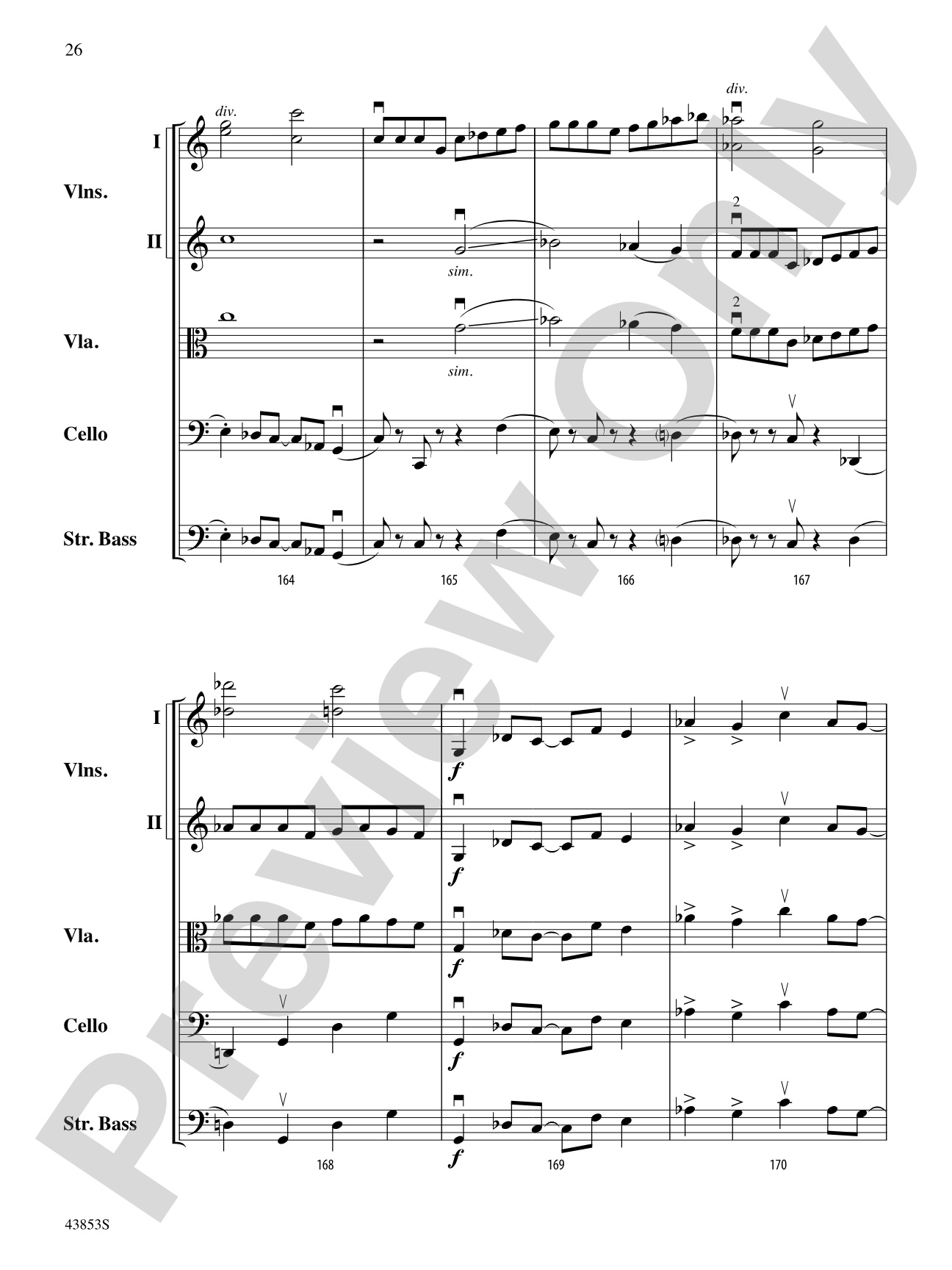
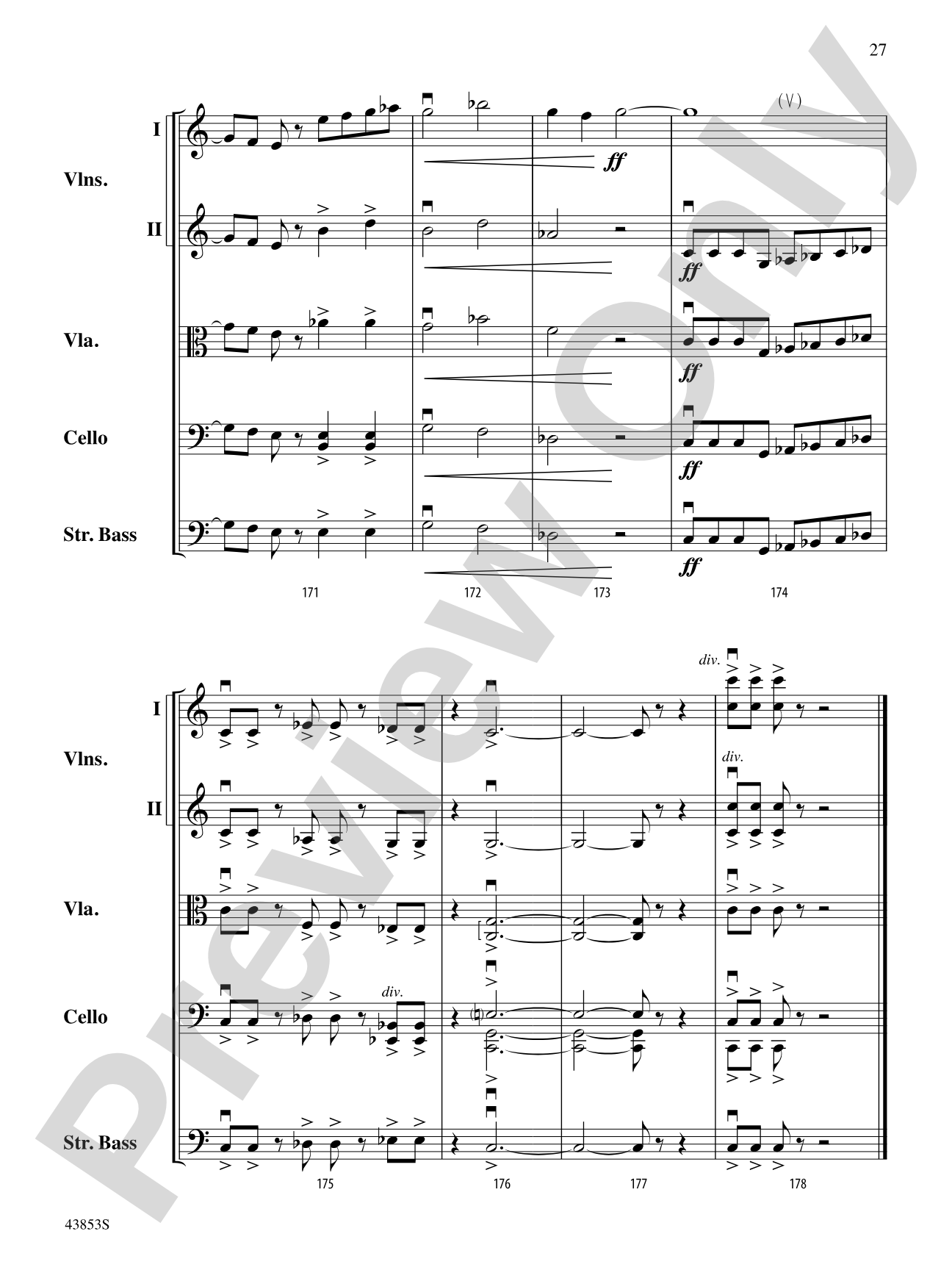
The exotic and mysterious sounds of this imaginative selection imply flavors of music from India. Unexpected harmonic shifts, interesting chromatic twists, haunting melodies, glissandos, and hand-drumming, all bring this challenging piece to a close with a raucous flourish. (5:00)


Don't just read it, hear it, play along with it, and watch your students grow with it. In MakeMusic Cloud, Miraj: String Orchestra Conductor Score & Parts comes alive with professional accompaniment, adjustable tempo, and built-in practice tools that turn solo practice into real progress.
Open in the Player
Jump straight in and assign it today.
Start Your Free Trial
Open this title and explore the full library in minutes.
Sample Audio
1
Audio File
--:--
0:00
0:00
Sample Video
No sample videos found.
Additional Details
Series:
Highland/Etling String Orchestra
Publisher:
Alfred Music
Page Count:
124
SKU:
00-PK-0006702
More about this title
About the Composer: Richard Meyer
Richard Meyer brings three decades of string teaching experience to his work as a composer and conductor. He transformed the orchestra program at Oak Avenue Intermediate School in Temple City, California, expanding it from 29 students to 200 while simultaneously directing the city's elementary string initiative. His work with the Pasadena Youth Symphony Orchestra for 16 years took him across the globe, from Vienna to Australia, establishing him as a musician deeply committed to ensemble development at every level.
Beyond the rehearsal room, Meyer has shaped the field through his prolific output as a composer (over 190 works in print), his tenure as string editor for Alfred Publishing Company, and his co-authorship of widely-used string curricula. His "Giving Bach" program, launched in 2009, demonstrates his innovative approach to using interactive concerts to reach underserved student populations throughout Southern California. He continues to appear as a guest clinician at major conferences and conducts honor orchestras across the country.
Why we love this
Meyer writes with a conductor's ear for what string orchestras can actually accomplish. The harmonic language feels fresh without abandoning accessibility, and the Indian-influenced melodic material gives students something genuinely different from standard repertoire while remaining playable at Grade 4. The piece holds enough sophisticated detail to satisfy experienced ensembles yet remains within reach for groups still building technical fluency.
What to expect
Miraj evokes the shimmer and complexity of Indian classical music through orchestral color. Haunting melodies drift over shifting harmonies while glissandos catch the light like sitar bends, building toward a dramatic, energetic finale that celebrates both the piece's exotic textures and the raw power of a full ensemble.
Who it's for
String orchestras at the intermediate and high school levels looking for repertoire that expands musical horizons without compromising rehearsal efficiency. Conductors seeking a concert-quality selection that explores non-Western harmonic language will find Miraj both musically substantive and performable within a reasonable rehearsal timeline.
How to get the most out of it
- Balance the glissandos against the sustained harmonic background. These sliding figures should sing through without drowning the ensemble's supportive textures.
- Prepare the hand-drumming passages with clear stick control and rhythmic precision. Even though these moments provide textural color, they anchor the piece's forward momentum.
- Shape the chromatic twists as smooth voice-leading rather than awkward transitions. Encourage violins to think of these shifts as melody lines that happen to twist unexpectedly.
- Build the final flourish gradually. The raucous ending works best when it arrives as a genuine crescendo, not an abrupt shift in energy.
How to use it
Program this as a concert centerpiece that showcases your orchestra's versatility and tonal sophistication. Its five-minute duration makes it ideal for pairing with contrasting repertoire in a themed concert exploring world music influences, or position it as a standalone festival selection that demonstrates both technical skill and musical maturity.
Skills your students will build
- Playing with unfamiliar harmonic language and chromatic voice movement
- Creating cohesive tone across non-traditional melodic shapes and glissandos
- Balancing textural layers with varying timbral colors (pitched sections versus hand-drumming effects)
- Responding to sudden harmonic shifts and unexpected tonal centers
- Building energy and dynamic control through a sustained crescendo to a climactic finish