

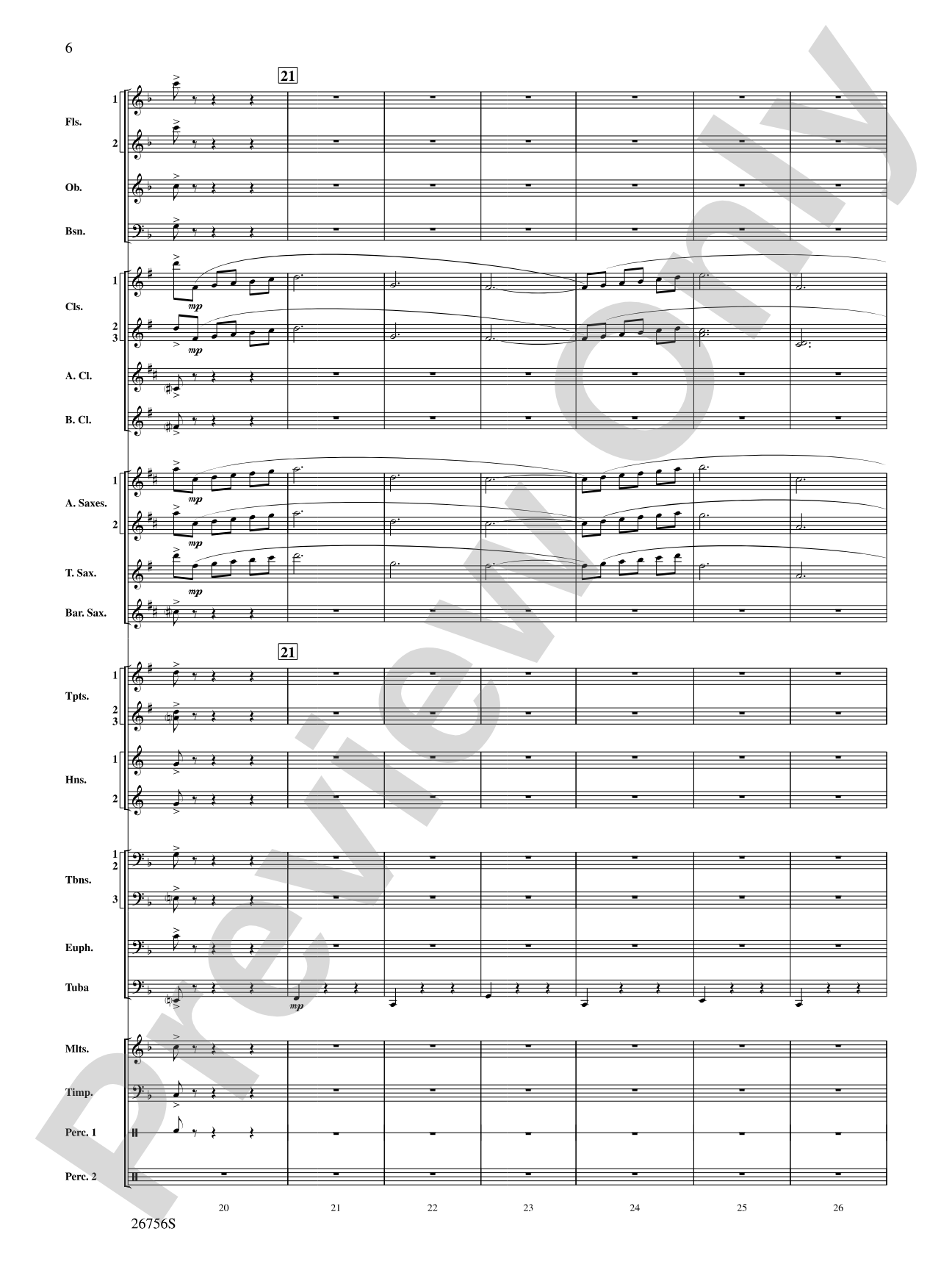
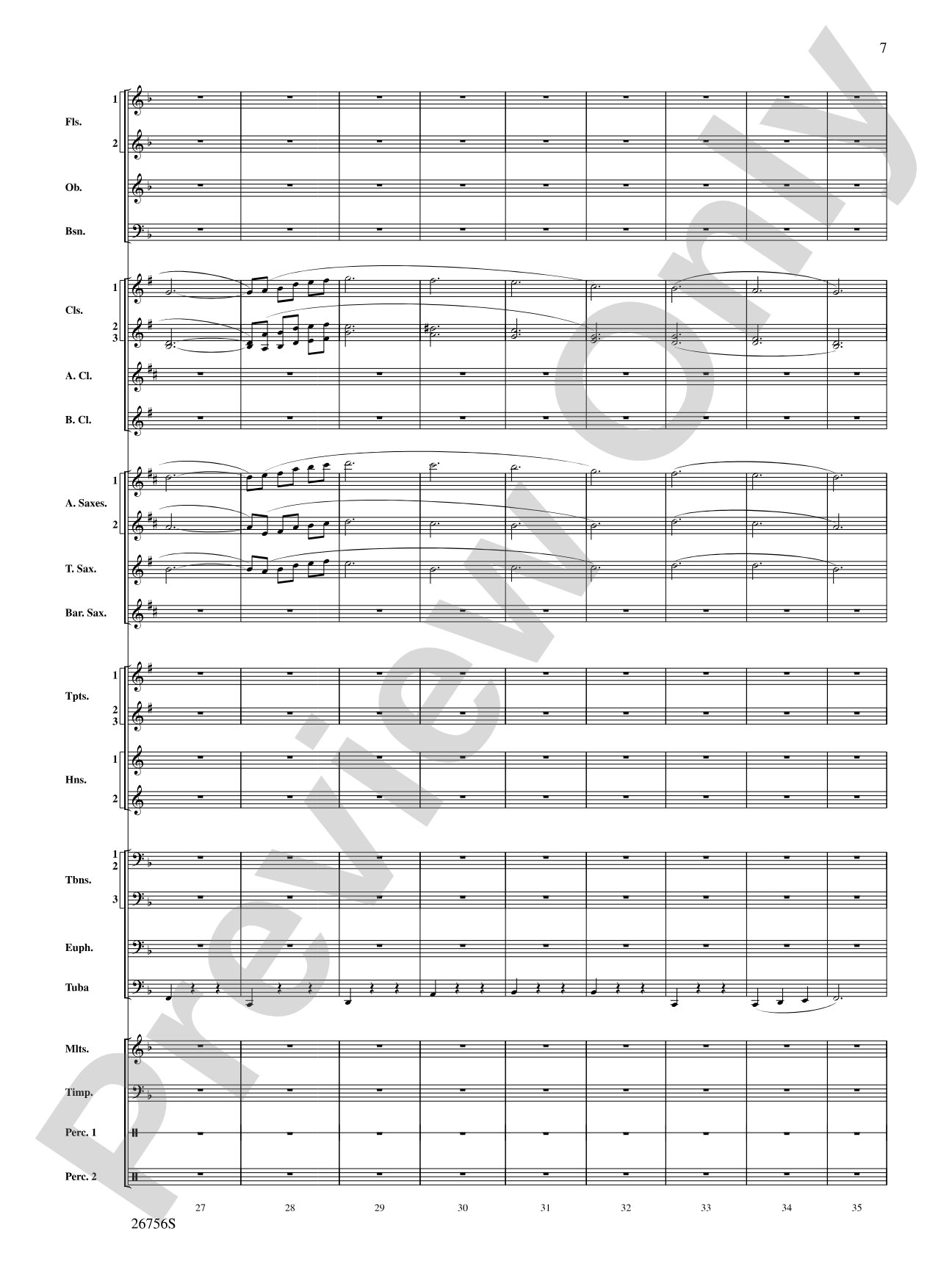
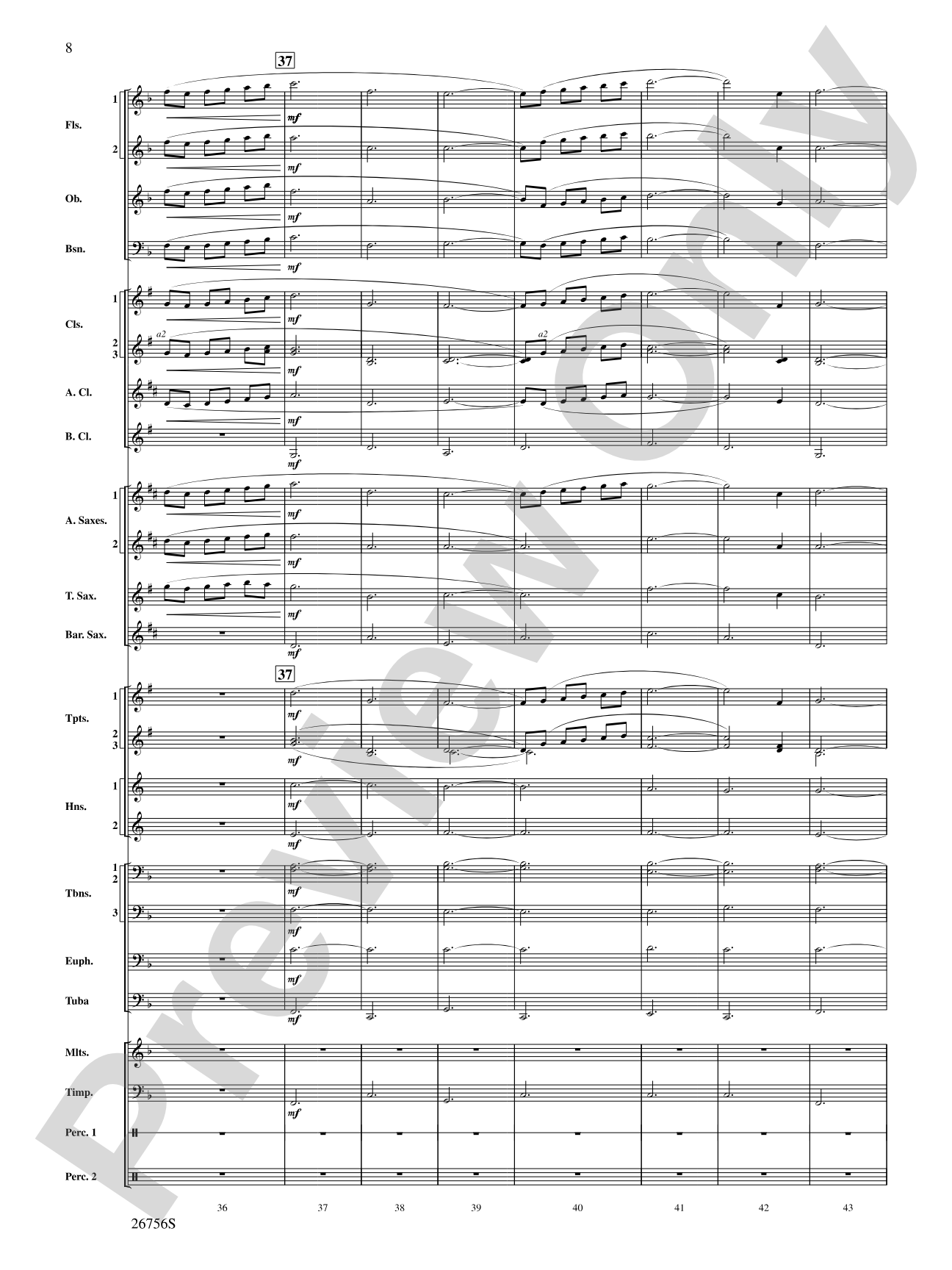
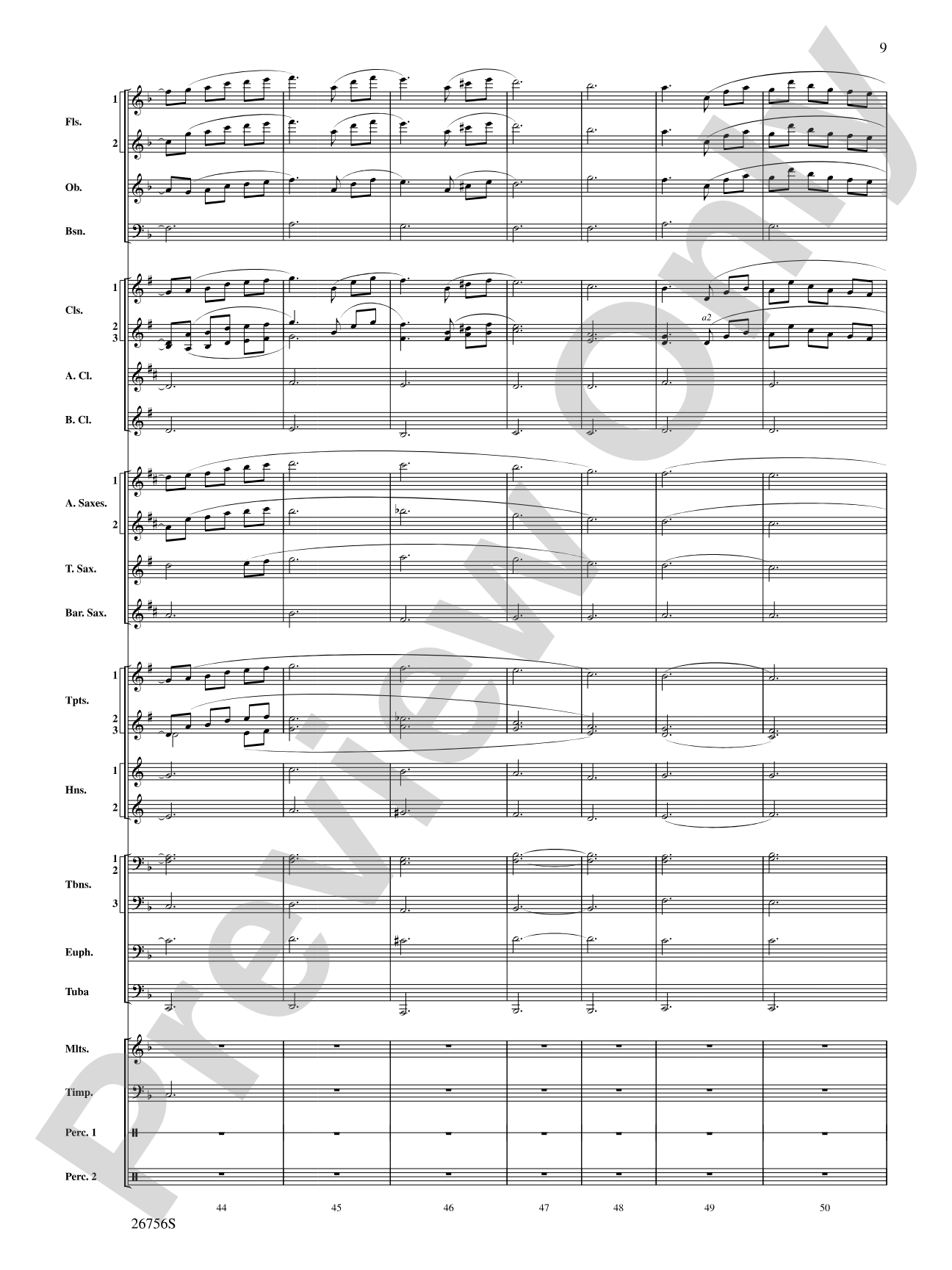
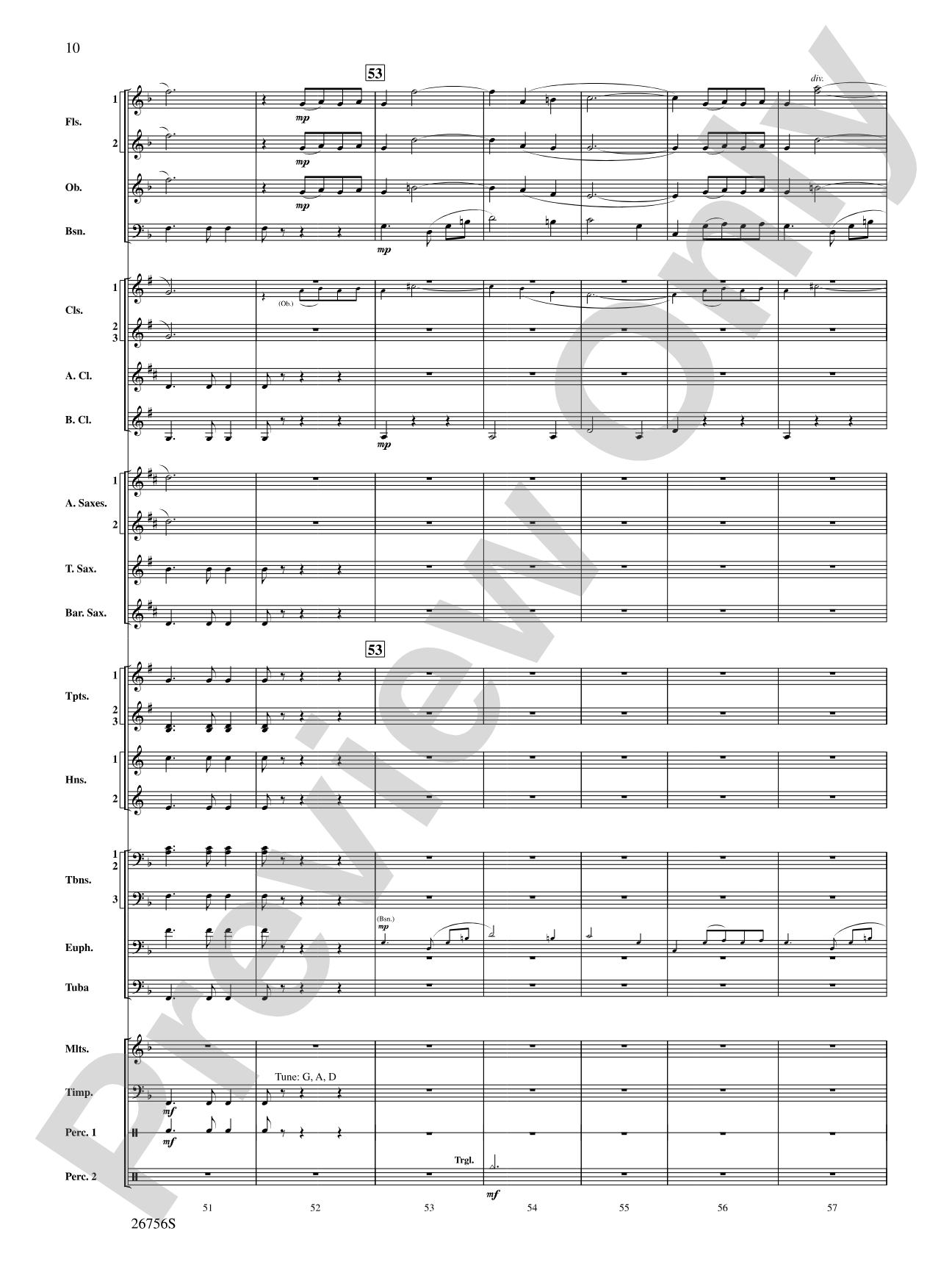
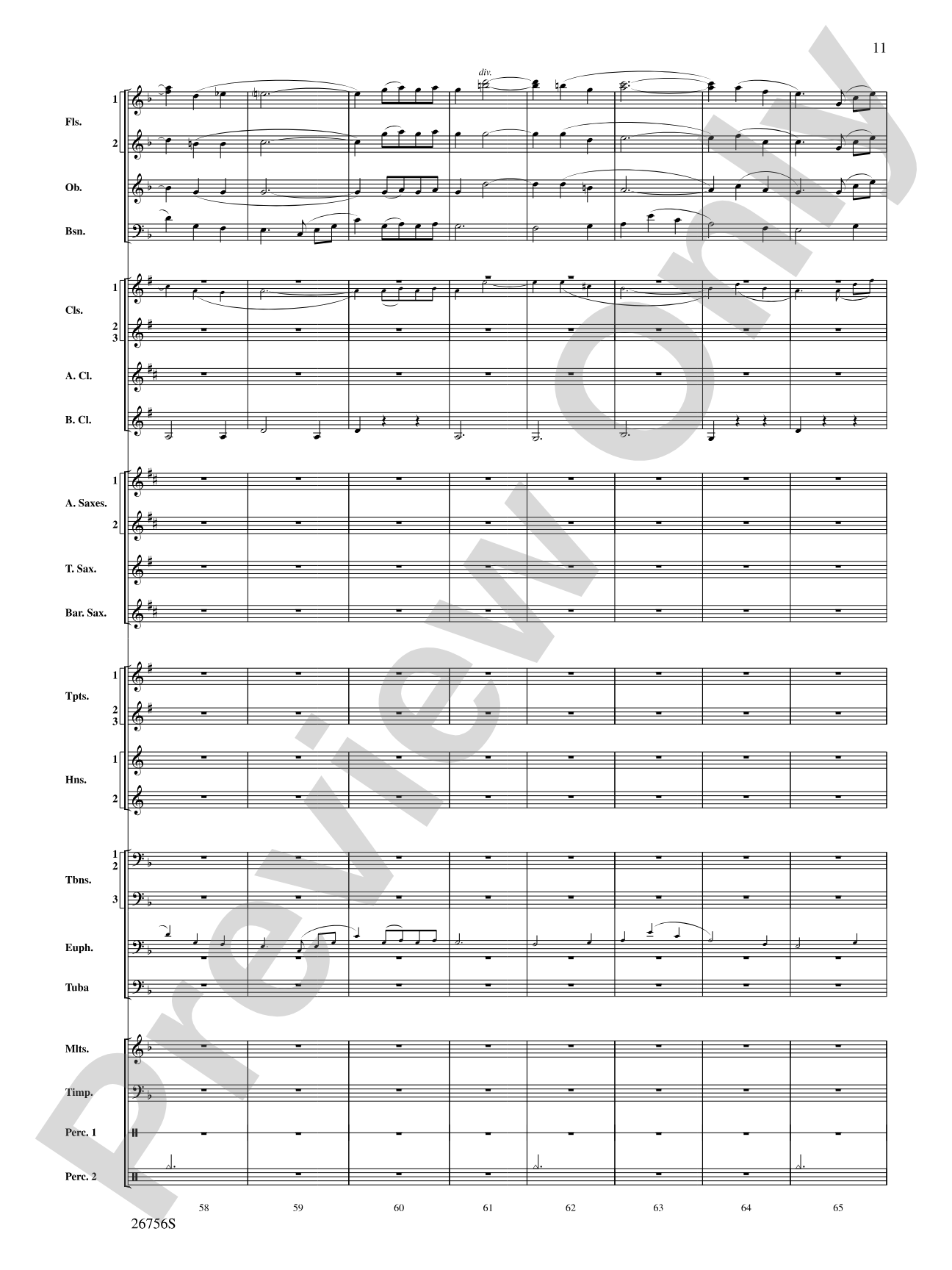
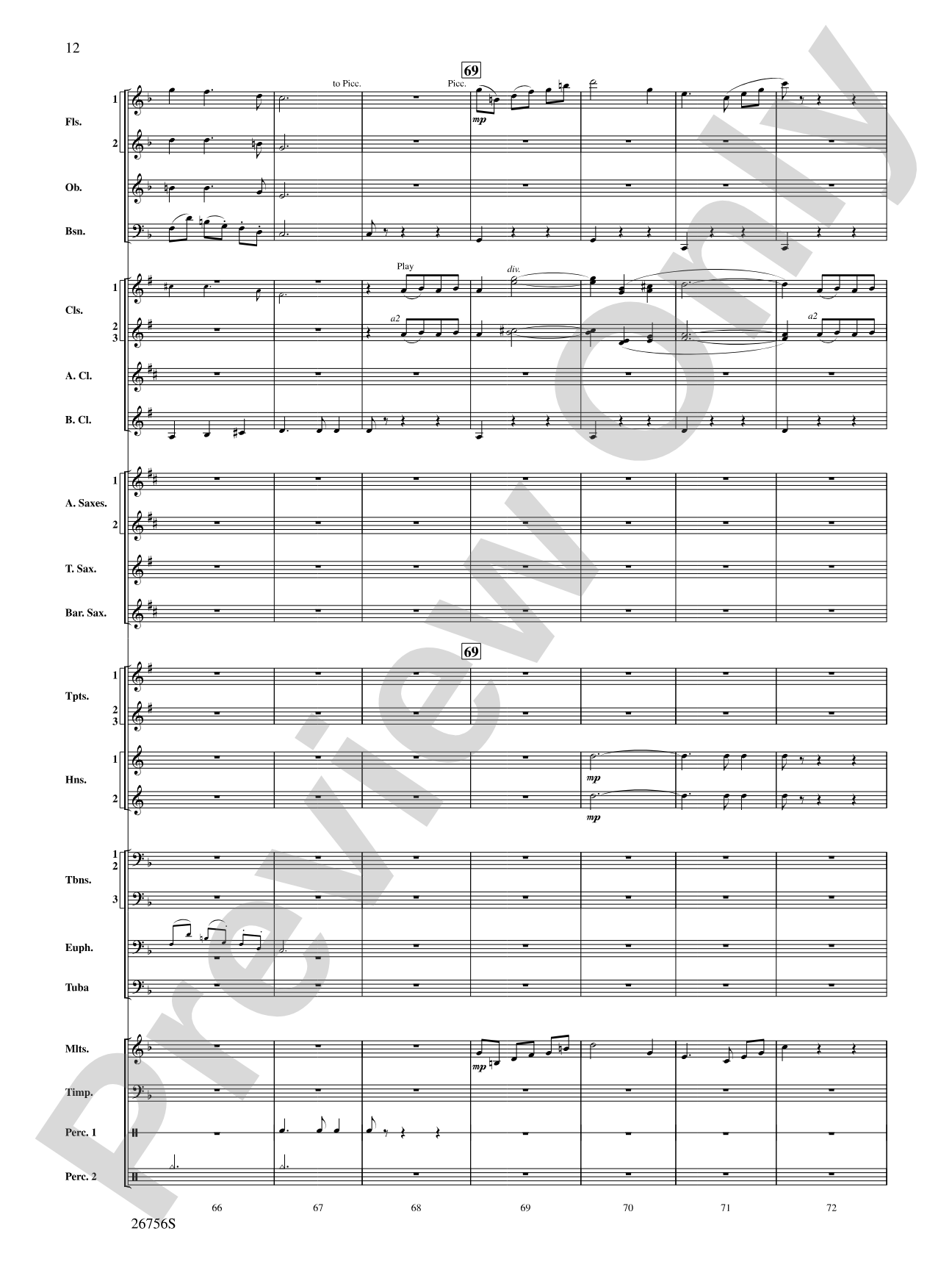
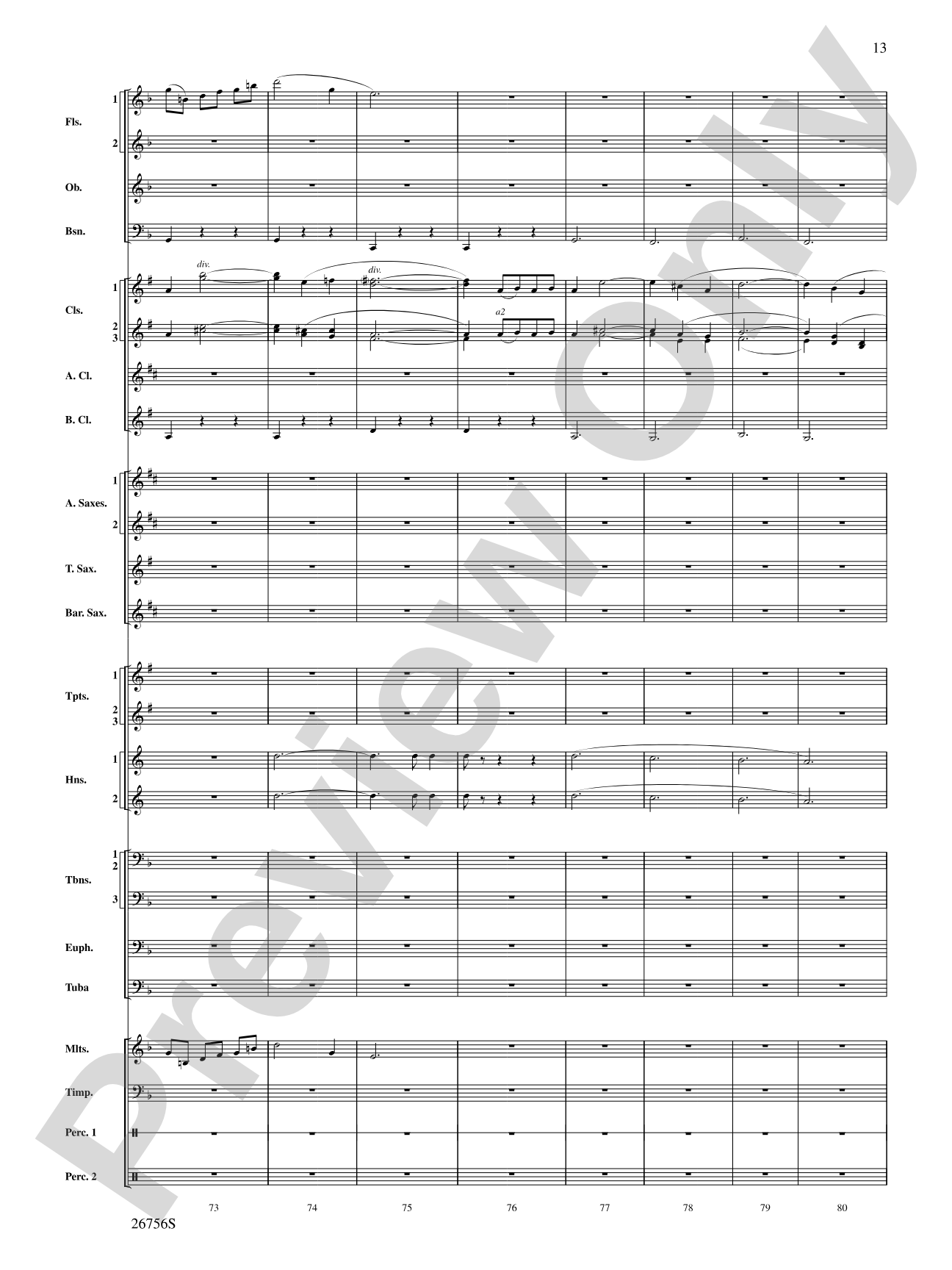
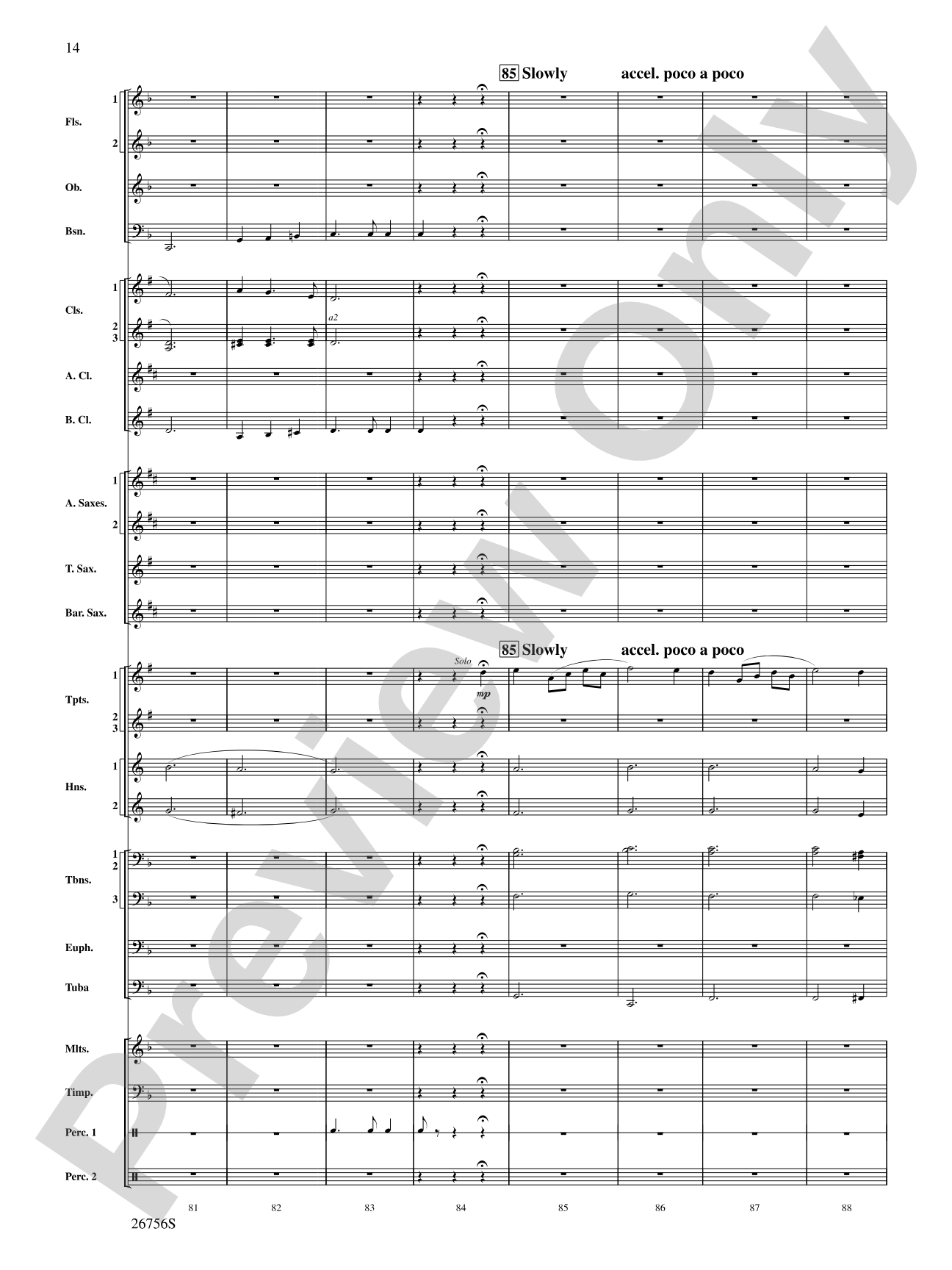
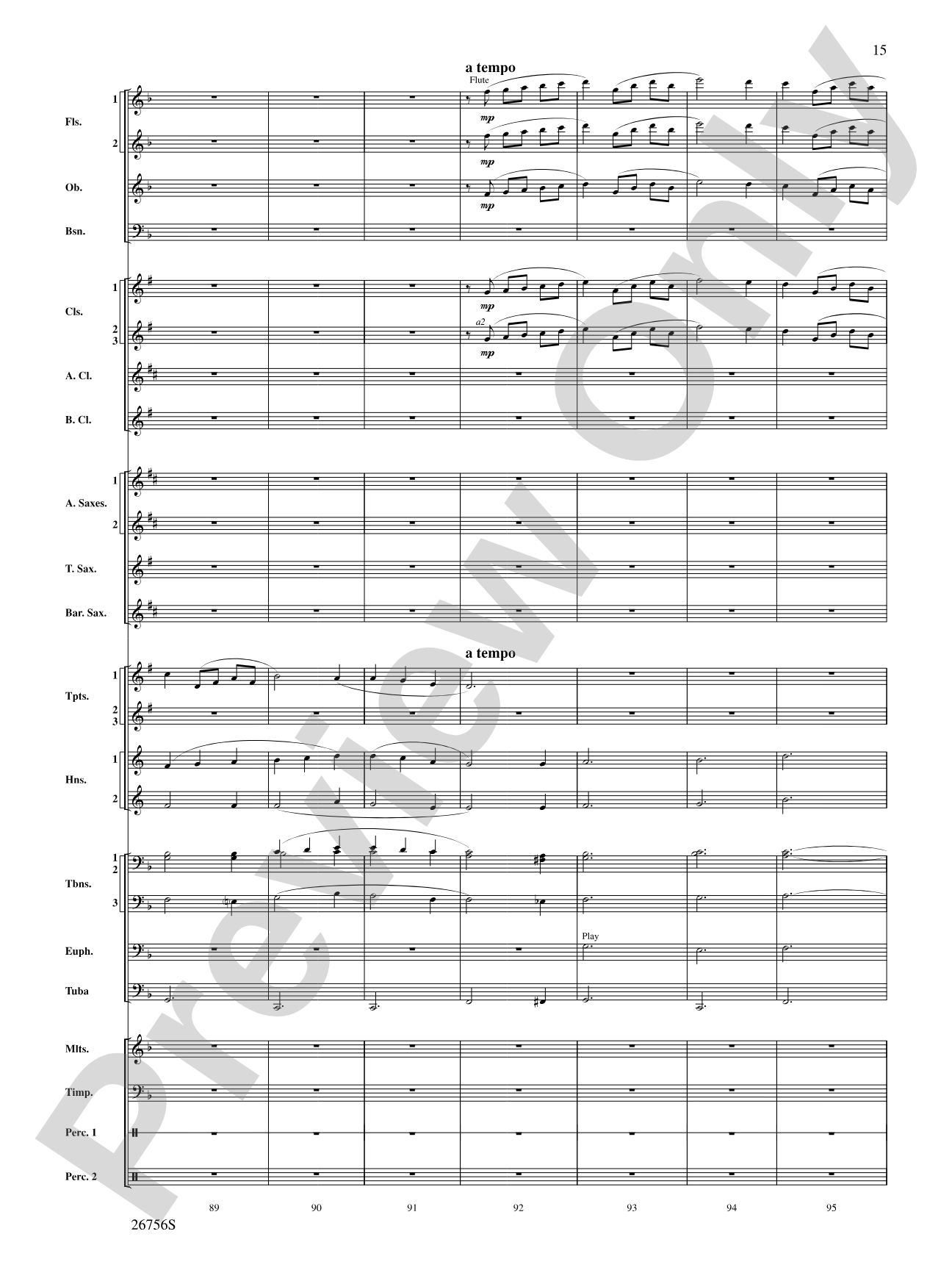
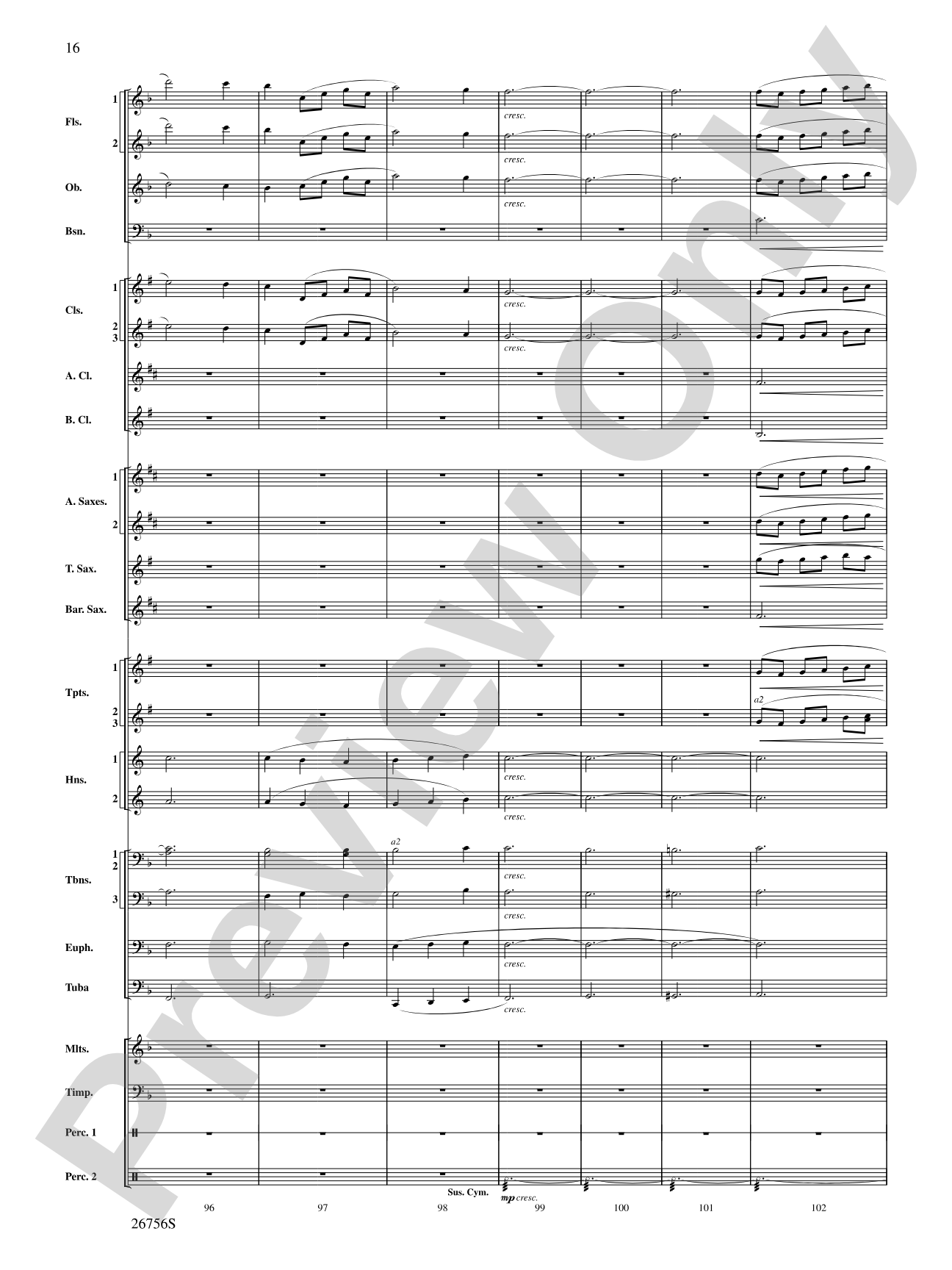
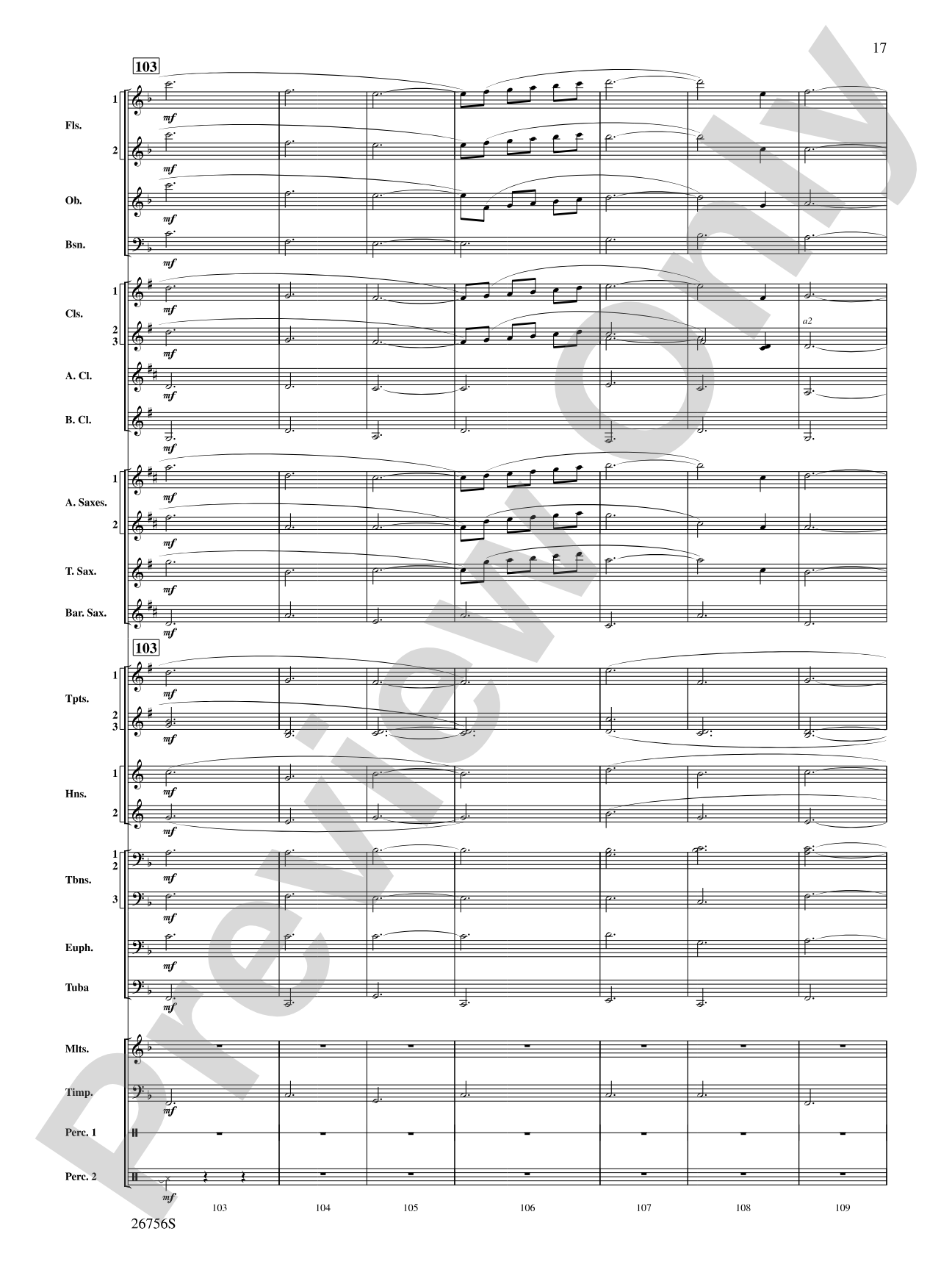
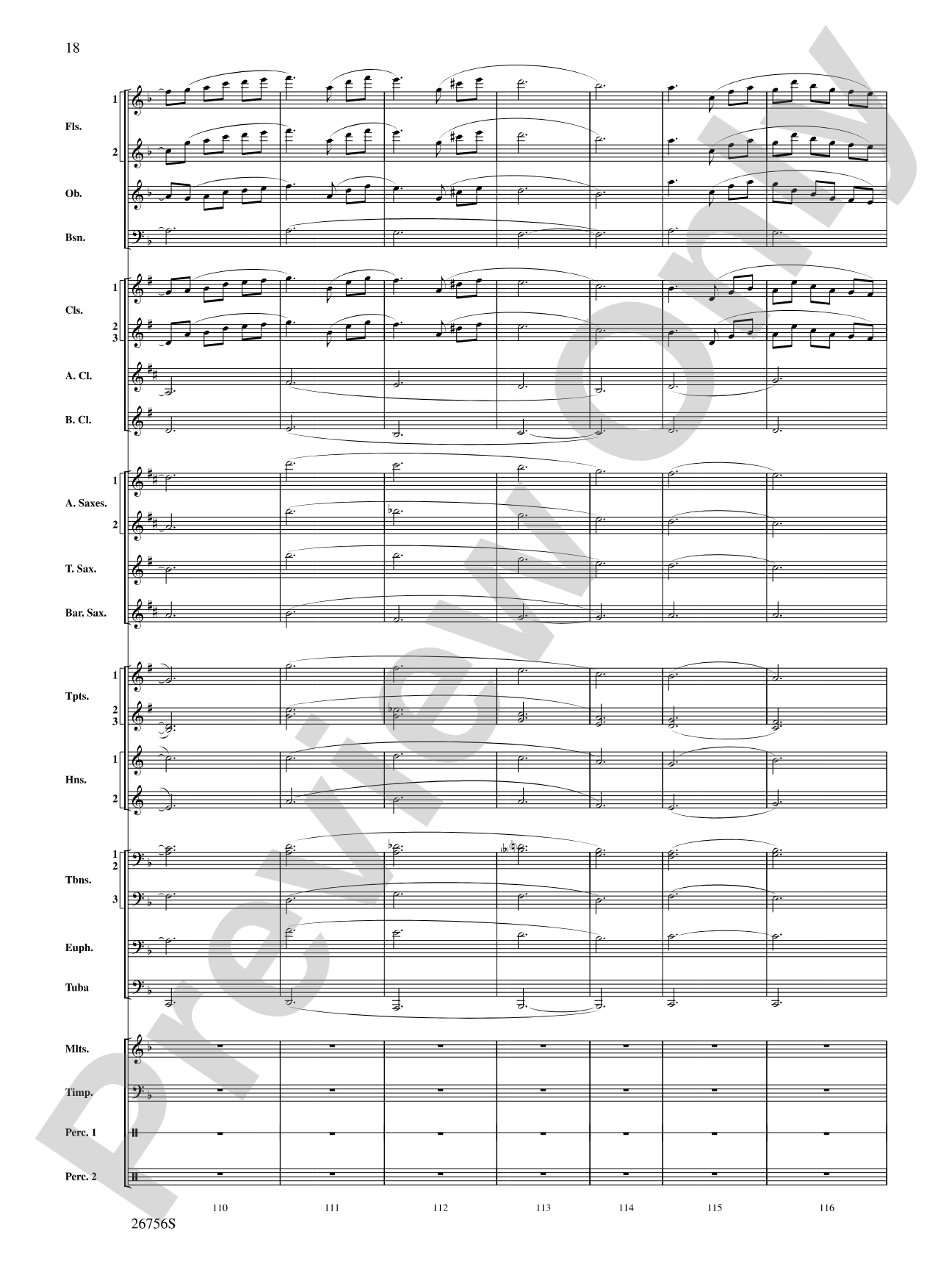
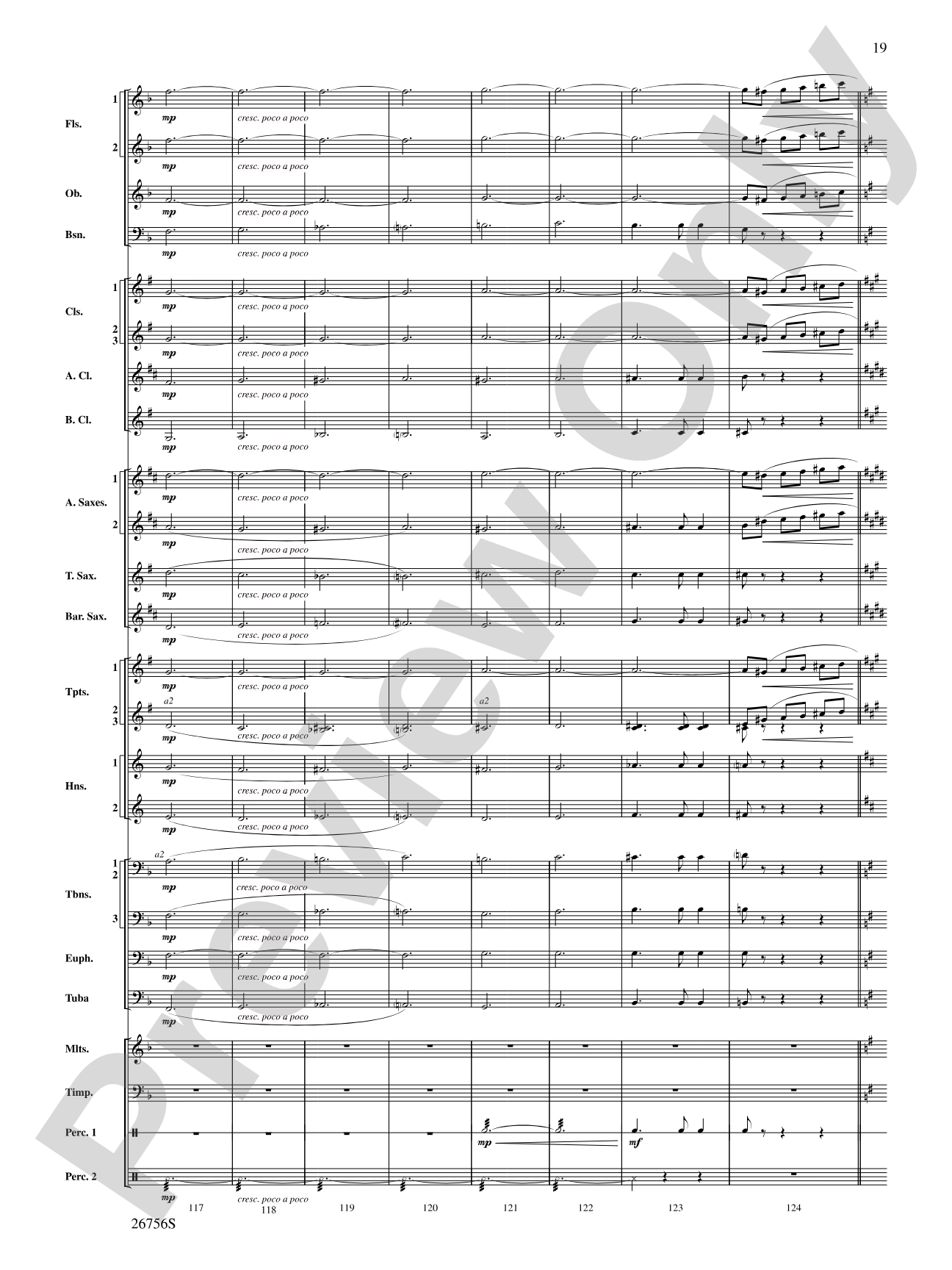
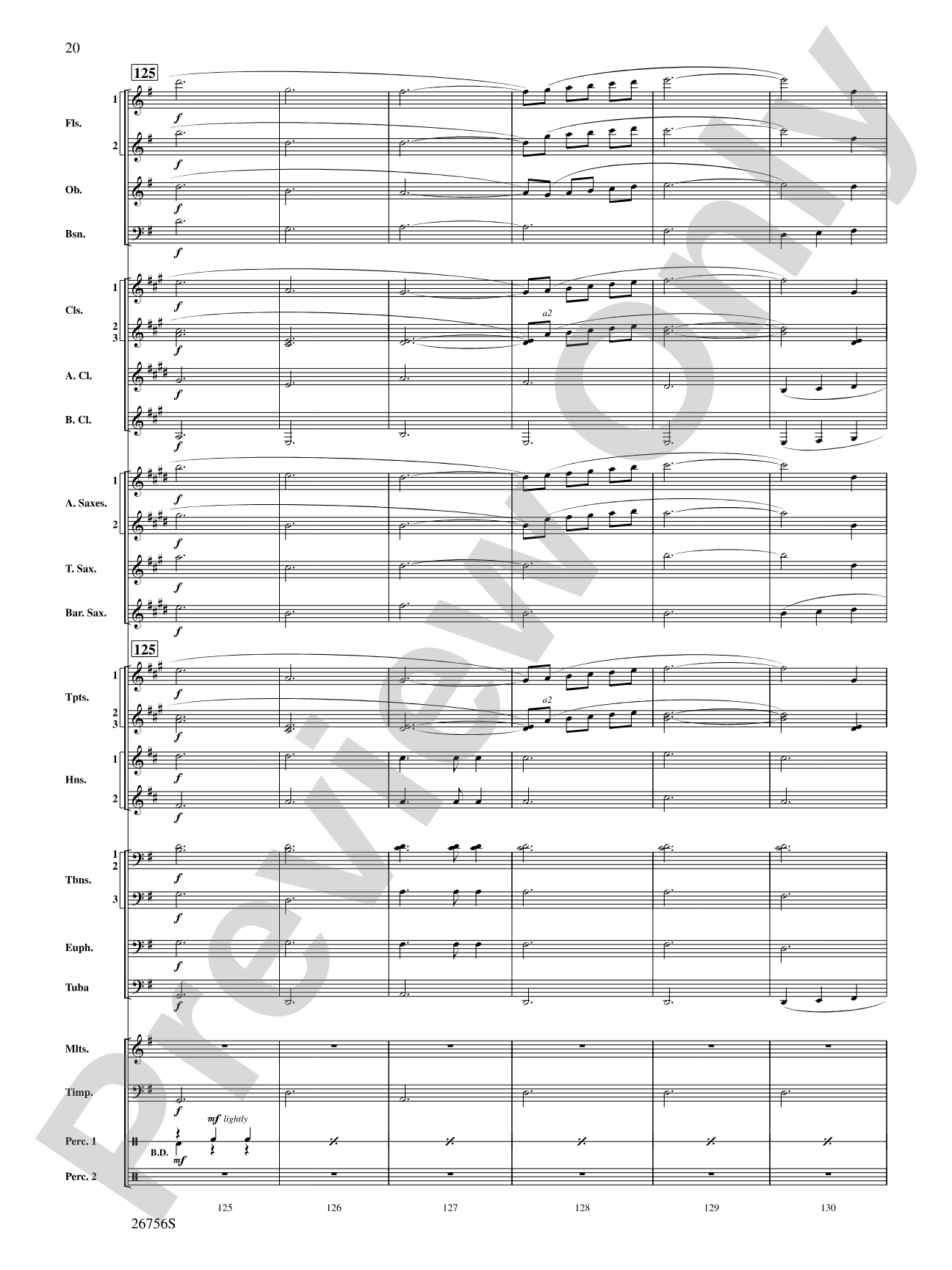
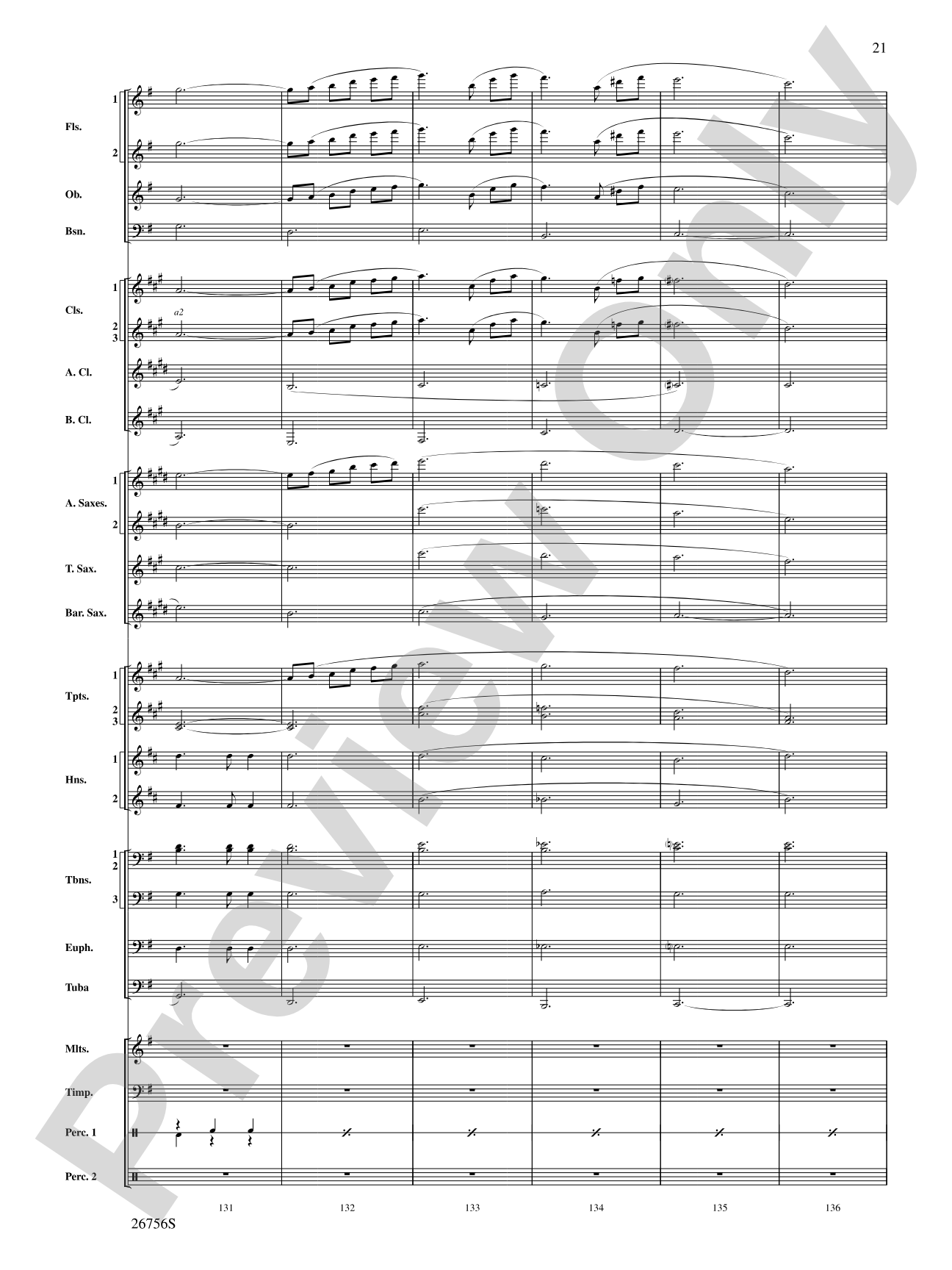
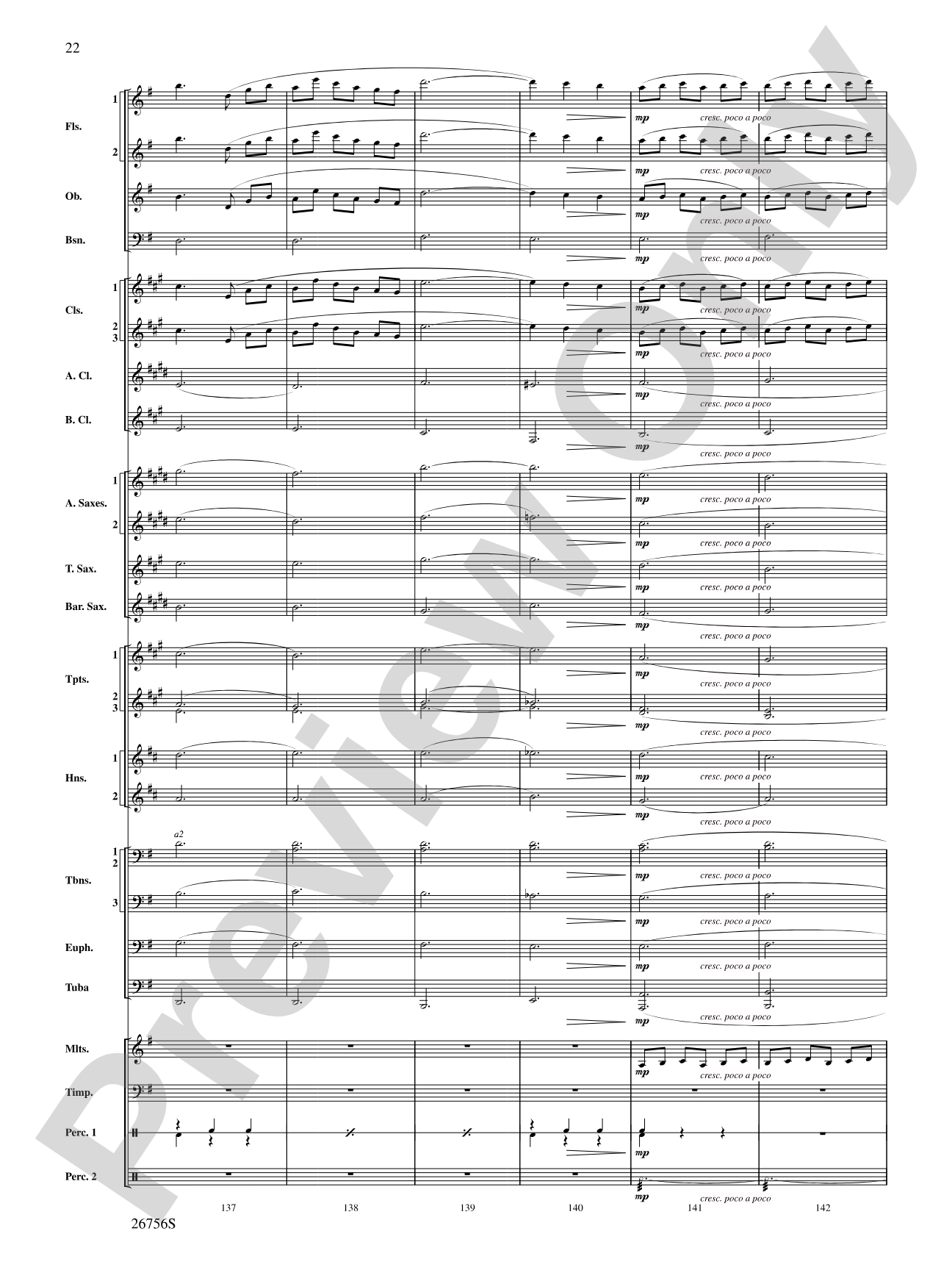
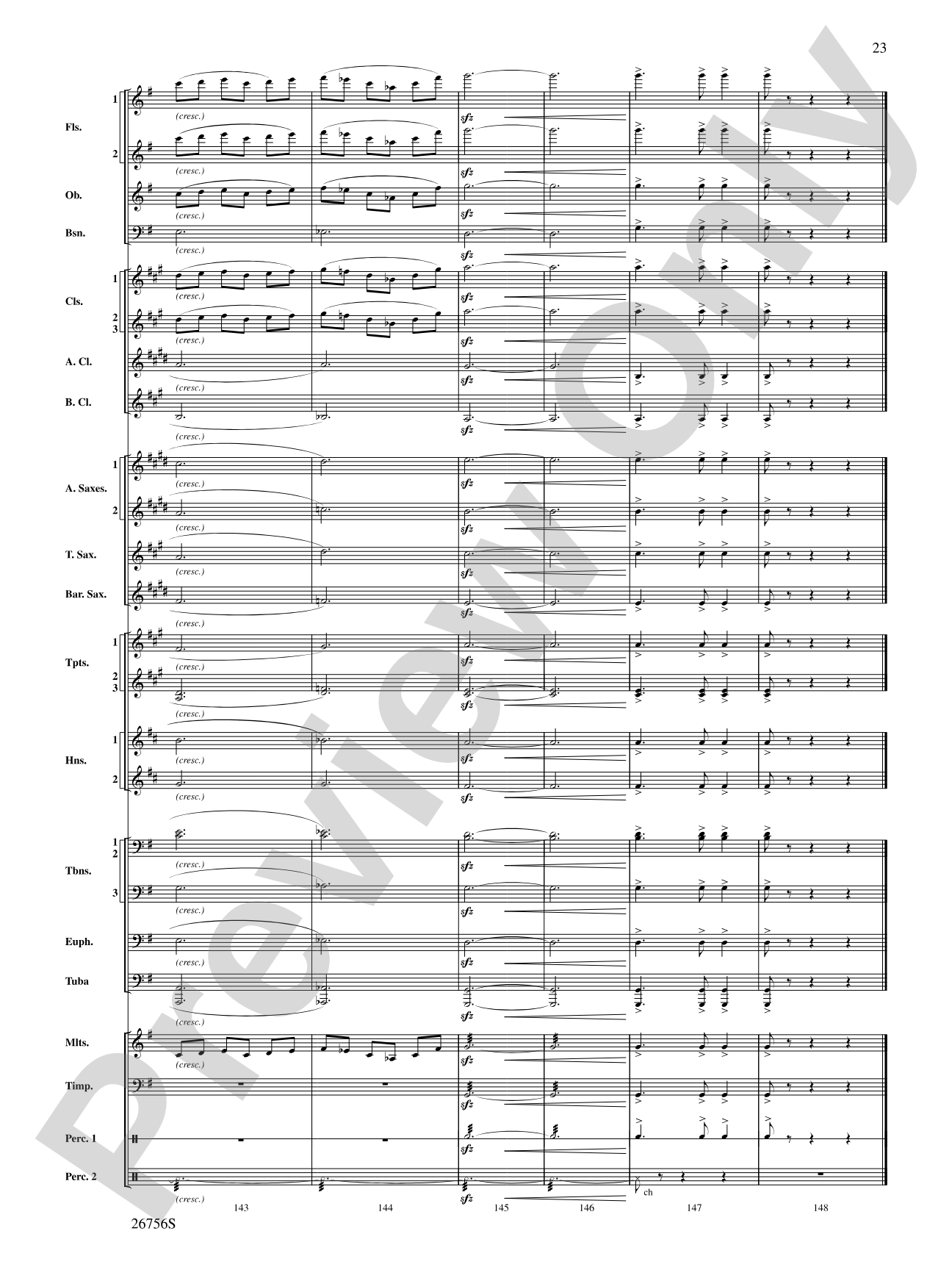


Mineola Waltz: Score
By John W. Hawd / arr. Carl Strommen
Grade: 3 (Medium Easy)
Item: 00-PR-0001201
$9.00
Pickup currently not available
Description
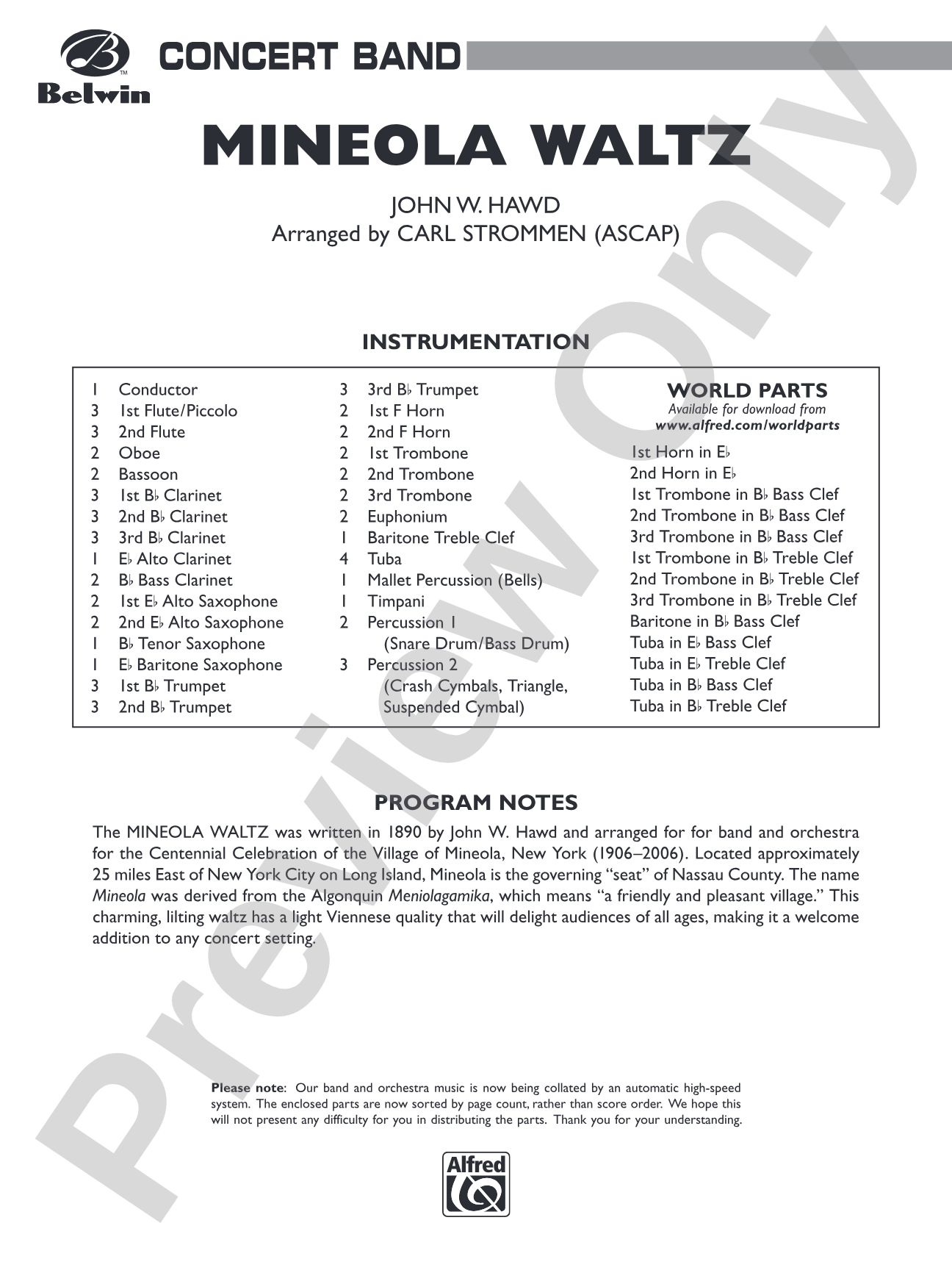
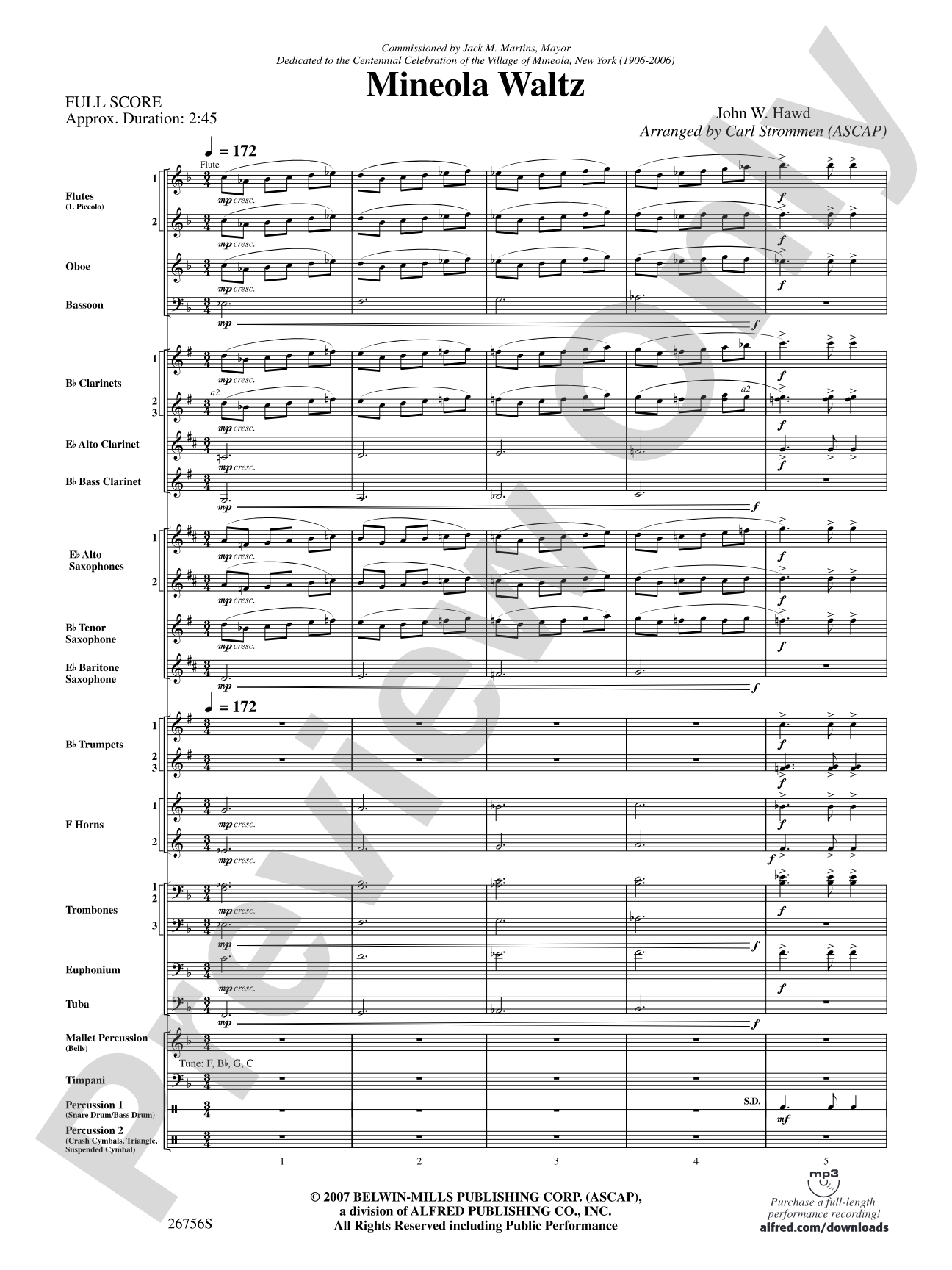
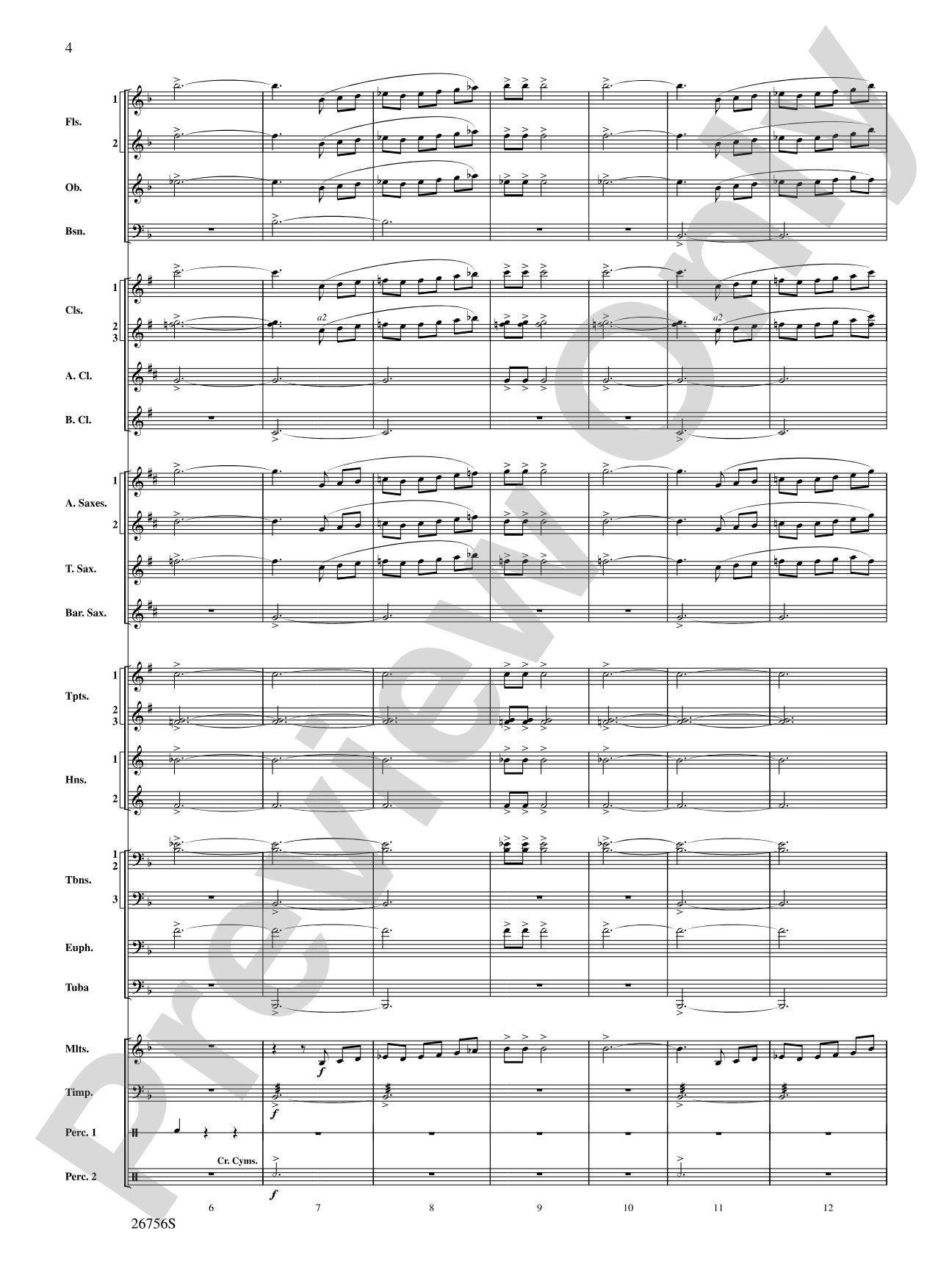
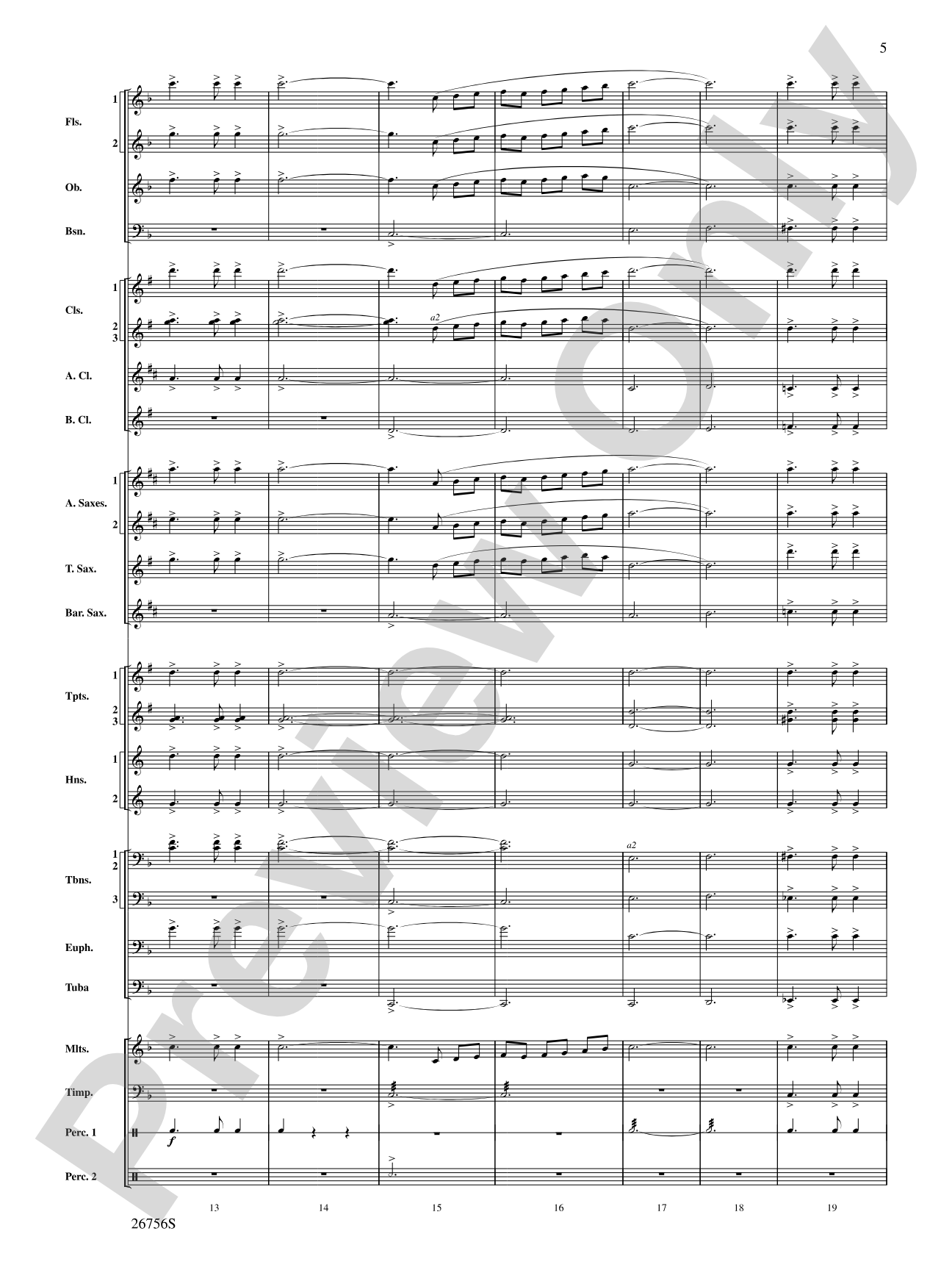
Originally composed in 1890 by John W. Hawd, this Carl Strommen arrangement was scored for the centennial celebration of the Village of Mineola. The Algonquin term Mineola literally means "a friendly and pleasant village." Mineola Waltz is a similarly pleasant work with a familiar-sounding melody and all of the flourish and panache of a distinctive waltz. This title is available in MakeMusic Cloud.


Don't just read it, hear it, play along with it, and watch your students grow with it. In MakeMusic Cloud, Mineola Waltz: Score comes alive with professional accompaniment, adjustable tempo, and built-in practice tools that turn solo practice into real progress.
Open in the Player
Jump straight in and assign it today.
Start Your Free Trial
Open this title and explore the full library in minutes.
Sample Audio
1
Audio File
--:--
0:00
0:00
Sample Video
No sample videos found.
Additional Details
Series:
Belwin Concert Band
Publisher:
Alfred Music
Page Count:
15
SKU:
00-PR-0001201
More about this title
Why we love this
Strommen's arrangement captures the essential charm of a piece steeped in local history without overwrought orchestration. At Grade 3, it sits in that sweet spot where musicians feel genuinely accomplished playing something with real melodic substance and waltz character. The familiar idiom makes it accessible for younger bands while the arrangement includes enough textural variety to keep experienced ensembles engaged.
What to expect
Mineola Waltz carries the genteel, flowing quality of Romantic-era social dance music. The melody unfolds with the kind of straightforward elegance that invites listeners in while the waltz rhythm gives the piece its natural dance-like momentum and charm.
Who it's for
Concert bands working at Grade 3 level who want to program a genuinely musical waltz with historical character. It suits bands building repertoire for spring or formal concert settings and those looking for pieces that engage audiences without requiring advanced technical facility.
How to get the most out of it
- Shape the primary melody with a clear, singing tone from your lead voices. The waltz's appeal hinges on the melody landing with warmth and poise rather than mechanical precision.
- Balance accompaniment figures carefully so they support without overpowering the line. In a Grade 3 band, this often means asking your lower brass and woodwinds to play with restraint.
- Maintain consistent, lilting waltz time throughout. Resist the temptation to rush; a relaxed three will let the familiar melody shine.
How to use it
Position this as a contrasting lighter work between heavier concert pieces or as part of a themed set exploring American musical history. It works particularly well in programs celebrating local heritage or pops-style concerts where audiences appreciate accessible, tuneful writing.
Skills your students will build
- Sustaining lyrical melodic lines with consistent tone
- Ensemble balance between melody and accompaniment
- Maintaining steady waltz meter (3/4) without rushing
- Shaping phrase contours in a diatonic harmonic context