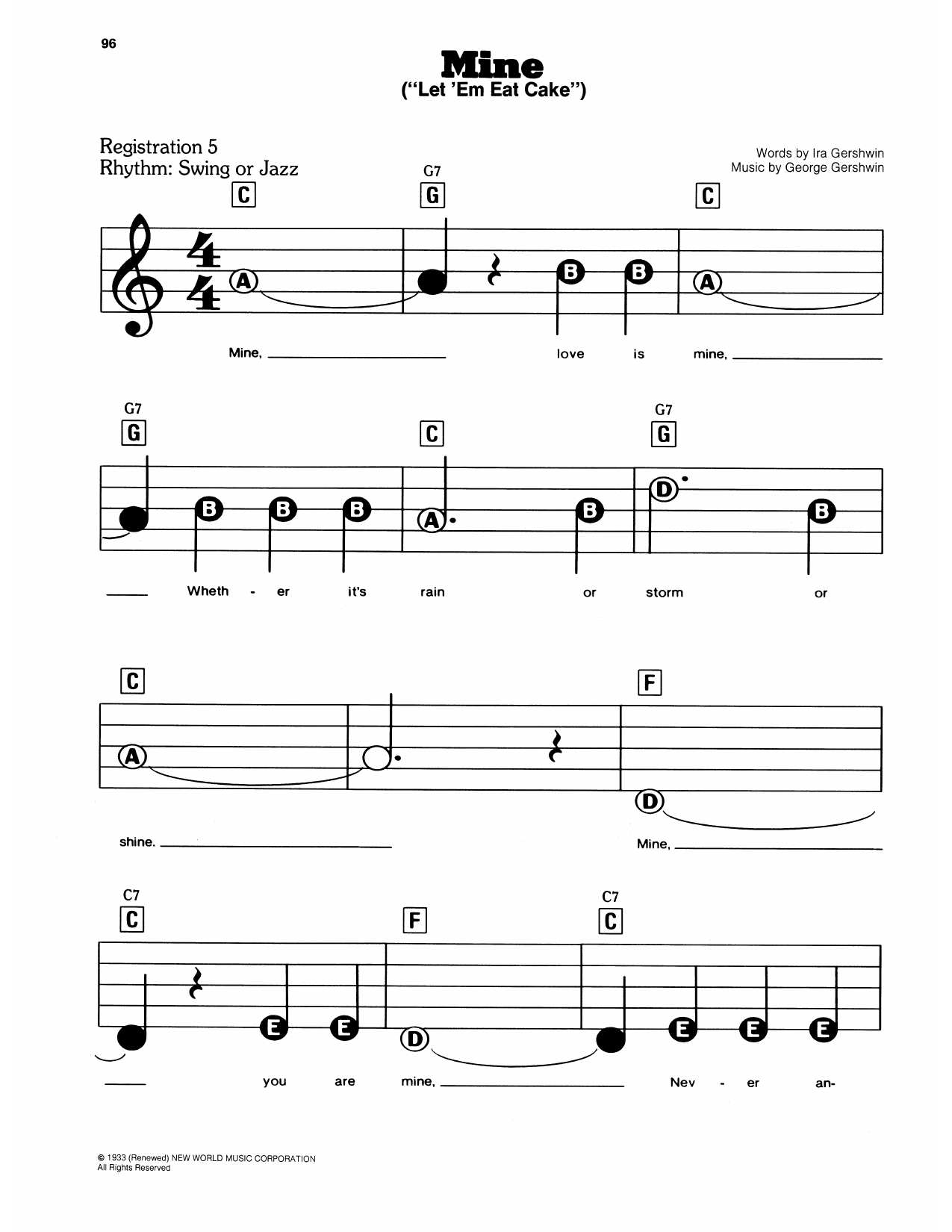
George Gershwin (1898–1937) revolutionized American music by synthesizing classical forms with jazz idiom and popular song. His theatrical works, including the 1933 film score for Manhattan, showcase his gift for melody and harmonic sophistication. Gershwin's legacy shaped how generations of musicians understand the relationship between concert music and vernacular American styles.
As an educator's resource, Gershwin's catalog offers students direct access to the compositional techniques that define twentieth-century American music. His work bridges ensemble repertoire and solo study, making him essential for programs that value cultural literacy alongside technical development.