

Millipede Madness: String Orchestra Conductor Score & Parts
By Lauren Bernofsky
Grade: 1
Item: 98-DST6351

$40.00
Pickup currently not available
Buy Extra Parts (Digital PDF Download)
| Product | Price | Quantity |
|---|---|---|
| Millipede Madness: Score | $5.00 | |
| Millipede Madness: Violin 1 | $7.00 | |
| Millipede Madness: Violin 2 (Viola T.C.) | $7.00 | |
| Millipede Madness: Viola | $7.00 | |
| Millipede Madness: Violoncello | $7.00 | |
| Millipede Madness: Double Bass | $7.00 | |
| Millipede Madness: Piano | $7.00 |
Parts Added to Cart!
Description
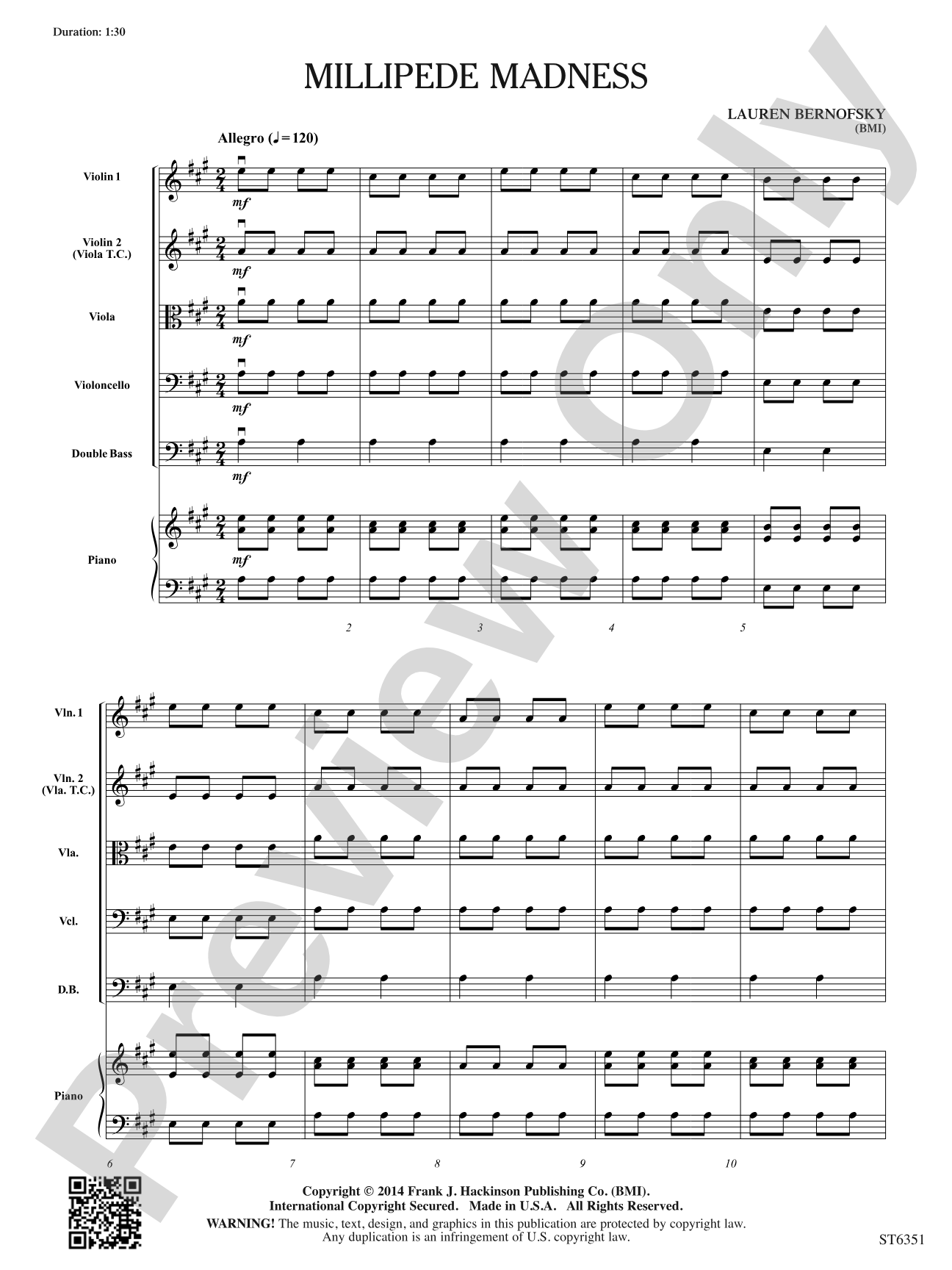
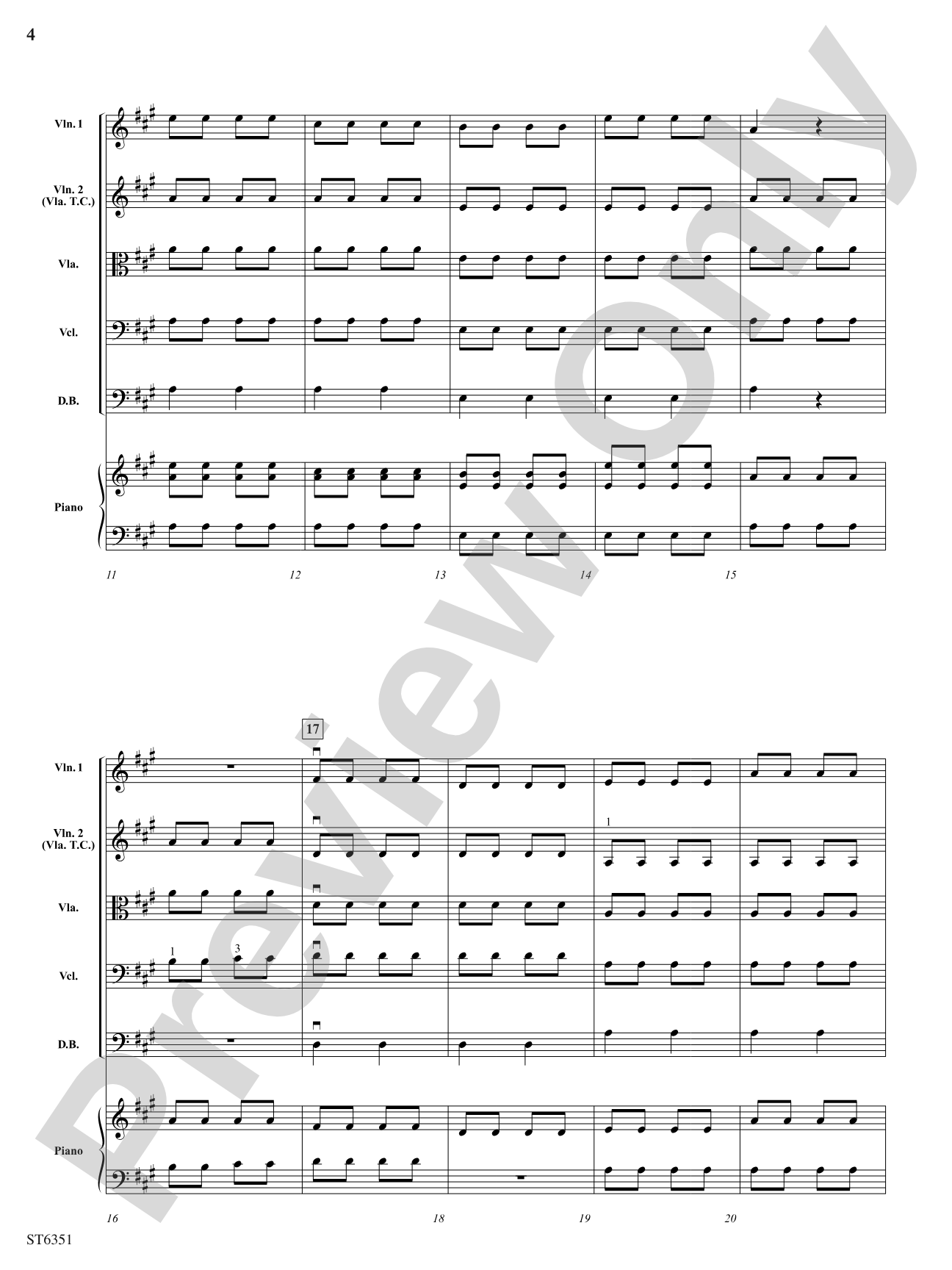
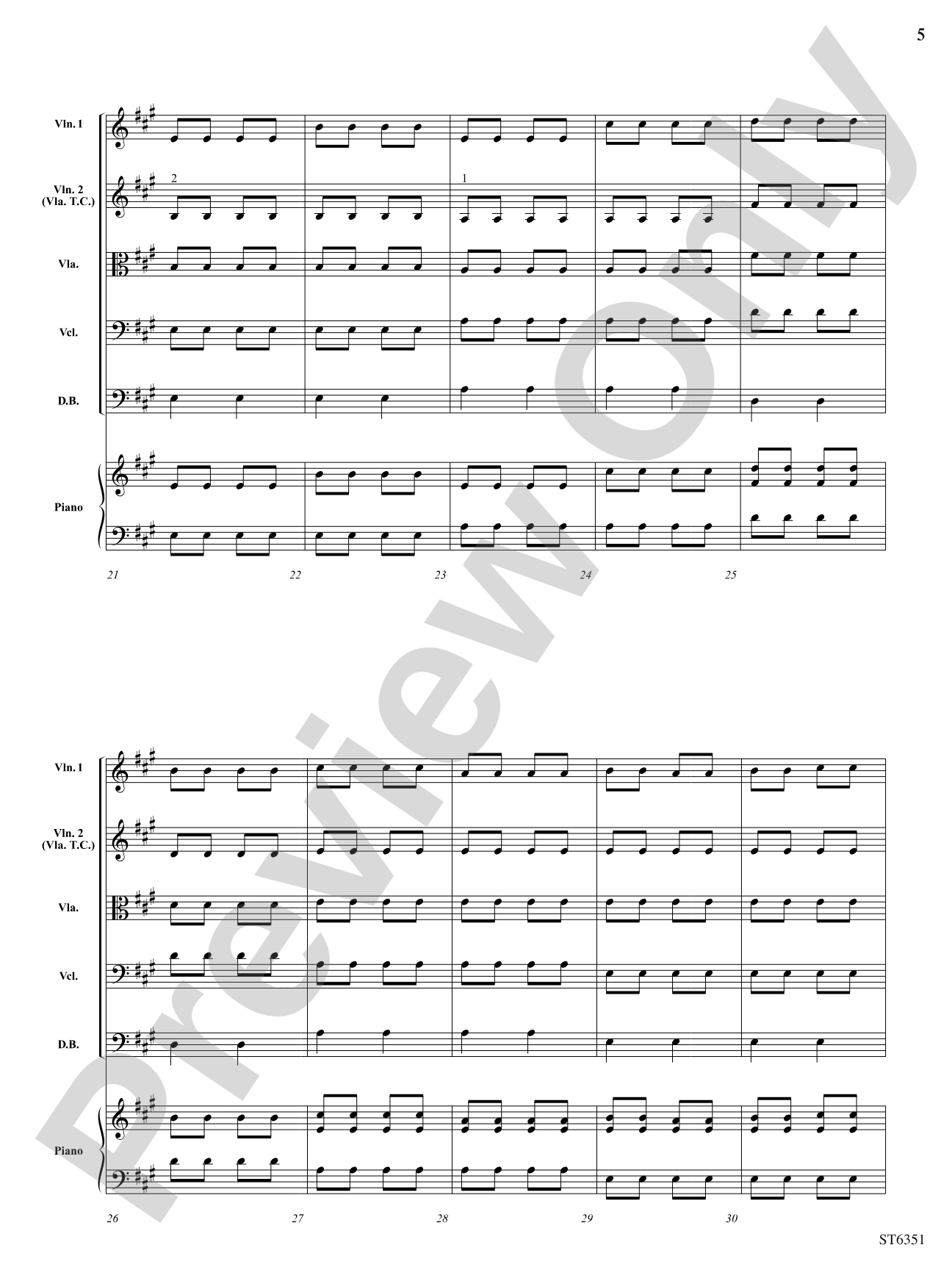
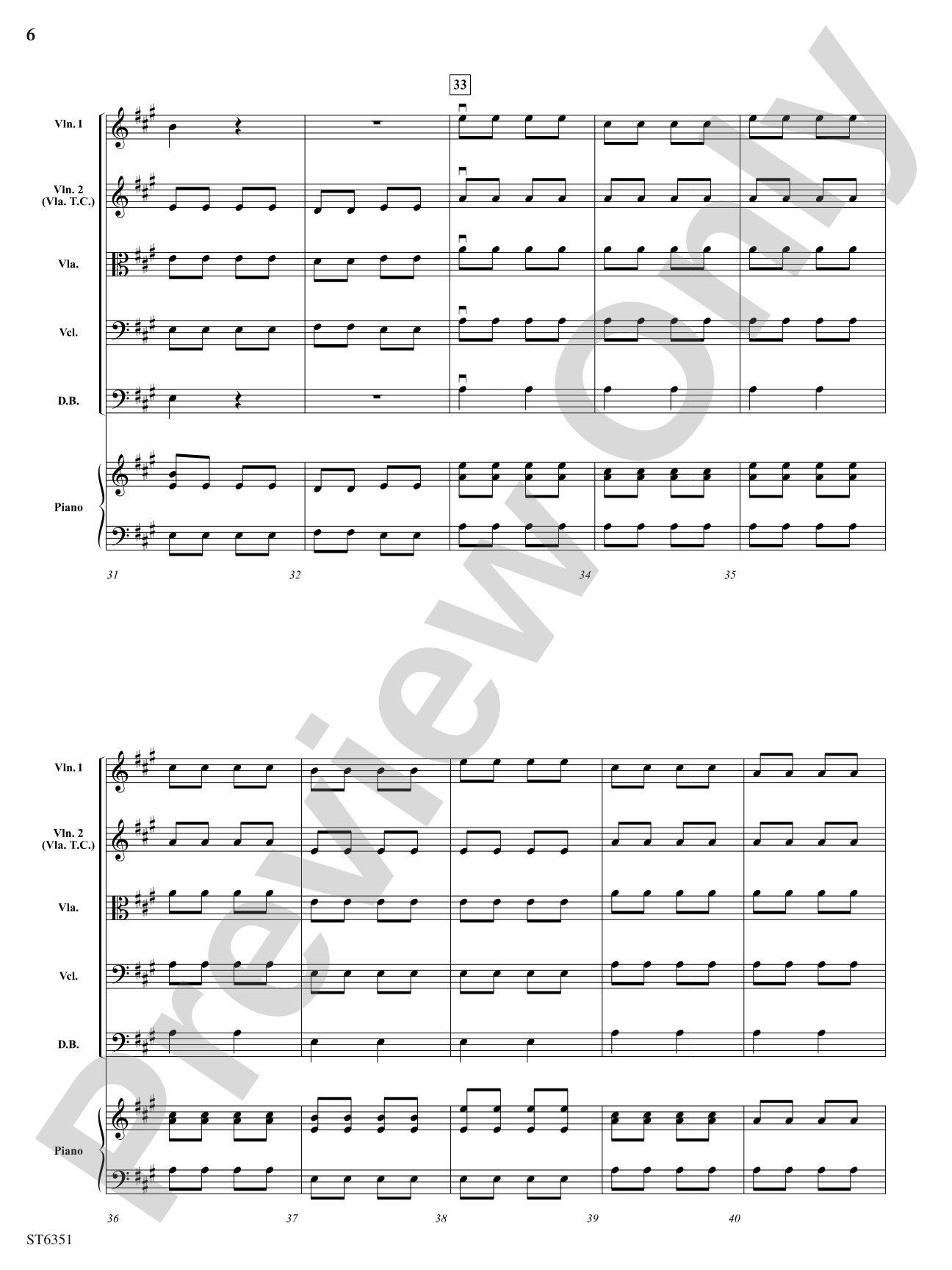
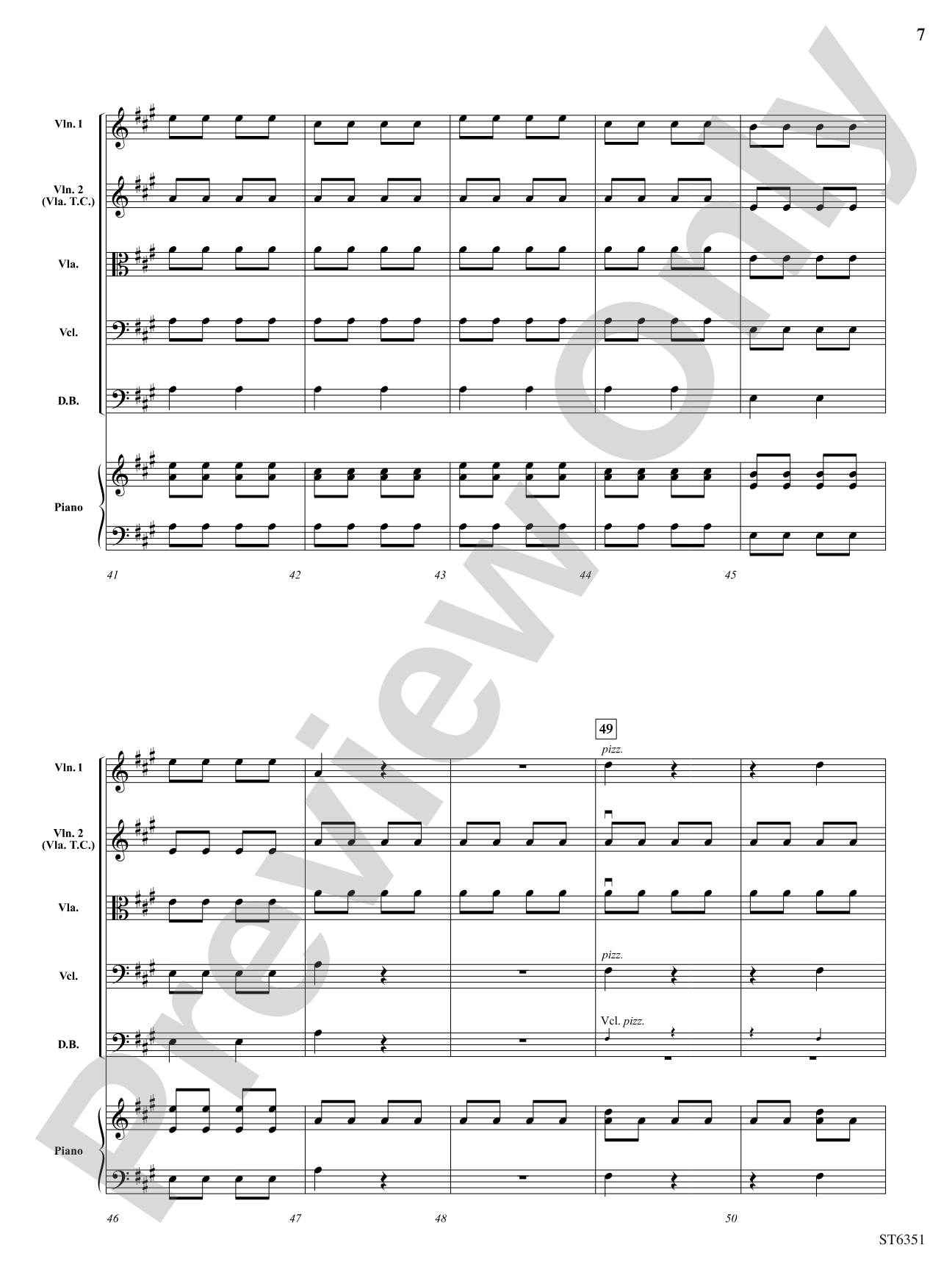
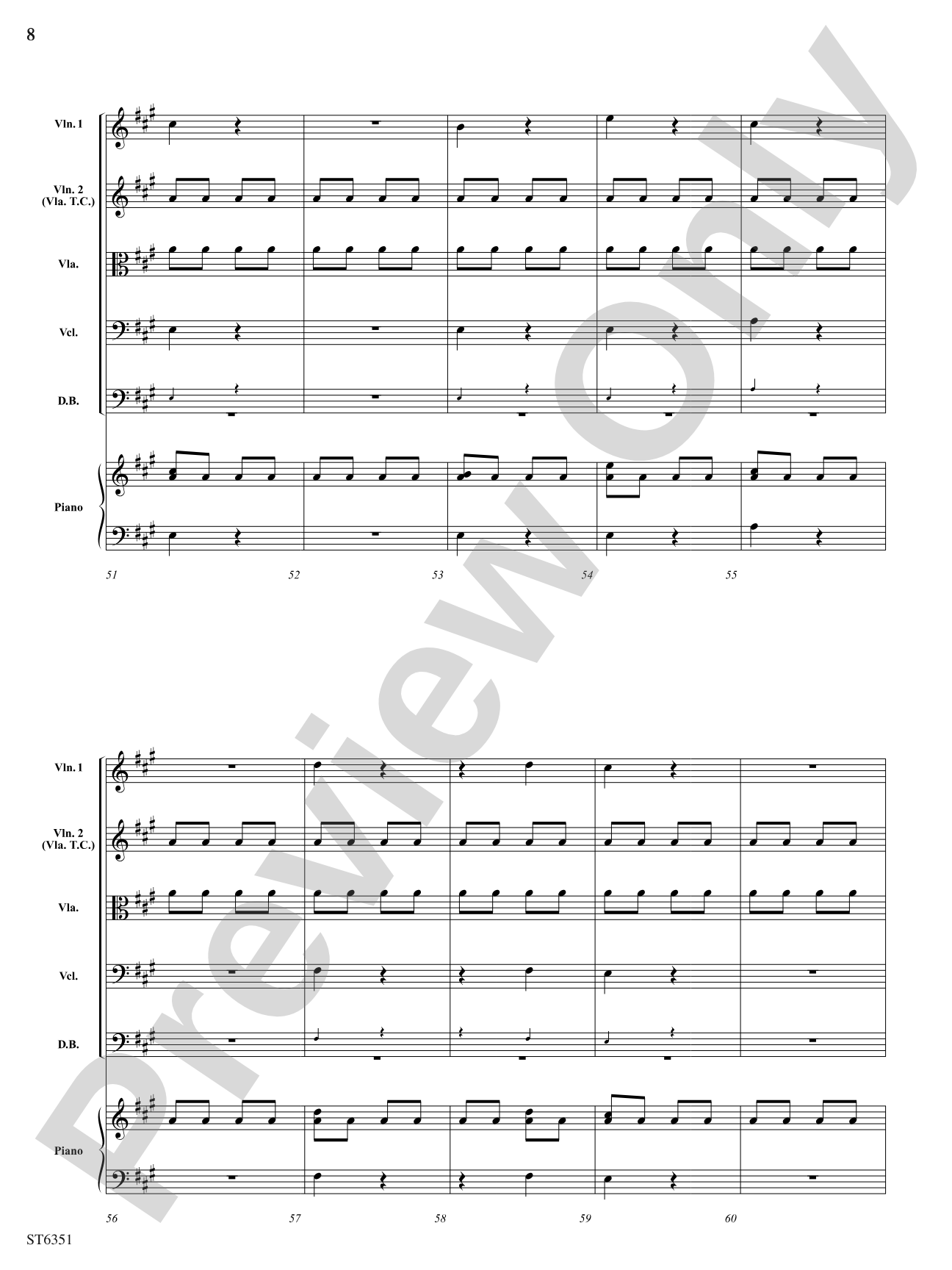
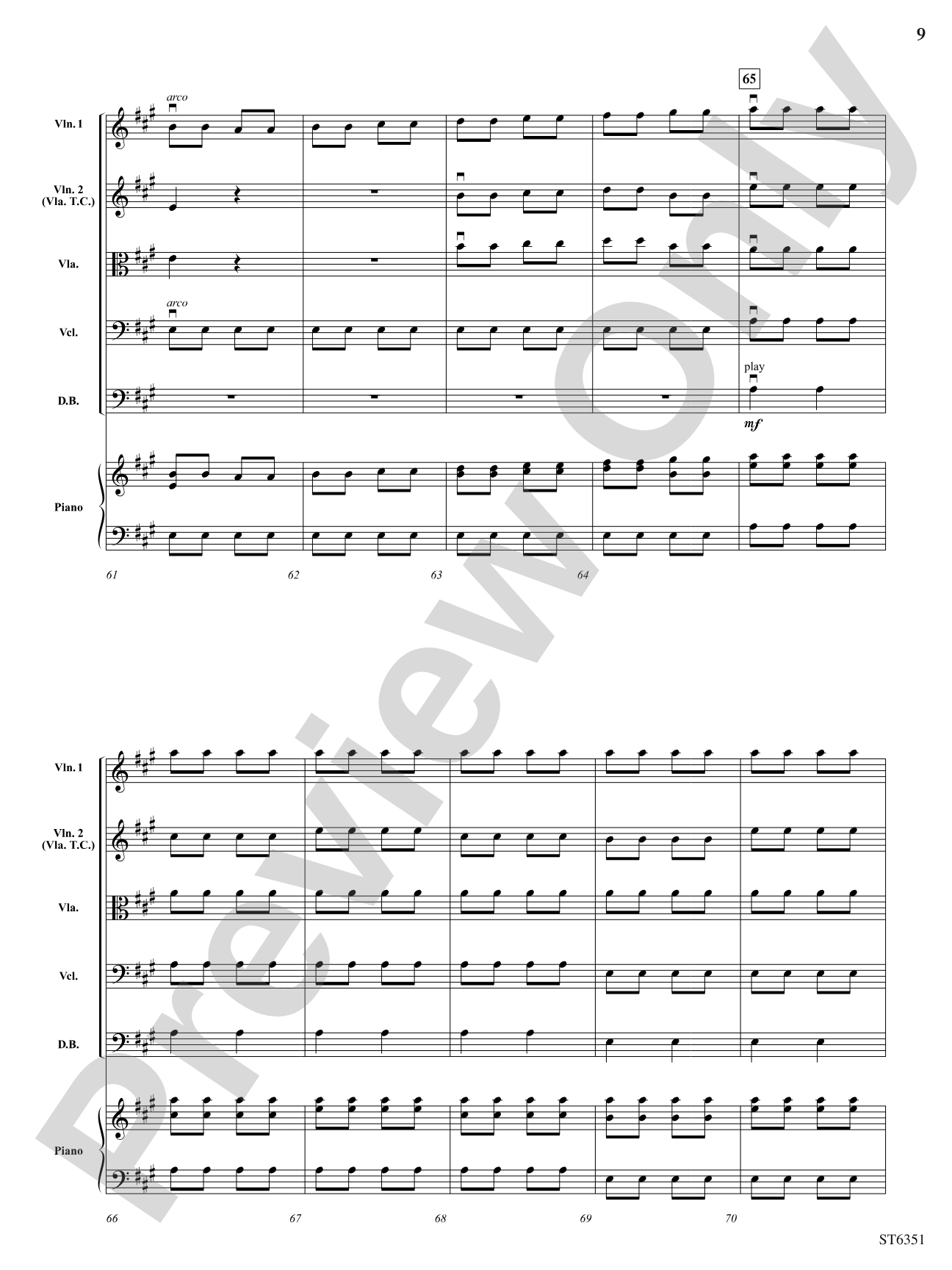
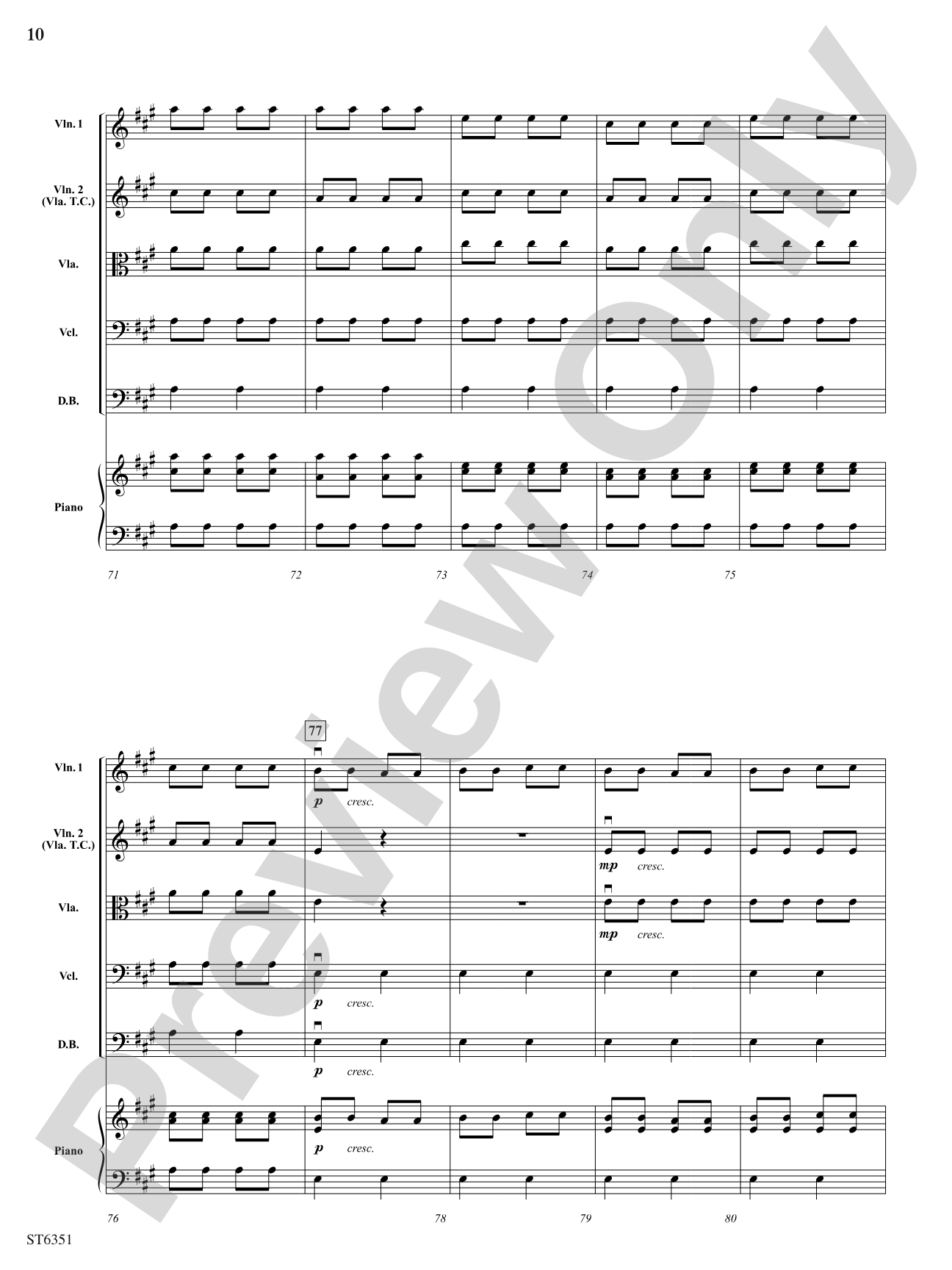
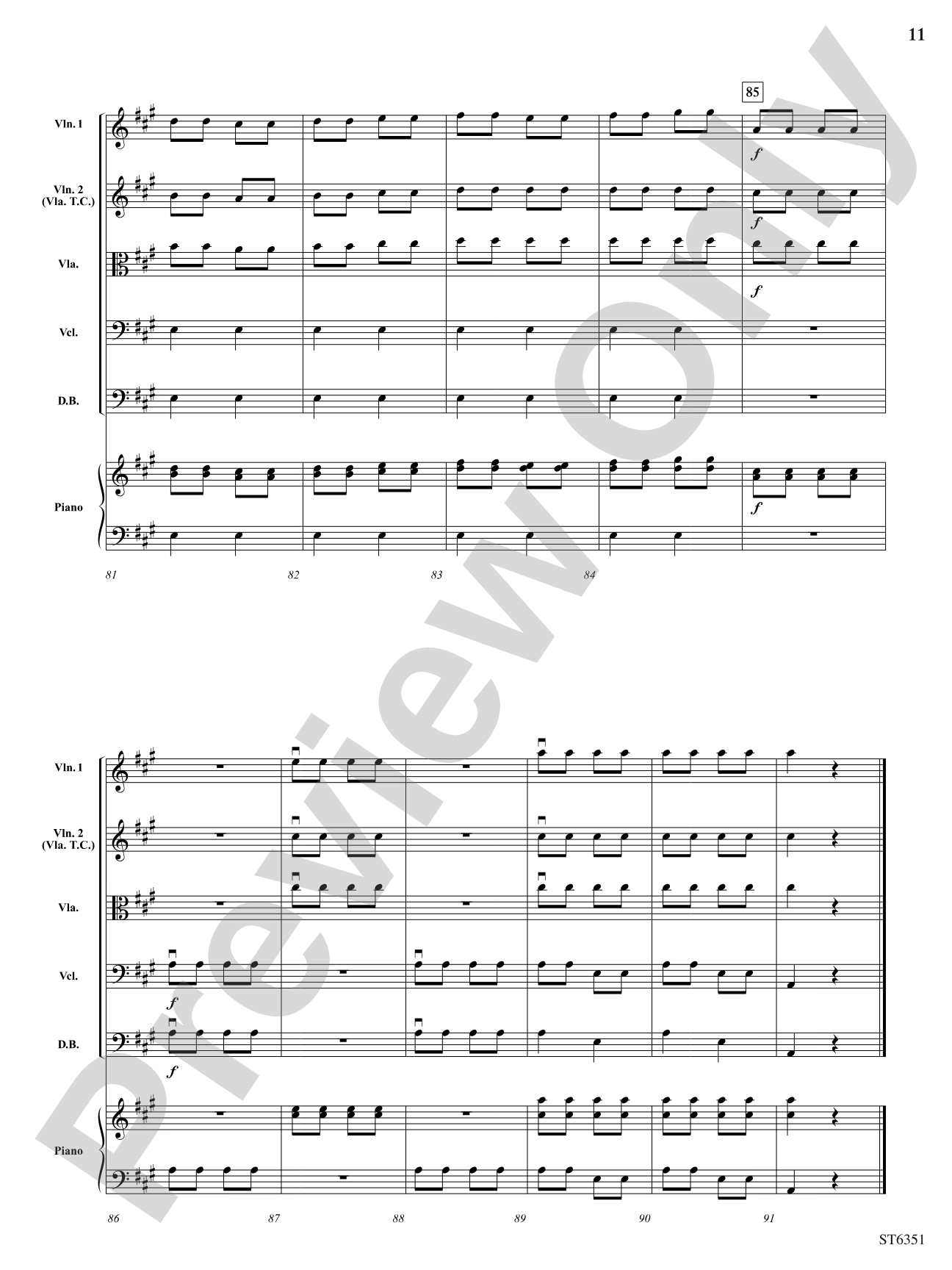
The nonstop movement of a millipede takes center stage in this piece that focuses on eighth notes and bow arm technique. Using simple finger patterns, this piece shares a humorous take on the misunderstood millipede and is sure to be a favorite of your beginners. Impressive, fun, and very millipede-istic!


Don't just read it, hear it, play along with it, and watch your students grow with it. In MakeMusic Cloud, Millipede Madness: String Orchestra Conductor Score & Parts comes alive with professional accompaniment, adjustable tempo, and built-in practice tools that turn solo practice into real progress.
Open in the Player
Jump straight in and assign it today.
Start Your Free Trial
Open this title and explore the full library in minutes.
Sample Audio
1
Audio File
--:--
0:00
0:00
Sample Video
No sample videos found.
Additional Details
Series:
FJH Beginning Strings
Publisher:
The FJH Music Company, Inc.
SKU:
98-DST6351
More about this title
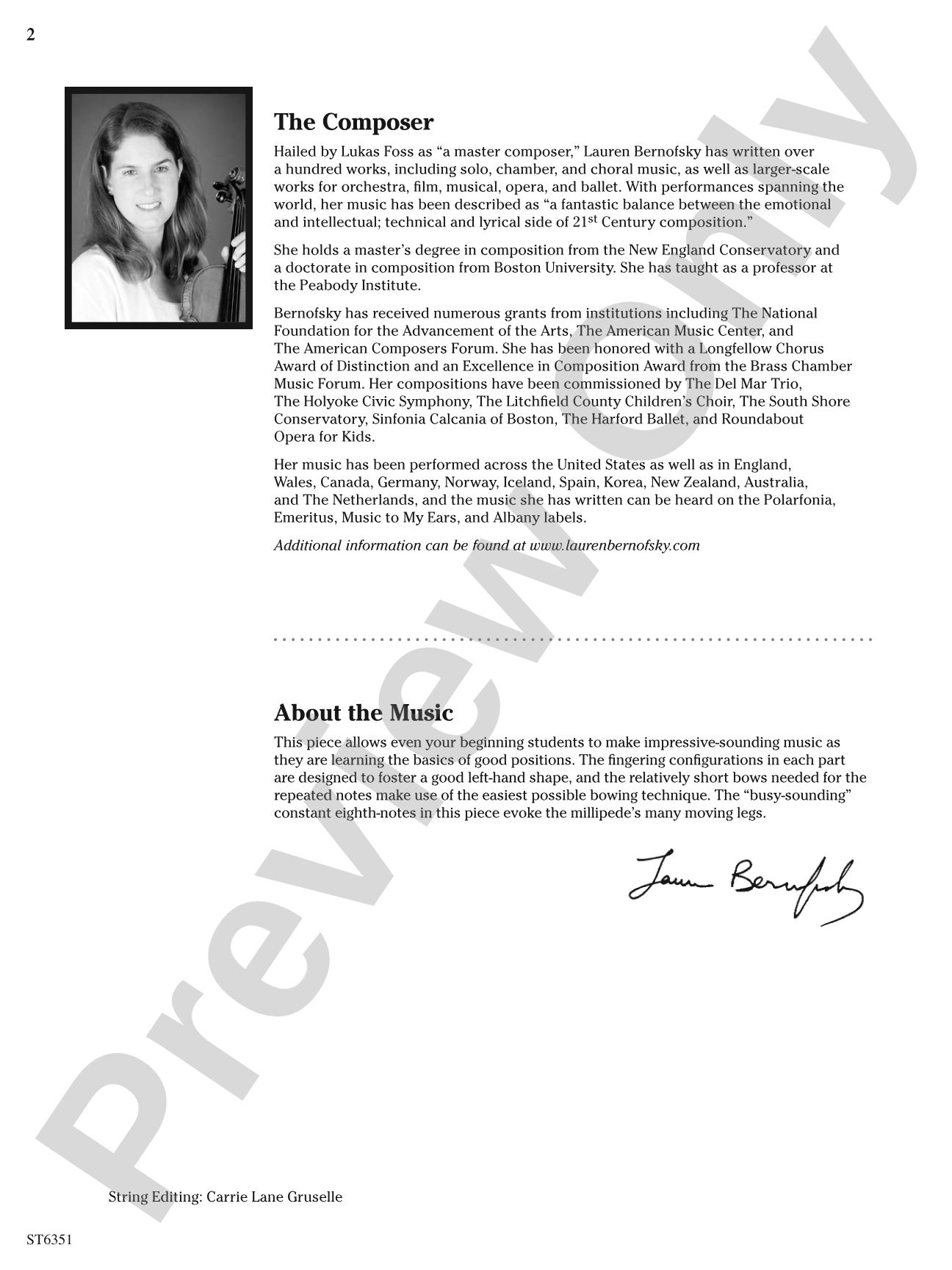
About the Composer: Lauren Bernofsky

Lauren Bernofsky has composed more than a hundred works across solo, chamber, orchestral, operatic, and ballet genres. Her music draws consistent praise for its blend of emotional depth and intellectual rigor, balancing technical demands with lyrical expression. She has received commissions from orchestras, chamber ensembles, and dance companies throughout North America, and her compositions have won recognition including the National Flute Association's Newly Published Music Competition and the Opera Puppets Award at Boston Metro Opera.
Bernofsky holds degrees from The Hartt School, New England Conservatory, and Boston University, and has taught at the Peabody Institute and Interlochen Center for the Arts. Her work Prayer of Shantideva won the Dalai Lama Composition Contest and was premiered at a prayer service in his honor. Lukas Foss called her "a master composer," and her compositions have been featured on PBS and in academic journals devoted to contemporary music.
Why we love this
Bernofsky captures the relentless energy of an insect in motion while keeping the technical demands entirely appropriate for first-year players. The piece marries a genuinely funny concept with legitimate pedagogical purpose: eighth-note patterns and bow control get the practice they need, but the subject matter and character make students eager to play it again and again.
What to expect
Relentless, quirky motion. The endless parade of eighth notes creates the unmistakable image of dozens of legs scurrying across the stage. The novelty hook is genuinely charming rather than saccharine, and the musical energy keeps the piece from feeling like a children's exercise.
Who it's for
Beginning string orchestras in grades 1-2 who need repertoire that builds solid bow technique without requiring shift work or extended positions. This piece works equally well for young musicians just establishing confidence and for teachers looking for an entertaining opener or closer that doesn't demand advanced skills.
How to get the most out of it
- Keep the eighth notes crisp and even by establishing a steady bow rhythm early in rehearsal; anchor the tempo through the conductor's beat, not the students' anticipation of when notes should land.
- Let the humor emerge from rhythmic precision rather than exaggeration. A tight, confident ensemble delivers the comedic effect far better than rushed or sloppy execution.
- Encourage consistent bow pressure during sustained accompaniment lines so soloists or melody voices remain clearly audible throughout the constant rhythmic motion.
- Use the piece as an opportunity to reinforce proper bow arm technique: open bow holds, controlled weight distribution, and the specific angle needed for clean articulation at this grade level.
How to use it
Program this early in a concert to energize your audience and establish your ensemble's rhythmic precision. It pairs well with contrasting lyrical selections and serves as an ideal opener for a family concert or school assembly where engaging younger listeners matters.
Skills your students will build
- Sustained eighth-note articulation and bow control
- Consistent rhythmic accuracy in repeated patterns
- Proper bow arm technique at basic dynamic levels
- Listening for balance between rhythmic accompaniment and primary melodic voices