
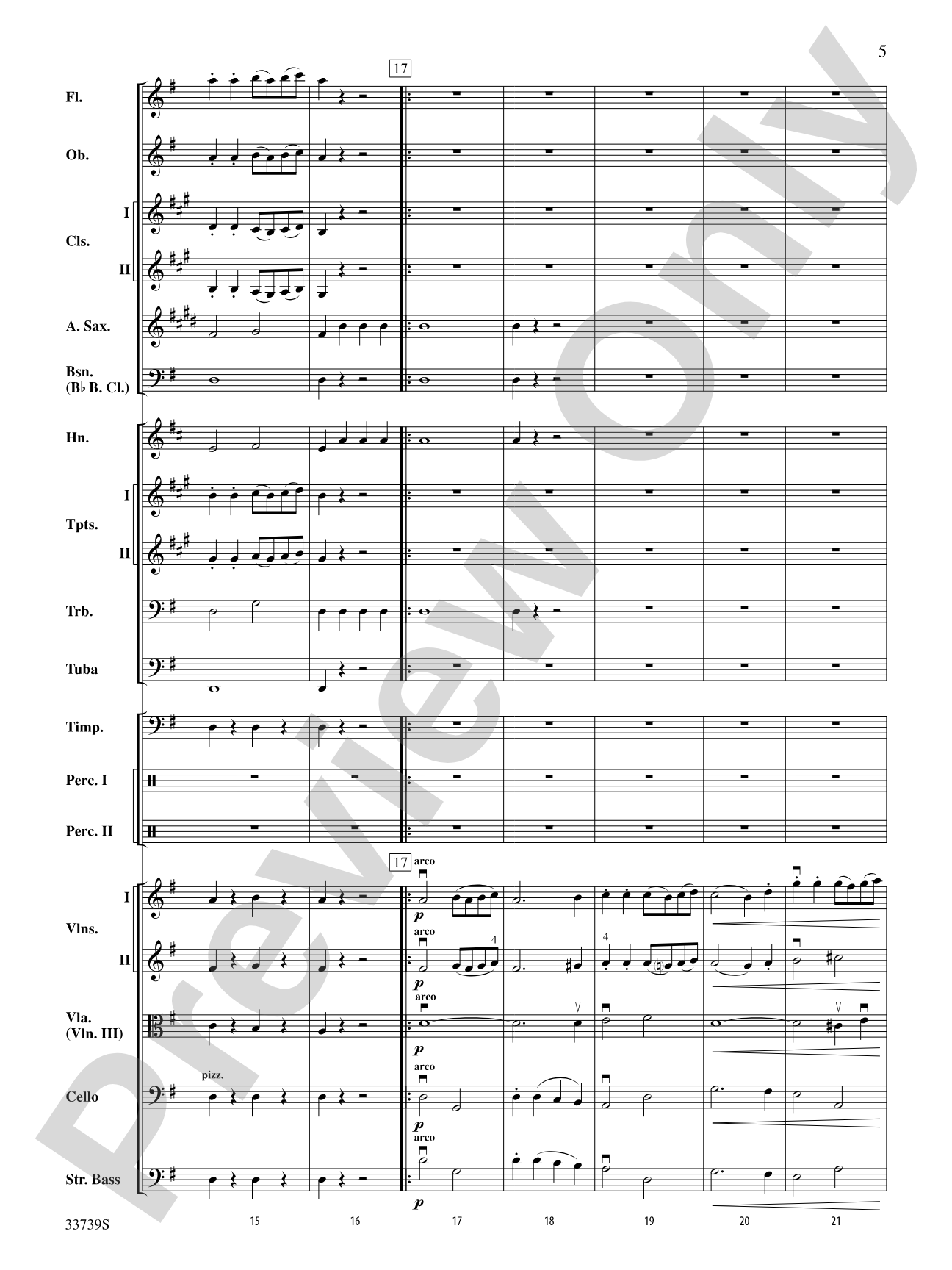
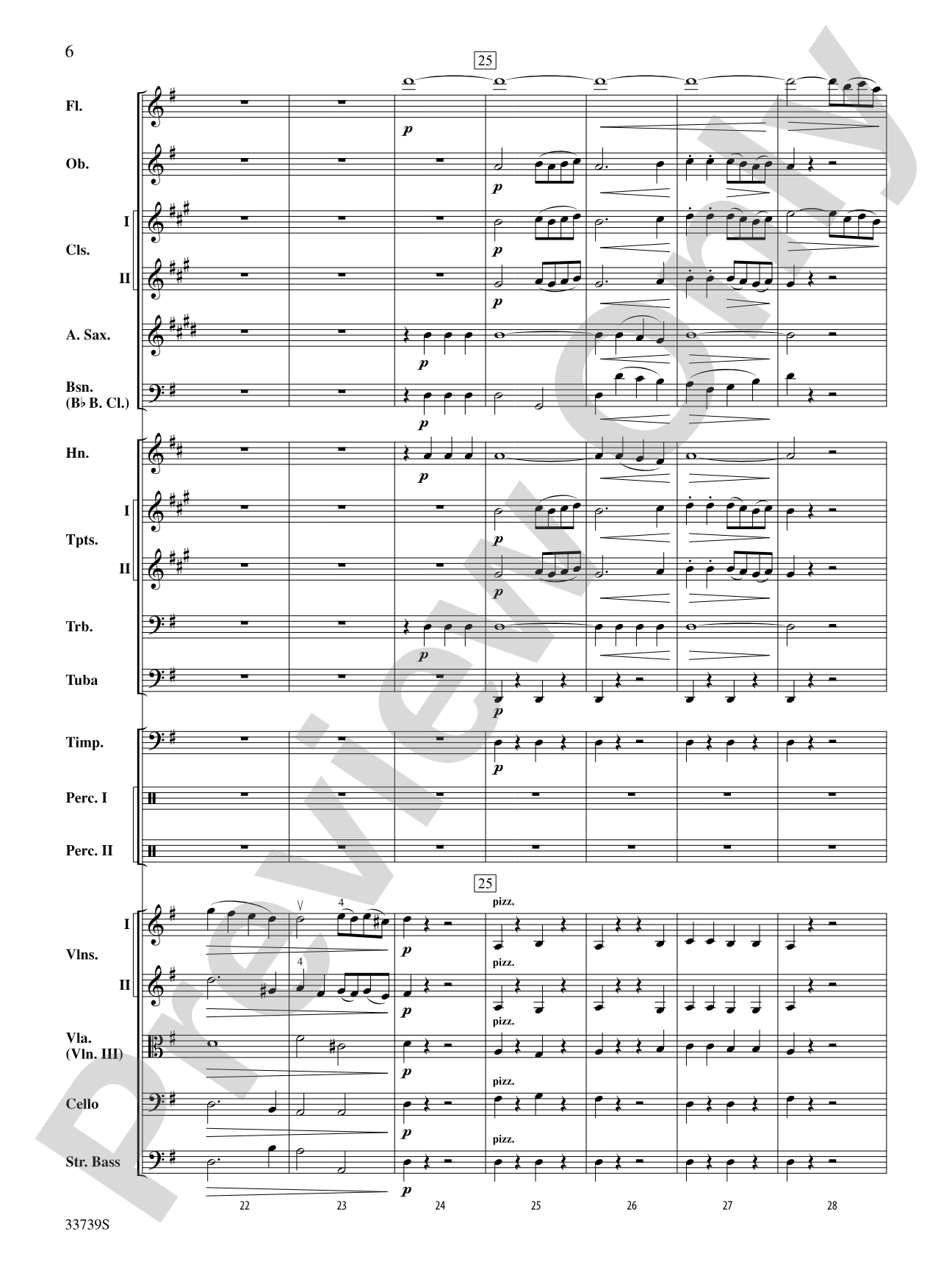
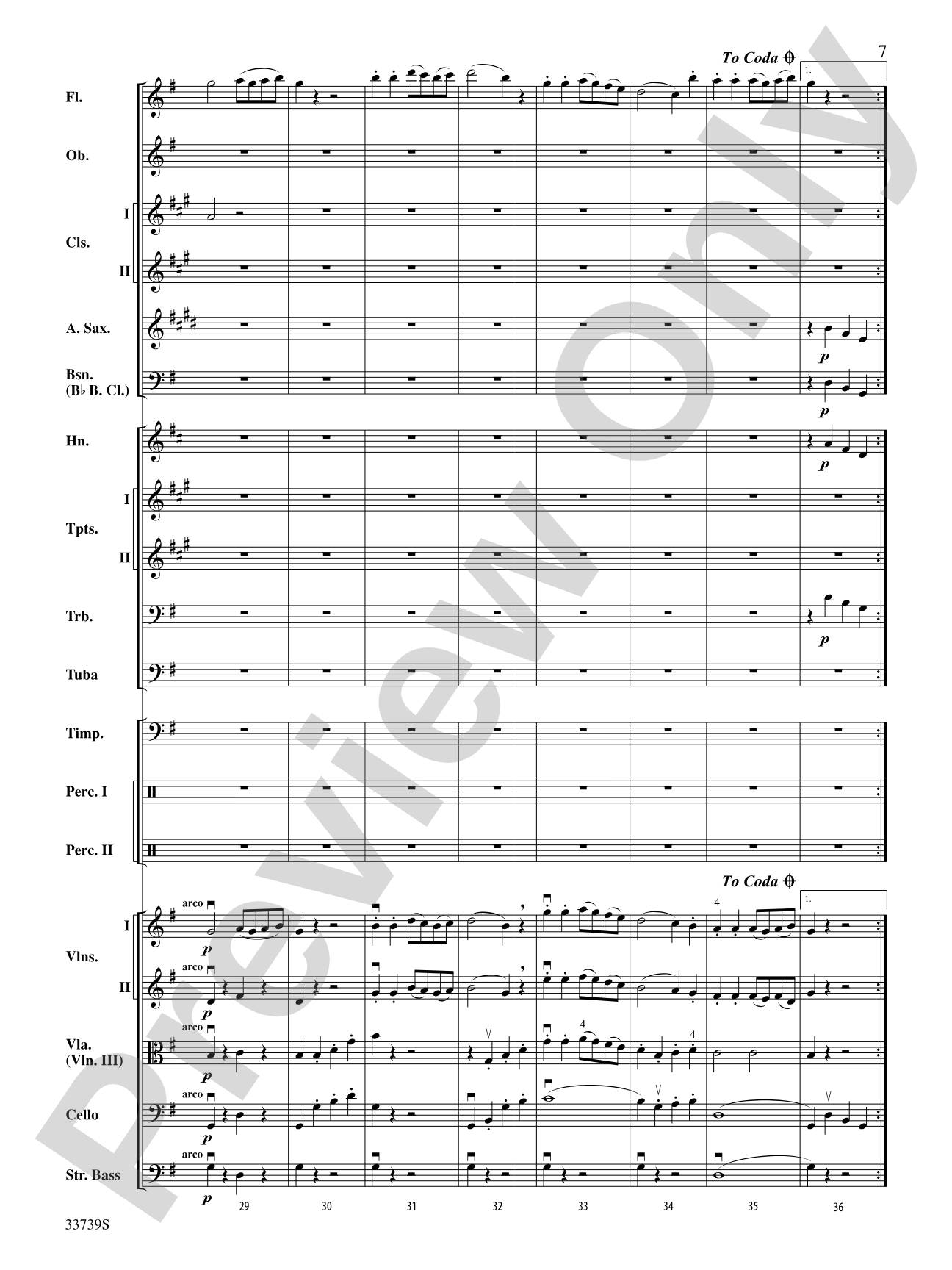
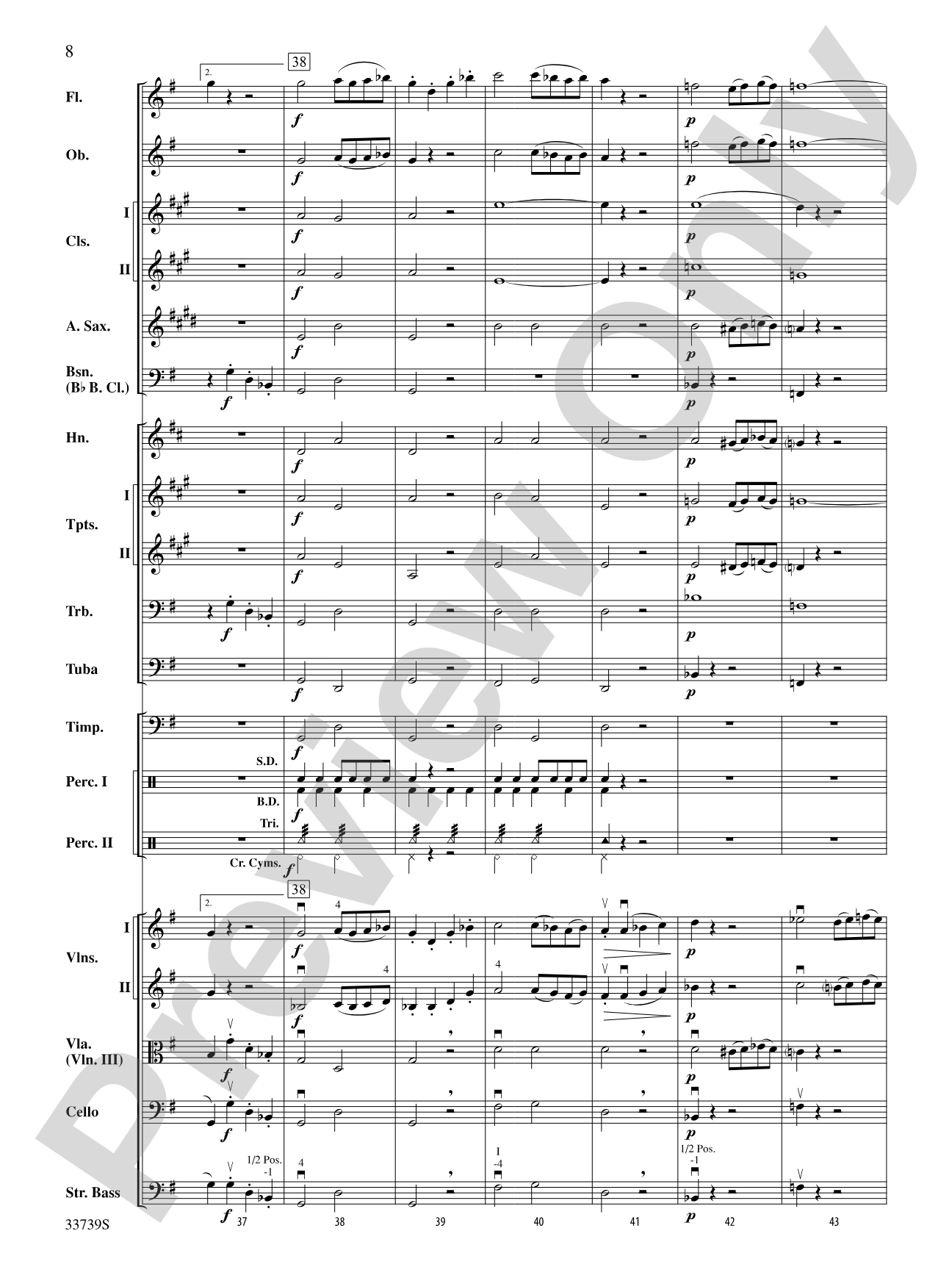
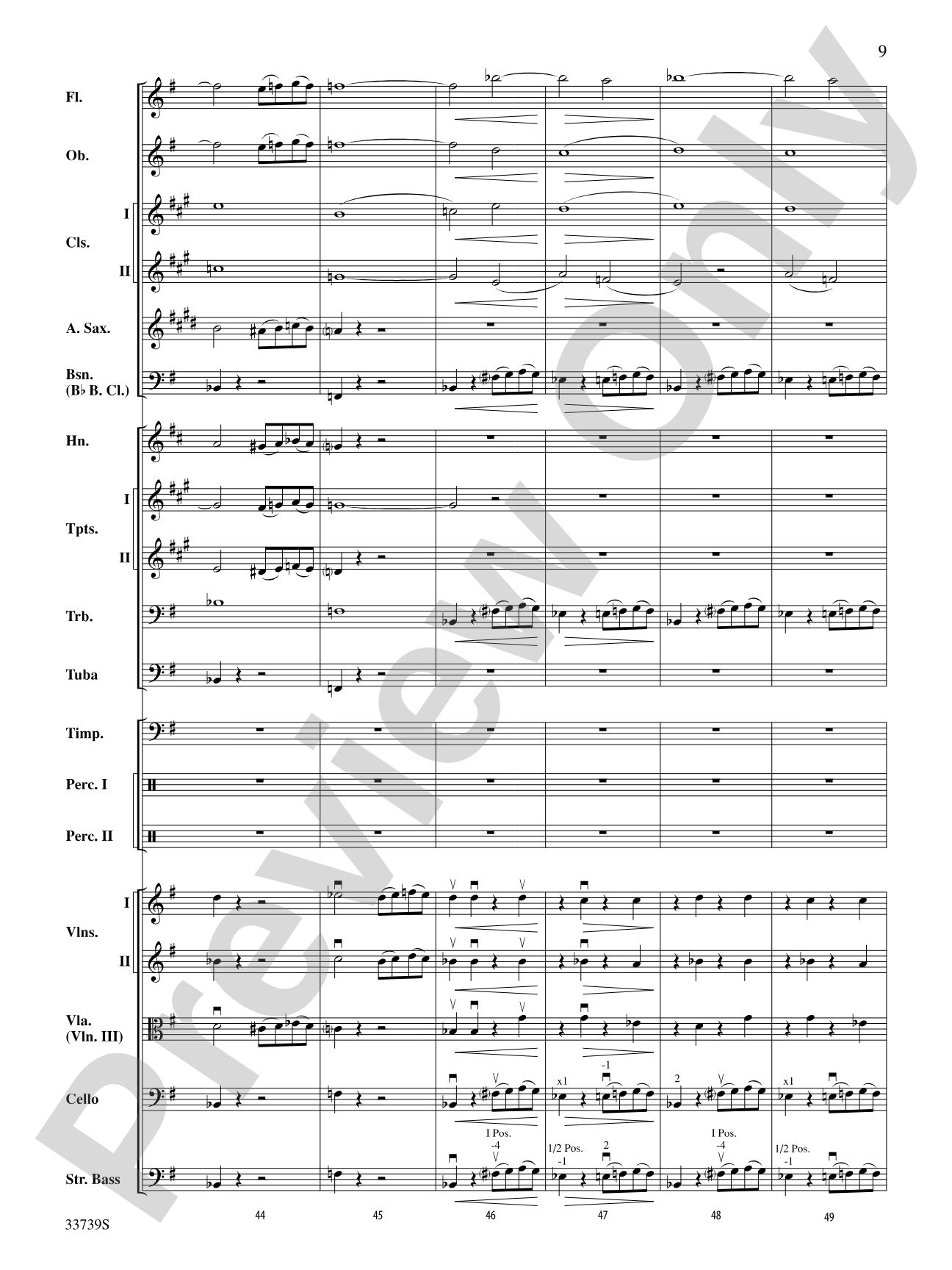
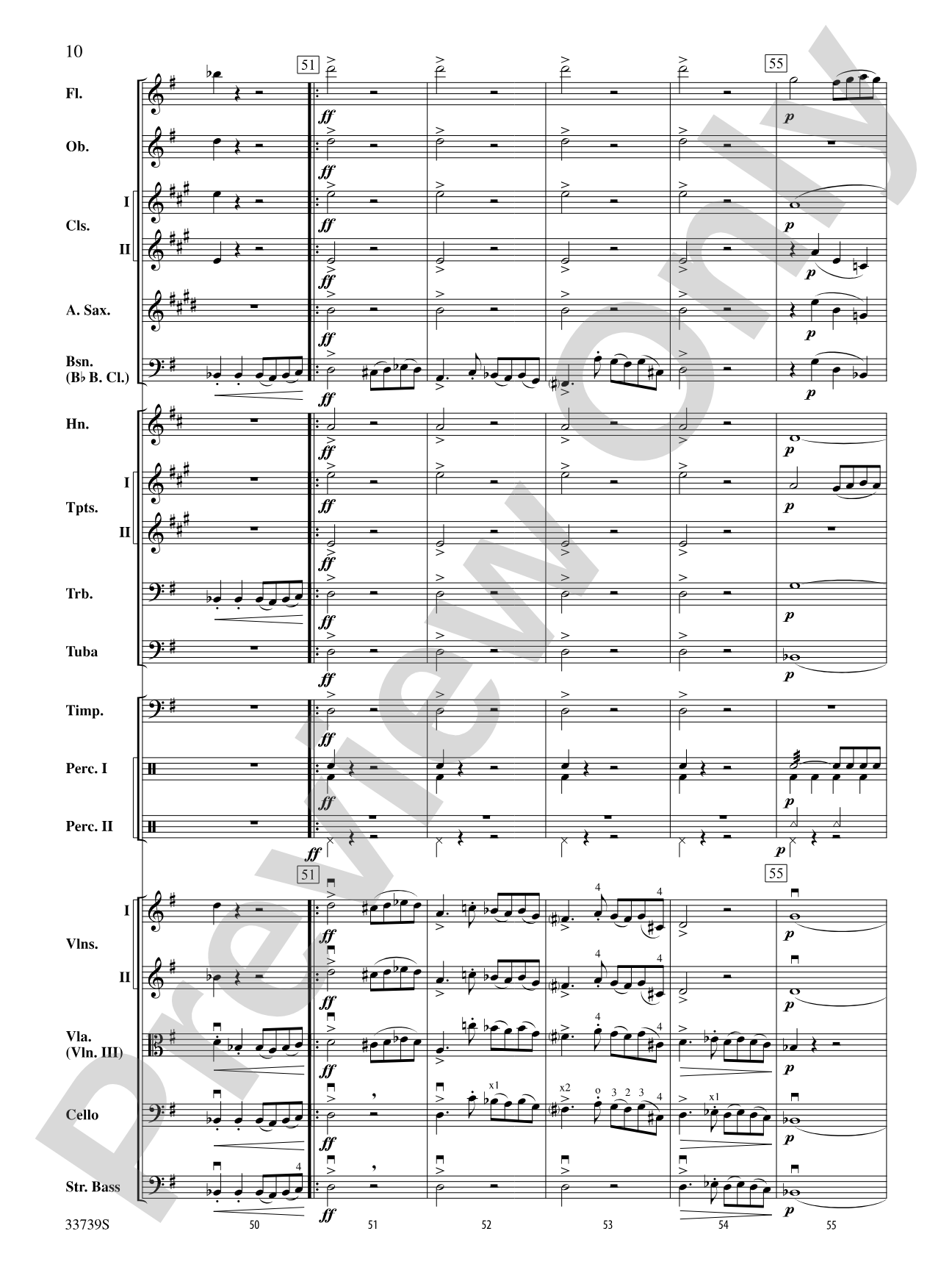
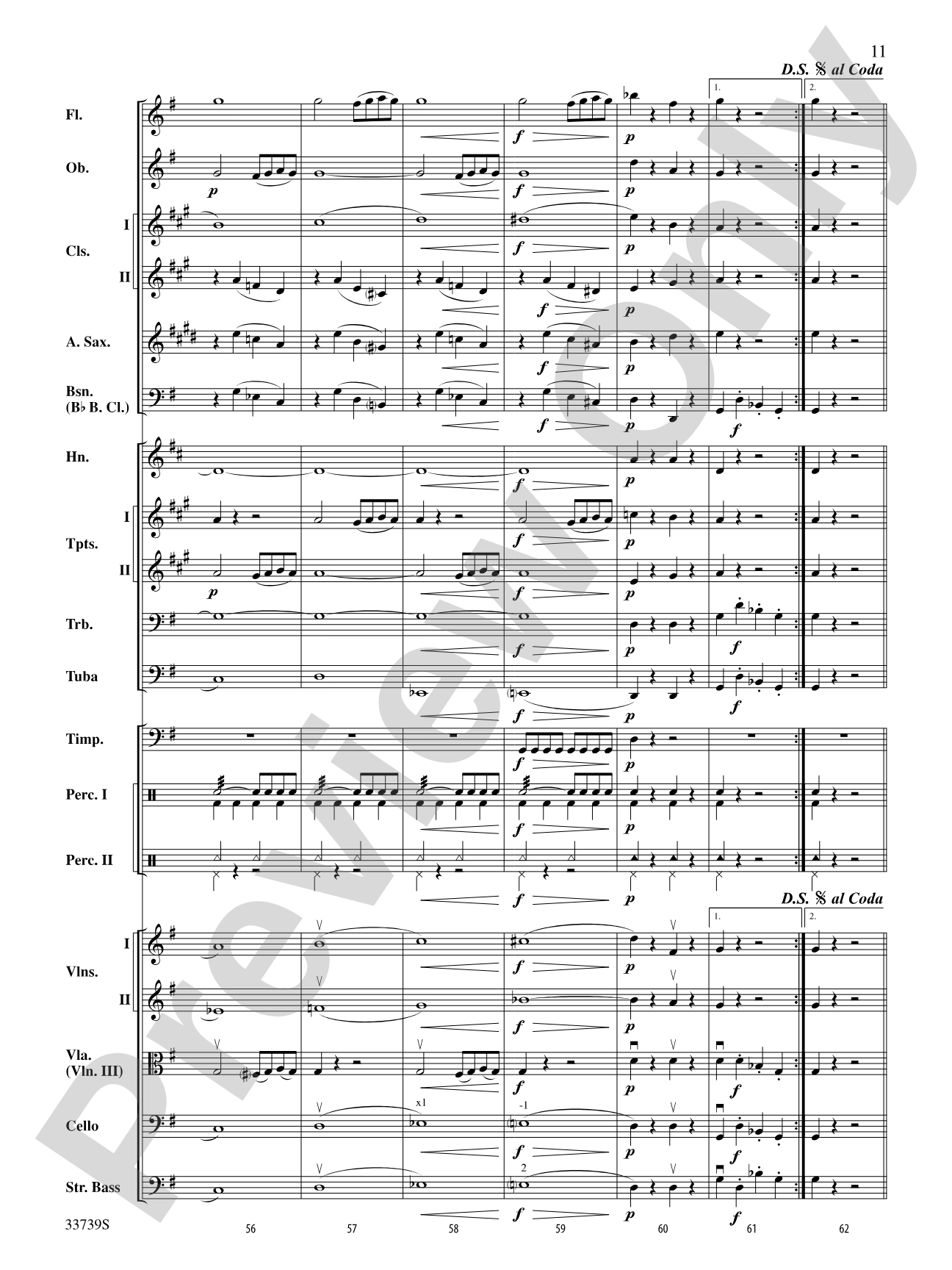
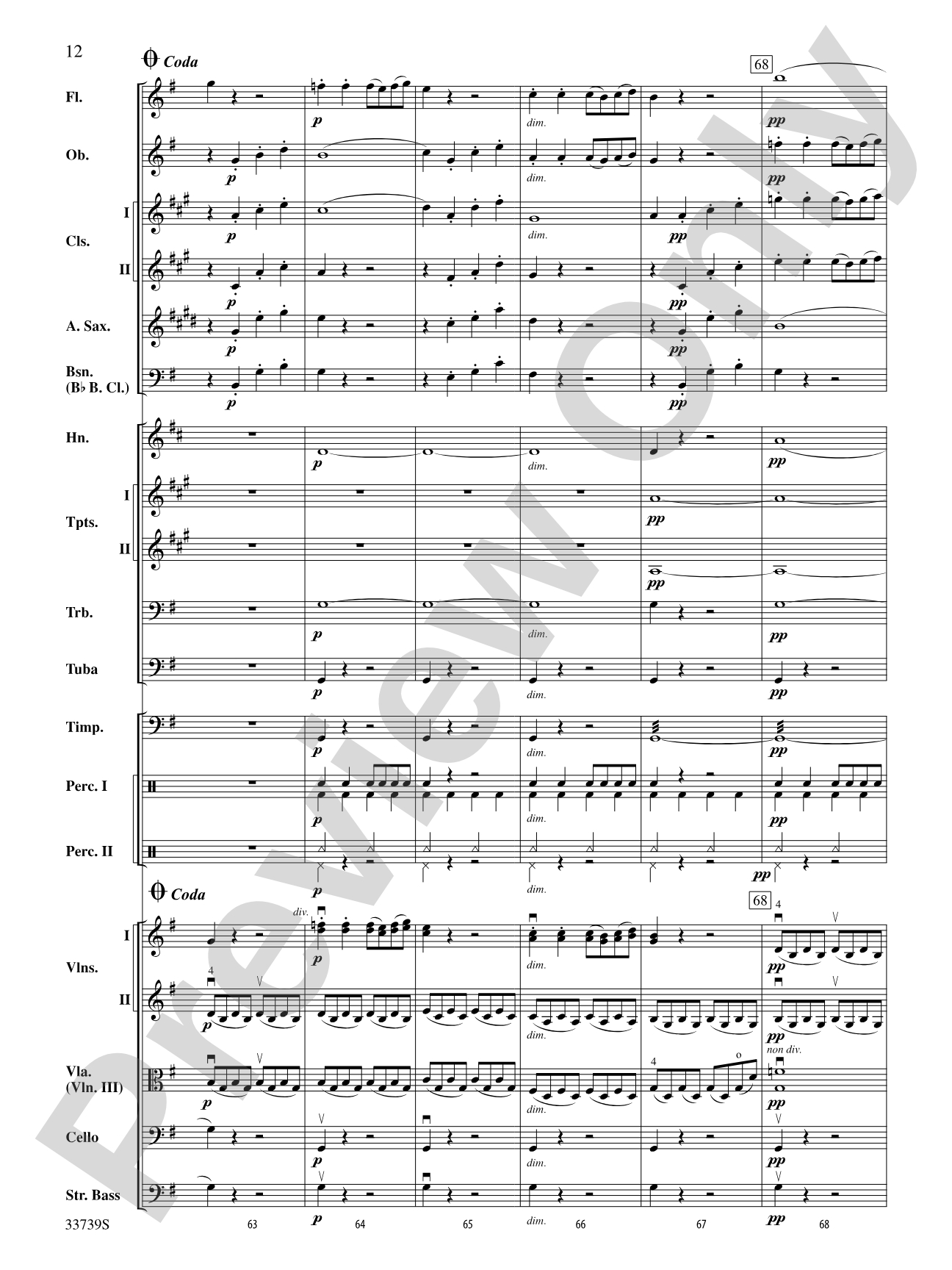
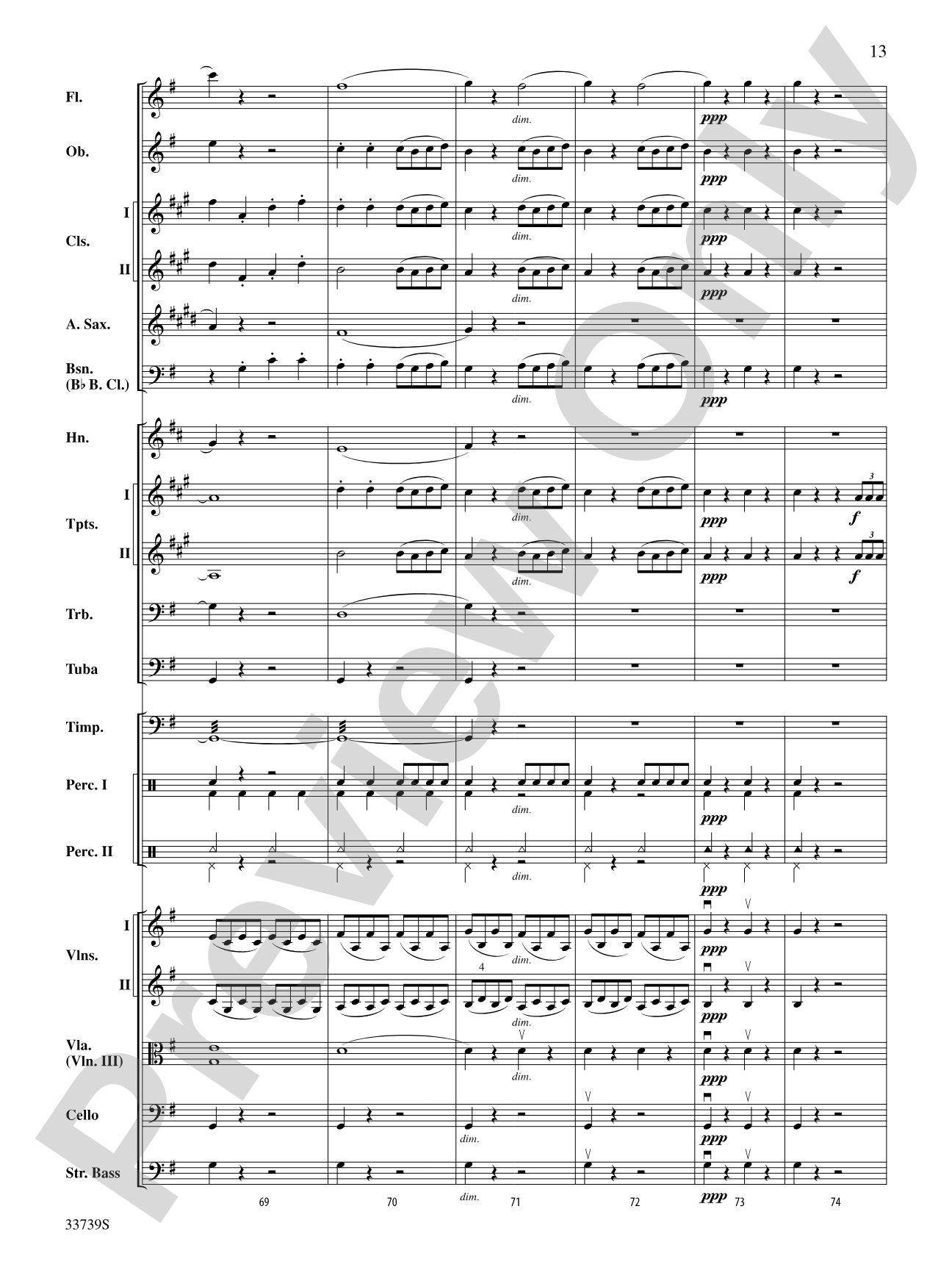
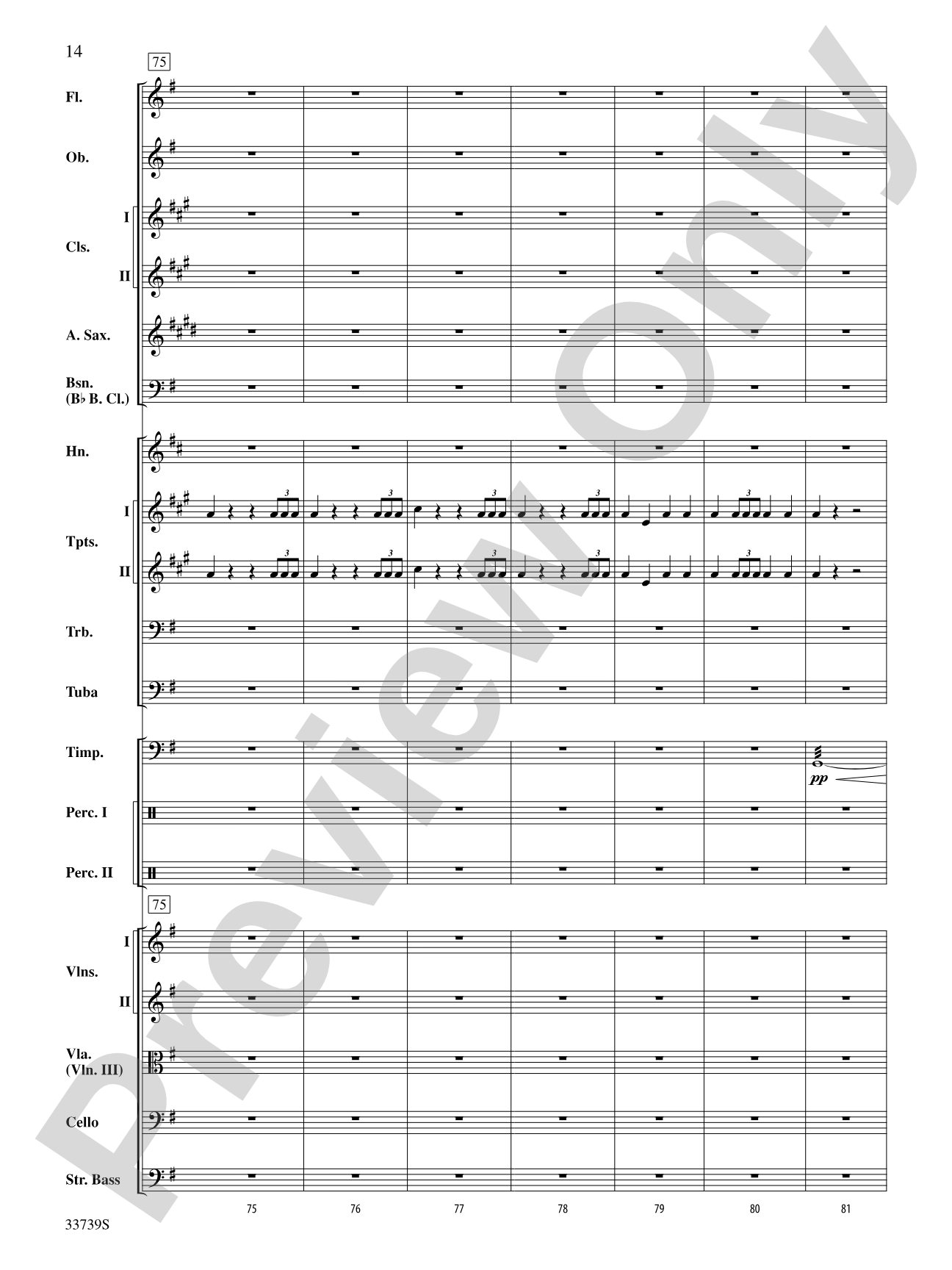
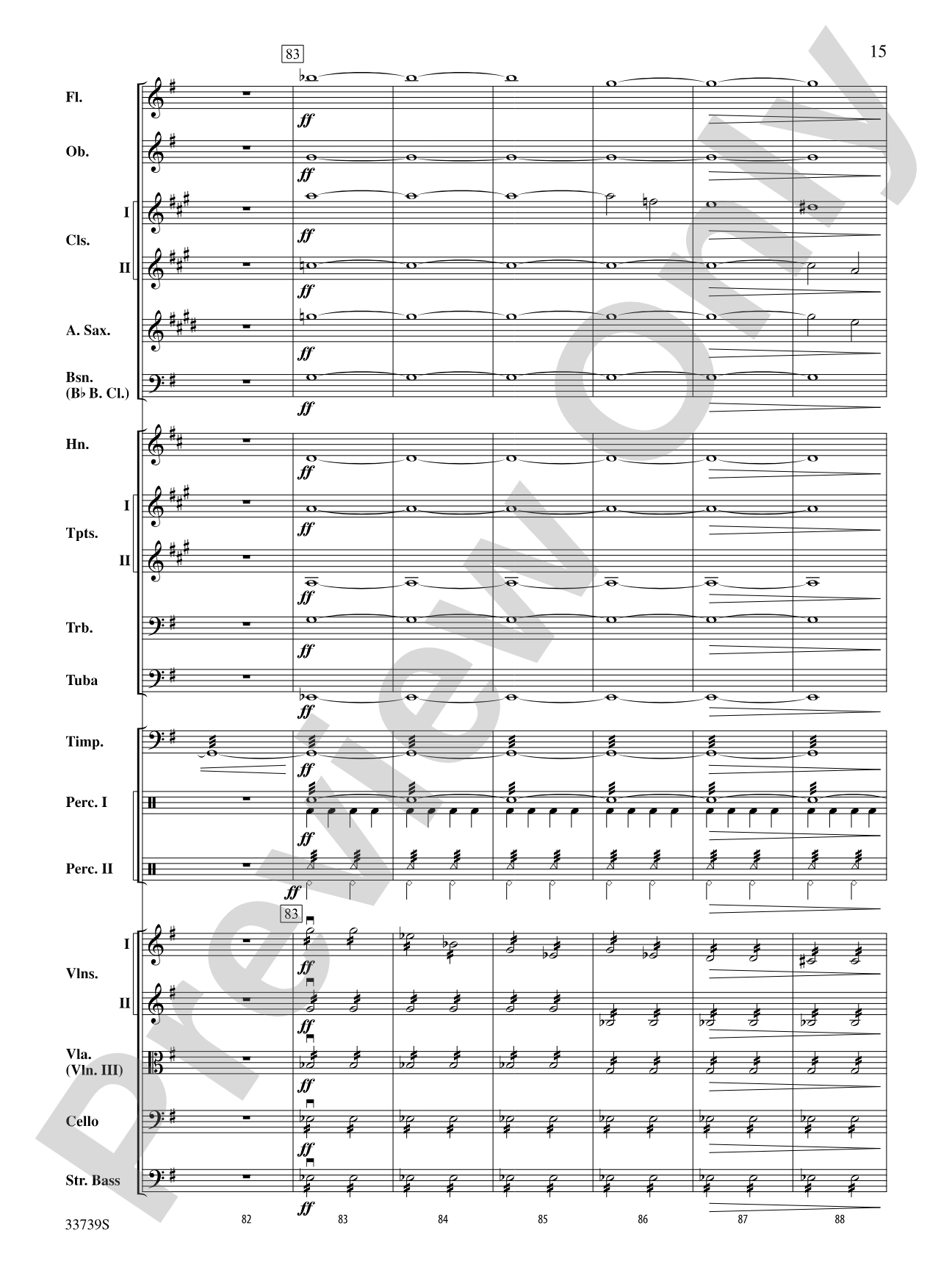
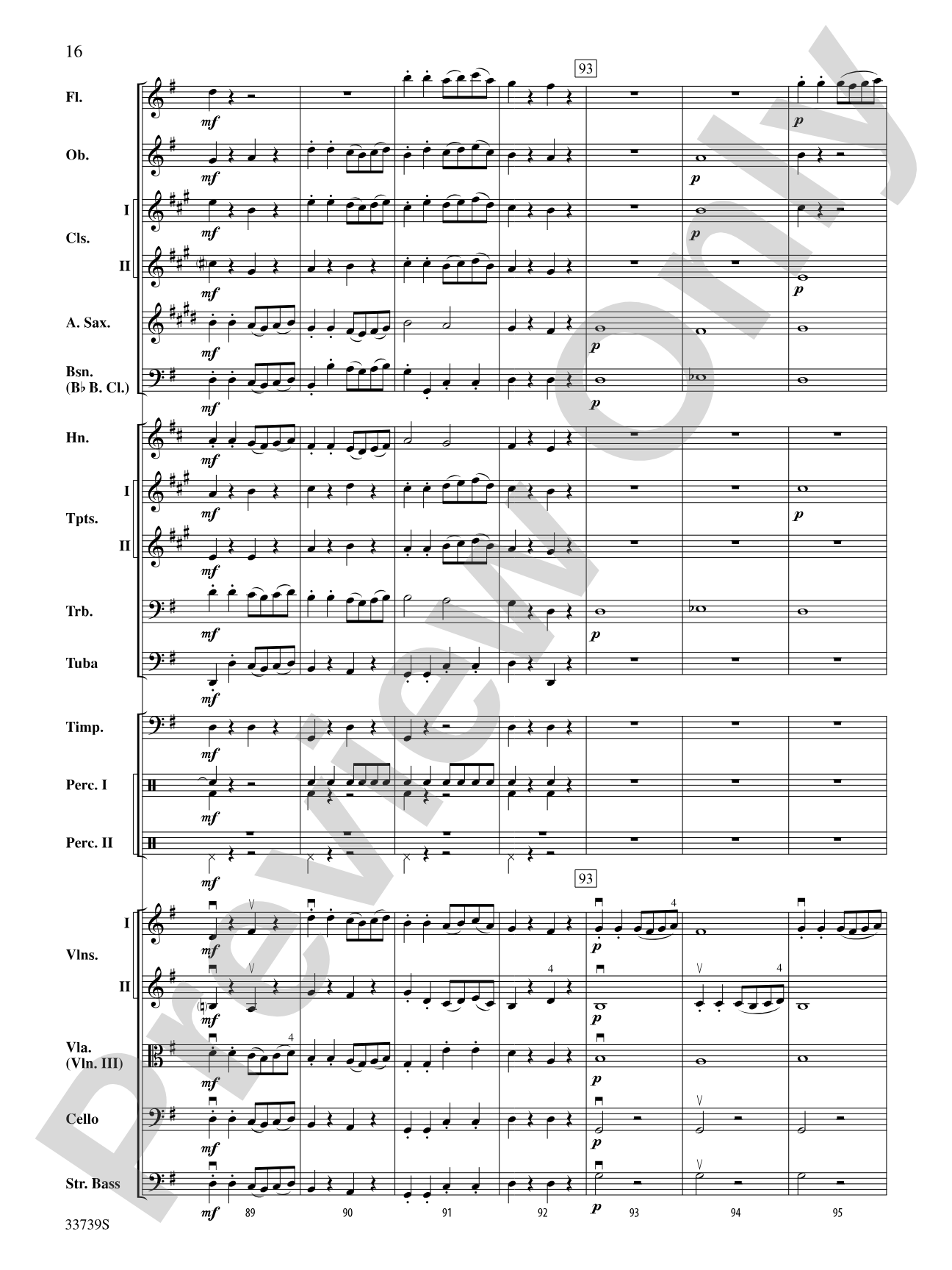
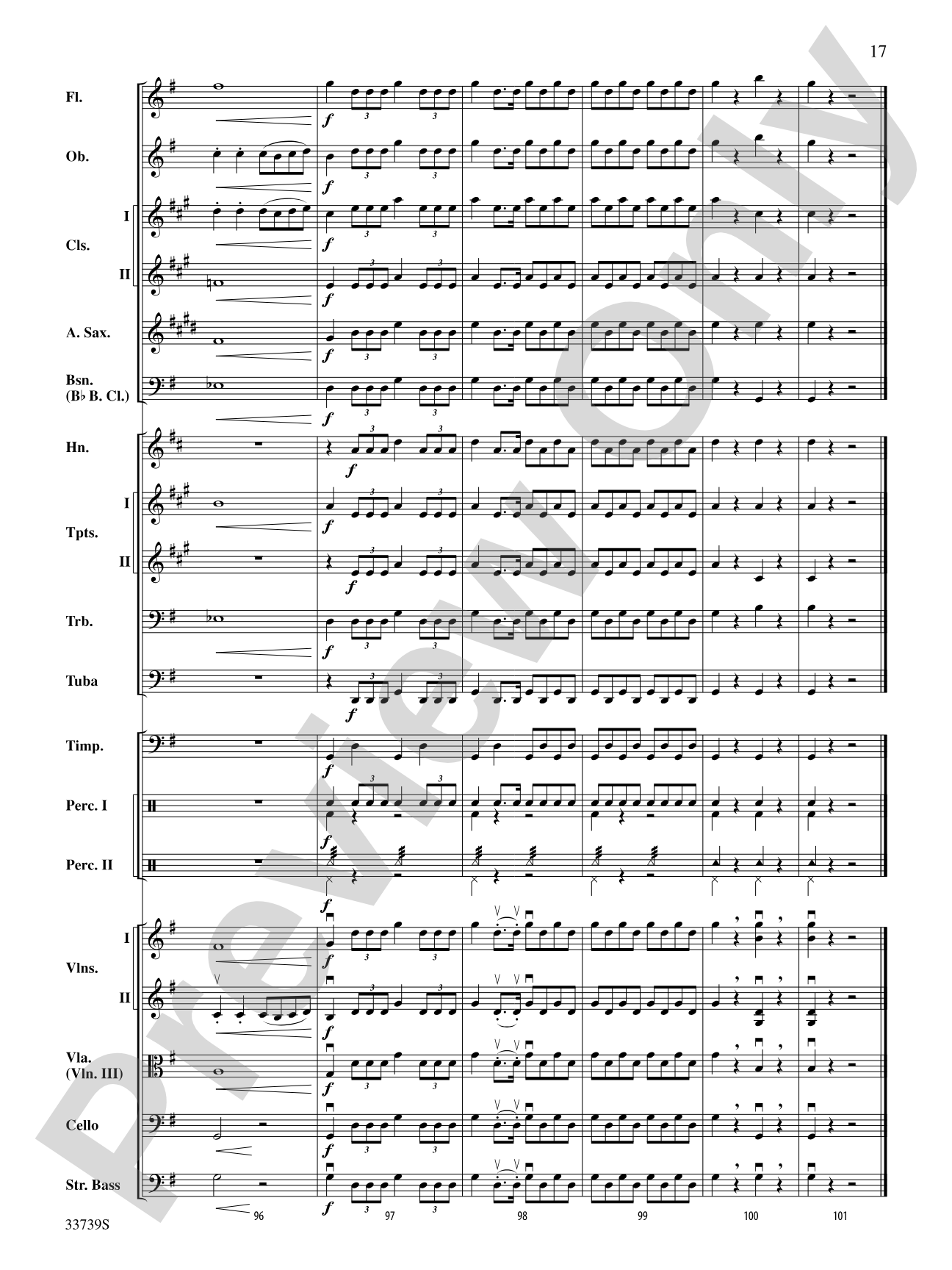




"Military" Symphony: Score
Second Movement
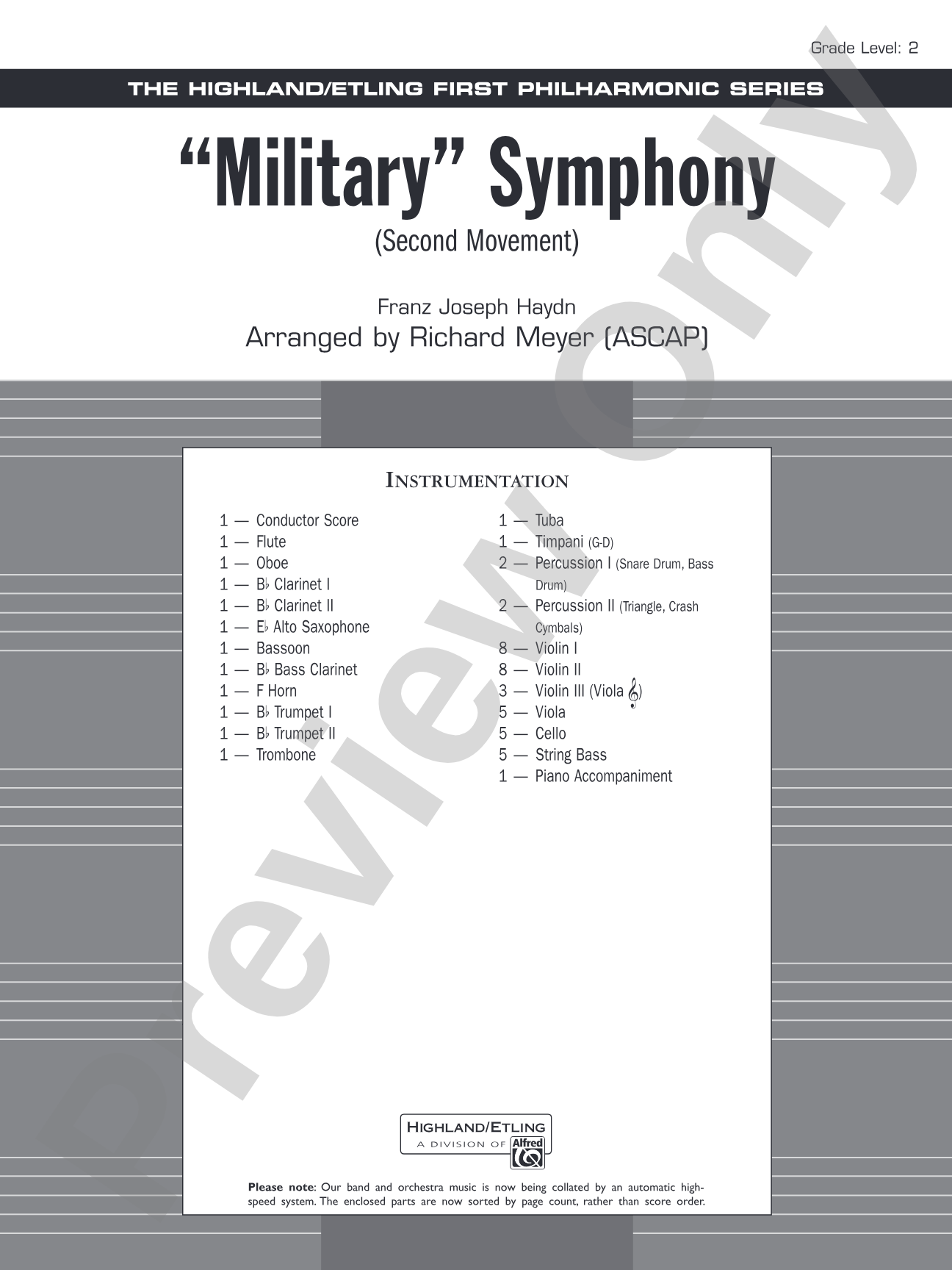
By Franz Joseph Haydn / arr. Richard Meyer
Grade: 2
Item: 00-PR-0002842
$9.00
Pickup currently not available
Description
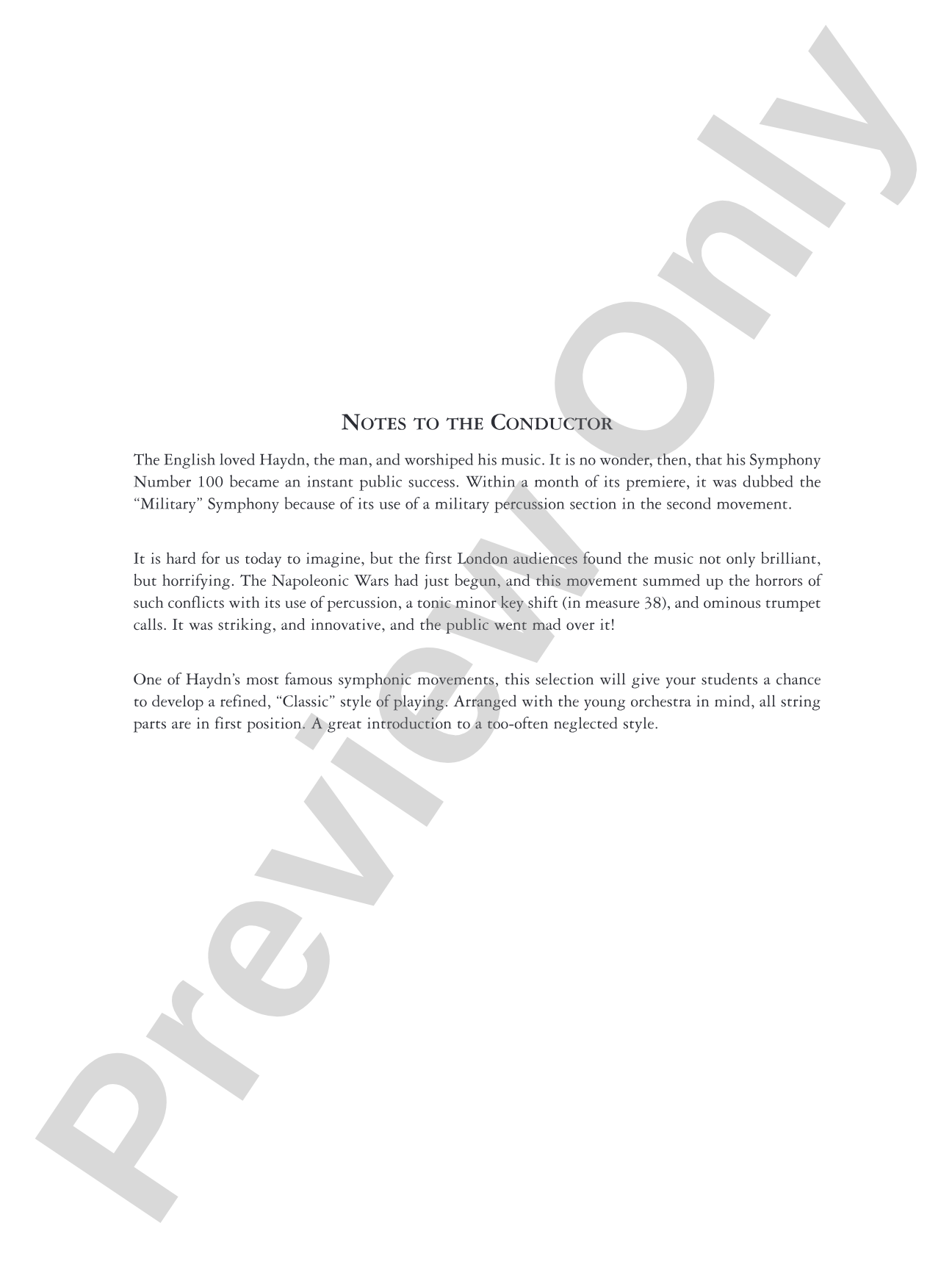
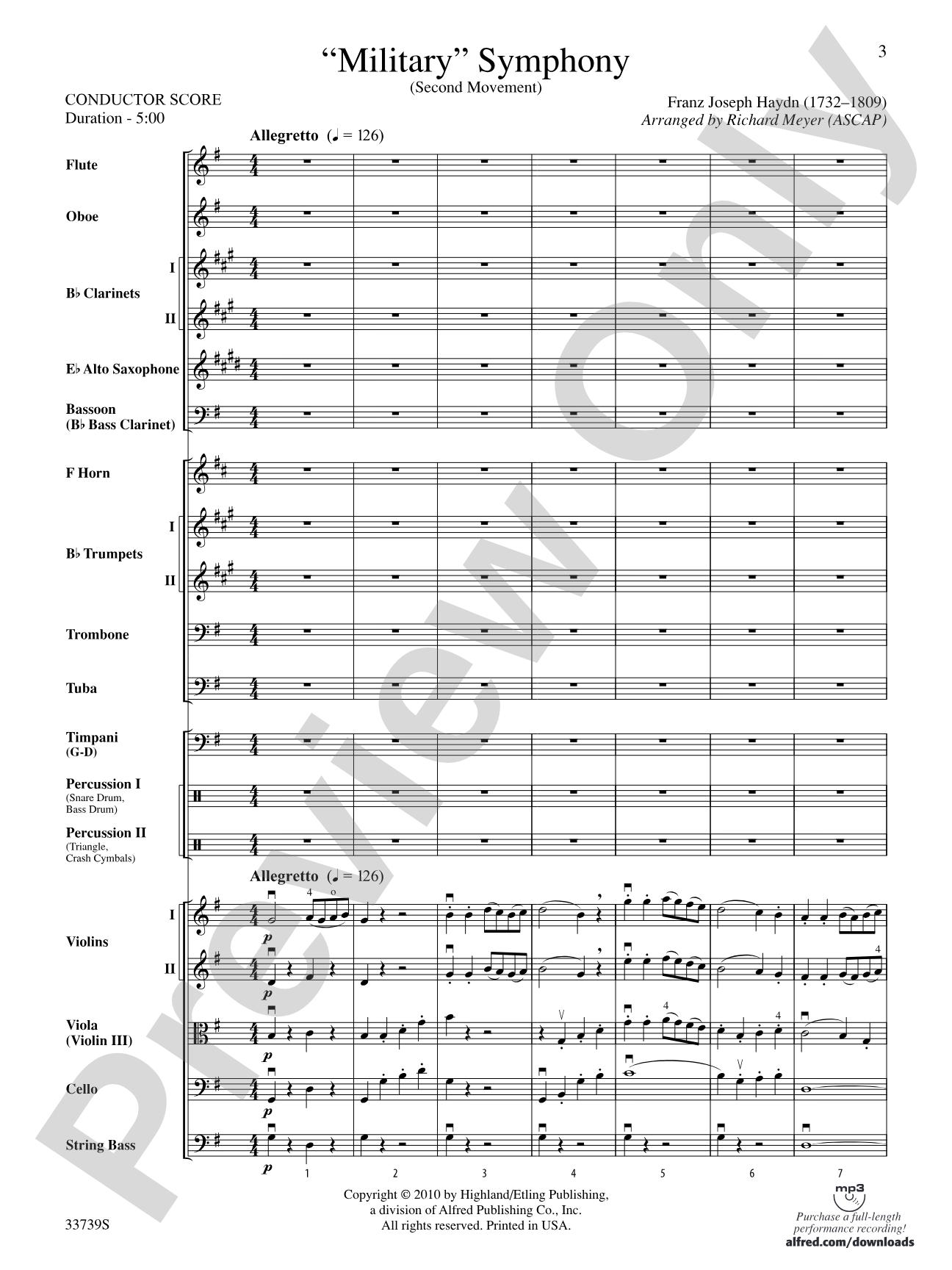
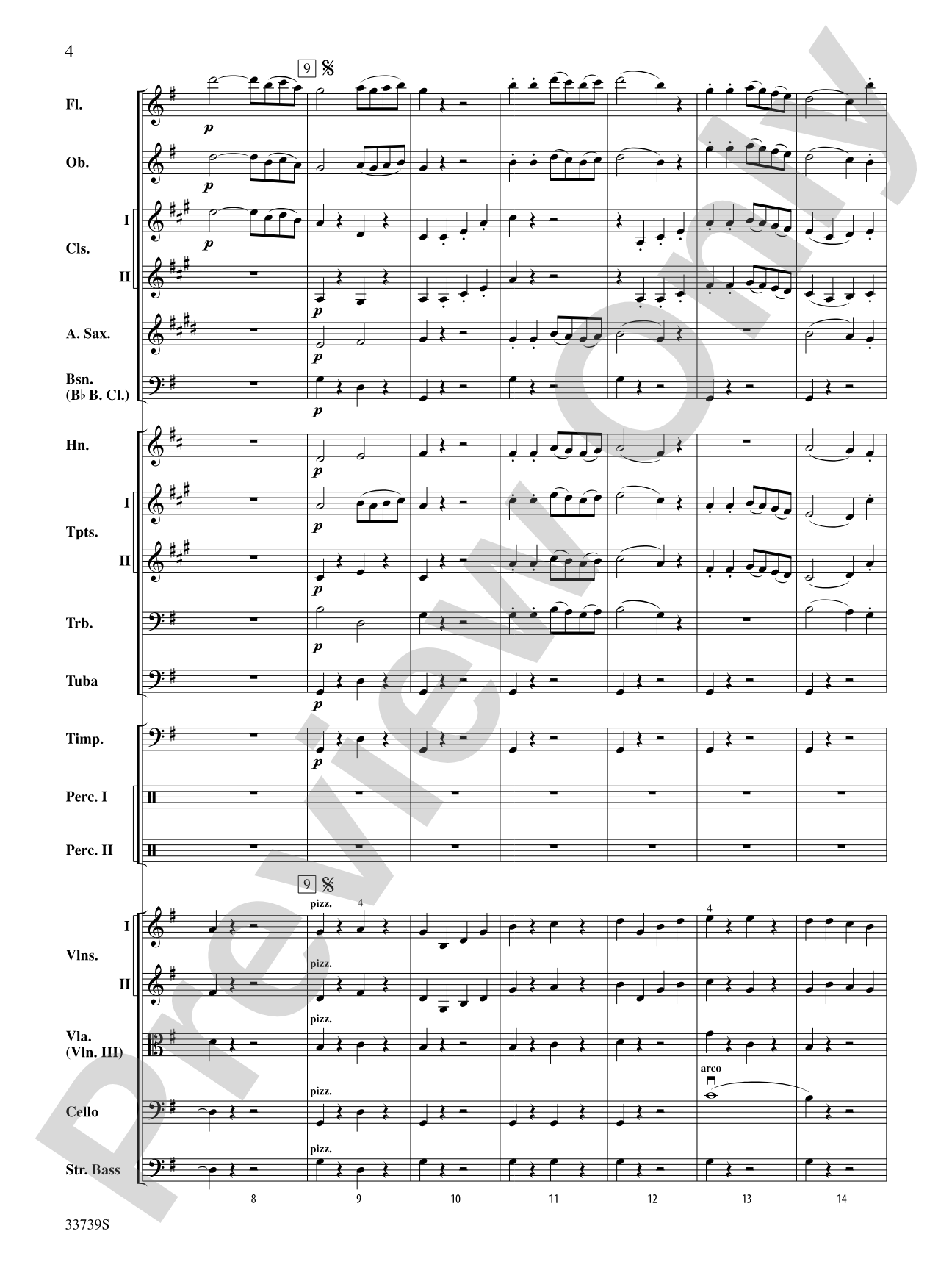
One of Haydn's most famous symphonic movements, this selection will give your students a chance to develop a refined, "Classic" style of playing. It seems like Haydn included everything in this movement---a delicately beautiful main theme, wild, minor-keyed outbursts, military percussion, and a solo trumpet fanfare. No wonder the London audiences went crazy over it! Arranged with the young orchestra in mind, all string parts are in first position. A great introduction to a too-often neglected style.


Don't just read it, hear it, play along with it, and watch your students grow with it. In MakeMusic Cloud, "Military" Symphony: Score comes alive with professional accompaniment, adjustable tempo, and built-in practice tools that turn solo practice into real progress.
Open in the Player
Jump straight in and assign it today.
Start Your Free Trial
Open this title and explore the full library in minutes.
Sample Audio
1
Audio File
--:--
0:00
0:00
Sample Video
No sample videos found.
Additional Details
Series:
Highland/Etling First Philharmonic
Publisher:
Alfred Music
Page Count:
194
SKU:
00-PR-0002842
More about this title
About the Composer: Franz Joseph Haydn
Franz Joseph Haydn (1732-1809) shaped the Classical symphony more than any other composer. Working as Kapellmeister for the Esterházy court for nearly three decades, he wrote 104 symphonies that moved the form from courtly diversion to serious art. His structural innovations—the use of development sections, dramatic key contrasts, and integration of folk material—became the blueprint for Beethoven and Mozart.
Haydn's wit and unpredictability made him beloved across Europe. His symphonies frequently surprised audiences with unexpected dynamic shifts, humor, and brilliance. The "Military" Symphony exemplifies his genius for combining sophisticated form with immediate, infectious character.
Why we love this
This arrangement opens the Classical style to Grade 2 orchestras without sacrificing the genuine article. Haydn's melodic gift and formal clarity shine through, and Meyer's decision to keep all strings in first position removes a major technical barrier while preserving the orchestration's character. Young musicians encounter real masterwork composition, not a simplified approximation.
What to expect
The opening unfolds like a refined drawing room conversation, elegant and thoughtful. Then Haydn pulls the rug out with aggressive minor-key eruptions and the crack of military percussion, as if soldiers have marched through the ballroom. The trumpet fanfare crowns it all with ceremonial brilliance.
Who it's for
Young orchestras ready to explore Classical style with substance. Grade 2 ensembles with developing string technique and secure fundamentals will find this arrangement accessible yet musically rewarding. It works equally well for concert performance or festival competition.
How to get the most out of it
- Balance the opening theme with careful attention to phrasing; the delicate melody depends on consistent tone and precise dynamic shaping across the string section.
- Prepare your percussion section separately for the military figures. These bursts of energy need crisp attacks and clean releases to create the contrast Haydn intended.
- Shape the minor-key passages with direction and weight. Resist the urge to rush; these dramatic moments gain power from rhythmic stability and tonal cohesion.
- Give the trumpet fanfare space to cut through. This solo moment rewards a soloist with secure intonation and confident articulation.
How to use it
Program this as a centerpiece of a Classical-era concert alongside Mozart or Beethoven excerpts to show the period's range. Its relatively short length and high-contrast sections make it compelling as an opener that immediately engages an audience. It also serves as a natural bridge piece between earlier Baroque works and the Romantic repertoire.
Skills your students will build
- Stylistically informed phrasing and articulation in Classical idiom
- Dynamic contrast and sudden tonal shifts (major-minor relationships)
- Precision ensemble playing through rapid tempo and character changes
- First-position string technique with refined intonation
- Coordination of independent melodic lines across the orchestra