Midnight Snack Cover Image

Midnight Snack: Jazz Ensemble Conductor Score & Parts

$47.00 USD
Sale price  $47.00 USD Regular price 
Skip to product information
Midnight Snack Cover Image

Midnight Snack: Jazz Ensemble Conductor Score & Parts

By Rick Hirsch

Grade: 1 (Easy)

Item: 00-47510

makemusic Cloud badge

Need it now?

Buy Digital Version
$47.00
Shipped

One moment…

Description
A very clever chart for a younger band featuring a few sound effects. An easy swing played around 132 BPM with written solos cued for all saxes and trumpets. Trumpet 1 range is to written E-flat top space, optional flute, clarinet, and vibes parts too. This title is available in MakeMusic Cloud.

Don't just read it, hear it, play along with it, and watch your students grow with it. In MakeMusic Cloud, Midnight Snack: Jazz Ensemble Conductor Score & Parts comes alive with professional accompaniment, adjustable tempo, and built-in practice tools that turn solo practice into real progress.

Sample Pages

Sample Audio
0:00
0:00
Sample Video
Additional Details
Series: First Year Charts for Jazz Ensemble
Publisher: Alfred Music
Page Count: 86
UPC: 038081547206
SKU: 00-47510

More about this title

About the Composer: Rick Hirsch
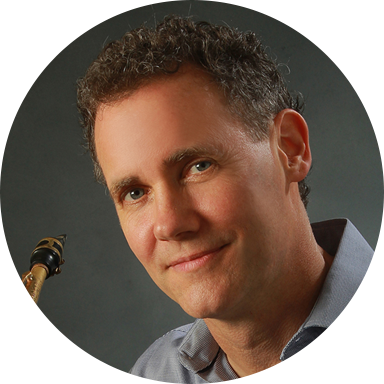
Rick Hirsch

Rick Hirsch studied composition and arranging at UMass-Amherst and Northern Illinois University, then apprenticed as a personal copyist for jazz legends Bob Mintzer and Toshiko Akiyoshi. His compositional voice has been shaped by collaborations with respected jazz artists including Yusef Lateef and Eddie Henderson, and by his work writing for ensembles ranging from the Capitol Quartet to the Penn State Blue Band.

Hirsch has built a reputation as both a skilled arranger and an active guest conductor, regularly leading All-State and District Jazz Bands across the country. In 2017, his ensemble BIG OL' BAND released their debut album, Pocono Git-Down, which showcases the creative energy of jazz communities beyond major metropolitan centers. His deep understanding of ensemble writing at all levels makes his compositions especially valuable for developing jazz programs.

Why we love this

Hirsch writes for young ensembles with genuine respect for their musicality and without condescension. The clever orchestration here keeps everyone engaged (optional flute and vibes parts mean flexible instrumentation), the written solos give students concrete material to learn from rather than throwing them into the deep end of improvisation, and the swing groove is infectious enough that students feel like real jazz musicians from the downbeat.

What to expect

A playful late-night scene with humor woven into the music. The swing is relaxed and groovy; the sound effects add personality without overwhelming the form. It feels like a tune that a working band would use to reset the room's energy after something serious, clever enough to hold an audience's attention and fun enough that players look forward to playing it.

Who it's for

First-year and second-year jazz bands, both high school and middle school ensembles stepping beyond standard big band voicings. Directors building programs where students need accessible yet genuinely swinging material that doesn't talk down to them.

How to get the most out of it

  • Set the tempo at 132 BPM as a target but don't lock it in stone during early rehearsals. Let the rhythm section develop a comfortable pocket first, then gradually tighten as the band gains confidence.
  • The written solos are cued for all saxes and trumpets, so every section member sees where their solo sits. Use these as models for phrasing and tone color before asking students to improvise elsewhere.
  • The sound effects are the chart's playful heart. Assign them clearly in sectionals and make sure they land on time; they're not decoration, they're part of the ensemble's conversation.
  • Don't oversell the 'easy' label. Grade 1 doesn't mean thin or babyish. Commit to solid tone production and articulation clarity, and the rhythm section will carry the groove without strain.

How to use it

Front-load this early in the jazz band year to build ensemble confidence and showcase what swing feels like. It works equally well as a contest selection for groups in their first or second year of serious jazz study, or as a concert closer that leaves the audience smiling. The flexibility with optional parts also makes it useful for holiday assemblies or community performances where instrumentation might shift.

Skills your students will build

  • Swing articulation and groove awareness (playing behind and ahead of the beat)
  • Reading and interpreting written jazz solos as a foundation for improvisation
  • Ensemble balance and blend in close jazz voicings
  • Precision in section attacks and cutoffs
  • Listening and responding to cues across the ensemble

You May Also Like
