
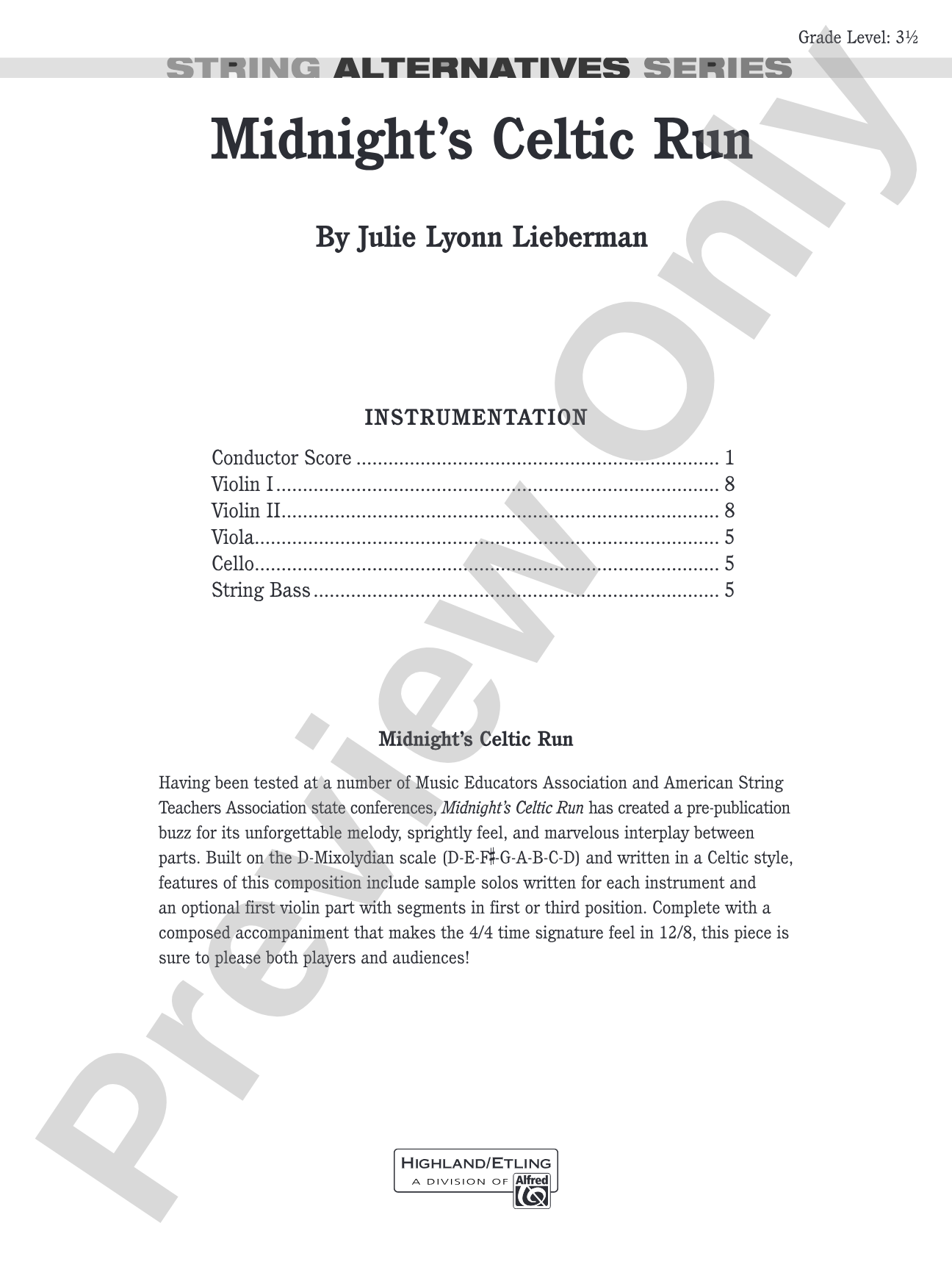
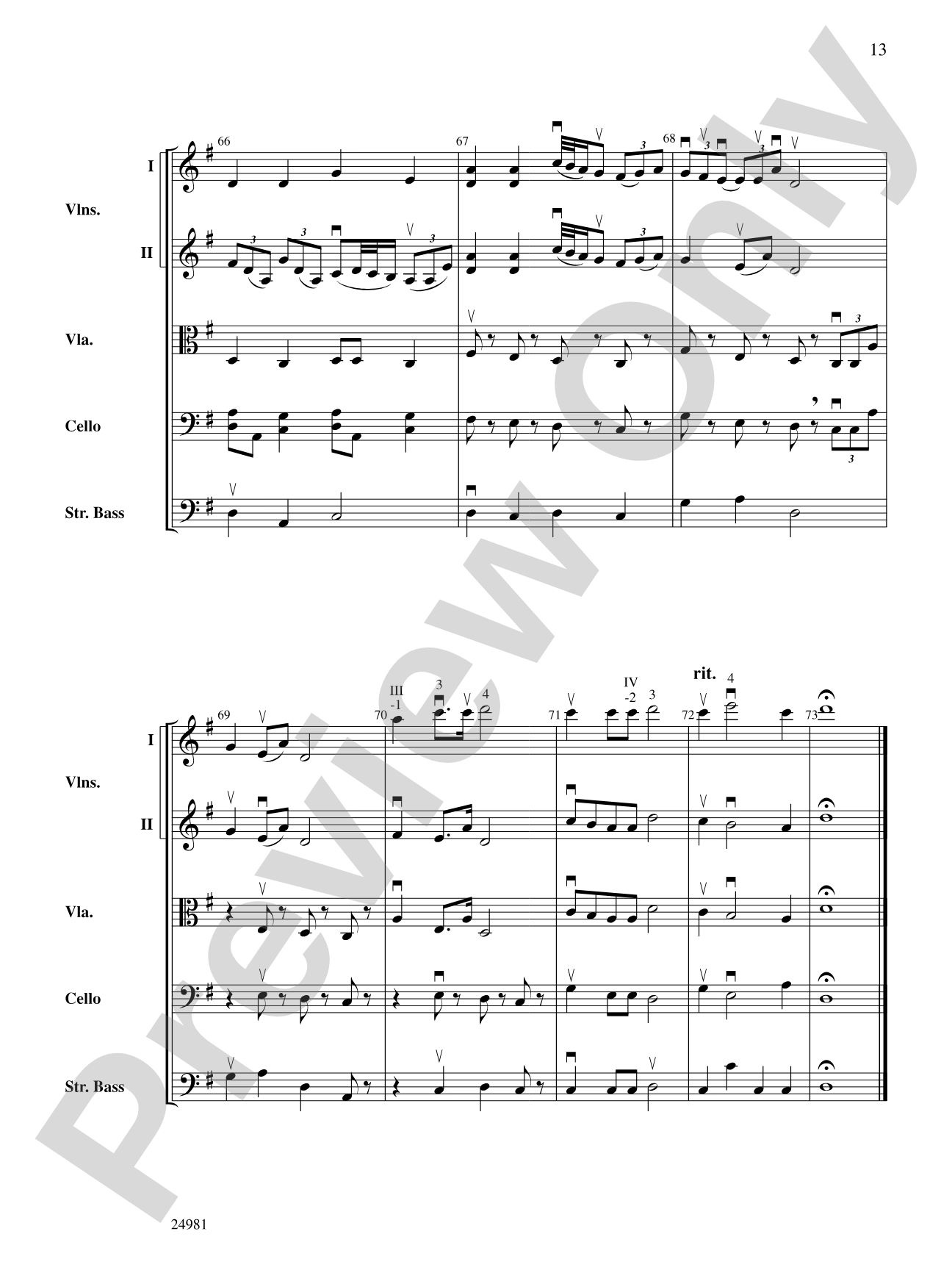




Midnight's Celtic Run: Score
By Julie Lyonn Lieberman
Grade: 3.5
Item: 00-PR-0000955
$7.00
Pickup currently not available
Description
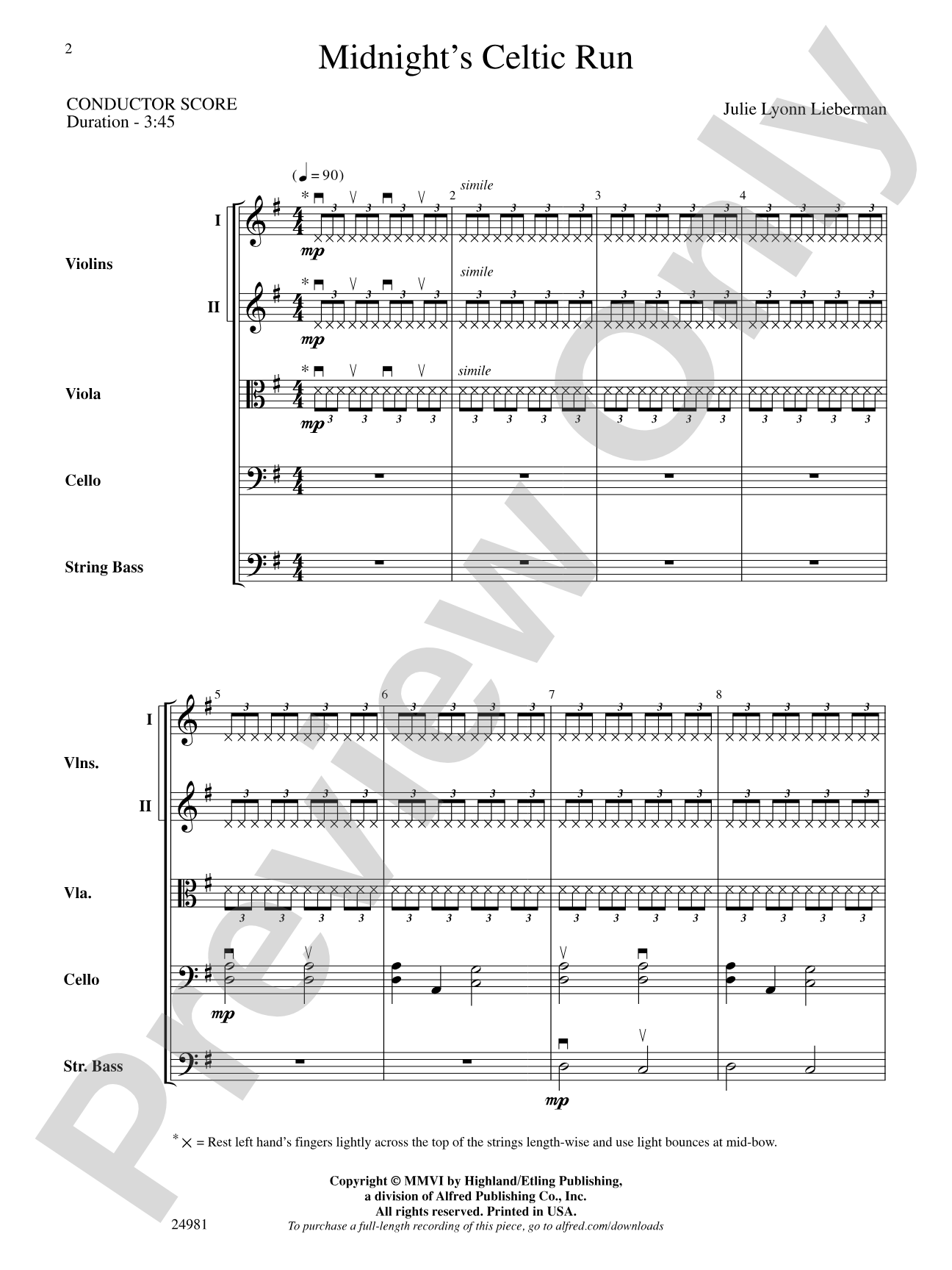
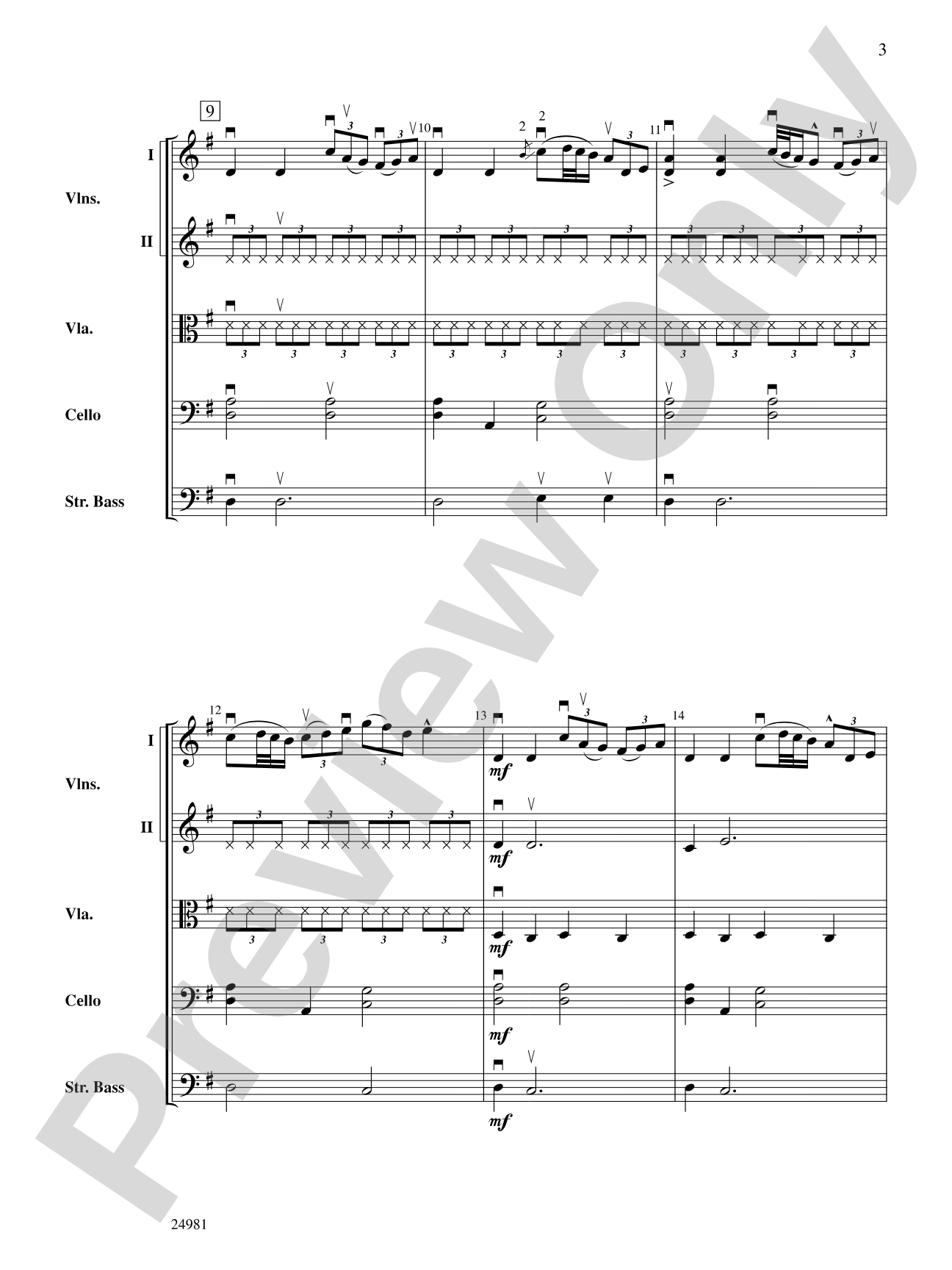
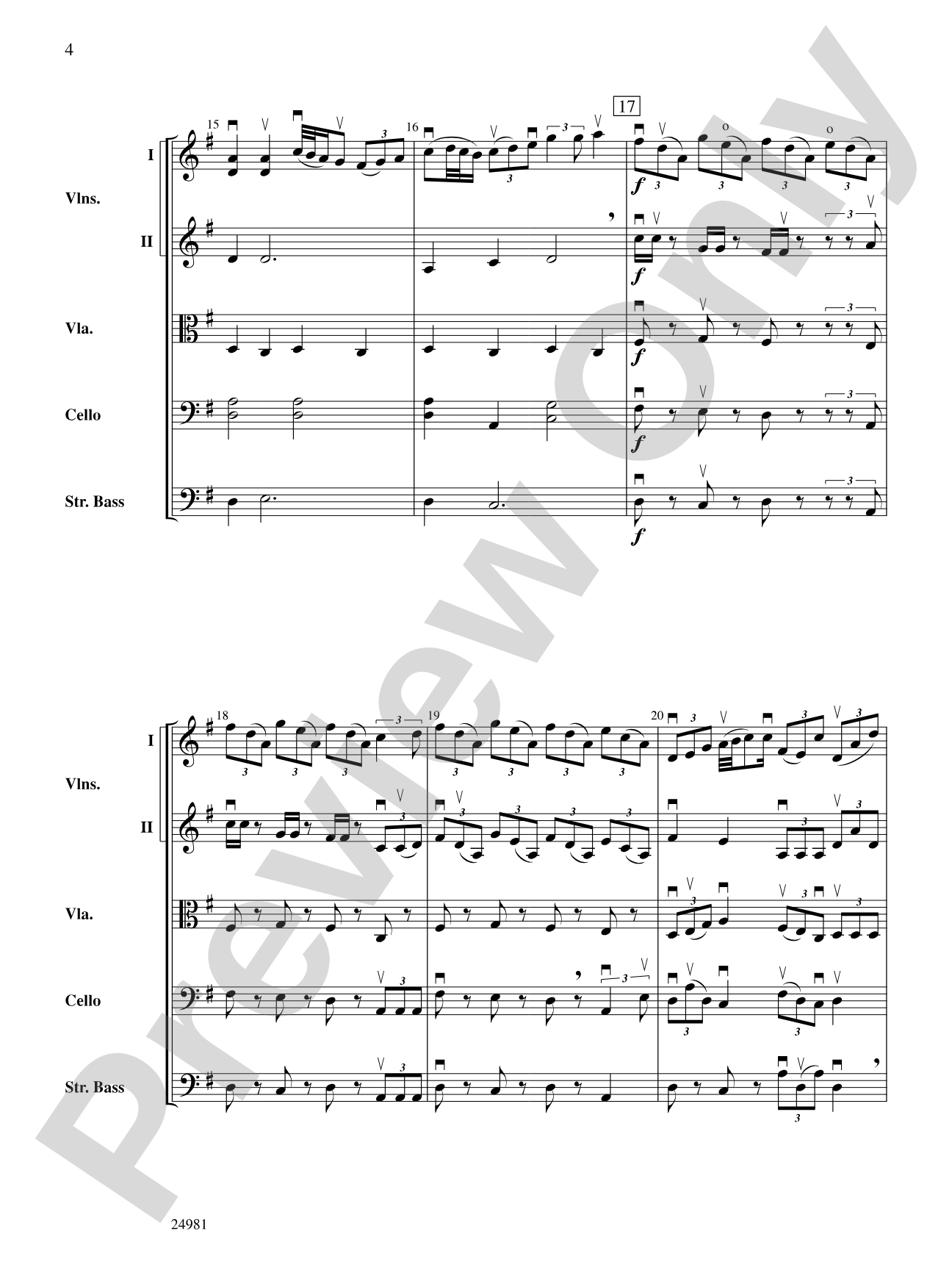
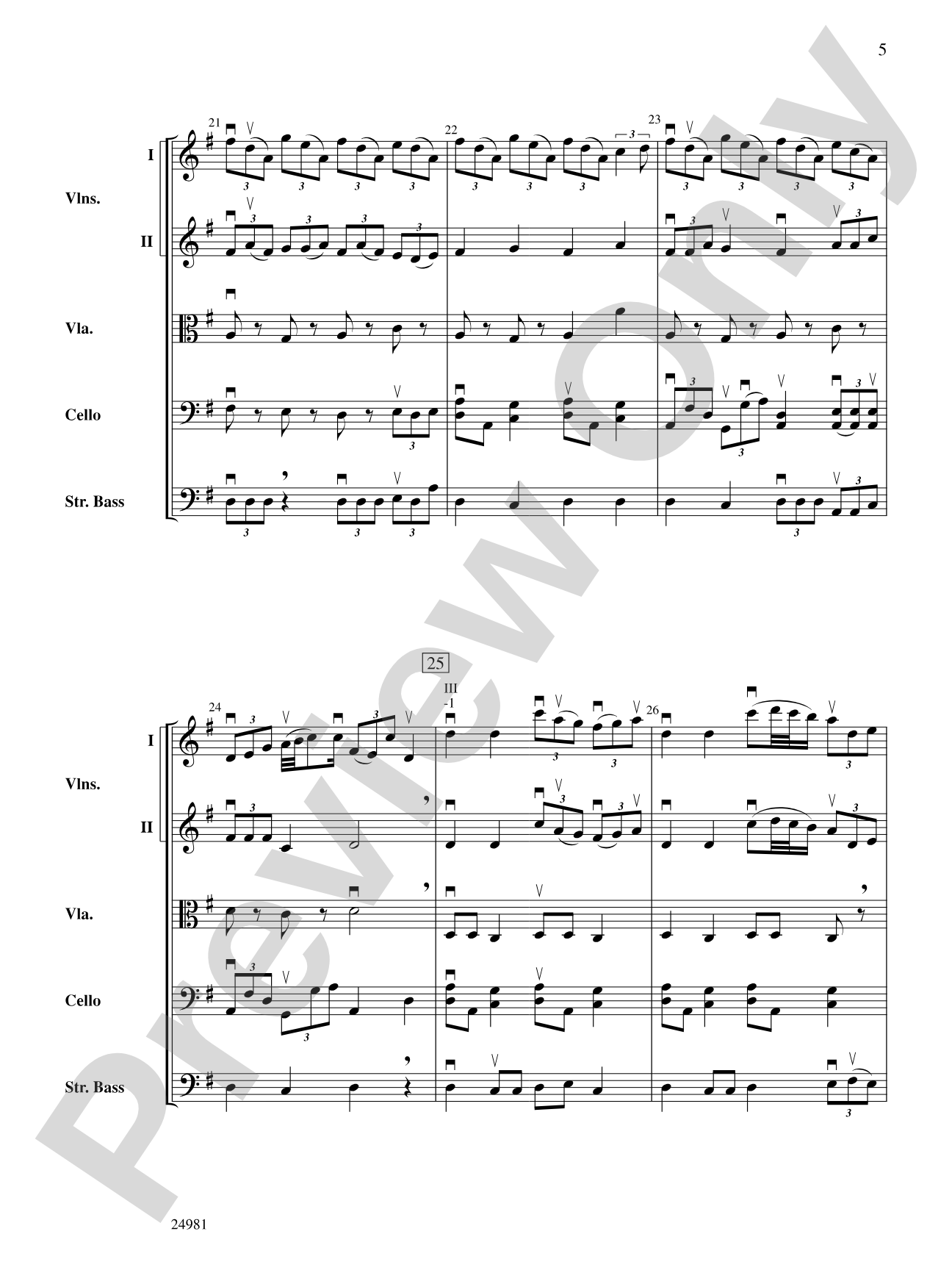
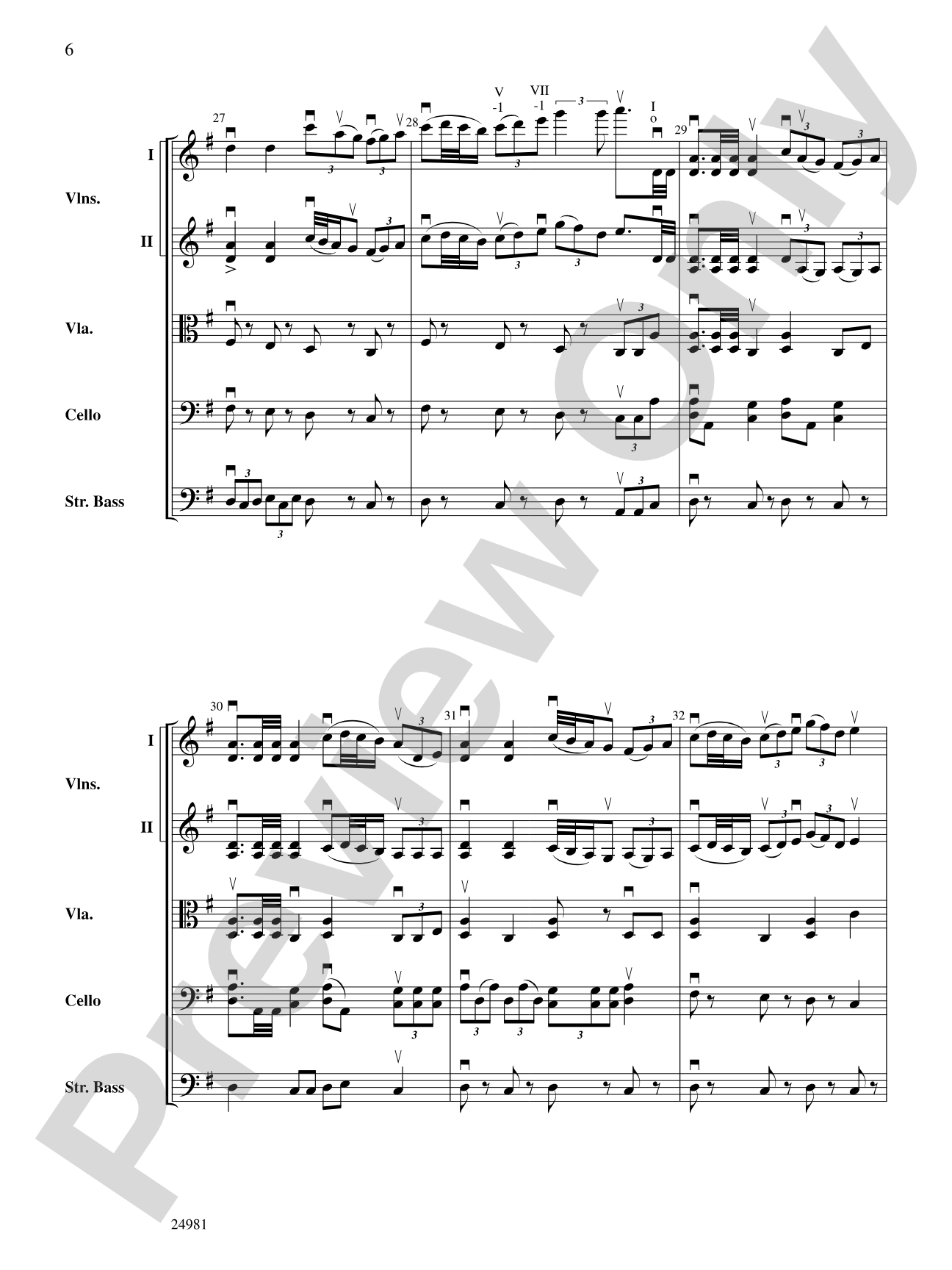
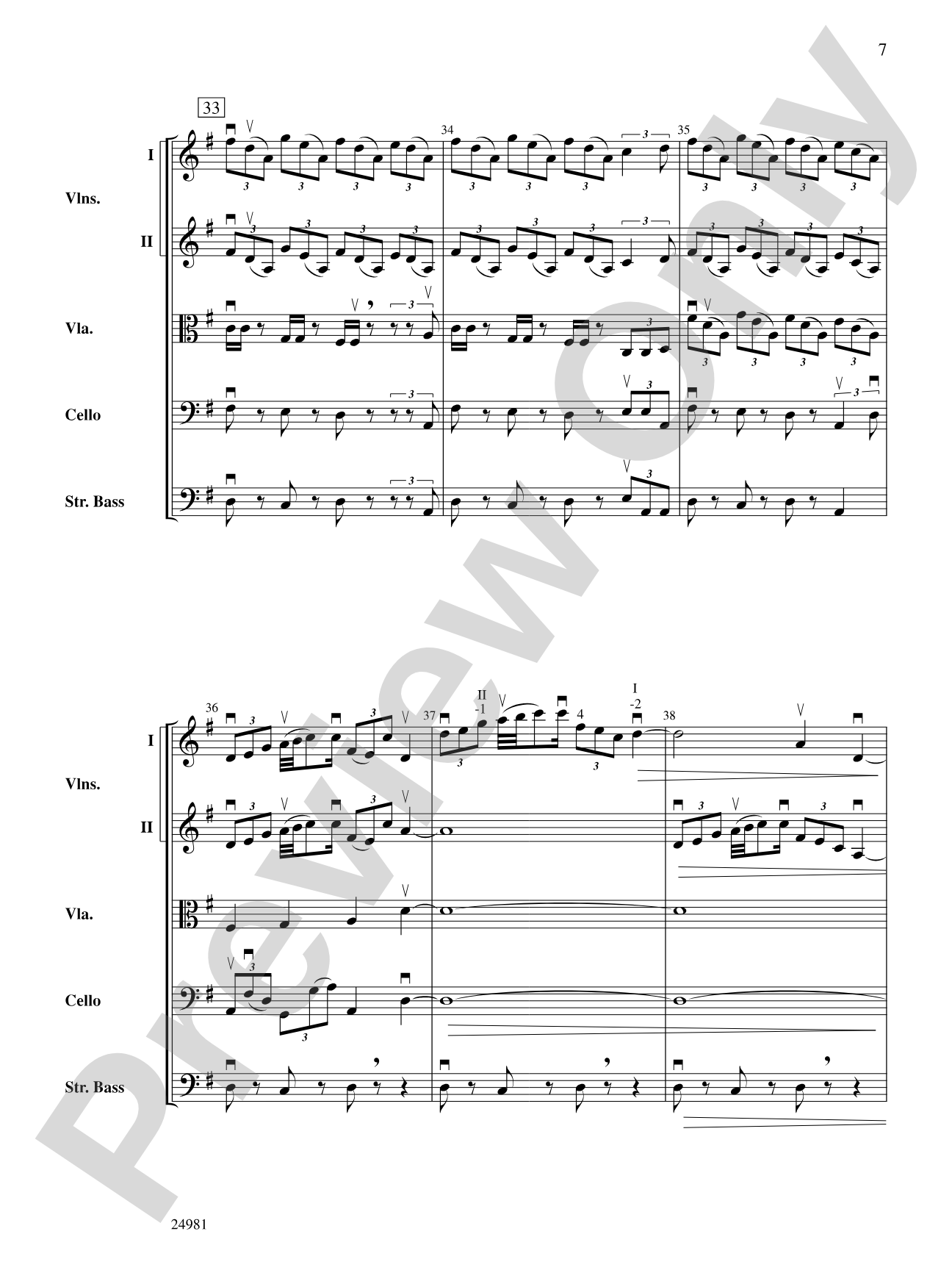
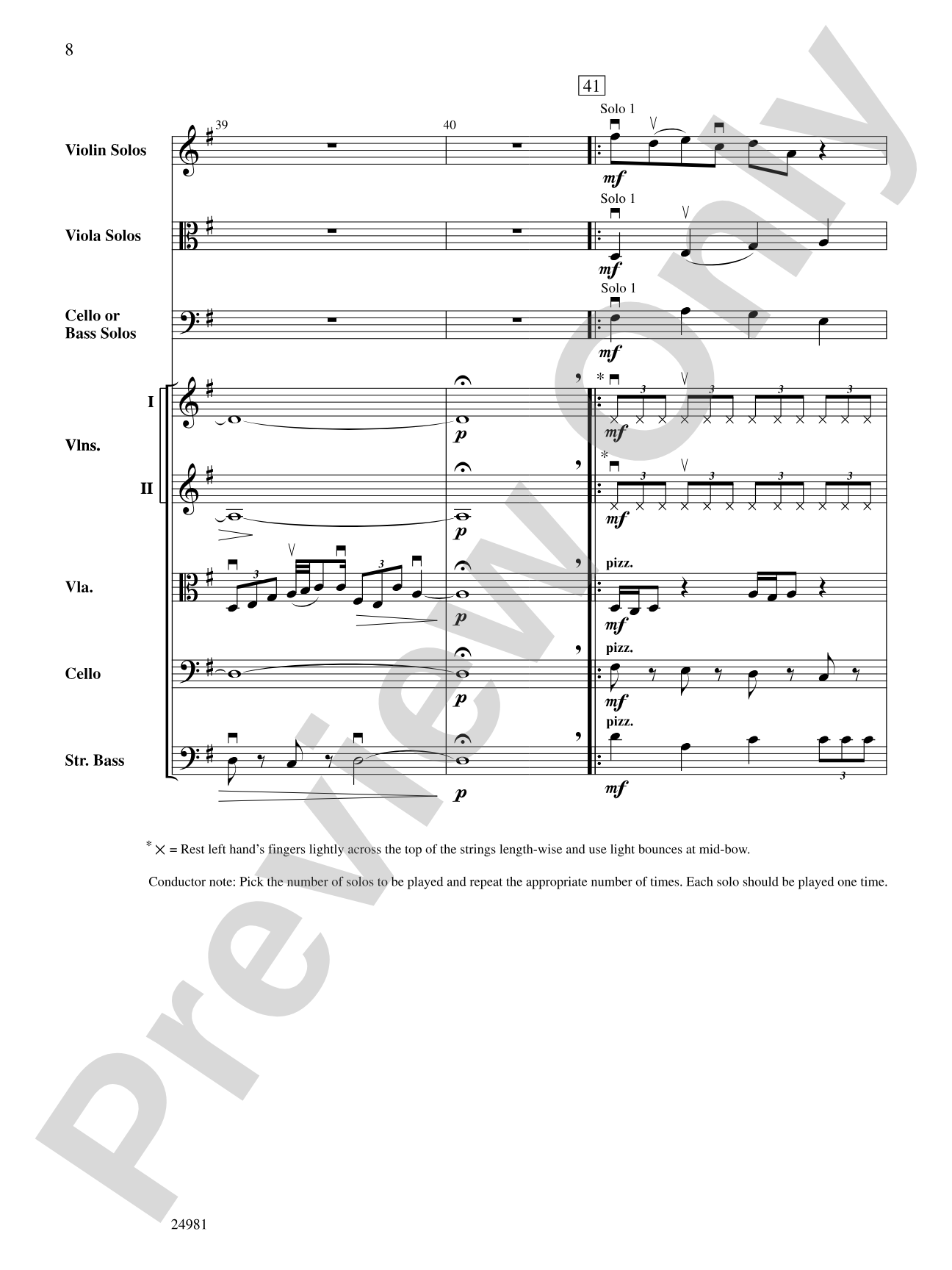
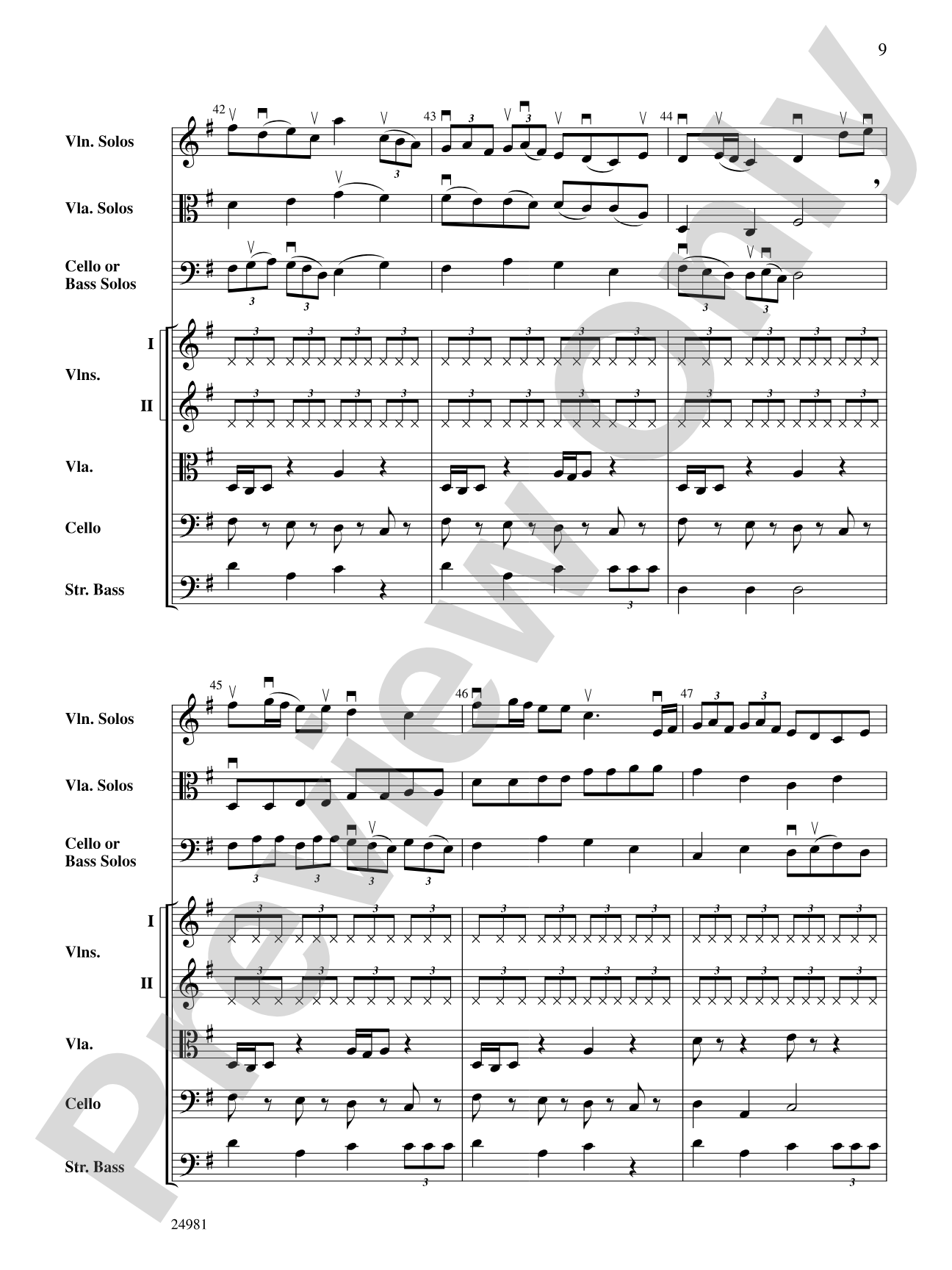
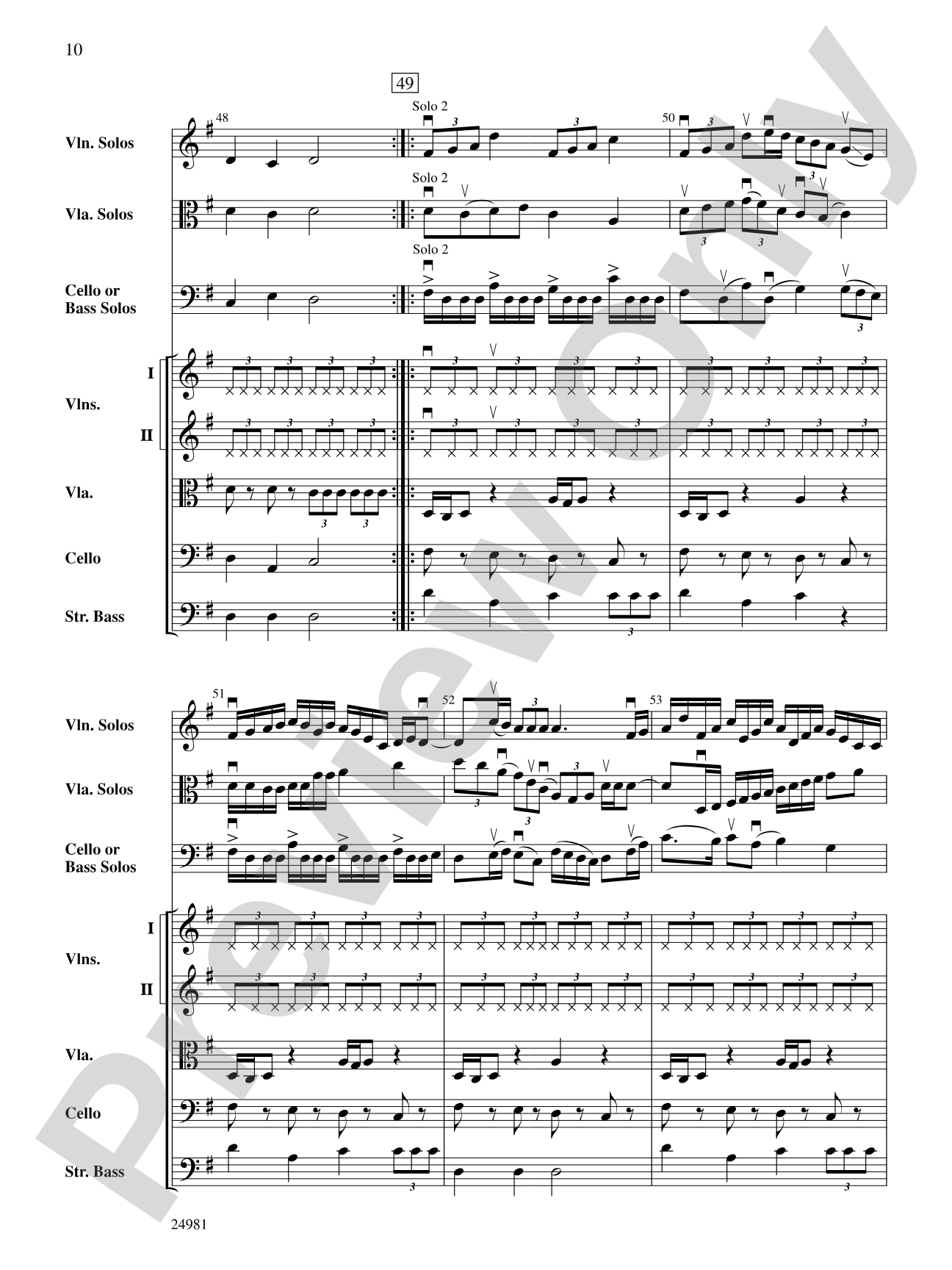
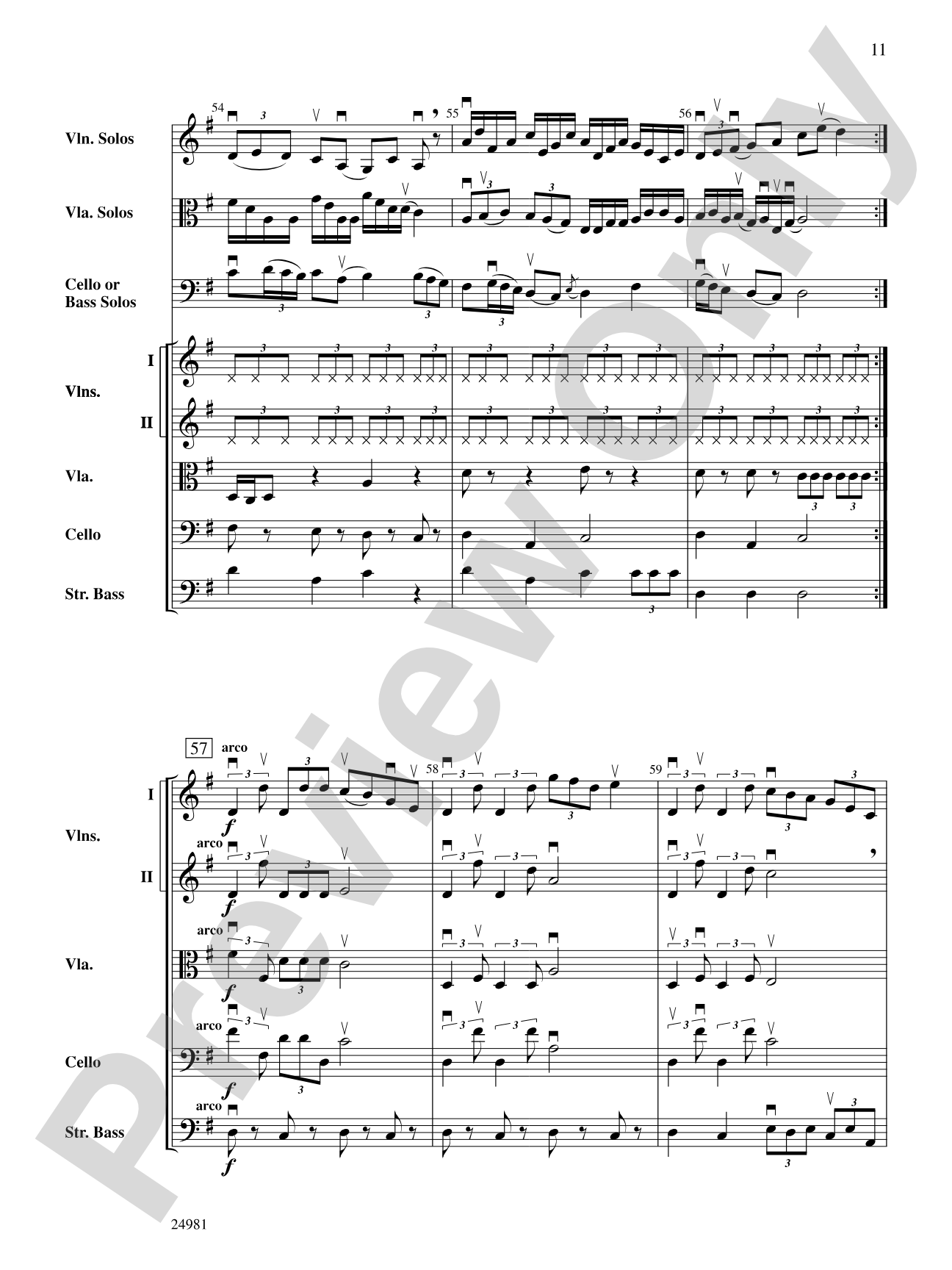
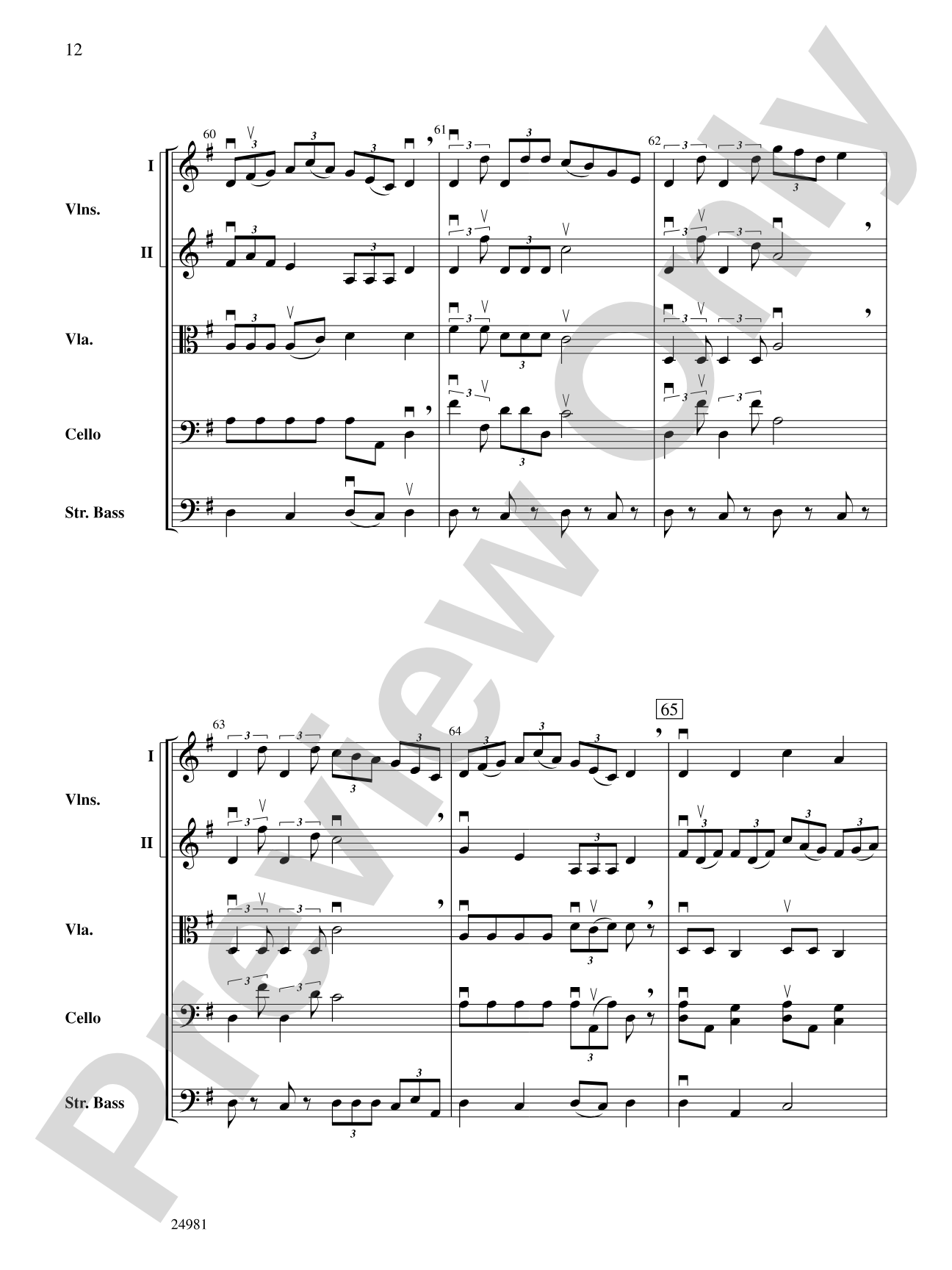
Tested at a number of state MEA and ASTA conferences, this piece has created a pre-publication buzz for its unforgettable melody, sprightly feel, and marvelous interplay between the parts. "Midnight's Celtic Run" includes a composed accompaniment for soloing, with sample solos written out for violin, viola, cello and bass. Julie Lyonn Lieberman has created another winner with this original composition in 4/4 yet 12/8 feel, built on the D mixolydian scale (D, E, F-sharp, G, A, B, C, D), and written in the Celtic style! Optional: first violin part includes segments in first position or third.


Don't just read it, hear it, play along with it, and watch your students grow with it. In MakeMusic Cloud, Midnight's Celtic Run: Score comes alive with professional accompaniment, adjustable tempo, and built-in practice tools that turn solo practice into real progress.
Open in the Player
Jump straight in and assign it today.
Start Your Free Trial
Open this title and explore the full library in minutes.
Sample Audio
1
Audio File
--:--
0:00
0:00
Sample Video
No sample videos found.
Additional Details
Series:
Highland/Etling String Alternatives
Publisher:
Alfred Music
Page Count:
124
SKU:
00-PR-0000955
More about this title
About the Composer: Julie Lyonn Lieberman
Julie Lyonn Lieberman is a composer and educator known for creating accessible yet musically sophisticated works for string players. Her compositions balance pedagogical clarity with genuine artistic merit, often drawing on world music traditions and contemporary compositional techniques. Lieberman has built a reputation for writing pieces that engage students while respecting their growing musicianship.
Why we love this
Lieberman has written a piece that rewards both conductor and ensemble with immediate musical satisfaction. The unforgettable melody and Celtic idiom make this instantly engaging for players, while the modal harmony and mixed metric feel (4/4 counted as 12/8) expand their harmonic and rhythmic vocabulary without requiring extensive relearning of fundamentals. The composed solo sections with written examples give orchestras a genuine chamber music experience within a full ensemble setting.
What to expect
Imagine a Celtic melody dancing at midnight, full of rollicking energy and unexpected harmonic colors. The piece bounces along with infectious rhythmic drive, then opens space for individual voices to step forward and tell their own versions of the tune while the ensemble holds down a vibrant accompaniment. It feels celebratory and playful, yet grounded in solid musical craft.
Who it's for
This piece suits Grade 3.5 orchestras ready for metric independence and modal harmony. String players at this level benefit from the written solo examples, which demystify improvisation and showcase how accompaniment patterns support a featured voice. Directors seeking repertoire that bridges classical technique and world music will find a well-crafted ensemble experience here.
How to get the most out of it
- Establish the 12/8 pulse clearly in early rehearsals, even though the piece is notated in 4/4. Having players feel the dotted-quarter beat will unlock the sprightly character and prevent the piece from dragging.
- Work the solo passages gradually by section. The written examples for violin, viola, cello, and bass show how to balance solo voice against accompaniment; use these as models before asking soloists to interpret the changes.
- Attend to the D mixolydian sound by emphasizing the C natural that appears throughout. This raised sixth degree gives the Celtic flavor; slight dynamic shaping around these moments will highlight the modal color.
- Use the optional first position/third position fingerings in the first violin part to accommodate varying levels within your section, keeping rhythm and energy unified across the group.
How to use it
Program this as a contemporary folk piece that stands alongside classical repertoire, especially if you're building a concert around world music or cultural traditions. The solo features allow you to showcase emerging ensemble soloists before they attempt a full concerto, making it ideal for a mid-season or spring concert where student leadership deserves highlighting. Its approachable charm and Celtic flavor also pair well with Renaissance or Baroque Irish-influenced pieces.
Skills your students will build
- Reading and feeling mixed metric sensations (4/4 notation with 12/8 pulse)
- Understanding and performing modal melody in D mixolydian
- Balancing solo and accompaniment roles within an ensemble texture
- Interpreting composed jazz-like changes and harmonic movement
- Flexibility between first and third position playing on violin