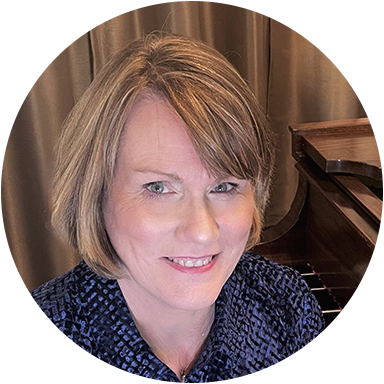
Jennifer Linn brings three decades of teaching experience to every piece she writes. A pianist and composer with advanced degrees from the University of Missouri Kansas City Conservatory of Music, she has created over 300 works for student pianists and served as Manager of Educational Piano for Hal Leonard. Her background as a clinician, university pedagogy instructor, and independent studio teacher informs her deep understanding of what students need to grow.
Linn's contributions to music education have earned significant recognition, including the 2013 UMKC Alumni of the Year award and the 2020 Albert Nelson Marquis Lifetime Achievement Award. She continues to present master classes and workshops across the United States, Canada, and internationally, sharing her insights on student-centered repertoire and effective teaching strategies.
Why we love this
Linn understands the grade 3 student completely. This piece balances approachable technical demands with genuine musical expression, so students feel like they're playing something substantial rather than simply executing finger patterns. The New Age coloring gives it contemporary appeal while maintaining the melodic clarity that makes early intermediate pieces memorable.
What to expect
Tranquil and contemplative, with the gentle quality of a moment before sleep. The music creates an intimate, reflective atmosphere that invites students to practice with sensitivity rather than speed.
Who it's for
Grade 3 piano students ready for pieces with emotional weight and contemporary color. Teachers seeking accessible repertoire that bridges classical technique with modern sensibility will find a reliable choice here.
How to get the most out of it
Shape the melody expressively even at a moderate tempo; resist the urge to rush. The title suggests introspection, so allow space for the student to find a quiet, focused sound.
Listen for evenness between the hands. Grade 3 students often rush accompaniment figures while holding back the melody. Record yourself and evaluate the balance.
Experiment with dynamic contrast. Find places where the texture can breathe by softening the accompaniment or bringing out an inner voice.
Practice the piece without pedal first to build hand independence, then add pedal intentionally at musically significant moments.
How to use it
Include this in a recital program where you want to slow the pacing and shift the mood. It pairs well with baroque or contemporary pieces, offering a calming bridge between faster or more technically demanding selections.
Skills your students will build
Balancing melody and accompaniment in both hands
Sustaining legit phrasing across multiple measures
Using pedal for color and resonance rather than convenience
Interpreting expressive markings with musical intention
Managing rubato and temporal flexibility at an appropriate grade level
You May Also Like
Scan to Complete Your Purchase
Use your phone's camera to scan the code below
You'll log in on your phone and the order will be added to your account