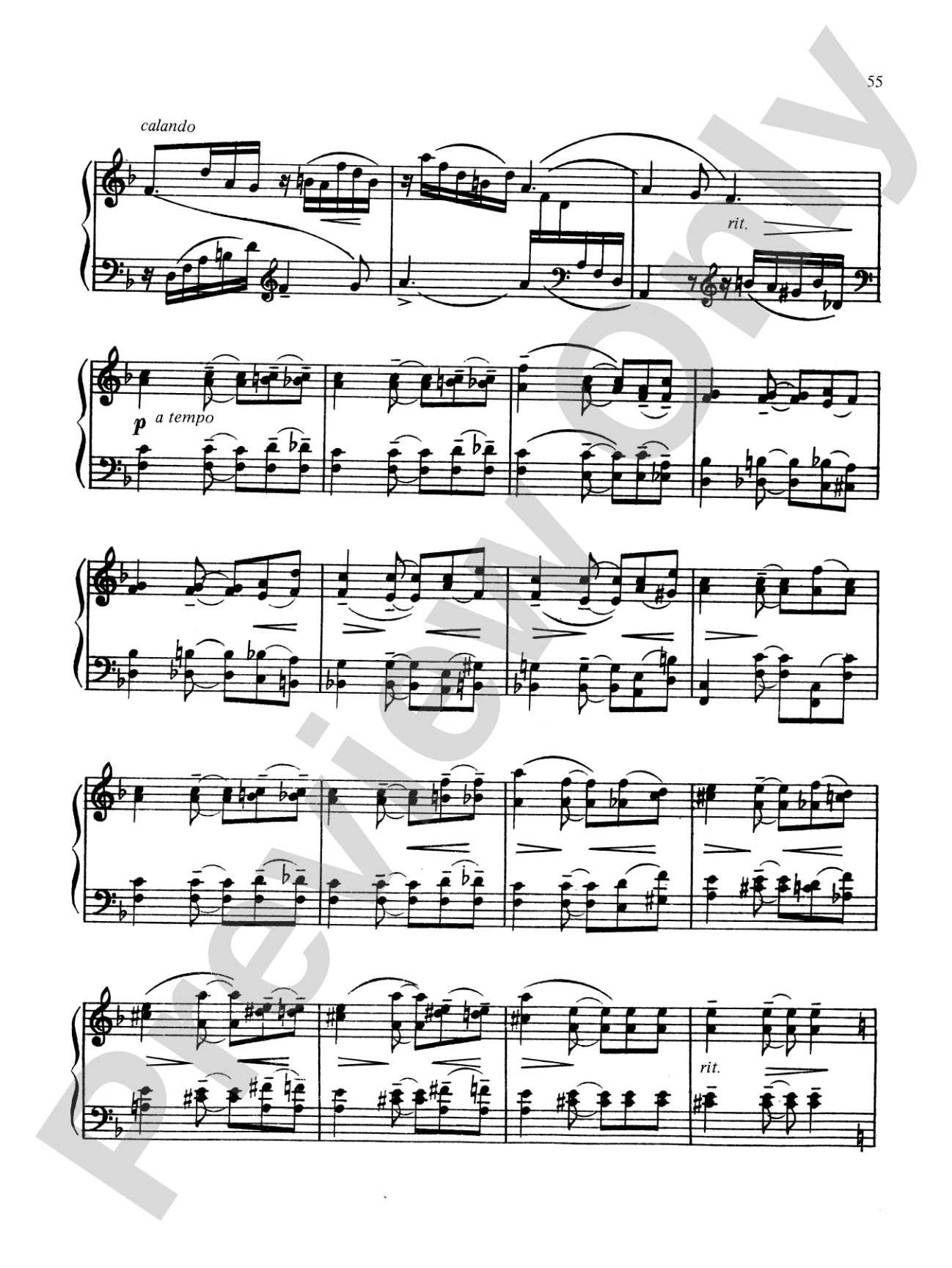
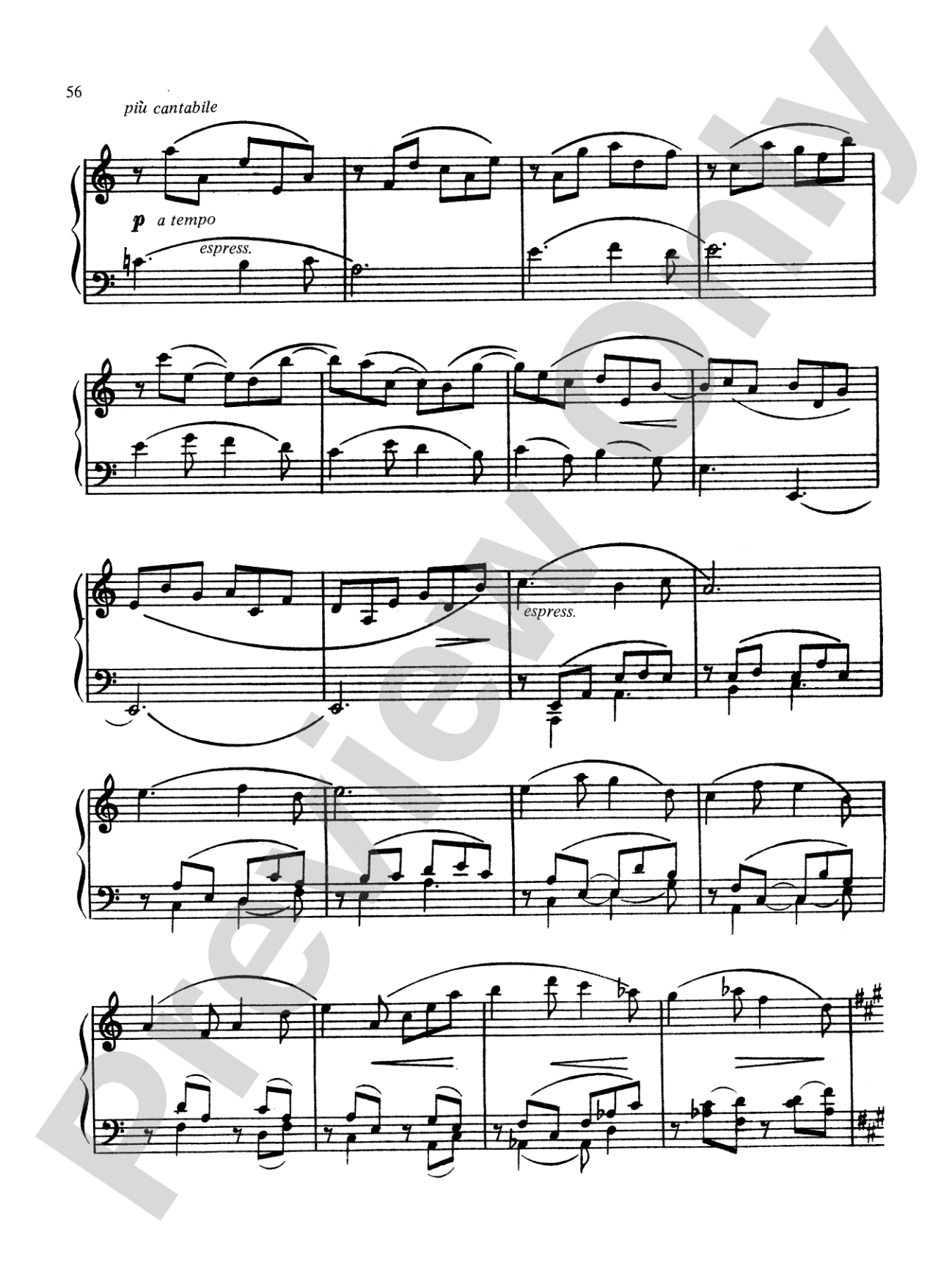
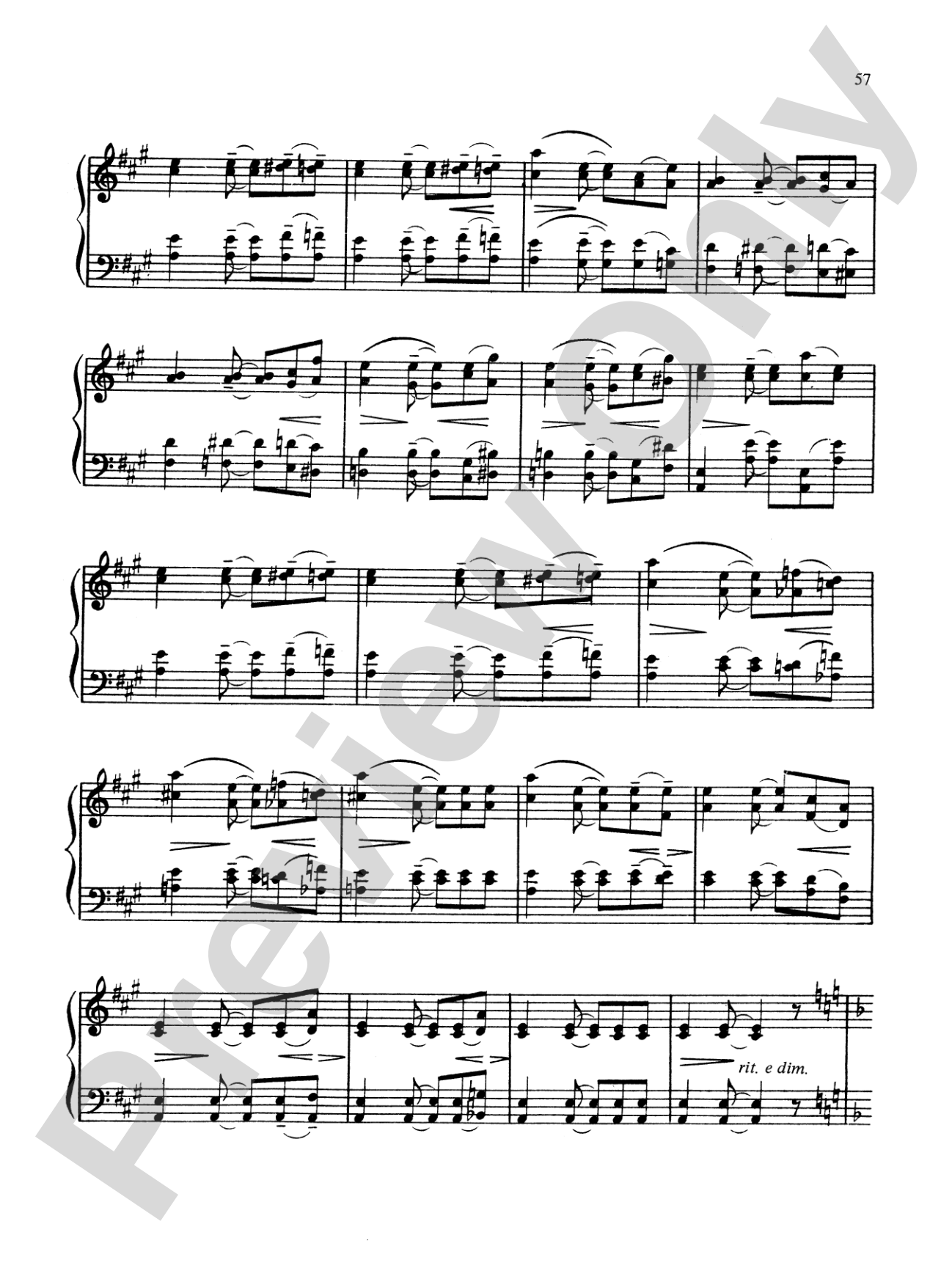
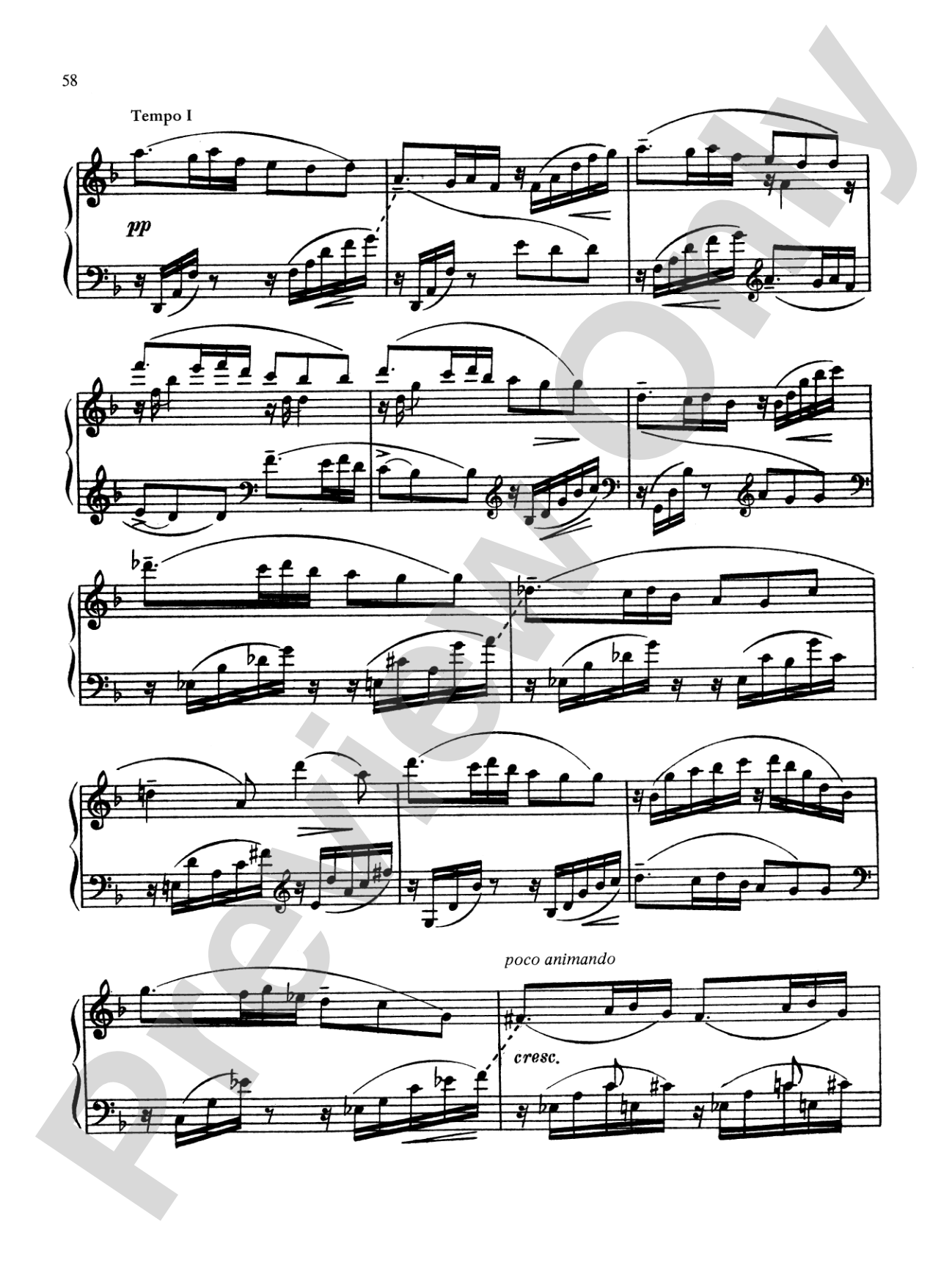
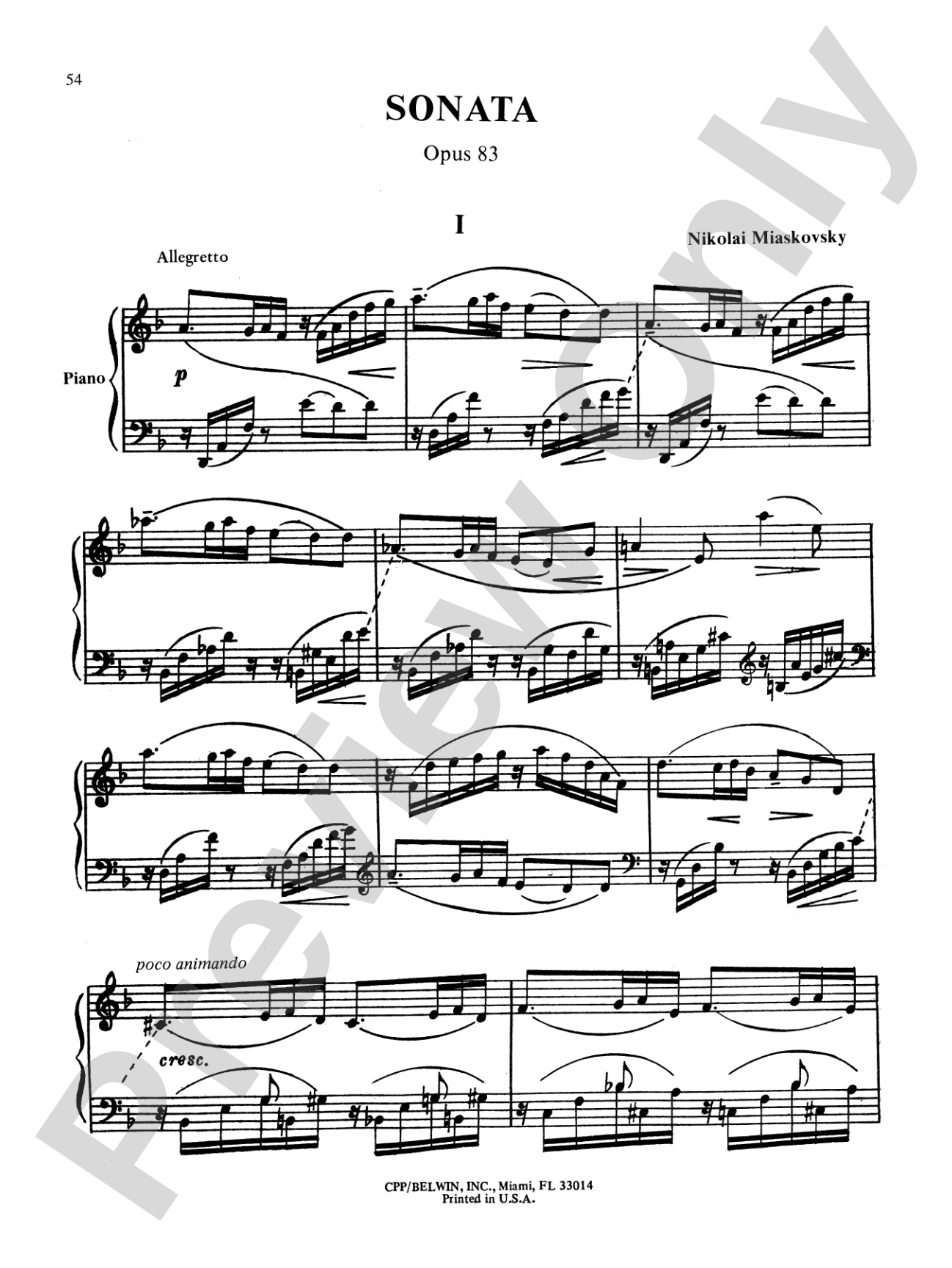
Miaskowsky: Three Sonatas Sheet Music Preview

Miaskowsky: Three Sonatas

By Nicolai Miaskowsky

Item: 00-PC-0014171

Digital Download
$2.95
Description
(Op. 64/1, Op. 82, Op. 83)

Don't just read it, hear it, play along with it, and watch your students grow with it. In MakeMusic Cloud, Miaskowsky: Three Sonatas comes alive with professional accompaniment, adjustable tempo, and built-in practice tools that turn solo practice into real progress.

Sample Audio
No sample audio found.
Sample Video
Additional Details
Series: Kalmus Edition
Publisher: Alfred Music
Page Count: 76
SKU: 00-PC-0014171

More about this title

About the Composer: Nicolai Miaskowsky

Nicolai Miaskowsky (1881-1951) was a Russian composer whose prolific output encompassed 27 symphonies, string quartets, concertos, and substantial solo piano works. Though overshadowed internationally by his contemporaries Shostakovich and Stravinsky, Miaskowsky commanded deep respect in Soviet musical circles and developed a compositional language that moved from late Romanticism toward modernist abstraction without abandoning lyrical depth.

His three sonatas span the mature and late phases of his career, representing a composer in full command of formal architecture and harmonic sophistication. Piano teachers and students seeking substantial 20th-century repertoire beyond the familiar canon will find in these works a genuine alternative to the standard recital diet.

Why we love this

These three sonatas offer serious pianists access to a major 20th-century voice whose music rewards the investment of time and technical preparation. The writing is idiomatic for the instrument without resorting to virtuosic display for its own sake, and the formal logic demands engaged listening from both player and audience. At 76 pages, this collection represents substantial programming material that signals artistic ambition.

What to expect

These sonatas inhabit a lyrical modernism that avoids both Romantic excess and avant-garde austerity. The harmonic palette is rich and occasionally haunting, with passages of genuine introspection alongside moments of brittle precision. The overall character reflects a composer steeped in Russian musical tradition but comfortable with 20th-century musical language.

Who it's for

Advanced pianists preparing recital material or exploring core 20th-century repertoire. University piano students and serious amateurs with secure technique and a taste for modernist harmonic language will find substantial material here. Teachers seeking pieces that develop mature musicianship without resorting to transcription or arrangement.

How to get the most out of it

  • Balance structural clarity with expressive depth; these sonatas require you to hear the long architectural lines beneath surface complexity. Mark the major harmonic turning points and structural divisions in your score before intensive practice.
  • Attend closely to Miaskowsky's dynamic markings and articulation. His notation often signals shifts in texture and emotional temperature that can blur if you rely on habit or automation.
  • Approach the harmonic language on its own terms rather than searching for tonal anchors. These works operate in extended tonality; trust the composer's voice-leading and voice independence.
  • Record yourself regularly. The formal scope of these pieces makes it easy to lose sight of overall architecture during practice. Listening back helps you hear what's actually happening rather than what you intended.

How to use it

Program one sonata on a recital devoted to early-to-mid 20th-century piano literature, perhaps alongside works by Prokofiev or Shostakovich. These works also serve well in faculty recitals or master class performances aimed at introducing students to less familiar but essential repertoire. The collection's scope makes it suitable for a themed concert on the piano sonata tradition.

Skills your students will build

  • Reading extended harmonic language and chromatic voice-leading
  • Maintaining structural awareness across multi-movement works
  • Balancing clarity with legato in modernist texture
  • Interpreting dynamic and articulation markings as formal signposts
  • Sustaining focus through substantial, formally complex movements

You May Also Like