
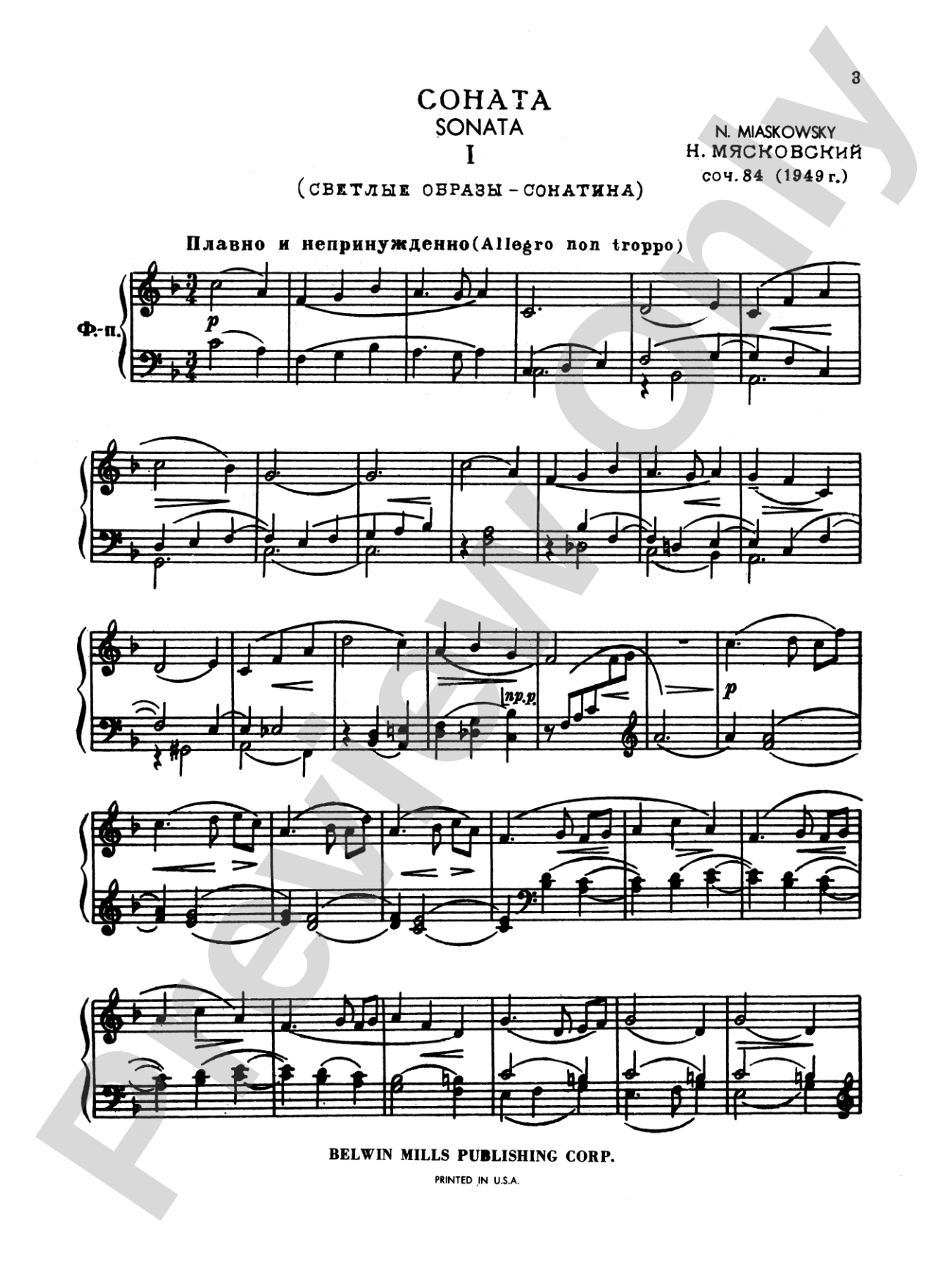
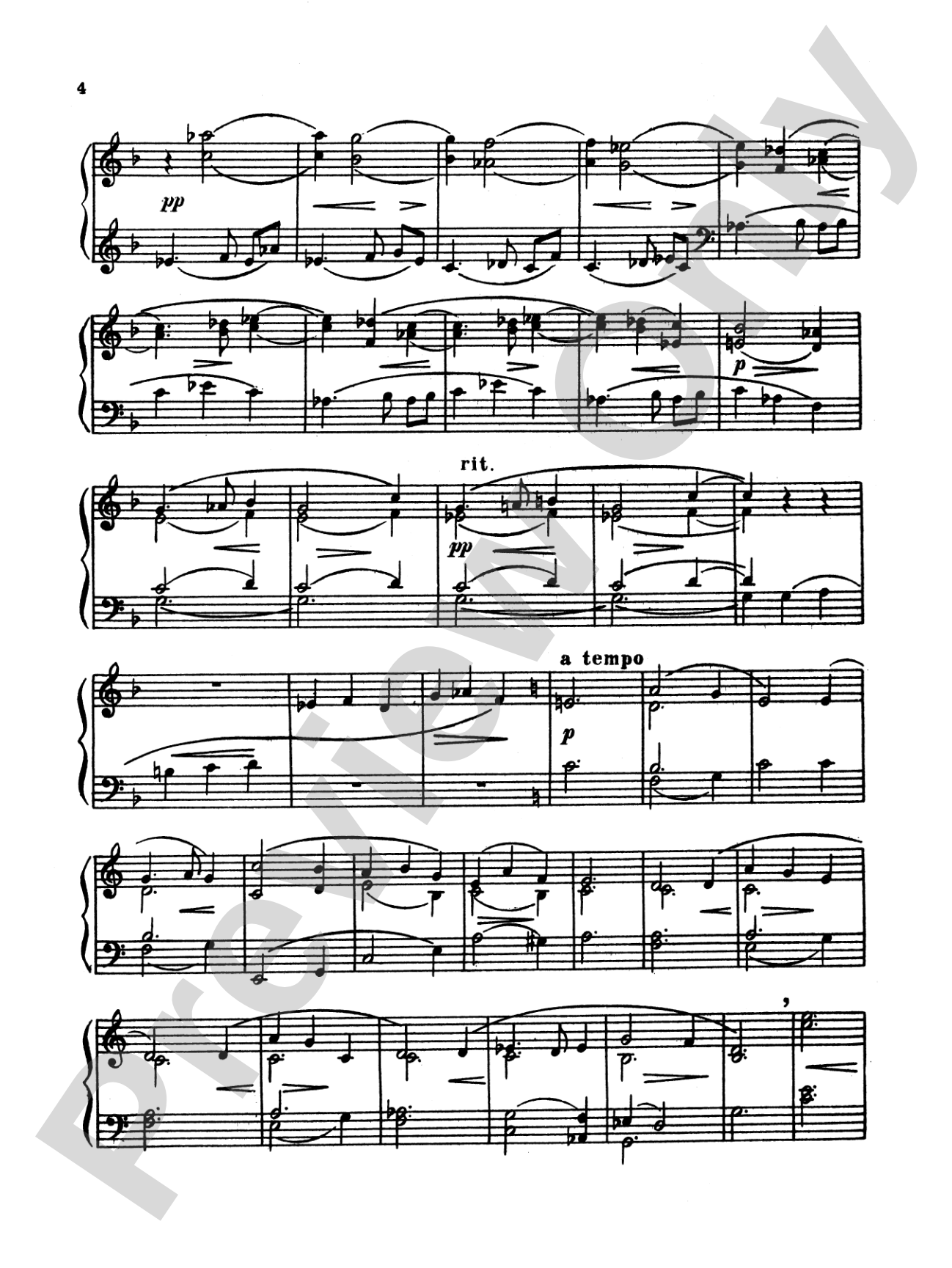
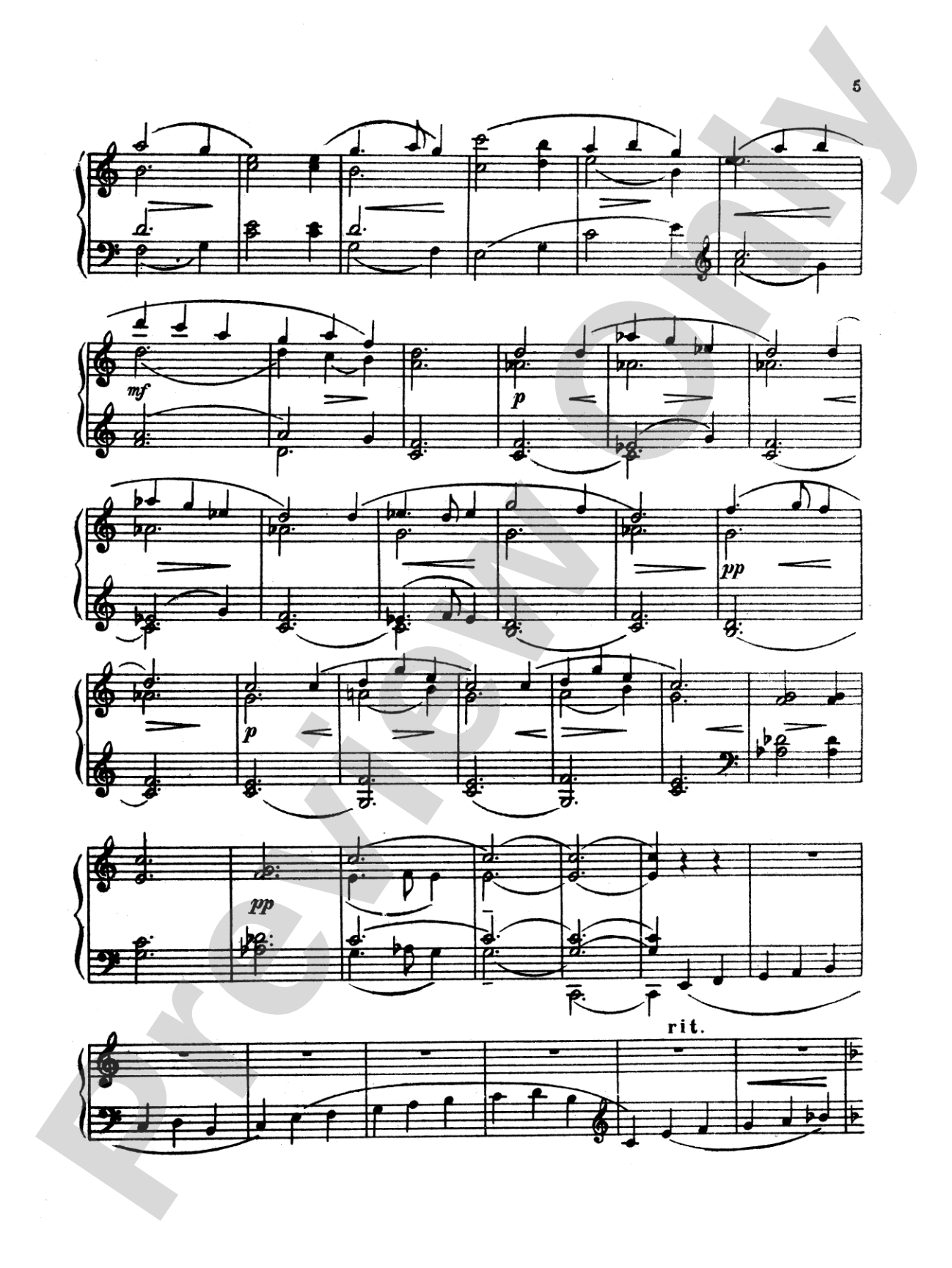
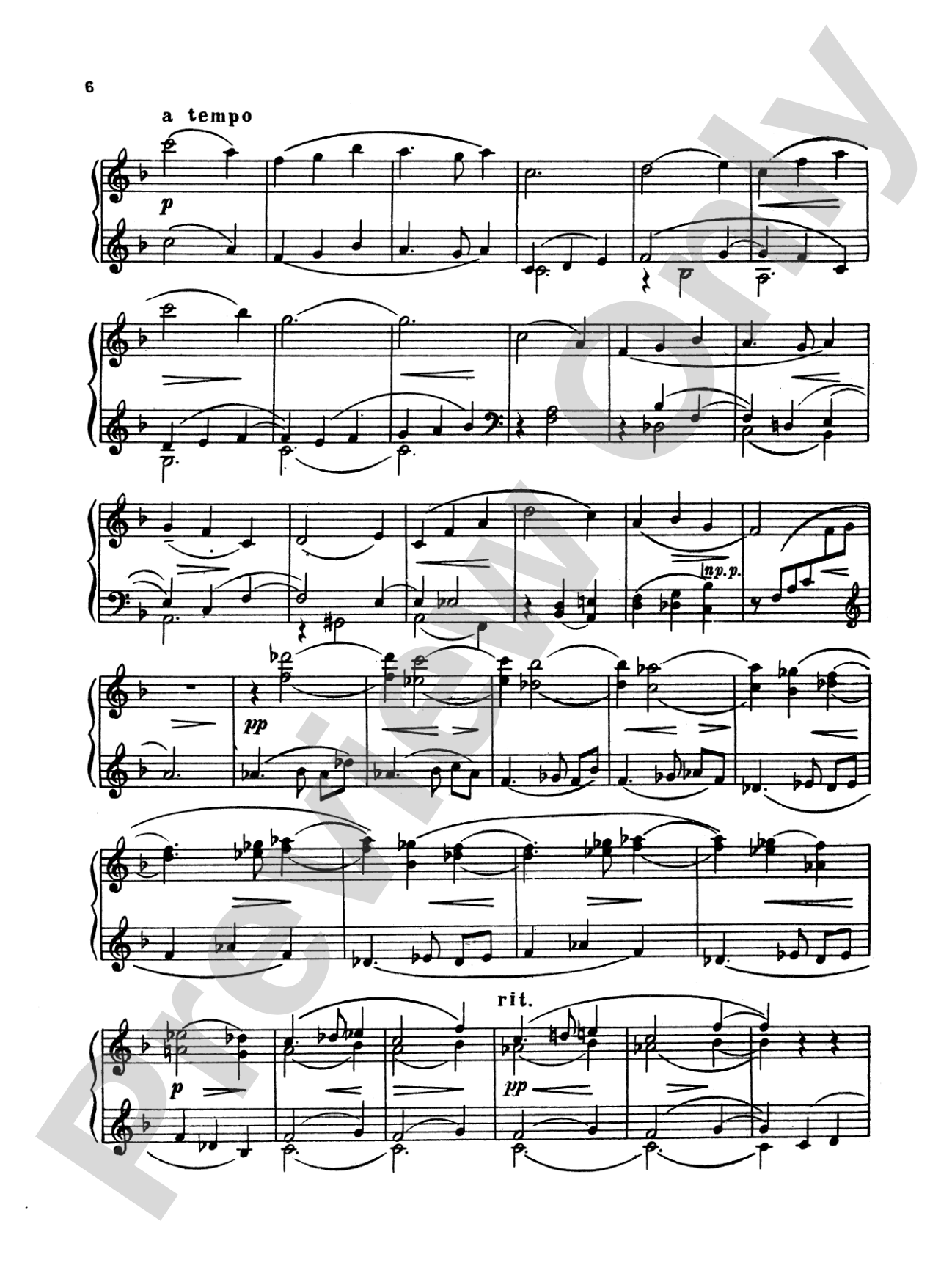
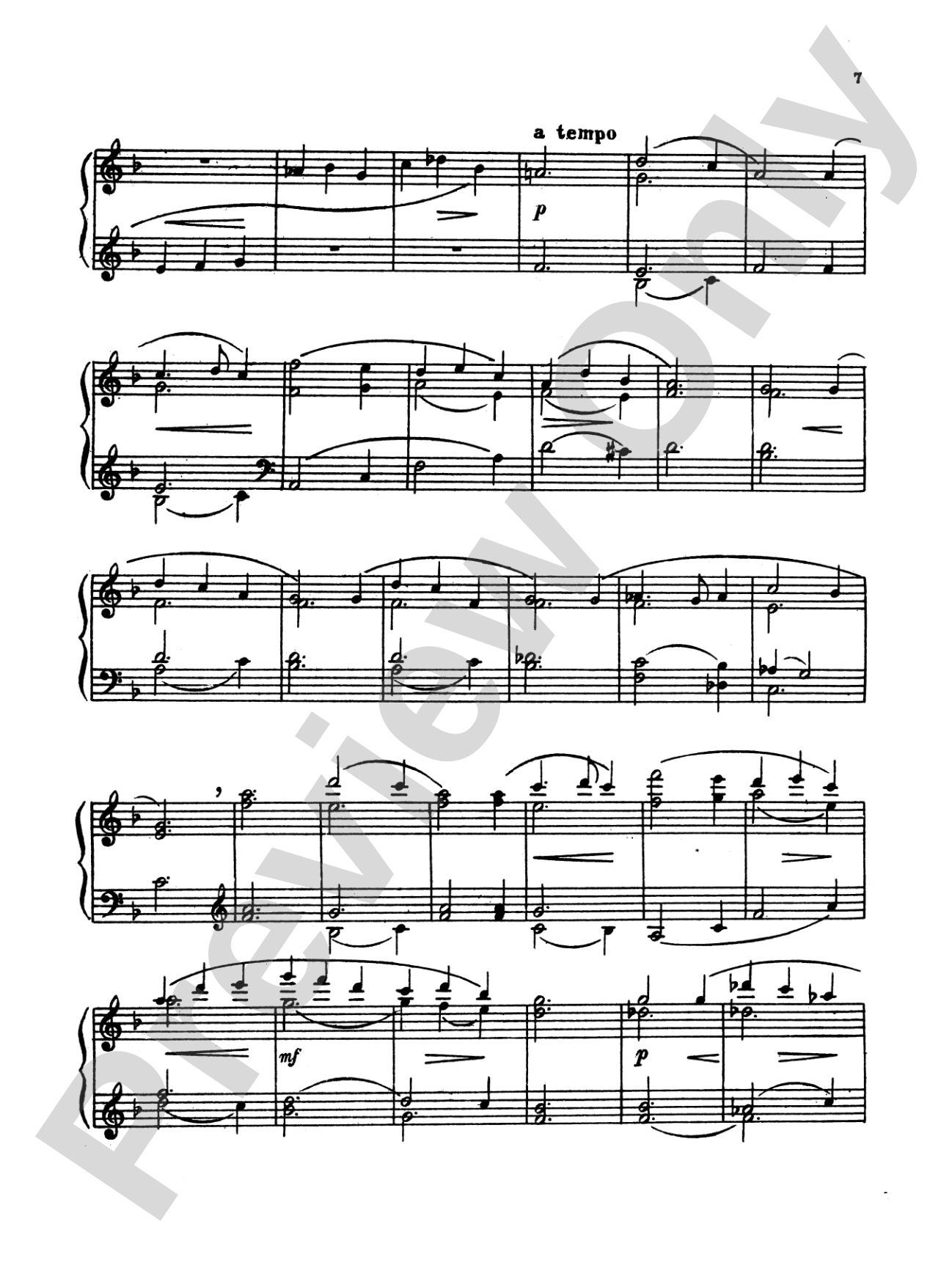
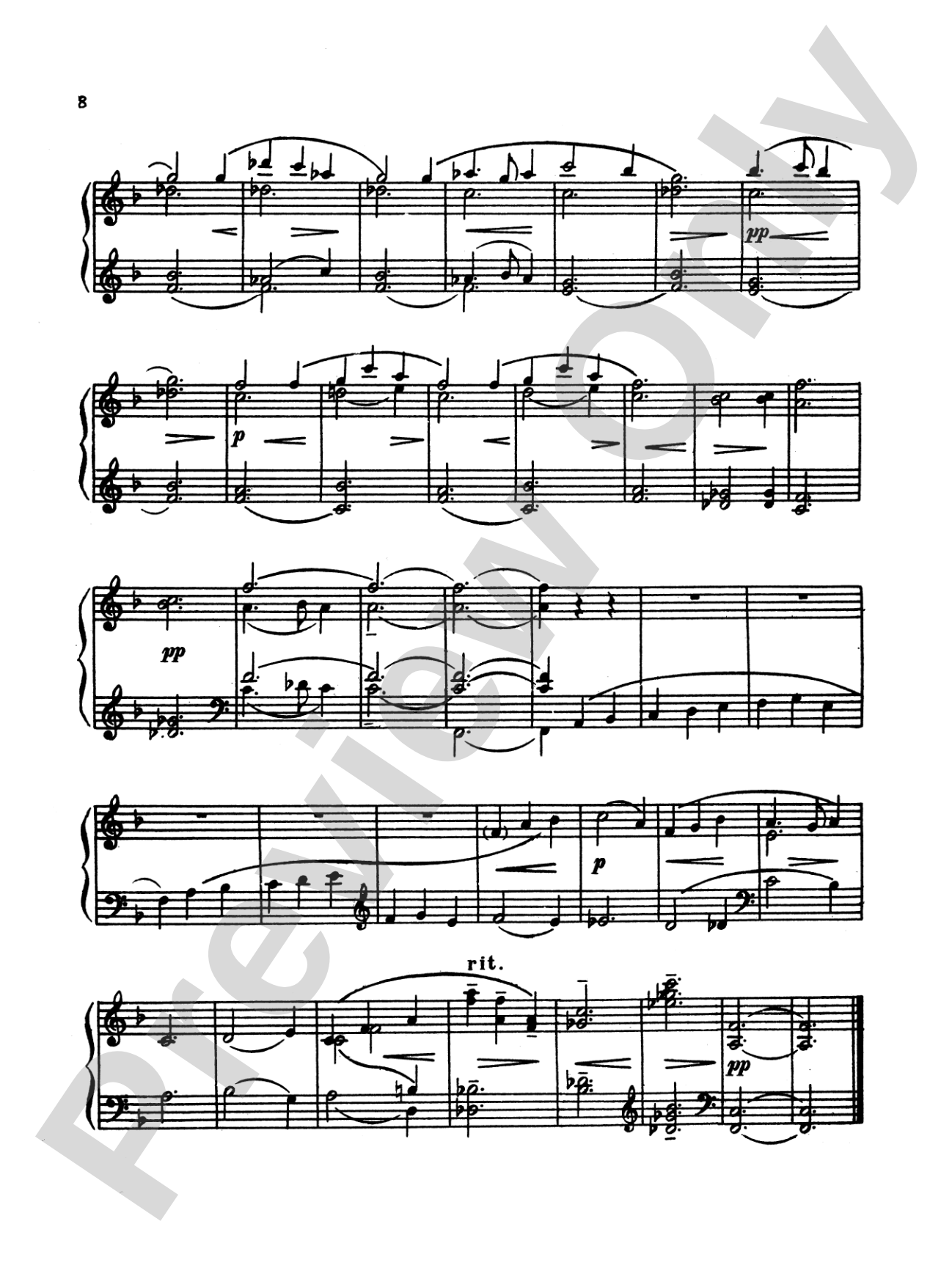

Miaskowsky: Sonata in F Major, Op. 84: Piano
By Nicolai Miaskowsky
Level: Intermediate / Advanced
Item: 00-PK-0003796

$7.99
Pickup currently not available
Buy Extra Parts (Digital PDF Download)
| Product | Price | Quantity |
|---|---|---|
| Miaskowsky: Sonata in F Major, Op. 84 | $1.99 | |
| Miaskowsky: Sonata in F Major, Op. 84 | $1.99 | |
| Miaskowsky: Sonata in F Major, Op. 84 | $1.99 |
Parts Added to Cart!
Related Items
Sonata in F Major, Opus 84: Piano |
$7.95
|
View |
Description
Expertly arranged piano solo from our Kalmus Edition.


Don't just read it, hear it, play along with it, and watch your students grow with it. In MakeMusic Cloud, Miaskowsky: Sonata in F Major, Op. 84: Piano comes alive with professional accompaniment, adjustable tempo, and built-in practice tools that turn solo practice into real progress.
Open in the Player
Jump straight in and assign it today.
Start Your Free Trial
Open this title and explore the full library in minutes.
Sample Audio
No sample audio found.
Sample Video
No sample videos found.
Additional Details
Series:
Kalmus Edition
Publisher:
Alfred Music
Page Count:
24
SKU:
00-PK-0003796
More about this title
About the Composer: Nicolai Miaskowsky
Nicolai Miaskowsky (1881-1951) was a Soviet composer whose catalog spans symphonies, chamber works, and solo keyboard pieces that bridge Romantic lyricism with twentieth-century modernism. A prolific and respected figure in Russian musical life, he developed a distinctive harmonic language marked by chromatic density and lyrical warmth, qualities that anchor his later sonatas for piano.
Miaskowsky's keyboard works demand serious pianists willing to engage with sophisticated harmony and structural ambition. The Sonata in F Major, Op. 84, reflects the maturity of his late period, when his compositional voice had deepened and his harmonic palette grown more complex without sacrificing emotional directness.
Why we love this
This sonata offers pianists at the advanced intermediate level access to substantial twentieth-century literature that rewards both intellectual study and expressive playing. Unlike more familiar contemporary sonatas, Miaskowsky's writing balances structural rigor with genuine lyricism, creating a work that feels neither pedagogical nor forbiddingly austere. The F Major tonality and the span of the piece make it an excellent recital vehicle for pianists building a modern repertoire.
What to expect
The work unfolds with a contemplative, sometimes searching quality, its harmonic language turning inward and investigating chromatic possibilities while maintaining connection to F Major. There is both intellectual density and genuine warmth here, a kind of earnest introspection characteristic of Miaskowsky's mature output; the sonata never becomes forbidding, but it never offers easy answers either.
Who it's for
This sonata suits advanced intermediate to early advanced pianists pursuing twentieth-century masterworks that sit comfortably between familiar Romantic idioms and more experimental modernism. It also appeals to serious students preparing comprehensive recitals or exploring Russian compositional voices beyond Rachmaninoff and Prokofiev.
How to get the most out of it
- Attend closely to Miaskowsky's harmonic language; chromatic voice-leading often obscures traditional harmonic landmarks, so listening through the score before learning hands separately clarifies the underlying structure.
- Balance the density of the writing with phrase clarity; excessive pedal muddies the chromatic detail, so articulate the harmonic progression cleanly and refresh the pedal frequently.
- Shape longer passages by identifying the true melodic line rather than treating all voices equally; Miaskowsky often buries the primary theme beneath accompaniment figuration.
- Allow time in your practice schedule for harmonic exploration; understanding the relationship between traditional F Major and Miaskowsky's chromatic vocabulary will deepen your interpretation.
How to use it
Program this as the contemporary anchor in a recital exploring tonality across periods, pairing it with an earlier Romantic sonata to highlight harmonic evolution. It also works well in concert contexts dedicated to Russian or Soviet keyboard literature, or as a thoughtful counterpoint to more virtuosic twentieth-century pieces.
Skills your students will build
- Reading chromatic voice-leading and identifying harmonic function within modernist tonality
- Sustaining long-range structural coherence across extended single-key explorations
- Balancing textural density with melodic clarity through selective pedaling and voicing
- Interpreting twentieth-century lyricism without relying on Romantic rubato or excessive sentimentality