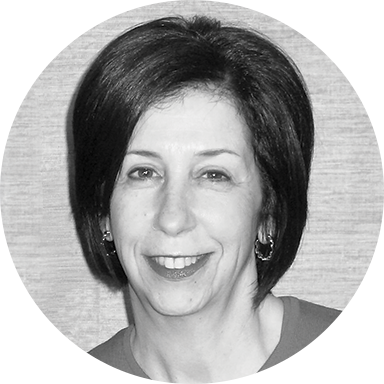
Jill Gallina, along with her collaborator Michael, has built a reputation for creating music that speaks directly to young singers. Her work spans musical theater, choral compositions, and educational pieces that have earned recognition from the Parents Choice Foundation, American Library Service, and ASCAP. Her arrangements and original compositions have reached audiences through major platforms including PBS, The Disney Channel, The New York Philharmonic, and The Boston Pops.
Before dedicating herself to composition full time, Jill taught elementary school music, giving her deep insight into what works in the classroom and what captures students' voices. She holds a B.A. in music from the College of New Jersey and has co-authored music that sells in the millions and performs in thousands of productions globally each year. The Gallinas are also recognized educators, leading workshops for music teachers across the English-speaking world.
Why we love this
This arrangement honors a cherished Chanukah standard while keeping the voicing accessible for mixed choirs still building three-part confidence. Gallina's hand here is evident in how singers can connect authentically to the text without fighting unnecessary ranges or awkward voice leading.
What to expect
Warm and familiar, yet carrying real weight. This traditional melody settles into your singers' voices with surprising ease, allowing them to focus on storytelling rather than technique. There's a gentle dignity here that transforms a folk tune into something choirs want to return to year after year.
Who it's for
Middle school and high school choirs looking for accessible yet meaningful holiday repertoire. Directors programming Chanukah observances, interfaith concerts, or secular winter celebrations will find this eight-page octavo straightforward to teach and genuinely moving to perform.
How to get the most out of it
Balance the three parts so the melody remains clear; SAB voicing often asks the middle part to carry harmonic weight, so rehearse the Altos separately to ensure they lock the harmony without overshadowing the sopranos.
Let the text drive your phrasing and dynamics. The question 'Who can retell the things that come to pass?' invites a natural rise and fall that mirrors spoken conversation.
Consider how this sits within your Chanukah programming. A folk arrangement like this works beautifully as a congregational moment or as a bridge between secular and sacred repertoire.
How to use it
Slot this into a winter concert as a reflective piece following something energetic, or feature it as part of a Chanukah-focused program where it anchors the emotional center. Its accessibility and cultural significance make it equally at home in a secular community concert or a school assembly.
Skills your students will build
Three-part SAB voicing independence
Phrasing that follows textual meaning
Sustaining melodic line while singing harmony
Clarity in mixed ensemble blend
You May Also Like
Scan to Complete Your Purchase
Use your phone's camera to scan the code below
You'll log in on your phone and the order will be added to your account