
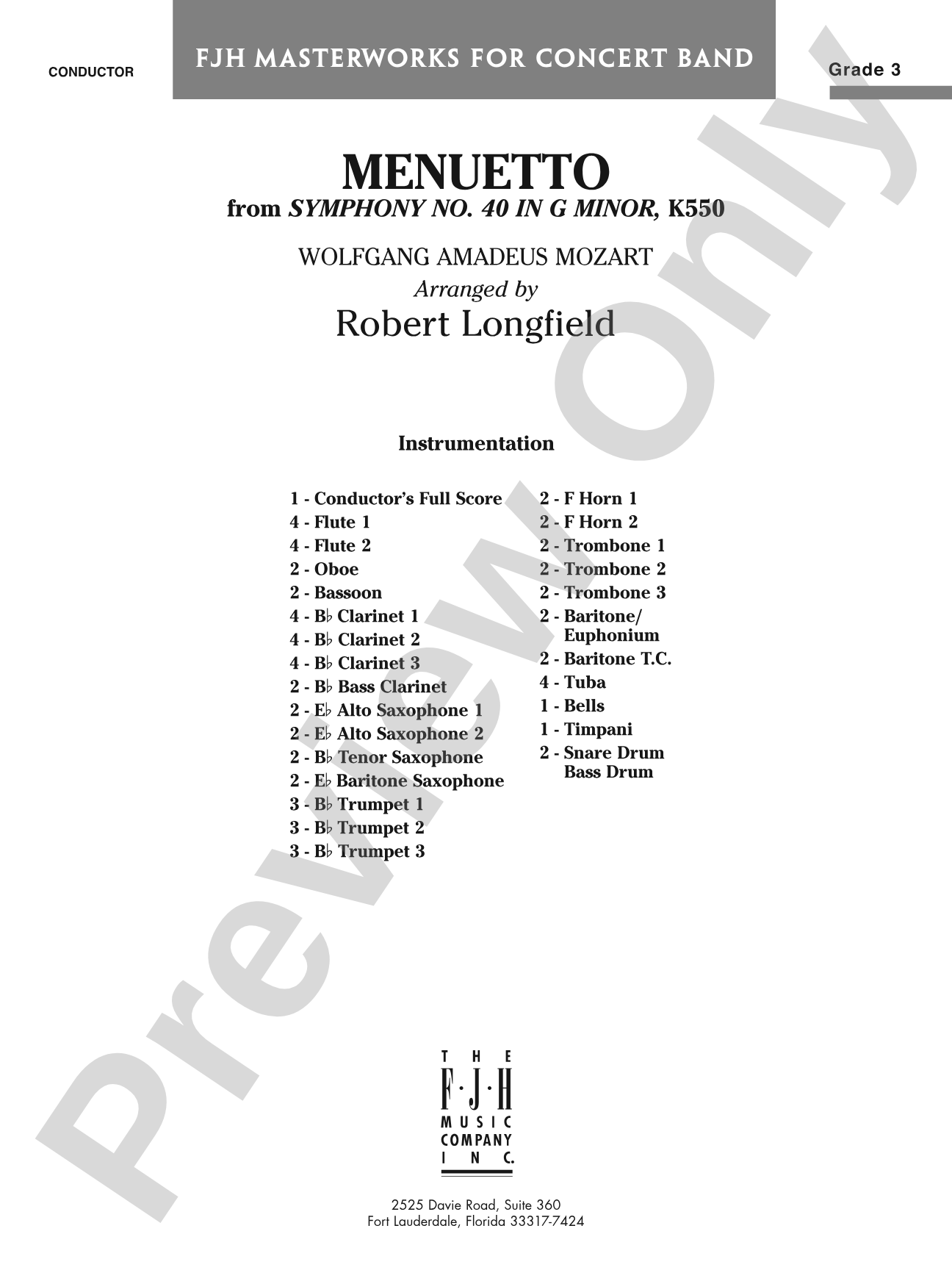
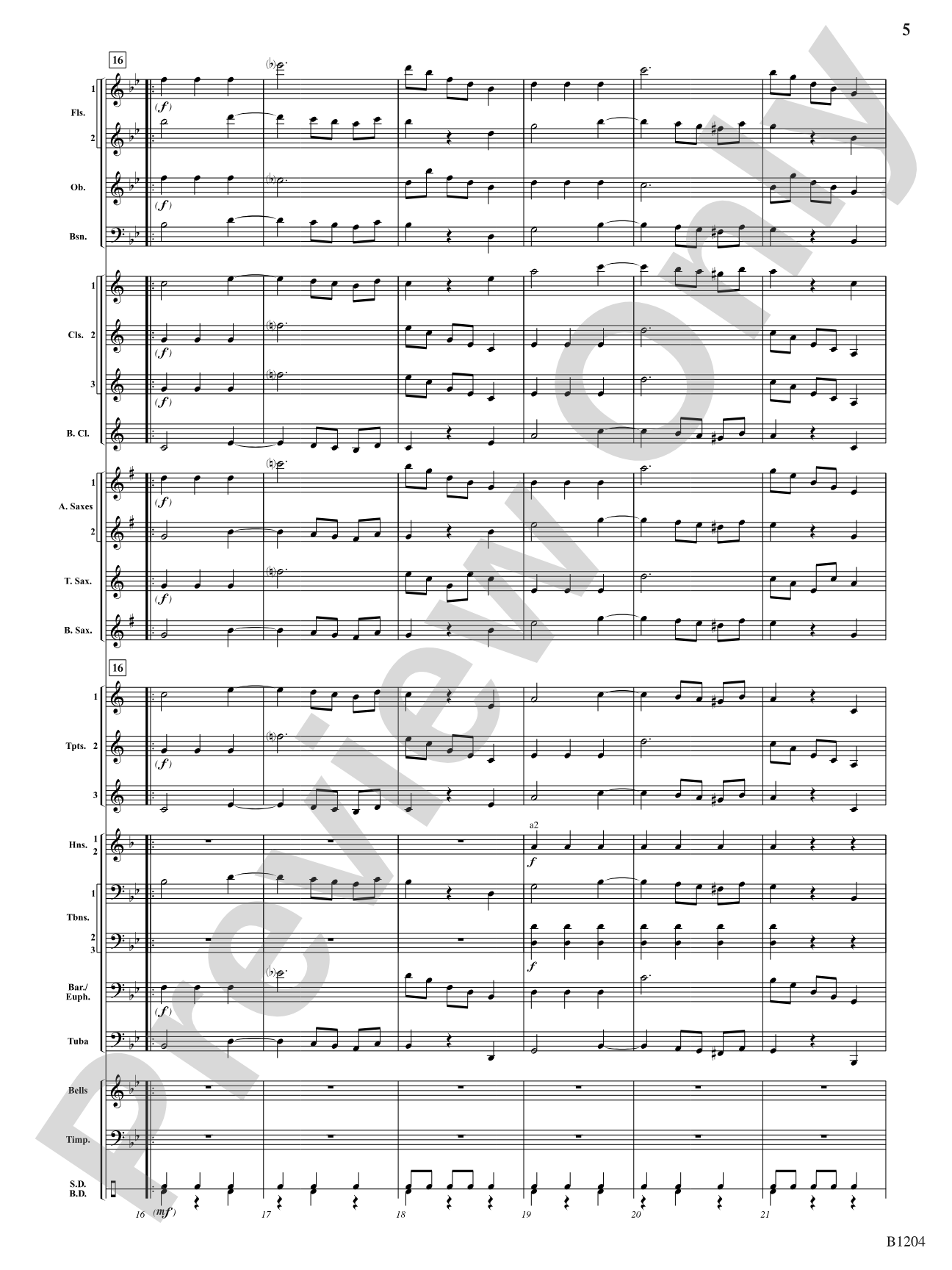
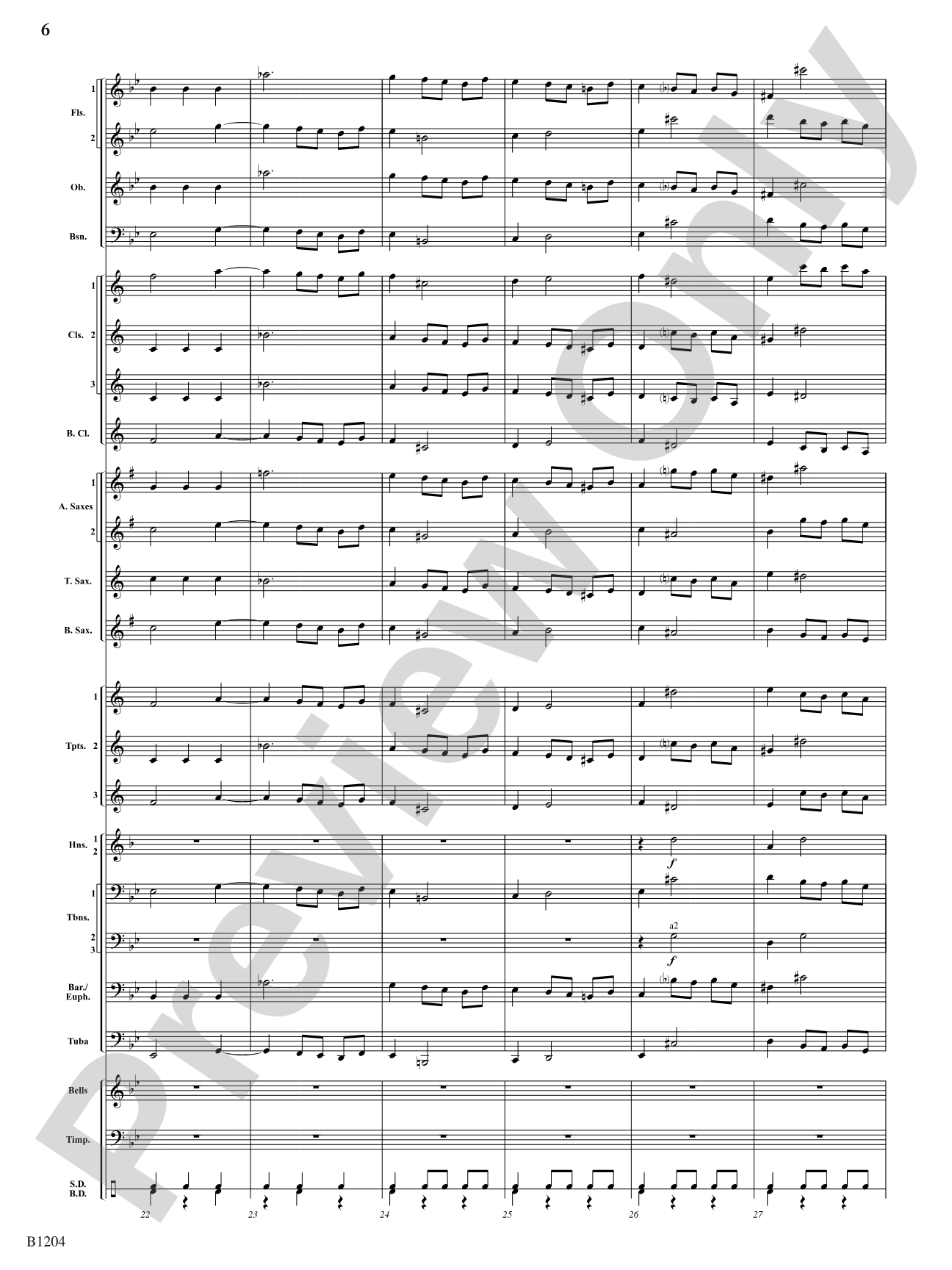
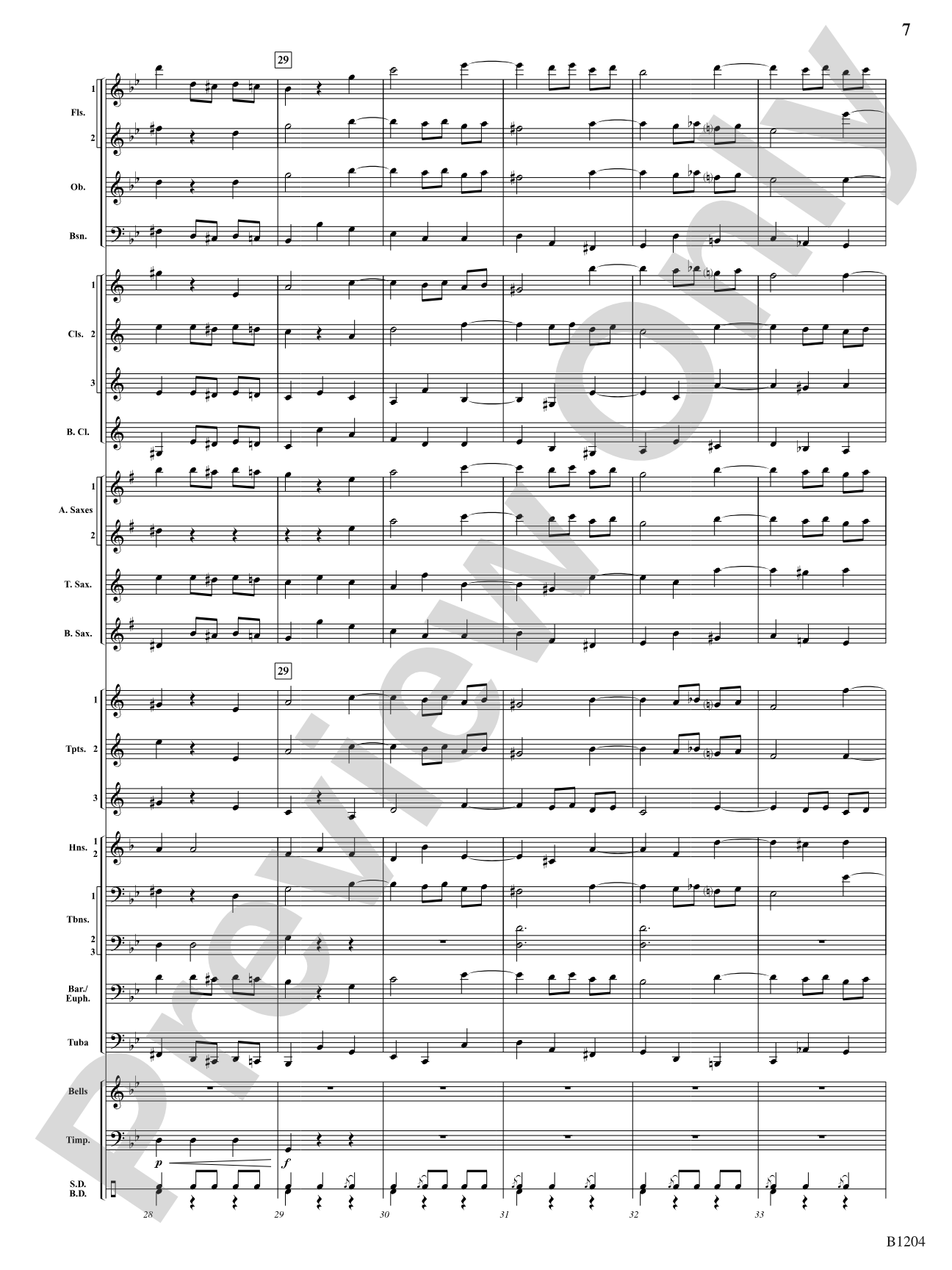
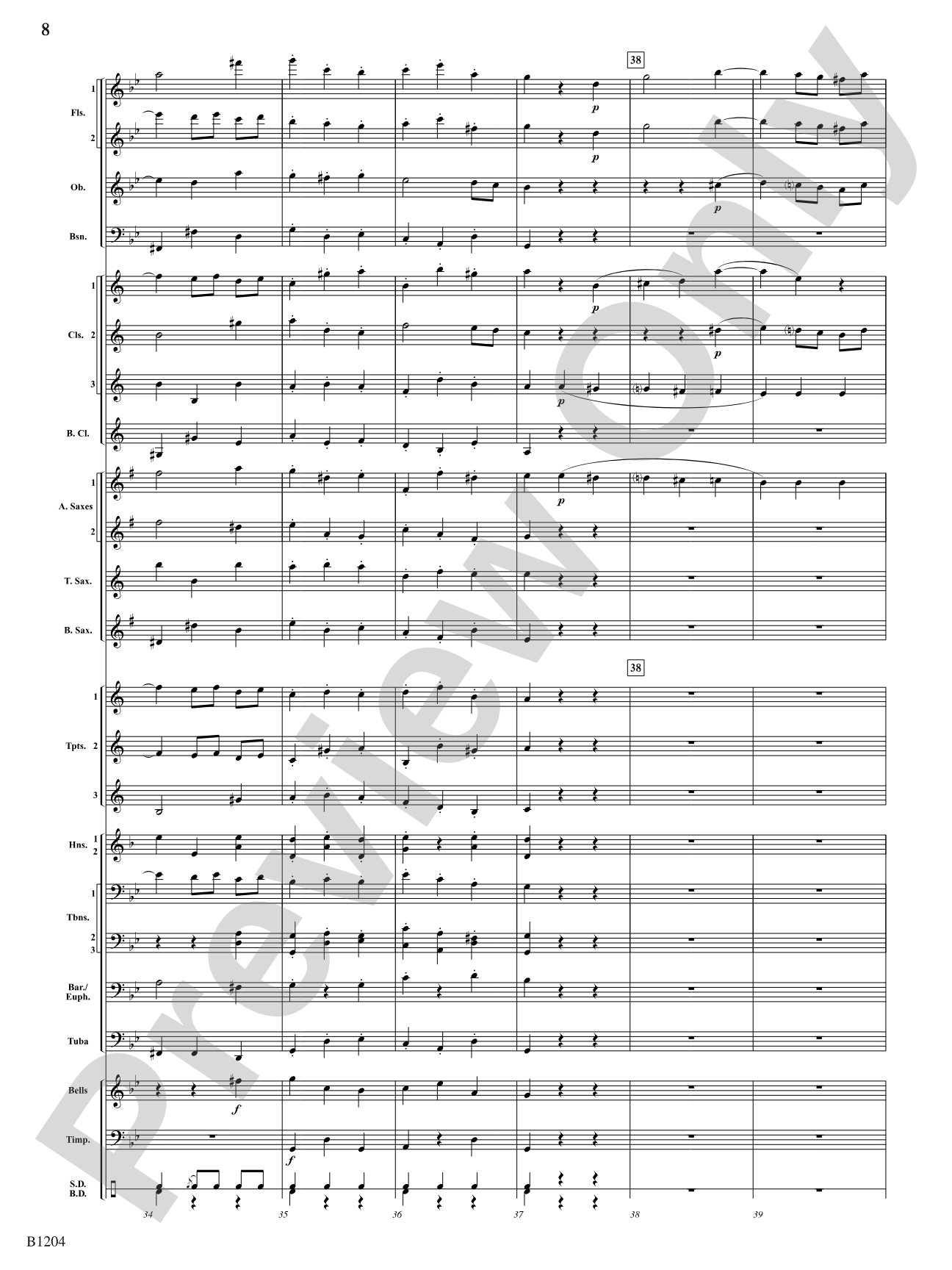
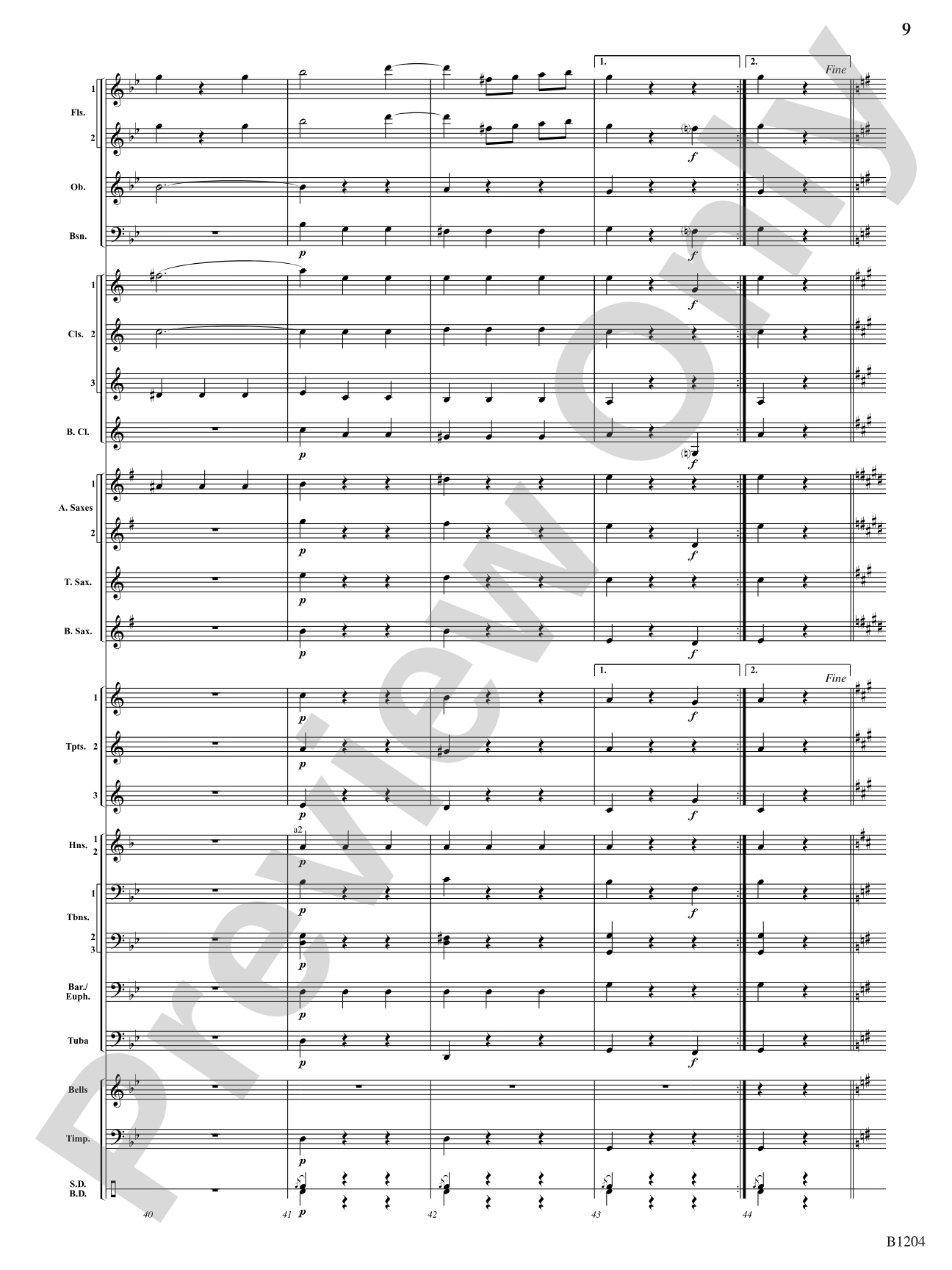
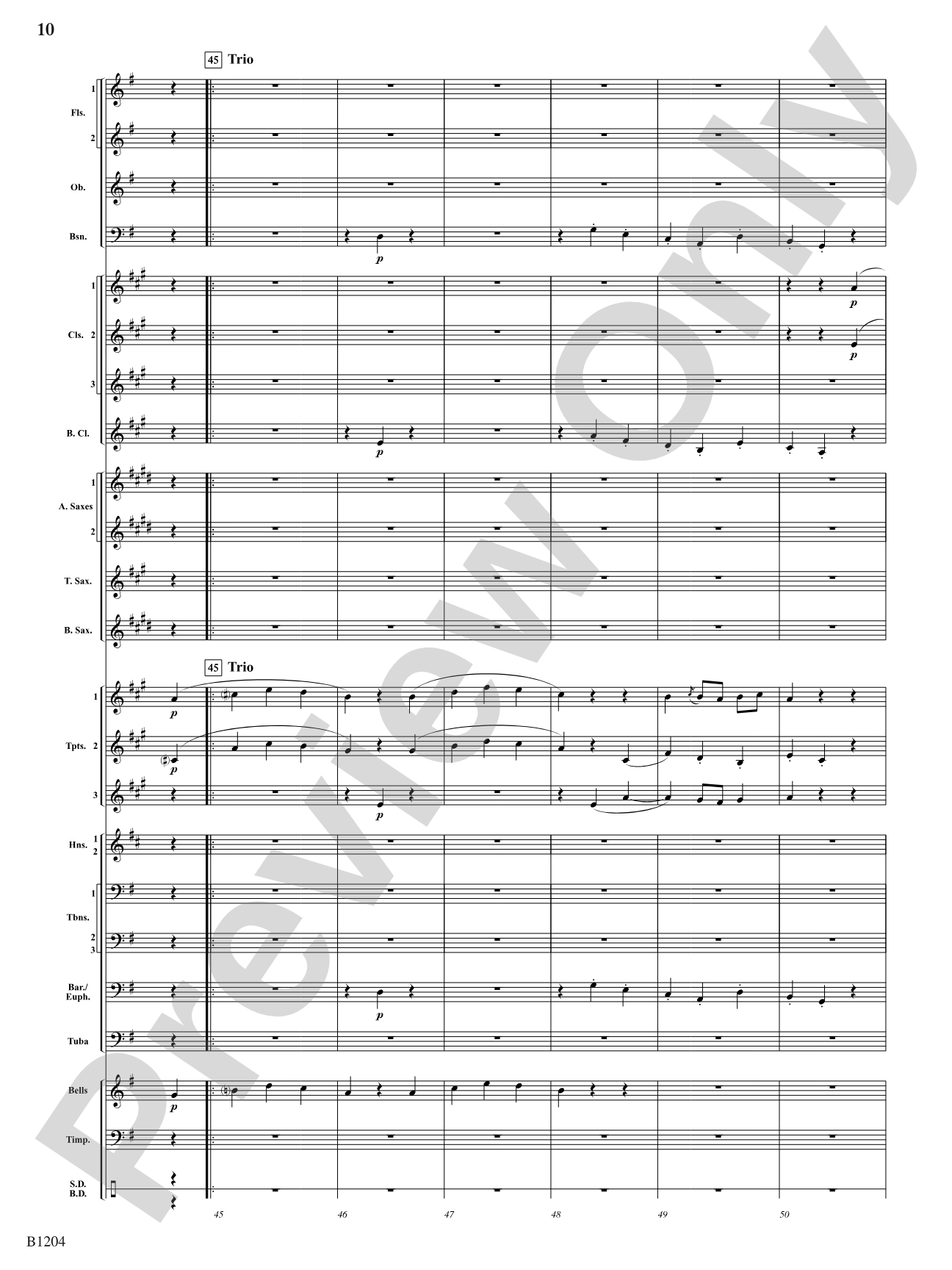
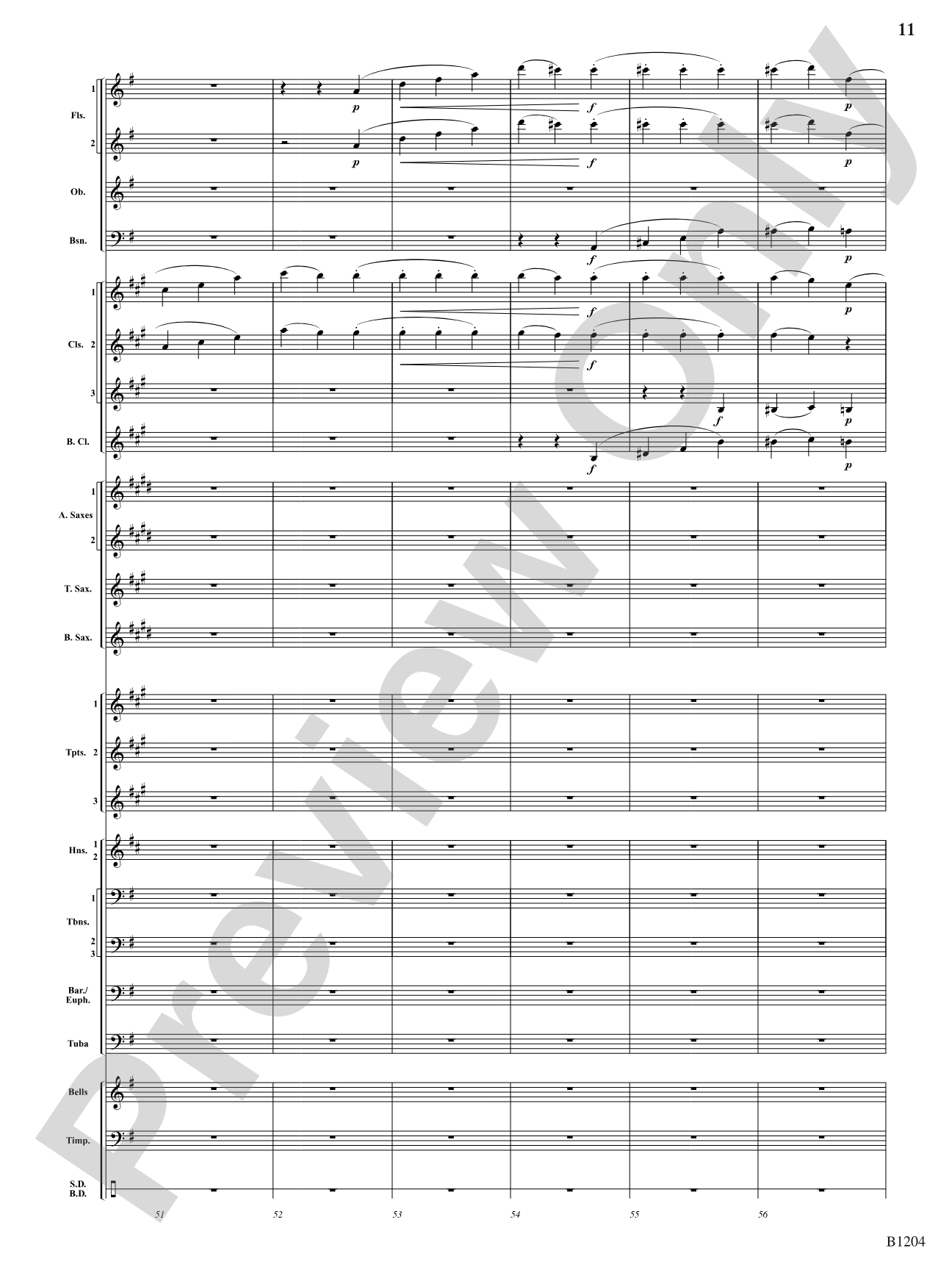
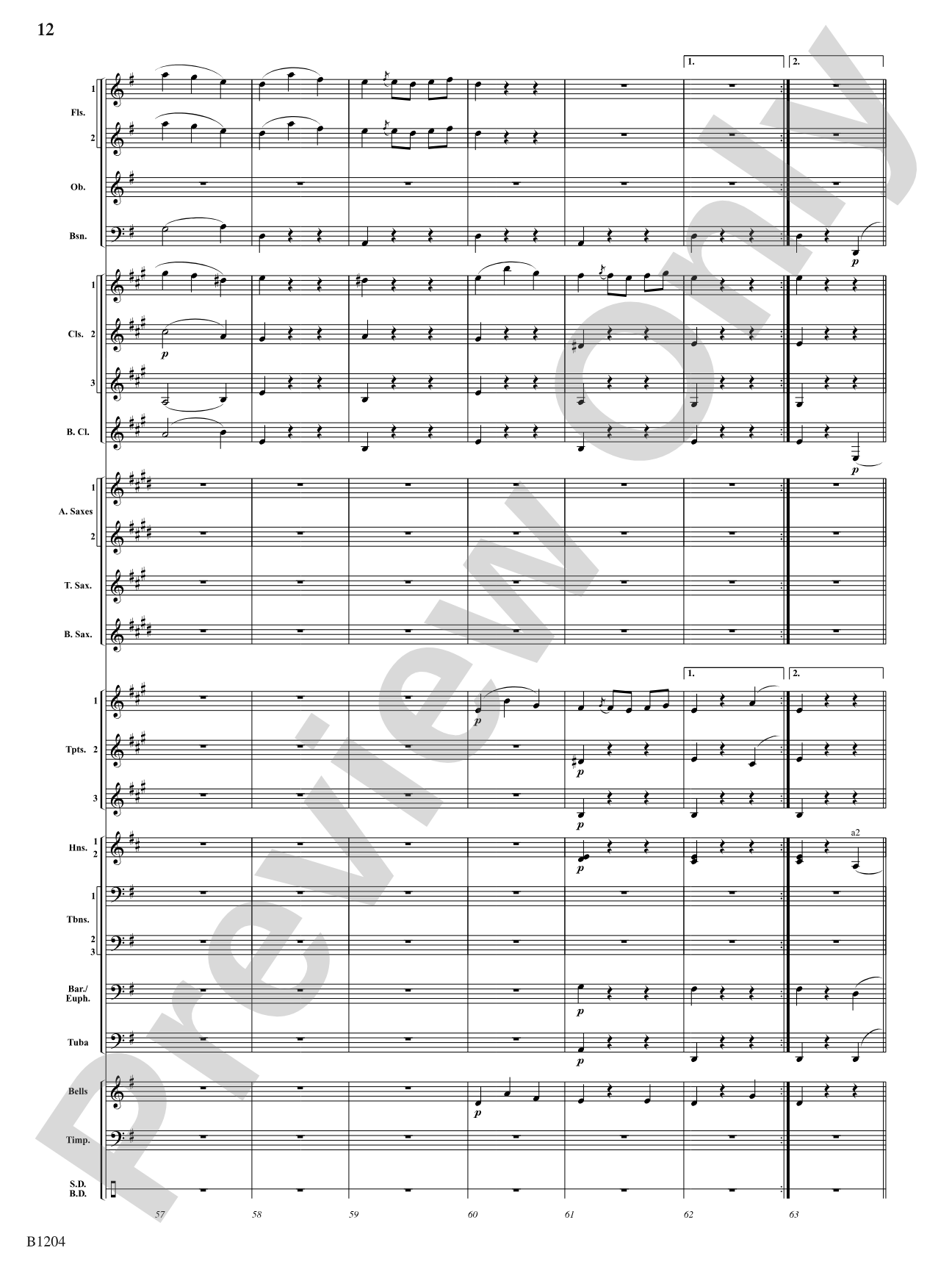
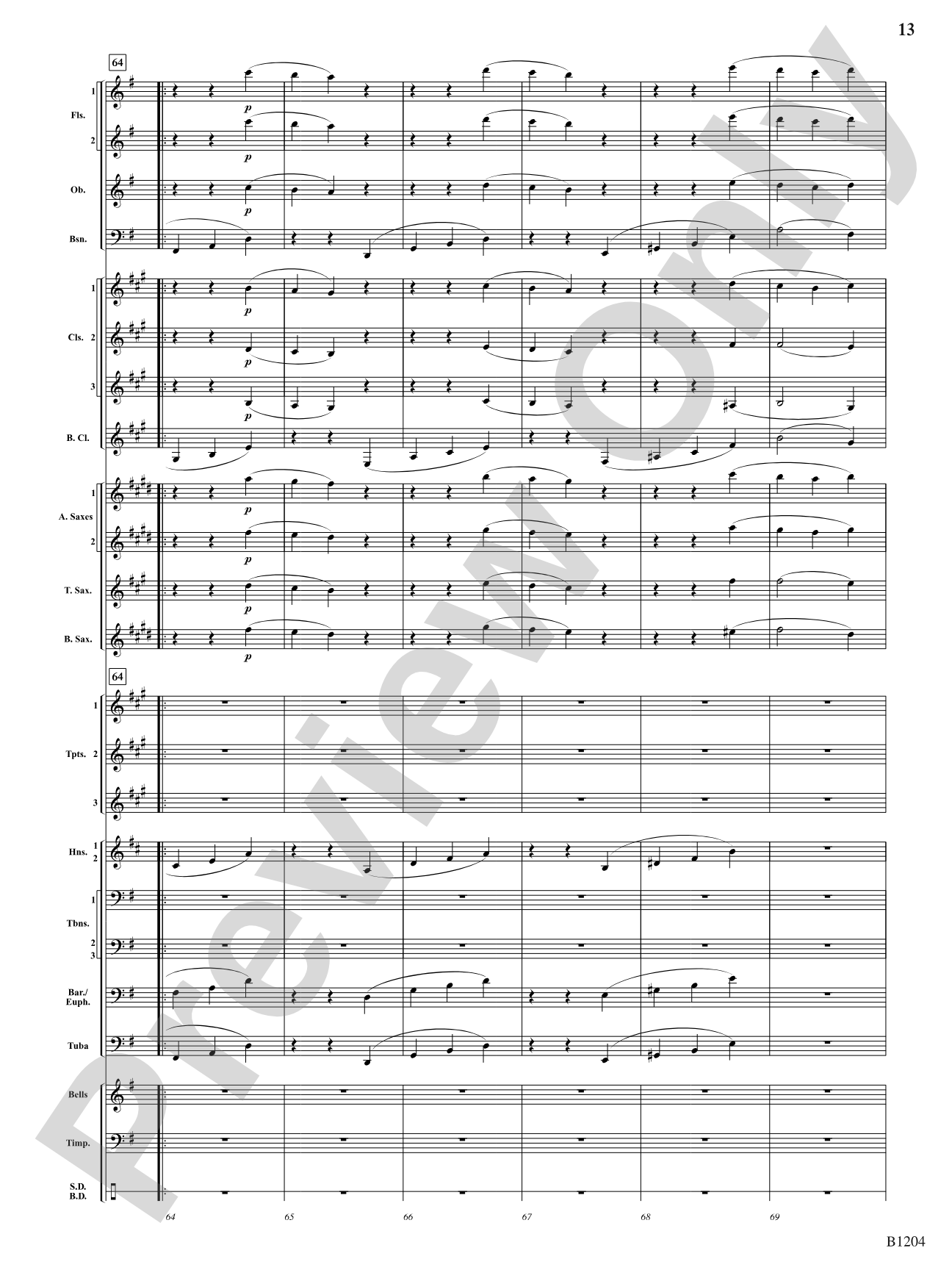
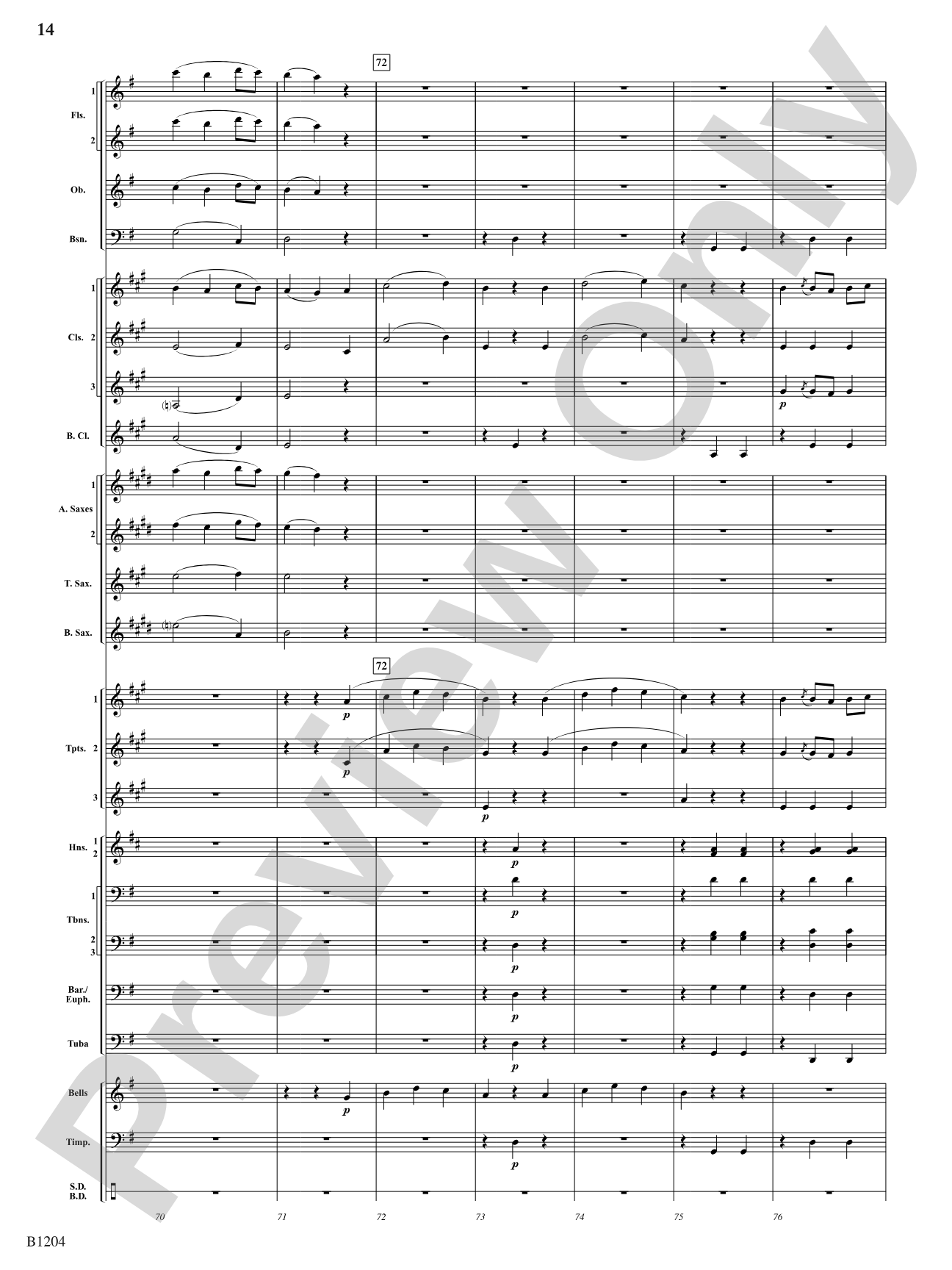
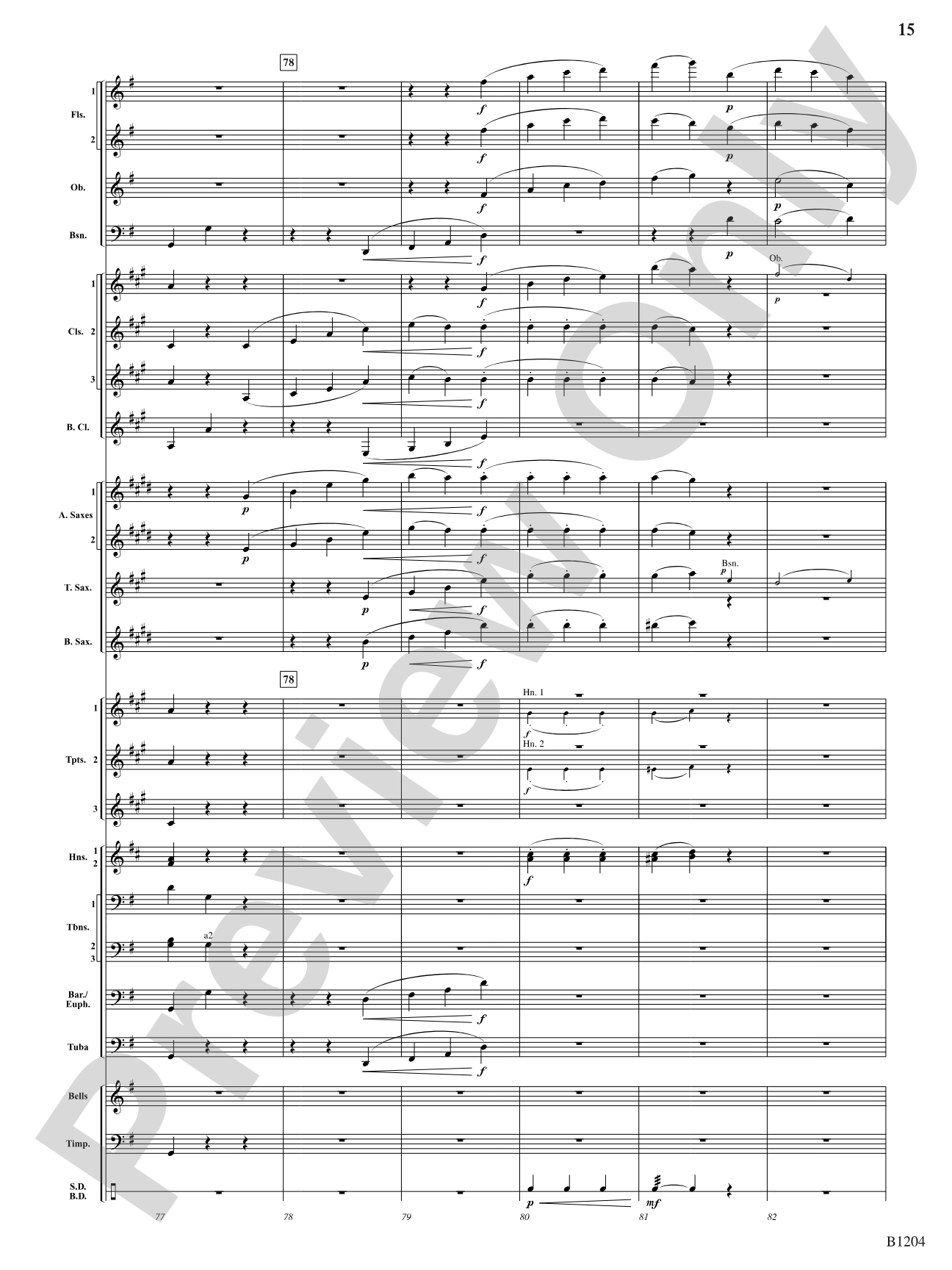
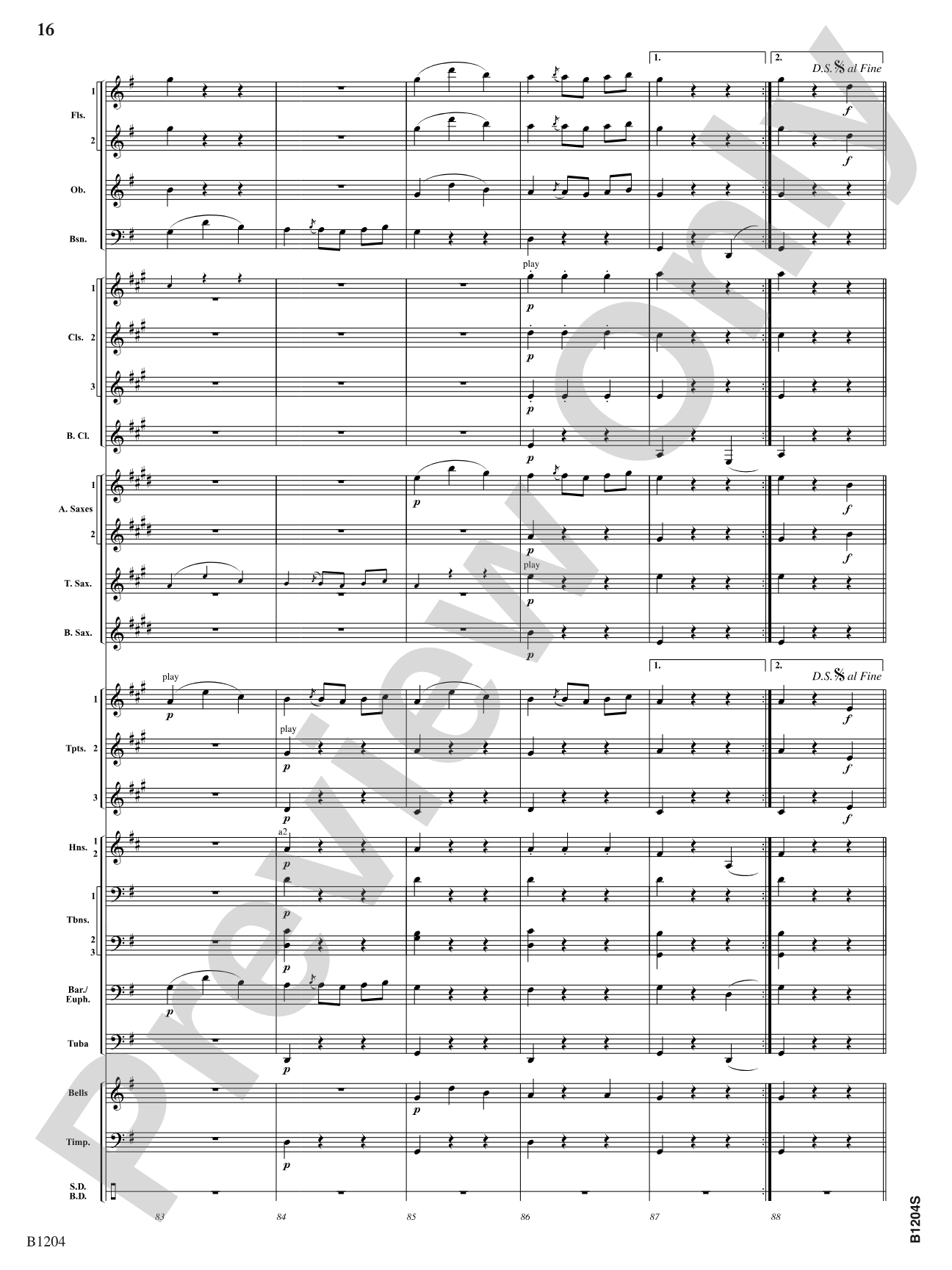

Menuetto (from Symphony No. 40 in G Minor, K 500): Concert Band Conductor Score & Parts
from Symphony No. 40 in G Minor, K 500
By Wolfgang Mozart / arr. Robert Longfield
Grade: 3
Item: 98-DB1204
$50.00
Pickup currently not available
Buy Extra Parts (Digital PDF Download)
Parts Added to Cart!
Description
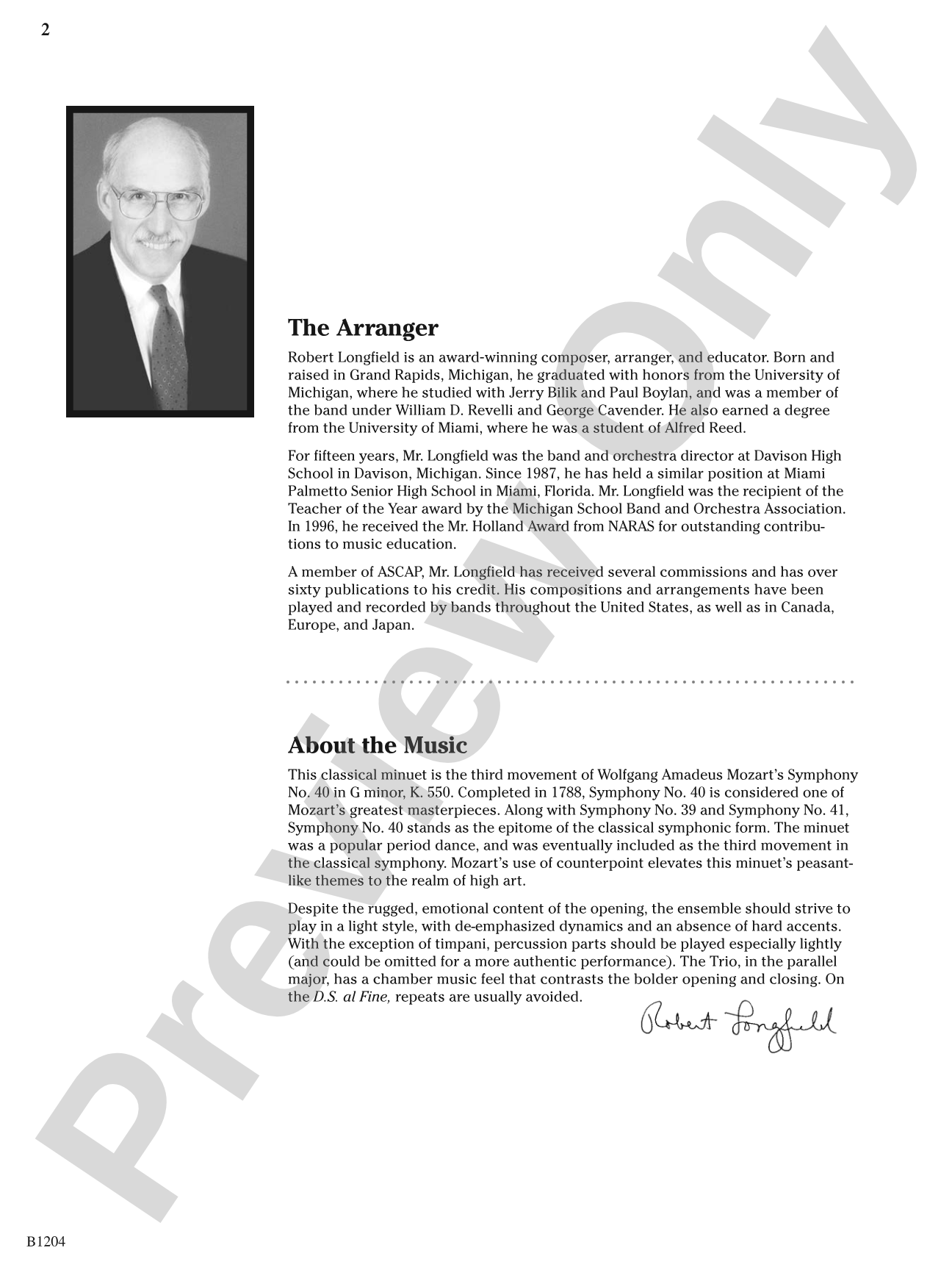
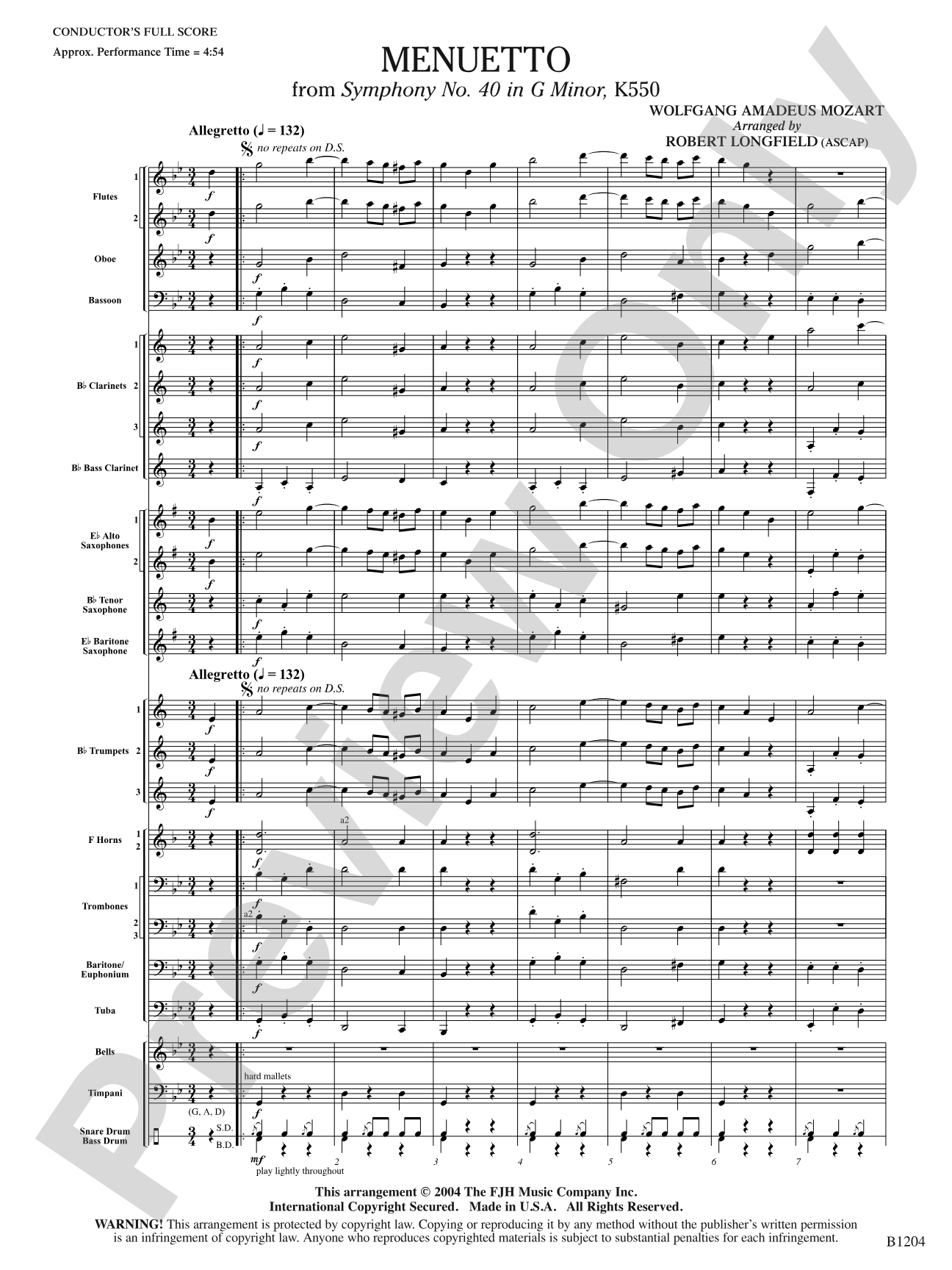
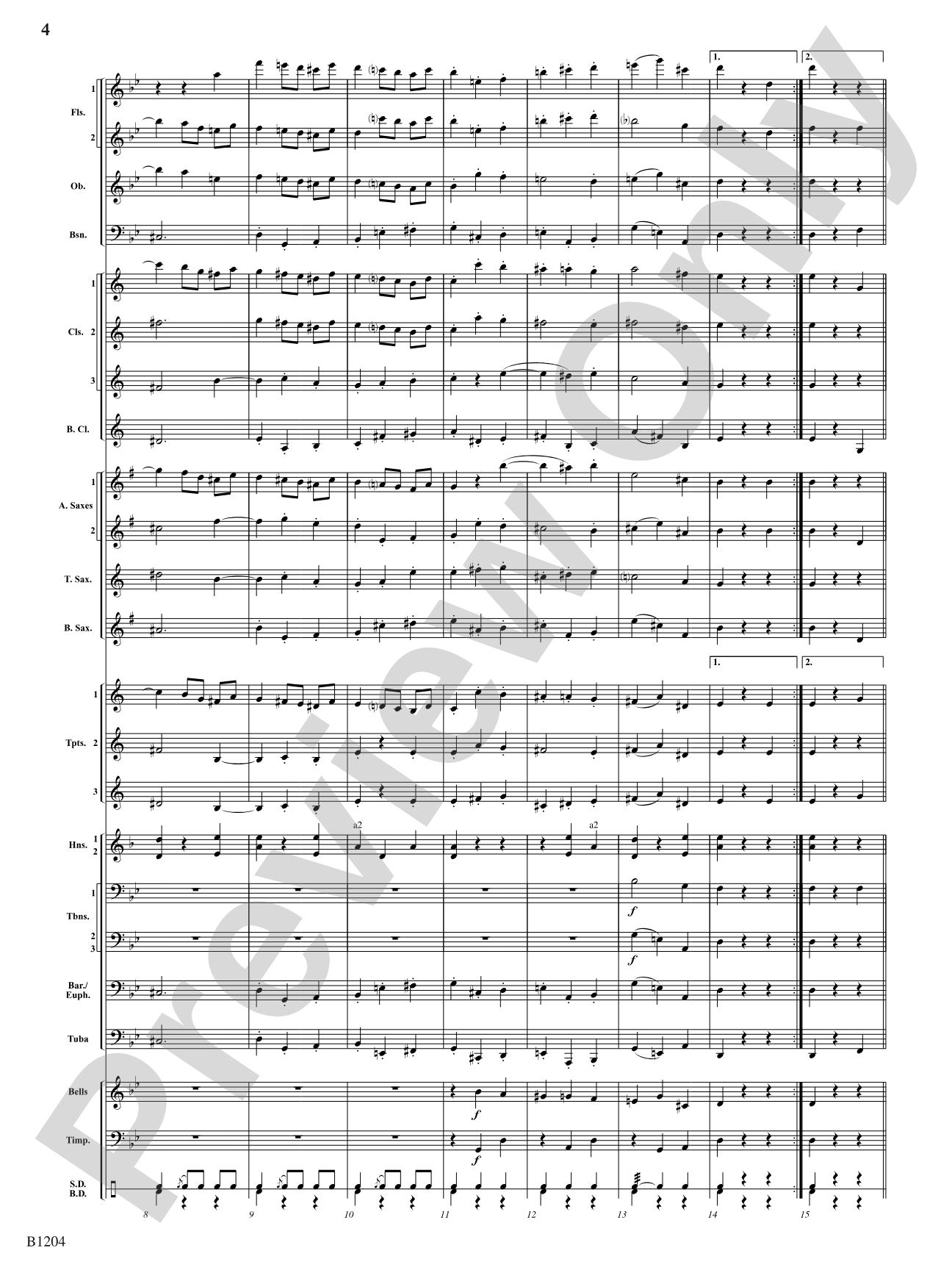
With the 250th anniversary of Mozart's birth quickly approaching, you will want to take a look at this arrangement by Robert Longfield. This classical minuet comes from the third movement of Mozart's Symphony No. 40, considered by many to be one of his greatest masterpieces. With this transcription, you can finally bring this work to life with your concert band!


Discover MakeMusic Cloud: thousands of interactive titles your students can play along with today.
Sample Audio
1
Audio File
--:--
0:00
0:00
Sample Video
No sample videos found.
Additional Details
Series:
FJH Masterworks For Concert Band
Publisher:
The FJH Music Company, Inc.
SKU:
98-DB1204
More about this title
About the Composer: Wolfgang Mozart
Wolfgang Mozart (1756-1791) remains one of the most influential composers in Western music history, having created over 600 works across every major genre during his relatively short life. His symphonies, concertos, operas, and chamber music established templates that composers would follow for centuries, and his ability to balance technical mastery with emotional depth continues to captivate musicians and audiences alike.
Why we love this
This arrangement makes one of Mozart's most architecturally perfect movements accessible to concert bands without sacrificing the elegance and structural clarity that define the original. The Grade 3 difficulty allows ensembles to tackle a legitimate masterwork rather than a simplified approximation, giving your musicians the satisfaction of playing Mozart the way he deserves to be heard.
What to expect
Elegant and measured, with the refined courtliness of an 18th-century dance floor. The opening theme carries a gentle restraint that Mozart sustains throughout, creating a work that feels both emotionally reserved and deeply sophisticated; the trio section offers a moment of relative warmth before returning to the minuet's composed dignity.
Who it's for
Concert bands at the intermediate level who want to perform genuine symphonic repertoire with educational value. This arrangement suits directors seeking to expand their ensembles' classical music literacy beyond transcriptions of lighter fare and offers students the chance to engage with one of history's most significant composers in a work they can actually master.
How to get the most out of it
- Maintain transparent articulation throughout the minuet sections so the melodic lines remain distinct and the harmonic progression clear, especially in the lower voices that carry important harmonic material.
- Shape each phrase with subtle dynamic curves rather than static levels; Mozart's phrases breathe and need air even in this formal dance movement.
- Balance the trio section carefully so it contrasts with the minuet without overwhelming it, keeping the instrumentation light and allowing individual voices to speak.
- Observe the repeat signs exactly as written to honor the form's integrity, which is central to how this movement functions architecturally.
How to use it
Program this during a concert focused on classical period music or as part of a theme exploring Mozart's symphonic output. The Grade 3 difficulty and appropriate length make it ideal for a mid-concert placement where it can provide stylistic contrast to Romantic or contemporary works, and its formal structure serves as an excellent teaching moment about classical forms in action.
Skills your students will build
- Reading and executing classical articulation patterns and phrasing conventions
- Balancing melody and accompaniment within a multi-section band arrangement
- Understanding minuet form and recognizing structural conventions (A-B-A with trio)
- Ensemble precision in executing repeated sections with consistency
- Sensitivity to period-appropriate style and character in classical music