

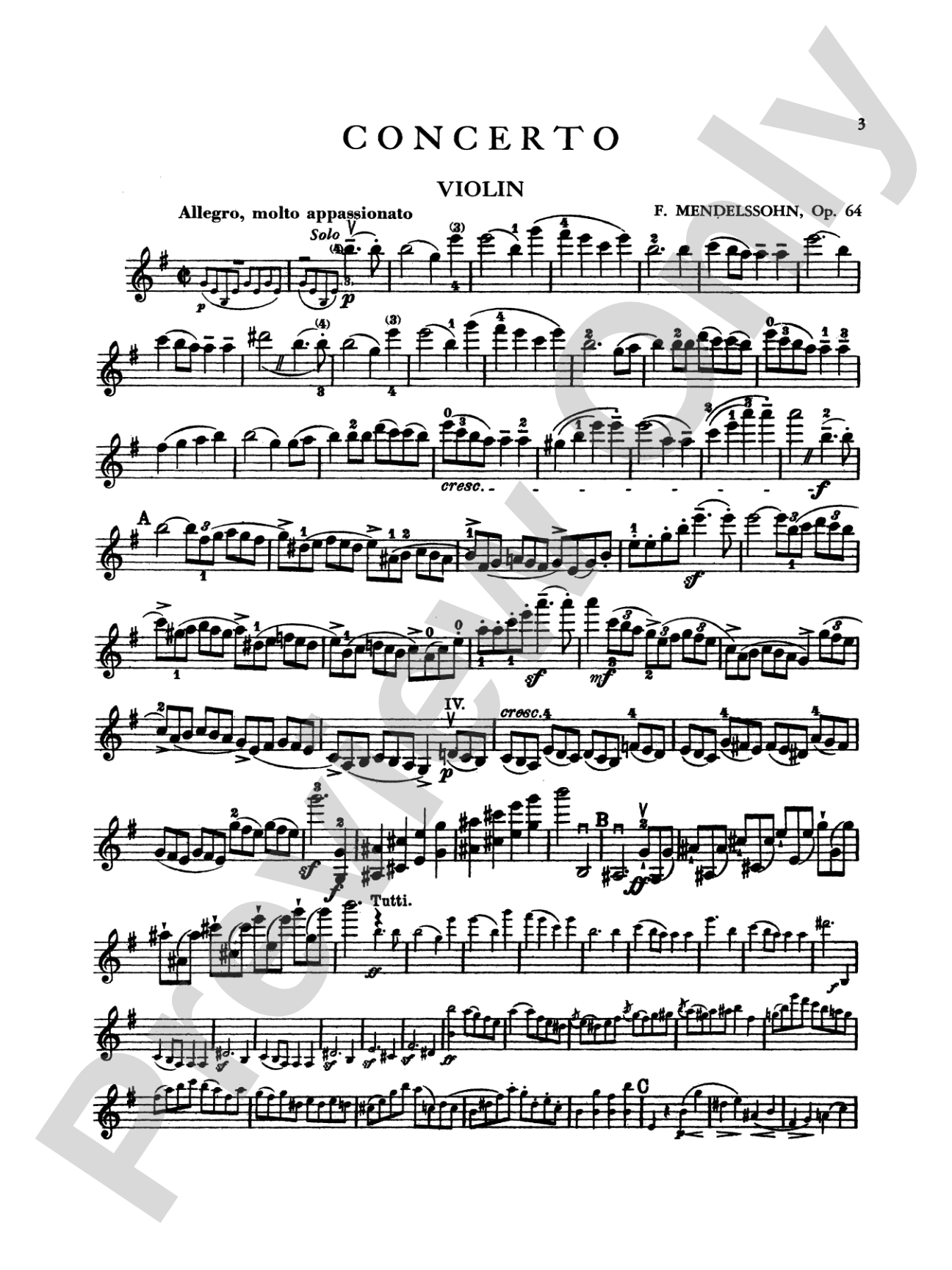
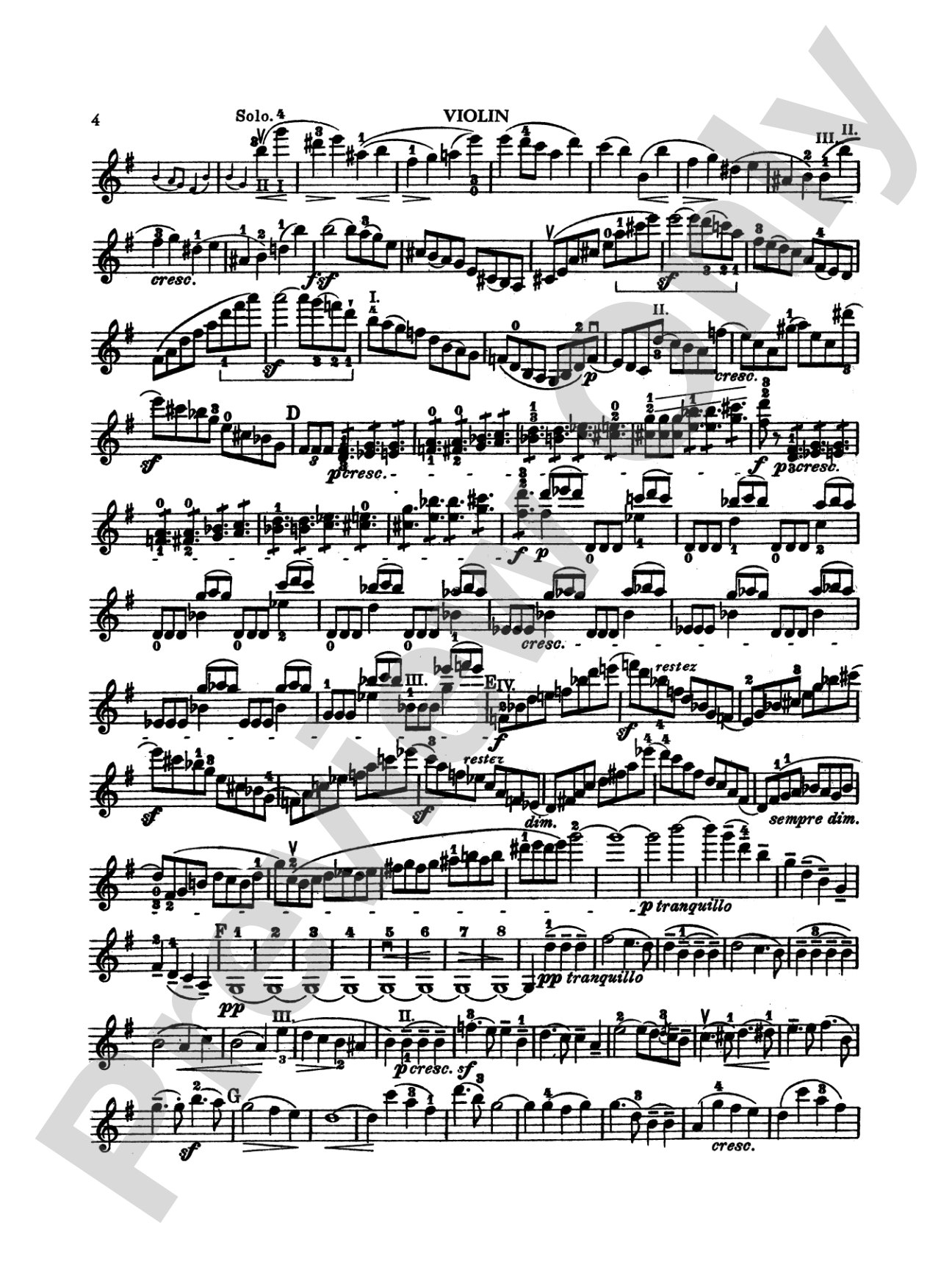
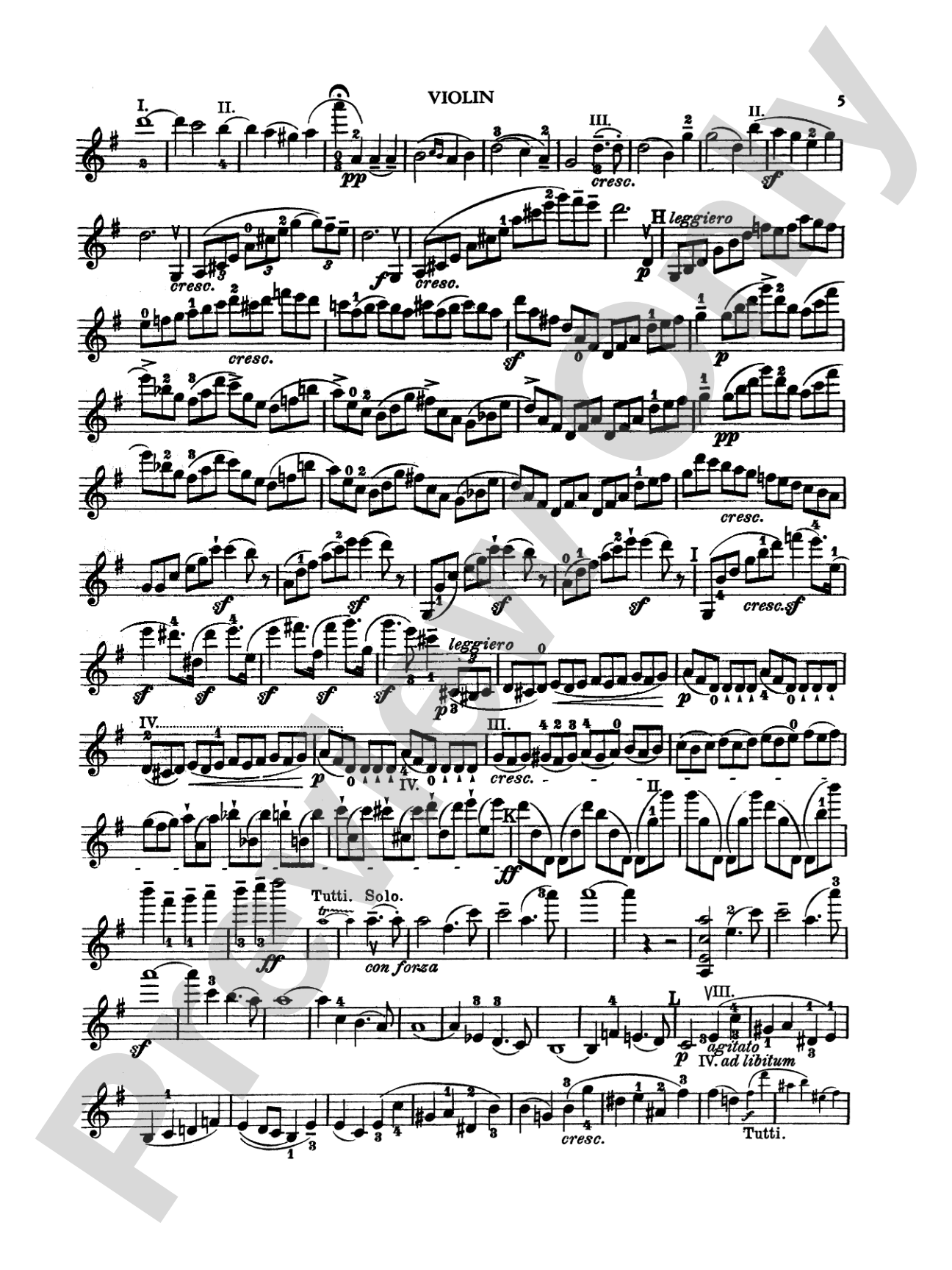
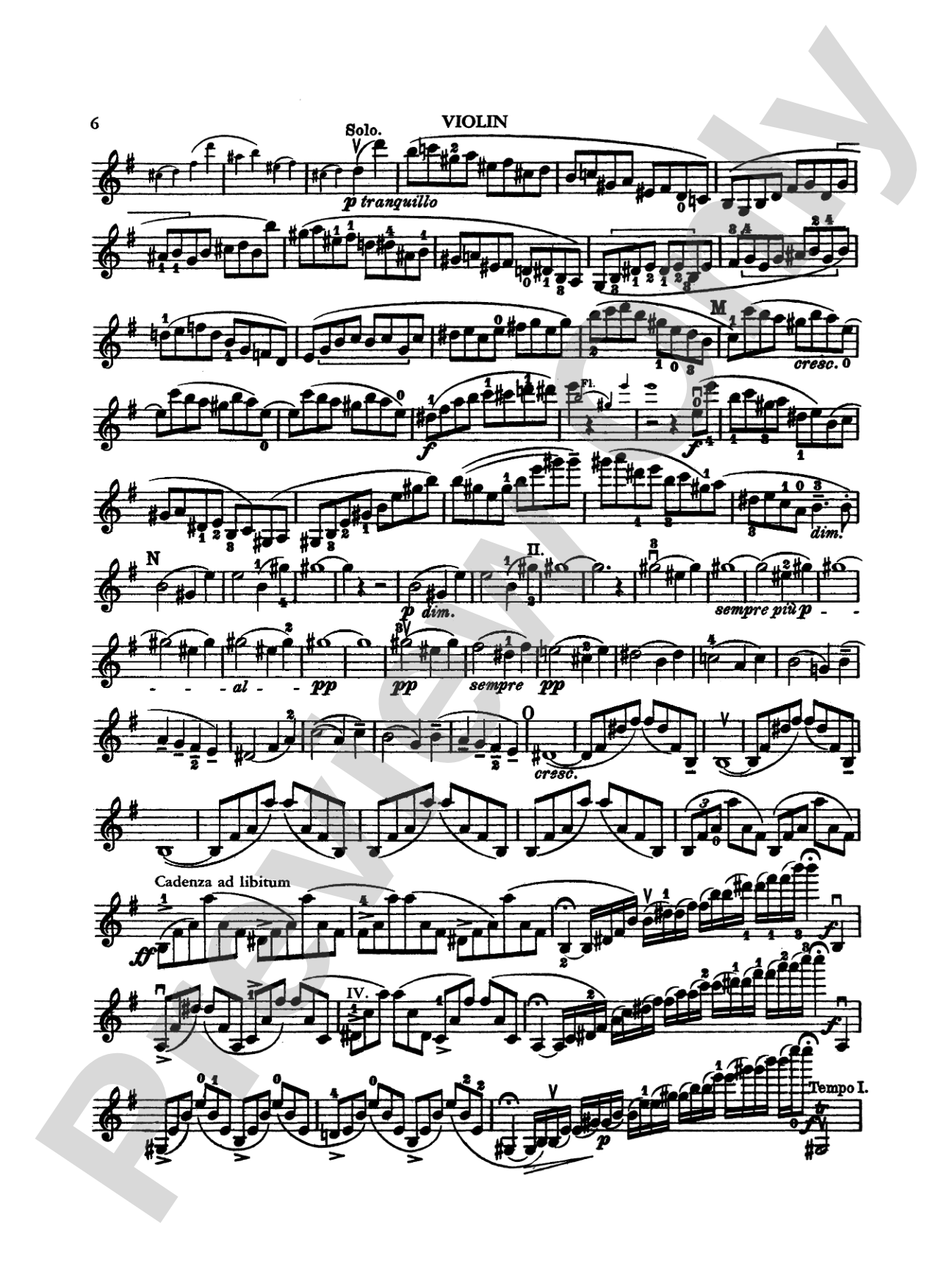
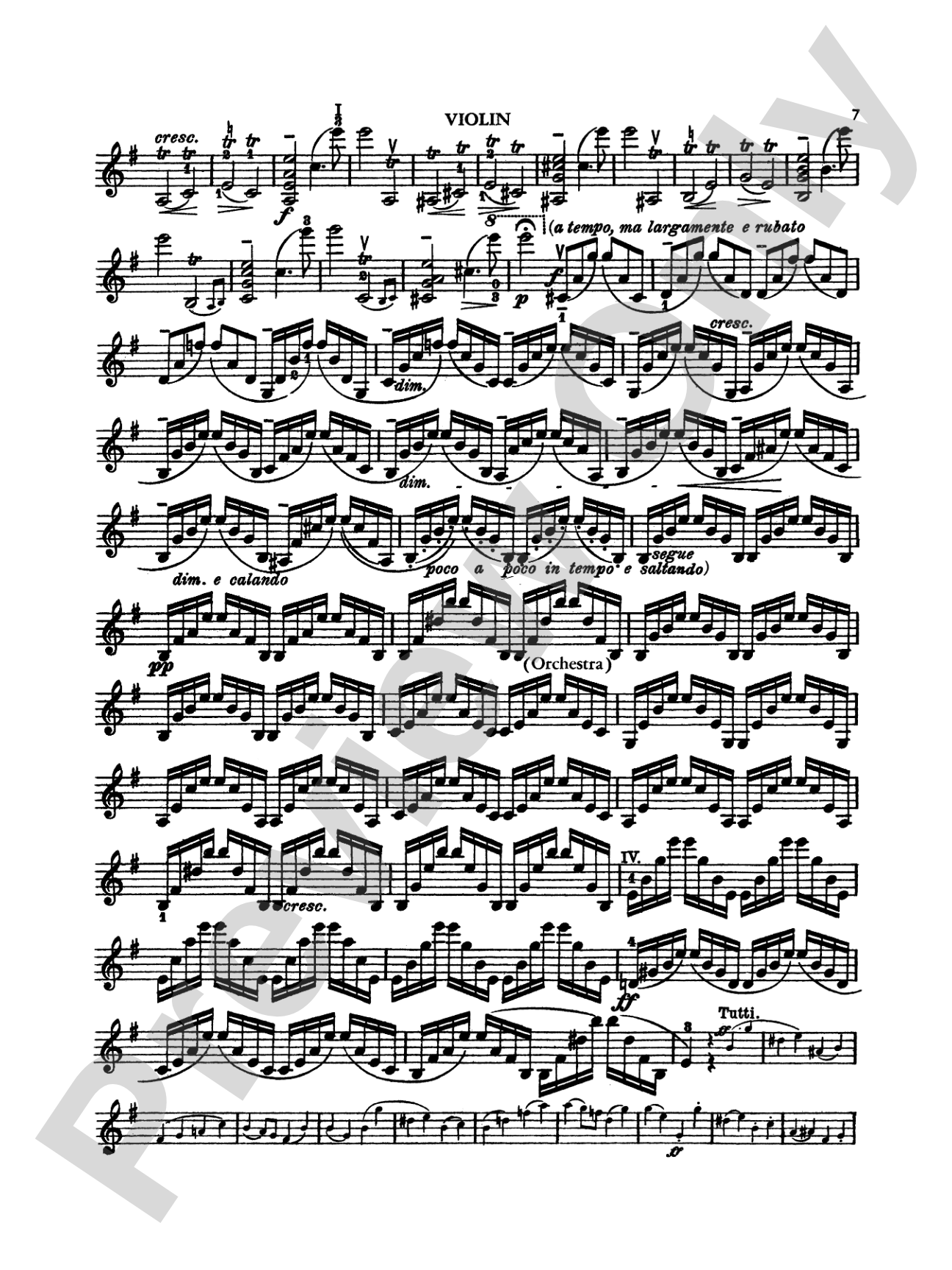
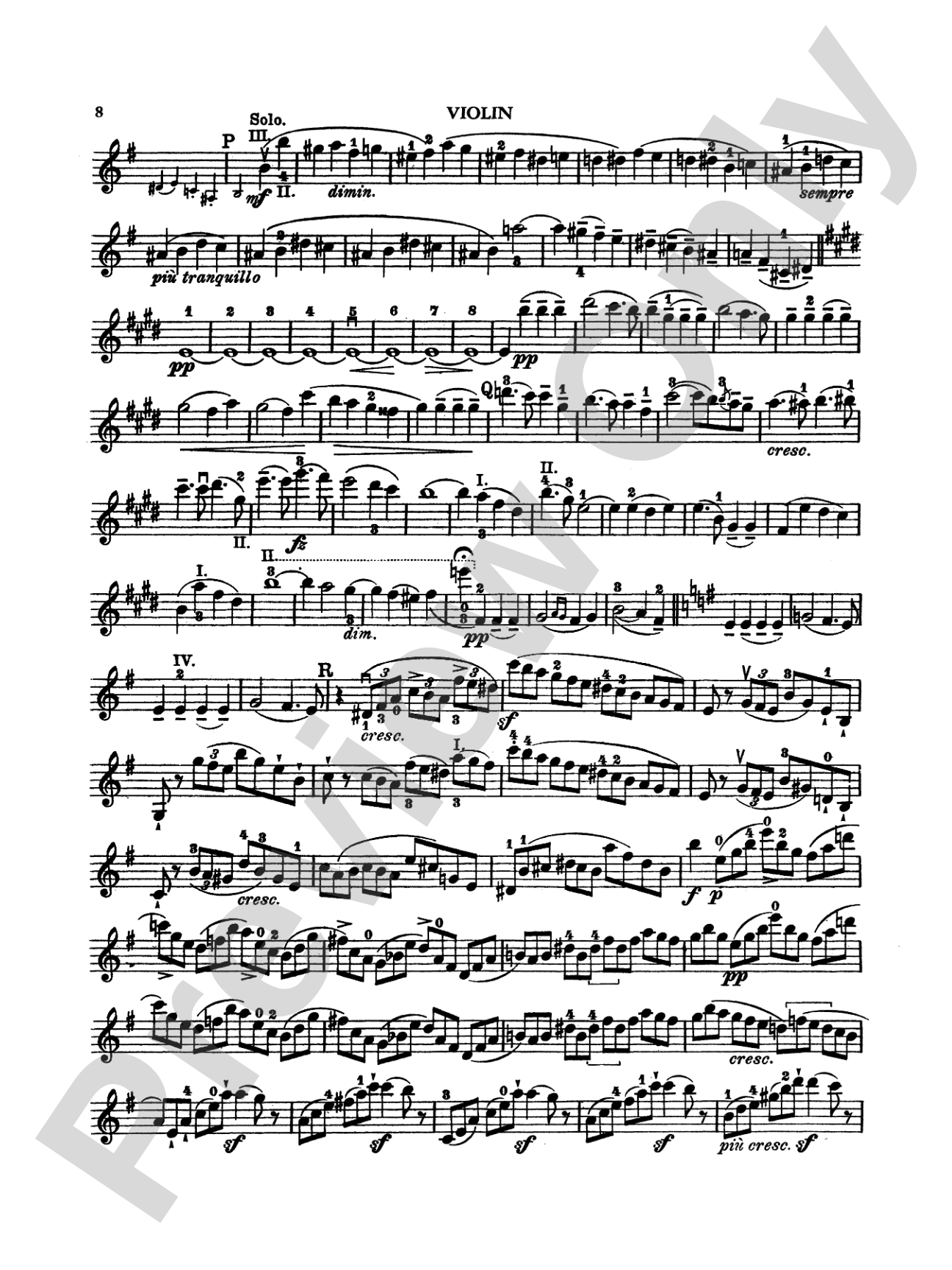
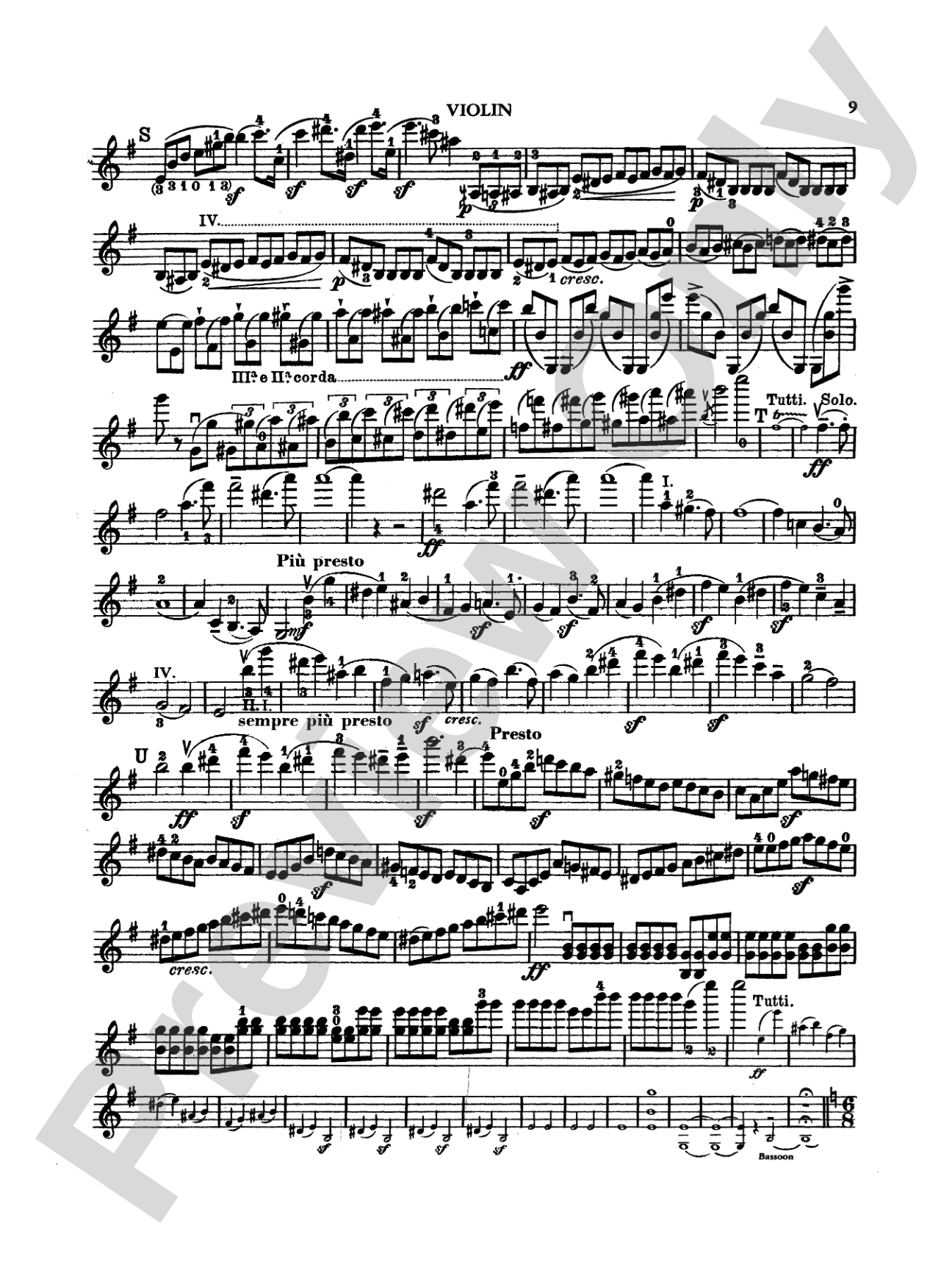
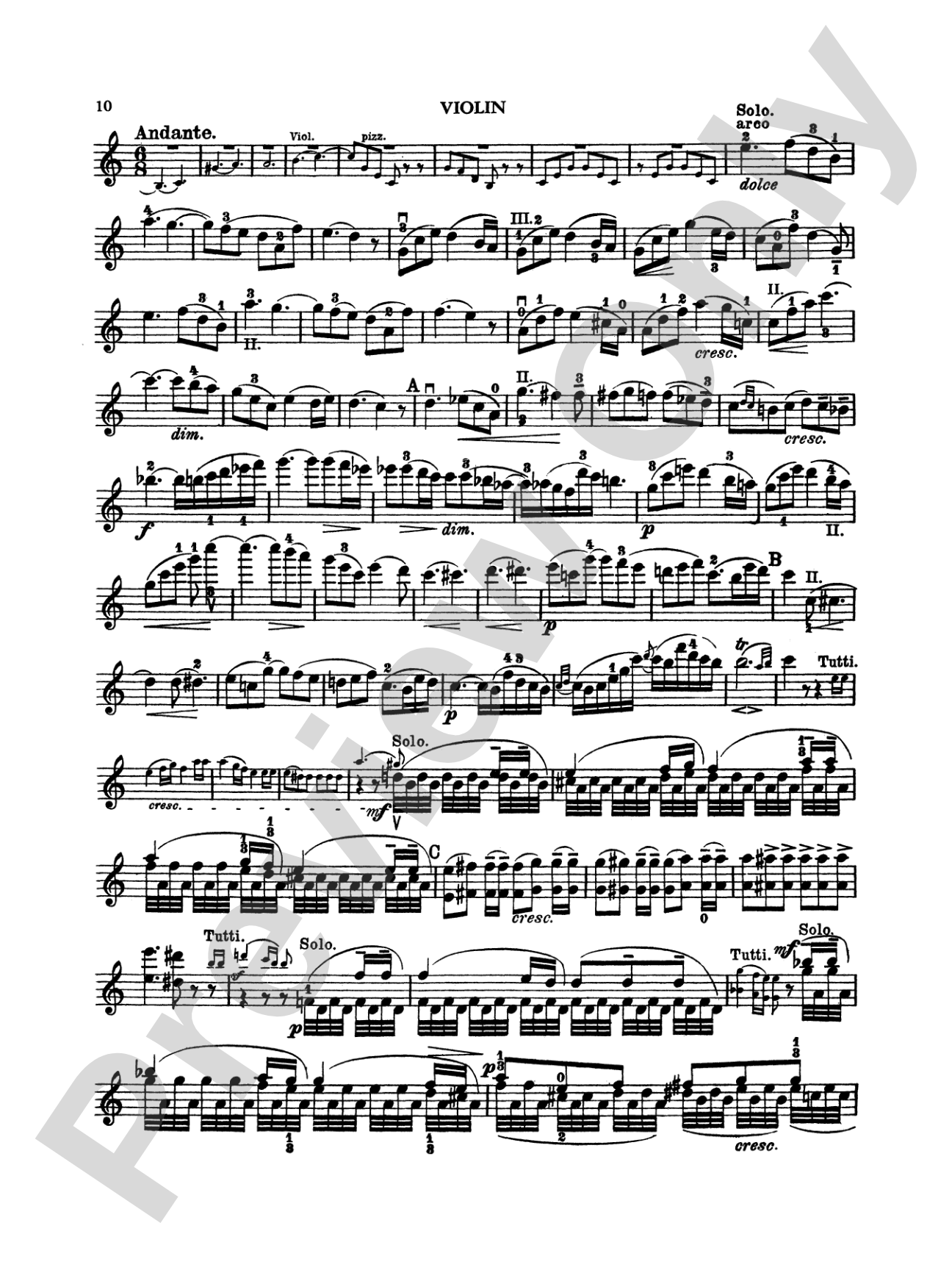
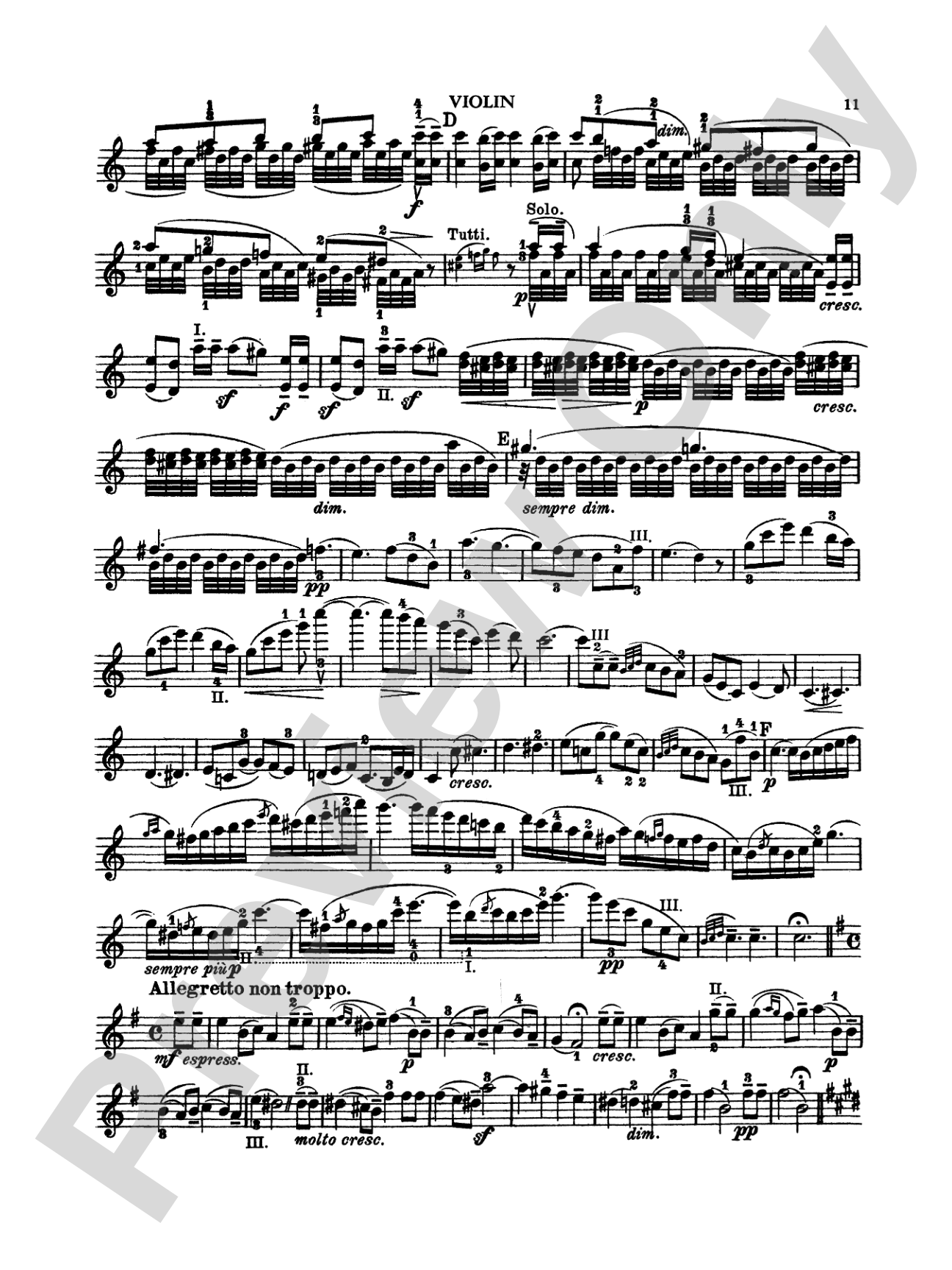
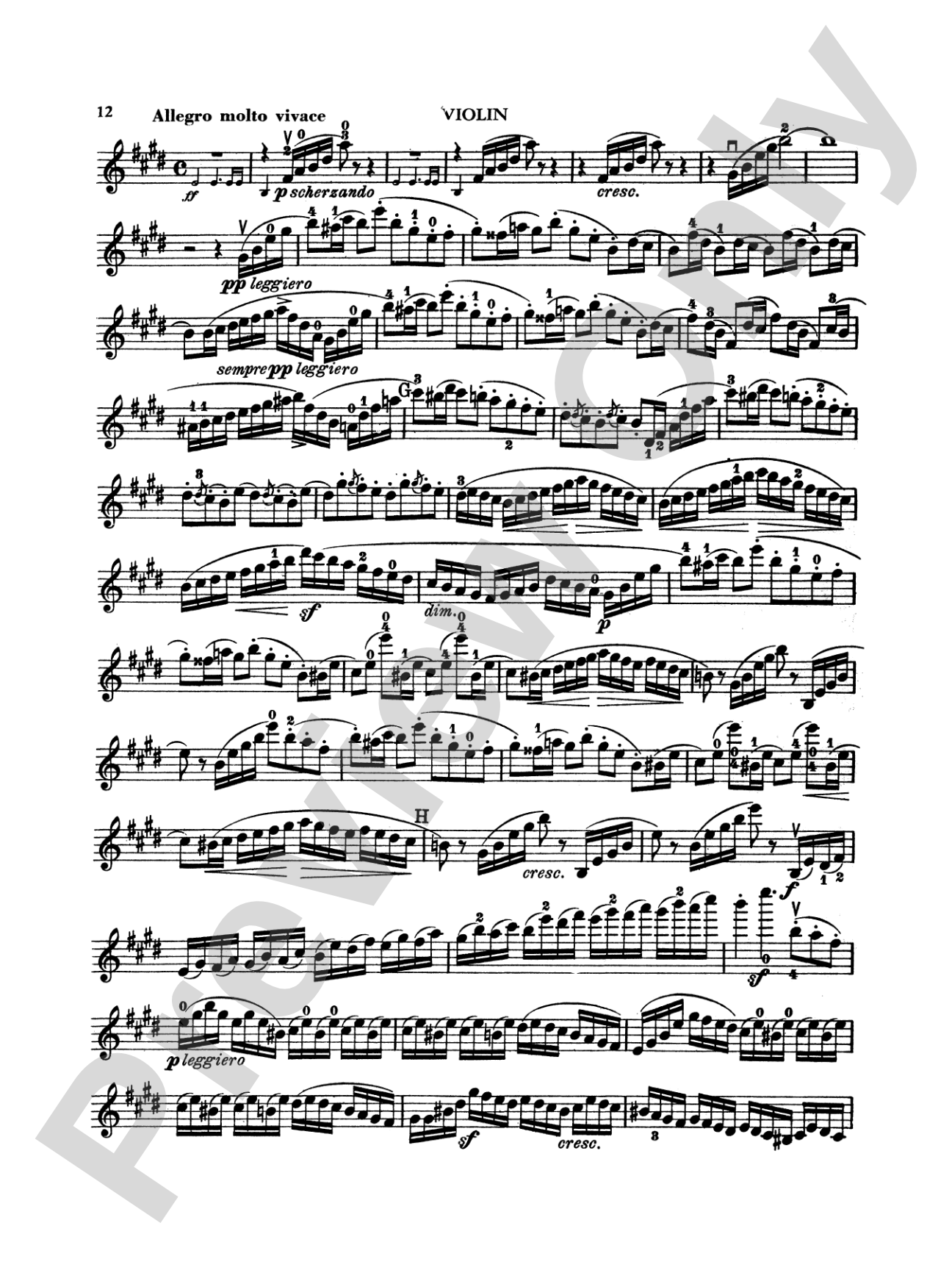
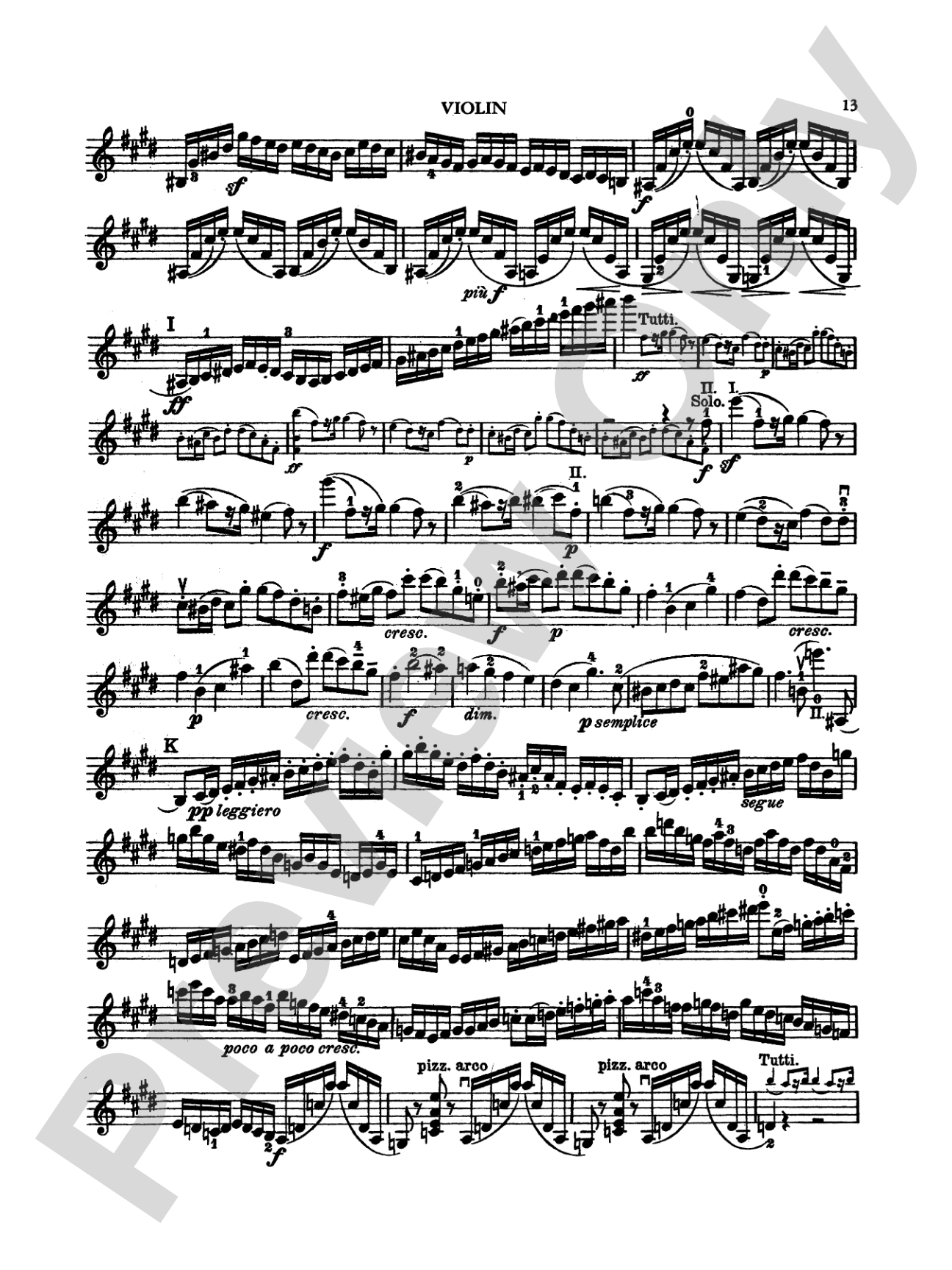
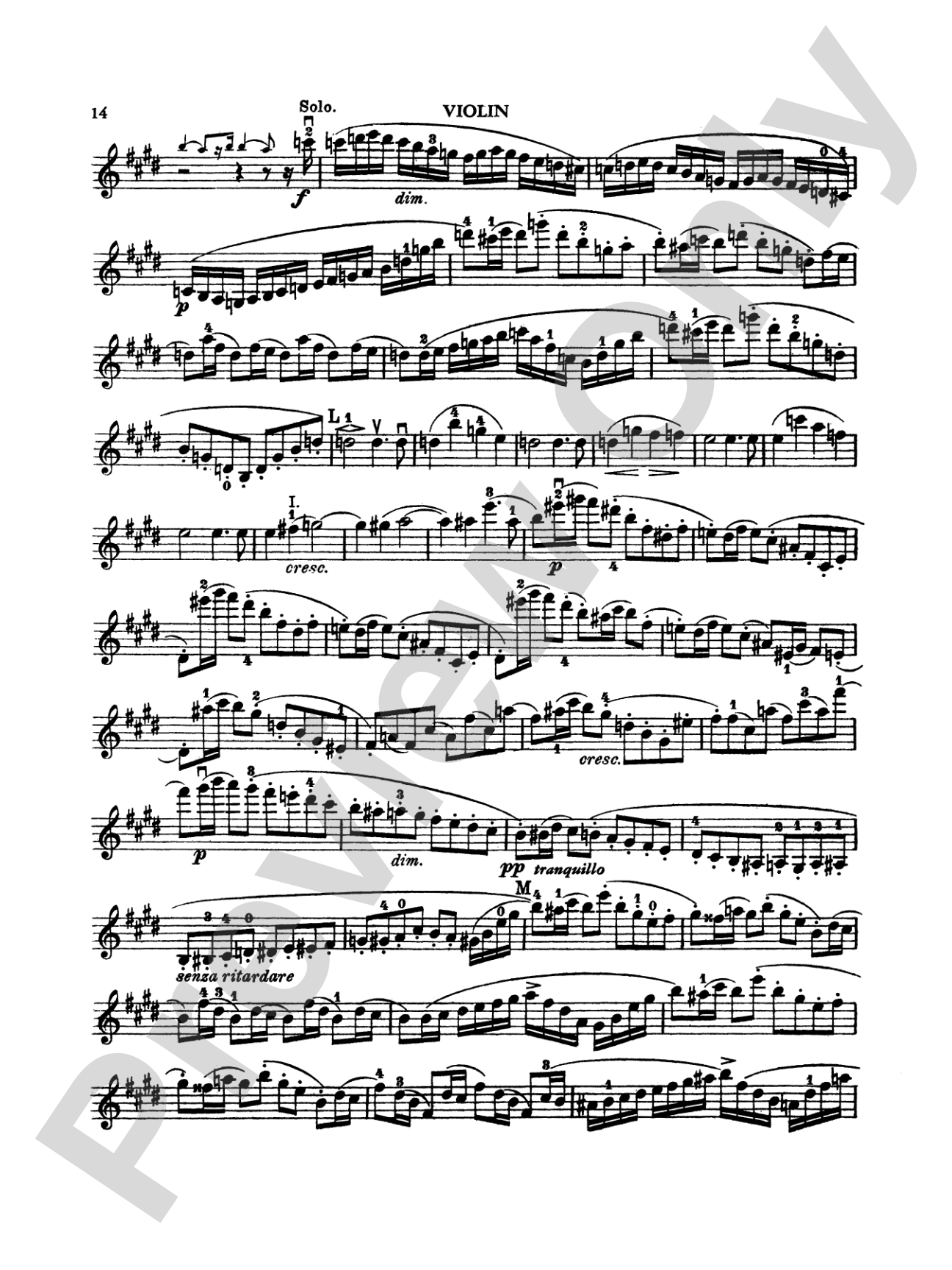
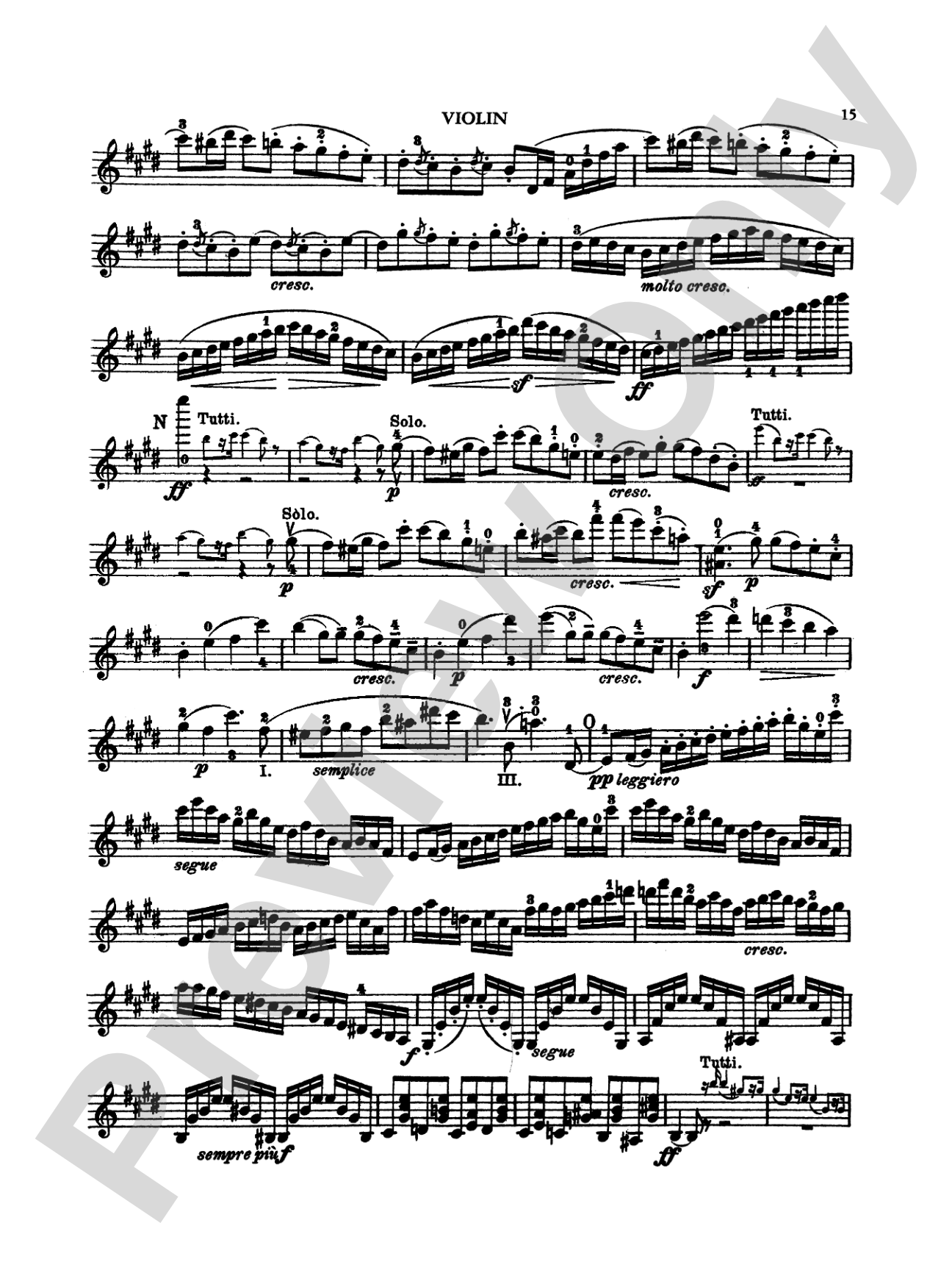
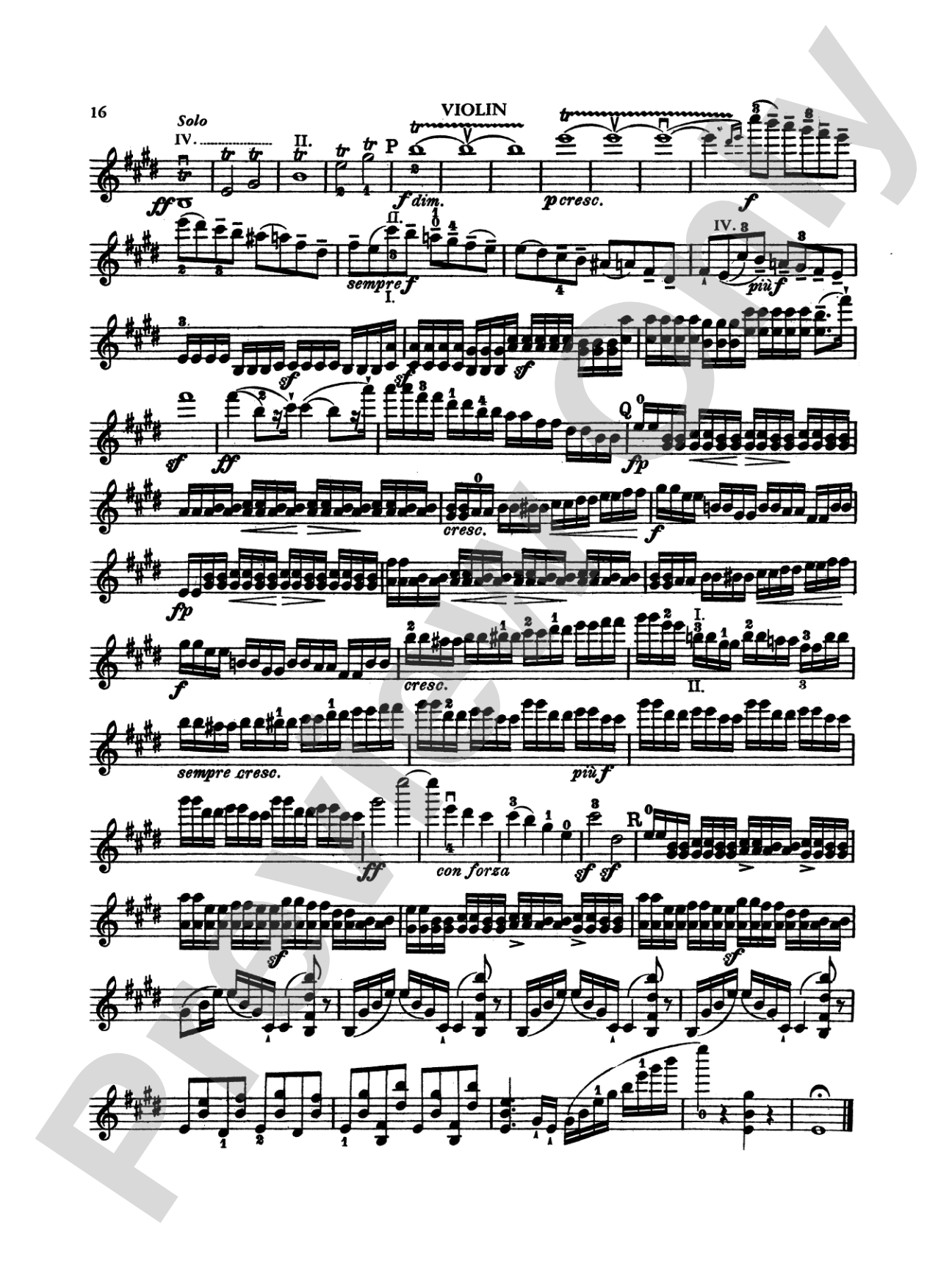

Mendelssohn: Violin Concerto, Op. 64 (Arr. Carl Flesch): Violin Book
By Felix Mendelssohn / arr. Carl Flesch
Item: 00-PK-0003212

$14.99
Pickup currently not available
Buy Extra Parts (Digital PDF Download)
| Product | Price | Quantity |
|---|---|---|
| Mendelssohn: Violin Concerto, Op. 64 (Arr. Carl Flesch) | $6.99 | |
| Mendelssohn: Violin Concerto, Op. 64 (Arr. Carl Flesch) | $6.95 |
Parts Added to Cart!
Related Items
Violin Concerto, Opus 64: Violin Book |
$14.95
|
View |
Description
A Violin solo with Piano Accompaniment composed by Felix Mendelssohn and arranged by Carl Flesch.


Don't just read it, hear it, play along with it, and watch your students grow with it. In MakeMusic Cloud, Mendelssohn: Violin Concerto, Op. 64 (Arr. Carl Flesch): Violin Book comes alive with professional accompaniment, adjustable tempo, and built-in practice tools that turn solo practice into real progress.
Open in the Player
Jump straight in and assign it today.
Start Your Free Trial
Open this title and explore the full library in minutes.
Sample Audio
No sample audio found.
Sample Video
No sample videos found.
Additional Details
Series:
Kalmus Edition
Publisher:
Alfred Music
Page Count:
48
SKU:
00-PK-0003212
More about this title
About the Composer: Felix Mendelssohn
Felix Mendelssohn (1809-1847) composed his Violin Concerto in E minor during the final years of his life, completing it in 1844. The work stands as one of the most performed violin concertos in the repertoire, balancing virtuosic display with profound lyricism. Mendelssohn's gift for melody and orchestral color shaped the Romantic concerto tradition, and this piece exemplifies his ability to write idiomatically for the instrument while maintaining structural clarity and emotional depth.
As a conductor, composer, and champion of J.S. Bach's music, Mendelssohn bridged Classical form and Romantic expression. His concertos and chamber works remain central to music education because they demand technical facility without sacrificing musicianship. Teachers value his writing for its clarity and his respect for both the soloist and the listener.
Why we love this
Flesch's arrangement makes one of the violin repertoire's most beloved concertos accessible in a duo format, eliminating the need for orchestral accompaniment without compromising the work's character. The reduction preserves the concerto's essential architecture, dramatic arc, and signature passages that make this piece a perennial choice for advanced students and competitions. You get the full musical authority of Mendelssohn's masterwork scaled for the practice room and recital stage.
What to expect
The opening gesture announces confidence and forward momentum, drawing the listener immediately into Mendelssohn's lyrical world. The slow movement unfolds with intimate tenderness, inviting the violinist into a deeply personal conversation before the finale erupts with spirited energy and virtuosic brilliance. Throughout, the music balances technical display with genuine emotional content, never allowing either to overwhelm the other.
Who it's for
This arrangement serves advanced high school violinists preparing for competitions, college auditions, and advanced recitals, as well as college students and adult performers seeking to add a cornerstone concerto to their repertoire. The work demands solid intonation, facility in upper positions, and rhythmic independence, making it suitable only for players who have moved well beyond early-intermediate studies. It's equally valuable for teachers working with committed students who need a substantial, musically rewarding work that's recognized by adjudicators and audiences alike.
How to get the most out of it
- Study the Kalmus score against a full orchestral version to hear how the piano reduction maps to the original orchestration; this context helps you shape phrasing and color the melodic lines with orchestral intention.
- Work the cadenza with particular care, as it demands both technical precision and the expressive freedom Mendelssohn embedded in its design; avoid rushing the passage and let the piano anchor your rhythmic choices.
- Balance your tone across the three movements so that the lyrical second movement emerges as a genuine contrast rather than a velocity change; the concerto's emotional core lives in this movement's intimacy.
- Coordinate with your pianist on the transition points between movements and the dramatic gestures in the finale; Mendelssohn's orchestration signals these clearly, and your duo must execute them with orchestral unity.
How to use it
Program this concerto as the centerpiece of a student recital or contest performance, where its structural completeness and musical substance command full attention. It works equally well as a capstone work for an advanced studio student's annual performance or as a major competition entry. The piece's standing in the violin world means that featuring it on a program signals serious musical intent and gives your student a work that resonates with knowledgeable audiences.
Skills your students will build
- Playing expressively in all three positions with consistent tone quality across the range
- Managing the technical demands of the cadenza, including rapid scale passages and double stops
- Sustaining long melodic lines with appropriate vibrato and dynamic shaping
- Coordinating with a collaborative pianist across key structural and harmonic shifts
- Interpreting Romantic-era violin writing that balances virtuosity with singing tone
- Reading and performing passages requiring ensemble awareness and rhythmic flexibility