
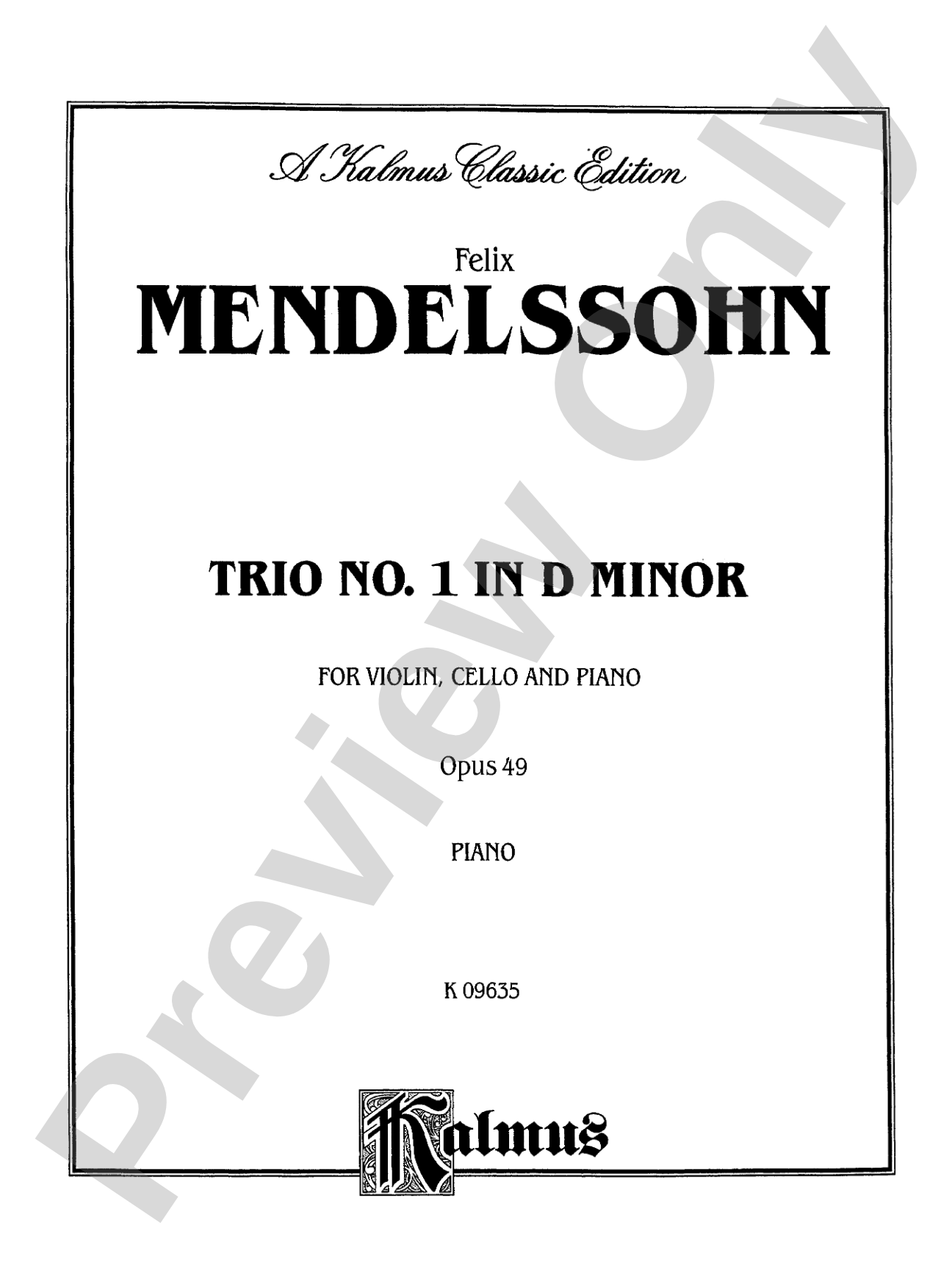

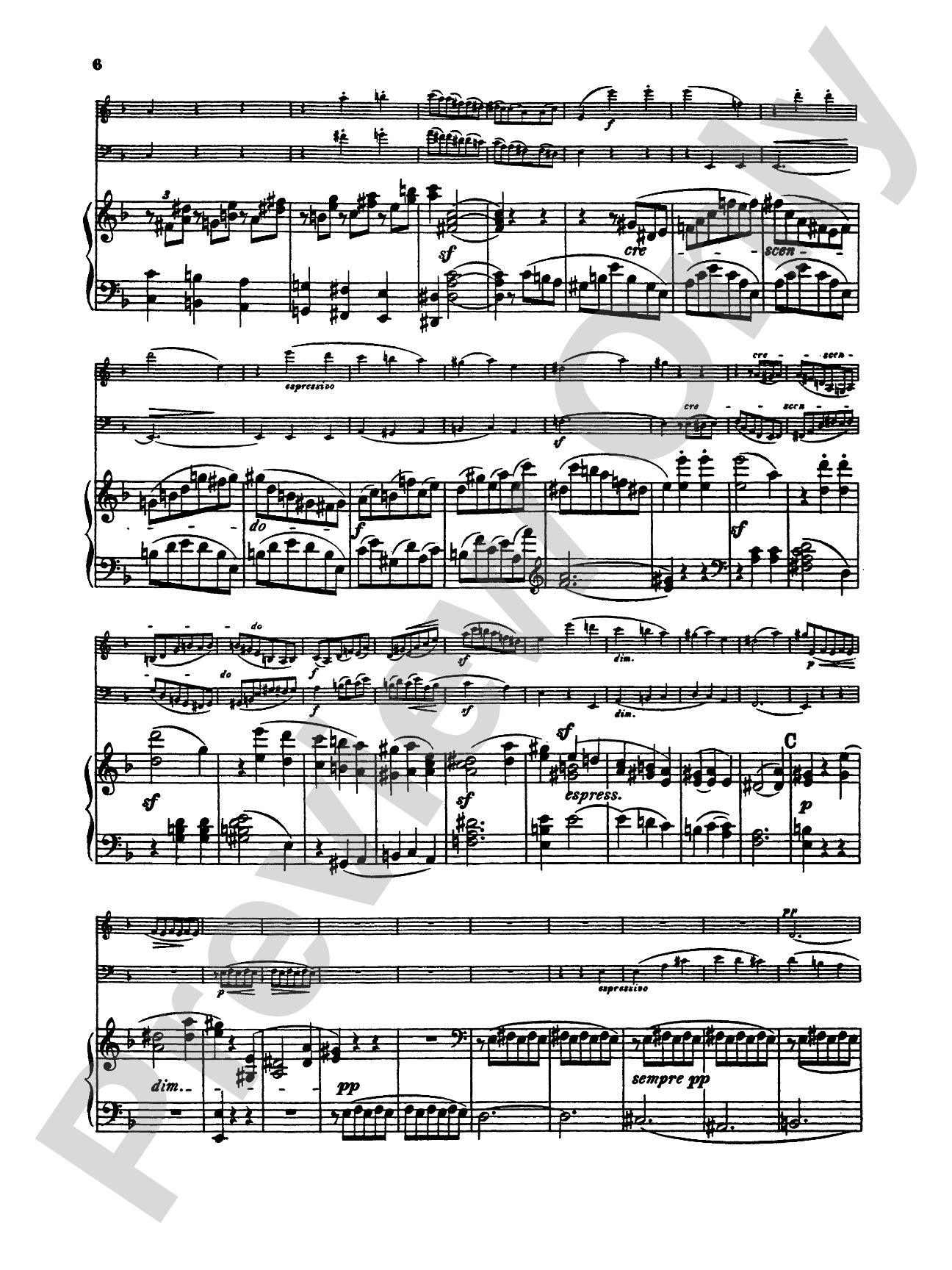
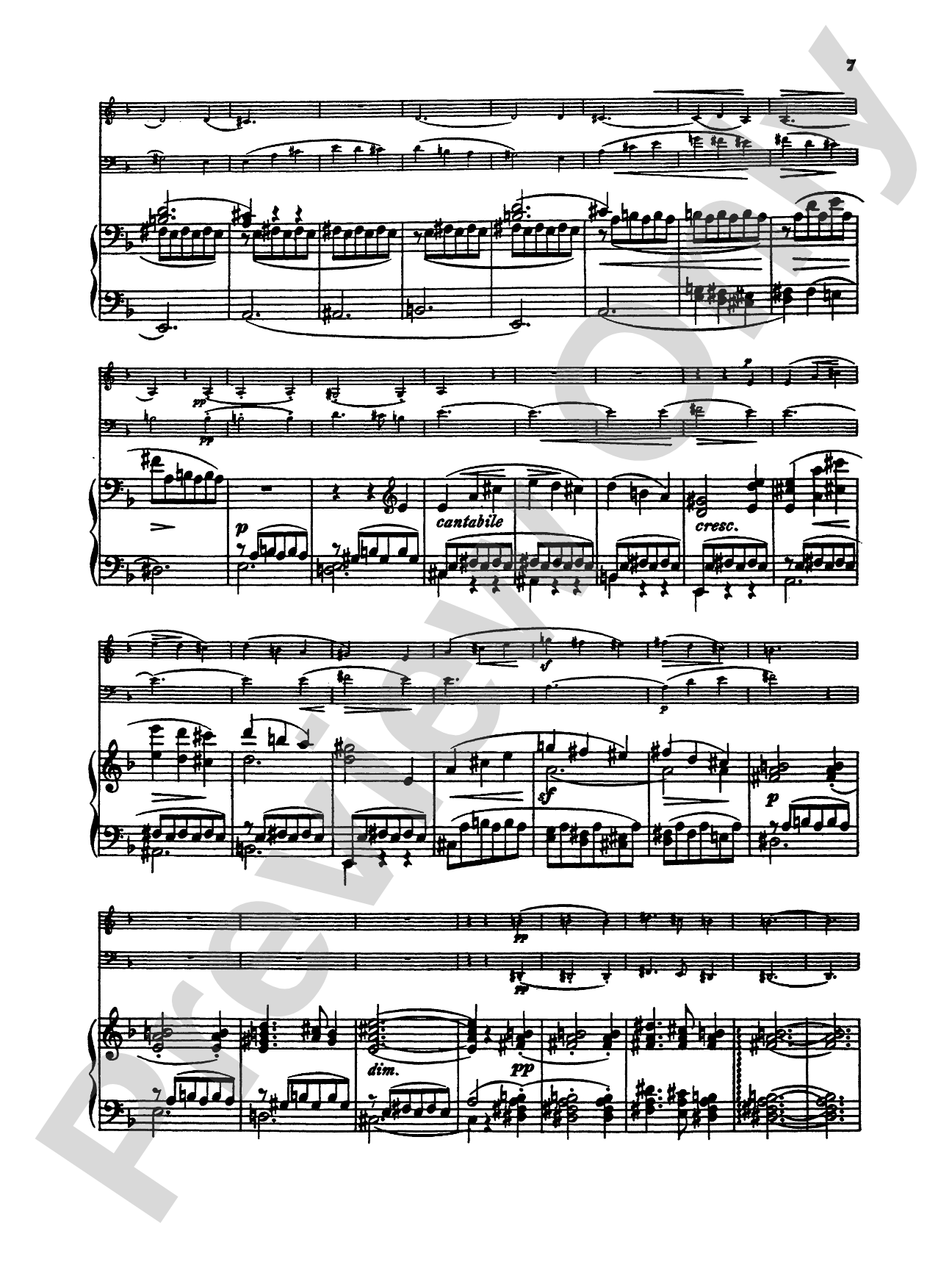
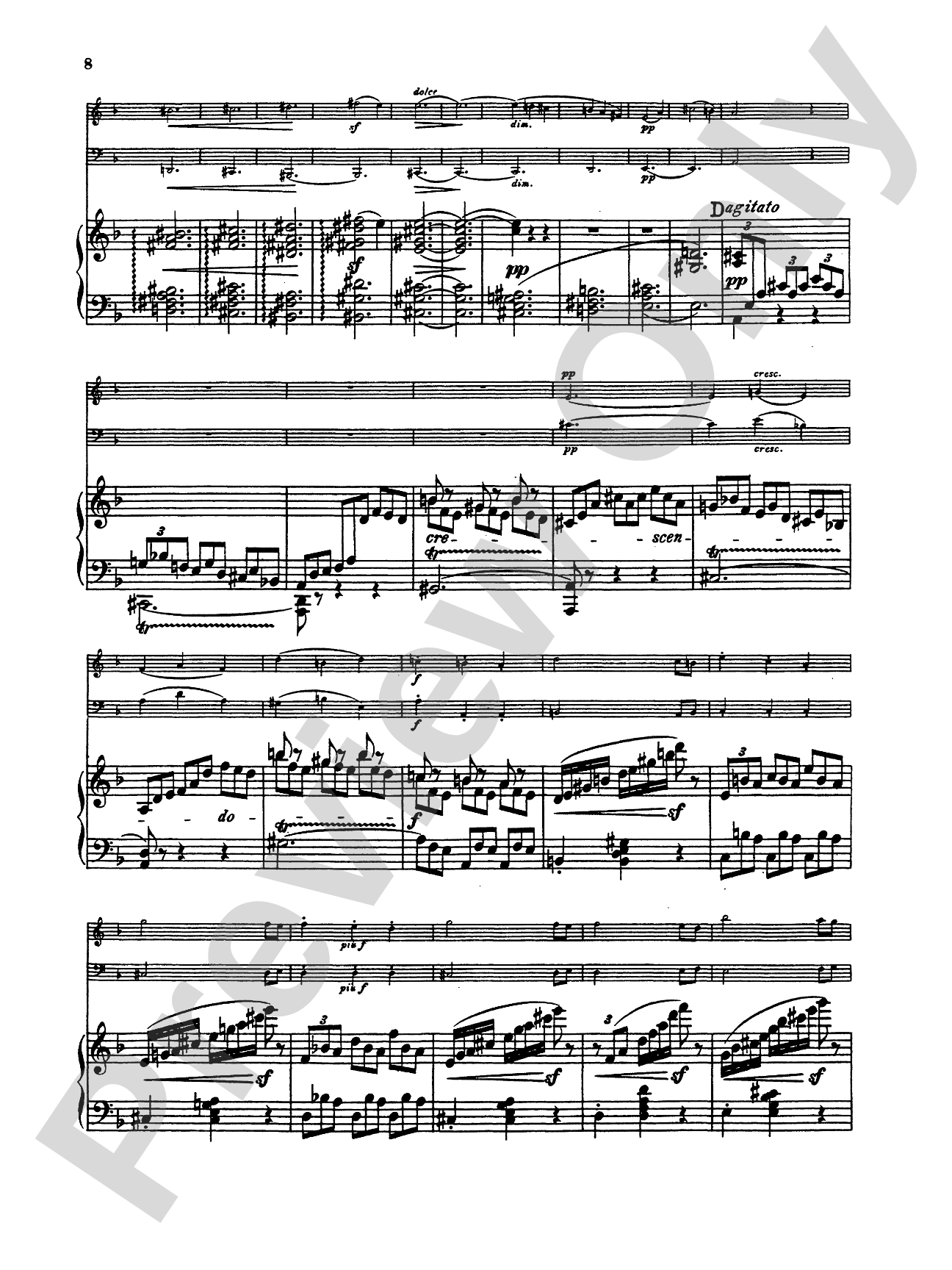
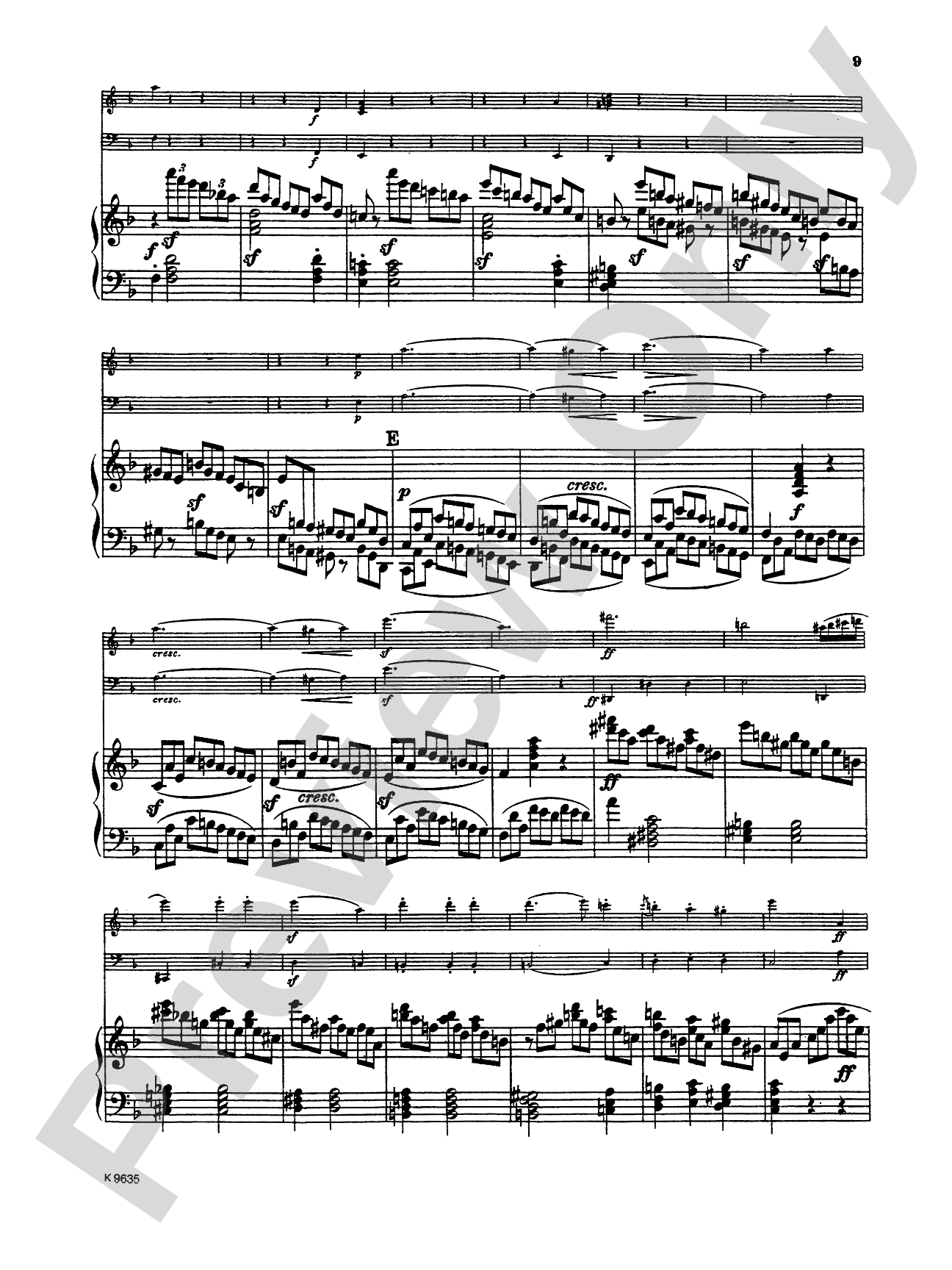
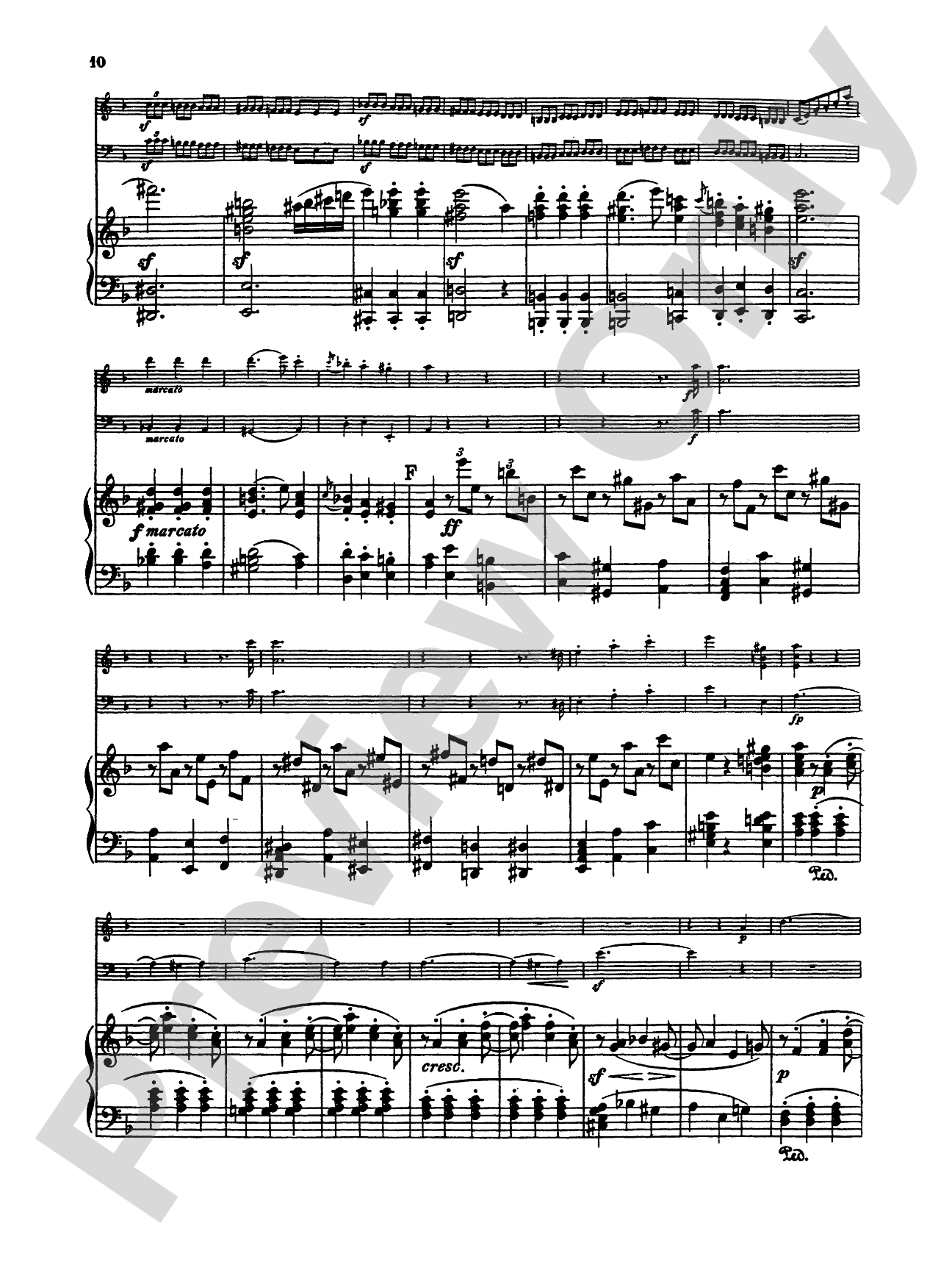
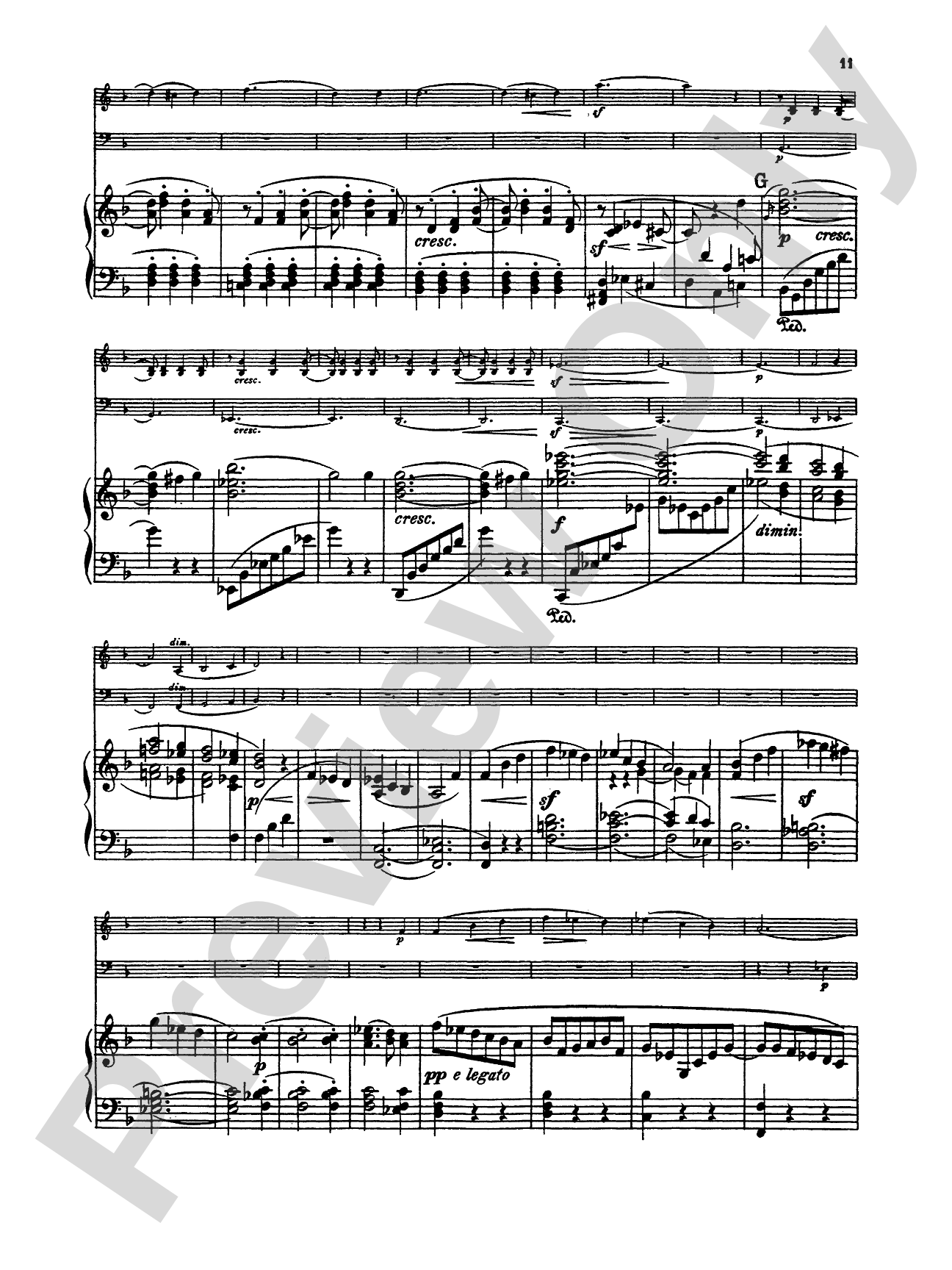
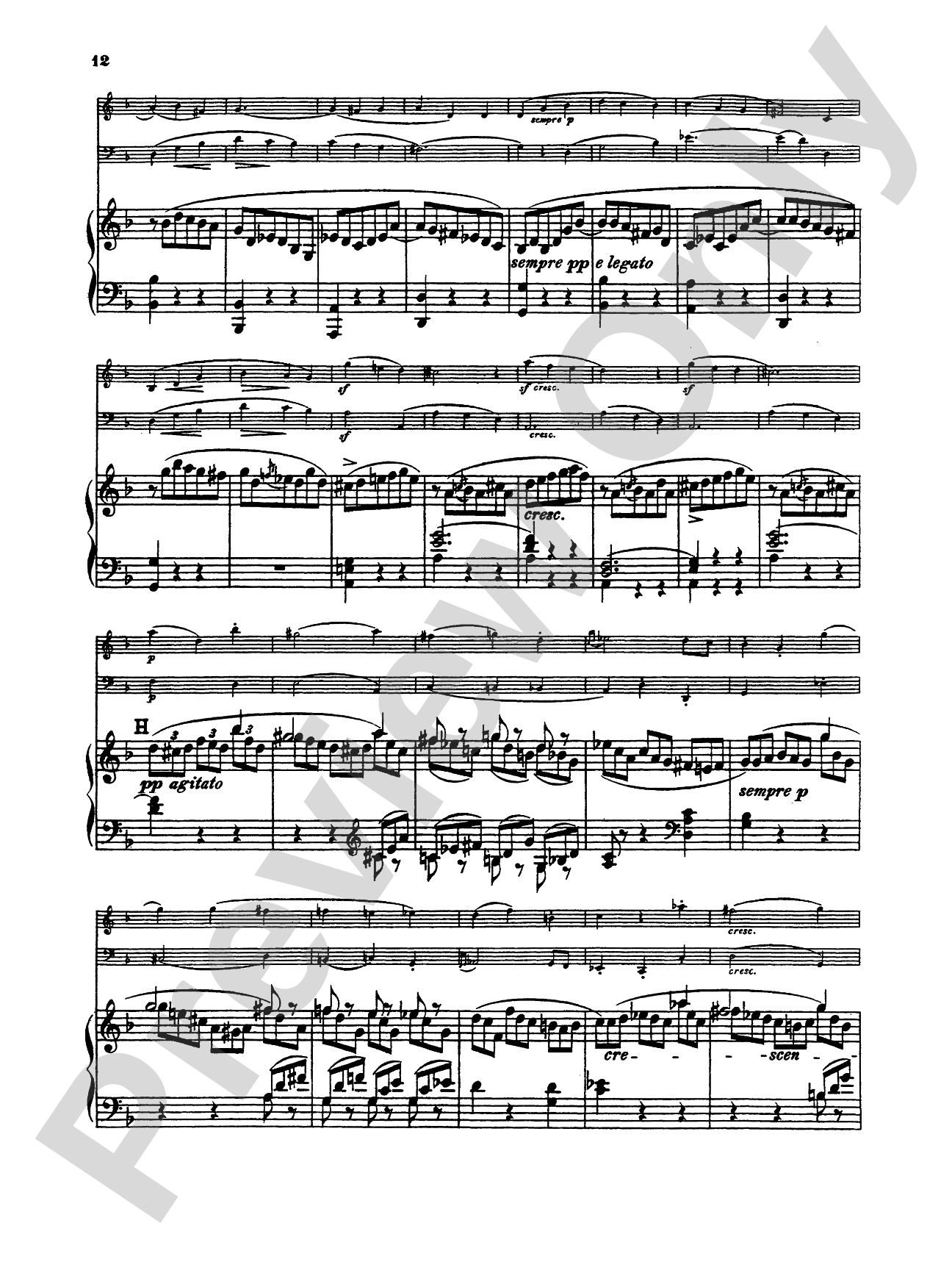

Mendelssohn: Trio No. 1 in D Minor, Op. 49
By Felix Mendelssohn
Item: 00-PC-0013026
$5.95
Pickup currently not available
Description
Expertly arranged Chamber Trio by Felix Mendelssohn from the Kalmus Edition series. This Trio is from the Romantic era.


Don't just read it, hear it, play along with it, and watch your students grow with it. In MakeMusic Cloud, Mendelssohn: Trio No. 1 in D Minor, Op. 49 comes alive with professional accompaniment, adjustable tempo, and built-in practice tools that turn solo practice into real progress.
Open in the Player
Jump straight in and assign it today.
Start Your Free Trial
Open this title and explore the full library in minutes.
Sample Audio
No sample audio found.
Sample Video
No sample videos found.
Additional Details
Series:
Kalmus Edition
Publisher:
Alfred Music
Page Count:
88
SKU:
00-PC-0013026
Instrumentation:
Violin, Cello & Piano
More about this title
About the Composer: Felix Mendelssohn
Felix Mendelssohn (1809-1847) bridged Classical form and Romantic expression with uncommon elegance. A virtuoso pianist and violinist himself, he understood the technical and expressive possibilities of every instrument he wrote for, giving his chamber works both intellectual rigor and genuine warmth. His compositions were celebrated throughout Europe during his lifetime, and his influence on music education remains profound. He founded the Conservatory in Leipzig, where he shaped pedagogical standards that persist today.
Why we love this
This trio showcases Mendelssohn's gift for lyrical melody paired with sophisticated harmonic writing that never loses sight of emotional directness. The work sits at an ideal difficulty level for advancing high school ensembles and undergraduate chamber musicians: technically rewarding without excessive virtuosity, it lets younger players experience genuine Romantic masterwork repertoire rather than simplified approximations.
What to expect
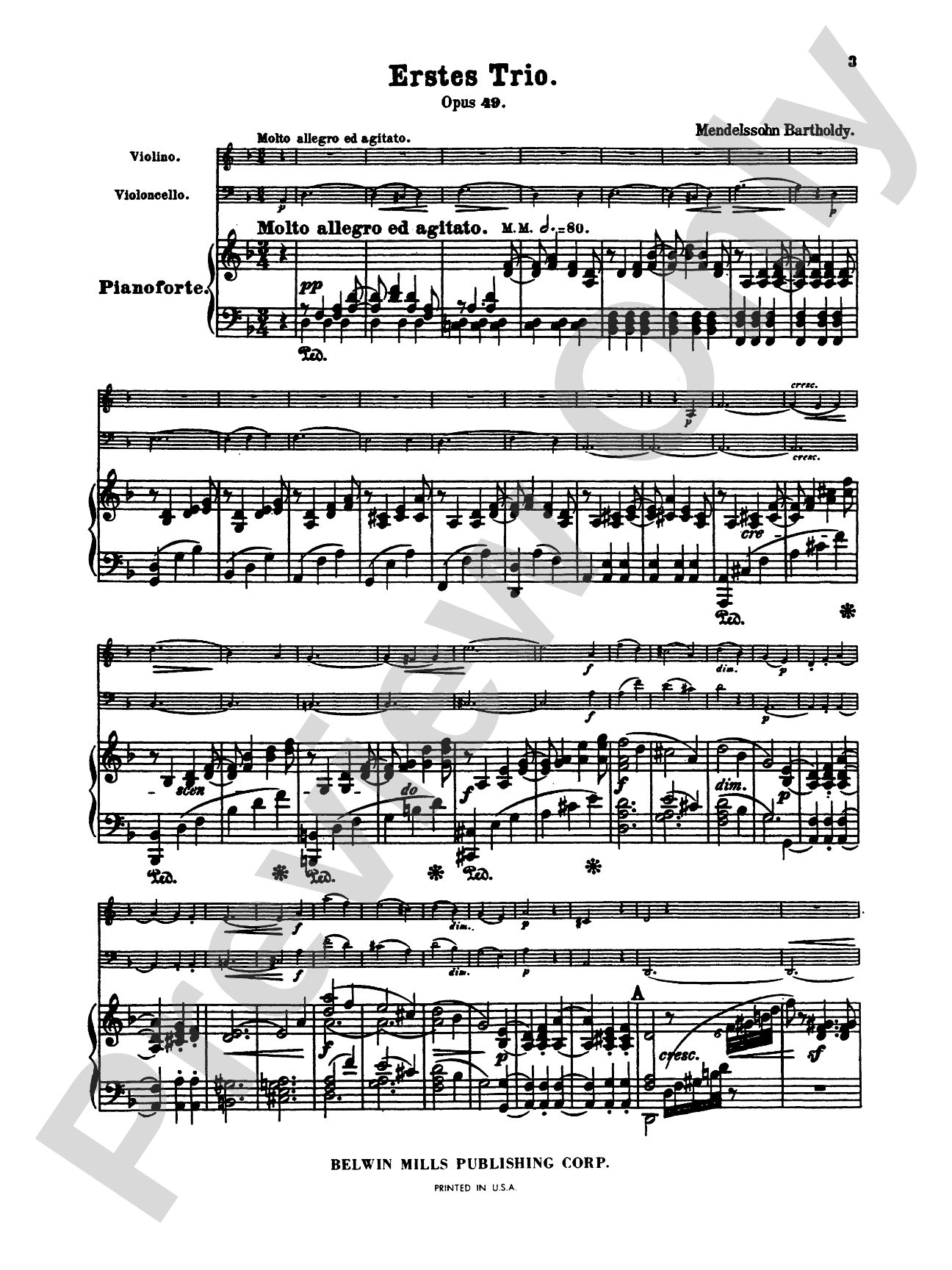
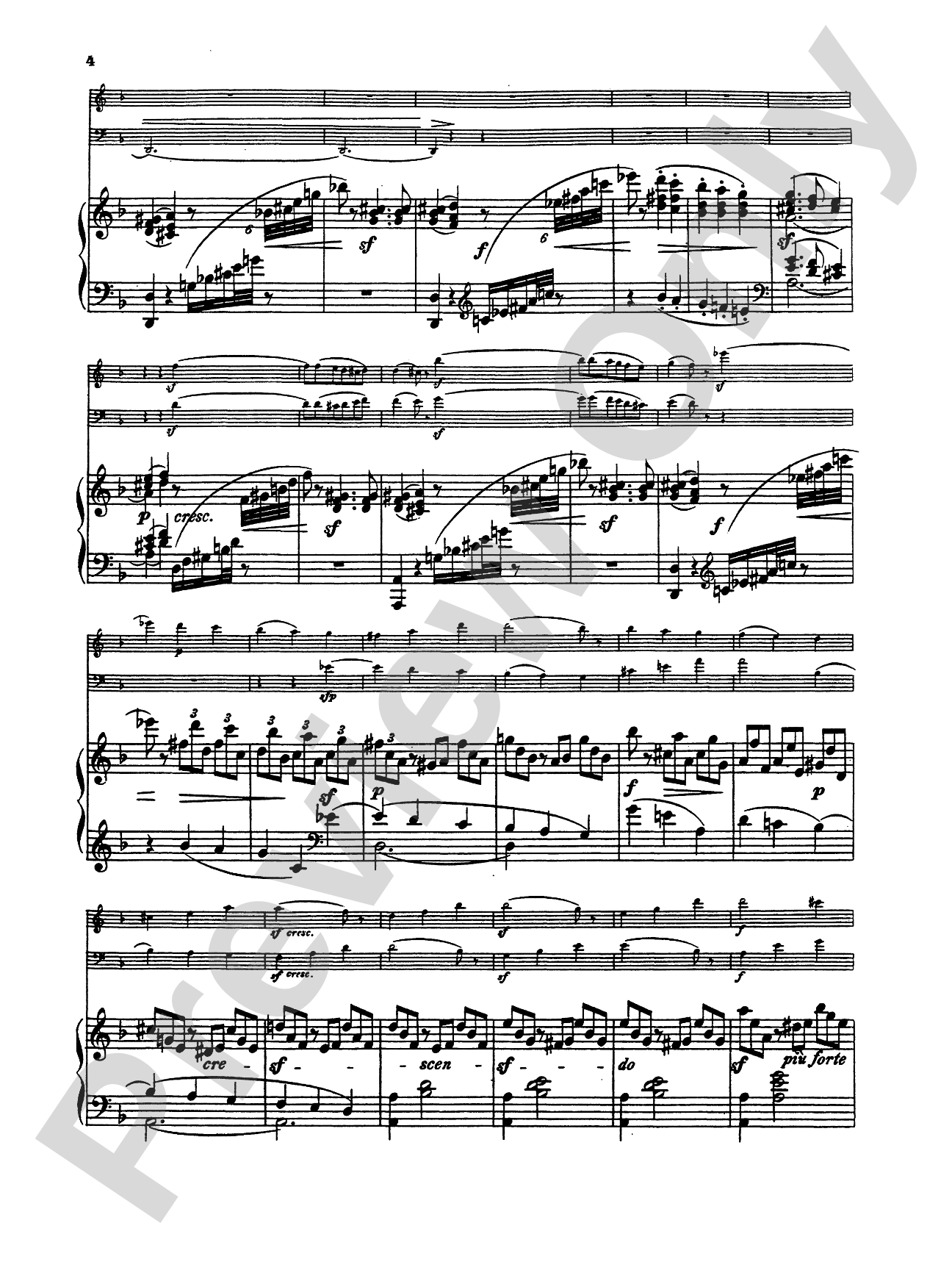
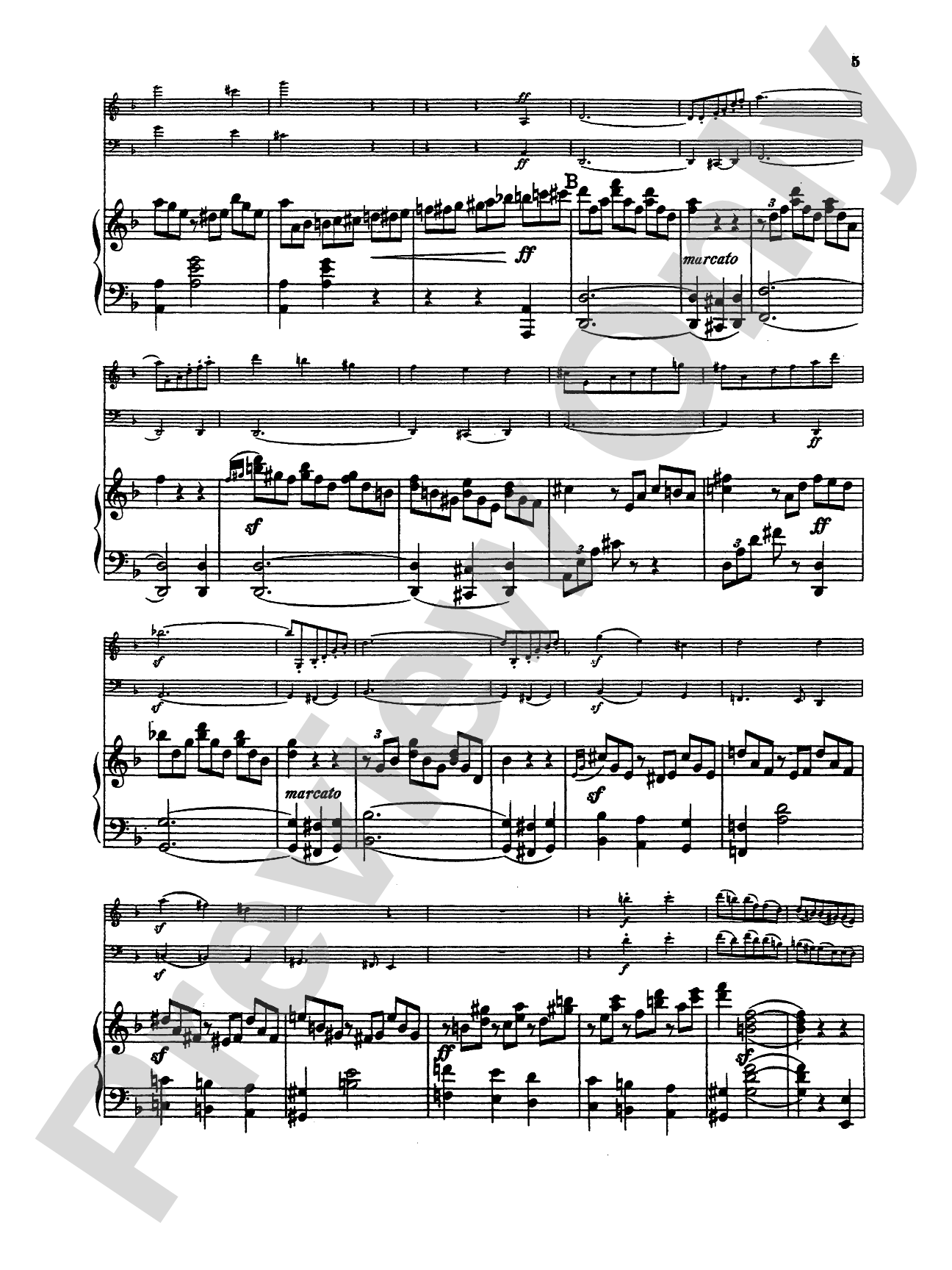
Mendelssohn's D minor trio unfolds with heartfelt lyricism and architectural clarity. The opening movement draws you forward through elegant melodies and rich harmonic colors; a spirited scherzo follows with humor and rhythmic vitality before an intimate slow movement brings the ensemble together in genuine intimacy. The finale returns with energy and purpose, leaving an impression of both substance and warmth.
Who it's for
High school chamber ensembles with advancing string players, university-level string trios preparing for competitions or recitals, and serious private students ready for substantial Romantic-era repertoire. This is an excellent choice for musicians who have mastered fundamental technique and want to deepen their understanding of phrase, form, and ensemble balance within a canonical work.
How to get the most out of it
- Establish the principal melodic voice clearly in the opening; the piano often carries essential inner voices that support rather than accompany, so balance and voice independence are critical to ensemble cohesion.
- Pay attention to Mendelssohn's phrase architecture. His periods typically unfold over 4 or 8 bars with clear harmonic goals; shaping the line toward these structural moments creates sweep without rushing.
- The scherzo movement benefits from rhythmic precision and light articulation. Avoid heaviness; let the playful character breathe through clean attacks and shape rather than weight.
- In the Adagio, the cello often carries the primary melody while the violin and piano weave accompaniment. Ensure the cello voice projects without forcing, and let the piano provide harmonic warmth underneath.
How to use it
Program this as a centerpiece for a chamber music recital or concert dedicated to Romantic repertoire. It also serves well in a competition or festival showcase where judges appreciate both technical accomplishment and musical maturity. The work's 88-page score suggests a substantial commitment; plan rehearsal time accordingly and consider pairing it with a shorter contemporary or early Romantic piece.
Skills your students will build
- Balancing independent melodic lines within the chamber ensemble texture
- Understanding Romantic-era form and harmonic language
- Ensemble intonation across register changes and dynamic shifts
- Phrasing long melodic lines with harmonic awareness
- Reading and interpreting expressive markings in a published score
- Coordinating bow changes and attacks across three instruments