
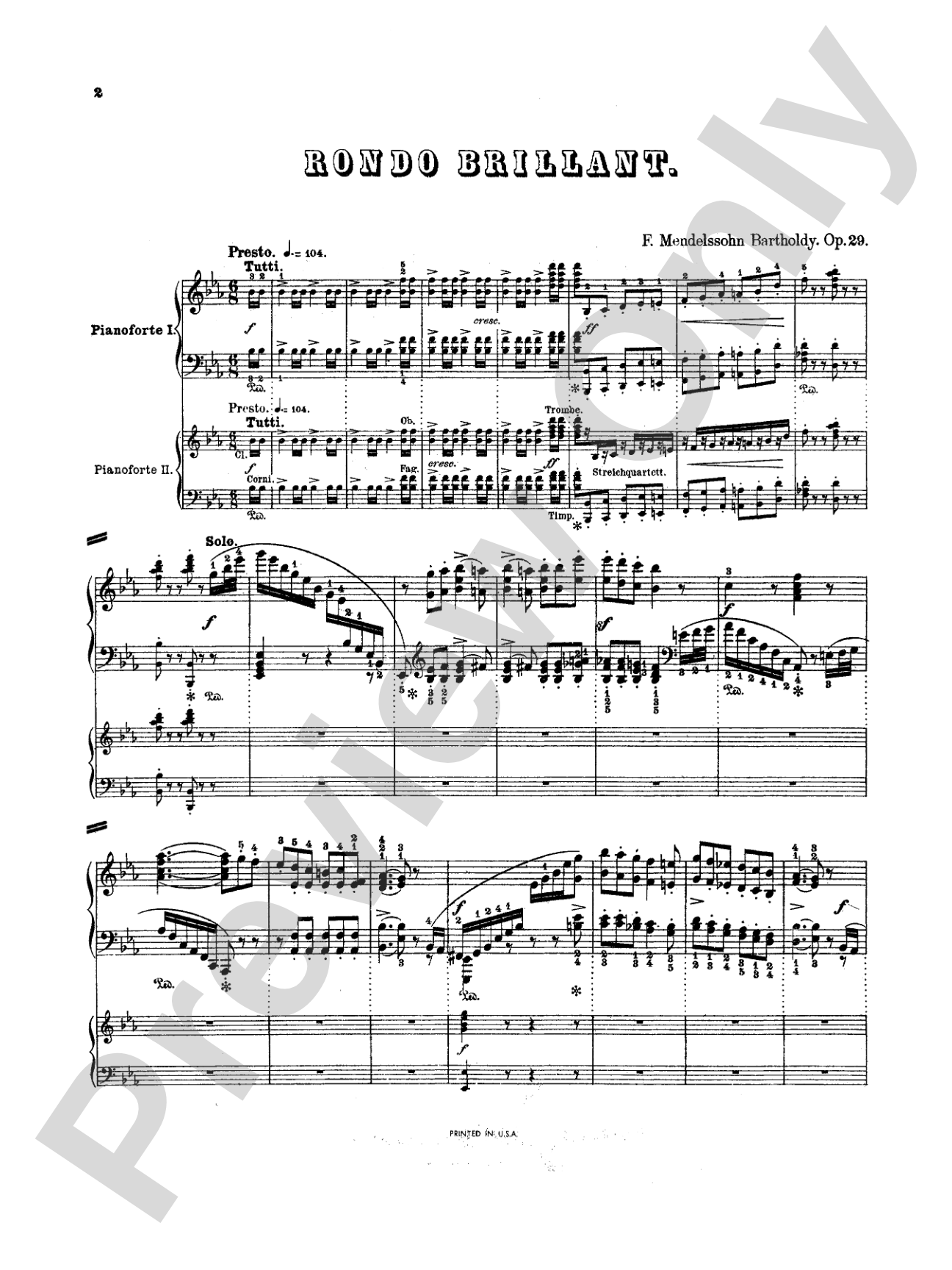
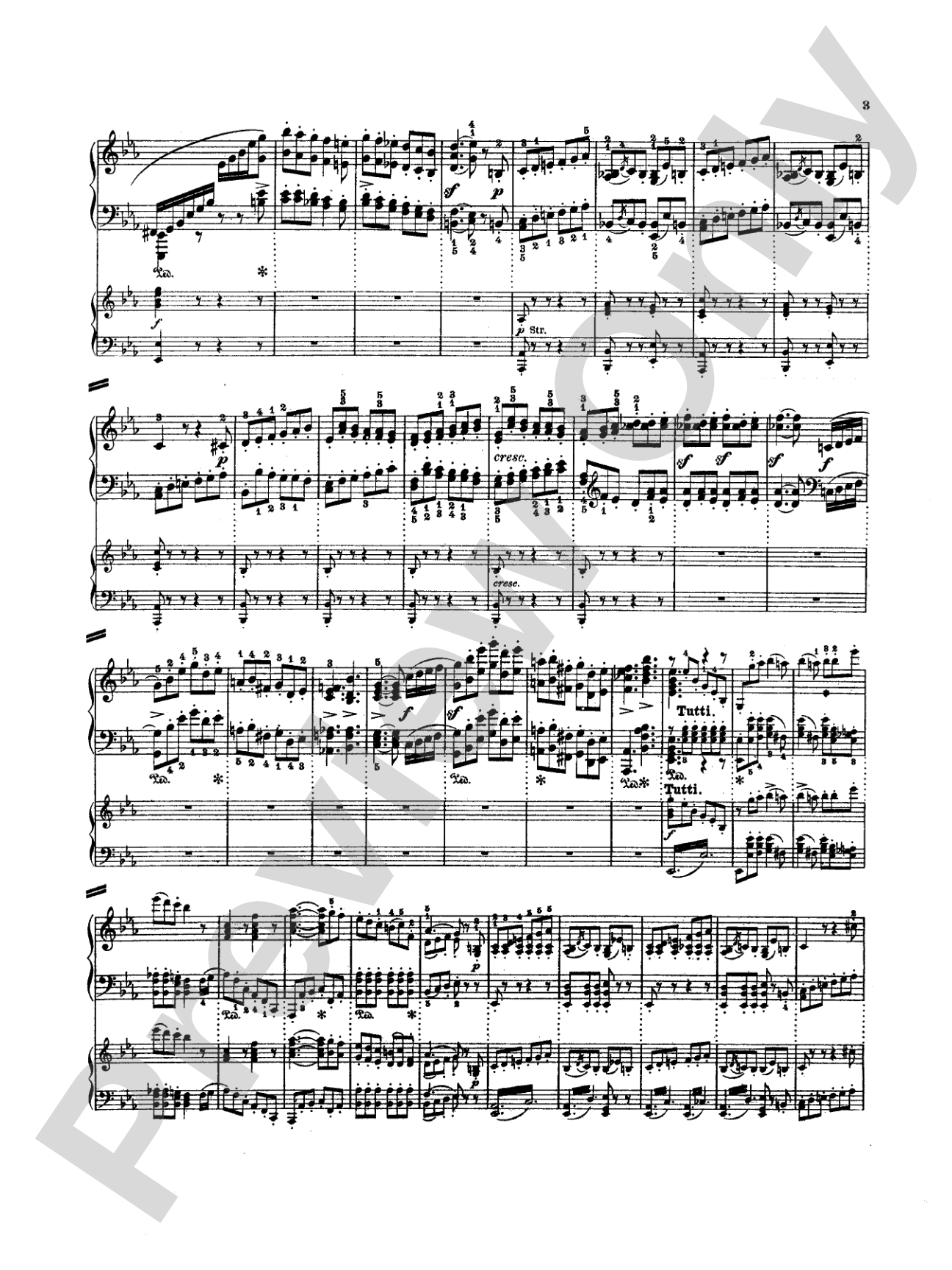
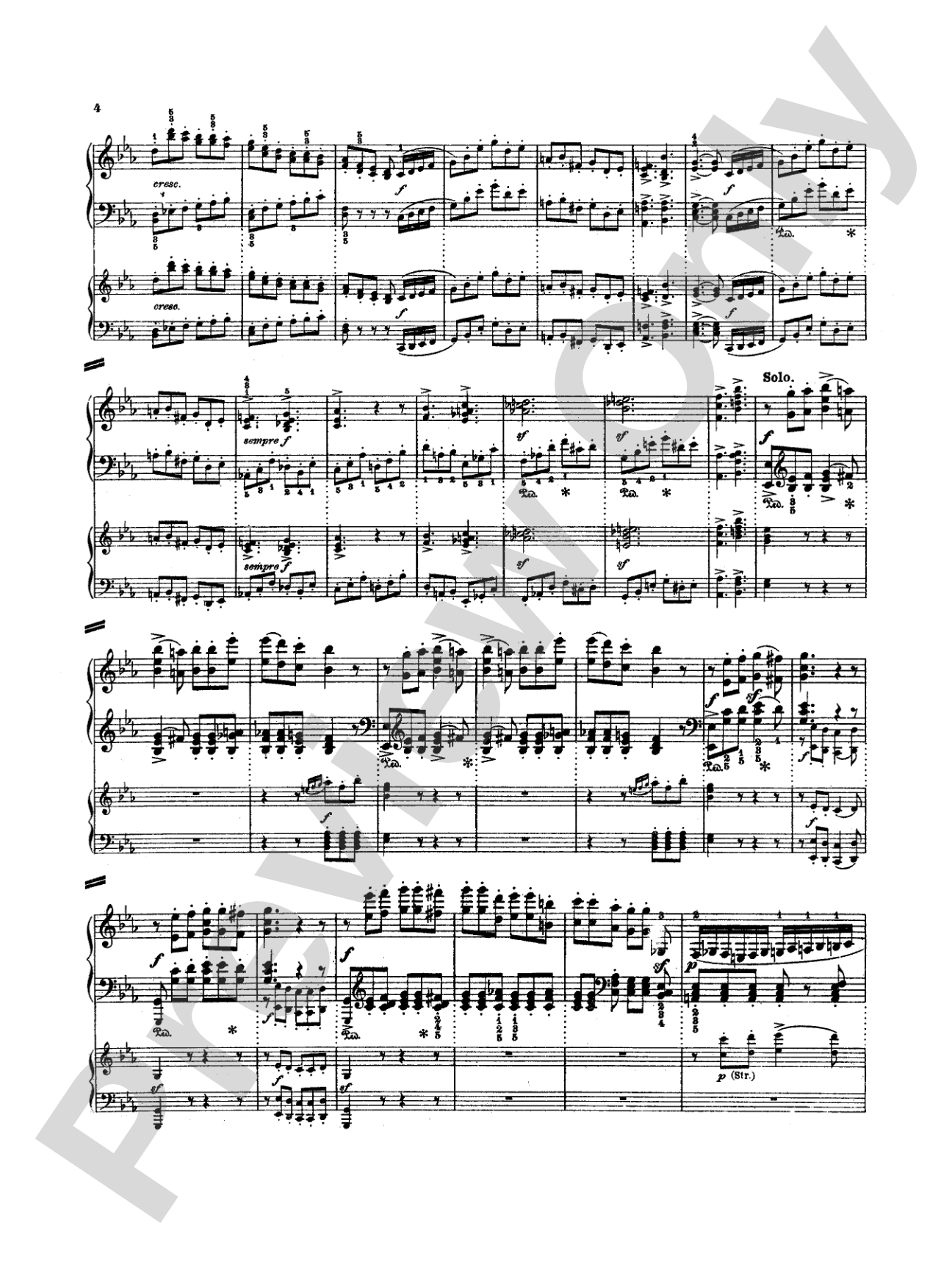
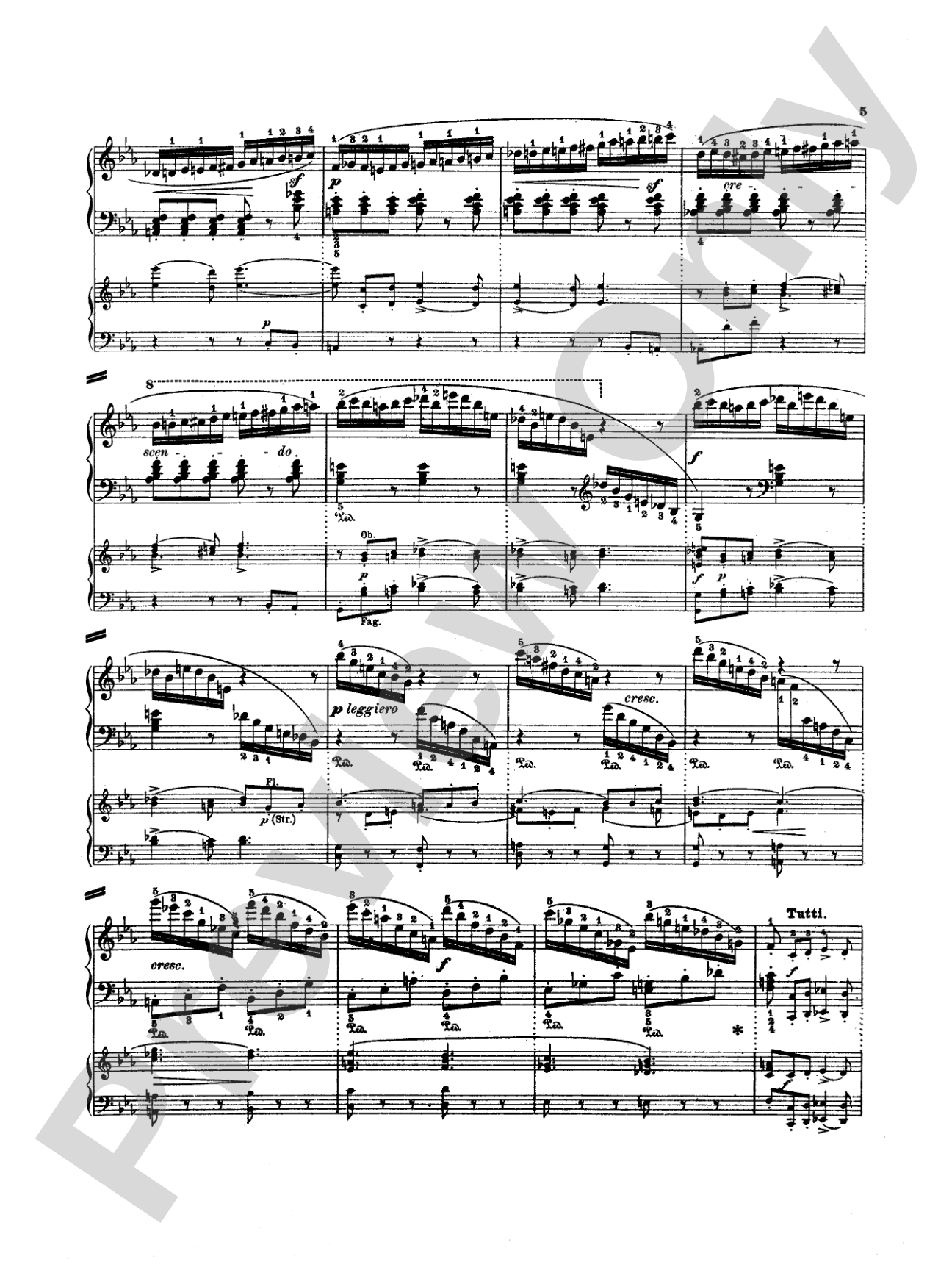
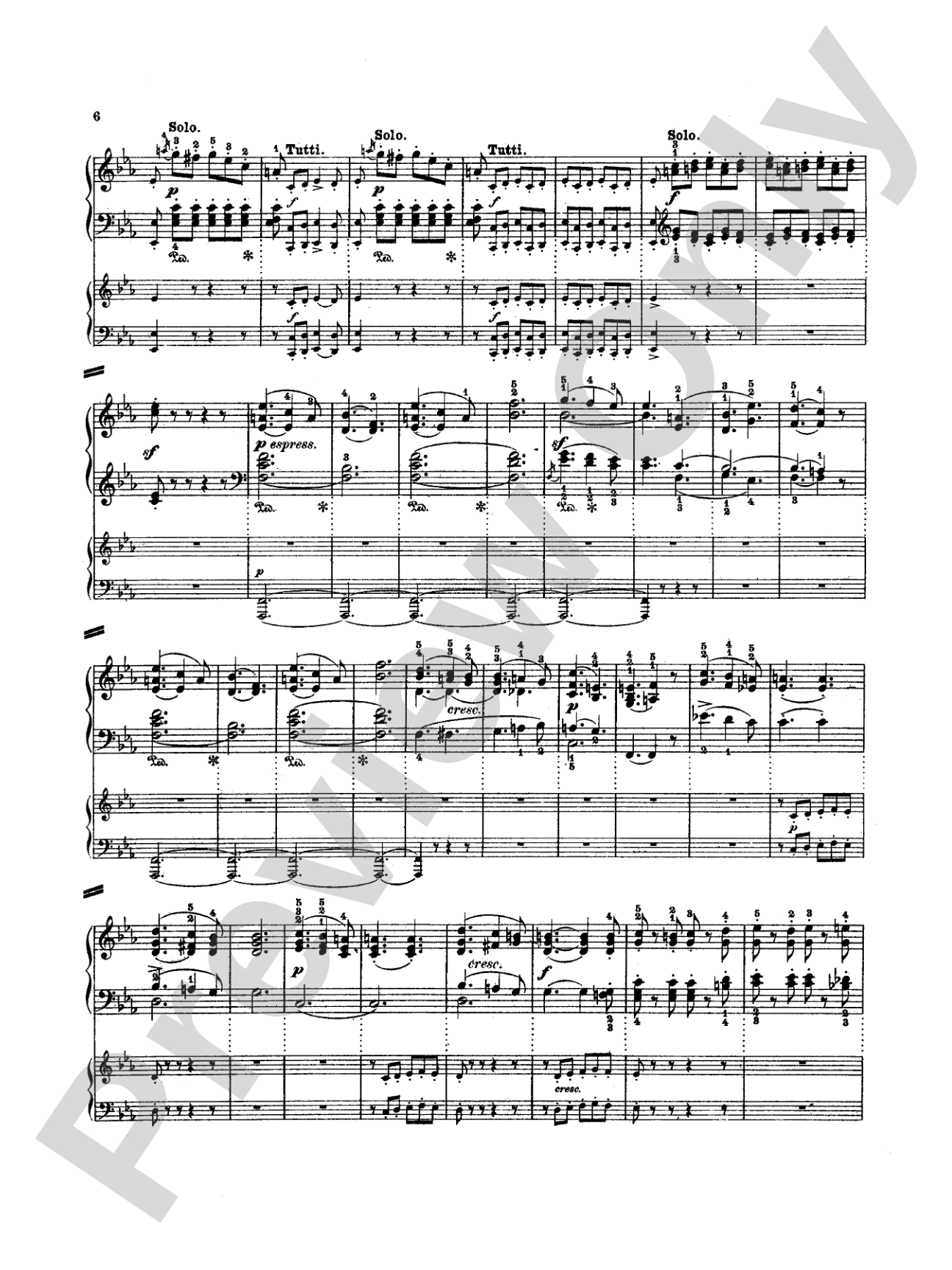
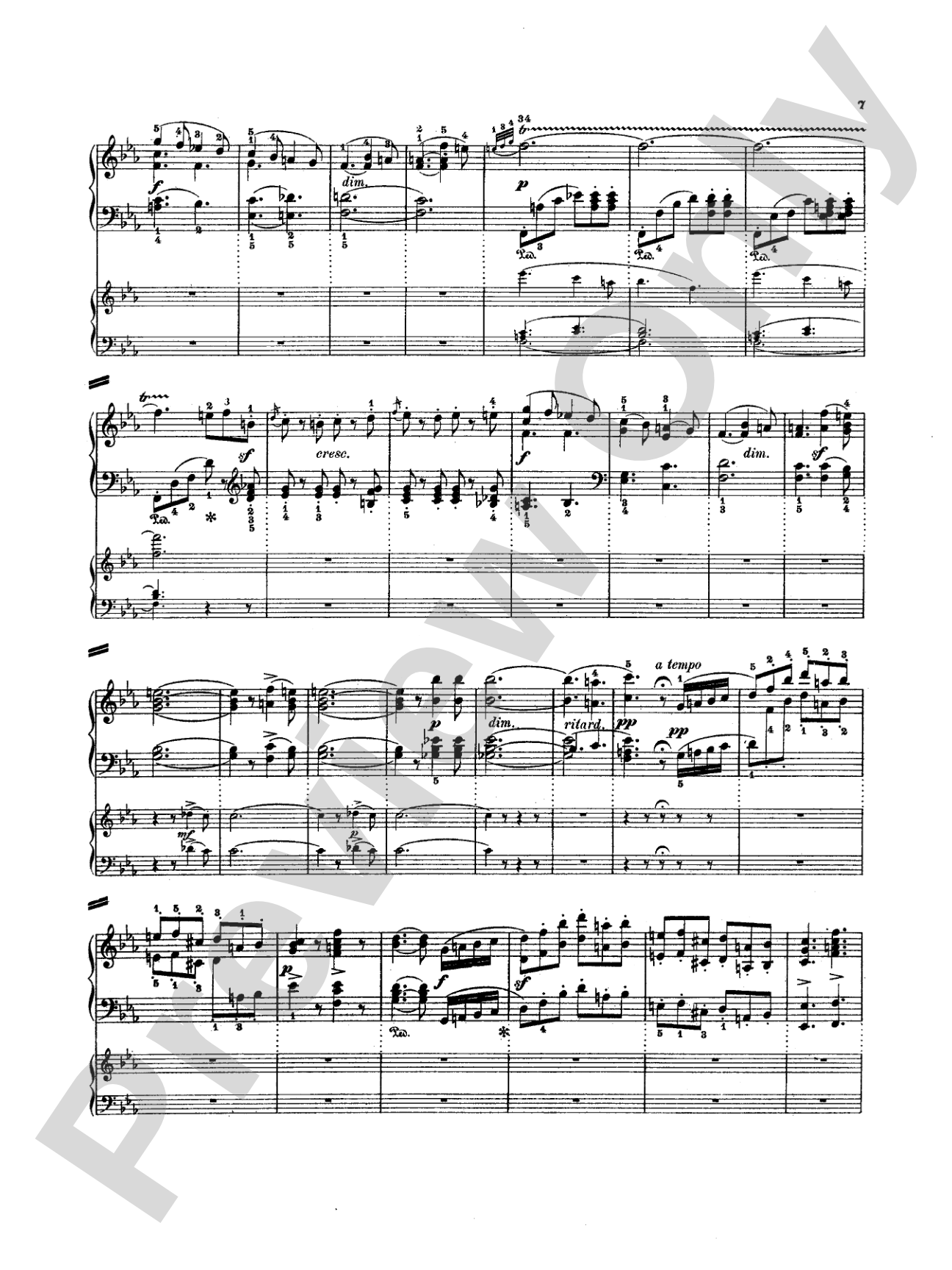
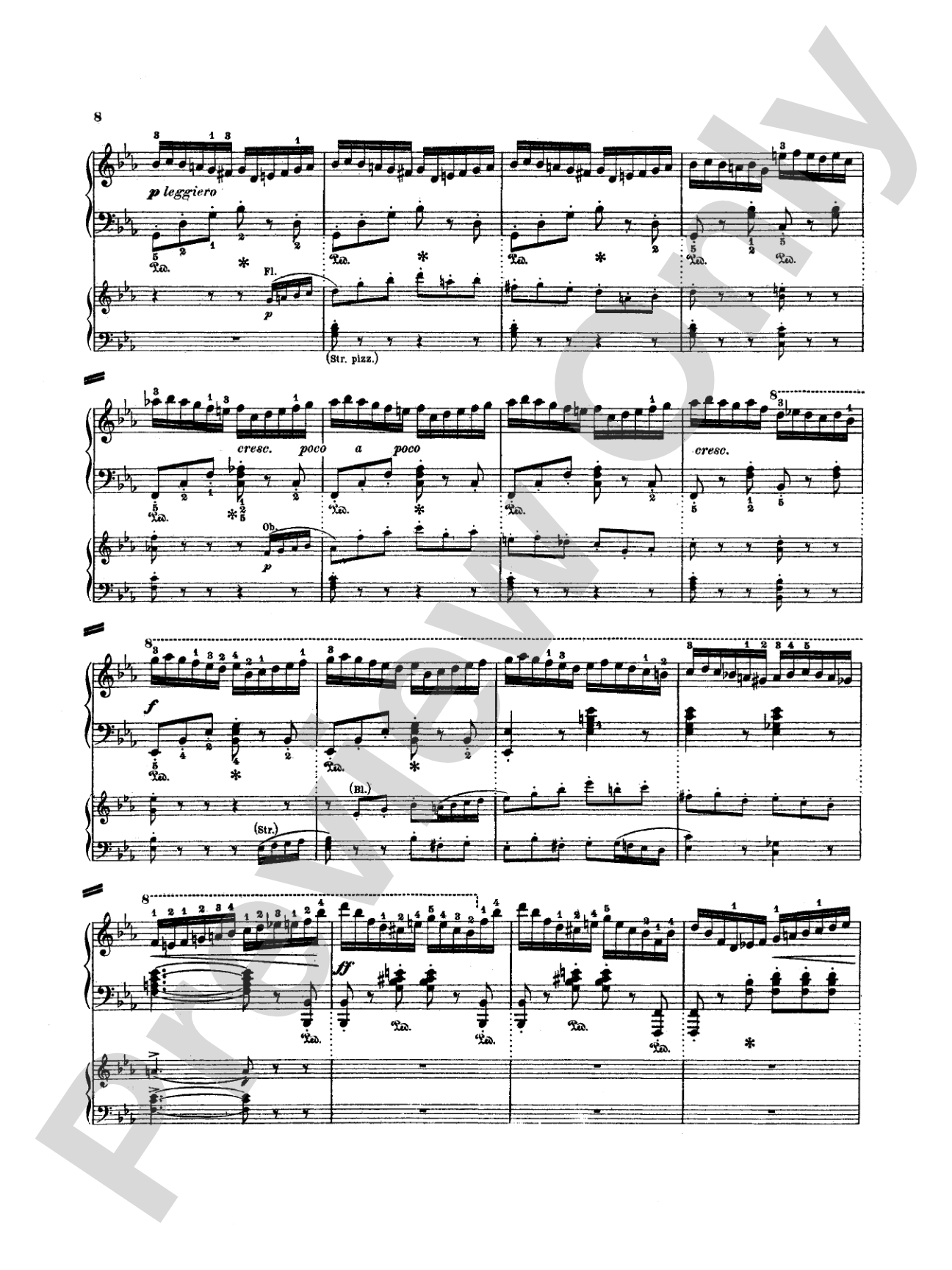
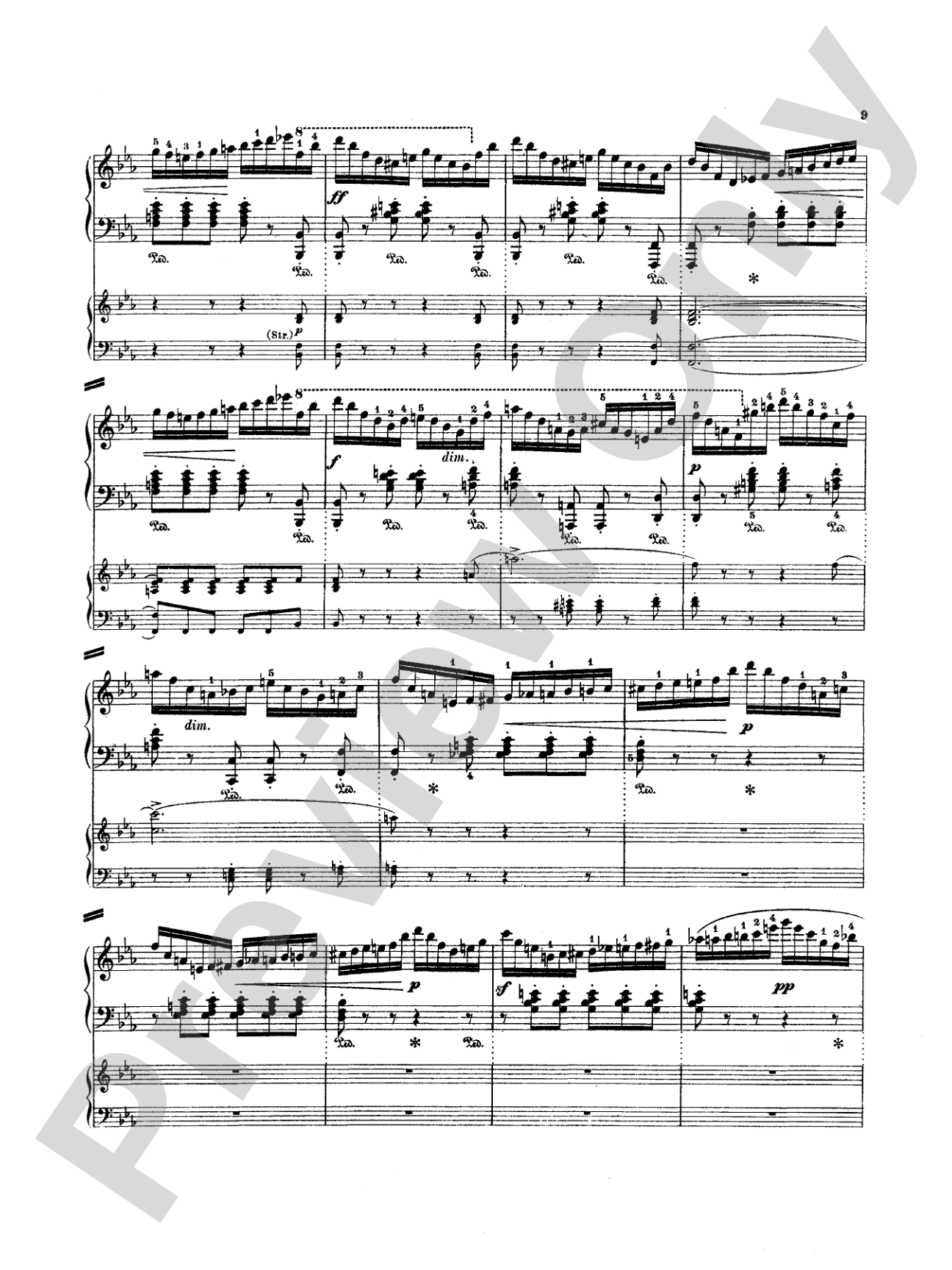
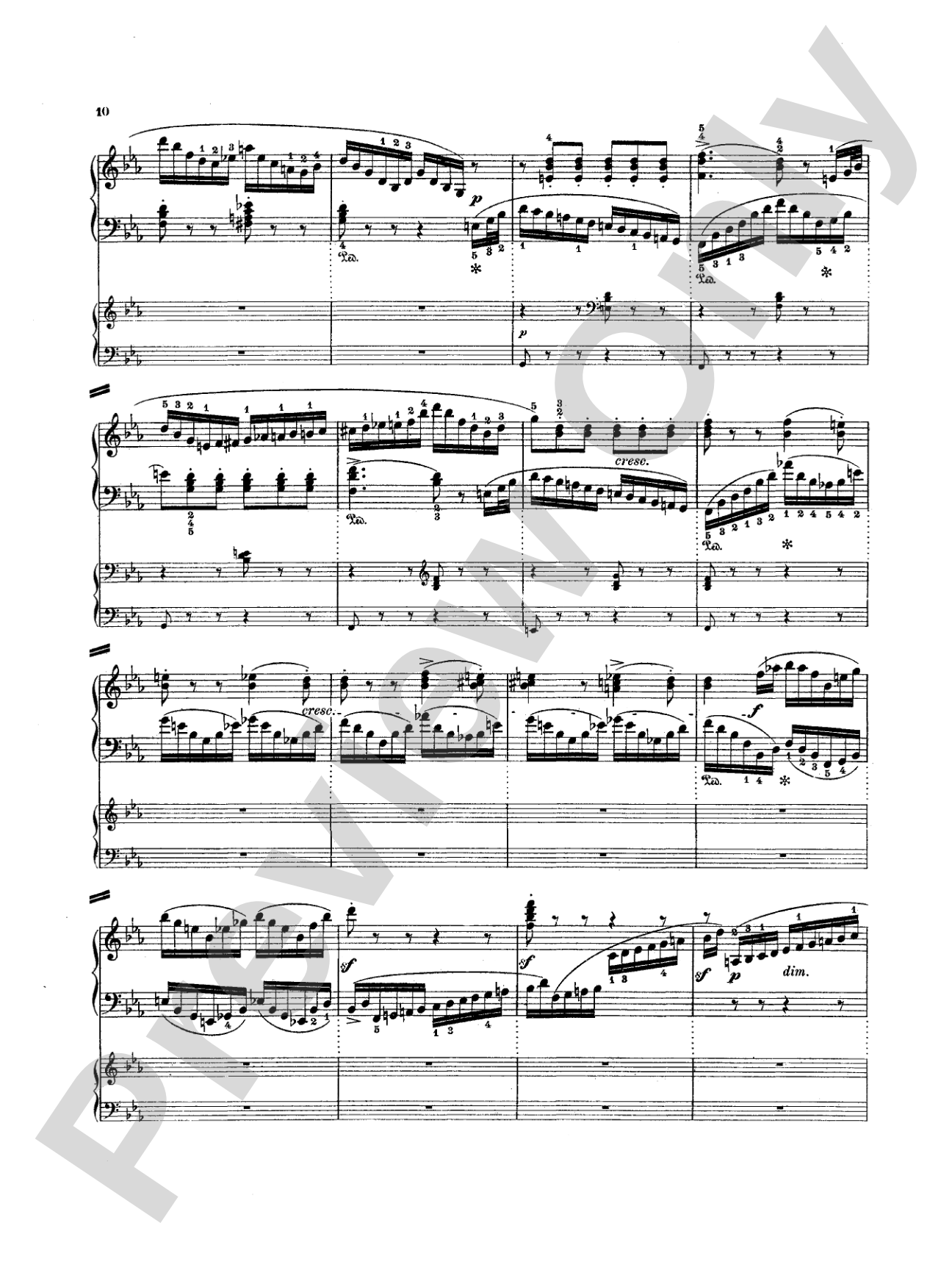
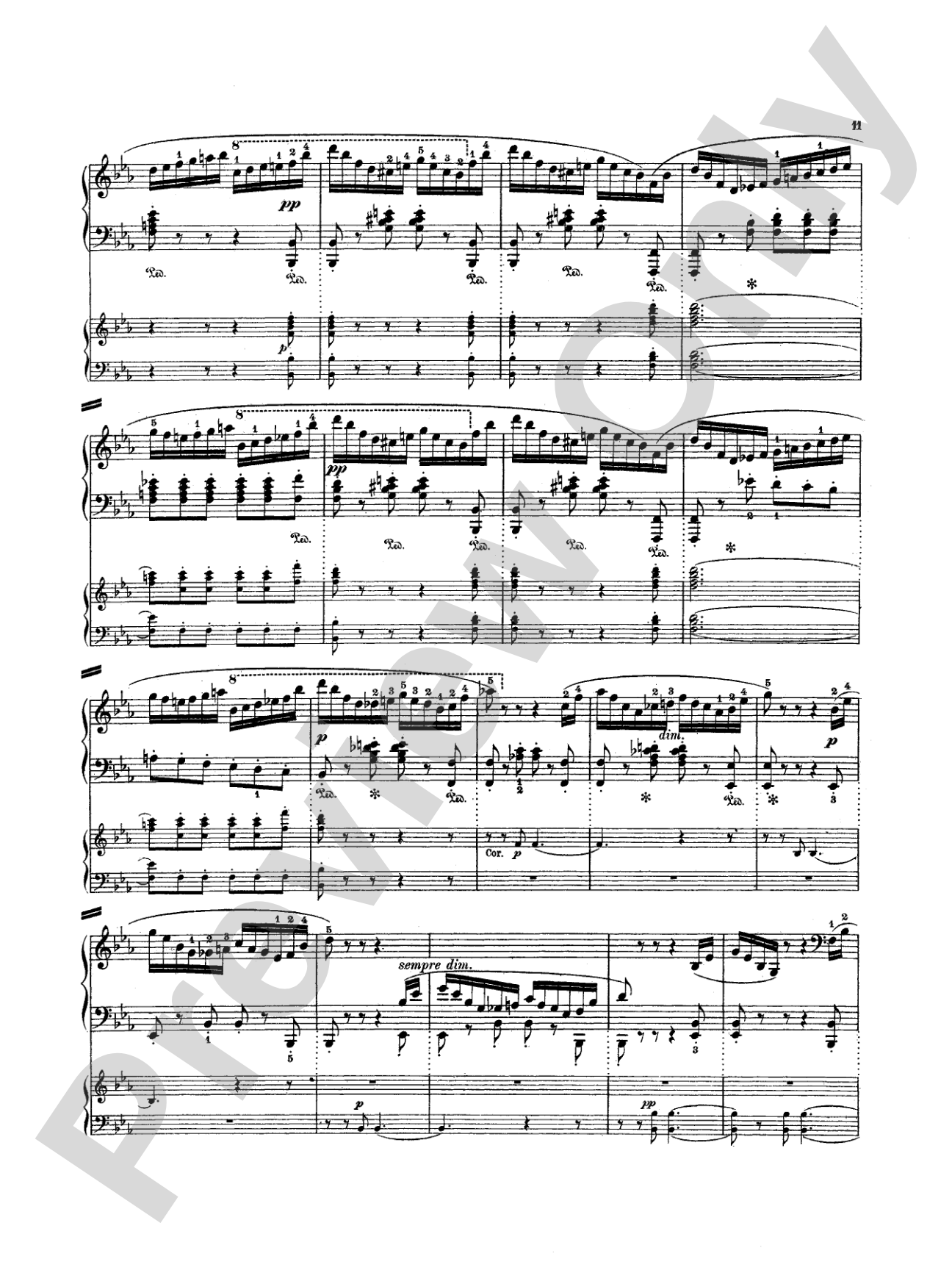
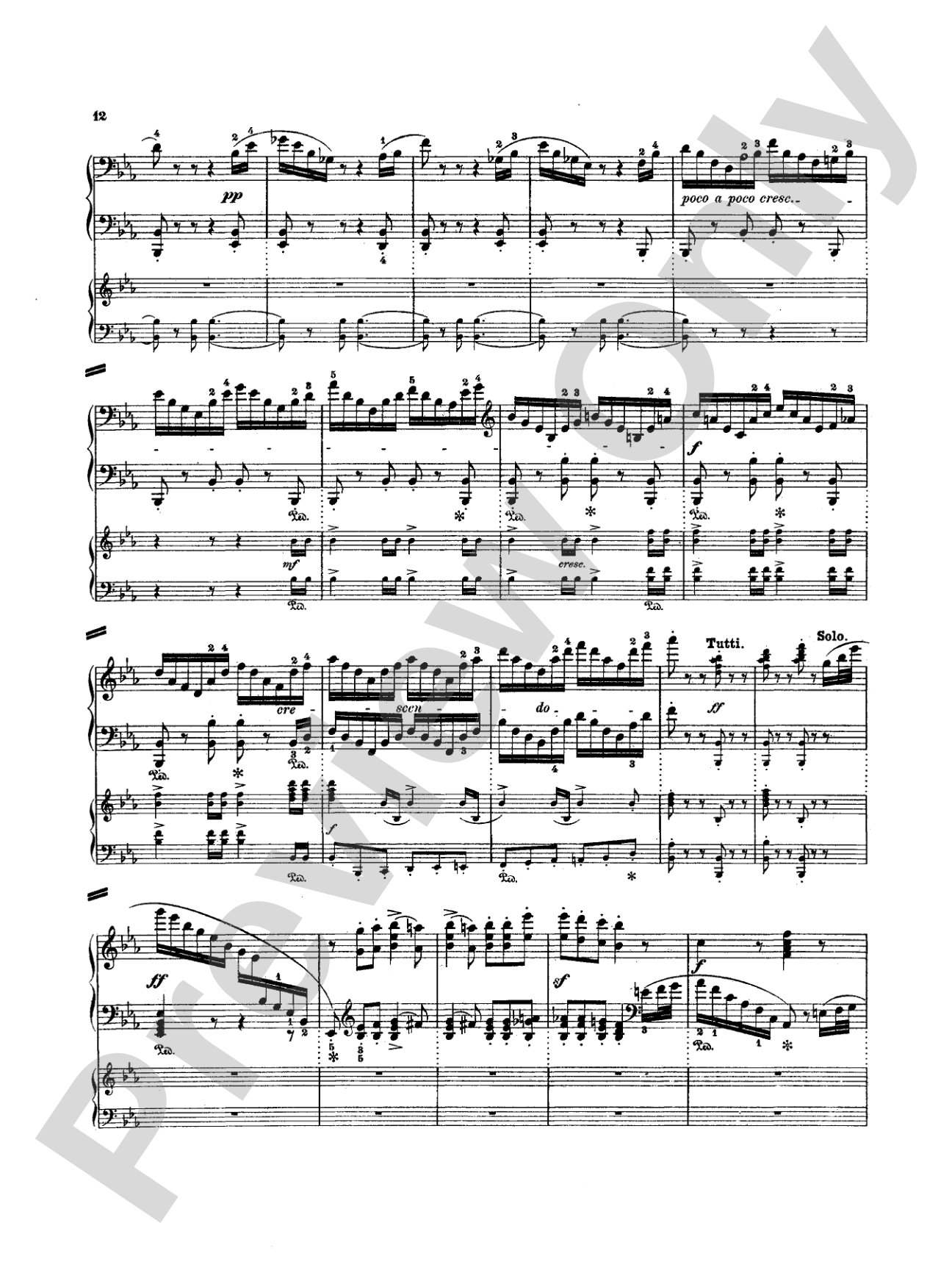
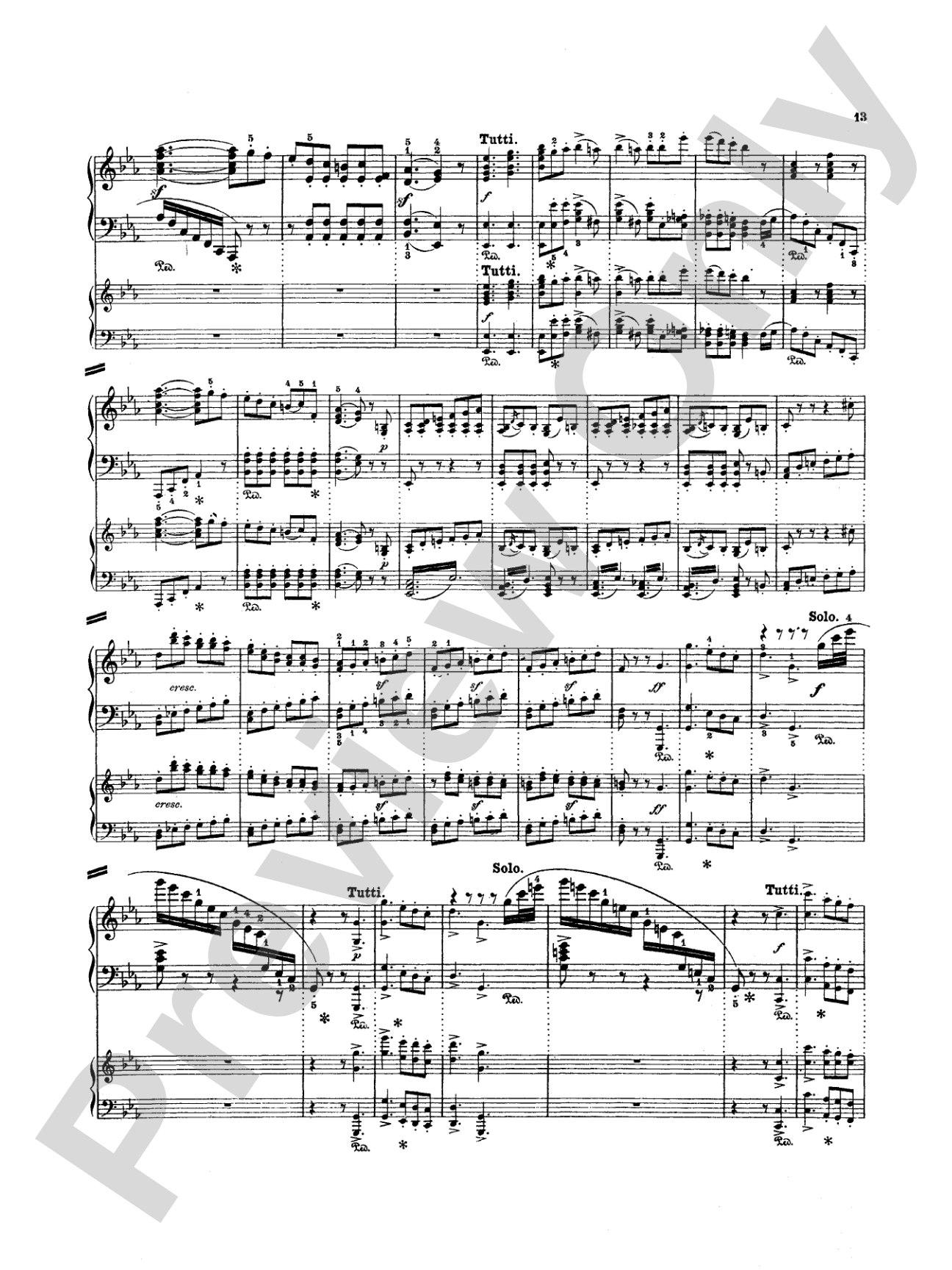
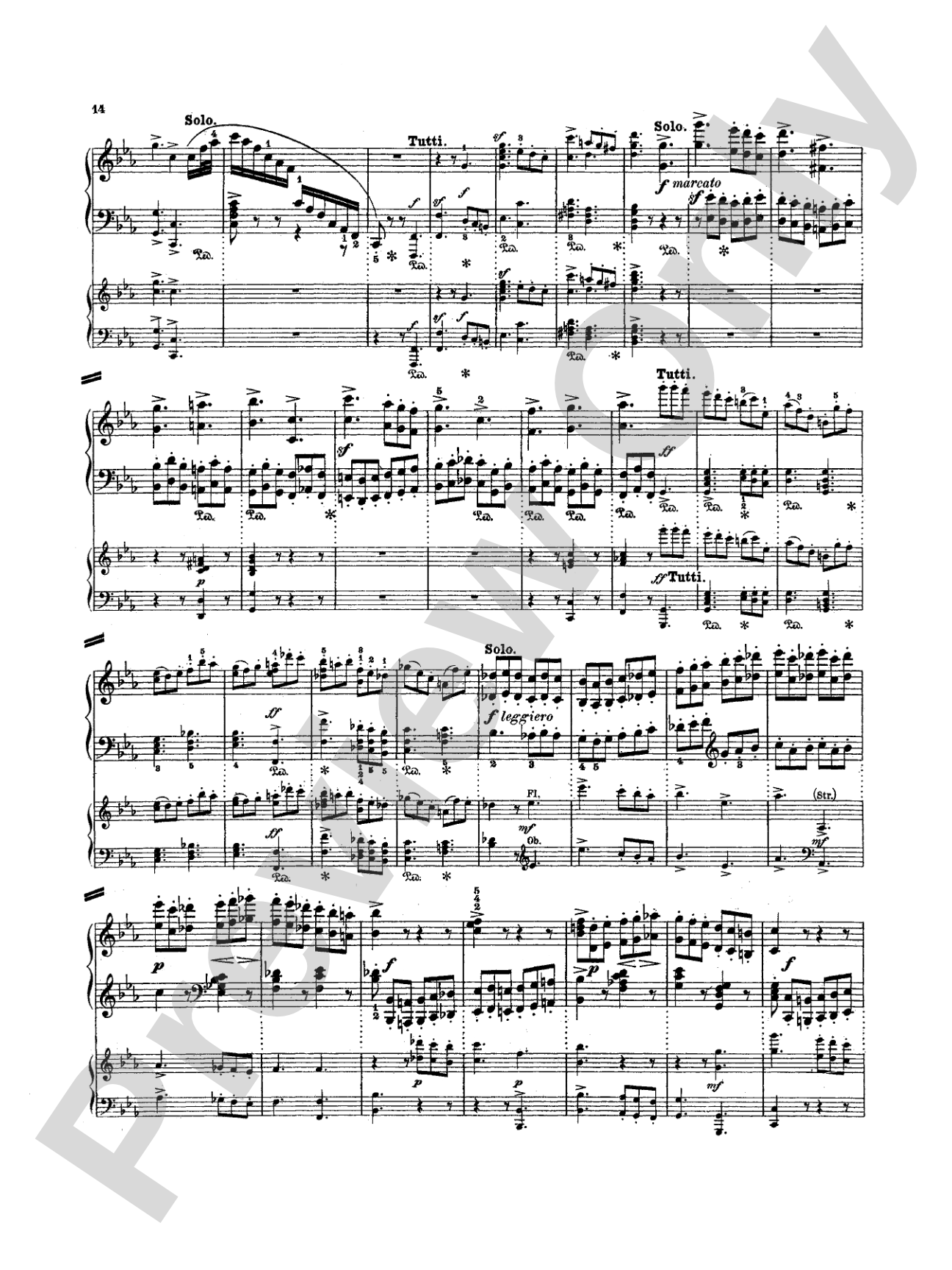
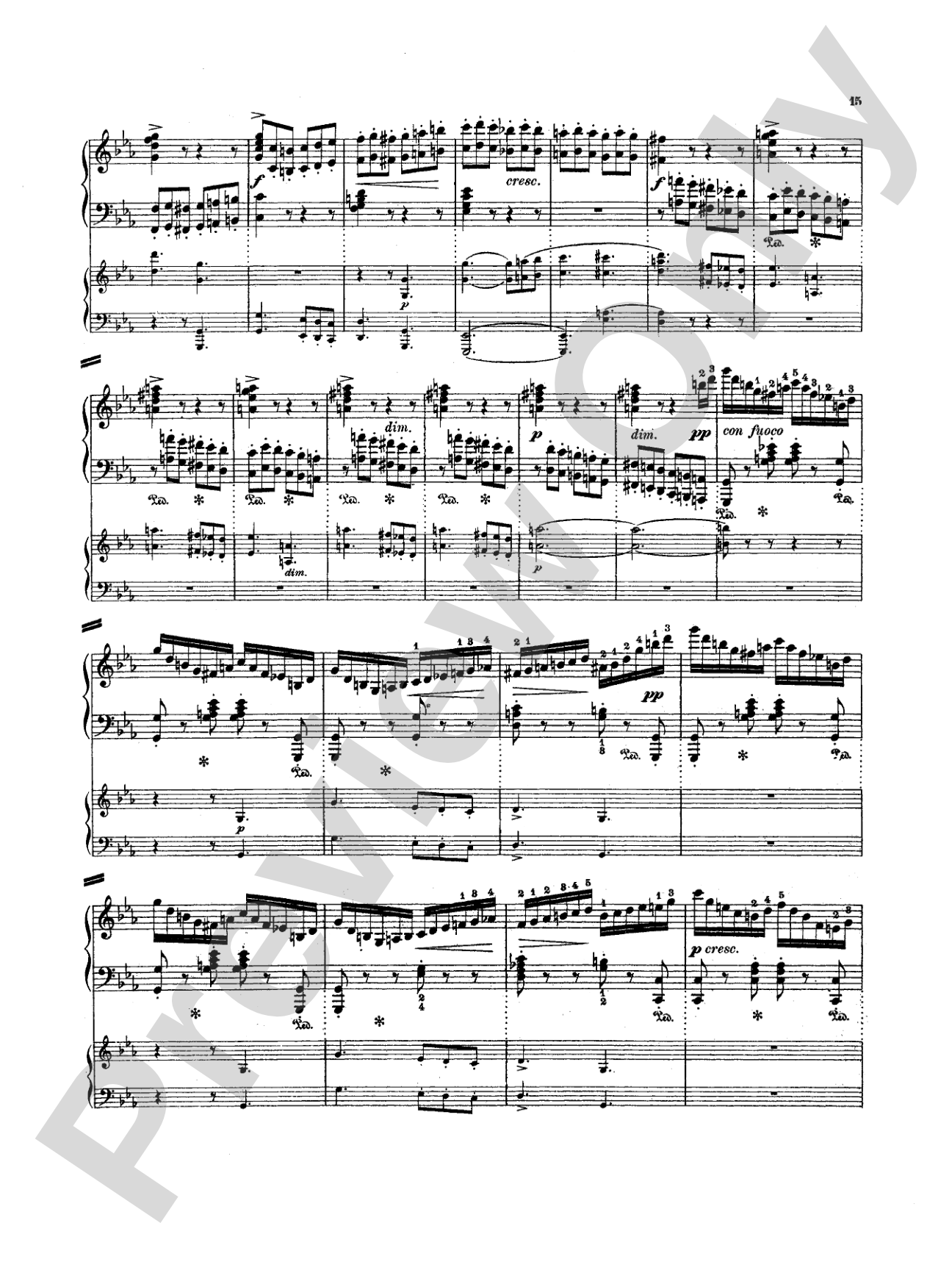
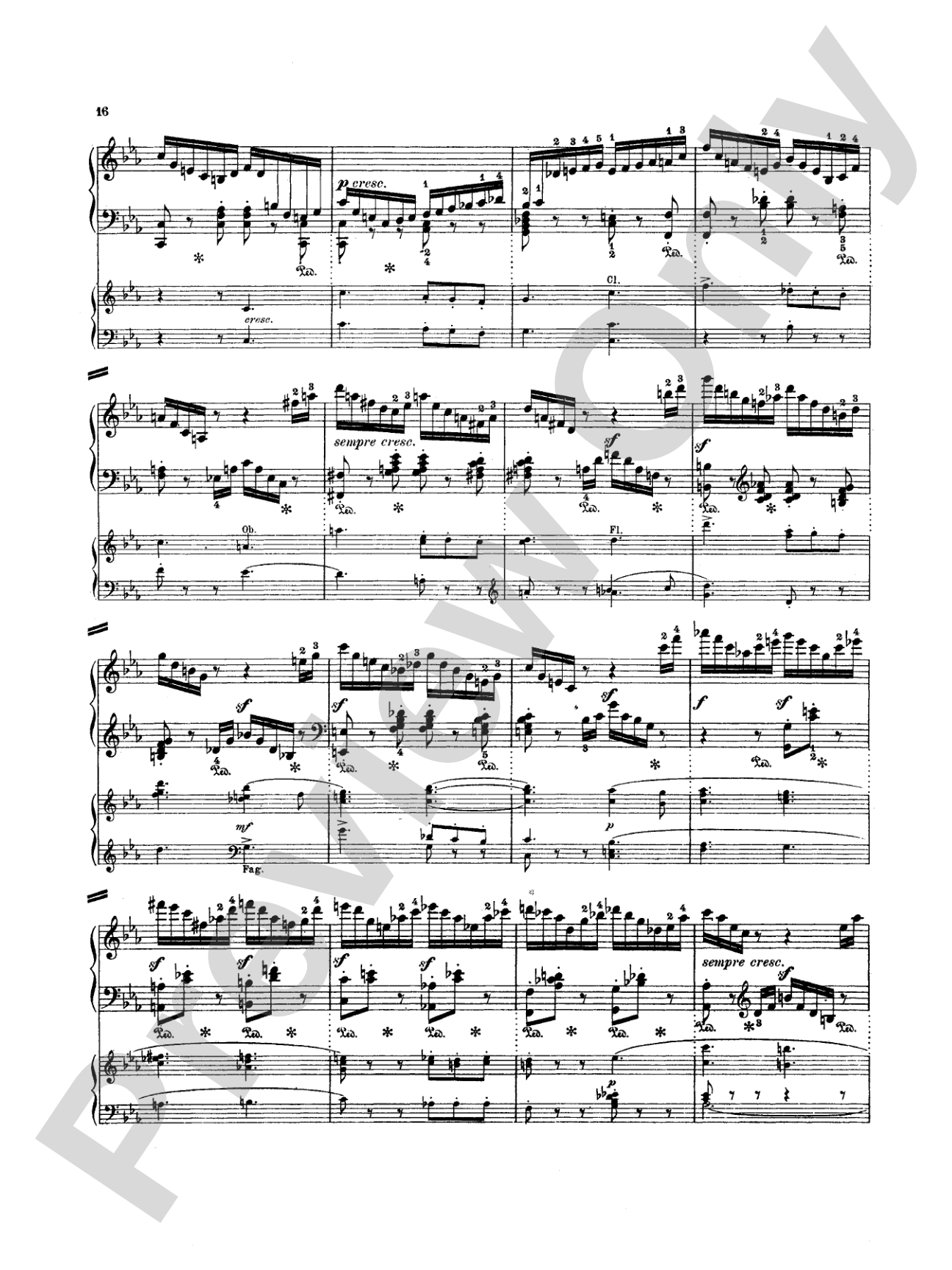
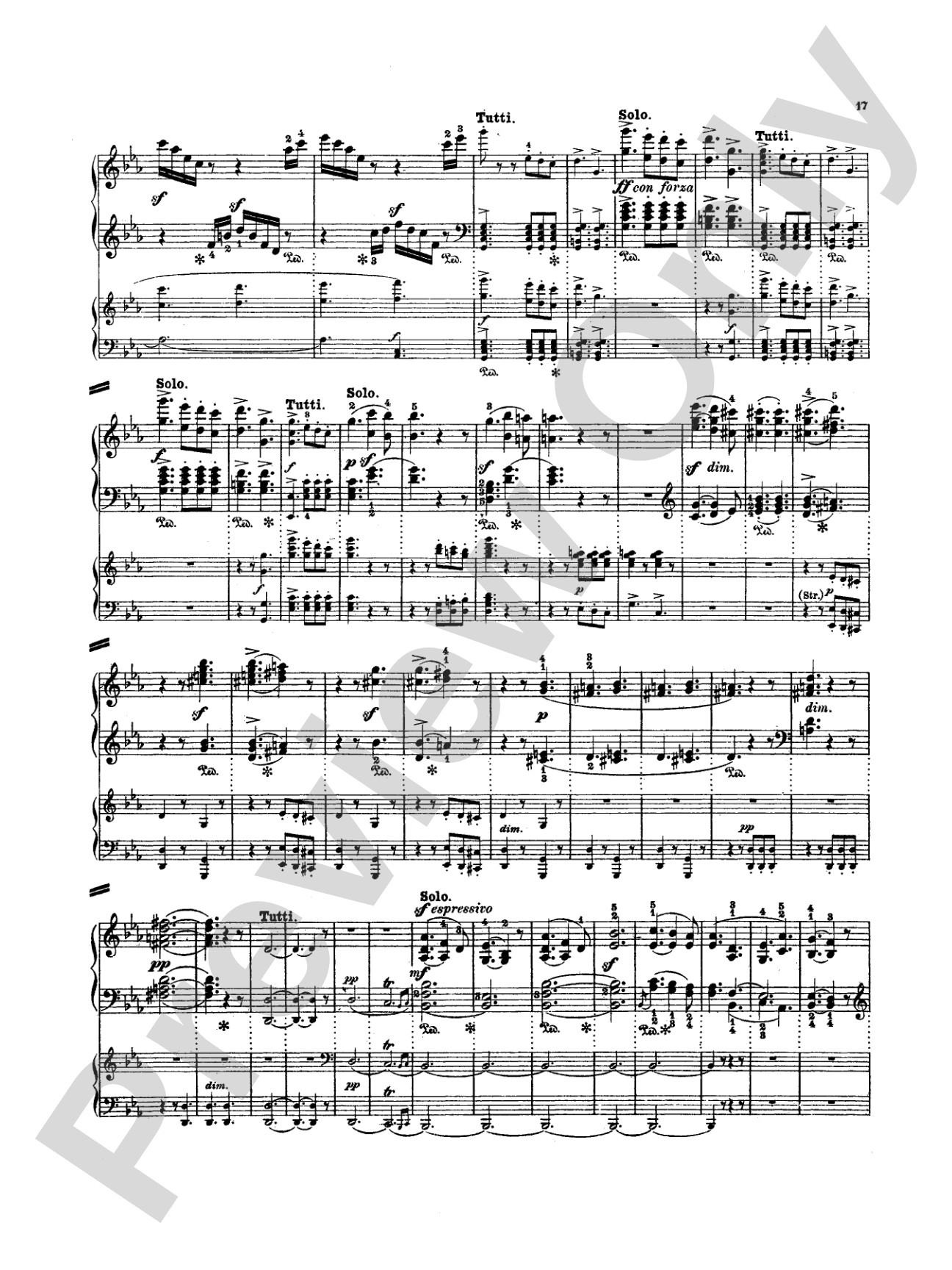
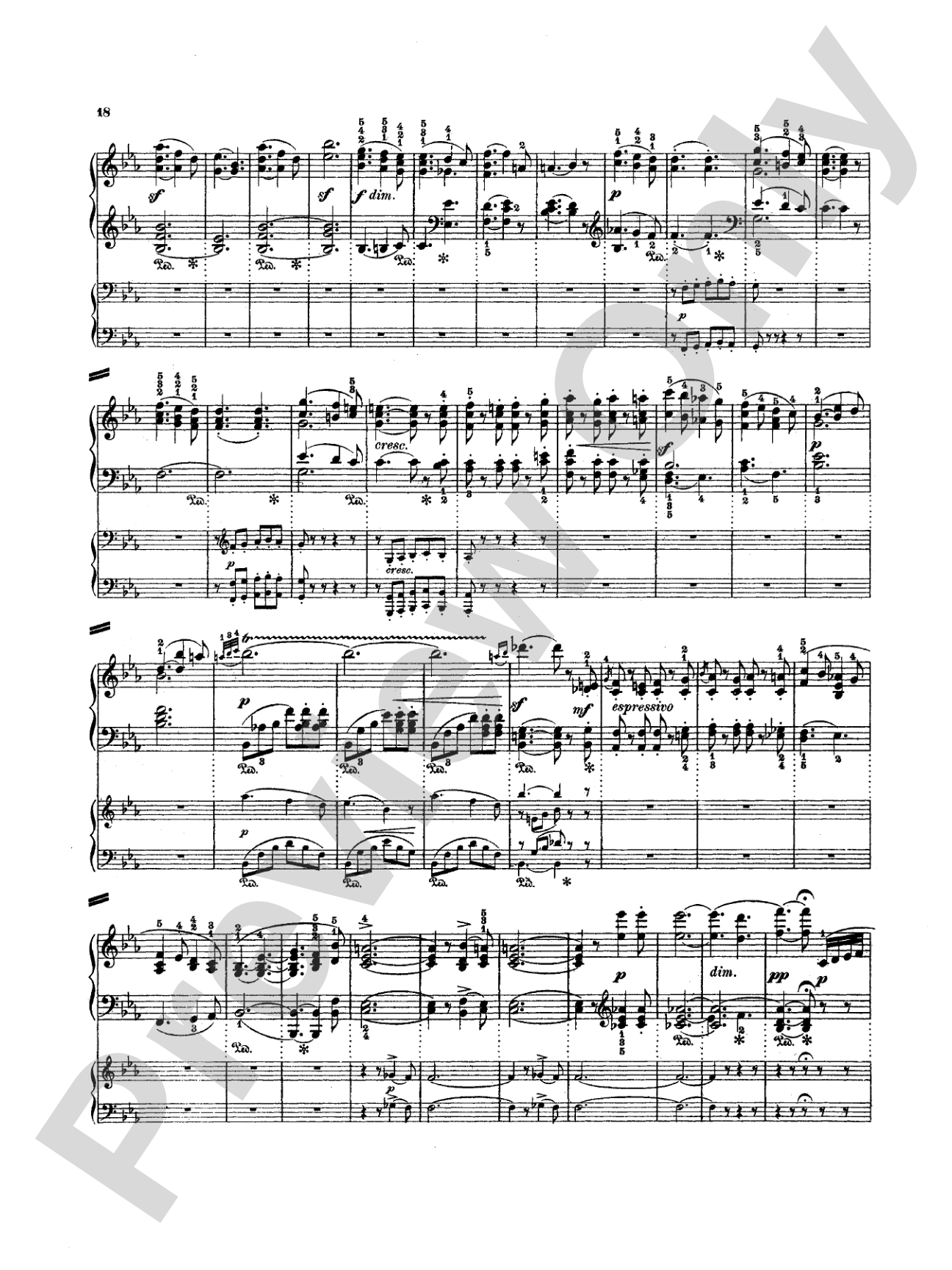
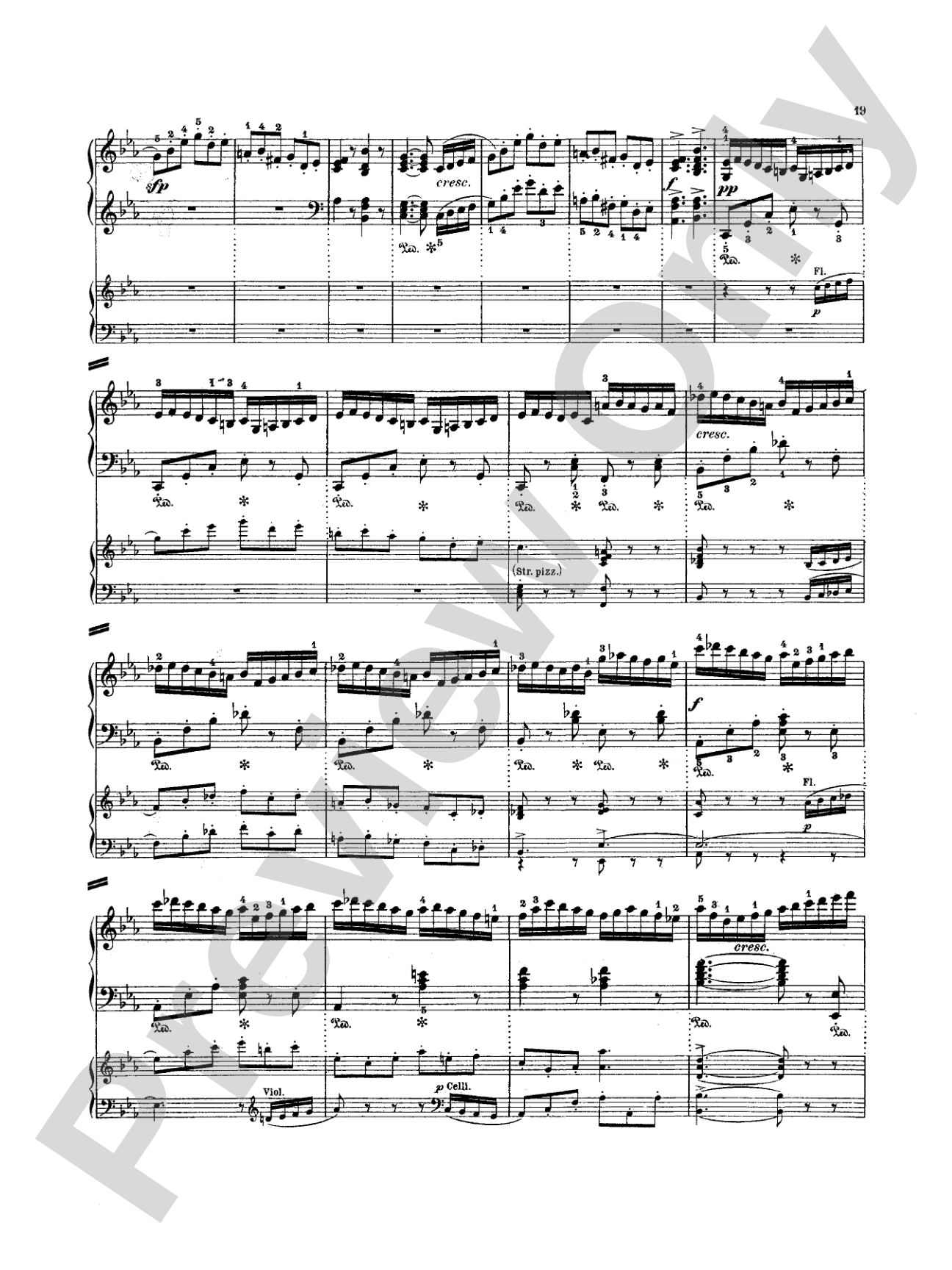
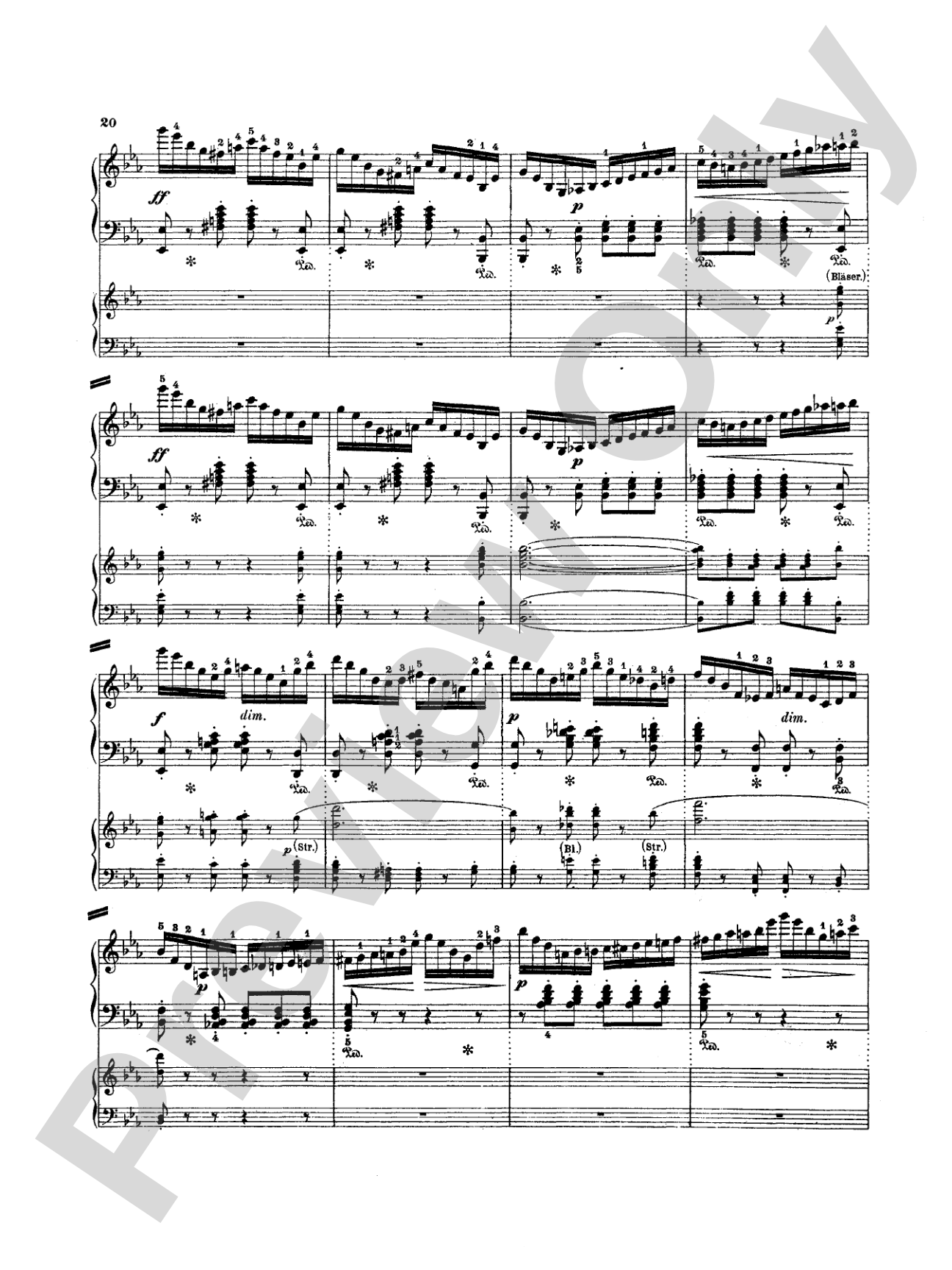
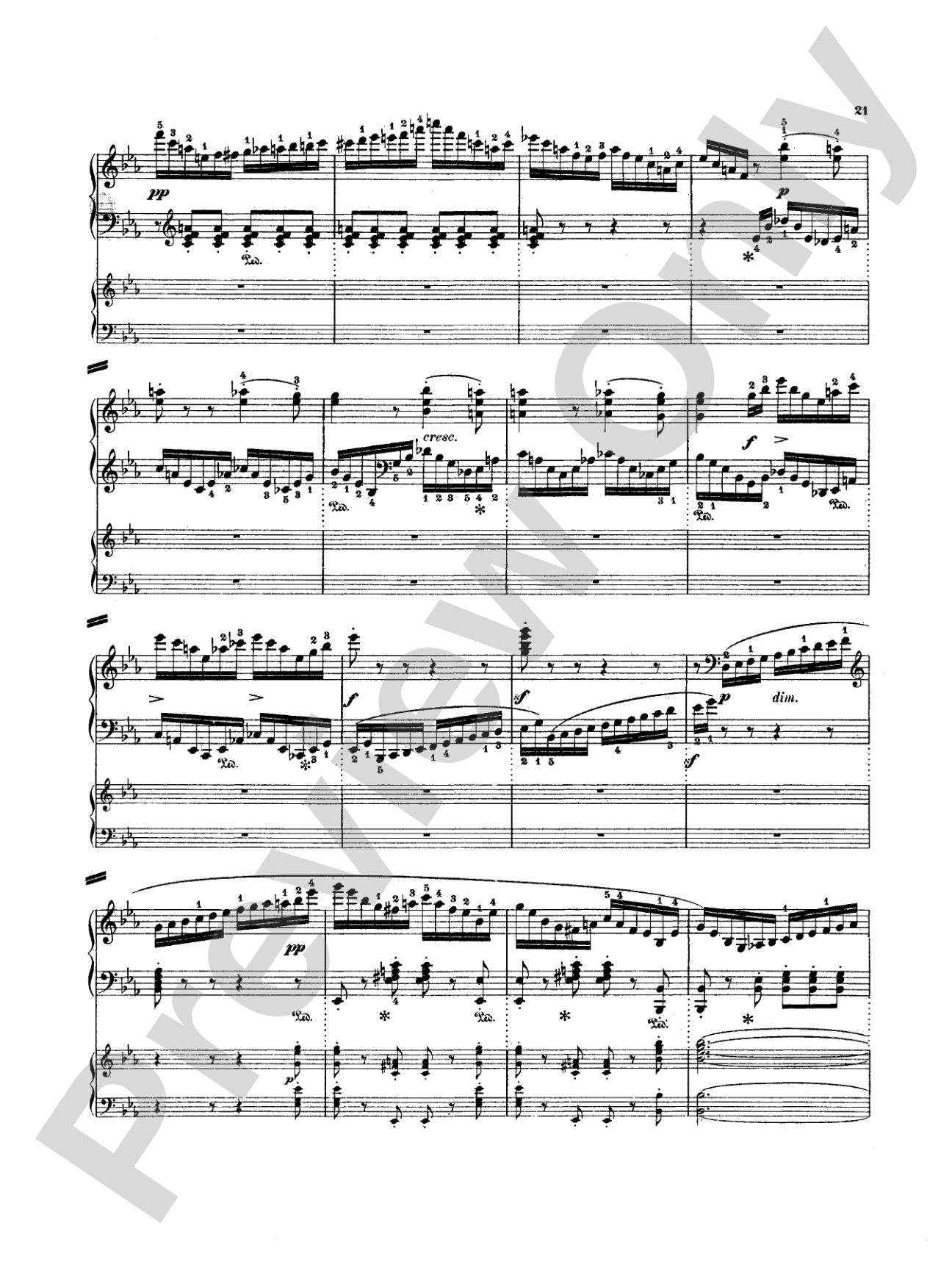
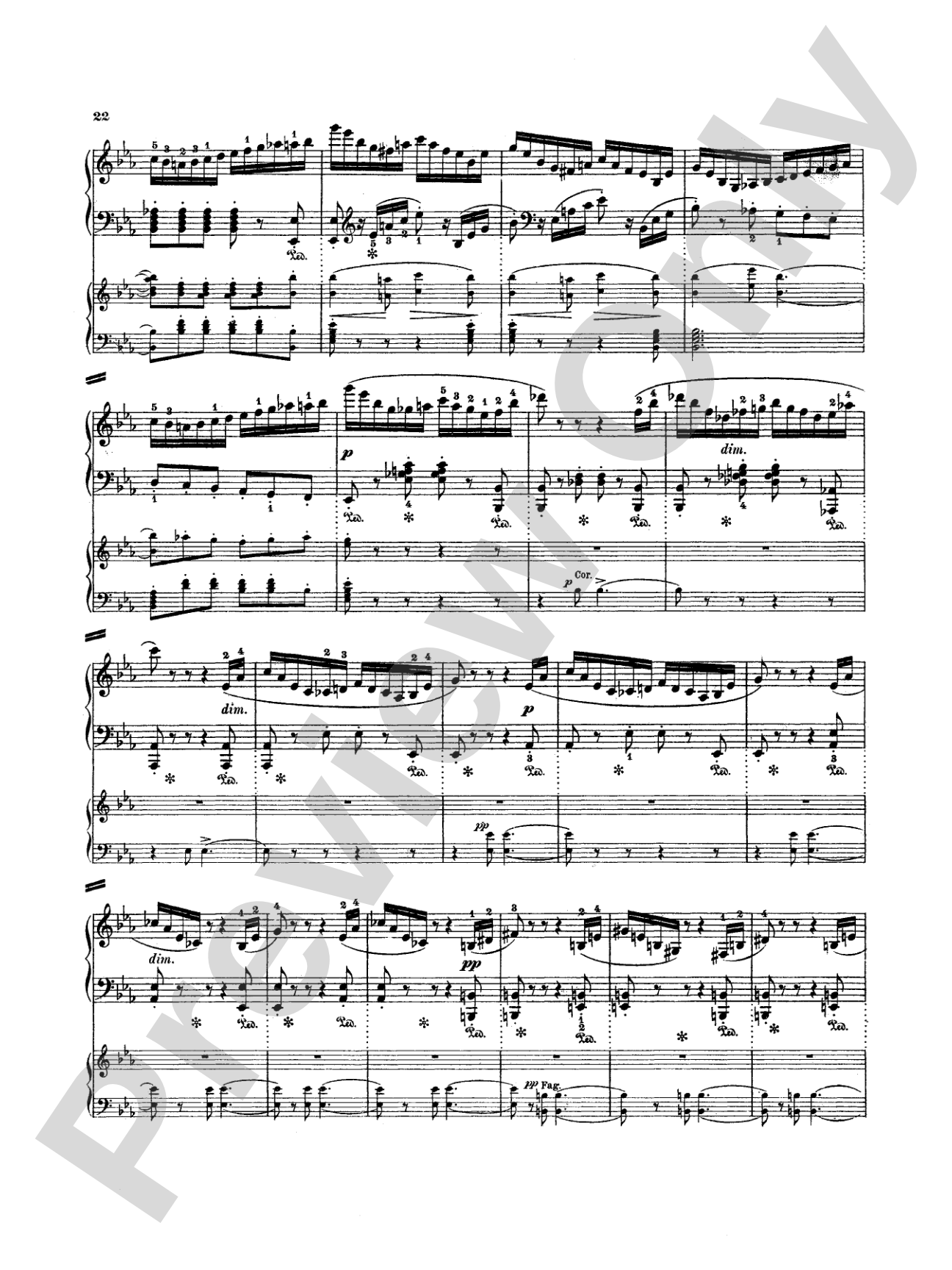
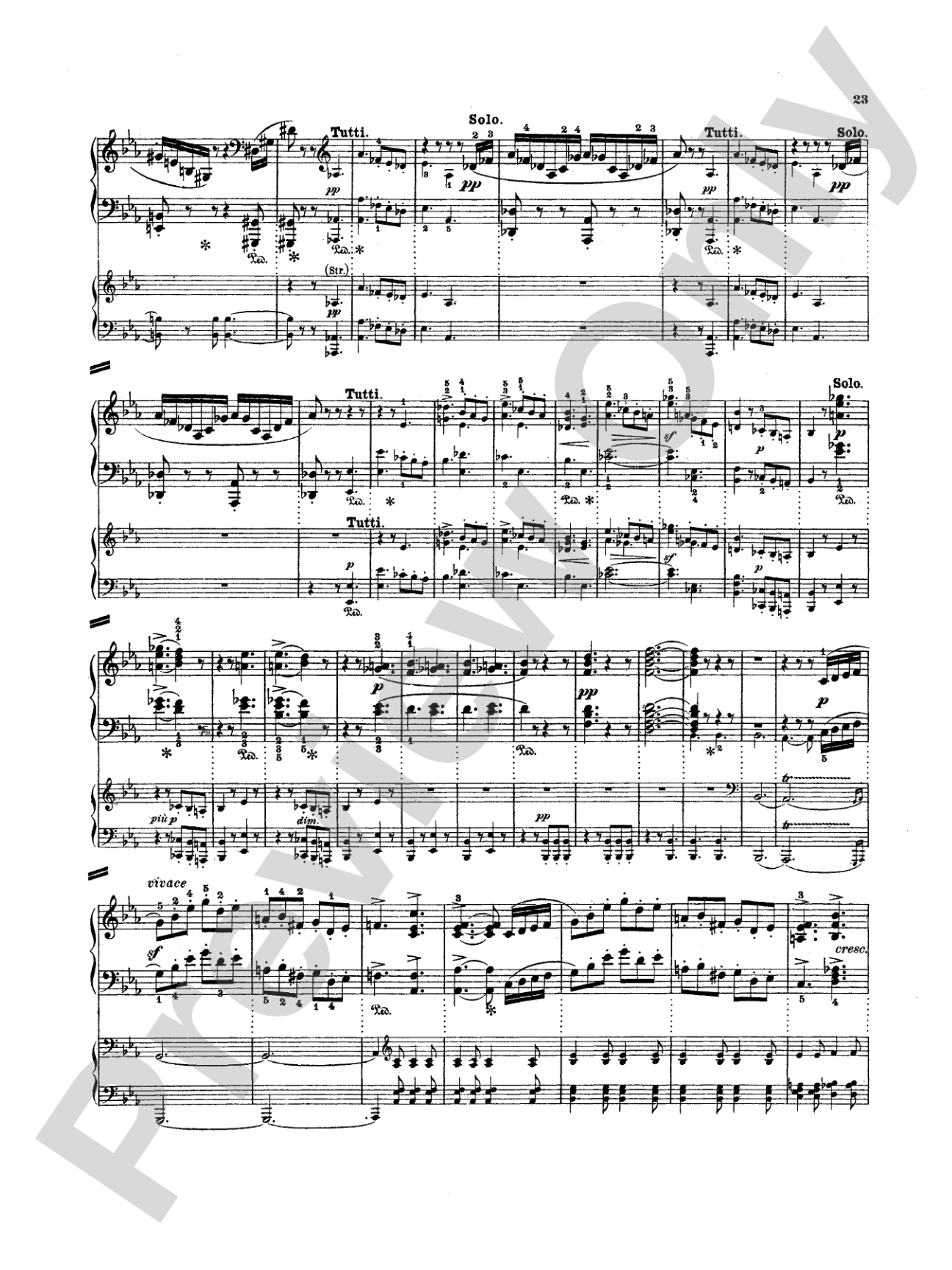
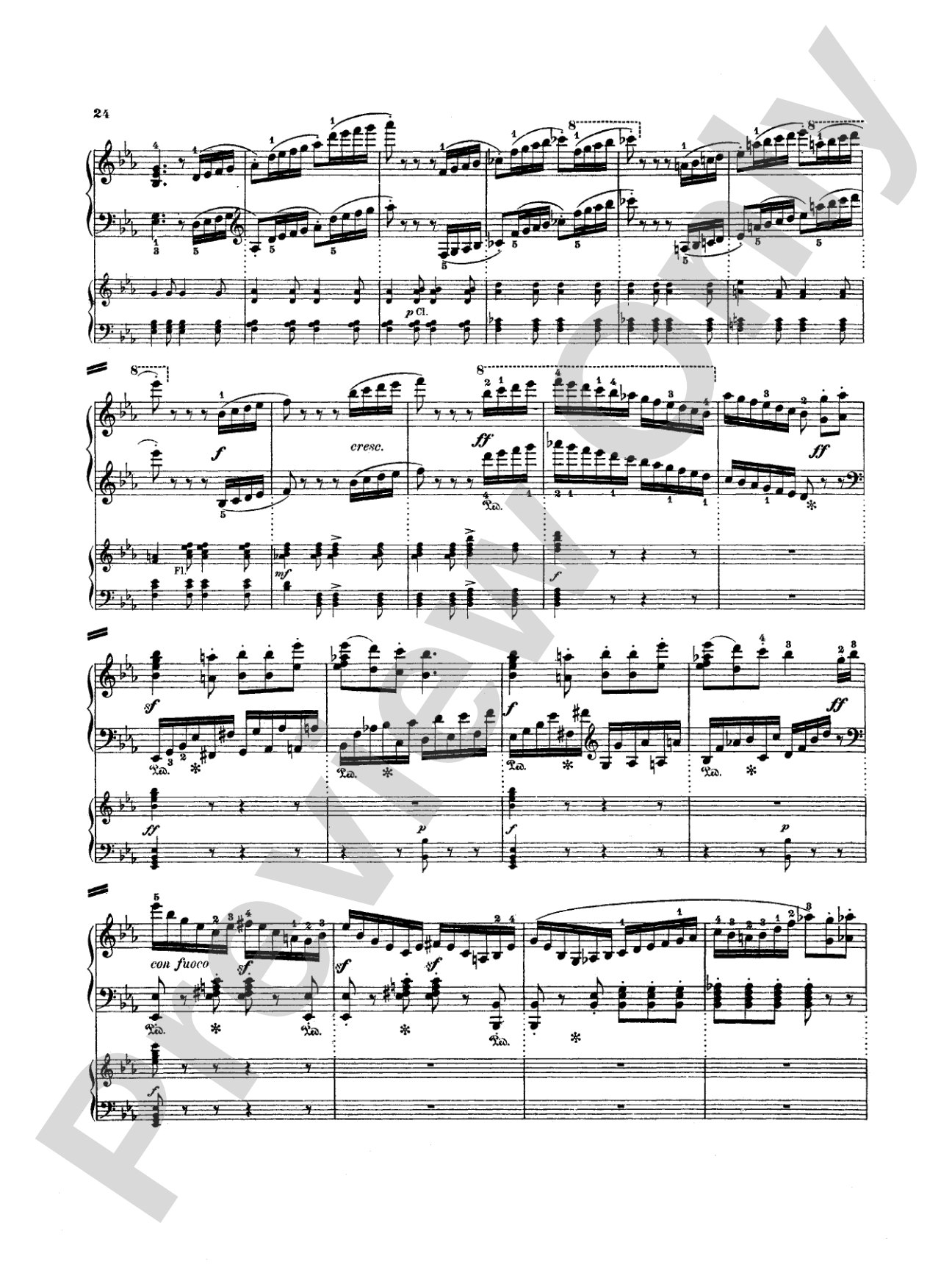
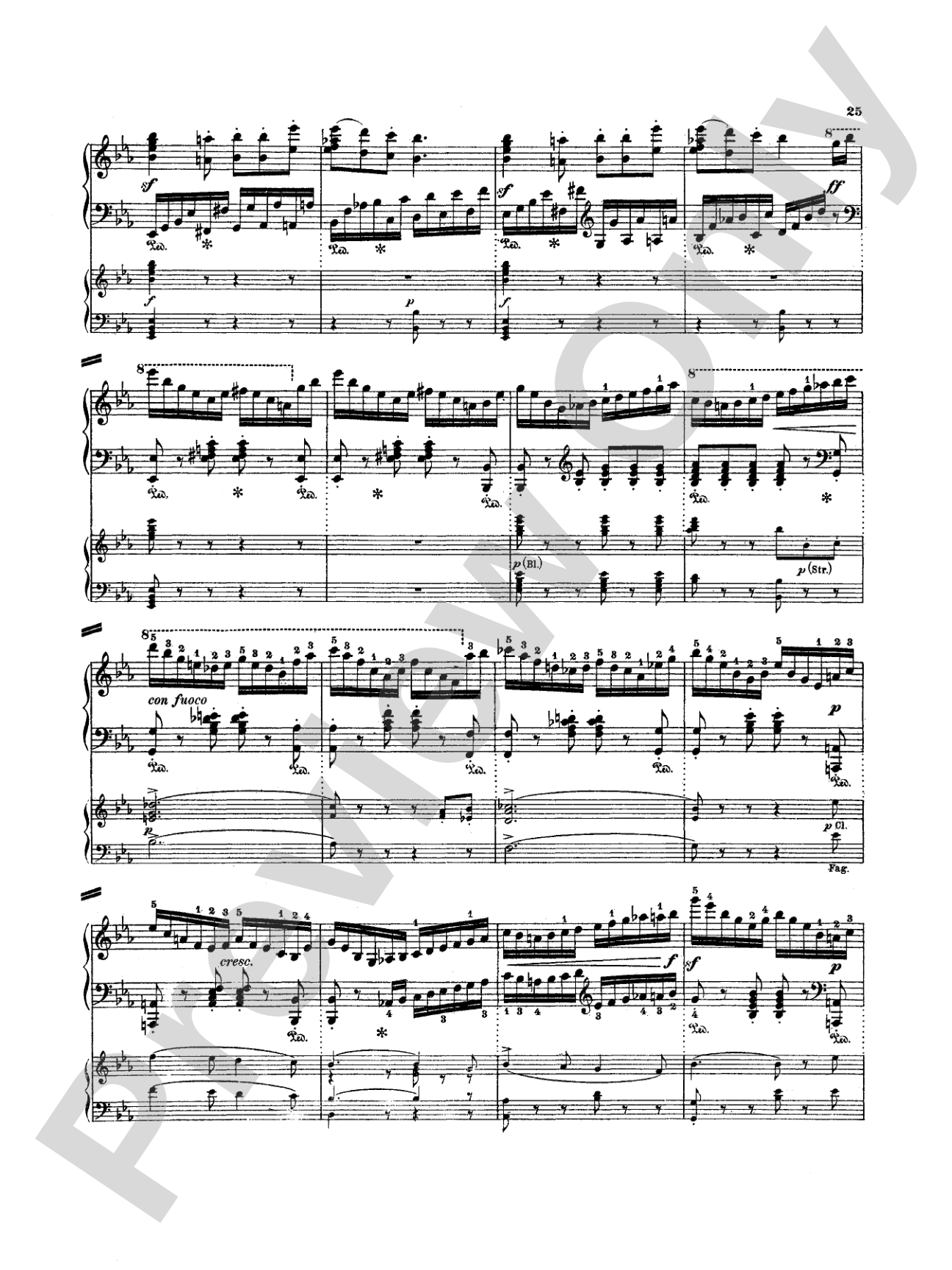
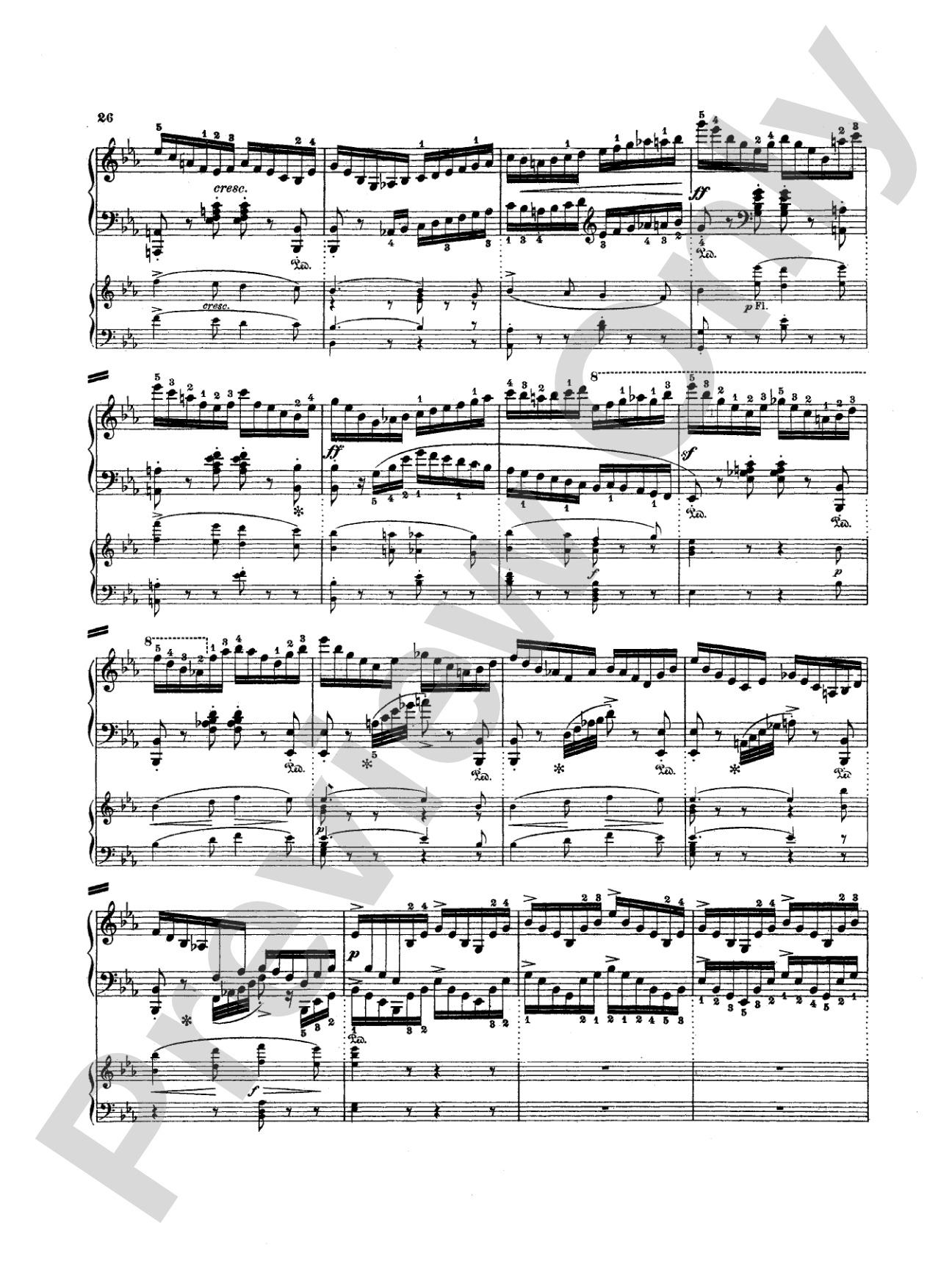
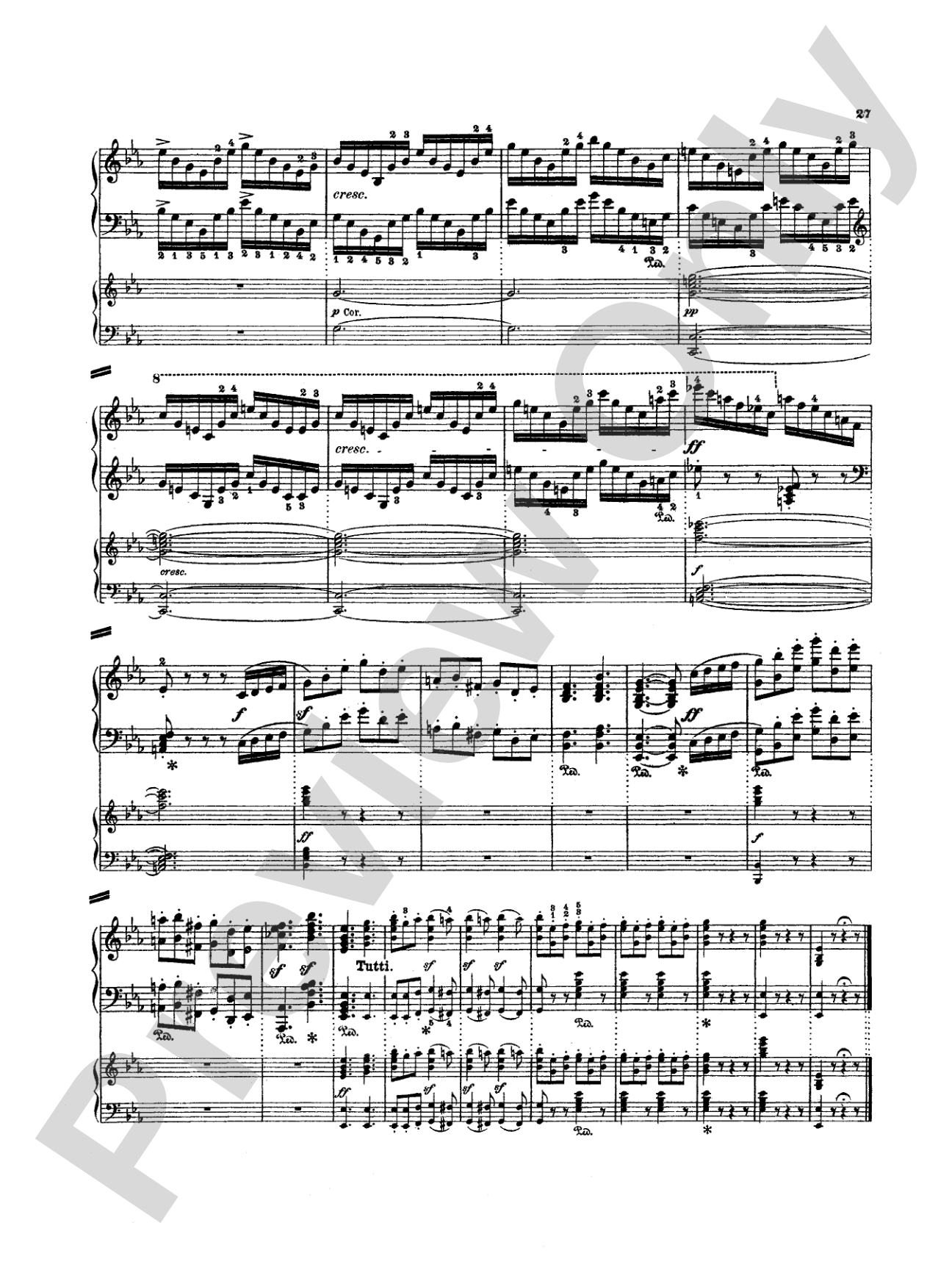


Mendelssohn: Rondo Brillante: Piano Duo (2 Pianos, 4 Hands) Book (2 copies required)
By Felix Mendelssohn
Level: Intermediate / Advanced
Item: 00-PK-0003778

$9.95
Pickup currently not available
Parts Added to Cart!
Description
An Intermediate / Advanced Piano Duet for 2 Pianos, 4 hands, composed by Felix Mendelssohn. Two copies are required for performance.


Don't just read it, hear it, play along with it, and watch your students grow with it. In MakeMusic Cloud, Mendelssohn: Rondo Brillante: Piano Duo (2 Pianos, 4 Hands) Book (2 copies required) comes alive with professional accompaniment, adjustable tempo, and built-in practice tools that turn solo practice into real progress.
Open in the Player
Jump straight in and assign it today.
Start Your Free Trial
Open this title and explore the full library in minutes.
Sample Audio
No sample audio found.
Sample Video
No sample videos found.
Additional Details
Series:
Kalmus Edition
Publisher:
Alfred Music
Page Count:
28
SKU:
00-PK-0003778
More about this title
About the Composer: Felix Mendelssohn
Felix Mendelssohn (1809–1847) was a German composer whose gift for melodic writing and structural clarity made him one of the most performed composers of the Romantic era. His catalog spans symphonies, concertos, chamber music, and keyboard works that combine the formal elegance of the Classical tradition with the expressive warmth of Romanticism. Mendelssohn's music remains central to music education because it rewards careful attention to voice leading, phrasing, and the balance between technical display and musical substance.
Why we love this
This is virtuosic music that doesn't rely on empty display. The writing for two pianos demands genuine partnership: one pianist cannot dominate, and the dialogue between the two instruments mirrors the wit and interplay Mendelssohn mastered in his chamber music. It sits perfectly for advanced high school or college pianists who are ready for something with real musical teeth.
What to expect
Brilliant and spirited, with the kind of rhythmic vitality and melodic generosity that made Mendelssohn a favorite of Victorian concert halls. The writing sparkles with runs and figuration that reward precision, yet underneath lies the harmonic sophistication and emotional intelligence his best works are known for.
Who it's for
Advanced pianists seeking substantial four-hand repertoire beyond transcriptions and arrangements. This work suits studio teachers preparing serious students for advanced repertoire, music education majors in collaborative performance courses, and duet partners who want to expand their partnership with genuine concert-level material.
How to get the most out of it
- Establish clear independence between the two piano lines before adding tempo. Each pianist should practice their part alone first, attending to their own phrasing and voice leading rather than waiting to sync up.
- Use the score to map where one pianist leads melodically and where the other supports. This clarity will make ensemble coordination feel natural rather than mechanical.
- Pay special attention to passages where the two pianos trade rapid figuration. Crisp articulation and a shared sense of pulse are essential; practice these sections slowly with exaggerated separation before bringing tempo up.
- Balance the sound so that both pianos carry equal weight in the room. Test the acoustics of your performance space and adjust seating or instrument placement if one piano is being swallowed.
How to use it
Program this on recitals focused on Romantic chamber music or piano duet concerts. It makes an excellent anchor work on a program that might also feature Brahms or other Romantic duo writing, or place it as a finale for its energy and virtuosic appeal.
Skills your students will build
- Independent part-reading in a two-piano texture
- Coordination and ensemble listening with another pianist
- Execution of rapid scalar passages with clarity and evenness
- Phrase shaping across two instruments with shared interpretive choices
- Balance and voice leading when melody alternates between pianos