
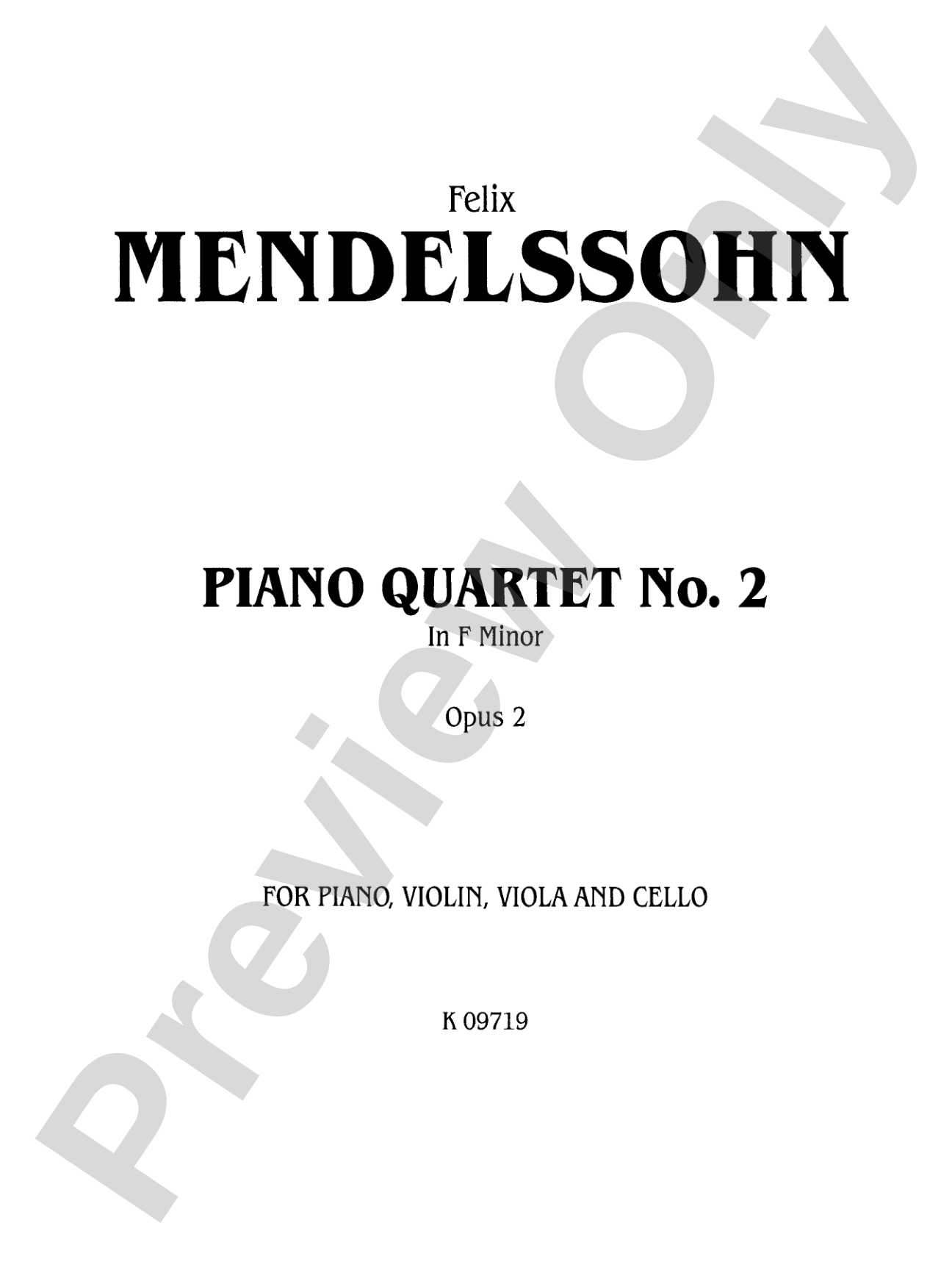
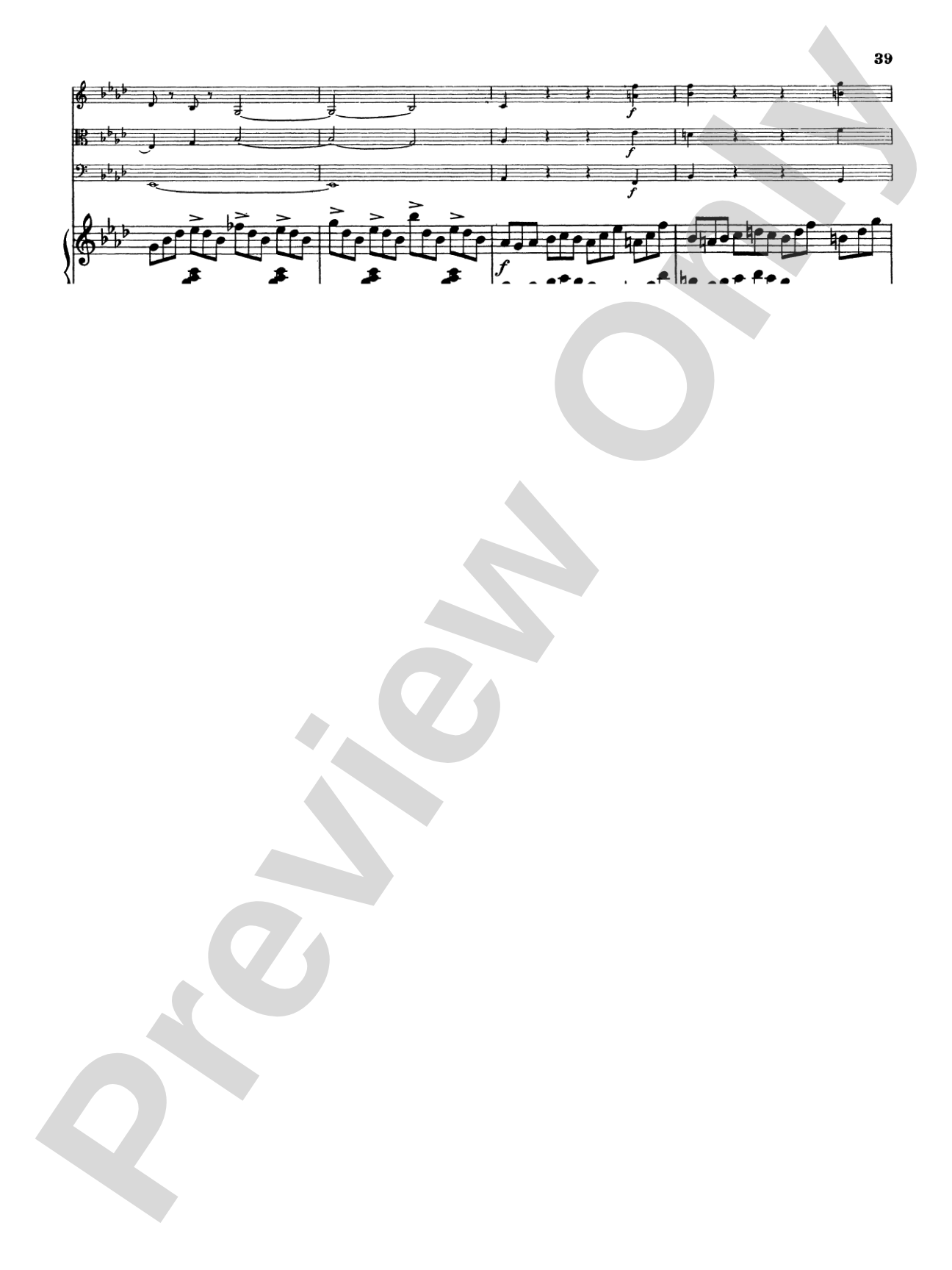
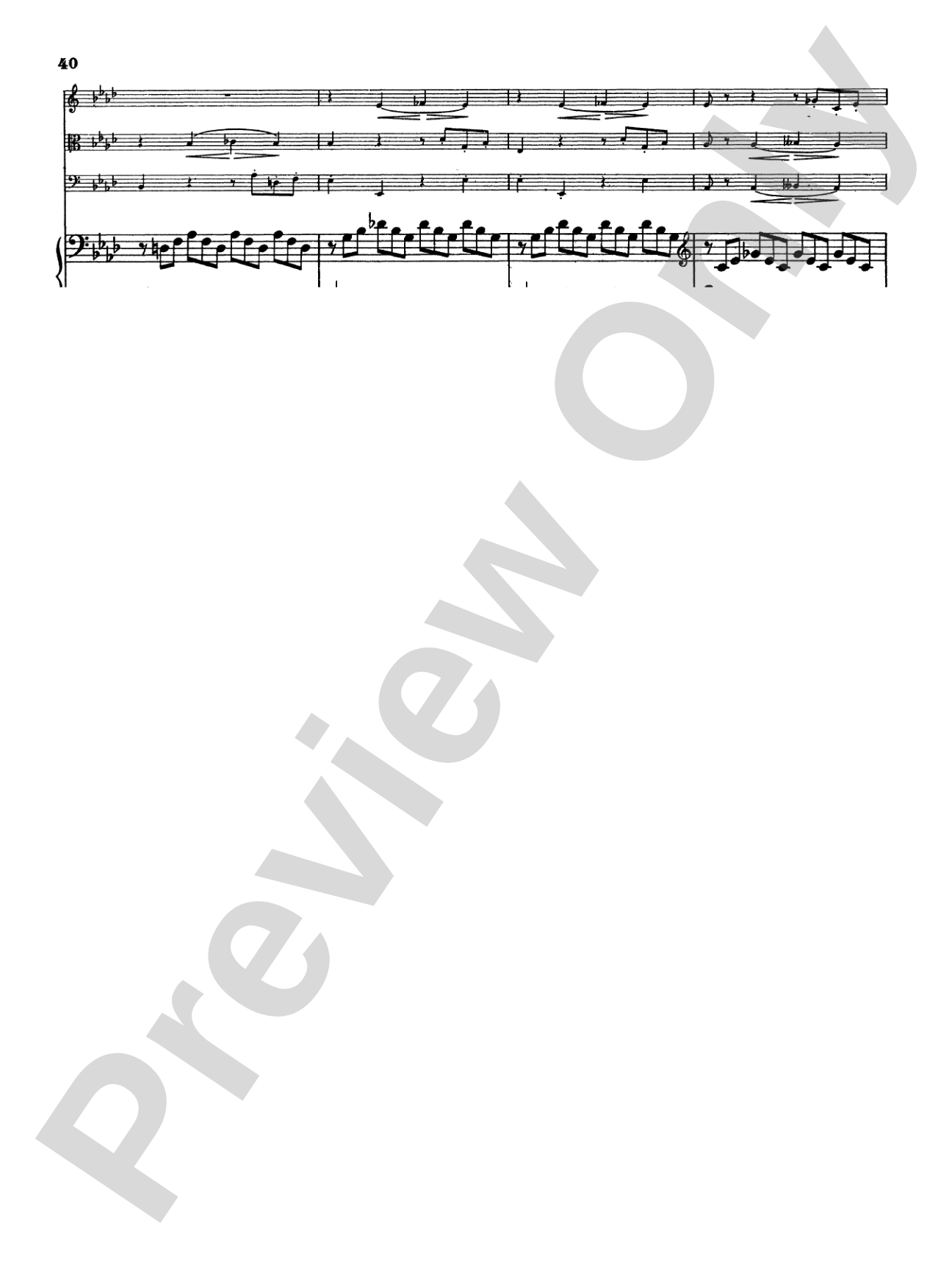
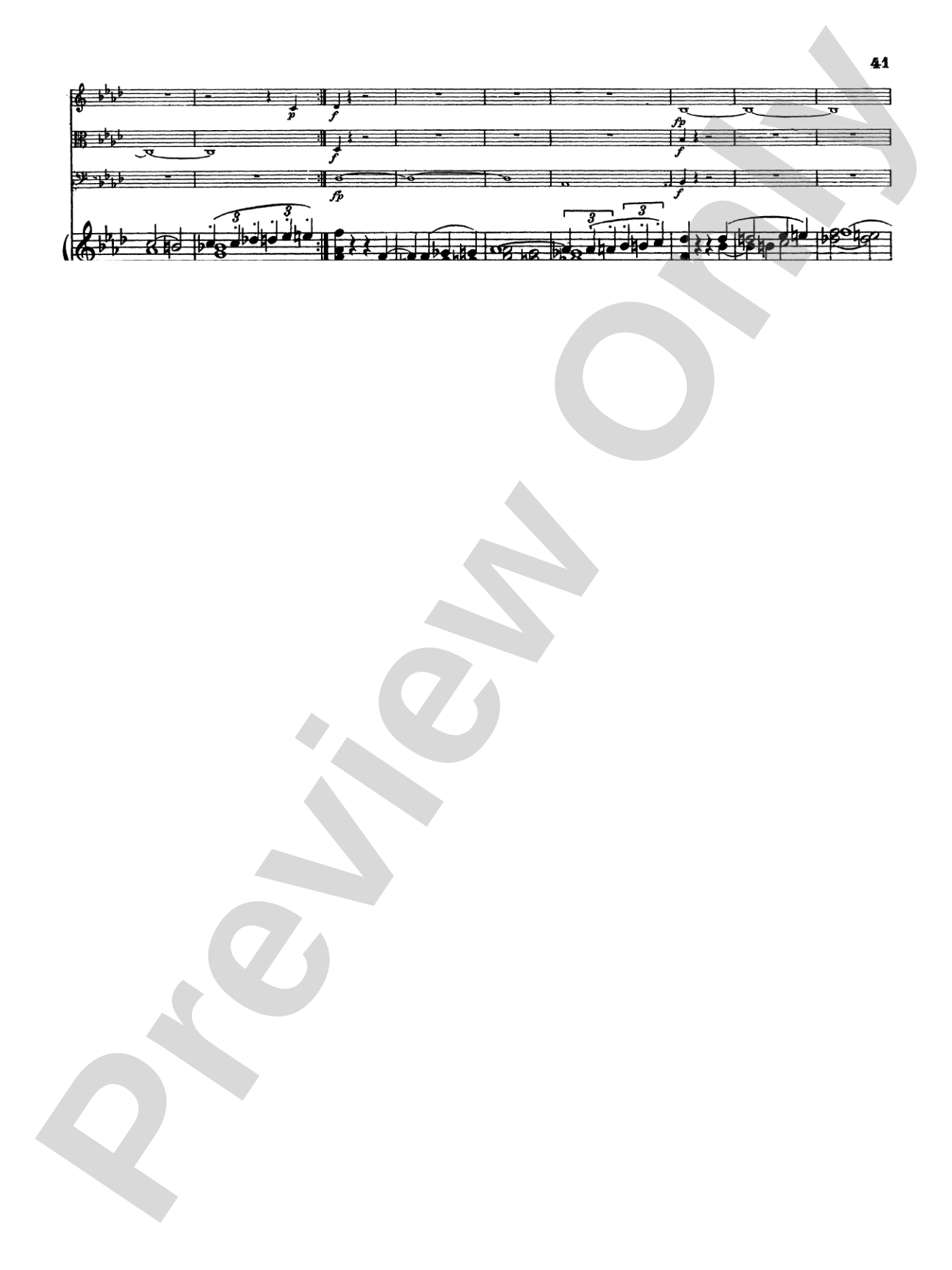
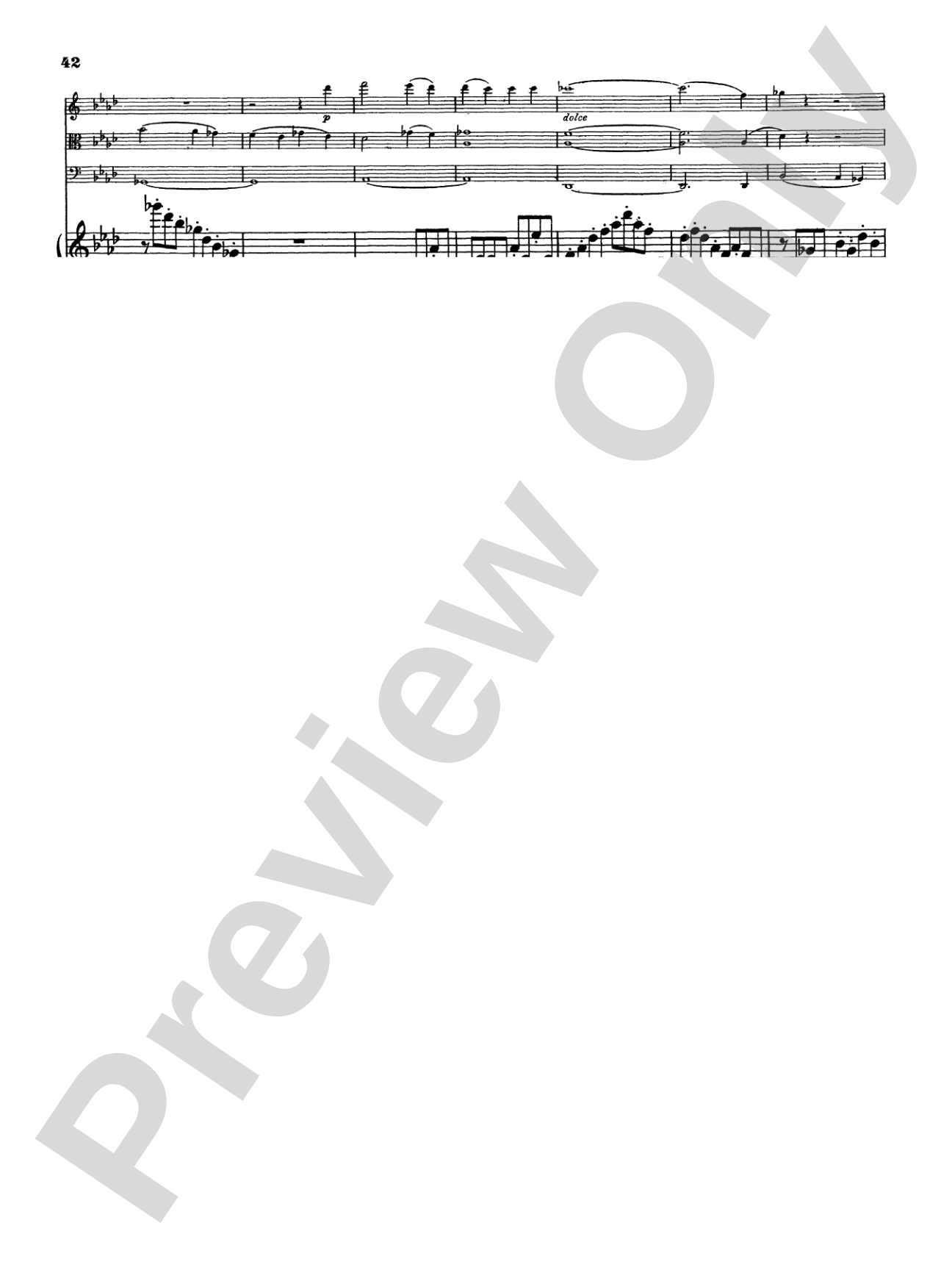
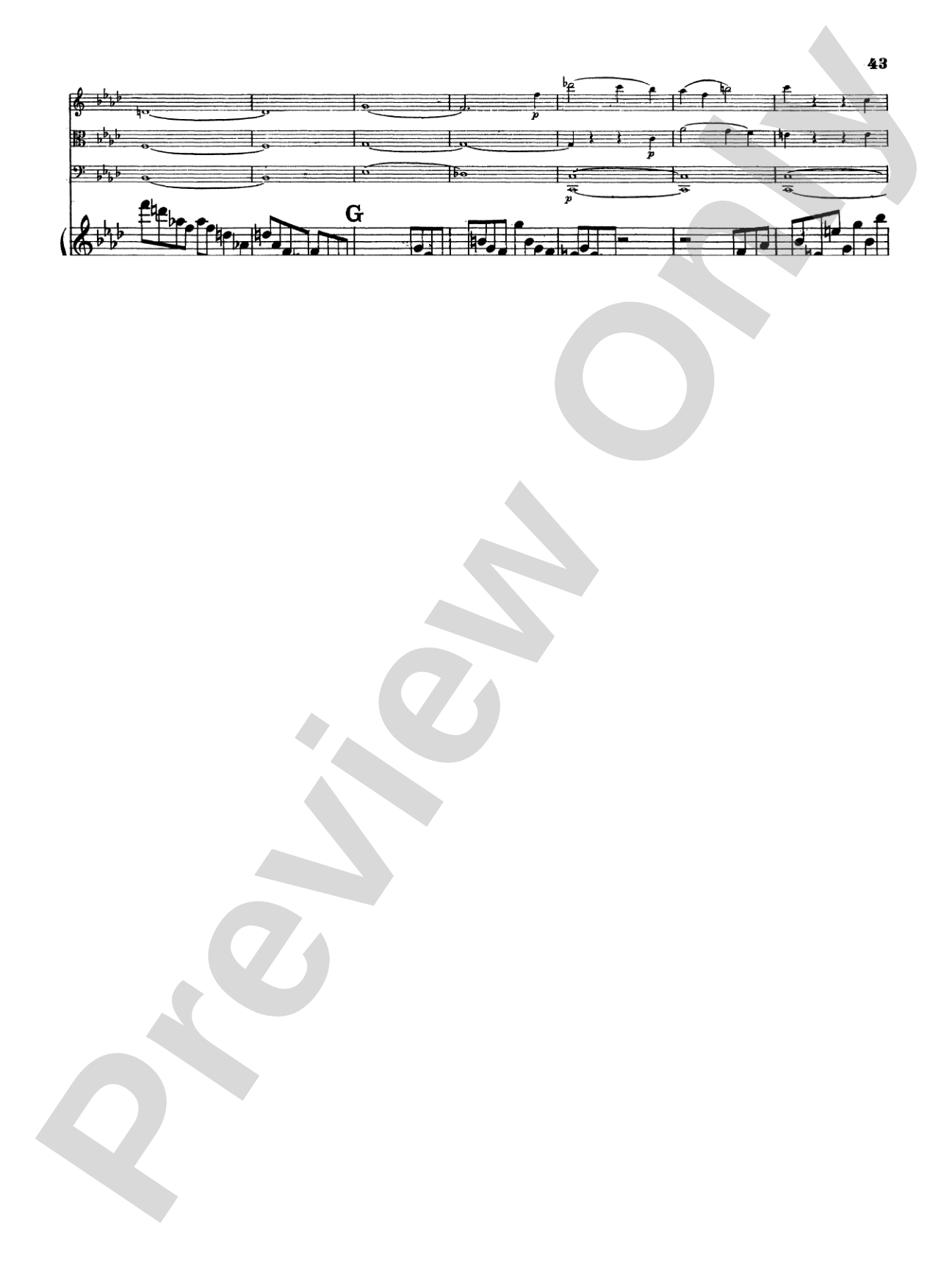
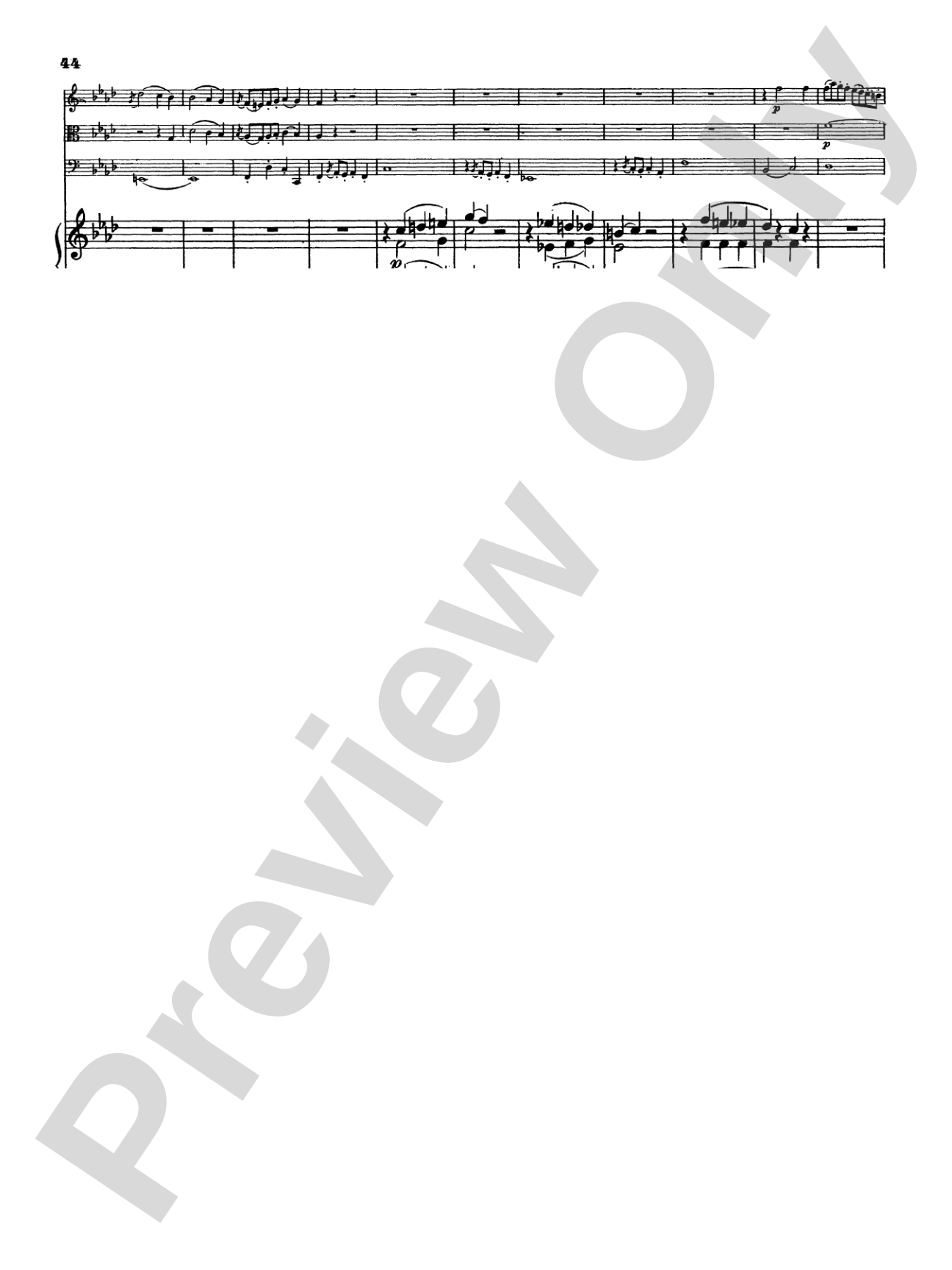
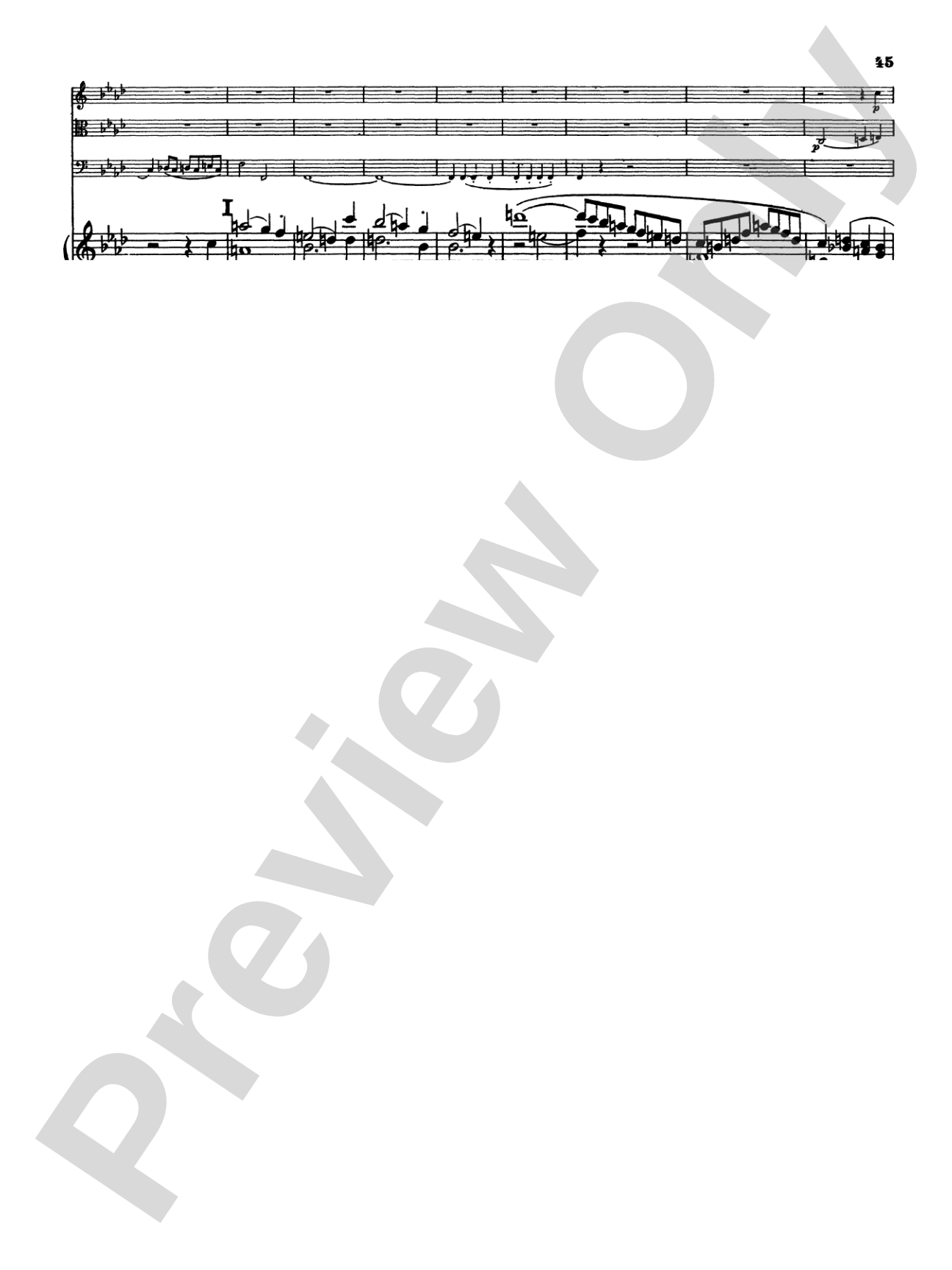
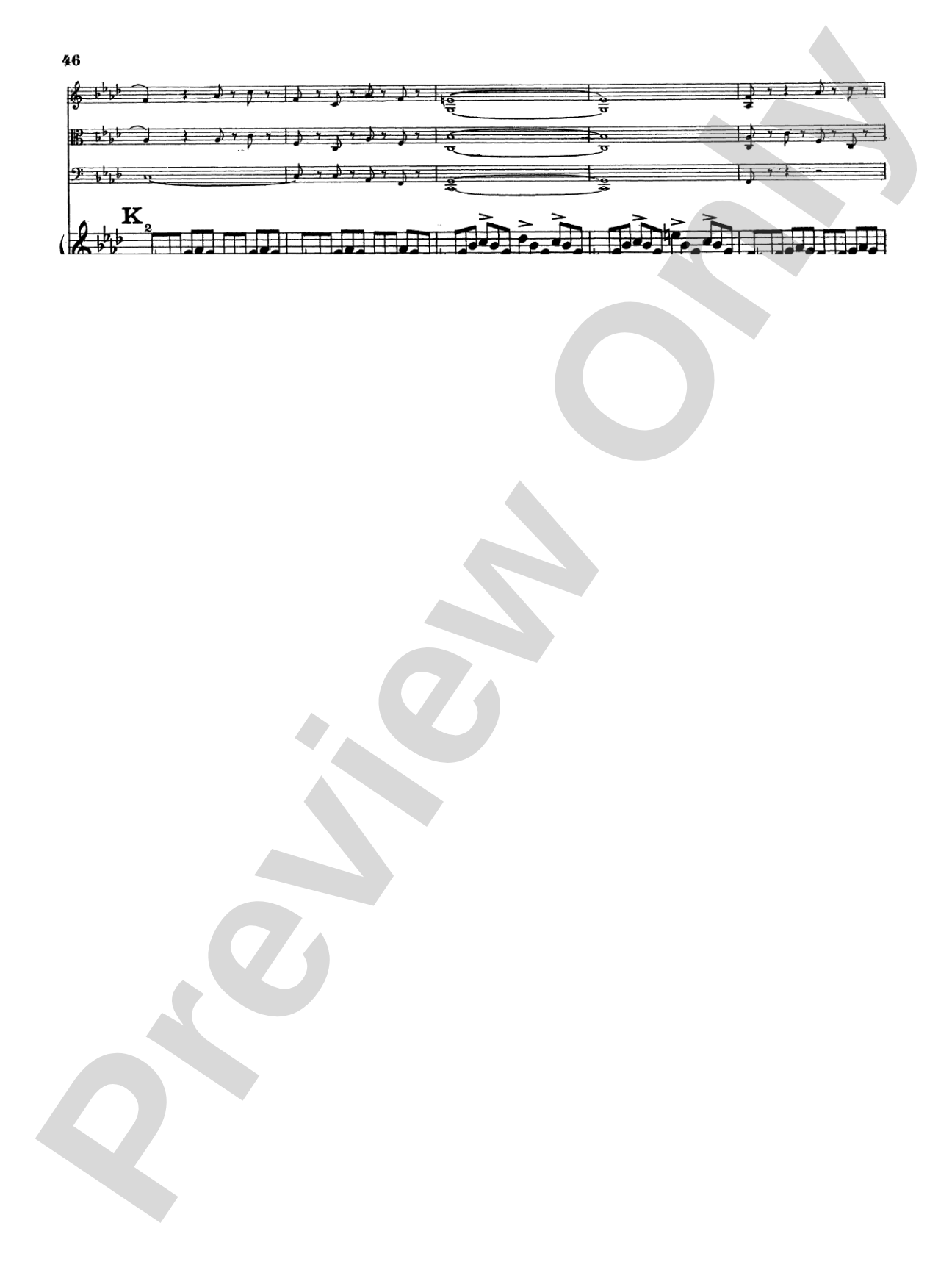
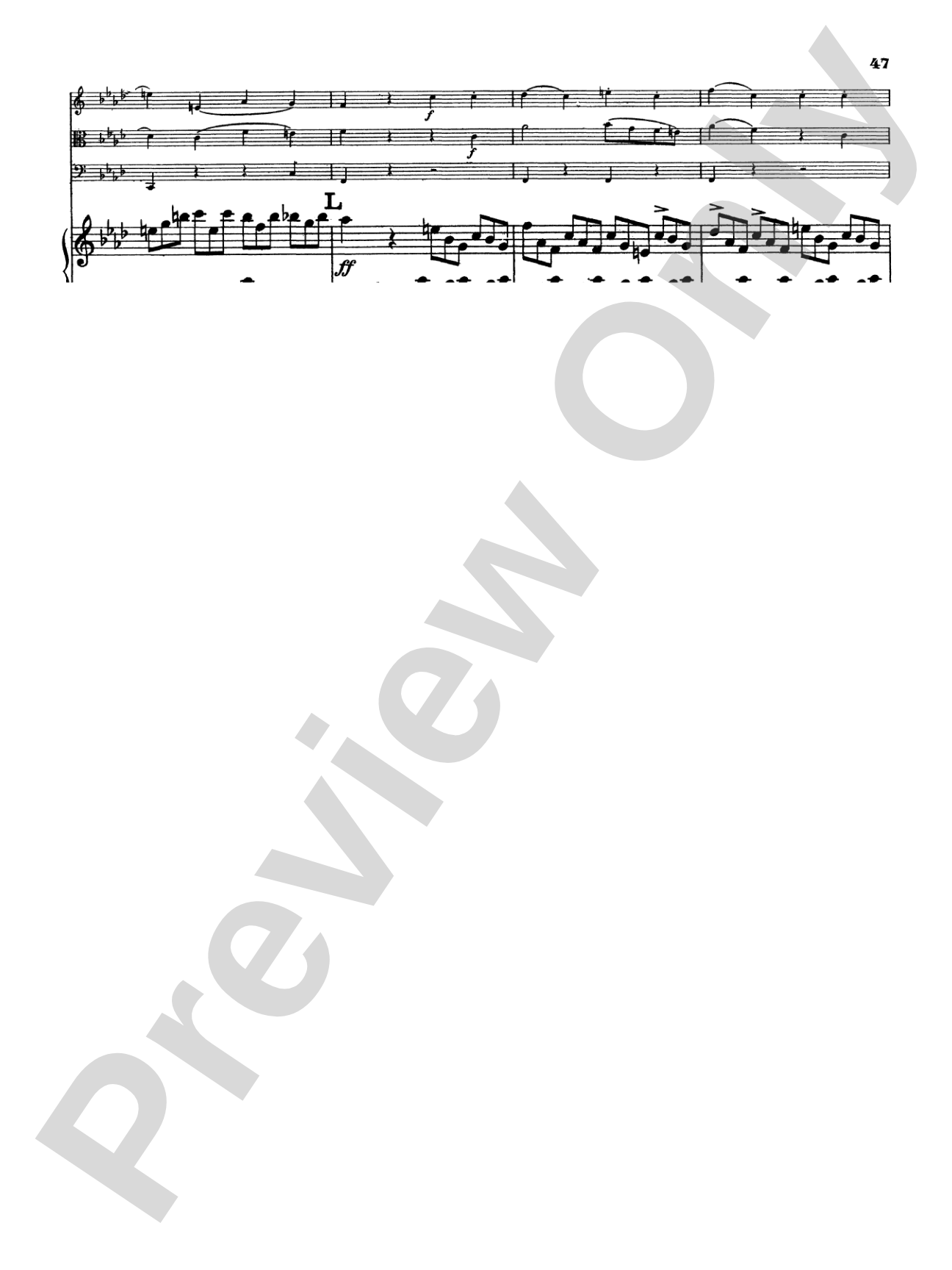
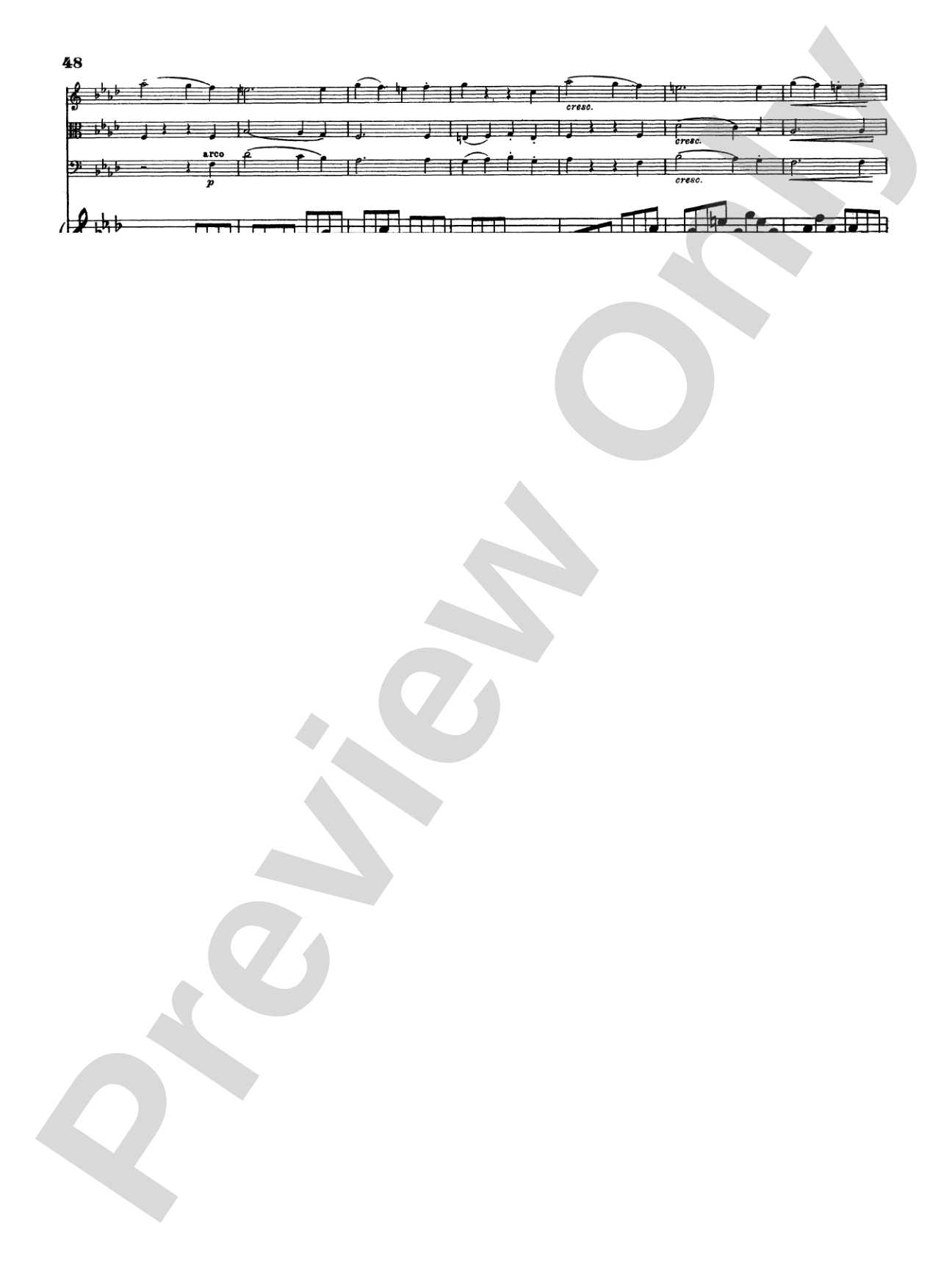
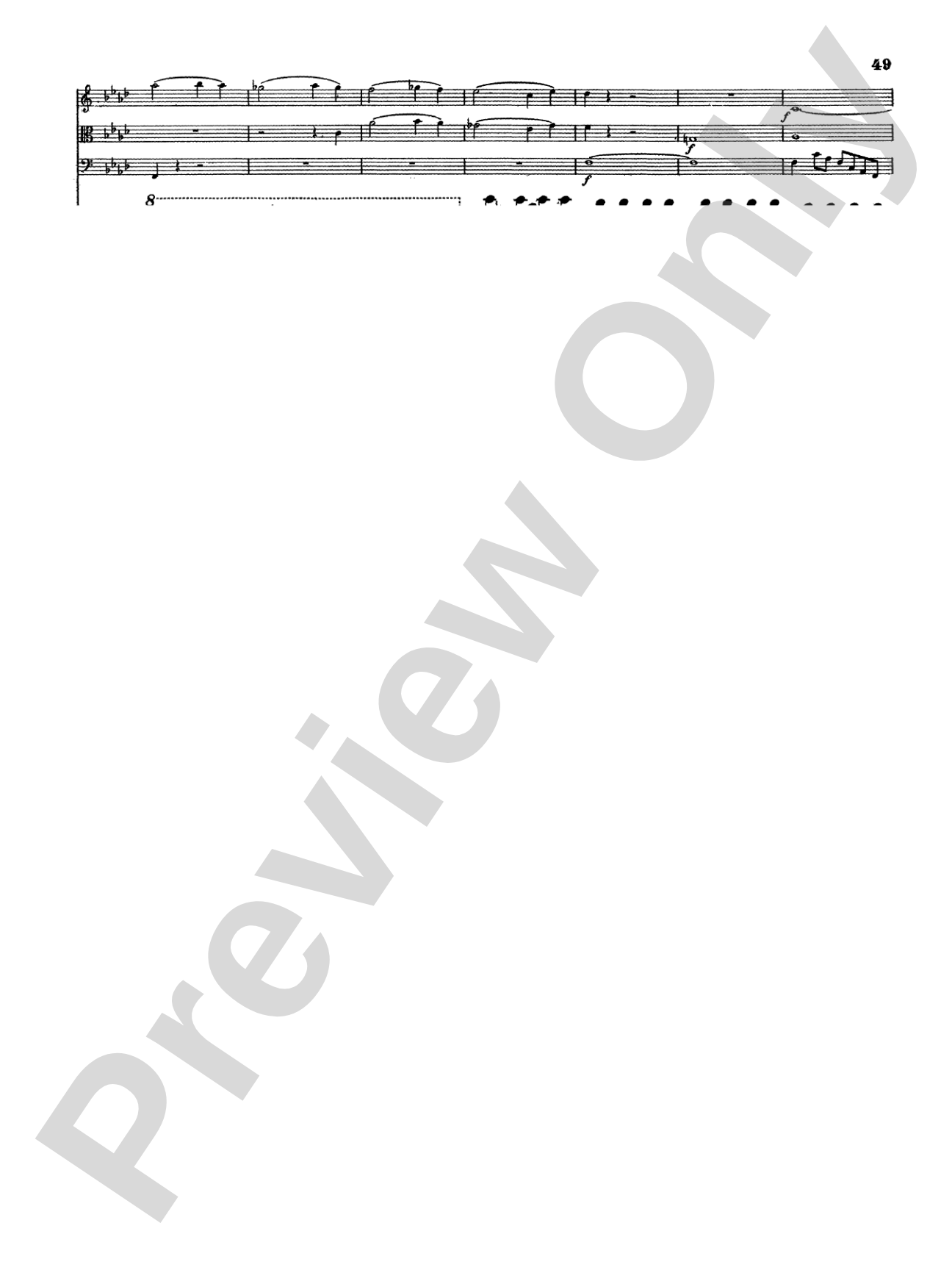
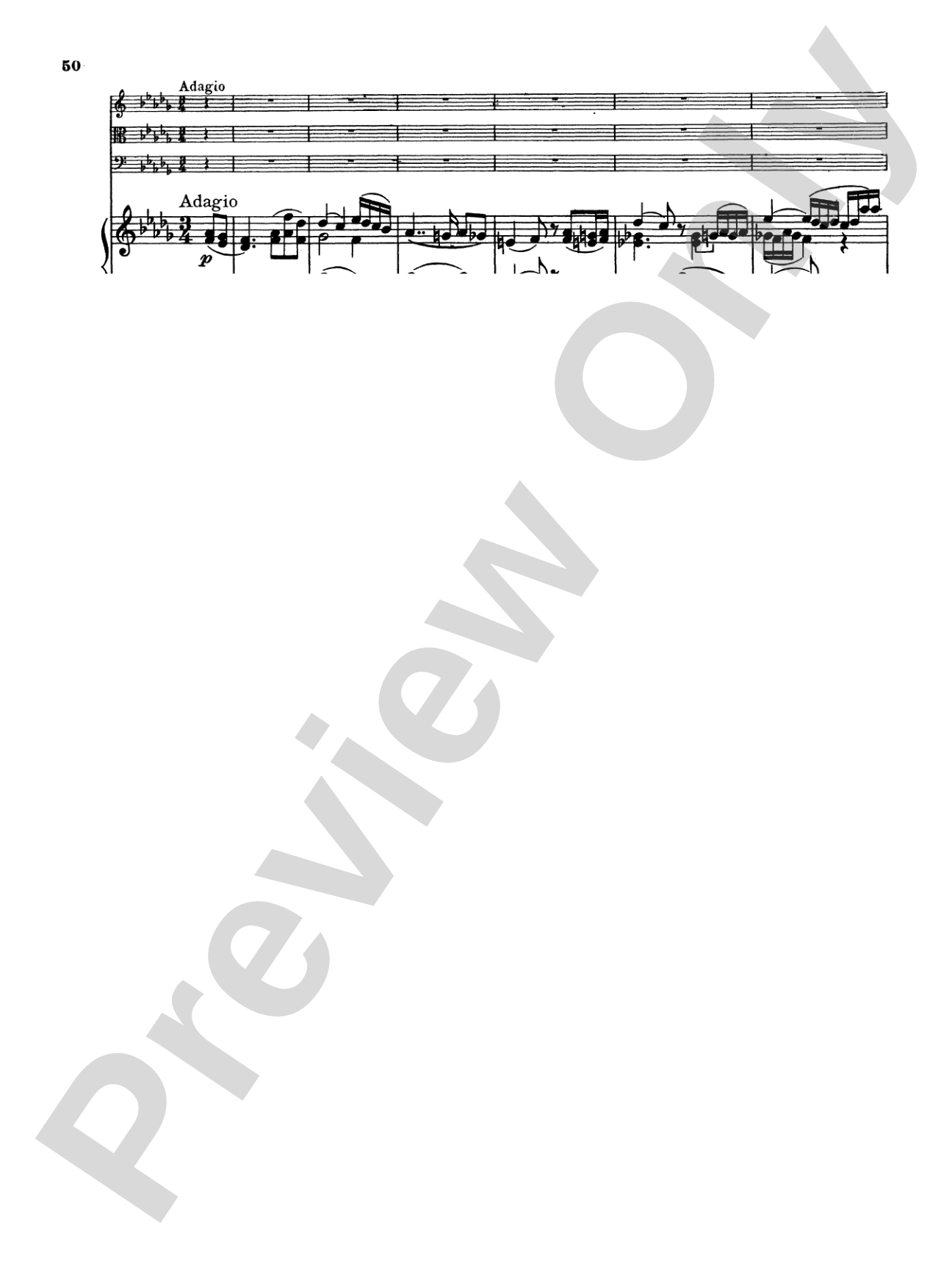
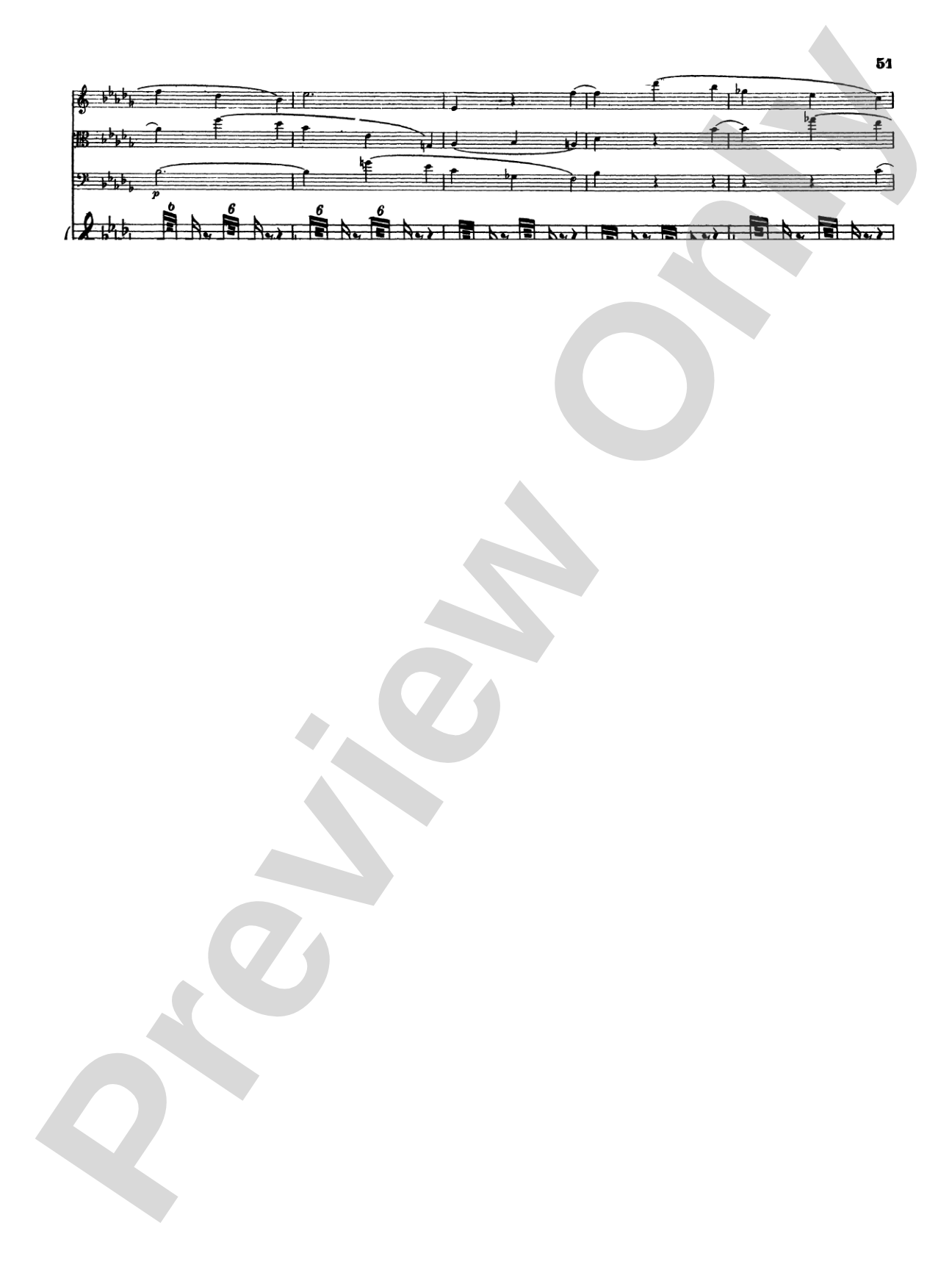
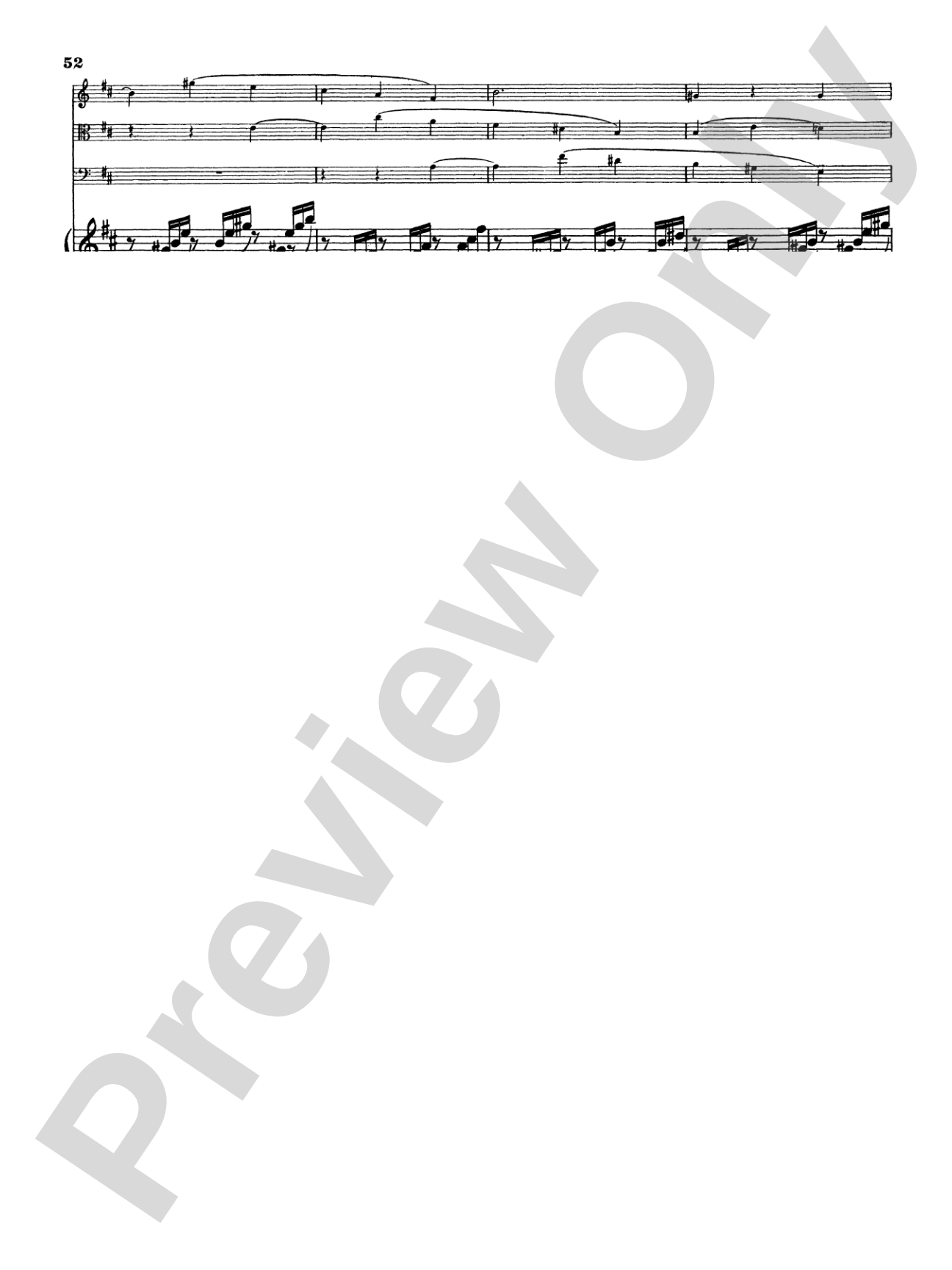
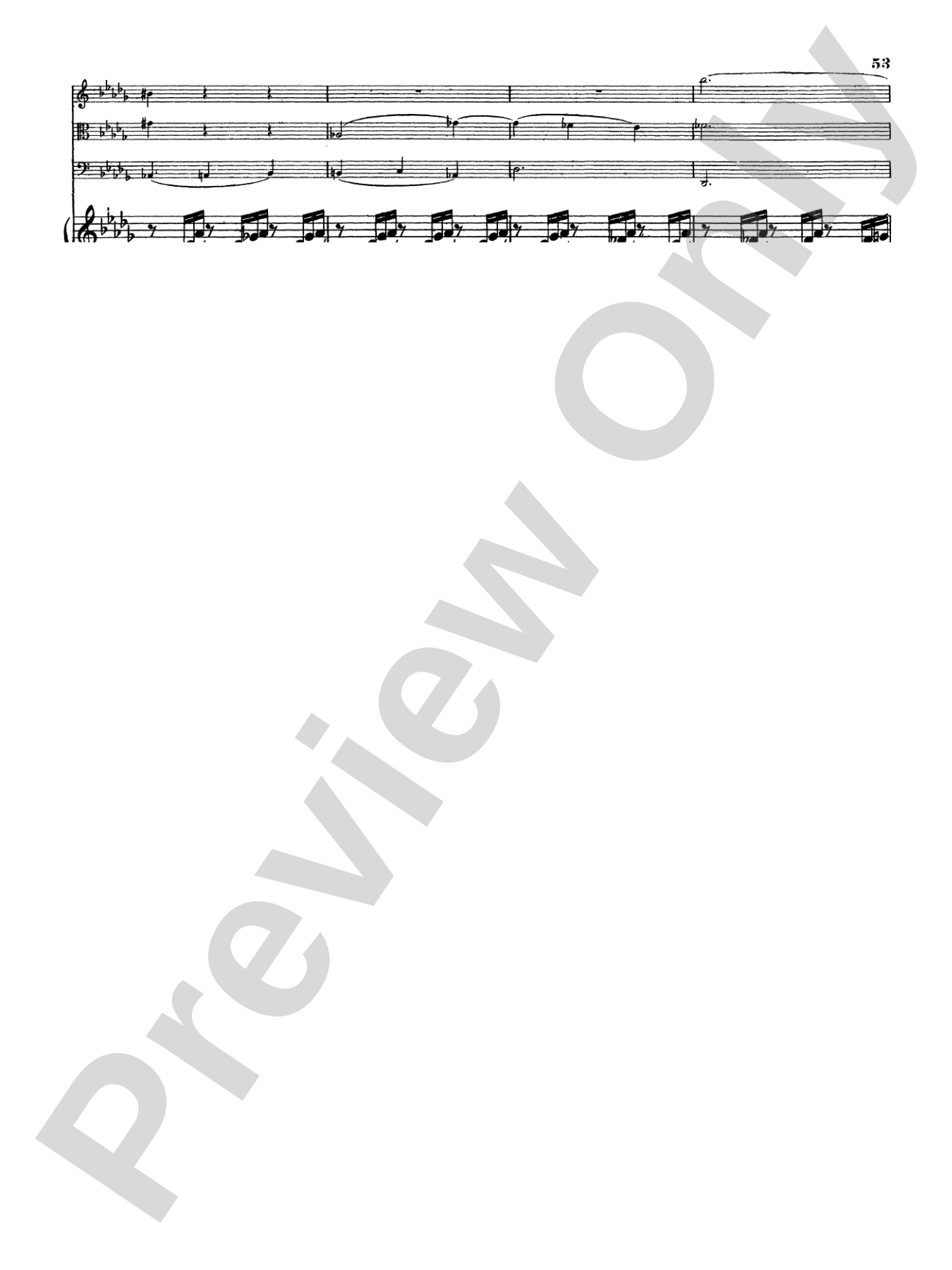
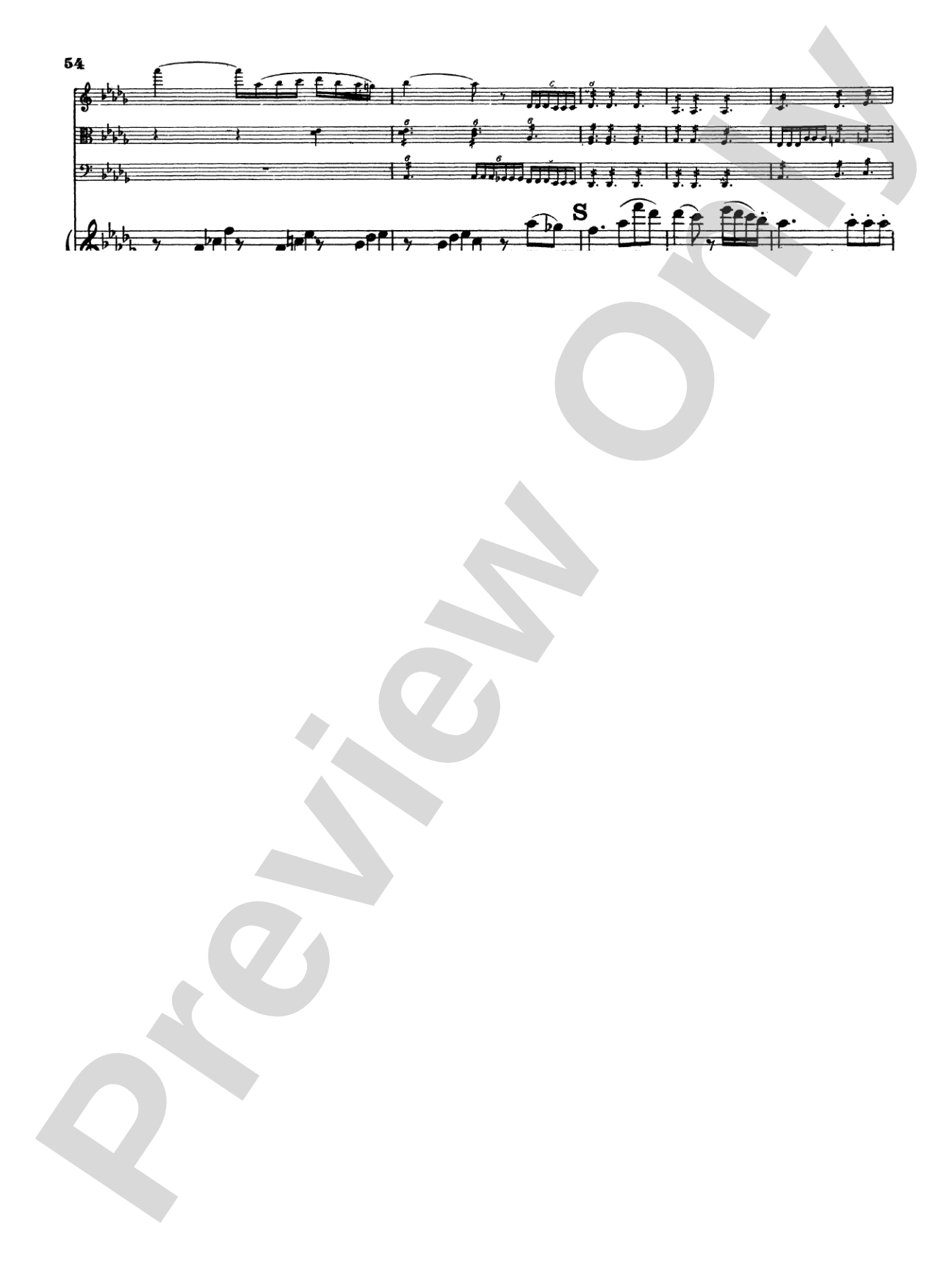
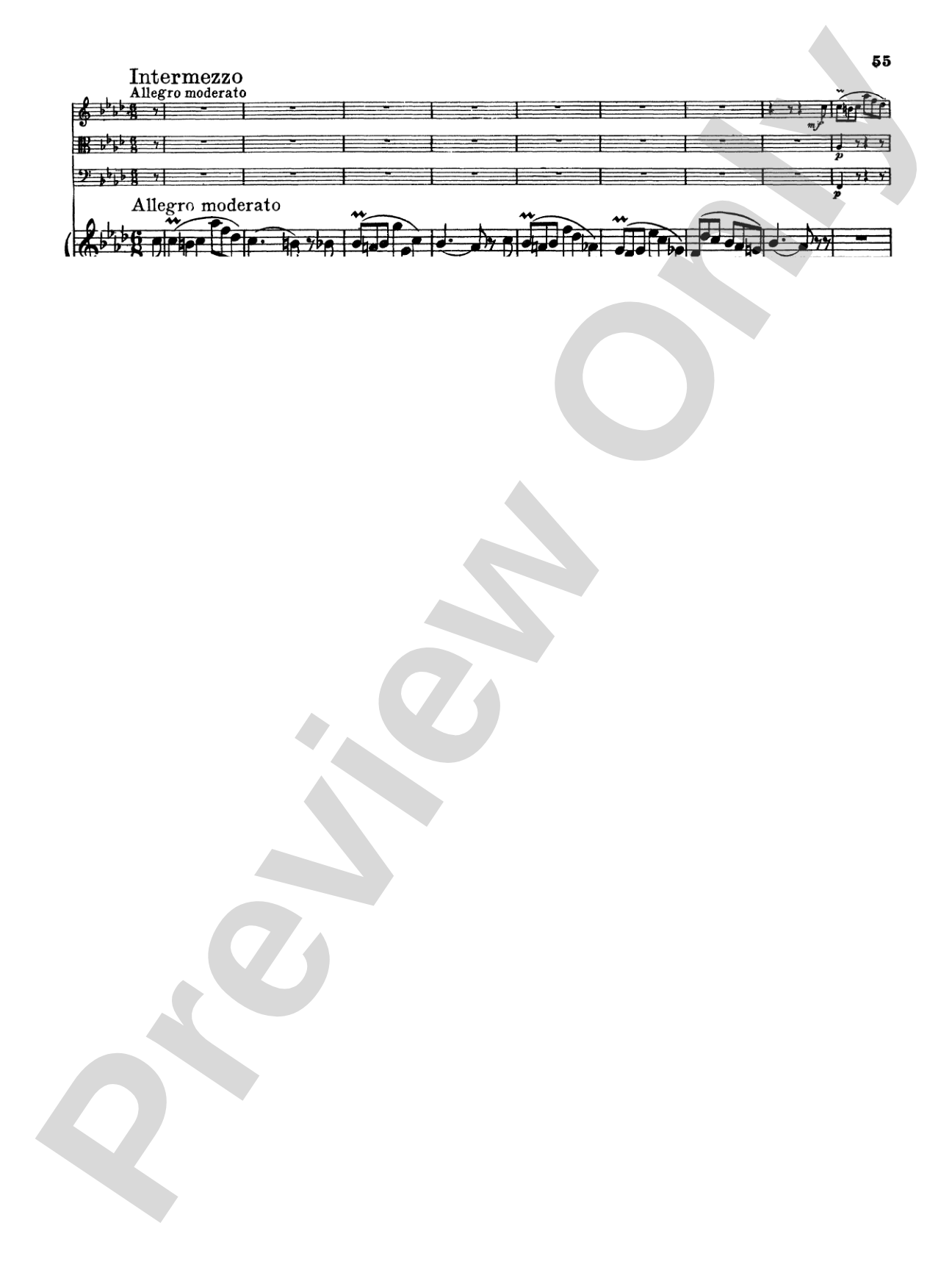
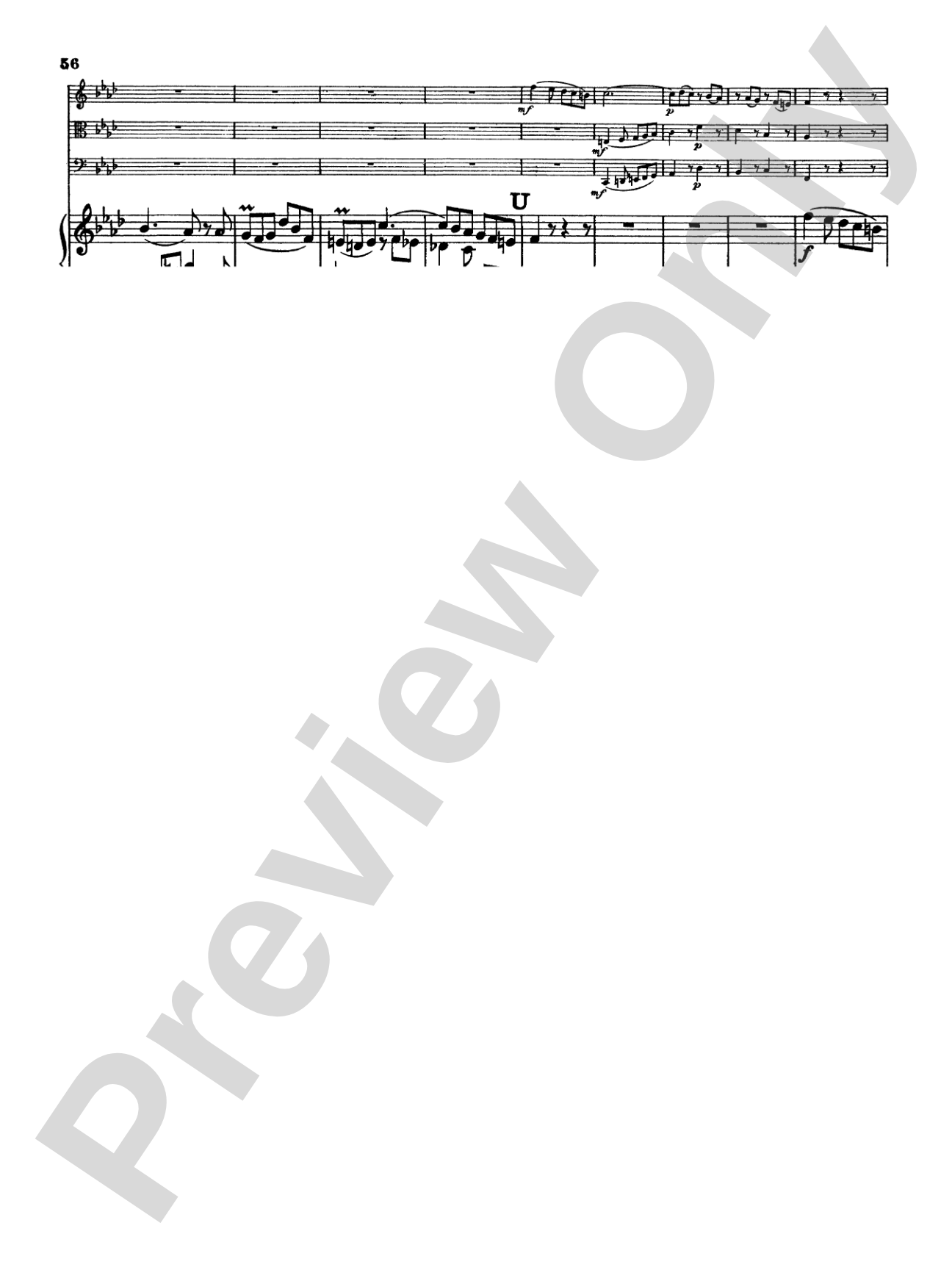
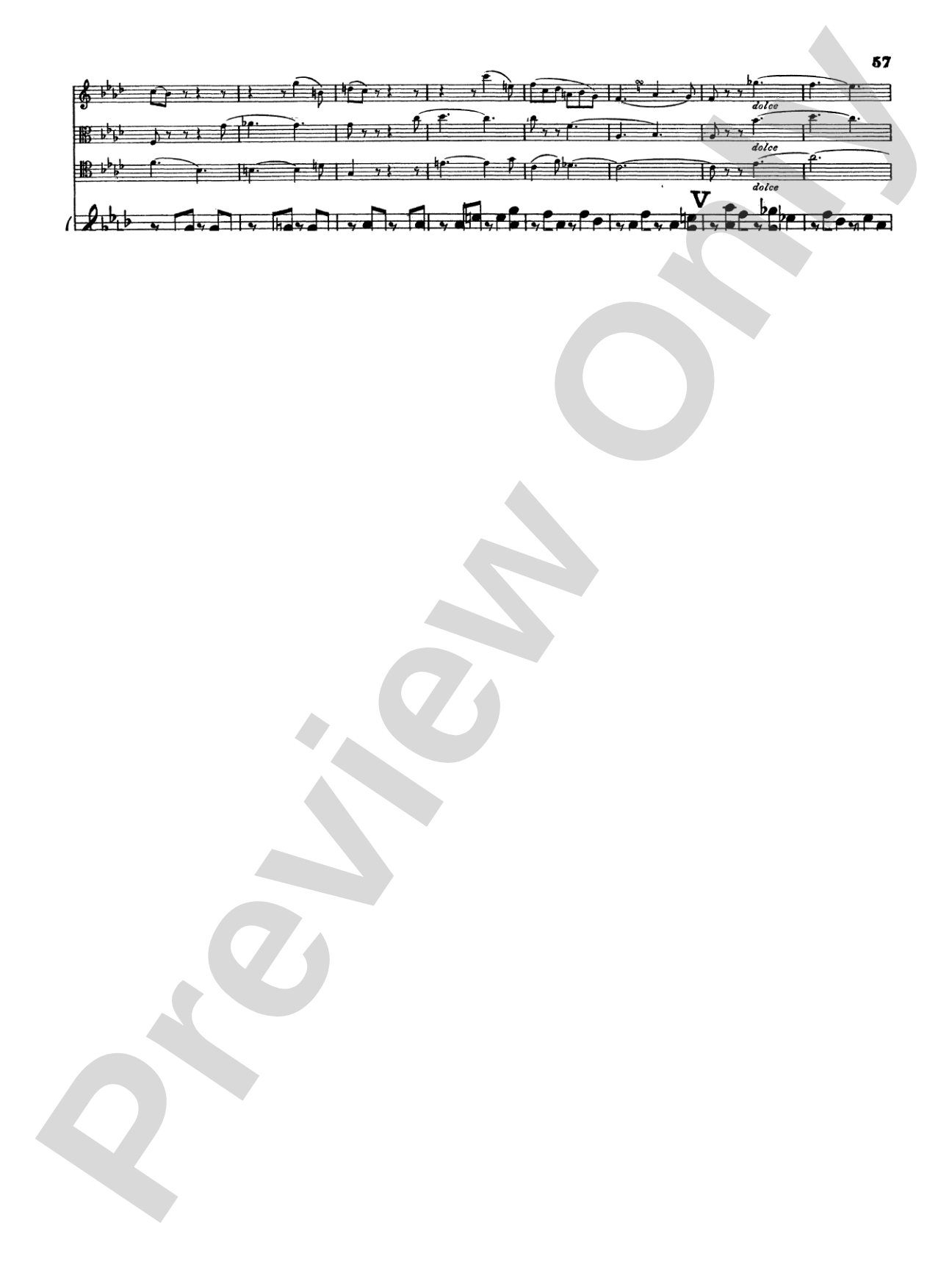
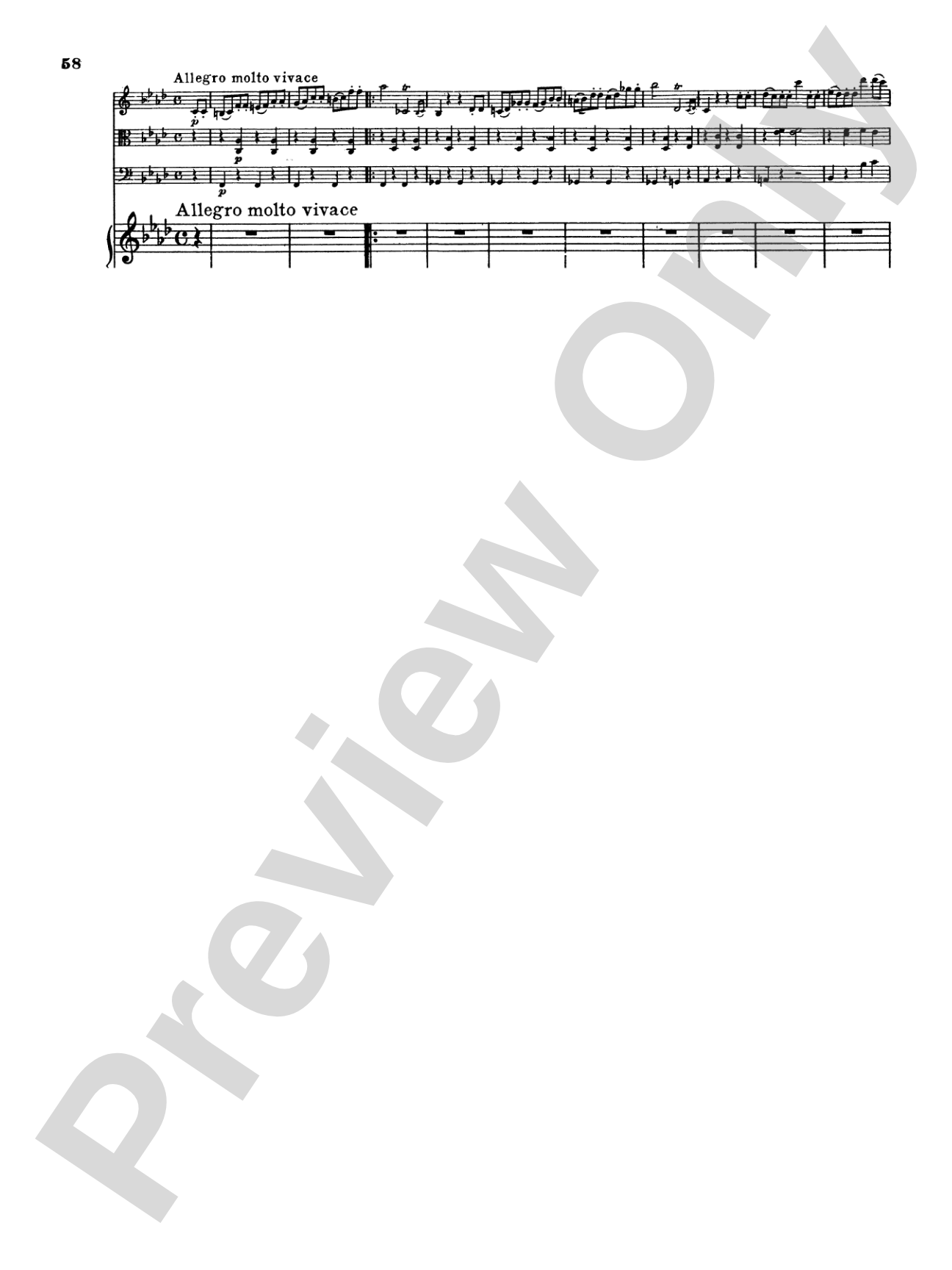
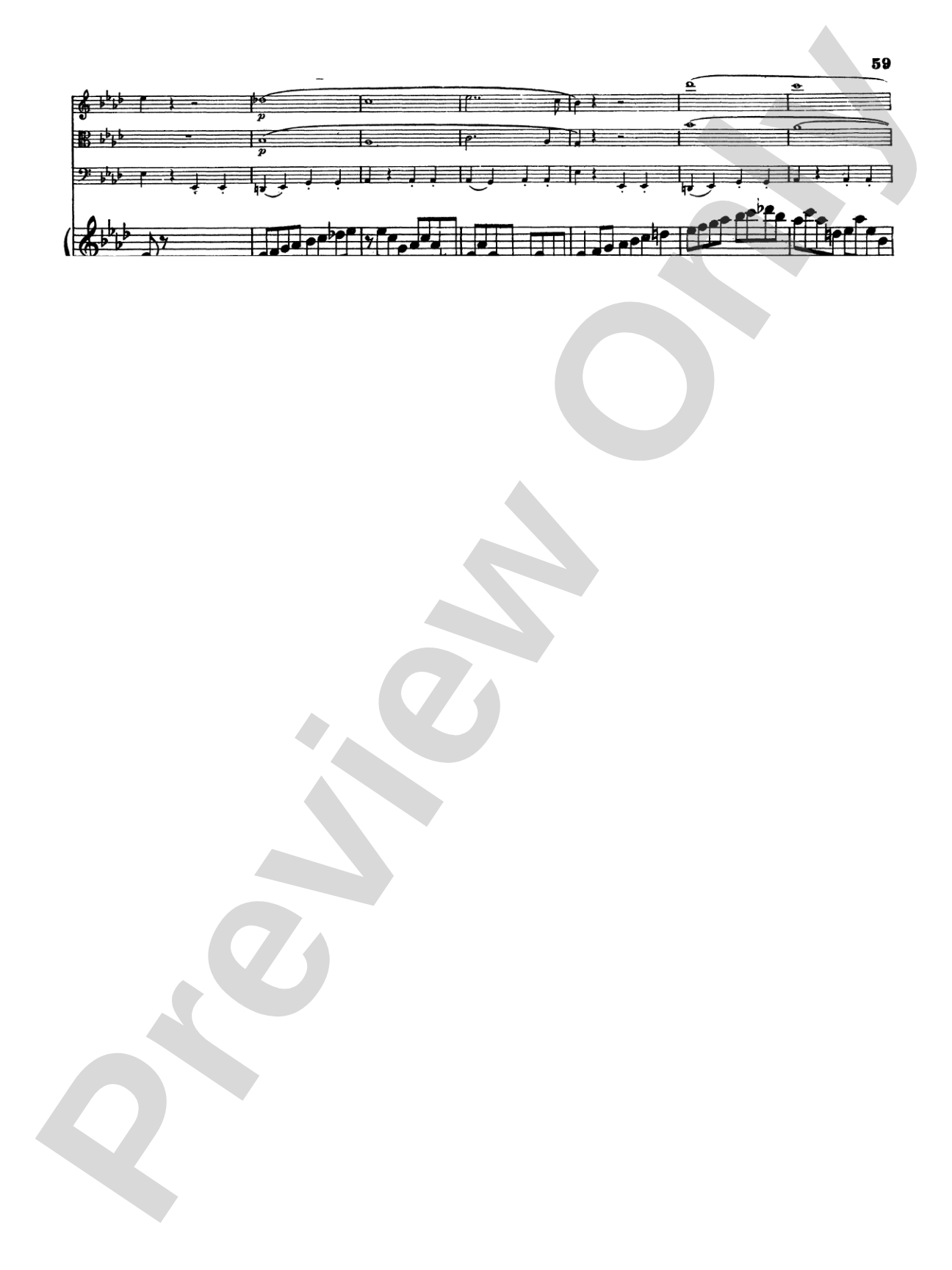
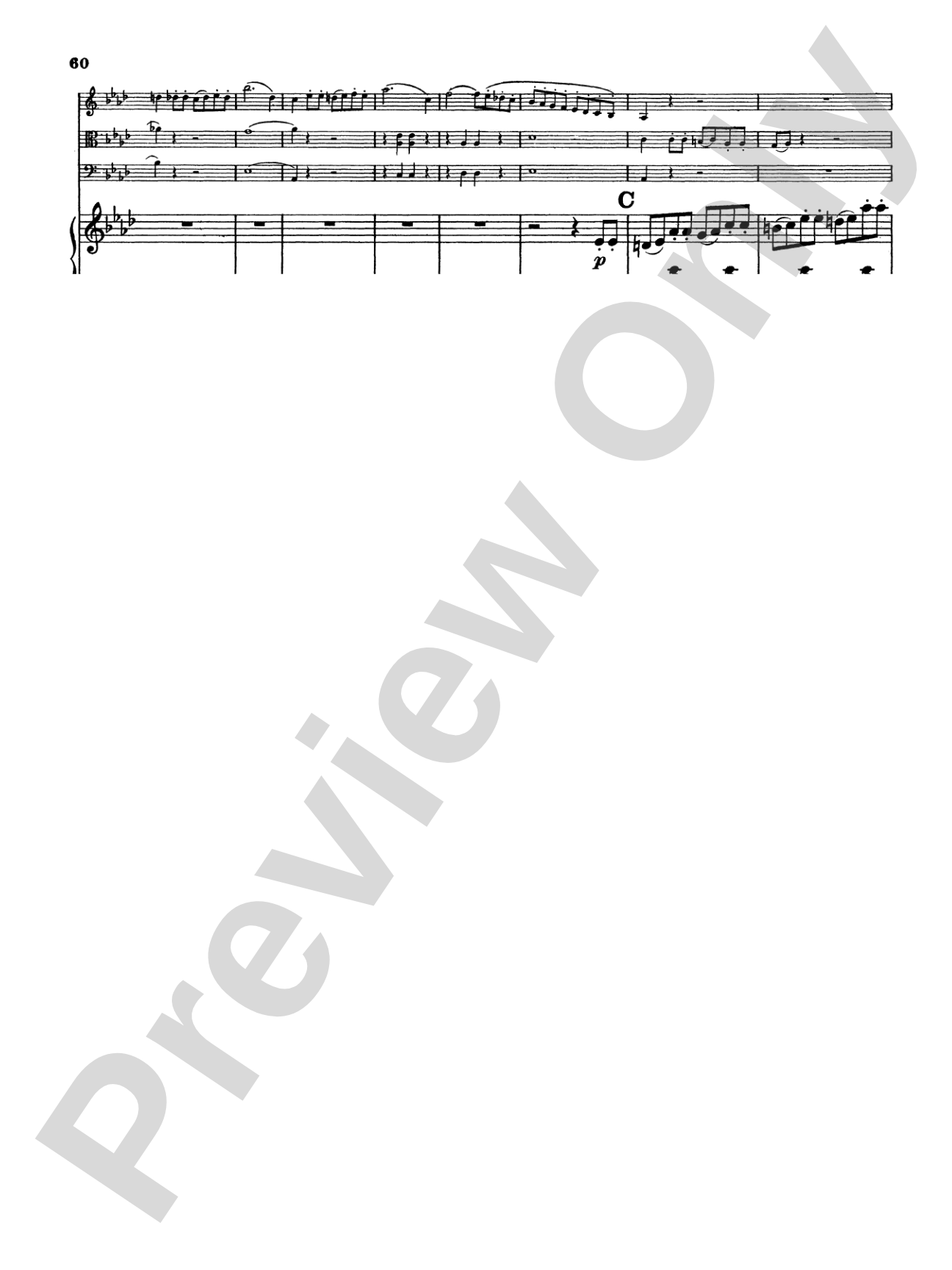
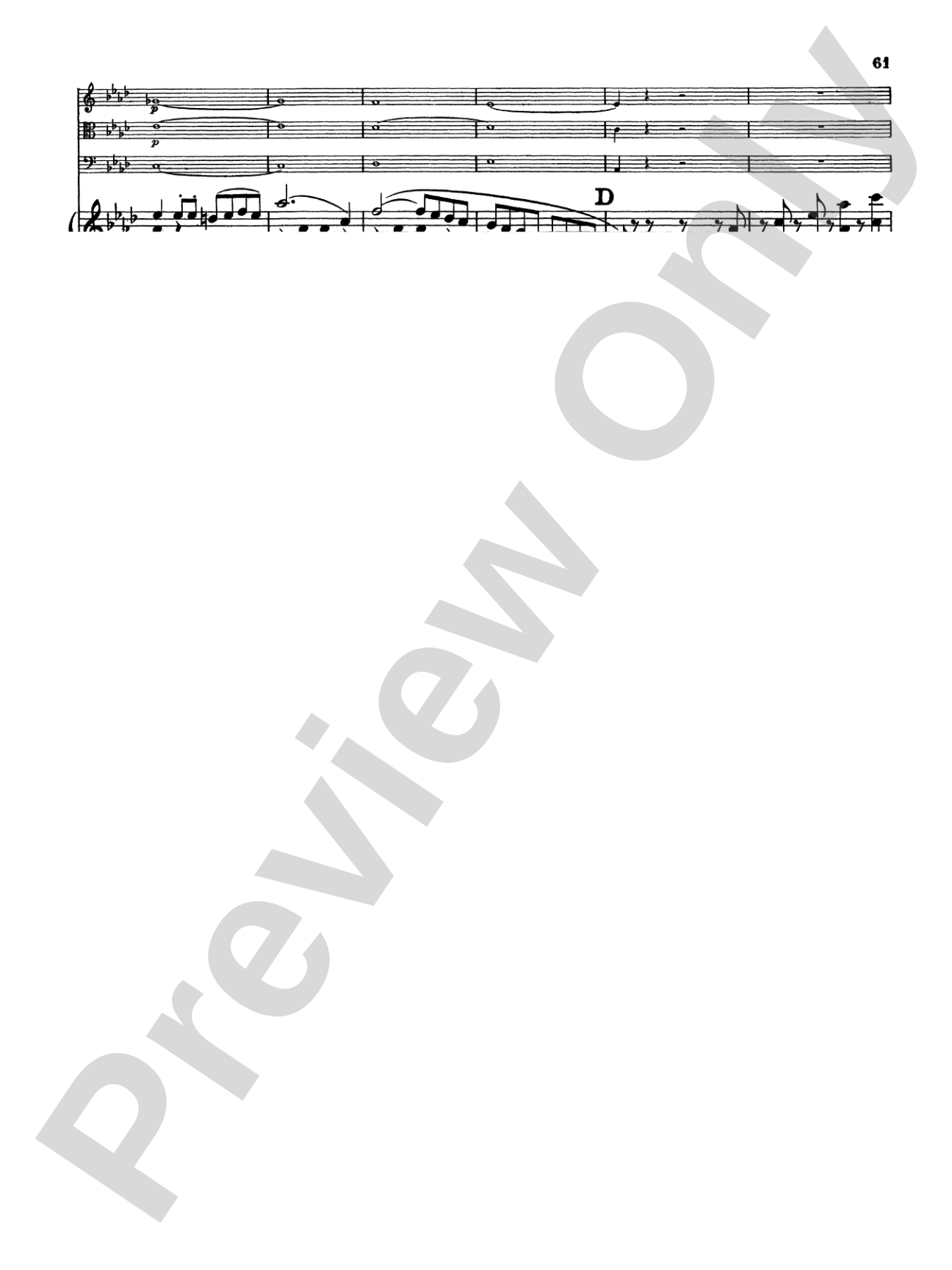
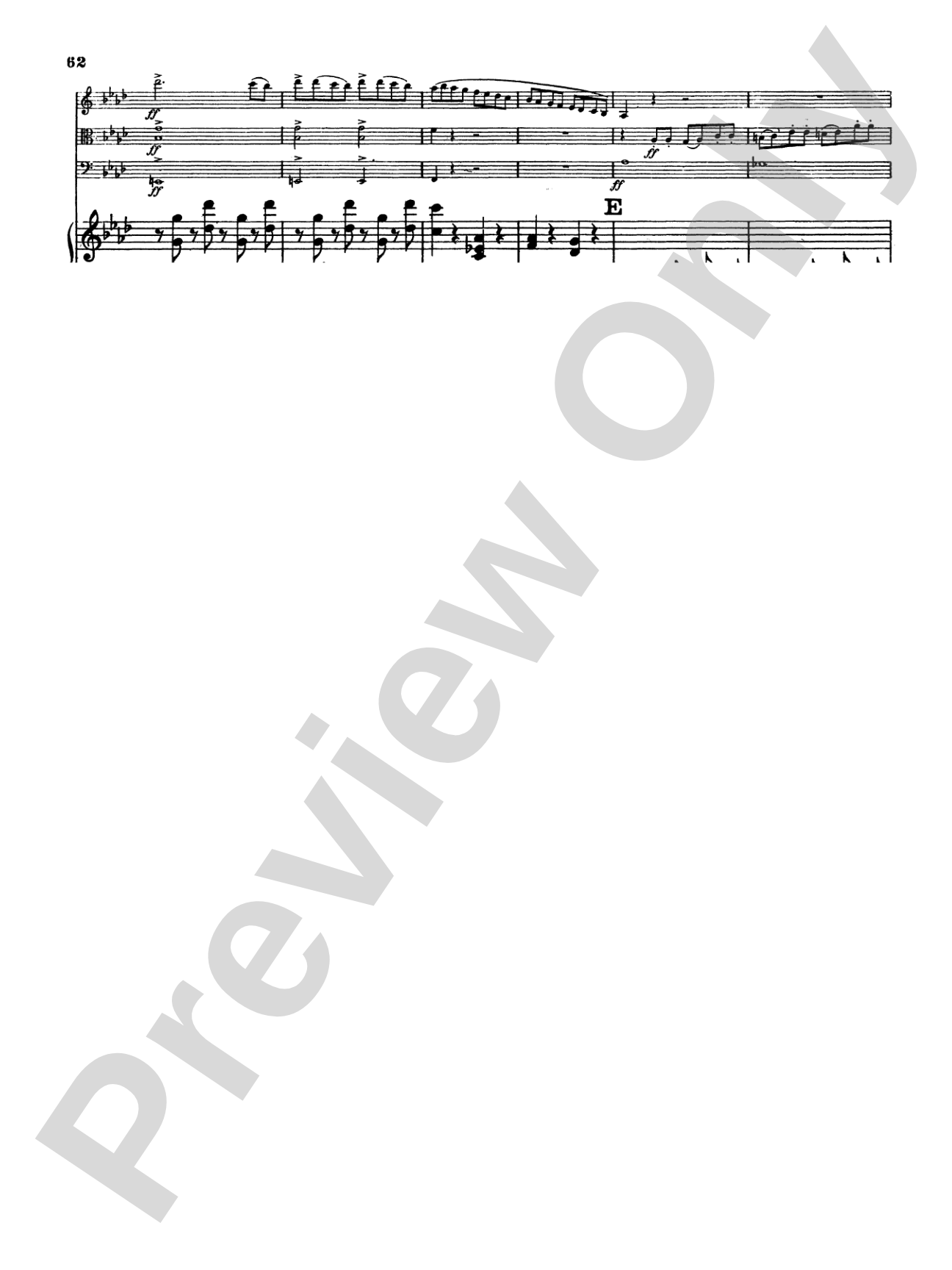
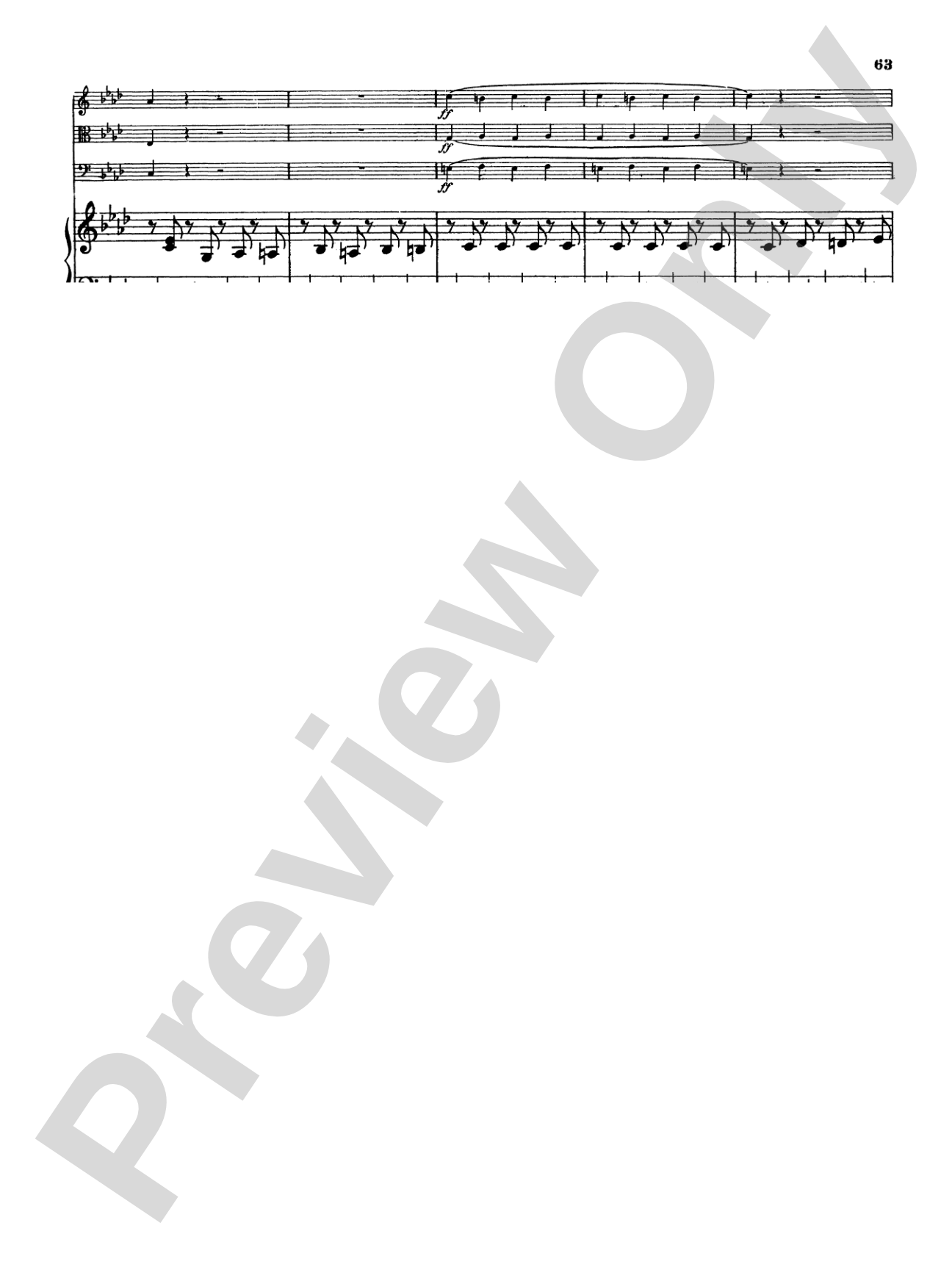
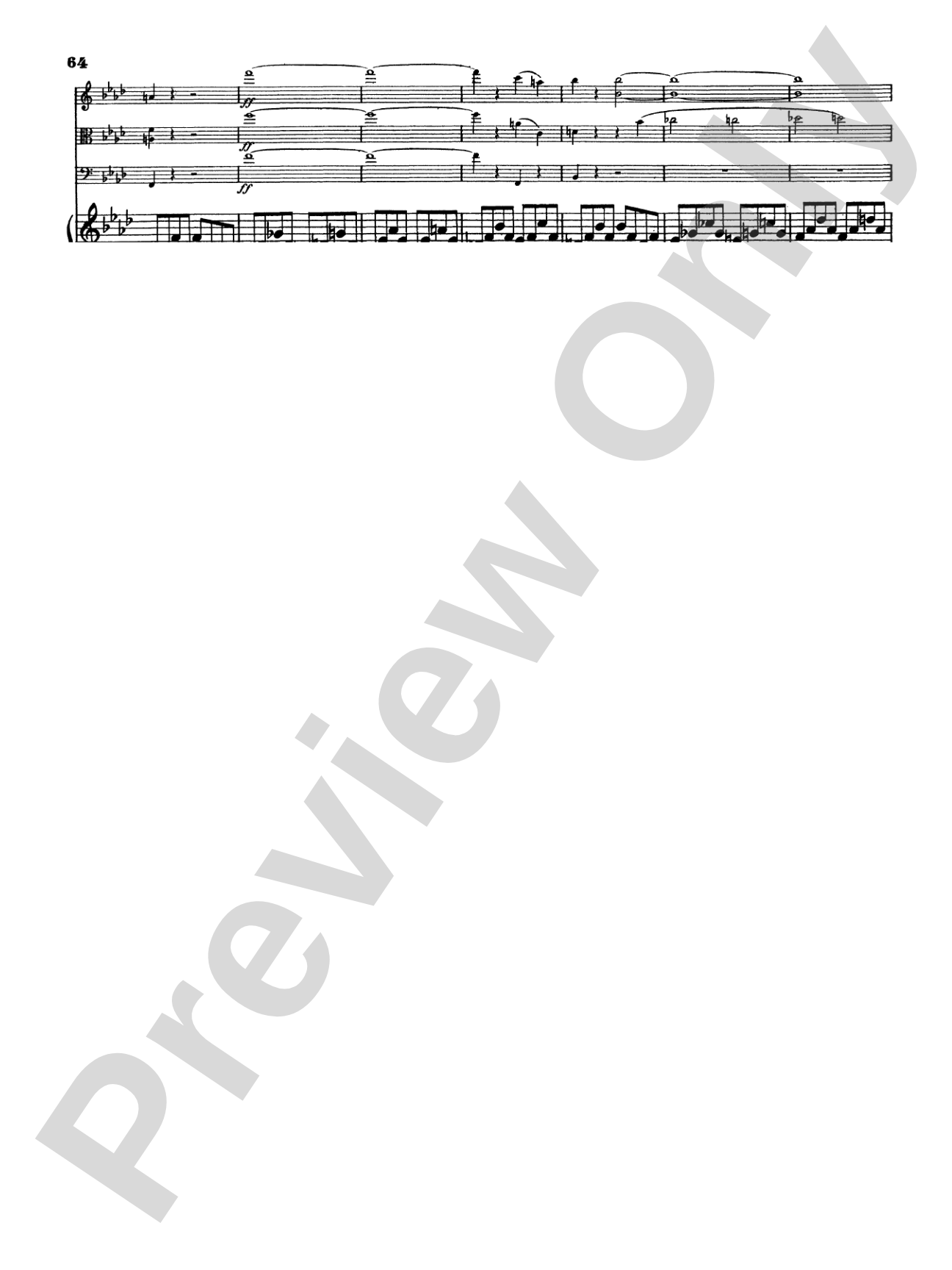
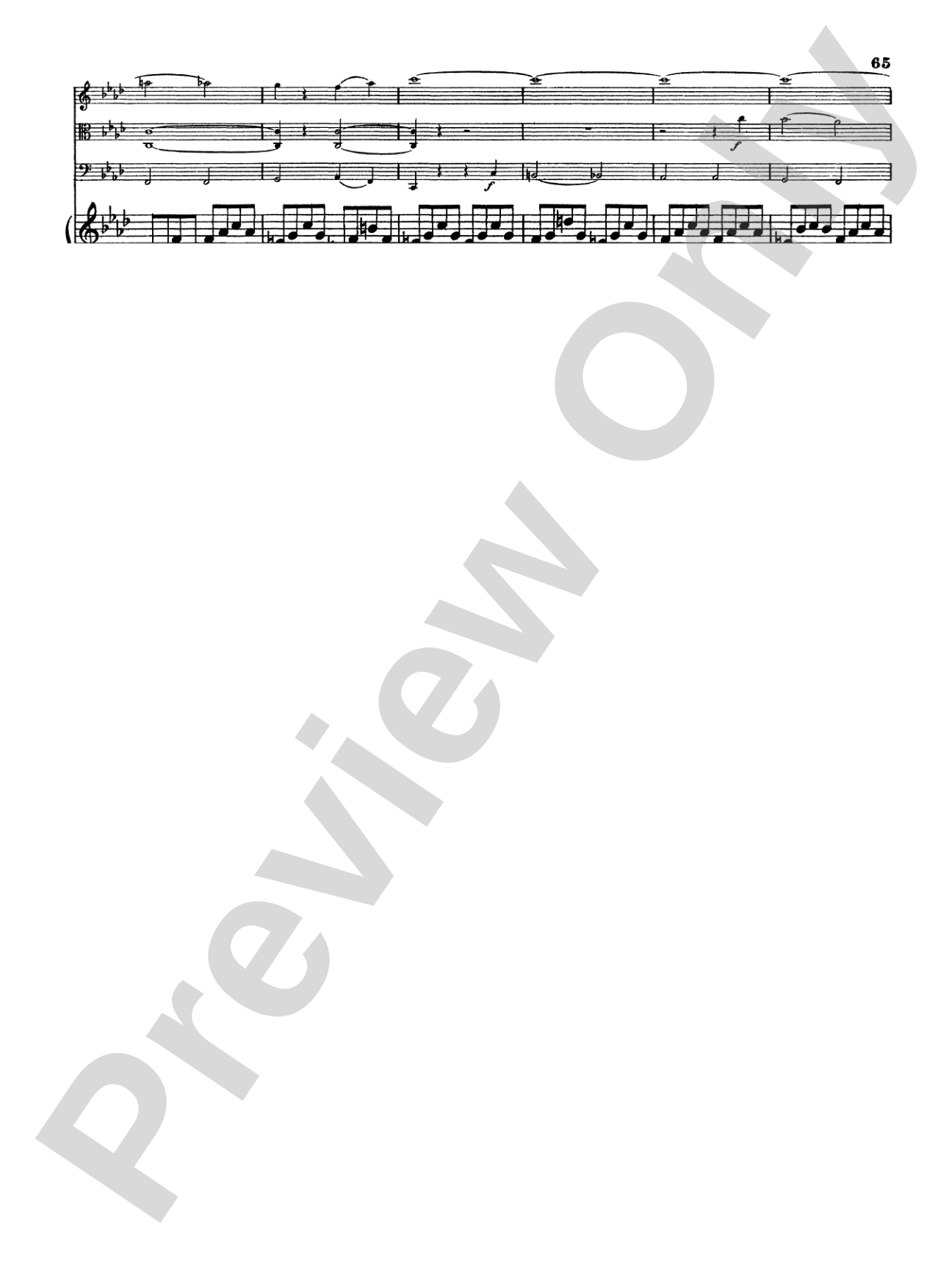
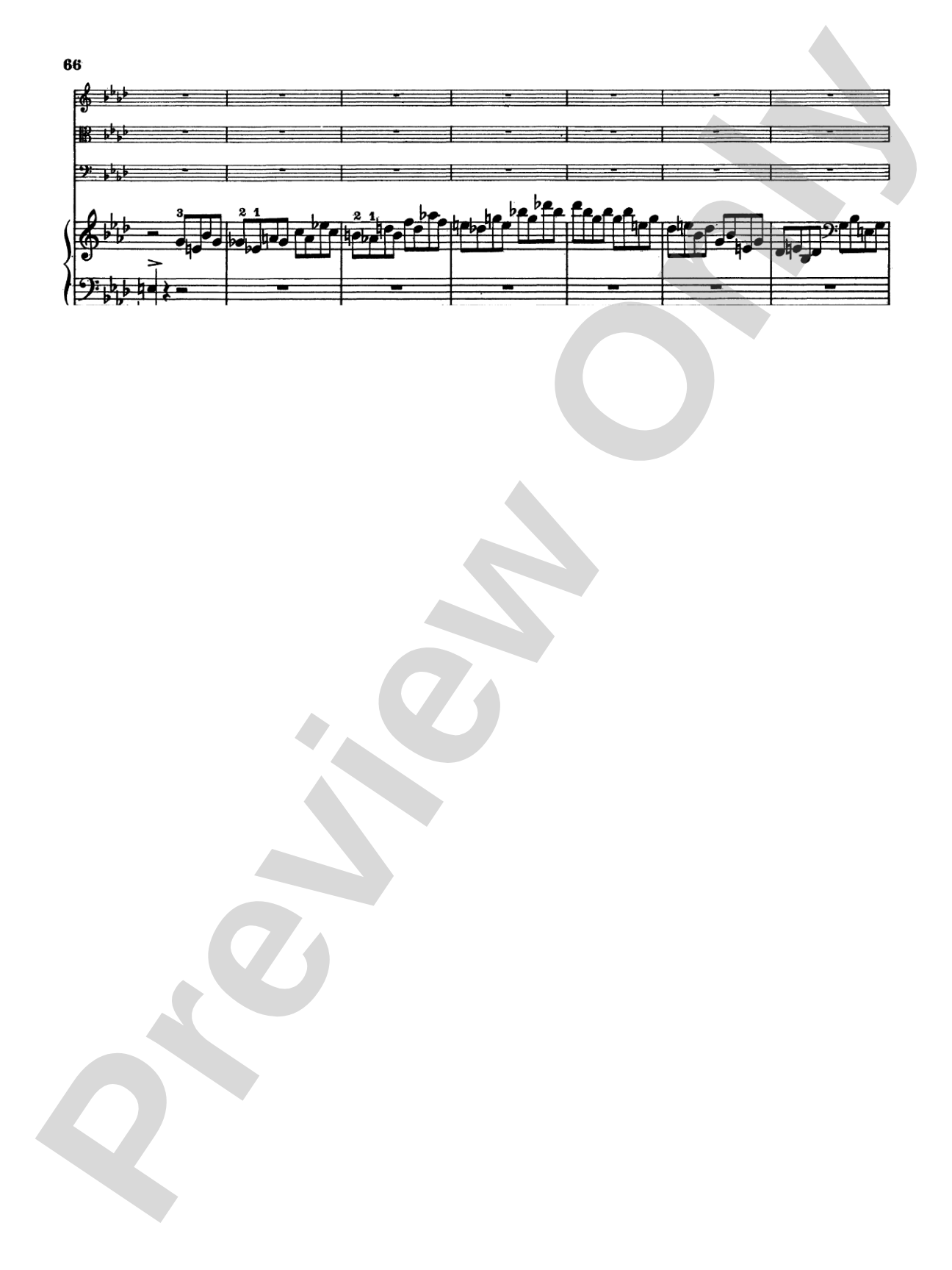
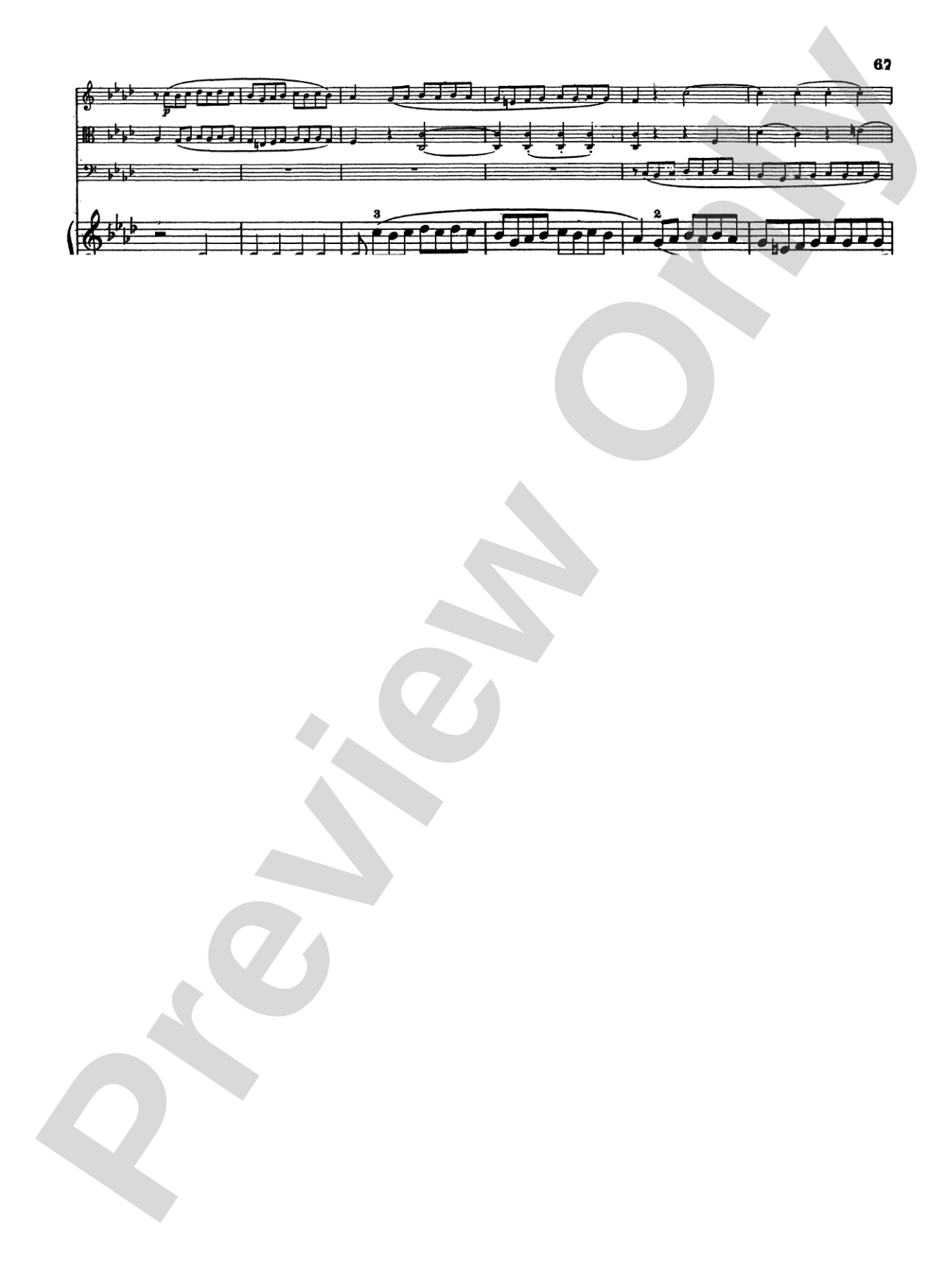
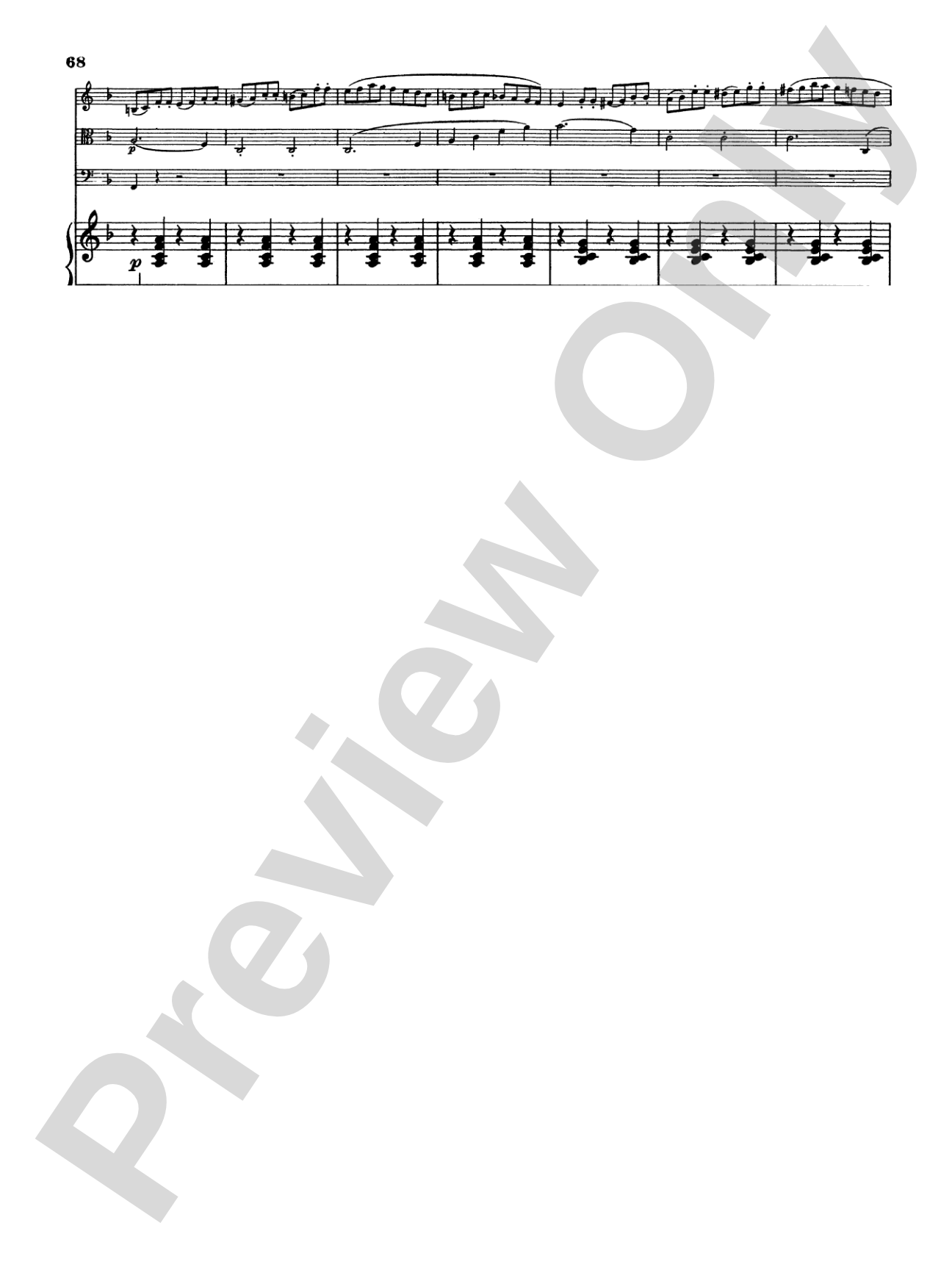
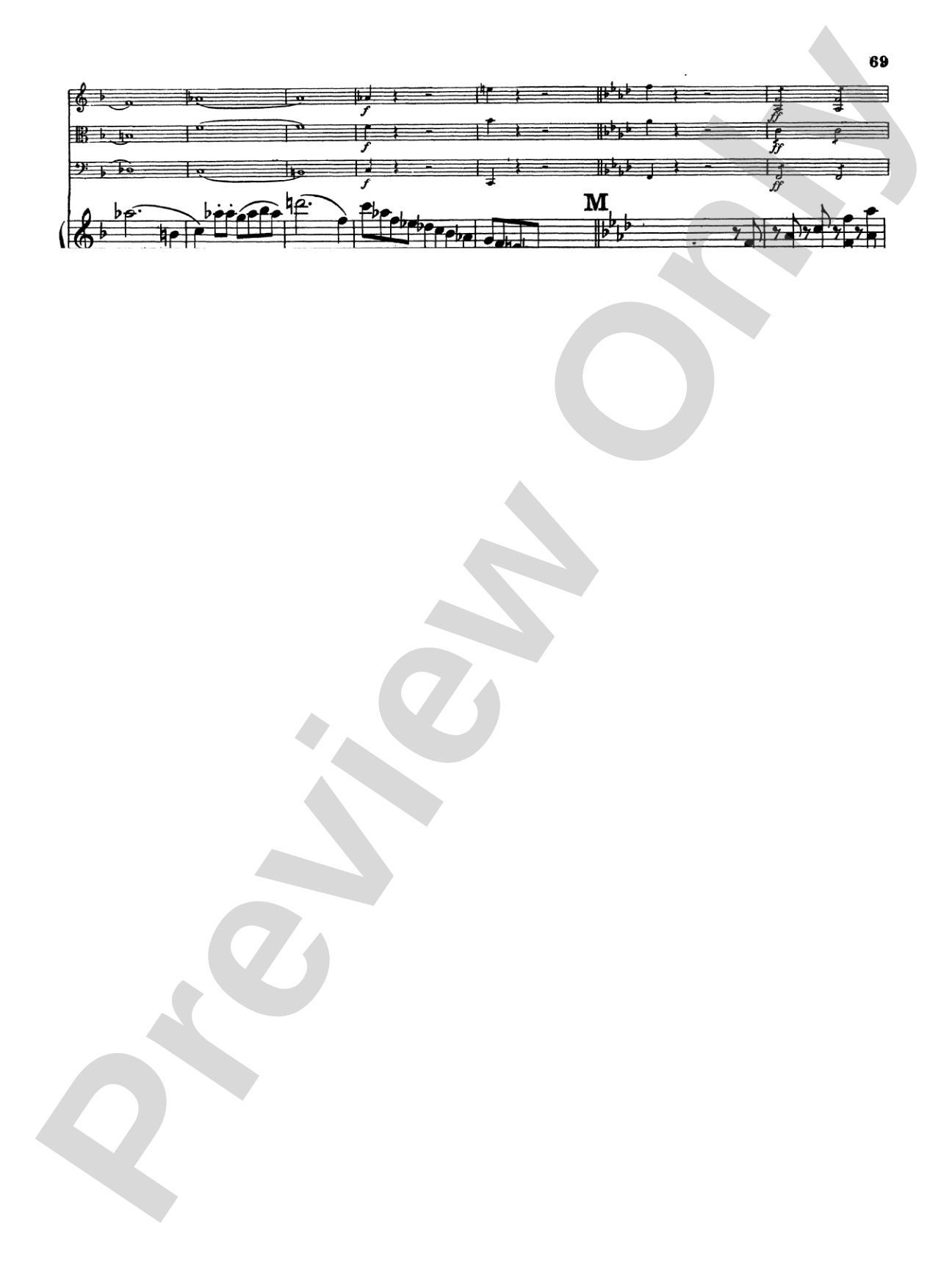
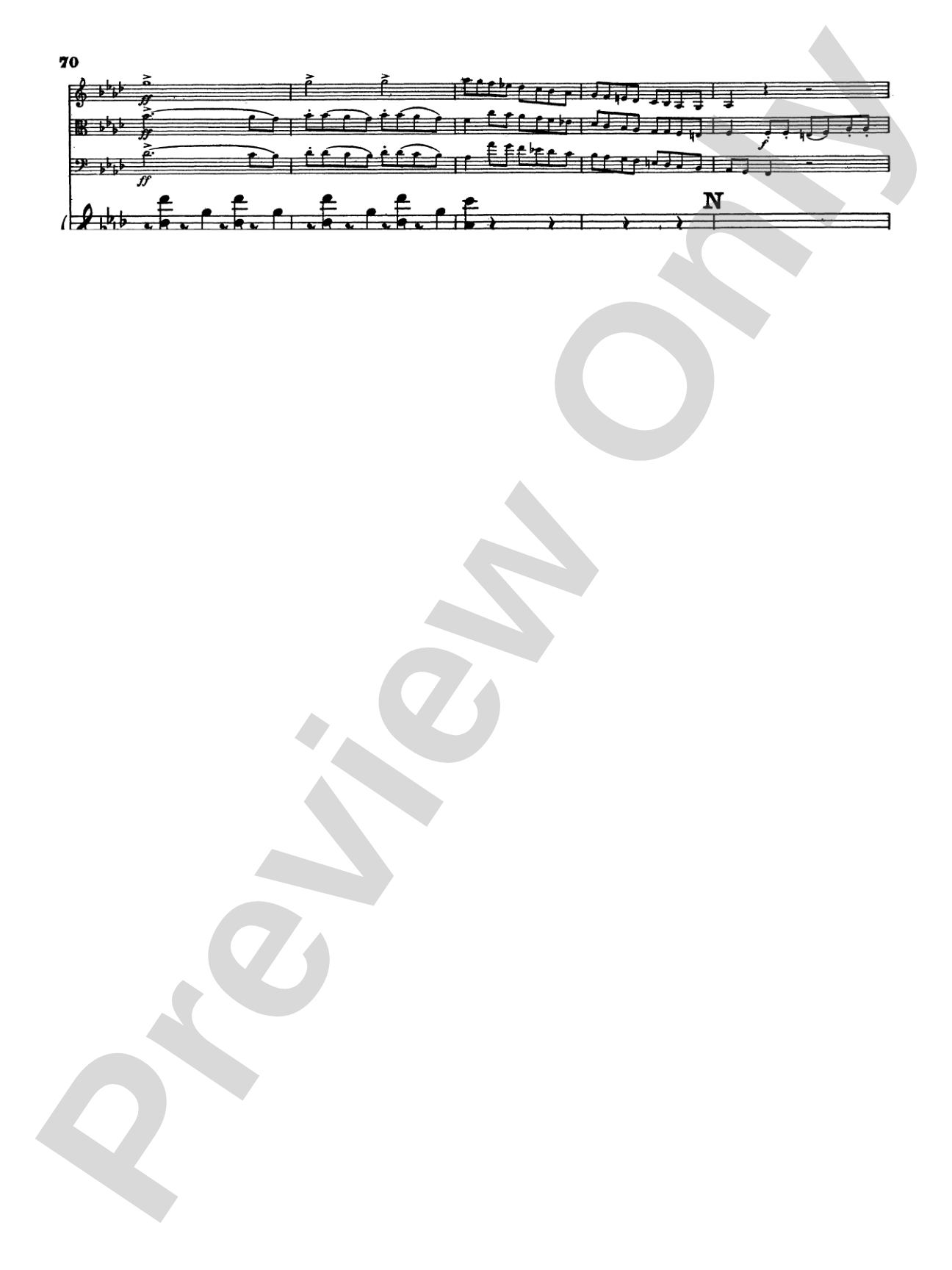
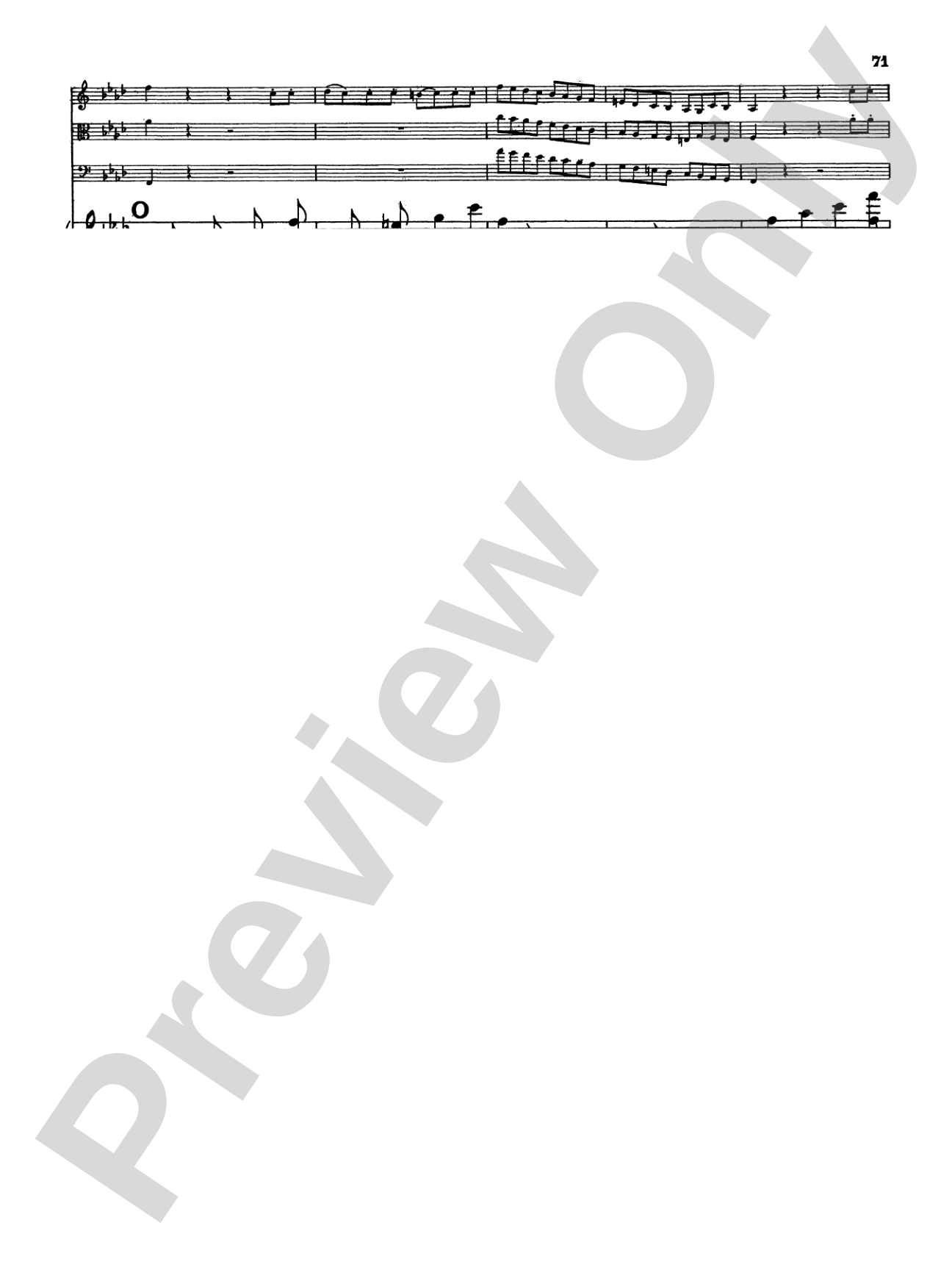




Mendelssohn: Piano Quartet No. 2 in F Minor, Op. 2: Chamber Quartet Book
By Felix Mendelssohn
Item: 00-PK-0003842

$16.95
Pickup currently not available
Buy Extra Parts (Digital PDF Download)
| Product | Price | Quantity |
|---|---|---|
| Mendelssohn: Piano Quartet No. 2 in F Minor, Op. 2 | $15.95 |
Parts Added to Cart!
Related Items
Piano Quartets No. 2 in F Minor, Opus 2: Chamber Quartet Book |
$16.95
|
View |
Description
A quartet for Piano, Violin, Viola, and Cello expertly composed by Felix Mendelssohn.


Don't just read it, hear it, play along with it, and watch your students grow with it. In MakeMusic Cloud, Mendelssohn: Piano Quartet No. 2 in F Minor, Op. 2: Chamber Quartet Book comes alive with professional accompaniment, adjustable tempo, and built-in practice tools that turn solo practice into real progress.
Open in the Player
Jump straight in and assign it today.
Start Your Free Trial
Open this title and explore the full library in minutes.
Sample Audio
No sample audio found.
Sample Video
No sample videos found.
Additional Details
Series:
Kalmus Edition
Publisher:
Alfred Music
Page Count:
76
SKU:
00-PK-0003842
More about this title
About the Composer: Felix Mendelssohn
Felix Mendelssohn (1809-1847) brought a distinctly lyrical sensibility to chamber music, blending Classical formal architecture with Romantic expressivity. His string works and piano chamber music rank among the most performed in the chamber repertoire, valued for their elegant orchestration, memorable themes, and emotional depth without excess.
Why we love this
This quartet sits at the intersection of youthful invention and mature craftsmanship. Mendelssohn's ability to weave the piano into genuine dialogue with the strings rather than treating it as accompanying instrument makes this work particularly rewarding for ensemble coaching. The formal logic and transparent orchestration reward careful listening and precise ensemble balance.
What to expect
Mendelssohn's F minor quartet unfolds with lyrical grace and introspective moments punctuated by passages of crystalline brightness. The work feels intimate without being fragile, romantic without sentimentality; it invites listeners into a conversation rather than demanding their attention.
Who it's for
Chamber musicians seeking substantial Romantic repertoire that demands ensemble maturity without requiring virtuosic technical display. This work suits conservatory studio classes, competitive chamber festivals, and ensembles ready to move beyond undergraduate-level repertoire into genuinely artistic territory.
How to get the most out of it
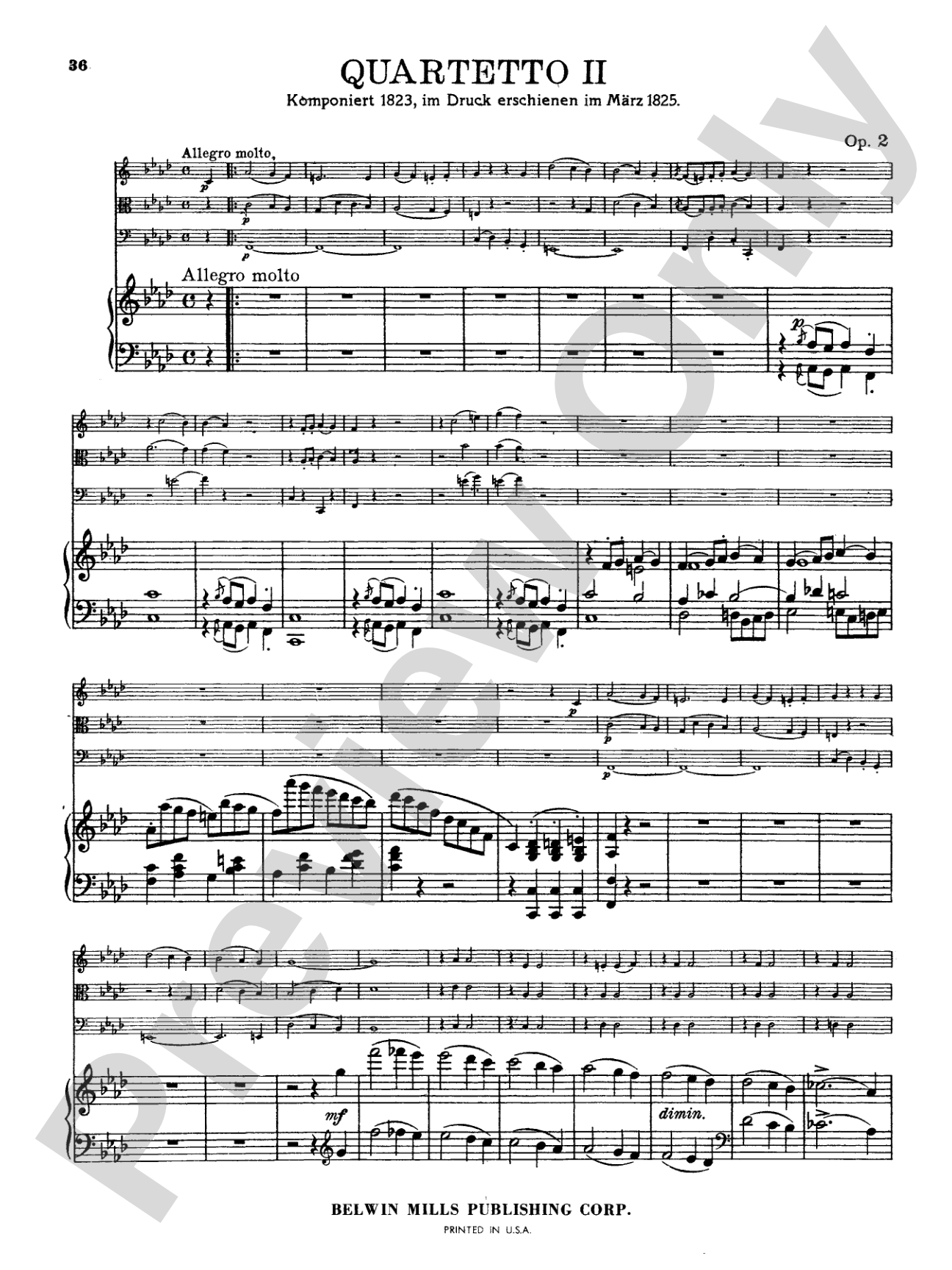
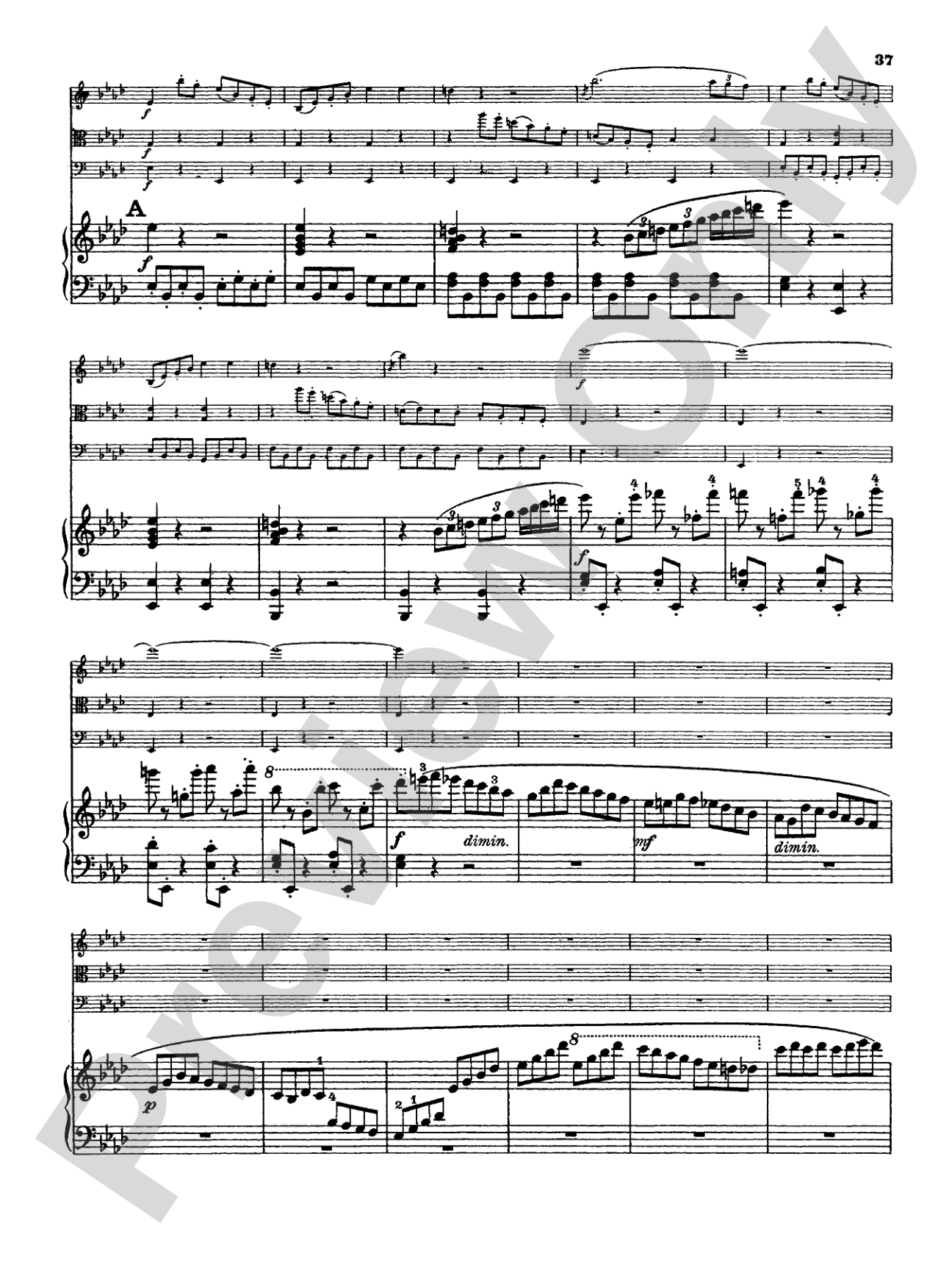
- Balance the opening theme between piano and violin; neither should dominate. The conversation between these voices defines the movement's character.
- Attend to the viola's inner voice writing, which often carries crucial harmonic motion. Viola players must voice their lines with clarity and purpose.
- Shape longer phrases across multiple measures rather than stopping at cadences. Mendelssohn's themes breathe through sustained harmonic progressions.
- Coordinate with the recorded accompaniment (if available separately) during rehearsal, but aim to perform without it. The ensemble's independence will strengthen the performance.
How to use it
Program this as part of a chamber concert exploring piano quartet literature across eras. Its Romantic sensibility pairs well with earlier Brahms chamber works or earlier Beethoven piano trios. At 76 pages, it anchors a substantial recital program without overwhelming other repertoire.
Skills your students will build
- Ensemble balance between piano and string voices
- Inner voice independence, particularly viola awareness
- Phrase shaping across harmonic progressions in the Romantic idiom
- Collaborative listening and response in real-time musical dialogue
- Stylistic interpretation of 19th-century formal structures