
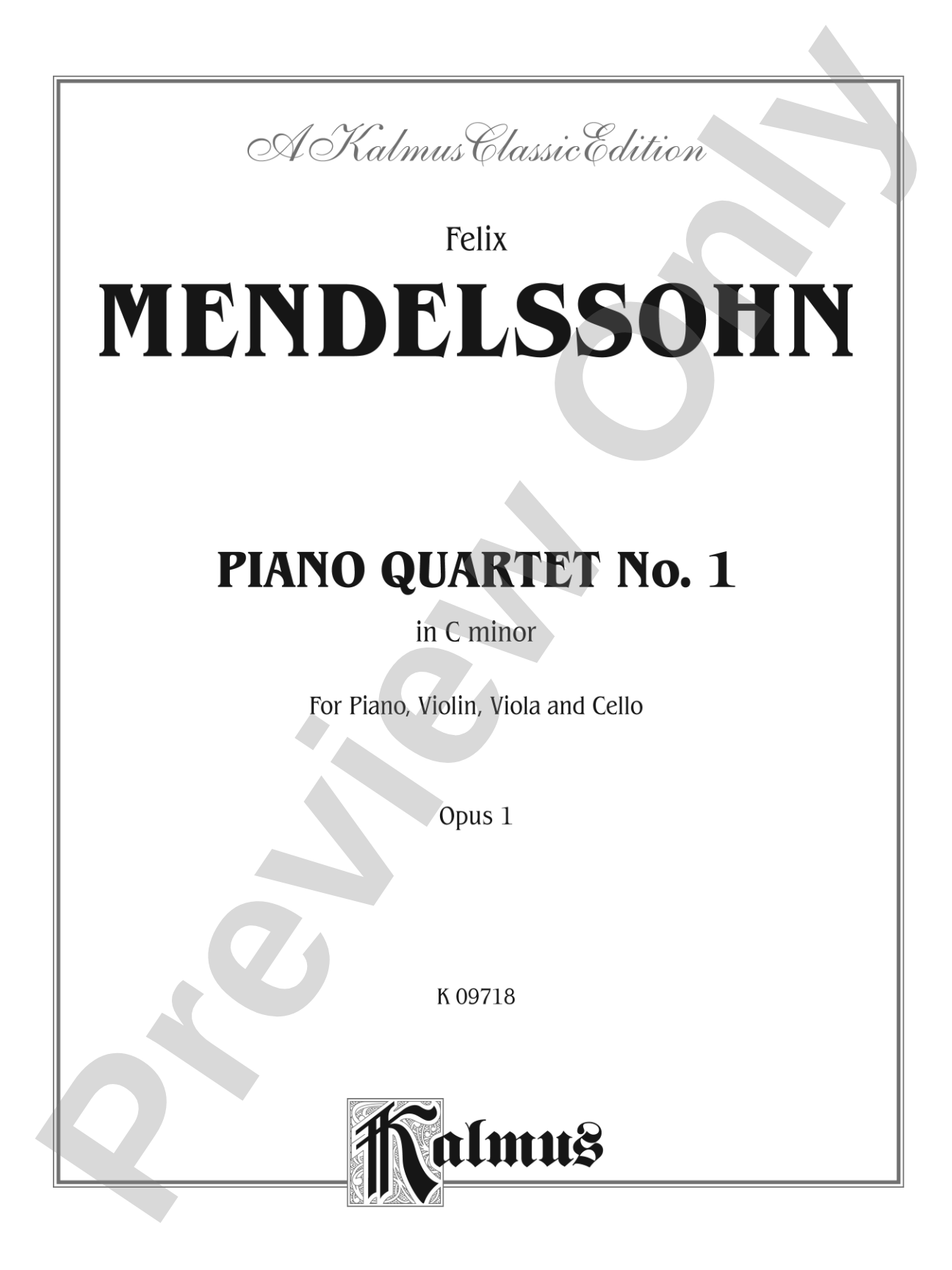
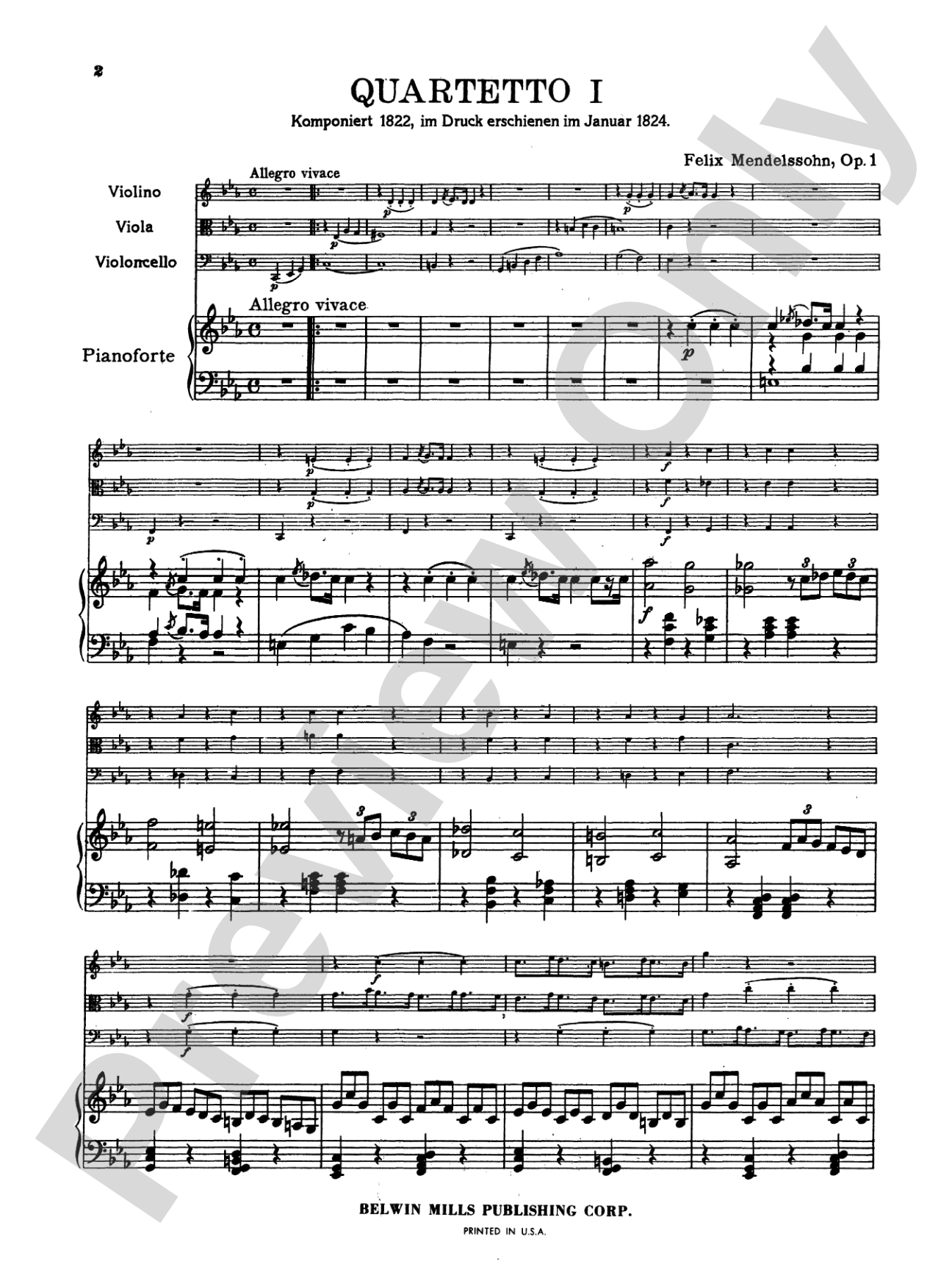
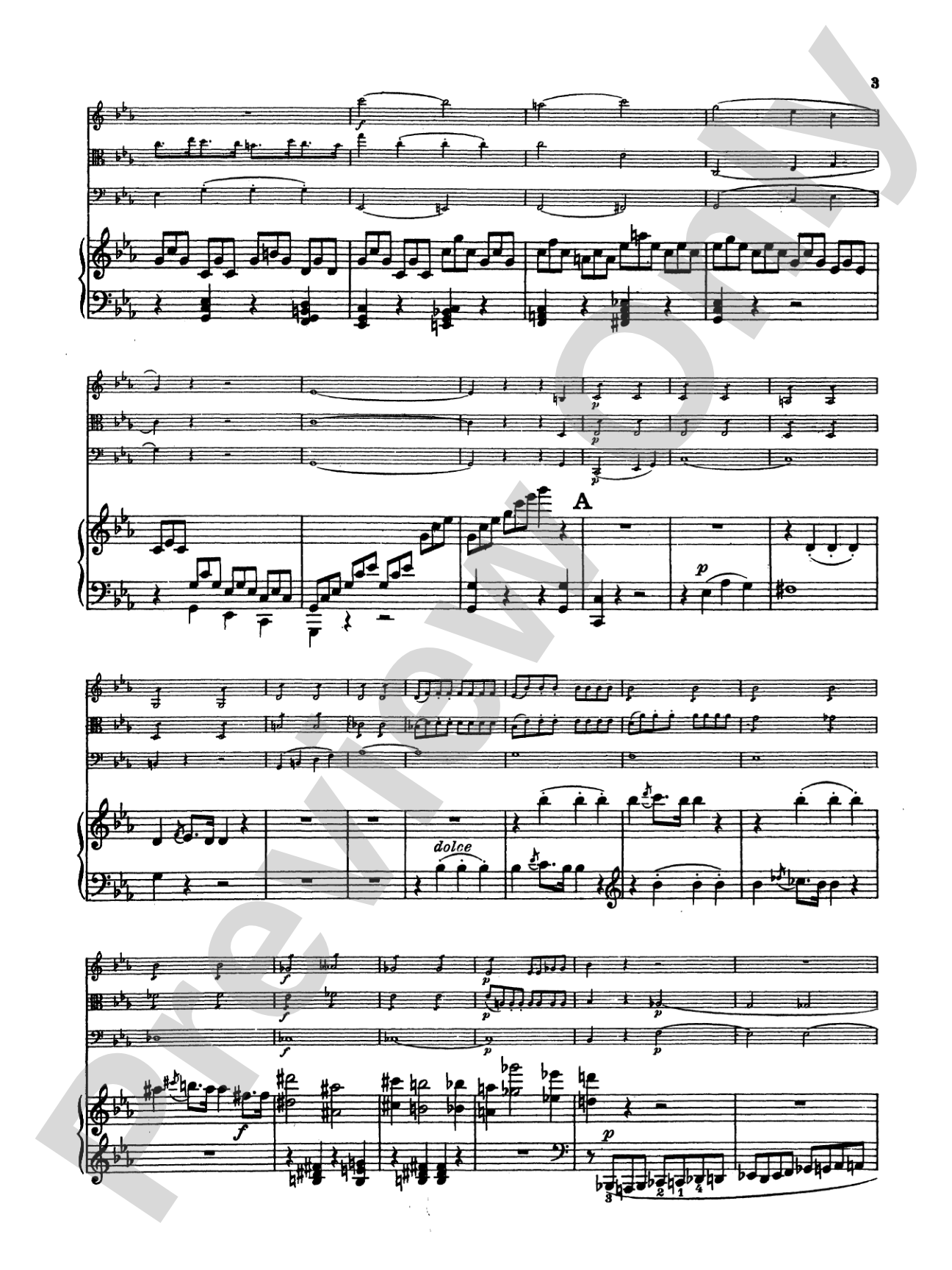
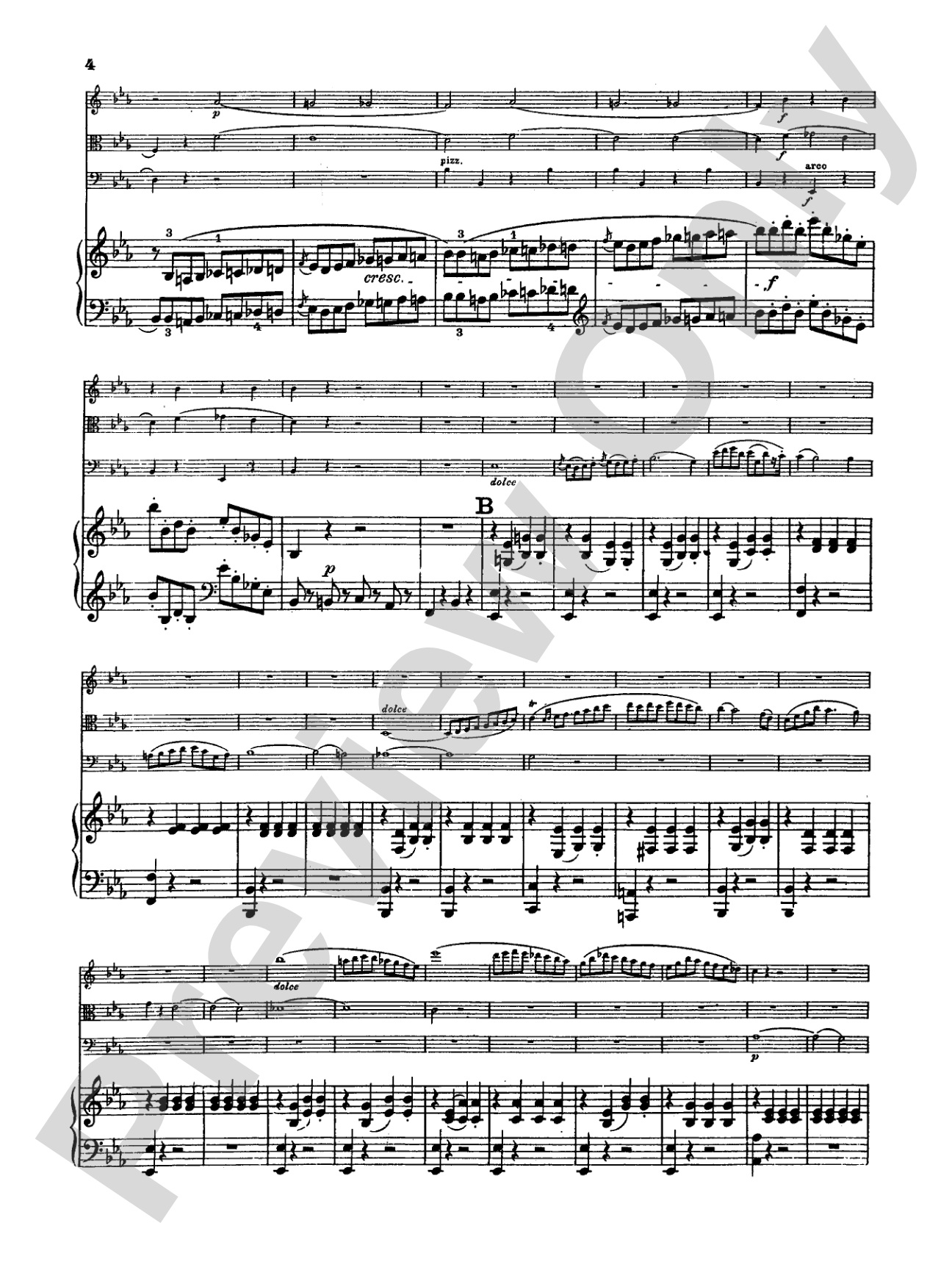
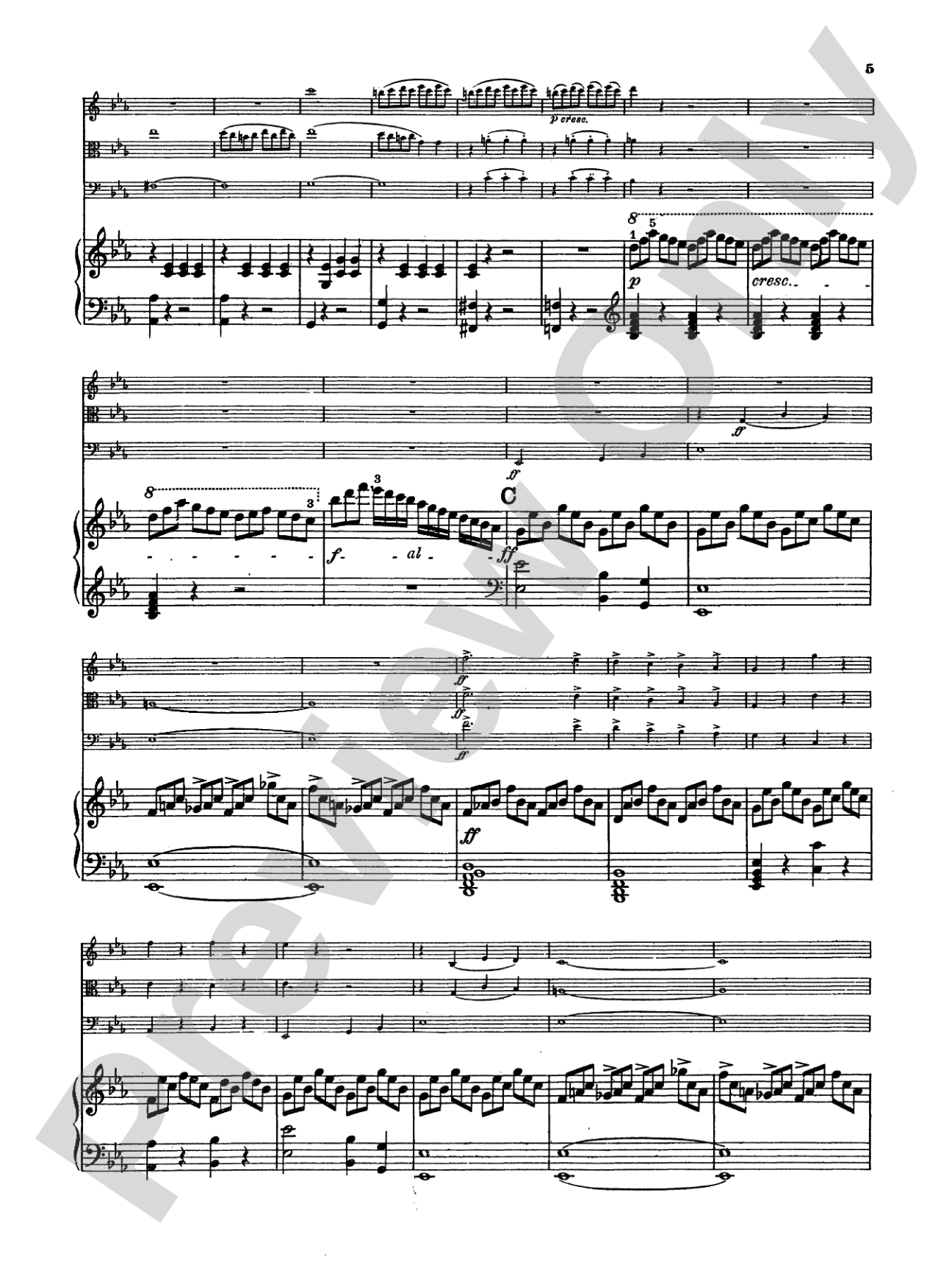
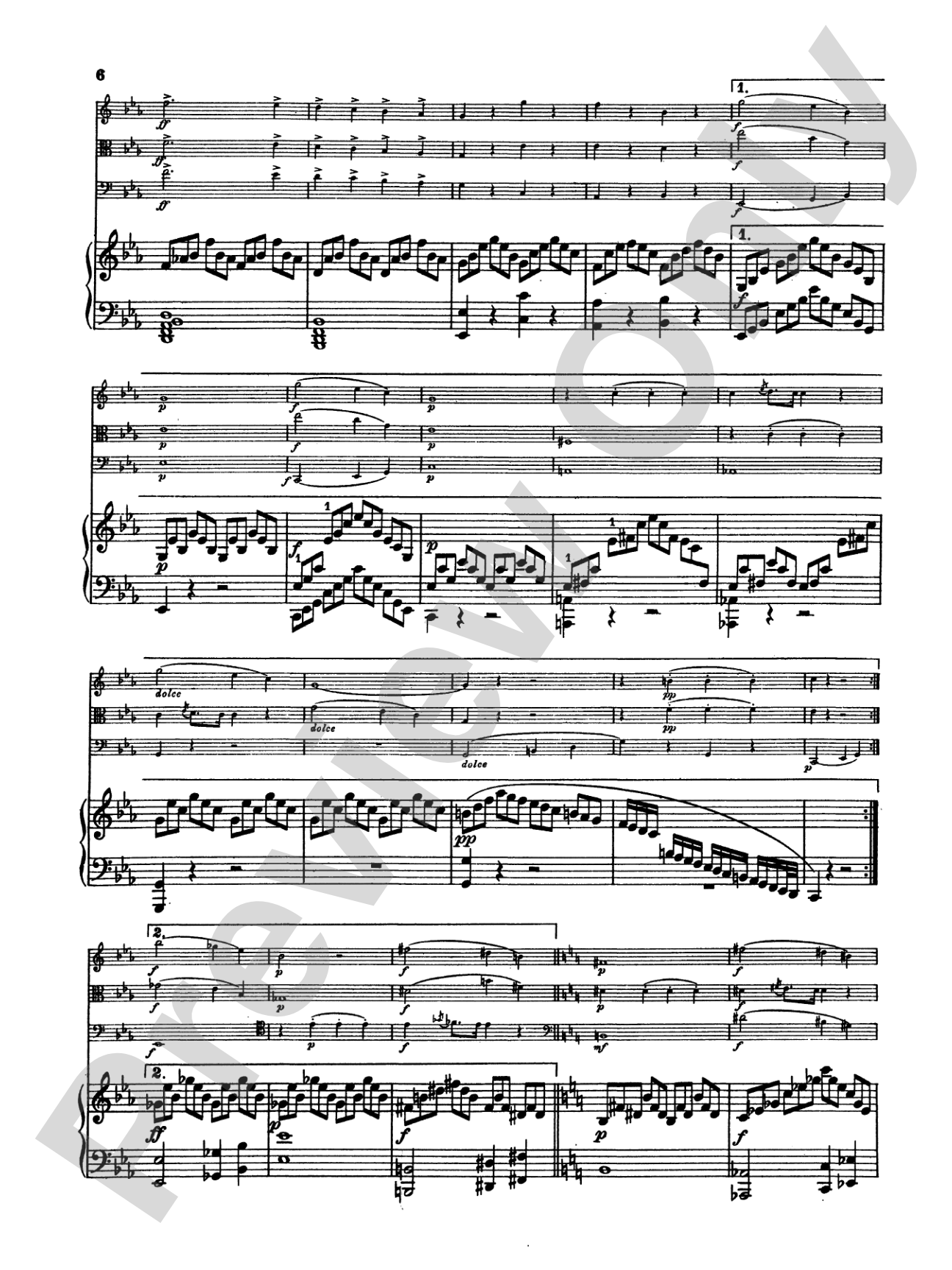
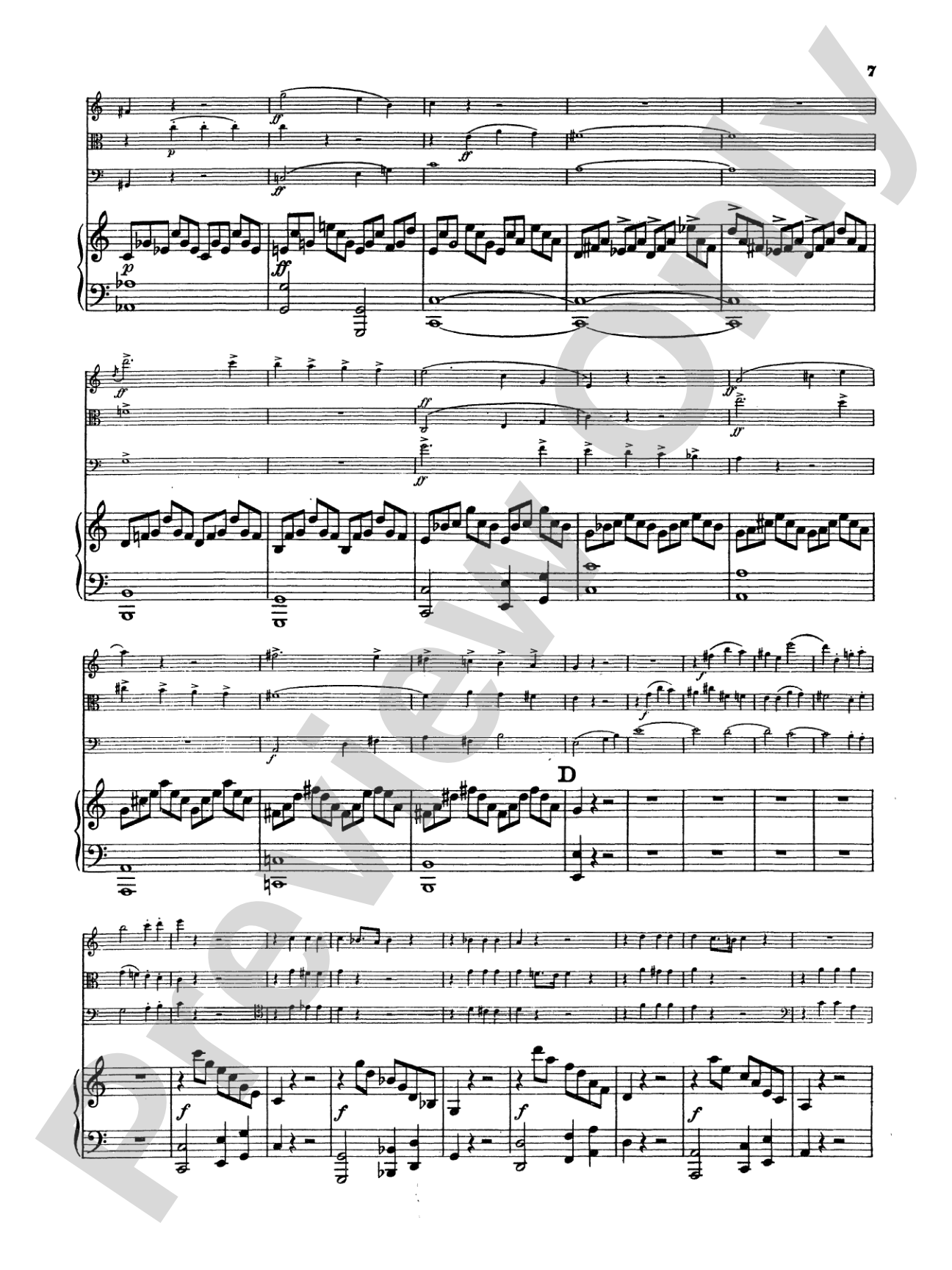
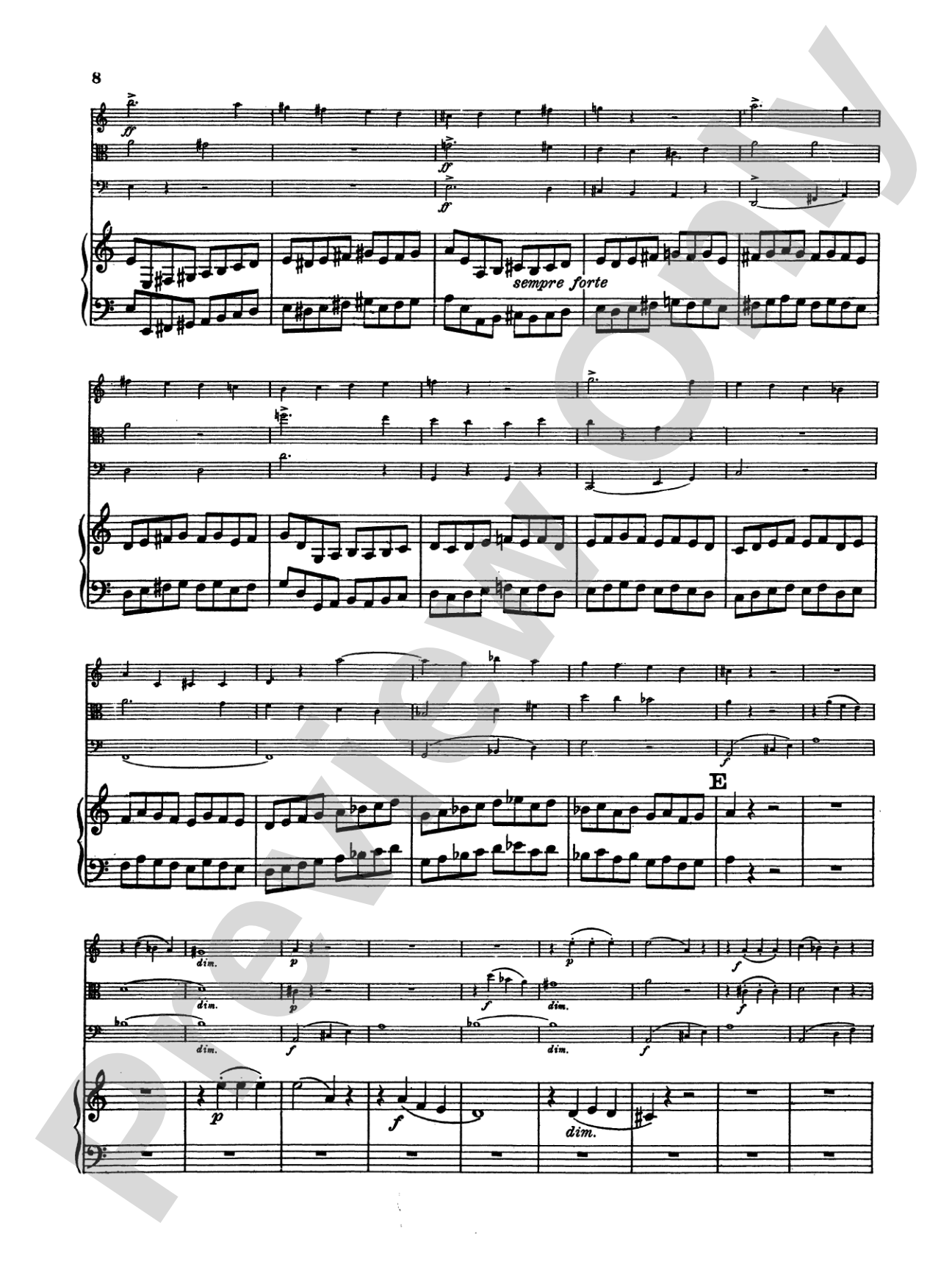
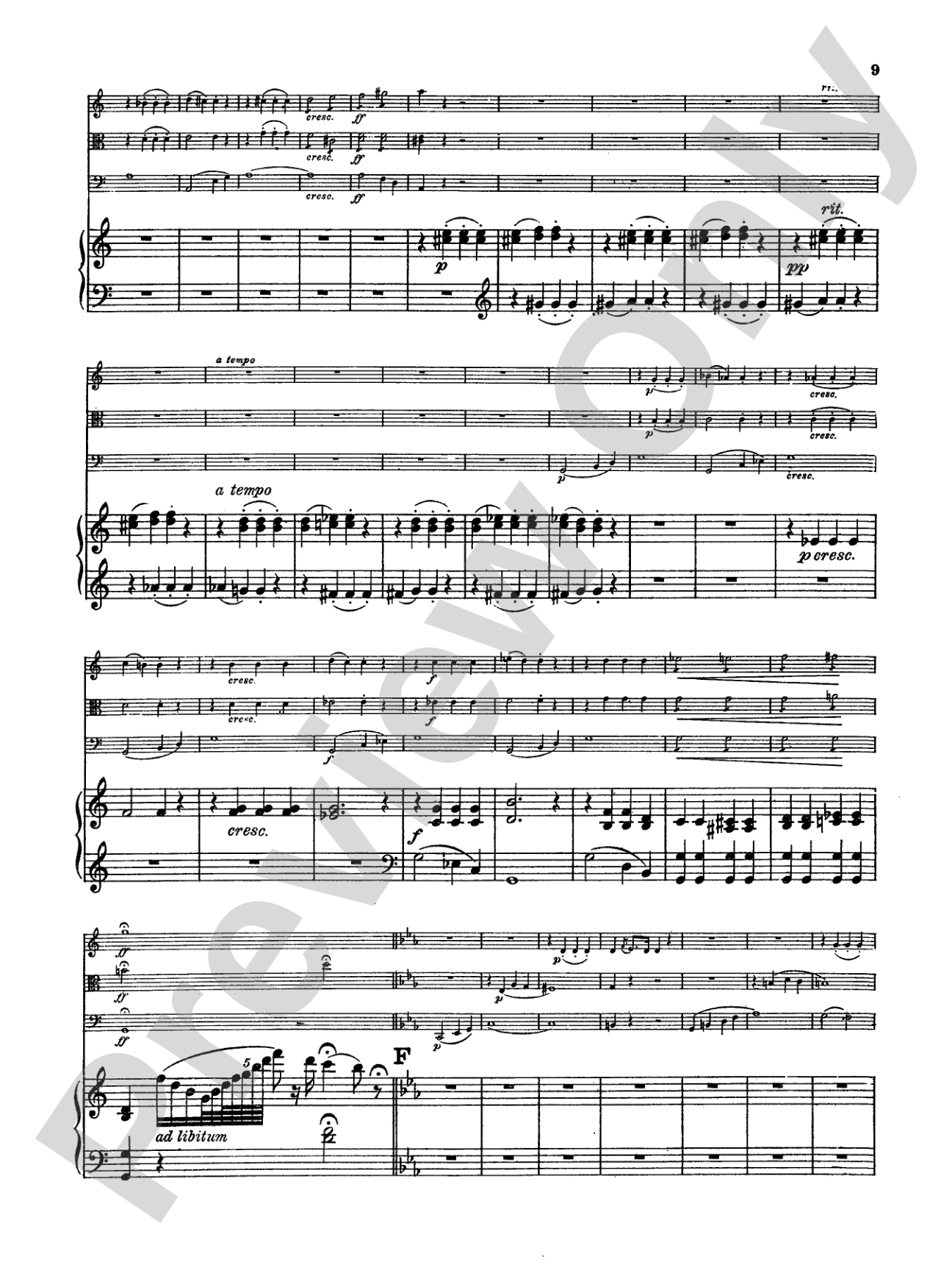
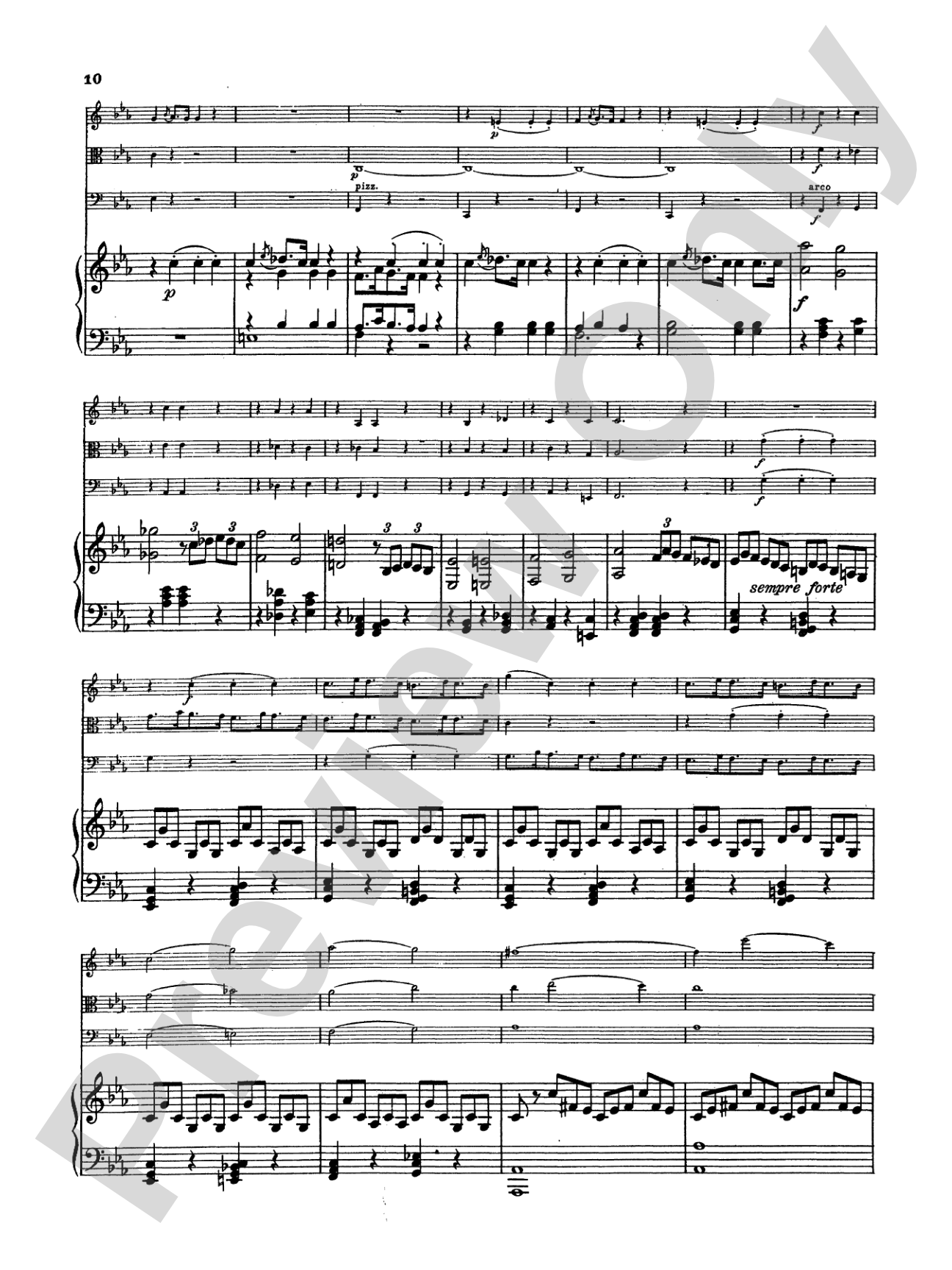
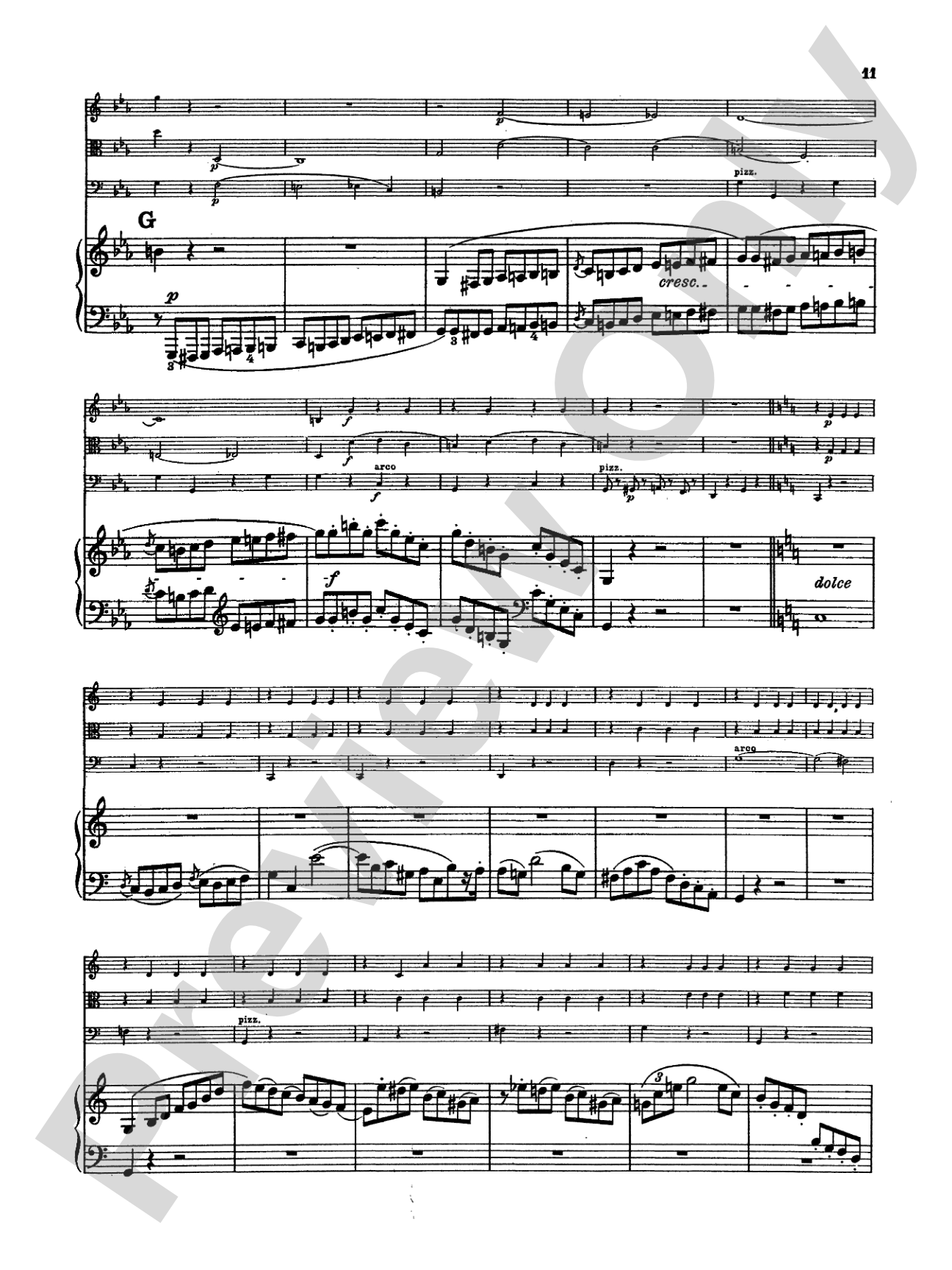
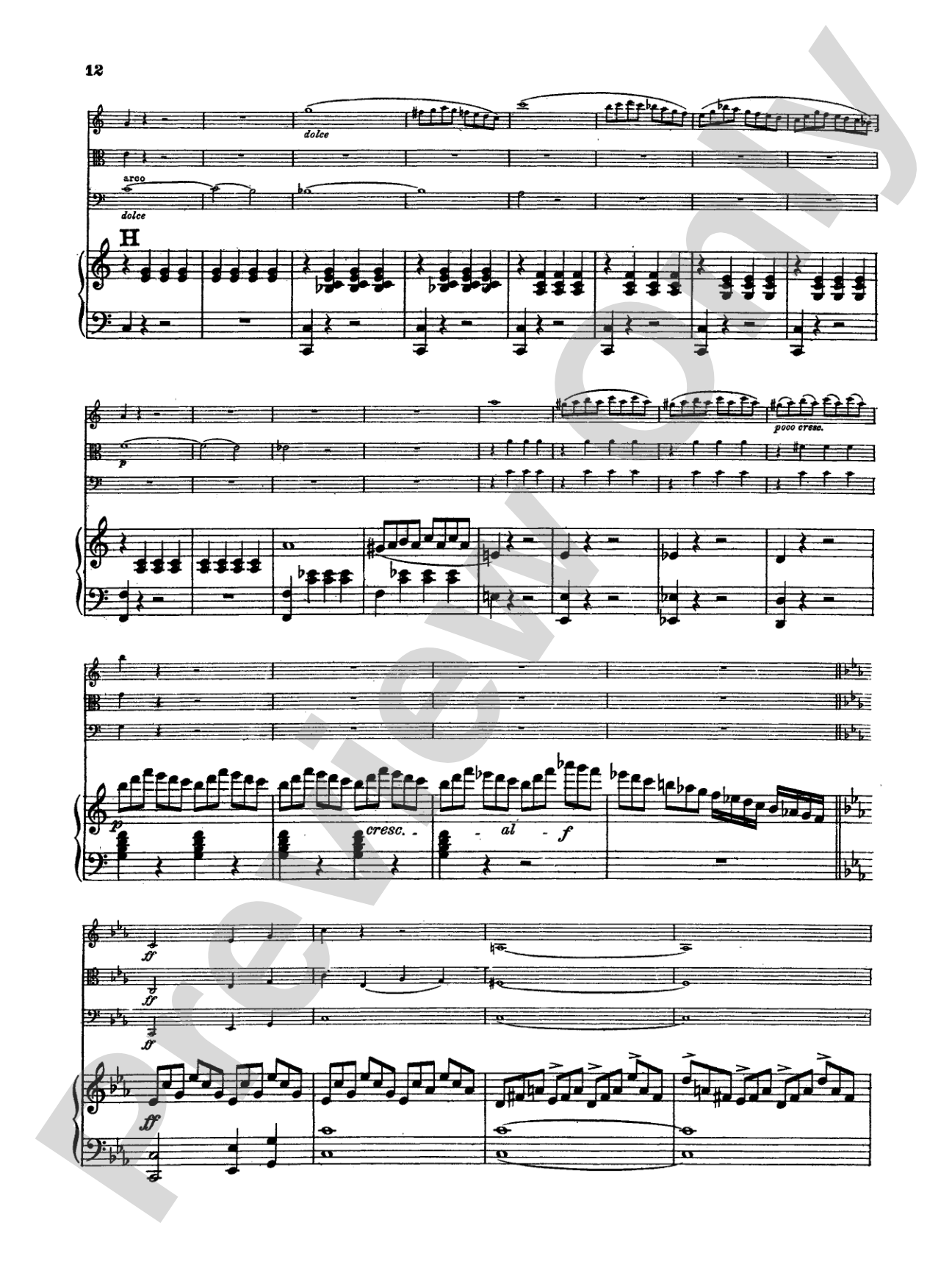
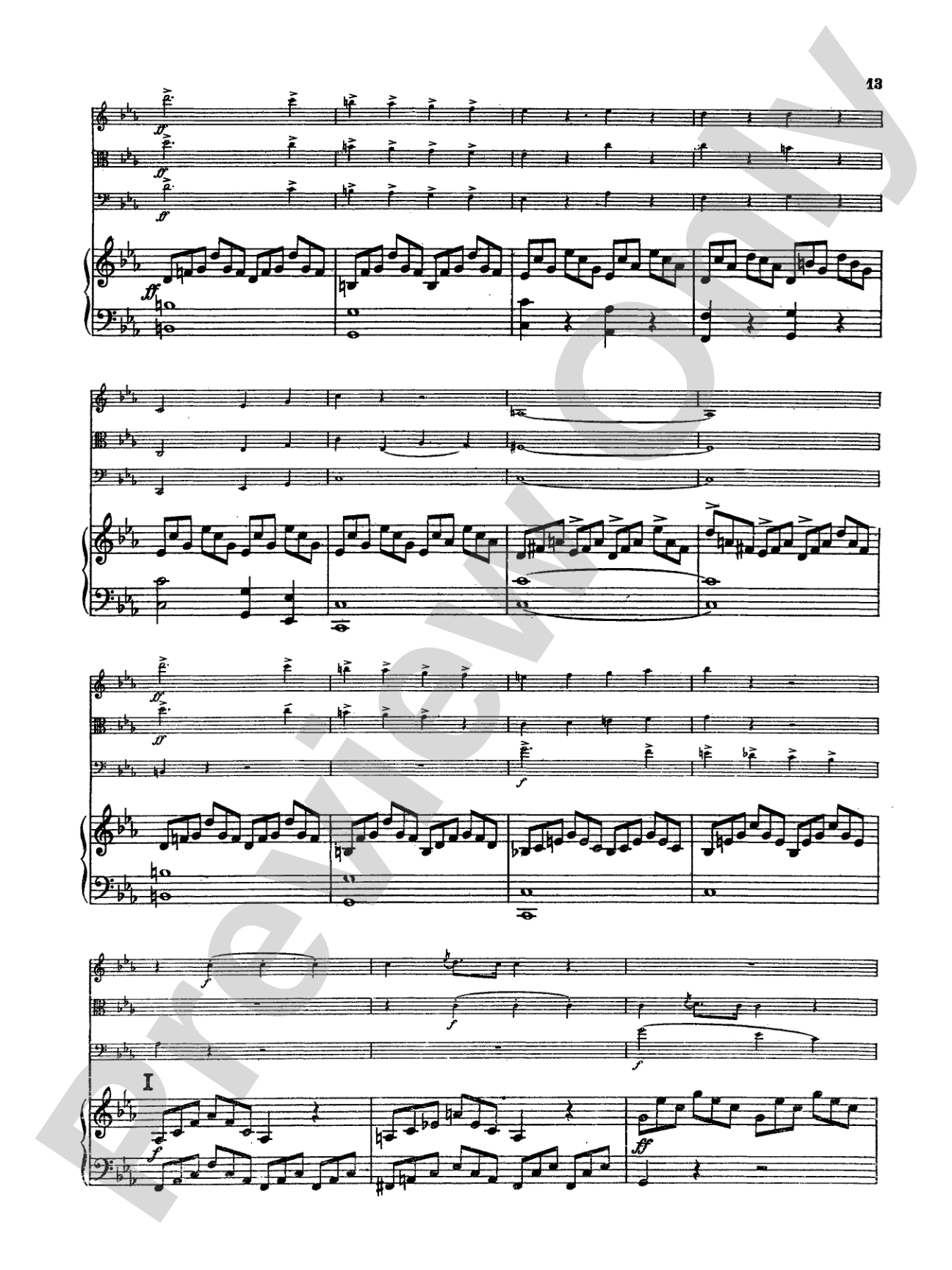
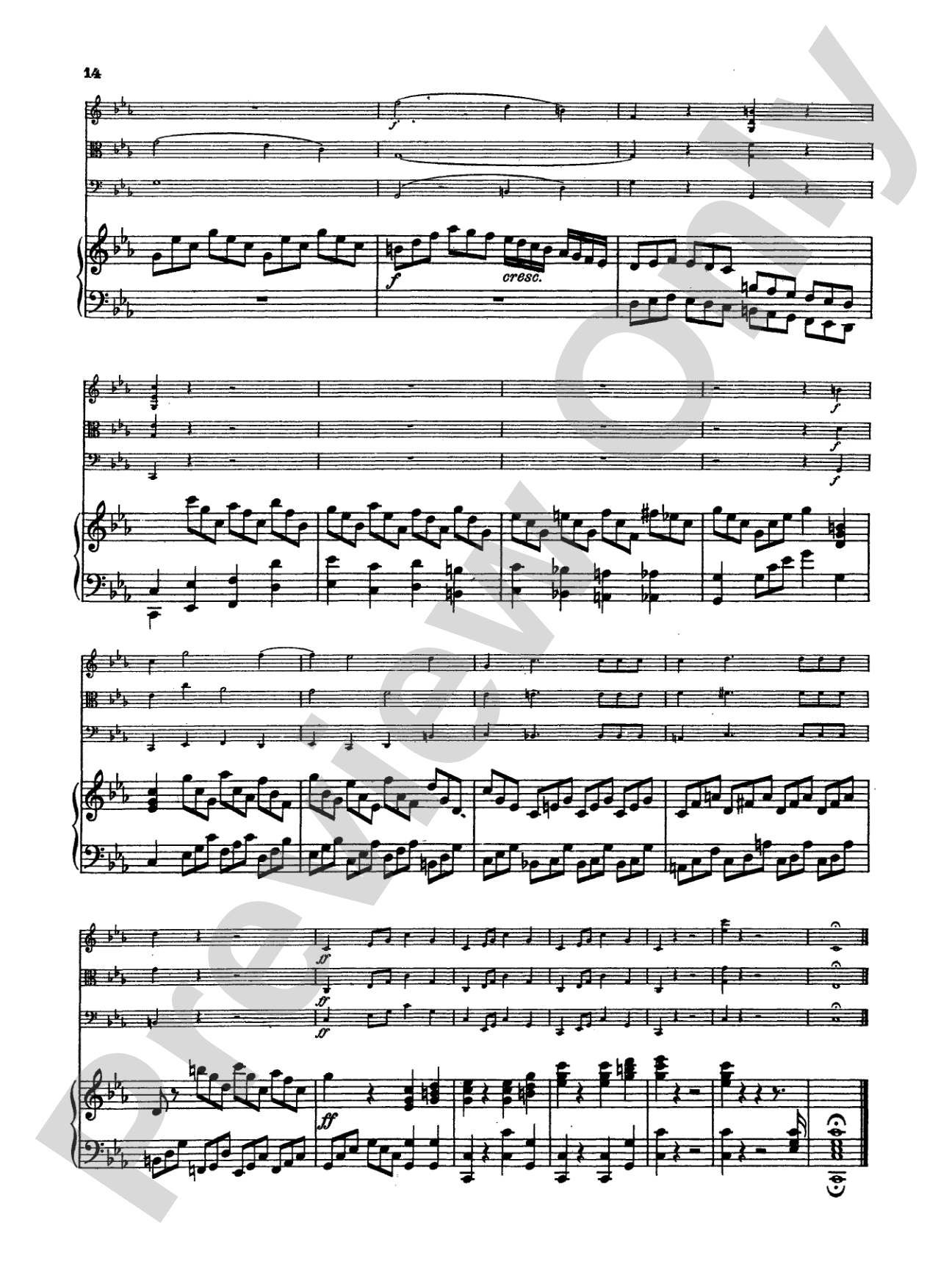
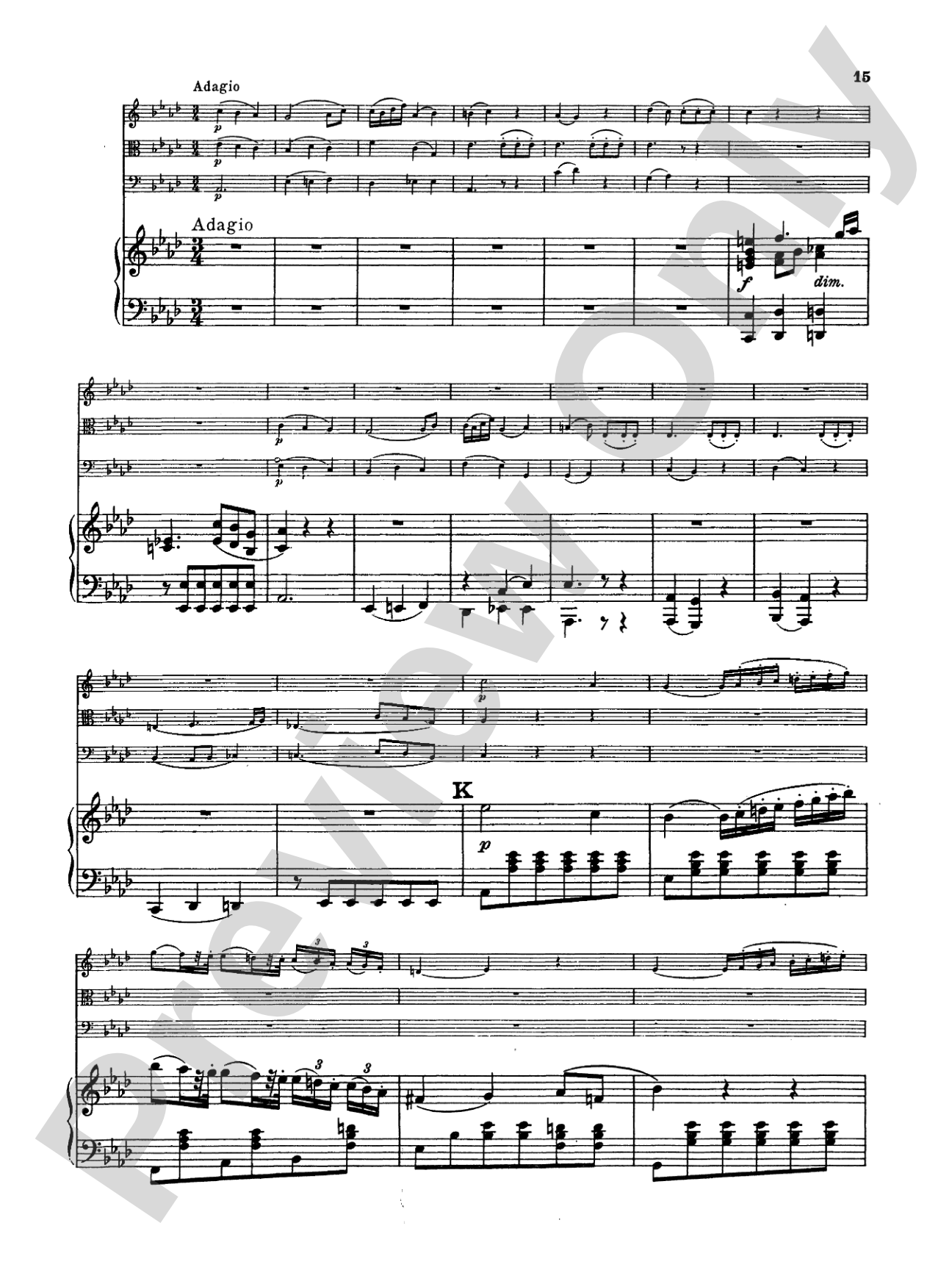
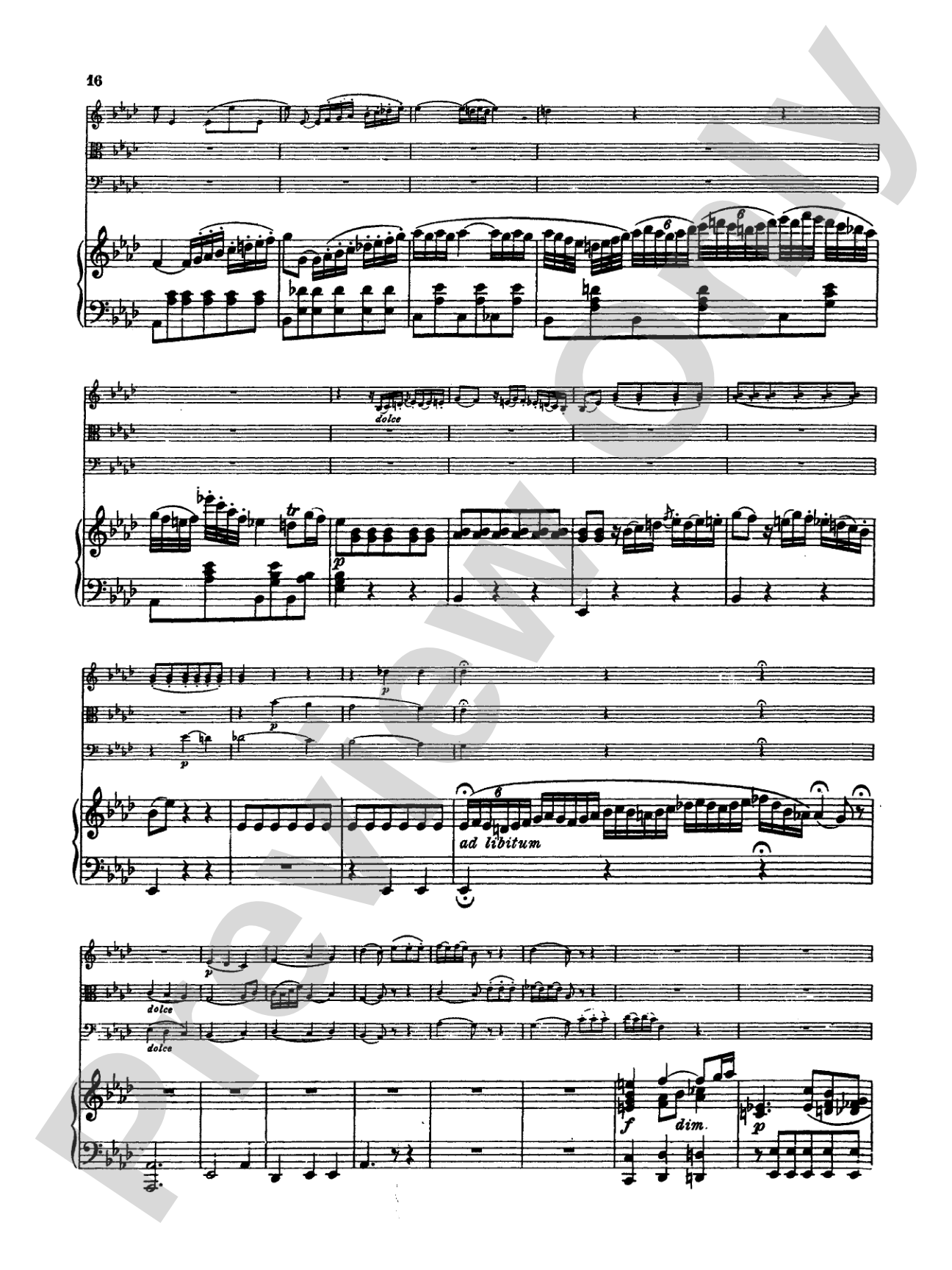
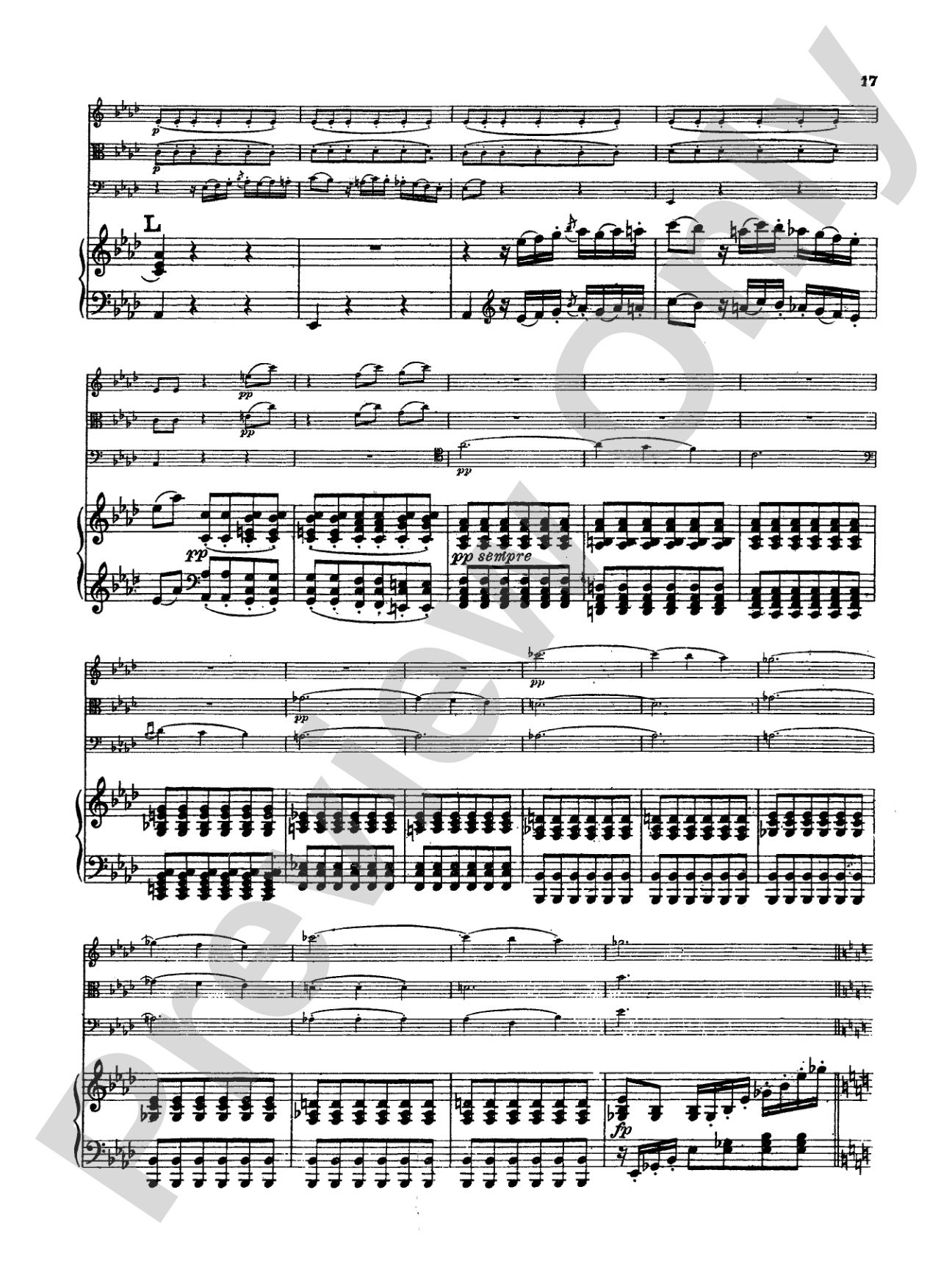
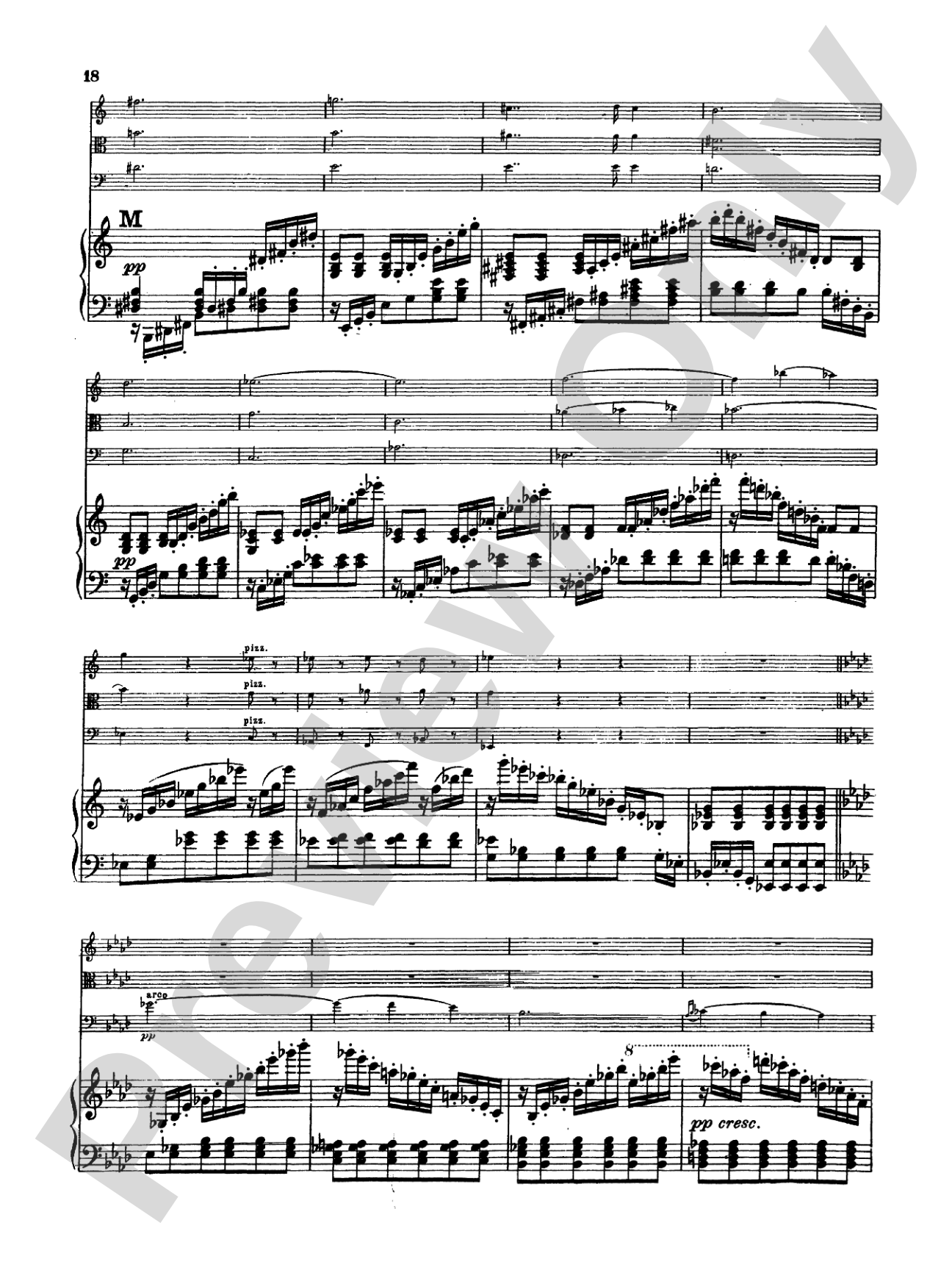
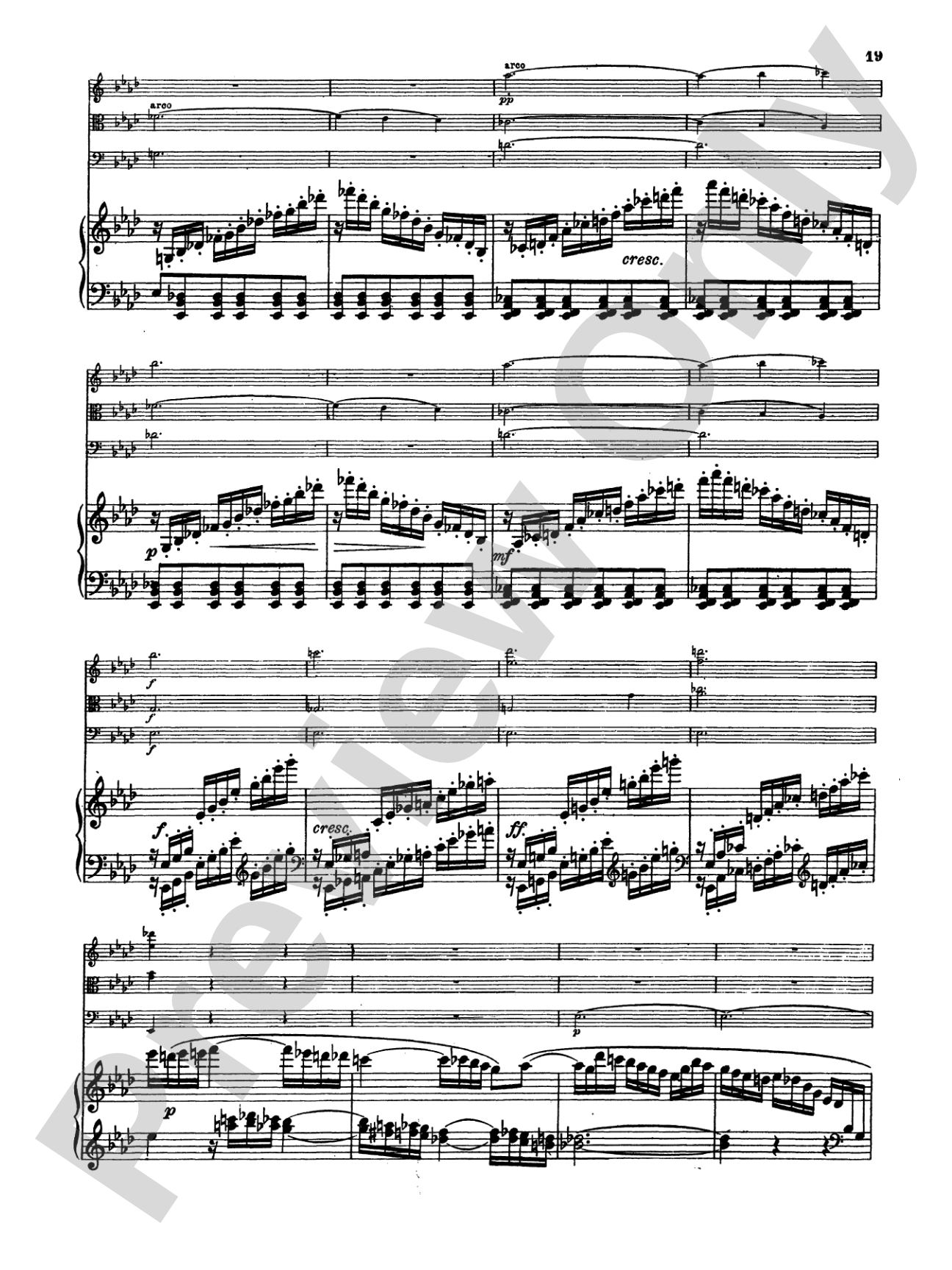
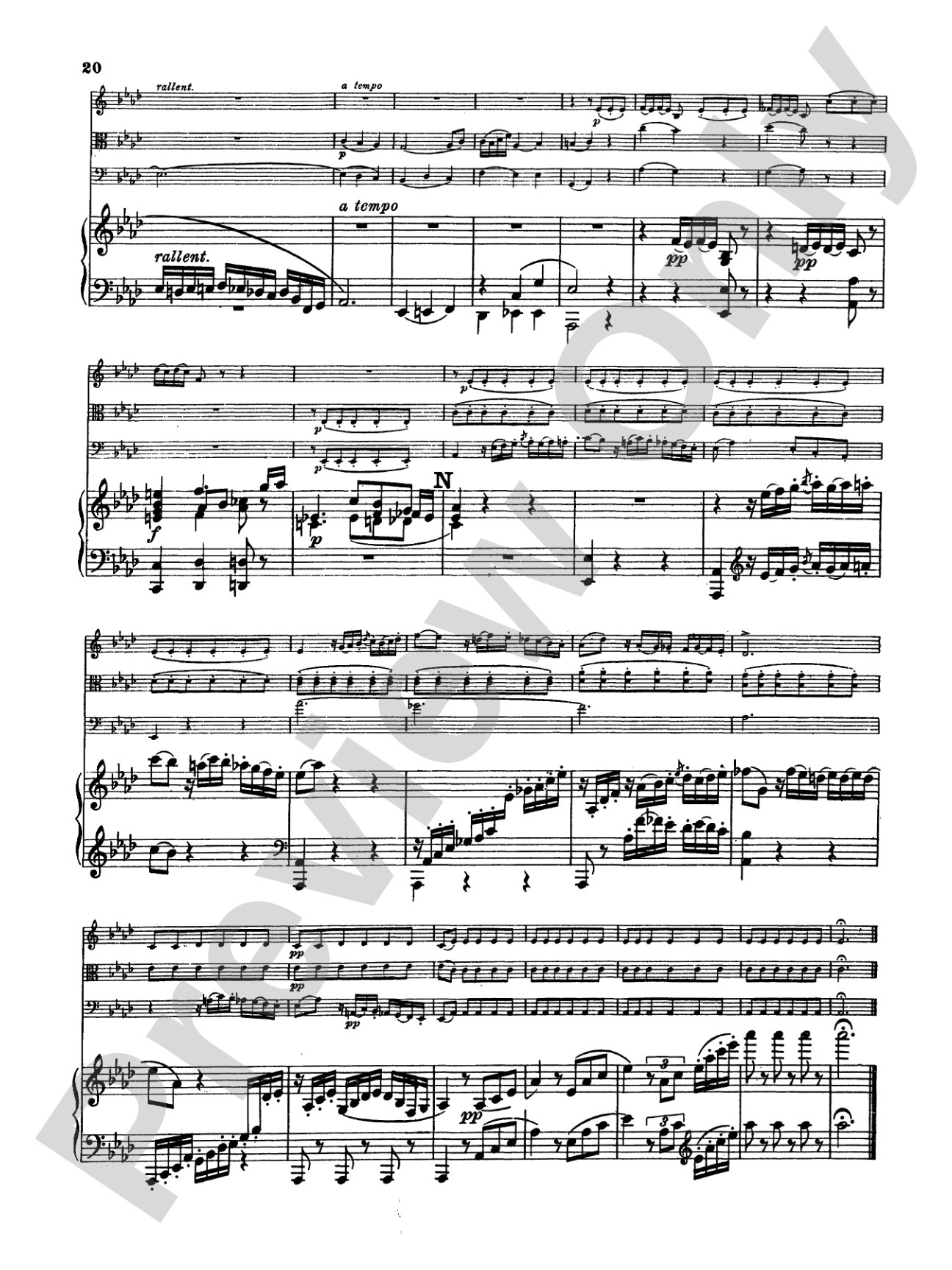
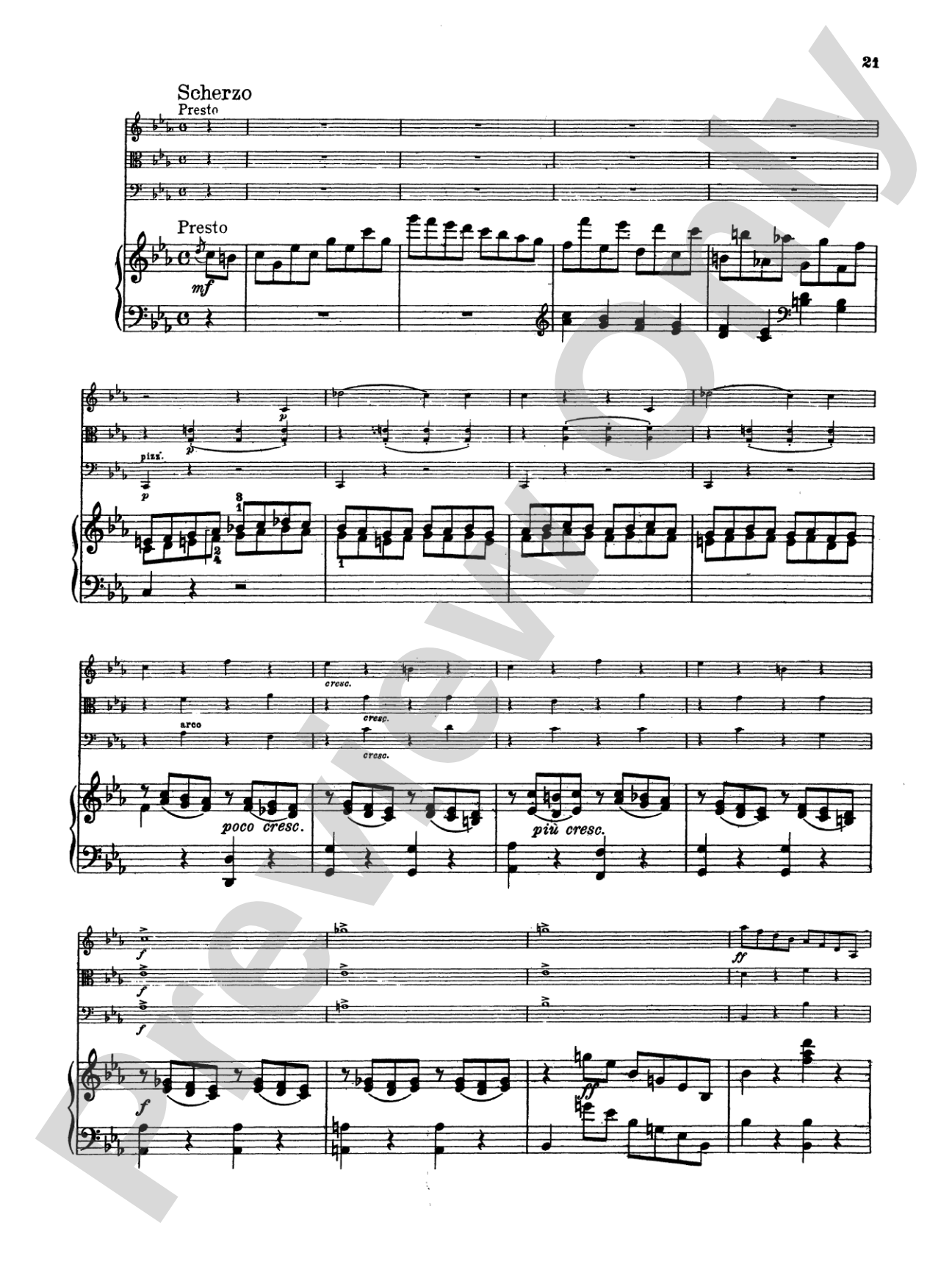
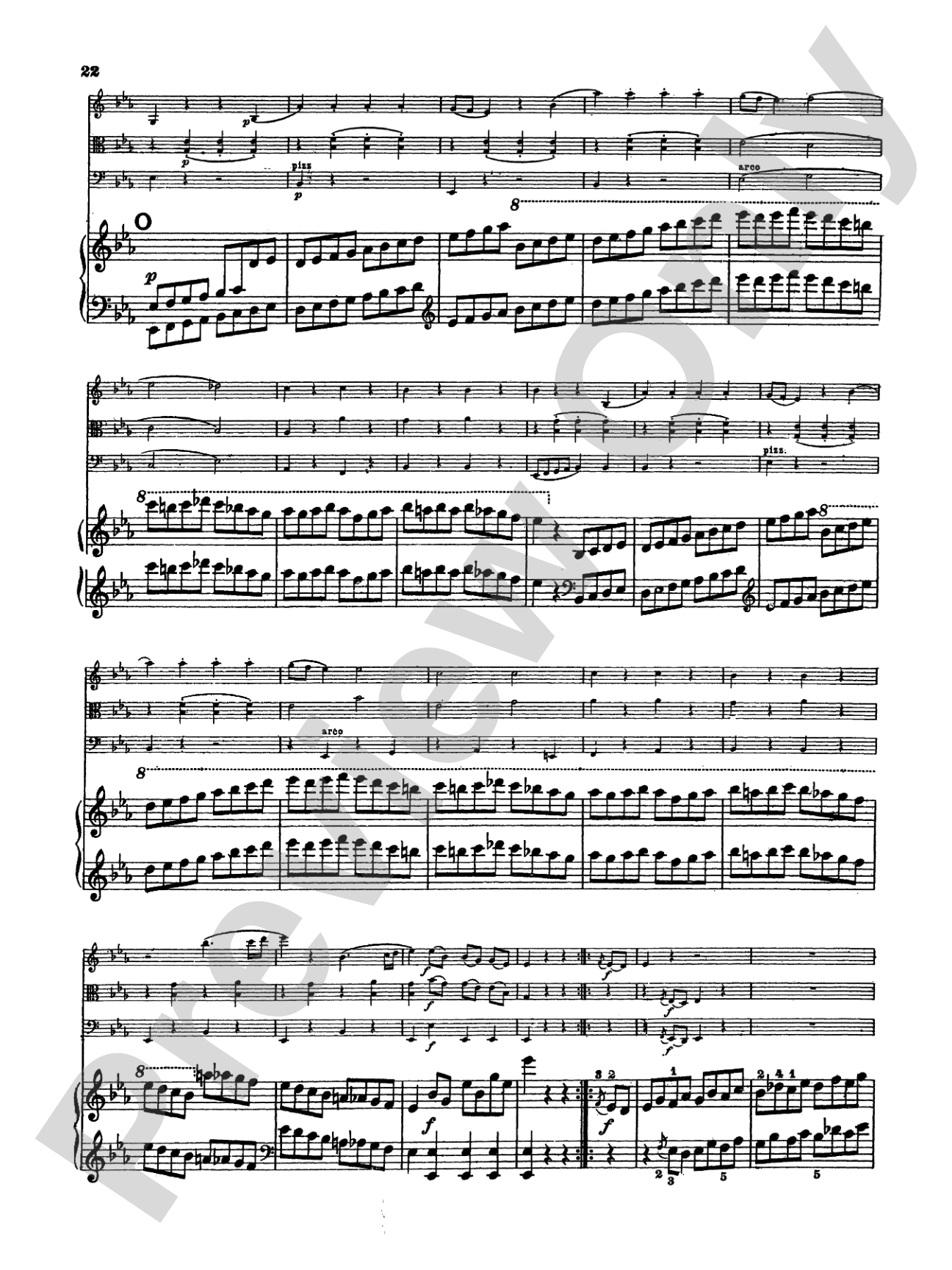
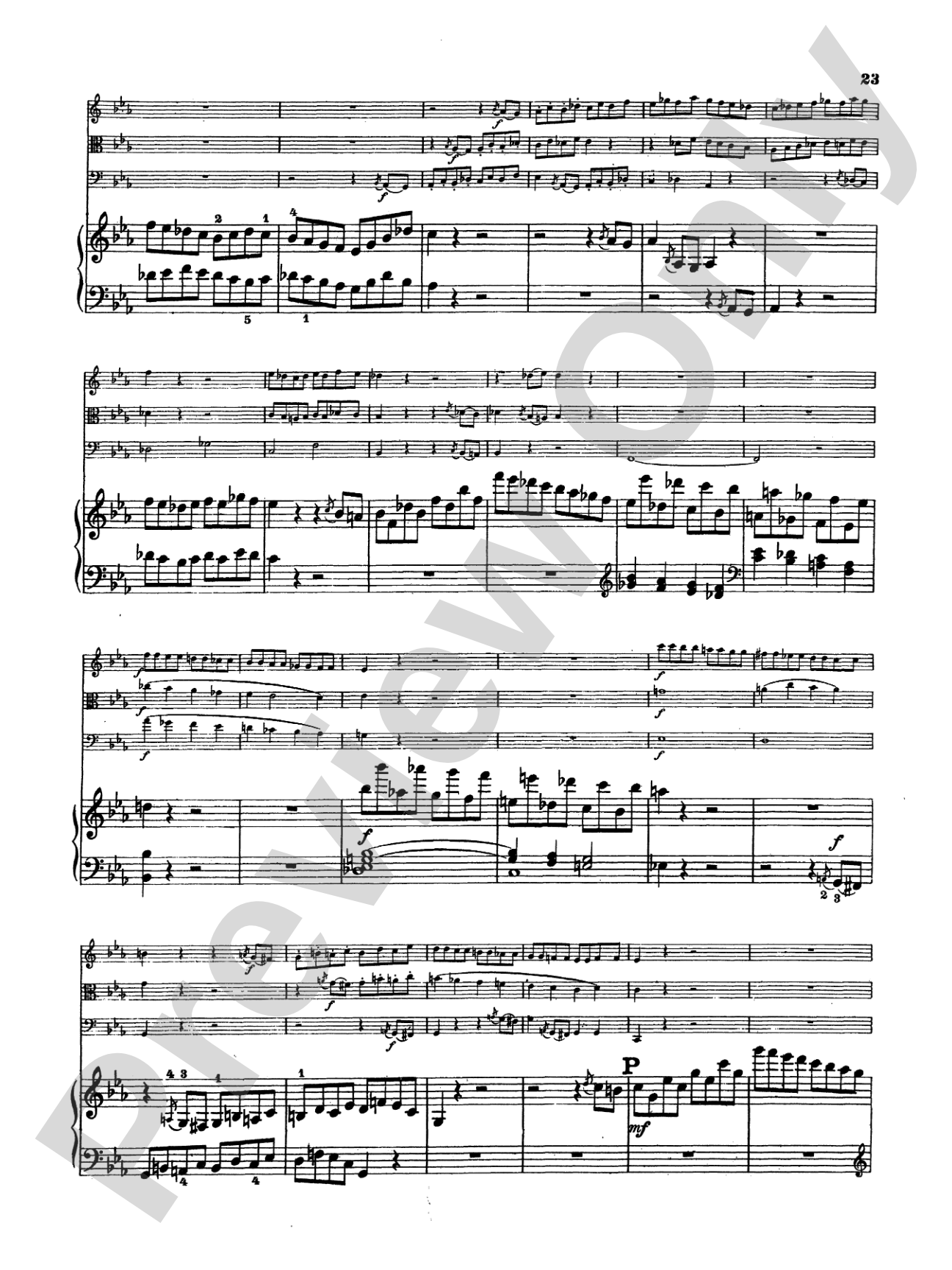
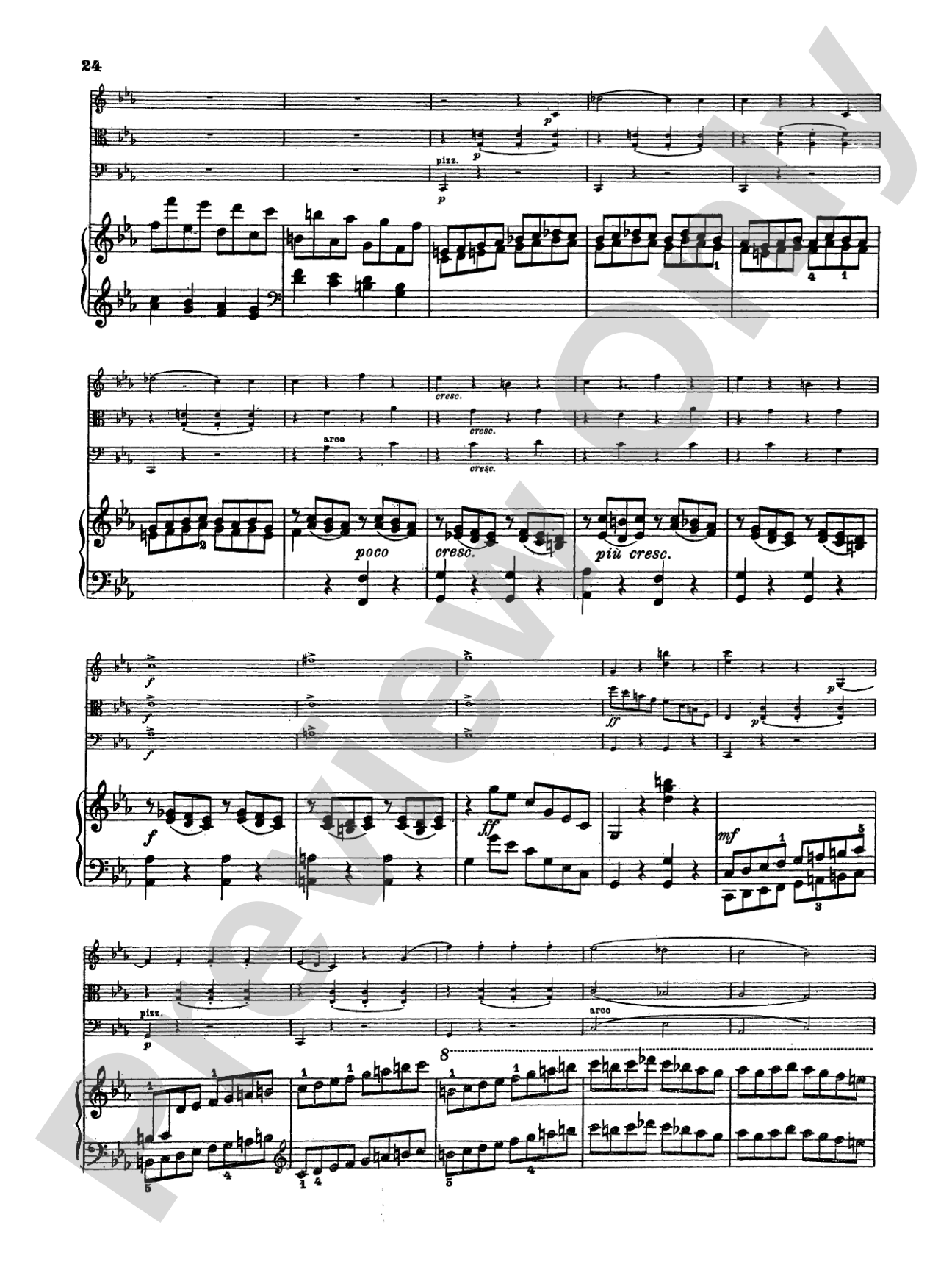
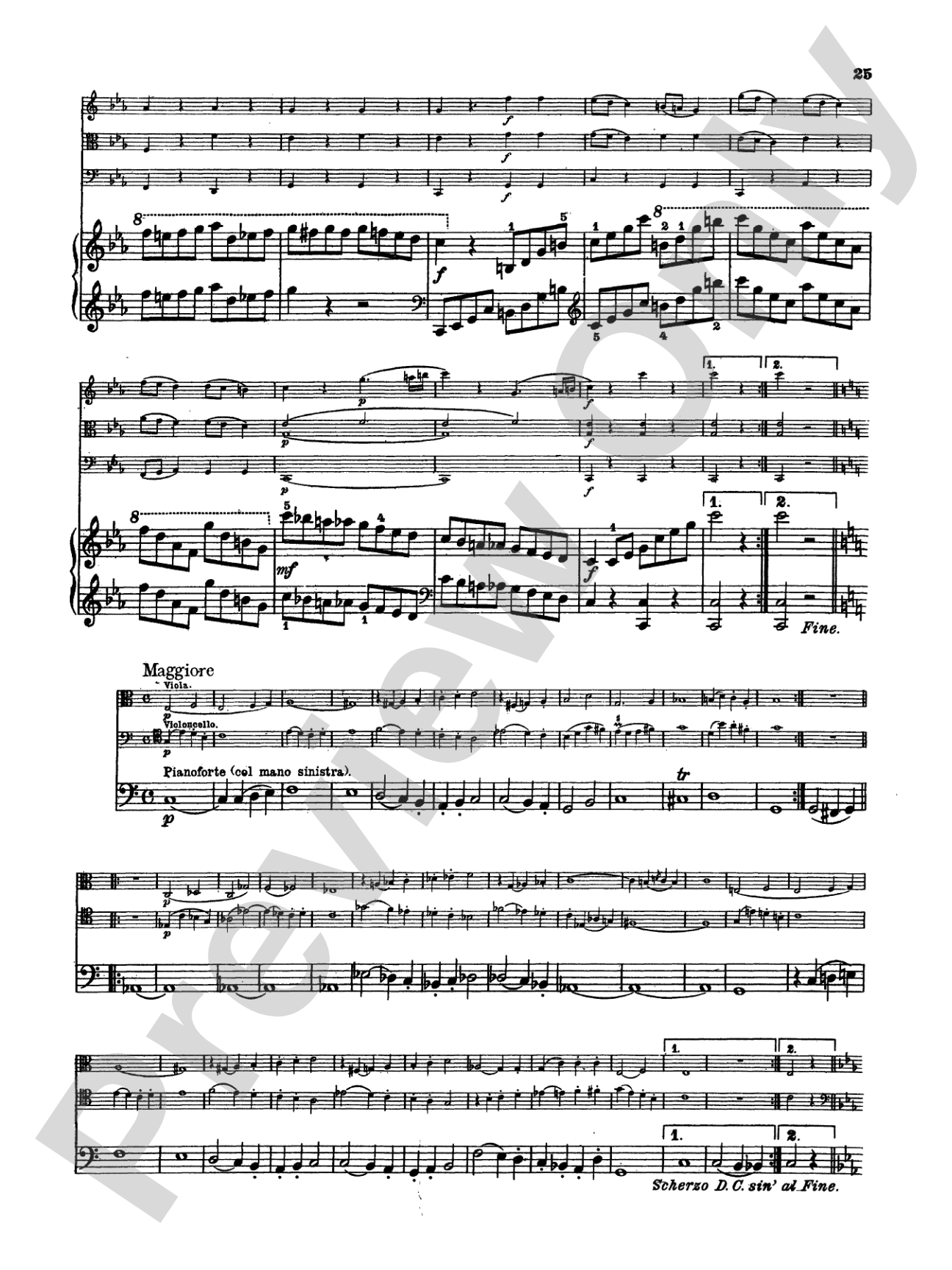
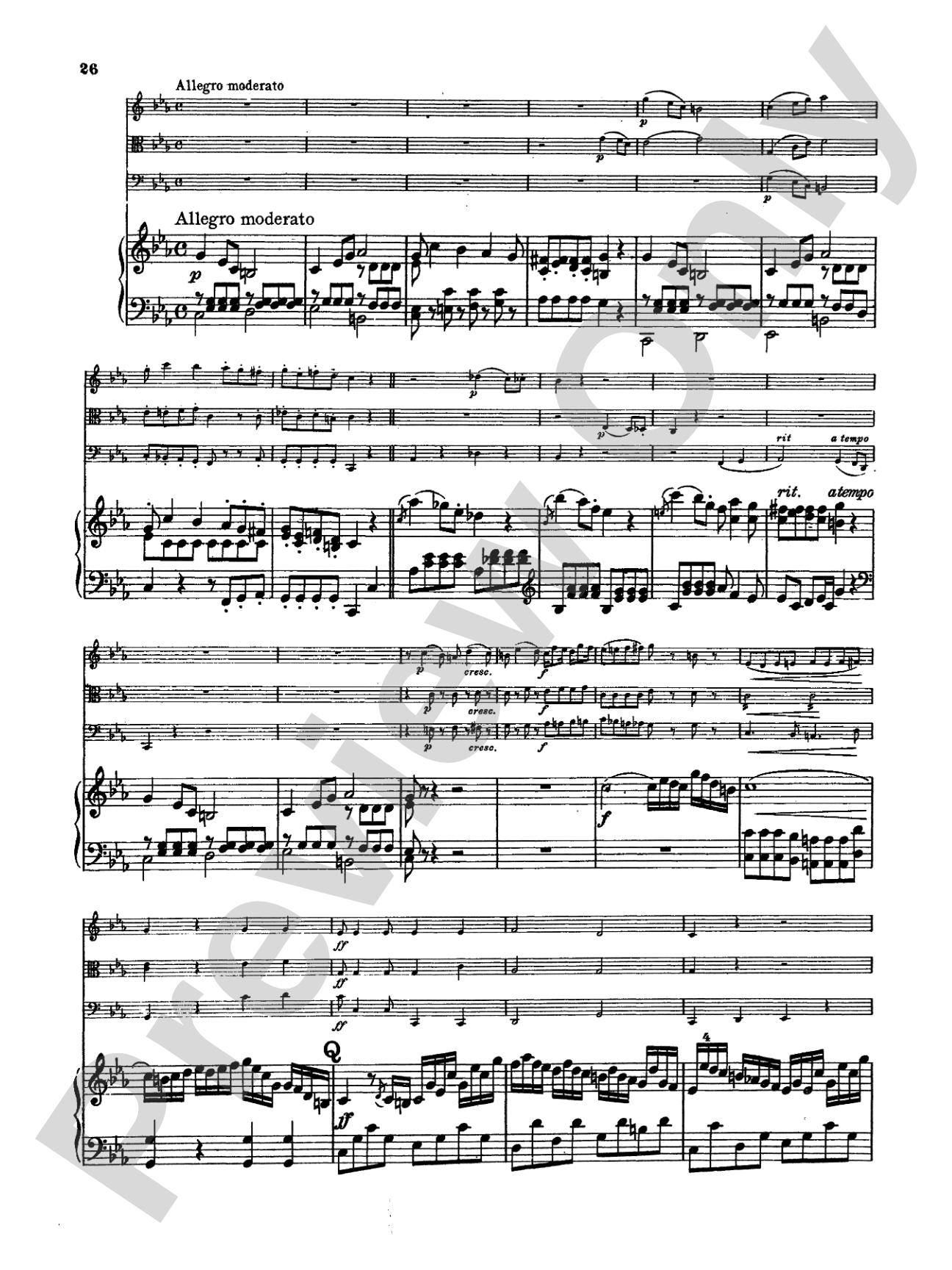
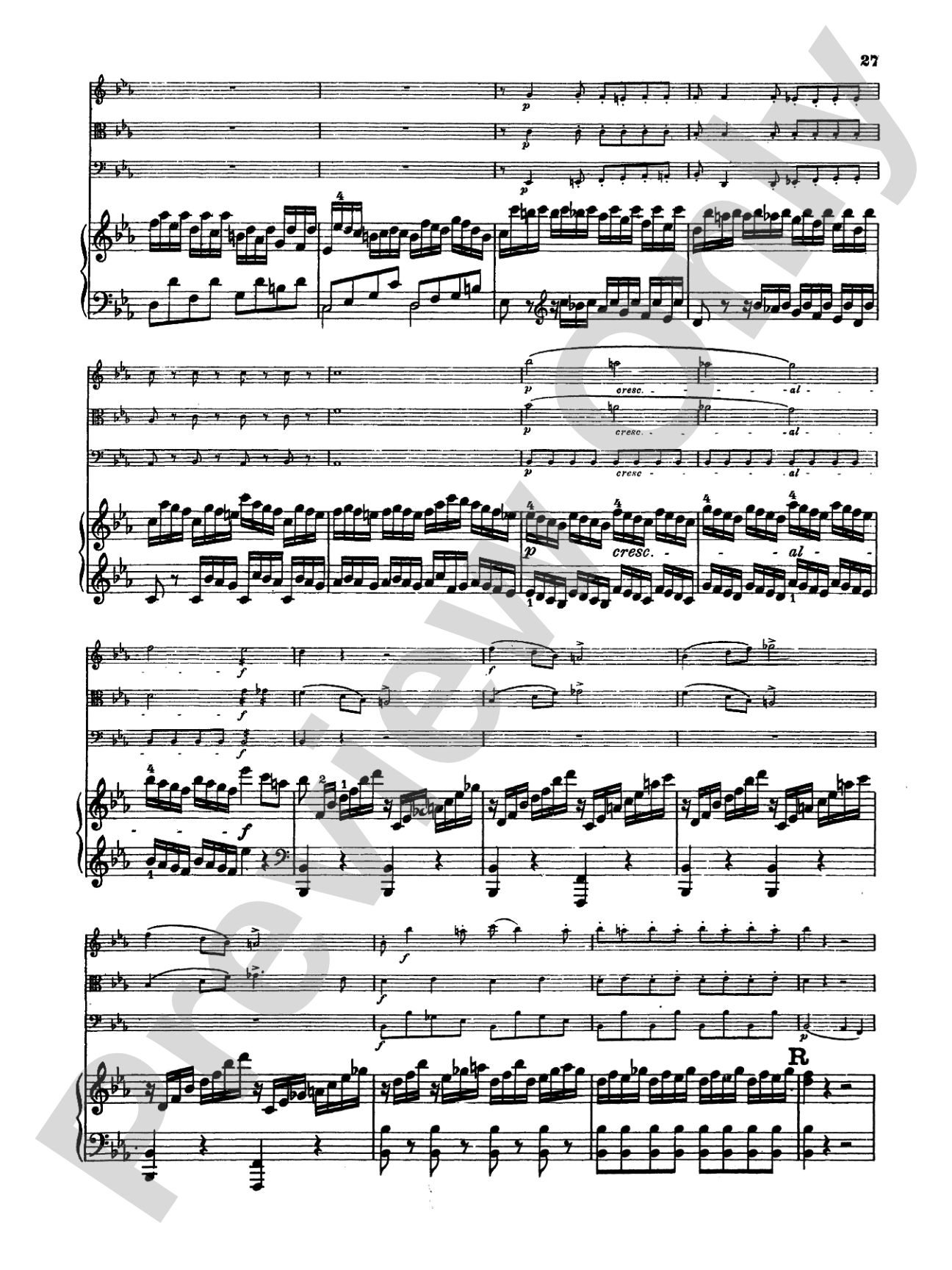
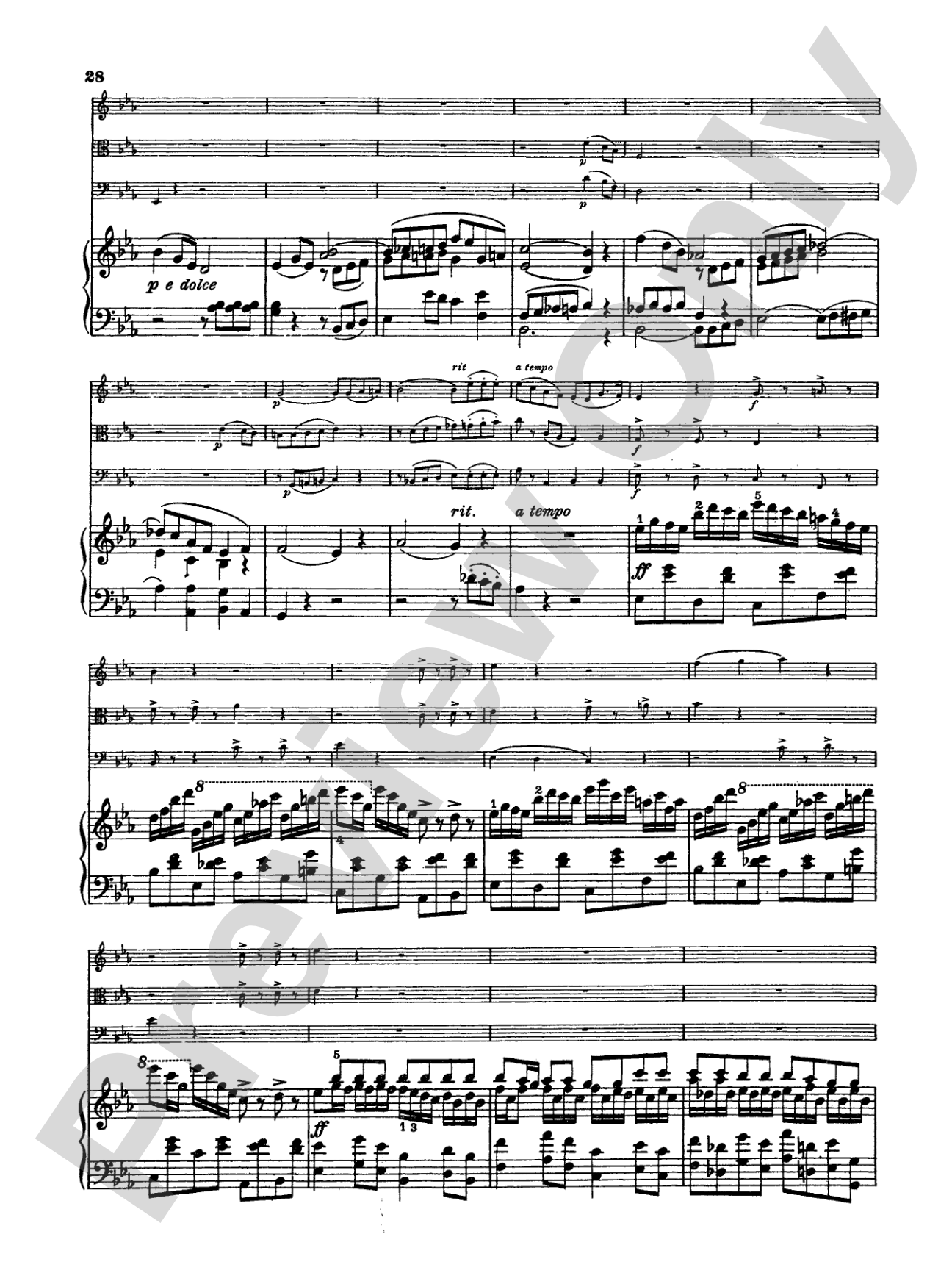
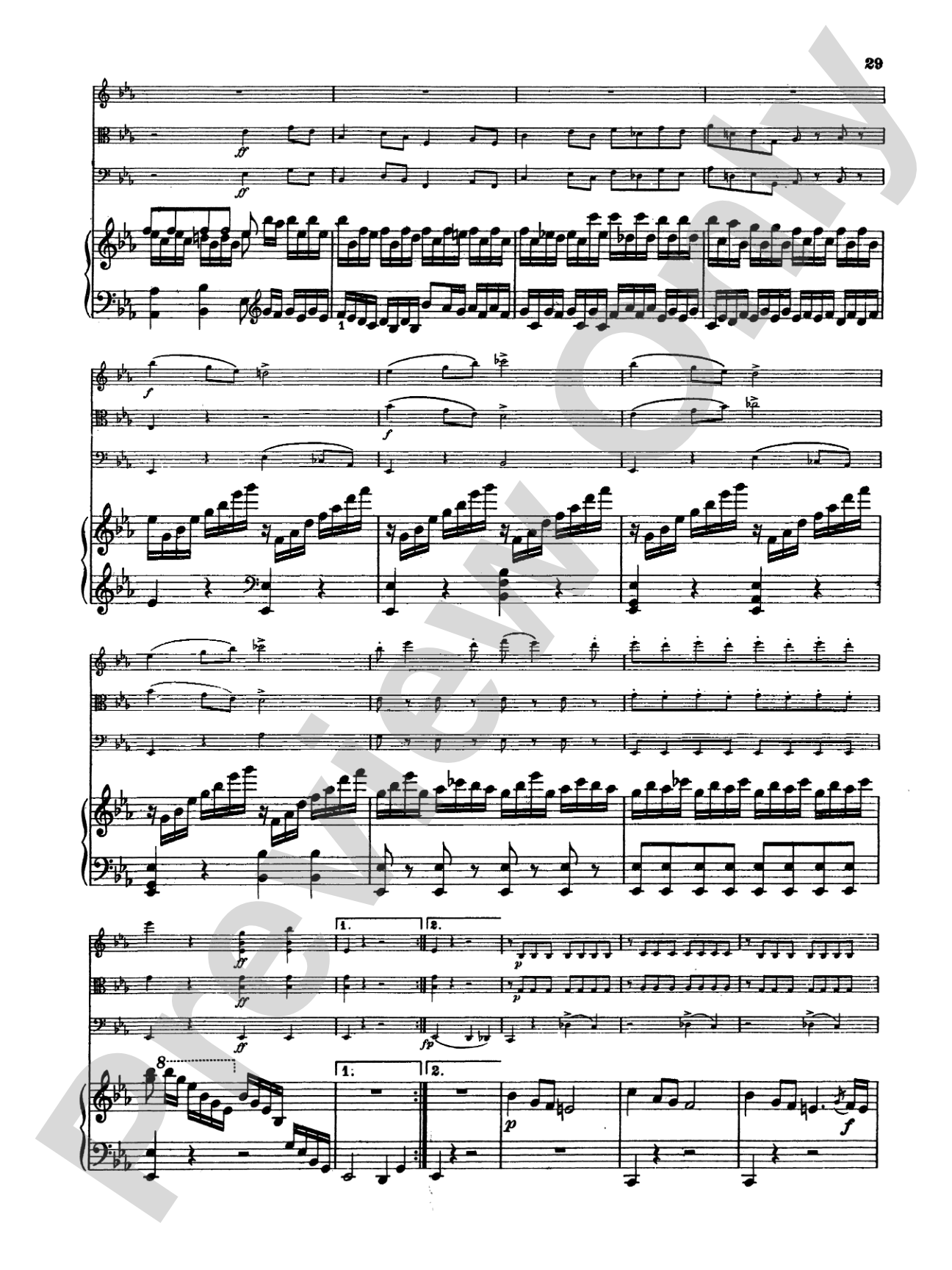
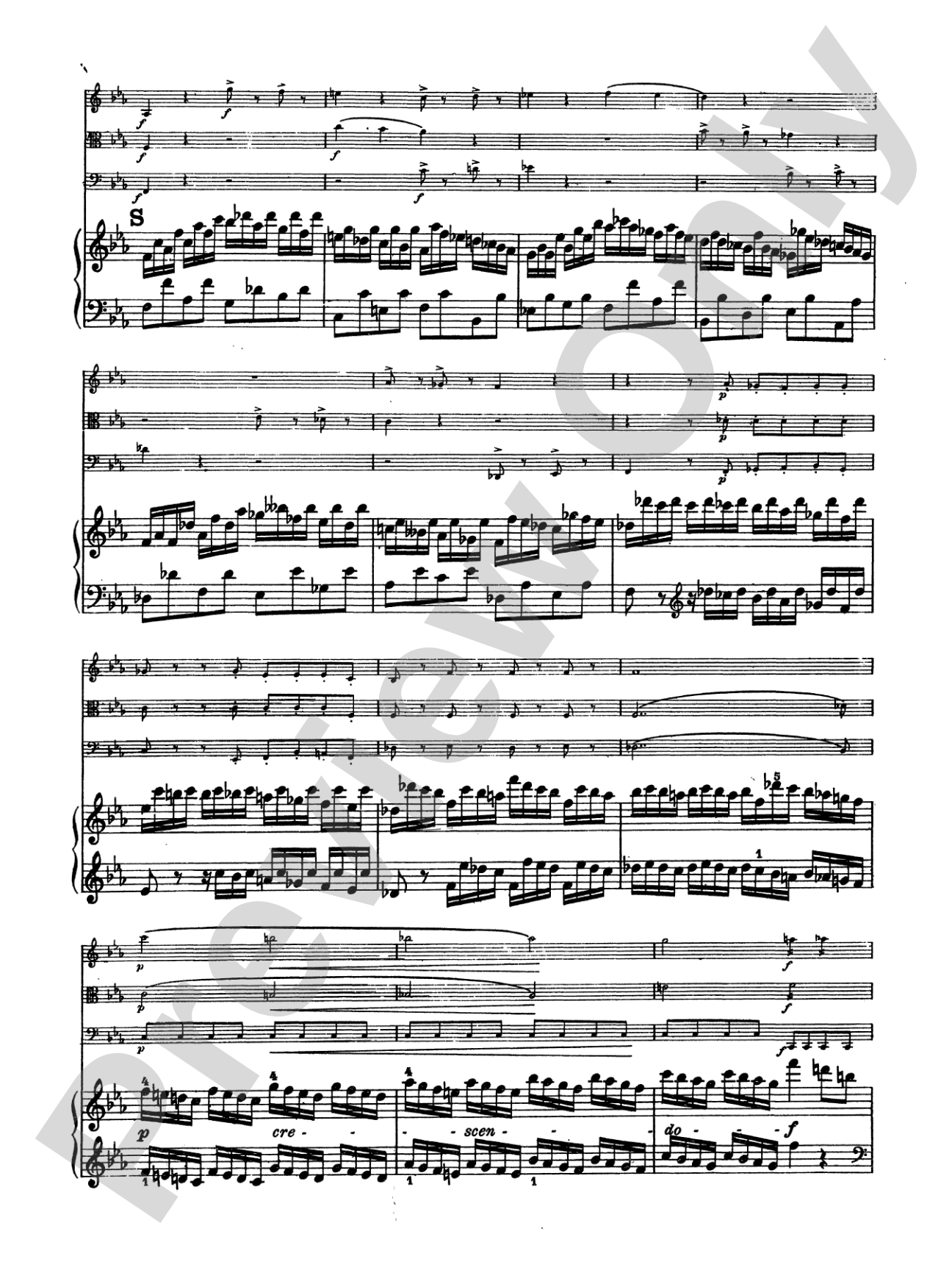
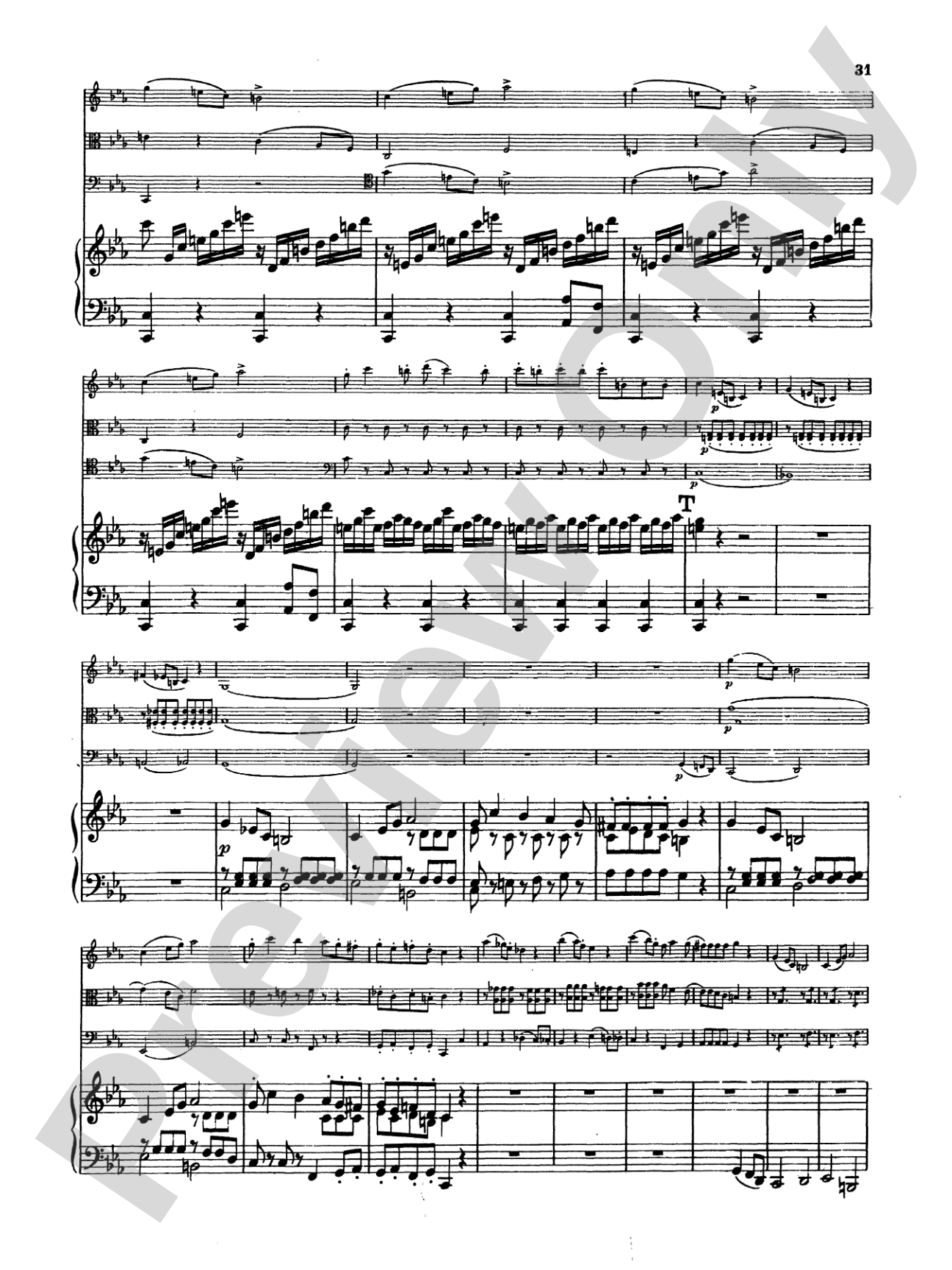
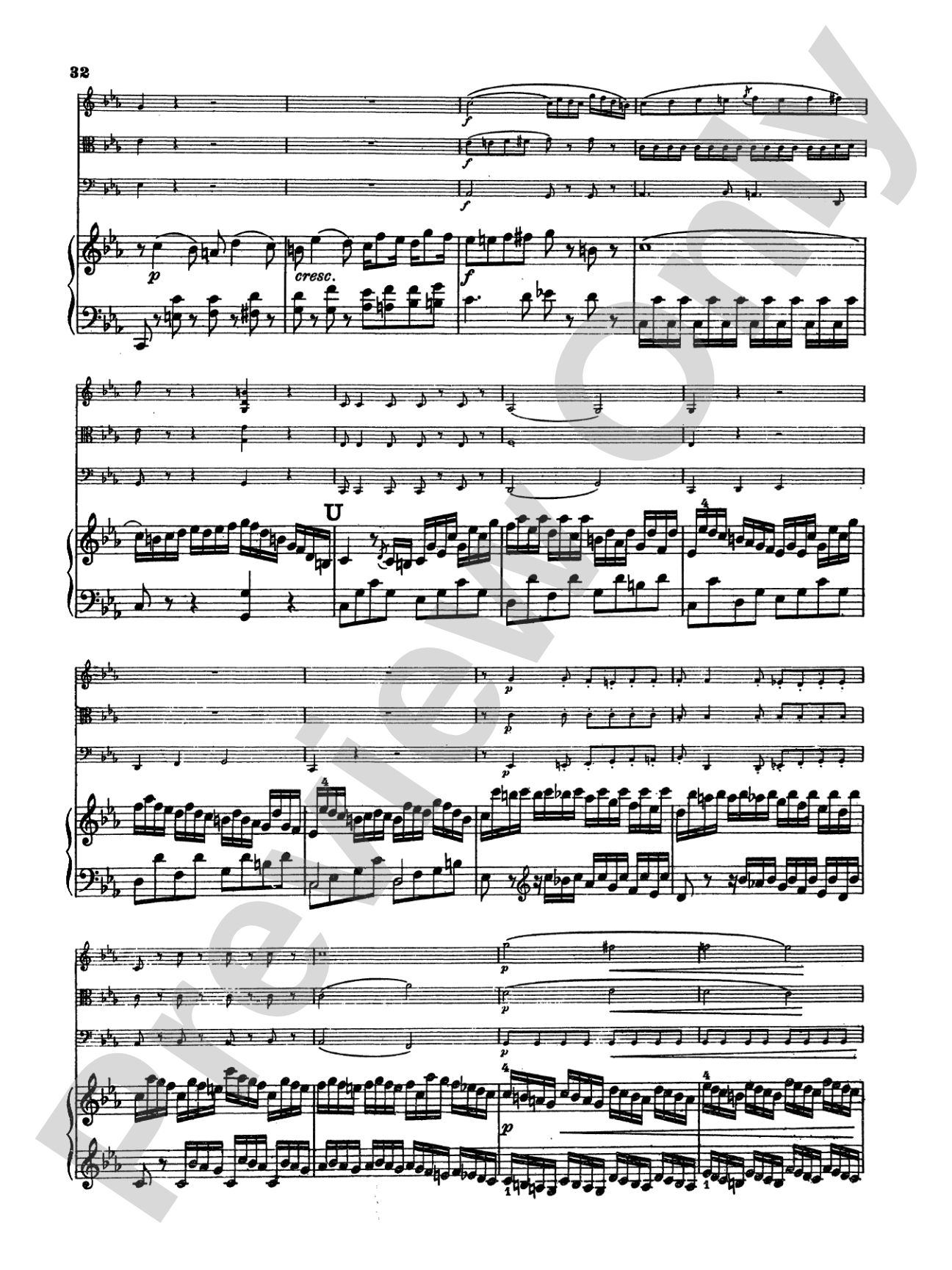
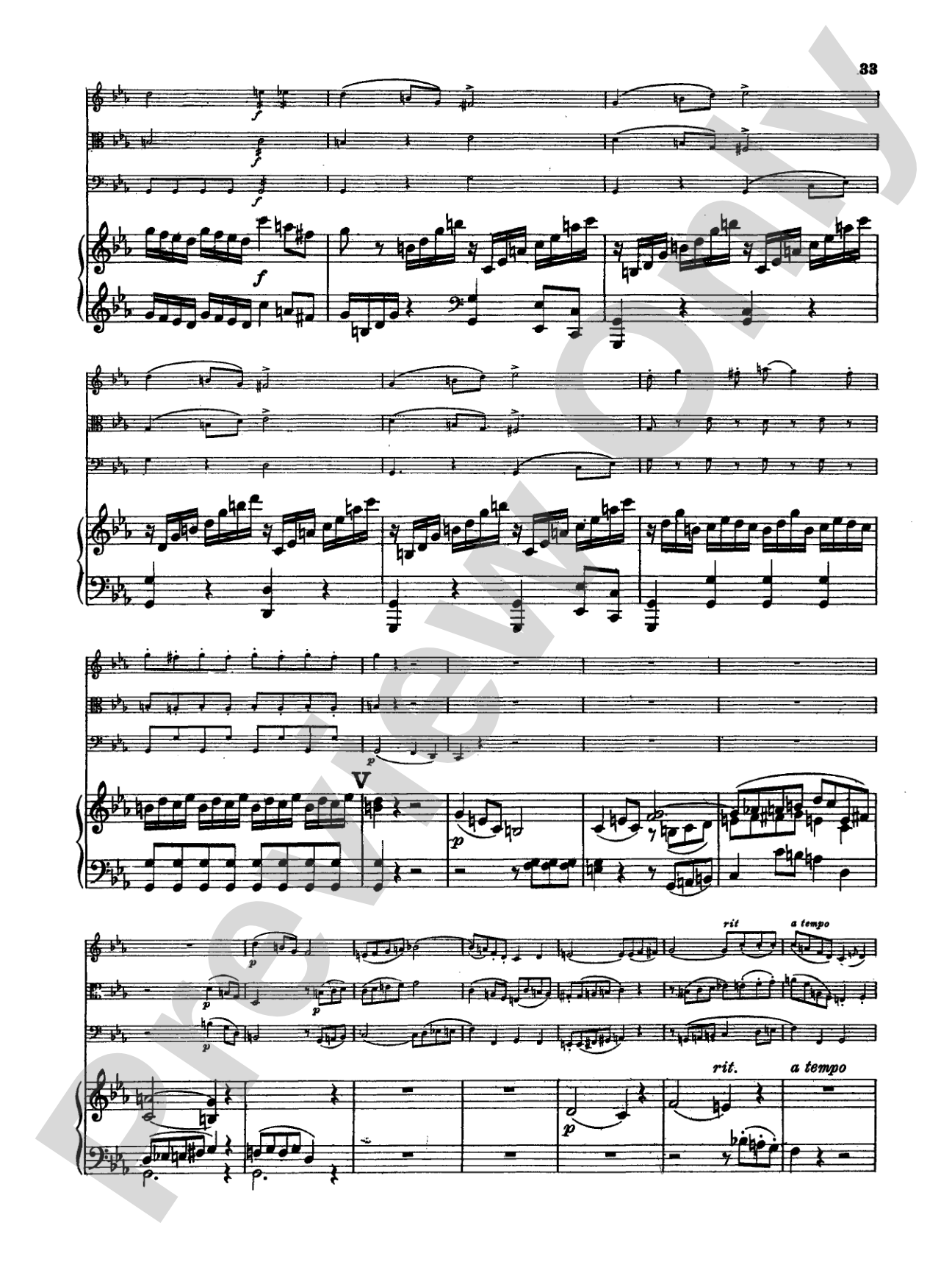
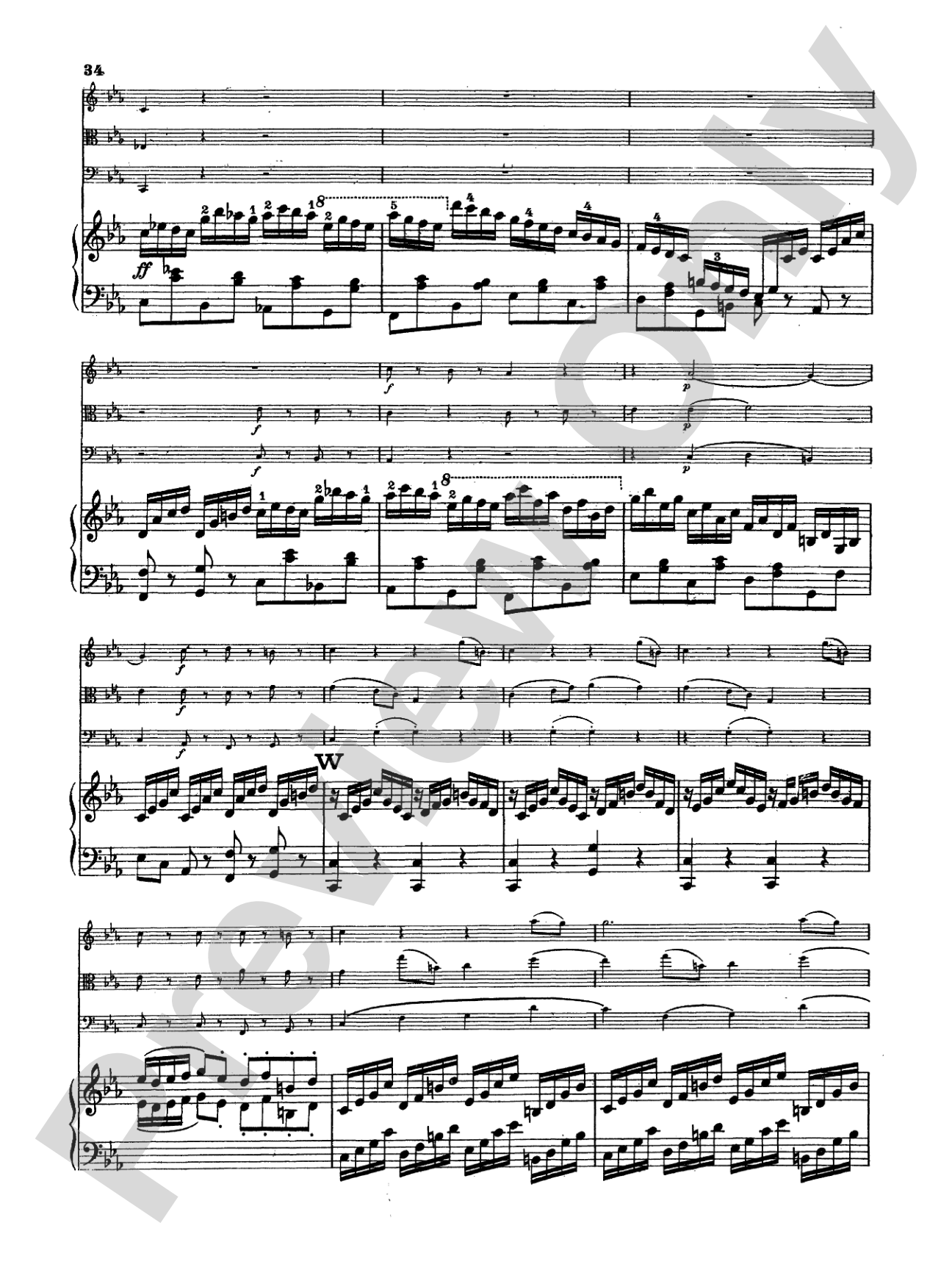
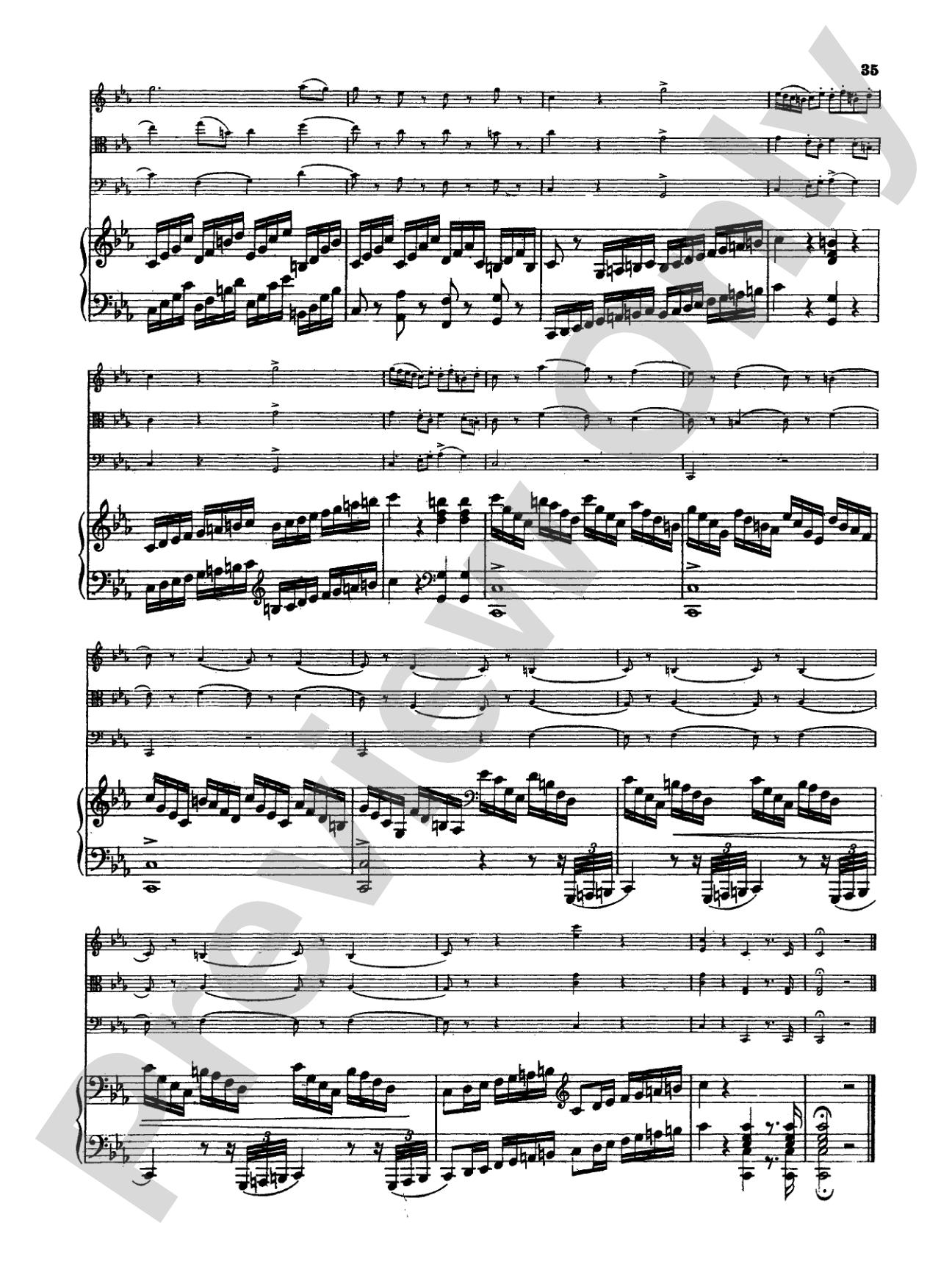


Mendelssohn: Piano Quartet No. 1 in C Minor, Op. 1: Chamber Quartet Book
By Felix Mendelssohn
Item: 00-PK-0003841
$16.95
Pickup currently not available
Buy Extra Parts (Digital PDF Download)
| Product | Price | Quantity |
|---|---|---|
| Mendelssohn: Piano Quartet No. 1 in C Minor, Op. 1 | $15.95 |
Parts Added to Cart!
Related Items
Piano Quartet No. 1 in C Minor, Opus 1: Chamber Quartet Book |
$16.95
|
View |
Description
A quartet for Piano, Violin, Viola, and Cello expertly composed by Felix Mendelssohn.


Mendelssohn: Piano Quartet No. 1 in C Minor, Op. 1: Chamber Quartet Book isn't in MakeMusic Cloud just yet...but it could be. Let us know you'd like to see it, and you'll help shape what comes next. In the meantime, start a free trial and dive into thousands of interactive titles your students can play along with today.
Request This Title
Tell us you want it.
Start Your Free Trial
Explore everything that's ready to play right now.
Sample Audio
No sample audio found.
Sample Video
No sample videos found.
Additional Details
Series:
Kalmus Edition
Publisher:
Alfred Music
Page Count:
60
SKU:
00-PK-0003841
More about this title
About the Composer: Felix Mendelssohn
Felix Mendelssohn (1809-1847) brought a distinctive lyrical sensibility to Romantic chamber music, drawing on Classical form while infusing it with emotional depth and harmonic innovation. His early works, including the Piano Quartet No. 1 composed in his teenage years, already display the maturity and craftsmanship that would define his compositional legacy across symphonies, concertos, oratorio, and intimate chamber works.
Mendelssohn's music shaped 19th-century taste profoundly. As a conductor, pianist, and educator, he championed both the classical masters and his contemporaries, establishing performance standards that influenced concert life across Europe. His chamber works remain essential to the standard repertoire, valued for their clarity of texture, melodic grace, and structural sophistication.
Why we love this
This quartet sits at a sweet spot for ambitious chamber ensembles: it demands serious musical maturity and technical facility without the immense virtuosity required by later Romantic works. The writing is transparent enough that ensemble balance and intonation become audible to the performers themselves, making it an ideal coaching vehicle for players learning to listen across the quartet texture.
What to expect
The opening movement establishes a brooding, introspective character in C minor before opening into passages of lyrical warmth and Romantic yearning. The quartet balances moments of structural clarity with passages of genuine emotional turbulence, inviting performers into the intimate world of Mendelssohn's imagination during his early creative maturity.
Who it's for
This quartet appeals to advanced chamber ensembles, conservatory students, and competitive festival participants seeking literature that requires serious musicianship but remains playable in a single season. Piano quartets also suit mixed string and keyboard ensembles in educational settings where a pianist and string trio collaborate regularly.
How to get the most out of it
- Balance the piano part carefully against the strings. Mendelssohn's keyboard writing is integral to the harmonic and textural fabric, not merely accompaniment; resist the temptation to pull back.
- Attend to the inner voices, particularly the viola line. This quartet relies on four-part counterpoint at crucial moments, and neglecting the viola dissolves the compositional intent.
- Shape phrases with subtle rhythmic flexibility rather than strict metronomic precision. Mendelssohn's melodies breathe, and allowing for gentle rubato in lyrical passages deepens the emotional impact.
- Coordinate string entries with the piano in the faster movements. The articulation and release between instruments must align precisely to maintain forward momentum.
How to use it
This work stands as a substantial chamber offering on concert programs featuring mixed strings and keyboard. It pairs naturally with other Romantic-era quartets or can anchor a program exploring Mendelssohn's chamber works across different genres and formats.
Skills your students will build
- Balance and blend across four independent instrumental parts
- Navigating key modulations and harmonic language of the Romantic era
- Coordination between keyboard and string articulation
- Phrasing and interpretation within Classical form structures
- Chamber music ensemble listening and intonation adjustment