
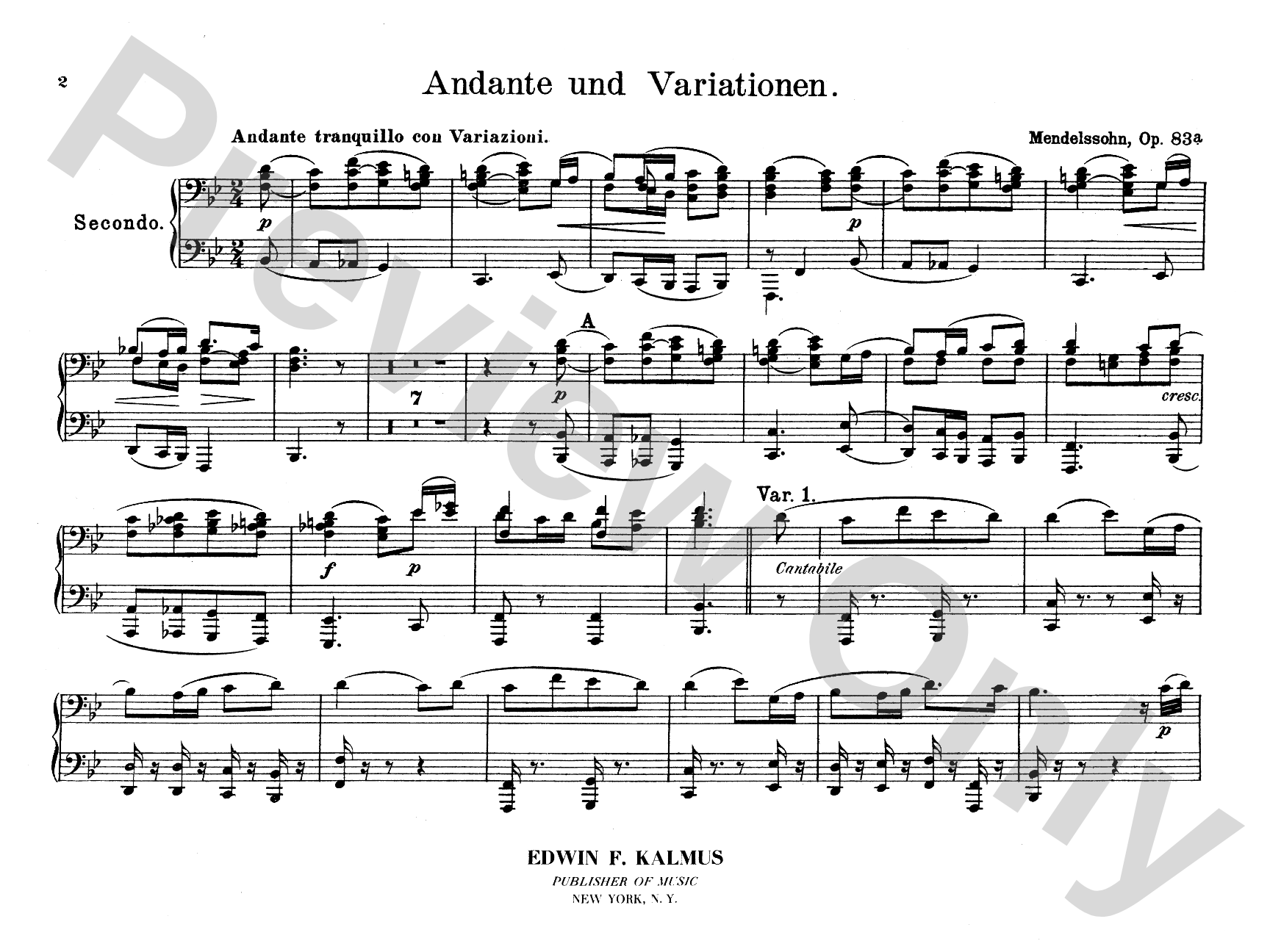
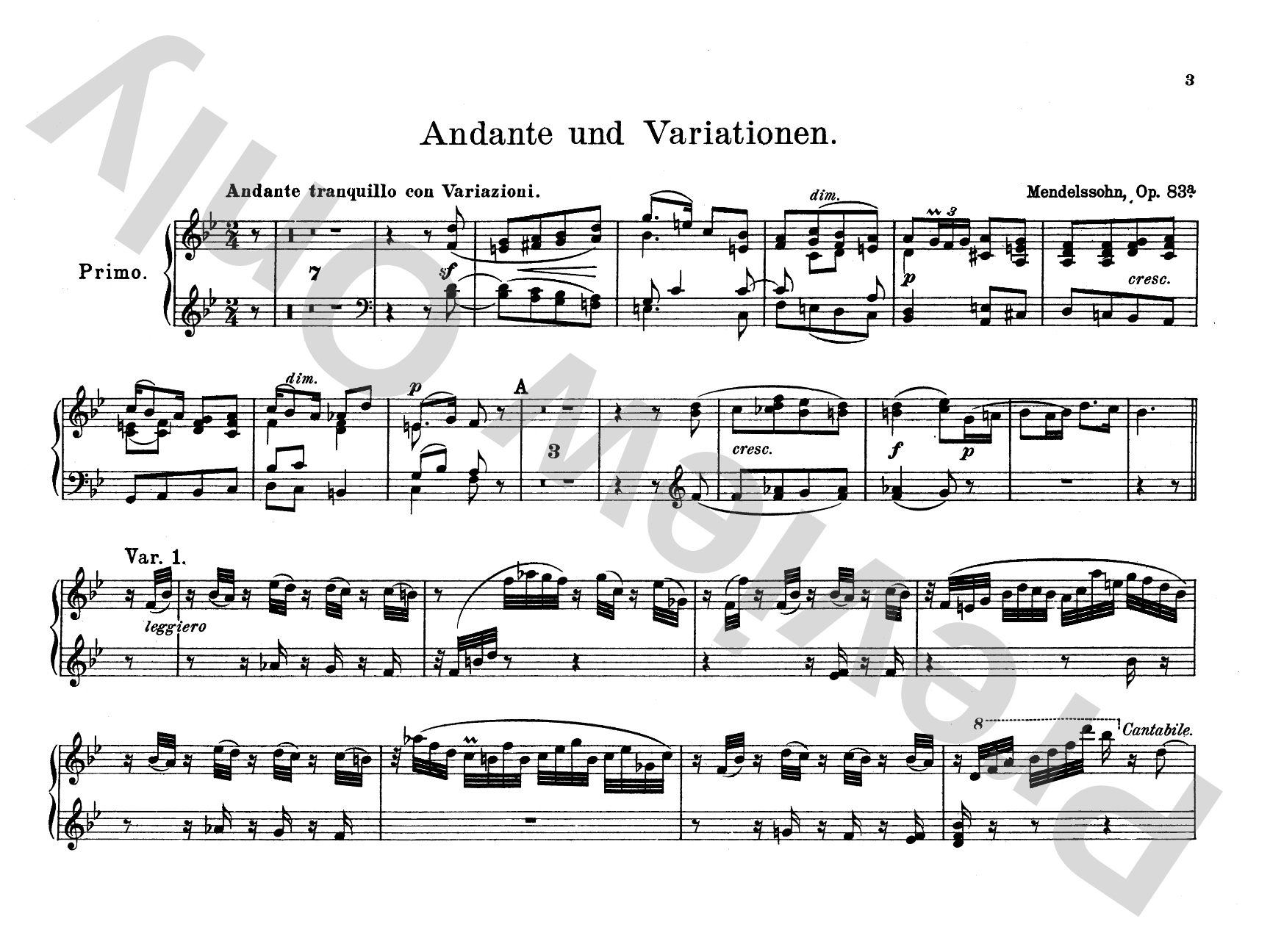
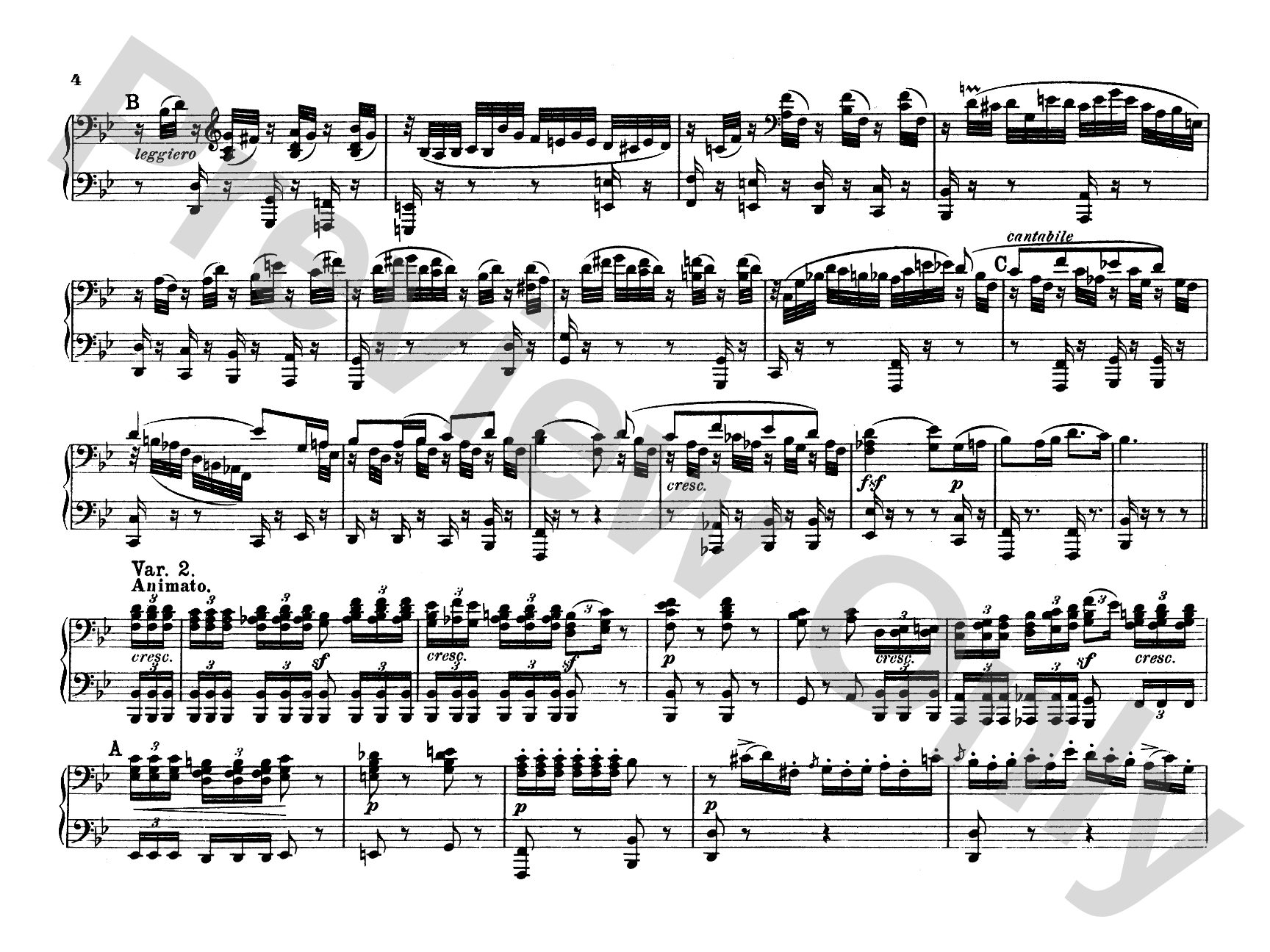
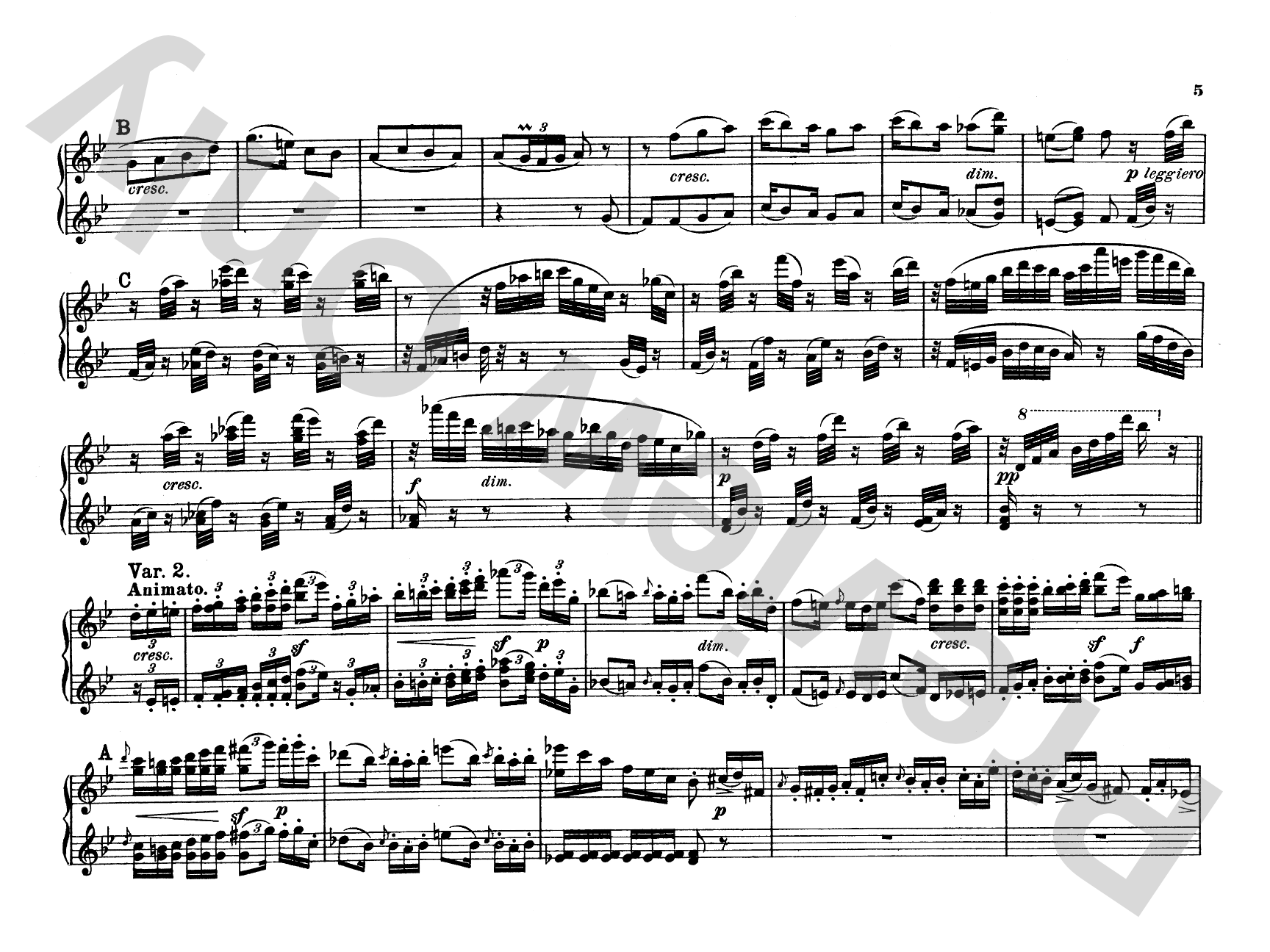
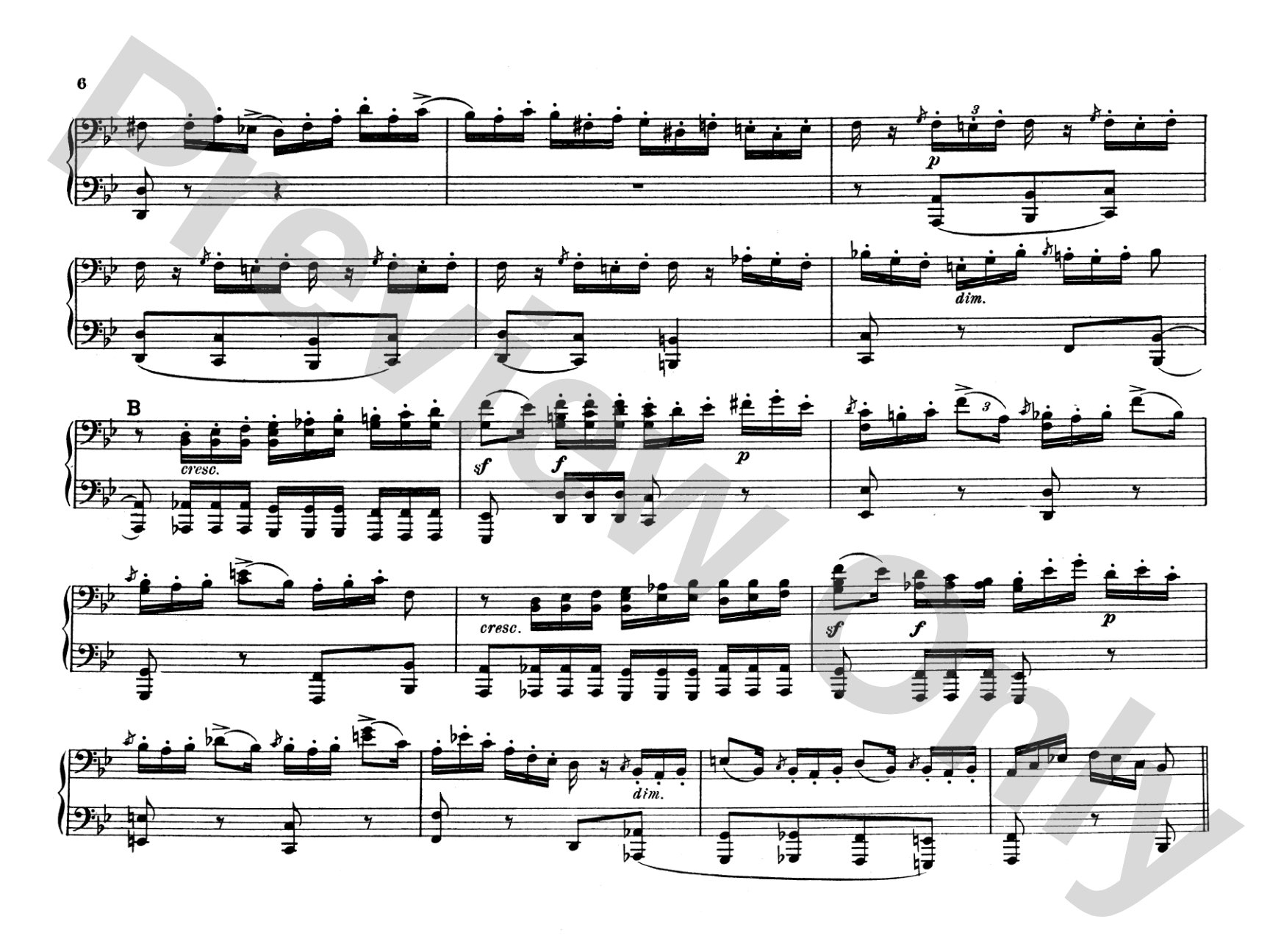
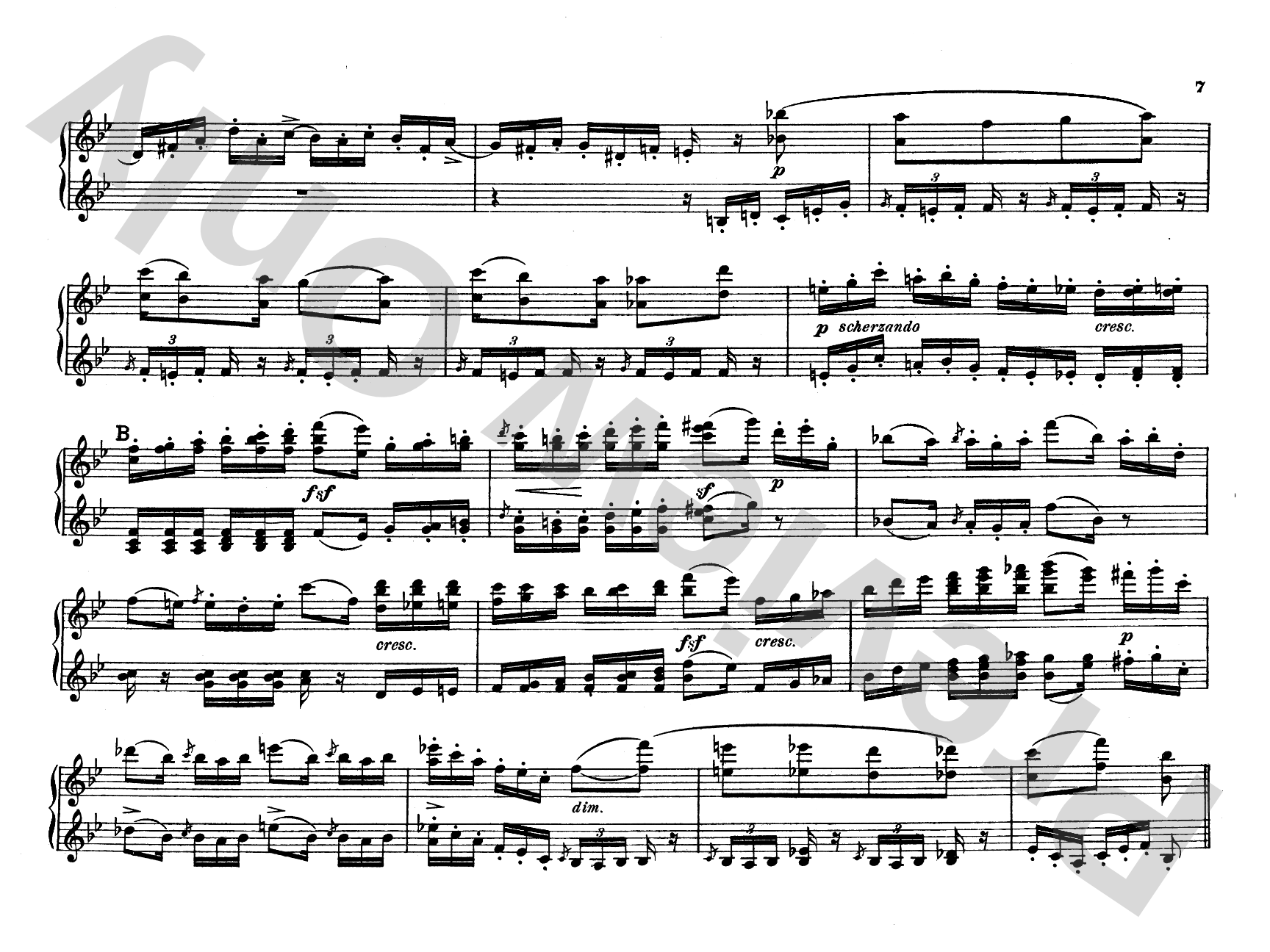
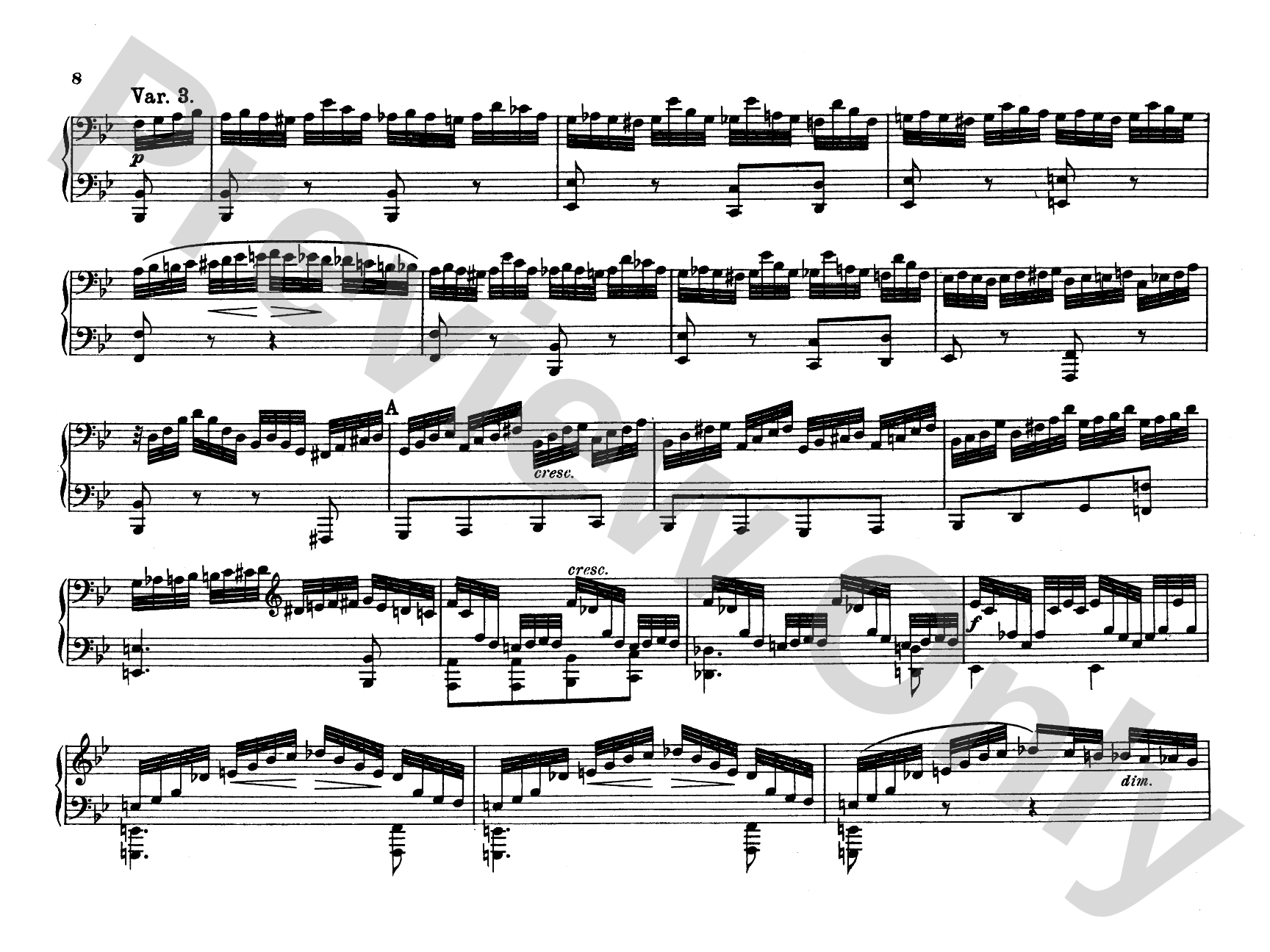
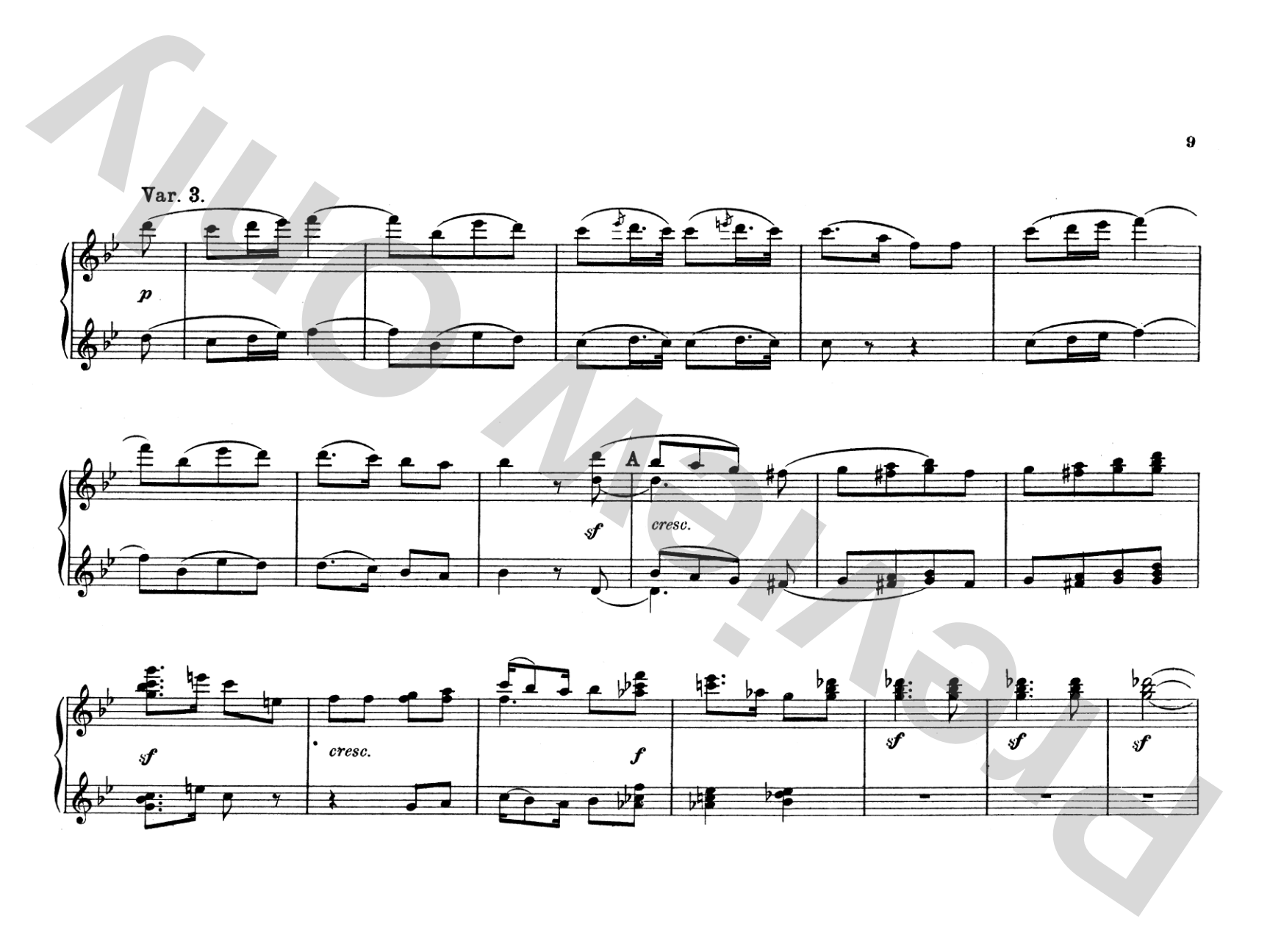
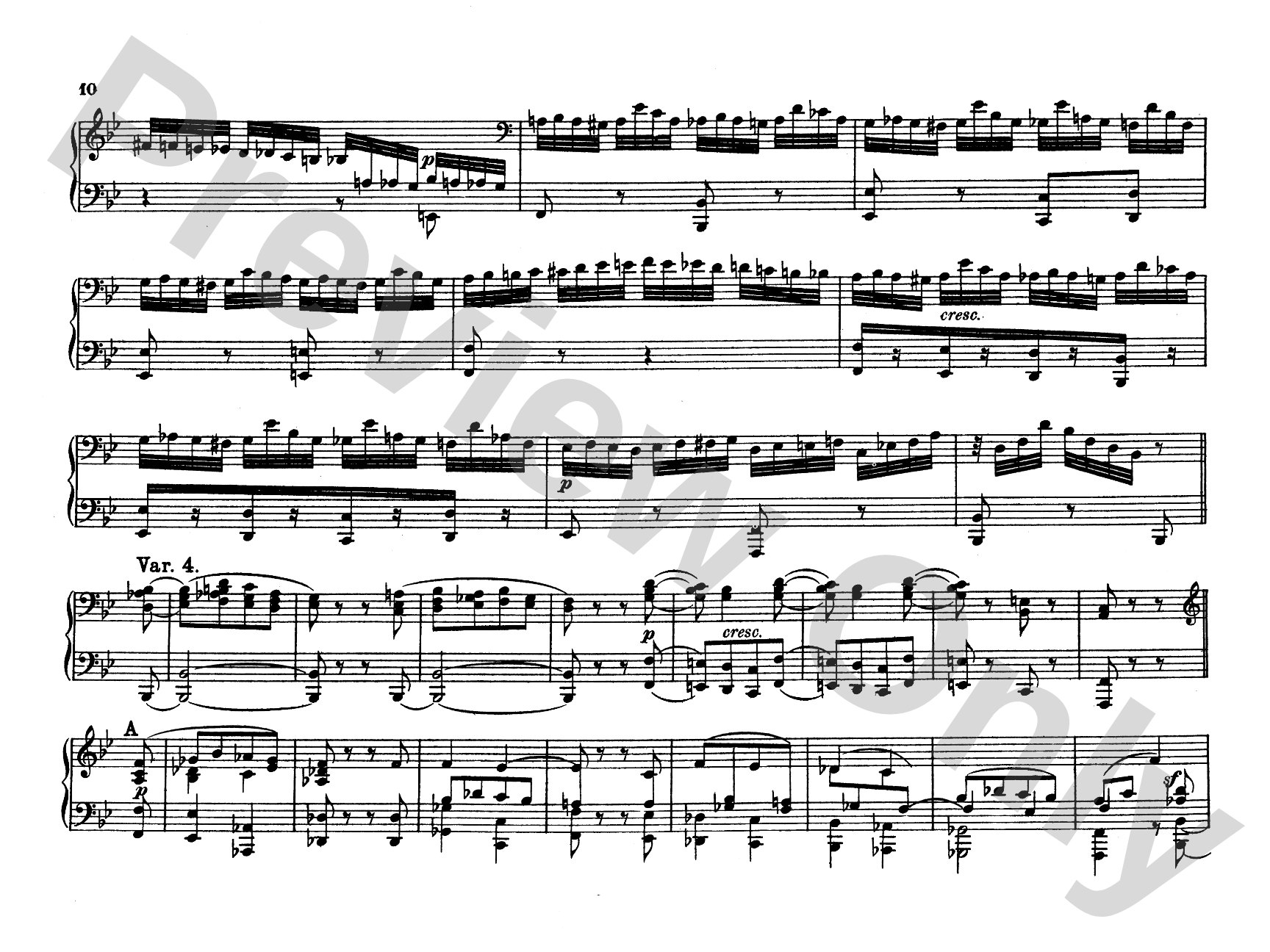
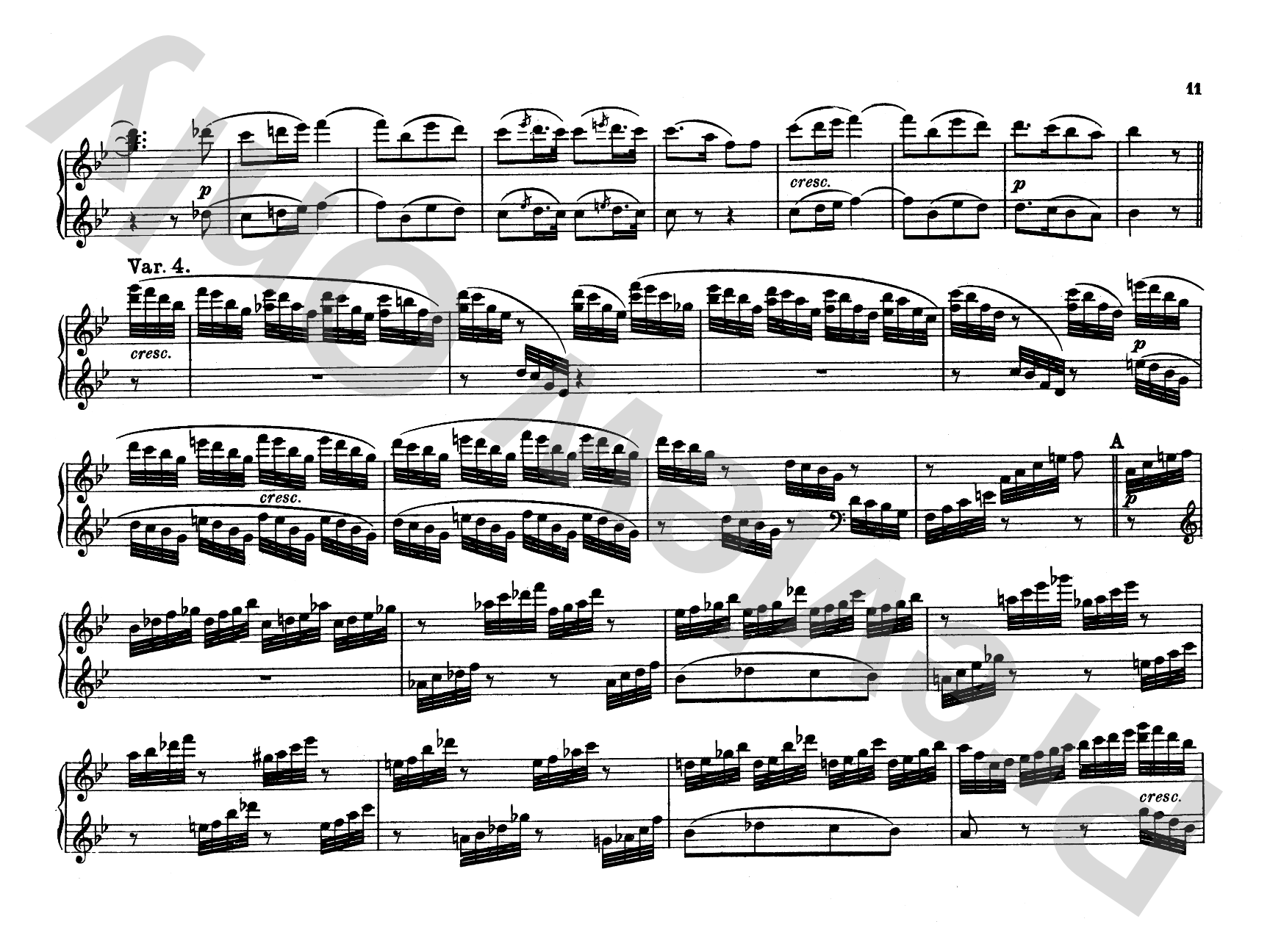
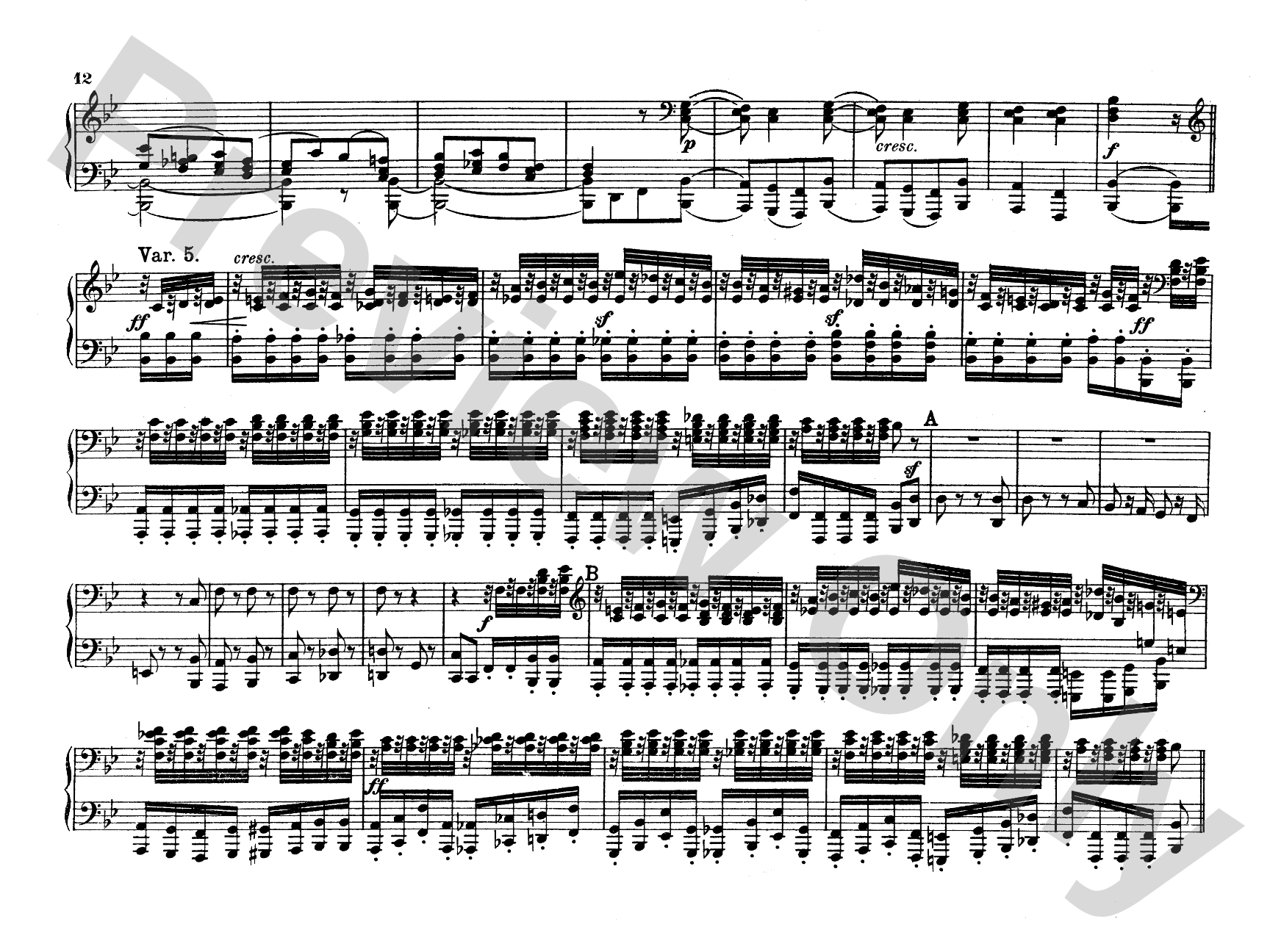
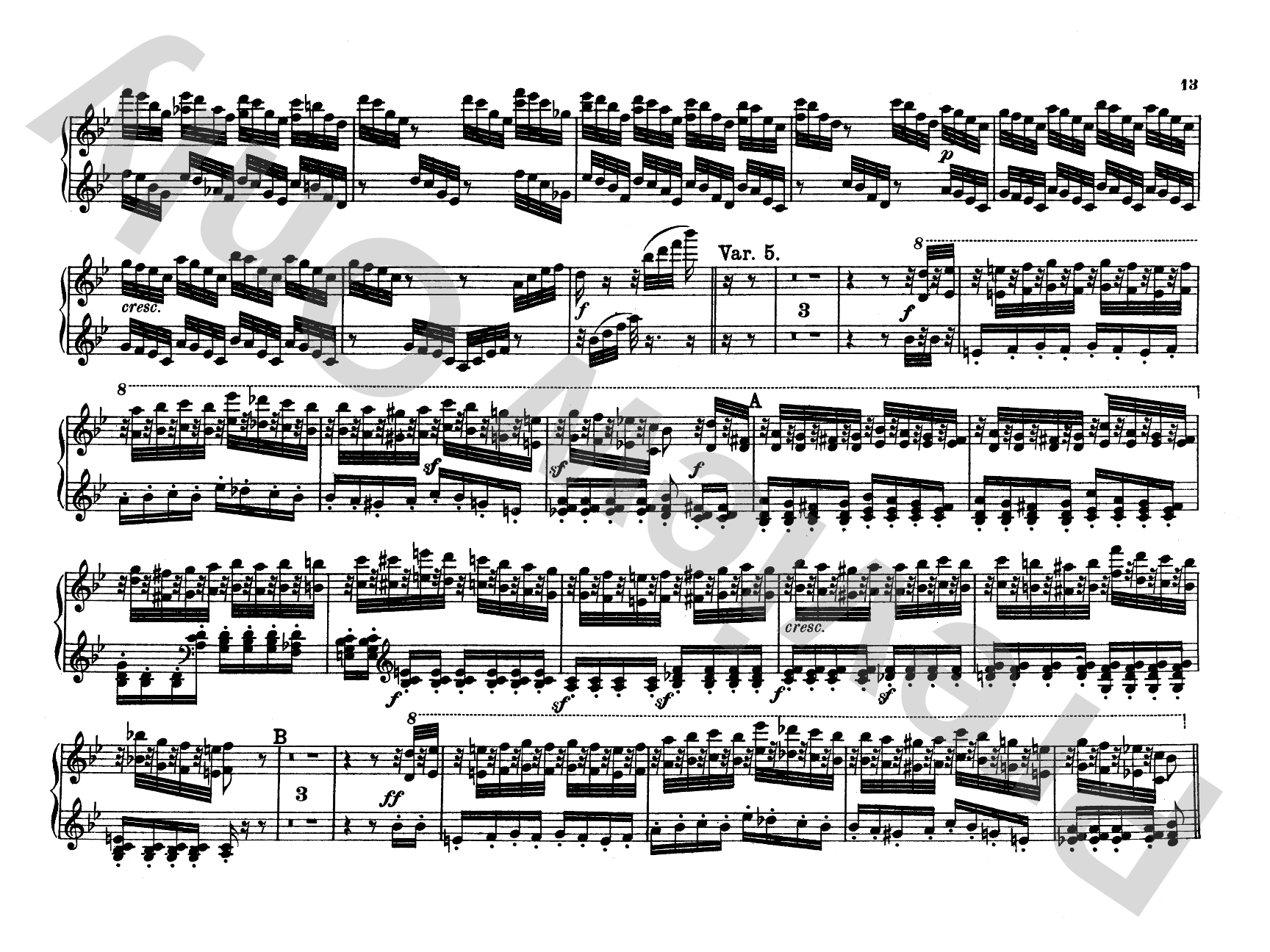
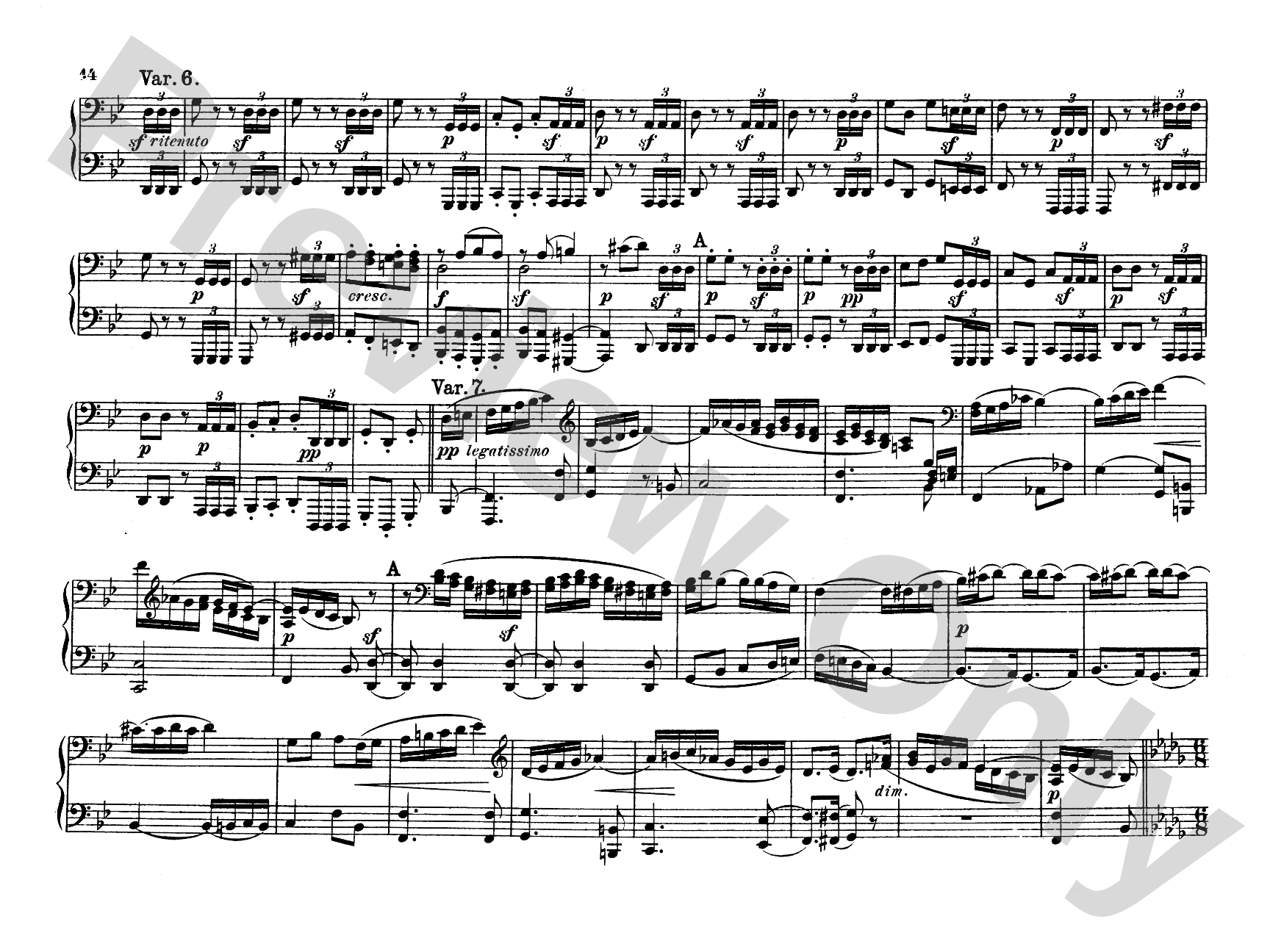
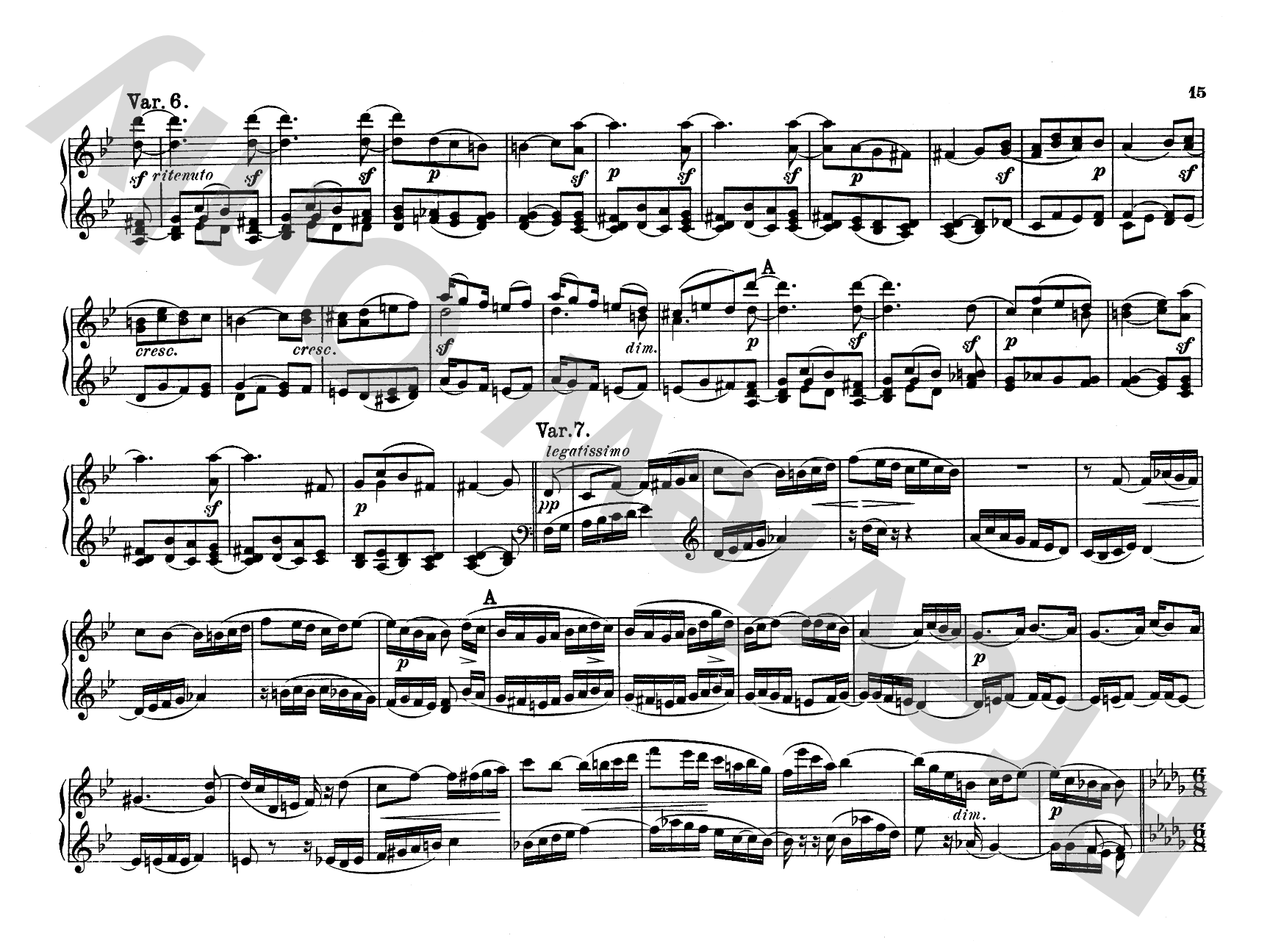
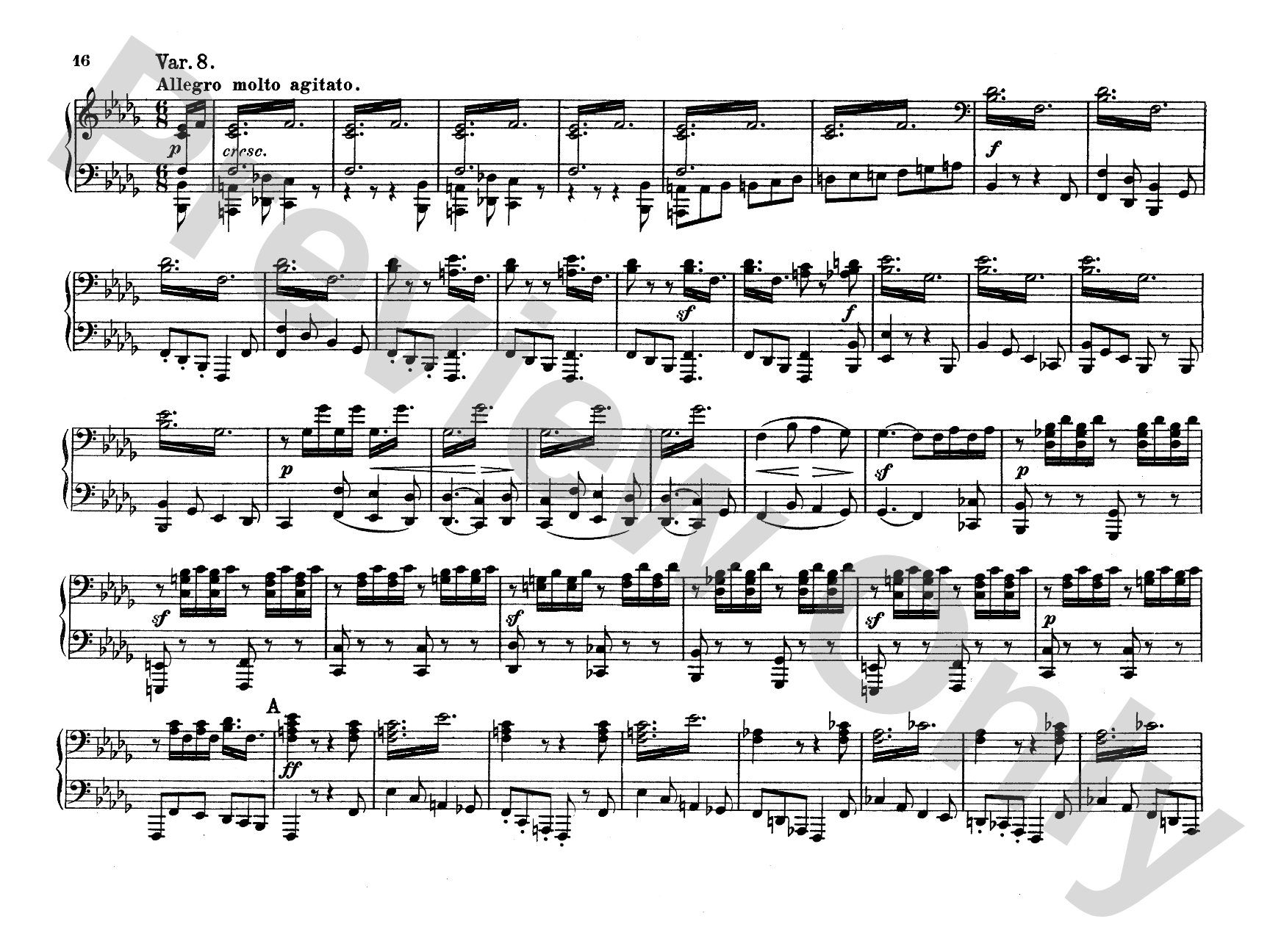
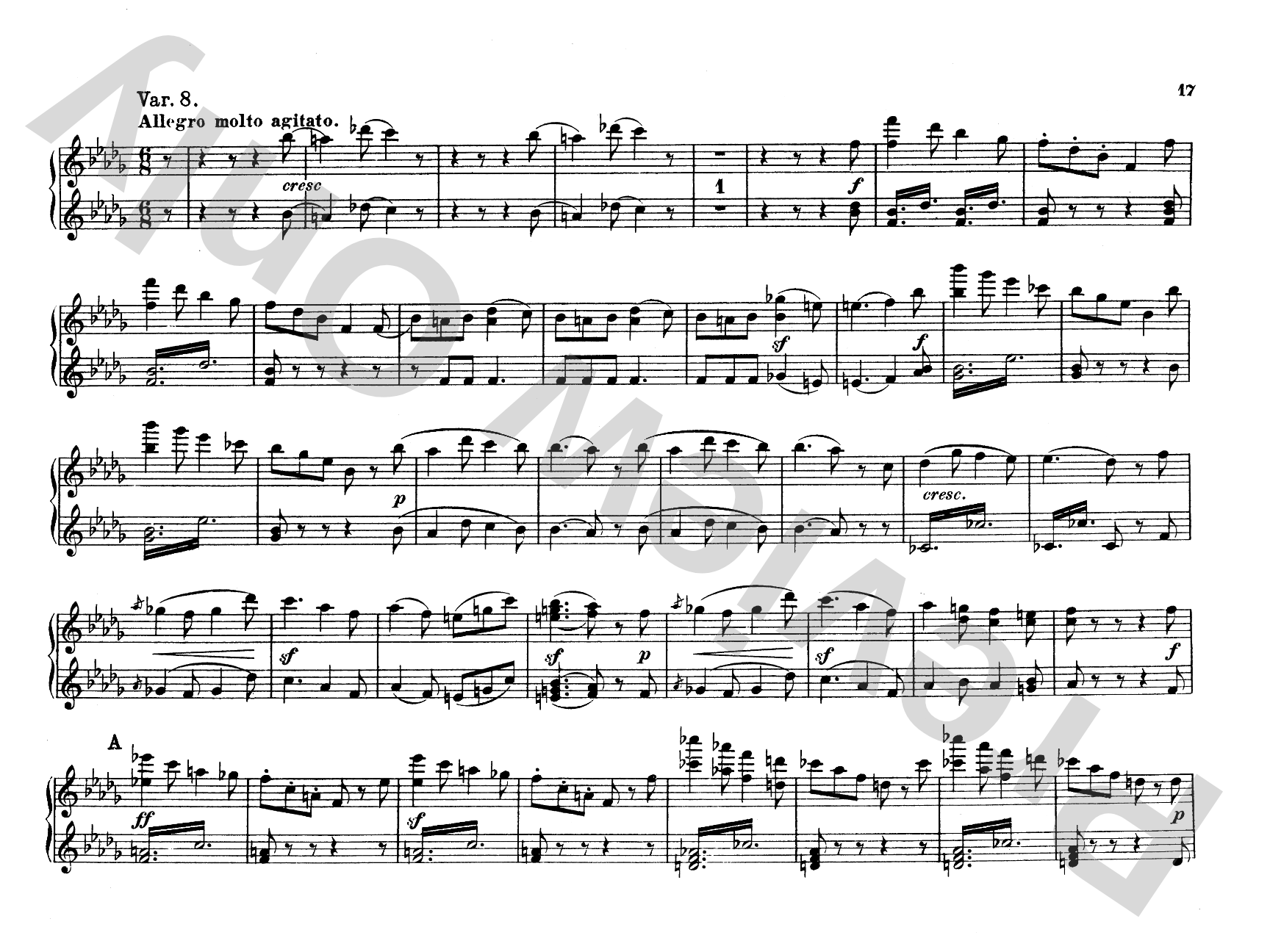
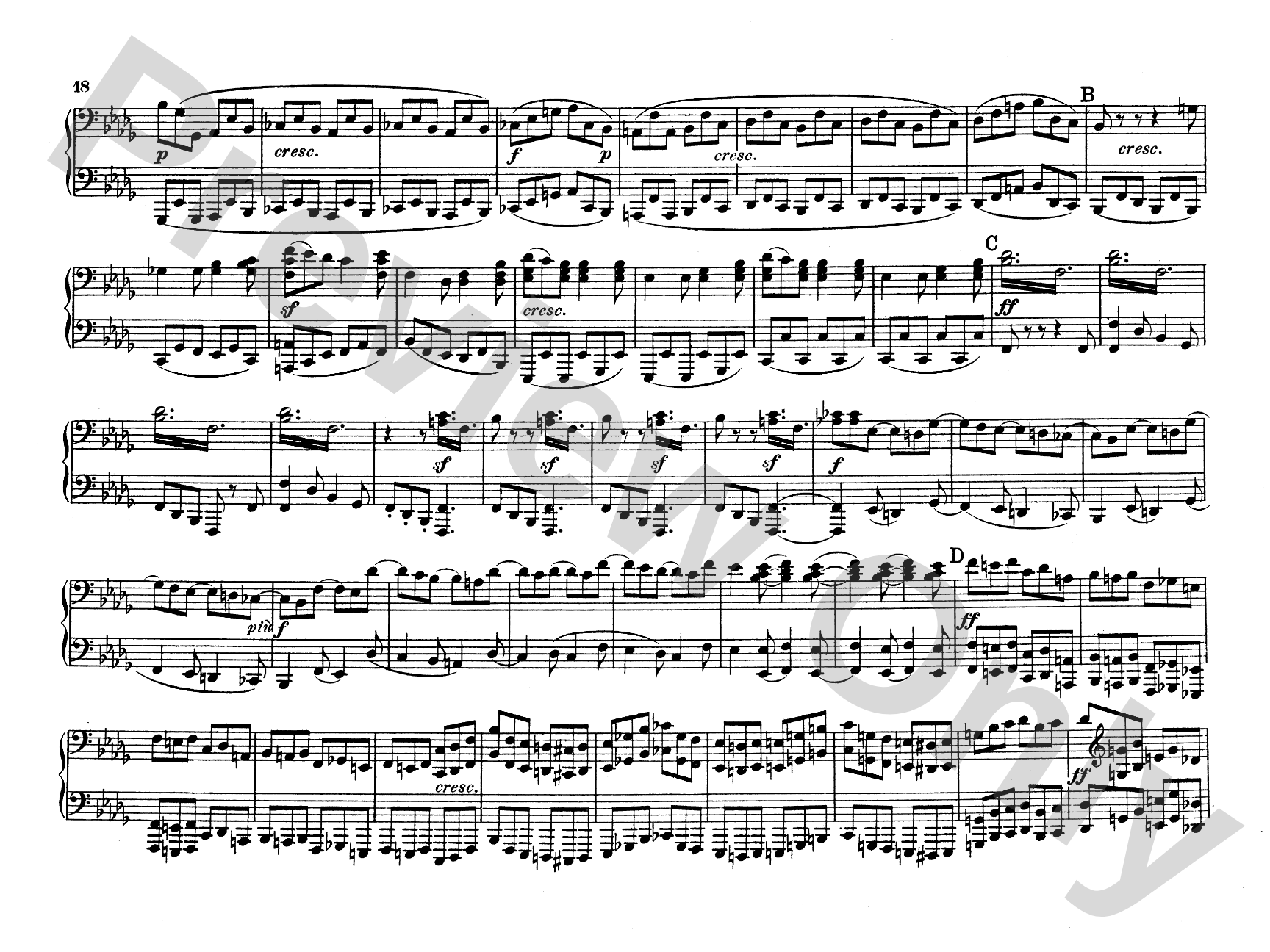
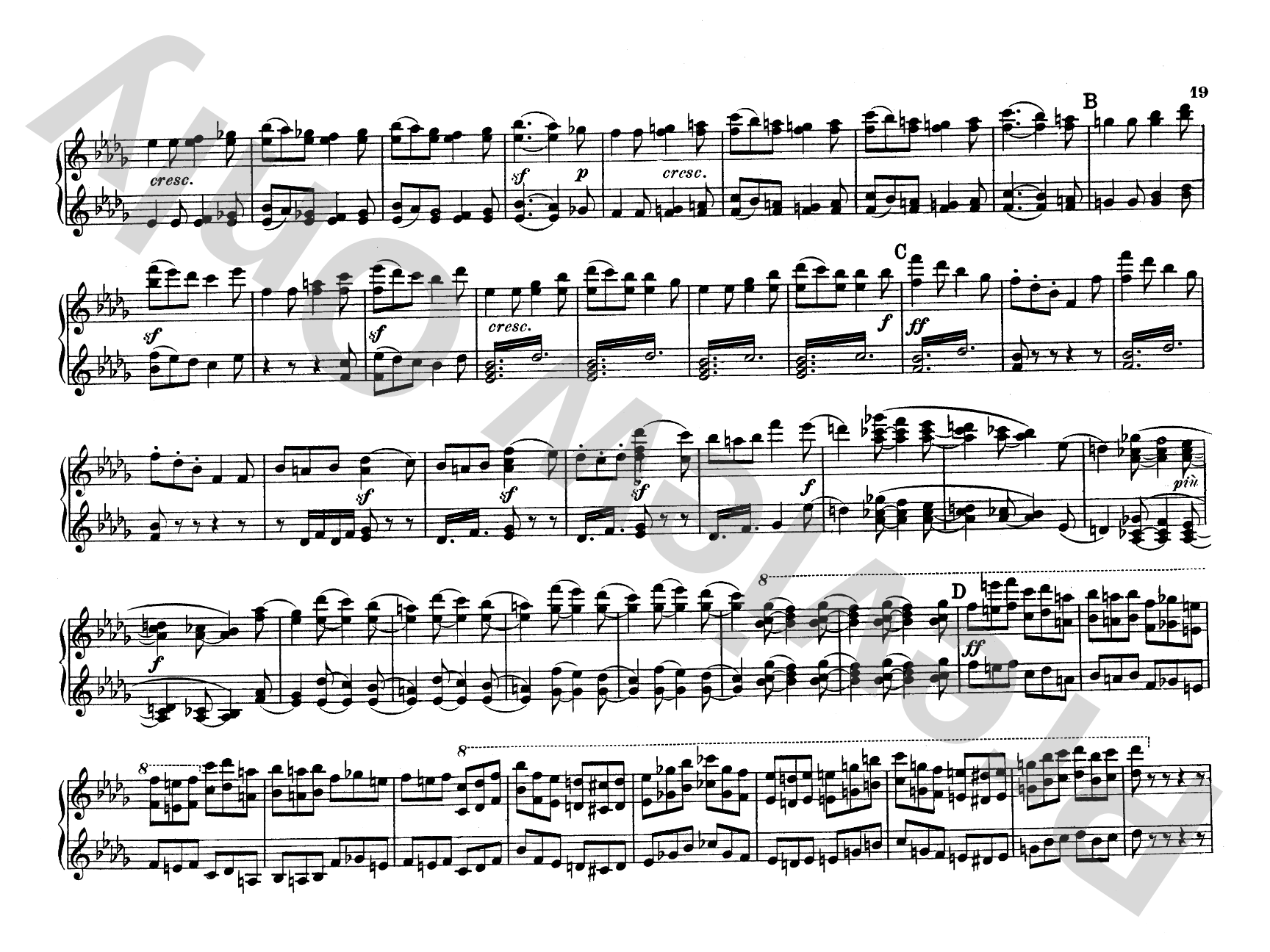
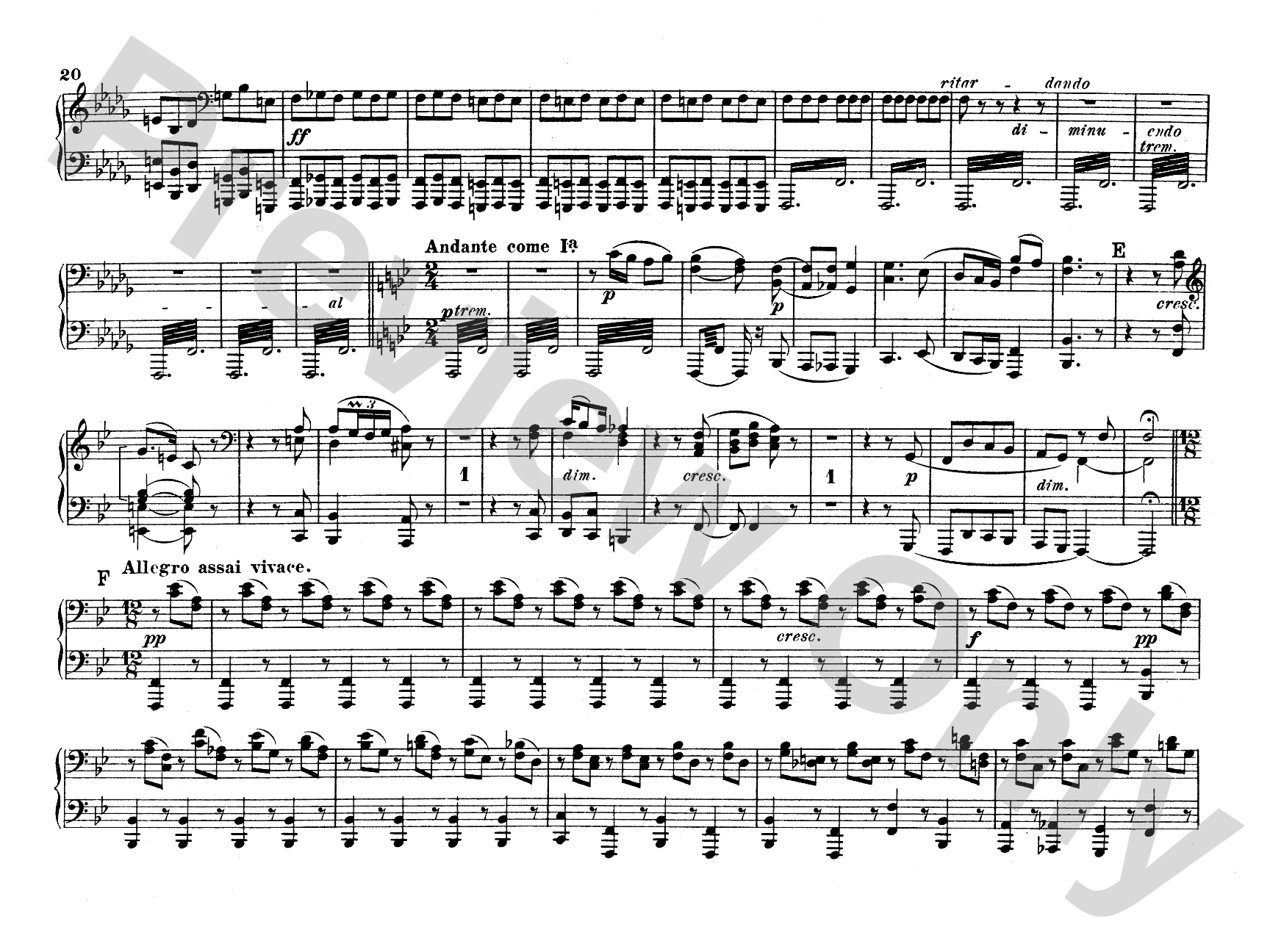
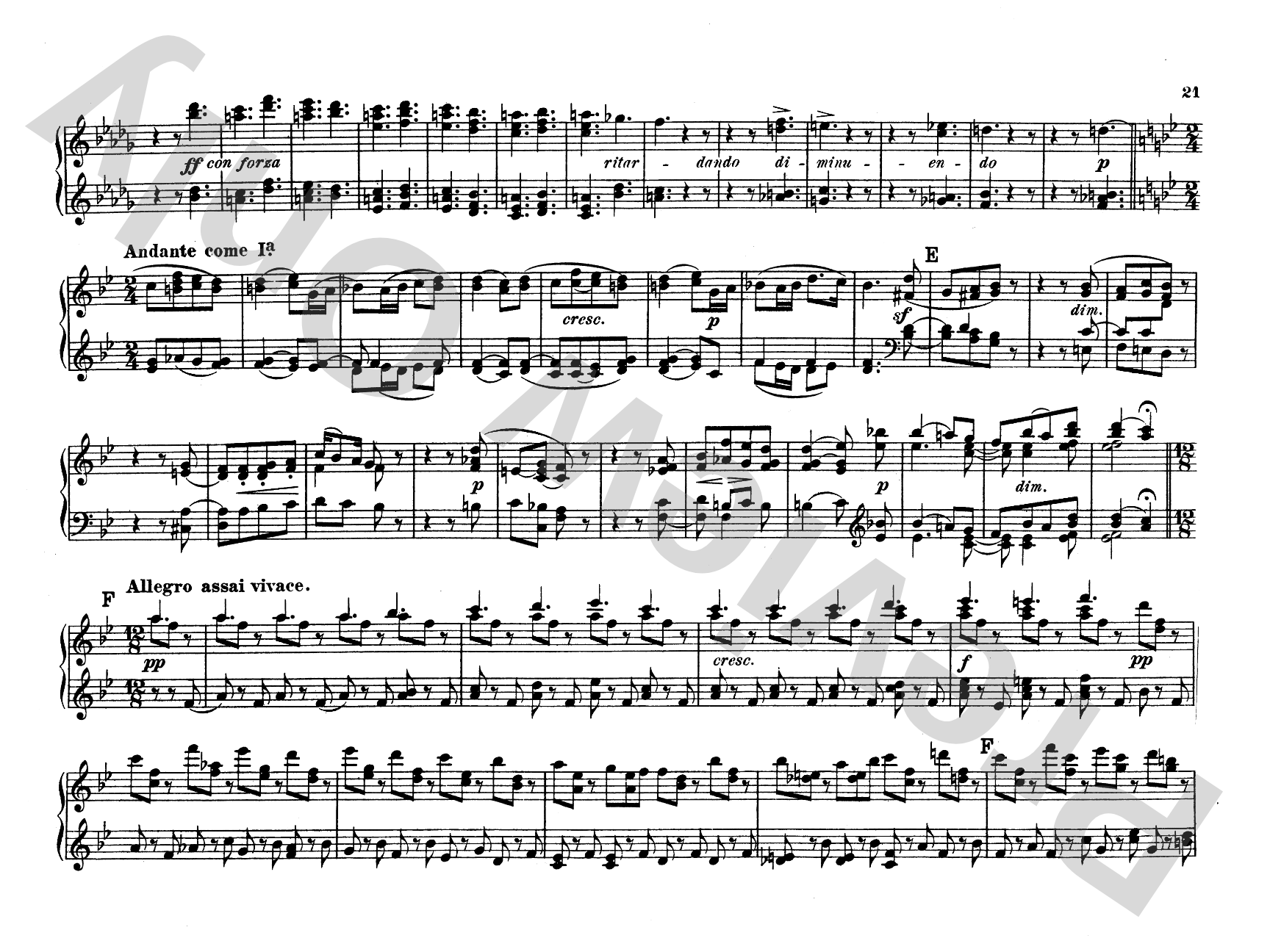
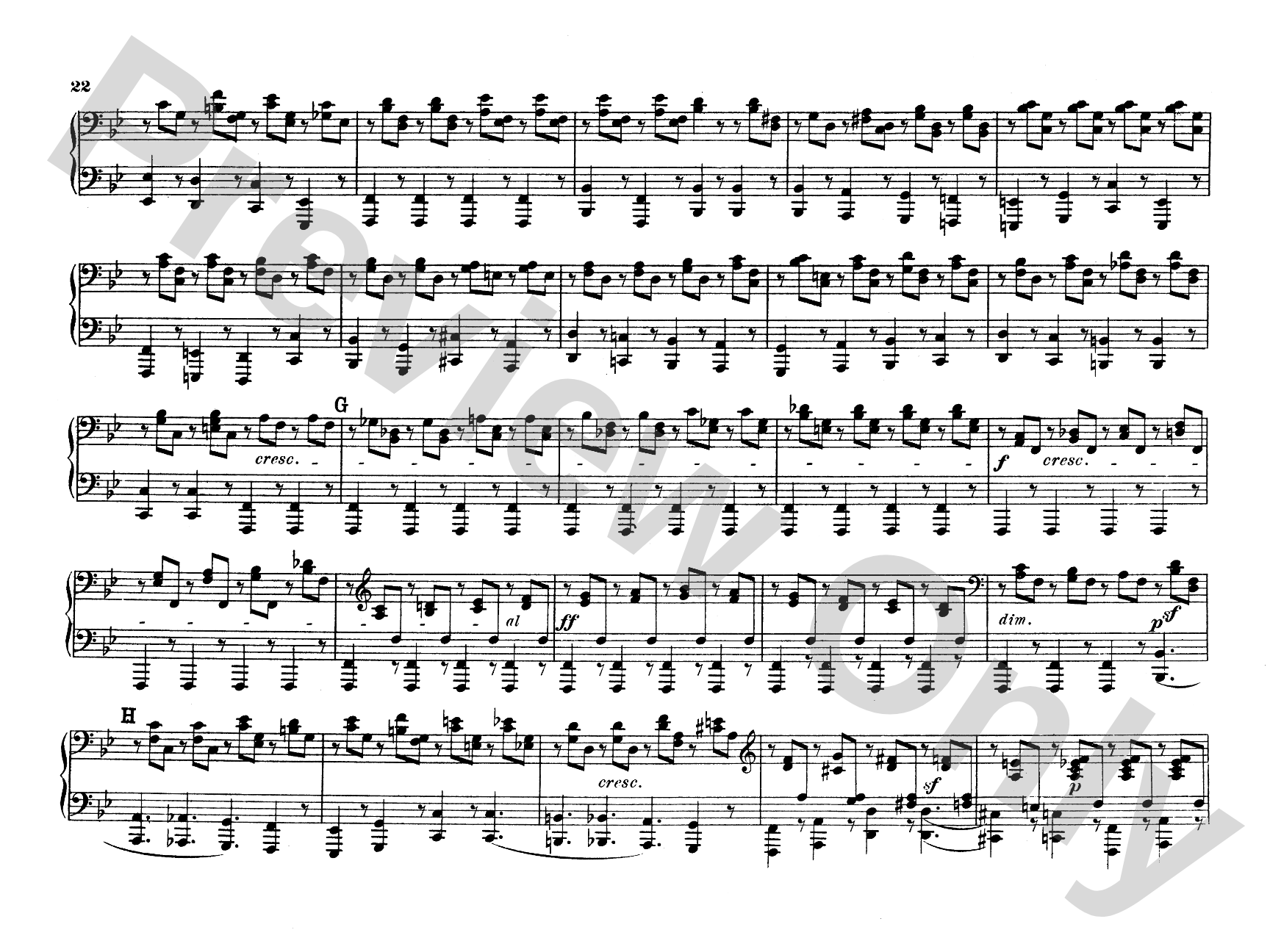
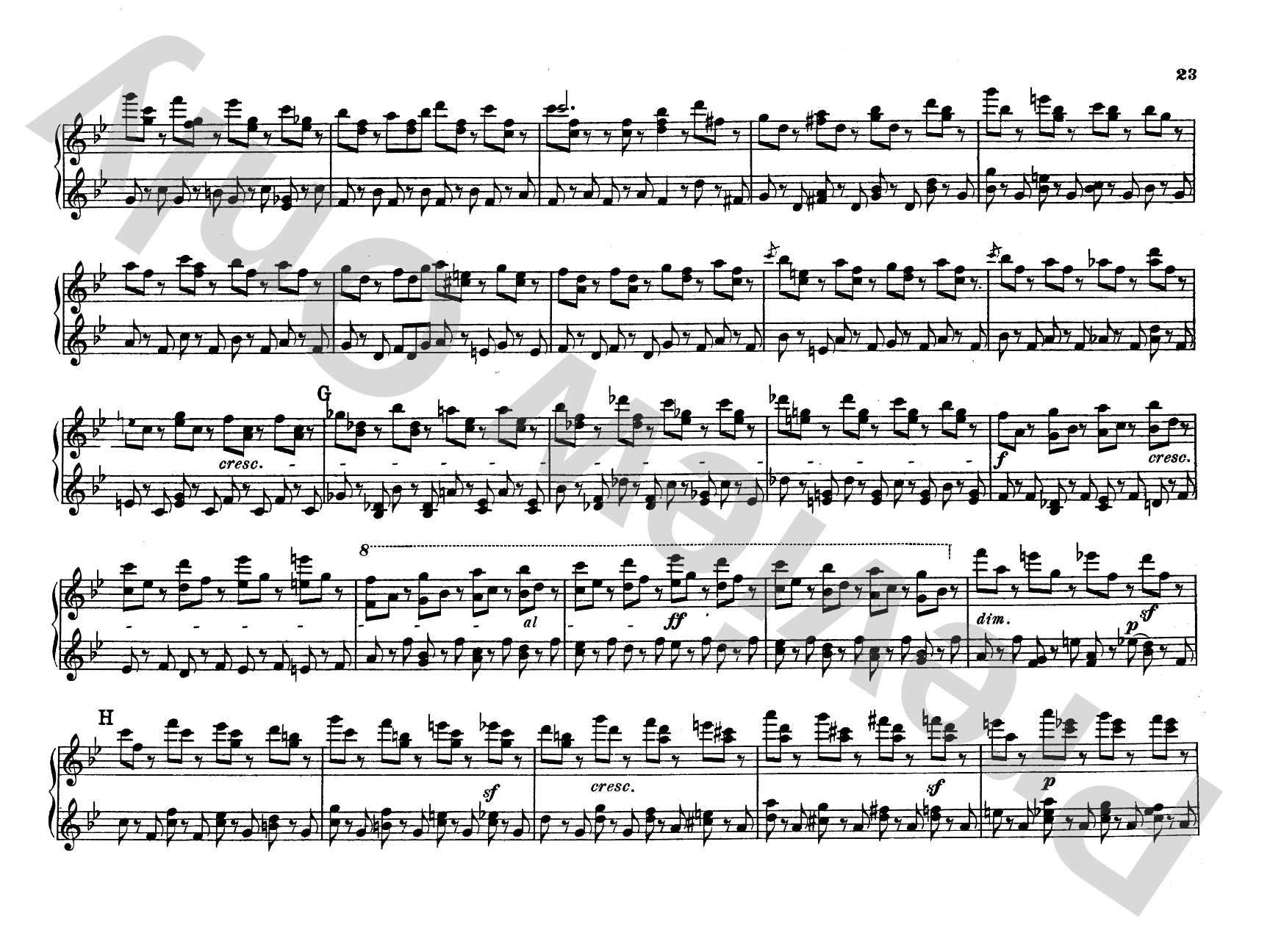
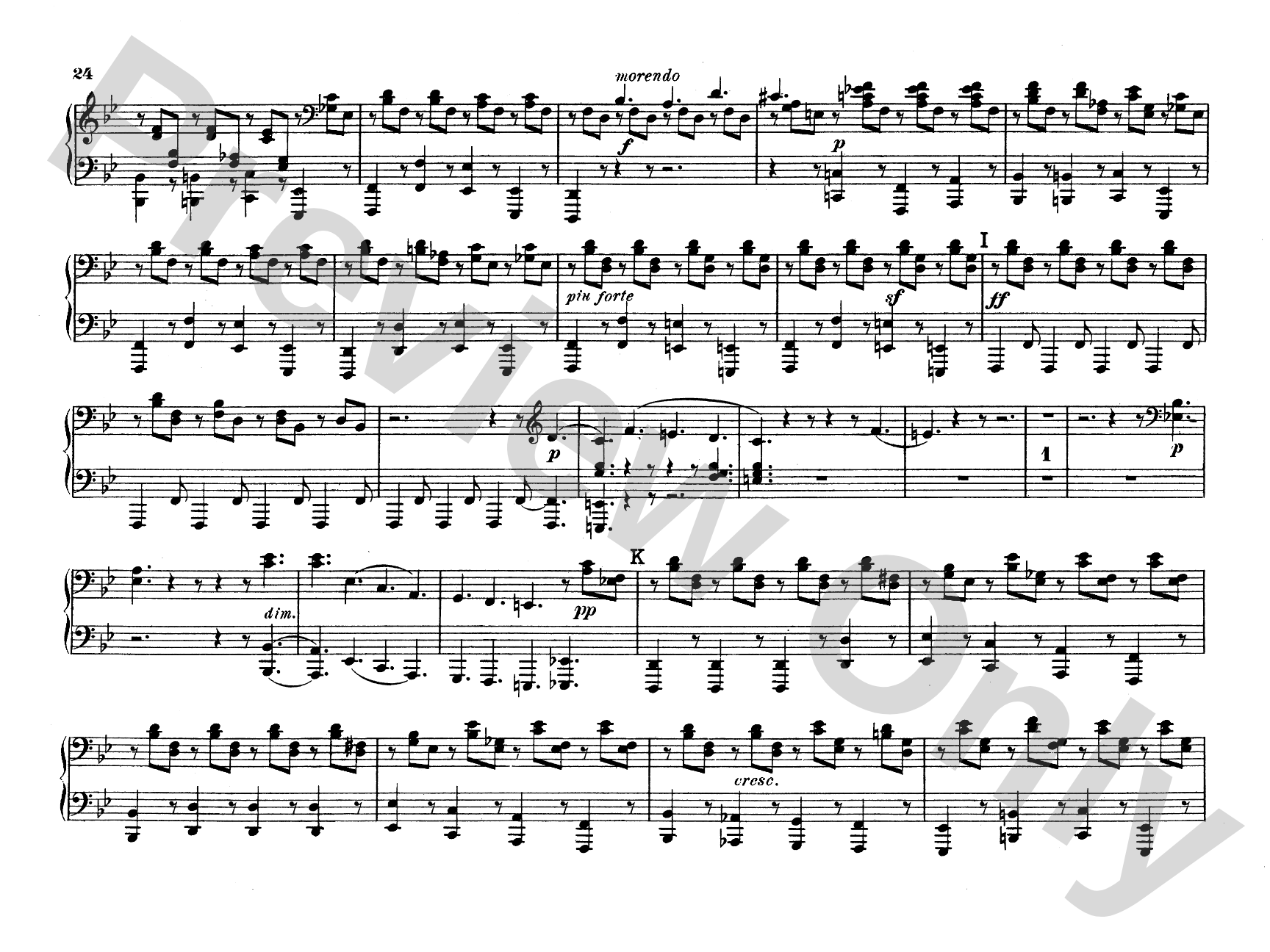
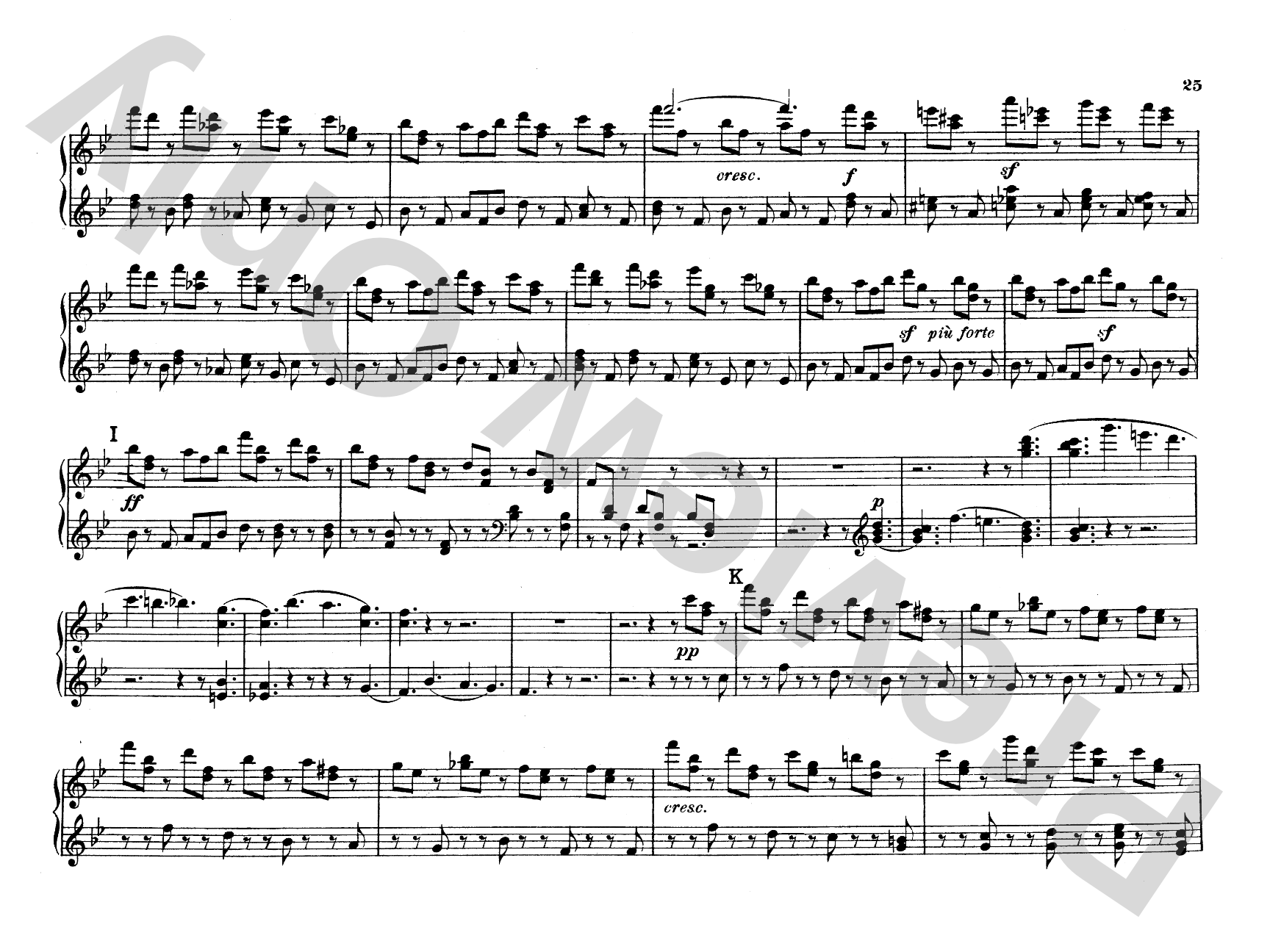
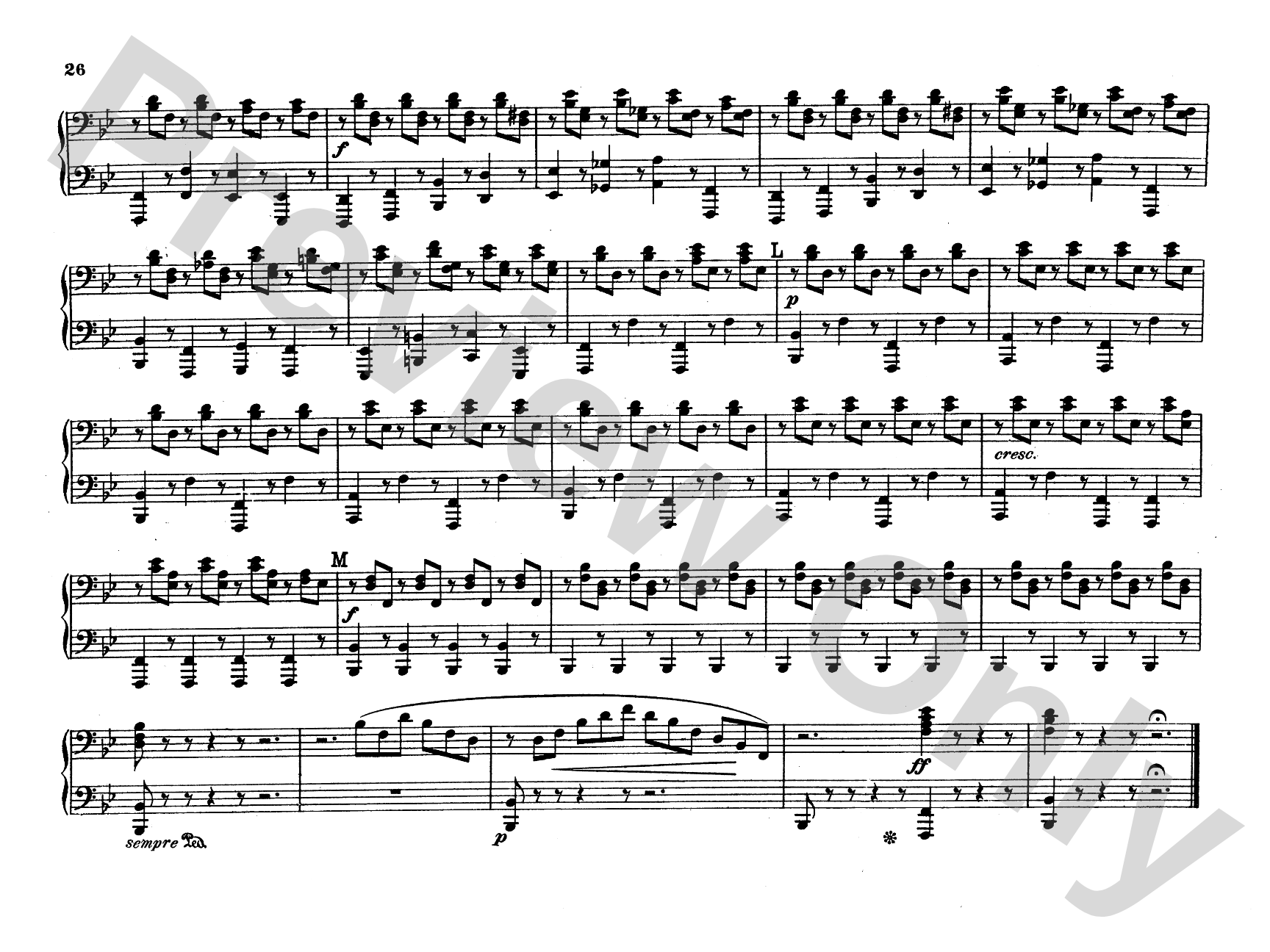
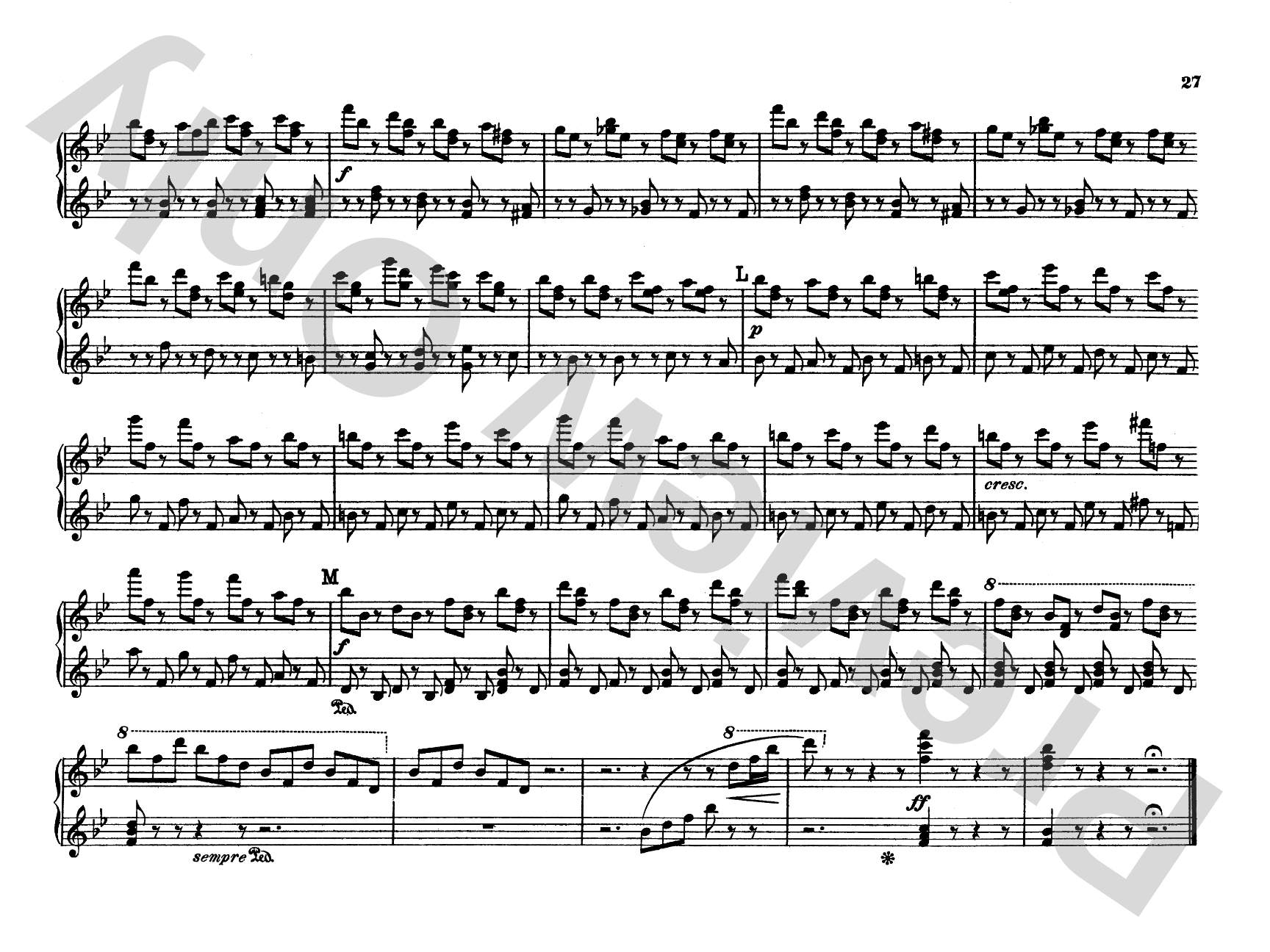

Mendelssohn: Op. 83a & Op. 98: Piano Duet (1 Piano, 4 Hands) Comb Bound Book
By Felix Mendelssohn
Item: 00-PK-0003214

$9.95
Pickup currently not available
Buy Extra Parts (Digital PDF Download)
| Product | Price | Quantity |
|---|---|---|
| Mendelssohn: Op. 83a & Op. 98 | $3.95 | |
| Mendelssohn: Op. 83a & Op. 98 | $3.95 |
Parts Added to Cart!
Related Items
Original Compositions, Opus 83a & Opus 98: Piano Duet (1 Piano, 4 Hands) Comb Bound Book |
$9.95
|
View |
Description
The comb binding creates a lay-flat book that is perfect for study and performance.


Don't just read it, hear it, play along with it, and watch your students grow with it. In MakeMusic Cloud, Mendelssohn: Op. 83a & Op. 98: Piano Duet (1 Piano, 4 Hands) Comb Bound Book comes alive with professional accompaniment, adjustable tempo, and built-in practice tools that turn solo practice into real progress.
Open in the Player
Jump straight in and assign it today.
Start Your Free Trial
Open this title and explore the full library in minutes.
Sample Audio
No sample audio found.
Sample Video
No sample videos found.
Additional Details
Series:
Kalmus Edition
Publisher:
Alfred Music
Page Count:
48
SKU:
00-PK-0003214
More about this title
About the Composer: Felix Mendelssohn
Felix Mendelssohn (1809-1847) was a German composer whose gift for melody and formal clarity shaped Romantic music across all genres. He composed prolifically for the piano, from virtuosic solo works to intimate chamber music, and maintained a deep commitment to the works of Bach and earlier masters even as he forged his own lyrical voice. His duet writing reflects both his compositional refinement and his belief in music as a vehicle for shared domestic enjoyment.
Mendelssohn's role as a conductor, educator, and champion of musical tradition gave him particular insight into what works at the keyboard for multiple players. His duets balance technical interest for both partners while creating genuine musical dialogue rather than relegating one player to accompaniment duties.
Why we love this
Mendelssohn's duets are models of transparent orchestration and graceful voice leading that translate beautifully from orchestral or chamber contexts to the keyboard. Both players remain engaged throughout; neither part feels like filling texture. The lay-flat binding makes rehearsal and performance logistics genuinely easy, which matters when you're coordinating four hands across 48 pages.
What to expect
These works radiate Mendelssohn's signature elegance: graceful phrasing, lyrical melodies that sing, and harmonic language that feels both emotionally direct and compositionally sophisticated. Playing through these pages feels like a conversation between equals, with both players discovering new musical ideas together.
Who it's for
Advanced high school pianists, college music majors, and accomplished adult amateurs seeking substantial duet repertoire that challenges both partners equally. Duet partners preparing for recital or competition will find well-crafted pieces that showcase collaborative musicianship without requiring virtuosic fireworks.
How to get the most out of it
- Establish a steady tempo in advance and use an audible count-off before entries. Even experienced duet partners benefit from clarity about who leads the opening.
- Balance the parts carefully during sections where melody alternates between primo and secondo. The lower-register player can easily disappear if not monitored in ensemble.
- Practice hands separately when passages require independence between your two hands, then restore the duet context. This solidifies accuracy without losing the collaborative feel.
- Mark breathing or phrasing points in your part during a first read-through. Mendelssohn's phrases reward breathing together as if you were a single unit with four hands.
How to use it
Program these duets on chamber recitals or collaborative concert series where you want to feature pianists as ensemble musicians rather than soloists. They also work beautifully as intermission pieces or as part of a Romantic-era piano program that pairs duets with solo works.
Skills your students will build
- Ensemble balance and independent hand coordination at the keyboard
- Reading multiple melodic lines with attention to voice leading
- Collaborative interpretation and phrasing across two players
- Sight-reading efficiency in music of moderate-to-advanced difficulty
- Understanding of Romantic-era compositional idiom and keyboard texture