
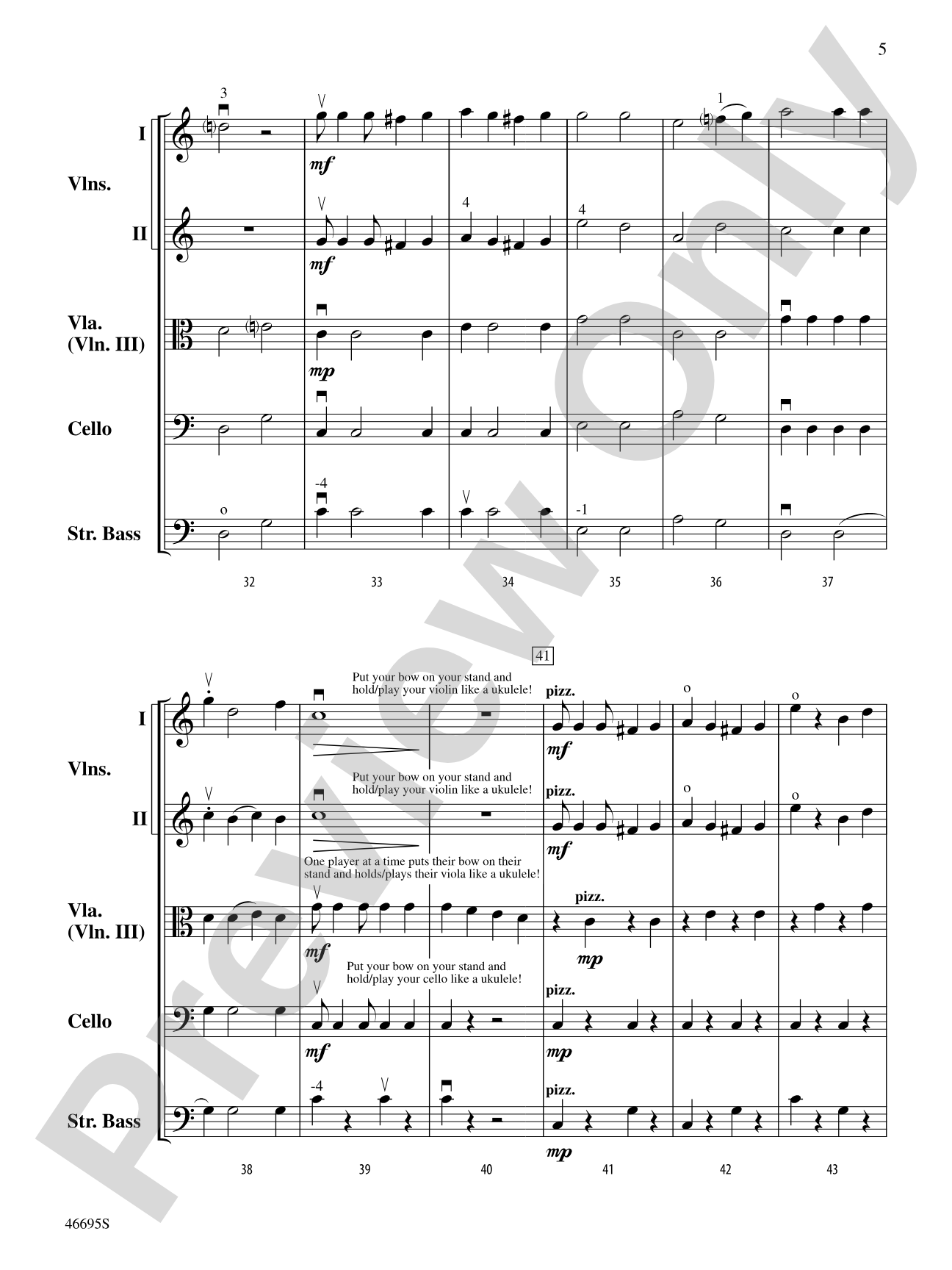
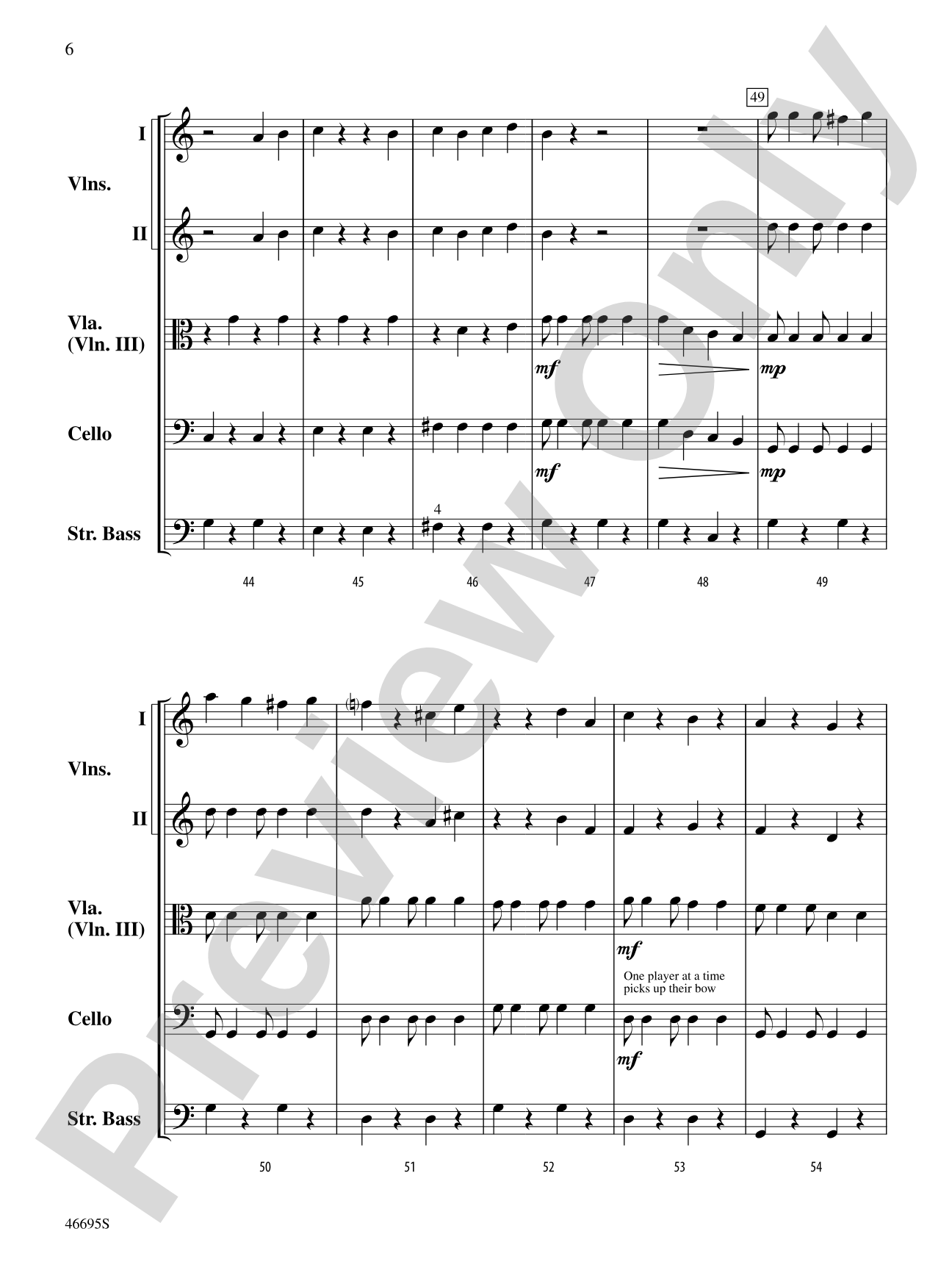
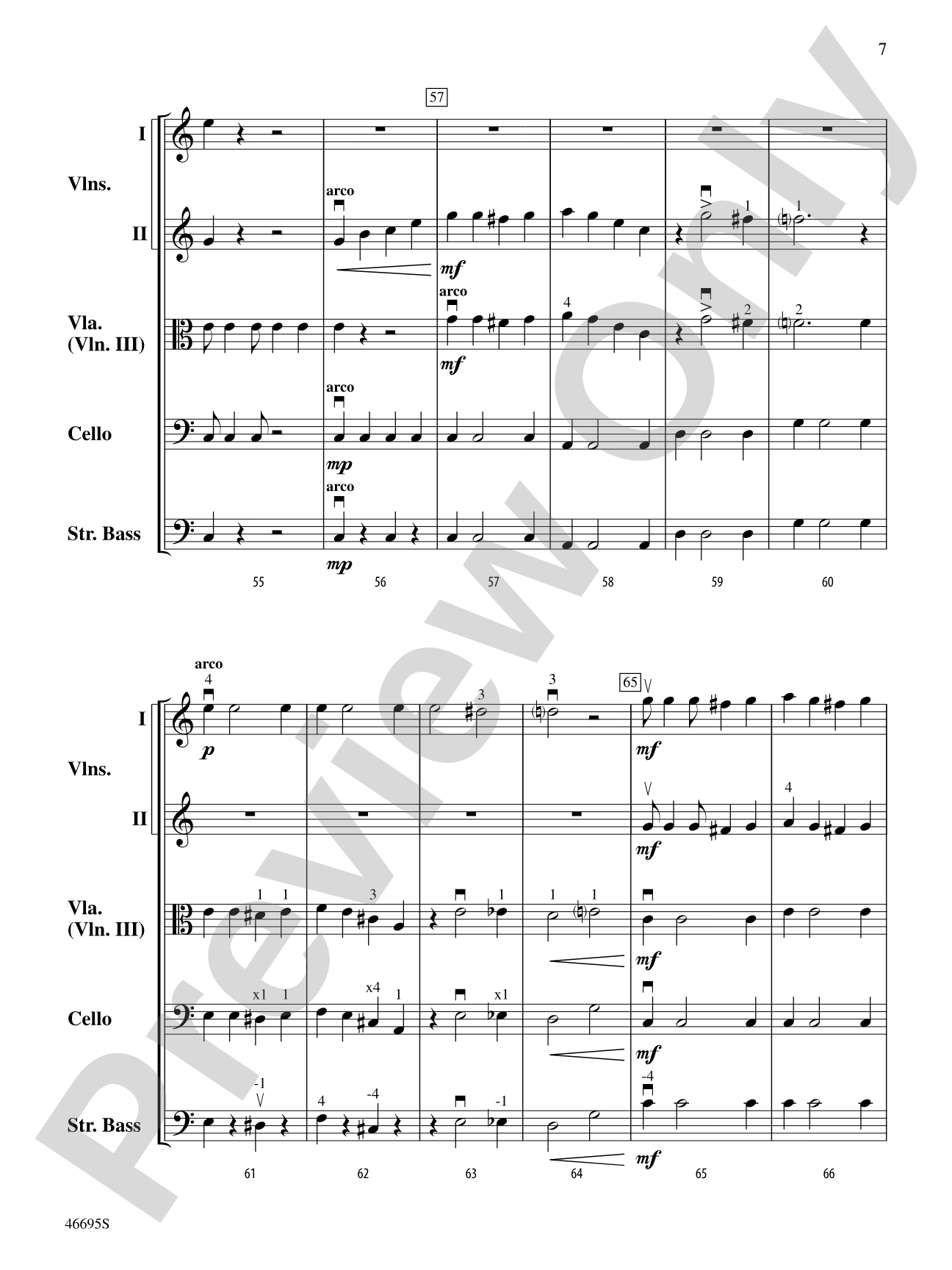
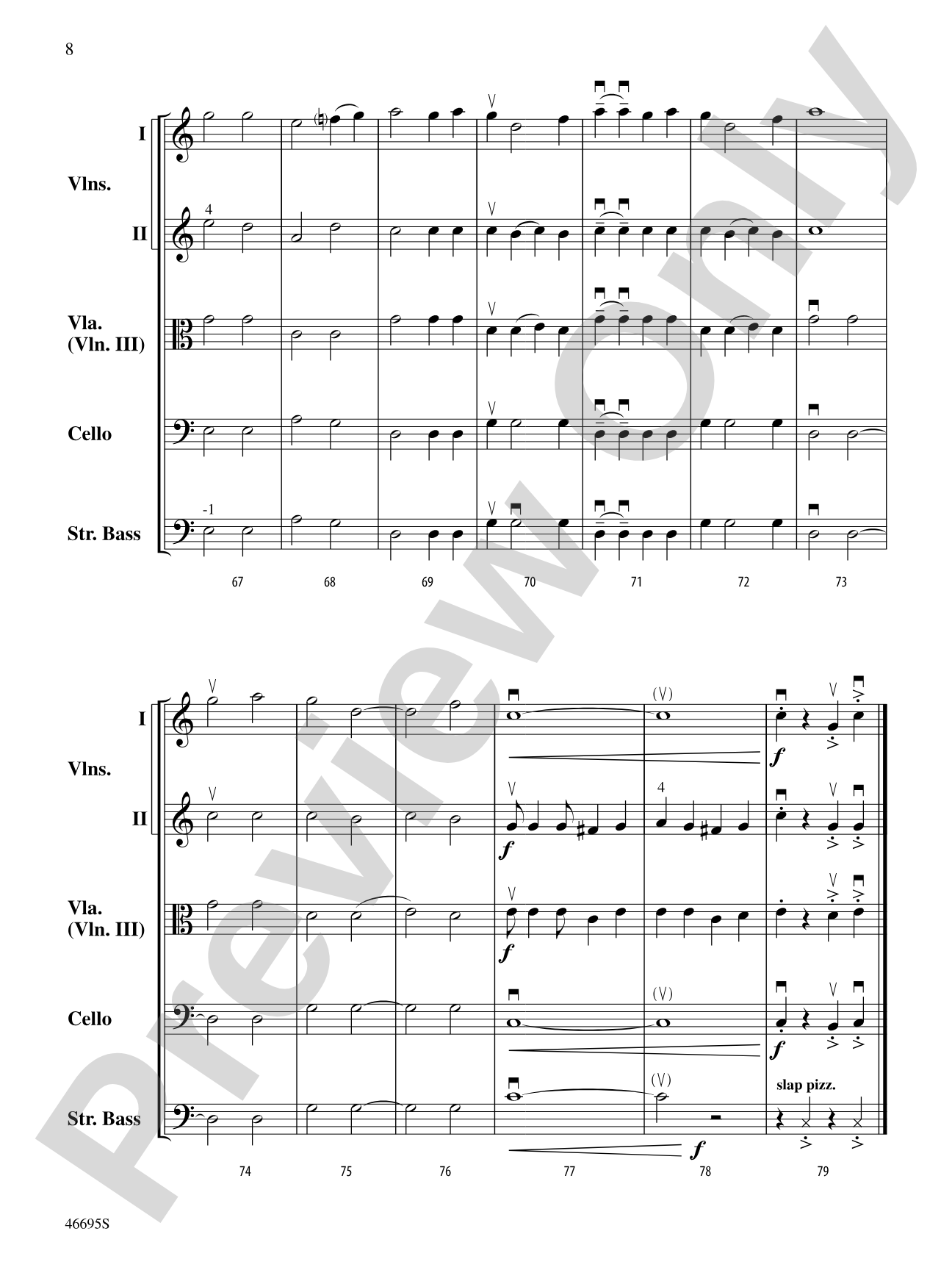

Mele Kalikimaka: Score
Hawaiian Merry Christmas
Words and music by R. Alex Anderson / arr. Jan Farrar-Royce
Grade: 2
Item: 00-PR-0006041
$9.00
Pickup currently not available
Description
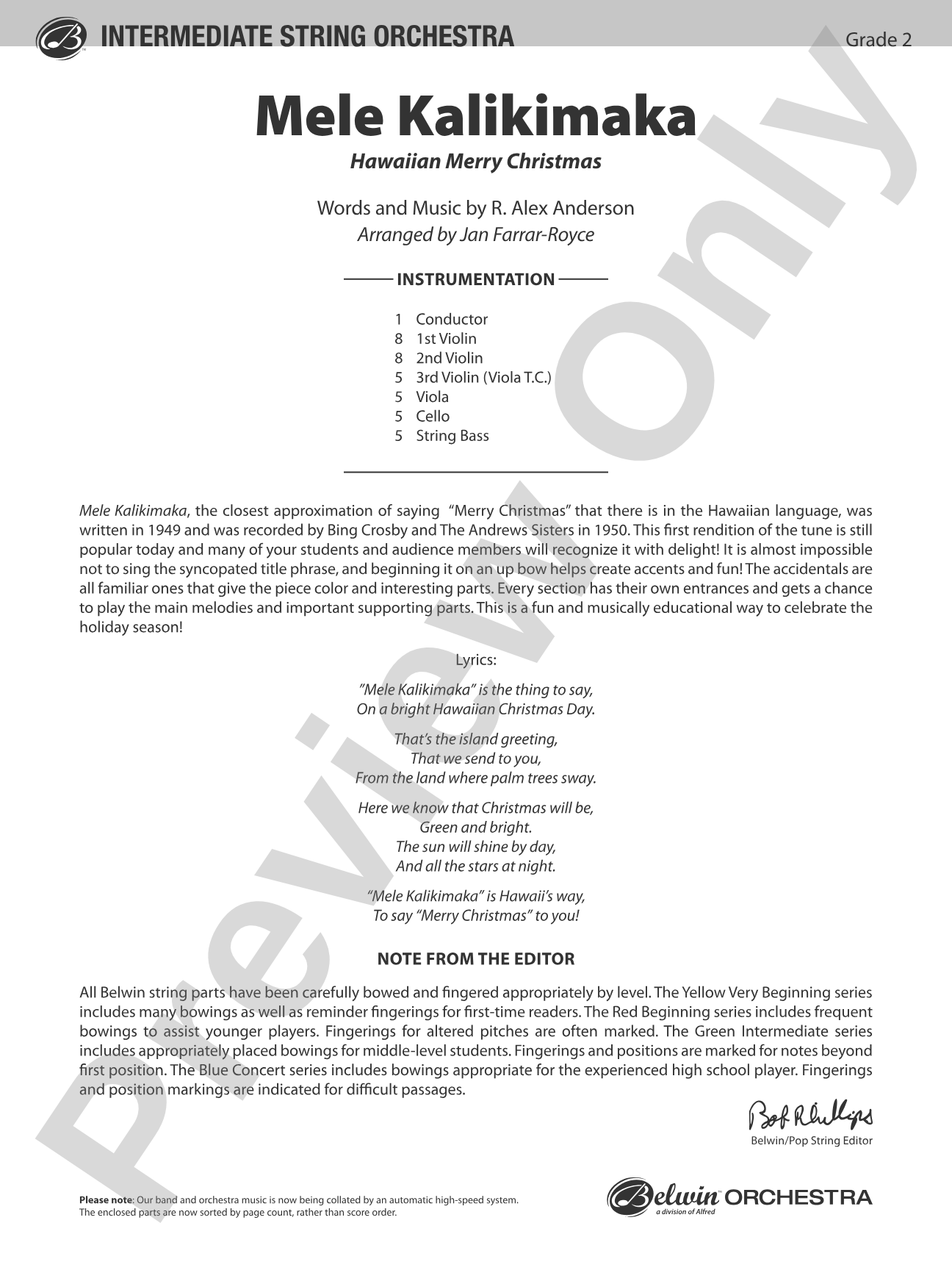
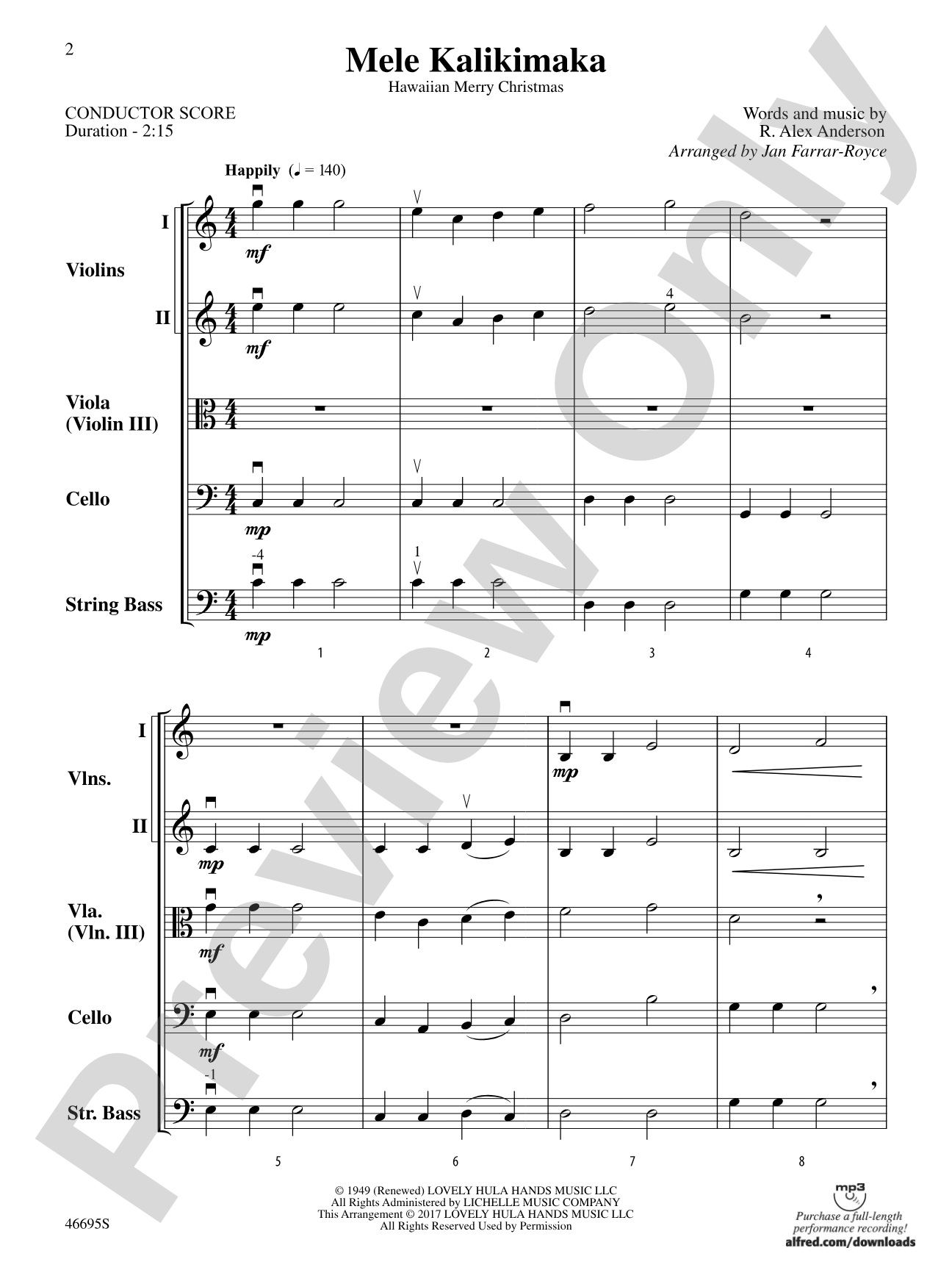
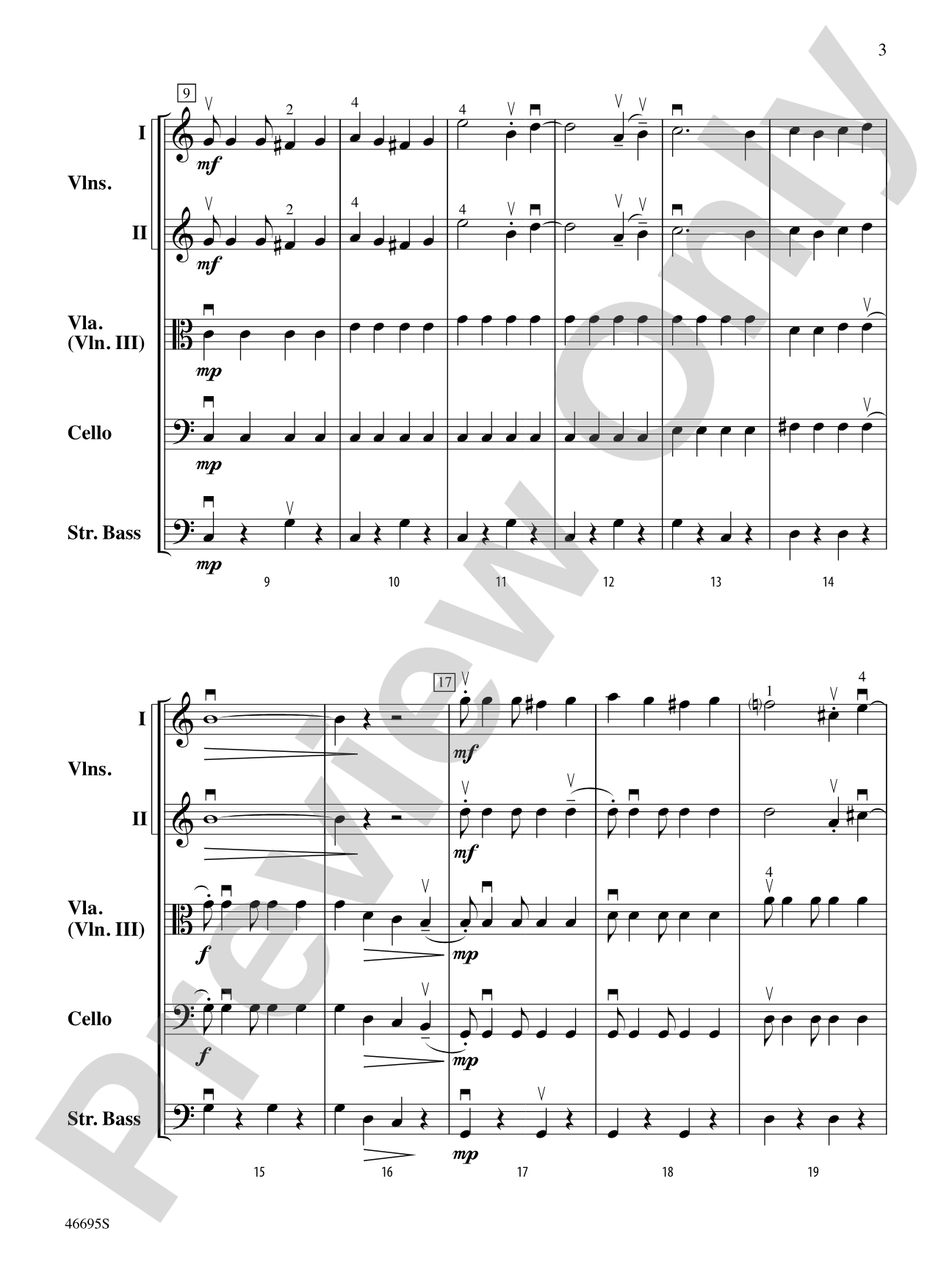
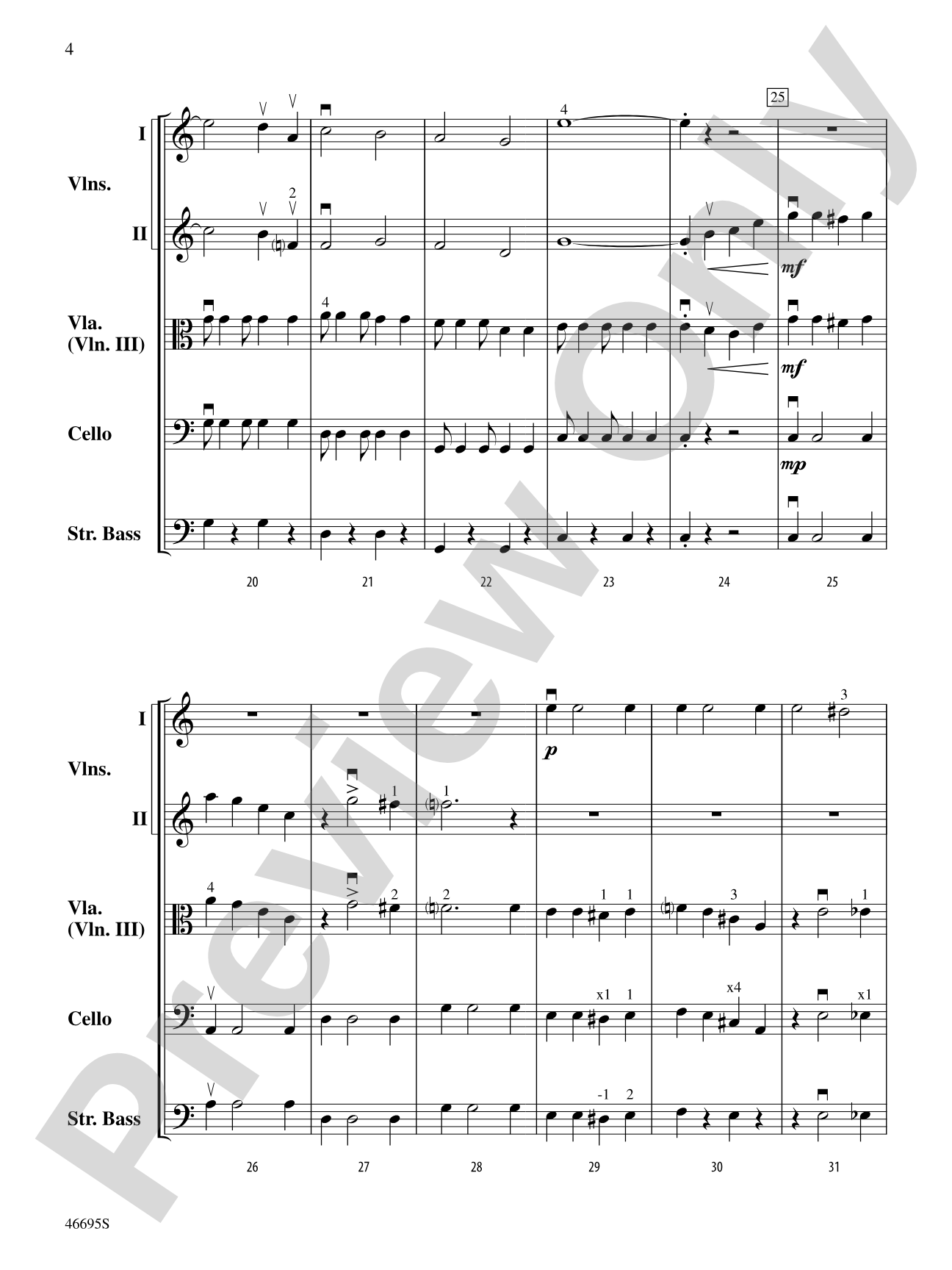
"Mele Kalikimaka," the closest approximation of saying "Merry Christmas" that there is in the Hawaiian language, was written in 1949 and recorded by Bing Crosby and The Andrew Sisters in 1950. This first rendition of the tune is still popular today and many of your students and audience members will recognize it with delight! It is almost impossible not to sing the syncopated title phrase and beginning it on an up-bow helps create accents and fun! The accidentals are all familiar ones that give the piece color and interesting parts. Every section has their own entrances and gets a chance to play the main melodies and important supporting parts. "Mele Kalikimaka," arranged by Jan Farrar-Royce, is a fun and musically educational way to celebrate the holiday season!


Don't just read it, hear it, play along with it, and watch your students grow with it. In MakeMusic Cloud, Mele Kalikimaka: Score comes alive with professional accompaniment, adjustable tempo, and built-in practice tools that turn solo practice into real progress.
Open in the Player
Jump straight in and assign it today.
Start Your Free Trial
Open this title and explore the full library in minutes.
Sample Audio
1
Audio File
--:--
0:00
0:00
Sample Video
Additional Details
Series:
Pop Intermediate String Orchestra
Publisher:
Alfred Music
Page Count:
102
SKU:
00-PR-0006041
More about this title
About the Composer: R. Alex Anderson
R. Alex Anderson (1917-1994) was a Hawaiian composer and musician who became one of the most significant voices in Hawaiian popular music during the mid-20th century. He wrote "Mele Kalikimaka" in 1949, capturing the spirit of Hawaiian Christmas celebration in a melody that would become instantly recognizable when Bing Crosby and The Andrew Sisters recorded it the following year.
Anderson's gift for melody and his deep connection to Hawaiian culture made him a bridge between traditional Hawaiian music and the popular song traditions of his era. His work continues to appear in holiday programs and celebrations worldwide, introducing new generations of students to Hawaiian language and musical expression.
Why we love this
This arrangement gives every string section a chance to carry the melody and support the harmony, building confidence across your ensemble while working with a tune your audience will sing along with immediately. The syncopated rhythms and unexpected harmonic touches keep the piece engaging for intermediate players without overwhelming them, and the Grade 2 difficulty makes it accessible for programs with mixed instrumentation.
What to expect
Warm, joyful, and unmistakably festive without being saccharine. The arrangement captures the gentle tropical ease of the original while maintaining the rhythmic snap and harmonic sophistication that makes the piece memorable and fun to play.
Who it's for
String orchestra directors seeking an accessible, recognizable holiday piece that honors multicultural tradition while staying at Grade 2 difficulty. This works equally well for student orchestras building ensemble skills and for community or school programs where audience recognition matters.
How to get the most out of it
- Begin the iconic title phrase on an up-bow to shape the natural accent and set the syncopated rhythm with clarity from the opening.
- Balance the string sections carefully so that whichever group holds the melody can sing through the line while others provide texture without overshadowing.
- Lean into the syncopation without rushing; let the rhythmic bounce breathe rather than pushing the tempo forward.
- Highlight the accidental pitches that create harmonic color; these chromatic touches are what distinguish the arrangement and give it personality.
How to use it
Program this as the centerpiece of a winter concert or as a bridge between classical holiday repertoire and contemporary seasonal music. Its Grade 2 accessibility and multicultural identity also makes it valuable for programs exploring non-European holiday traditions or for community outreach where audience sing-alongs enhance engagement.
Skills your students will build
- Playing syncopated rhythms with precision and musicality
- Reading and executing accidentals that color the harmonic progression
- Balancing melody and accompaniment across different string sections
- Executing up-bow attacks and dynamic shaping
- Ensemble coordination across multiple independent string parts