
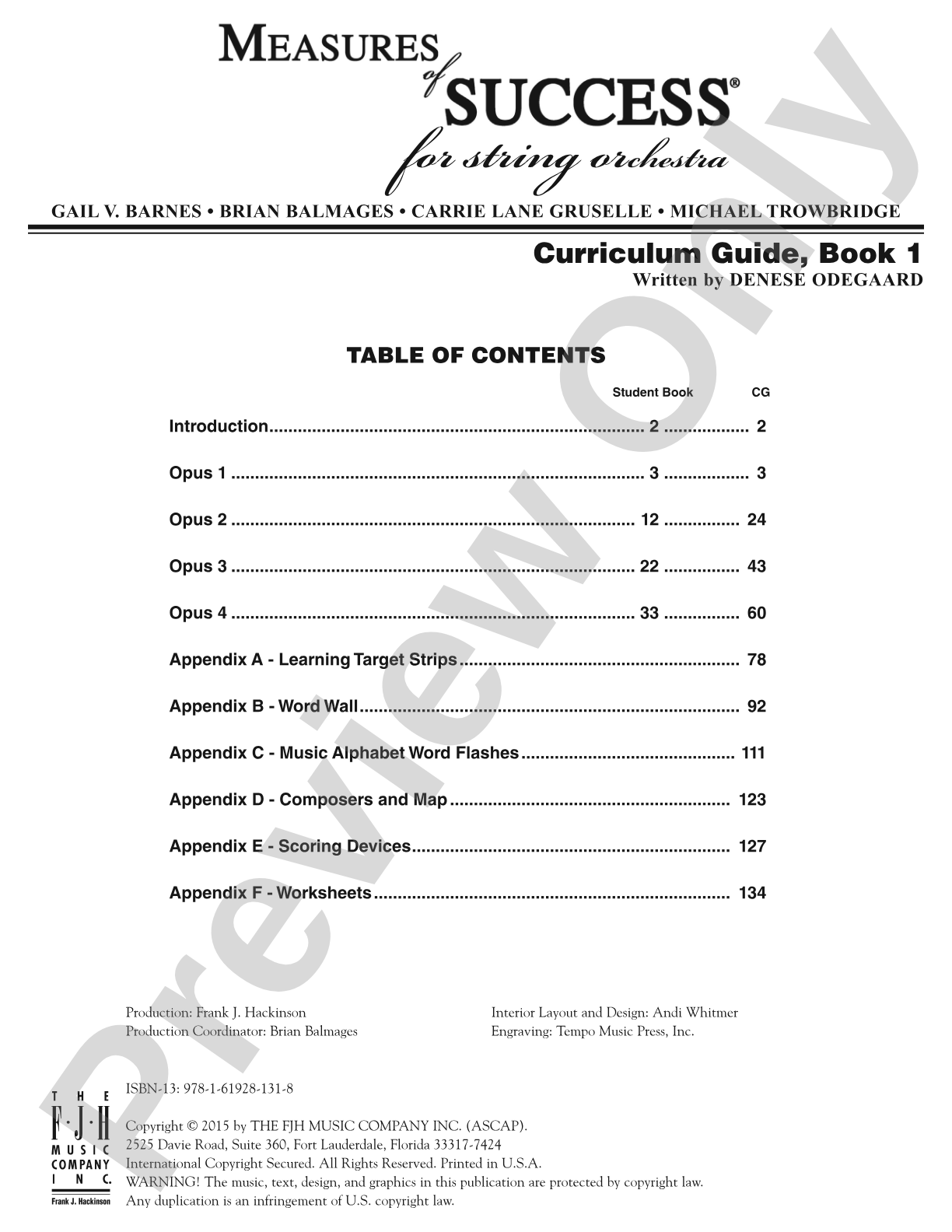

Measures of Success for String Orchestra: Curriculum Guide, Book 1: String Orchestra
Curriculum Guide, Book 1
By Gail V. Barnes, Brian Balmages, Carrie Lane Gruselle, and Michael Trowbridge / ed. Denise Odegaard
Item: 98-DSB307CG
$19.95
Pickup currently not available
Description
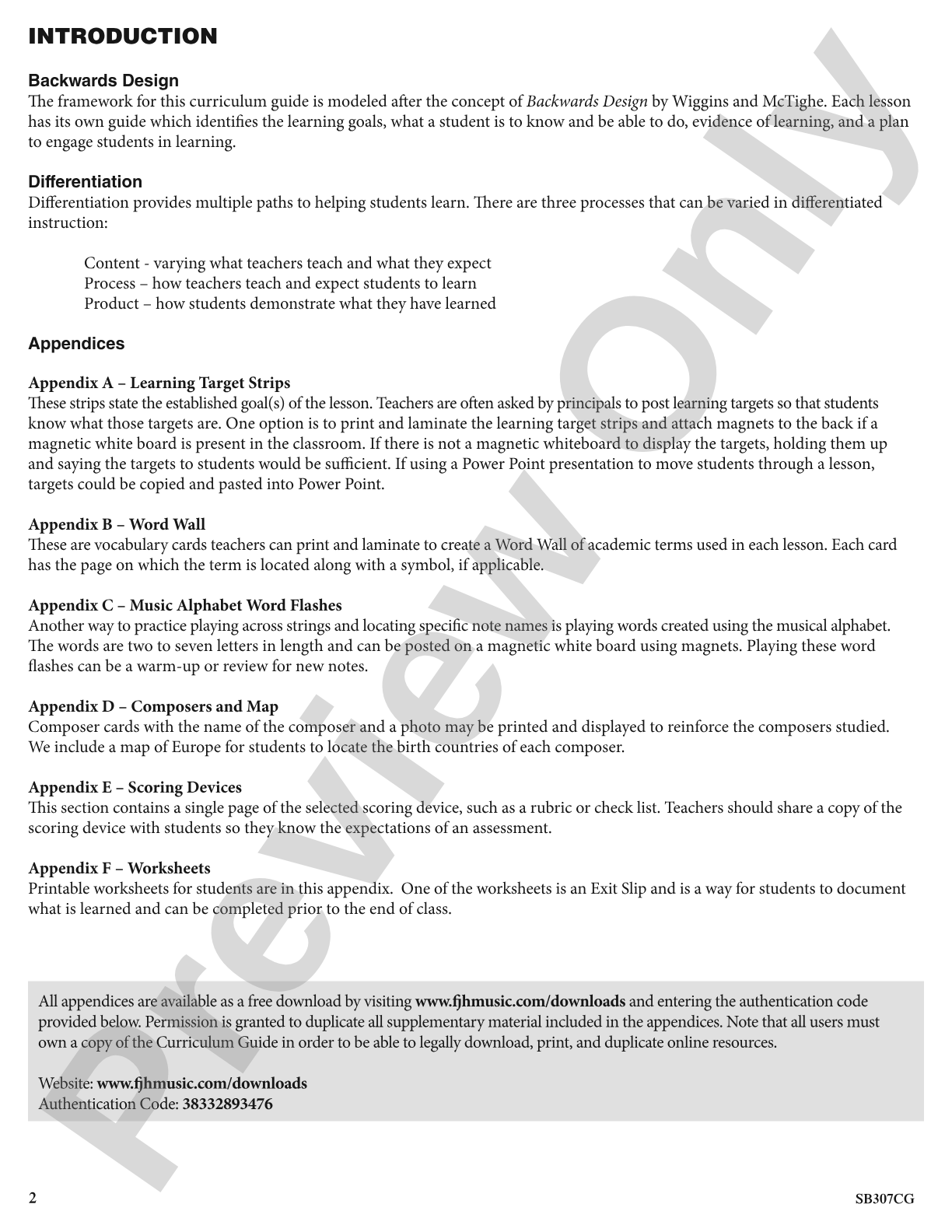
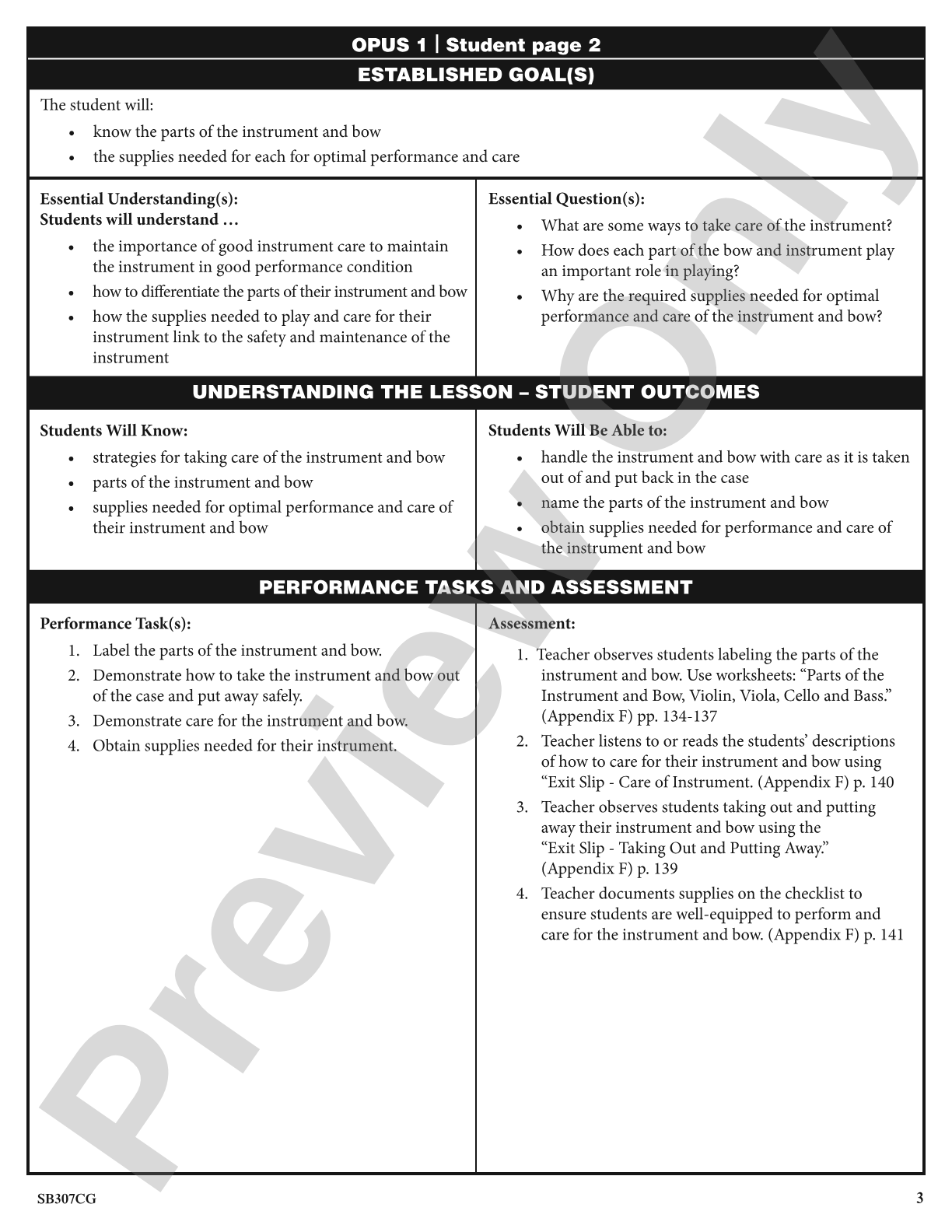
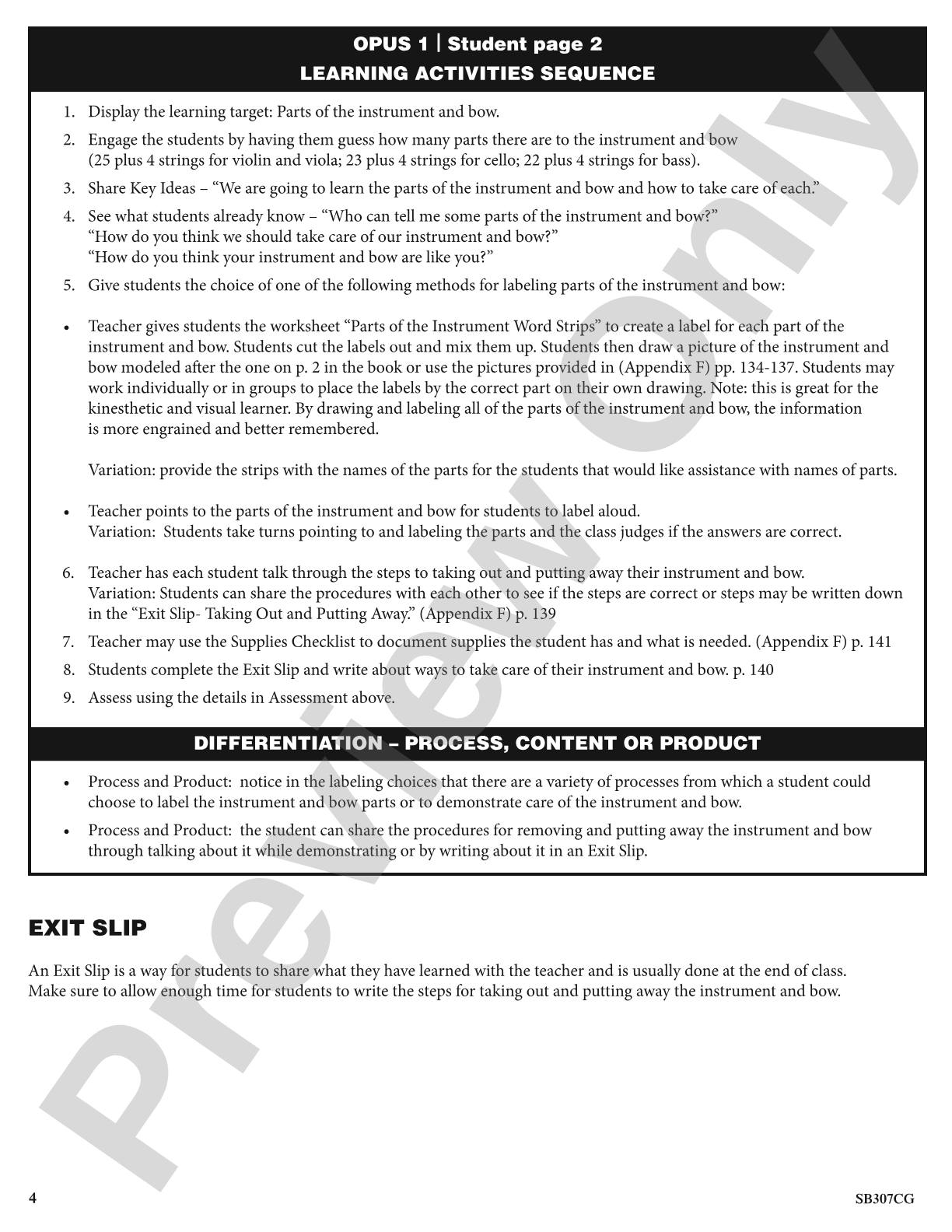
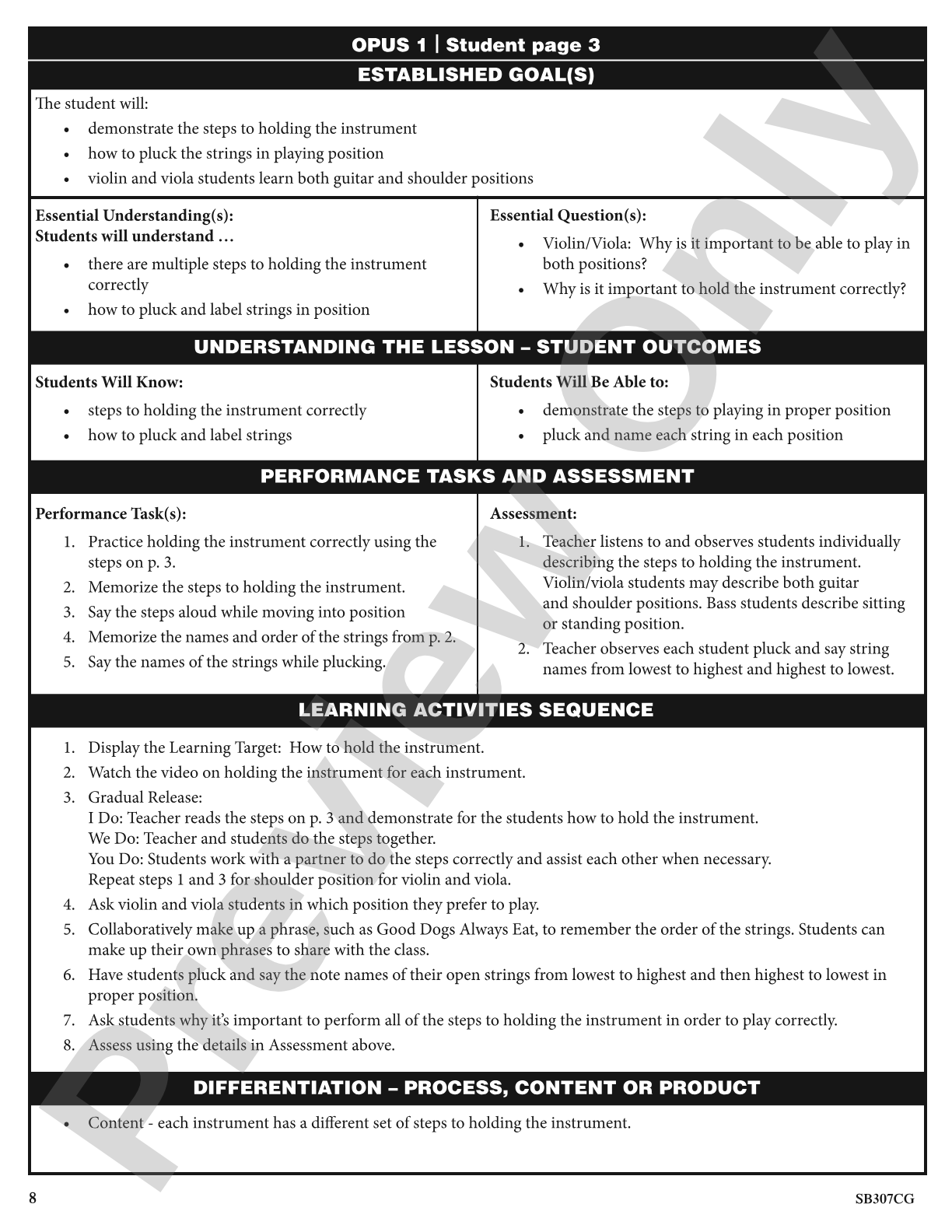
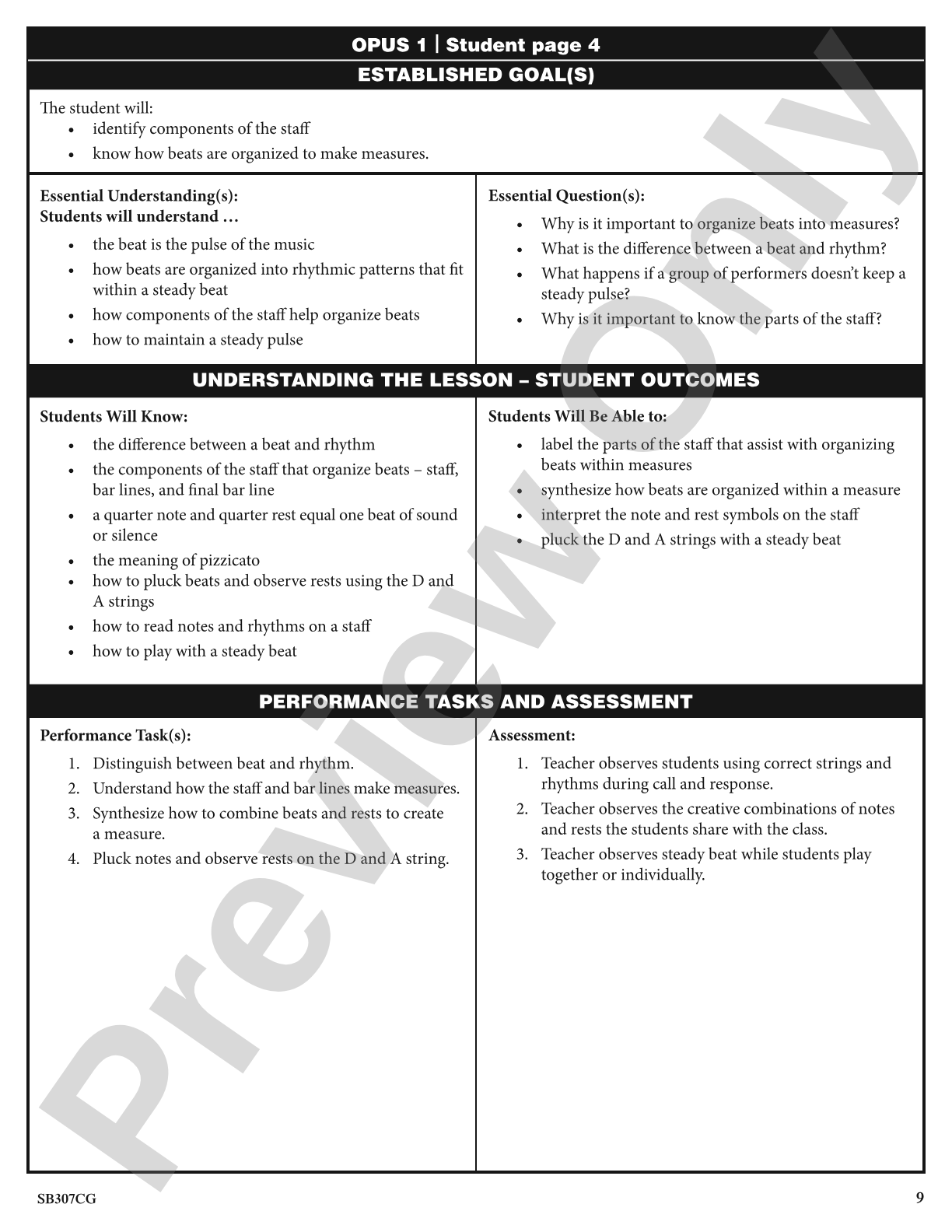
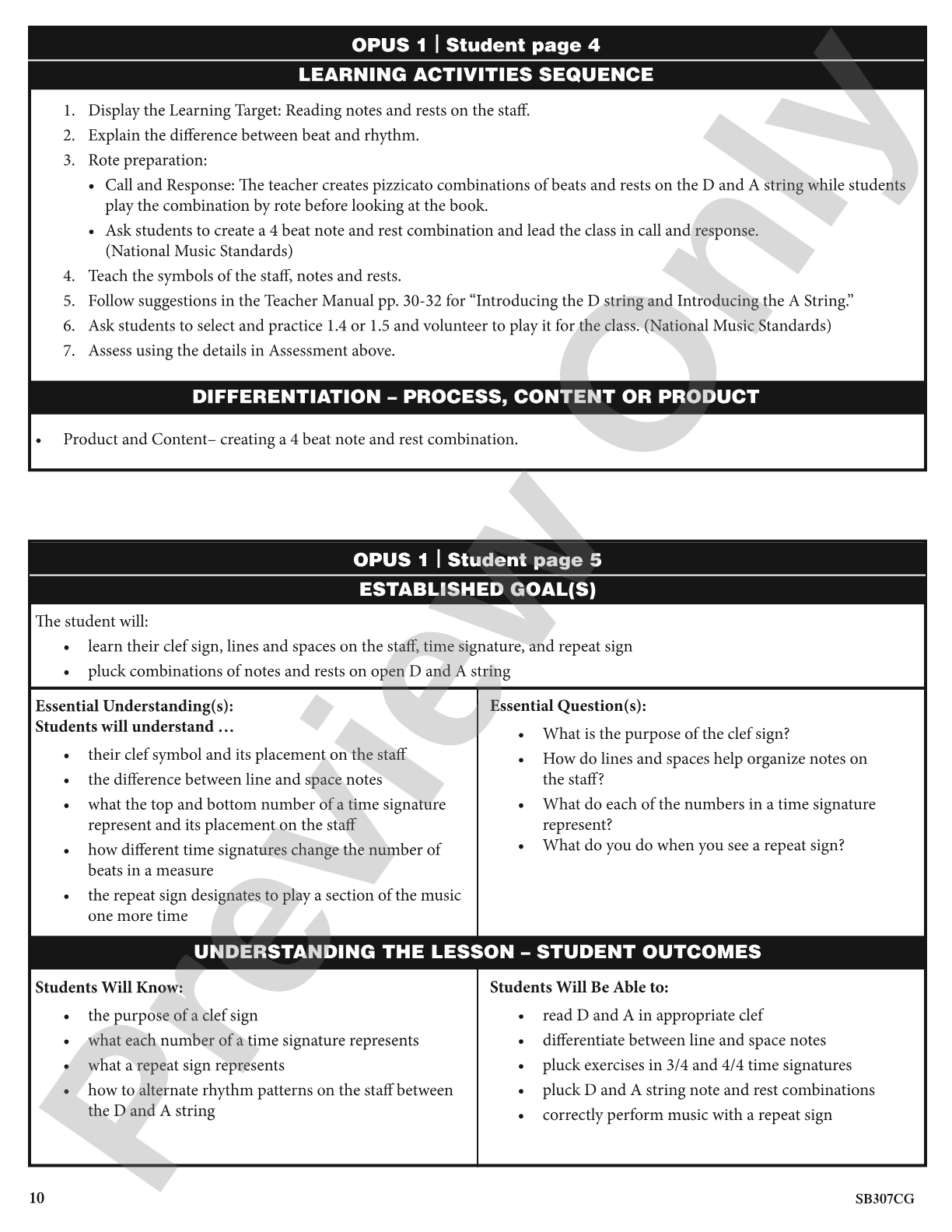
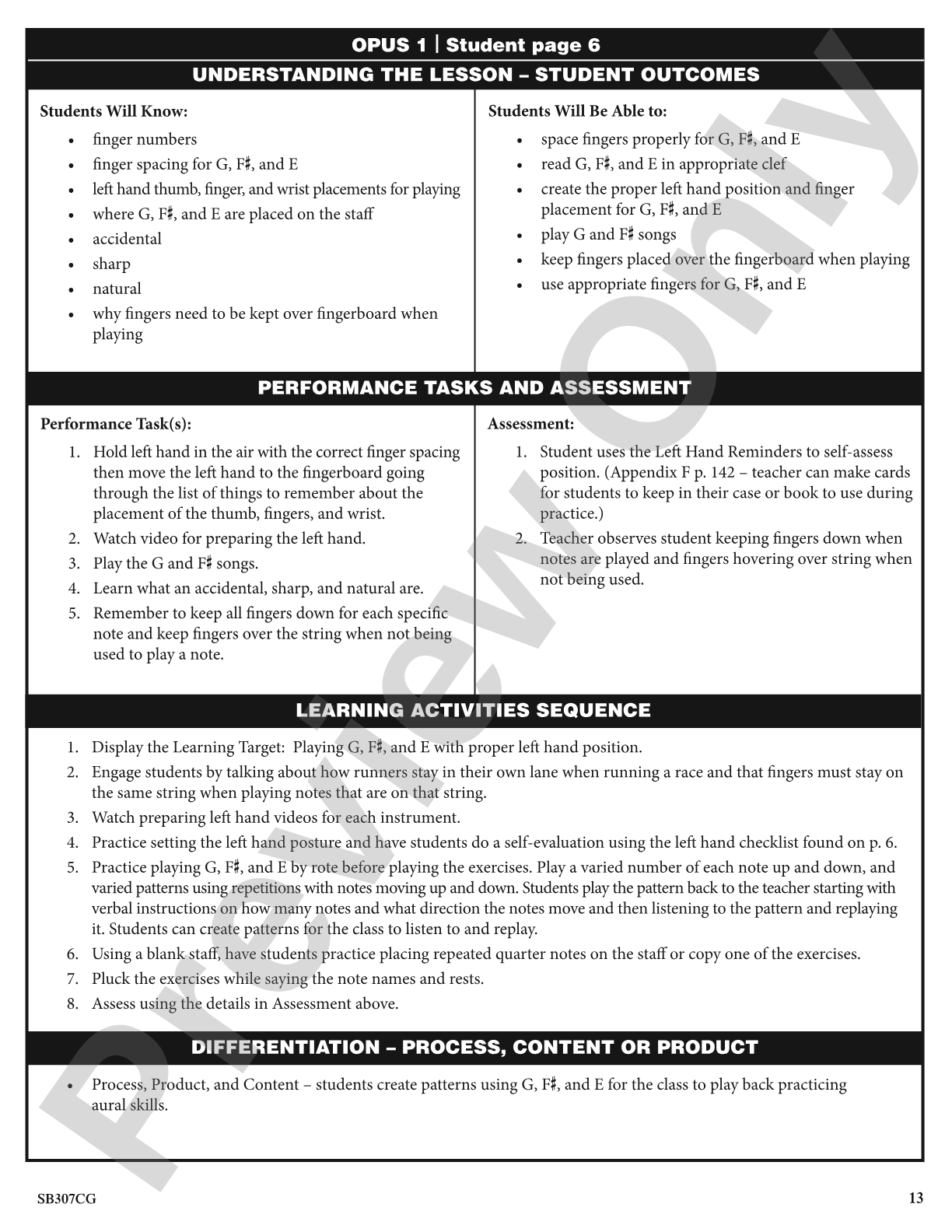
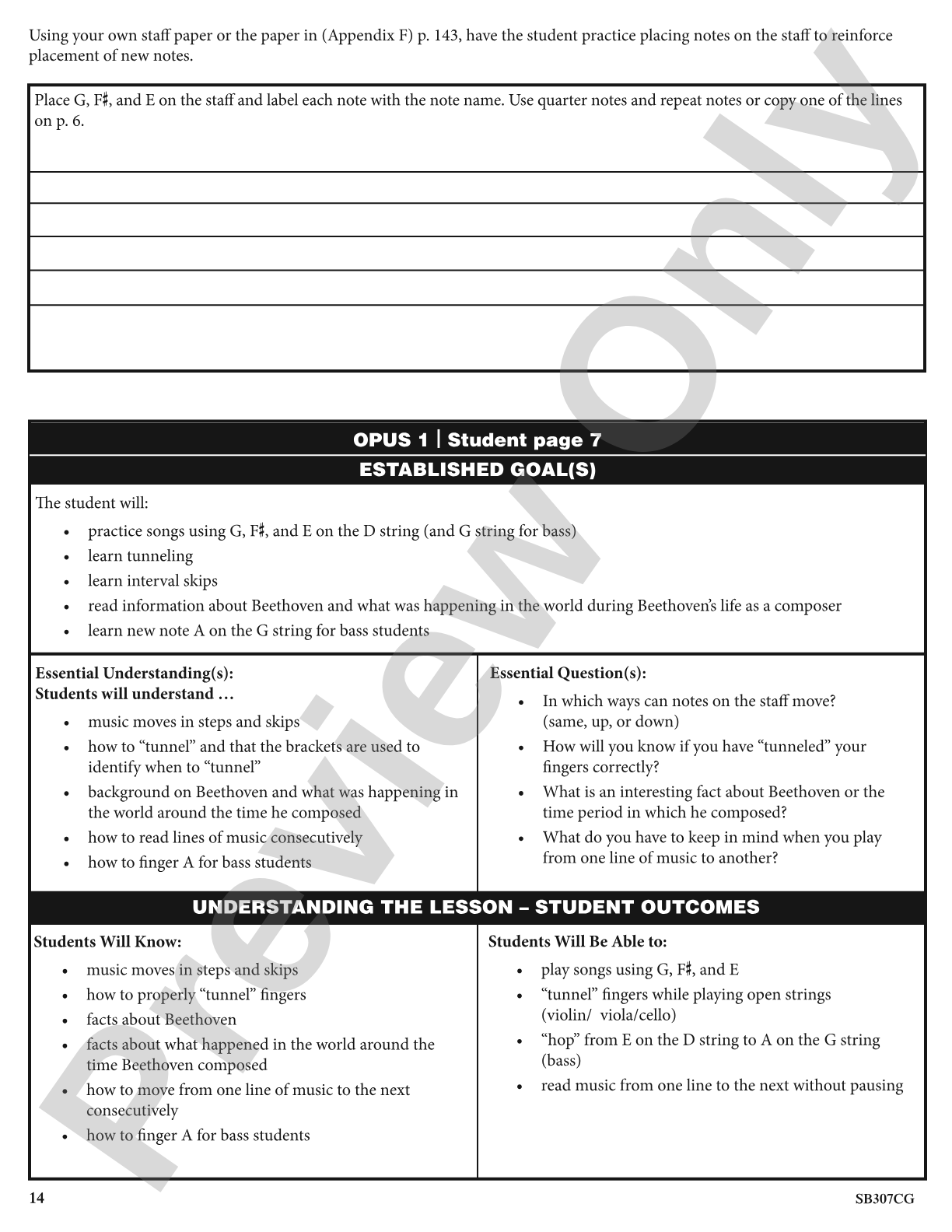
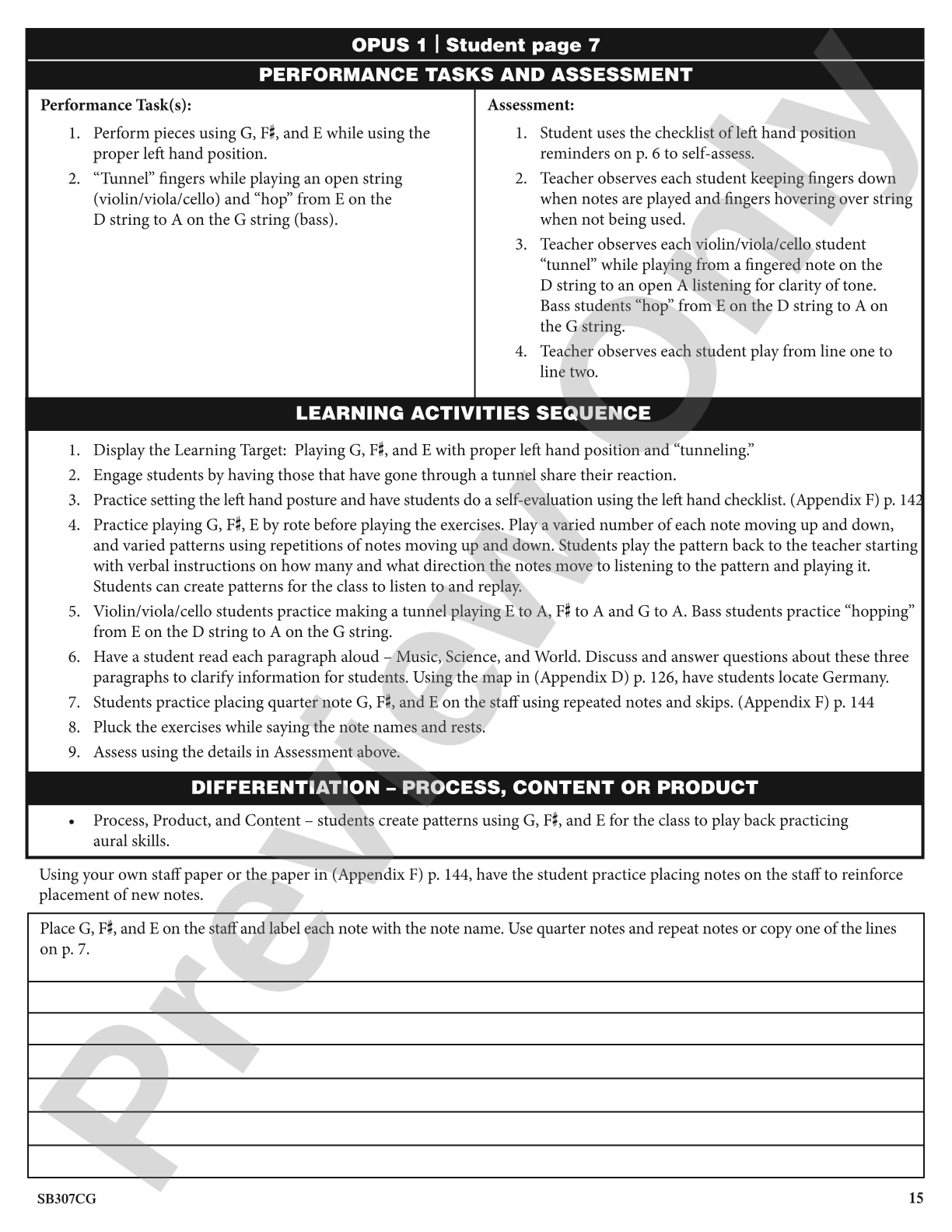
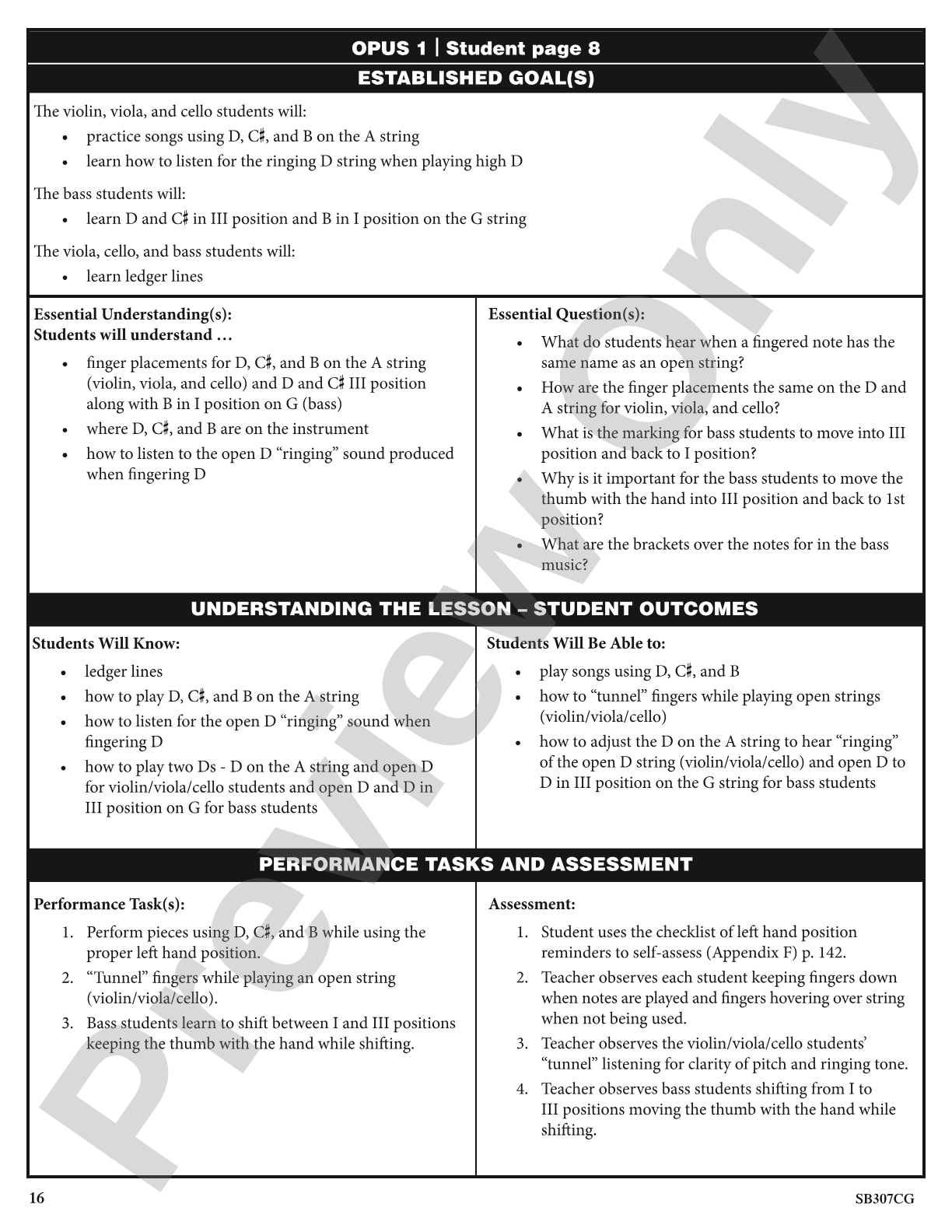
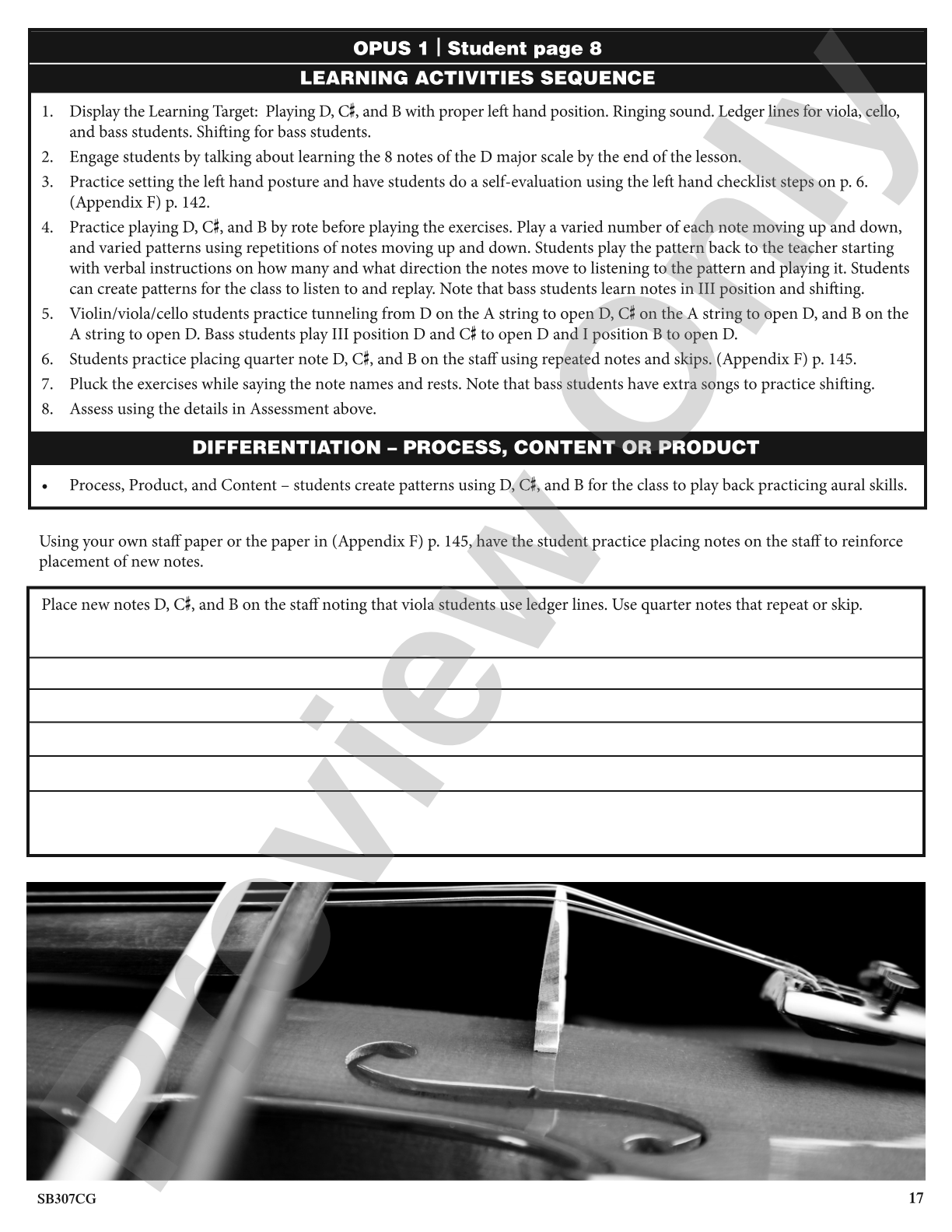
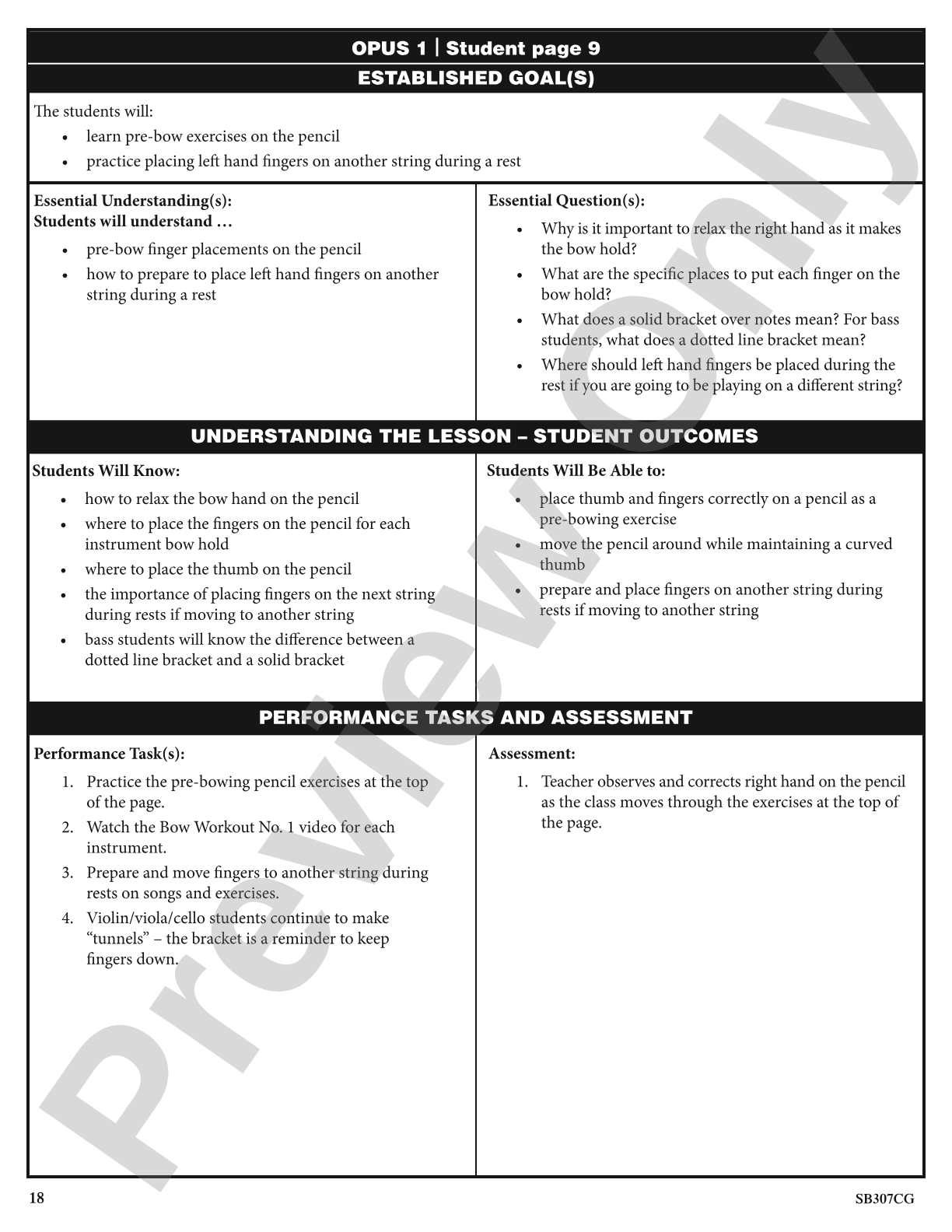
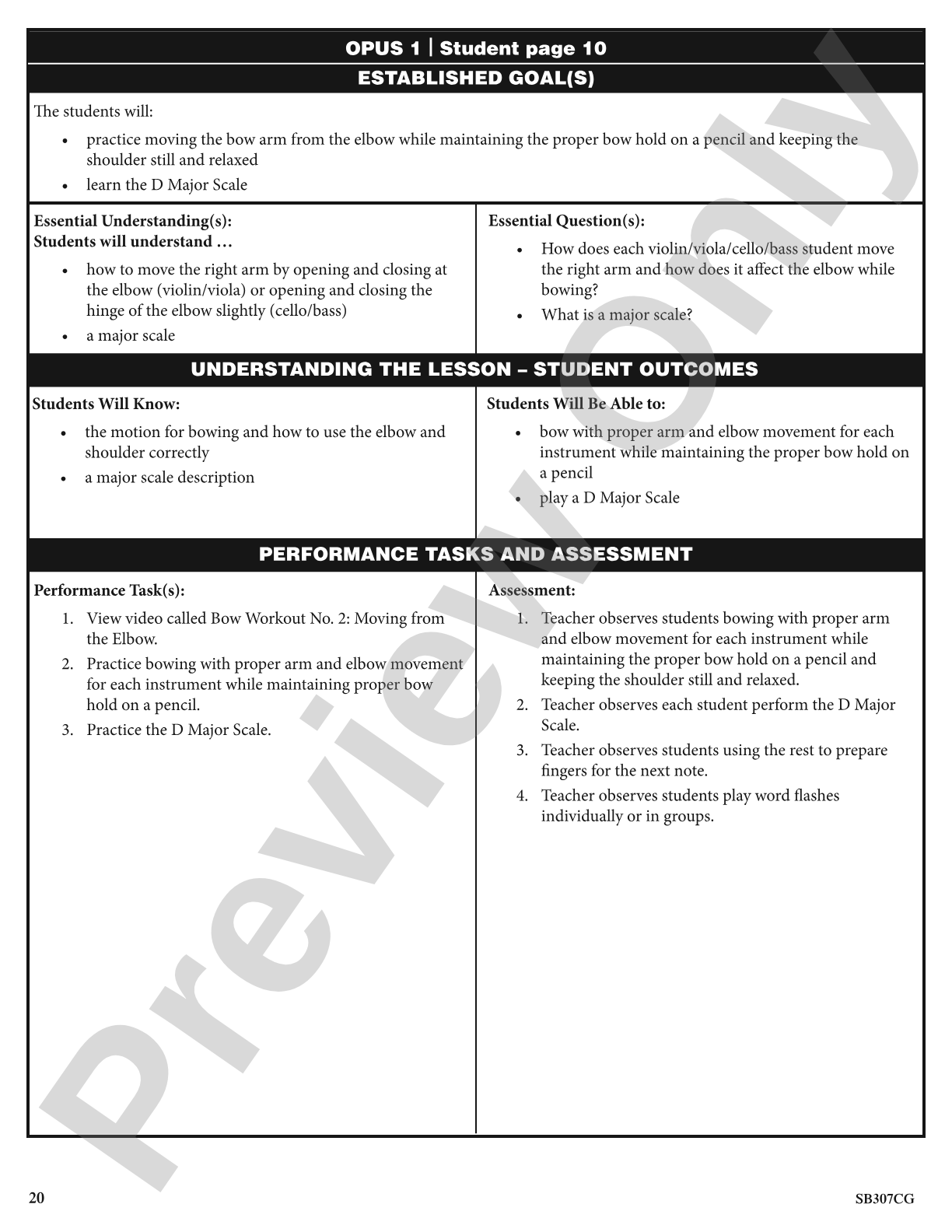
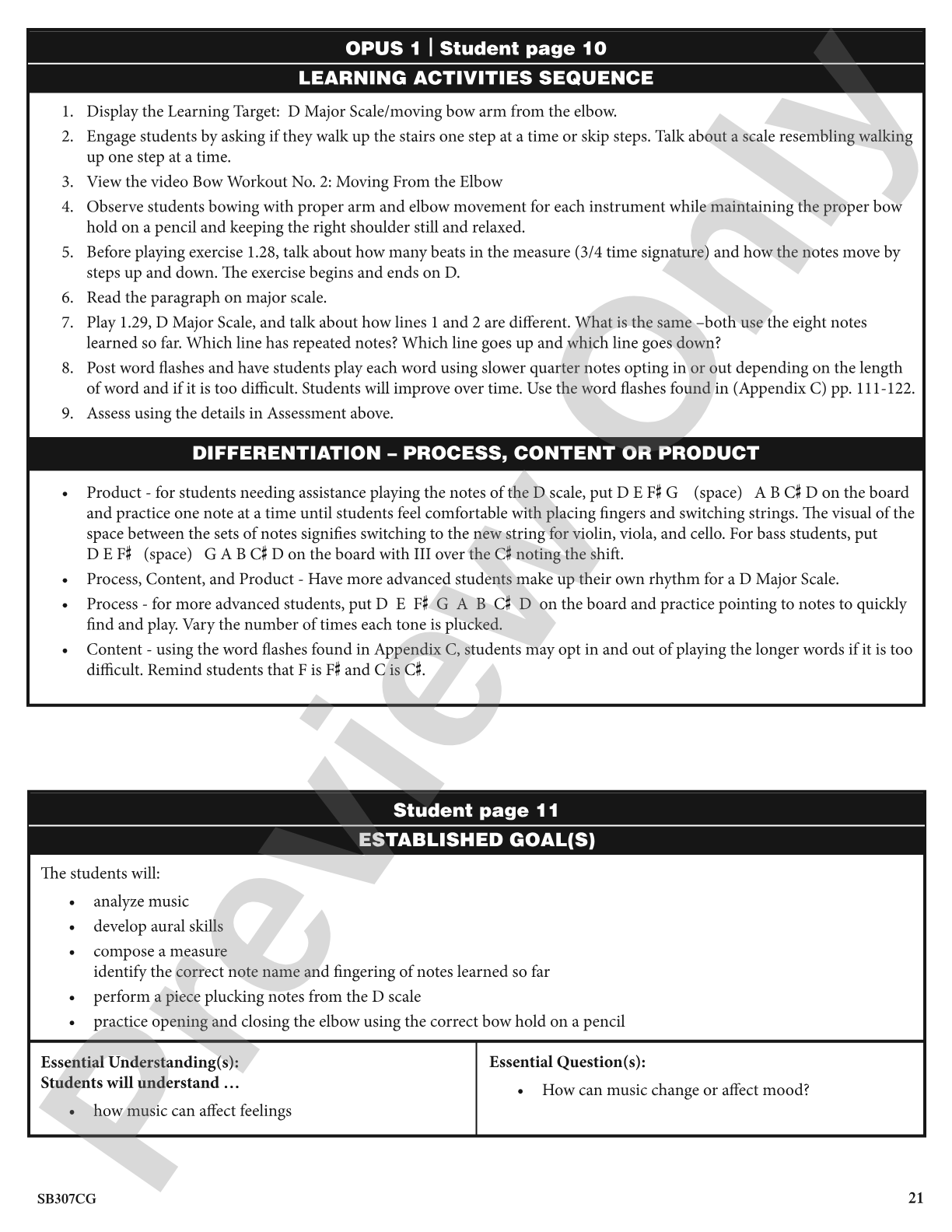
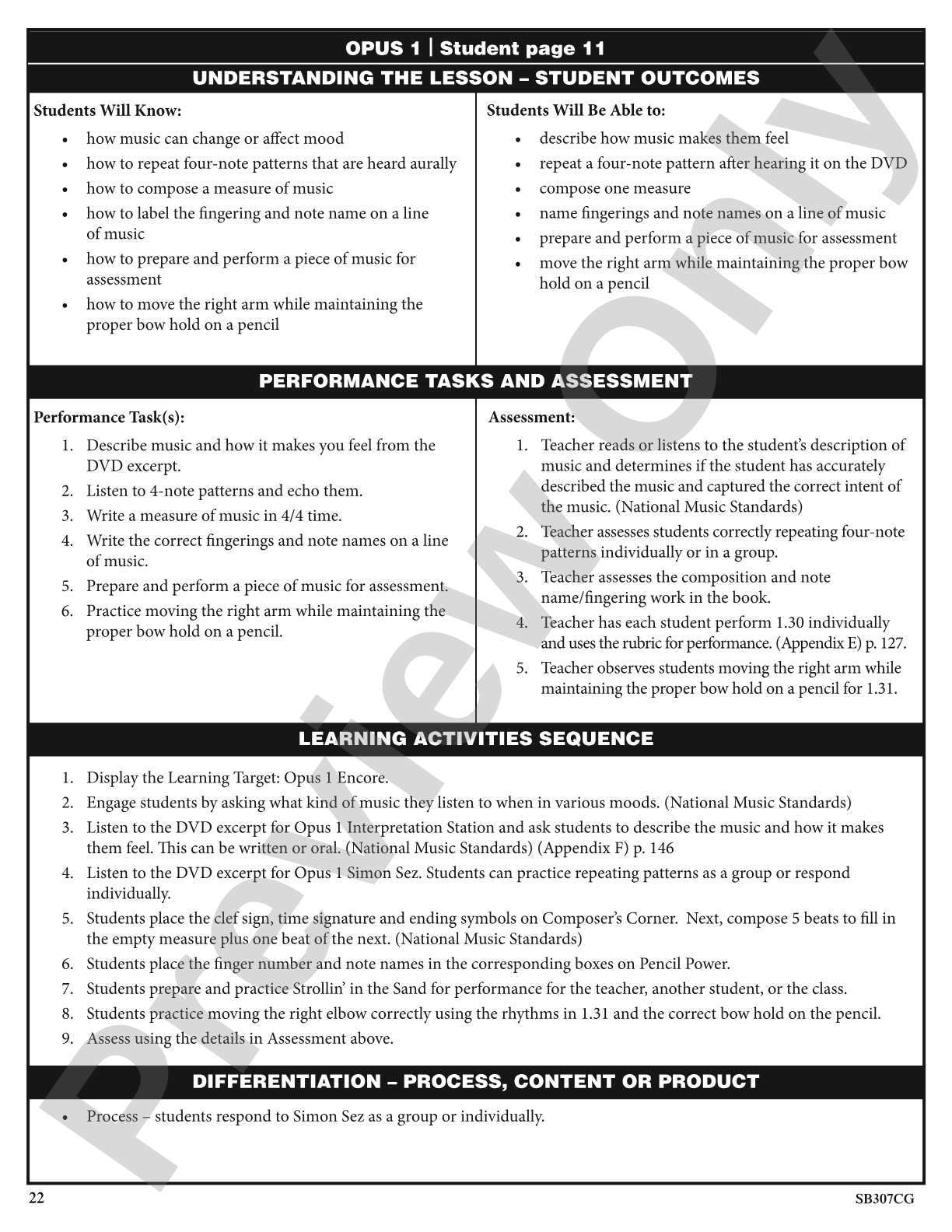
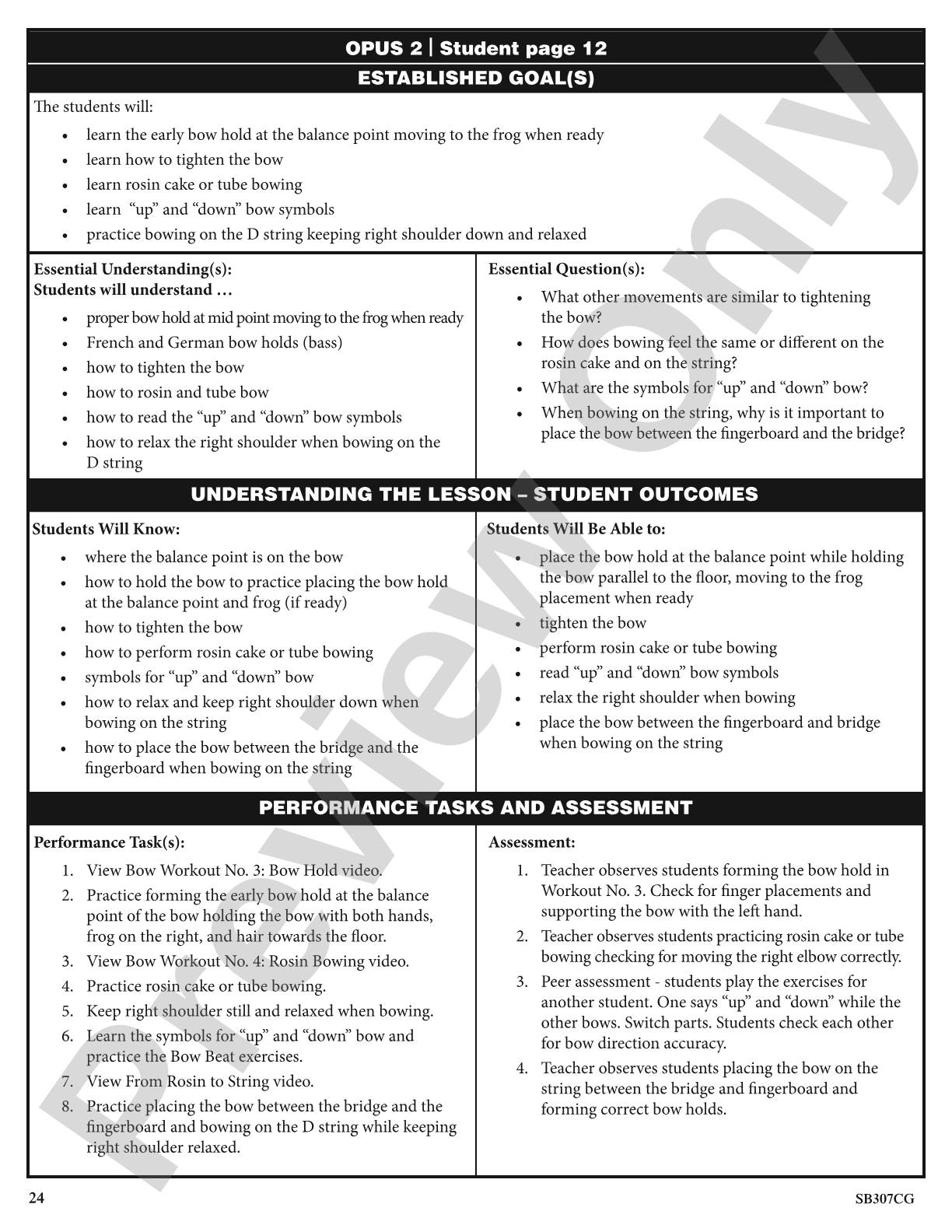
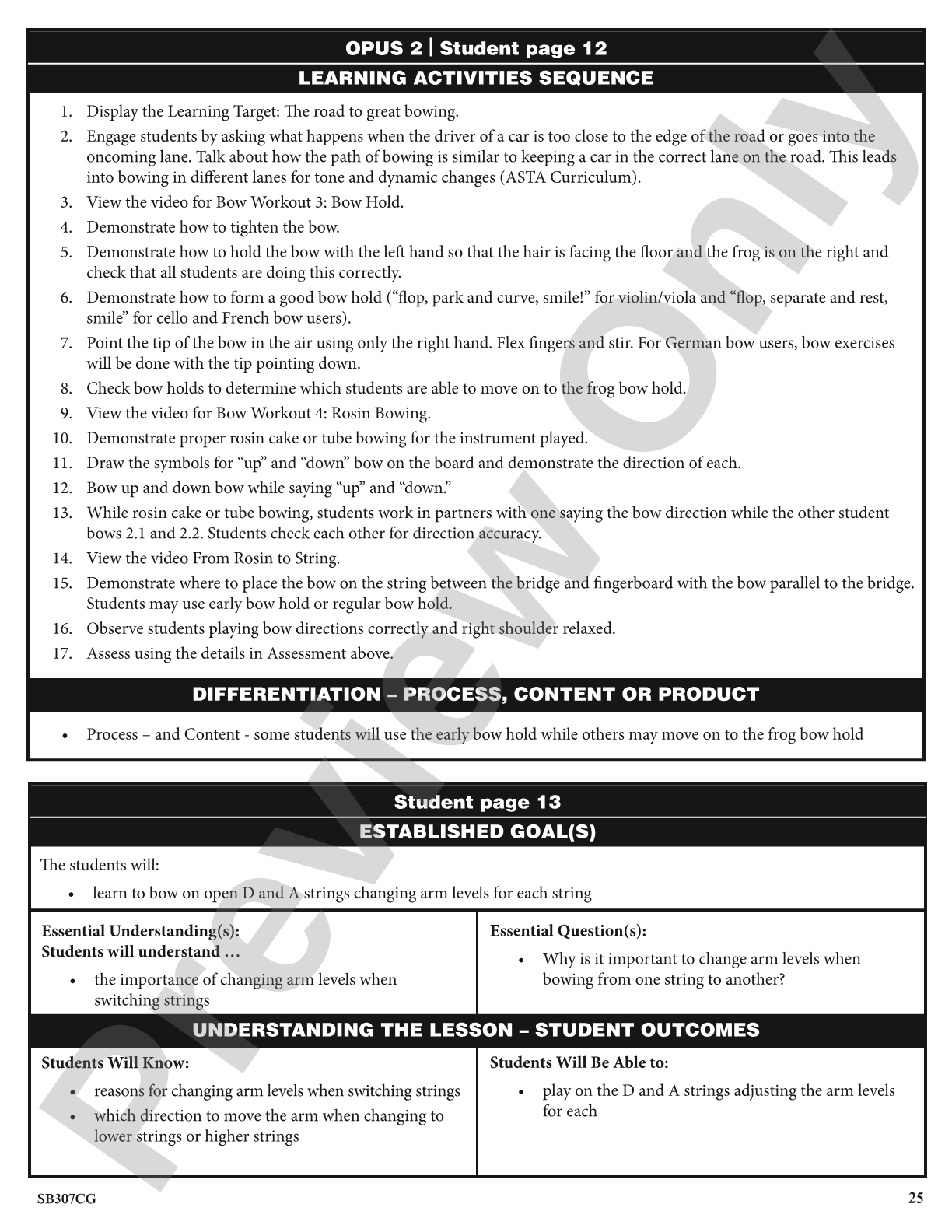
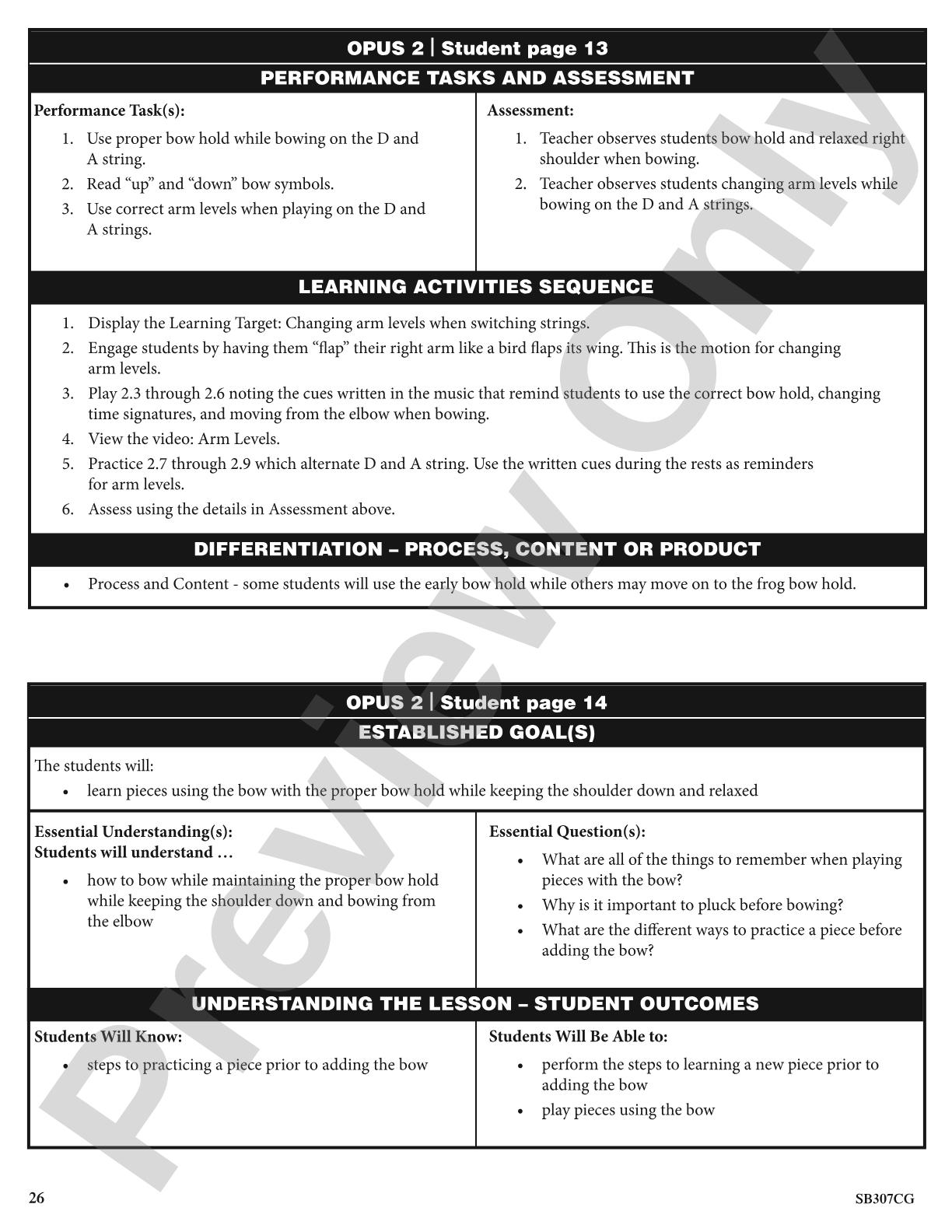
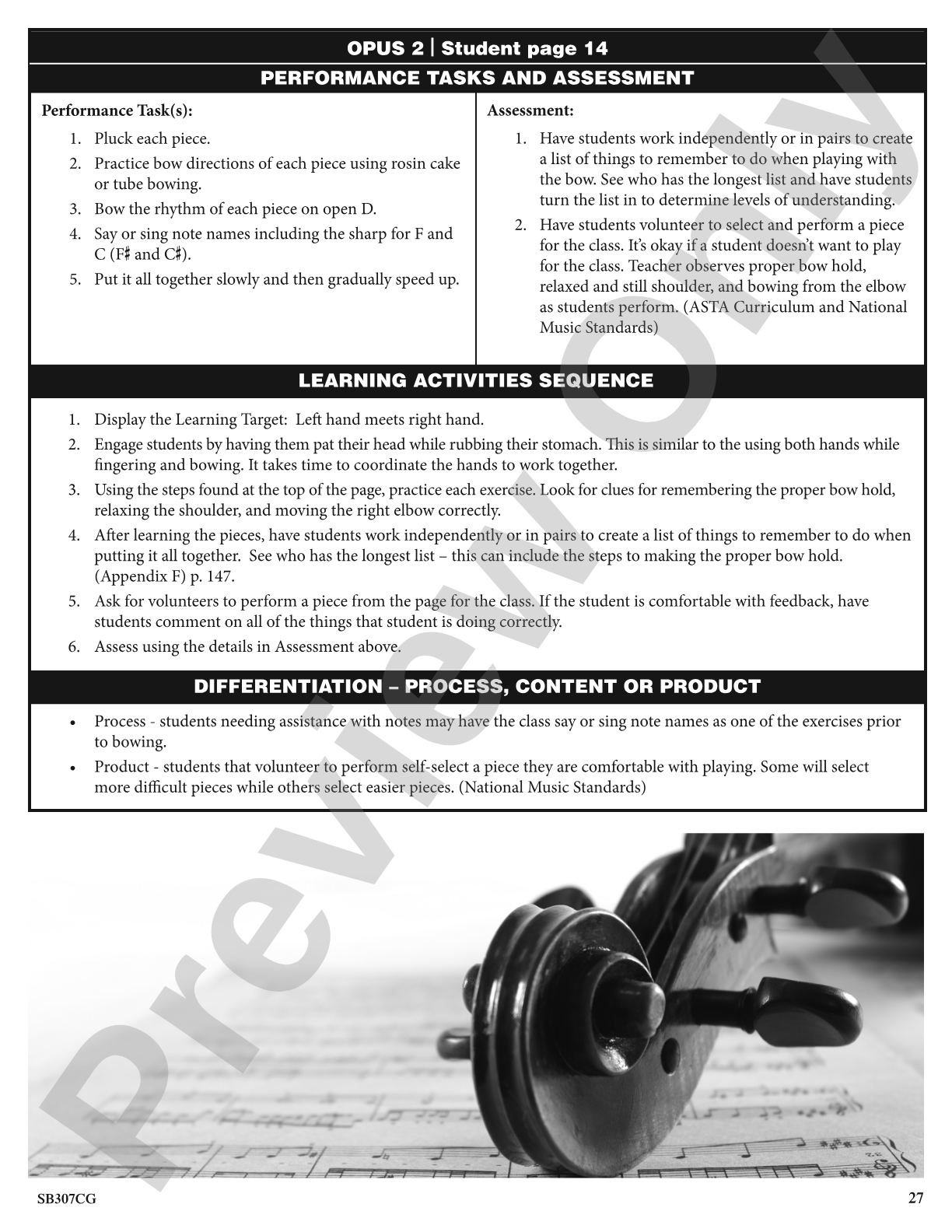
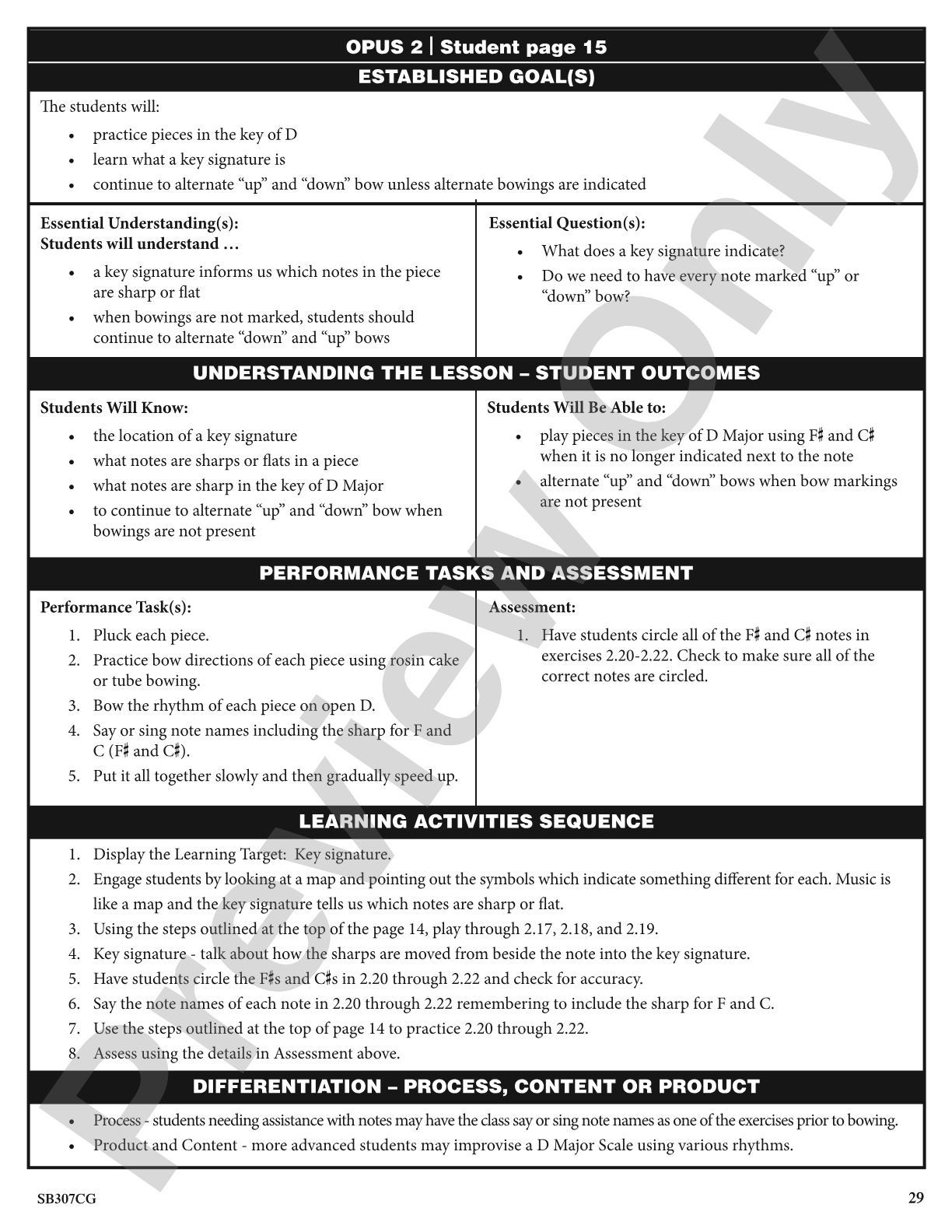
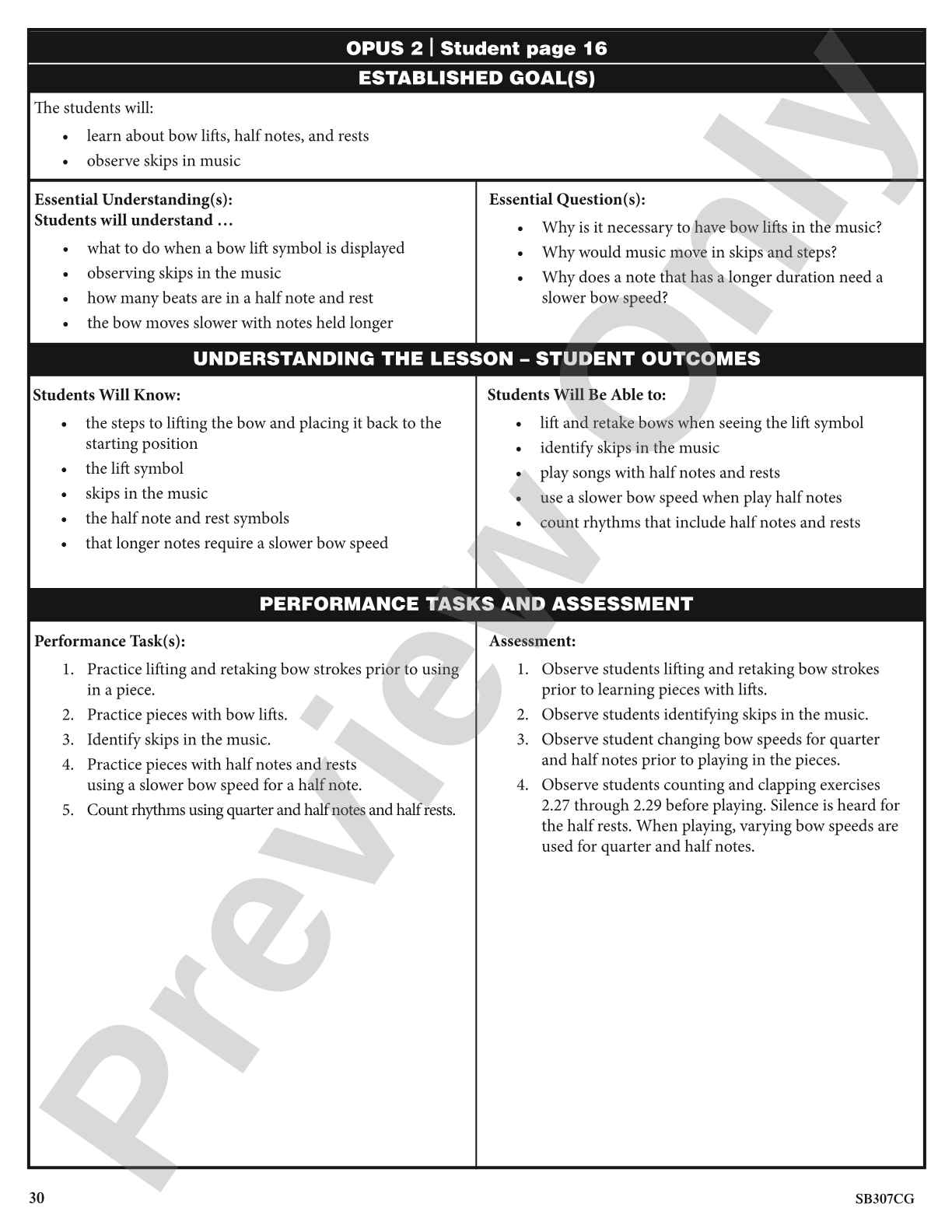
This curriculum guide is grounded in the principles of Backwards Design by Wiggins and McTighe, ensuring that every lesson begins with the end in mind. Each lesson guide clearly identifies learning goals, defines what students should know and be able to do, outlines evidence of learning, and provides an intentional plan to engage students in achieving those outcomes. By centering instruction around measurable goals, teachers can design purposeful learning experiences that build understanding step by step while maintaining alignment between instruction, assessment, and outcomes.
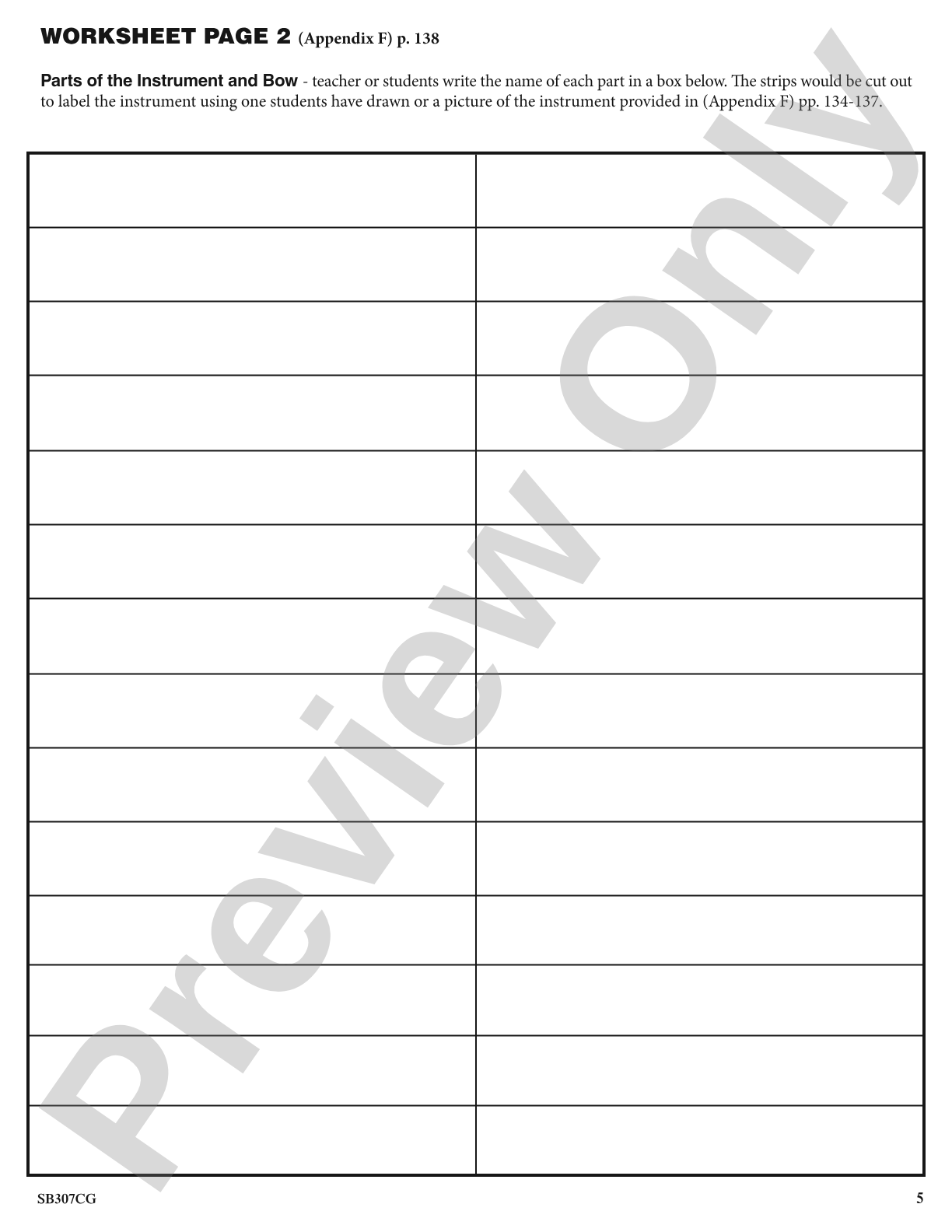
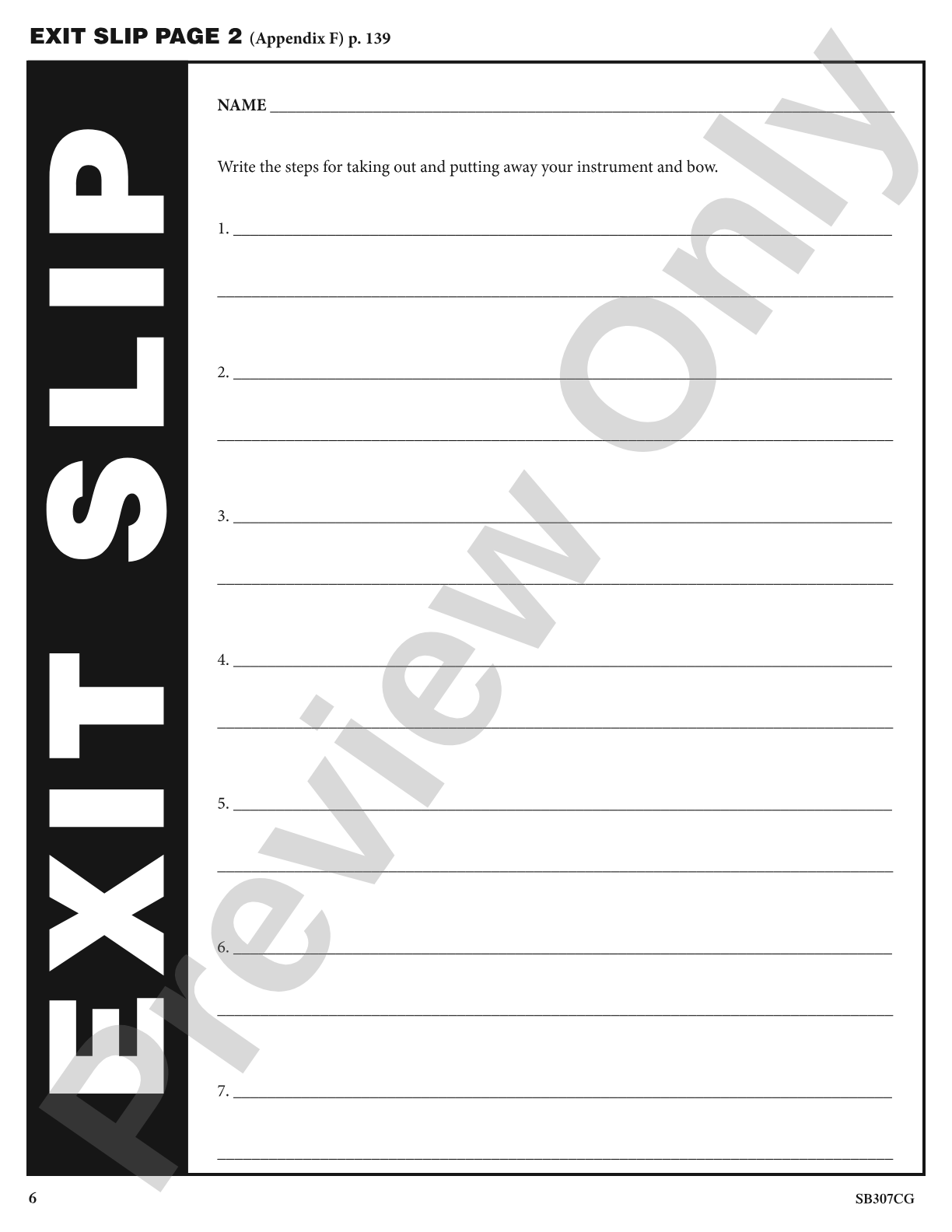
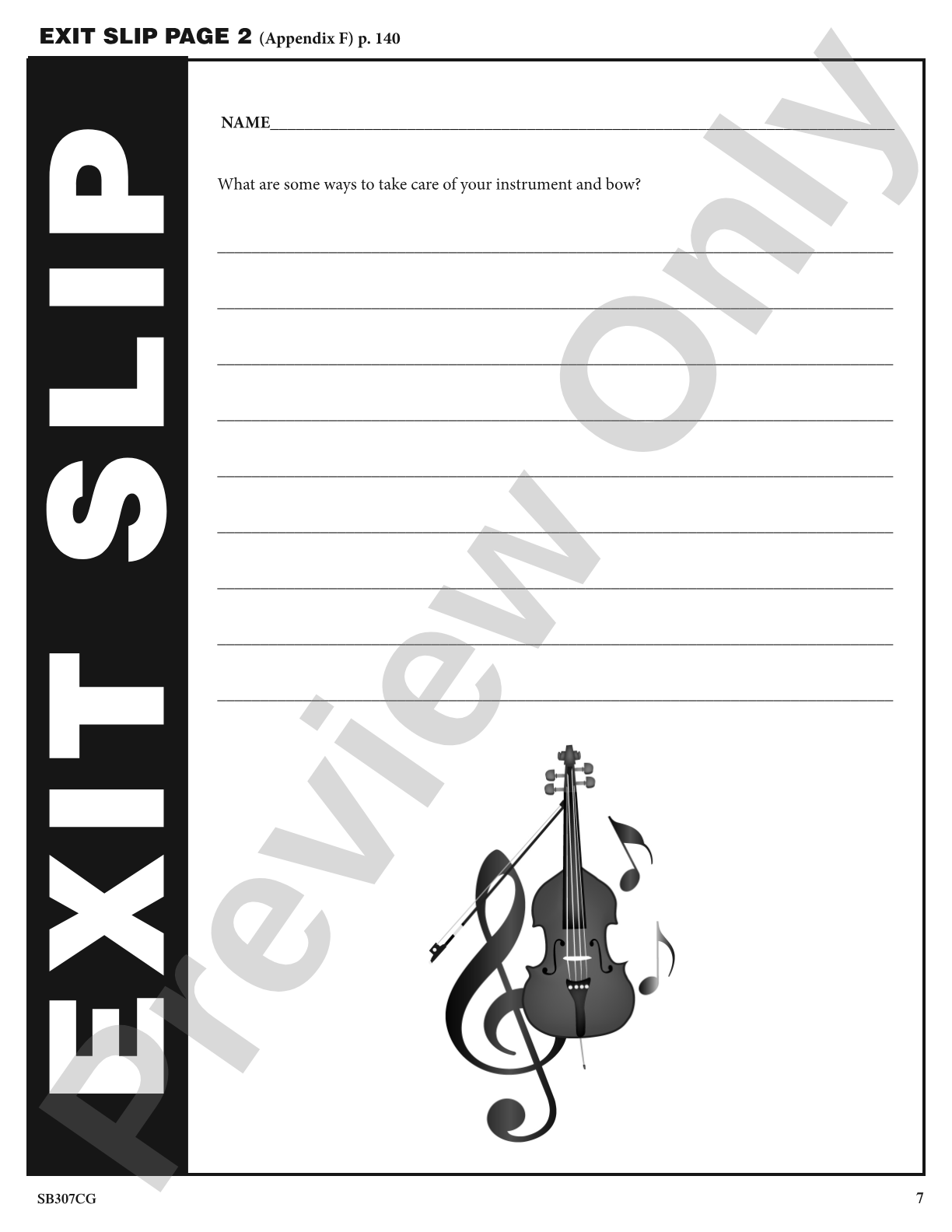
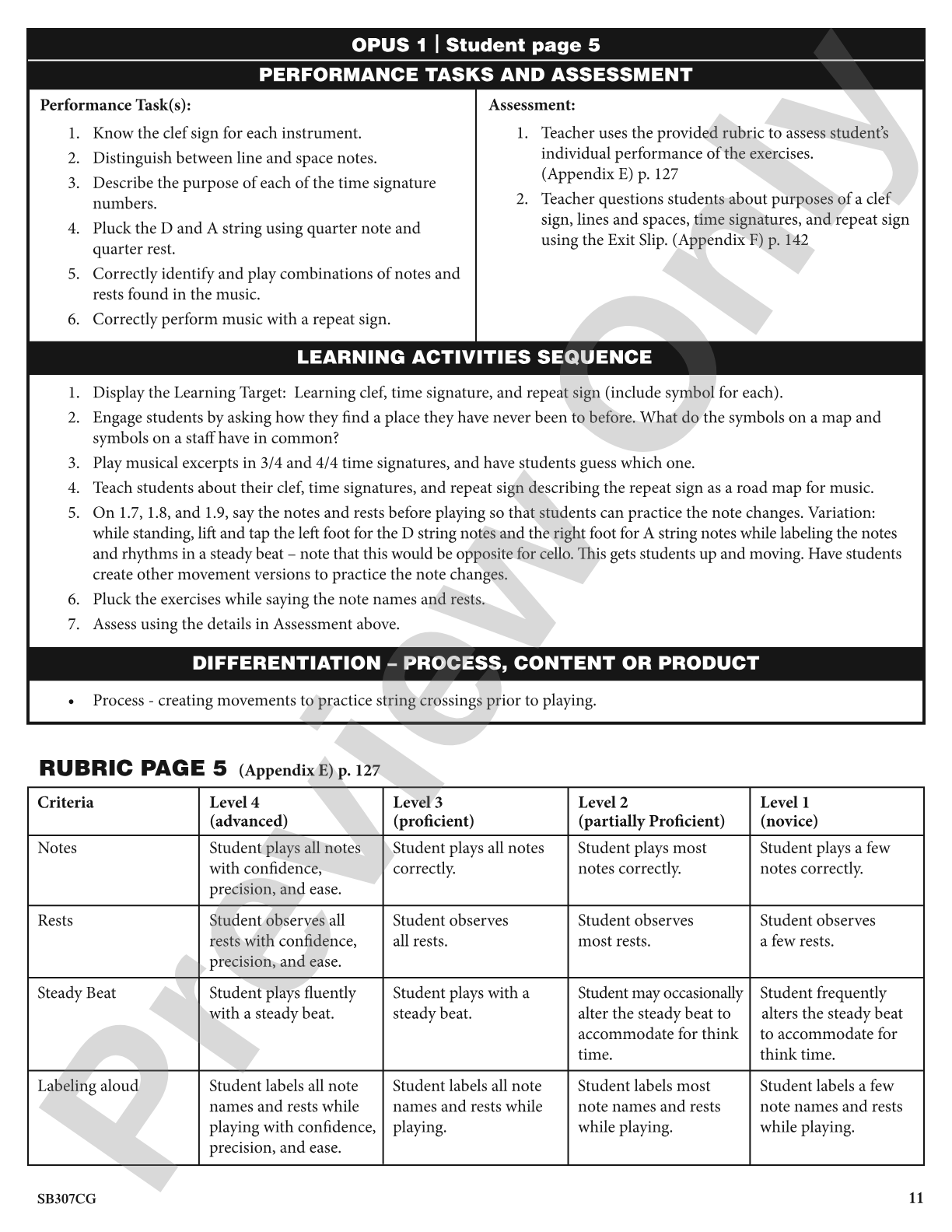
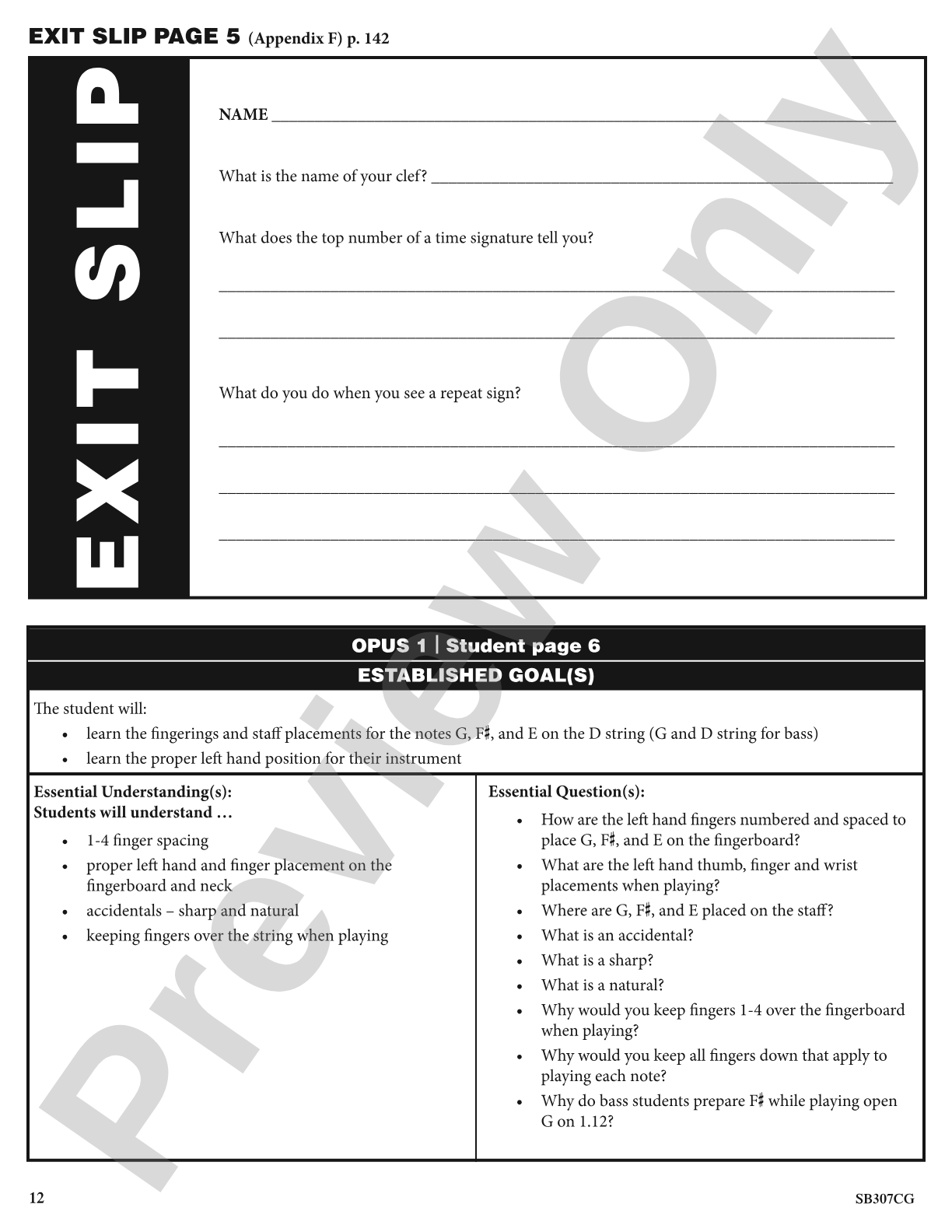
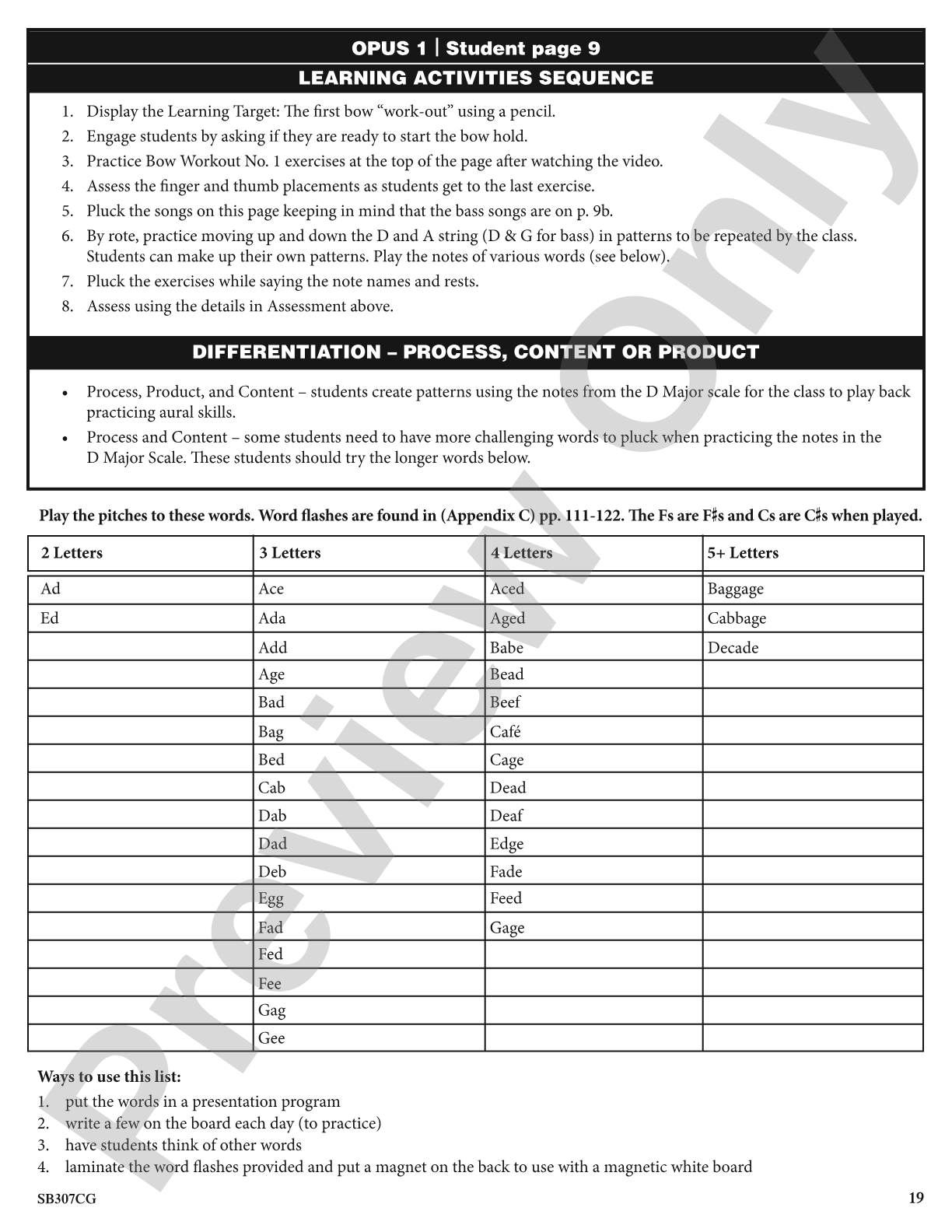
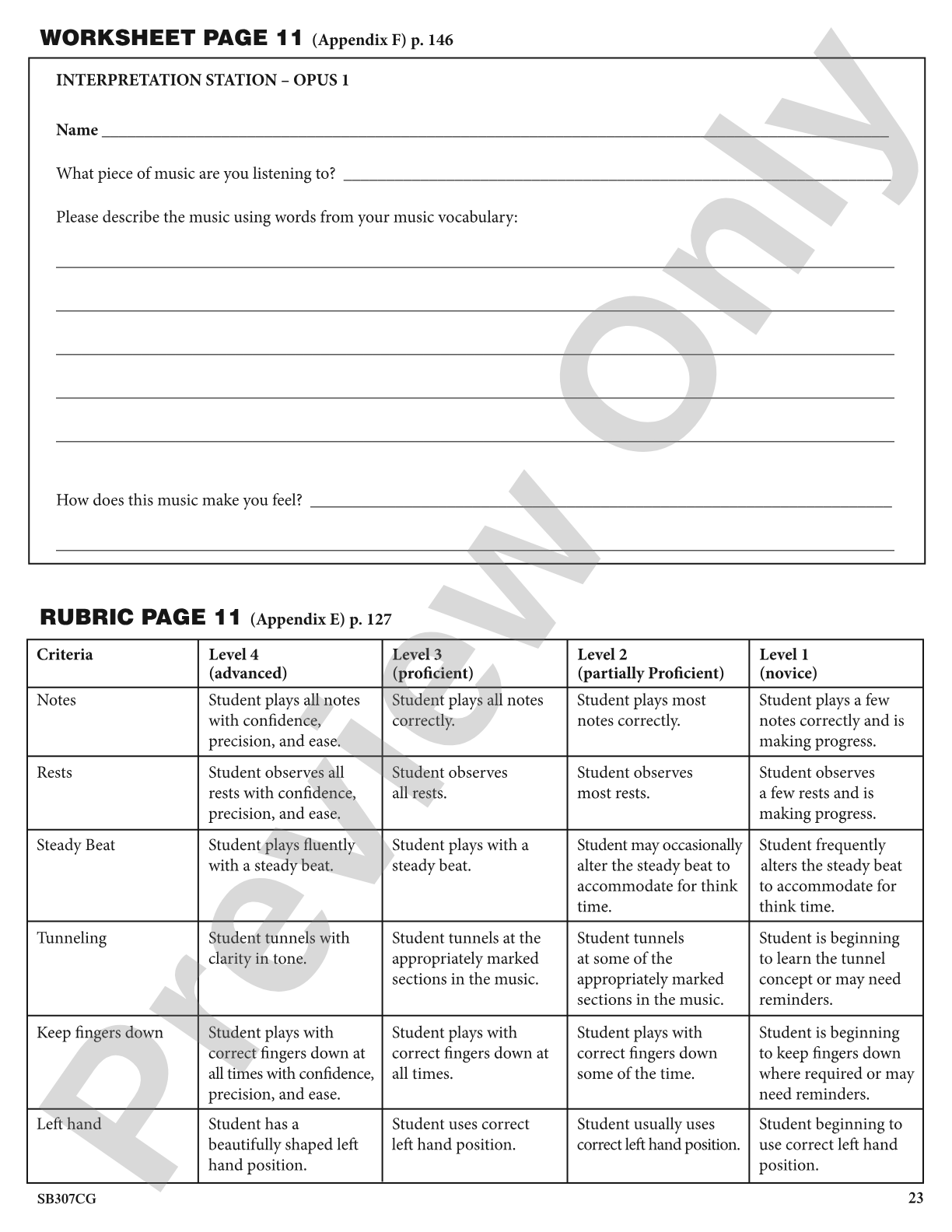
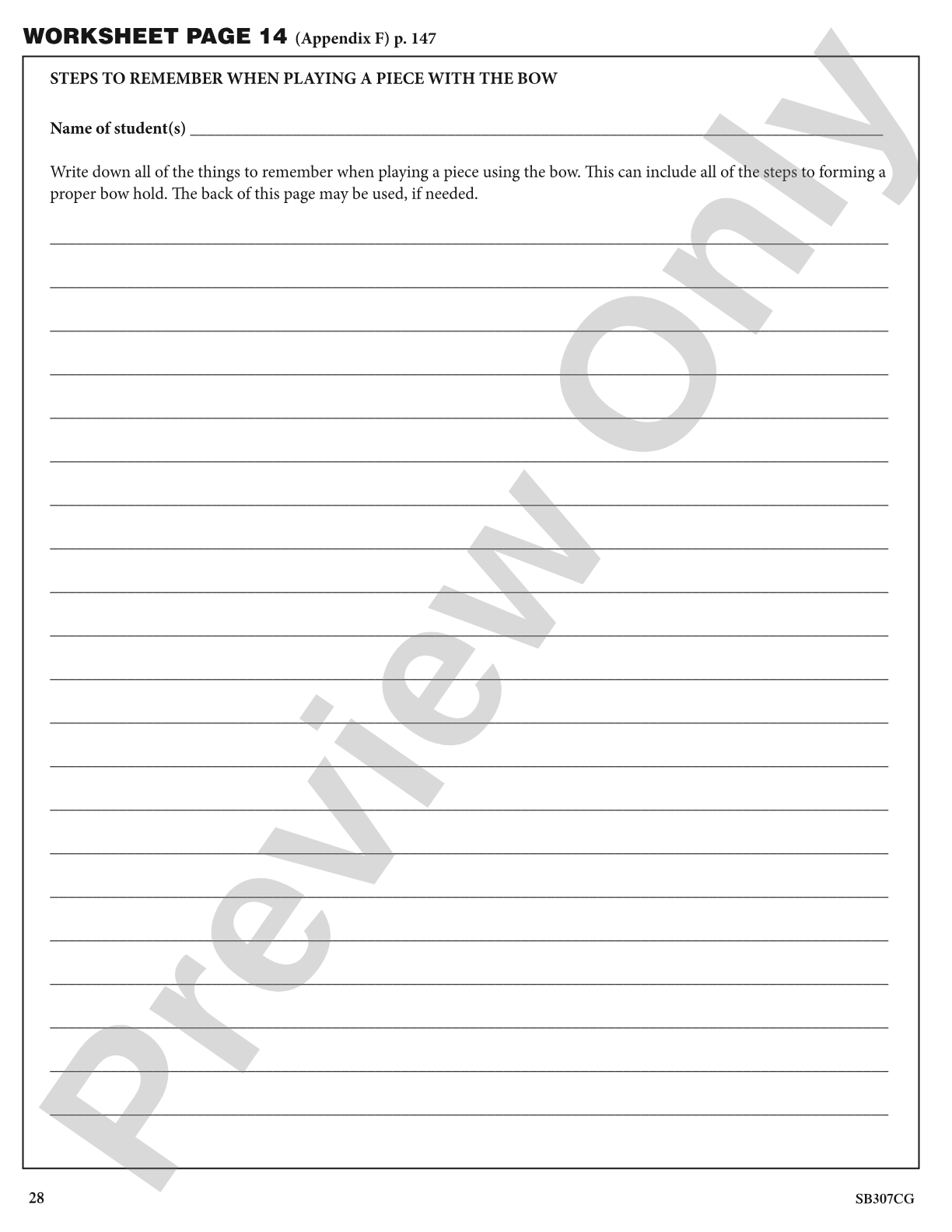
To support diverse learners, the guide embraces Differentiation, offering multiple pathways to success through flexible approaches to content, process, and product. Teachers can vary what they teach, how students learn, and how learning is demonstrated. A robust set of Appendices further enriches instruction: learning target strips for goal-setting (Appendix A), vocabulary word walls (Appendix B), musical alphabet word flashes for note recognition (Appendix C), composer cards and maps for cultural context (Appendix D), scoring devices for transparent assessment (Appendix E), and printable worksheets and exit slips for student reflection (Appendix F). Together, these tools provide a comprehensive framework for meaningful, student-centered learning.


To support diverse learners, the guide embraces Differentiation, offering multiple pathways to success through flexible approaches to content, process, and product. Teachers can vary what they teach, how students learn, and how learning is demonstrated. A robust set of Appendices further enriches instruction: learning target strips for goal-setting (Appendix A), vocabulary word walls (Appendix B), musical alphabet word flashes for note recognition (Appendix C), composer cards and maps for cultural context (Appendix D), scoring devices for transparent assessment (Appendix E), and printable worksheets and exit slips for student reflection (Appendix F). Together, these tools provide a comprehensive framework for meaningful, student-centered learning.
Measures of Success for String Orchestra: Curriculum Guide, Book 1: String Orchestra isn't in MakeMusic Cloud just yet...but it could be. Let us know you'd like to see it, and you'll help shape what comes next. In the meantime, start a free trial and dive into thousands of interactive titles your students can play along with today.
Request This Title
Tell us you want it.
Start Your Free Trial
Explore everything that's ready to play right now.
Sample Audio
No sample audio found.
Sample Video
No sample videos found.
Additional Details
Series:
Measures of Success
Page Count:
150
SKU:
98-DSB307CG
More about this title
About the Composer: Gail V. Barnes
Gail V. Barnes is a string music educator and curriculum designer whose work centers on creating intentional, standards-aligned instruction for developing ensembles. She collaborates with fellow educators and composers to build comprehensive teaching frameworks that translate music education theory into daily classroom practice.
Why we love this
This guide transforms curriculum planning from guesswork into intentional design. By anchoring every lesson in measurable learning outcomes and providing transparent assessment tools, directors can confidently track what students actually understand rather than what they've simply played through. The differentiation framework embedded throughout means you're not choosing between rigor and inclusion; you're building both at once.
Who it's for
String orchestra directors who want their instruction to be strategically planned rather than repertoire-driven. This guide serves teachers at any experience level who recognize that student growth requires clear goals, multiple pathways to mastery, and evidence of learning built into every rehearsal.
How to use it
Use this as your curriculum backbone for Book 1 repertoire rather than a supplementary resource. Work through the lessons sequentially to scaffold skills intentionally, using the appendices to reinforce learning targets with each piece your orchestra tackles. The assessment tools and exit slips fit naturally into rehearsal rhythms, giving you real data on student understanding without consuming extra preparation time.
Skills your students will build
- Setting and tracking personal learning goals using provided target strips
- Reading and identifying notes on treble and bass clefs with musical alphabet flashcards
- Understanding cultural and historical context through composer research
- Demonstrating learning through multiple assessment formats (performance, written reflection, peer evaluation)
- Self-reflecting on progress and adjusting practice strategies based on evidence