
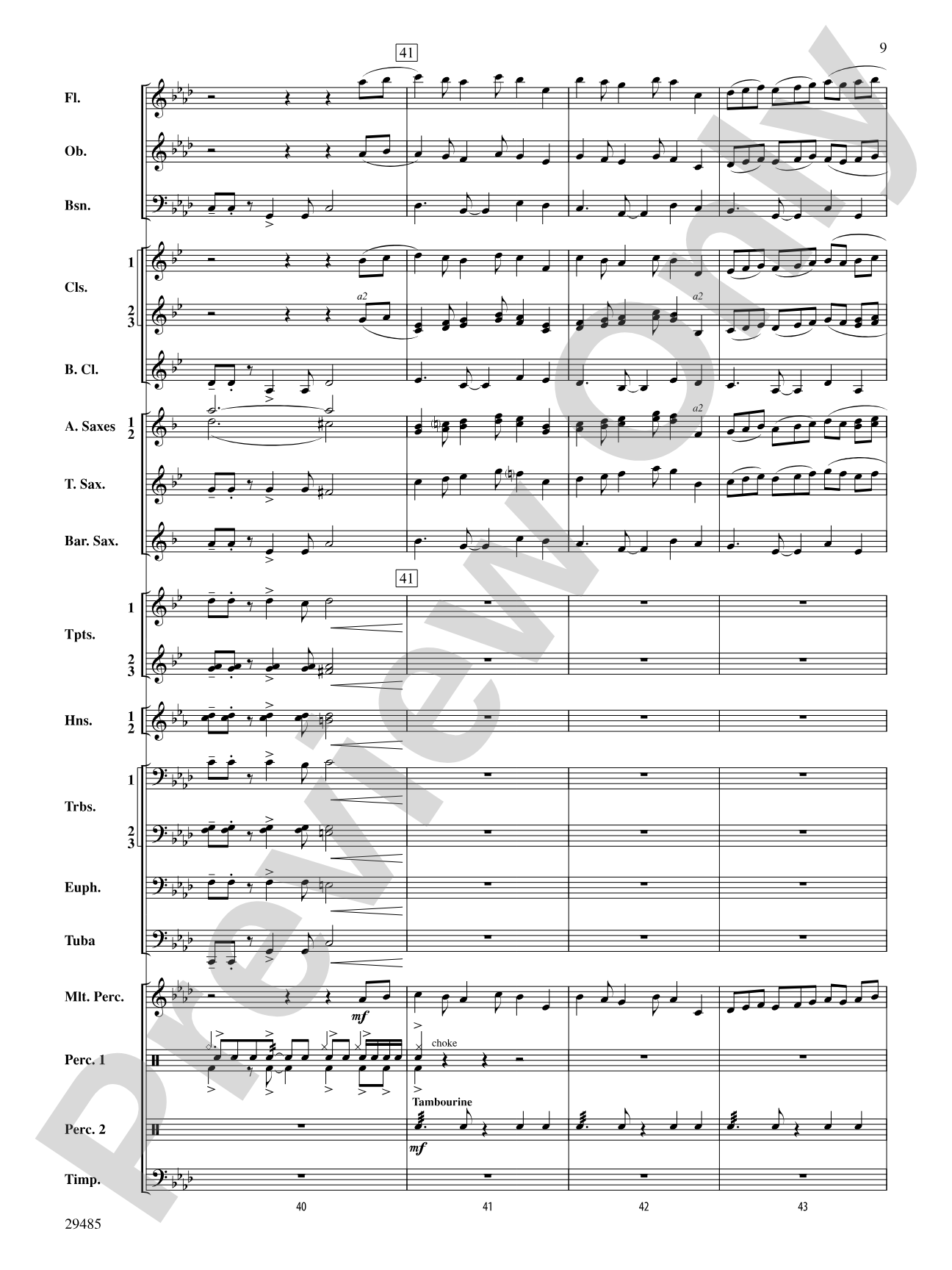
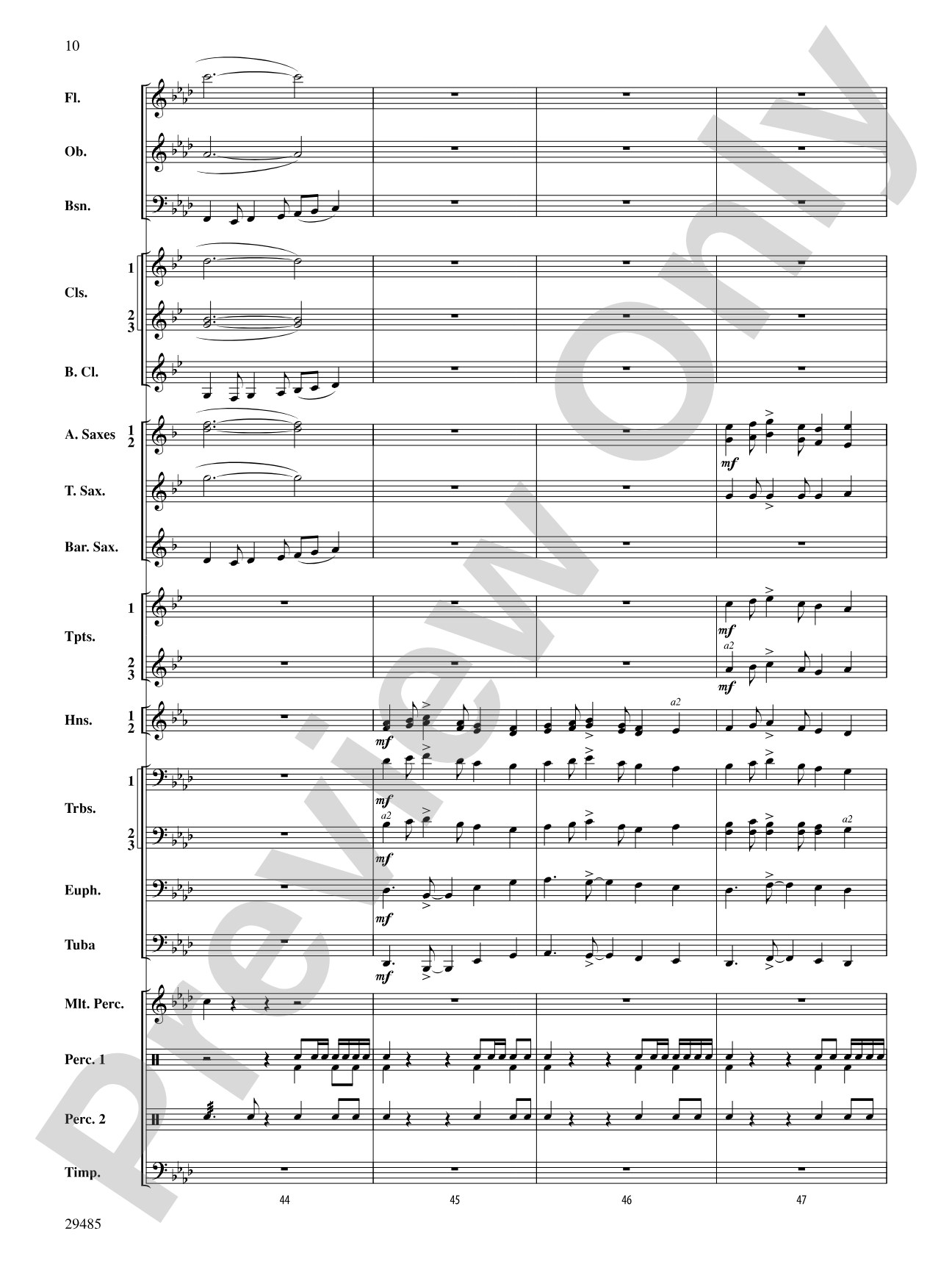
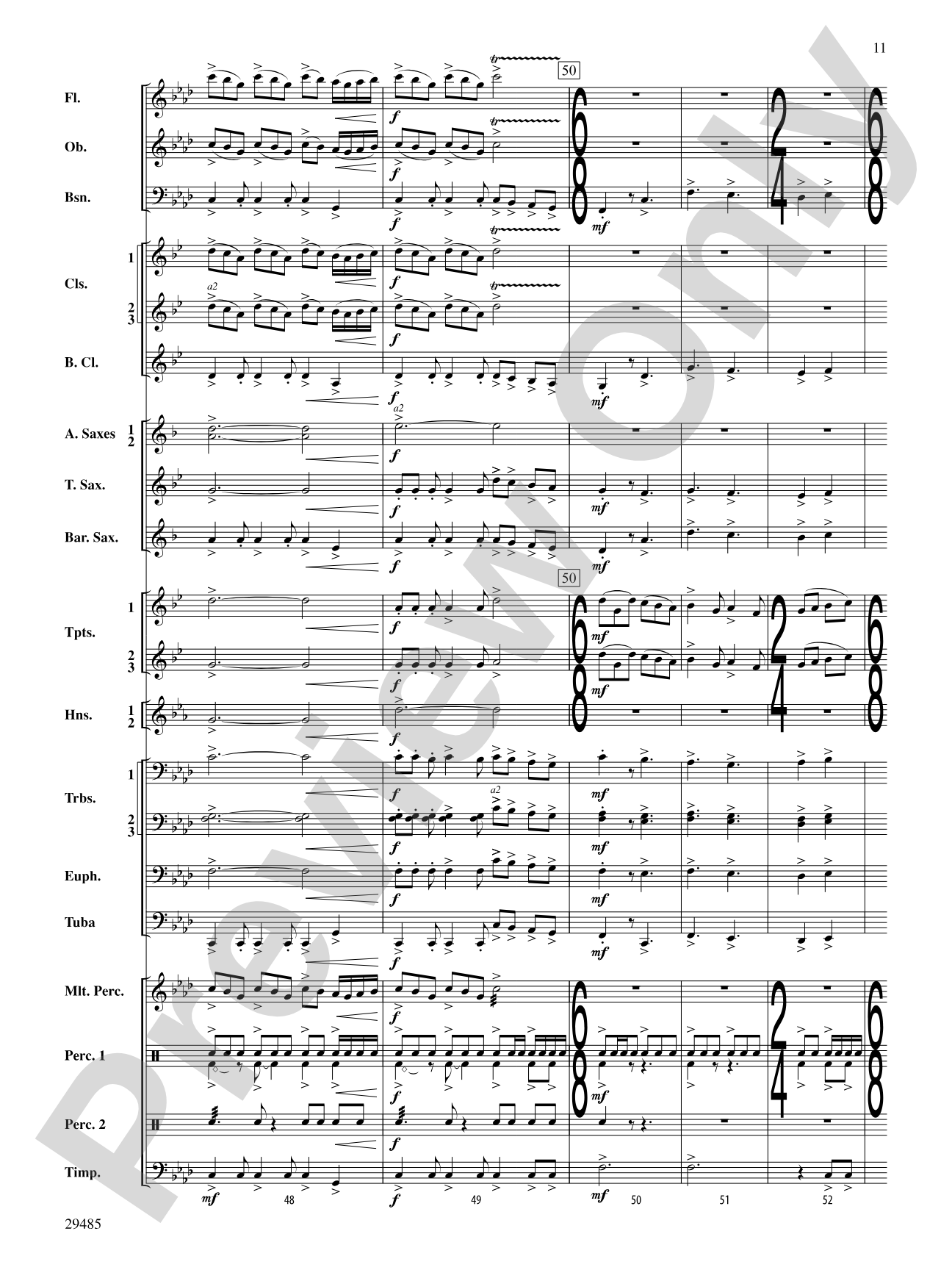
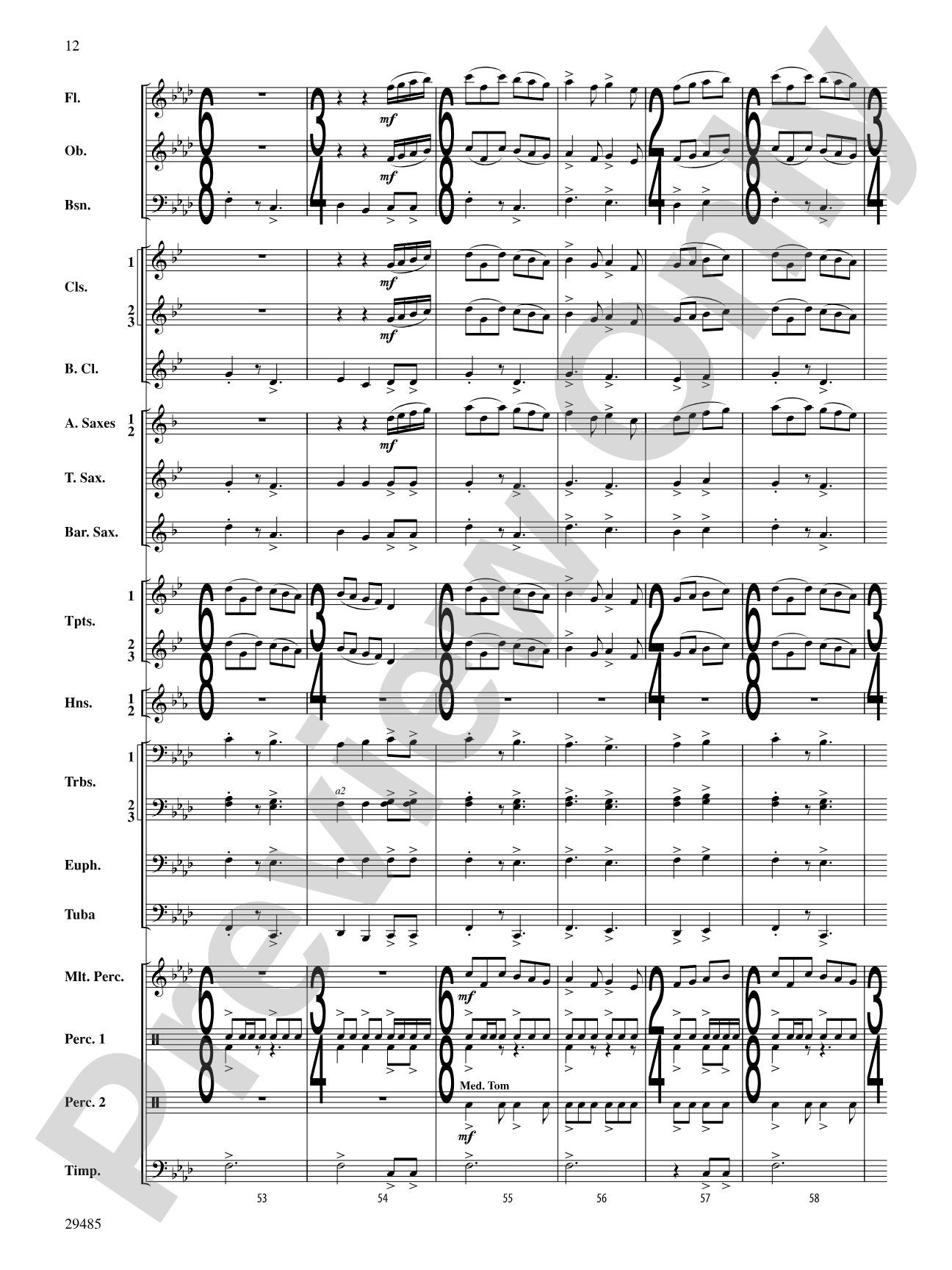

McKenzie River Quest: Concert Band Conductor Score & Parts
By Steve Hodges
Grade: 4 (Medium Difficult)
Item: 00-PK-0001449

$72.00
Pickup currently not available
Buy Extra Parts (Digital PDF Download)
Parts Added to Cart!
Related Items
McKenzie River Quest: Concert Band Conductor Score |
$10.00
|
View |
Description
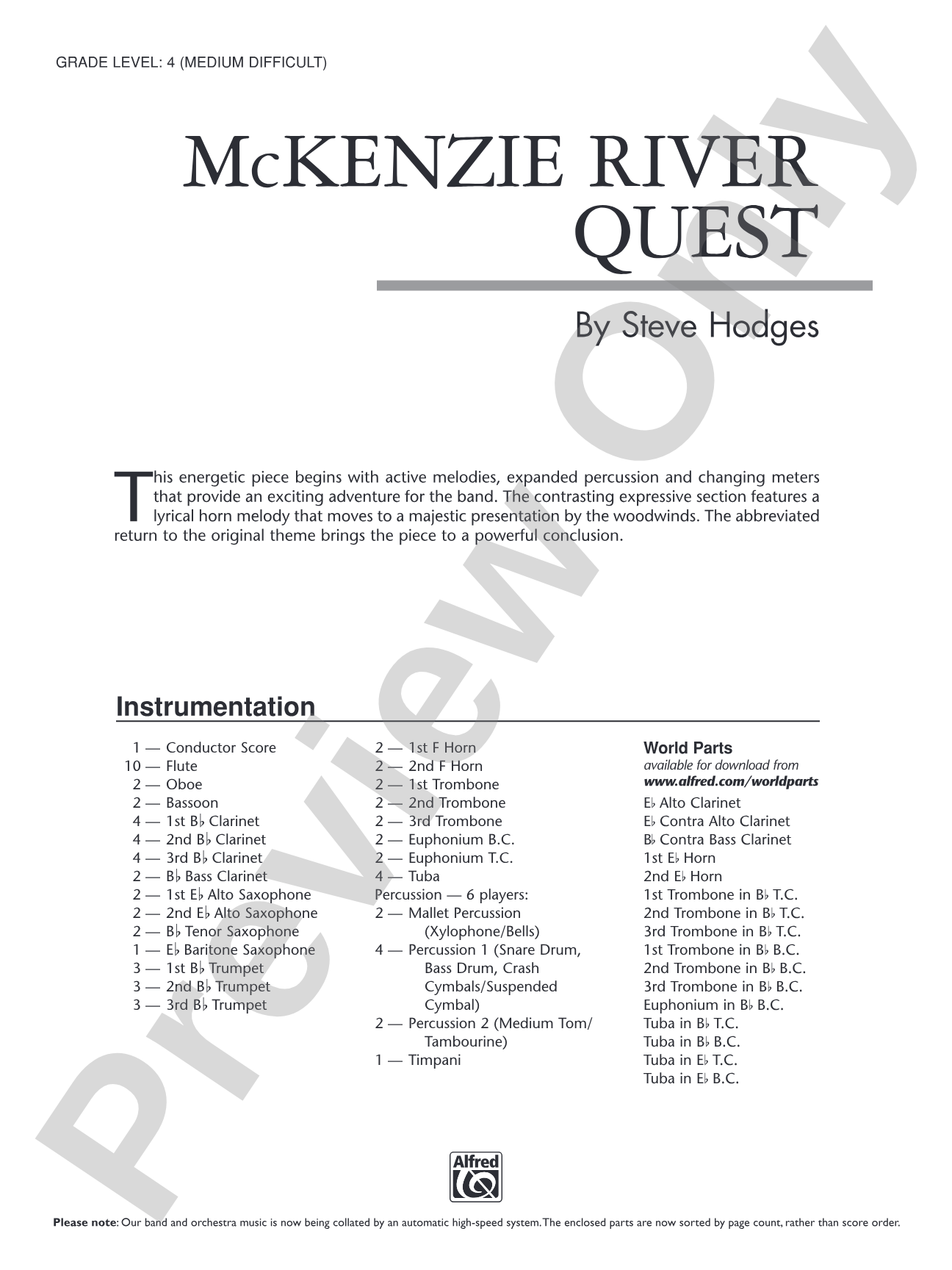
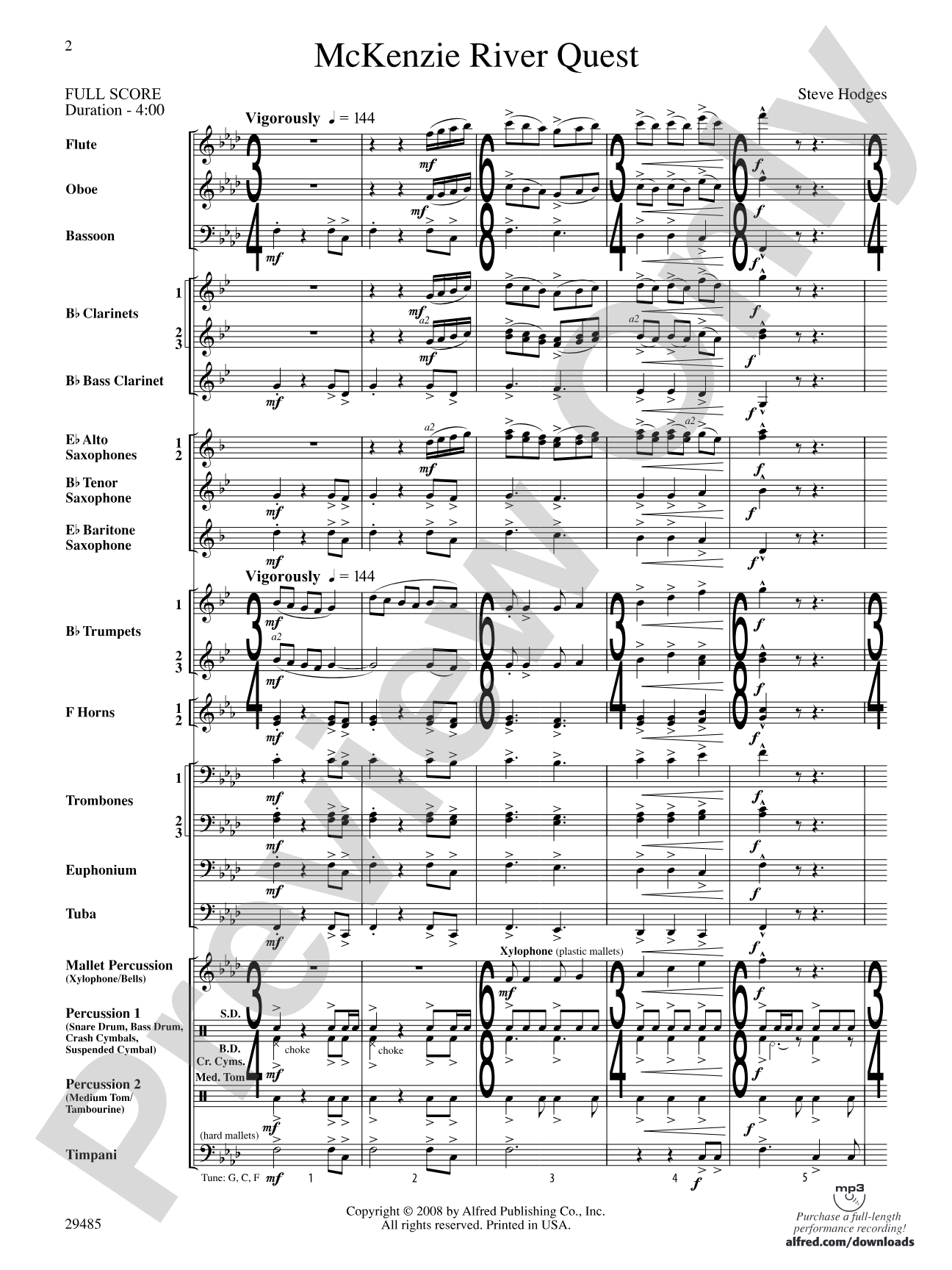
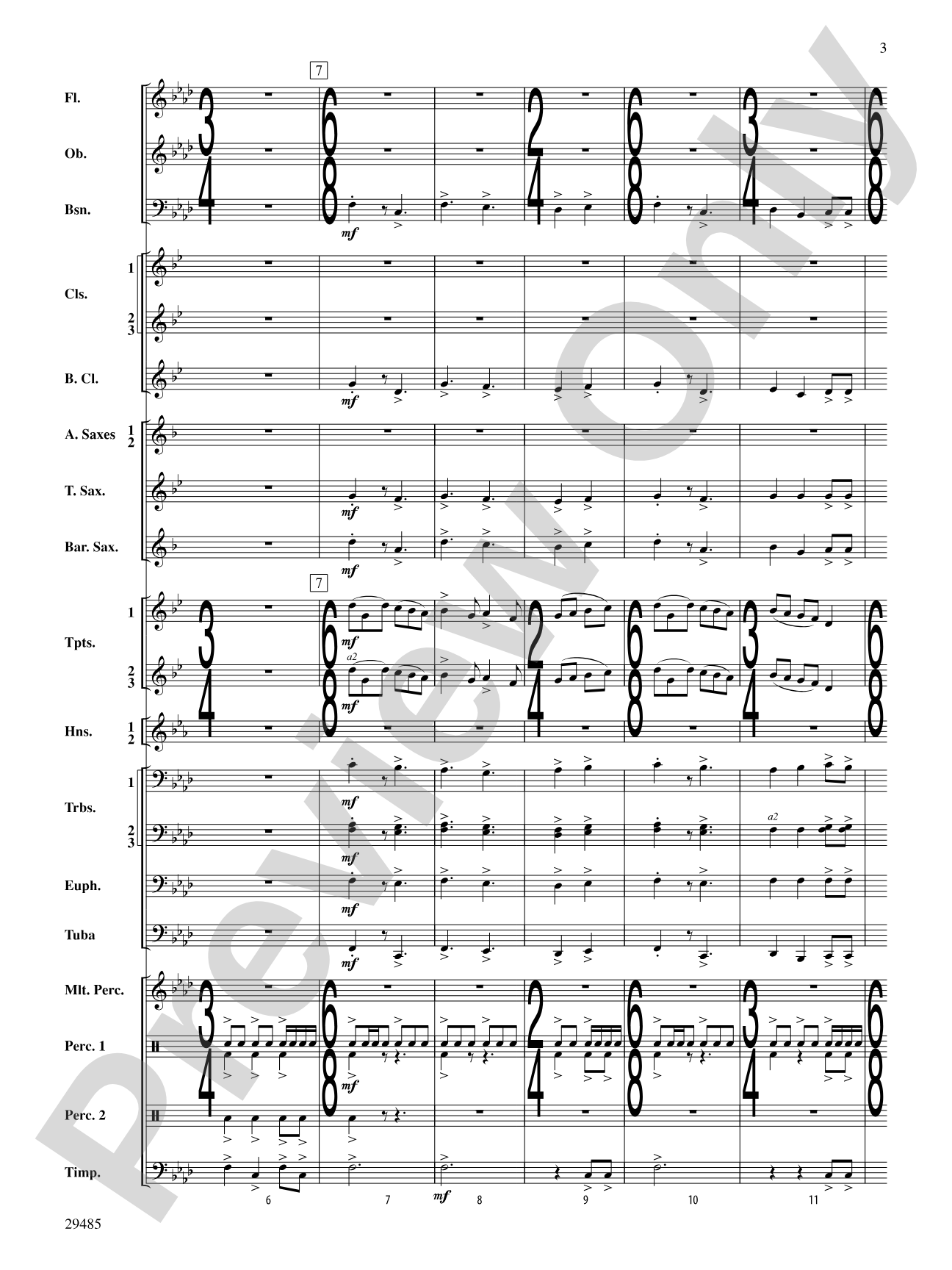
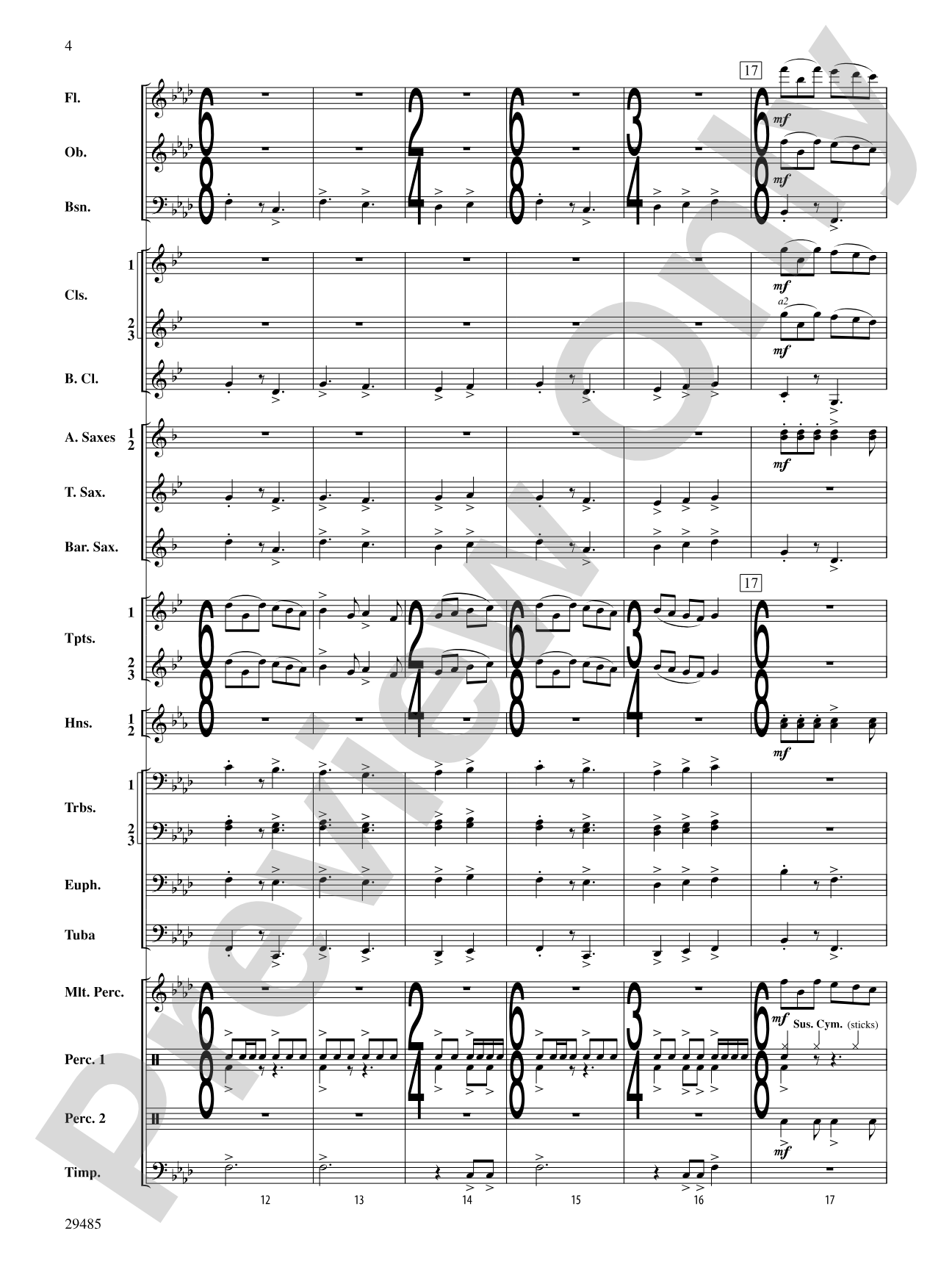
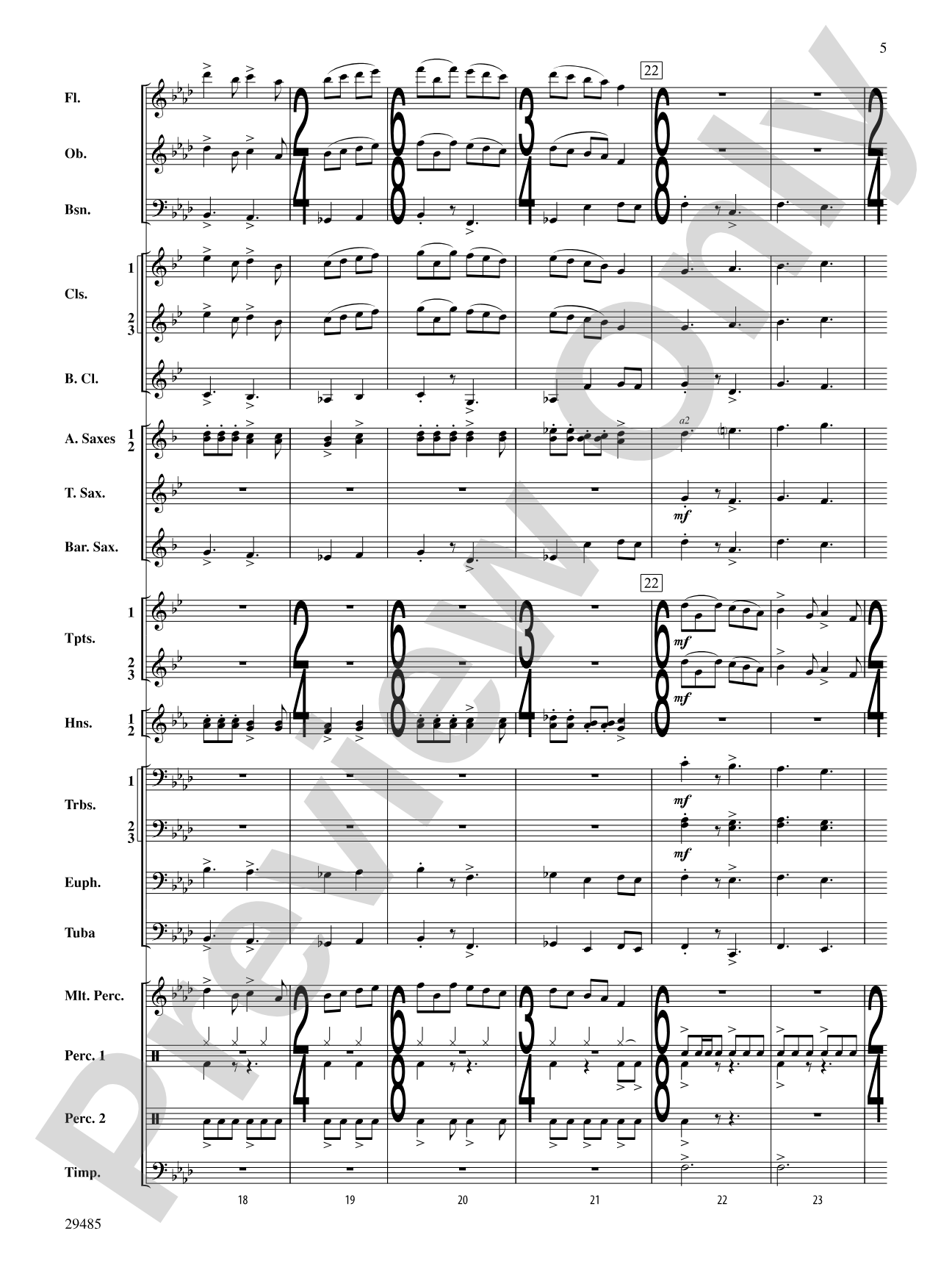
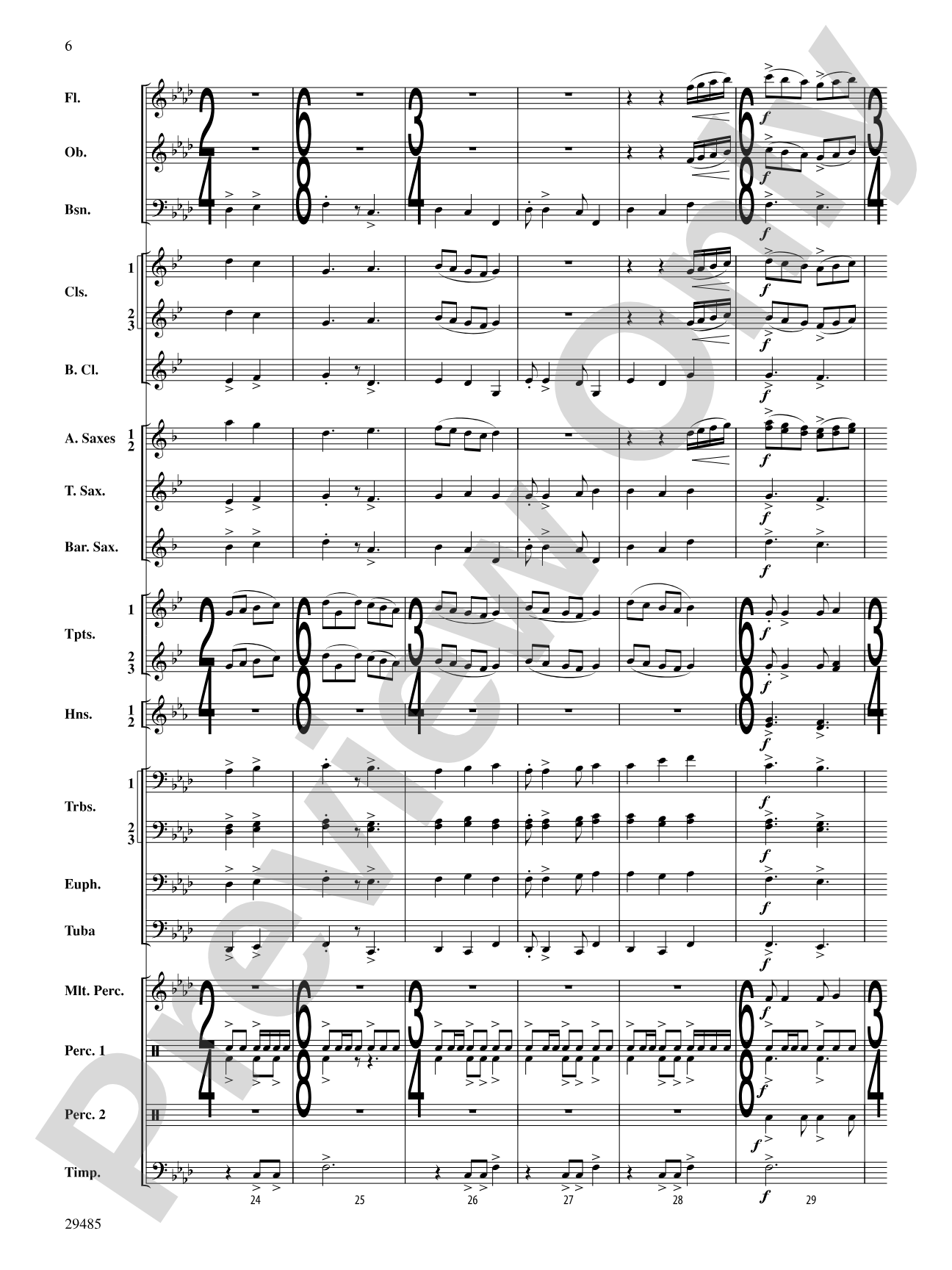
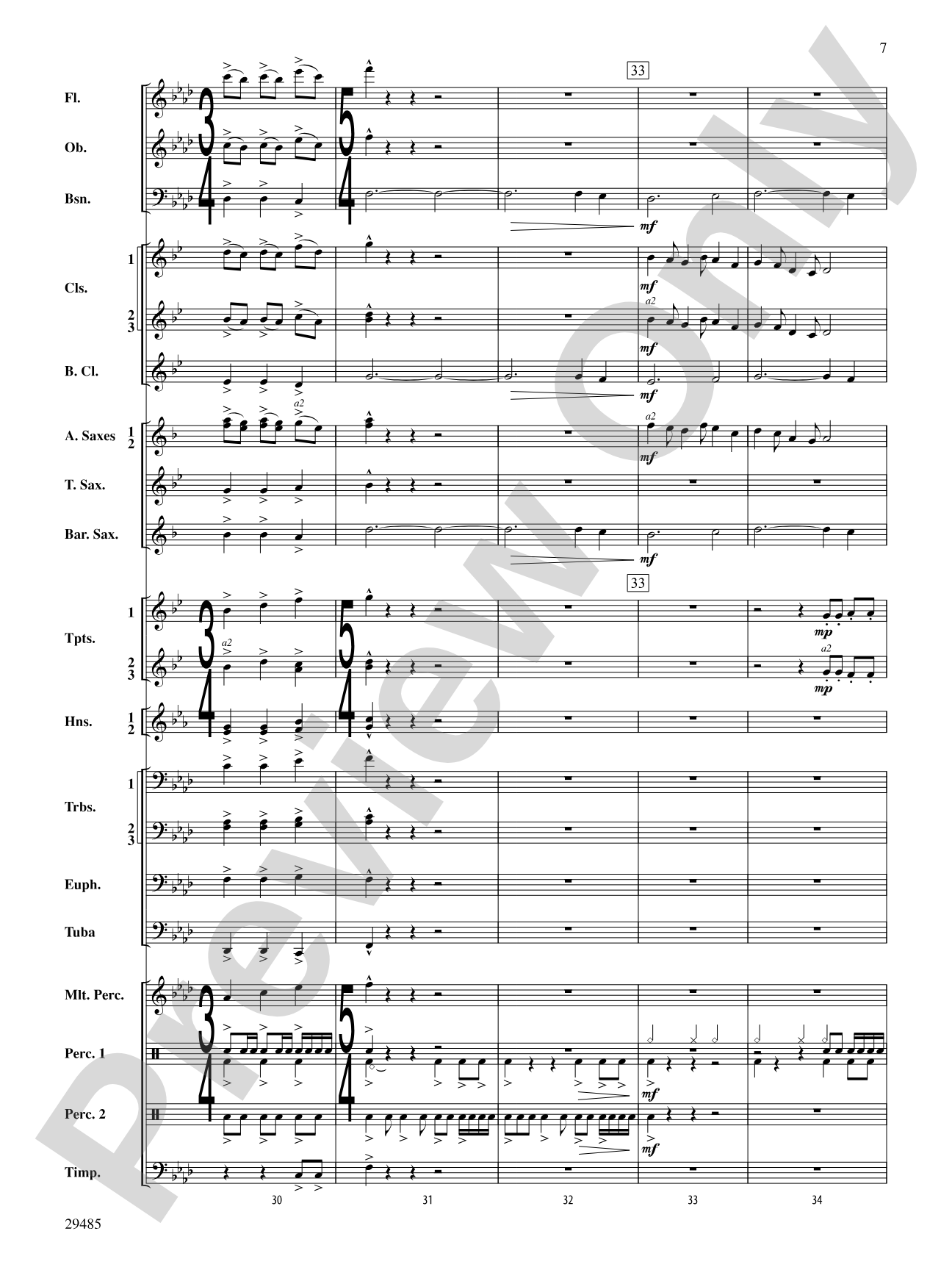
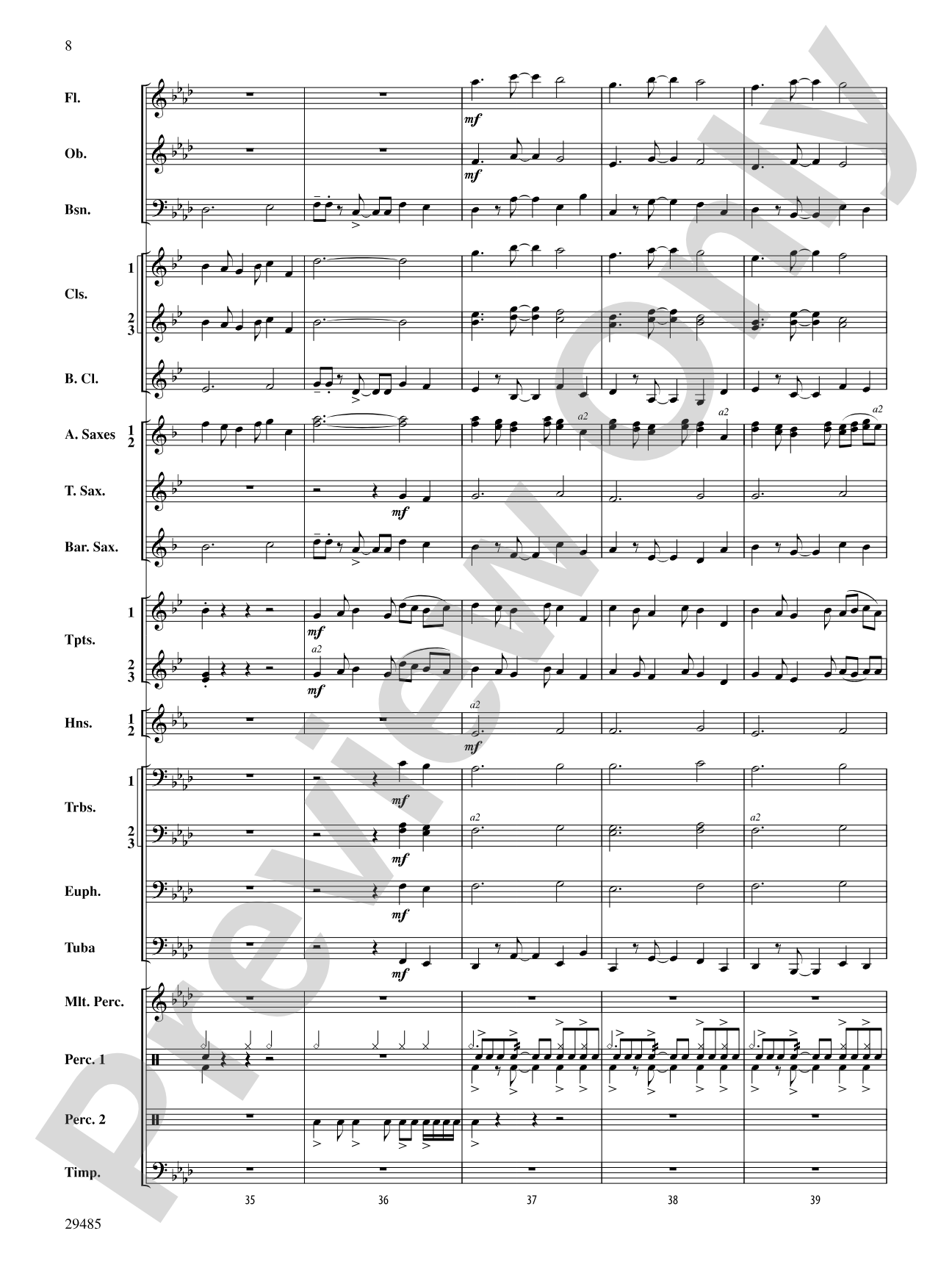
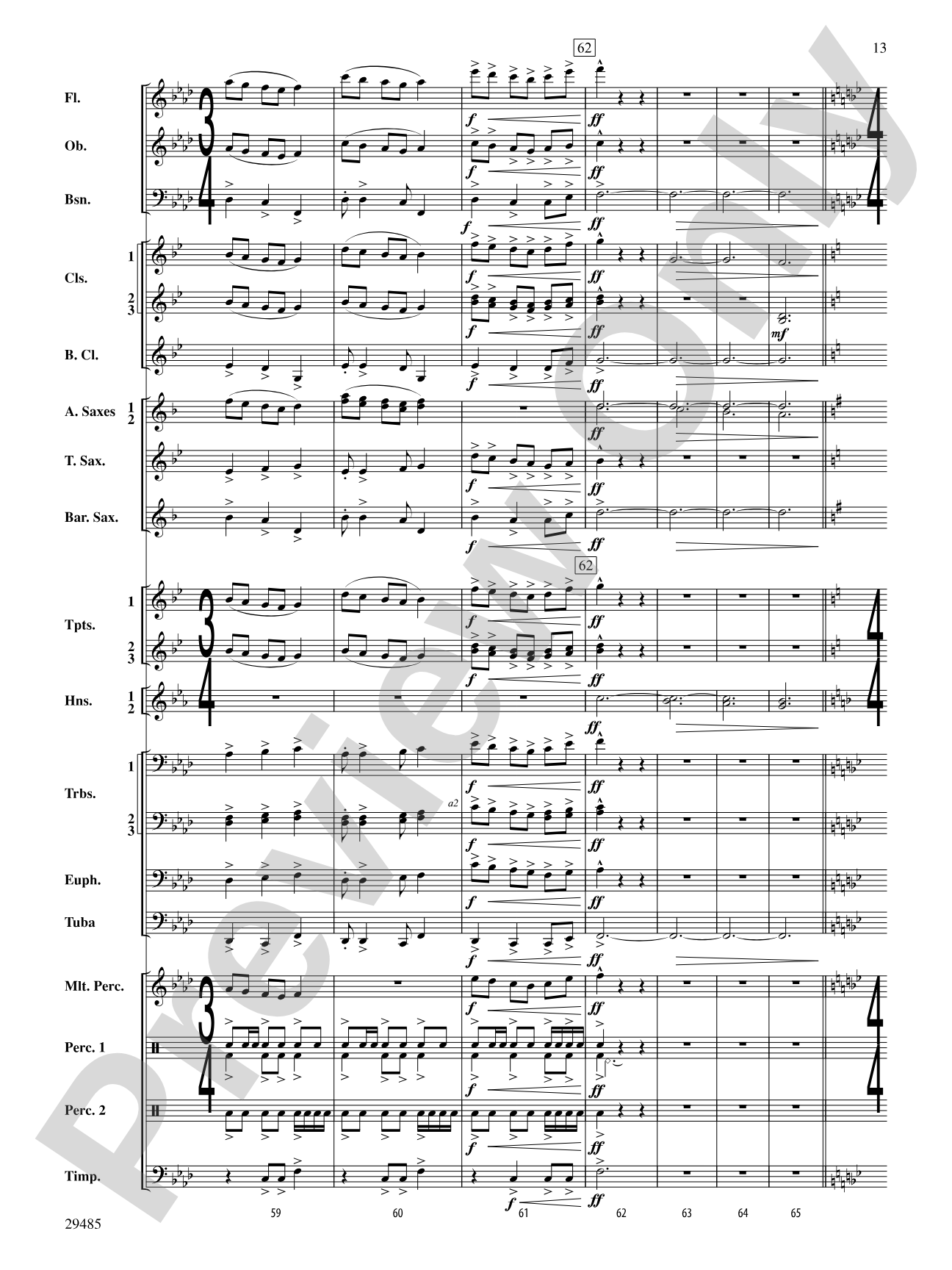
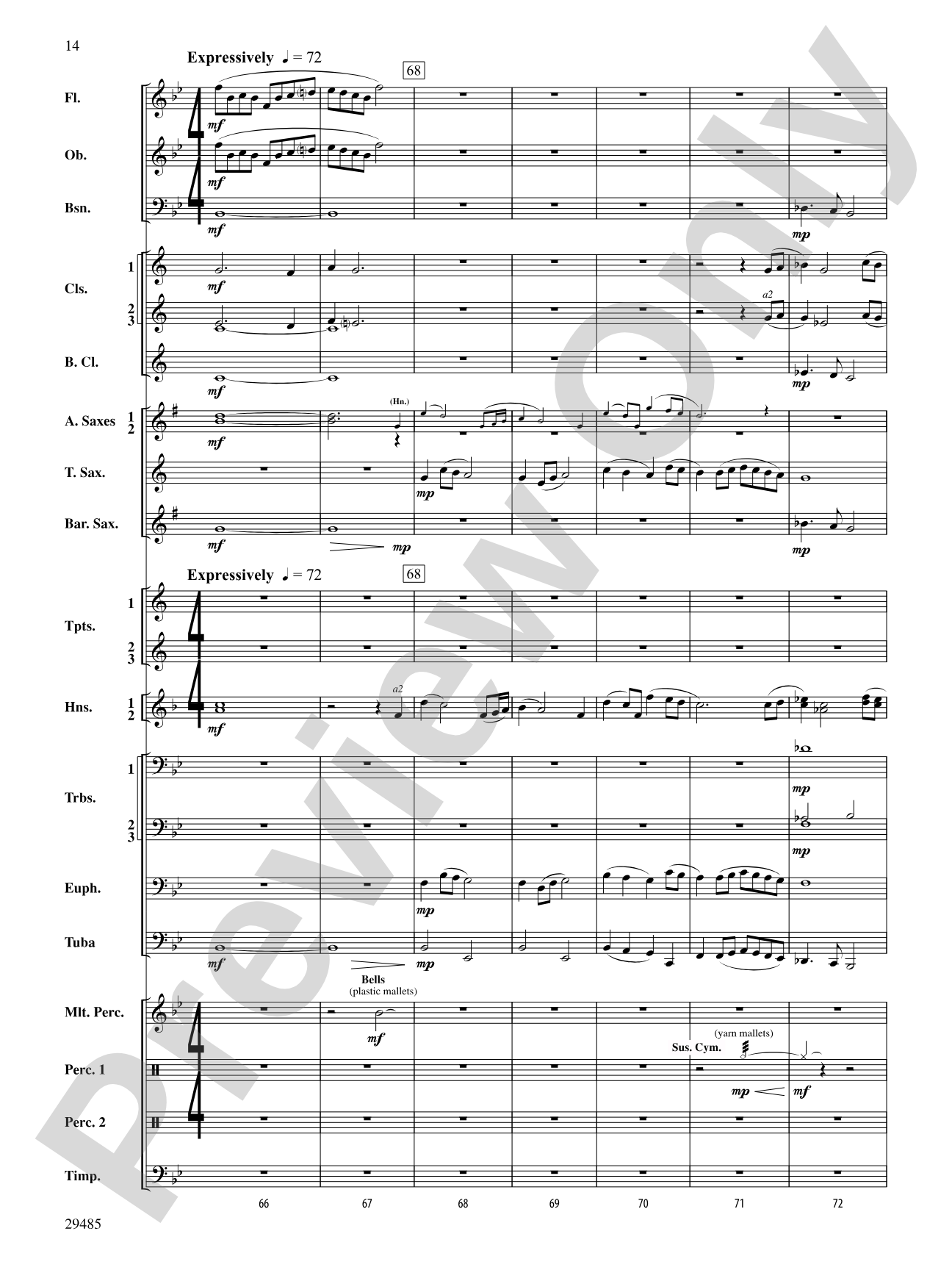
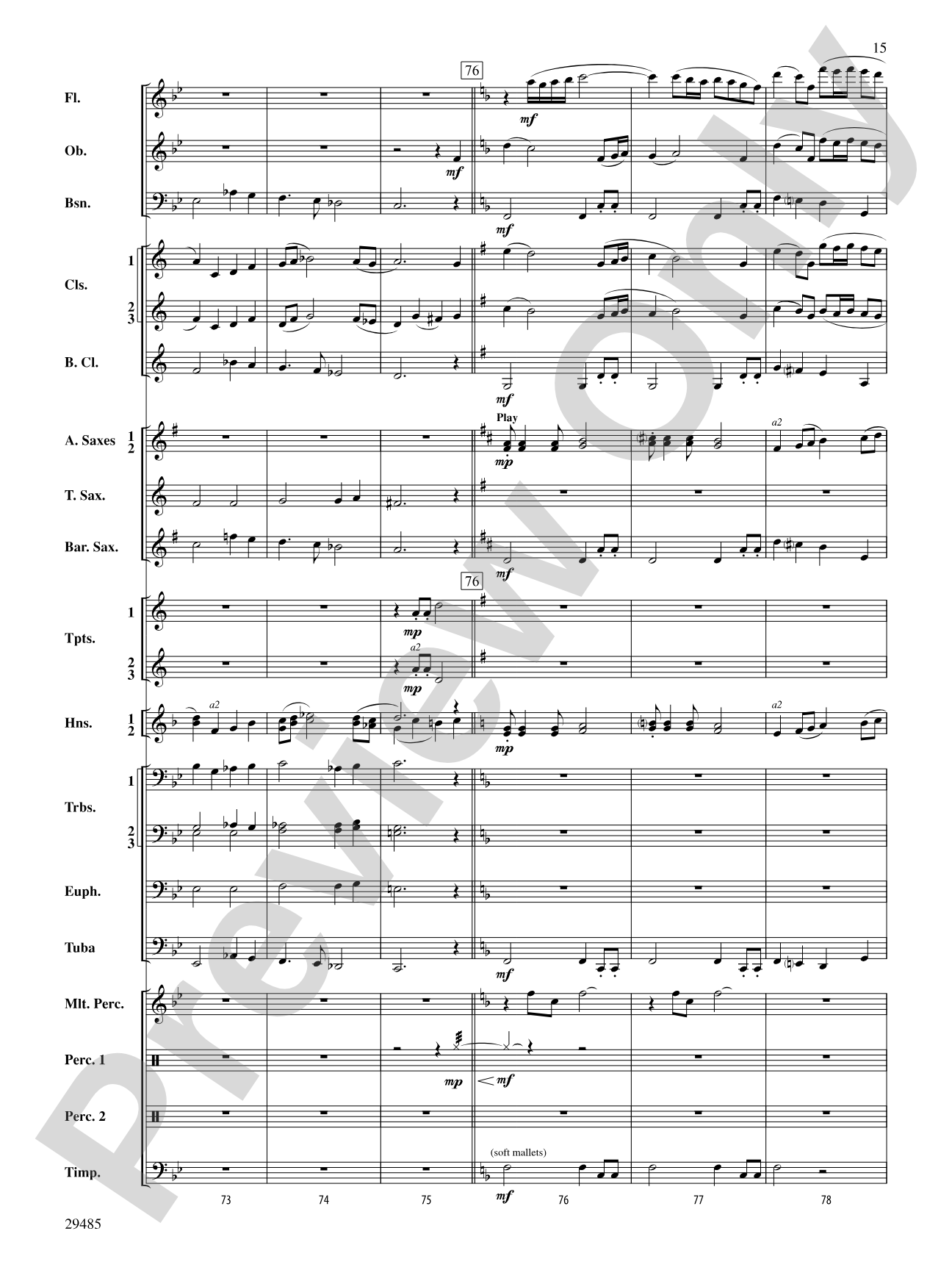
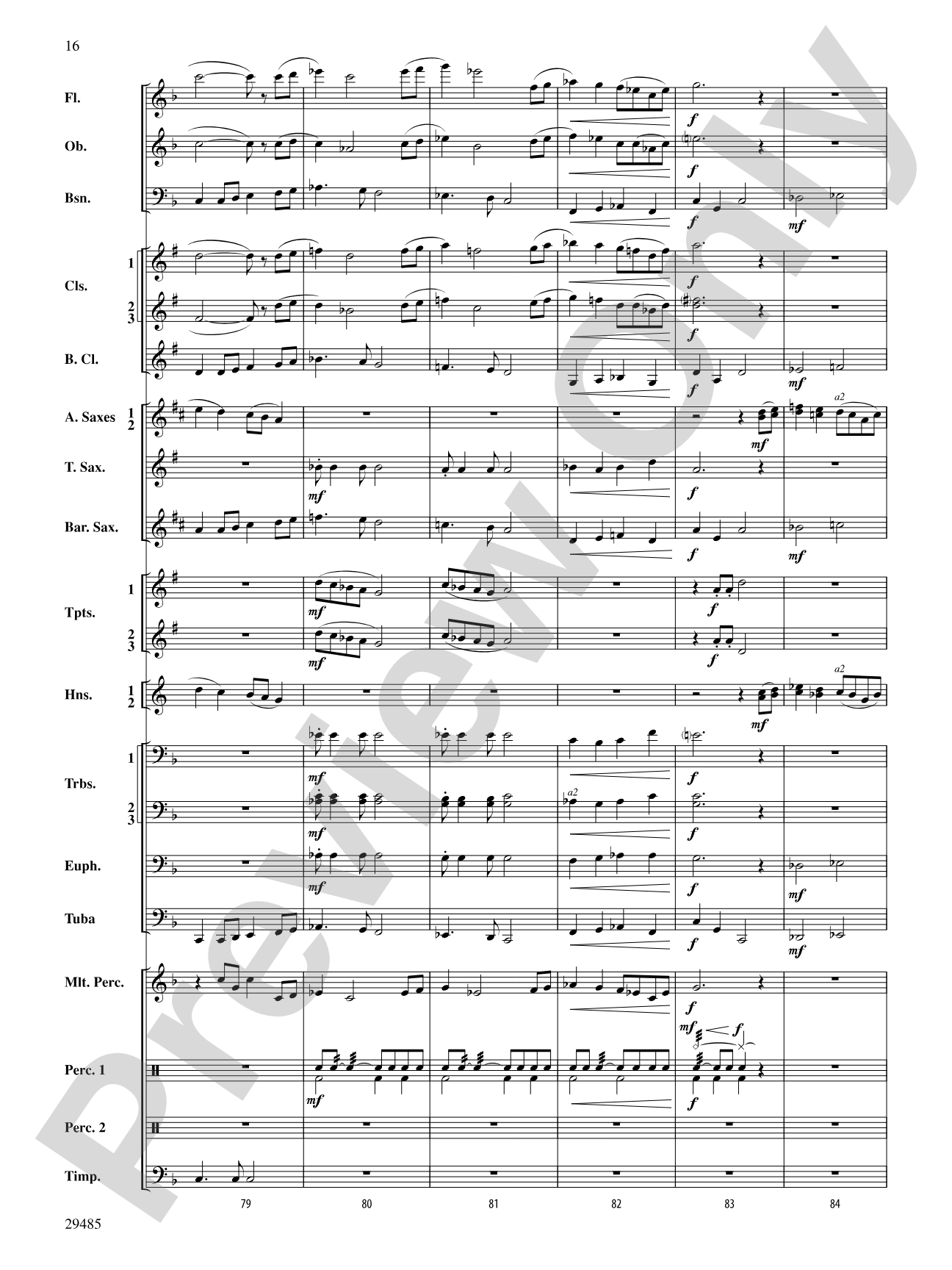
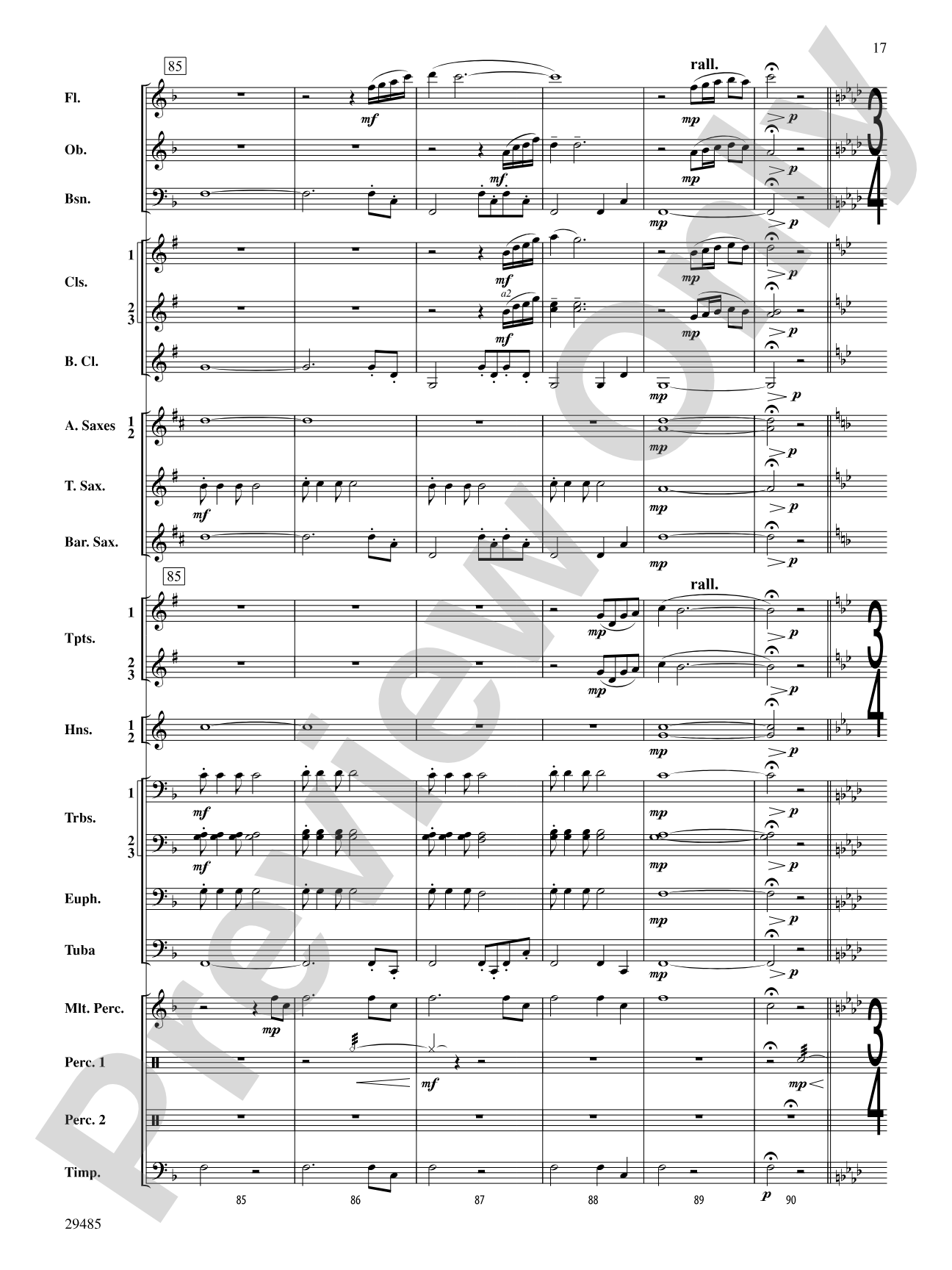
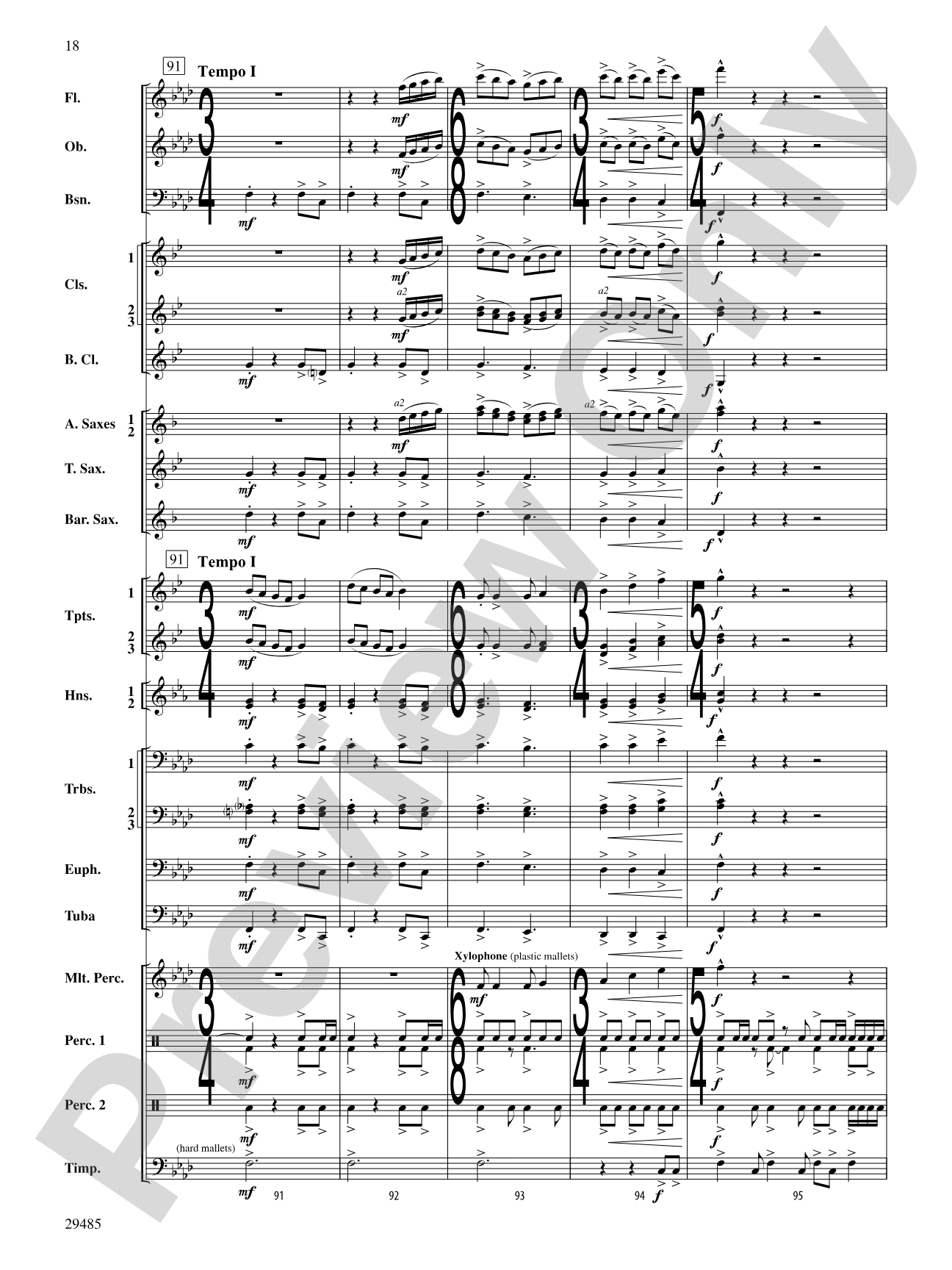
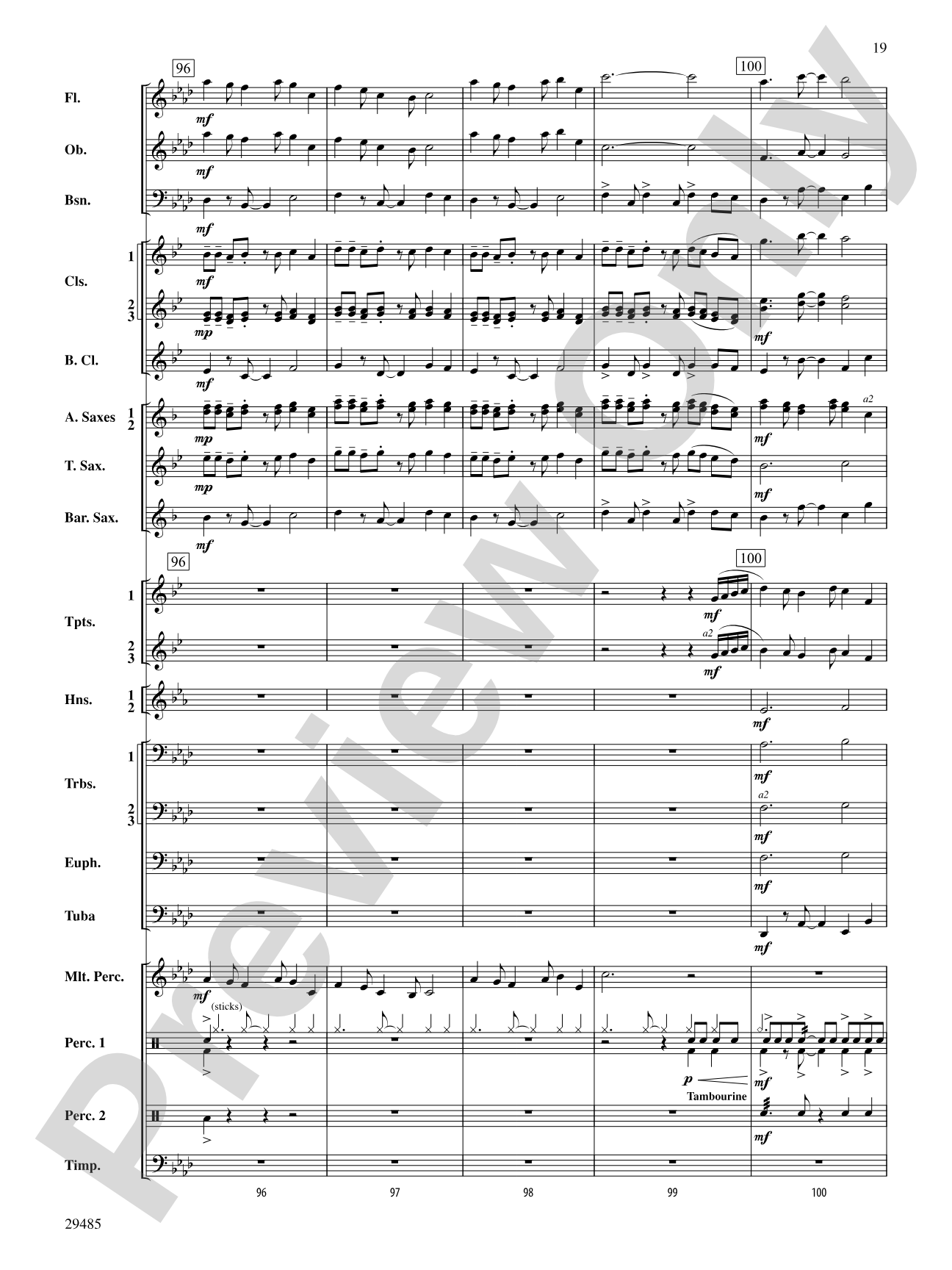
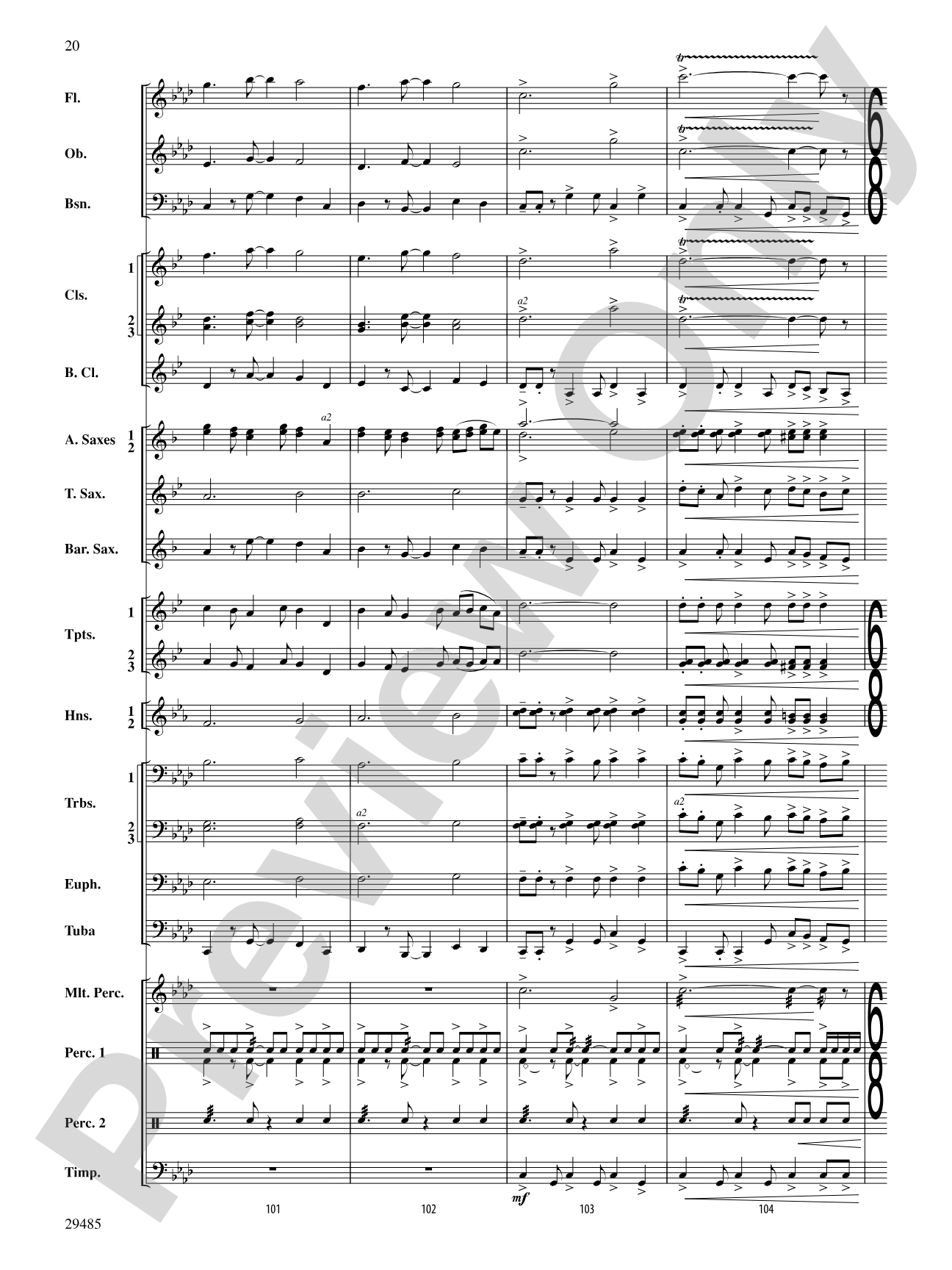
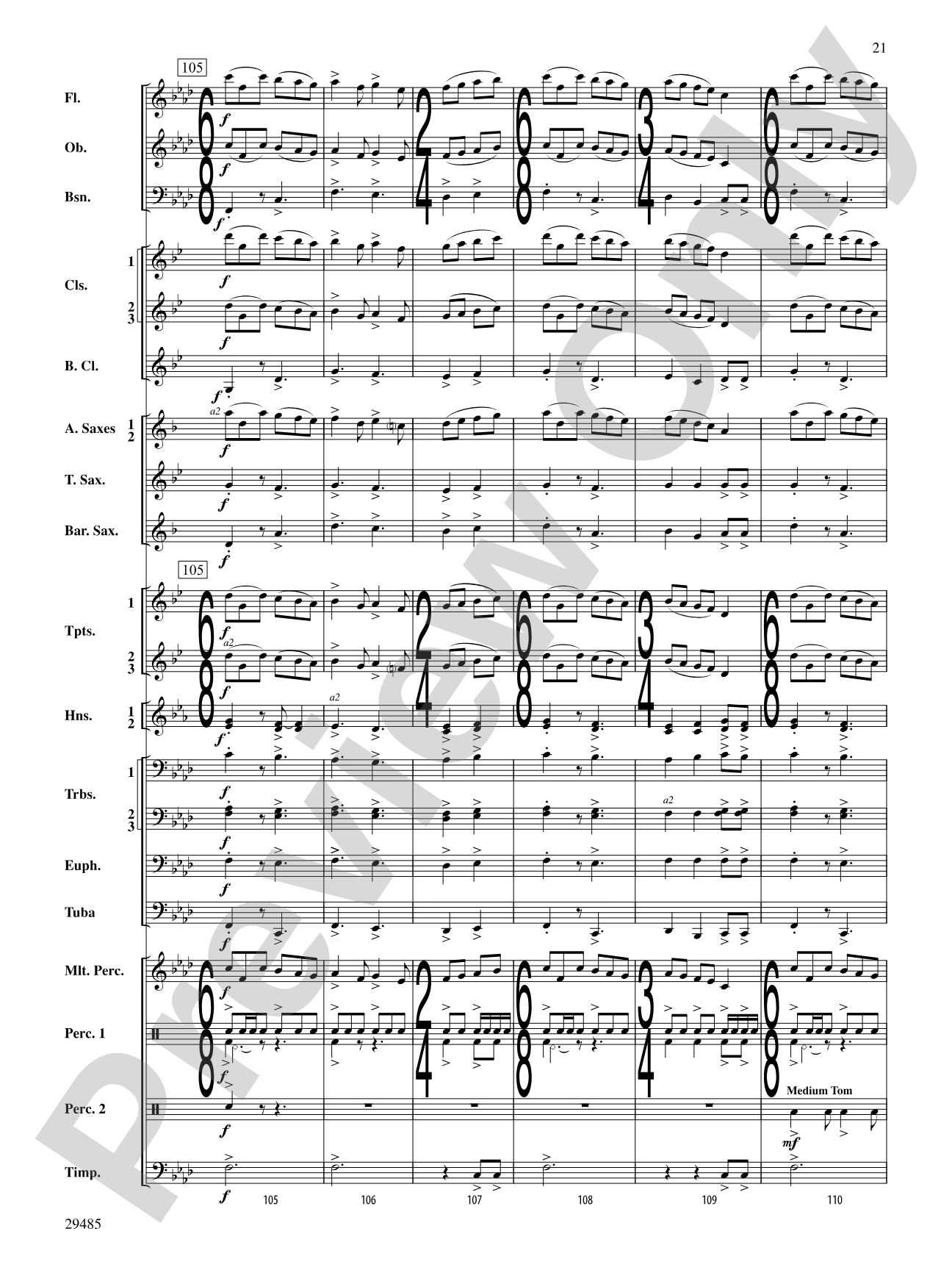
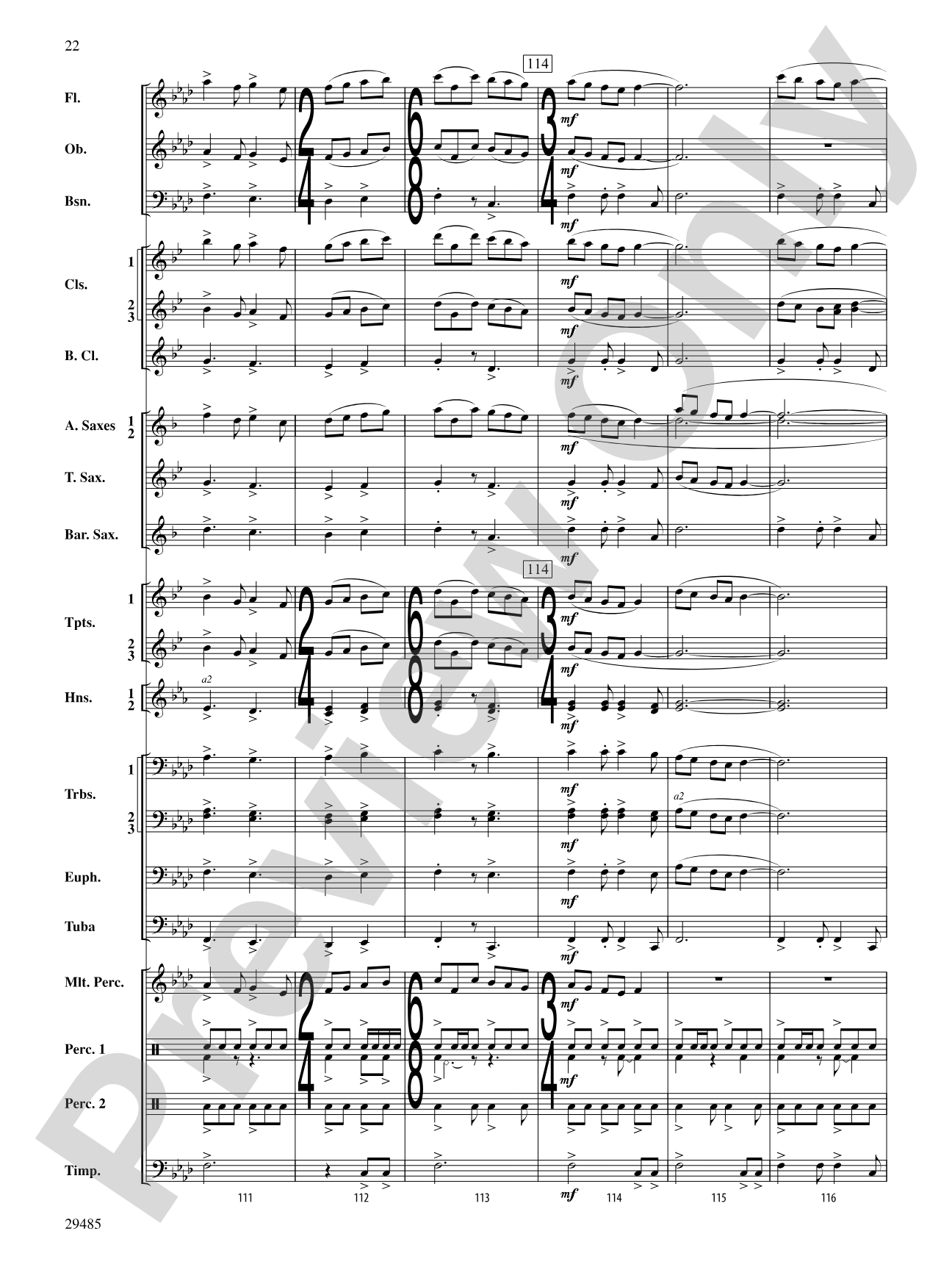
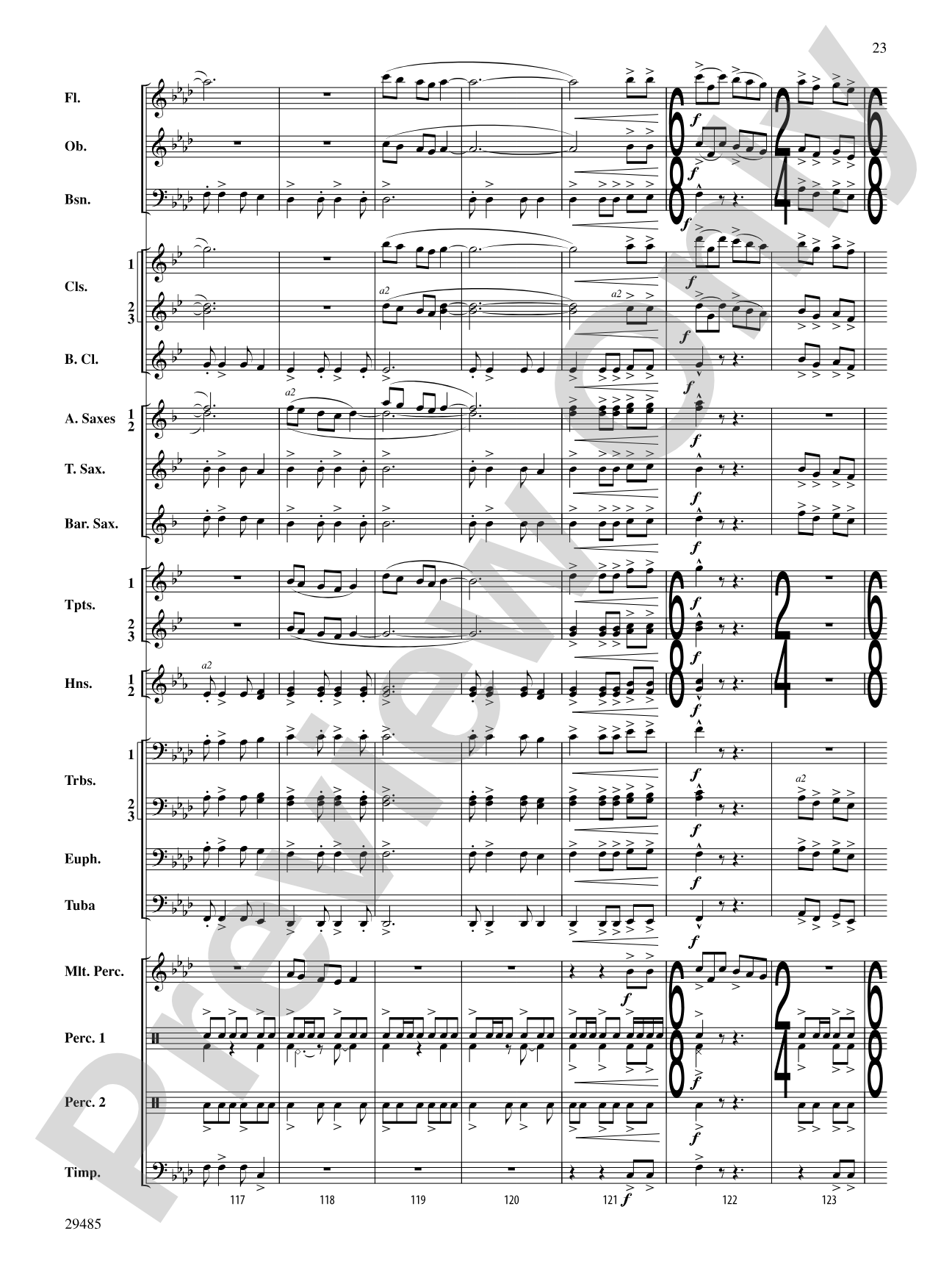
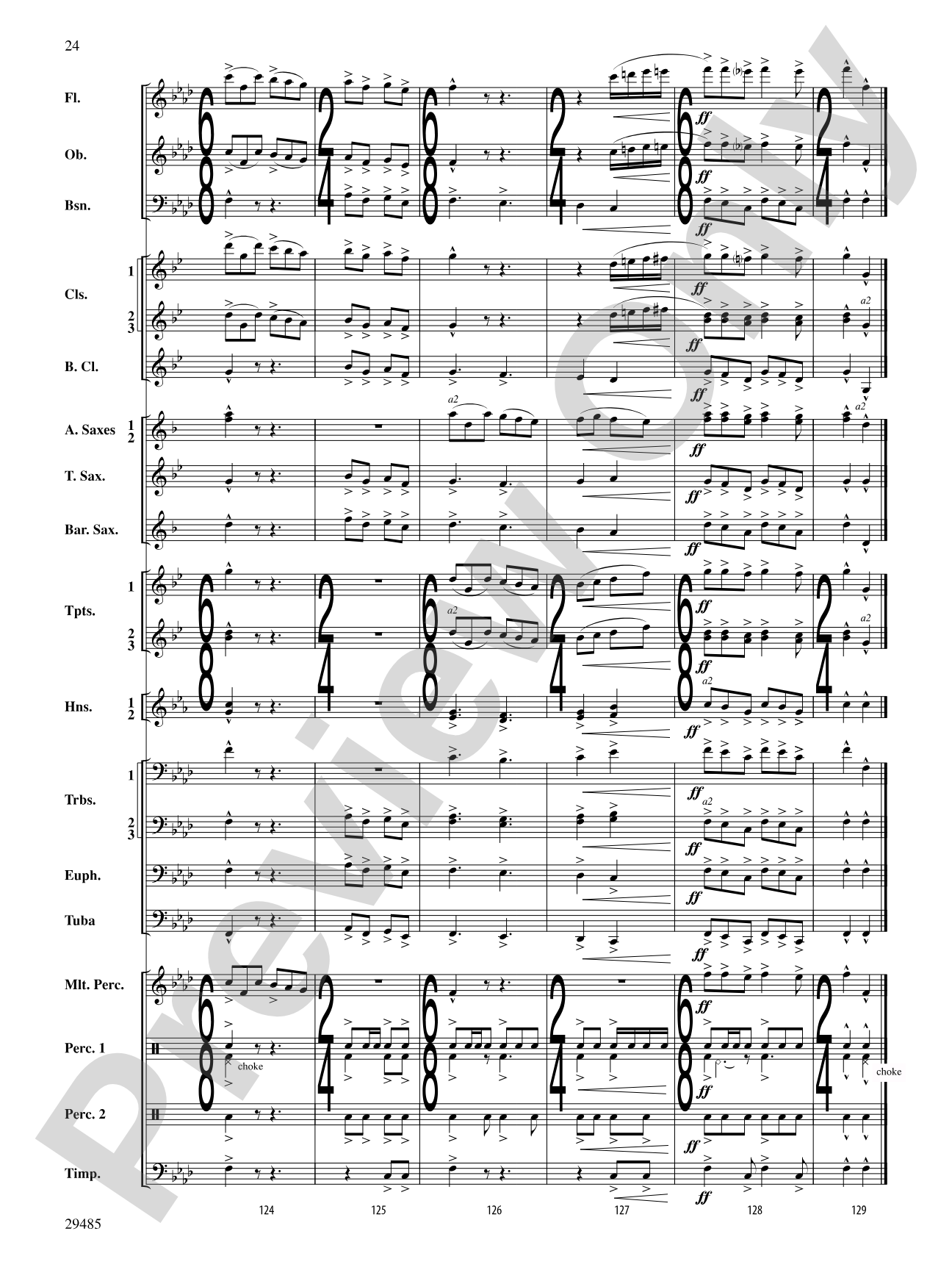
This energetic piece begins with active melodies, expanded percussion and changing meters that provide an exciting adventure for the band. The contrasting expressive section features a lyrical horn melody that moves to a majestic presentation by the woodwinds. The abbreviated return to the original theme brings the piece to a powerful conclusion. (4:00)


Don't just read it, hear it, play along with it, and watch your students grow with it. In MakeMusic Cloud, McKenzie River Quest: Concert Band Conductor Score & Parts comes alive with professional accompaniment, adjustable tempo, and built-in practice tools that turn solo practice into real progress.
Open in the Player
Jump straight in and assign it today.
Start Your Free Trial
Open this title and explore the full library in minutes.
Sample Audio
1
Audio File
--:--
0:00
0:00
Sample Video
No sample videos found.
Additional Details
Series:
Alfred Concert Band
Publisher:
Alfred Music
Page Count:
288
SKU:
00-PK-0001449
More about this title
About the Composer: Steve Hodges

Steve Hodges holds degrees from Western Oregon University (B.S.) and Central Washington University (M.A. in Music Education). His four decades directing bands, choirs, and ensembles across public schools established him as a prolific voice in concert band literature.
Since 1986, Hodges has composed and arranged over 120 works for concert band published by Alfred Music, with additional choral arrangements through Staff Music and Shawnee Press. His pieces appear regularly at state festivals and conventions worldwide, and his music has been commissioned by honor bands and schools throughout North America. His compositions have also reached television audiences through TBS and ESPN. Hodges holds membership in ASCAP and continues to engage with community music from his home in The Dalles, Oregon.
Why we love this
Hodges constructs this piece around genuine contrasts that keep both band and audience engaged: the driving rhythmic energy and metric changes of the opening section earn their weight through the lyrical horn solo that follows, which itself gains majesty when the woodwinds take over. That intentional architecture means the piece works equally well as a concert showcase or festival selection.
What to expect
The piece captures the sensation of adventurous travel with urgent, active melodies that shift beneath the listener's feet. The contrast into the expressive section feels like pausing to admire the view, with the horn's lyrical voice drawing the listener inward before the woodwinds usher it into something grand and resounding.
Who it's for
Concert bands at the high school level or strong middle school programs ready for four-minute programmatic storytelling. The Grade 4 difficulty sits at a sweet spot: challenging enough to reward serious preparation but achievable without unrealistic technical demands.
How to get the most out of it
- Establish the meter shifts early in sectional rehearsals. The changing meters create forward momentum only when players feel secure in the transitions, so isolate those passages before running the full piece.
- Let the horn soloist breathe generously in the expressive section. This melody deserves space and air; resist the urge to maintain the tempo's earlier energy here.
- Balance the expanded percussion writing so it articulates rather than overwhelms. These parts drive the piece's character but should never blur the melodic content underneath.
How to use it
Program this as an opener or early piece in a concert to set an energetic tone without sacrificing sophistication. It also performs well as a contest selection at festivals where adjudicators appreciate both accessible Grade 4 writing and genuine musical substance.
Skills your students will build
- Reading and executing changing meters (in particular, transitions between 4/4 and other meters)
- Balancing independent percussion lines with melodic clarity
- Contrasting articulation and dynamic character between sections (energetic versus lyrical)
- Sustaining expressive horn solos with appropriate phrasing and breath control
- Ensemble cohesion during metric modulations and tempo-based transitions