Mazas: Twelve Little Duets, Op. 38 Sheet Music Preview

Mazas: Twelve Little Duets, Op. 38

By Jacques Mazas

Item: 00-PC-0003316

Digital Download
$0.99
Description
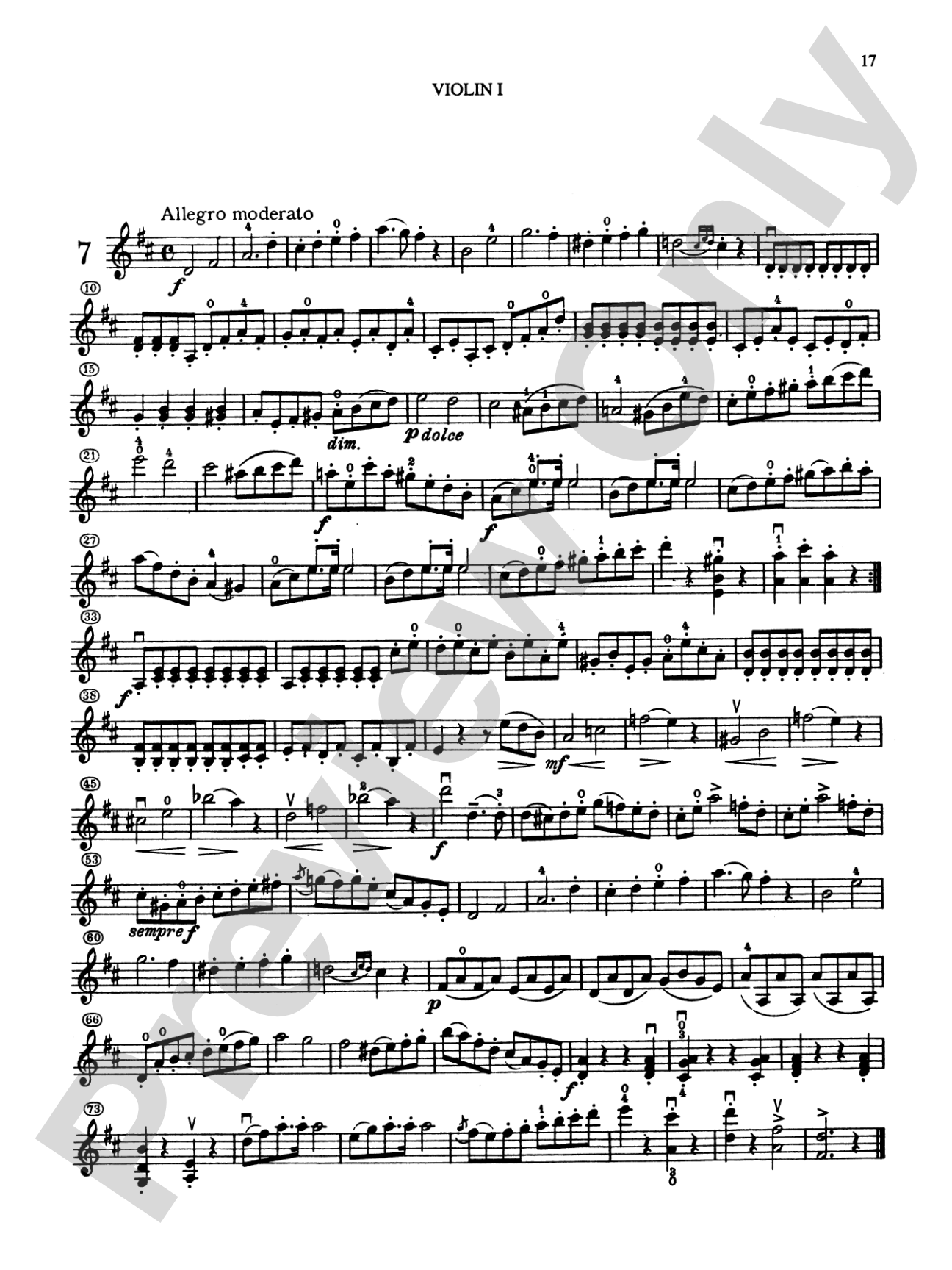
The complete Opus 38 including all twelve violin duets. Separate parts for each violin are included.

Don't just read it, hear it, play along with it, and watch your students grow with it. In MakeMusic Cloud, Mazas: Twelve Little Duets, Op. 38 comes alive with professional accompaniment, adjustable tempo, and built-in practice tools that turn solo practice into real progress.

Sample Audio
No sample audio found.
Sample Video
Additional Details
Series: Kalmus Edition
Publisher: Alfred Music
Page Count: 64
SKU: 00-PC-0003316

More about this title

About the Composer: Jacques Mazas

Jacques-Féréol Mazas (1782-1849) was a French violinist and prolific composer whose pedagogical works remain central to string education. He studied at the Paris Conservatoire and built a career as both a performer and instructor, earning recognition for writing music that balanced artistic integrity with accessibility. His output spans concertos, chamber works, and études designed to develop technique while maintaining musical substance, making him a bridge between virtuosity and musicianship.

Mazas's duets occupy a unique place in violin pedagogy. Rather than the mechanical etudes common in his era, these pieces cultivate ensemble awareness, intonation refinement, and expressive playing within the context of genuine musical dialogue. Teachers have valued his works for generations because they never sacrifice artistic merit to pedagogical purpose.

Why we love this

These duets reward both the teaching relationship and the students themselves. Mazas writes in a deeply collaborative way, where each part has genuine melodic interest and neither violin feels subordinate; this creates an immediate incentive for pairs to listen intently and balance tone. The pieces sit in a repertoire sweet spot where early-intermediate violinists can produce genuinely beautiful, chamber-like sound while still stretching their technical range.

What to expect

The emotional character shifts across the collection, moving from bright, almost dance-like figures to passages of genuine lyrical warmth. The texture is conversational rather than showmanlike; these duets let violinists discover how phrase-shaping and attention to balance can produce musical impact without relying on virtuosic display. There is an intimate quality that rewards careful listening both from performers and audience.

Who it's for

String teachers introducing intermediate students to the violin duet repertoire, ensemble directors building flexible chamber groups, and competitive violinists preparing contest material. These pieces work equally well for school-based programs and private instruction, scaling from casual recital work to serious festival preparation.

How to get the most out of it

  • Establish a steady internal pulse before beginning. These duets thrive on rhythmic security, but the dialogue can obscure tempo if both players aren't anchored to the same beat.
  • Balance vibrato between the two parts. When both violins use identical vibrato rates, the blend becomes muddy; suggest one player use slightly faster or slightly slower vibrato to create clarity while maintaining warmth.
  • Listen for the complete harmonic picture rather than just your own line. In duets by Mazas, the interplay between parts creates the full musical statement; tune with each other's sound, not to an external reference.

How to use it

Program these duets in a chamber recital context where ensemble playing is on display alongside solos, or use them as a culminating assignment in a duet unit that demonstrates mastery of intonation and collaborative musicianship. They also work well as contest preparation, particularly for festivals that value musical interpretation over pure technical difficulty; their maturity and complete artistic purpose give young players genuine competitive advantage.

Skills your students will build

  • Harmonic awareness and just intonation between ensemble partners
  • Leading and following in turn as melodic roles shift
  • Vibrato control and tonal blending in a duet texture
  • Phrasing independence within a shared musical line
  • Reading and navigating Romantic-era harmonic language

You May Also Like