
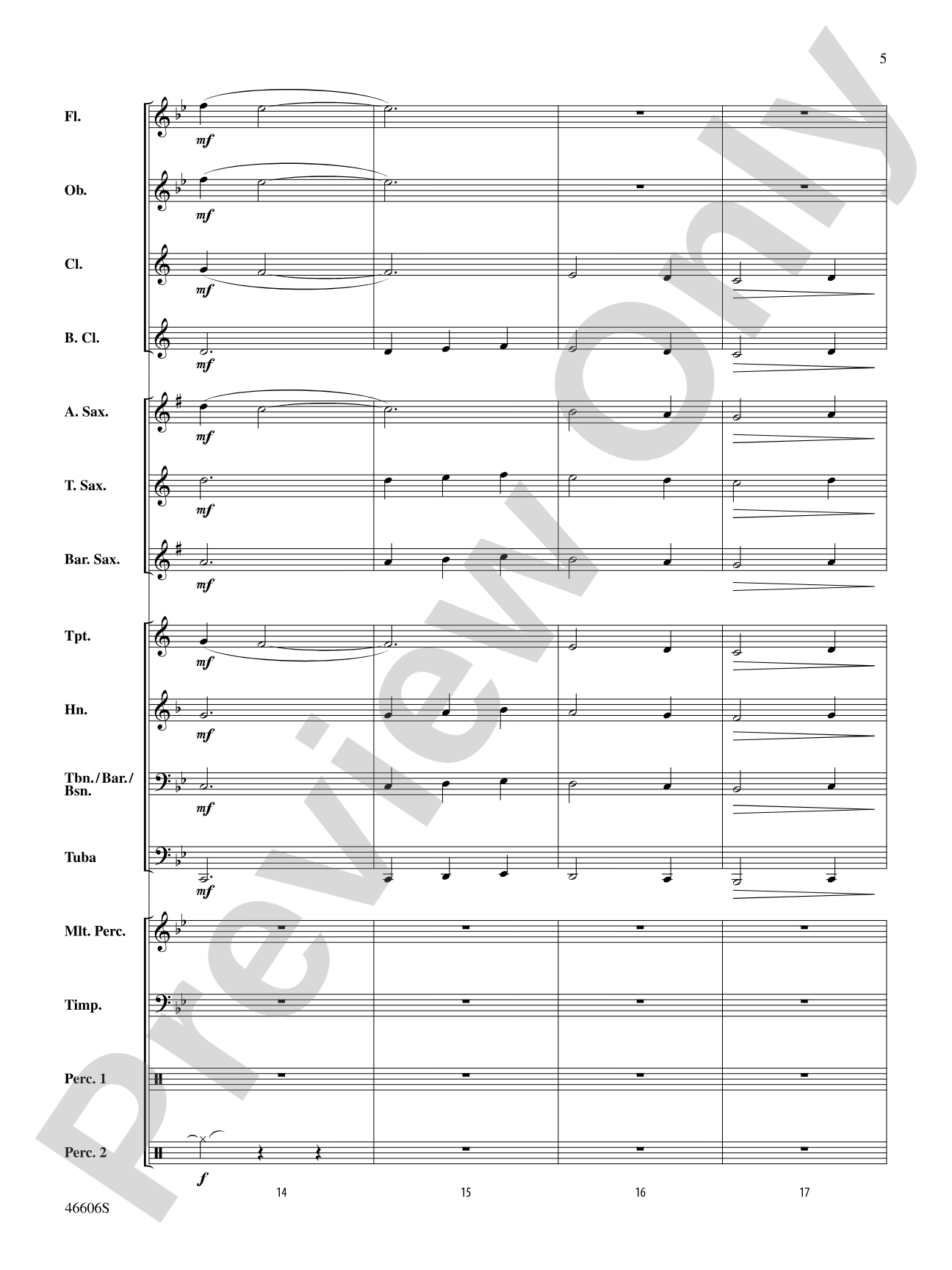
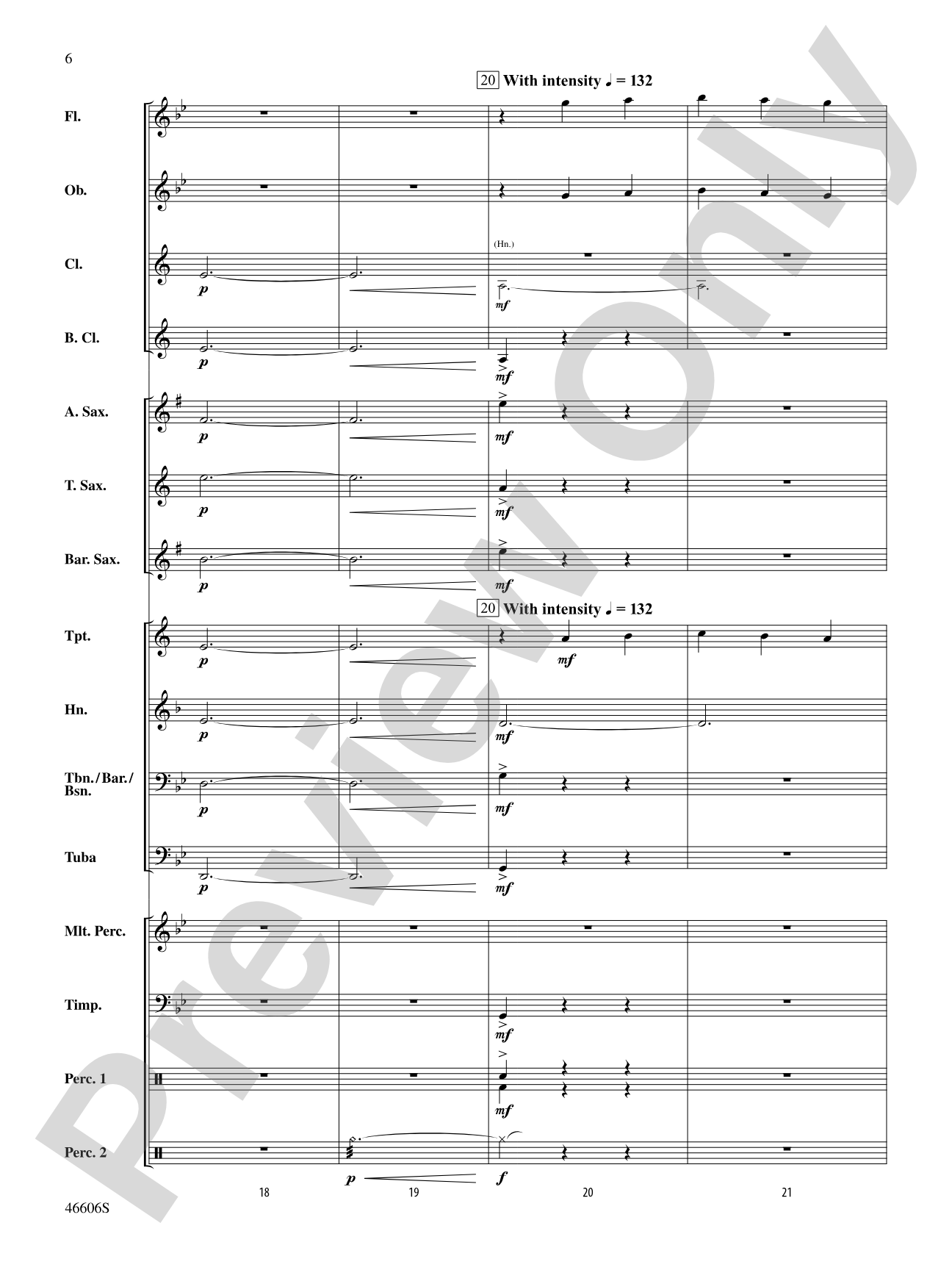
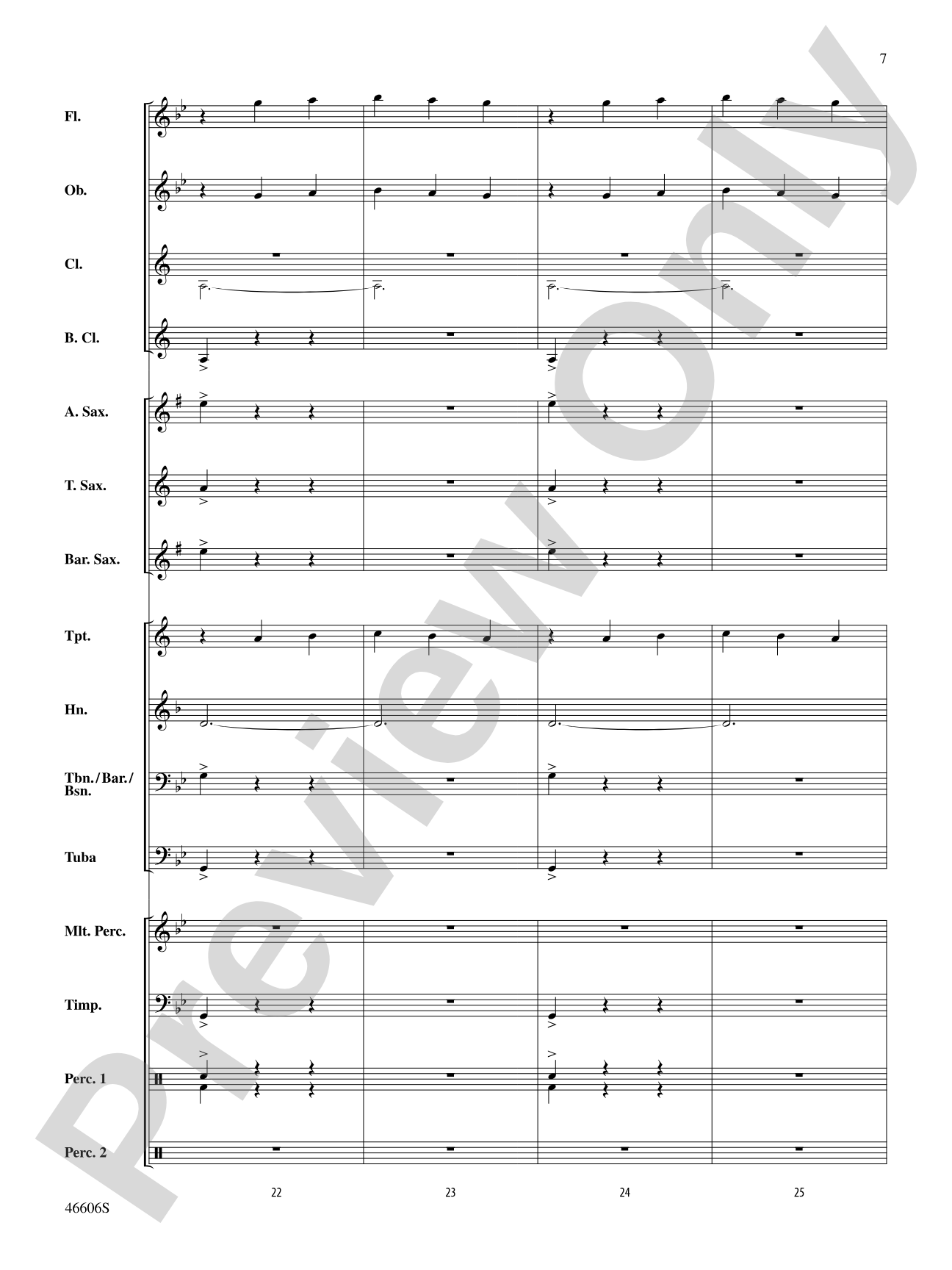
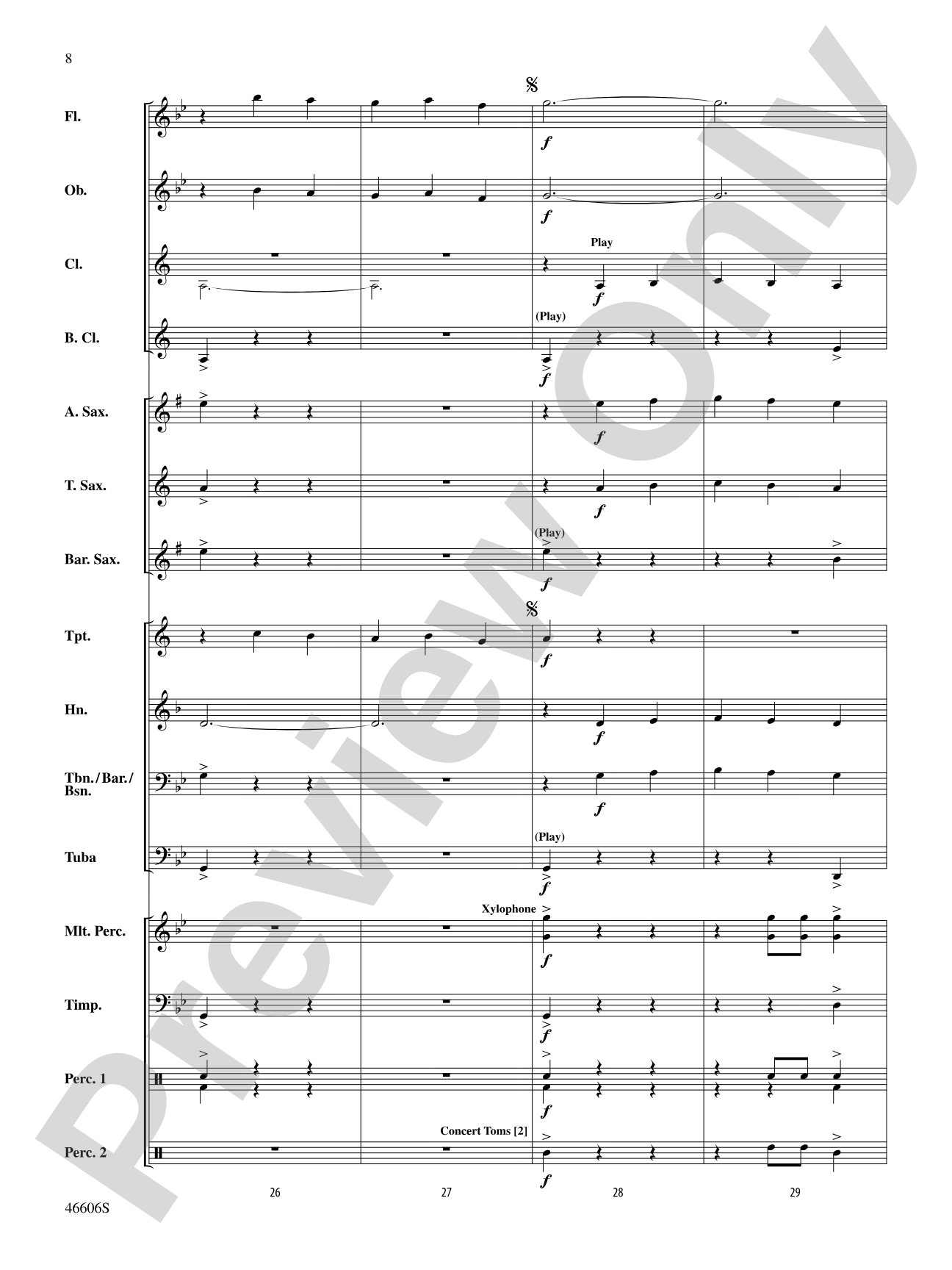
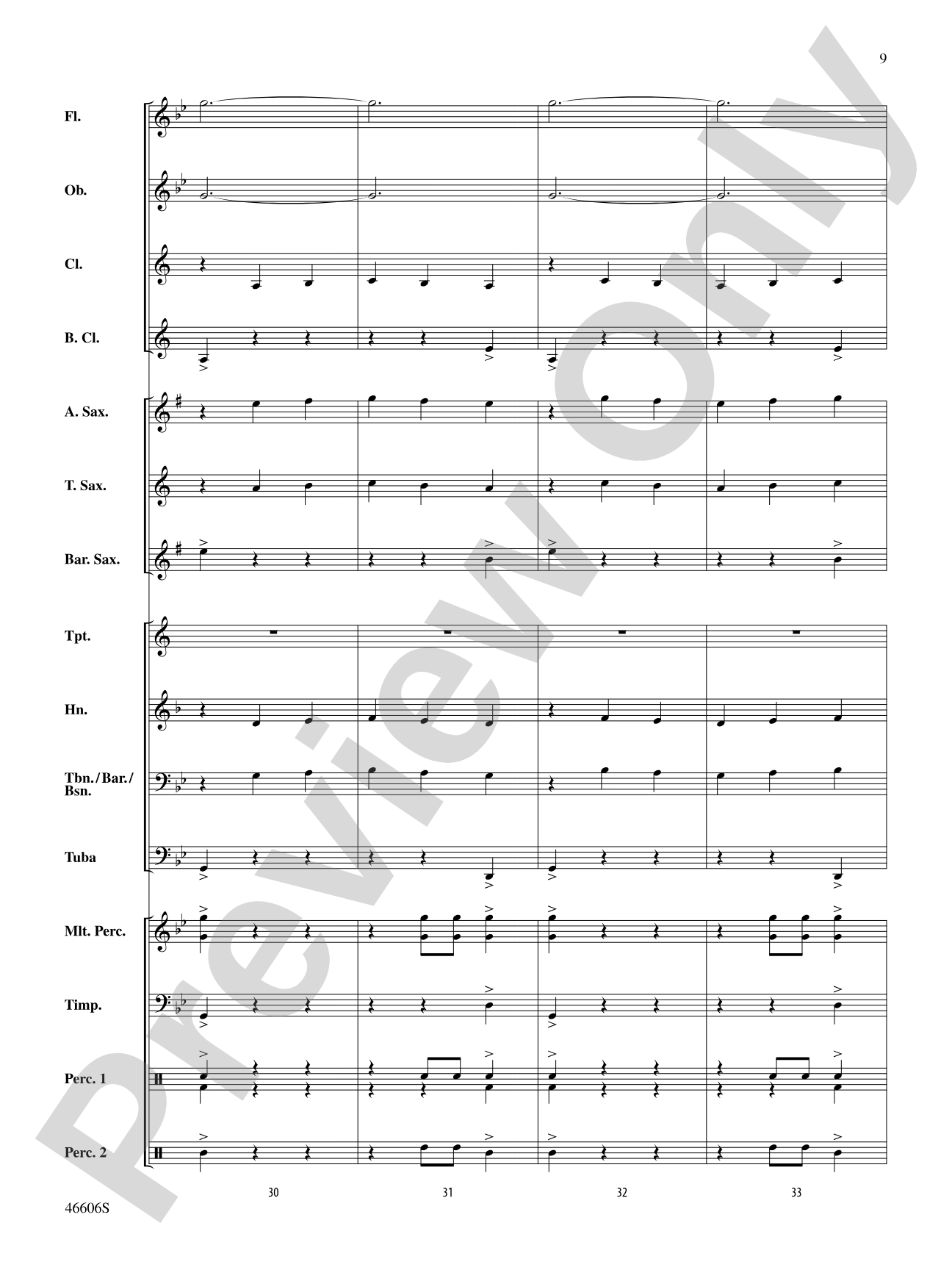
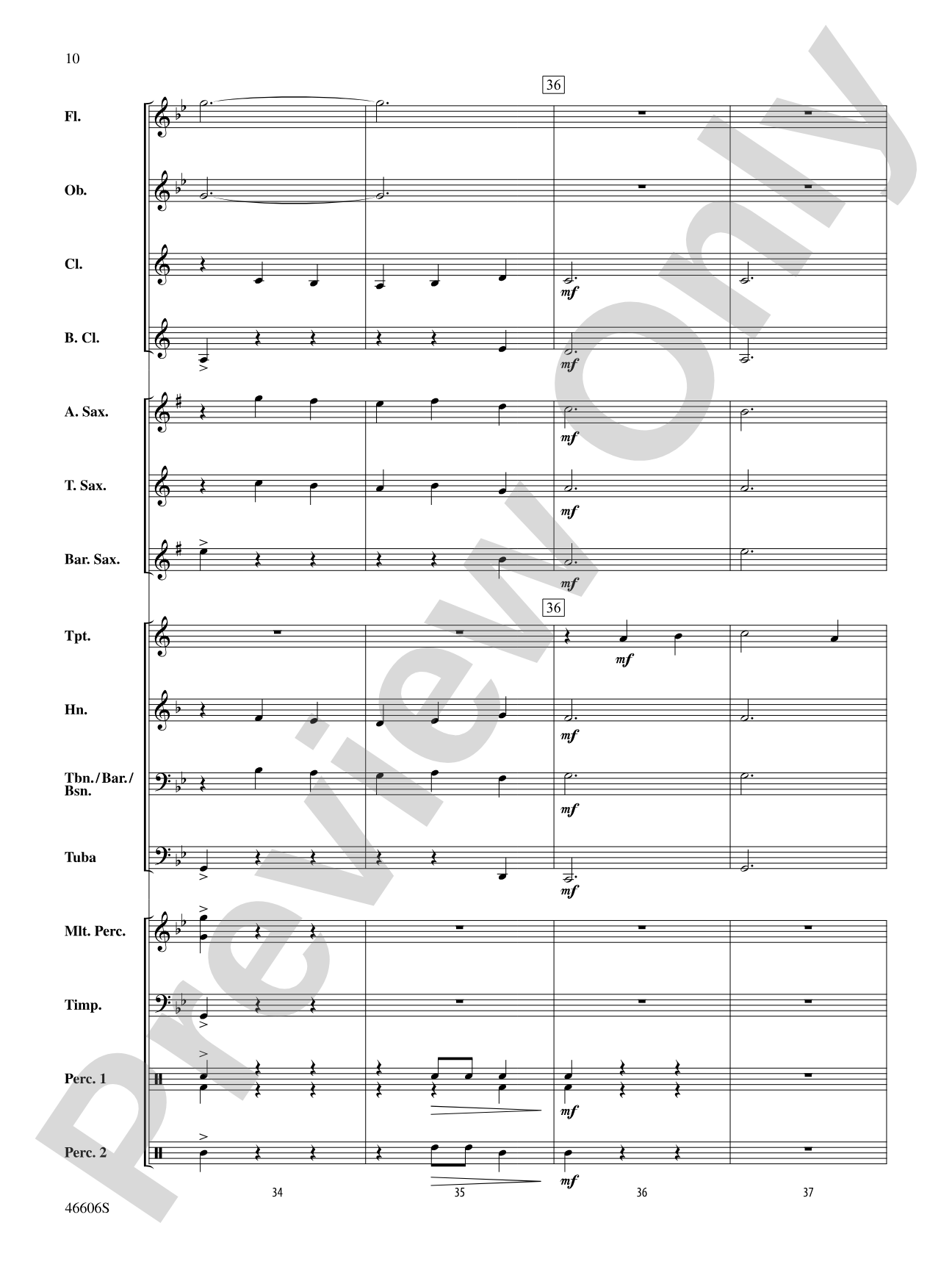
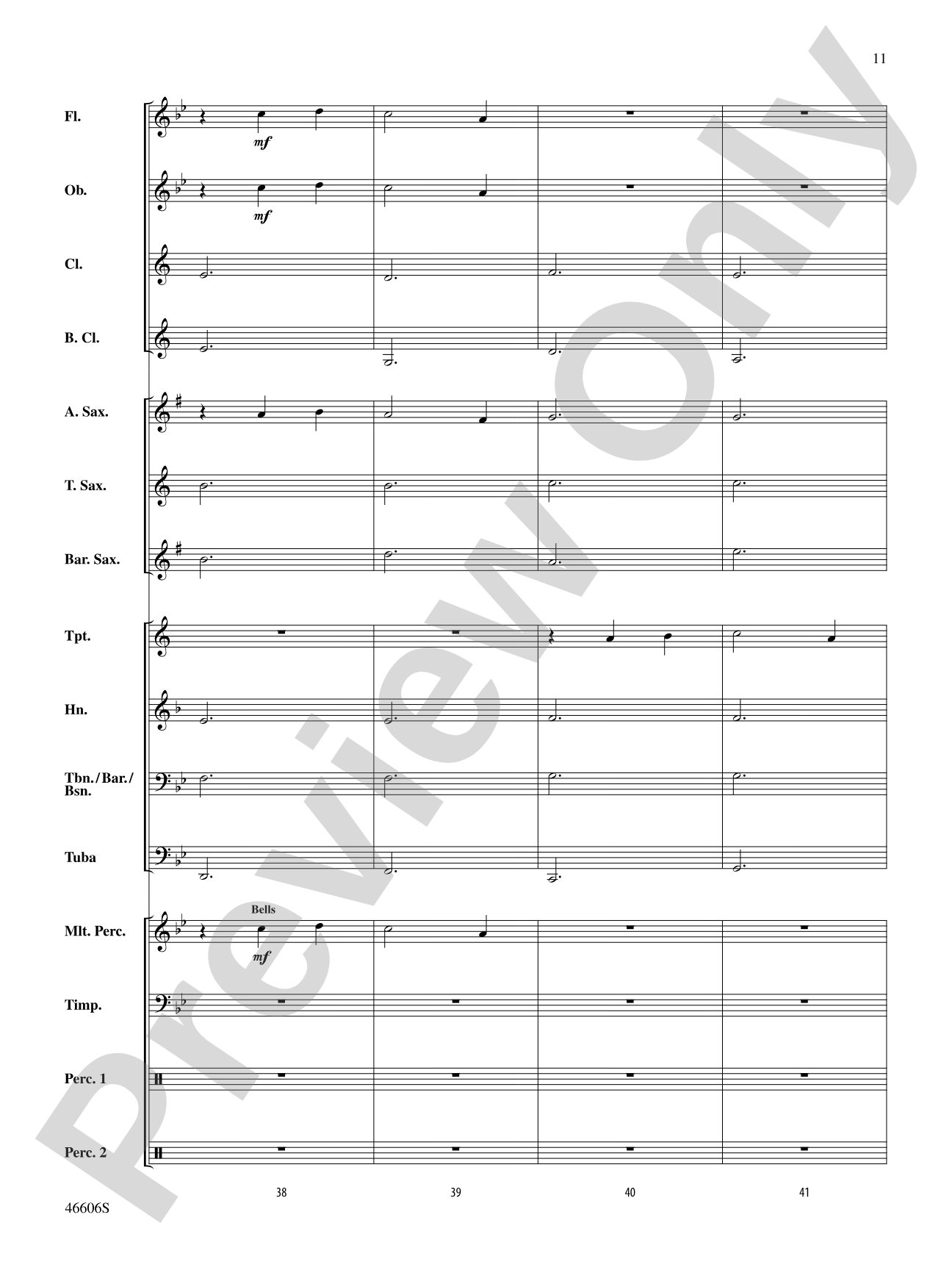
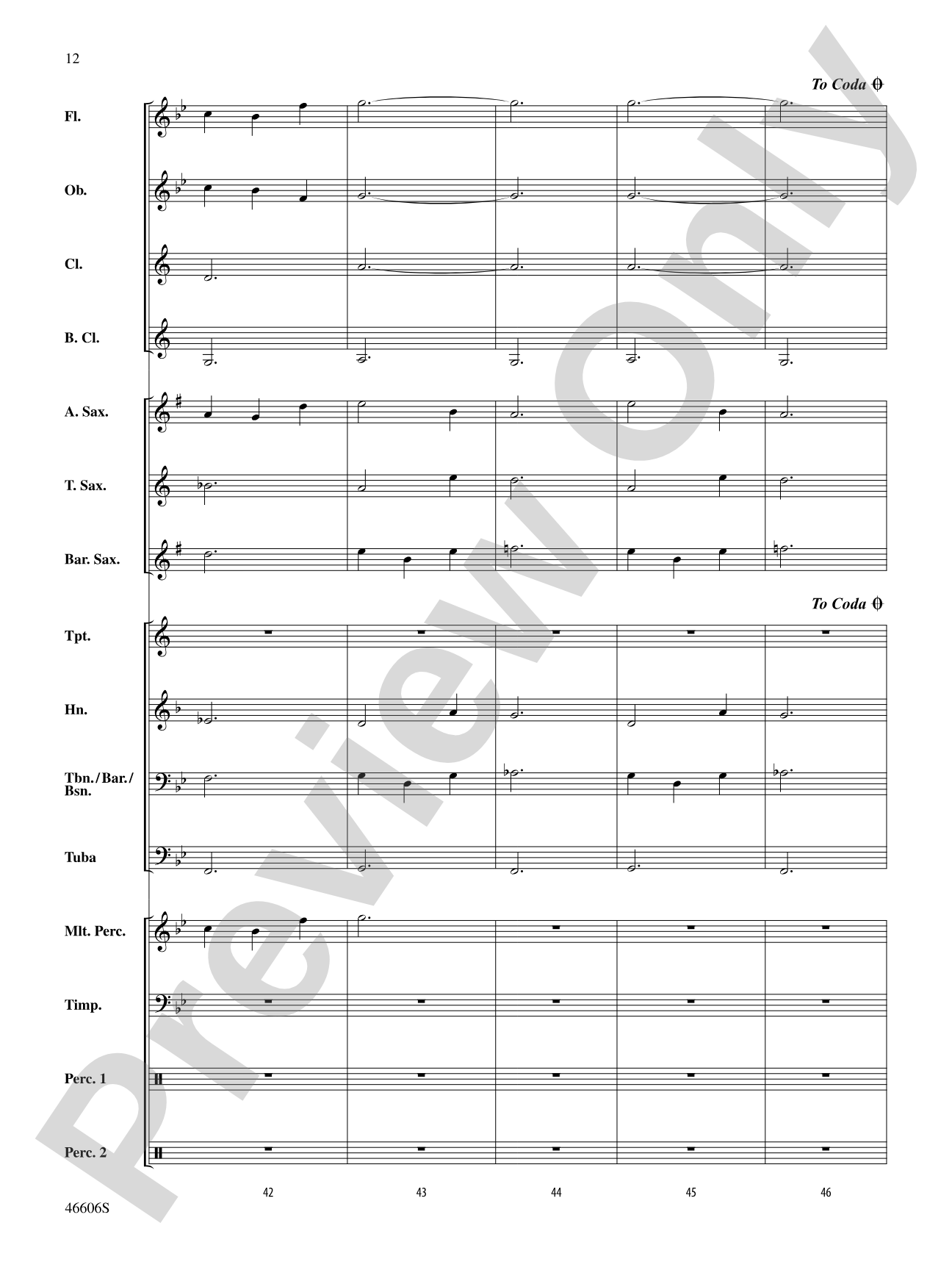
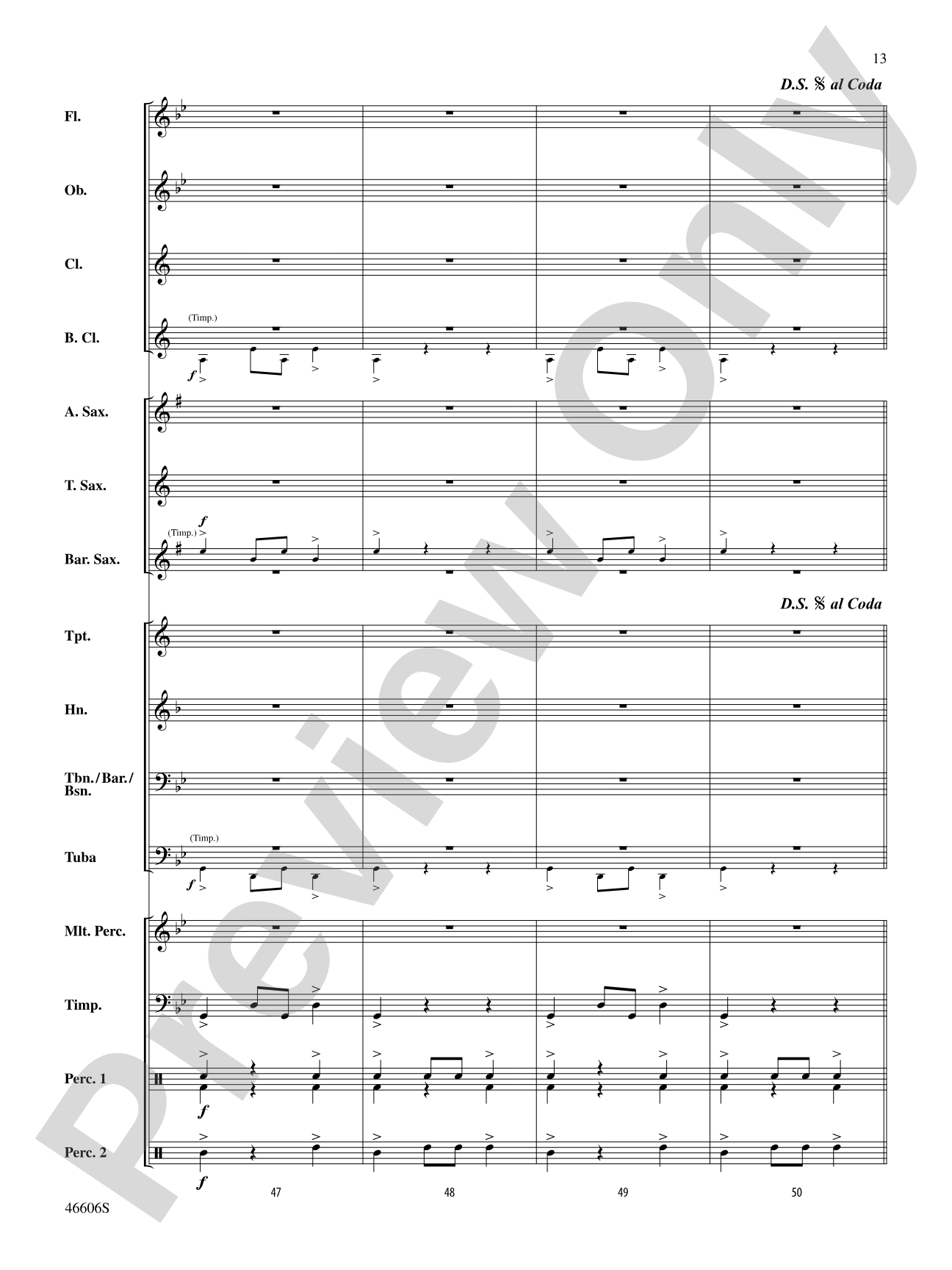
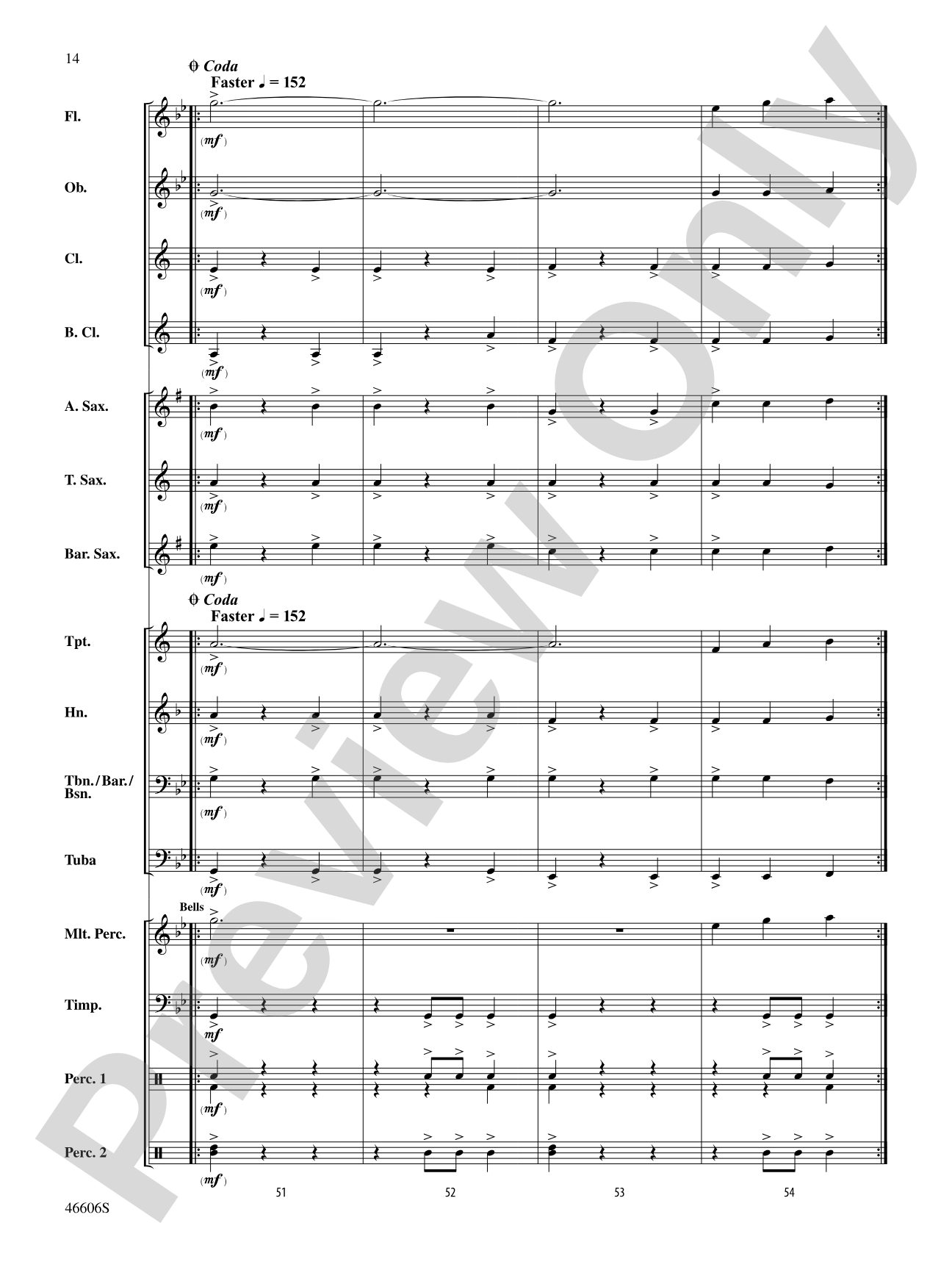
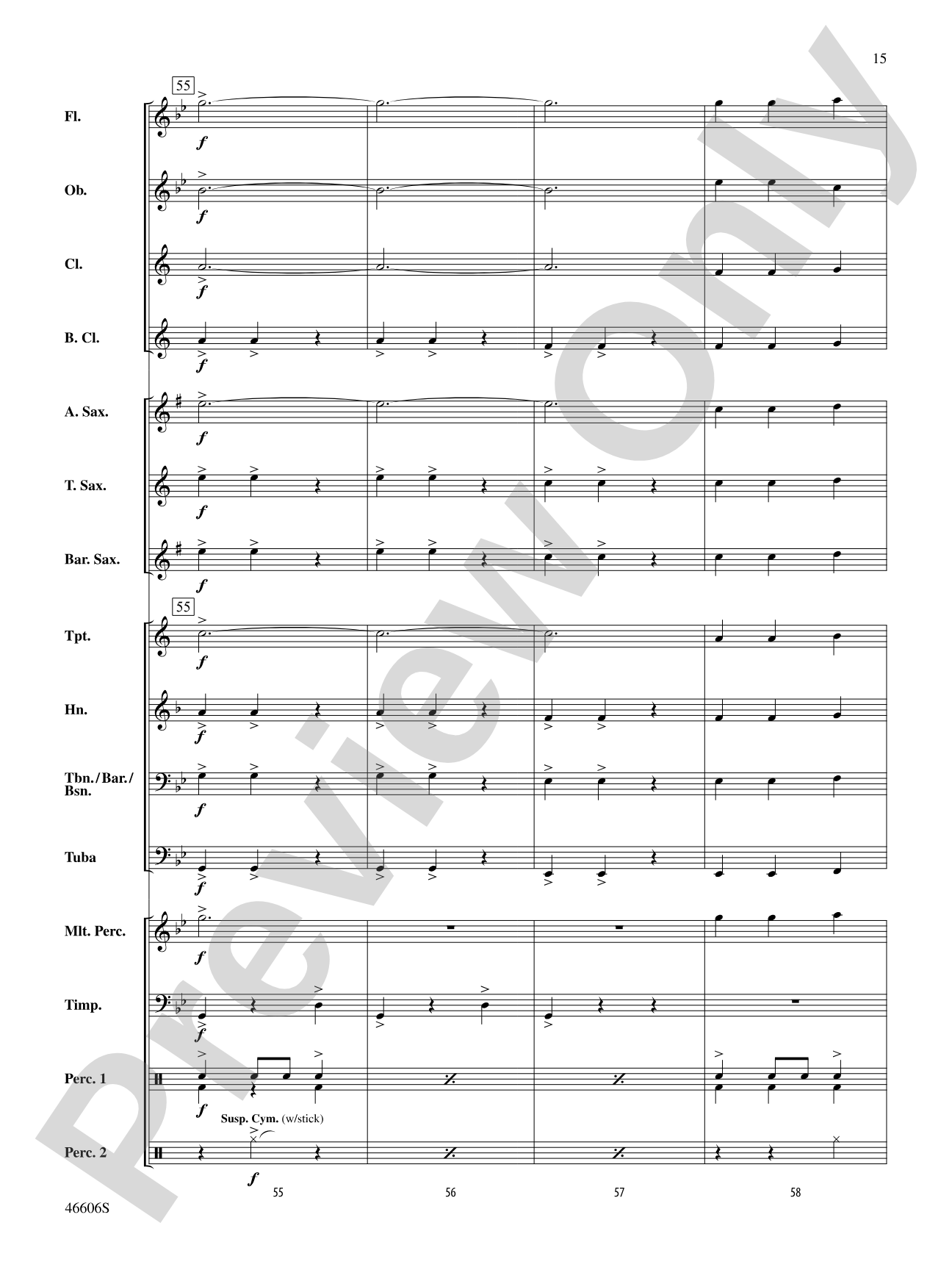
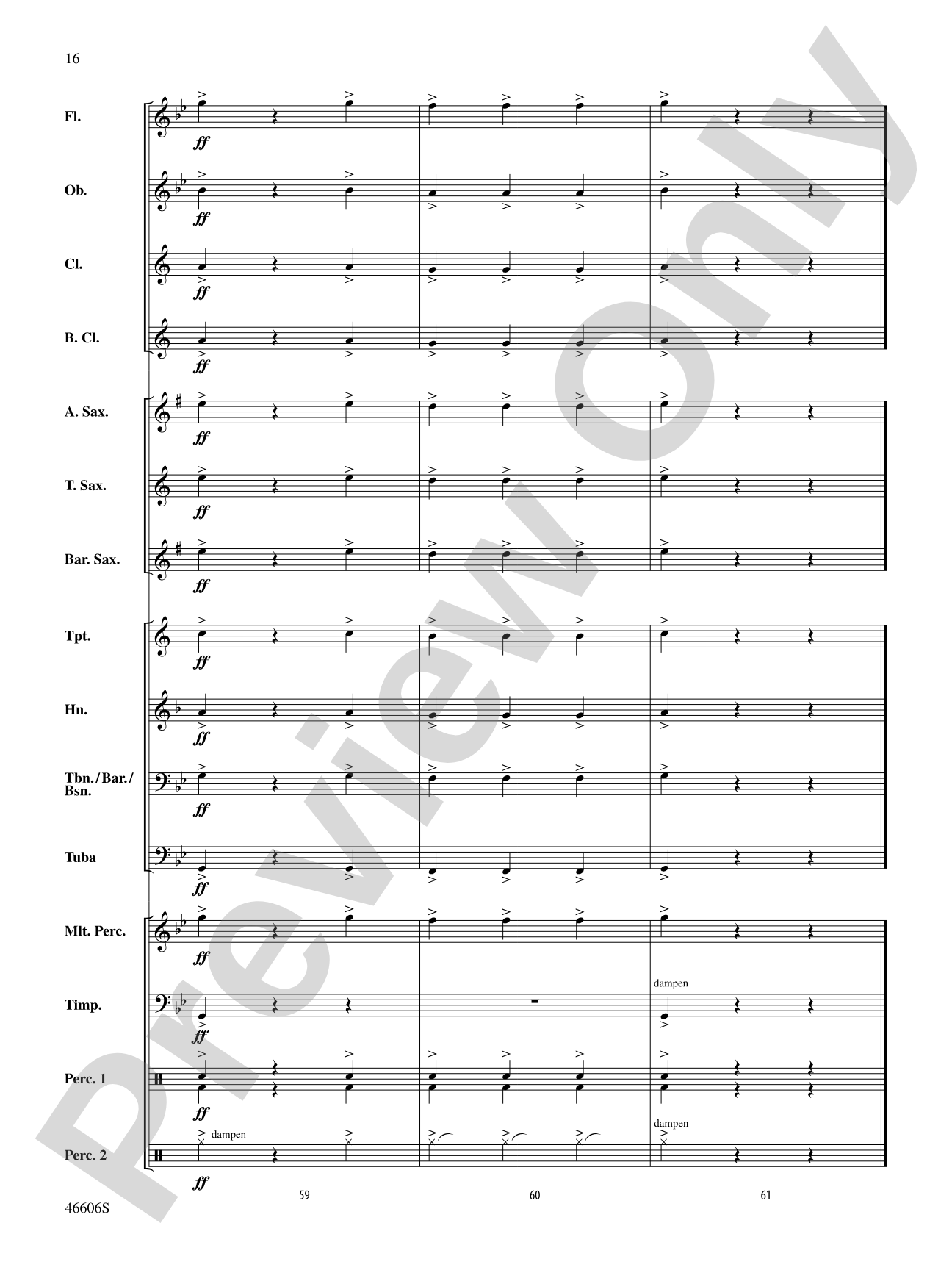

Maya: The Lost Empire: Score
By Victor López
Grade: 0.5 (Very Easy)
Item: 00-PR-0006245
$9.00
Pickup currently not available
Description
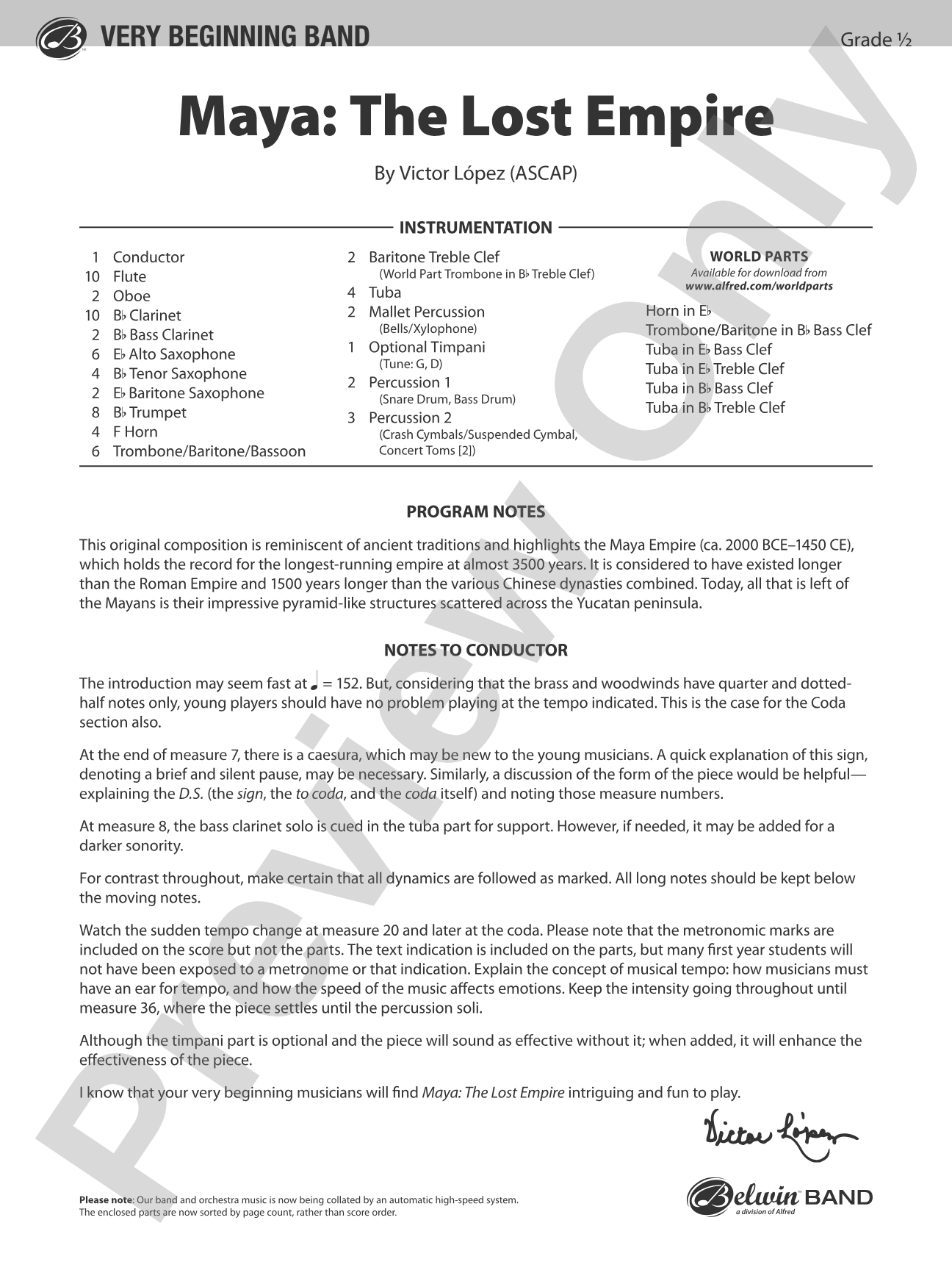
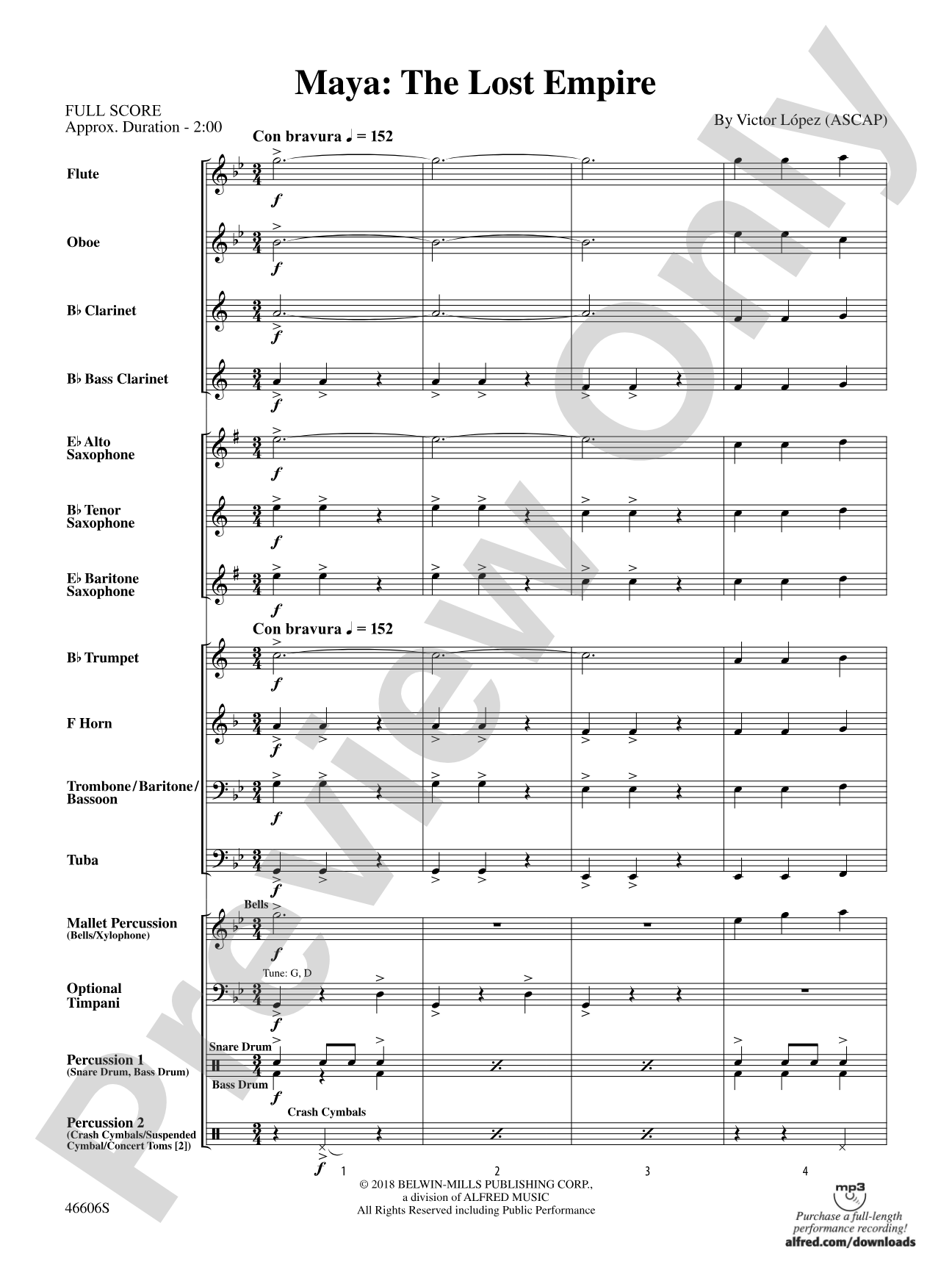
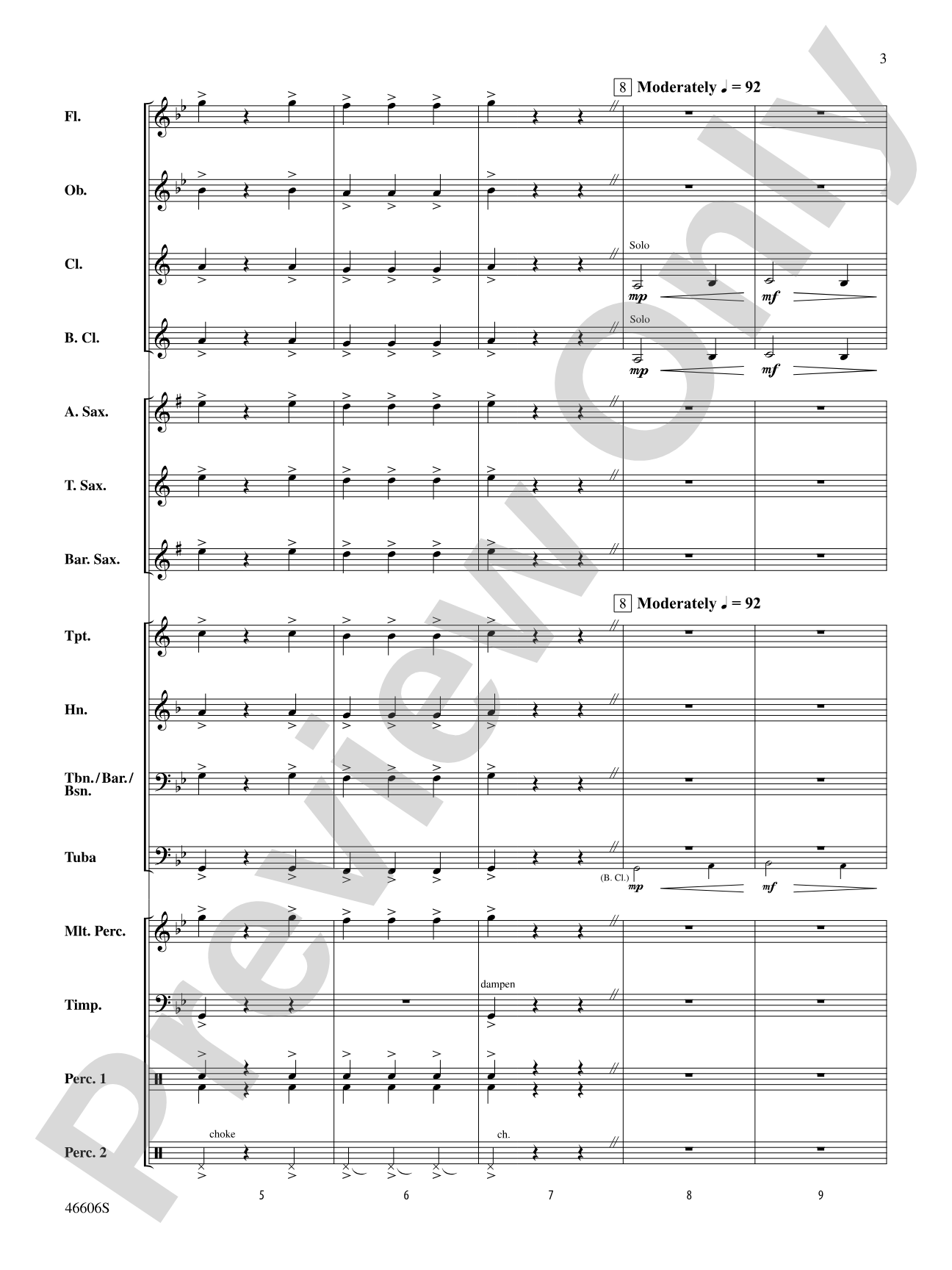
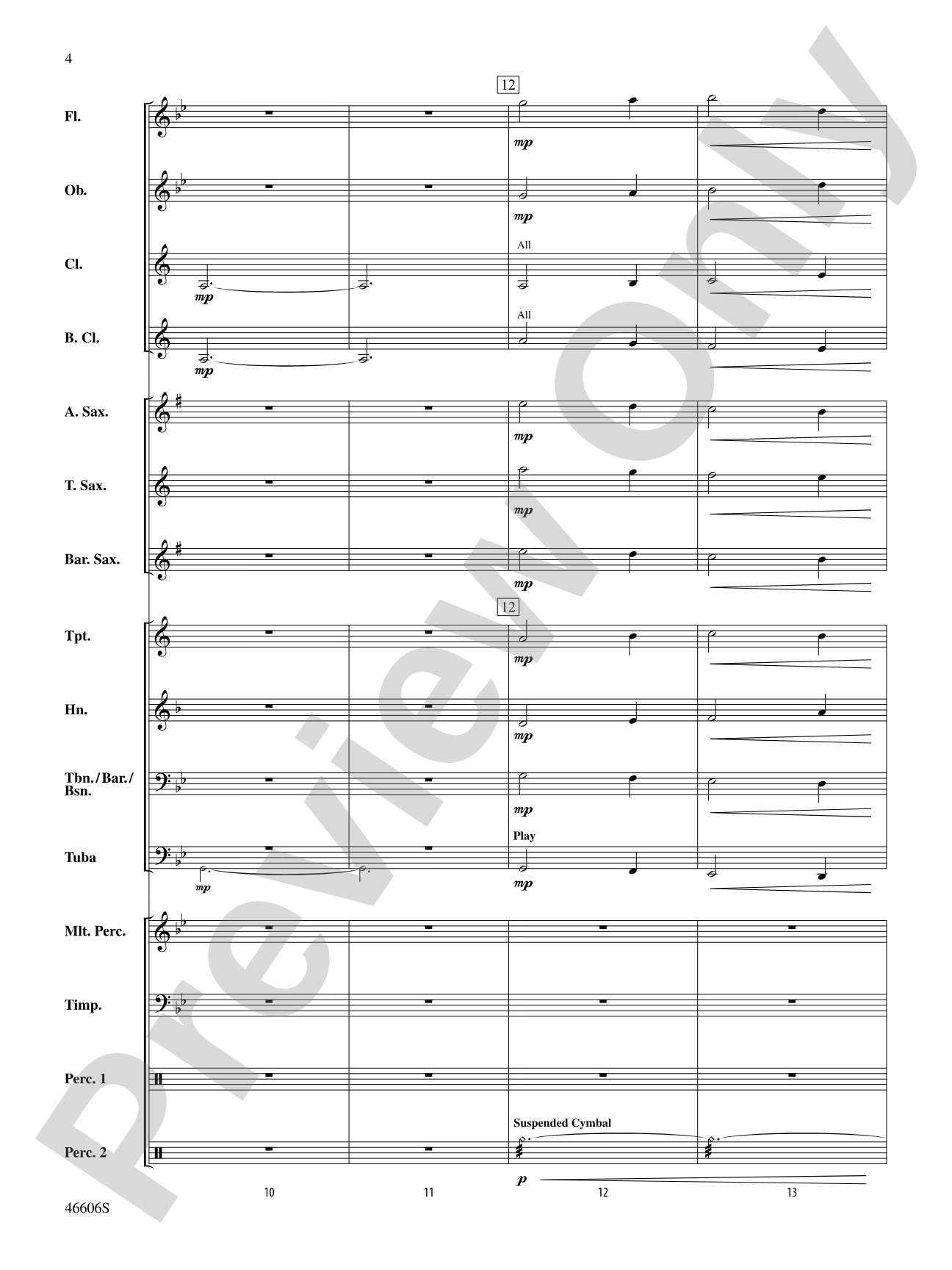
Reminiscent of ancient traditions, this composition highlights the Maya Empire, which holds the record for the longest running empire: almost 3,500 years. Teaching opportunities include shifting tempo and form including a D.S. al coda, and the notation is easily accessible for your first concert. A fascinating composition. (2:00)


Don't just read it, hear it, play along with it, and watch your students grow with it. In MakeMusic Cloud, Maya: The Lost Empire: Score comes alive with professional accompaniment, adjustable tempo, and built-in practice tools that turn solo practice into real progress.
Open in the Player
Jump straight in and assign it today.
Start Your Free Trial
Open this title and explore the full library in minutes.
Sample Audio
1
Audio File
--:--
0:00
0:00
Sample Video
Additional Details
Series:
Belwin Very Beginning Band
Publisher:
Alfred Music
Page Count:
136
SKU:
00-PR-0006245
More about this title
About the Composer: Victor López
Victor López is a prolific composer whose work spans concert band, orchestra, and wind ensemble literature. He has built his career on creating accessible, culturally rich compositions that engage young musicians while maintaining genuine musical substance.
Why we love this
López delivers substantial musical content at a grade level where most first-concert pieces feel thin. The integration of shifting tempos and formal structures (D.S. al coda) gives your ensemble real architectural concepts to explore without overwhelming them, and the Maya theme provides a refreshing alternative to the standard opening-concert repertoire.
What to expect
The music evokes ancient ceremony and continuity through deliberate melodic gestures and harmonic colors that suggest a vast time span. There's dignity in the pacing and texture; it never feels patronizing despite its accessibility, instead carrying the weight of nearly 3,500 years of cultural history in an emotionally honest way.
Who it's for
This piece is designed for developing concert bands at the very beginning level, particularly those preparing their first public performance. It works equally well for community bands, school festival showcases, or contest programs where you need legitimate musical content that doesn't demand virtuosic reading or technique.
How to get the most out of it
- Prepare the tempo shifts in isolation before running the full piece. Mark the conductor score clearly at each transition point so students can track your beat comfortably.
- Balance the cultural flavor by encouraging the ensemble to listen to recordings of authentic Maya instruments and musical traditions. This context helps younger musicians understand they're interpreting something historically rooted, not just playing exercises.
- Work the D.S. al coda separately as a sectional activity. Have students mark their parts with colored pencil at the sign and coda section so nobody gets lost during performance.
- The accessibility of the notation means rehearsal time can focus on phrasing and character rather than note-reading. Use that gift to shape the opening melody and build momentum toward structural markers.
How to use it
Open a concert with this piece to signal that your young ensemble plays real music, not simplified exercises. Its two-minute duration also makes it ideal for a festival program where you need a showcase opener that establishes musicality before moving into longer works, or pair it with other multicultural selections to build a thematic program around world cultures.
Skills your students will build
- Reading shifting tempos and tempo changes
- Understanding and executing D.S. al coda form
- Balancing melody and accompaniment in early arrangement contexts
- Sustaining phrasing across longer melodic lines
- Responding to cultural context in musical interpretation