May There Always Be Sunshine Cover Image

May There Always Be Sunshine: SATB Choral Octavo

$2.95 USD
Sale price  $2.95 USD Regular price 
Skip to product information
May There Always Be Sunshine Cover Image

May There Always Be Sunshine: SATB Choral Octavo

Russian Folk Song / arr. Robert DeCormier

Item: 00-LG51641

makemusic Cloud badge

Need it now?

Buy Digital Version
$2.95
Shipped

One moment…

Description

Don't just read it, hear it, play along with it, and watch your students grow with it. In MakeMusic Cloud, May There Always Be Sunshine: SATB Choral Octavo comes alive with professional accompaniment, adjustable tempo, and built-in practice tools that turn solo practice into real progress.

Sample Pages

Sample Audio
No sample audio found.
Sample Video
Additional Details
Series: Alfred Archive Edition: Lawson-Gould Music Publishers
Publisher: Alfred Music
Page Count: 16
UPC: 783556007753
SKU: 00-LG51641
Instrumentation: Melodica, Guitar and Harpsichord (or Piano)

More about this title

About the Arranger: Robert DeCormier
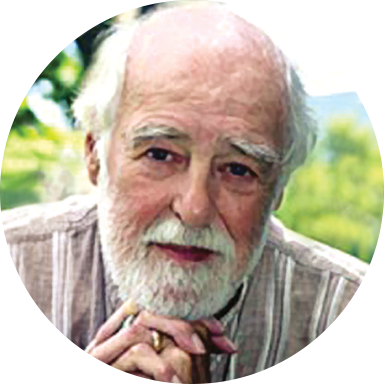
Robert DeCormier

Robert DeCormier studied at Juilliard and built a career spanning classical conducting, Broadway, and folk music. He served seventeen years as music director of the New York Choral Society, worked as conductor and arranger for Harry Belafonte, and held the position of music director for Peter, Paul and Mary from 1978 to 2010. He also taught conducting and ensembles at the Eastman School of Music from 1972 to 1977.

Beyond his conducting work, DeCormier established himself as a prolific arranger of African-American spirituals and international folk songs. He founded the professional vocal ensemble Counterpoint in 2000, which toured throughout New England and recorded six albums on the Albany label. His contributions to choral music and the arts earned him the Vermont Governor's Award for Excellence in the Arts in 2002 and a Lifetime Achievement Award from the New England Choral Arts Foundation in 2006.

Why we love this

DeCormier's arrangement brings warmth and accessibility to this beloved Russian folk melody without sacrificing musical substance. The optional instrumentation (melodica, guitar, and harpsichord or piano) gives you flexibility in how lavishly or simply you present it, making it work in both intimate settings and larger concert venues. A seasoned arranger of folk repertoire, DeCormier understood how to honor a tune's essential character while creating engaging writing for ensemble voices.

What to expect

This arrangement carries the gentle hopefulness of its Russian origin while settling comfortably into an English-language context. The optional accompaniment suggests both folk authenticity and concert polish, giving the tune room to breathe while providing harmonic and textural support that makes it feel complete.

Who it's for

Choirs seeking repertoire that bridges cultural traditions and speaks to universal themes will find this arrangement accessible yet substantial. It suits intermediate to advanced community choirs, high school and college ensembles, and groups looking to expand beyond English-language secular choral literature.

How to get the most out of it

  • Balance the voices so the melody remains clear; in SATB folk arrangements, a transparent soprano line helps the audience connect with the familiar tune.
  • If using instrumental accompaniment, ensure the accompanists listen carefully to the choir's tempo and phrasing rather than driving from behind; this piece breathes best when all forces respond together.
  • Consider the text's message of hope and unity; this shapes your approach to dynamics and phrase shaping more than any marking on the page can.

How to use it

Program this in a set exploring global folk traditions, pairing it with other world music selections to create thematic coherence. Its message of optimism also makes it a natural choice for closing a concert or for inclusion in a spring or celebration-themed program where you want to leave audiences with a sense of warmth and connection.

Skills your students will build

  • Singing in four-part harmony with clear voice independence
  • Blending consonant and vowel sounds across the choir
  • Interpreting text with emotional awareness and intention
  • Collaborating with instrumental accompanists
  • Sustaining legato singing across phrase lines

You May Also Like
