

Masterwork Classics Duets, Level 9: A Graded Collection of Piano Duets by Master Composers: Piano Duets & Four Hands
A Graded Collection of Piano Duets by Master Composers
Ed. Gayle Kowalchyk, E. L. Lancaster, and Jane Magrath
Level: Early Advanced
Item: 00-PB-0000637
$13.99
One moment…
Related Items
Masterwork Classics Duets, Level 9: Piano Duet (1 Piano, 4 Hands) Book |
$13.99
|
View |
Description
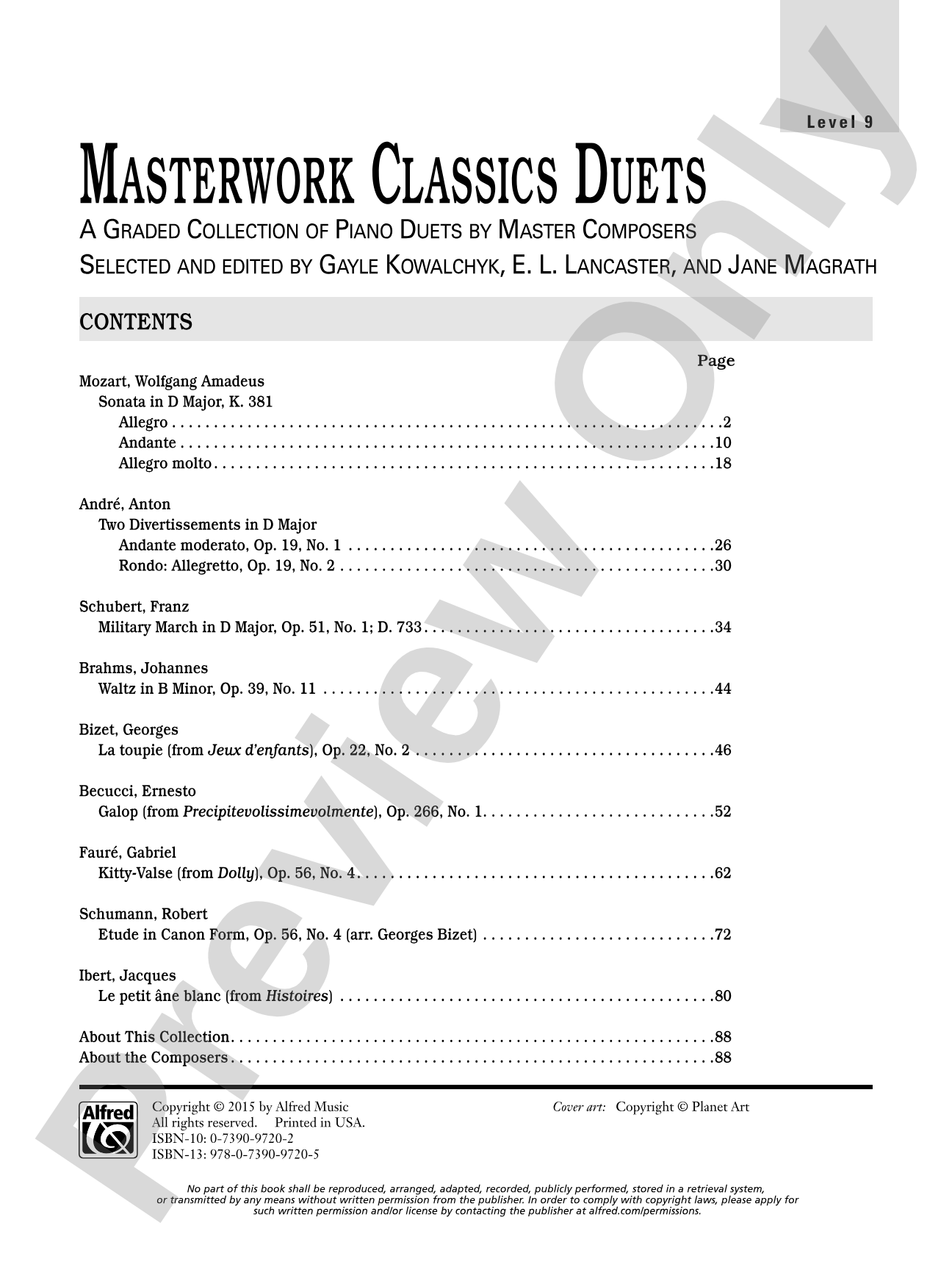
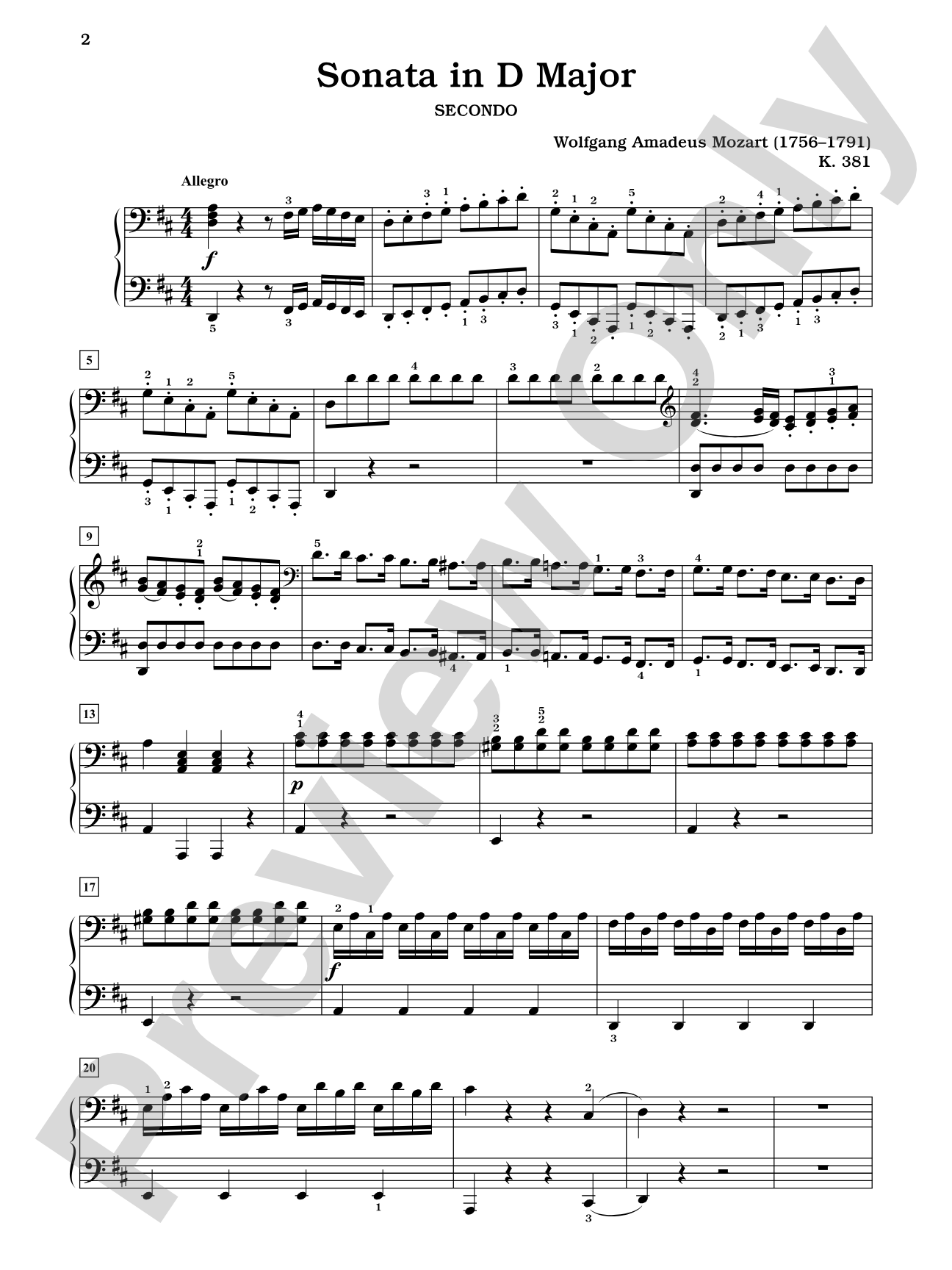
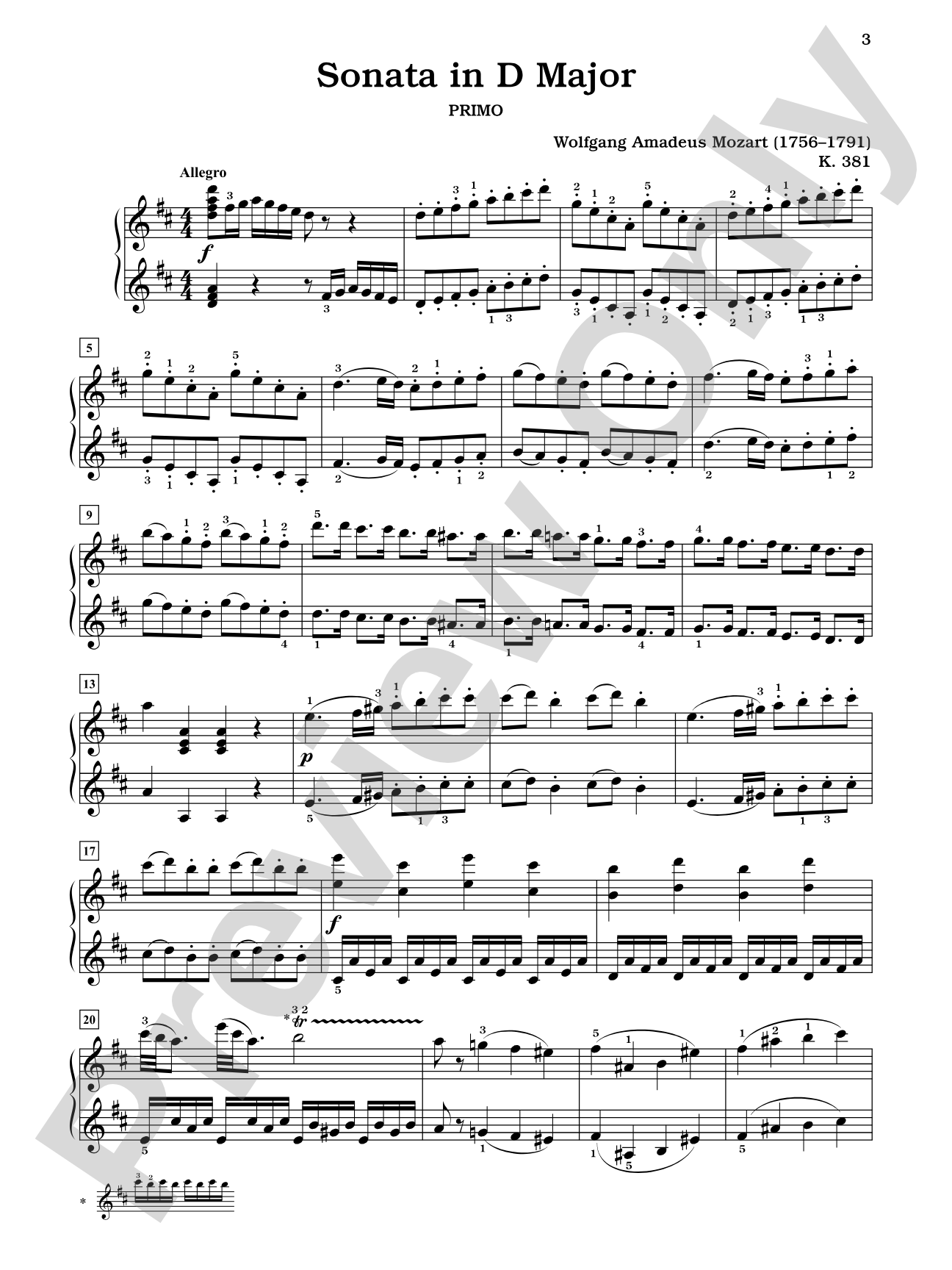
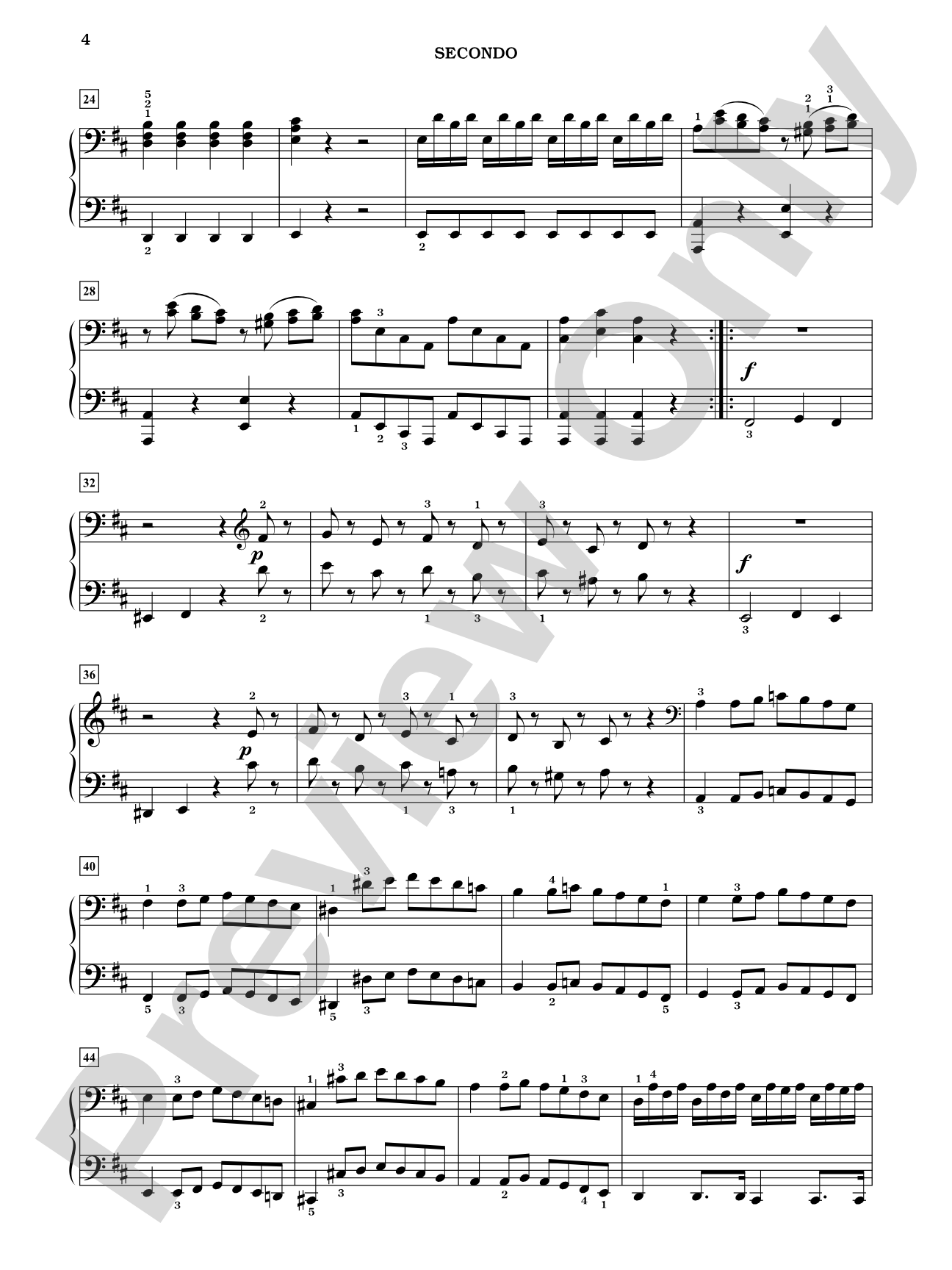
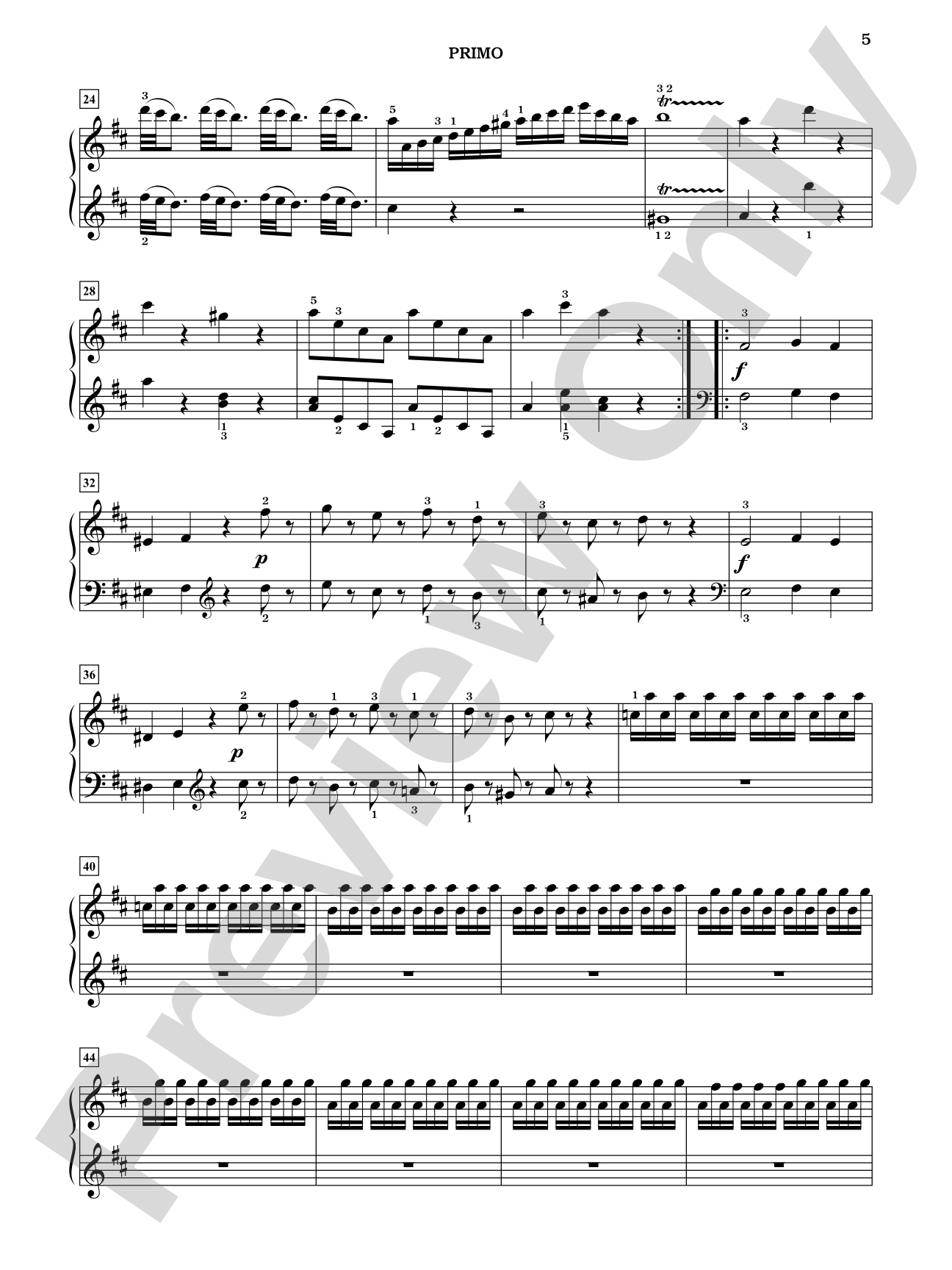
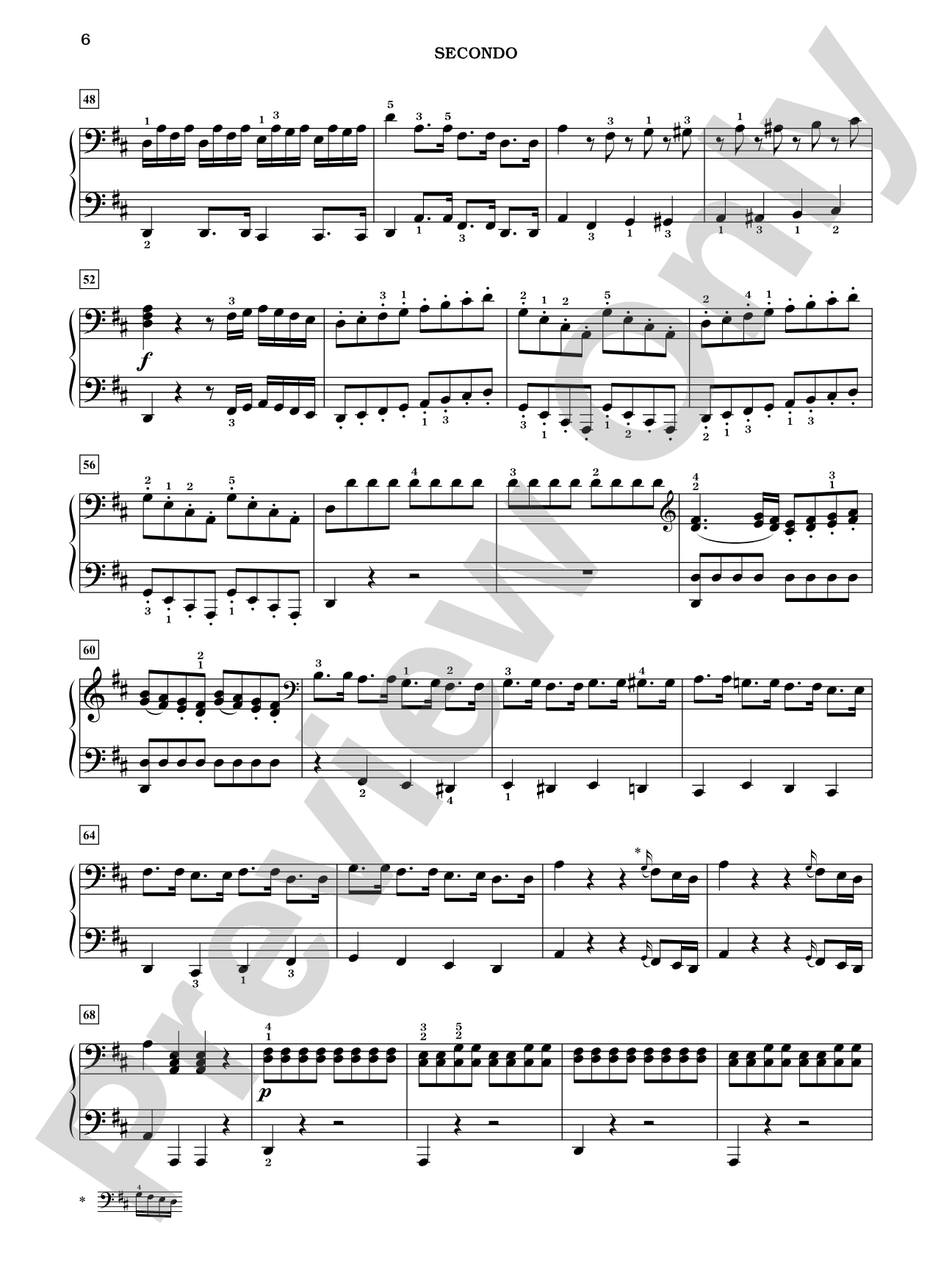
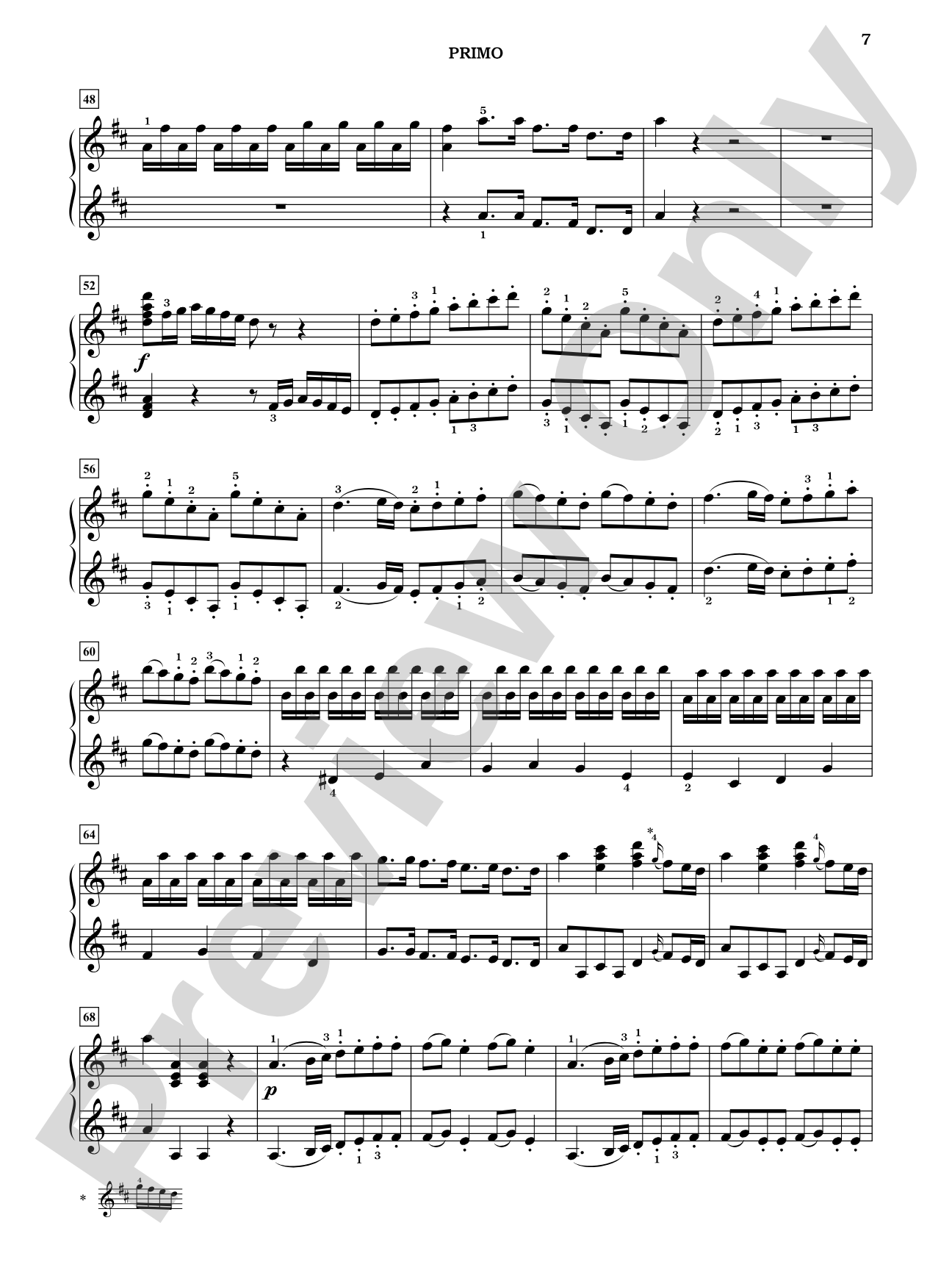
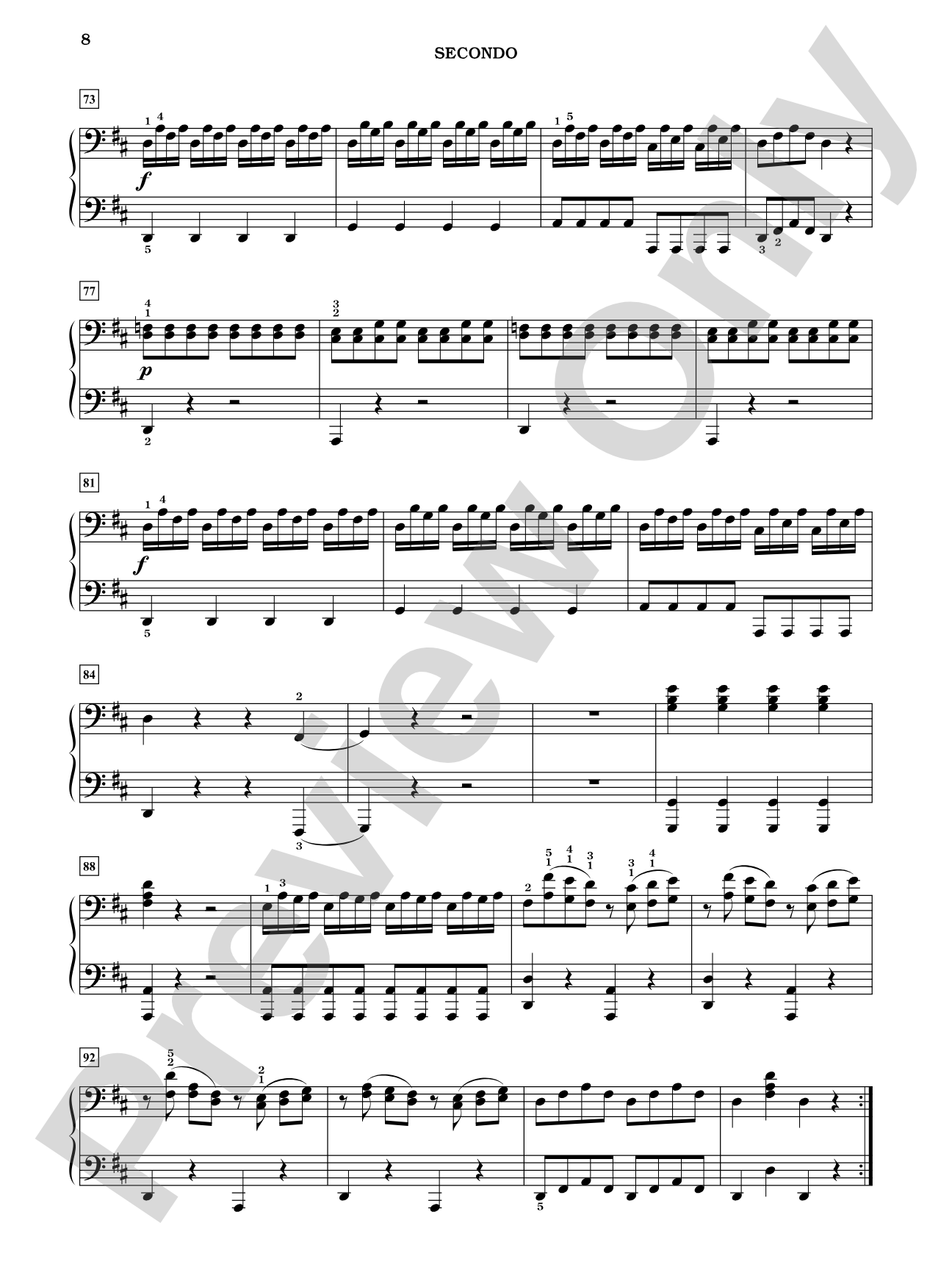
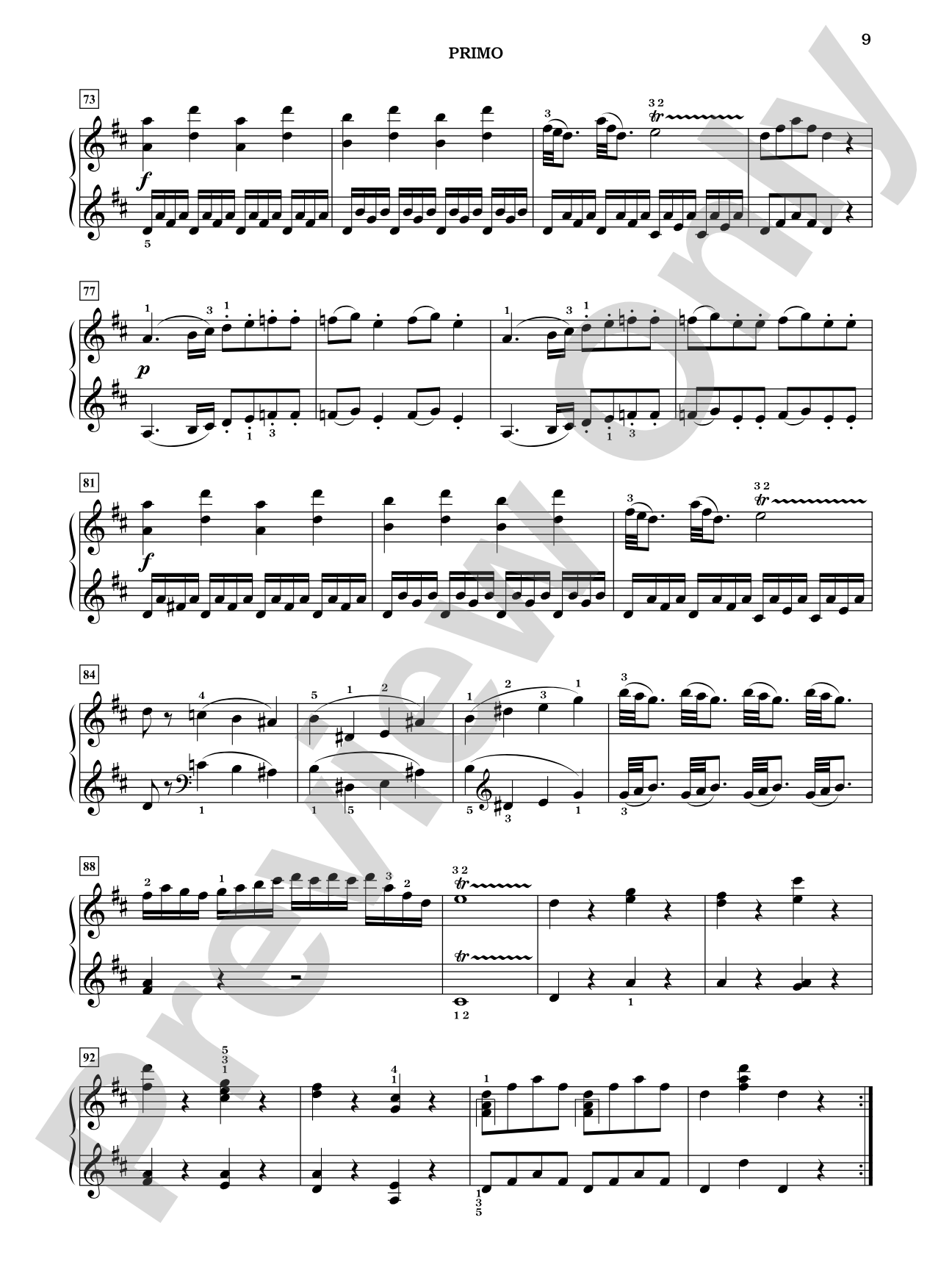
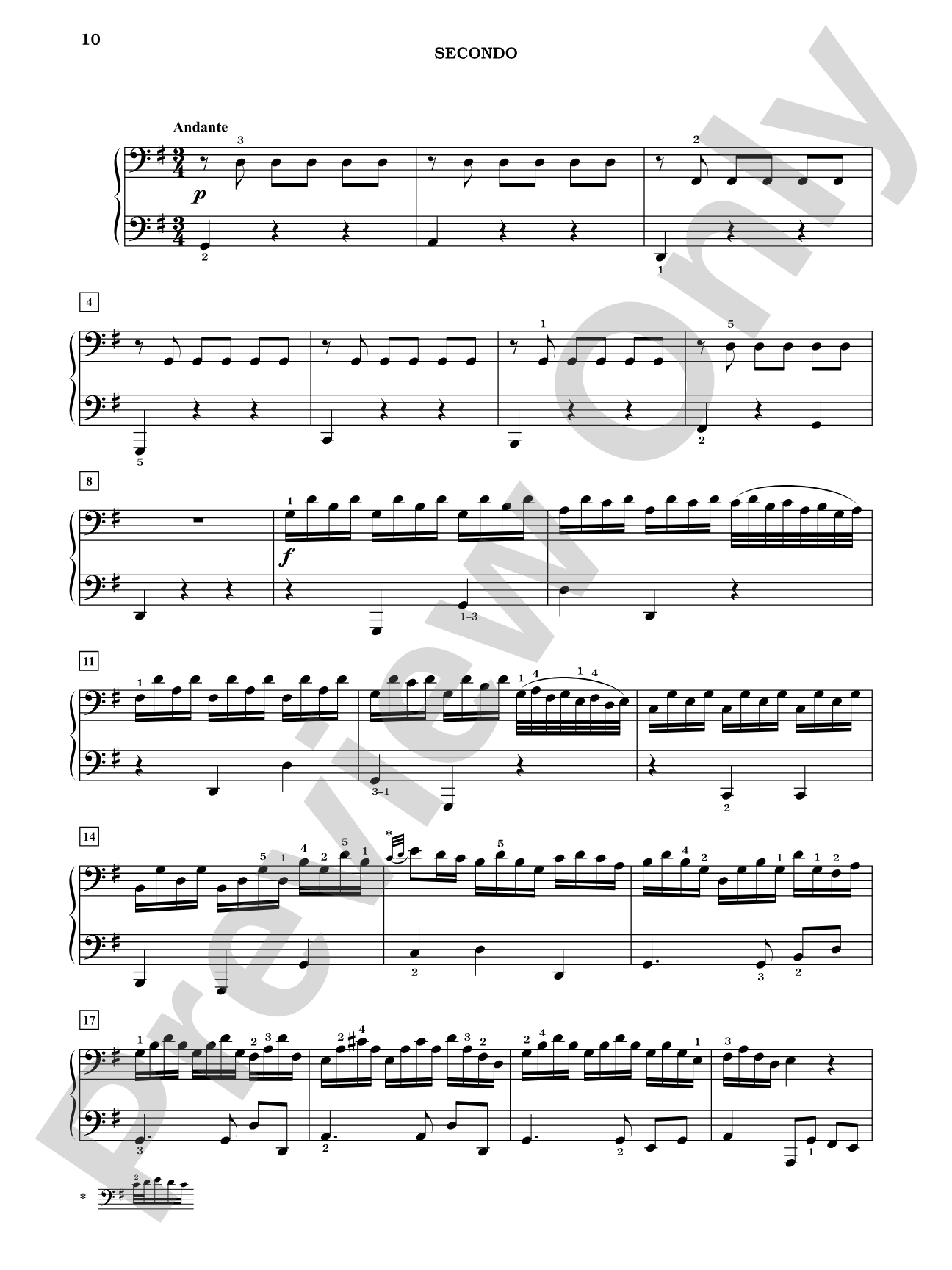
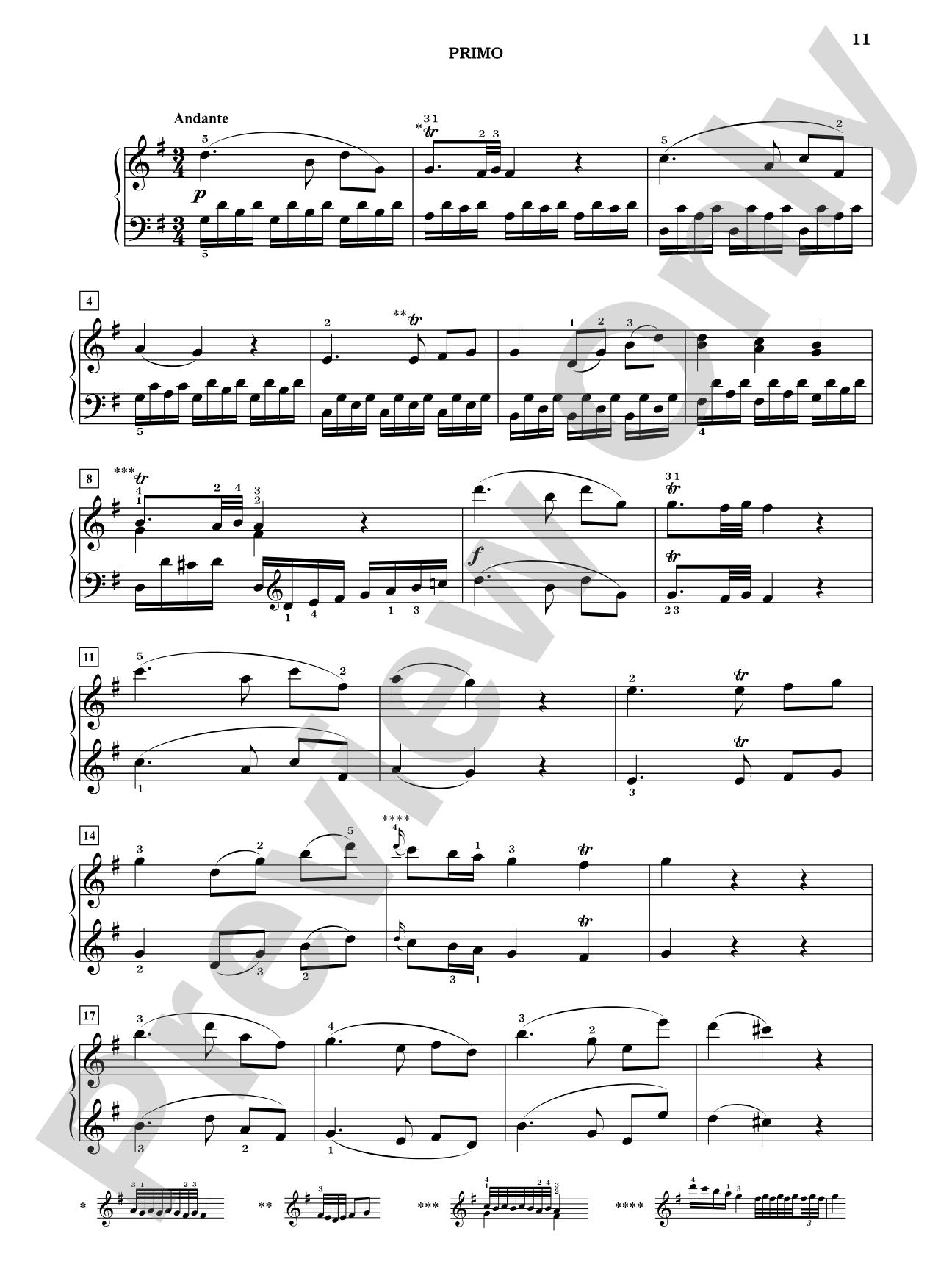
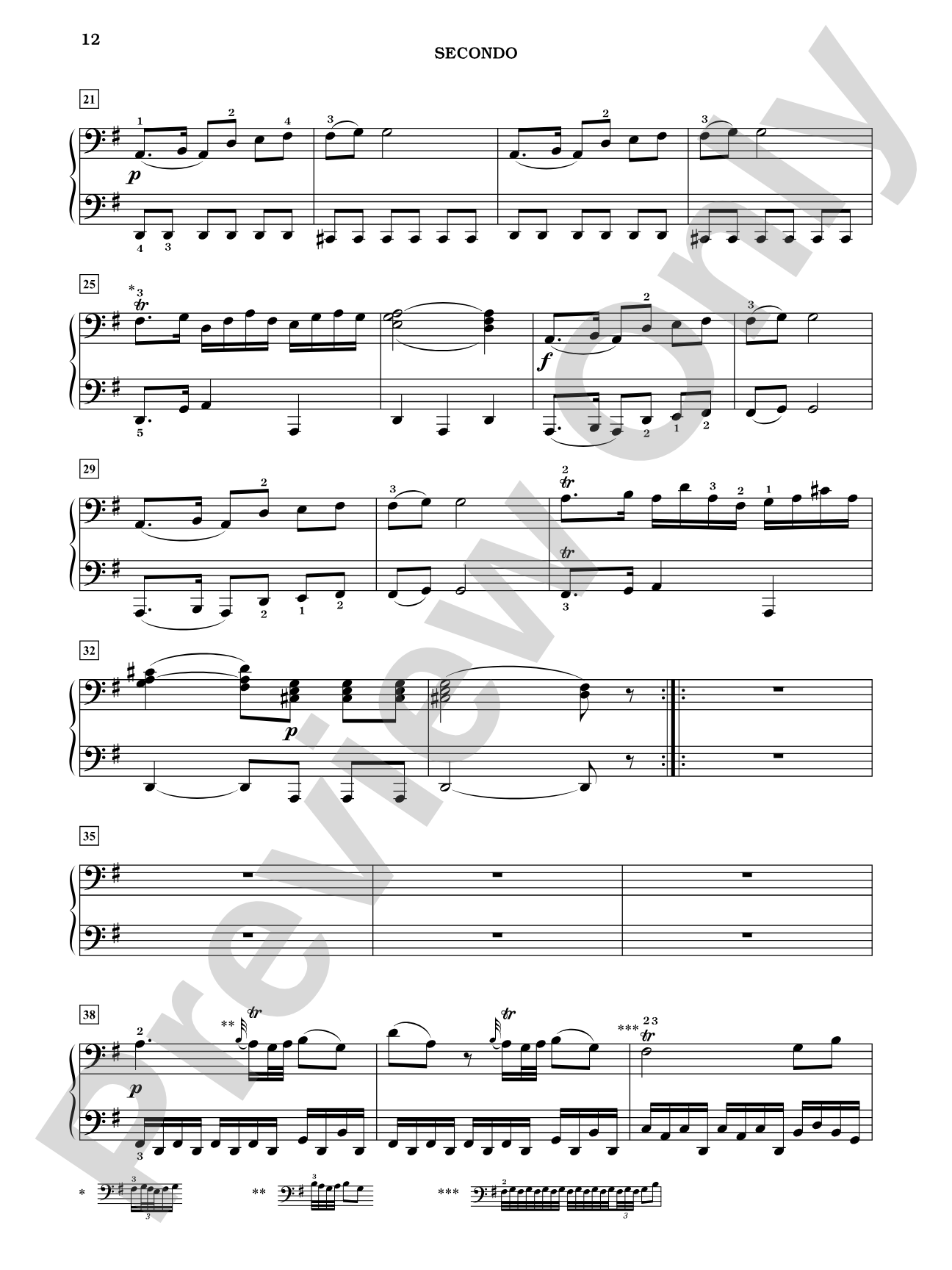
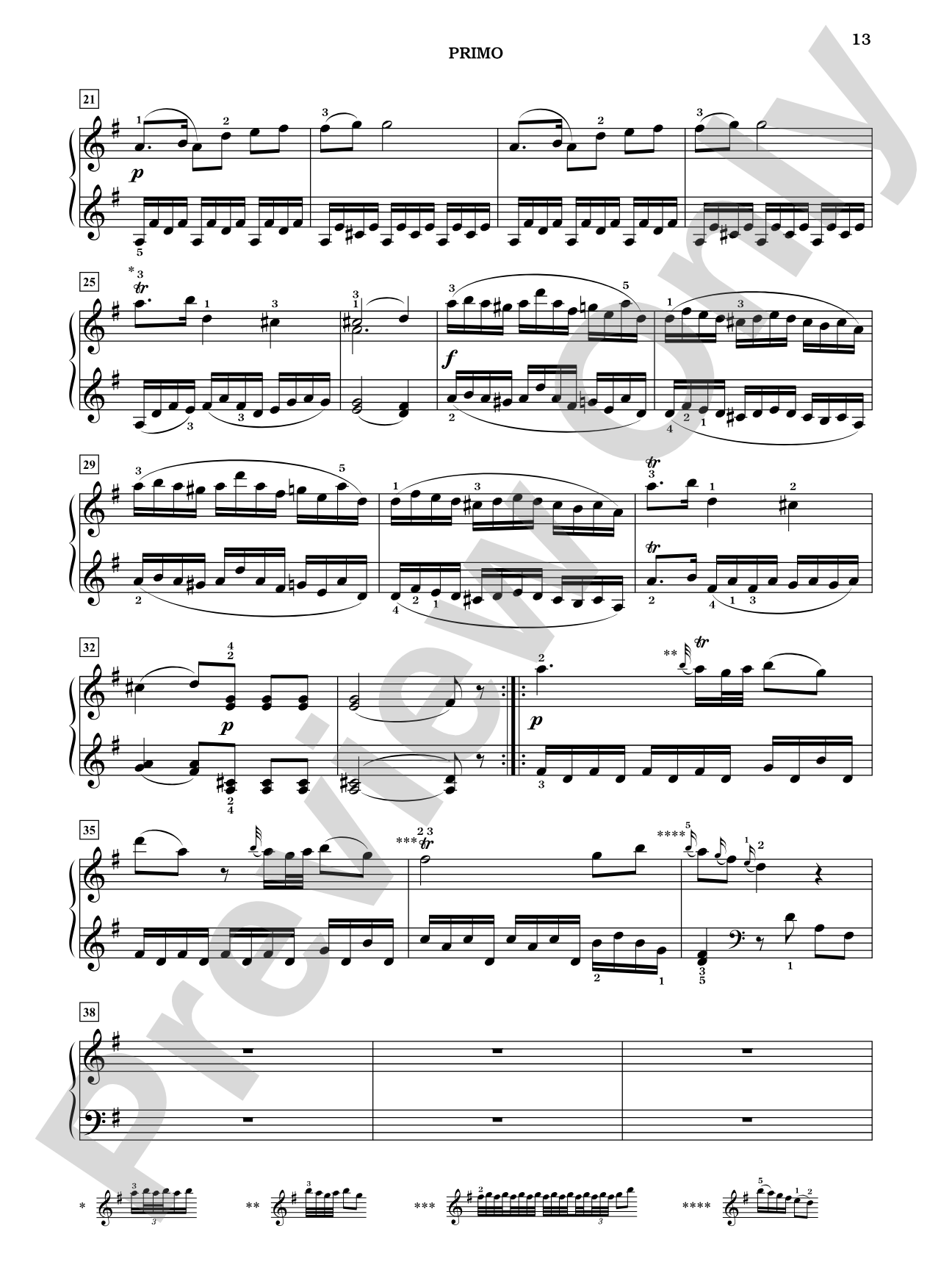
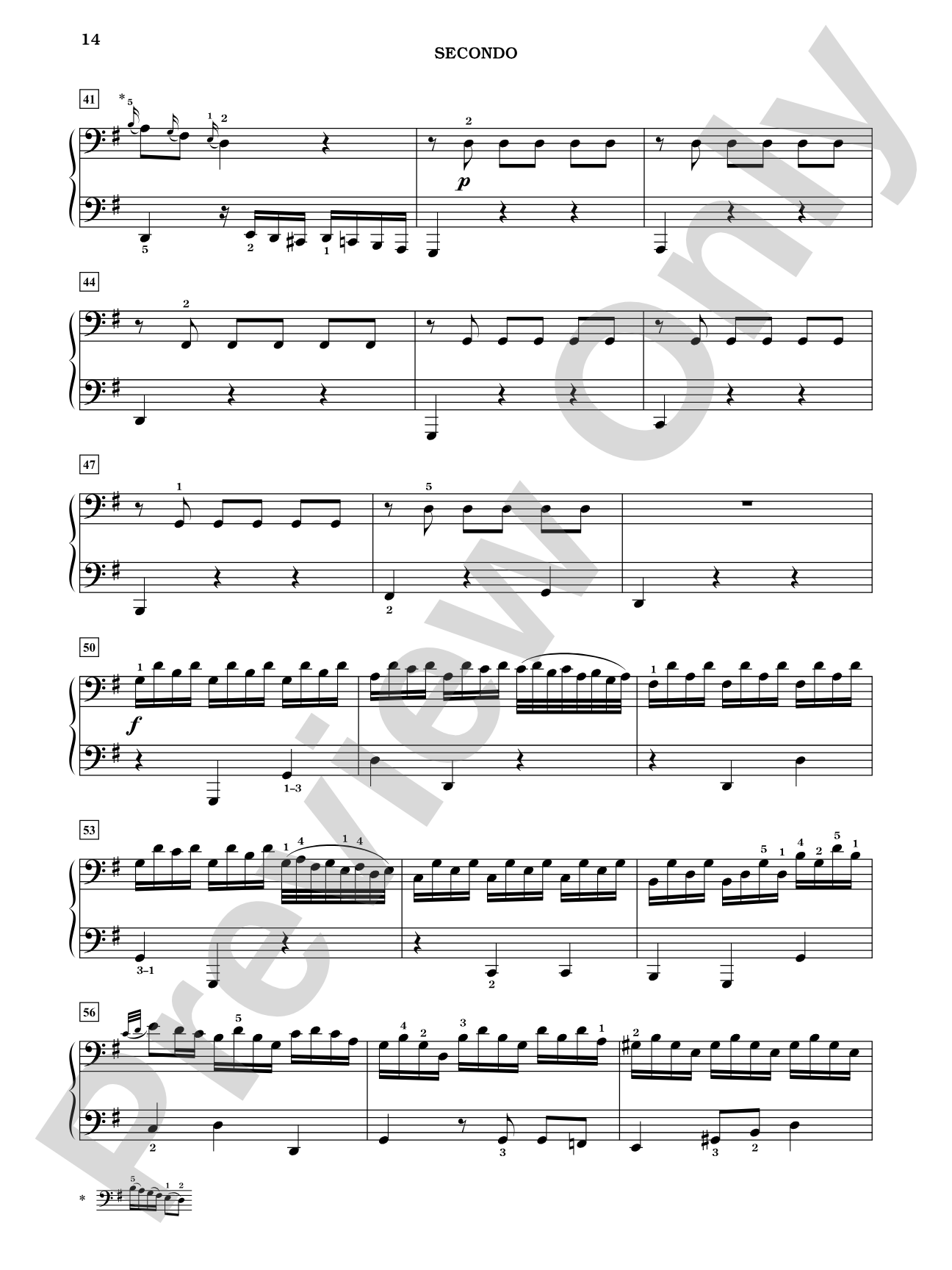
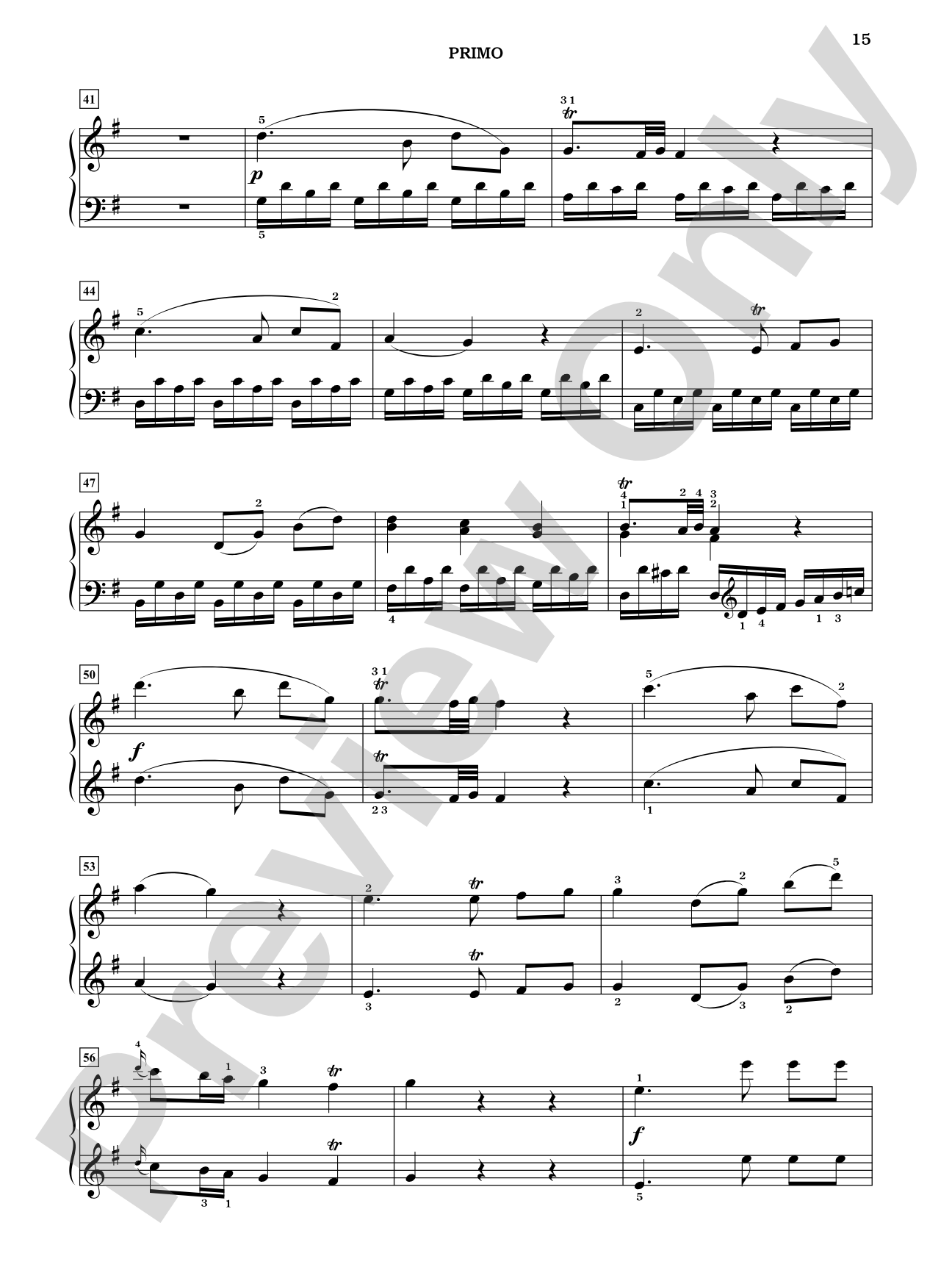
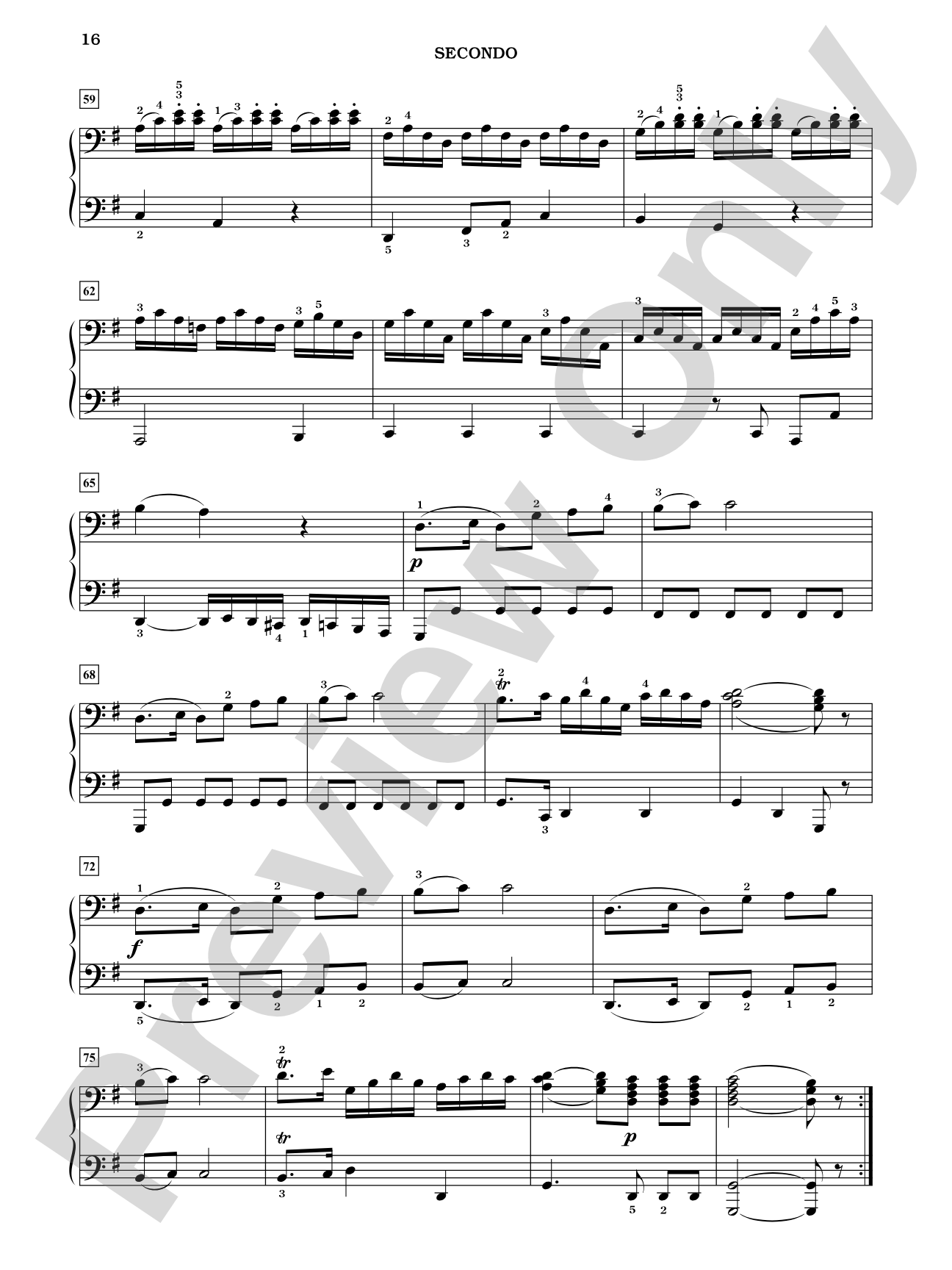
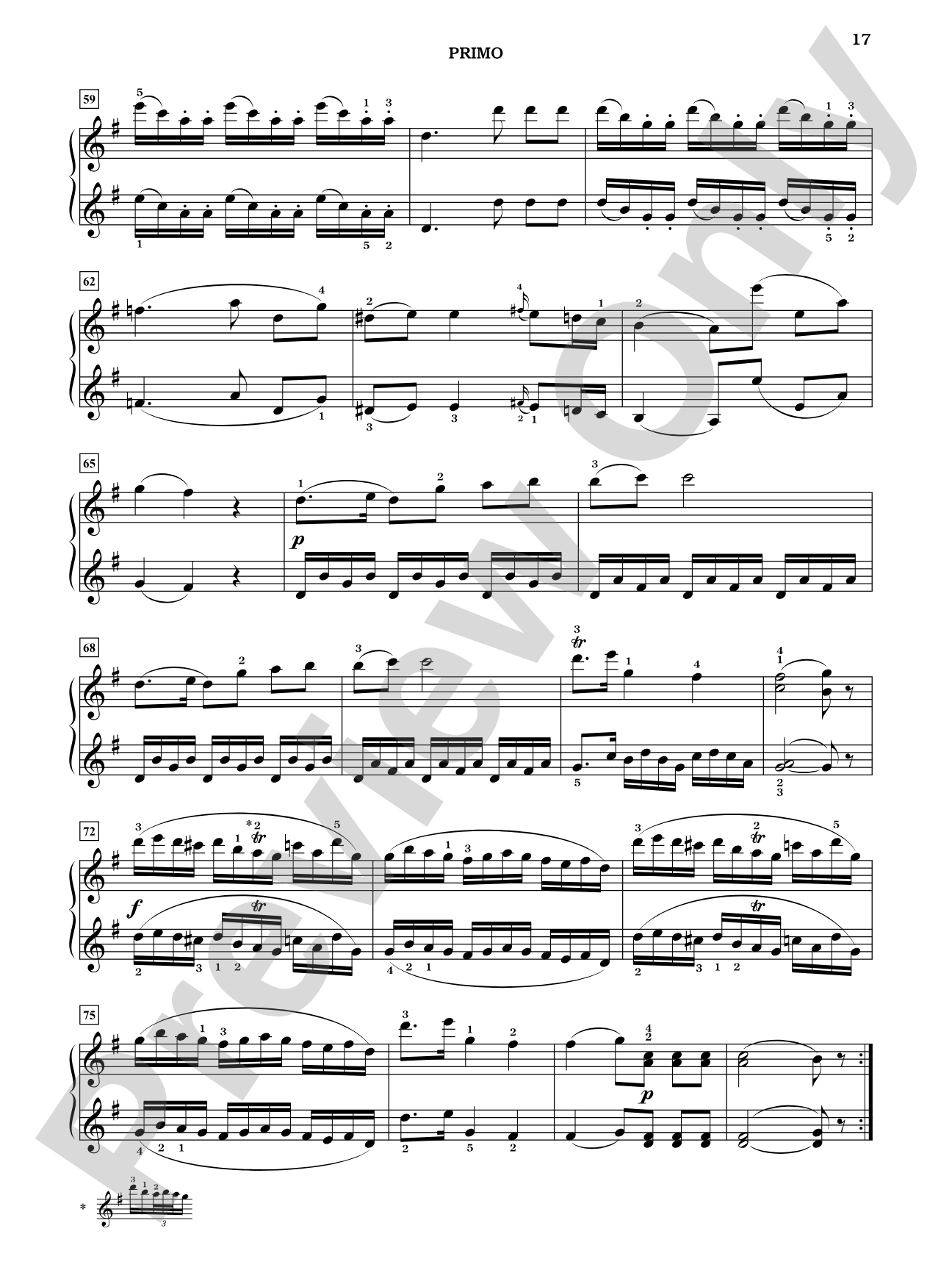
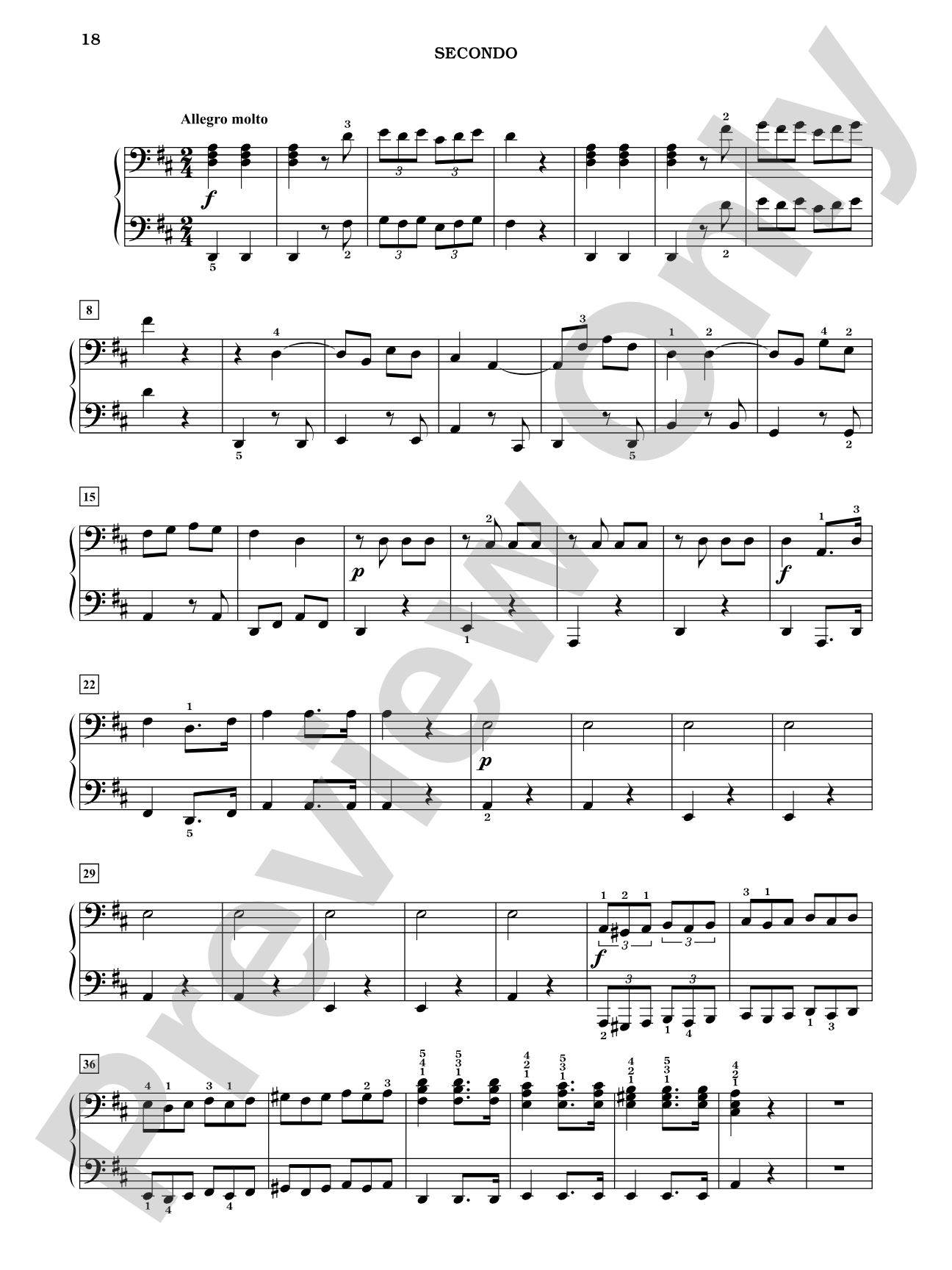
These graded collections of piano duets by master composers are among the best literature available at respective levels. Each duet, written by composers who lived in the 18th, 19th, and 20th centuries, has been carefully edited and fingered for performance ease. Titles: Sonata in D Major, K. 381 (Mozart) * Two Divertissements in D Major, Op. 19, Nos. 1--2 (André) * Military March in D Major, Op. 51, No. 1; D. 733 (Schubert) * Waltz in B Minor, Op. 39, No. 11 (Brahms) * La toupie (from Jeux d'enfants), Op. 22, No. 2 (Bizet) * Galop (from Precipitevolissimevolmente), Op. 266, No. 1 (Becucci) * Kitty-Valse (from Dolly), Op. 56, No. 4 (Fauré) * Etude in Canon Form, Op. 56, No. 4 (Schumann) (arr. Georges Bizet) * Le petit âne blanc (from Histoires) (Ibert). "Sonata in D Major, K. 381" (any movement) is a Federation Festivals 2016-2020 selection. A Federation Festivals 2020-2024 selection.


Discover MakeMusic Cloud: thousands of interactive titles your students can play along with today.
Sample Audio
No sample audio found.
Sample Video
No sample videos found.
Additional Details
Series:
Masterwork Classics Duets
Publisher:
Alfred Music
Page Count:
88
SKU:
00-PB-0000637
More about this title
Why we love this
This collection draws from the canon without feeling academic. The selections span Mozart through Ibert, each one chosen for its musical substance and genuine duet writing rather than orchestral reduction. You get works that pianists actually want to play together: there's warmth in the Brahms waltz, character in the Bizet études, and the kind of imaginative pairing that makes a recital program feel curated rather than assembled.
What to expect
A curated journey through European salon culture and concert tradition. These pieces balance structural sophistication with immediate musical appeal: moments of lyric beauty (Fauré's kitty-valse, Ibert's donkey) sit alongside sharper character pieces and formal dance movements. The writing assumes mature musical judgment from both players.
Who it's for
Advanced pianists preparing recital repertoire or developing collaborative skills through duet playing. This collection works equally well for two pianists working toward festival competitions, concert performances, or simply exploring the dialogue that happens when two players share the keyboard.
How to get the most out of it
- Balance the primo and secondo parts by rehearsing passages where one hand carries melody and the other provides accompaniment. The Schubert march rewards clear voice leading across the keyboard.
- Establish a steady pulse before adding interpretive flexibility, especially in the waltzes and character pieces where rubato can easily become unmoored.
- Listen to recordings of these pieces in their original context (orchestral versions, solo piano arrangements) to inform phrasing and color choices.
- Mark fingering suggestions in pencil only after trying the editor's recommendations. Some pianists may find alternative fingerings work better for their hand size.
How to use it
Feature the Mozart sonata as a centerpiece of a classical duet recital, or build an entire program around the theme of 19th-century miniatures by pairing the Brahms waltz, Bizet selections, and Schumann étude. These pieces also work well as finale encores when you want substance without length.
Skills your students will build
- Collaborative listening and ensemble balance
- Independent voice leading while maintaining textural unity
- Period stylistic awareness across three centuries of composition
- Coordination of two players at one instrument (entrances, shared passages, pedaling)
- Preparation for festival and recital competition requirements (Mozart K. 381 appears in 2016-2024 Federation Festivals selections)