
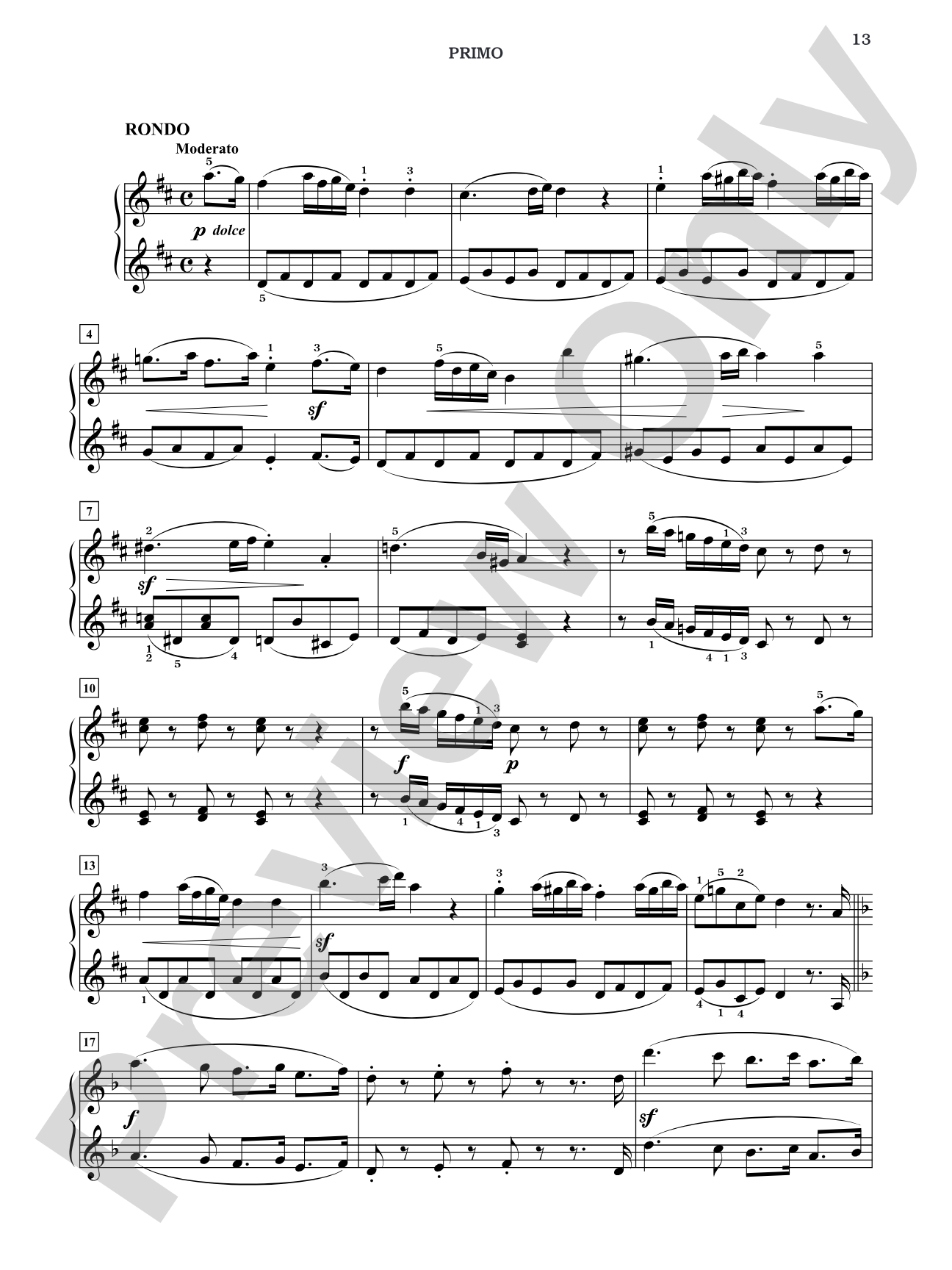
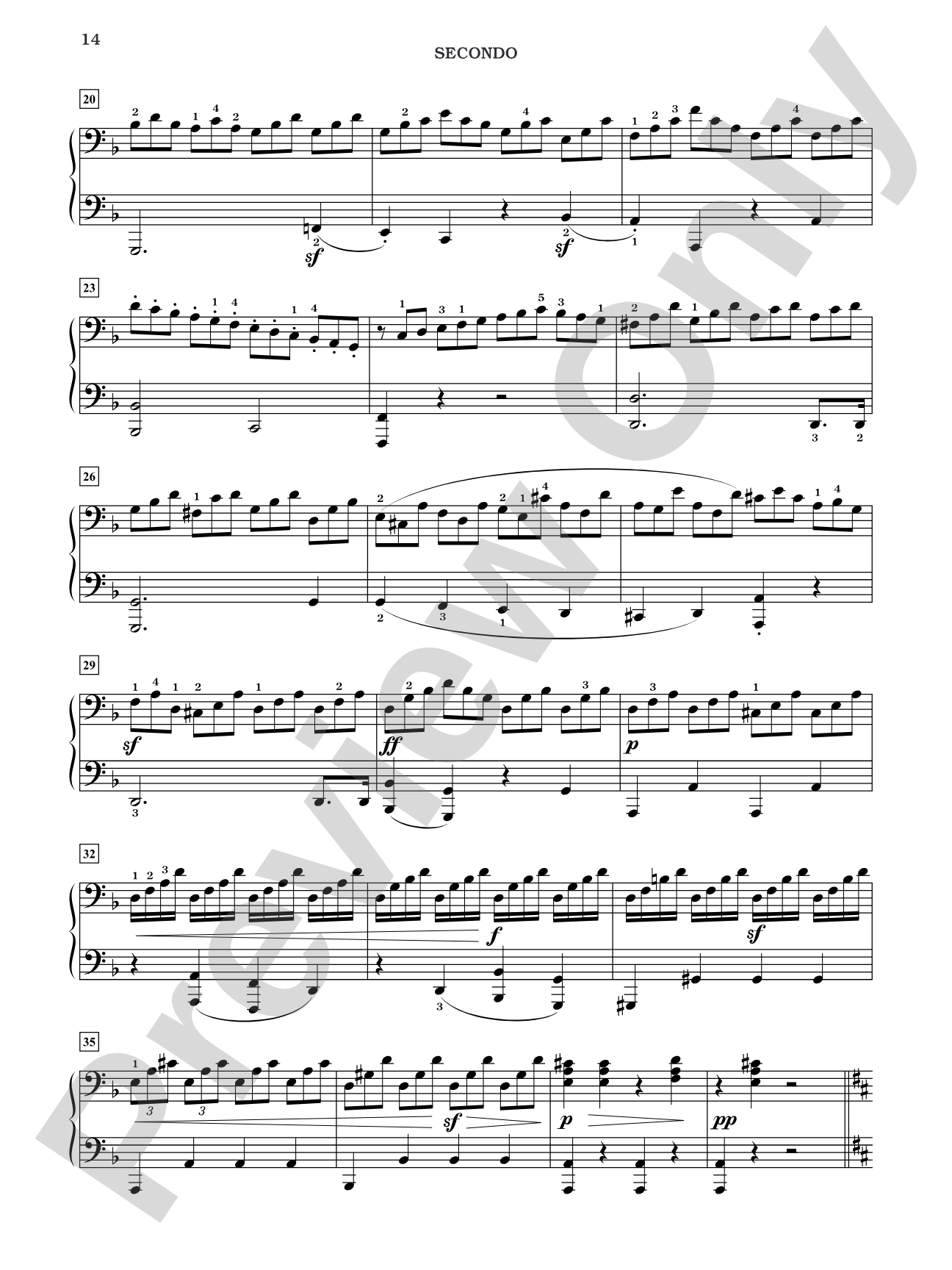
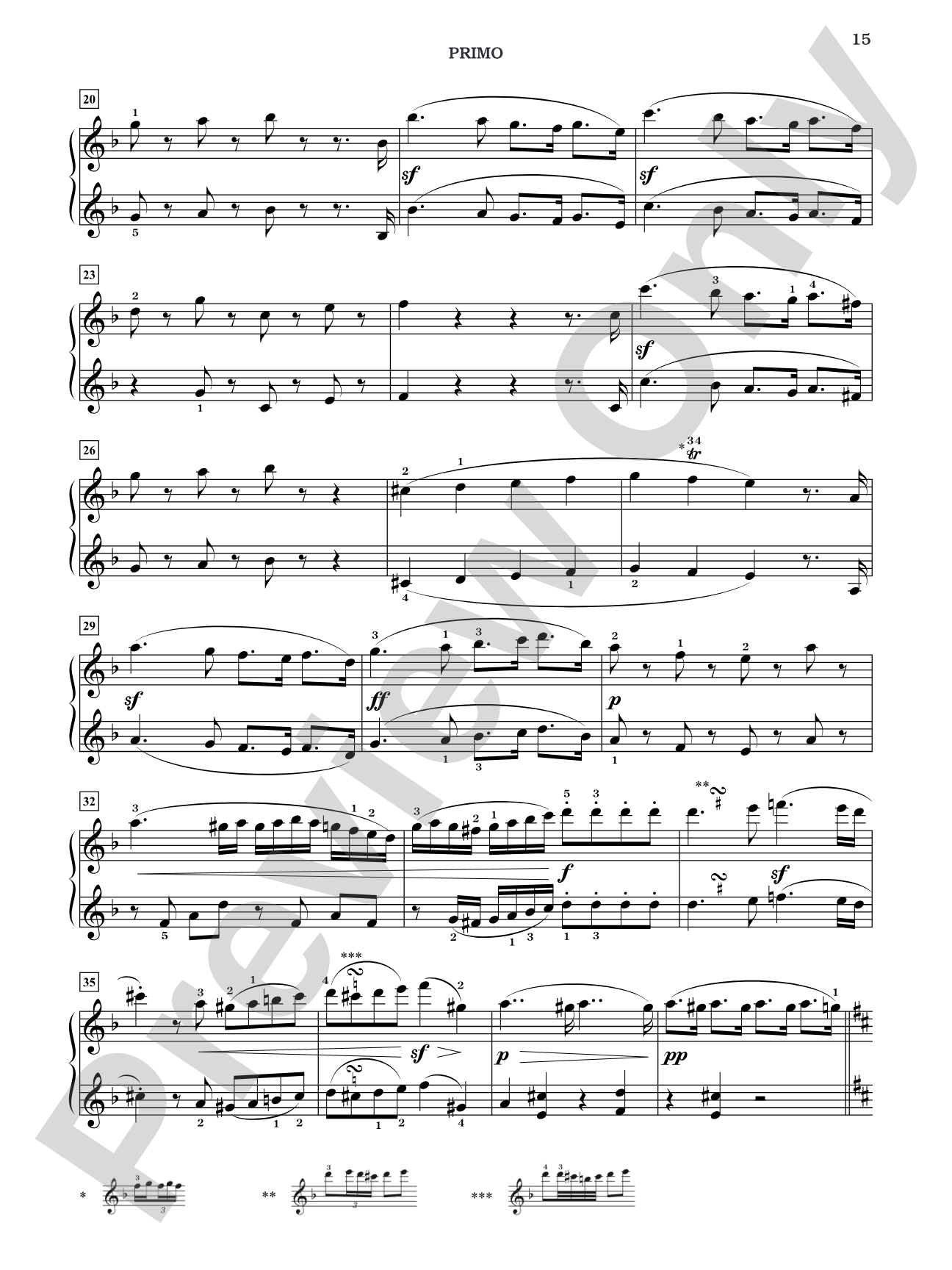
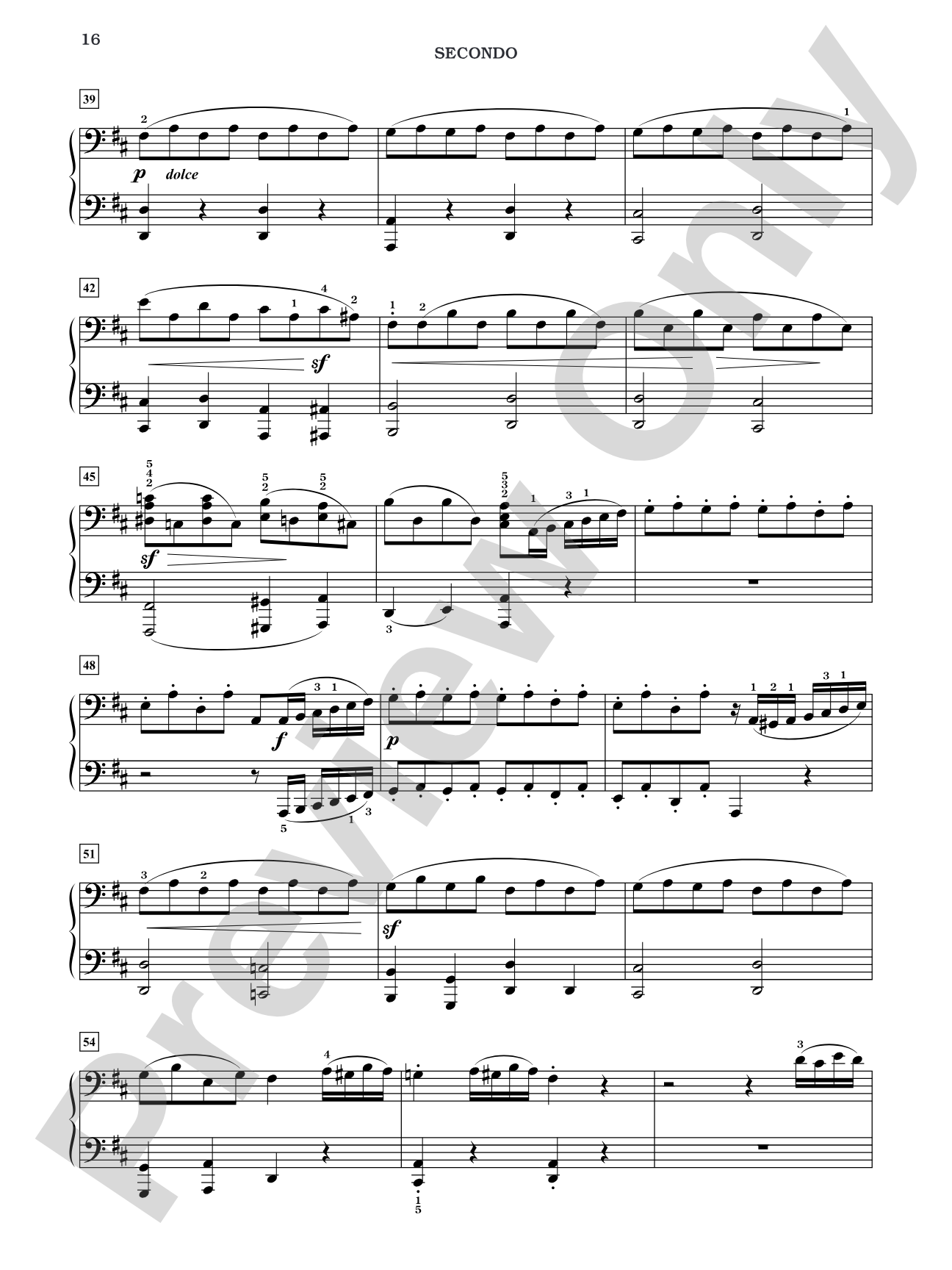

Masterwork Classics Duets, Level 8: A Graded Collection of Piano Duets by Master Composers: Piano Duets & Four Hands
A Graded Collection of Piano Duets by Master Composers
Ed. Gayle Kowalchyk, E. L. Lancaster, and Jane Magrath
Level: Late Intermediate / Early Advanced
Item: 00-PB-0000634
$18.99
One moment…
Related Items
Masterwork Classics Duets, Level 8: Piano Duet (1 Piano, 4 Hands) Book |
$18.99
|
View |
Description
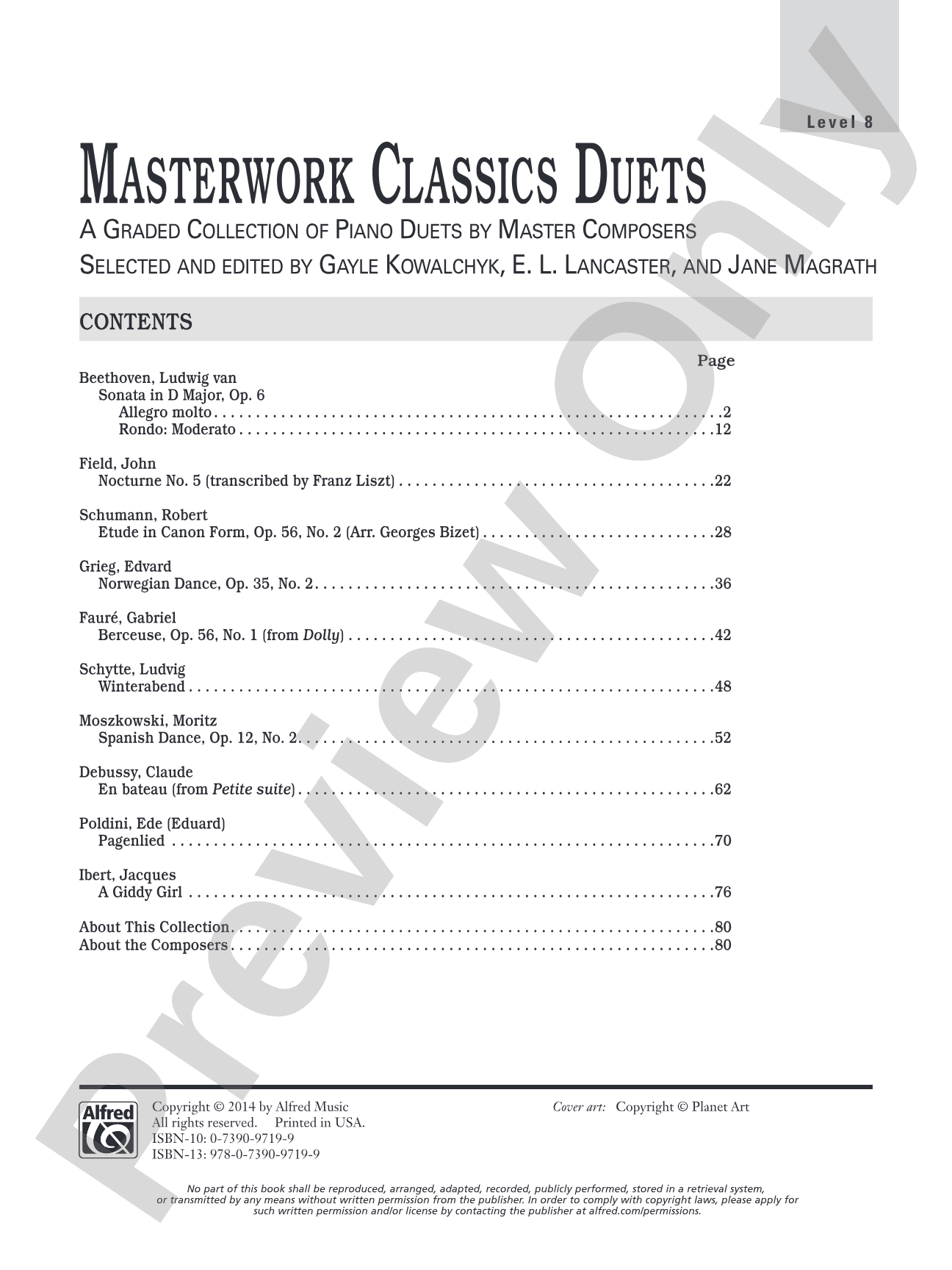
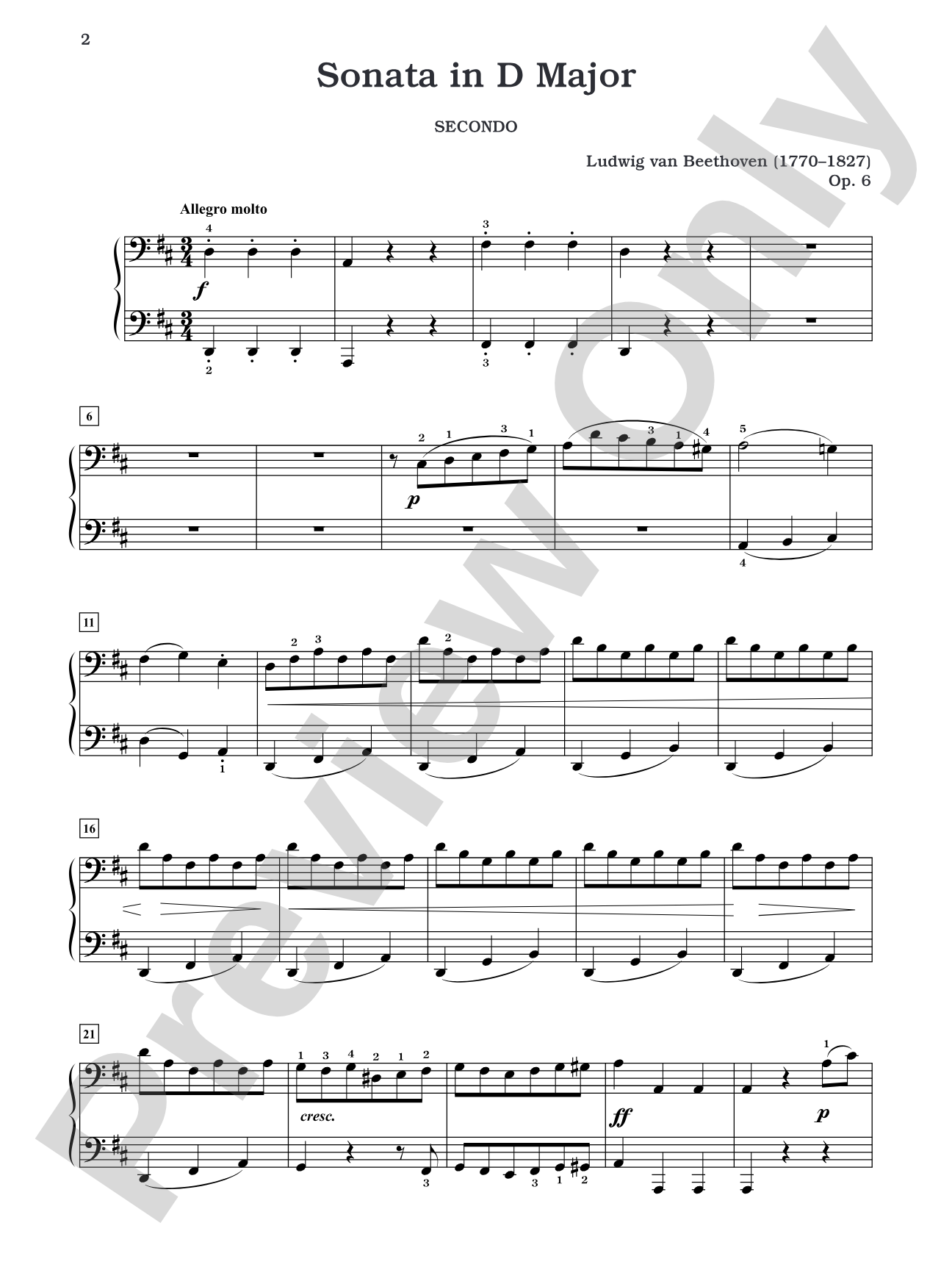
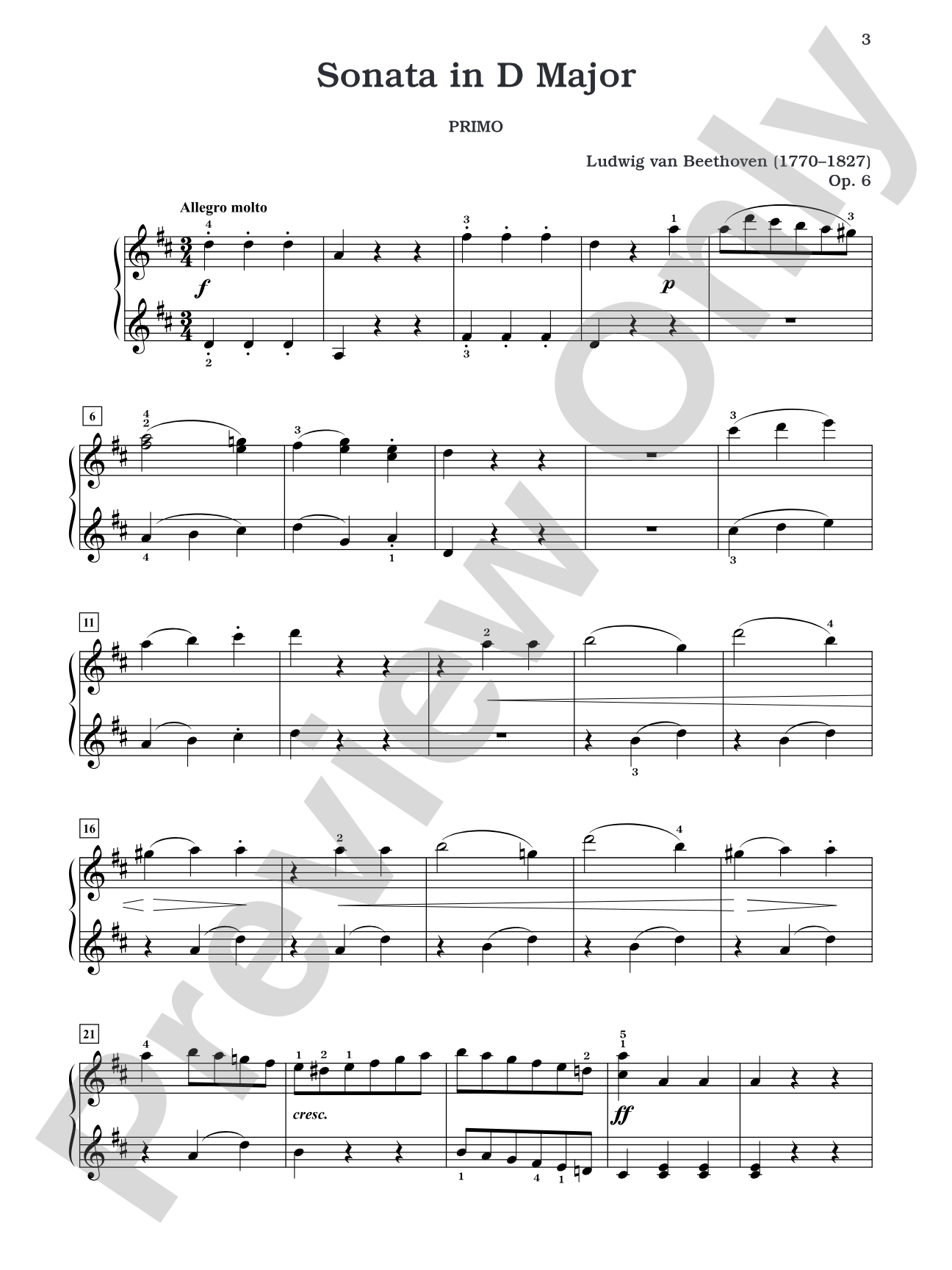
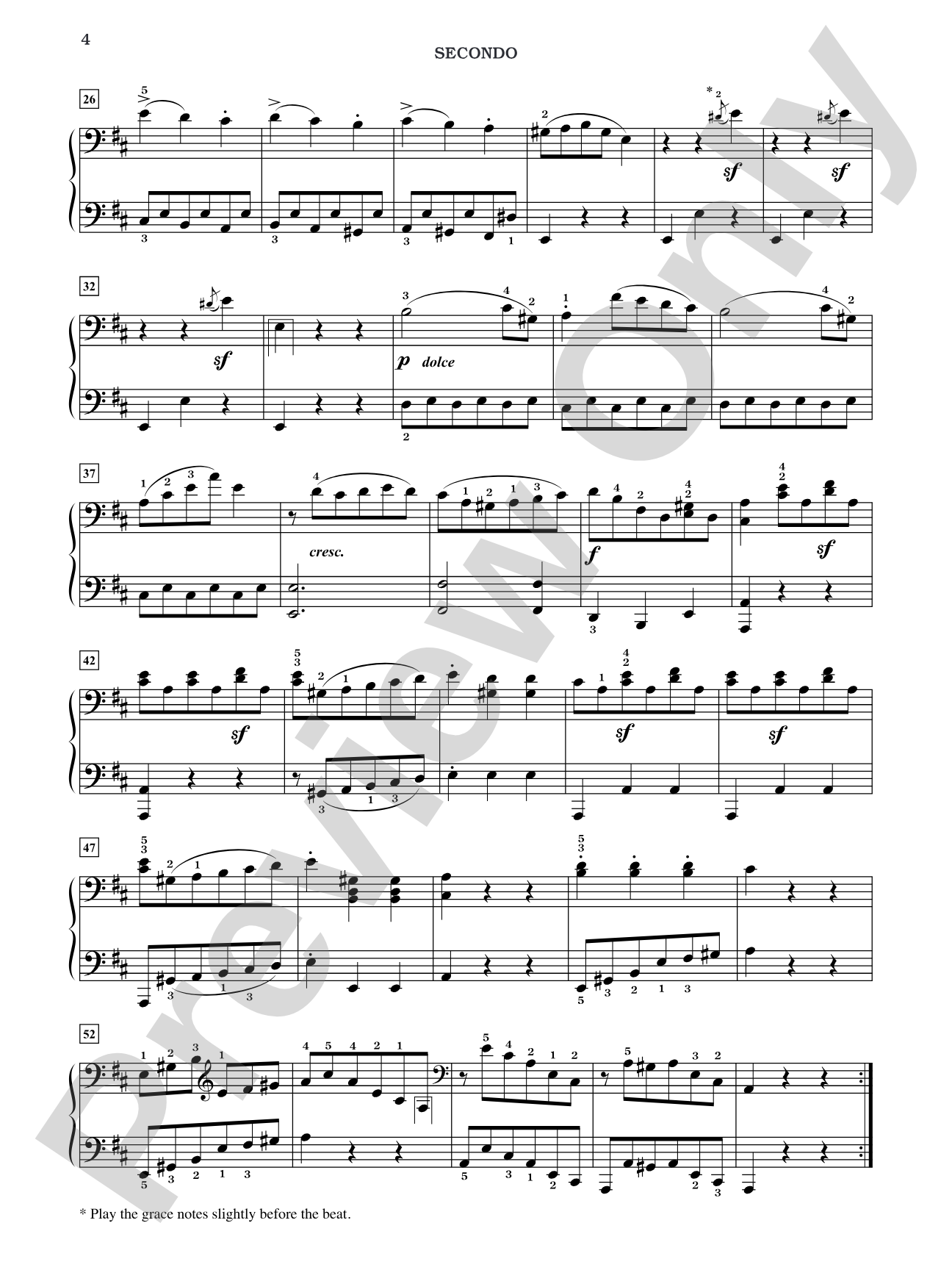
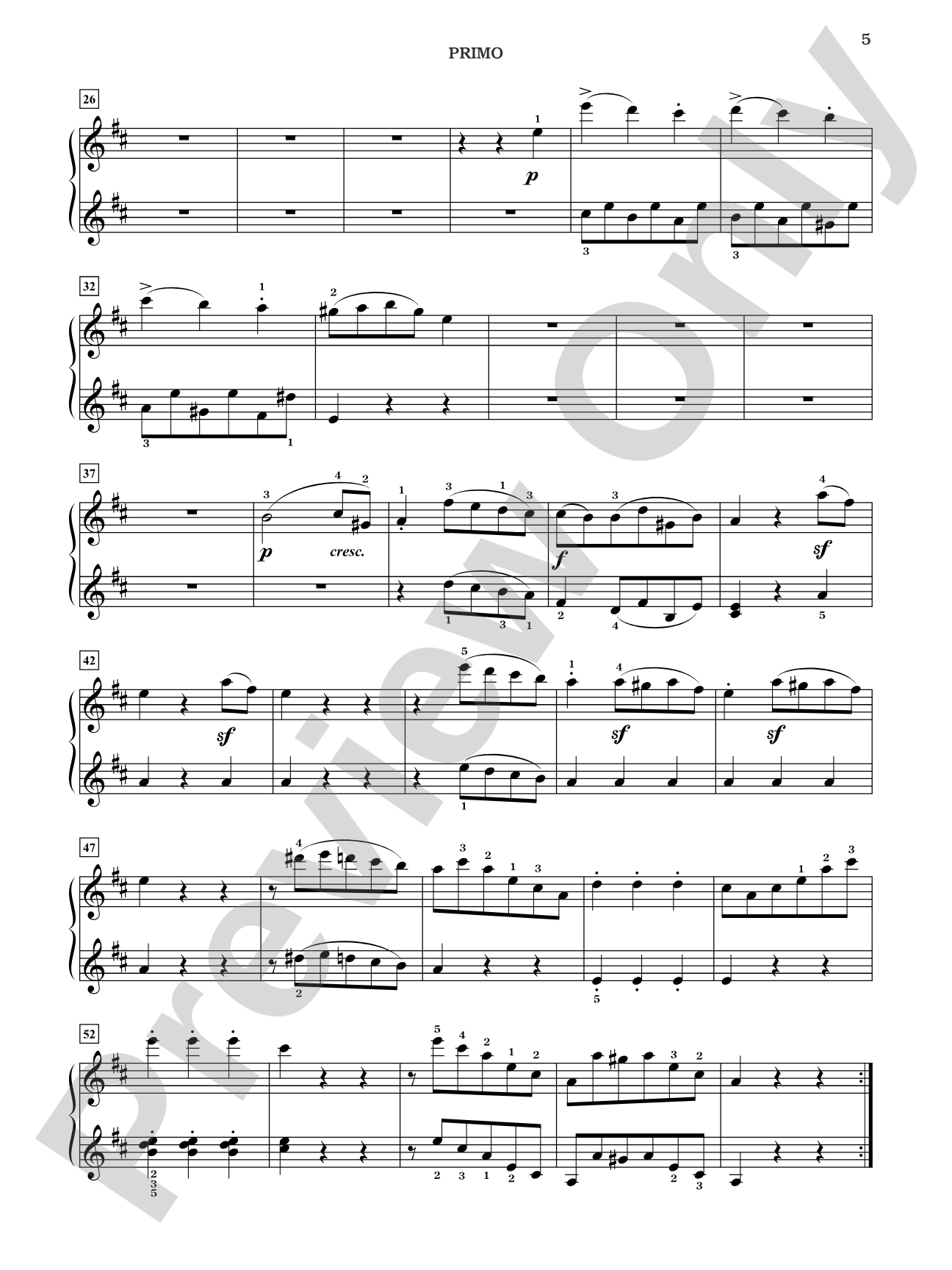
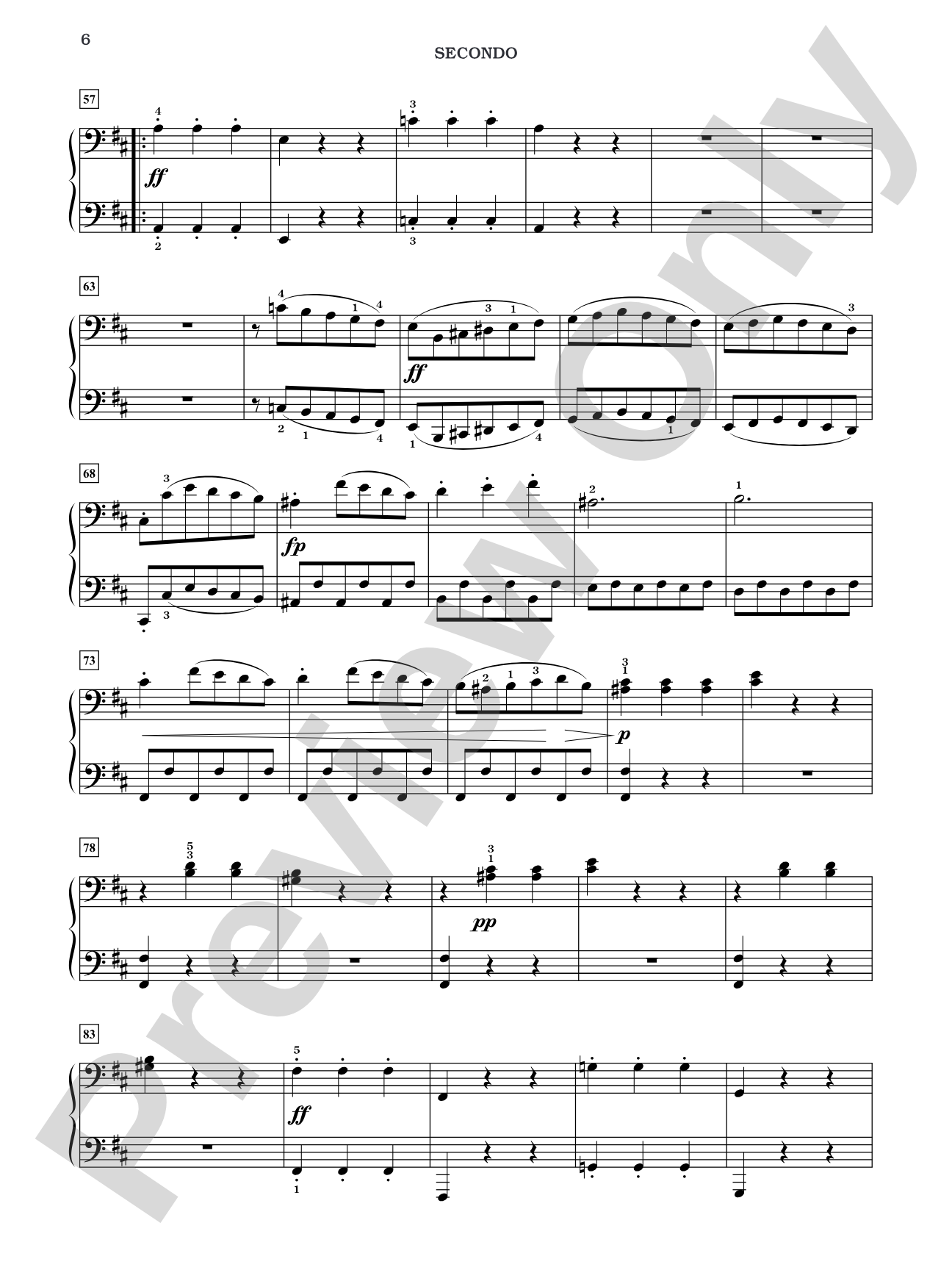
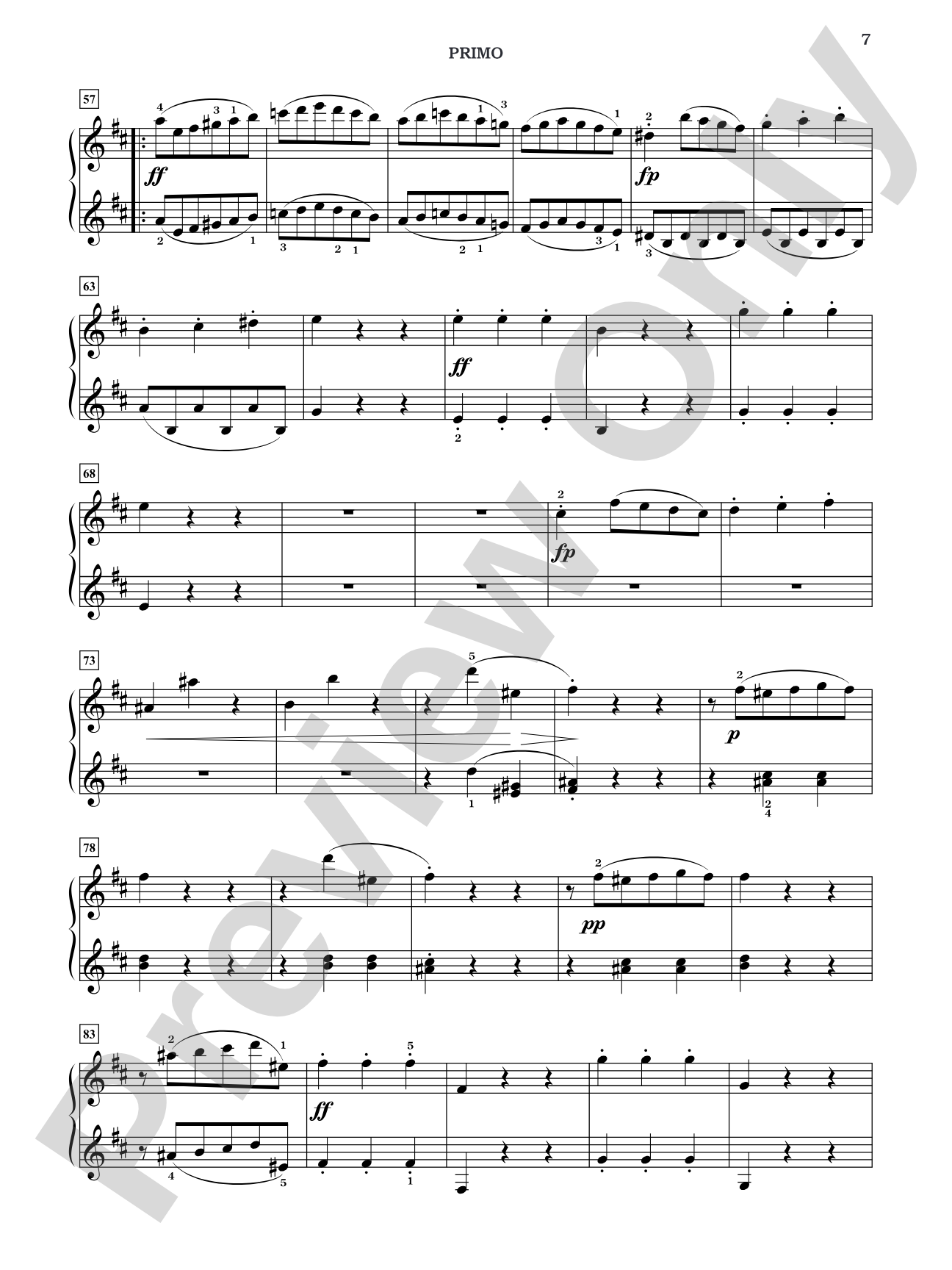
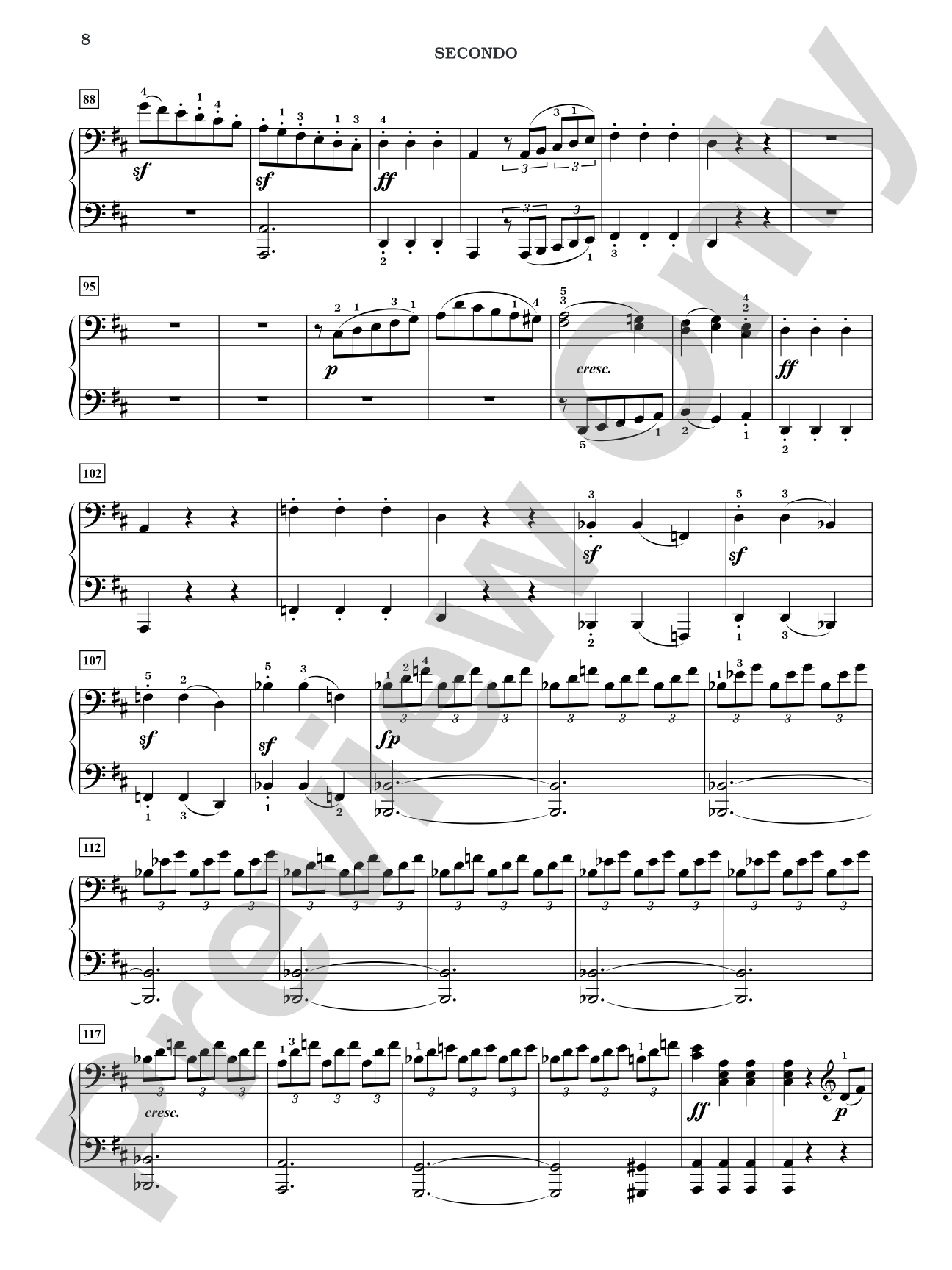
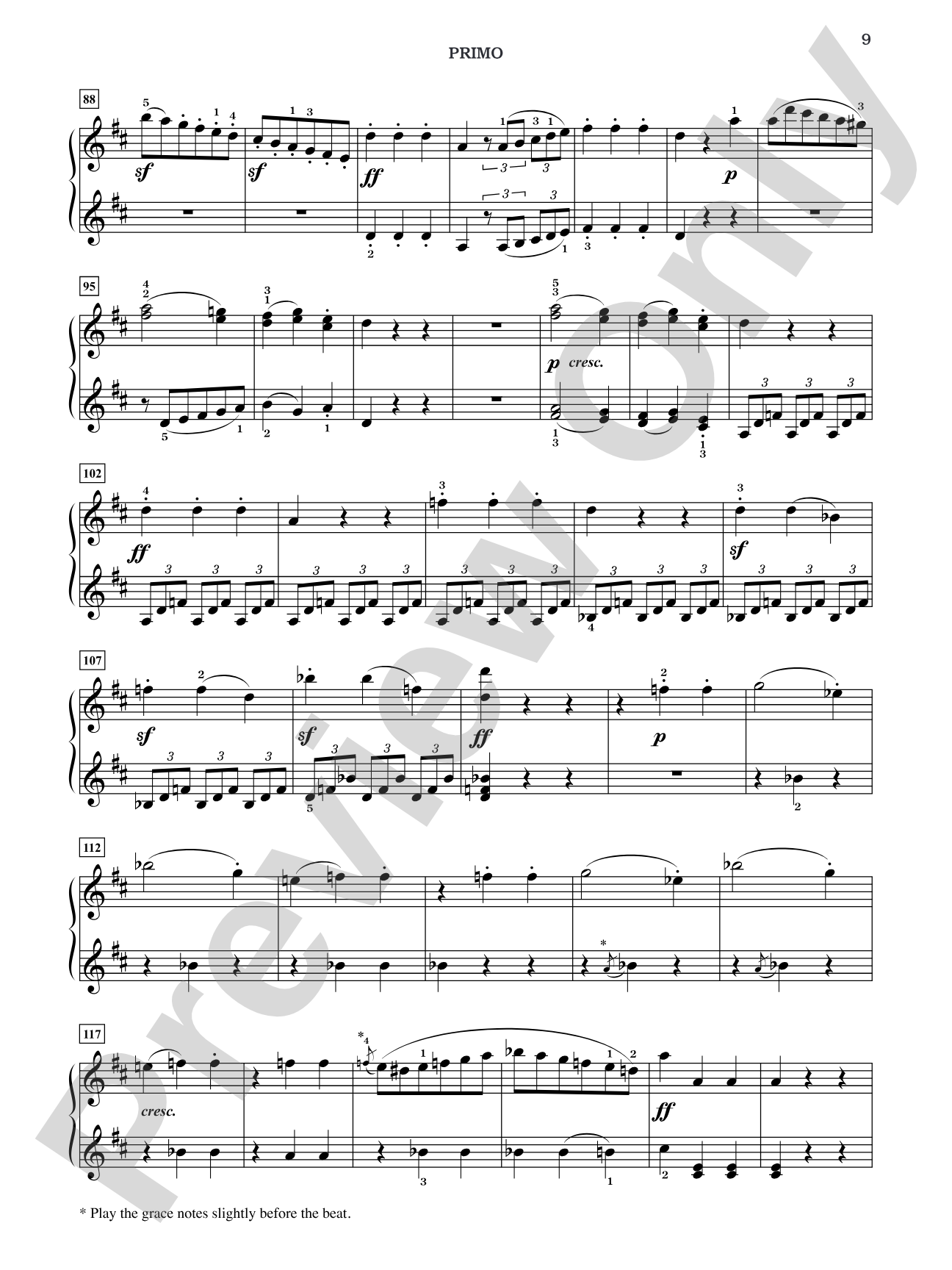
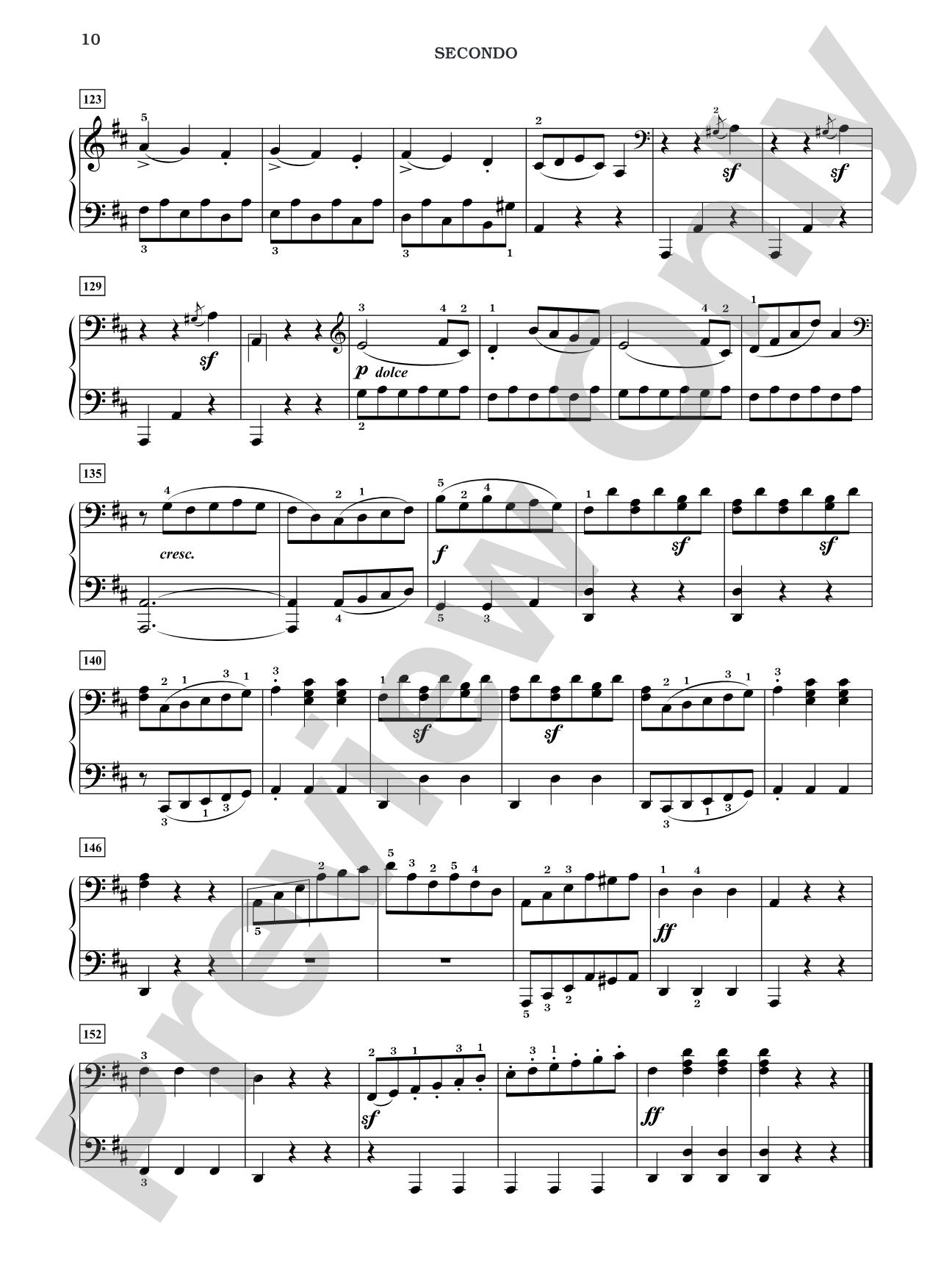
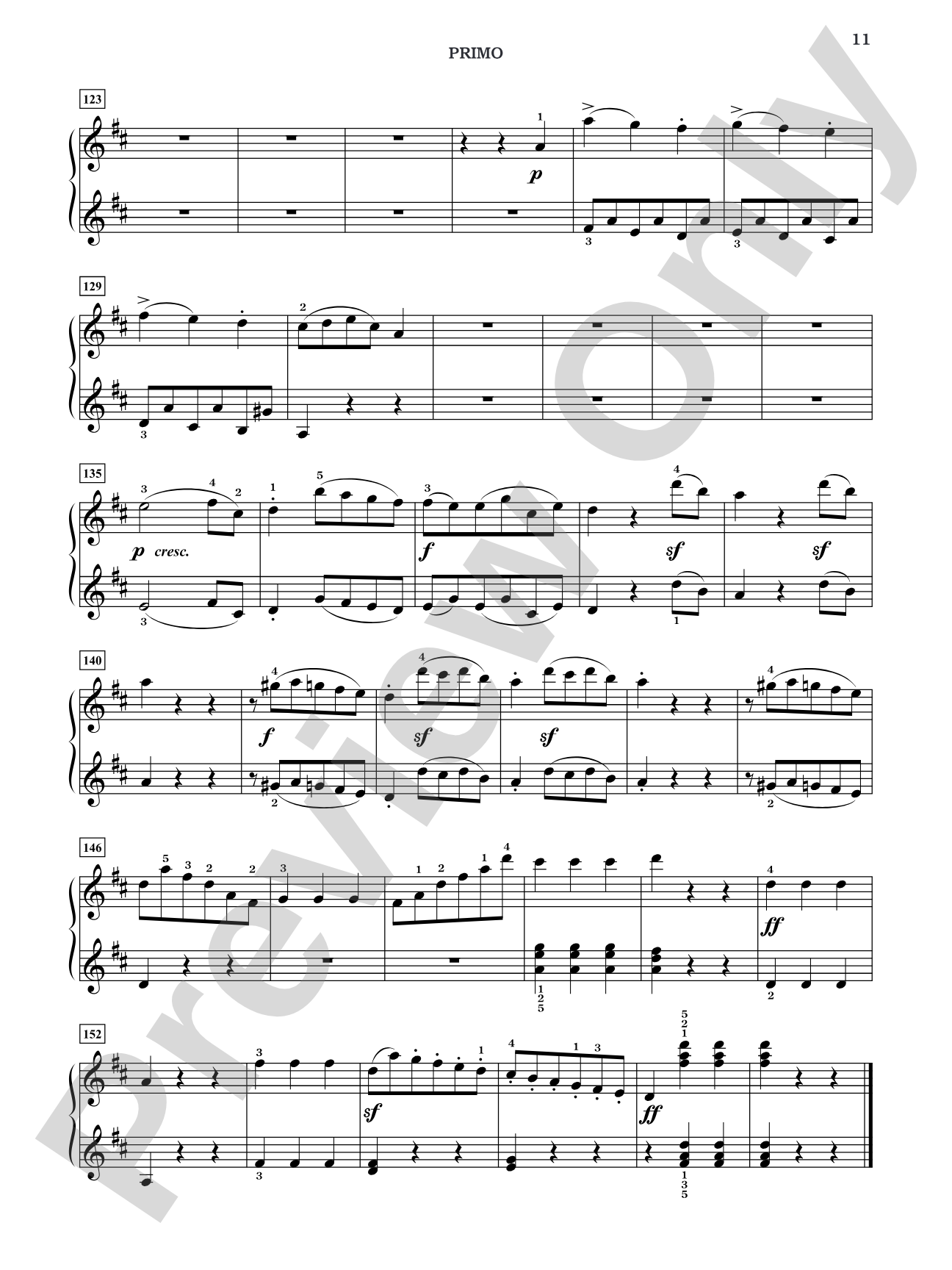
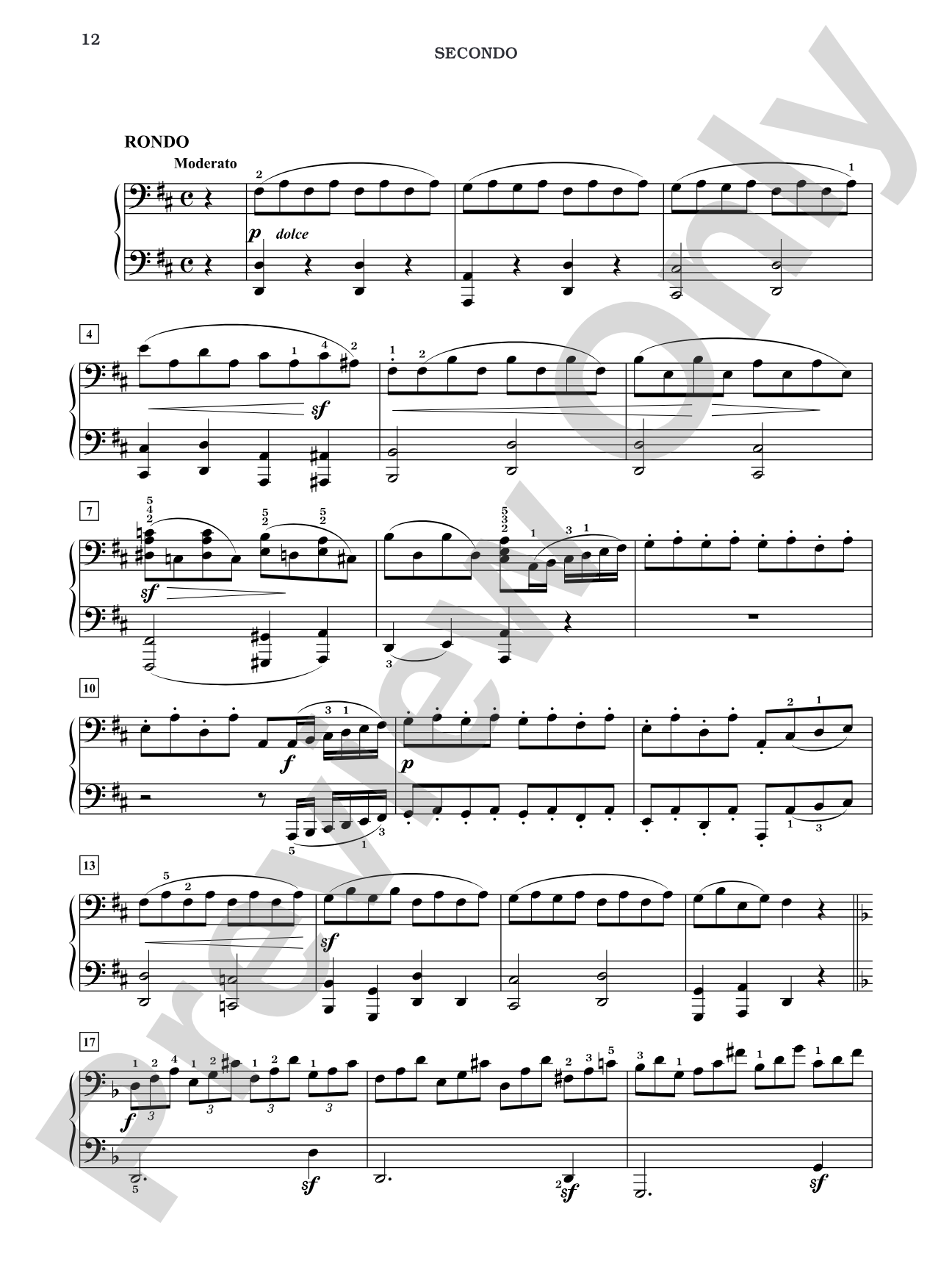
These graded collections of piano duets by master composers are among the best literature available at respective levels. Each duet, written by composers who lived in the 18th, 19th, and 20th century, has been carefully edited and fingered for performance ease. Titles: Sonata in D Major, Op. 6 (Beethoven) * Nocturne No. 5 (transcribed by Franz Liszt) (Field) * Etude in Canon Form, Op. 56, No. 2 (Arr. Georges Bizet) (Schumann) * Norwegian Dance, Op. 35, No. 2 (Grieg) * Berceuse, Op. 56, No. 1 (from Dolly) (Fauré) * Winterabend (Schytte) * Spanish Dance, Op. 12, No. 2 (Moszkowski) * En bateau (from Petite suite) (Debussy) * Pagenlied (Poldini) * A Giddy Girl (Ibert). "A Giddy Girl" and "Nocturne No. 5" are Federation Festivals 2016-2020 selections. A Federation Festivals 2020-2024 selection.


Discover MakeMusic Cloud: thousands of interactive titles your students can play along with today.
Sample Audio
No sample audio found.
Sample Video
No sample videos found.
Additional Details
Series:
Masterwork Classics Duets
Publisher:
Alfred Music
Page Count:
80
SKU:
00-PB-0000634
More about this title
Why we love this
This collection pairs substantial musical content with genuine pedagogical intelligence. The editors chose works that sound impressive without requiring virtuosic pyrotechnics, and the careful fingering means students spend their mental energy on interpretation rather than decoding the score. Ten pieces by composers spanning three centuries gives you real variety in style and texture without ever feeling scattered.
What to expect
You move through a literary landscape of European salon music and Romantic character pieces. There's sparkle in the dances, intimacy in the nocturne and berceuse, impressionistic color in the Debussy, and gentle humor in Ibert's portrait. The collection never becomes solemn; it breathes.
Who it's for
Late intermediate and early advanced pianists looking for four-hand repertoire that avoids cliché while remaining genuinely playable. This collection works equally well for private lesson duets, competition prep, or studio recital programming.
How to get the most out of it
- Balance the primo and secondo parts by listening actively during rehearsals. These transcriptions and arrangements often give the secondo rhythmic or harmonic material that anchors the piece; make sure that part isn't buried.
- Record yourselves early and often. Hearing back a duet reveals tempo inconsistencies and rhythmic drift that feel invisible when you're playing.
- Take time with the Debussy and Fauré pieces to establish a shared sense of rubato before you lock in tempo. Both pieces need air and flexibility.
- The Grieg and Moszkowski dances benefit from crisp articulation in the rhythmic figures. Clarity here prevents the pieces from sounding sluggish at performance tempo.
How to use it
Feature a single piece as part of a larger recital to give your advanced students a moment that feels different from solo work. Or build an entire student showcase around duets, pairing students of similar level and letting them choose a piece that matches their musical interests. The Federation Festivals selections carry built-in validation if your students compete.
Skills your students will build
- Listening and blending in a duo texture
- Ensemble rhythm and synchronized tempo changes
- Interpretation of Romantic-era phrasing and rubato
- Reading and executing editorial fingerings thoughtfully
- Transposing musical character across different time periods and national styles