
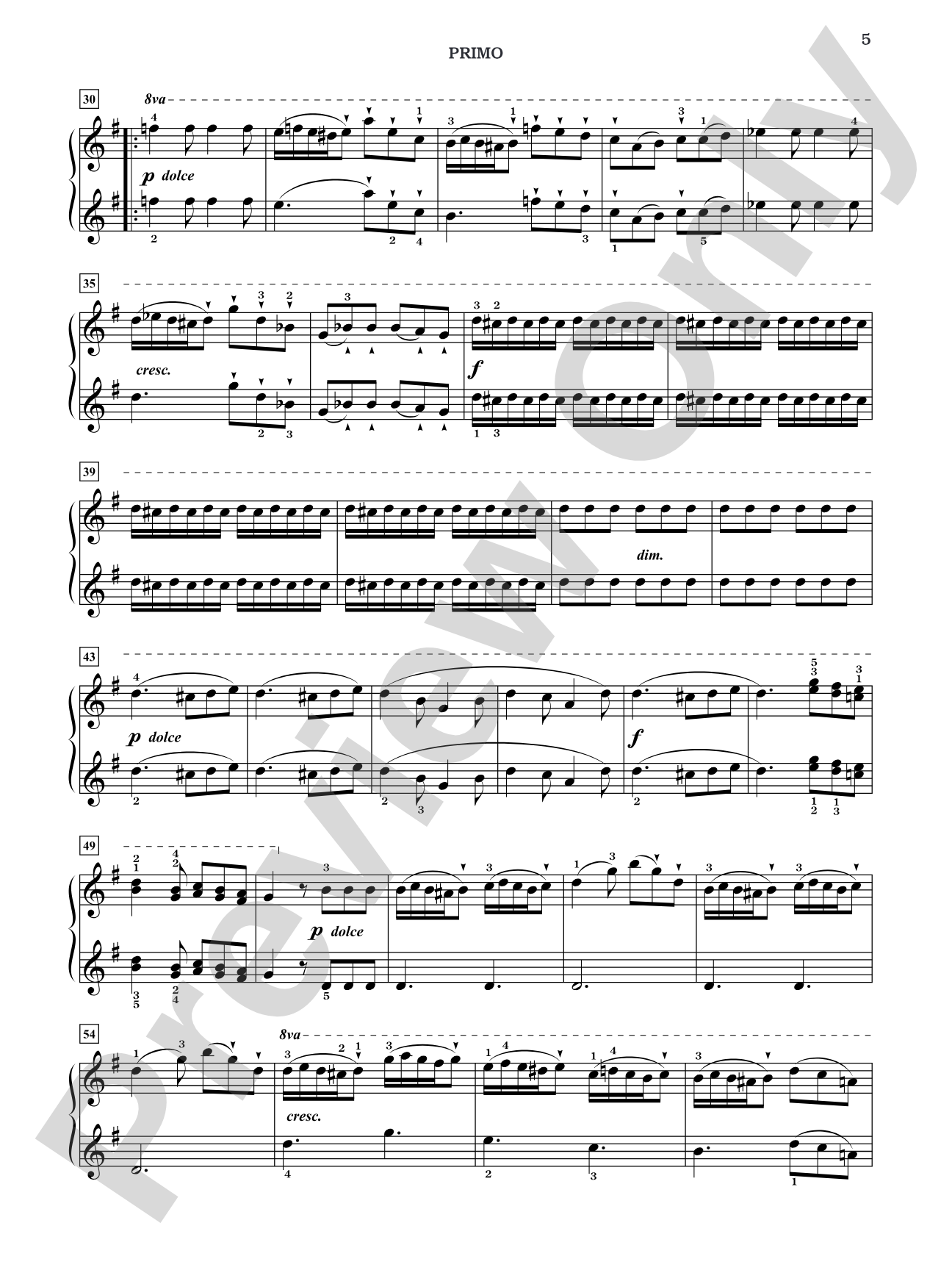
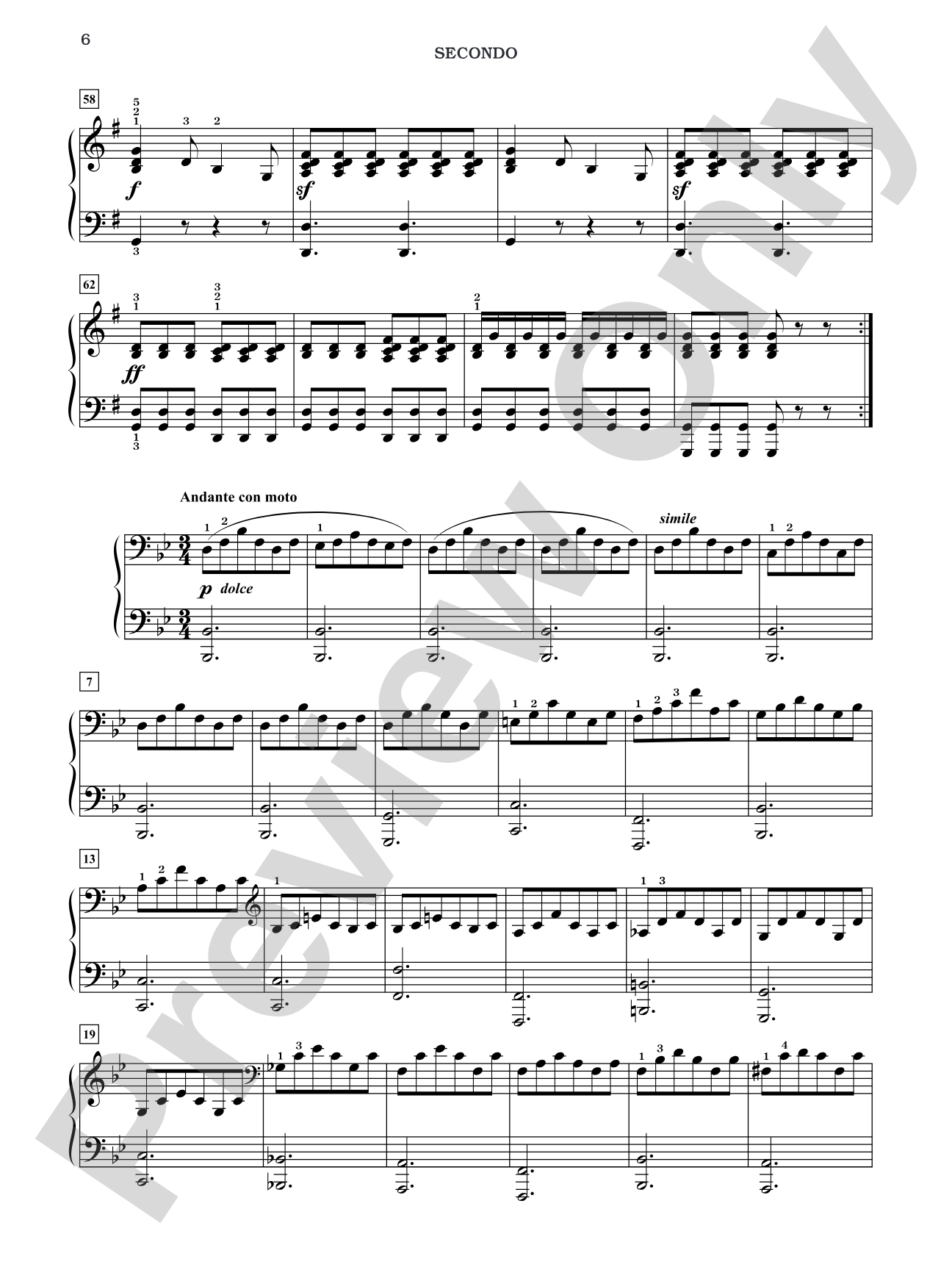
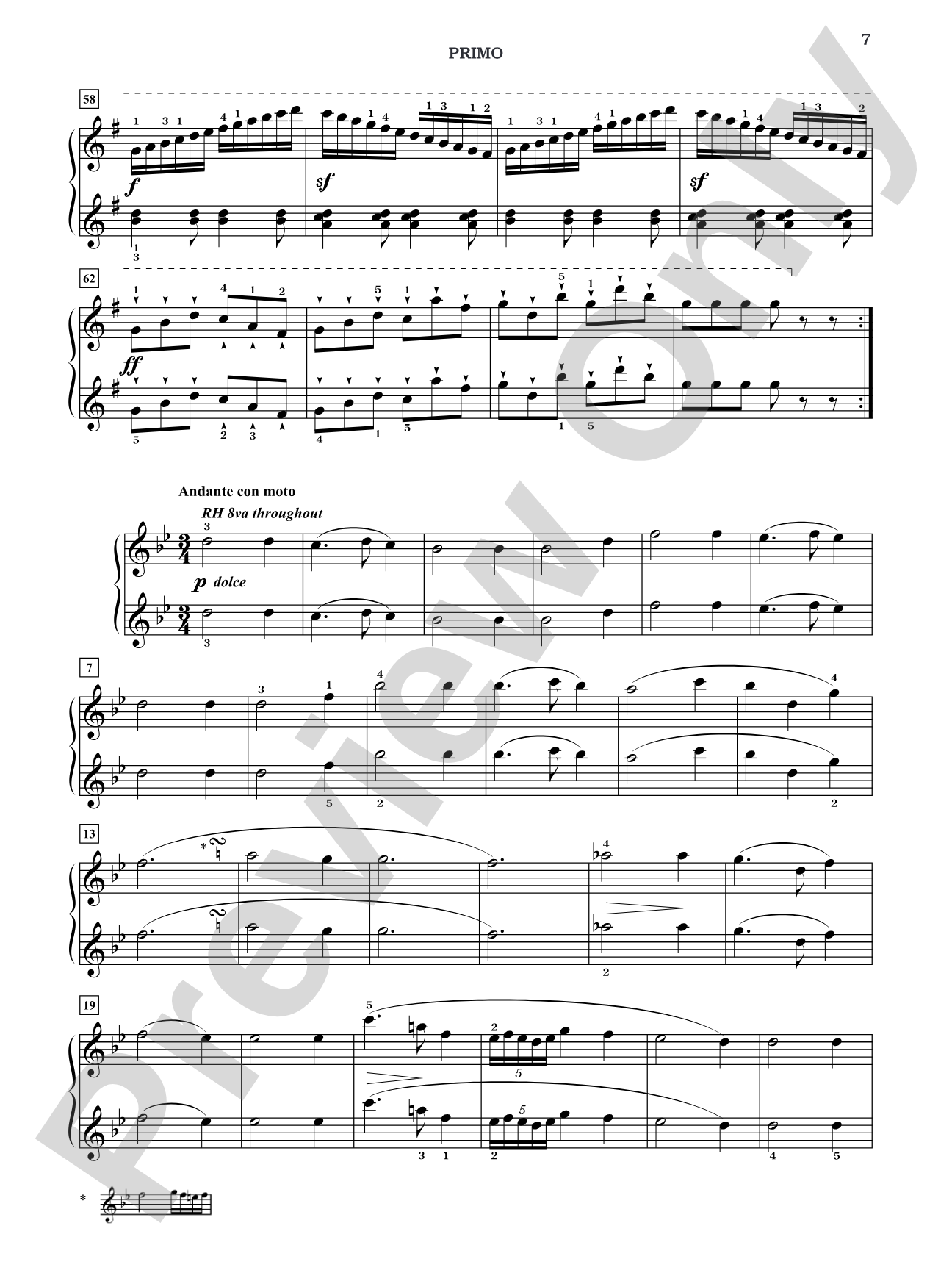
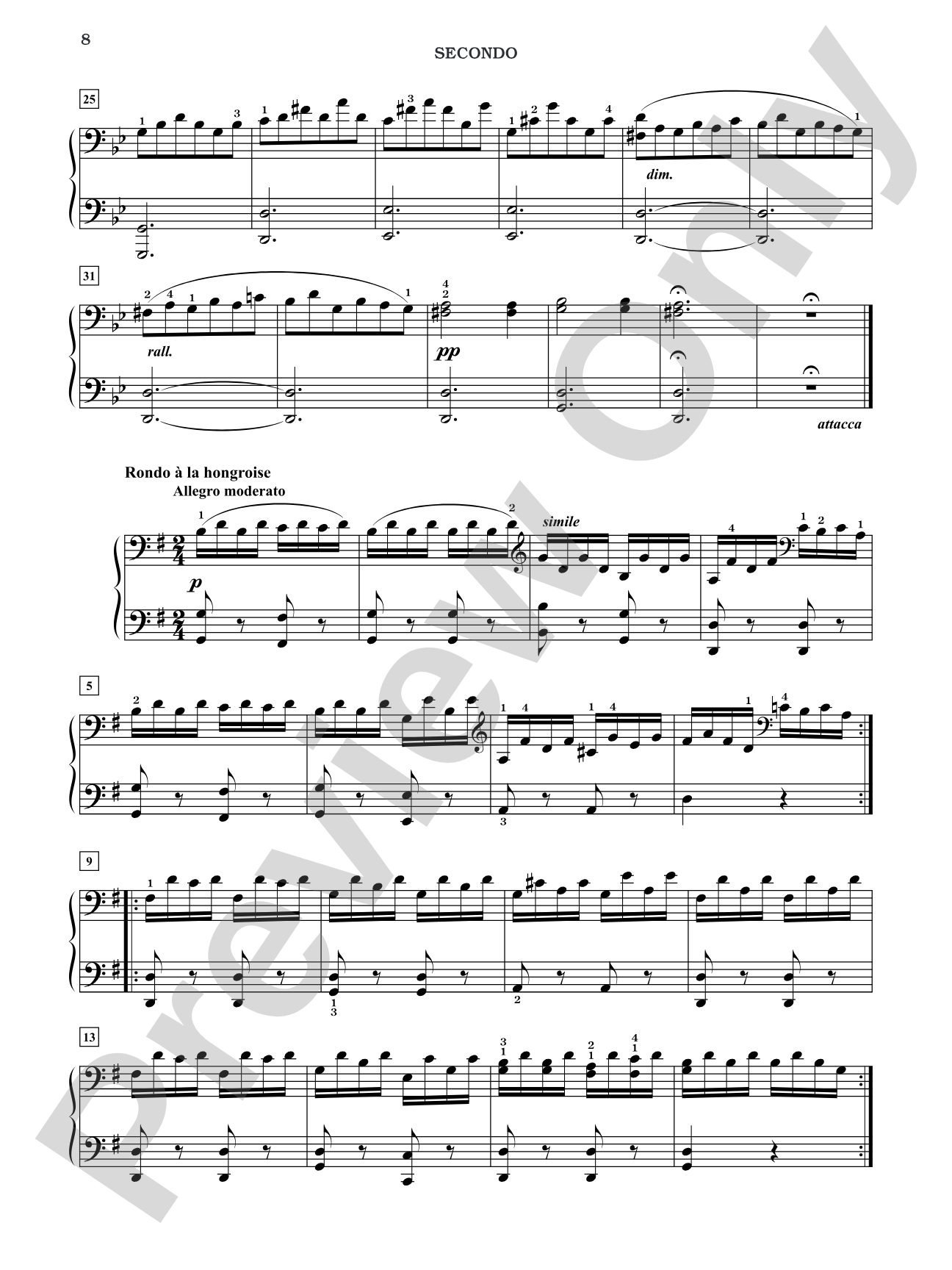

Masterwork Classics Duets, Level 7: A Graded Collection of Piano Duets by Master Composers: Piano Duets & Four Hands
A Graded Collection of Piano Duets by Master Composers
Ed. Gayle Kowalchyk, E. L. Lancaster, and Jane Magrath
Level: Late Intermediate
Item: 00-PB-0000632
$10.99
One moment…
Related Items
Masterwork Classics Duets, Level 7: Piano Duet (1 Piano, 4 Hands) Book |
$10.99
|
View |
Description
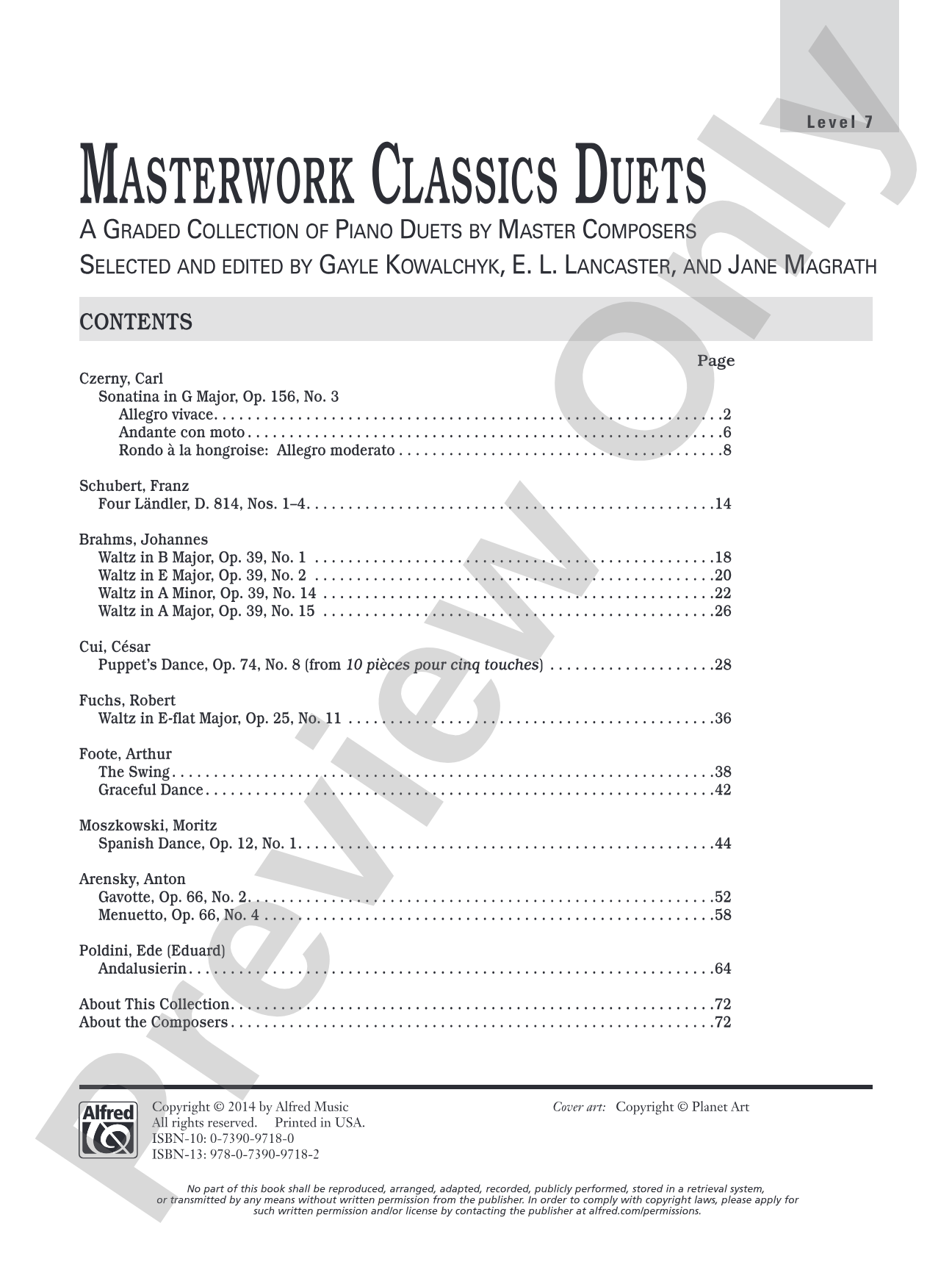
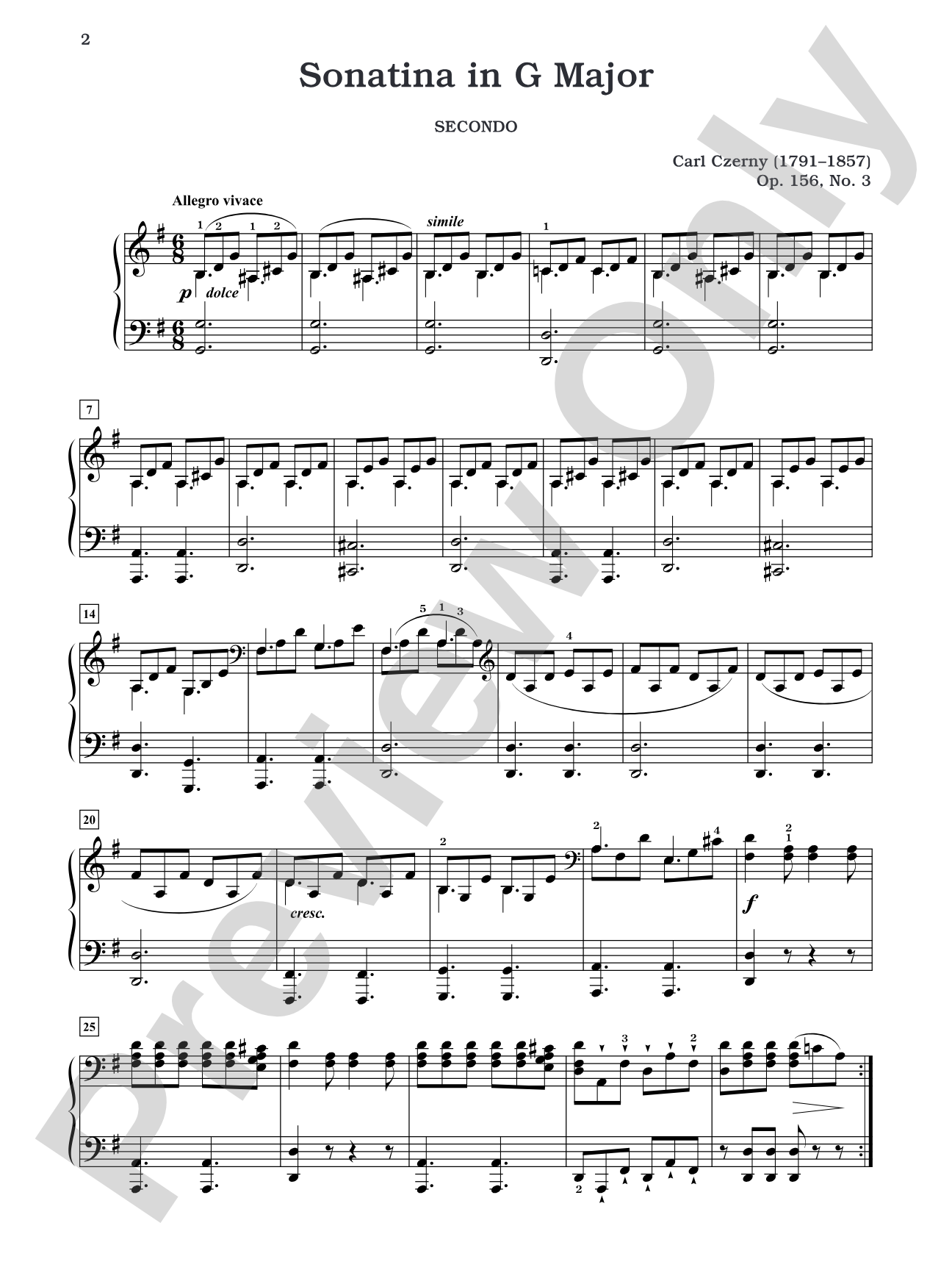
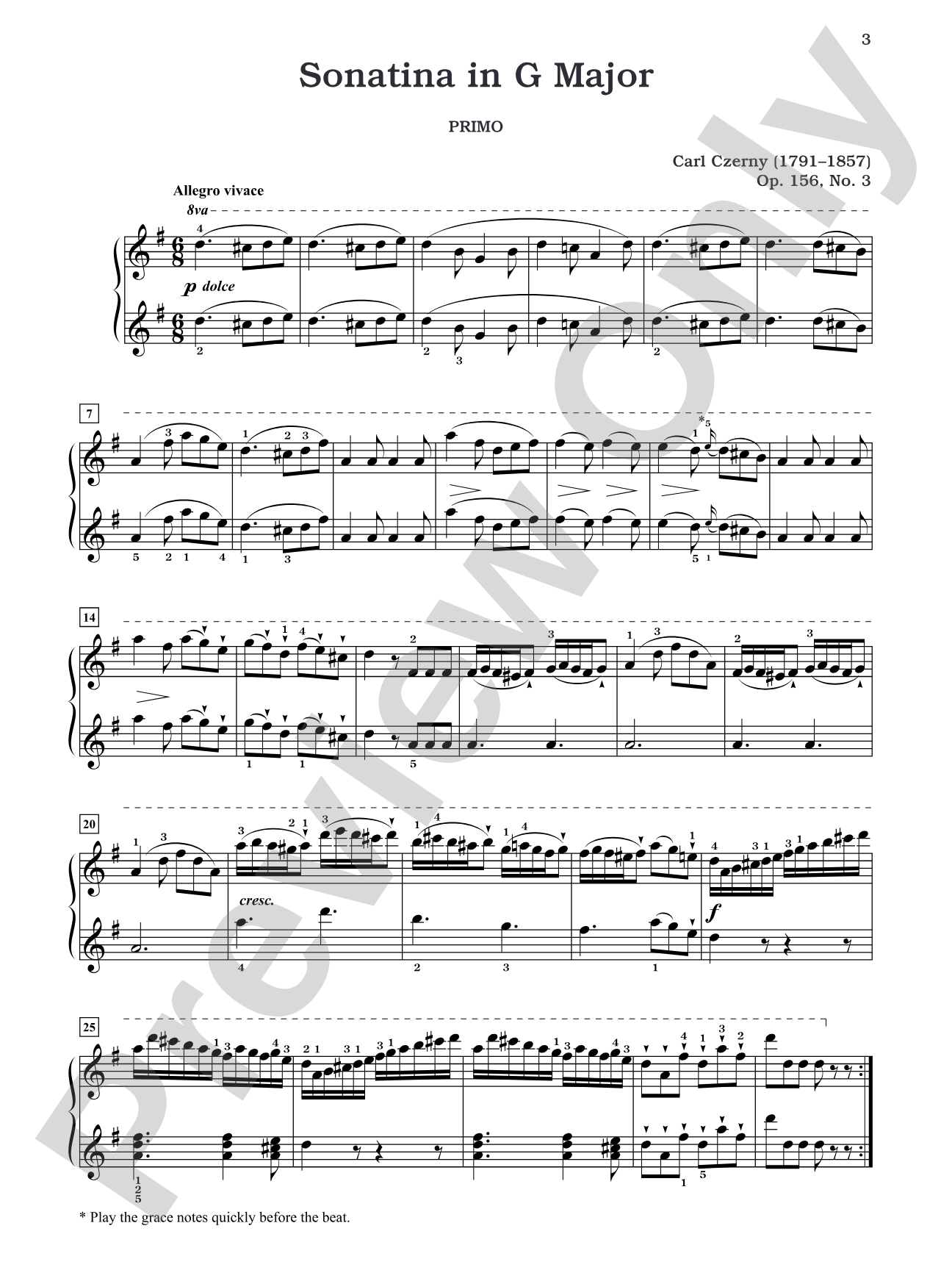
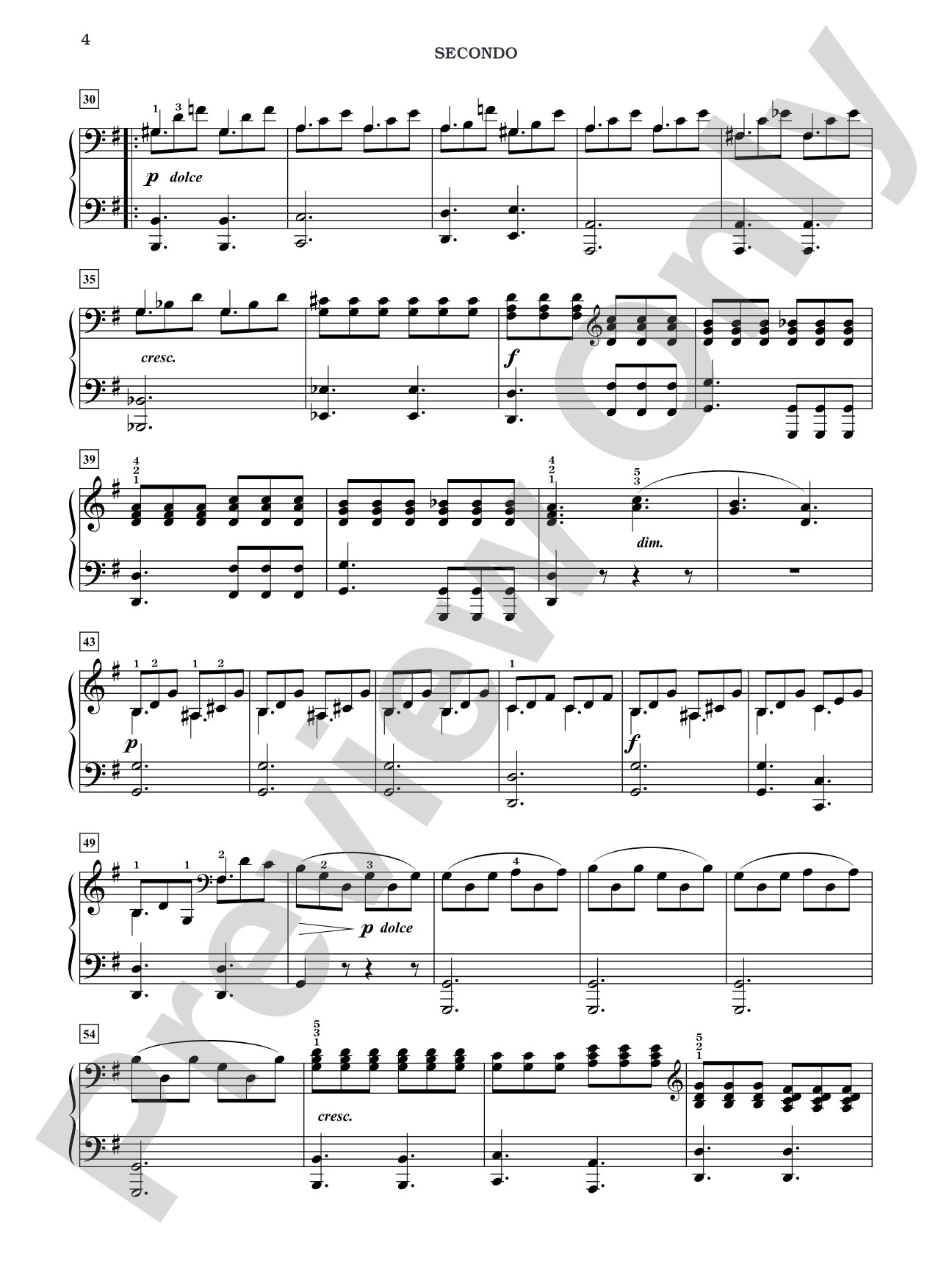
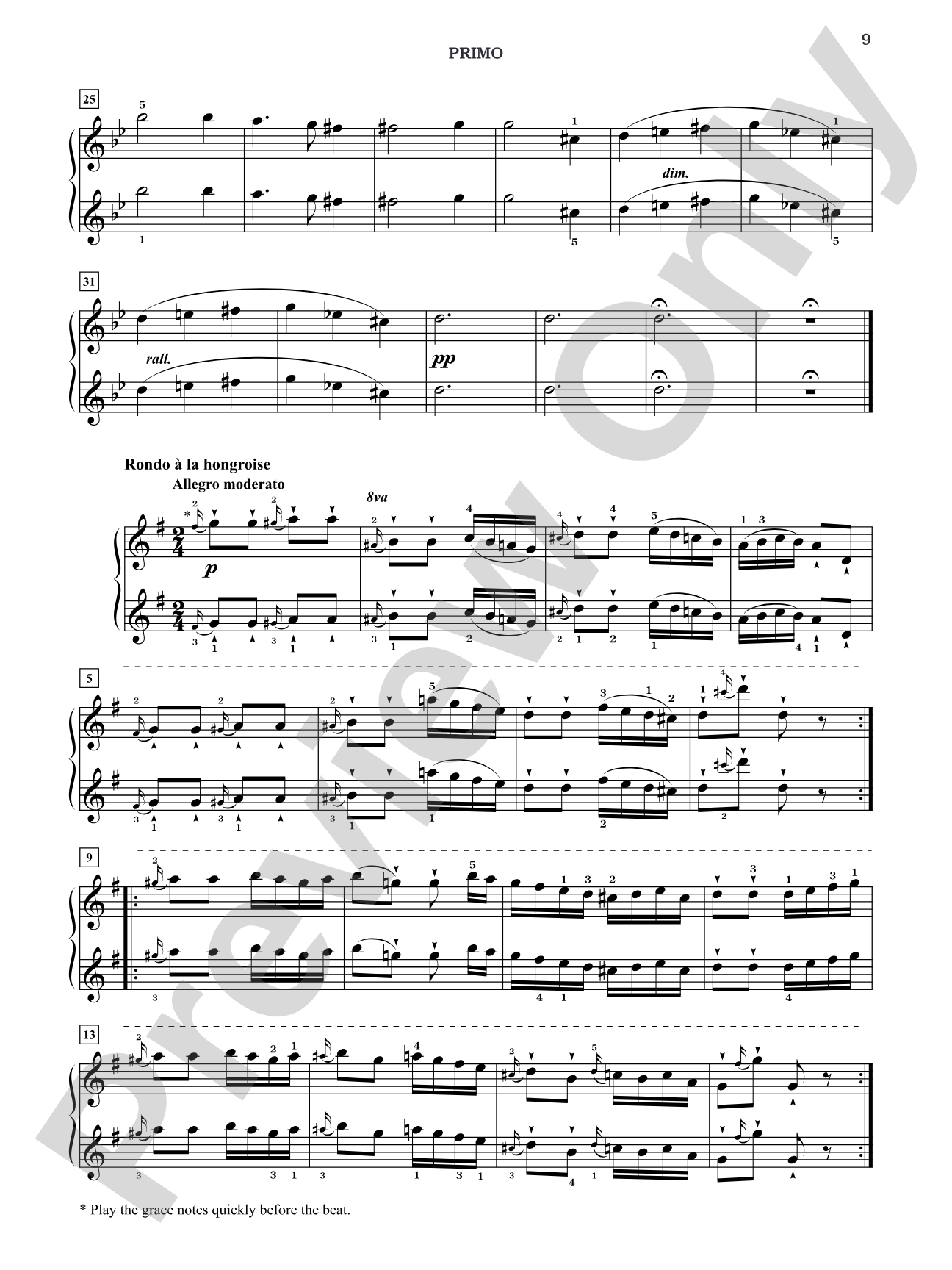
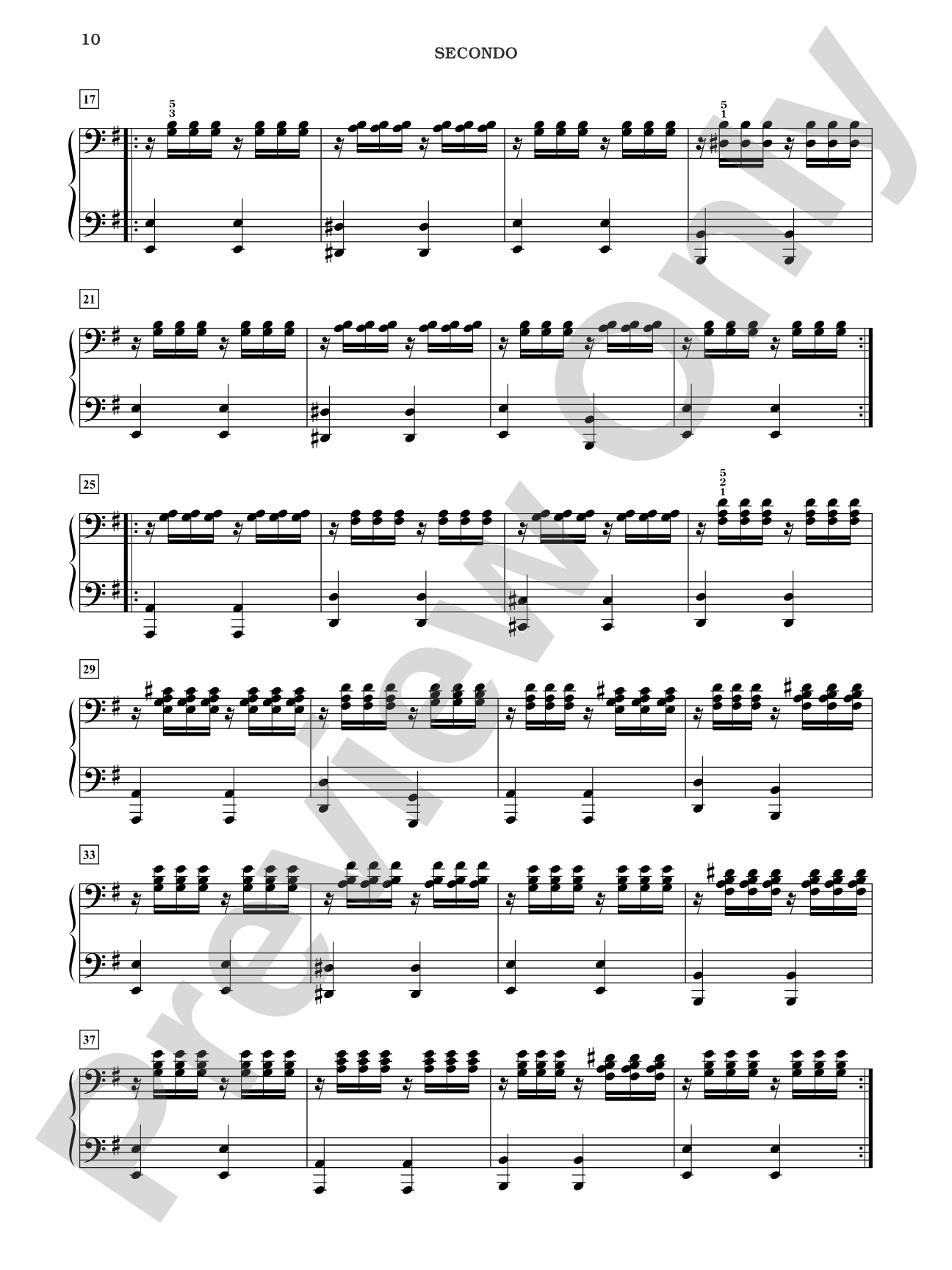
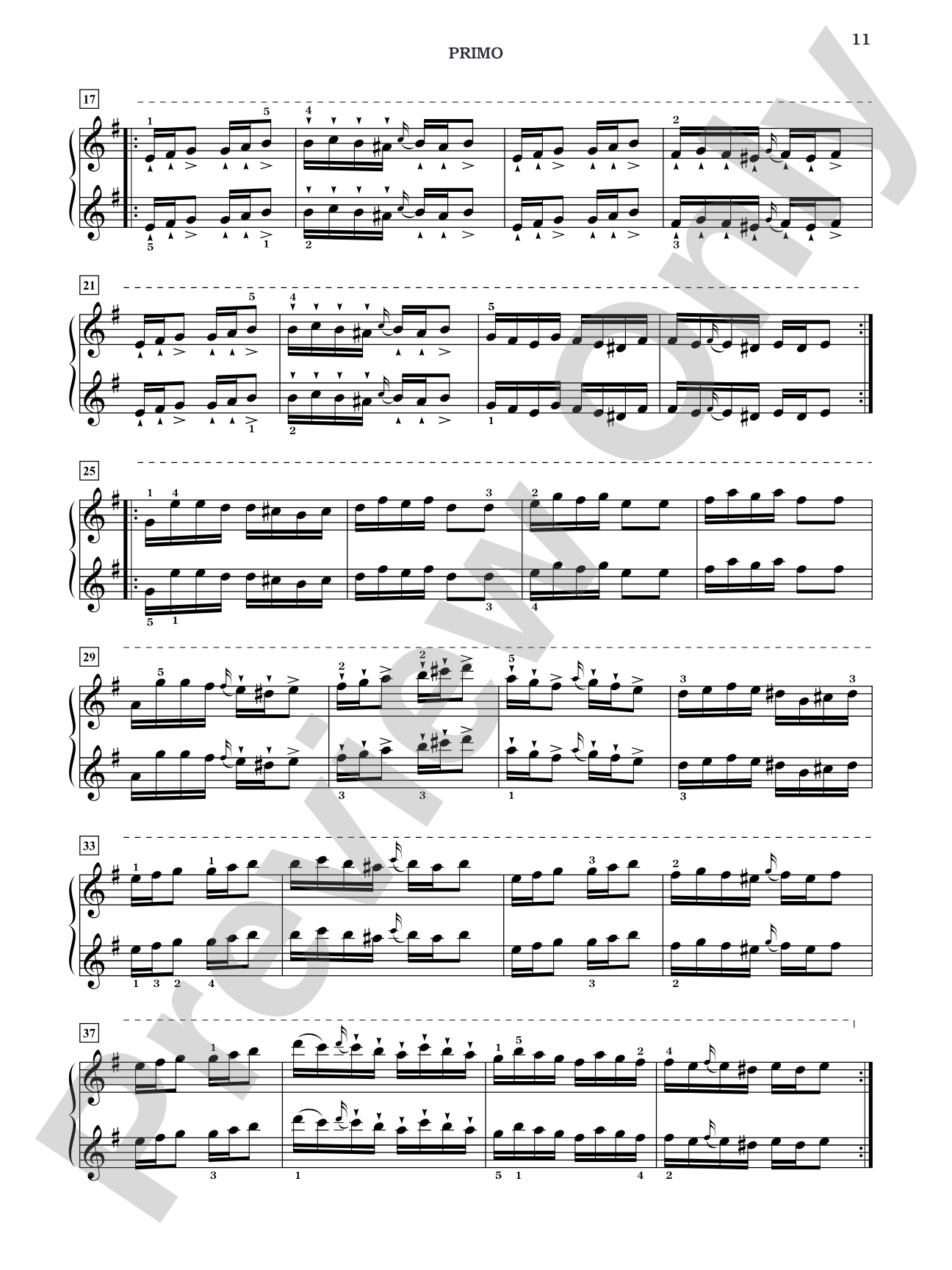
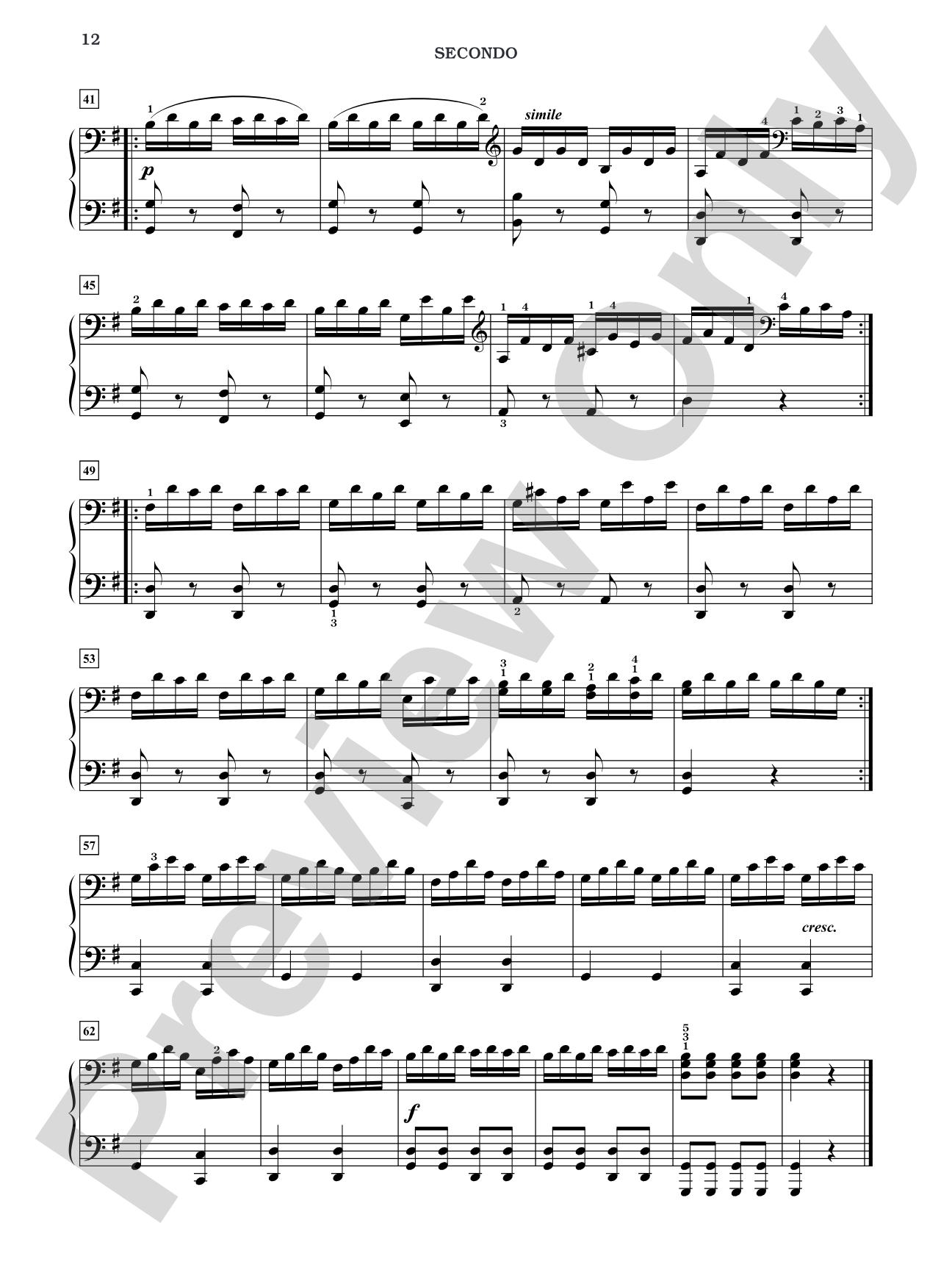
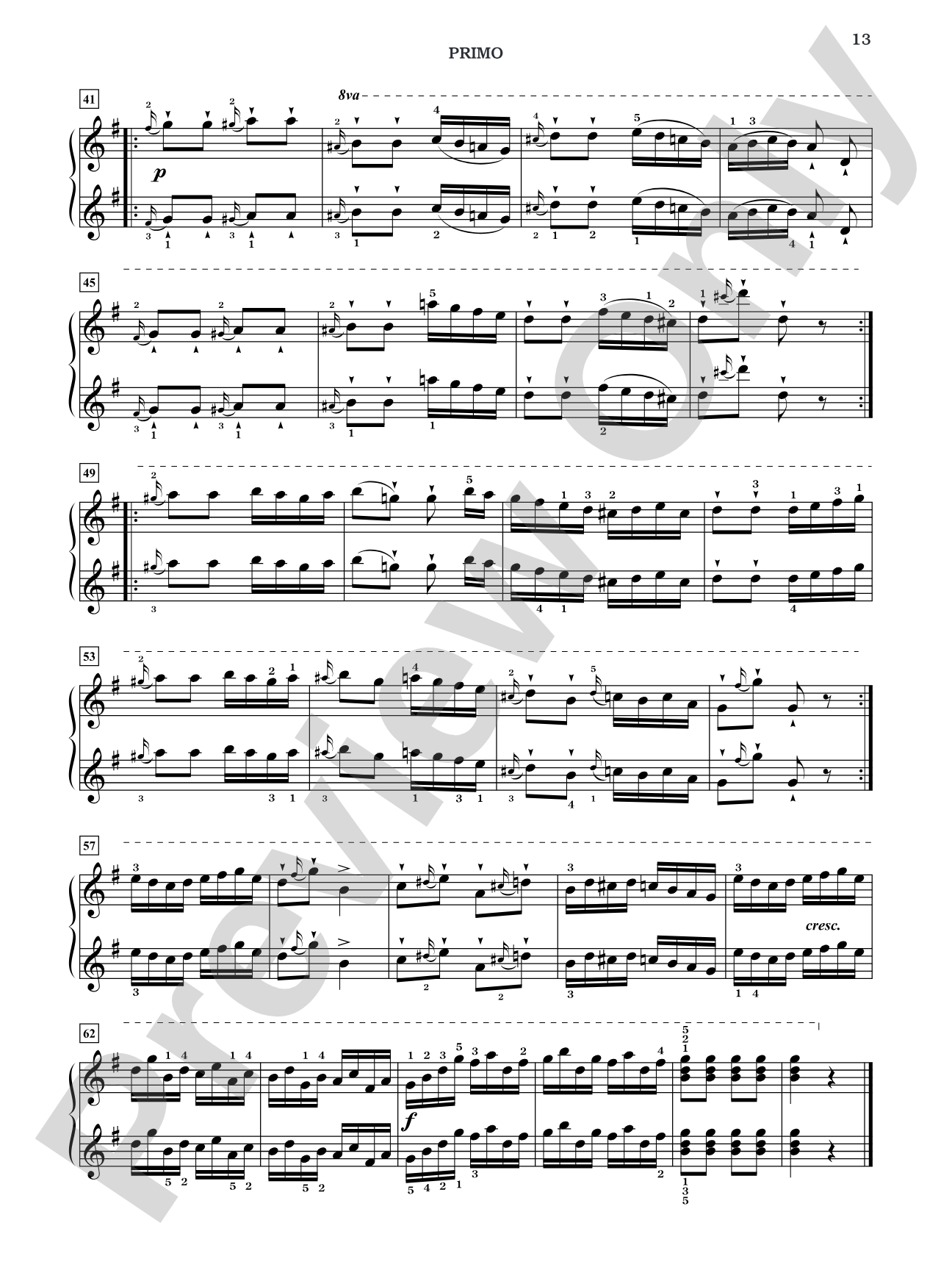
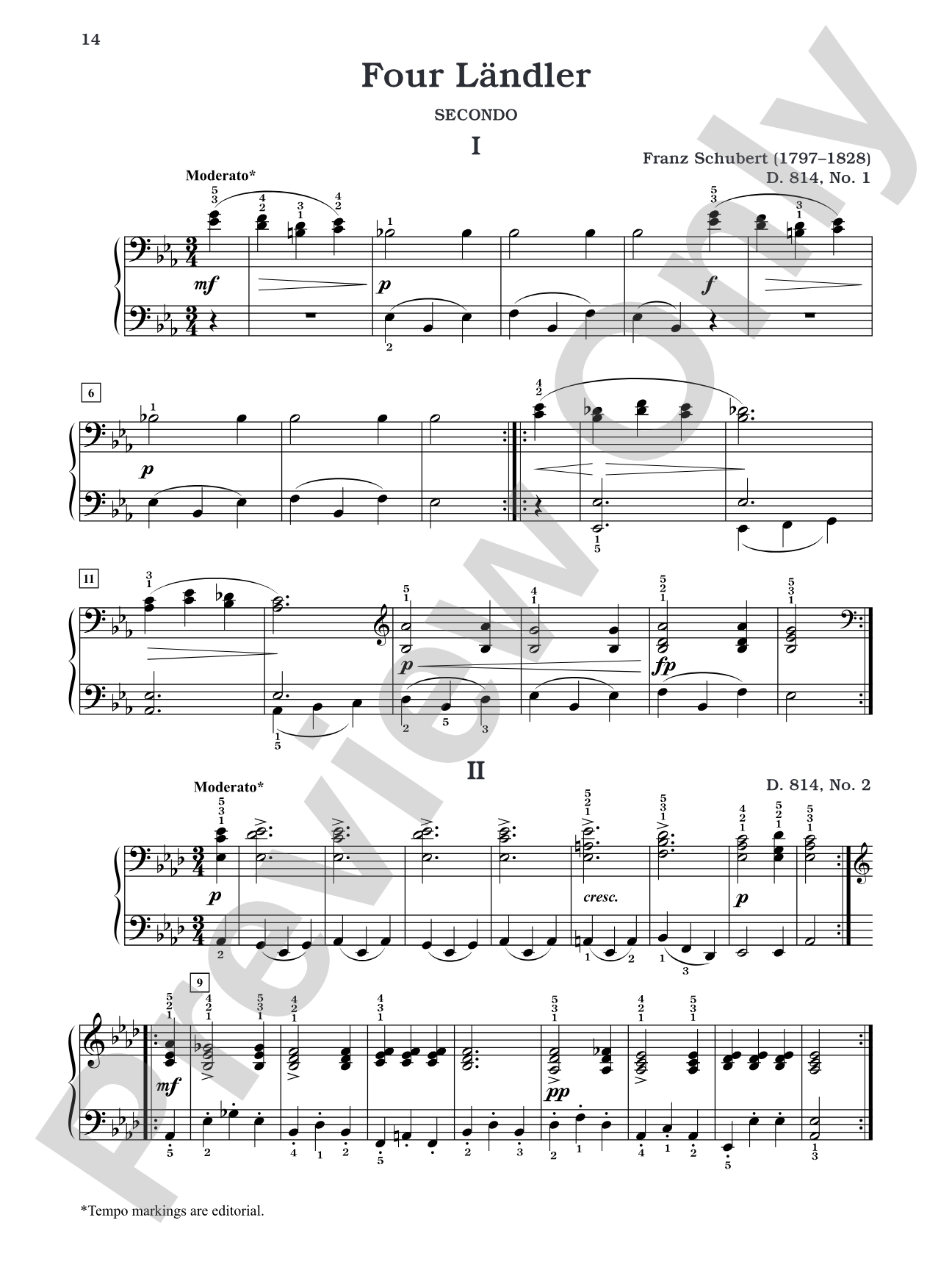
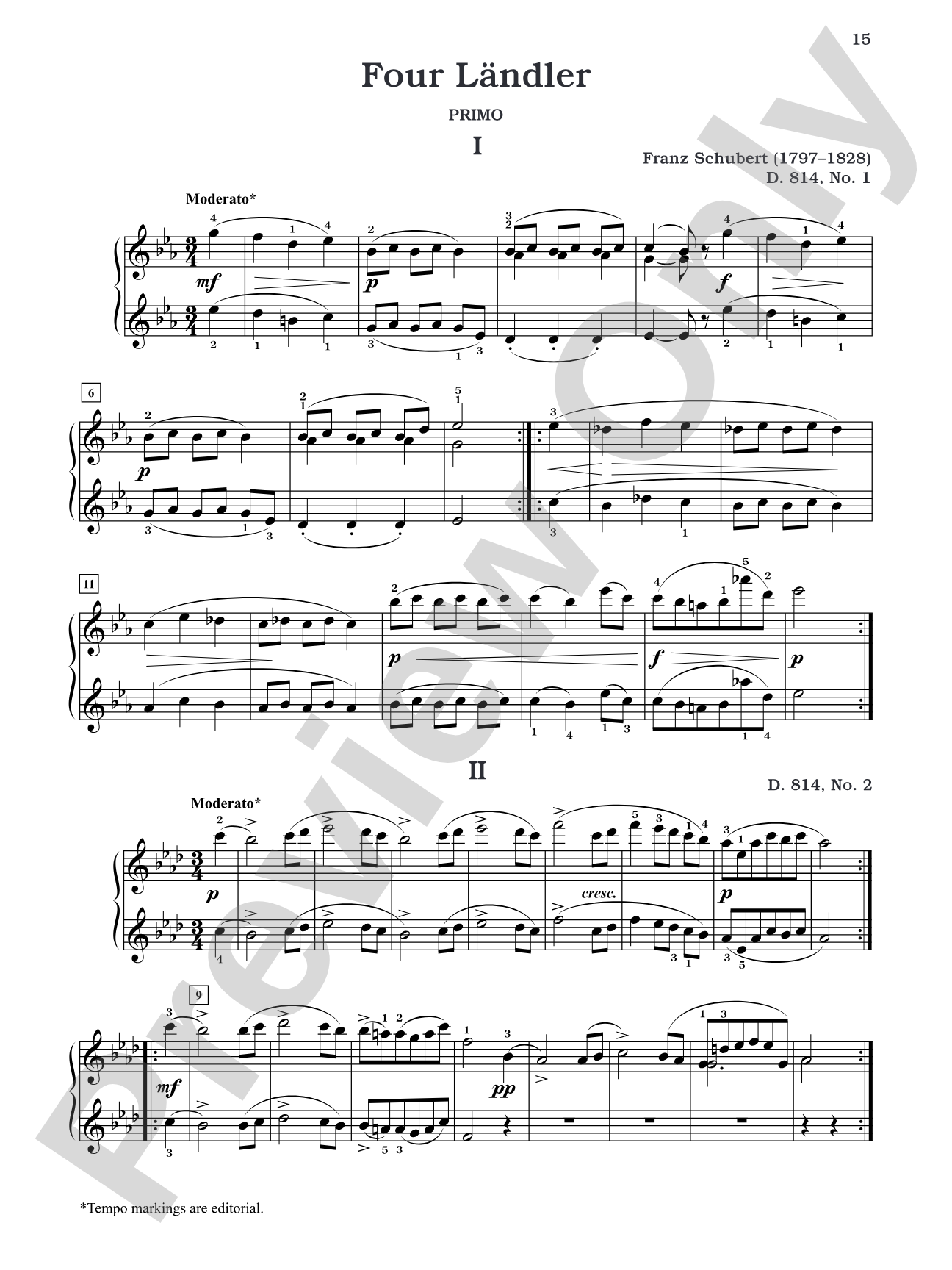
These graded collections of piano duets by master composers are among the best literature available at respective levels. Each duet, written by composers who lived in the 18th, 19th, and 20th century, has been carefully edited and fingered for performance ease. Titles: Sonatina in G Major, Op. 156, No. 3 (Czerny) * Four Ländler, D. 814, Nos. 1--4 (Schubert) * Waltz in B Major, Op. 39, No. 1 (Brahms) * Waltz in E Major, Op. 39, No. 2 (Brahms) * Waltz in A Minor, Op. 39, No. 14 (Brahms) * Waltz in A Major, Op. 39, No. 15 (Brahms) * Puppet's Dance, Op. 74, No. 8 (from 10 pièces pour cinq touches) (Cui) * Waltz in E-flat Major, Op. 25, No. 11 (Fuchs) * The Swing (Foote) * Graceful Dance (Foote) * Spanish Dance, Op. 12, No. 1 (Moszkowski) * Gavotte, Op. 66, No. 2 (Arensky) * Menuetto, Op. 66, No. 4 (Arensky) * Andalusierin (Poldini). "Waltz in E-flat Major, Op. 25, No. 11" is a Federation Festivals 2016-2020 selection. A Federation Festivals 2020-2024 selection.


Discover MakeMusic Cloud: thousands of interactive titles your students can play along with today.
Sample Audio
No sample audio found.
Sample Video
No sample videos found.
Additional Details
Series:
Masterwork Classics Duets
Publisher:
Alfred Music
Page Count:
72
SKU:
00-PB-0000632
More about this title
Why we love this
This collection spans three centuries of duet writing, giving you genuine masterworks rather than arrangements or compositions written primarily as etudes. The variety across 14 pieces means you can program anything from a Schubert dance to a Brahms waltz without leaving one book, and the careful editing and fingering support students without oversimplifying the musical content.
What to expect
A musical journey through salons and concert halls of three centuries. You'll find yourself swaying through Brahms waltzes, stepping lightly through Schubert's dances, and discovering lesser-known gems like Foote's charming character pieces that shine brightest when played with another person at the same bench.
Who it's for
Advanced late intermediate pianists ready to explore duet repertoire beyond simple arrangements, and teachers seeking authentic four-hand literature that challenges students without exceeding their technical grasp. This book works equally well for private studio students preparing for recitals and for collaborative pianists looking to build a strong duet repertoire.
How to get the most out of it
- Balance the primo and secondo parts by thinking of them as equal musical voices rather than melody and accompaniment; many of these pieces feature dialogue between the hands.
- Attend to the character markings and tempo indications in each piece; the Ländler dances have different moods from the waltzes, and Moszkowski's Spanish Dance requires a different rhythmic feel than the Foote pieces.
- When learning a duet for the first time, each player should practice their own part independently before playing together, marking entrances and rests clearly to avoid ensemble confusion.
- Use the Federation Festivals selections (the Waltz in E-flat Major, Op. 25, No. 11) as performance benchmarks if you're preparing for adjudicated events.
How to use it
Program a single Brahms waltz or the complete Ländler cycle as an intermission piece or concert opener, where the intimacy of a duet performance draws the audience in. Alternatively, use individual pieces throughout the year as recital selections for advancing students, or work through the entire collection over a season as a curriculum focused on style and period.
Skills your students will build
- Ensemble coordination between primo and secondo parts
- Reading multiple independent melodic lines simultaneously
- Interpreting style across Romantic and Classical idioms (waltzes, ländler, character dances, gavottes)
- Balancing tone between the two players at one instrument
- Executing ornamentation and stylistic articulation in 19th-century salon music