Masters In This Hall (arr. Mark Hayes) Sheet Music Preview

Masters In This Hall (arr. Mark Hayes): SSAA Choral Octavo

Arranged by Mark Hayes

Item: 35-DS00460661

Digital Download
$2.95
Description

Masters In This Hall (arr. Mark Hayes): SSAA Choral Octavo isn't in MakeMusic Cloud just yet...but it could be. Let us know you'd like to see it, and you'll help shape what comes next. In the meantime, start a free trial and dive into thousands of interactive titles your students can play along with today.

Sample Audio
No sample audio found.
Sample Video
Additional Details
Publisher: Hal Leonard
Page Count: 14
SKU: 35-DS00460661

More about this title

About the Arranger: Mark Hayes

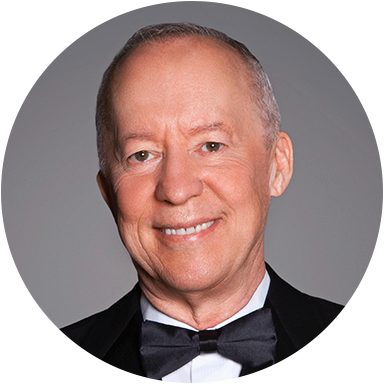
Mark Hayes

Mark Hayes combines prolific compositional output with deep expertise across multiple musical idioms. Since earning his degree summa cum laude in piano performance from Baylor University, he has amassed over 1,750 published works and established himself as a sought-after guest conductor at major venues including Lincoln Center, the National Cathedral, and Carnegie Hall. His orchestrations and arrangements span sacred music (including a Requiem premiered at Lincoln Center and later performed at the Vatican), musical theater, and choral works performed internationally.

Beyond conducting and composing, Hayes brings particular mastery to keyboard writing and arranging. He has produced more than 100 piano publications across jazz, gospel, classical, and popular idioms, and his skill with orchestration and vocal scoring has made him a trusted arranger for both concert and theatrical contexts. His work earned recognition through the 2010 Award for Exemplary Leadership in Christian Music from Baylor University's Center for Christian Music Studies.

Why we love this

Hayes brings his signature refinement to this medieval carol, crafting an arrangement that honors the tune's hymnic simplicity while adding textural sophistication that keeps singers engaged. The four-part SSAA setting distributes both melody and harmony thoughtfully across the ensemble, avoiding the thin sound that can plague all-women's voicings. This works beautifully in Advent or Epiphany programming where you need substance without complexity.

What to expect

Warm and processional, with the meditative quality of a carol meant for collective singing rather than display. Hayes's arrangement preserves the tune's folk roots while adding harmonic color that feels intentional and composed; singers experience both the comfort of a familiar melody and the satisfaction of contributing to a richer harmonic tapestry.

Who it's for

Treble choirs seeking accessible holiday repertoire that doesn't sacrifice musicality or arranging craft. Directors working with intermediate ensembles will find the part-writing lies comfortably for developing singers while maintaining interest for more advanced groups.

How to get the most out of it

  • Balance the melody between sopranos one and two; resist covering the tune with excessive harmony underneath. Let it sit on top of the texture.
  • Treat the longer note values as opportunities for phrase shaping rather than points of rhythmic drift. A slight broadening creates dignity without losing forward motion.
  • Anchor intonation through the alto section, particularly in moments where parts move in parallel motion. This prevents the voicing from spreading.
  • Record a rehearsal pass with just the syllabic text underlay to solidify rhythm and part security before layering interpretive choices.

How to use it

Position this as an opening or closing piece for a mixed repertoire Advent concert, where its gentle earnestness provides grounding between more elaborate settings or contemporary works. It also serves well as a transition moment in longer holiday programs, offering singers and audience a chance to settle into the season without technical display.

Skills your students will build

  • Singing sustained lines without sacrificing forward motion
  • Maintaining independent melodic and harmonic parts in close voicings
  • Blending treble voice parts through controlled vibrato and vowel consistency
  • Reading and executing phrase arcs across measures with longer note values

You May Also Like