
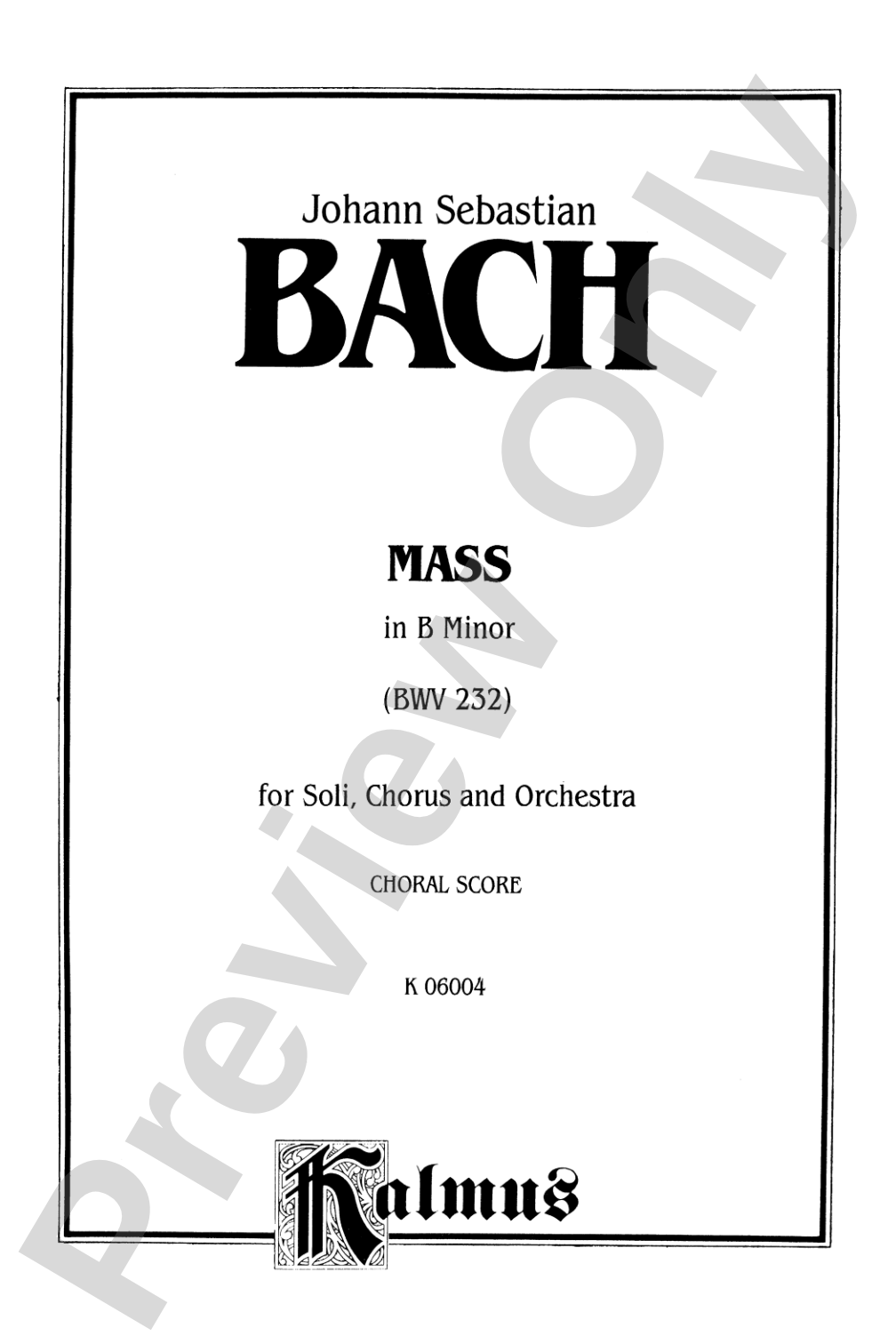

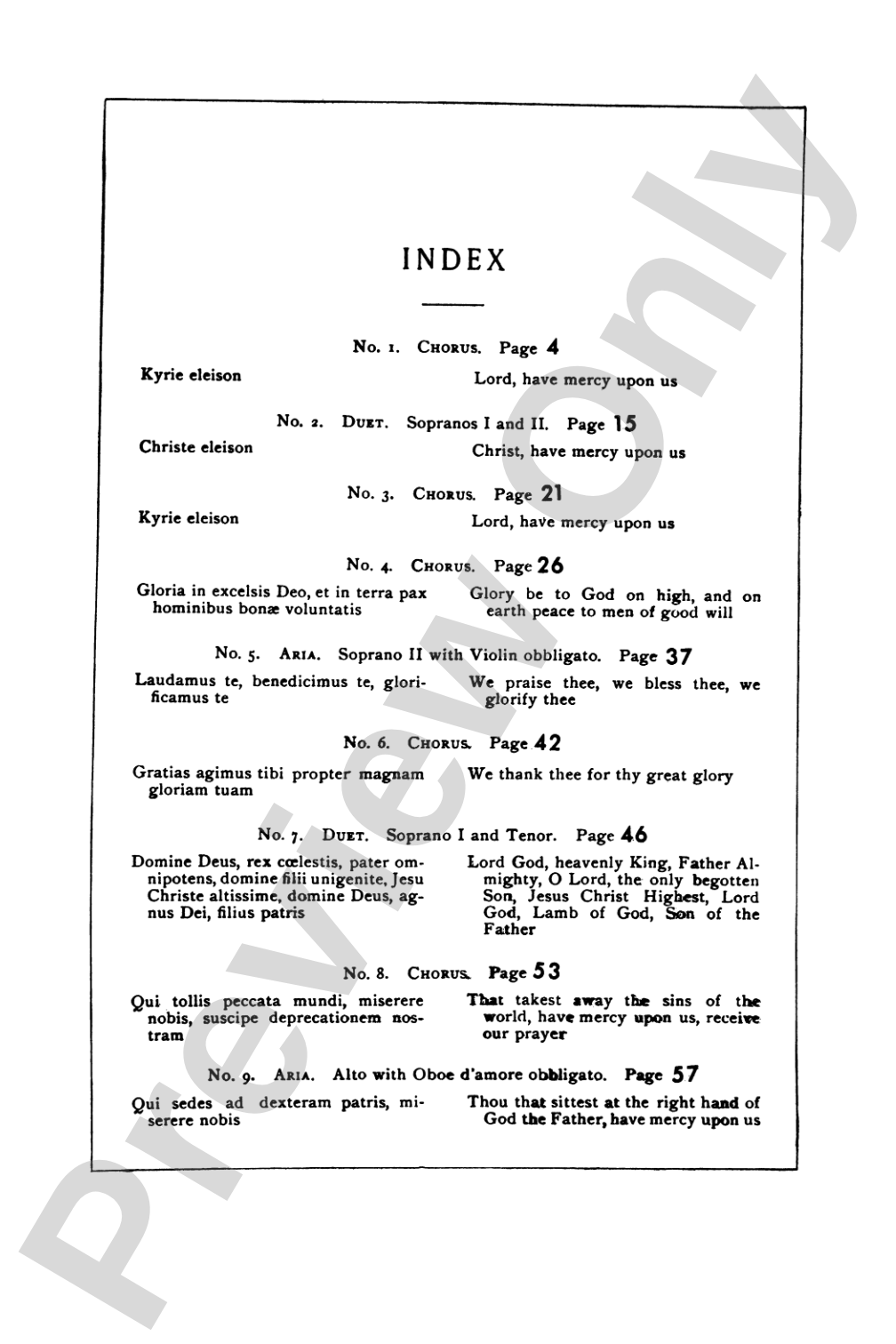
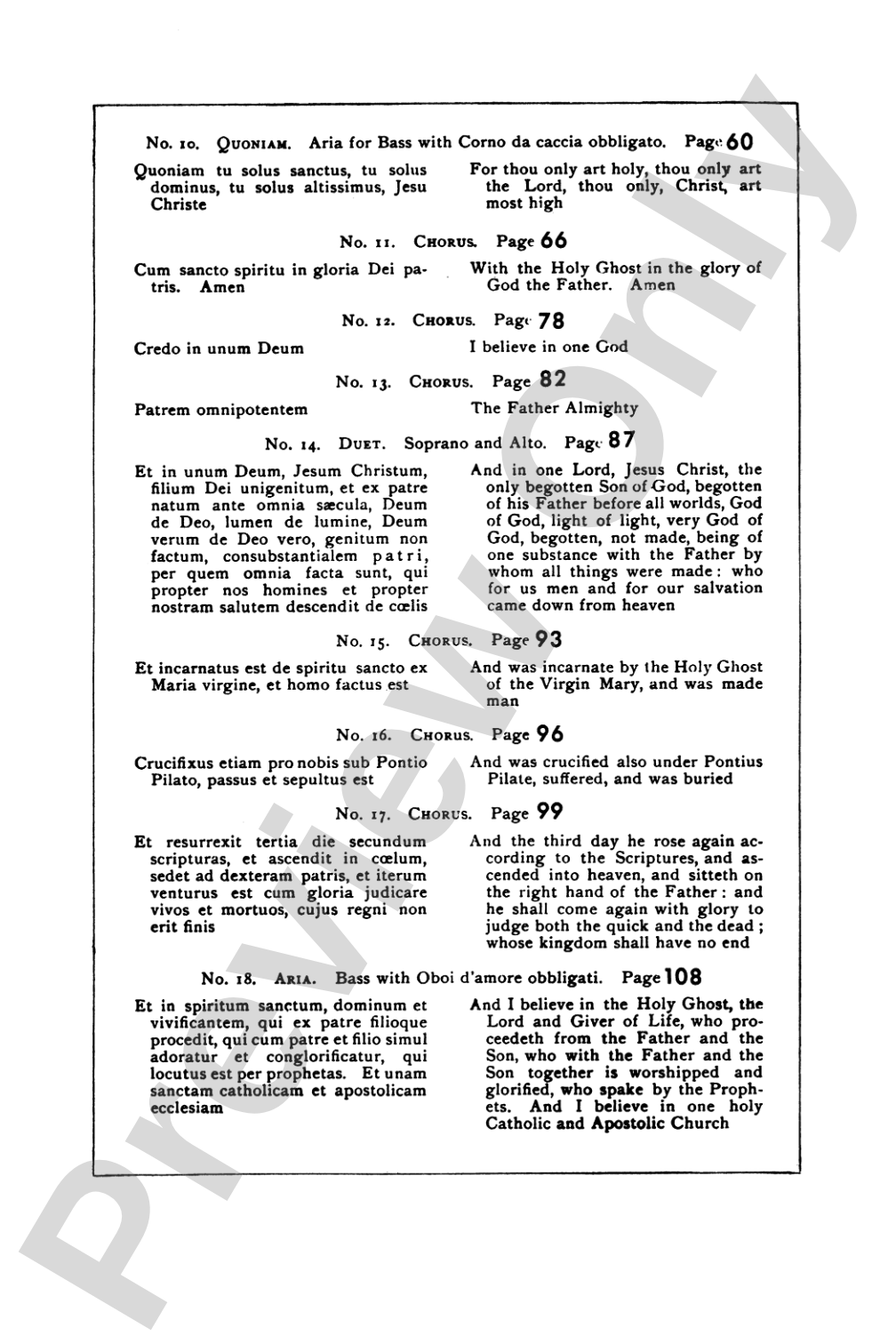
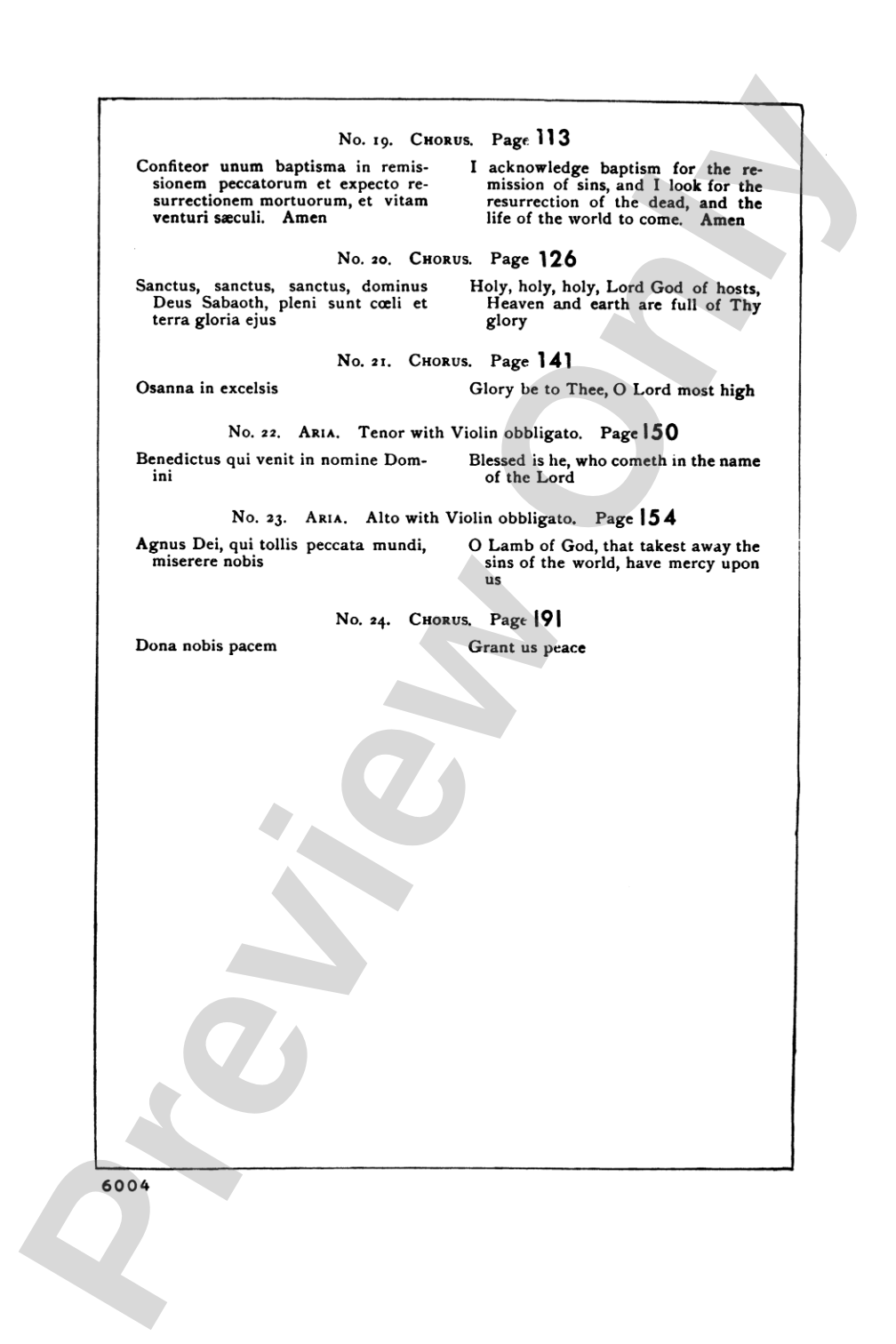
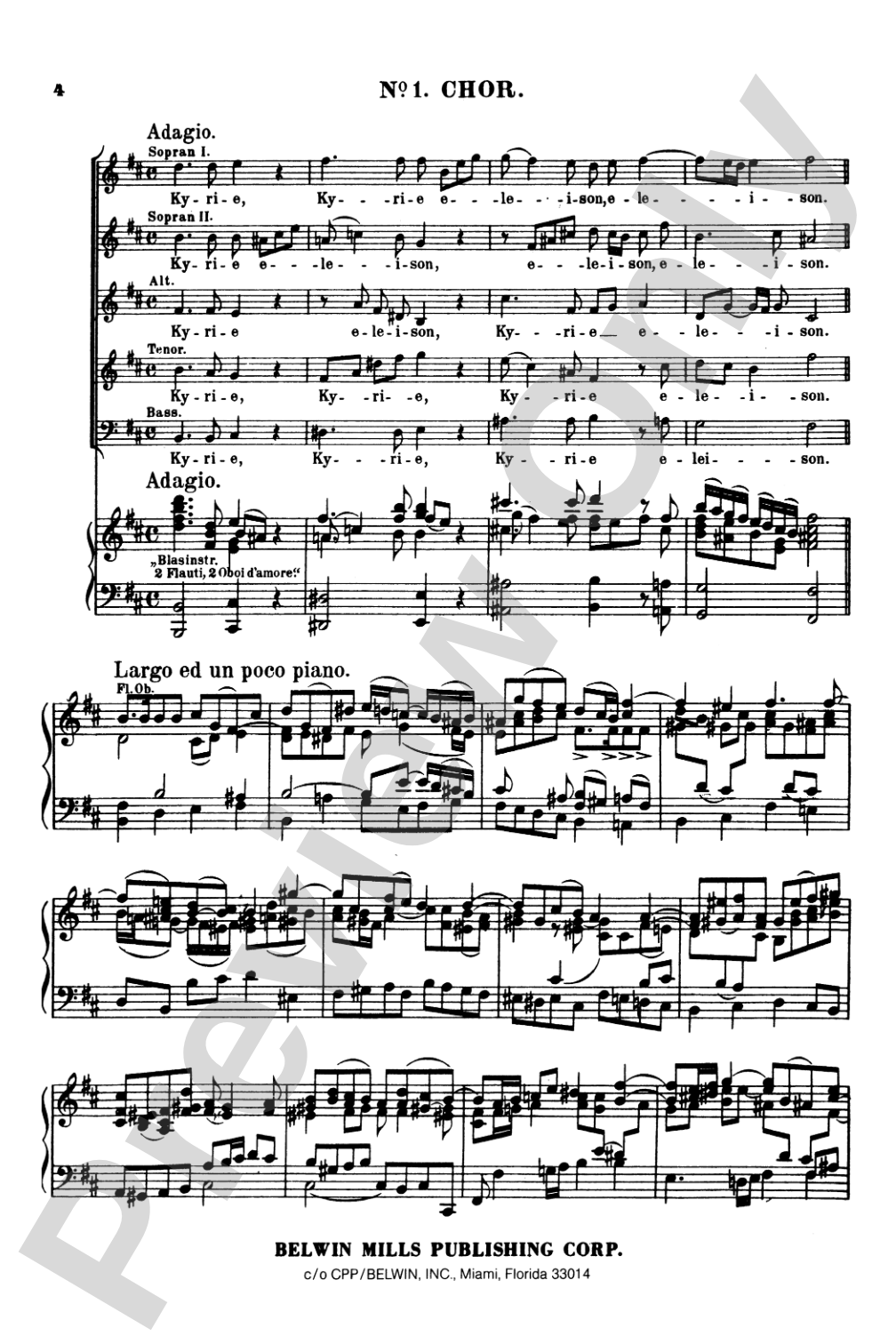
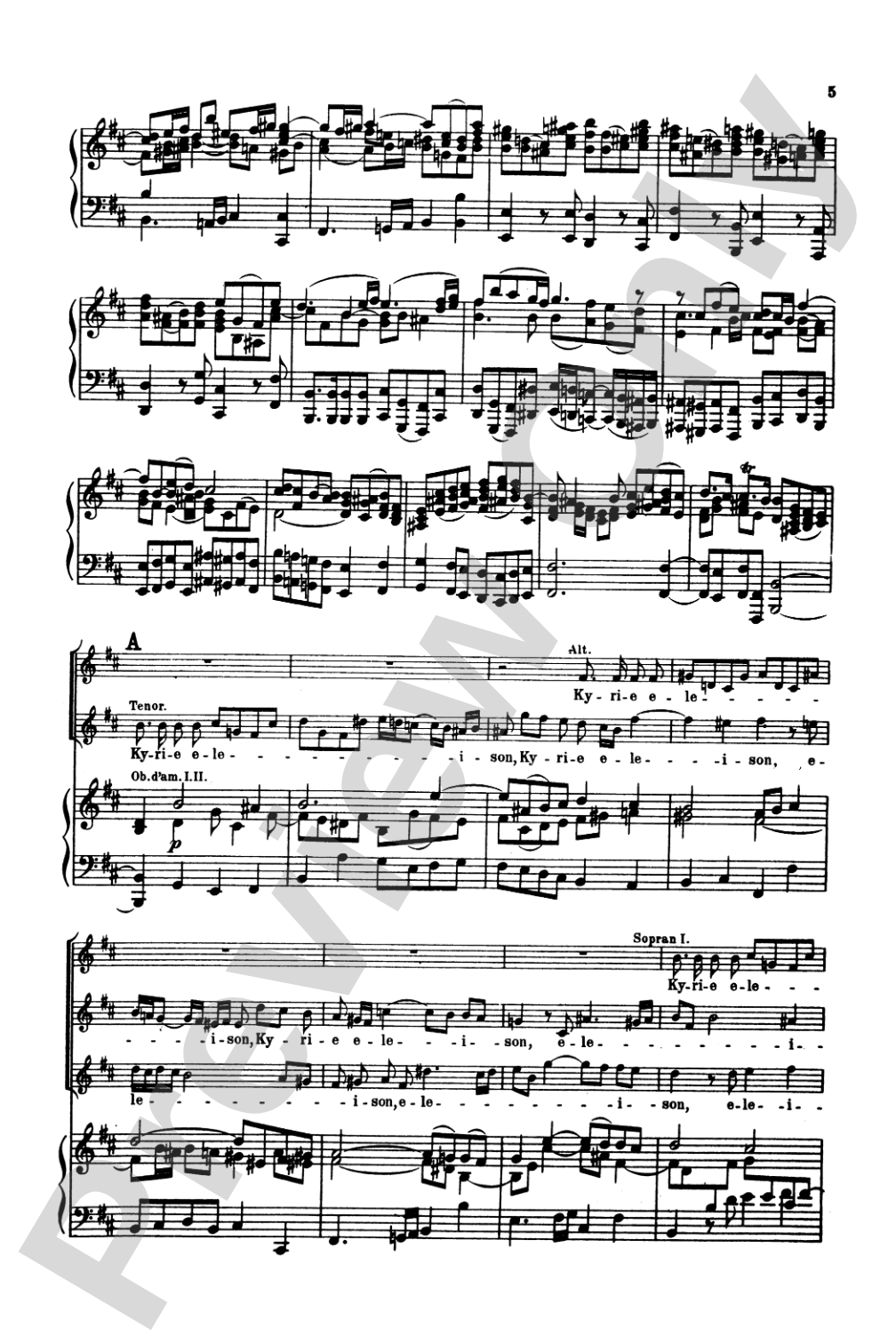
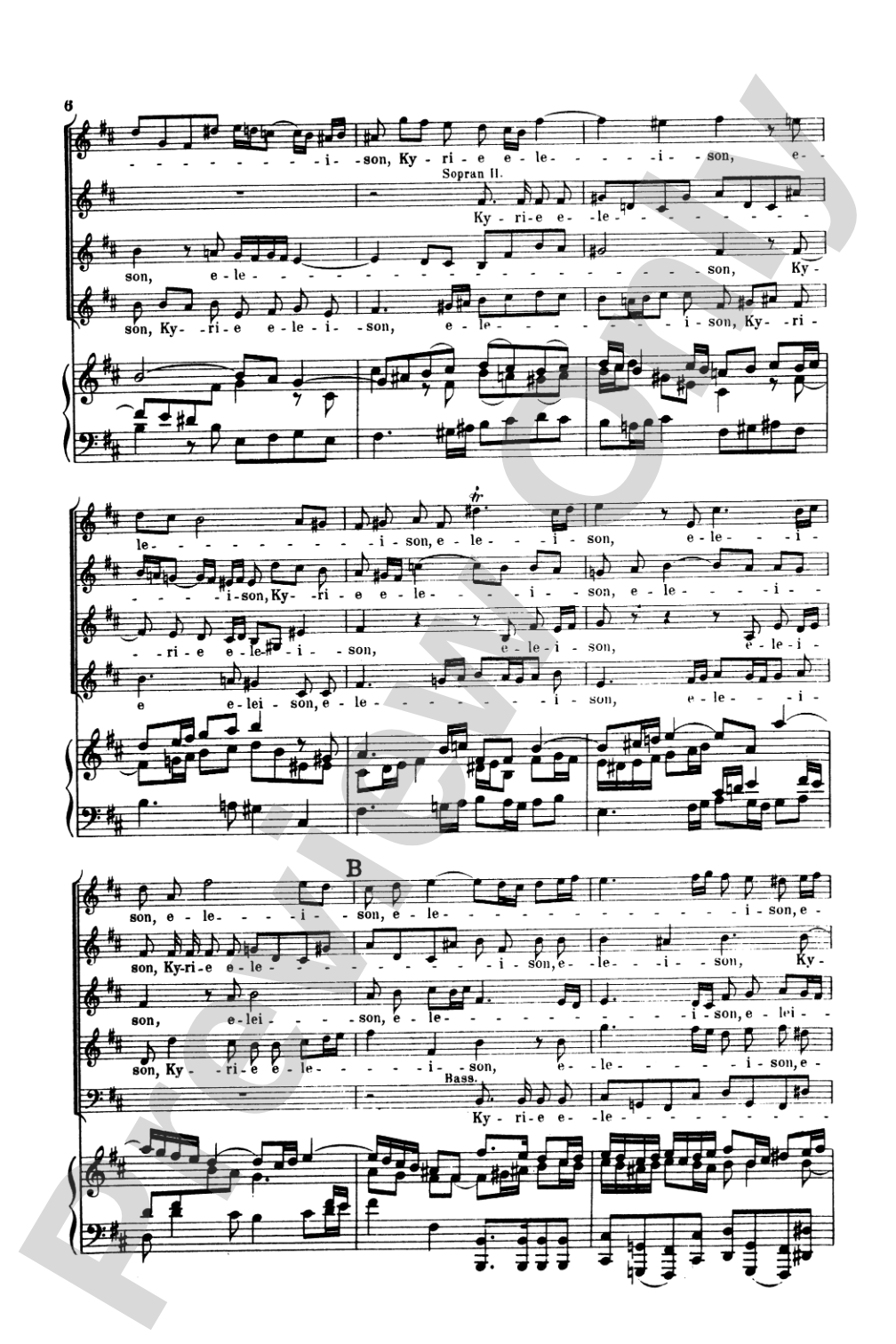
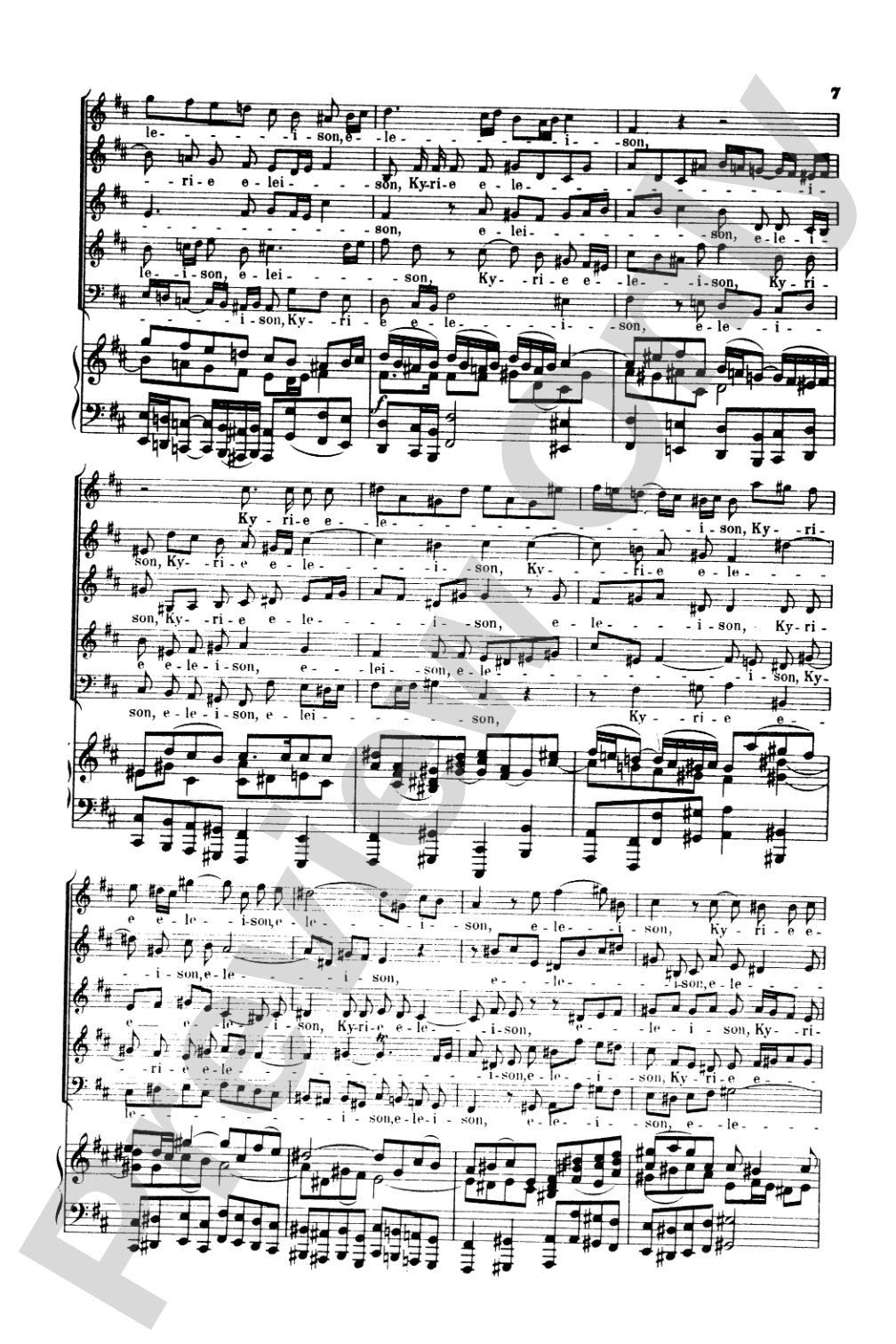
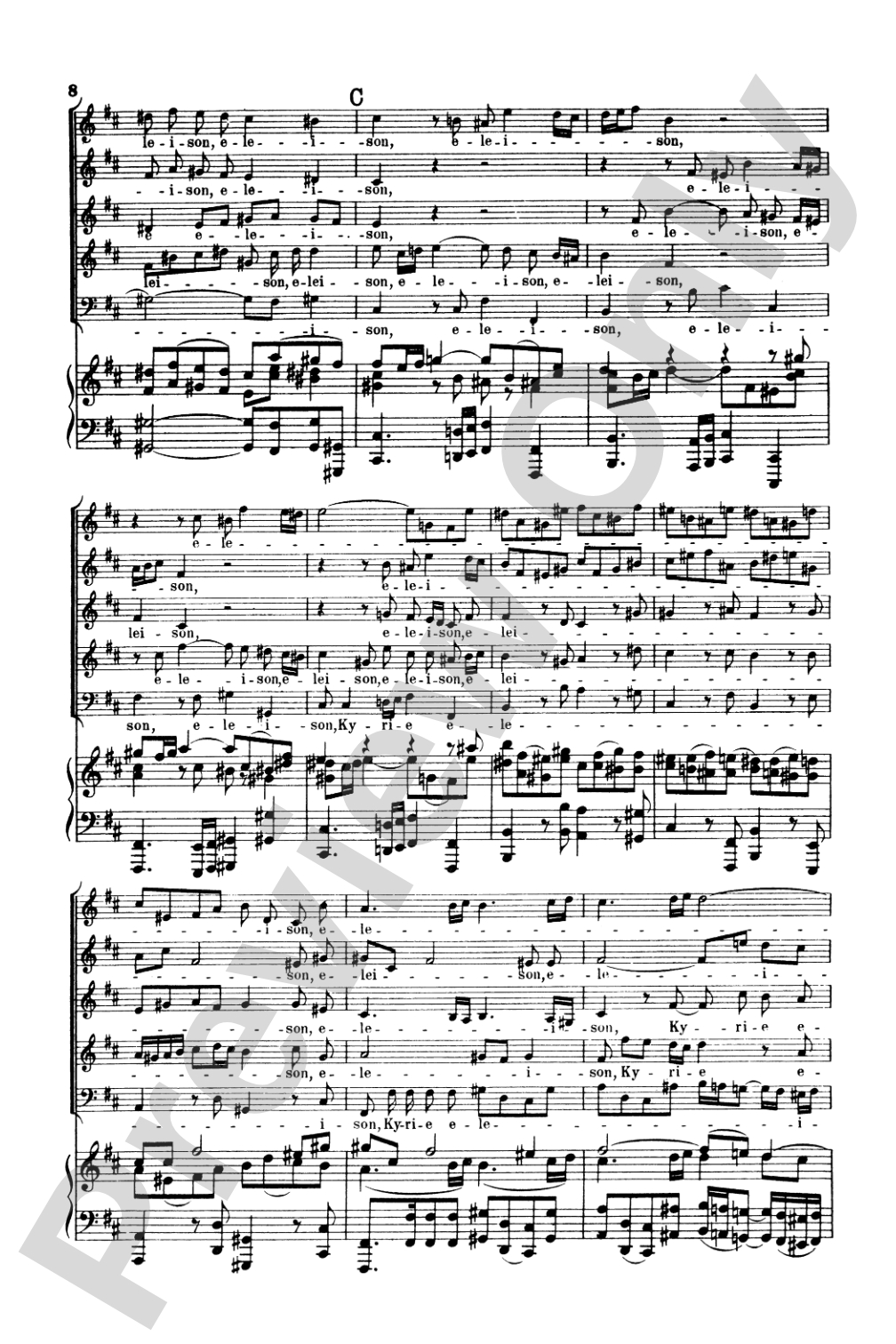
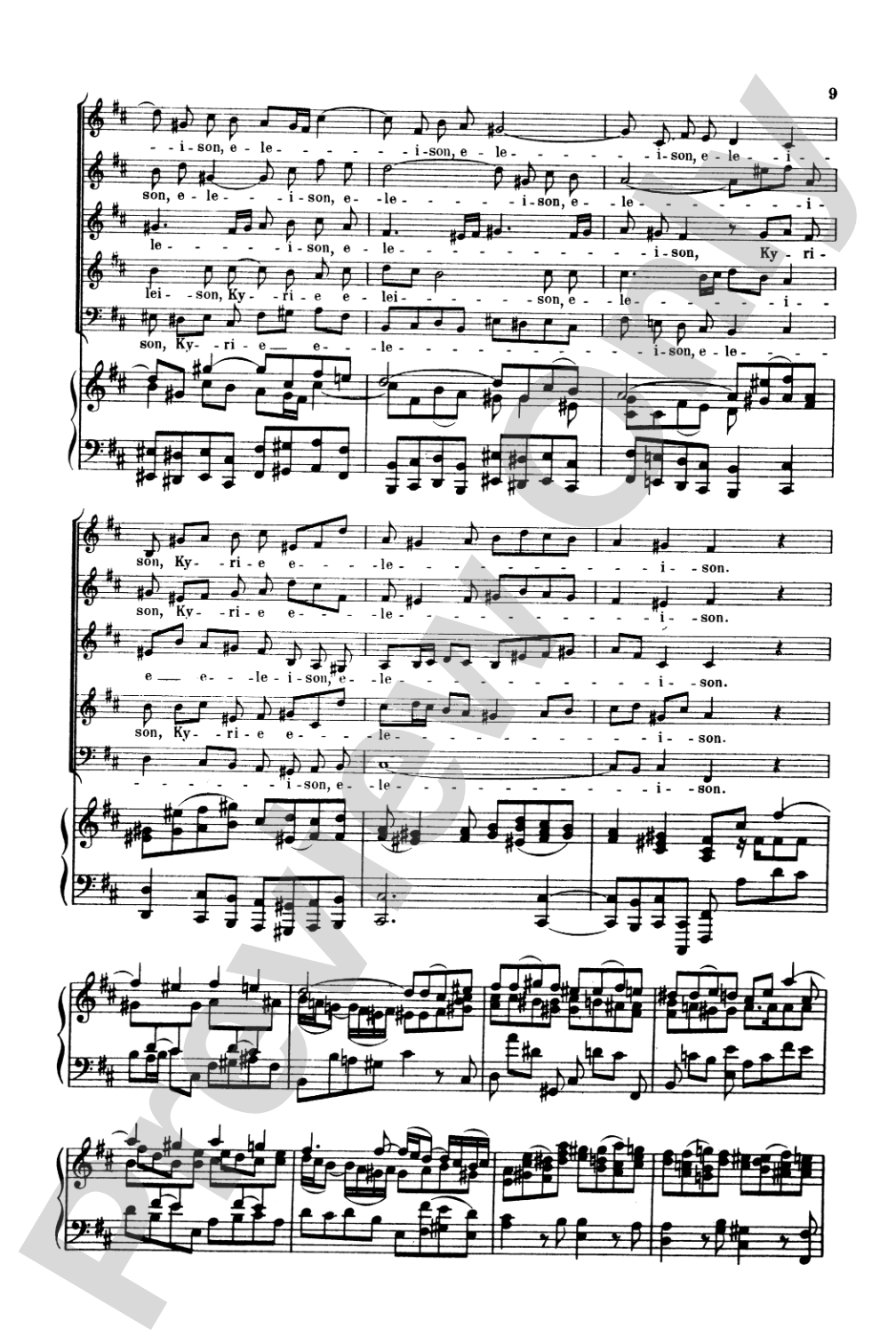
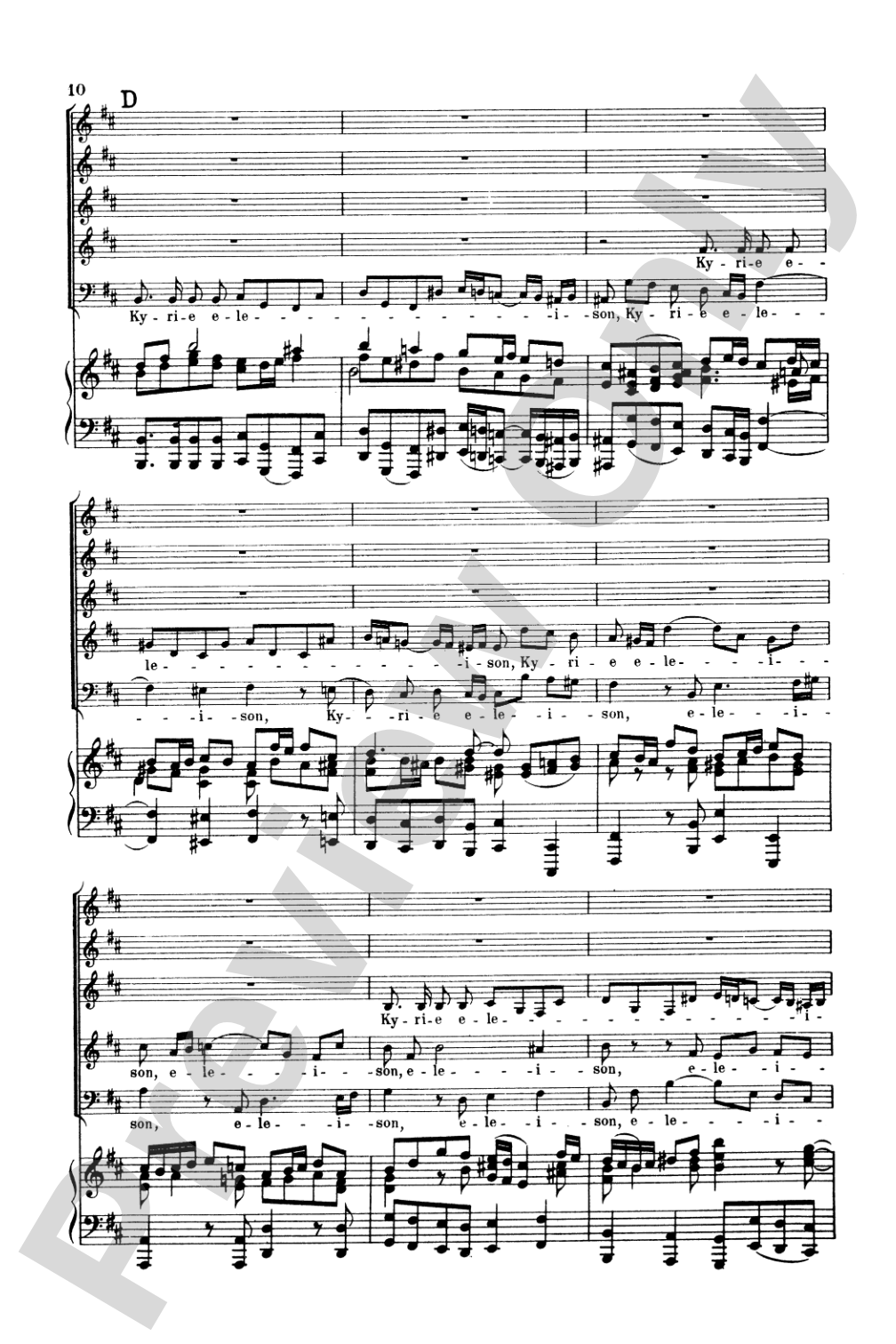
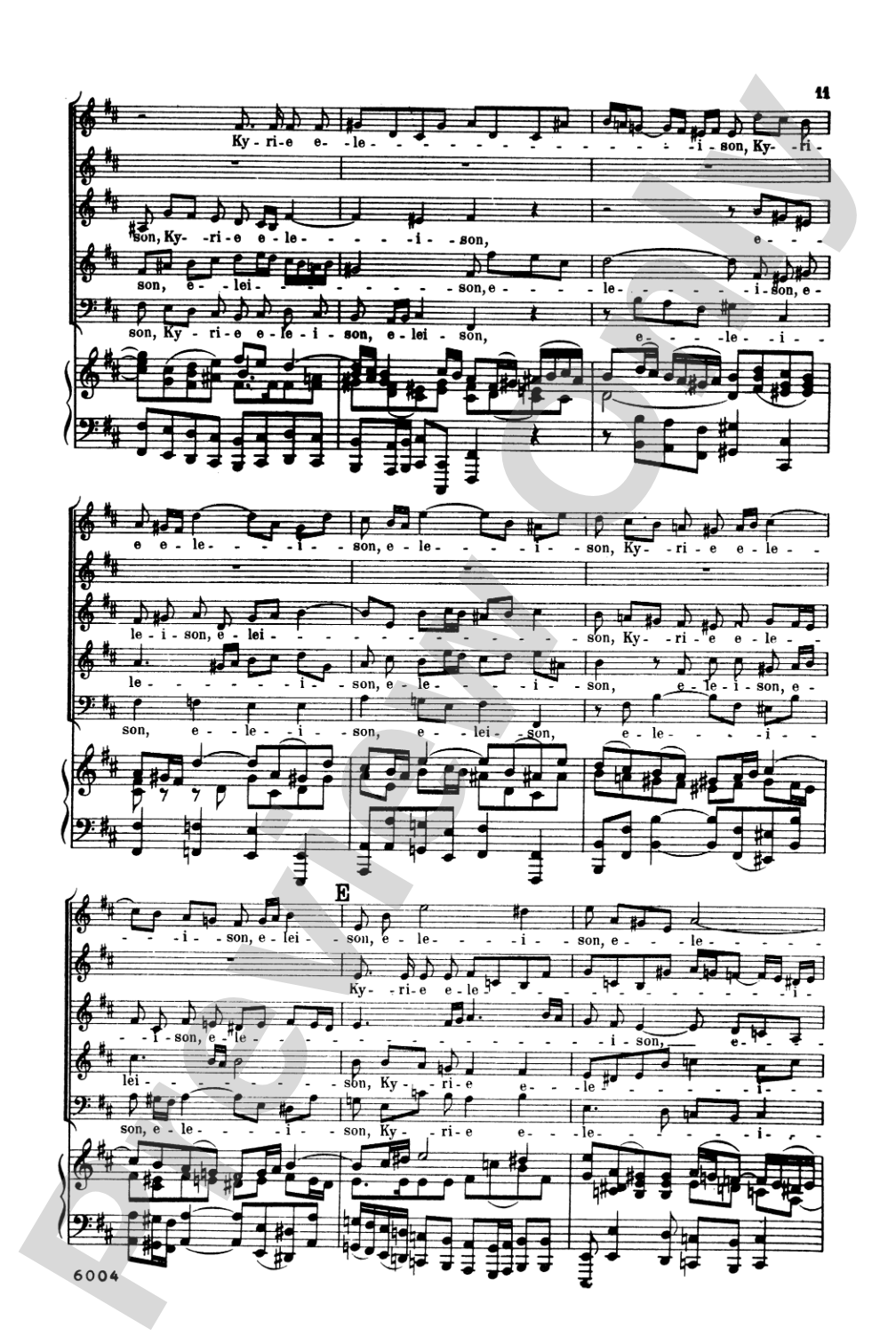
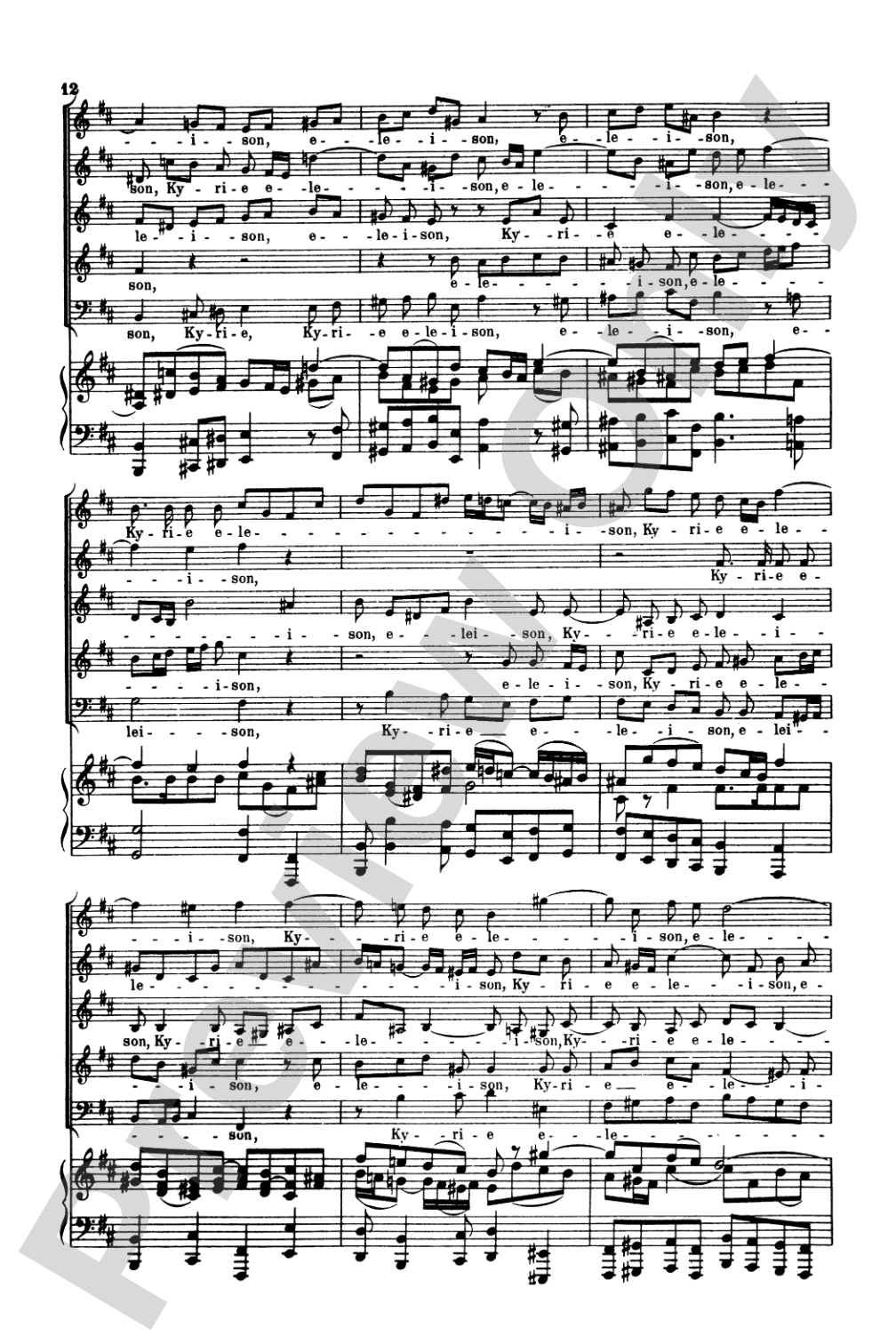
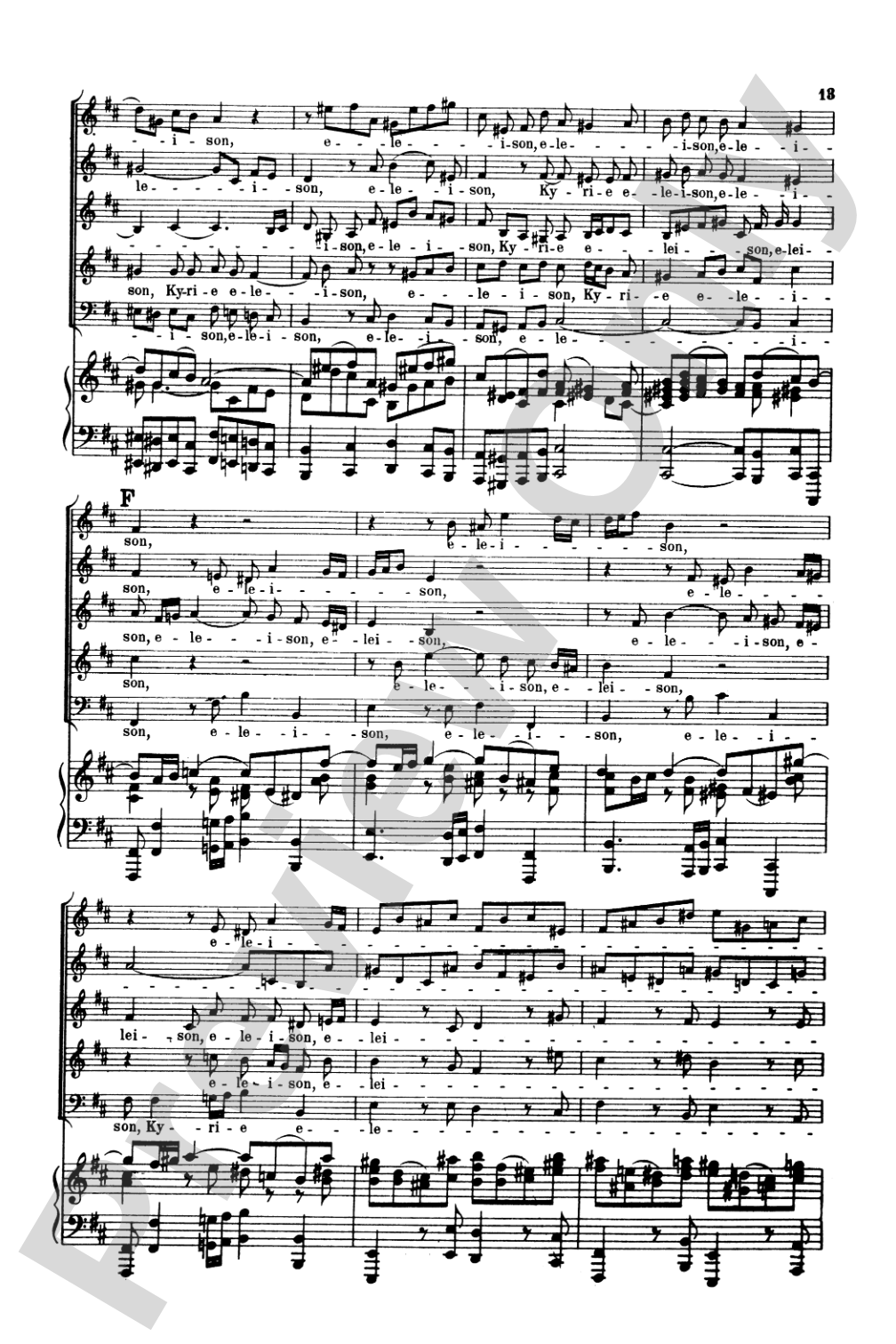
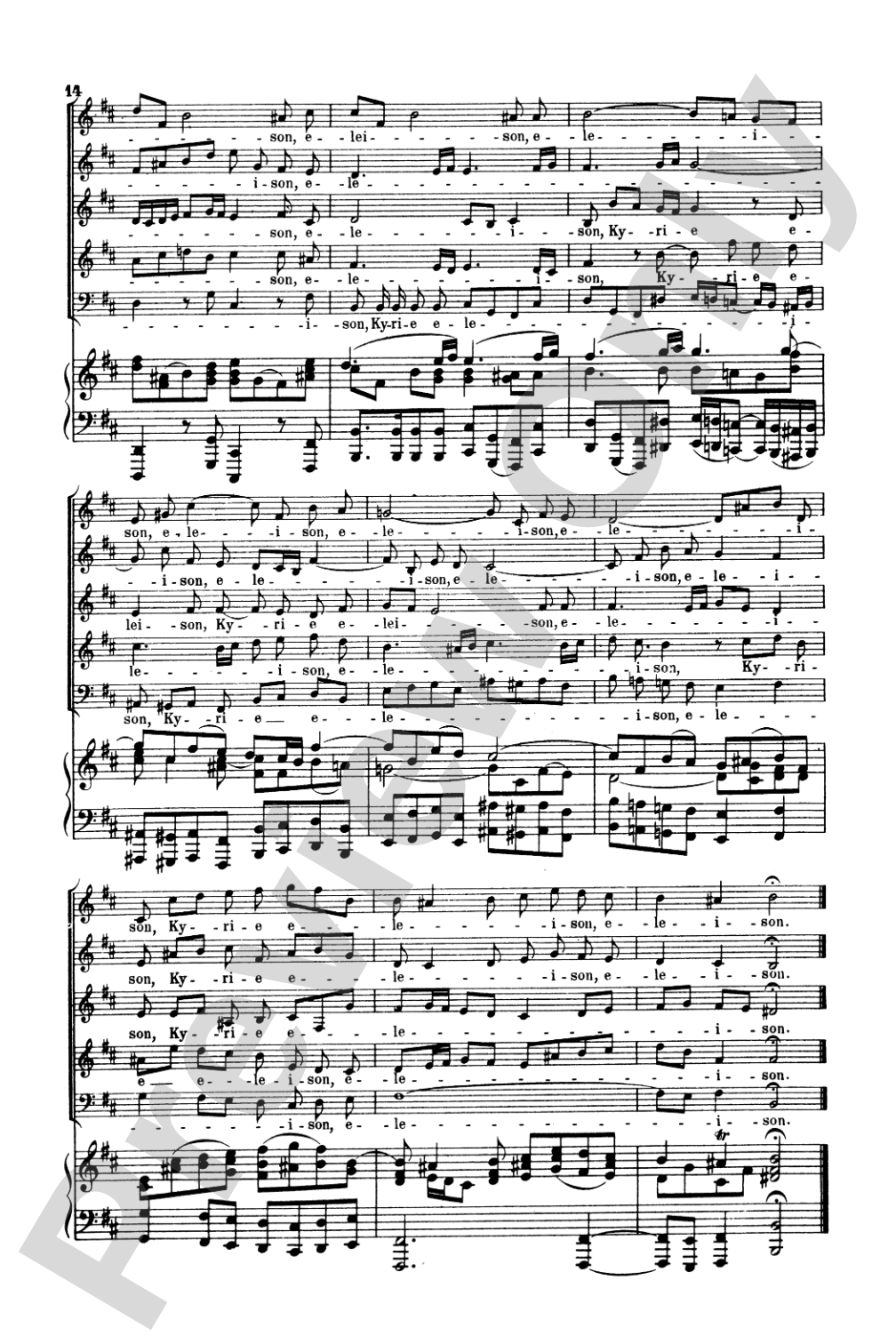
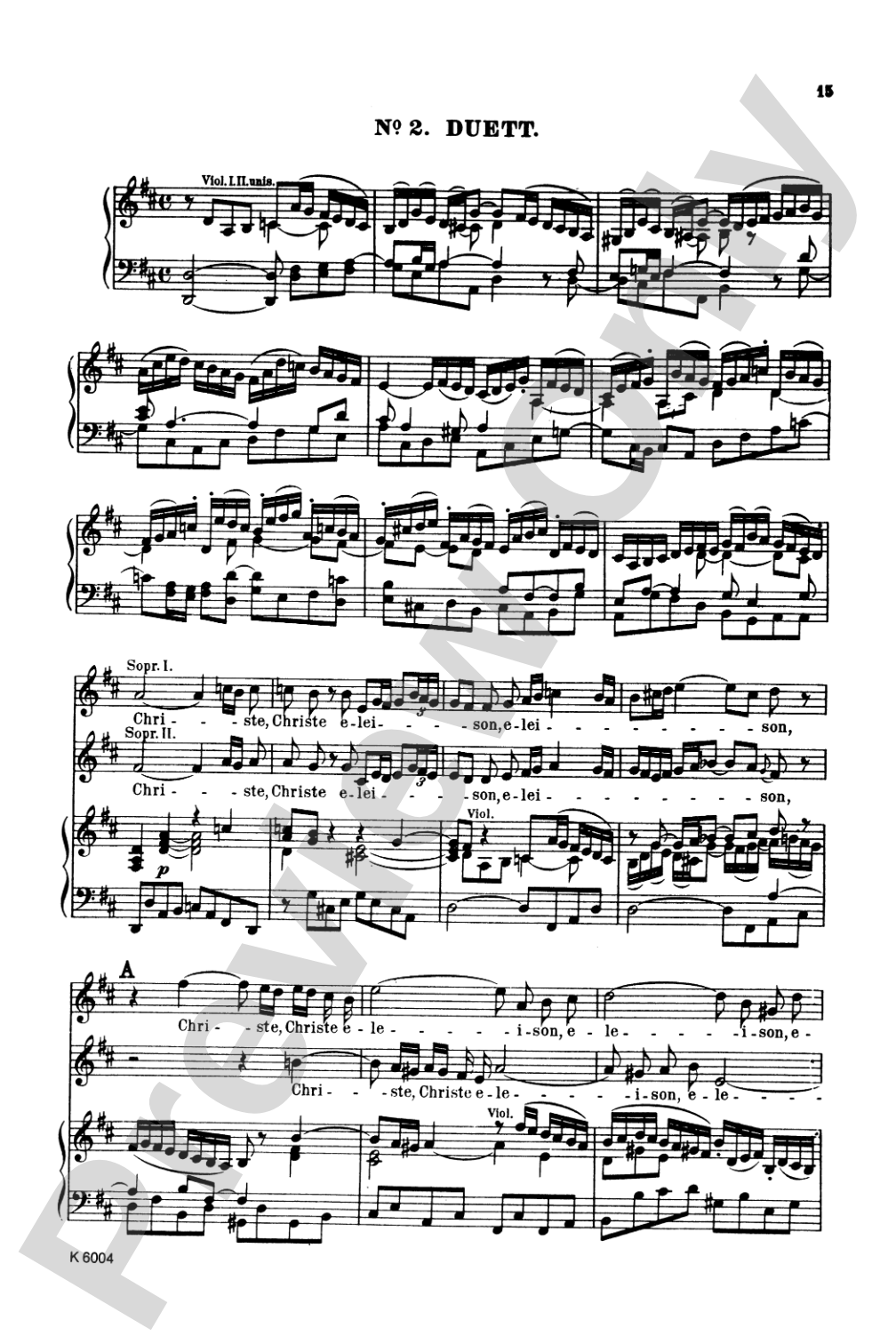
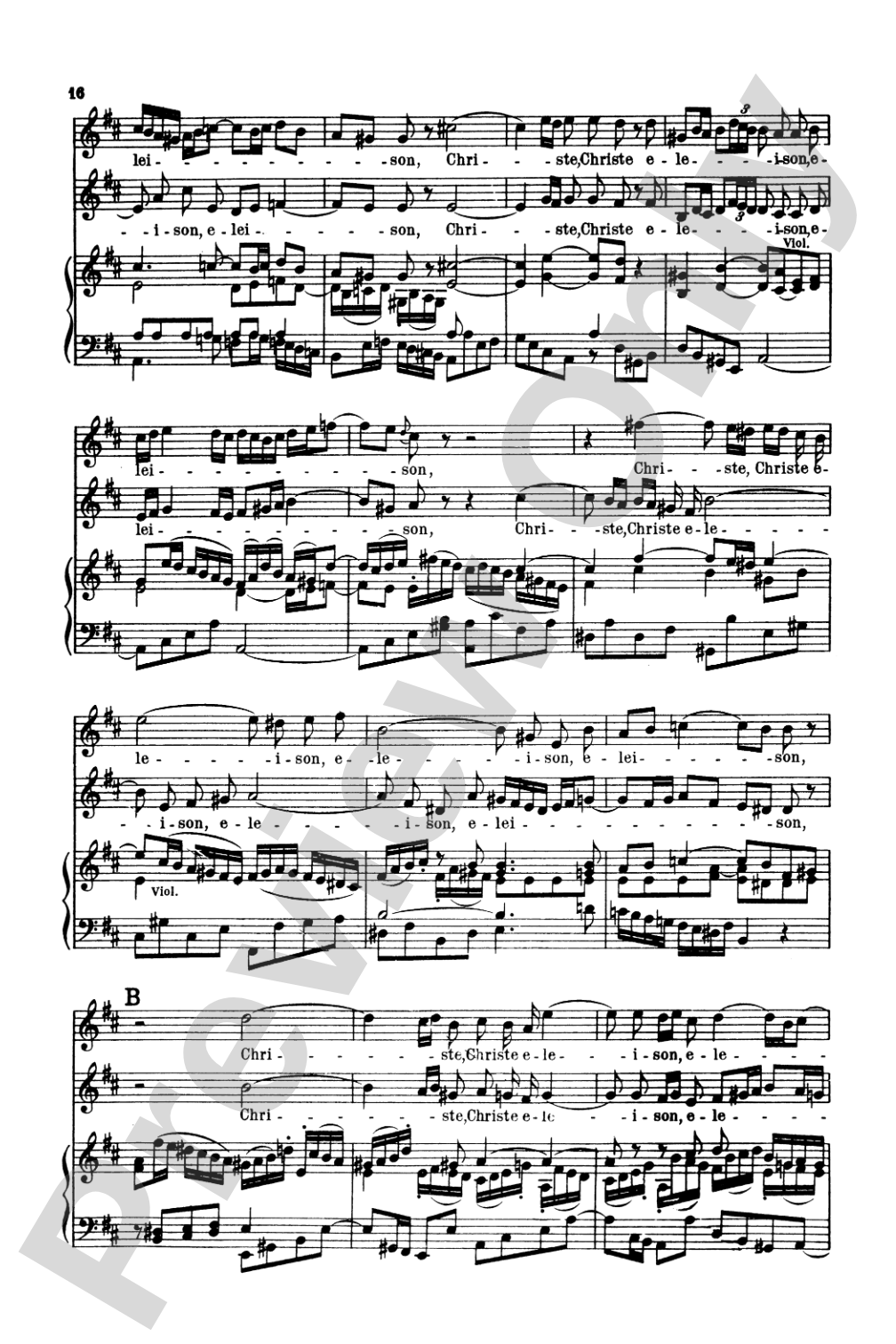
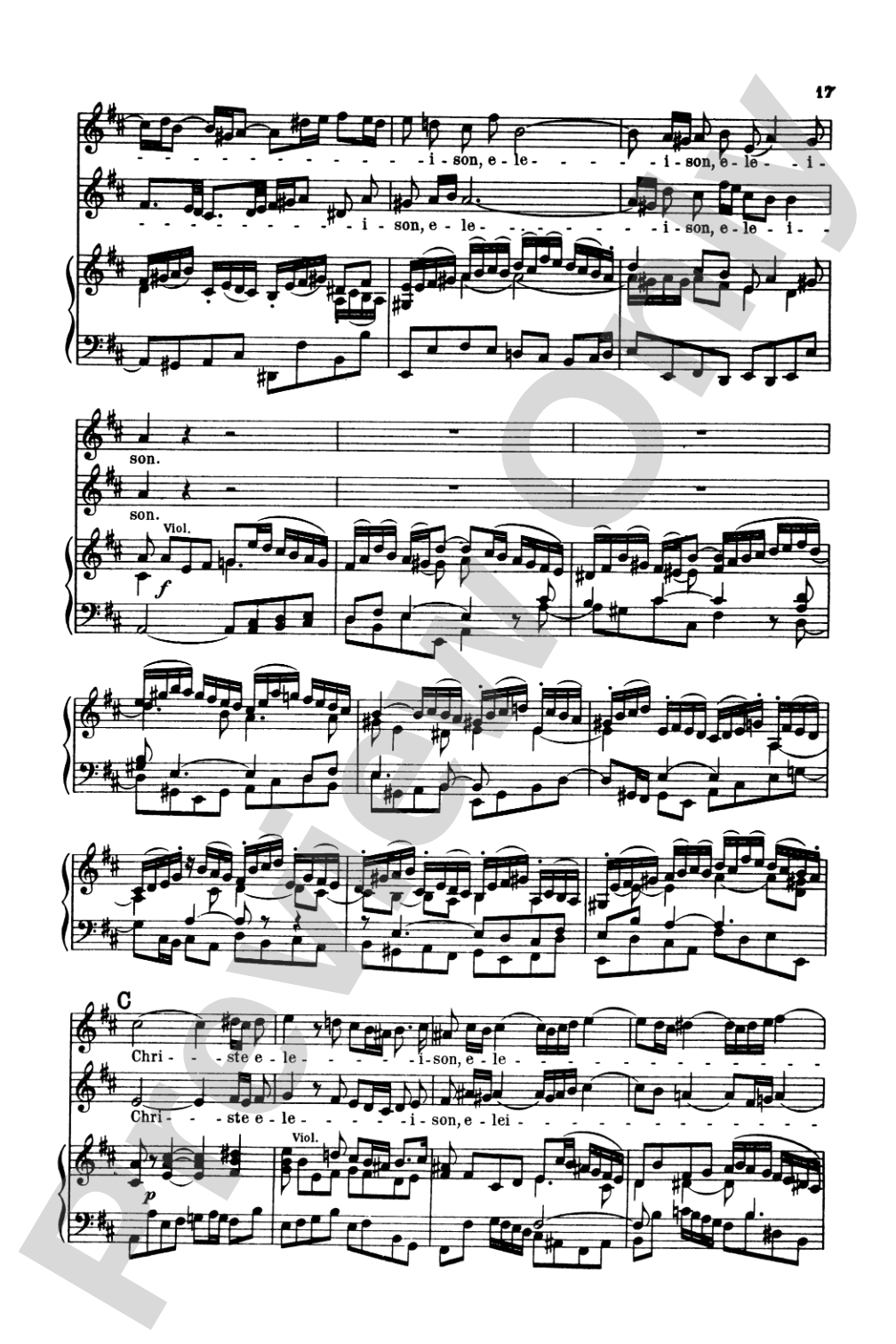
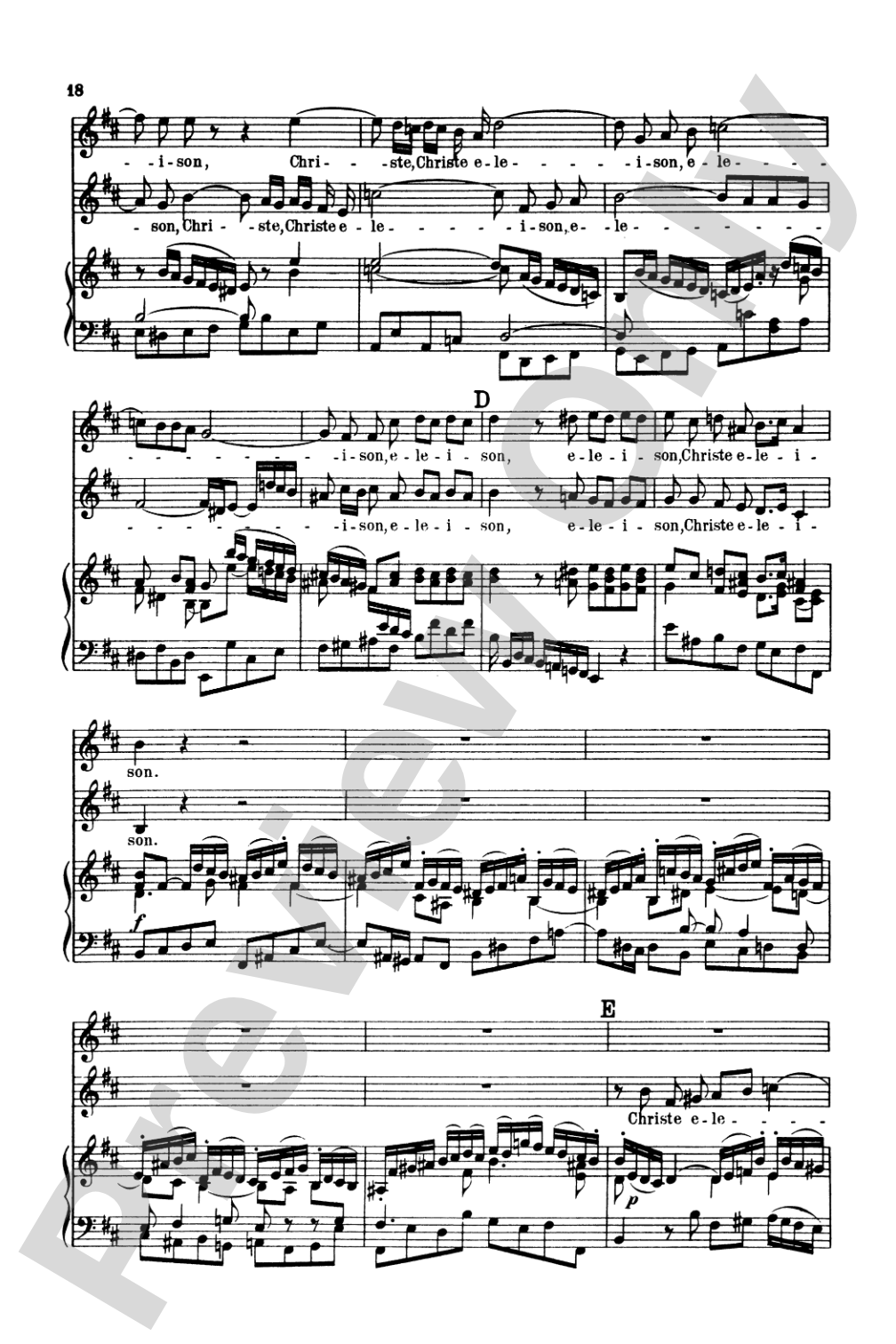
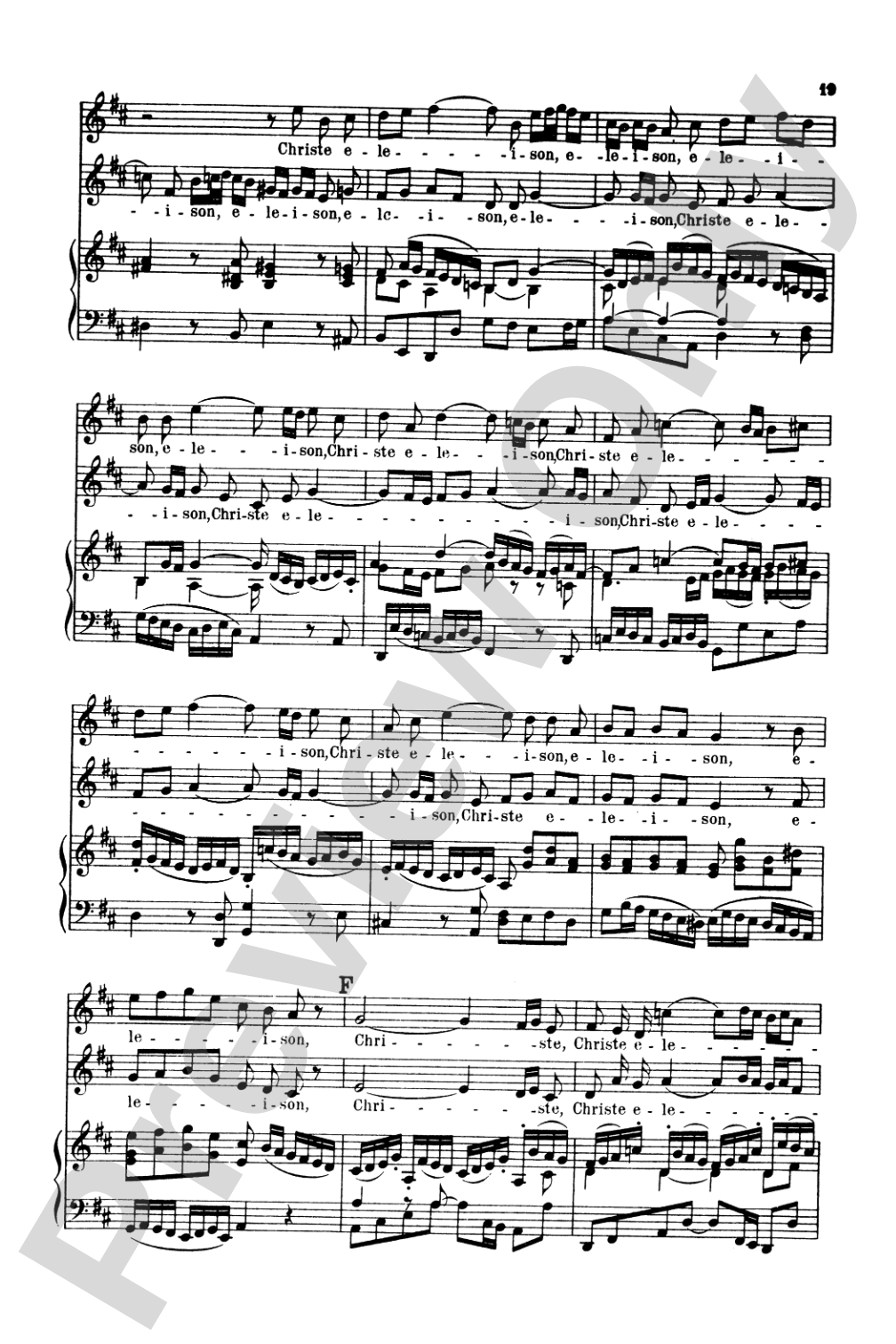
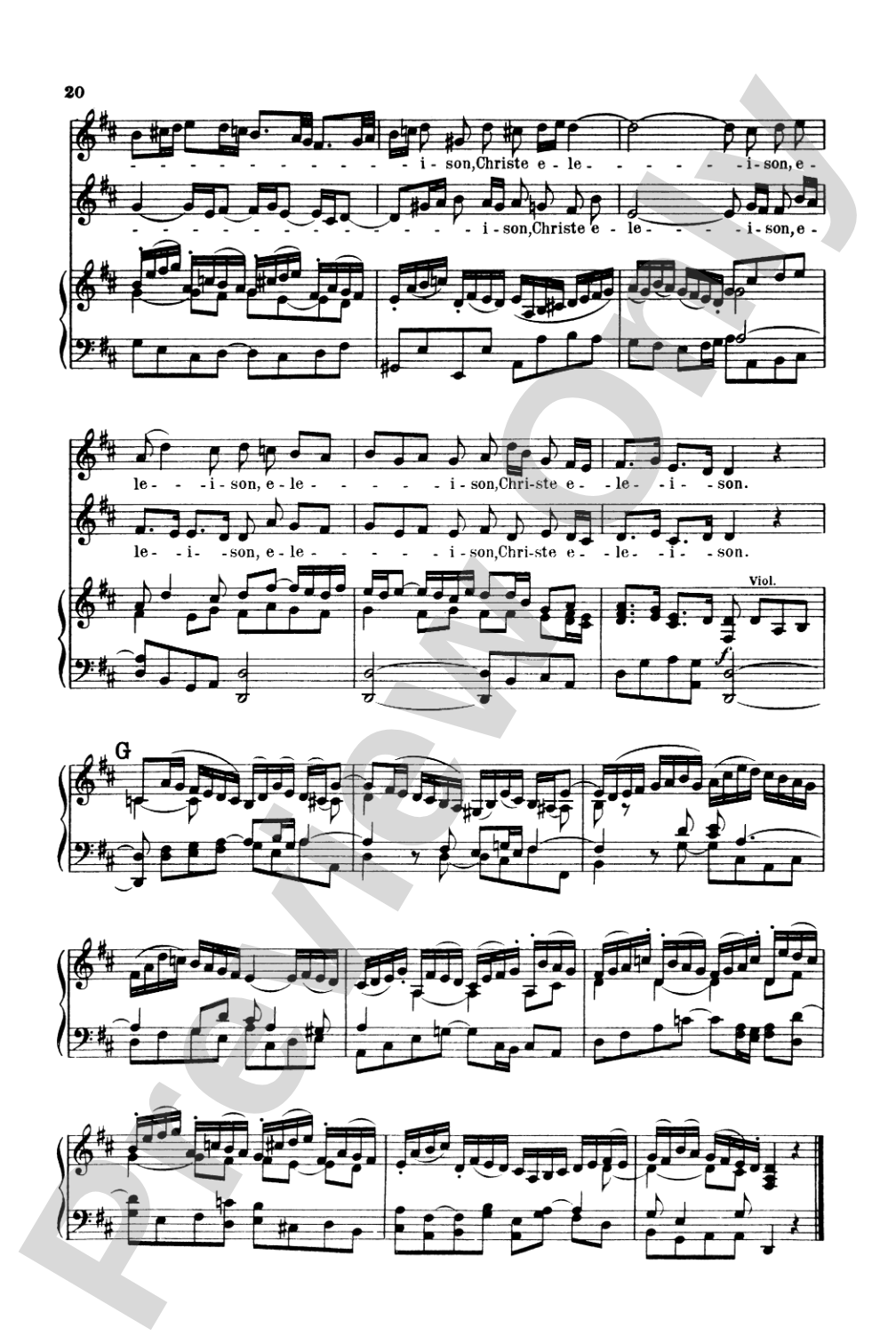
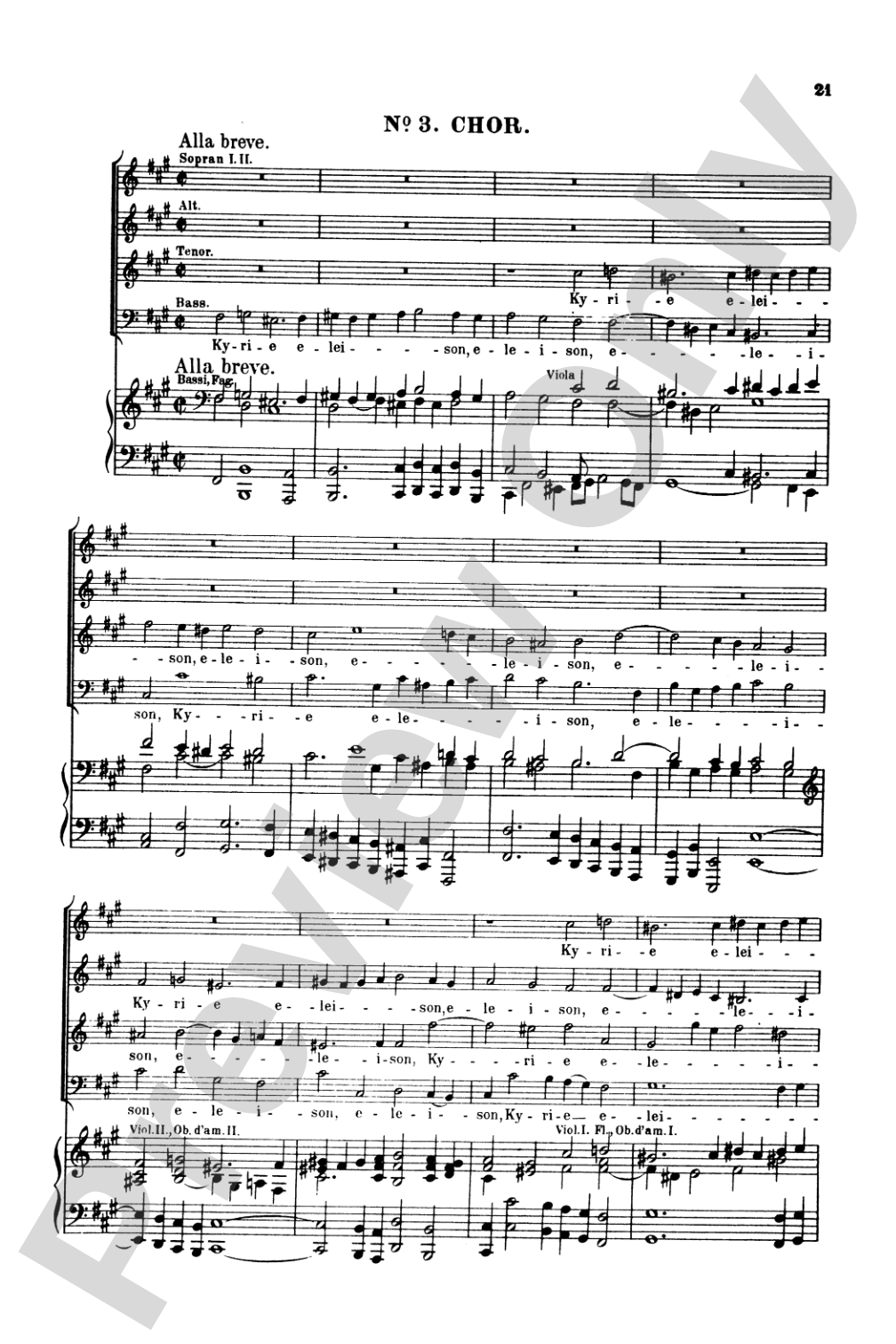
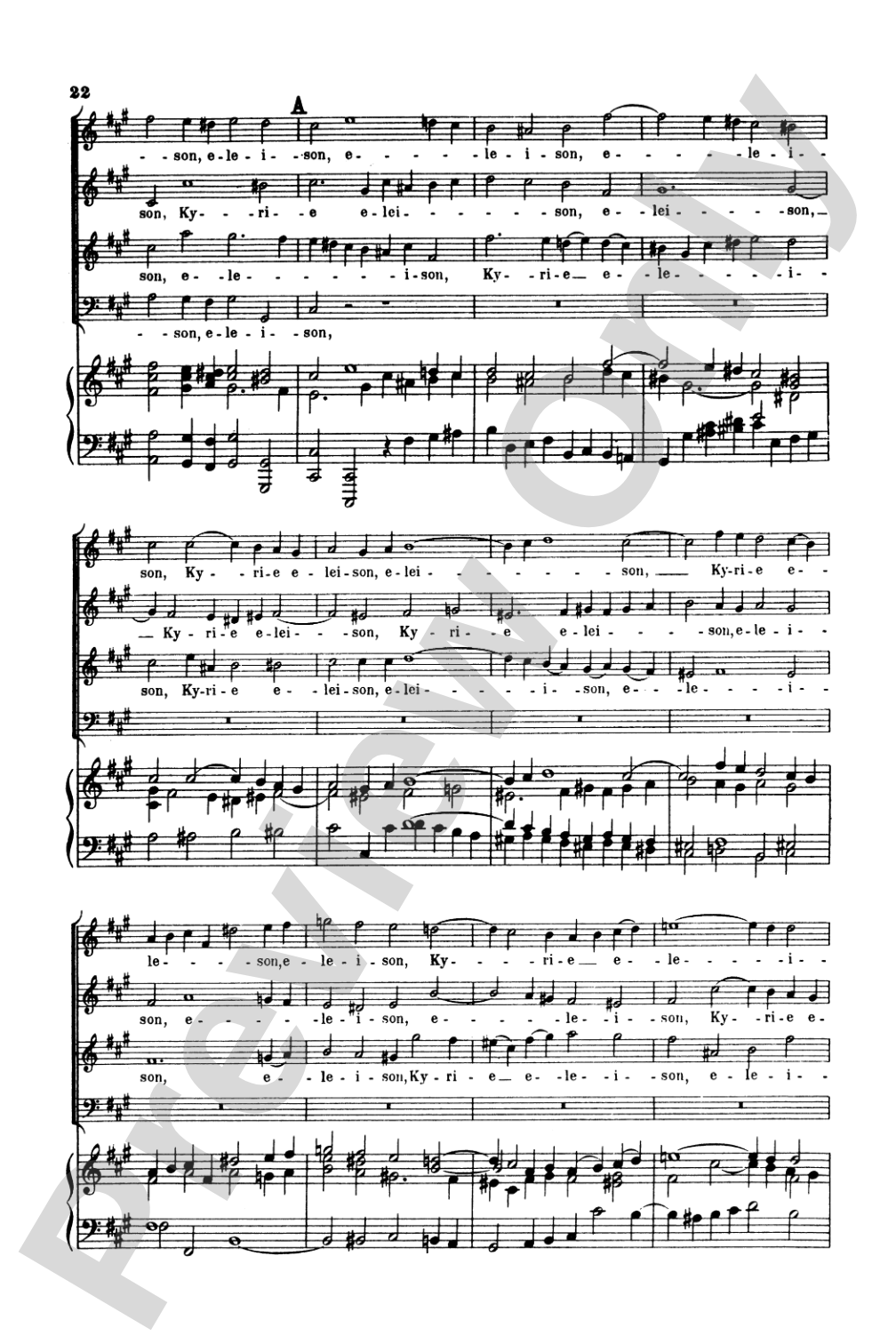
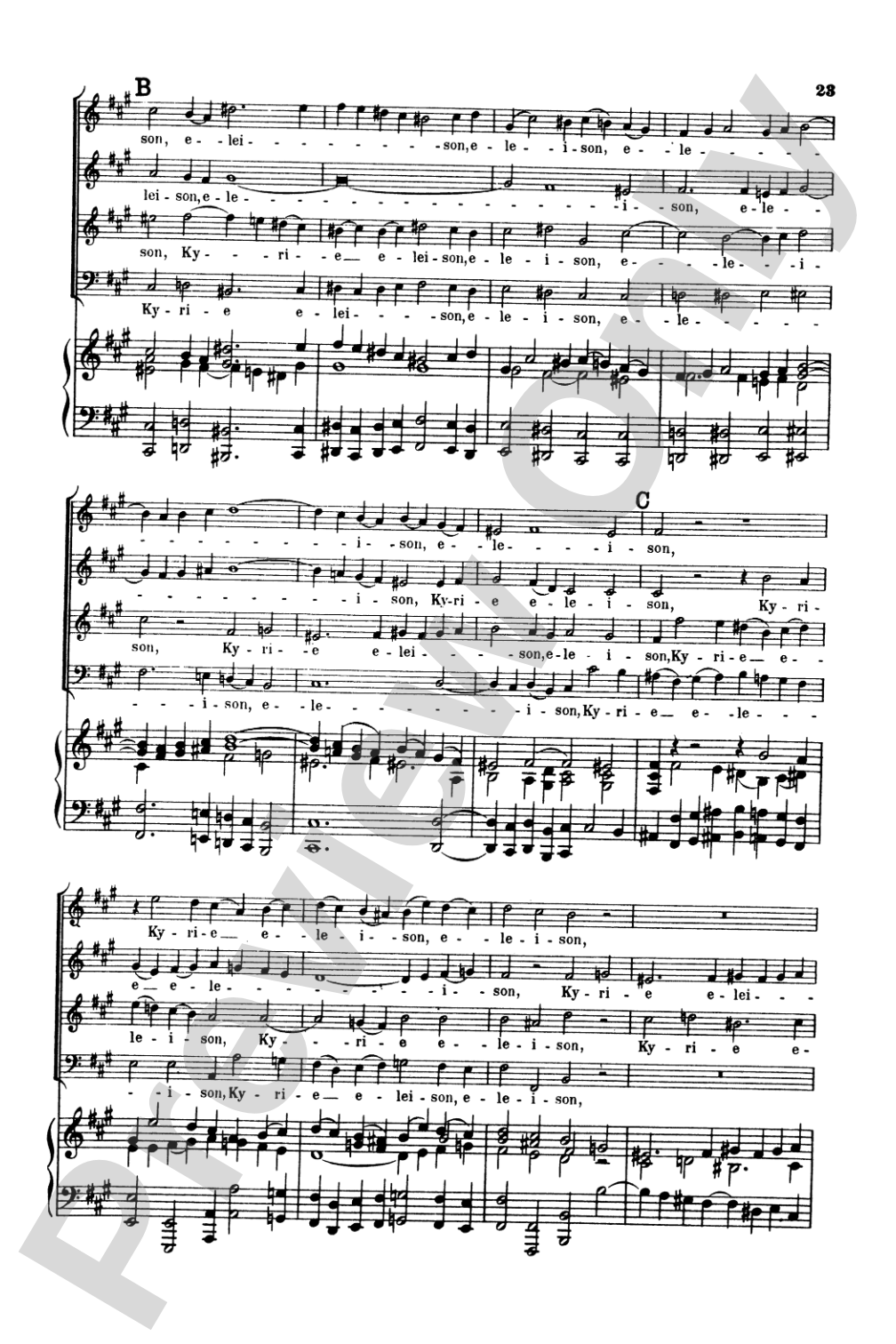
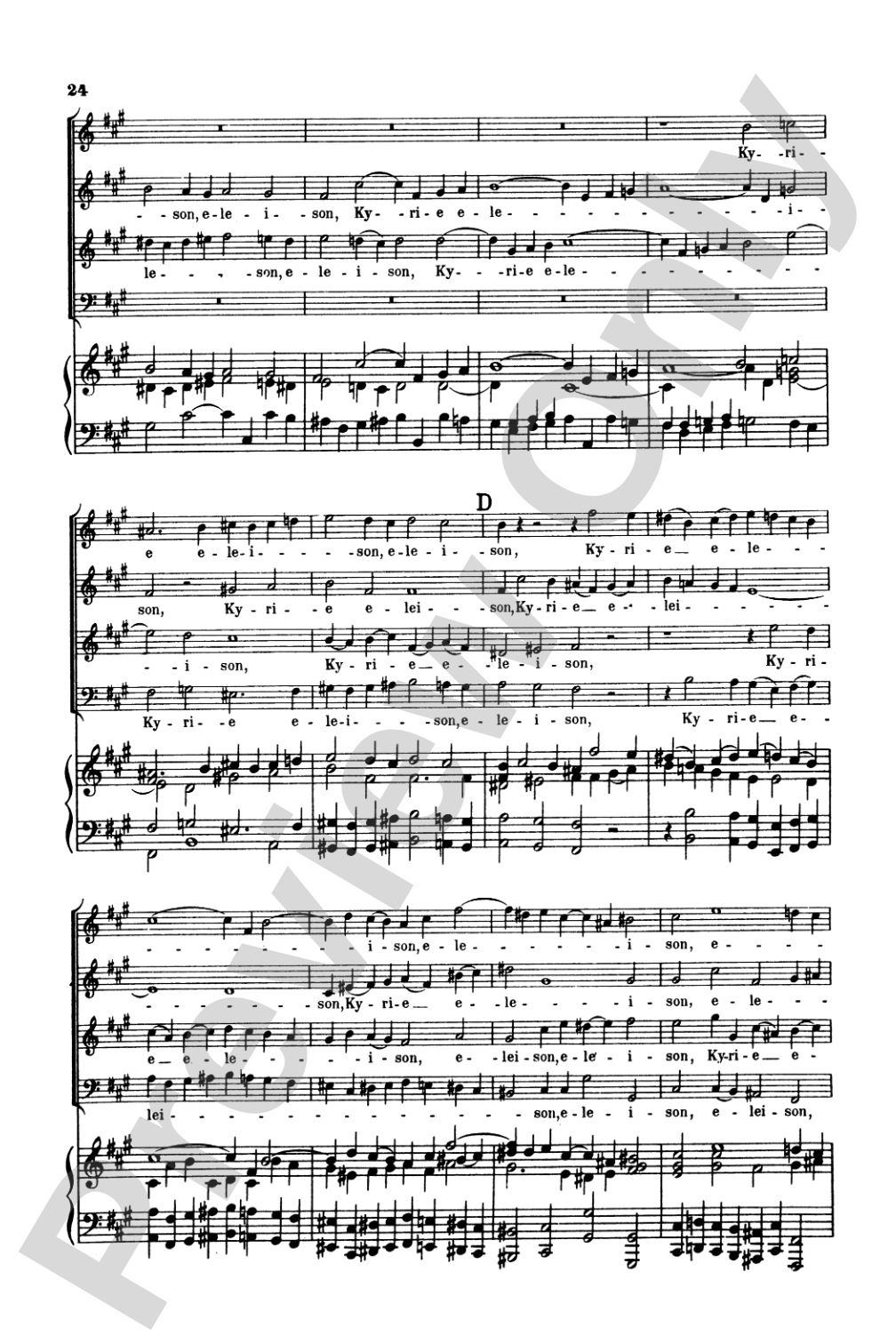
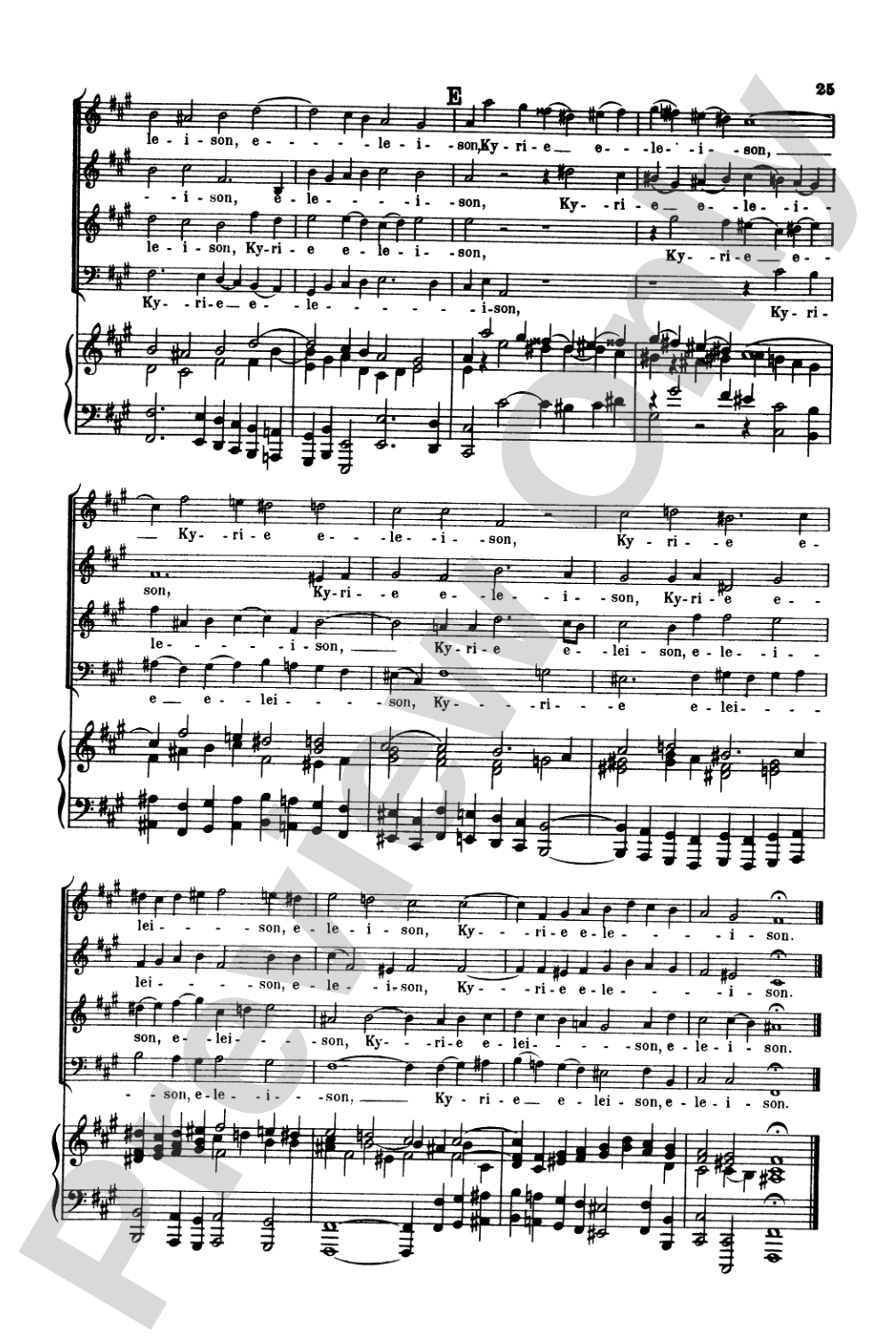
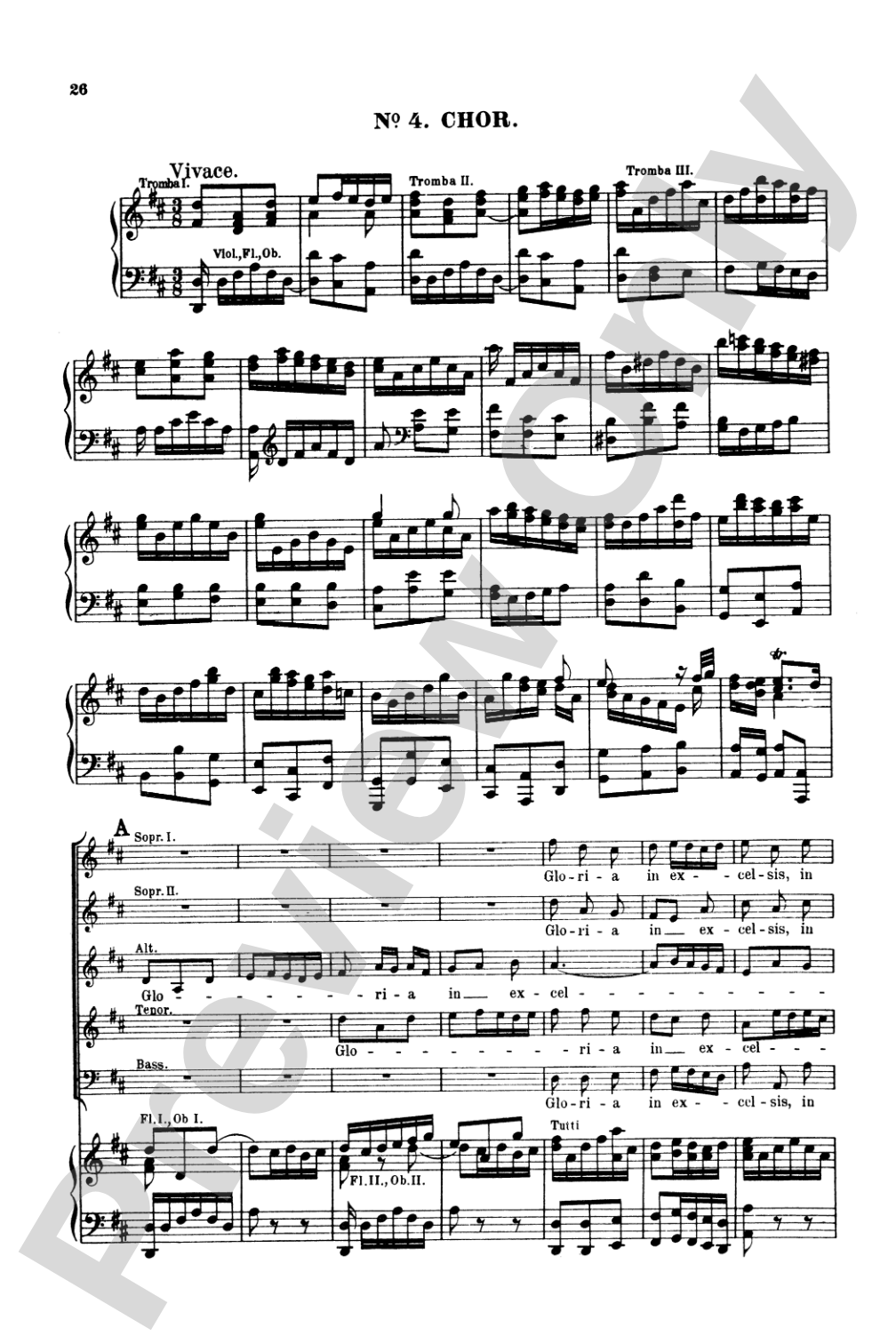
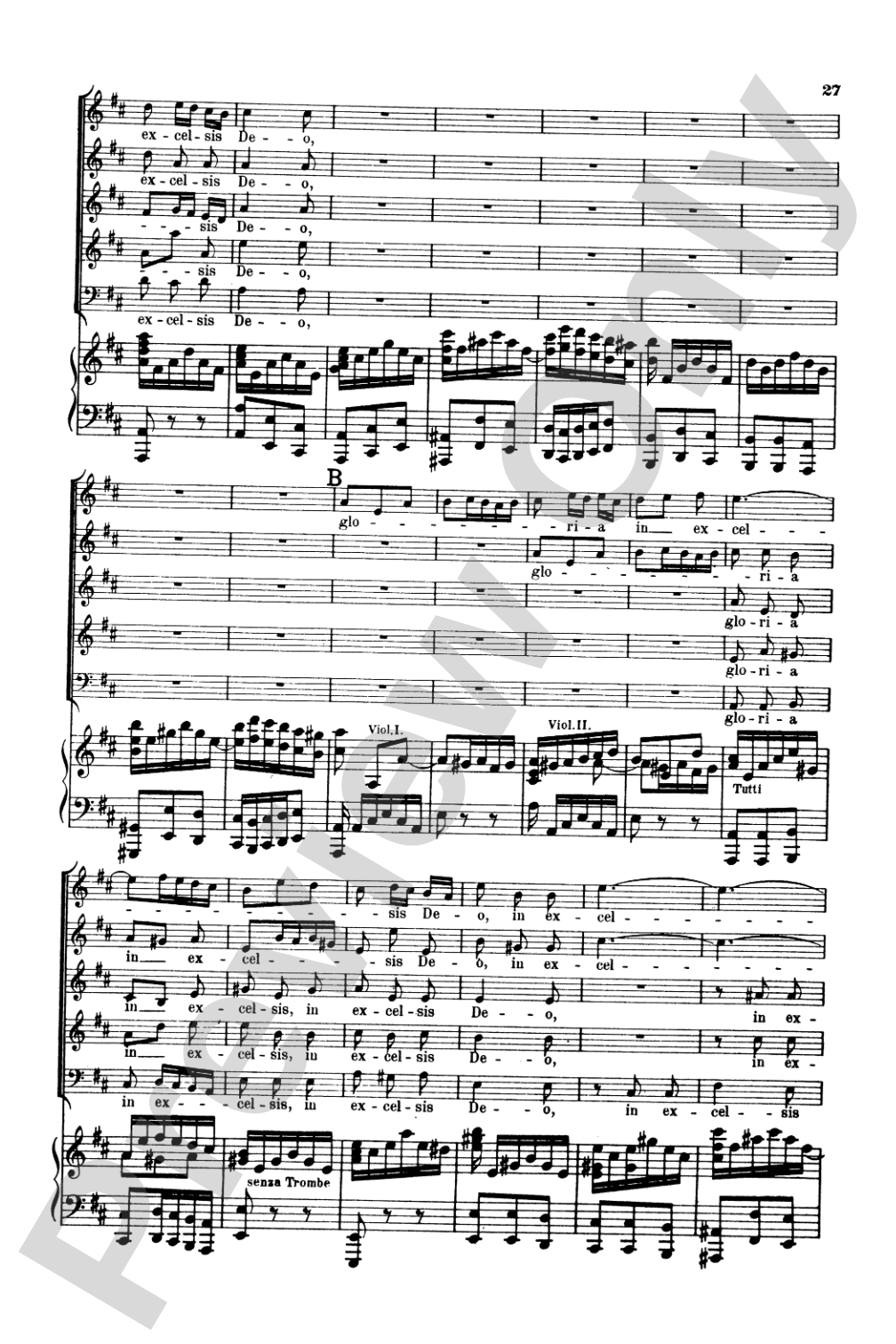
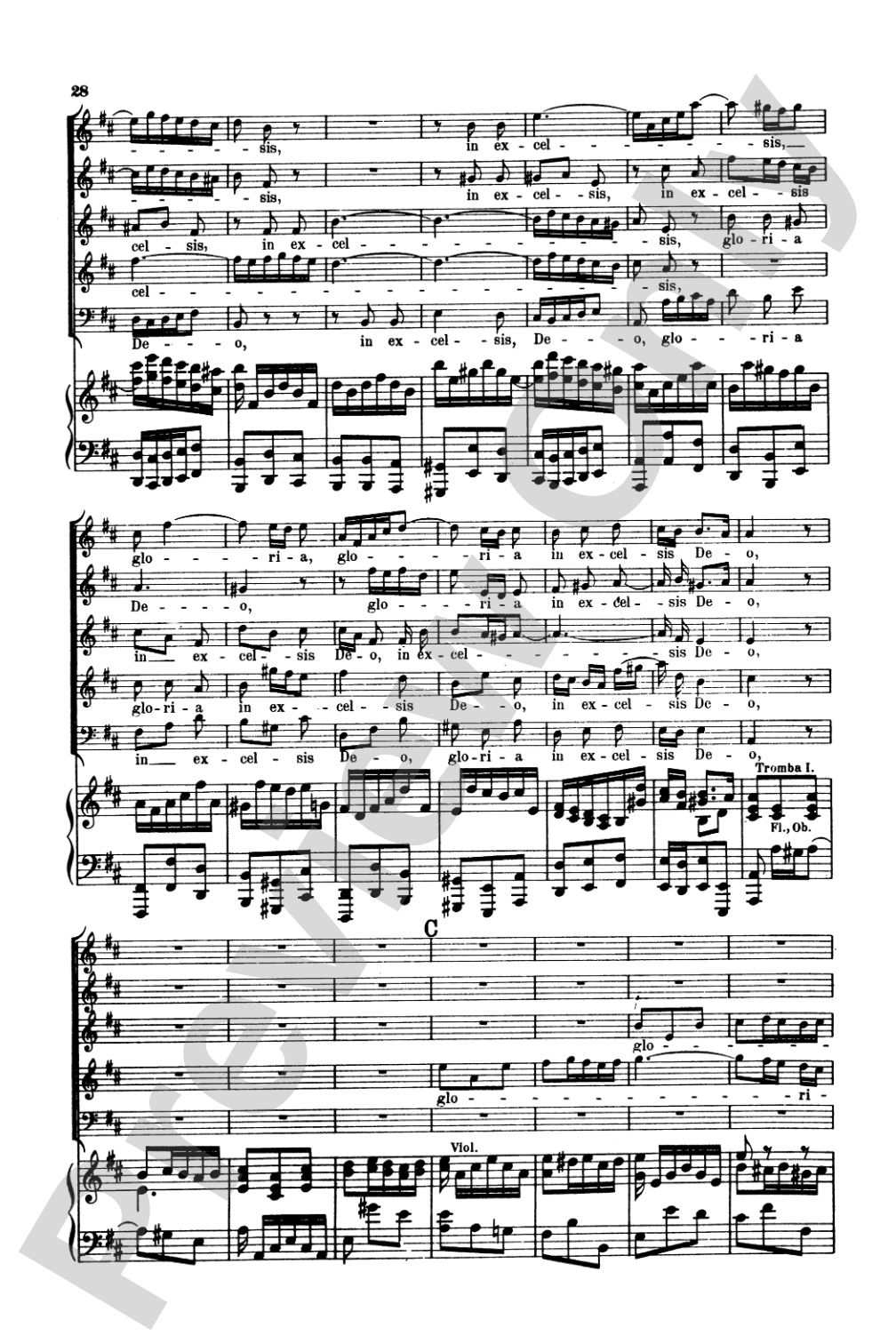
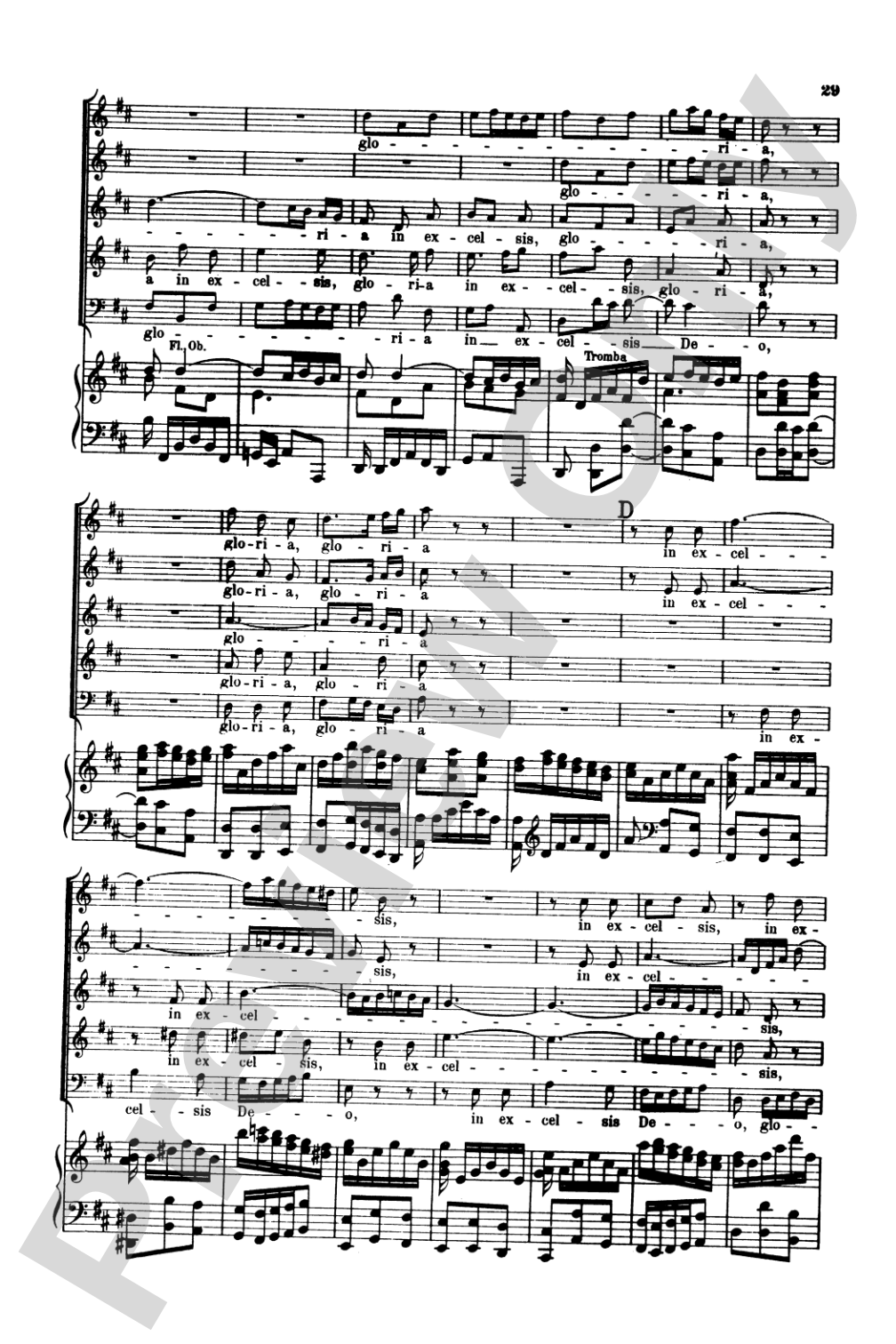
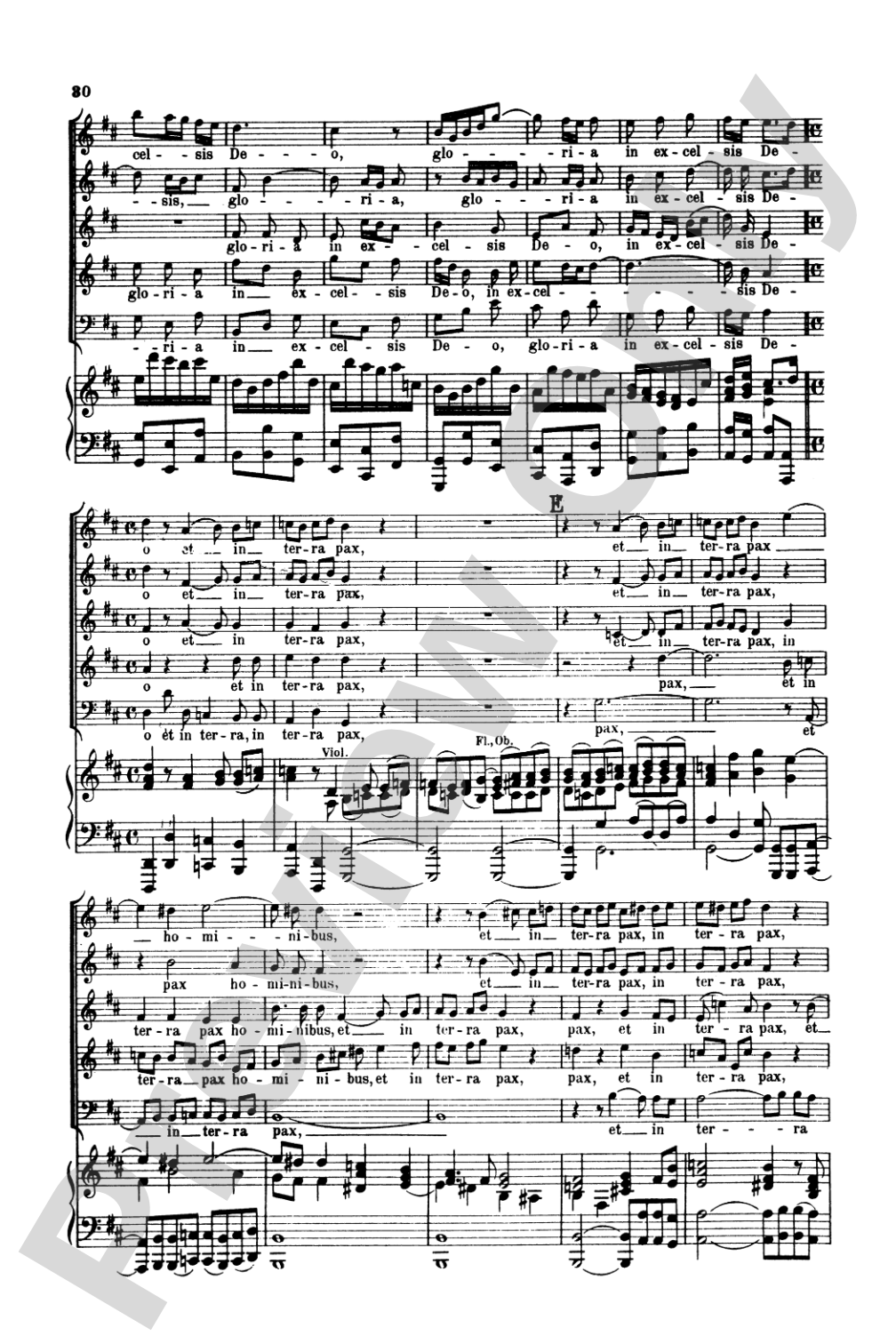

Mass in B Minor (BWV 232): Choir
By Johann Sebastian Bach
Item: 00-PB-0001153
$14.95
Pickup currently not available
Related Items
Mass in B Minor (BWV 232): SAATB with SSATB Soli Choral Book |
$14.95
|
View |
Description
A Choral Worship Cantata in SAATB with SSATB Soli voicing, composed by Johann Sebastian Bach.


Mass in B Minor (BWV 232): Choir isn't in MakeMusic Cloud just yet...but it could be. Let us know you'd like to see it, and you'll help shape what comes next. In the meantime, start a free trial and dive into thousands of interactive titles your students can play along with today.
Request This Title
Tell us you want it.
Start Your Free Trial
Explore everything that's ready to play right now.
Sample Audio
No sample audio found.
Sample Video
No sample videos found.
Additional Details
Series:
Kalmus Edition
Publisher:
Alfred Music
Page Count:
164
SKU:
00-PB-0001153
Instrumentation:
Orch.
More about this title
About the Composer: Johann Sebastian Bach
Johann Sebastian Bach (1685–1750) spent his final years in Leipzig as Cantor of St. Thomas Church, a position that demanded he produce sacred music for the church calendar. The Mass in B Minor, compiled and revised over decades, represents the culmination of his mastery across all vocal genres. Bach drew on earlier cantatas, motets, and smaller mass movements, reworking them with the skill of a composer at the height of his powers, creating a work that bridges the sacred traditions of his time with his own harmonic and structural innovations.
For music educators, Bach's approach in this work offers a masterclass in counterpoint, text expression, and the architecture of large forms. The Mass in B Minor shows students how a composer can sustain musical coherence and dramatic shape across nearly two hours of continuous music, using fugue, aria, and choral movement as equal partners in storytelling. Directors who tackle this work gain access to one of Western music's most profound explorations of faith and musical craftsmanship.
Why we love this
Bach's handling of the SAATB choir here creates opportunities for transparent voice leading that reveal the inner architecture of every section. The Kyrie and Gloria alone contain enough musical substance to sustain a full season of rehearsals, and the soprano soli writing is as rewarding to listen to as it is challenging to execute well.
What to expect
The Mass moves between states of intimate devotion and grand proclamation. Solo voices emerge and dissolve into the choir like prayers answered by a congregation; the fugues build with inexorable logic, and moments of harmonic surprise arrest attention. There is profound stillness in some passages and architectural grandeur in others, always grounded in Bach's unmistakable voice.
Who it's for
Directors programming a major worship or concert event who want to build their choir's facility with Baroque counterpoint and text expression. This score works for experienced church choirs, advanced college ensembles, and community choirs with strong rehearsal discipline and strong singers able to manage the solo passages.
How to get the most out of it
- Balance the inner voices with care in fugal sections; the alto and tenor lines often carry essential harmonic motion that can disappear if the sopranos dominate.
- Shape each major movement (Kyrie, Gloria, Credo, Sanctus, Agnus Dei) with clear architectural intent. Bach's own articulation of text and harmonic rhythm will guide you if you listen for the cadence points.
- Treat the solo movements as intimate dialogues rather than showpiece arias. The SSATB soli writing benefits from a smaller voice-to-part ratio that allows the text to emerge.
- Use the orchestral accompaniment to illuminate phrase structure for the choir. Bach's instrumental writing often enters at structural moments, giving singers a roadmap for larger-scale phrasing.
How to use it
Consider pairing the Gloria and Sanctus as a concert centerpiece, or program the Kyrie and Crucifixus as a thematically unified set exploring contrasting modes of reverence. For a full season, the Mass can become your choir's long-term rehearsal project, with movements performed incrementally throughout the year and the full work attempted toward season's end.
Skills your students will build
- Baroque counterpoint and voice leading, particularly in multi-voice fugal texture
- Text expression and declaration in both English and Latin
- Reading complex meters and rhythmic figures across four centuries of notational practice
- Sustained line singing and breath management in long-lined movements
- Balancing ensemble blend while maintaining individual voice independence
- Responsiveness to harmonic movement and cadential arrival