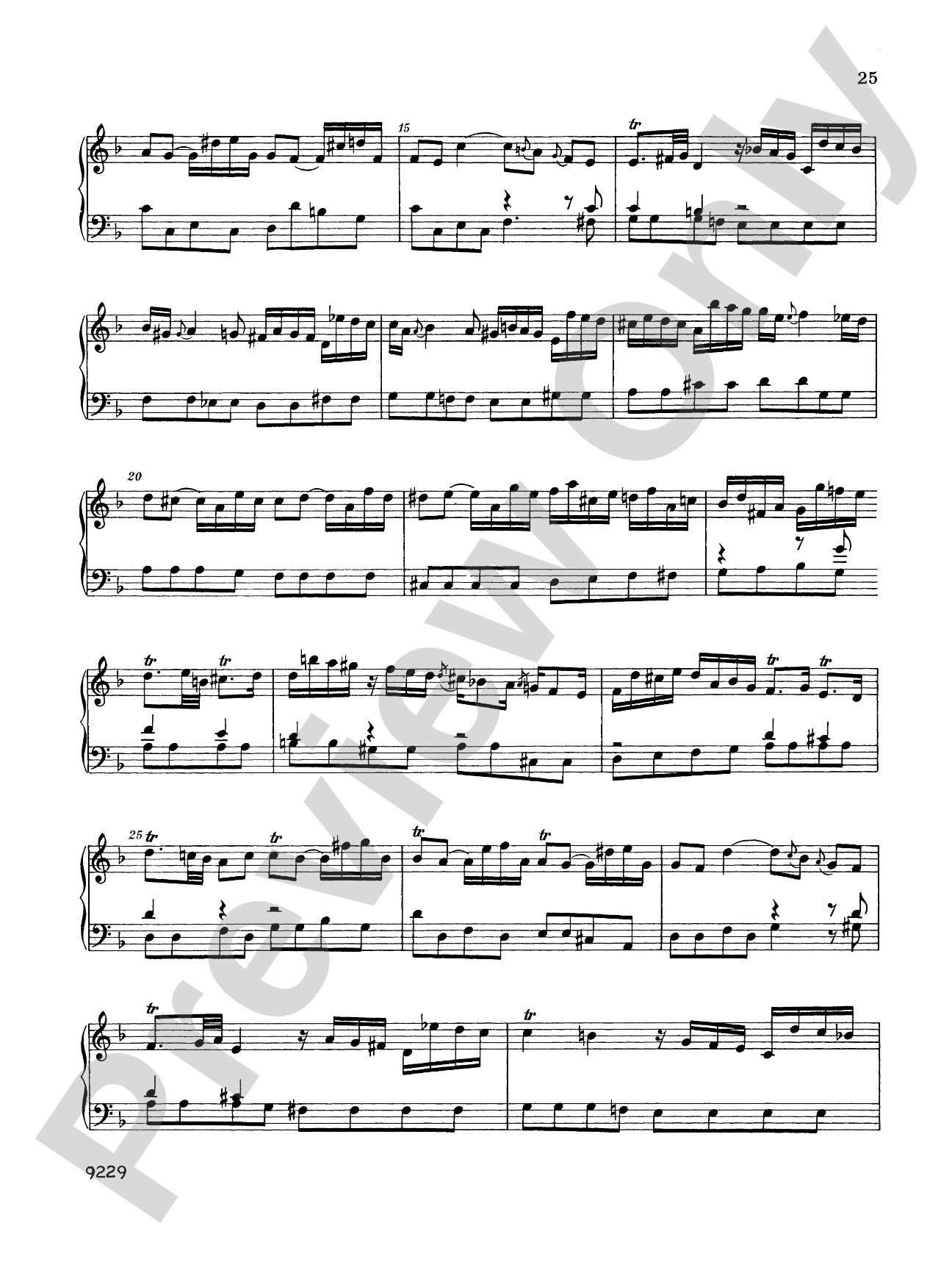
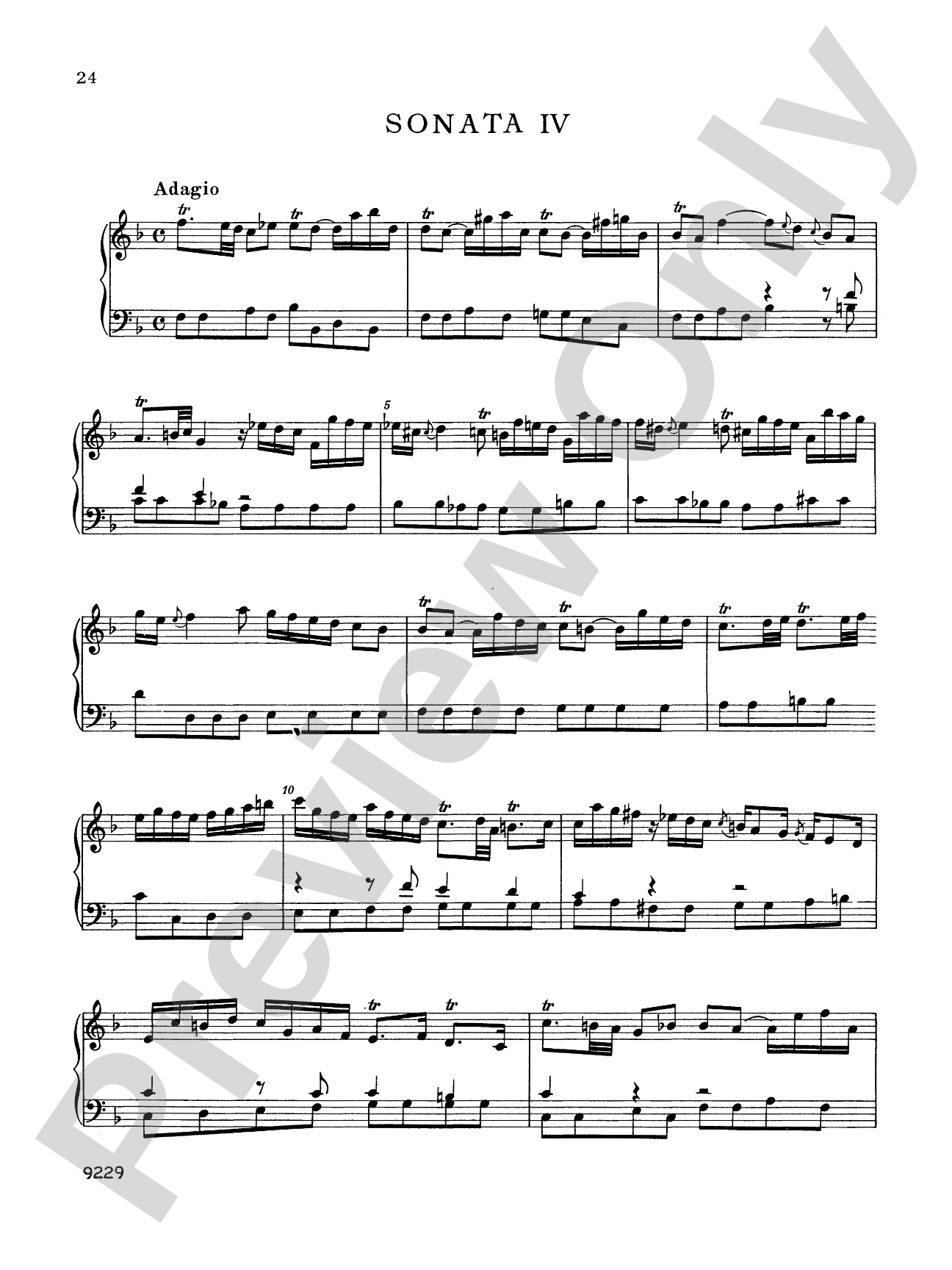
Martini: Six Sonatas Sheet Music Preview

Martini: Six Sonatas

By Giovanni Battista Martini

Level: Advanced

Item: 00-PC-0011931

Digital Download
$0.99
Description
A collection of Advanced piano solos expertly composed by Giovanni Battista Martini.

Don't just read it, hear it, play along with it, and watch your students grow with it. In MakeMusic Cloud, Martini: Six Sonatas comes alive with professional accompaniment, adjustable tempo, and built-in practice tools that turn solo practice into real progress.

Sample Audio
No sample audio found.
Sample Video
Additional Details
Series: Kalmus Edition
Publisher: Alfred Music
Page Count: 44
SKU: 00-PC-0011931

More about this title

About the Composer: Giovanni Battista Martini

Giovanni Battista Martini (1706–1784) was an Italian composer, theorist, and Franciscan friar whose influence shaped keyboard music across the Baroque and early Classical periods. Based in Bologna, he earned respect as both a master of counterpoint and a skilled keyboard composer, leaving behind a substantial catalog of sonatas that bridge the Baroque sensibility with emerging Classical forms.

Why we love this

These sonatas sit at a compelling crossroads between the ornamental language of the Baroque and the structural clarity of the Classical period, giving advanced pianists the chance to work with authentic voice-leading and harmonic sophistication without the technical extremes of later repertoire. Martini's writing rewards careful attention to phrasing and articulation, making these pieces ideal for students ready to develop interpretive maturity alongside technical command.

What to expect

Martini's sonatas breathe with intellectual clarity and elegant restraint. The writing balances moments of introspective counterpoint with passages of assured forward motion, creating a musical conversation that feels both disciplined and expressive, inviting the performer into a world of refined keyboard thinking.

Who it's for

Advanced pianists seeking substantial solo repertoire from the Baroque-Classical transition, including conservatory students, competition participants, and recital performers who want to explore the keyboard sonata beyond the canonical Scarlatti and C.P.E. Bach. These pieces reward the maturity and technical security of students ready to balance stylistic awareness with interpretive agency.

How to get the most out of it

  • Respect the voice independence in each movement; Martini's counterpoint is conversational, not decorative, and clarity between hands reveals the architecture of each phrase.
  • Shape phrases according to harmonic rhythm rather than metric regularity; this approach honors the Baroque inheritance while building sensitivity to Classical proportions.
  • Lean into ornamentation thoughtfully; these sonatas use embellishments to enhance melodic line, not to overwhelm texture, so resist the urge to rush decorated passages.

How to use it

Include these sonatas in a recital exploring the keyboard sonata's evolution, pairing them with works by C.P.E. Bach and early Haydn to show how composers navigated the transition from Baroque to Classical idioms. Individual sonatas also work well as opening works on a concert program, establishing an atmosphere of musical sophistication and control.

Skills your students will build

  • Voicing clarity and independence across keyboard registers
  • Stylistic interpretation bridging Baroque and Classical conventions
  • Phrasing and articulation based on harmonic rather than purely metric structure
  • Ornamentation technique adapted to period context
  • Formal awareness of early Classical sonata proportion

You May Also Like