Mariachi Philharmonic (Mariachi in the Traditional String Orchestra) Cover Image

Mariachi Philharmonic (Mariachi in the Traditional String Orchestra): Cello/Bass Book & CD

$14.95 USD
Sale price  $14.95 USD Regular price 
Skip to product information
Mariachi Philharmonic (Mariachi in the Traditional String Orchestra) Cover Image

Mariachi Philharmonic (Mariachi in the Traditional String Orchestra): Cello/Bass Book & CD

By John Nieto and Bob Phillips

Item: 00-24442

$14.95
Shipped

One moment…

Description
Experience the exciting music of the marichi tradition! Lifelong mariachi performer and educator John Nieto joins Bob Phillips to provide authentic orchestral settings of familiar, traditional tunes for string orchestra alone, mariachi band alone, or string orchestra and mariachi band together. Trumpet and accompaniment books are available to provide optional parts for trumpet, guitar, guitarrón, vihuela, piano, and harp. Historical background and arrangement ideas are provided in the Teacher's Manual.

Mariachi Philharmonic (Mariachi in the Traditional String Orchestra): Cello/Bass Book & CD isn't in MakeMusic Cloud just yet...but it could be. Let us know you'd like to see it, and you'll help shape what comes next. In the meantime, start a free trial and dive into thousands of interactive titles your students can play along with today.

Sample Pages

Sample Audio
No sample audio found.
Sample Video
Additional Details
Series: Philharmonic Series
Publisher: Alfred Music
Page Count: 48
ISBN10: 0-7390-3860-5
ISBN13: 978-0-7390-3860-4
UPC: 038081265896
SKU: 00-24442
Instrumentation: Cello/Bass

More about this title

About the Author: John Nieto
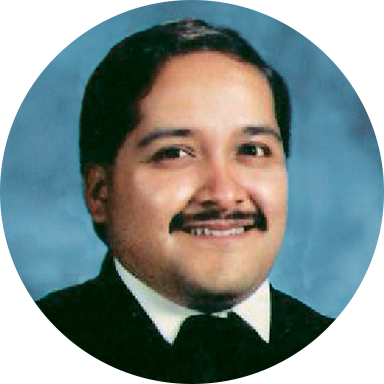
John Nieto

John Nieto has shaped mariachi education in San Antonio for nearly three decades, directing the mariachi program at Brackenridge High School and leading the San Antonio ISD All District Mariachi ensemble. Beyond the classroom, he works as an instructor, arranger, and transcriber at major mariachi conferences in Albuquerque and Tucson, and performs professionally with ensembles throughout Texas and beyond, including collaborations with internationally recognized groups such as Mariachi Vargas de Tecalitlan and Mariachi Sol De Mexico.

His students have earned recognition at the University level at prestigious competitions including the Ford, Lincoln-Mercury Mariachi Extravaganza and the Albuquerque Mariachi Spectacular, and have served as cultural ambassadors for San Antonio worldwide. His own journey into mariachi began at Our Lady of Guadalupe church, where his parents insisted he attend rehearsals; twenty-nine years later, he concedes they were onto something.

Why we love this

Authentic arrangements from someone who lives and teaches mariachi every day make this collection stand apart from generic Latin crossover pieces. The flexibility to perform with strings alone, mariachi alone, or both ensembles together gives directors real programming options without requiring parallel libraries of scores. Having recorded accompaniments included means your students can rehearse and perform confidently from day one.

What to expect

Warm, celebratory, and alive with rhythmic vitality. These arrangements honor traditional melodies while embedding them in lush string textures that feel both familiar and freshly orchestrated. The interplay between the steady pulse of the accompaniment and soaring cello passages creates moments of real joy.

Who it's for

String orchestra directors looking to expand their ensemble's repertoire into Latin traditions without sacrificing musical authenticity or requiring additional training. Cello and bass players who want to explore a genre that values their contribution as active harmonic voices rather than pure accompaniment. Programs seeking to serve and celebrate mariachi culture within a classical string setting.

How to get the most out of it

  • Listen closely to the recorded accompaniment to absorb the rhythmic and harmonic character of each piece before rehearsal; mariachi grooves rely on specific feel that sheet notation alone cannot convey.
  • Balance the bass line with the cello voices rather than letting it dominate; these arrangements are built on layered harmony, not a bottom-heavy foundation.
  • Observe the guitar and guitarrón voicings in the full score to understand how your part fits within the harmonic language, especially in pieces where traditional chords sit differently than in classical string writing.
  • Attend to intonation in the characteristic rising phrases and melodic flourishes that define mariachi style; pitch accuracy here carries more emotional weight than in straighter classical passages.

How to use it

Feature these pieces as a concert unit exploring cultural connections within orchestral music, or integrate them into a broader Latin American music program alongside band and choir selections. The recorded accompaniment makes them accessible for smaller ensembles or year-round rehearsal, while the optional mariachi parts create opportunities for cross-ensemble collaboration if your school has a mariachi group.

Skills your students will build

  • Reading rhythmic patterns characteristic of son jarocho and other regional Mexican styles
  • Playing with consistent harmonic support rather than melodic independence
  • Responding to call-and-response phrasing and understanding accompaniment roles in ensemble traditions
  • Intonation and vibrato choices that match the expressive warmth of mariachi style
  • Ensemble balance when string voices double traditional melody and harmony lines

You May Also Like