

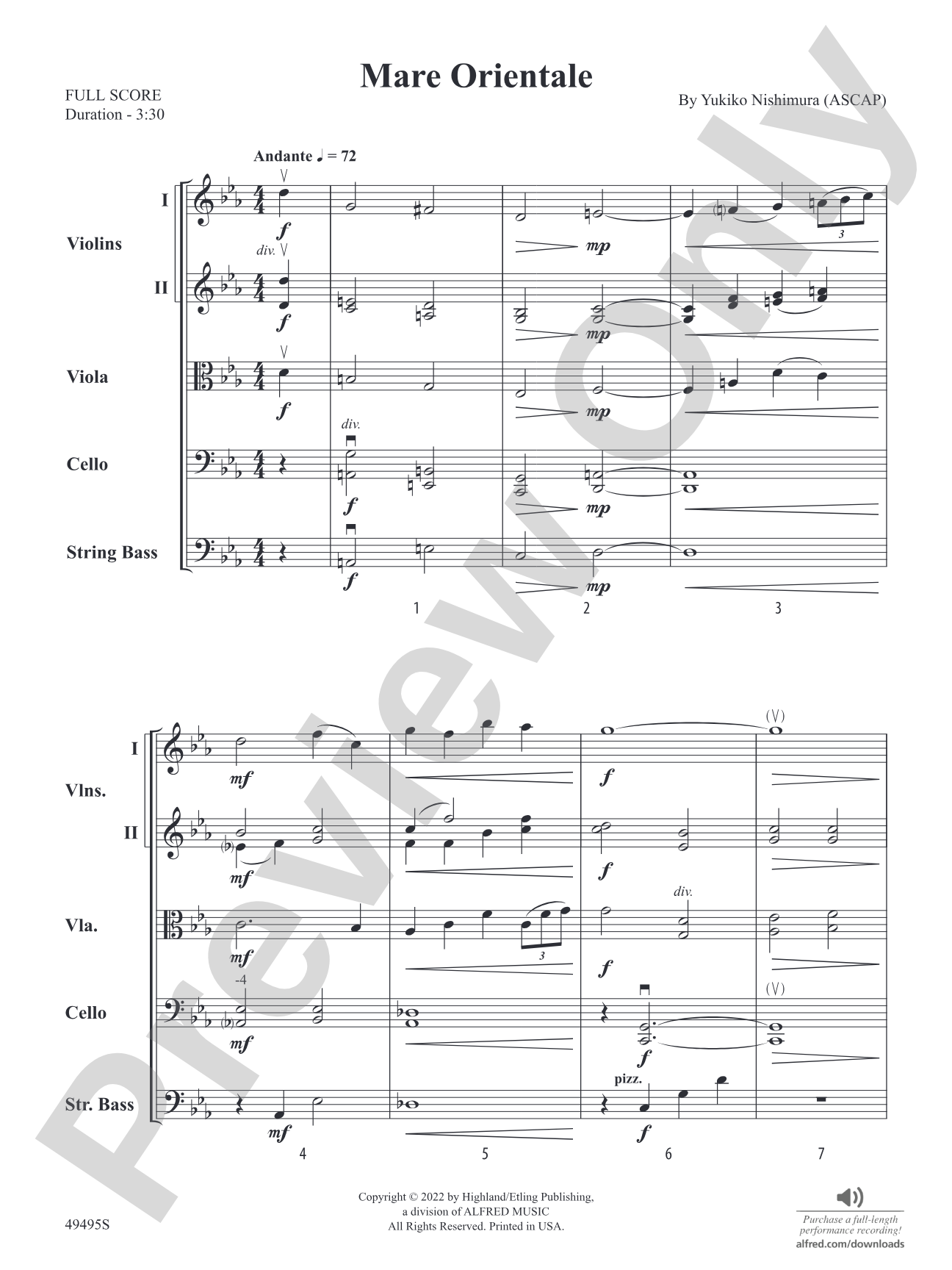
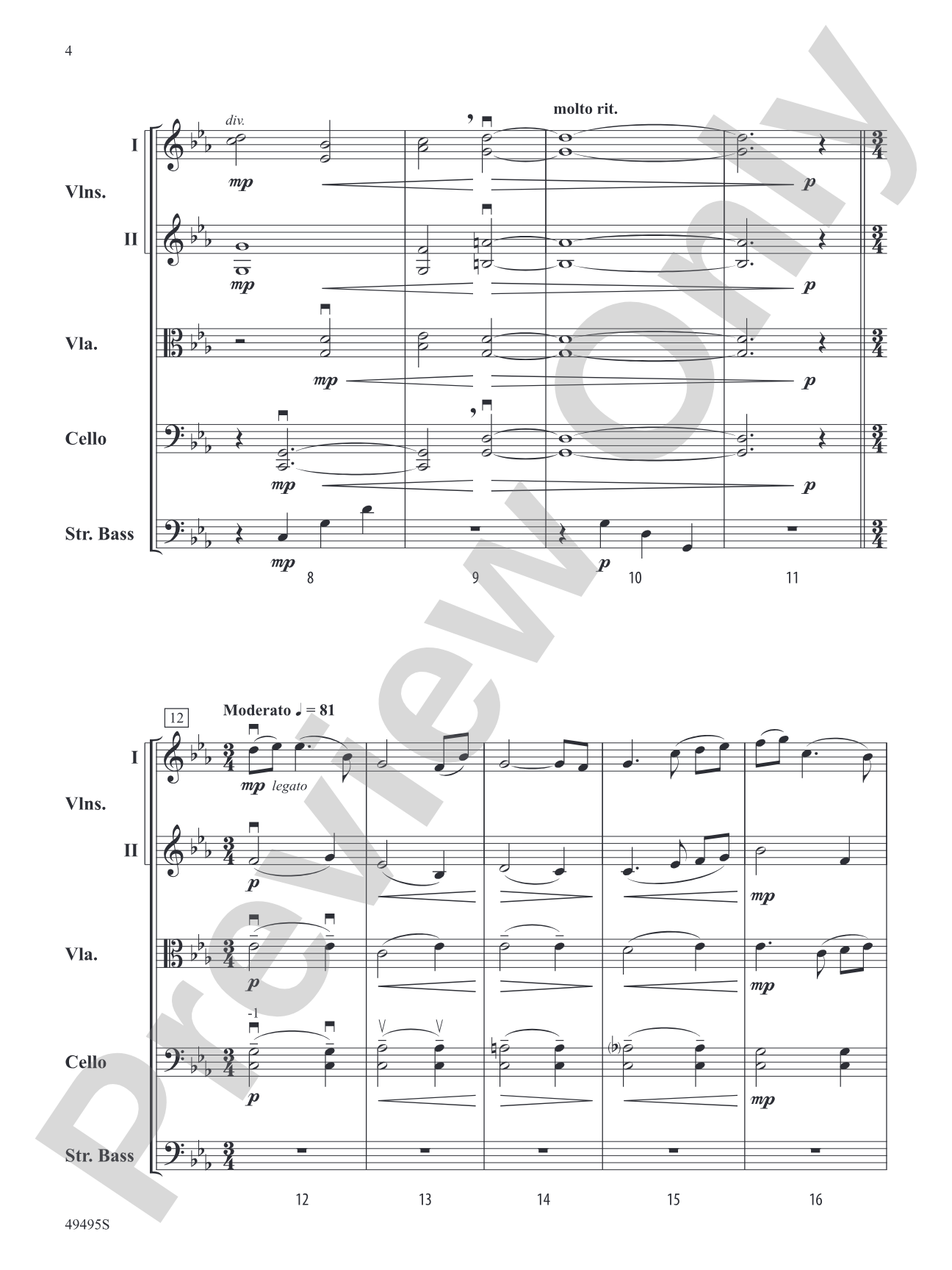
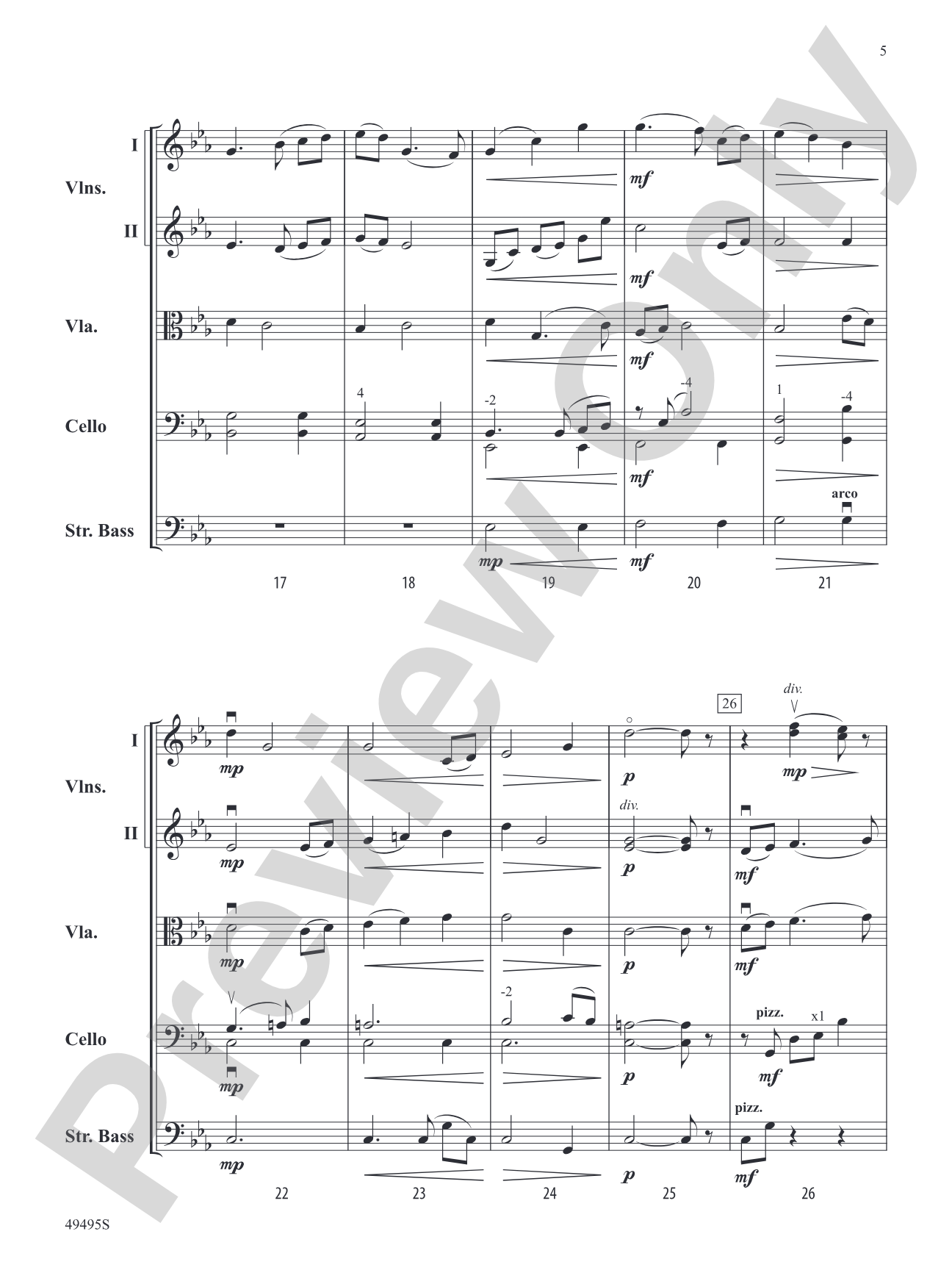
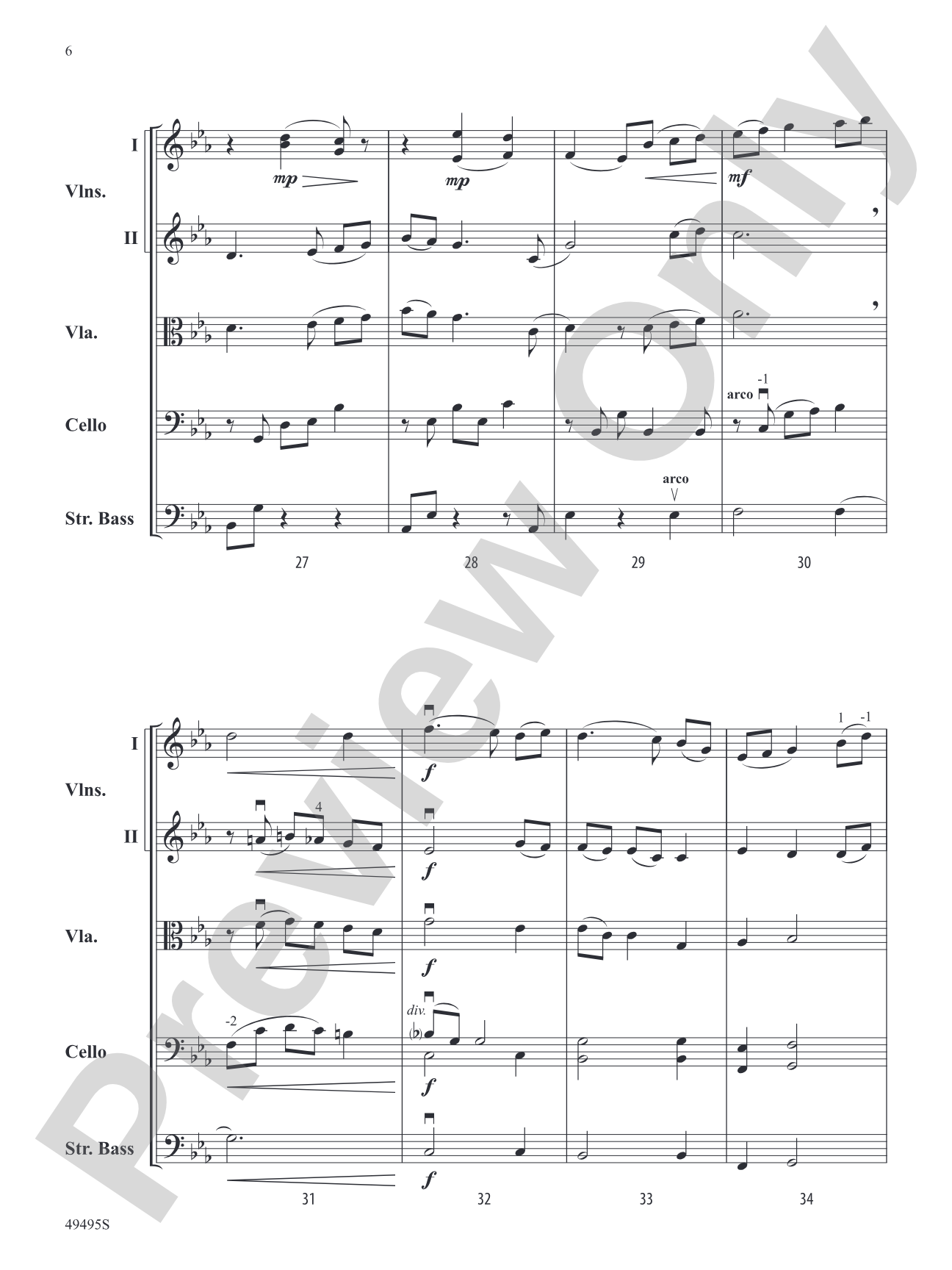
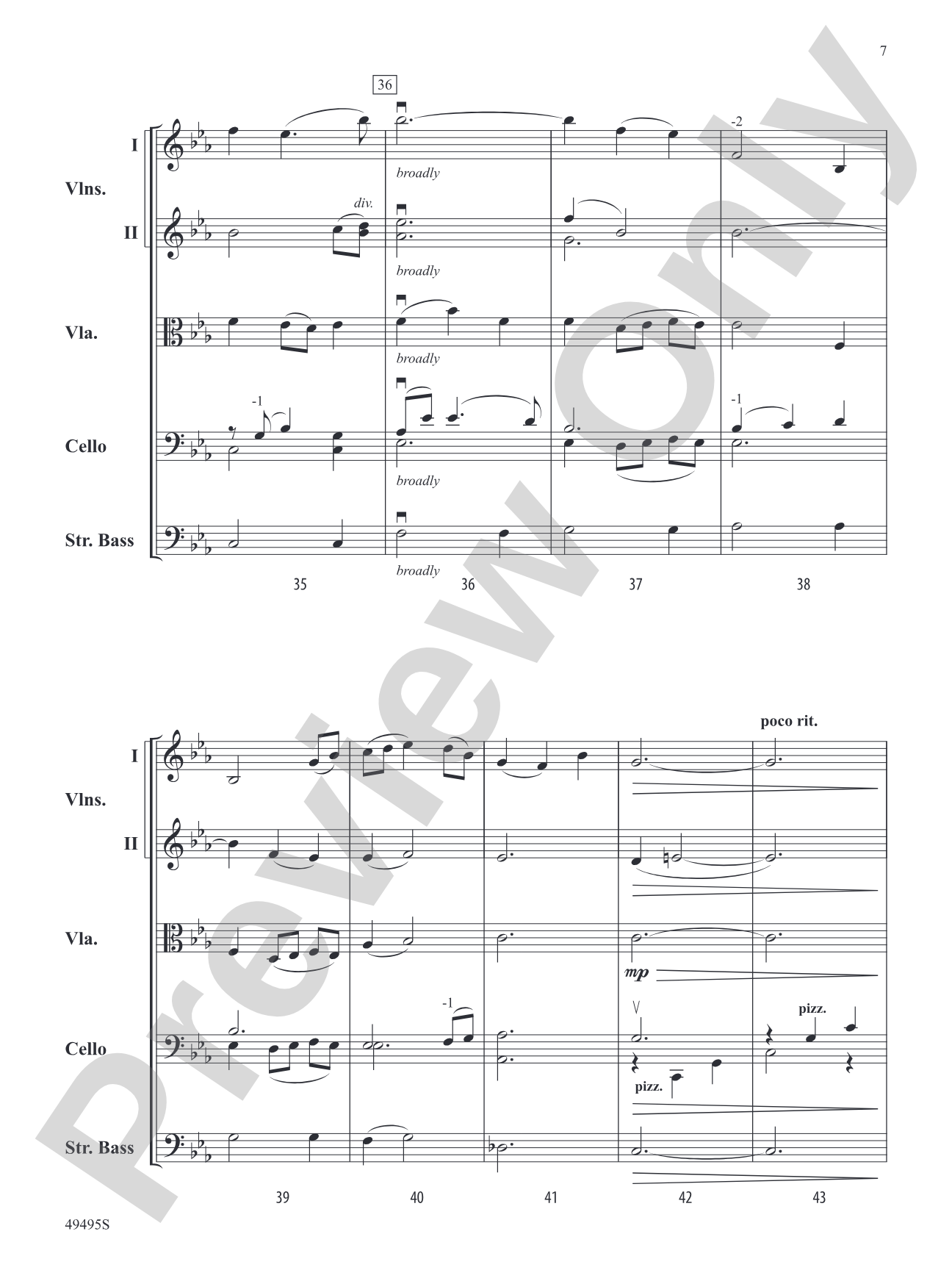
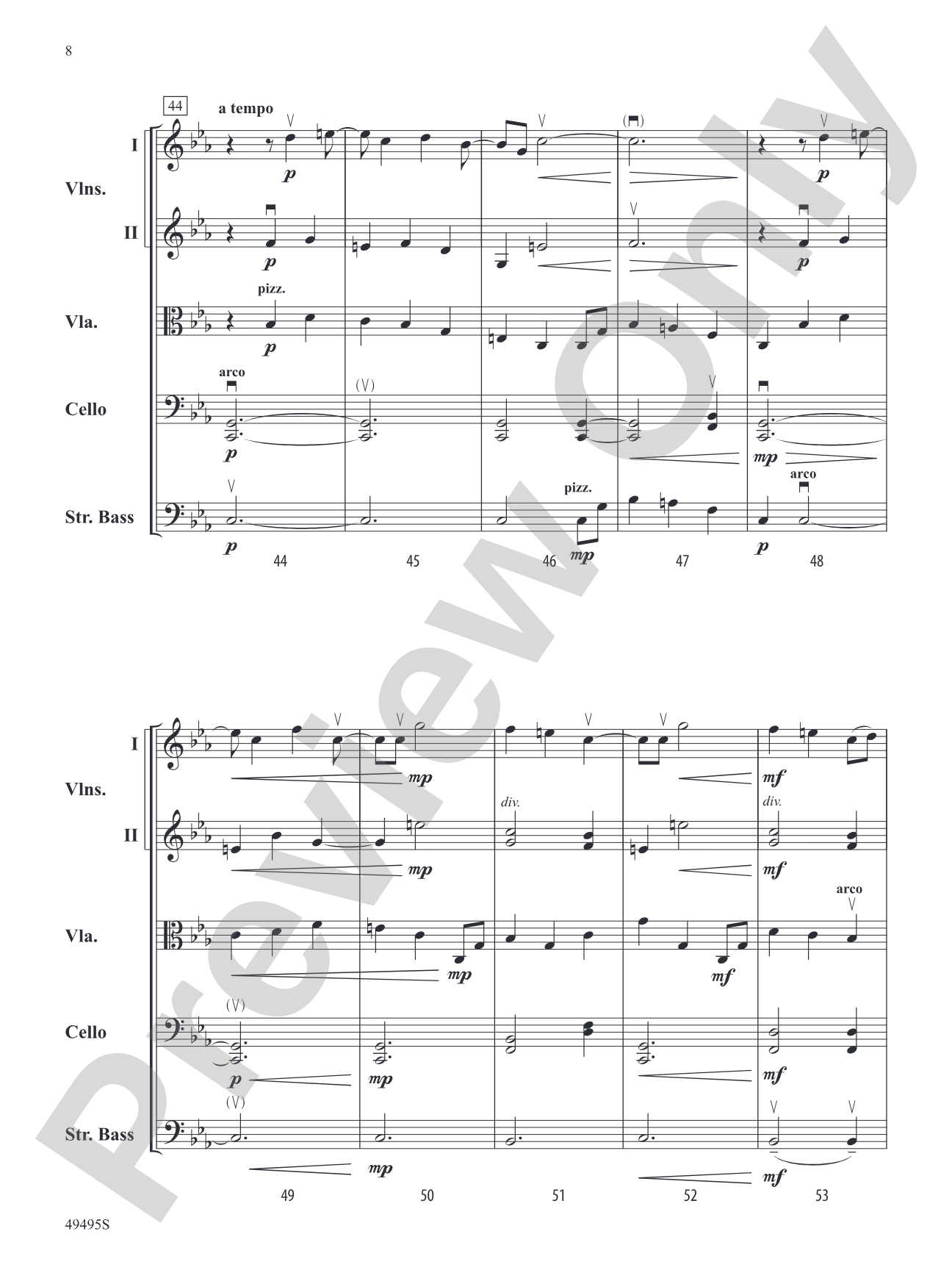
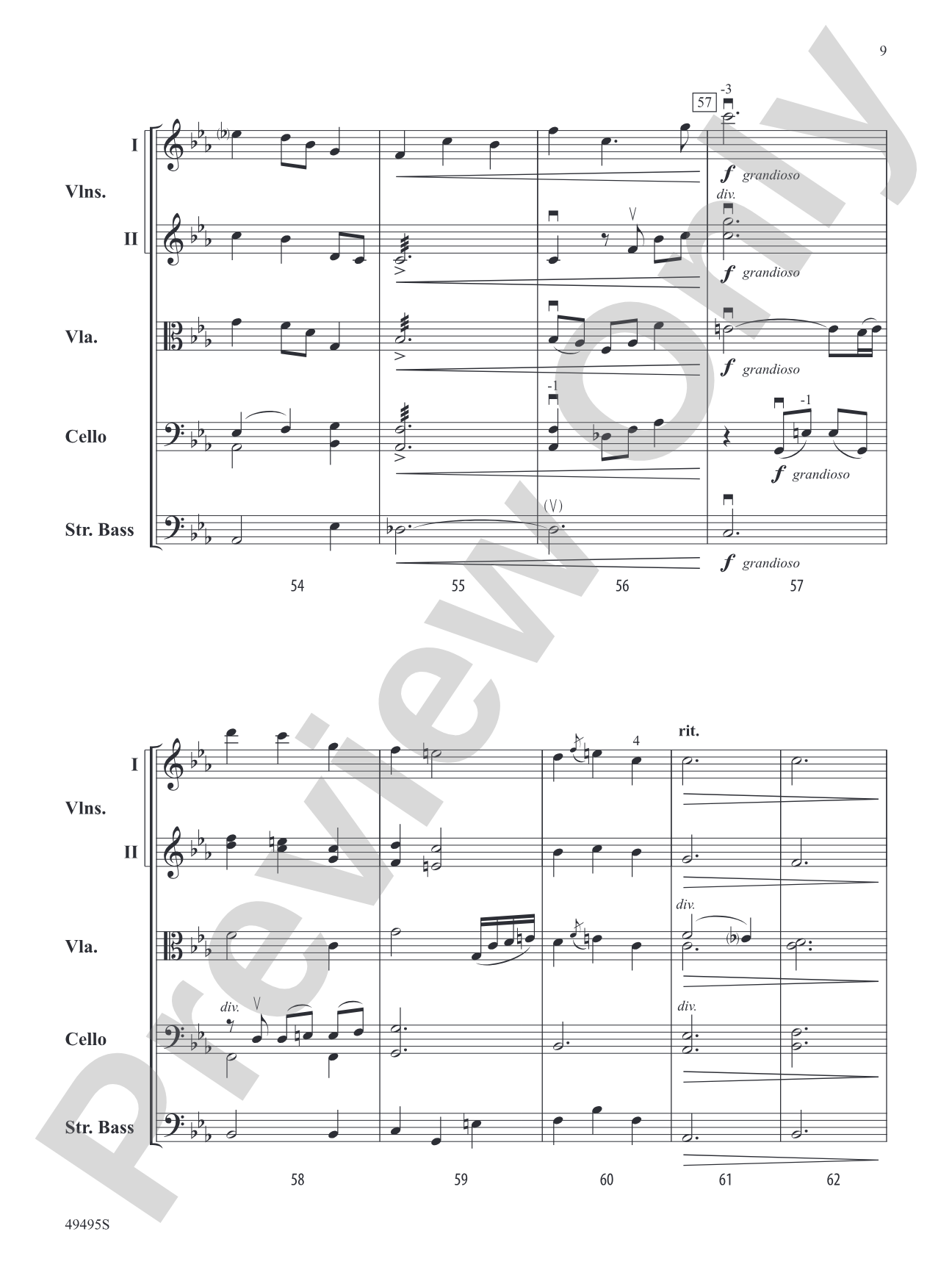
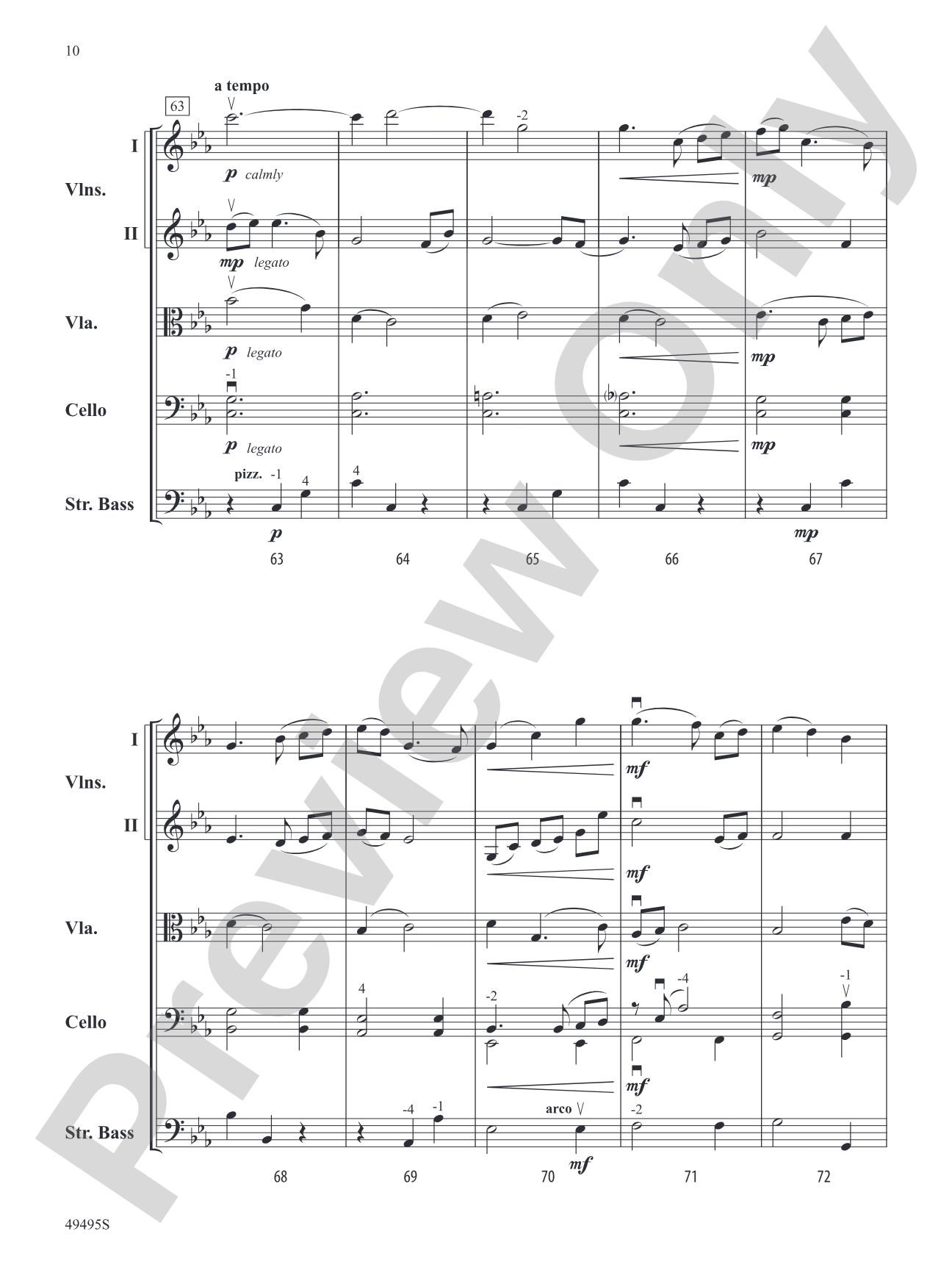
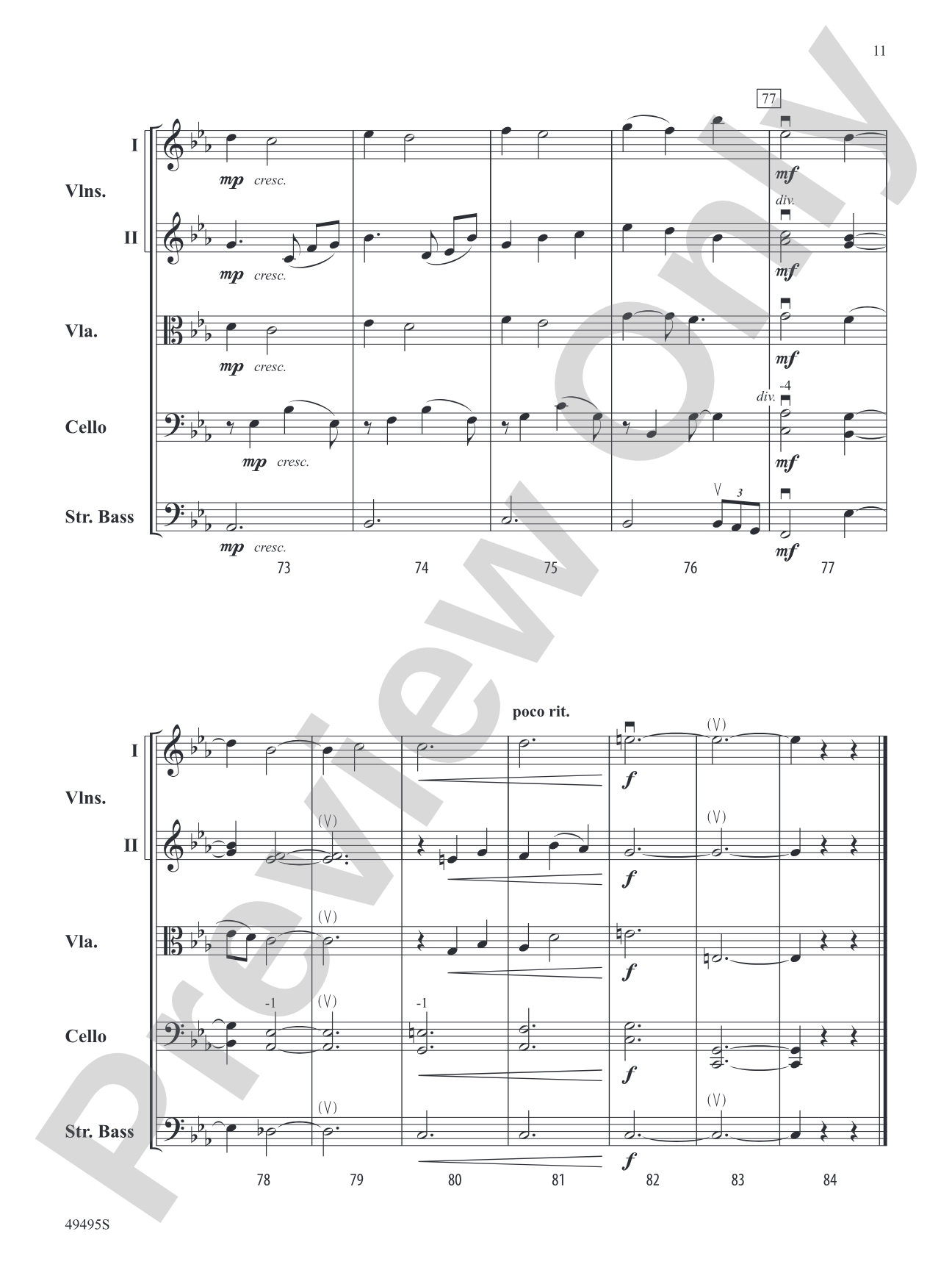

Mare Orientale: Score
By Yukiko Nishimura
Grade: 3
Item: 00-PR-0007125
$9.00
Pickup currently not available
Description
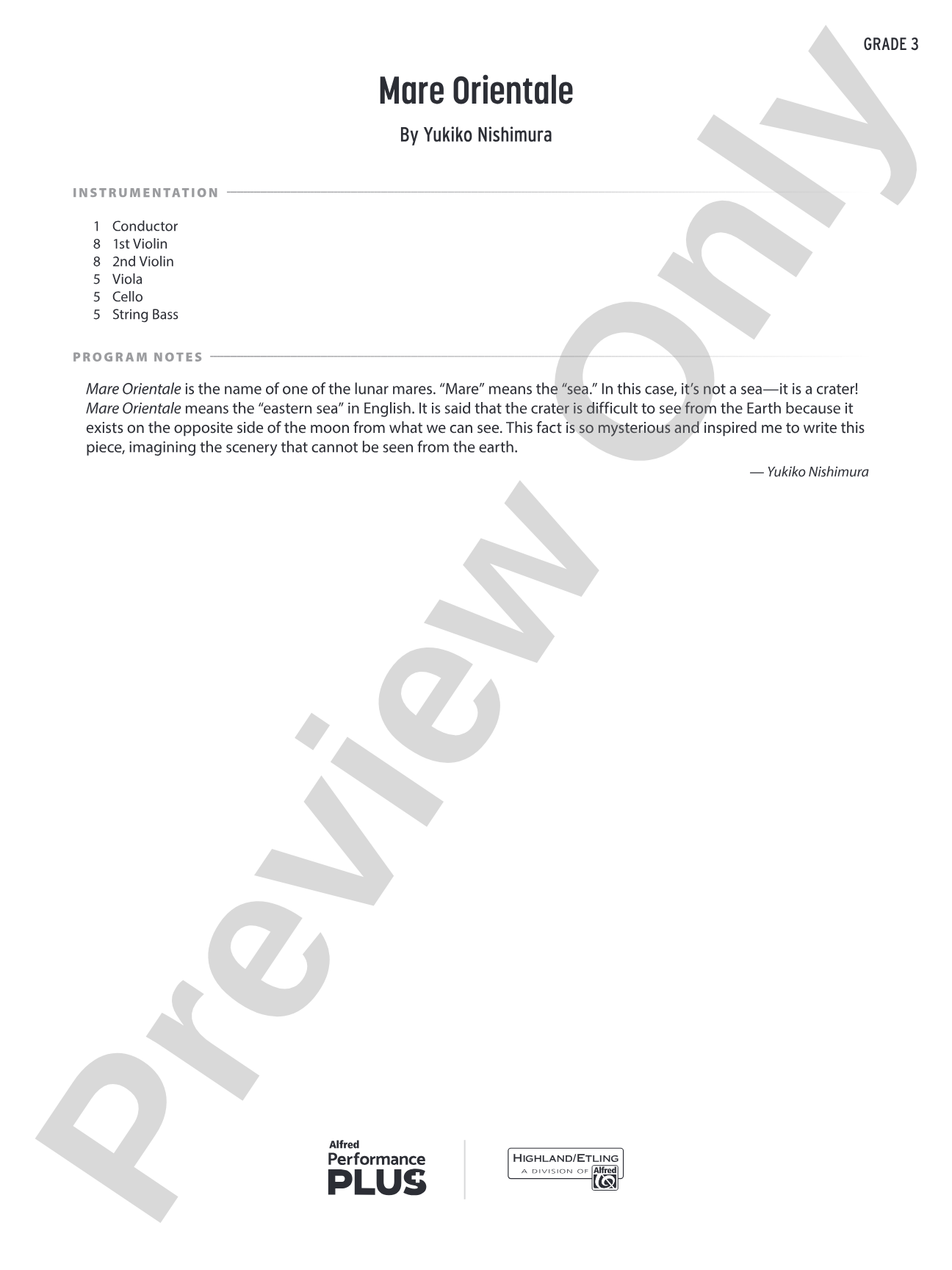
Mare Orientale is the name of one of the lunar mares. "Mare" means the "sea". In this case, its not a sea---it is a crater! Mare Orientale means the "eastern sea" in English. It is said that the crater is difficult to see from the Earth because it exists on the opposite side of the moon from what we can see. This fact is so mysterious and inspired me to write this piece, imagining the scenery that cannot be seen from the earth. (3:30)
The PerformancePlus+ series is an innovative addition to the ever-expanding MakeMusic Cloud interactive library. These engaging selections are presented with educational resources designed to enrich the rehearsal process and create outstanding performances. Including:


The PerformancePlus+ series is an innovative addition to the ever-expanding MakeMusic Cloud interactive library. These engaging selections are presented with educational resources designed to enrich the rehearsal process and create outstanding performances. Including:
- Assignment, recording, and assessment tools within MakeMusic Cloud
- Piece-specific exercises focused on skills and techniques
- Educational tips and suggestions to support learning
Available in print and digital formats.
Don't just read it, hear it, play along with it, and watch your students grow with it. In MakeMusic Cloud, Mare Orientale: Score comes alive with professional accompaniment, adjustable tempo, and built-in practice tools that turn solo practice into real progress.
Open in the Player
Jump straight in and assign it today.
Start Your Free Trial
Open this title and explore the full library in minutes.
Sample Audio
1
Audio File
--:--
0:00
0:00
Sample Video
Additional Details
Series:
Highland/Etling String Orchestra - PerformancePlus+
Publisher:
Alfred Music
SKU:
00-PR-0007125
More about this title
Why we love this
Nishimura transforms a scientific curiosity into something genuinely atmospheric. The piece captures wonder without resorting to obvious programmatic gestures, letting the orchestra discover the mystery through carefully layered textures and sensitive harmonic movement. It's the kind of work that reminds students why they rehearse together.
What to expect
Distant and meditative, like watching the night sky from a place far from light. The music unfolds slowly, revealing subtle shifts in color and texture. There's an underlying tension in the harmonies, a sense of searching or yearning that feels utterly contemporary.
Who it's for
String orchestras at the intermediate level who are ready to tackle lyrical, harmonically adventurous writing without the technical extremes of advanced repertoire. This work suits ensembles looking to build mature musicianship and expressive range.
How to get the most out of it
- Establish a quiet, spacious sound world from the opening. This piece lives in restraint; clarity of individual lines matters more than volume.
- Balance the ensemble carefully when multiple sections carry melodic material simultaneously. The effect depends on hearing each voice distinctly.
- Take time with rubato in phrases that suggest contemplation. The lunar imagery invites flexibility rather than metronomic precision.
- Use the PerformancePlus+ exercises to isolate tricky rhythmic or intonation passages before rehearsing full sections.
How to use it
Program this as a contrast piece in a concert that might otherwise focus on classical or romantic works. Its modest duration (3:30) and contemplative character work well as an opener or as a bridge between more energetic selections. The piece also suits festival performance, where its originality stands out.
Skills your students will build
- Balancing multiple melodic lines within a transparent texture
- Sustaining tone quality and intonation during soft, exposed passages
- Reading contemporary harmonic language and intervallic relationships
- Responding to subtle tempo and dynamic flexibility in rehearsal
- Understanding programmatic storytelling through orchestral color rather than literal representation