

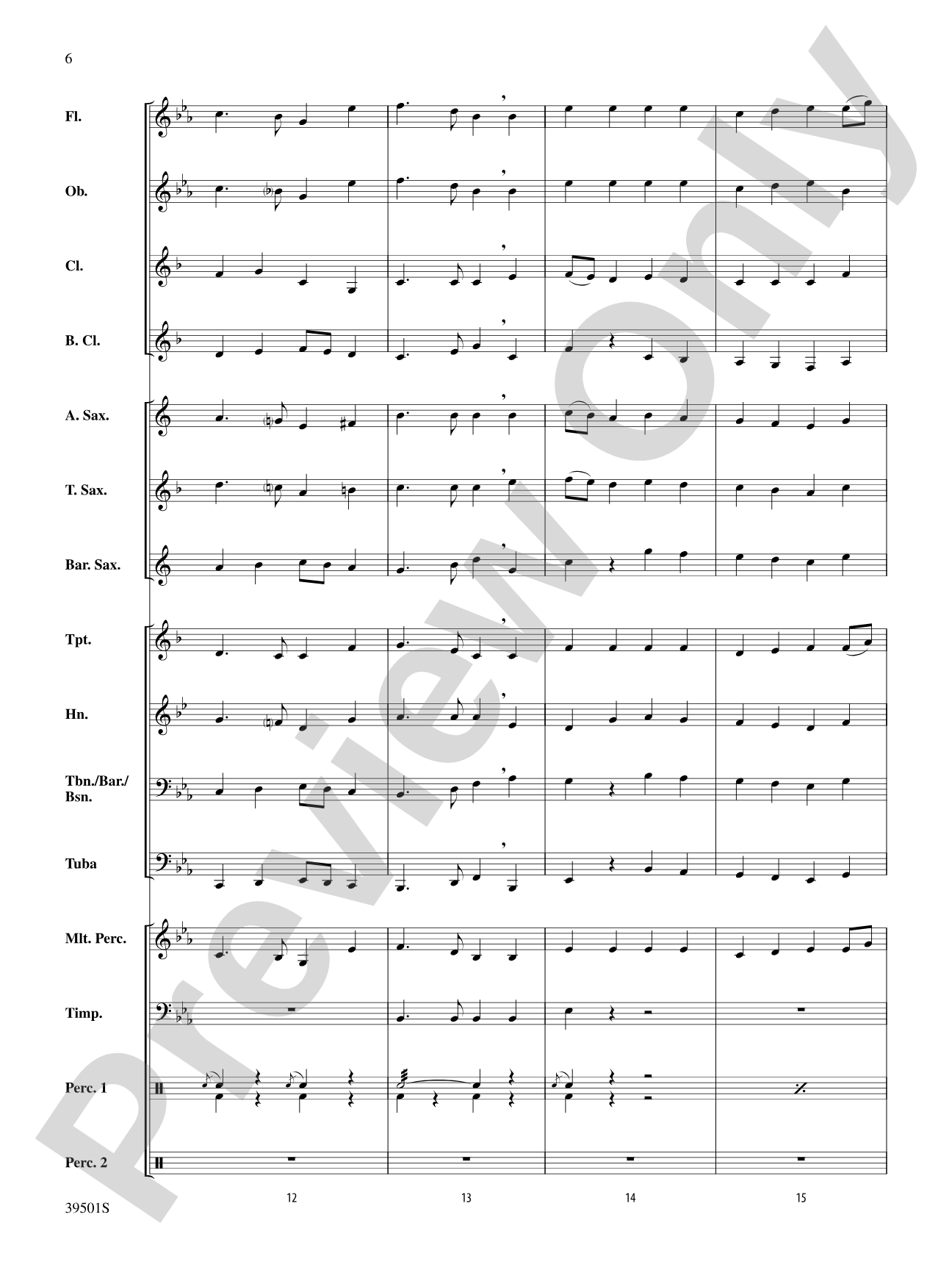
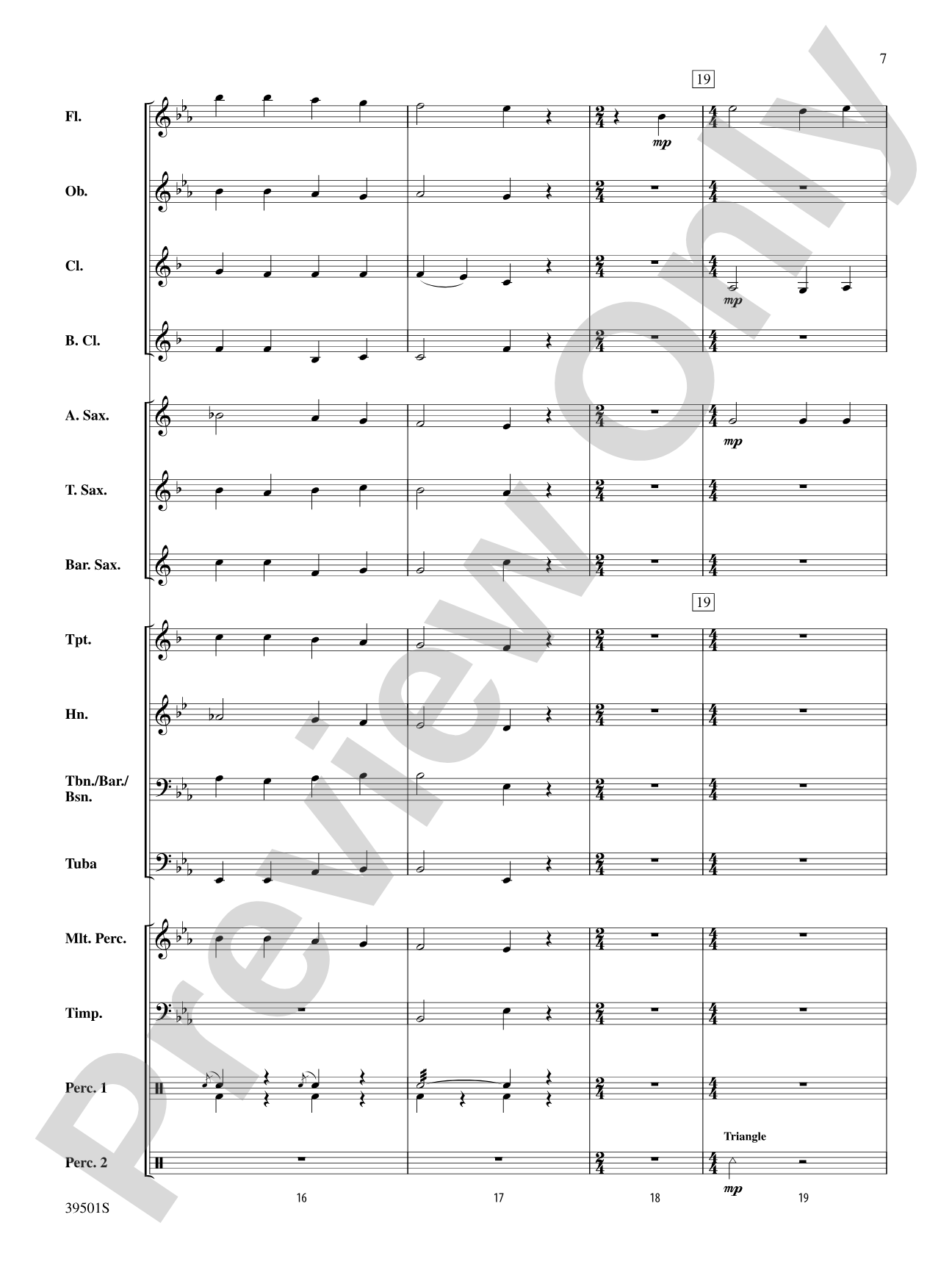
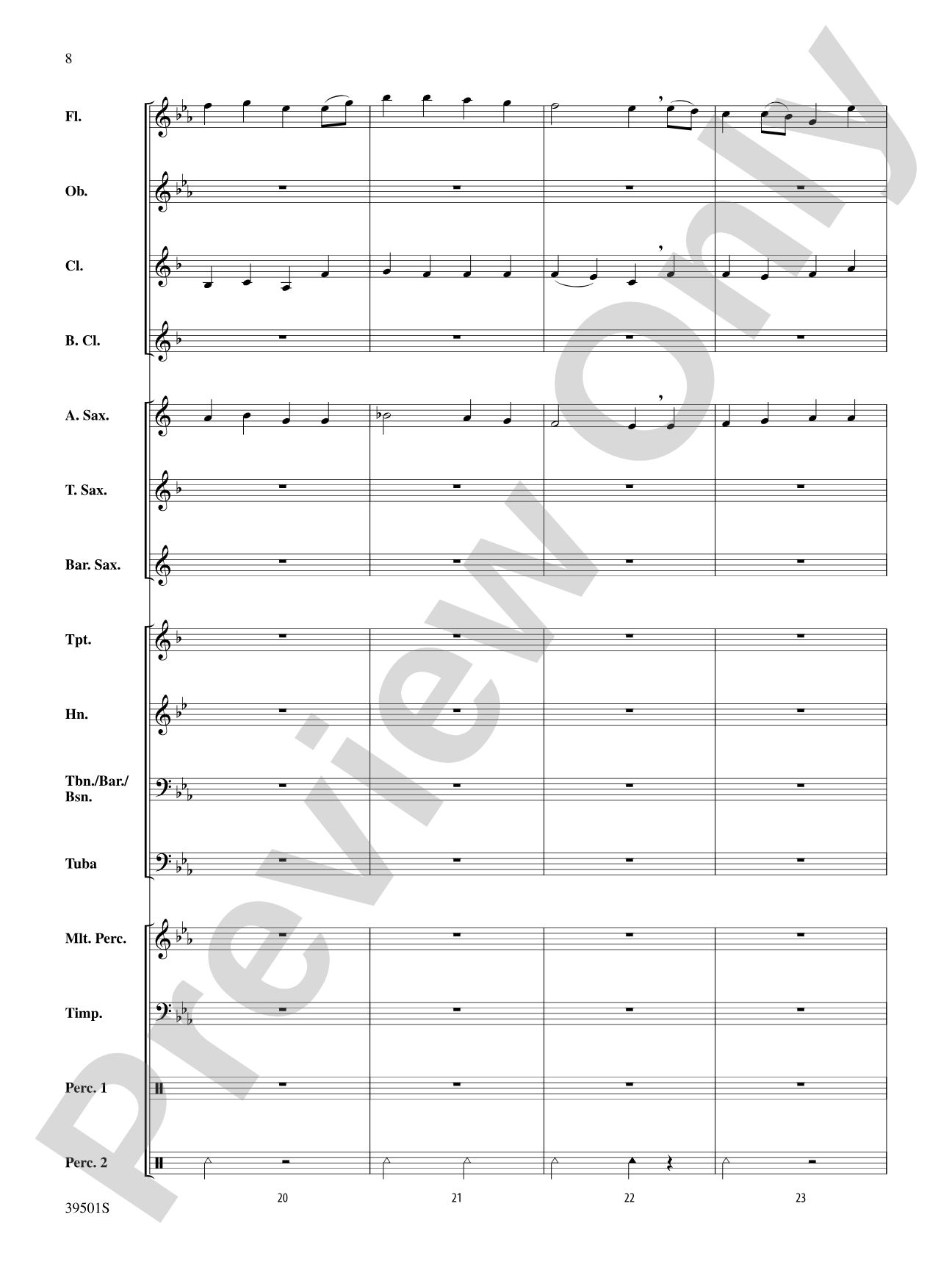
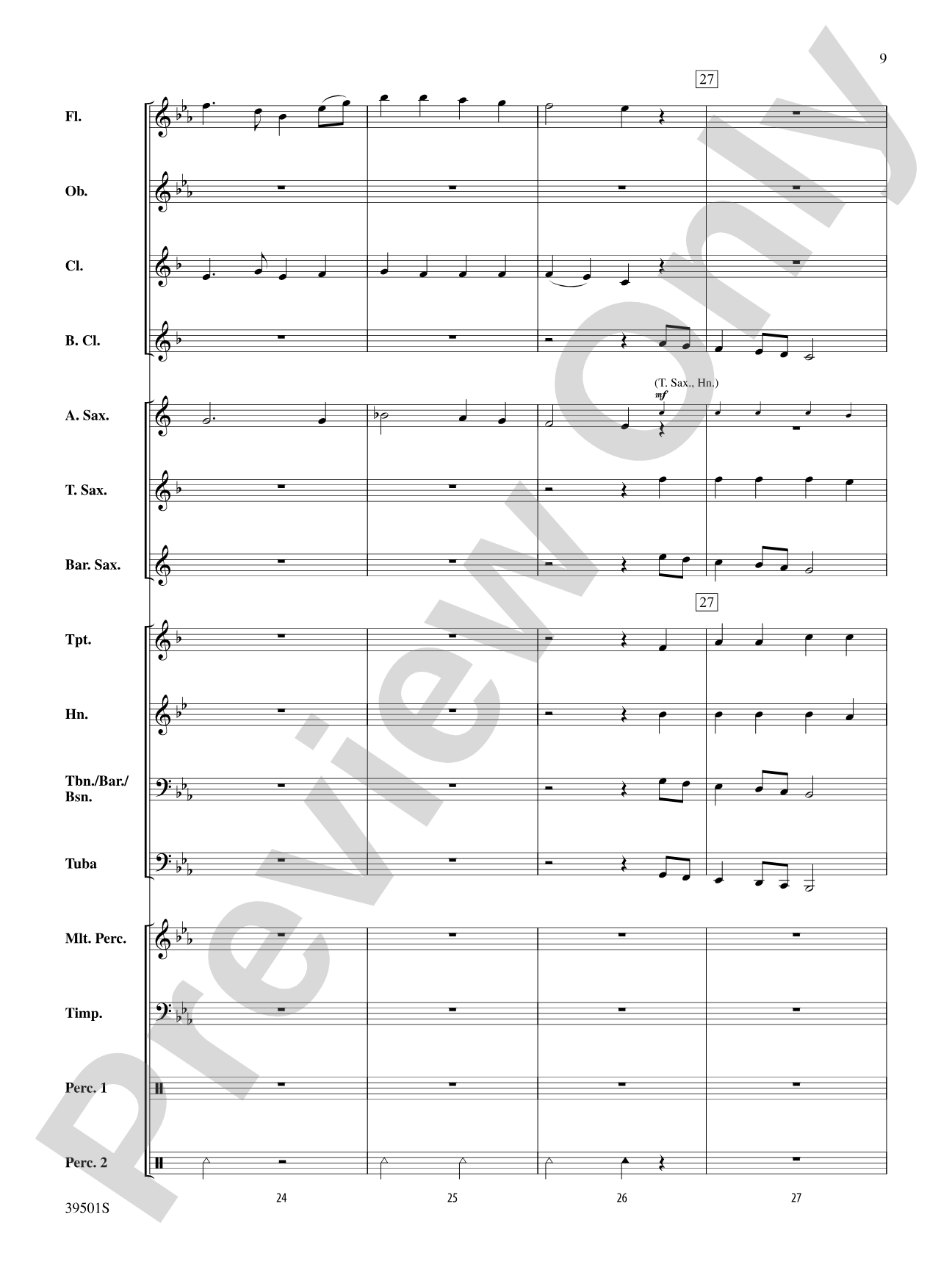
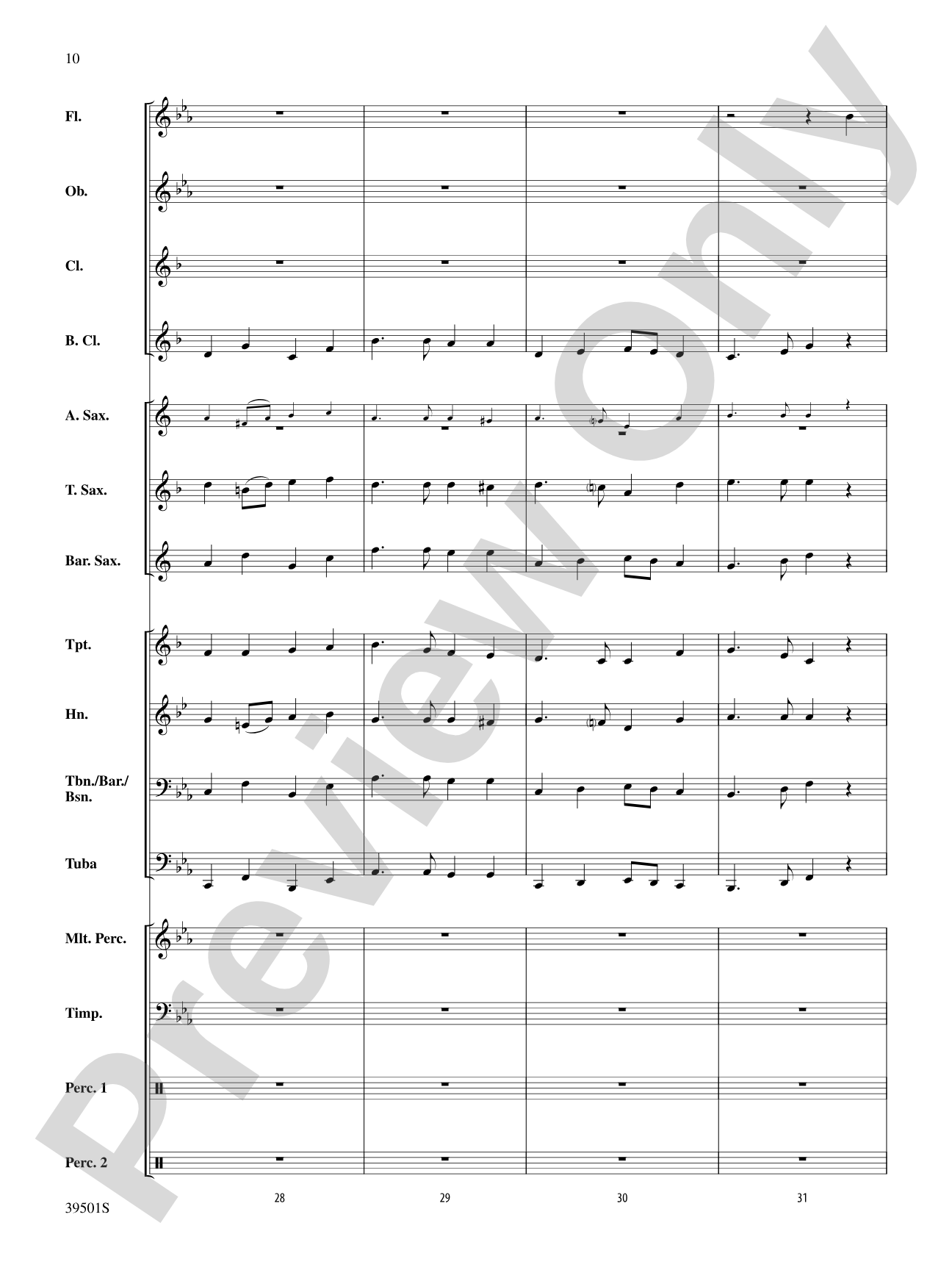
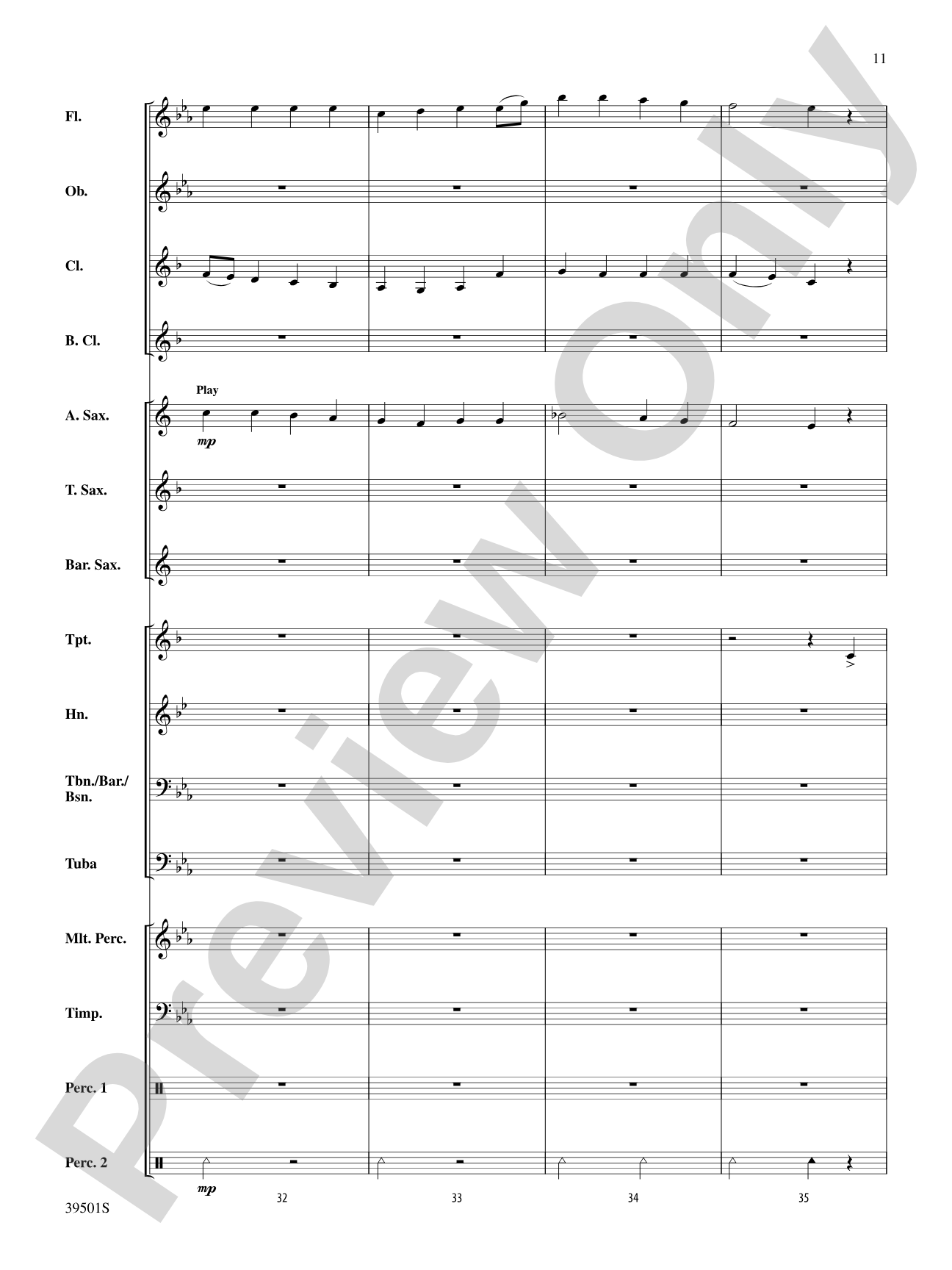
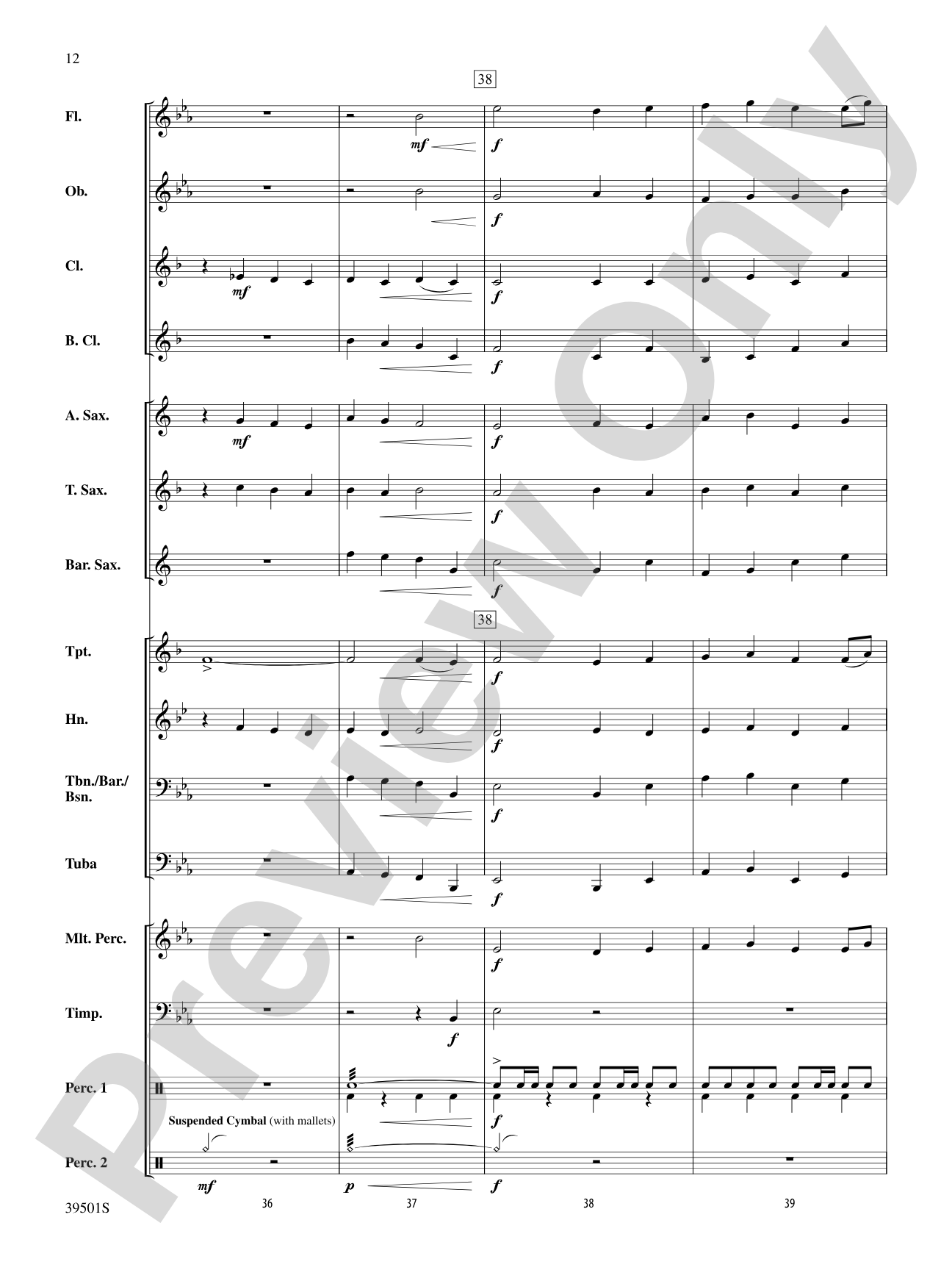
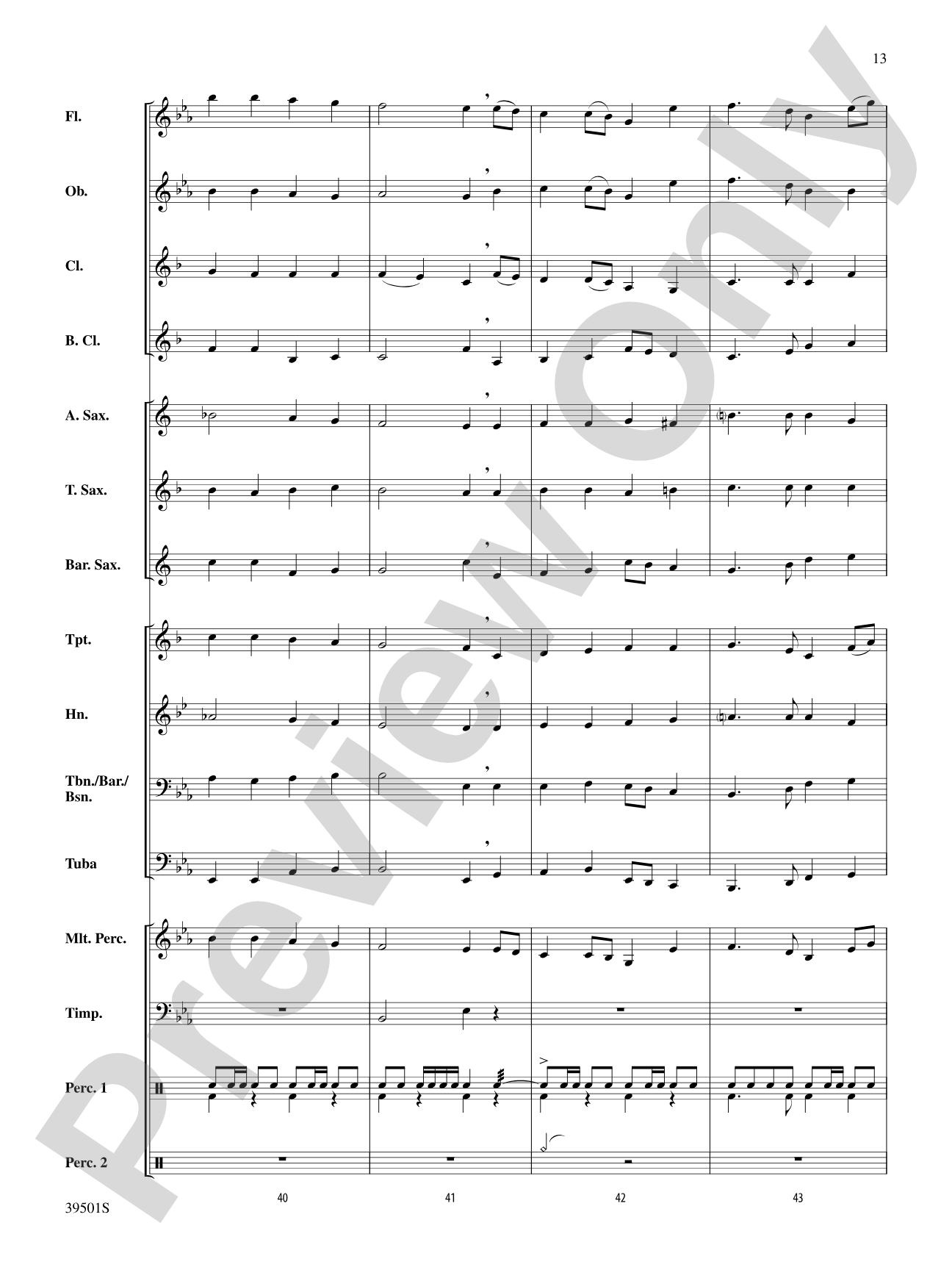
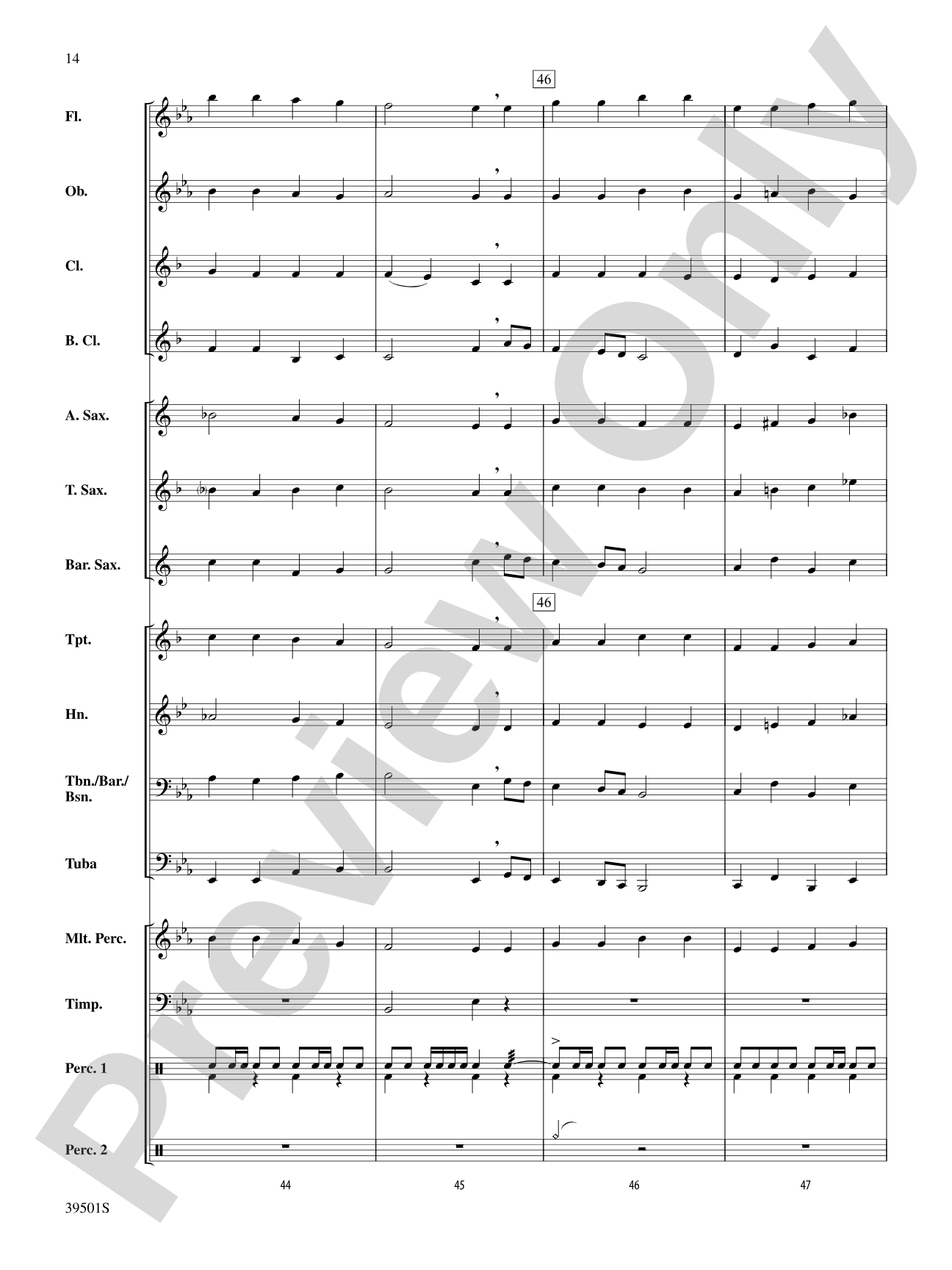
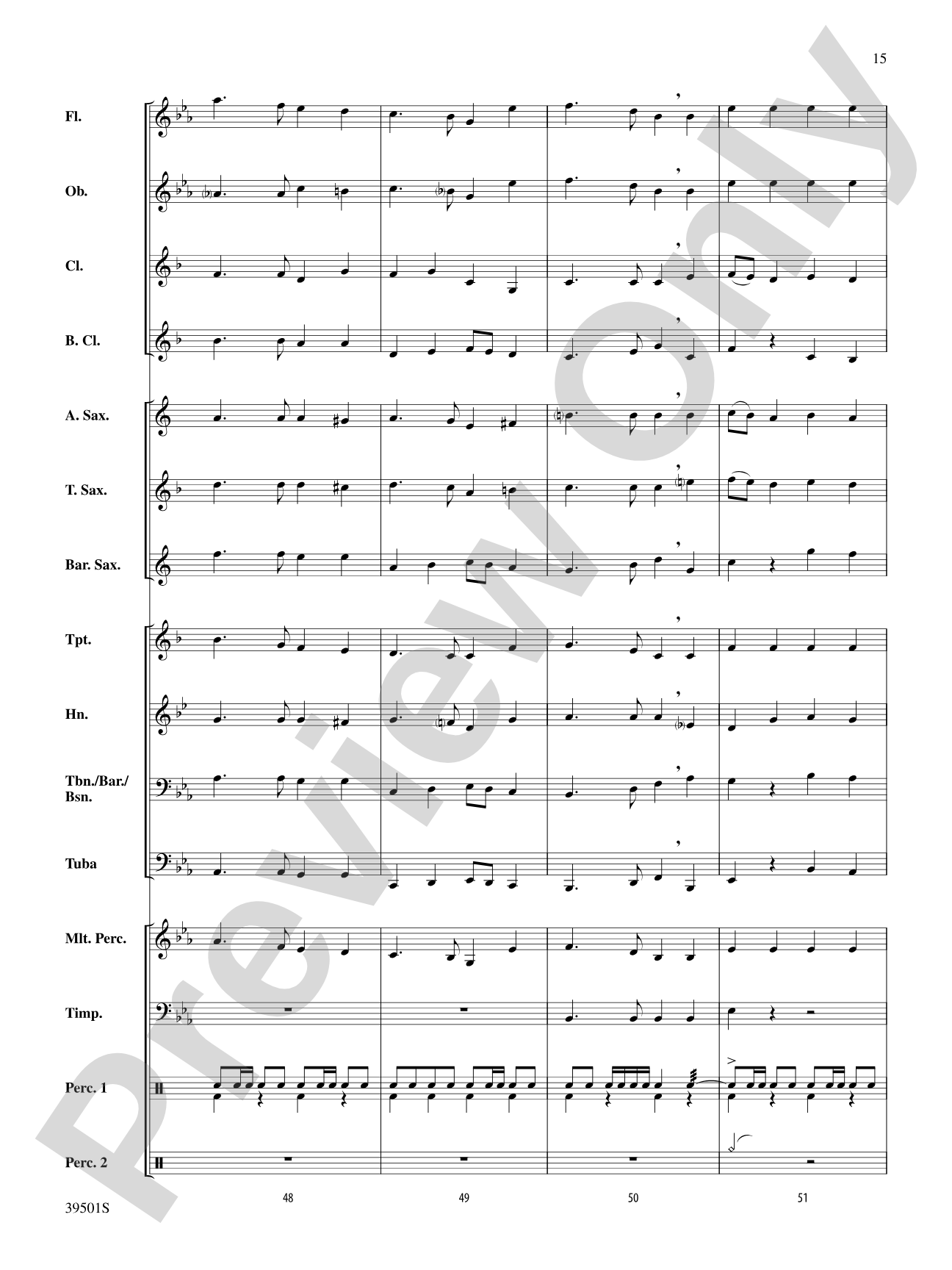
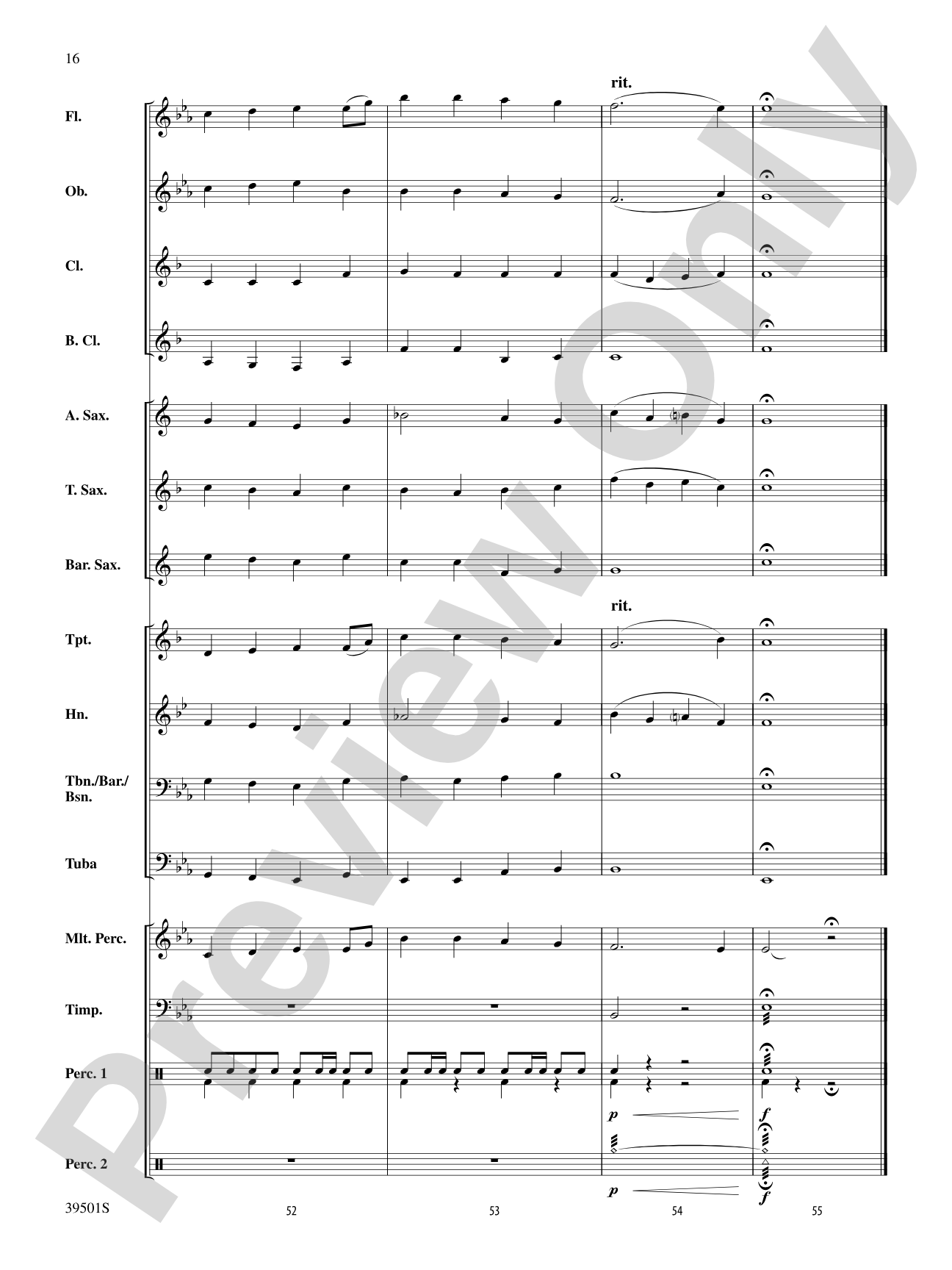

Marching Tune: Concert Band Conductor Score & Parts
By Percy Aldridge Grainger / arr. Michael Story
Grade: 1 (Very Easy)
Item: 00-PK-0005567

$51.00
Pickup currently not available
Buy Extra Parts (Digital PDF Download)
| Product | Price | Quantity |
|---|---|---|
| Marching Tune: Score | $9.00 | |
| Marching Tune: Flute | $3.00 | |
| Marching Tune: Oboe | $3.00 | |
| Marching Tune: 1st B-flat Clarinet | $3.00 | |
| Marching Tune: B-flat Bass Clarinet | $3.00 | |
| Marching Tune: E-flat Alto Saxophone | $3.00 | |
| Marching Tune: B-flat Tenor Saxophone | $3.00 | |
| Marching Tune: E-flat Baritone Saxophone | $3.00 | |
| Marching Tune: 1st B-flat Trumpet | $3.00 | |
| Marching Tune: 1st F Horn | $3.00 | |
| Marching Tune: 1st Trombone | $3.00 | |
| Marching Tune: Baritone T.C. | $3.00 | |
| Marching Tune: Tuba | $3.00 | |
| Marching Tune: Mallets | $3.00 | |
| Marching Tune: 1st Percussion | $3.00 | |
| Marching Tune: 2nd Percussion | $3.00 | |
| Marching Tune: Timpani | $3.00 |
Parts Added to Cart!
Description
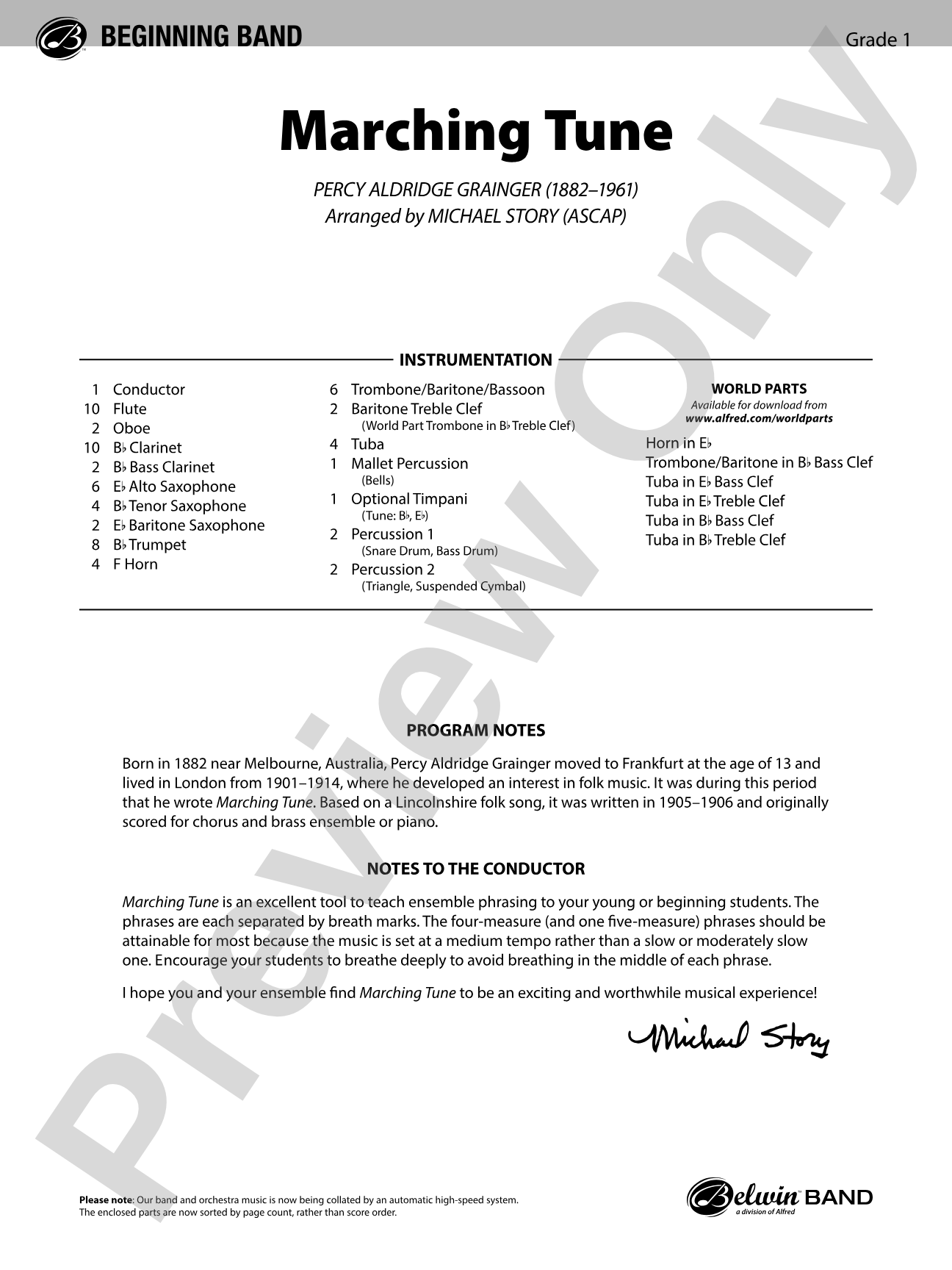
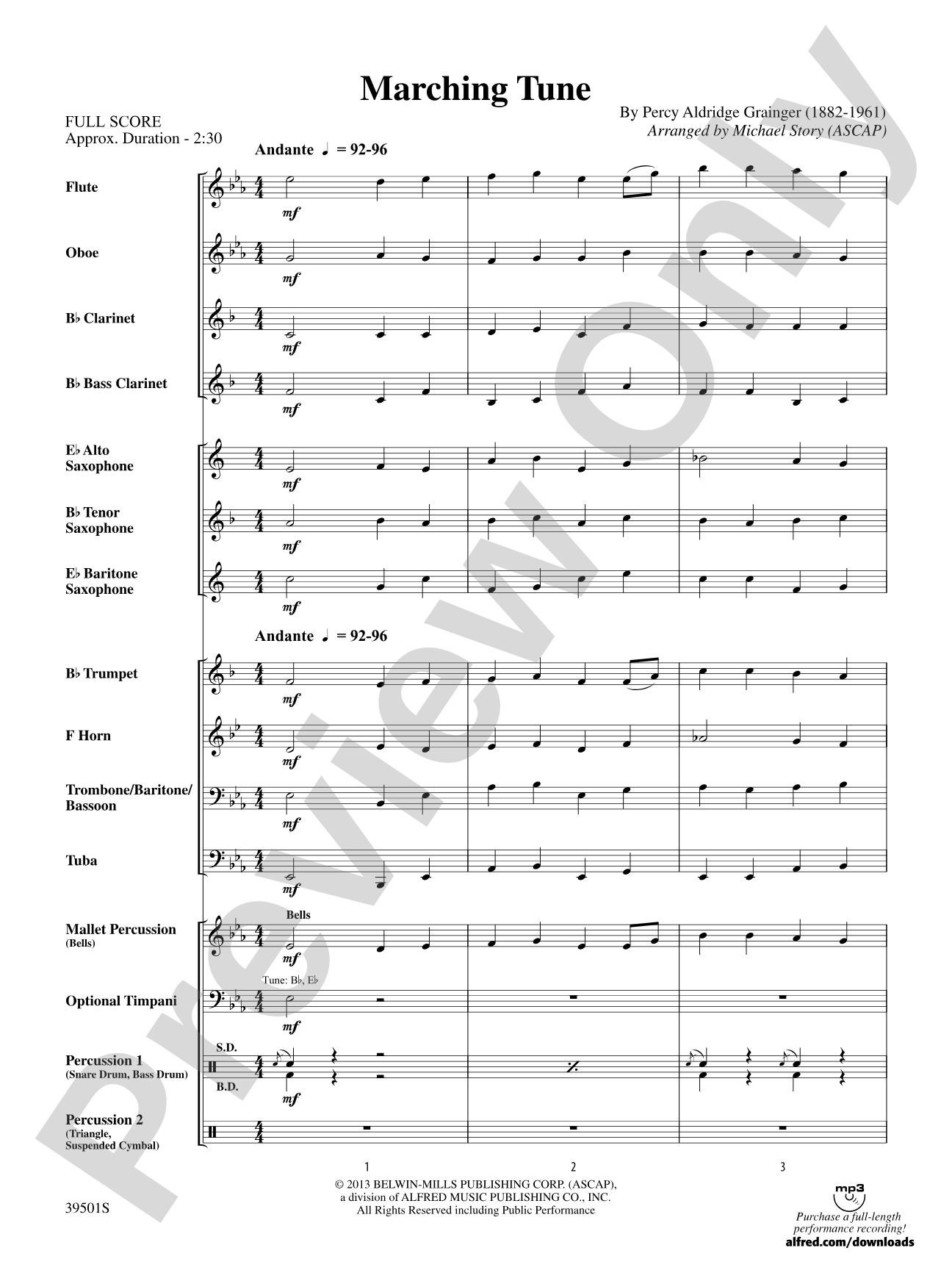
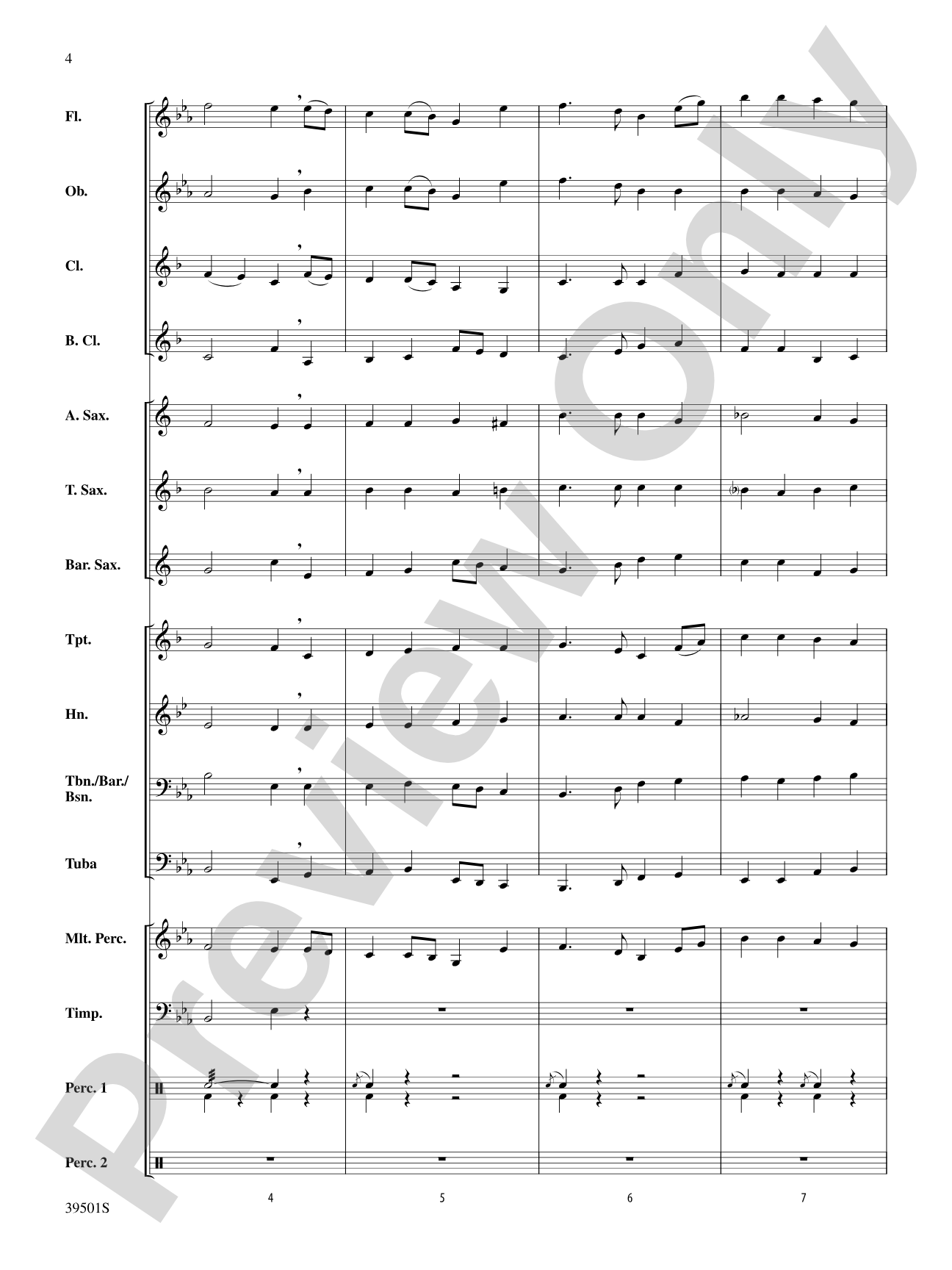
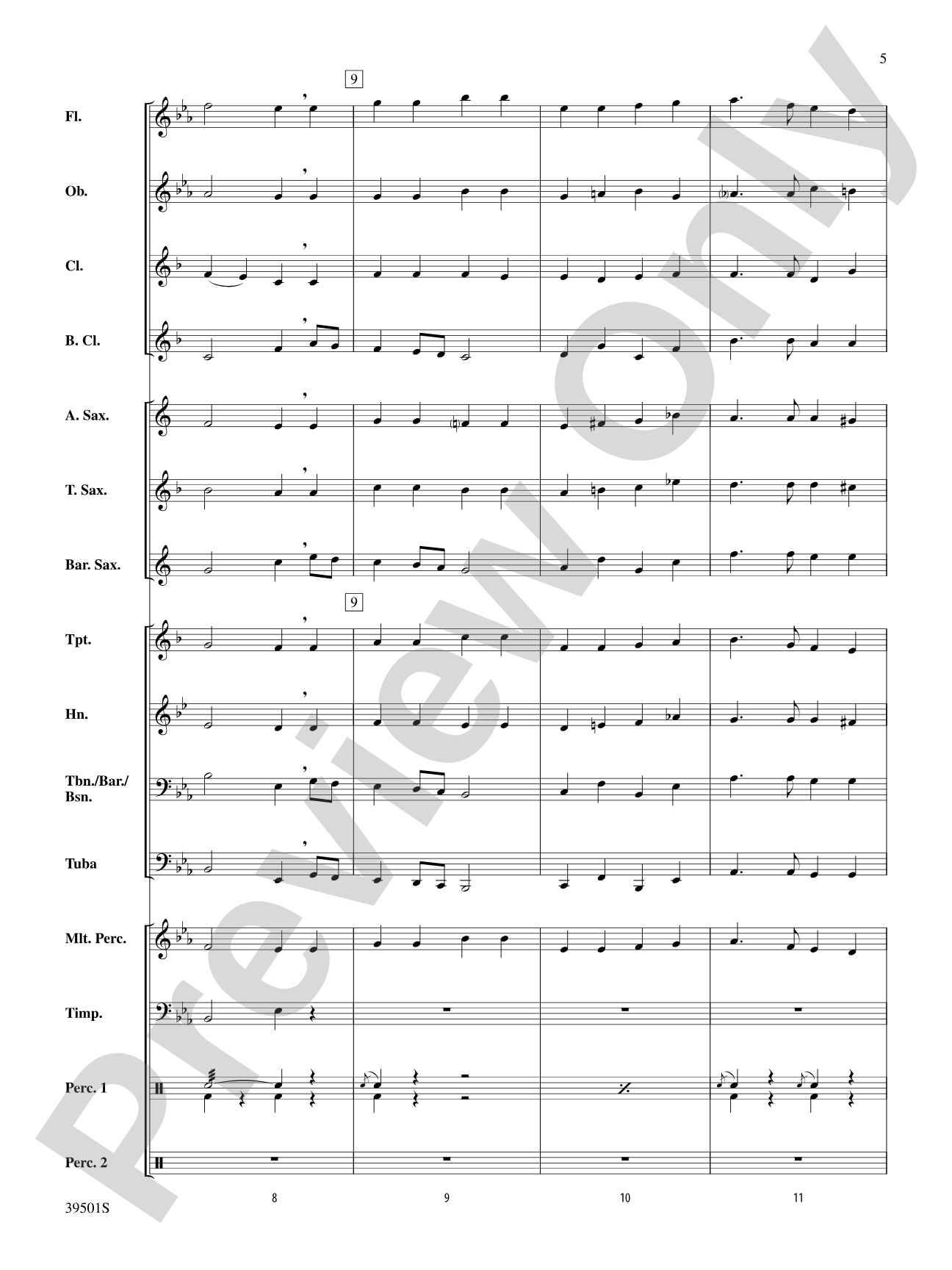
Australia-born Percy Aldridge Grainger lived in London from 1901--1914, where he developed an interest in folk music. It was during this period that he crafted the original setting of this Lincolnshire folk song for chorus with brass ensemble or piano accompaniment. This beginning band arrangement reinforces ensemble phrasing and breathing technique while demonstrating the lovely melody. Heartwarming! (2:30)
This title is available in MakeMusic Cloud.


This title is available in MakeMusic Cloud.
Don't just read it, hear it, play along with it, and watch your students grow with it. In MakeMusic Cloud, Marching Tune: Concert Band Conductor Score & Parts comes alive with professional accompaniment, adjustable tempo, and built-in practice tools that turn solo practice into real progress.
Open in the Player
Jump straight in and assign it today.
Start Your Free Trial
Open this title and explore the full library in minutes.
Sample Audio
1
Audio File
--:--
0:00
0:00
Sample Video
No sample videos found.
Additional Details
Series:
Belwin Beginning Band
Publisher:
Alfred Music
Page Count:
132
SKU:
00-PK-0005567
More about this title
About the Composer: Percy Aldridge Grainger
Percy Aldridge Grainger was an Australian pianist, composer, and conductor whose curiosity about folk music shaped his compositional voice. During his years in London (1901, 1914), he became deeply invested in collecting and arranging traditional melodies, treating folk material with the care of a scholar and the imagination of a modernist. His arrangements bridge the gap between authentic folk expression and concert music, making traditional songs accessible to performers and audiences alike.
Why we love this
Grainger's folk song setting gives beginning band students a genuine connection to melody and phrasing without the complexity that typically derails young ensembles. Michael Story's arrangement respects the song's character while building fundamental musicianship skills that young conductors actually need to teach—this isn't a piece that disguises pedagogical work as performance; it announces it clearly.
What to expect
Warm, straightforward, and human. The Lincolnshire melody carries the quality of something people have sung together for generations—there's comfort in its simplicity and strength in its directness. Playing it well requires attention and care, which makes students feel their effort matters.
Who it's for
This arrangement serves beginning concert bands (Grade 1) and young conductors building their foundation in ensemble direction and musical phrasing. It works equally well for school bands in their first year of concert repertoire and community youth ensembles seeking accessible literature that doesn't sacrifice musical integrity.
How to get the most out of it
- Shape each phrase with a clear architectural arc rather than playing it straight through. Young musicians respond to the conductor's intentional gesture for breathing, so mark your beat patterns for the specific phrase lengths you want.
- Balance the melody so it sings above the accompaniment without forcing tone from younger players. A softer, sustained foundation lets the tune emerge naturally.
- Attend to the ensemble's unified breath marks as a conducting priority. This arrangement makes breathing technique visible and audible, so use rehearsal time to establish when and where the group breathes together.
How to use it
Open a concert with this piece to establish the band's fundamental sound and phrasing vocabulary early in the season. Its brief duration (2:30) and heartfelt character make it an ideal opener that sets a musical tone without demanding extensive rehearsal time from your schedule.
Skills your students will build
- Ensemble breathing and unified phrase articulation
- Balance between melody and accompaniment
- Sustained tone production without forcing
- Responding to conductor gesture for musical shape
- Reading and playing Grade 1 concert band parts