
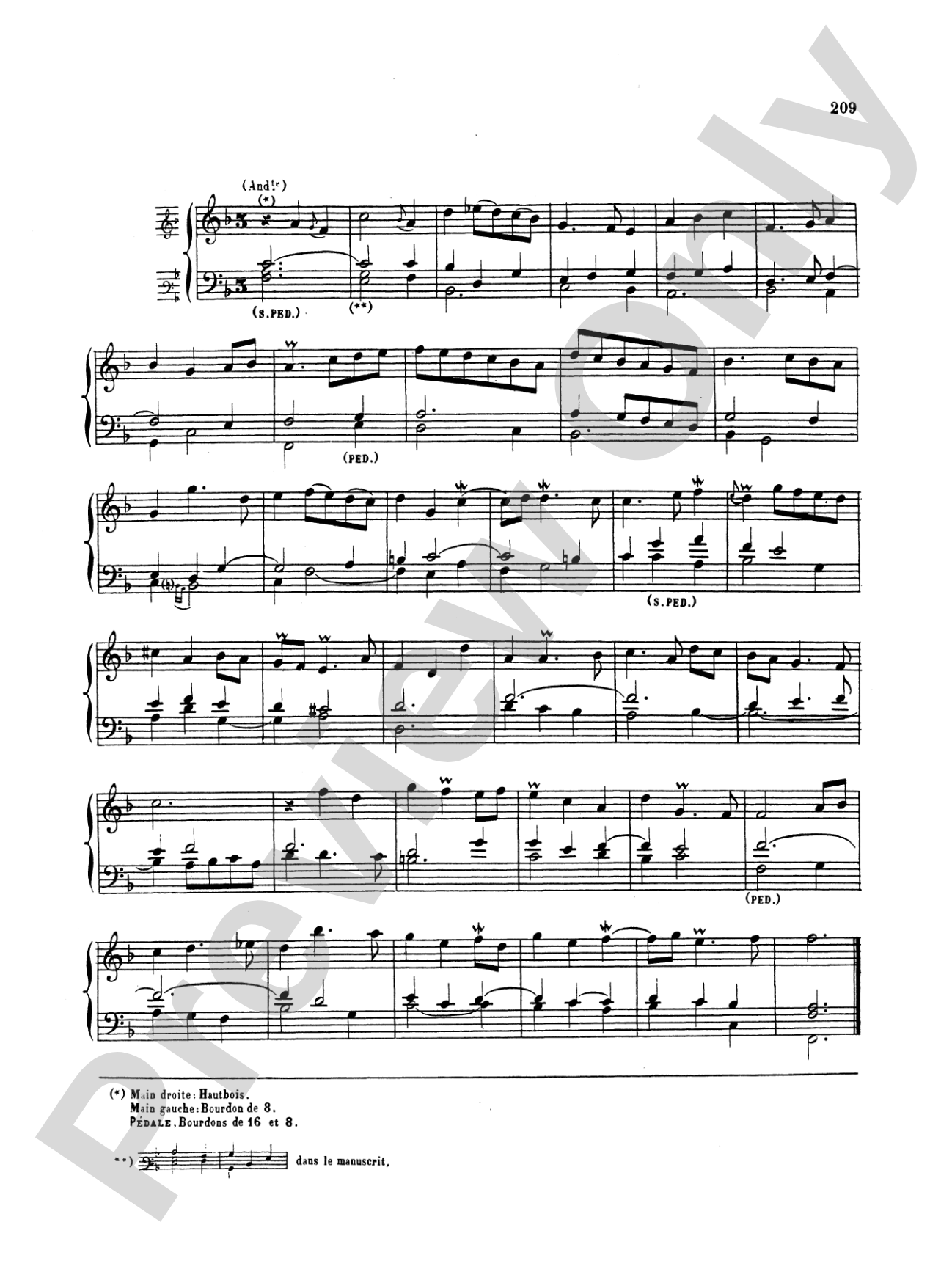
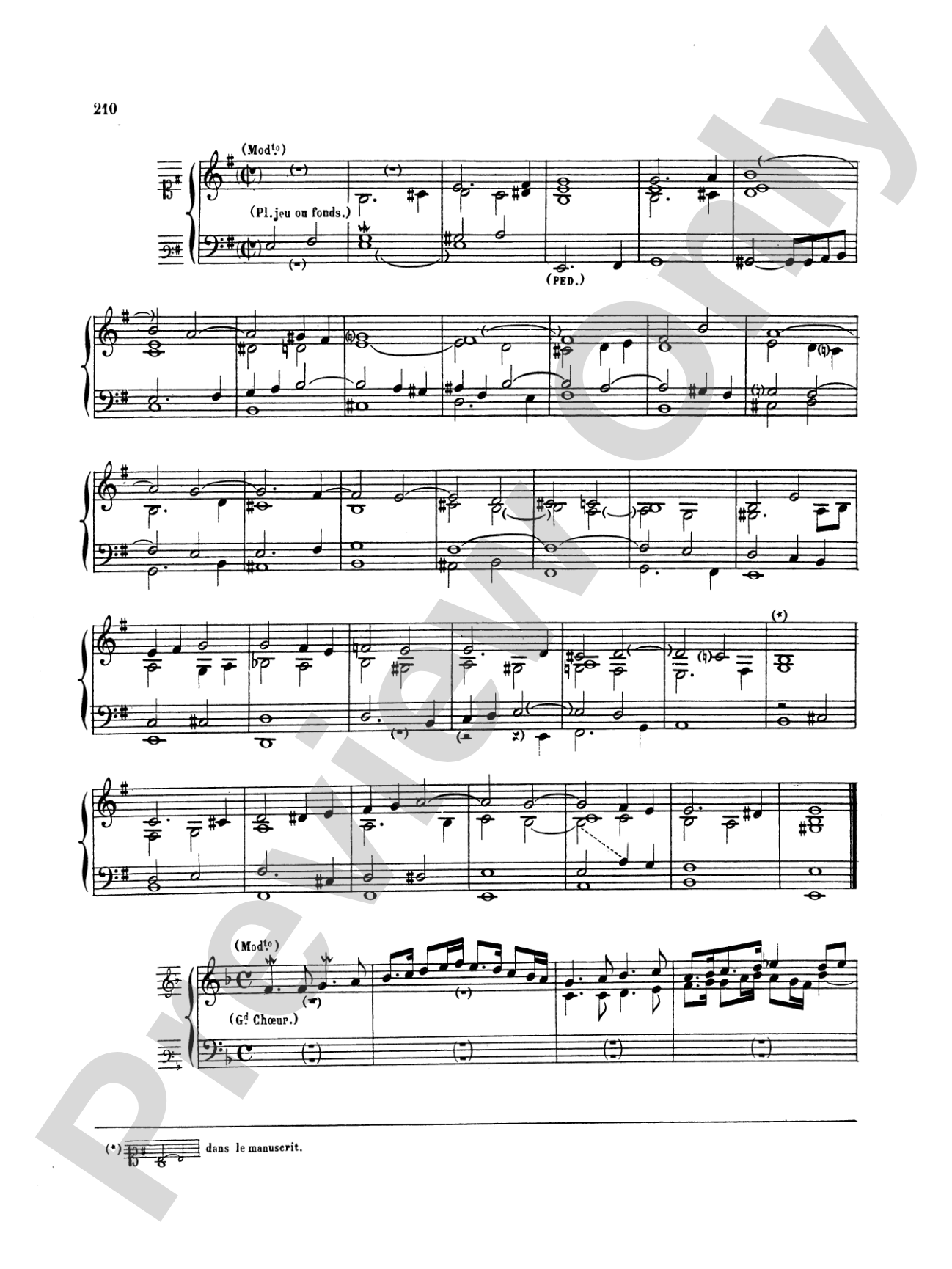
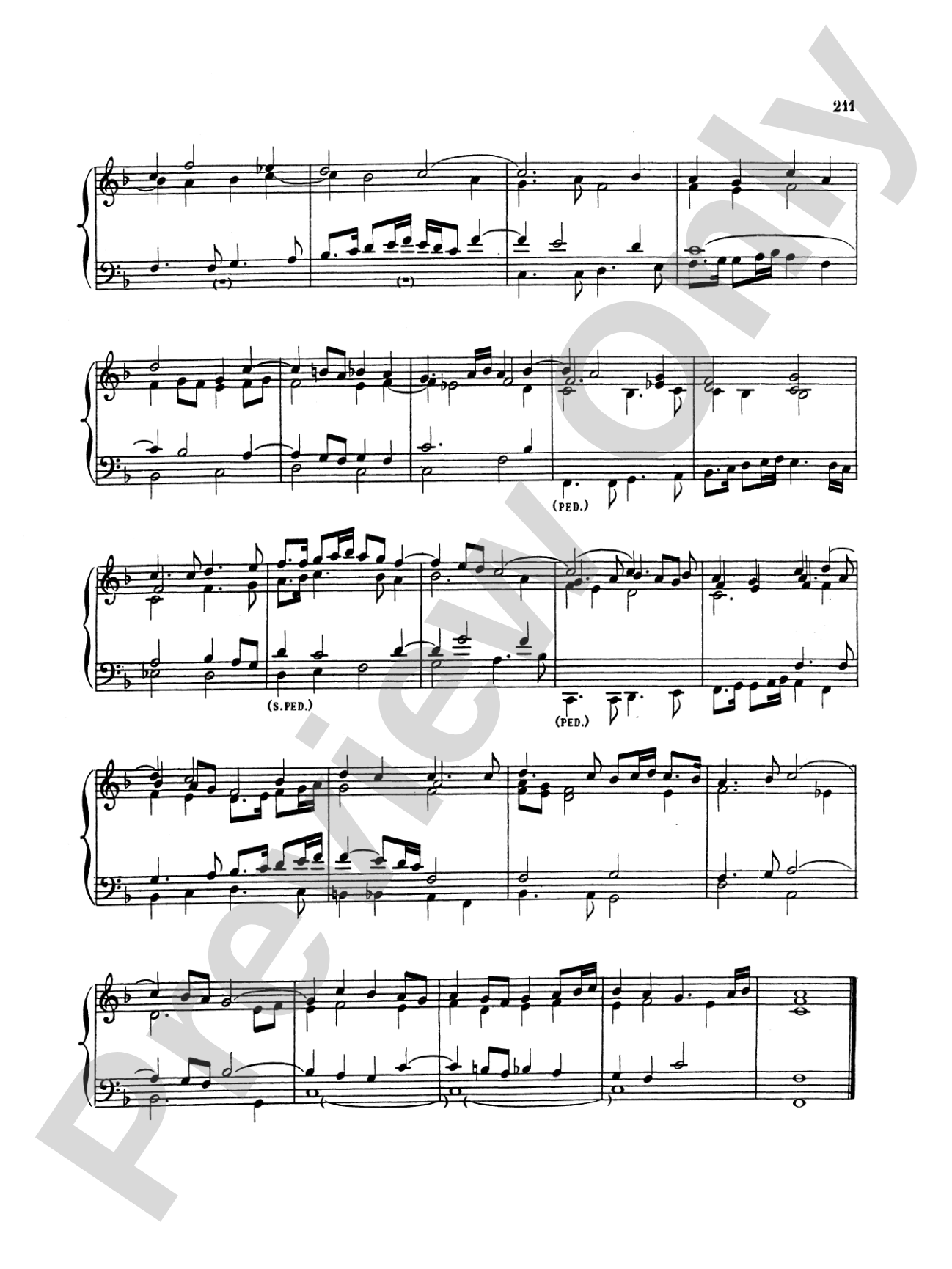
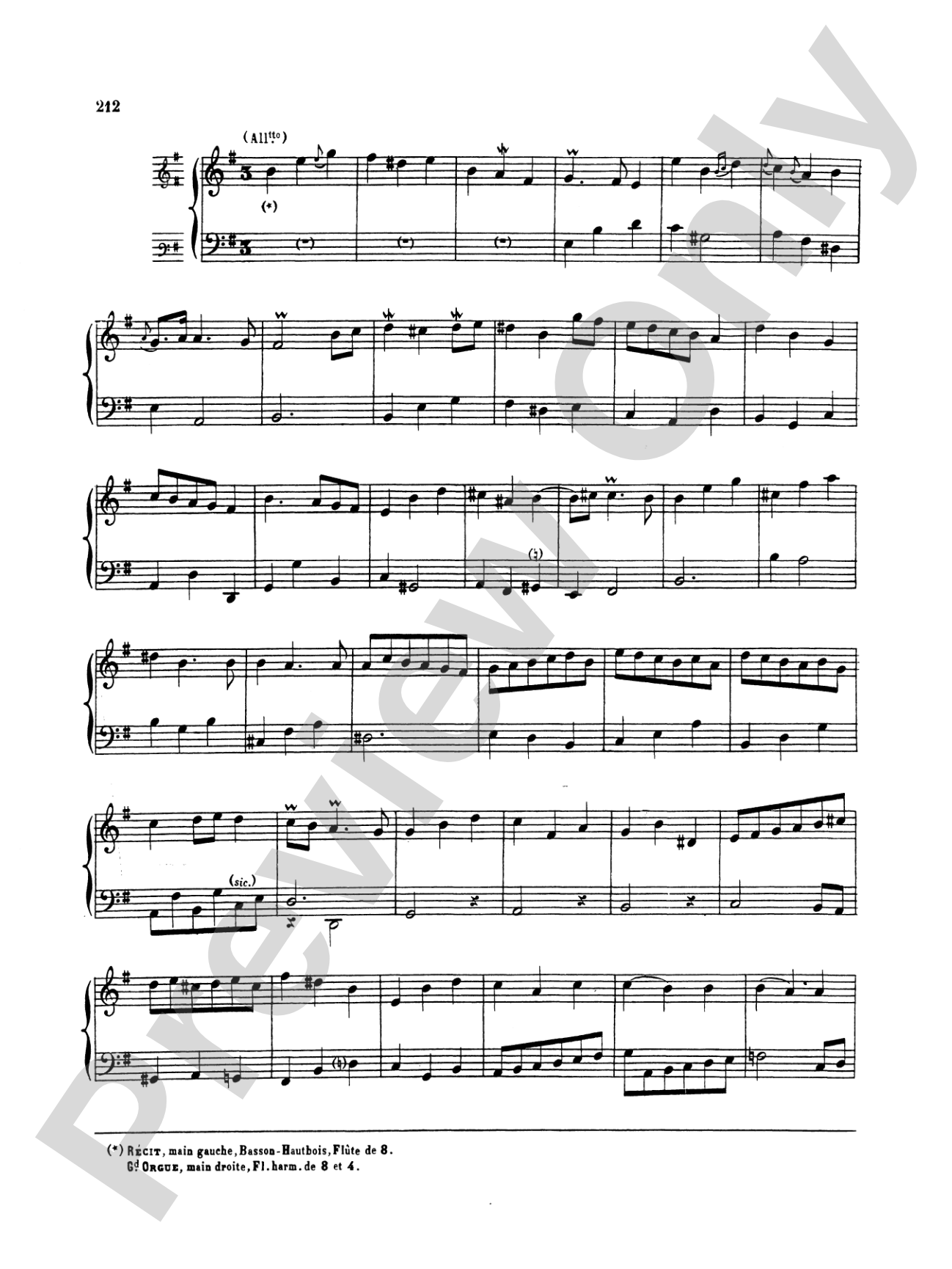

Marchand: Organ Compositions: Organ Book
By Louis Marchand
Item: 00-PK-0003430

$12.99
Pickup currently not available
Buy Extra Parts (Digital PDF Download)
| Product | Price | Quantity |
|---|---|---|
| Marchand: Organ Compositions | $1.99 | |
| Marchand: Organ Compositions | $1.99 | |
| Marchand: Organ Compositions | $1.99 | |
| Marchand: Organ Compositions | $1.99 | |
| Marchand: Organ Compositions | $1.99 |
Parts Added to Cart!
Related Items
Organ Compositions: Organ Book |
$12.95
|
View |
Description
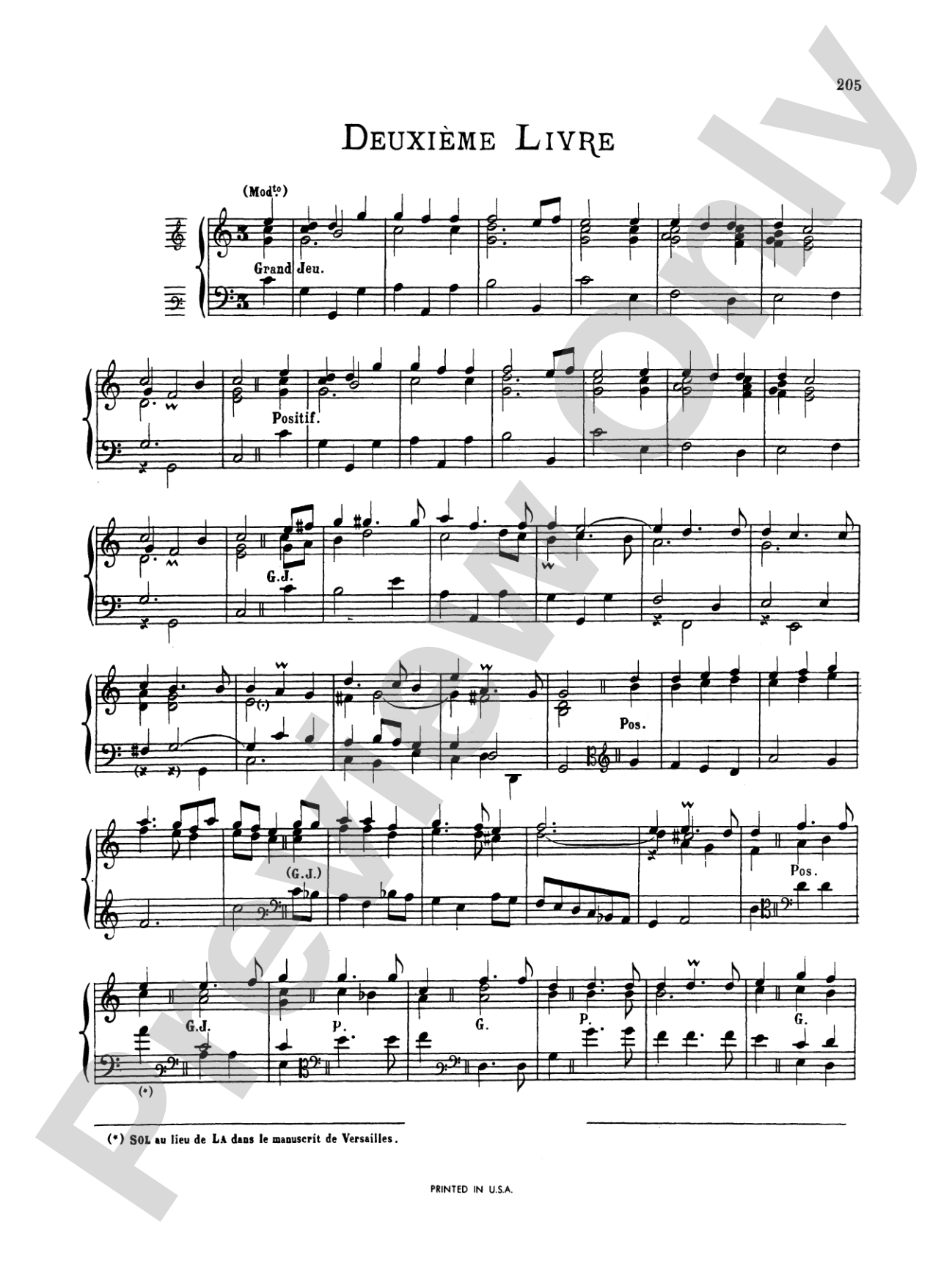
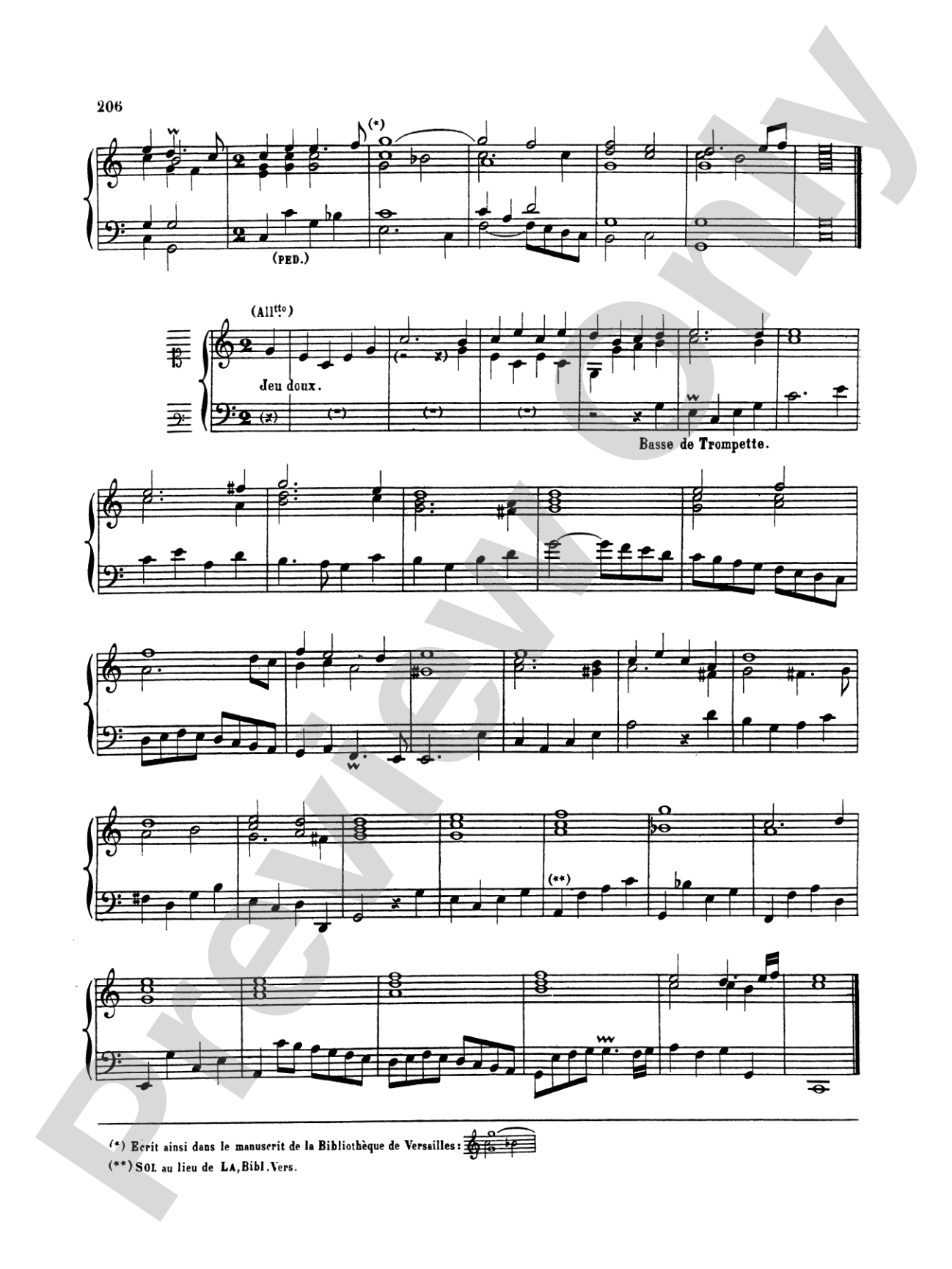
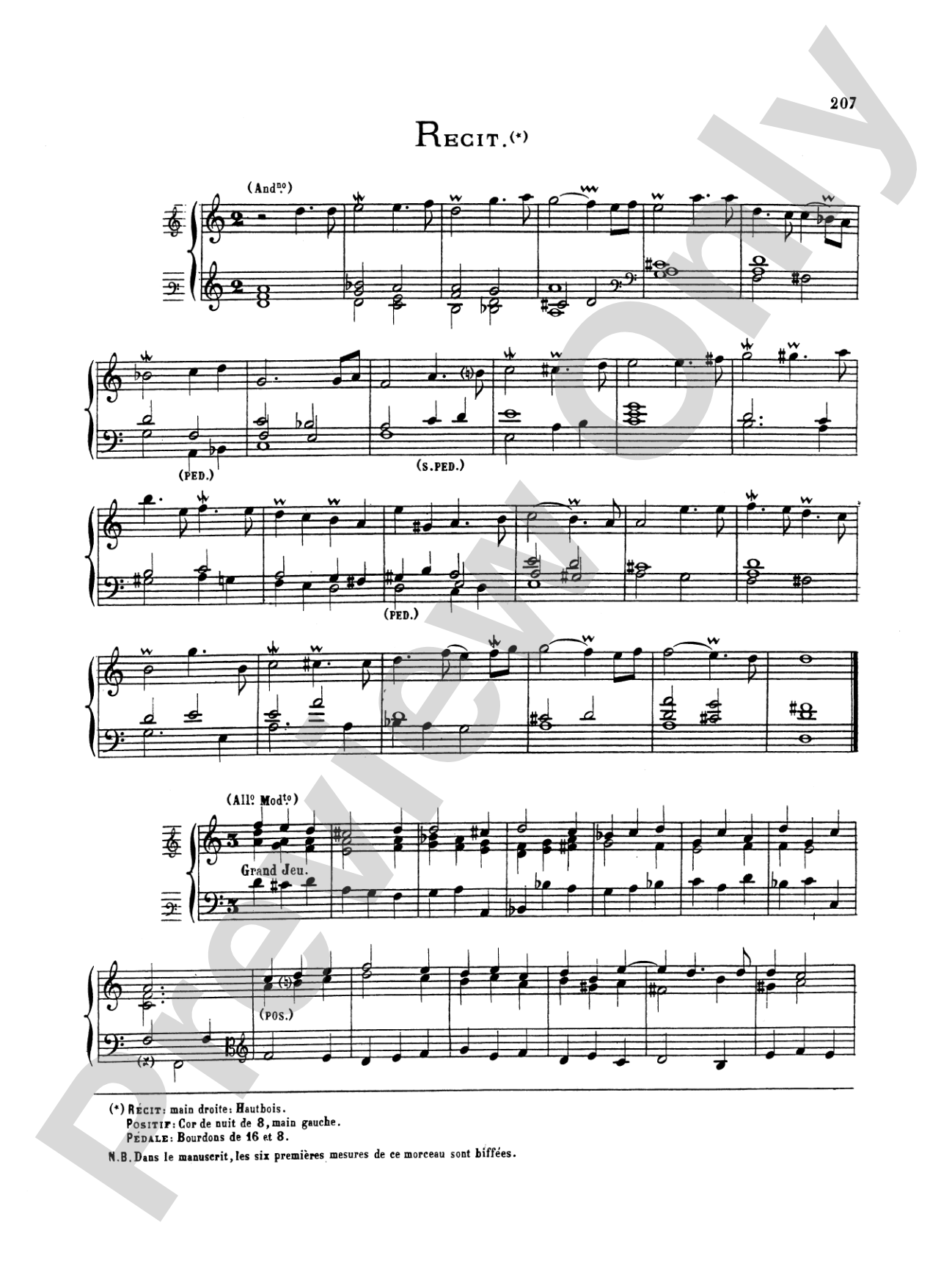
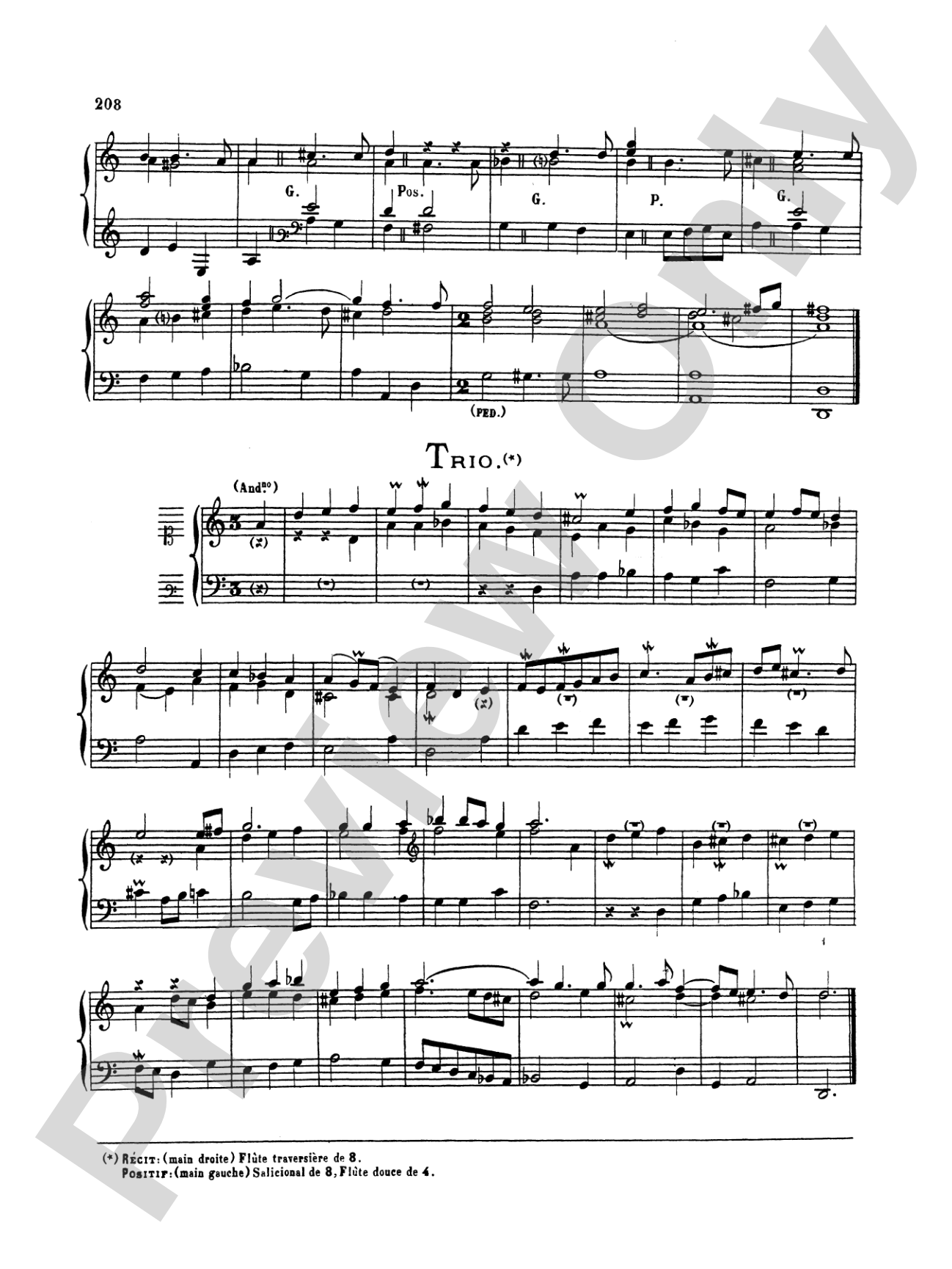
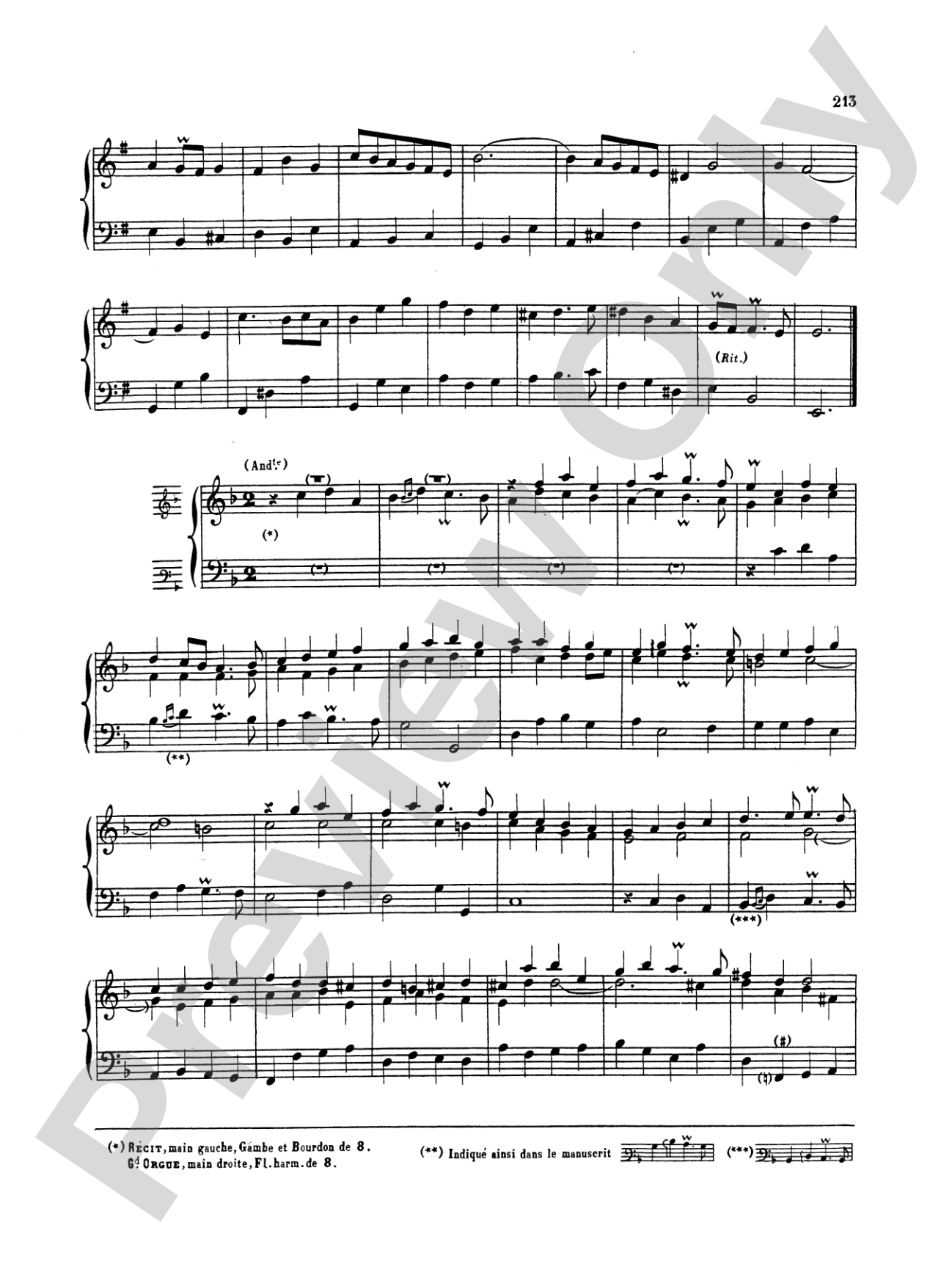
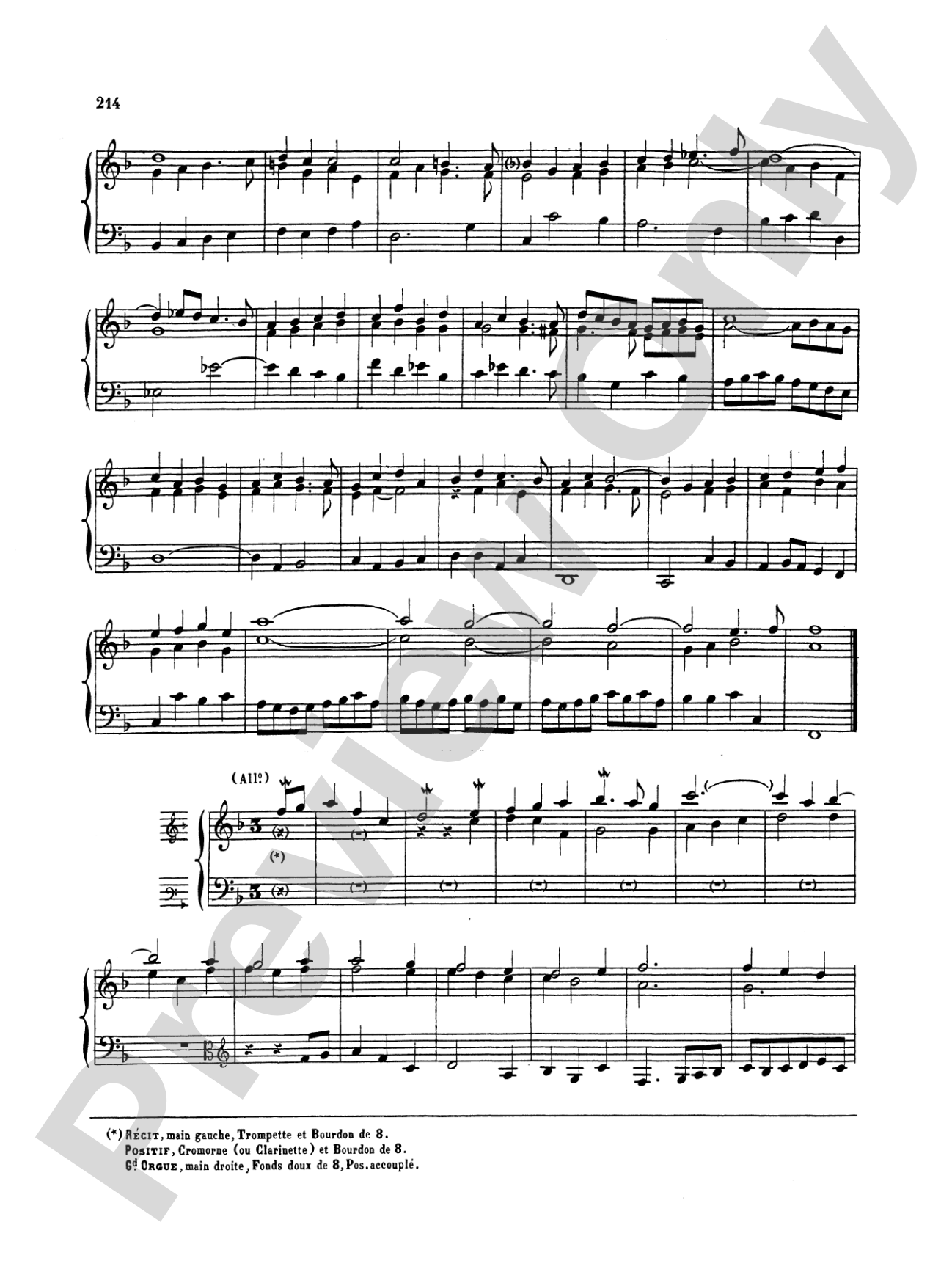
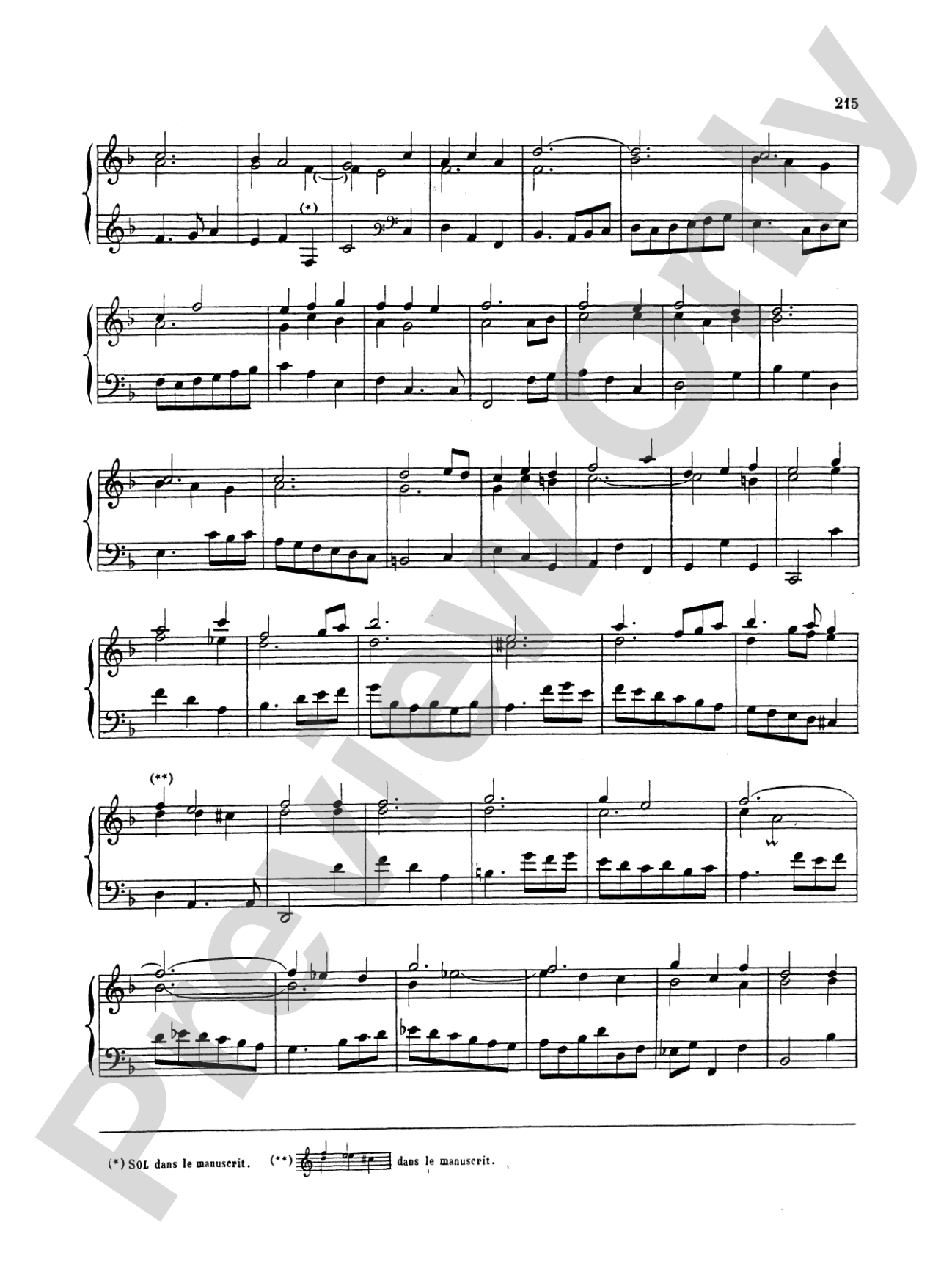
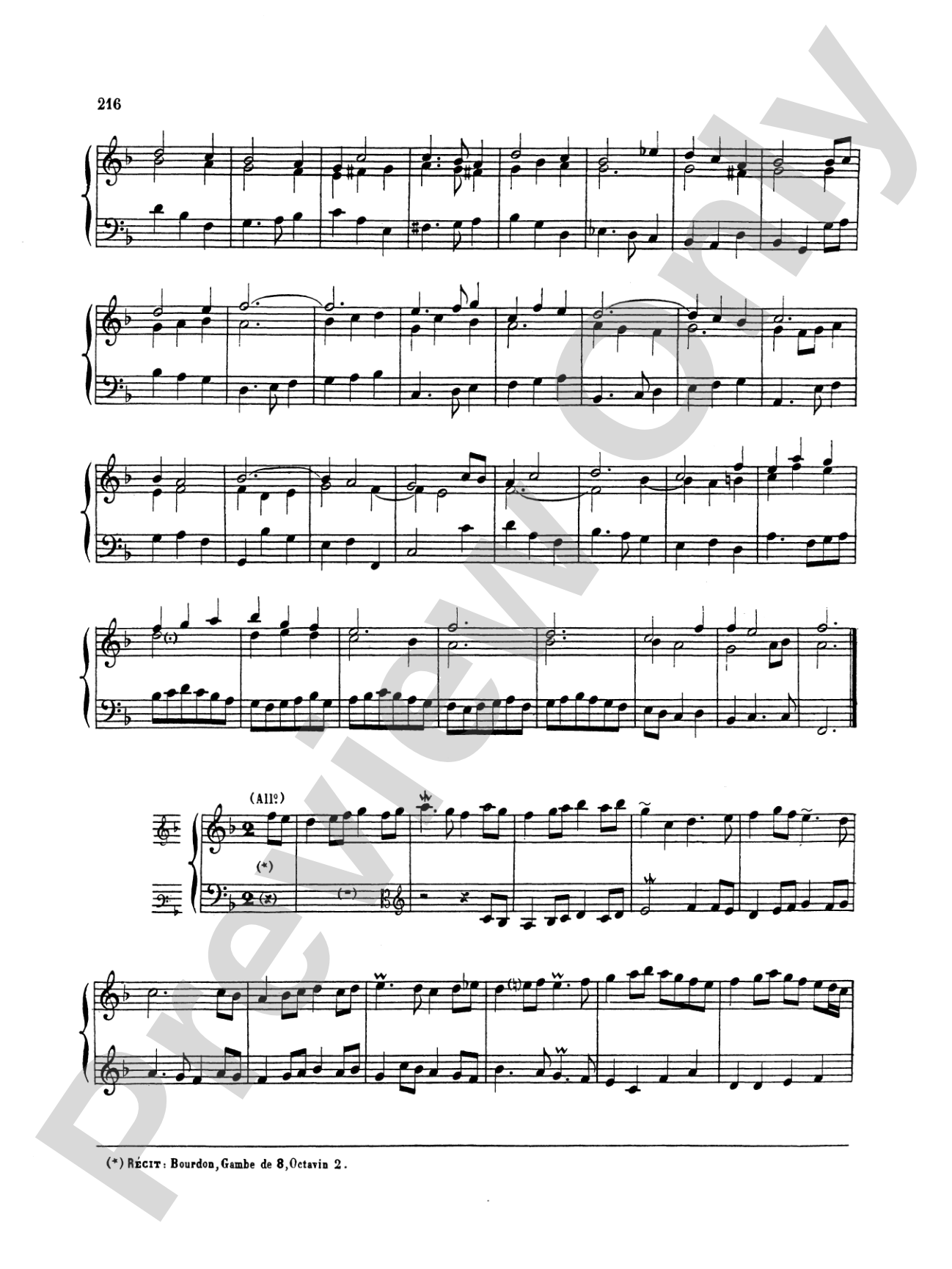
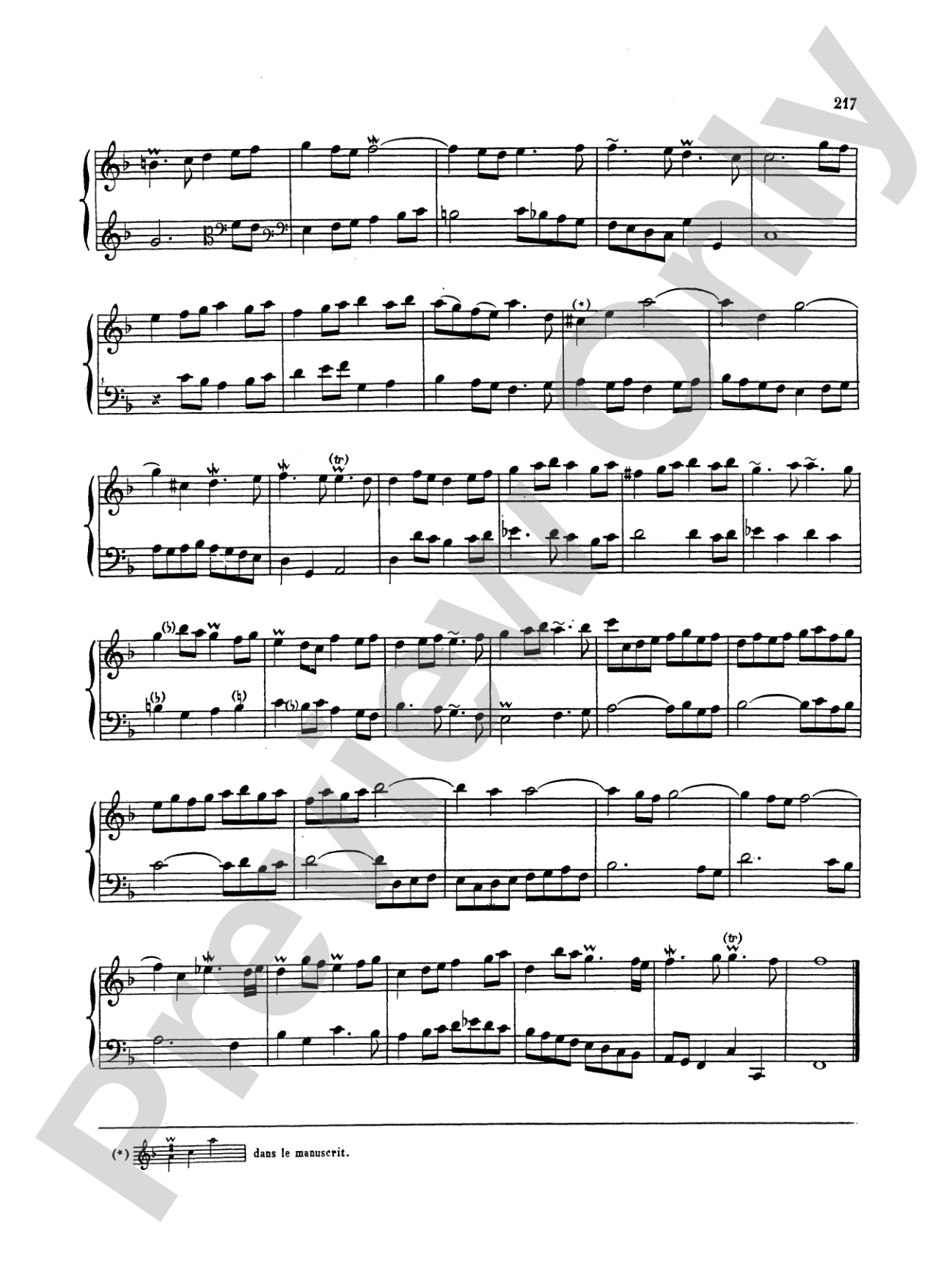
A collection of exercises, for Organ, composed by Louis Marchand.


Don't just read it, hear it, play along with it, and watch your students grow with it. In MakeMusic Cloud, Marchand: Organ Compositions: Organ Book comes alive with professional accompaniment, adjustable tempo, and built-in practice tools that turn solo practice into real progress.
Open in the Player
Jump straight in and assign it today.
Start Your Free Trial
Open this title and explore the full library in minutes.
Sample Audio
No sample audio found.
Sample Video
No sample videos found.
Additional Details
Series:
Kalmus Edition
Publisher:
Alfred Music
Page Count:
56
SKU:
00-PK-0003430
More about this title
About the Composer: Louis Marchand
Louis Marchand (1669-1732) was one of the most celebrated French organists of the Baroque era and a composer whose keyboard works remained influential long after his death. He served as organist at major churches in Paris and Lyon, where he earned recognition for both his virtuosic playing and his compositions that bridged French and Italian stylistic traditions. His organ works are foundational to the French Baroque keyboard repertoire and continue to be studied for their technical demands and musical sophistication.
Marchand's compositions reflect the ornamental language and contrapuntal rigor of the French keyboard school. His exercises and pieces were designed not merely as technical studies but as complete musical statements, combining mechanical facility with genuine artistic substance. For organists seeking to understand the French Baroque idiom and develop control at the keyboard, Marchand's writing remains as relevant today as it was three centuries ago.
Why we love this
Marchand's exercises transcend the utilitarian. Each one functions as a miniature composition with genuine artistic purpose, so students develop technical chops without sacrificing musicality. The collection offers direct access to how a master organist conceived of keyboard problem-solving, making it invaluable for anyone serious about Baroque organ practice.
What to expect
Marchand's work carries the ornamental elegance and disciplined counterpoint of the French keyboard tradition. The pieces alternate between passages of sparkling figuration and moments of sustained, singing phrasing; the technical demands are genuine but always serve the musical intention rather than obscuring it. There is a satisfying sense of clarity and balance throughout, reflecting the composer's own mastery at the keyboard.
Who it's for
Advanced organists and serious students of Baroque keyboard repertoire will find this collection essential for building control, independence, and stylistic understanding. Teachers of organ seeking structured material rooted in historical practice and authentic technical demands will value Marchand's approach to exercise design. This resource works best for players who already read organ music fluently and are ready to engage with authentic French Baroque keyboard writing.
How to get the most out of it
- Observe the ornamentations and articulations precisely; French Baroque notation carries specific expectations about note grouping and release that affect phrasing and clarity.
- Practice each exercise at a tempo where you can hear the individual voices and contrapuntal relationships clearly before pushing for speed.
- Pay attention to hand independence and balance between manuals; Marchand's writing often requires deliberate registration choices to achieve the intended sonorities.
- Use the keyboard compass and technical challenges in each piece to identify which manual combinations and foot pedal positions serve the musical line best.
How to use it
Use these exercises as part of a focused study unit on French Baroque organ practice, perhaps in conjunction with performances of Marchand's larger works or pieces by his contemporaries. They function best in a pedagogical context rather than as concert repertoire, though select movements have sufficient musical substance to stand alone in recital. Program them during a season when you are exploring the development of keyboard technique across historical styles.
Skills your students will build
- Hand independence and coordination at the keyboard
- Ornamentation and articulation in French Baroque style
- Contrapuntal voice leading and balance
- Manual changes and registration awareness
- Fluency with authentic Baroque keyboard idioms and notation