
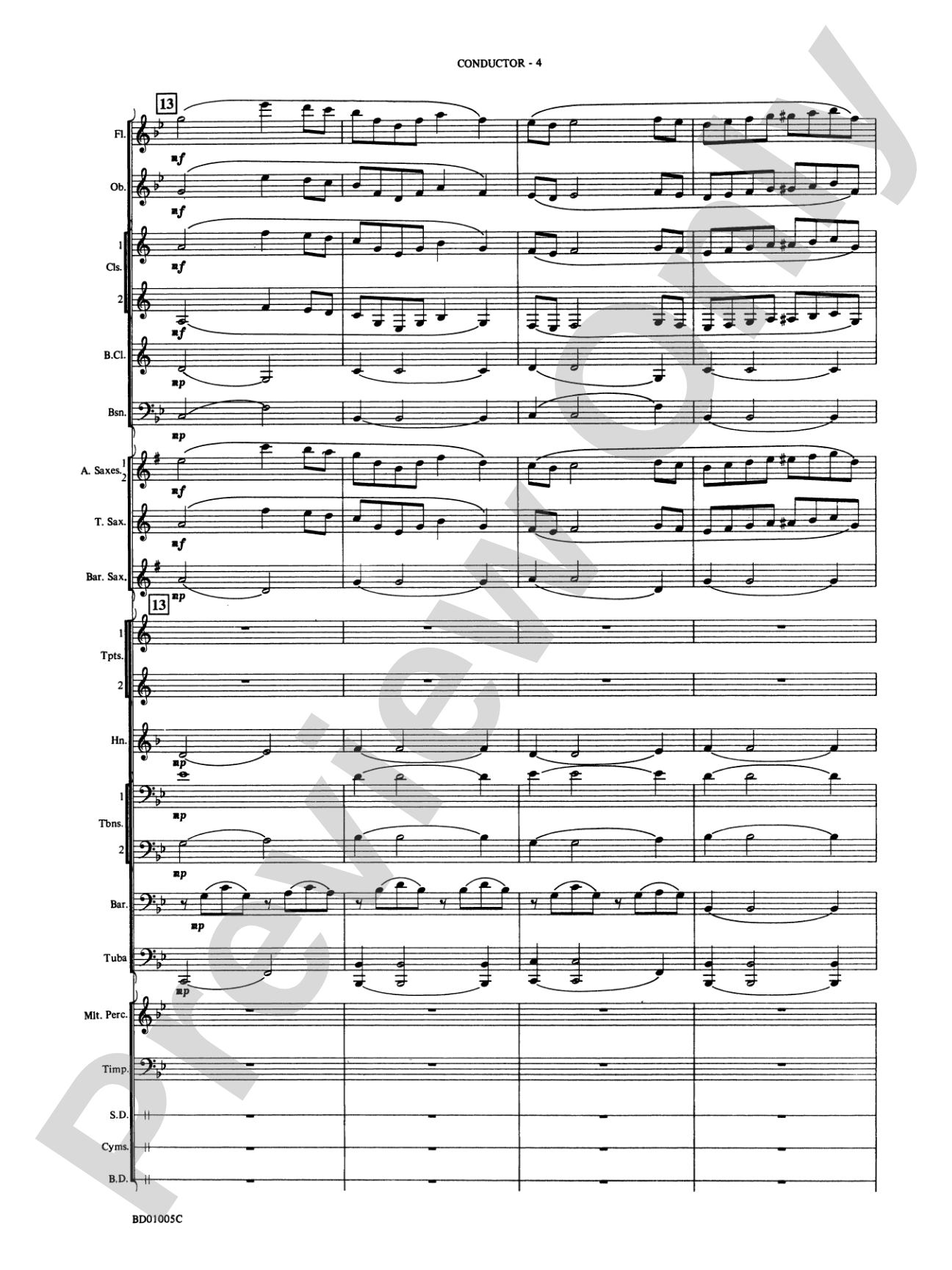
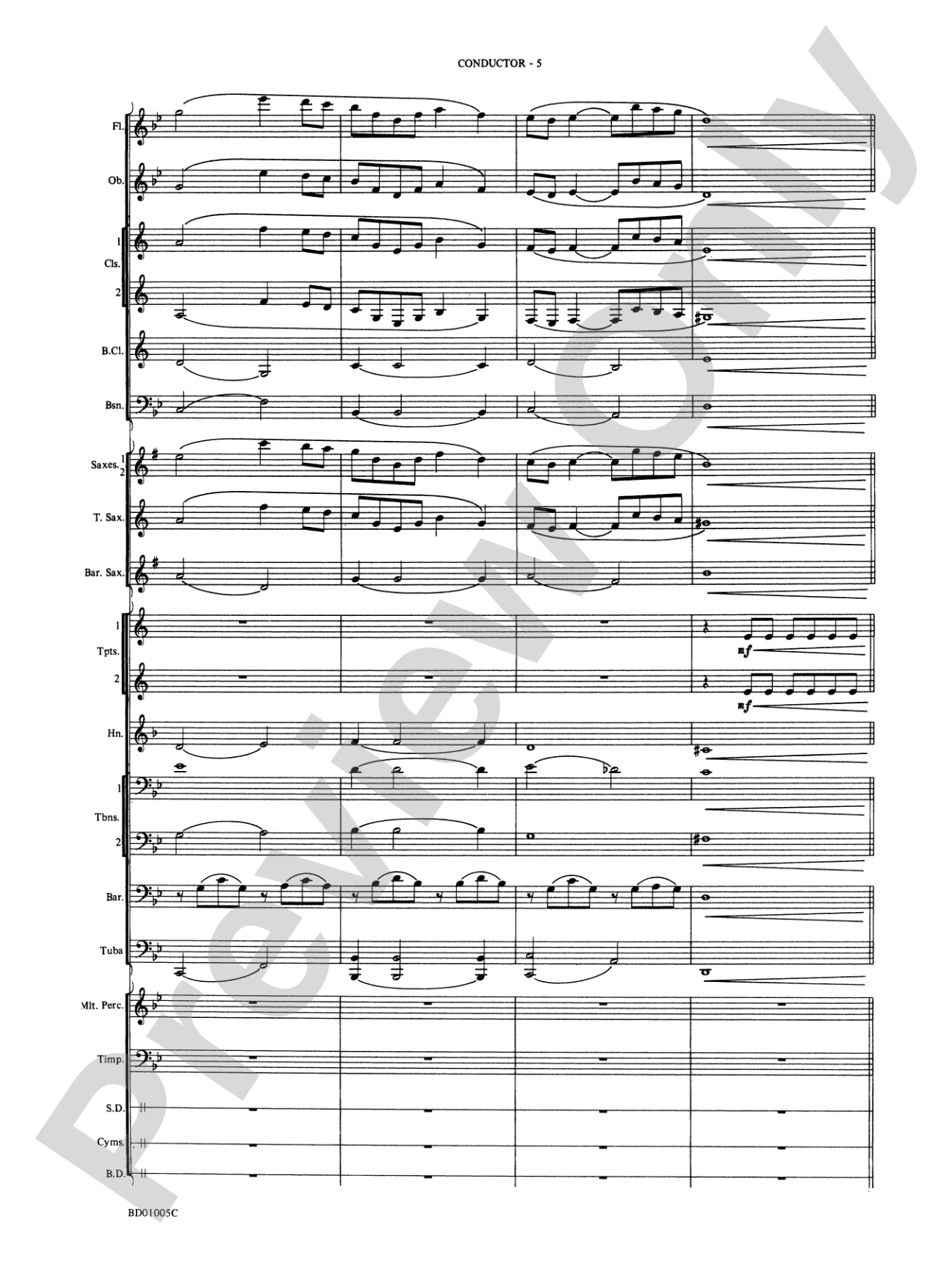
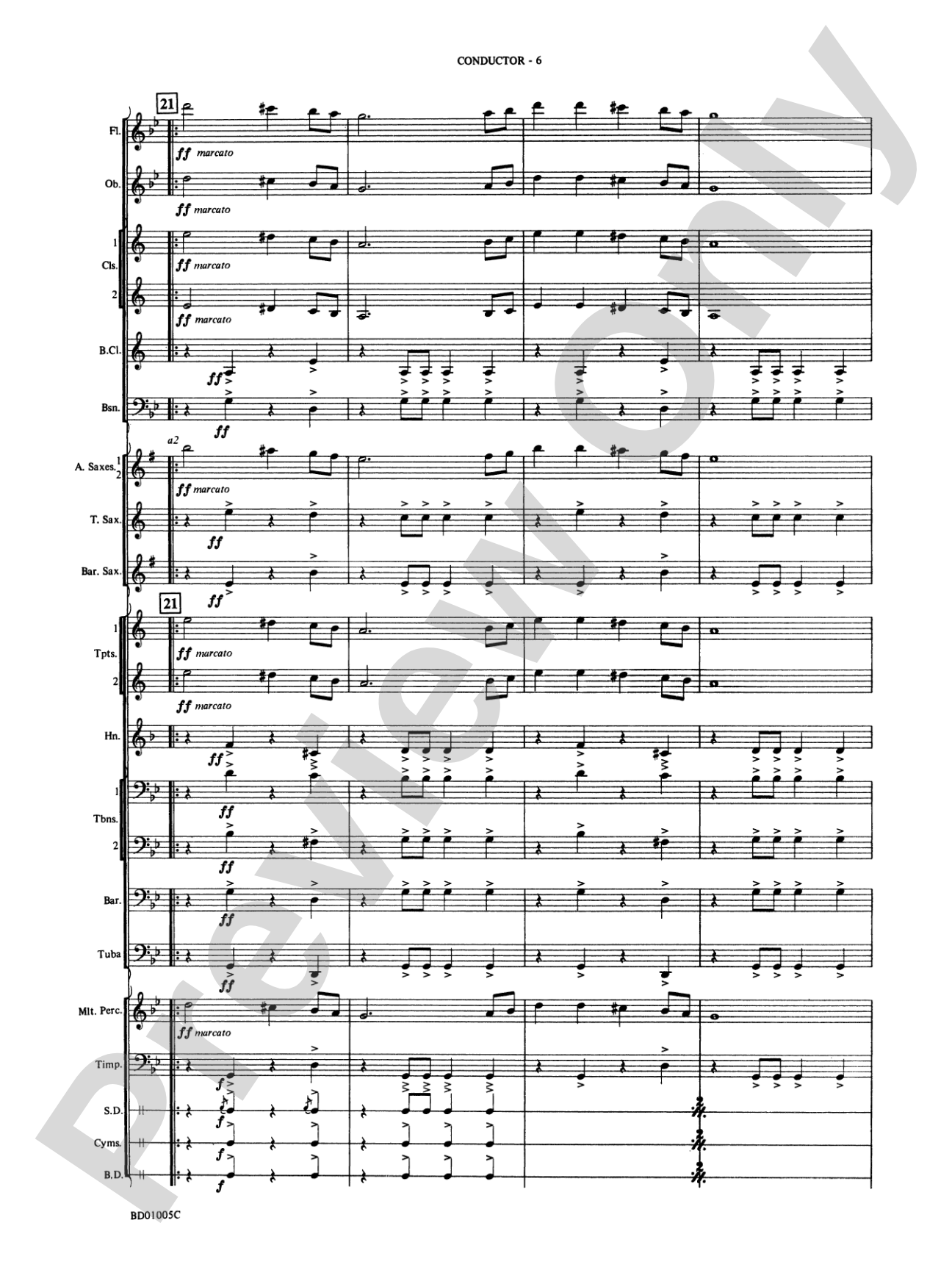
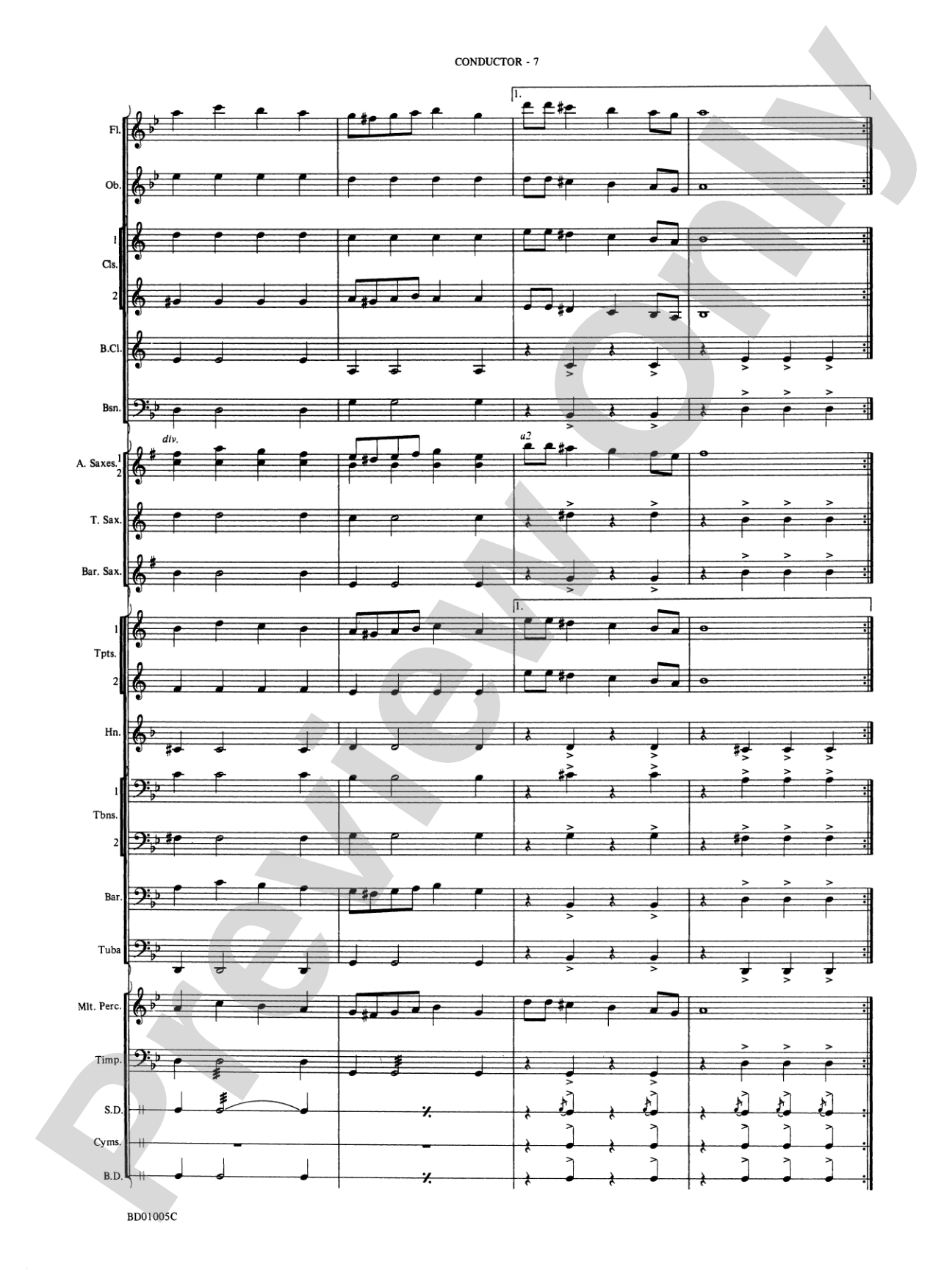
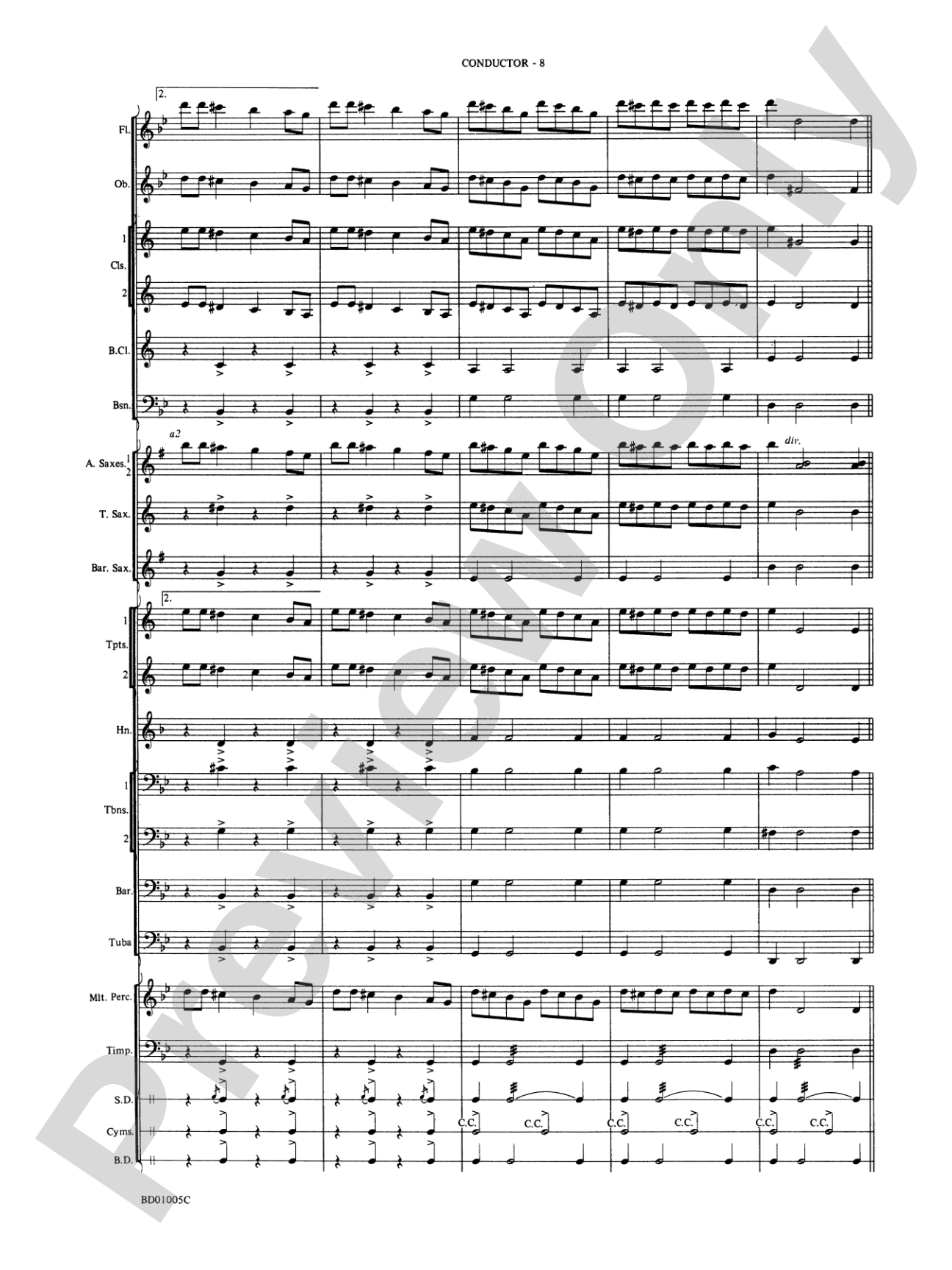
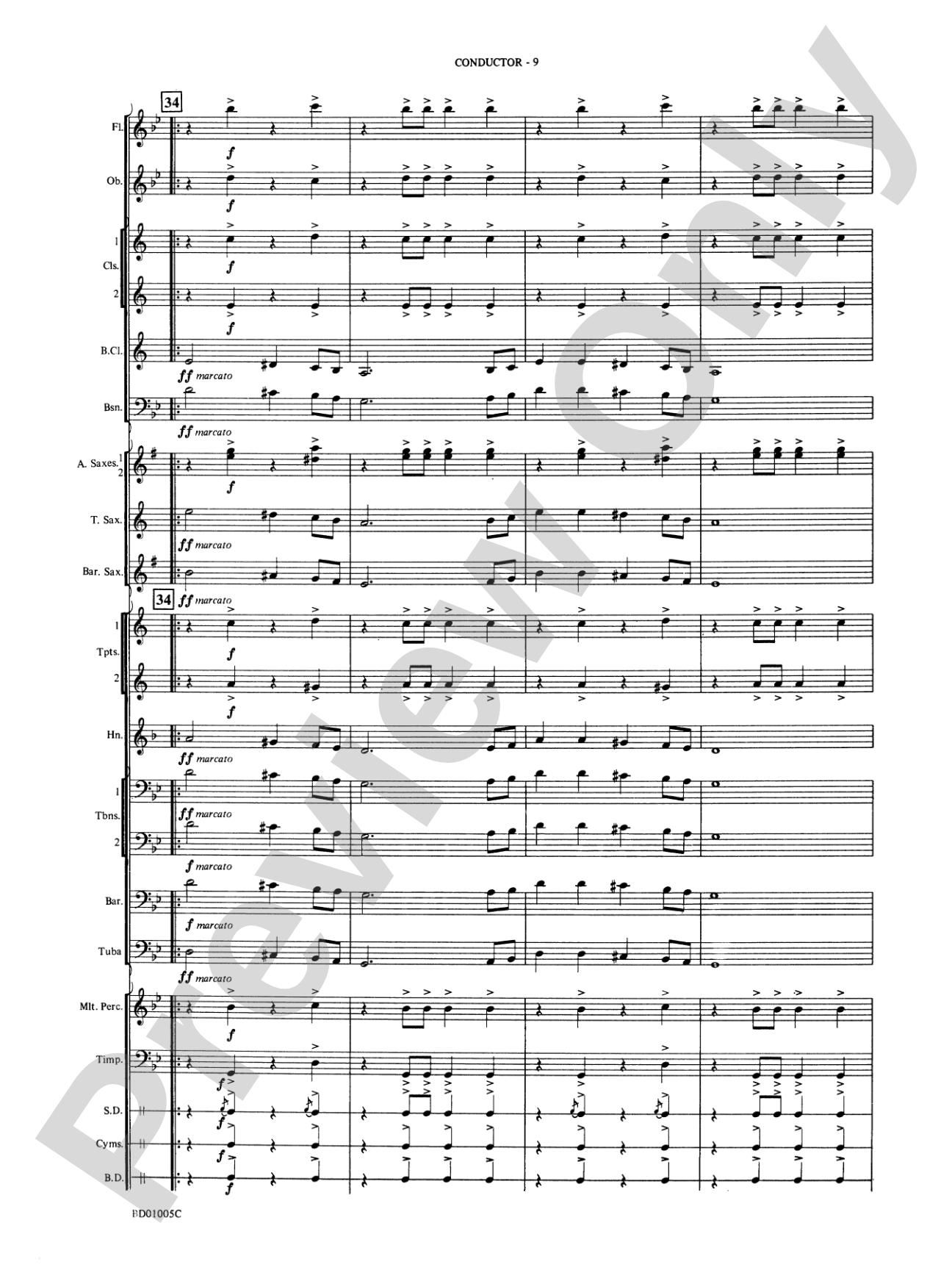
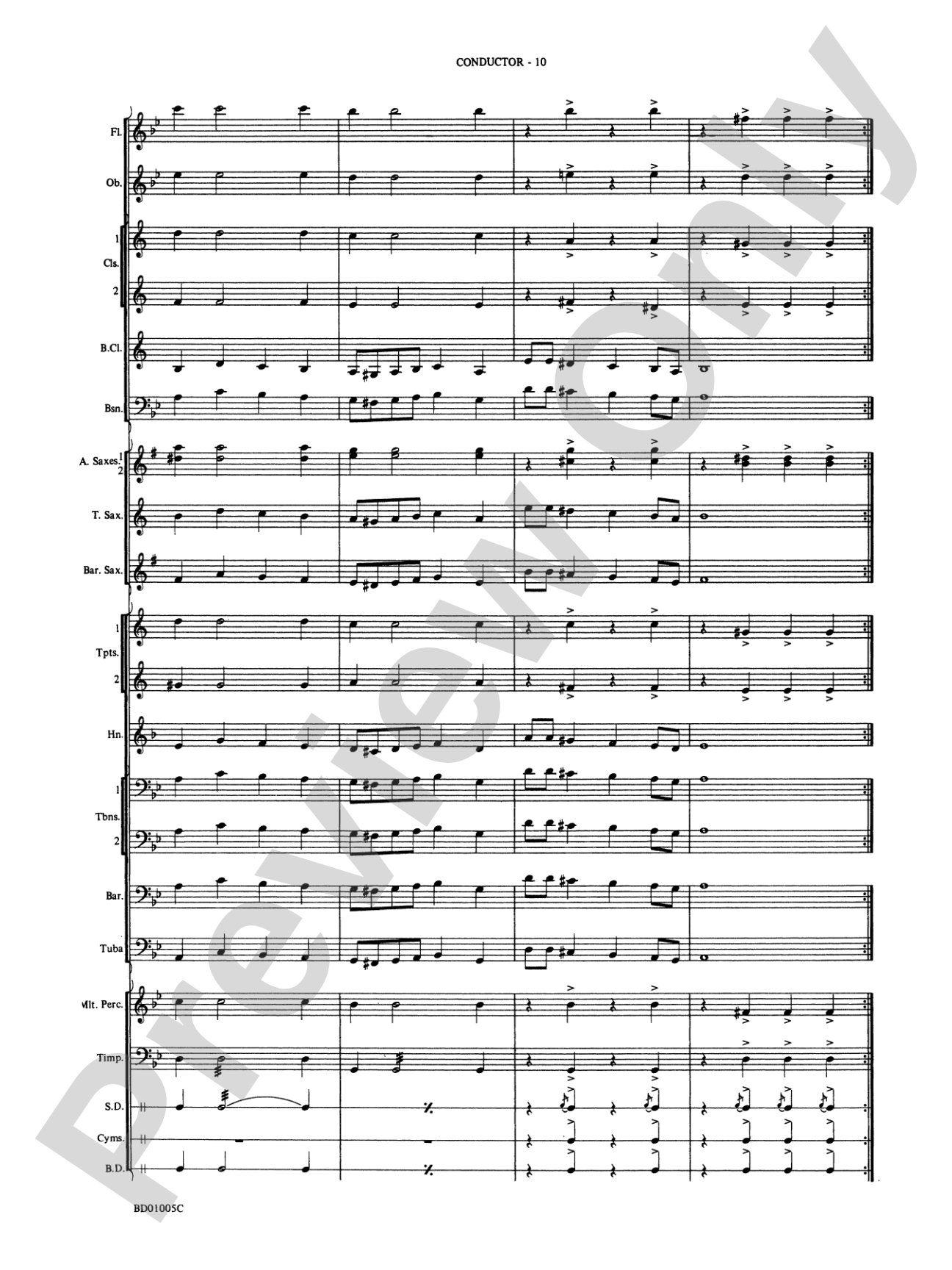
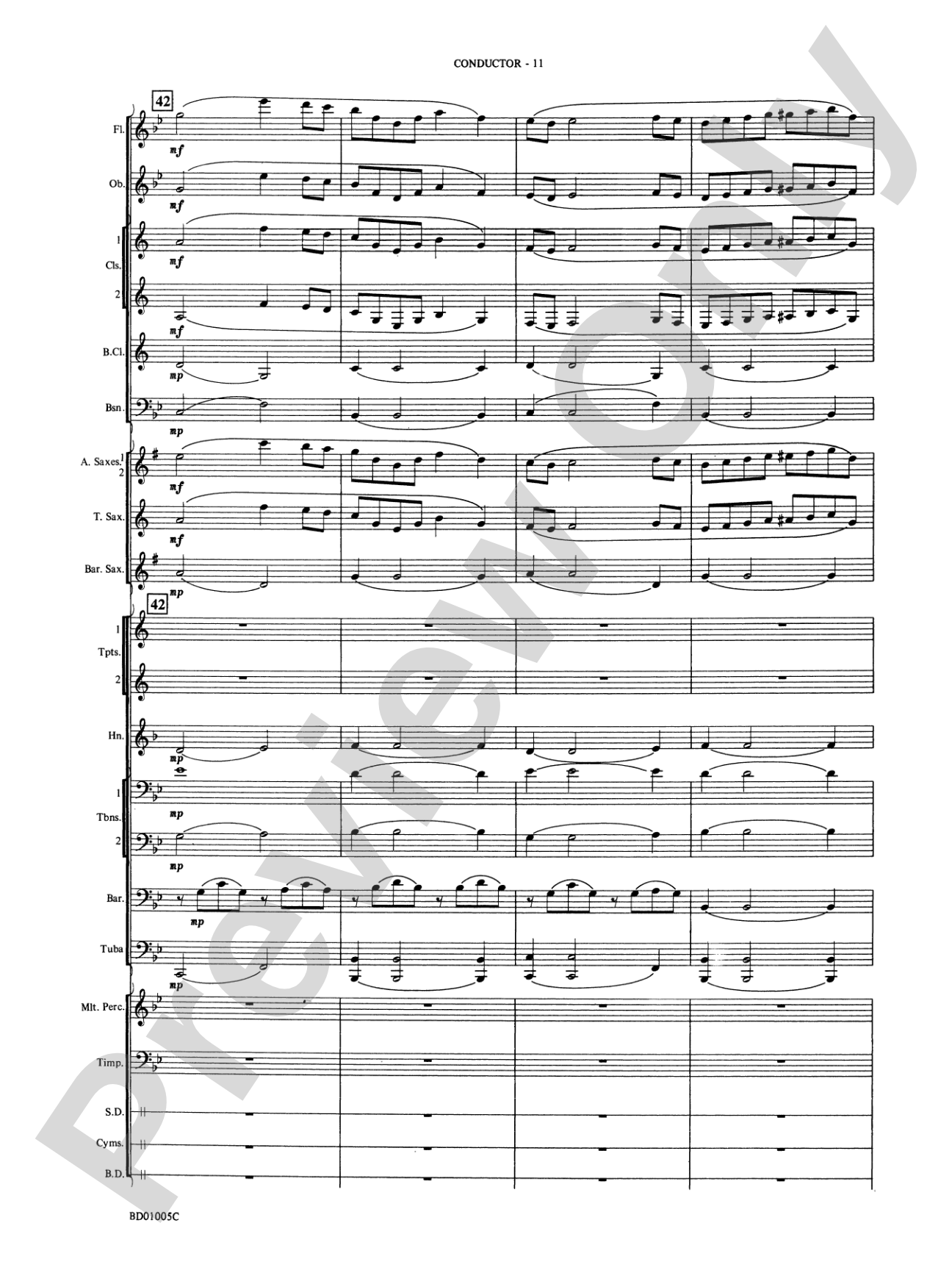
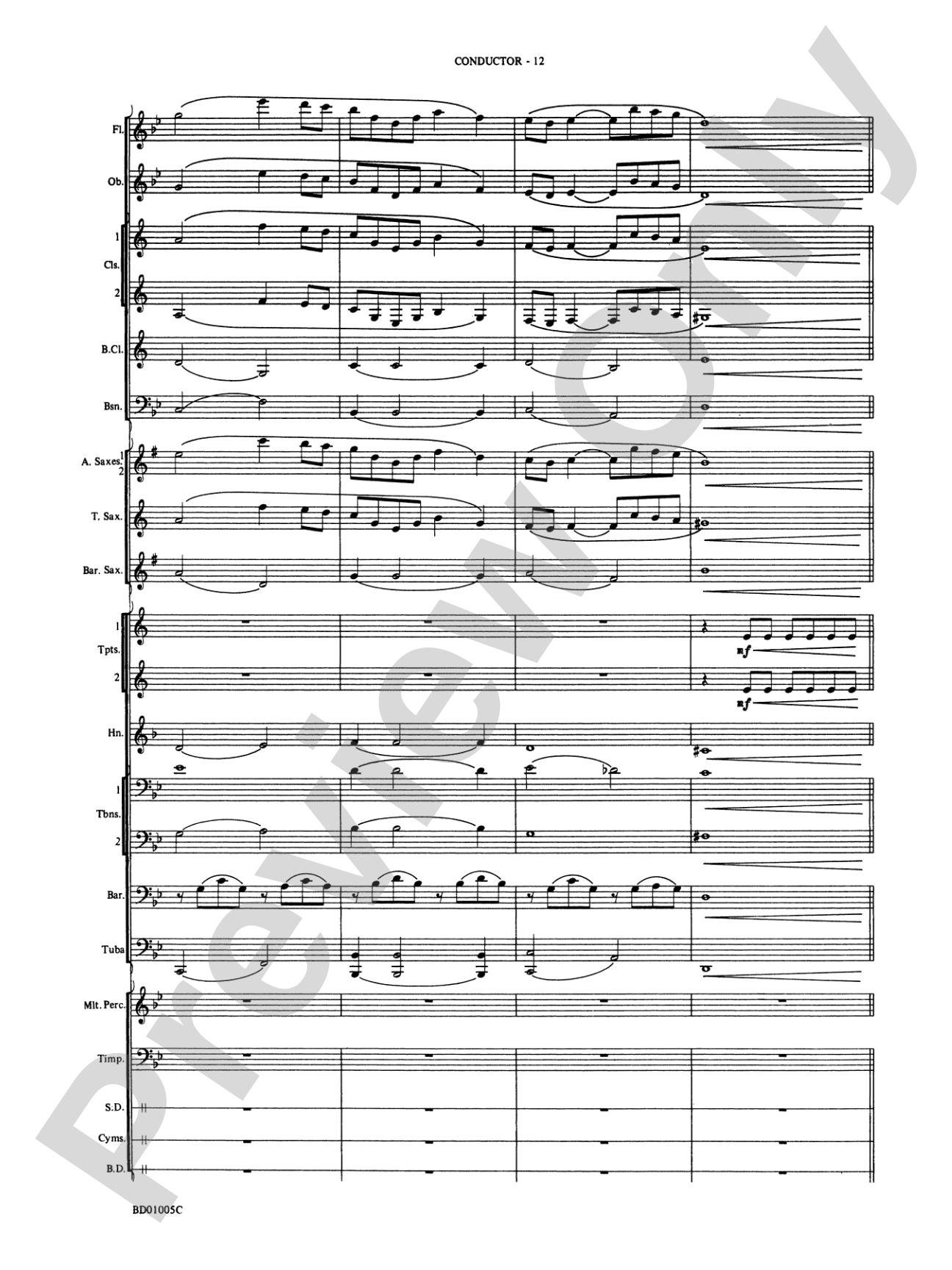
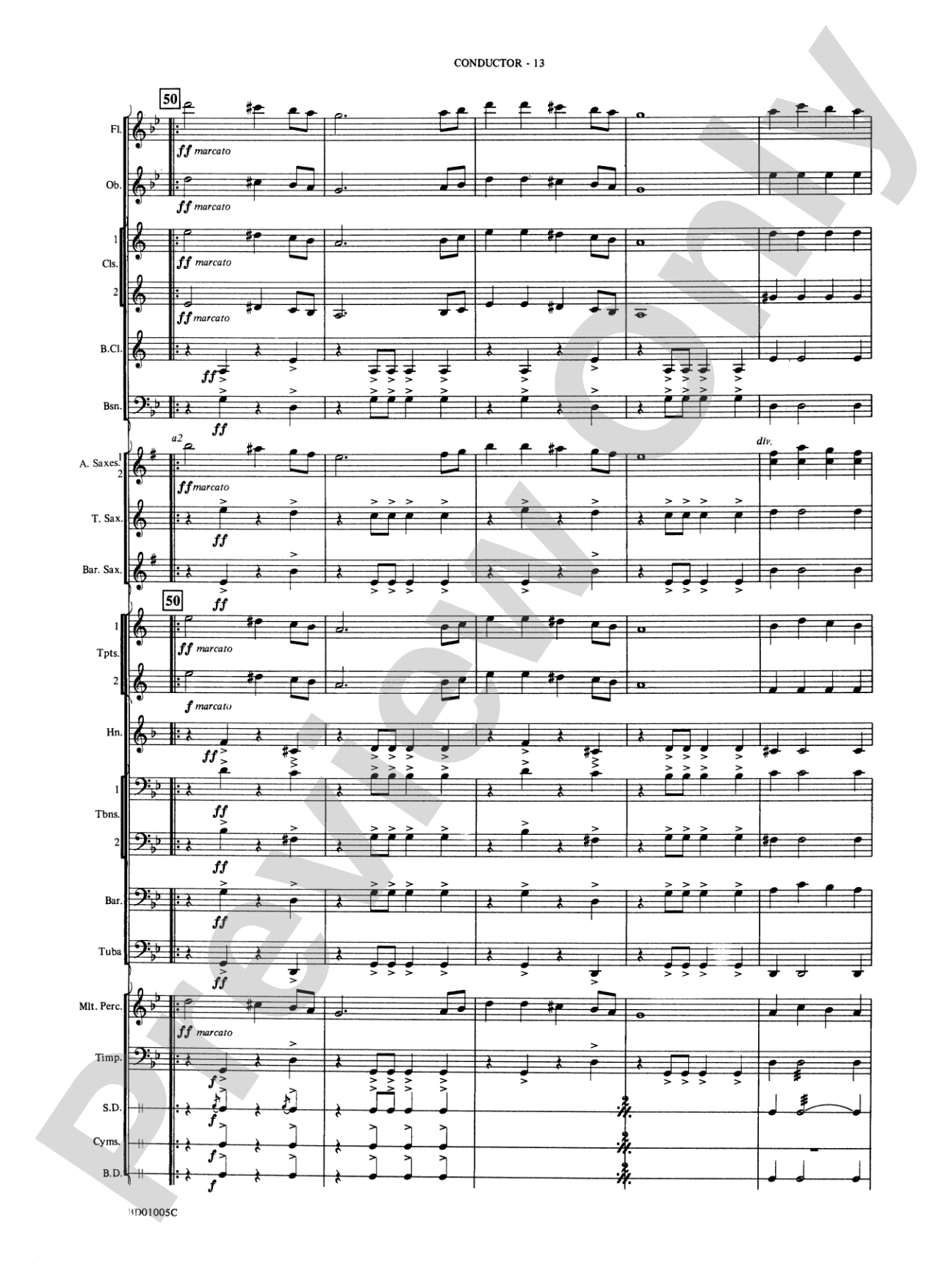
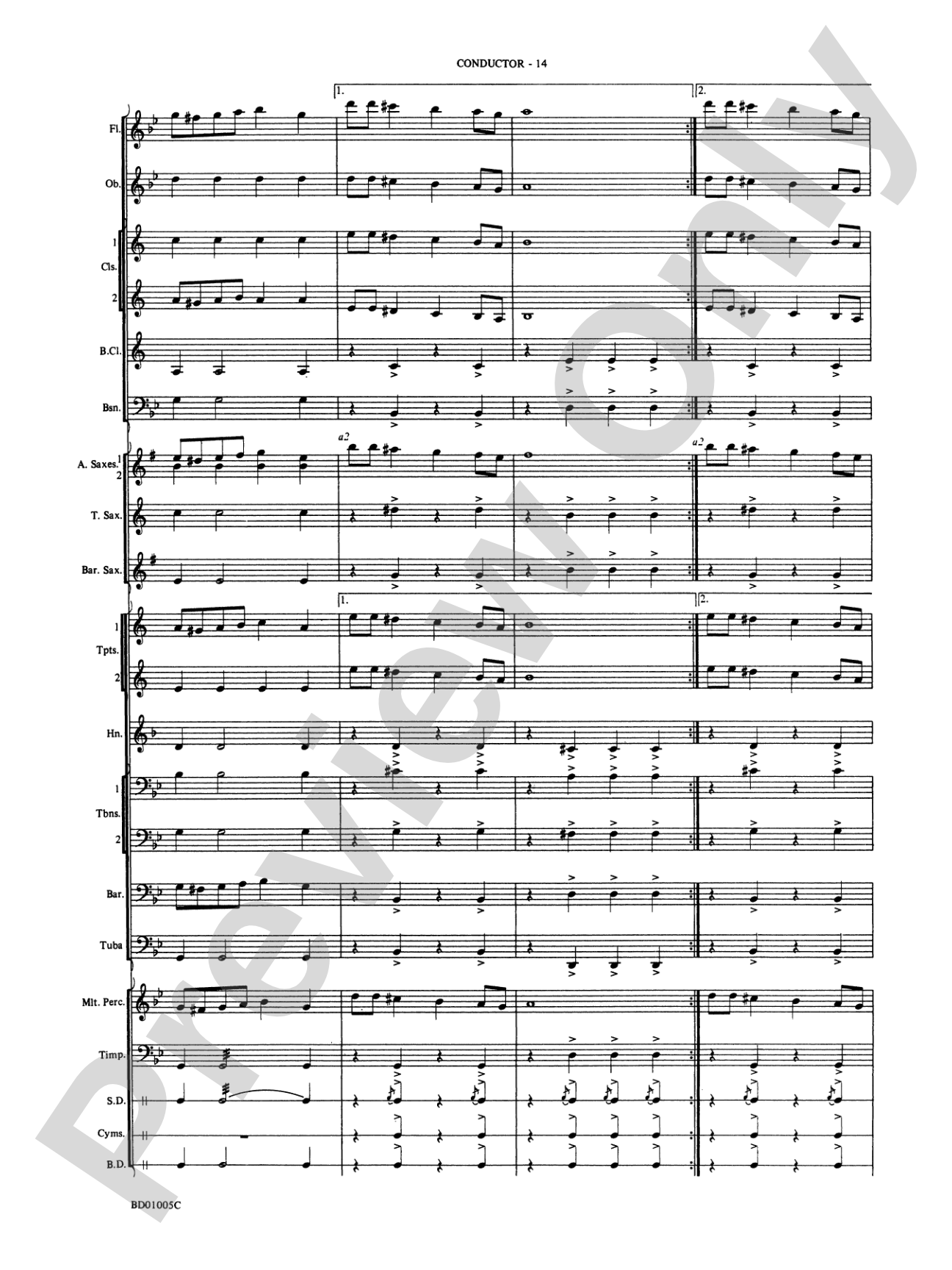
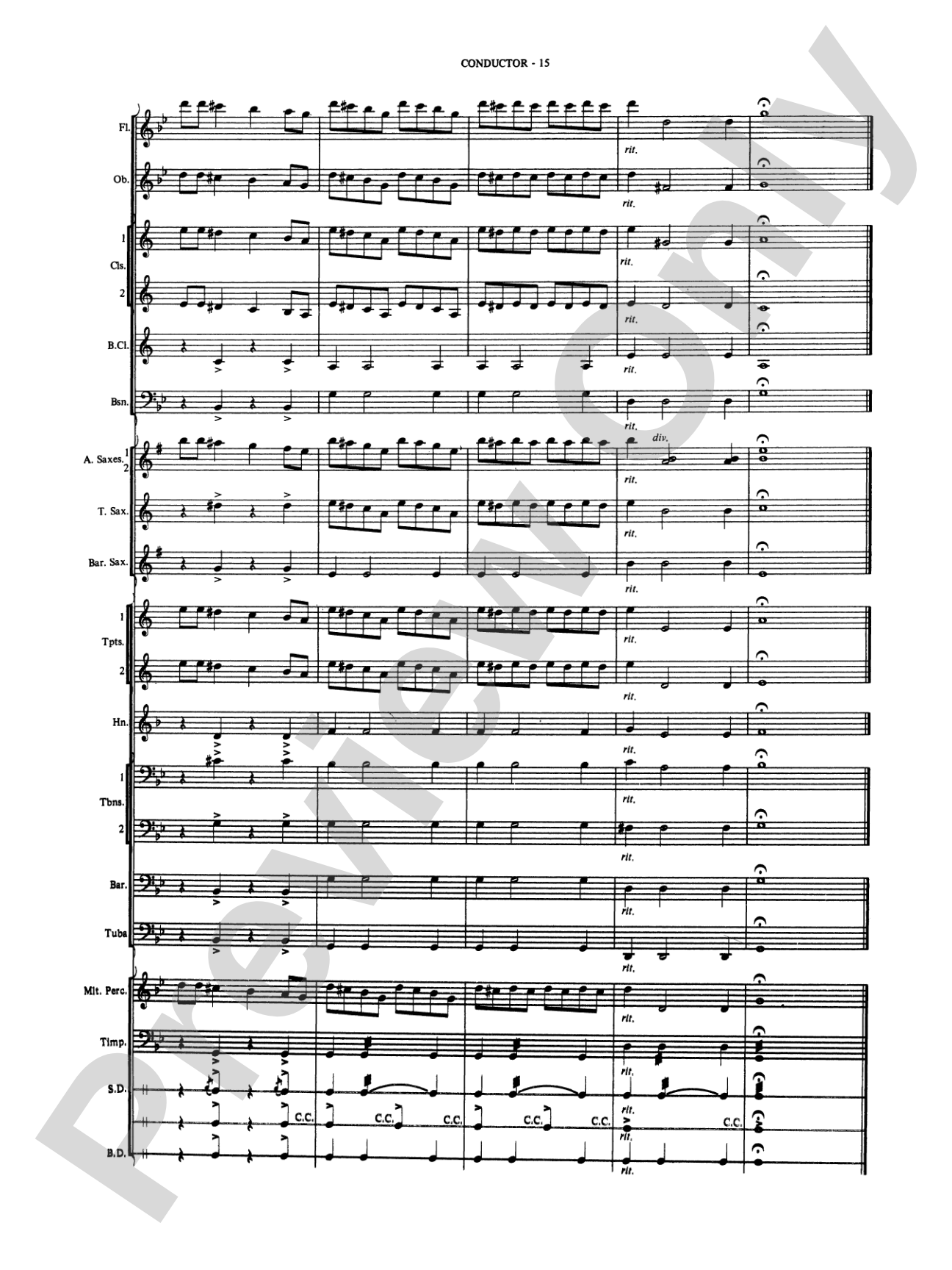

March Slav: Score
By Peter Ilyich Tchaikovsky / arr. James D. Ployhar
Grade: 2 (Easy)
Item: 00-PR-0001966
$6.00
Pickup currently not available
Description
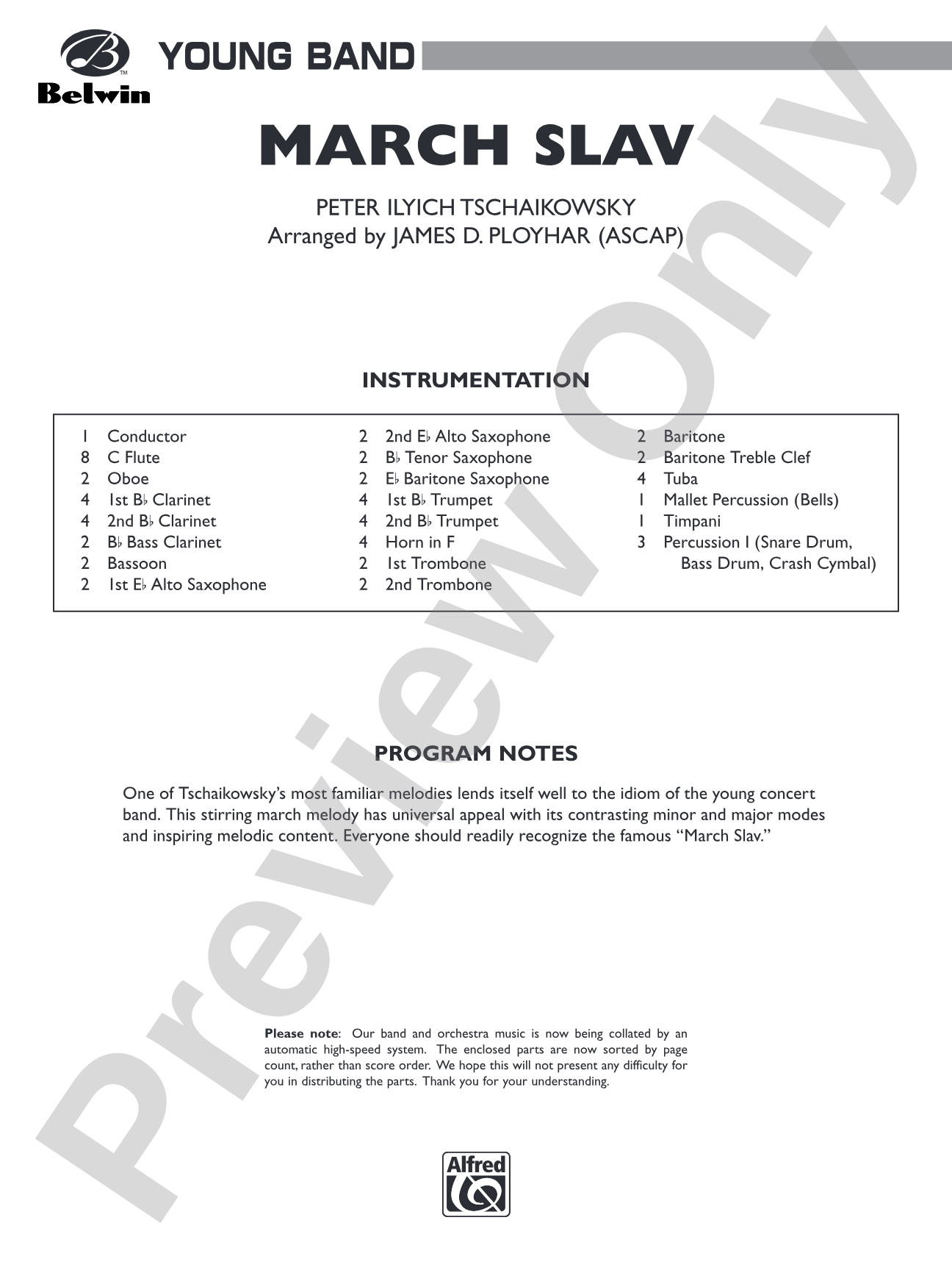
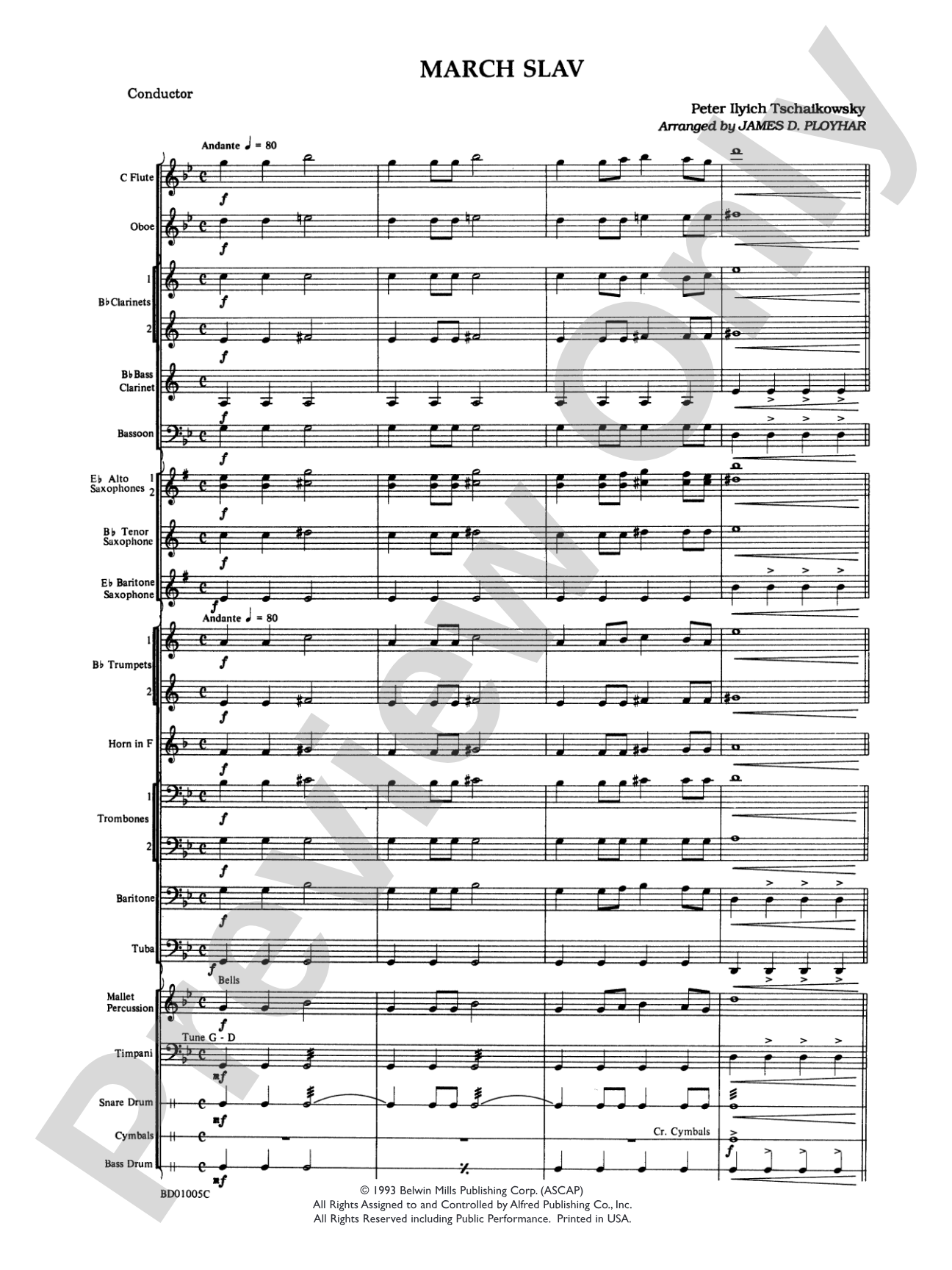
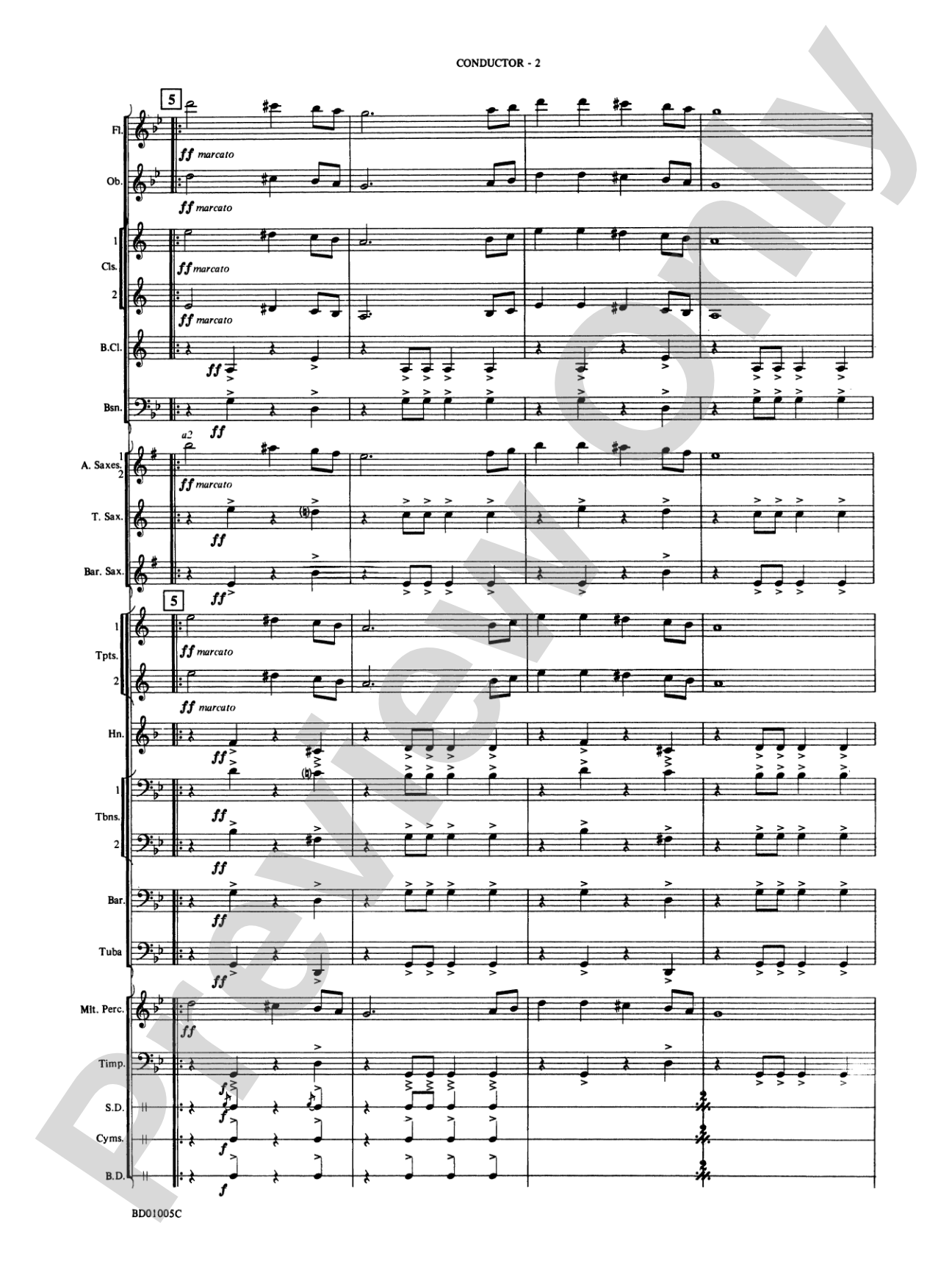
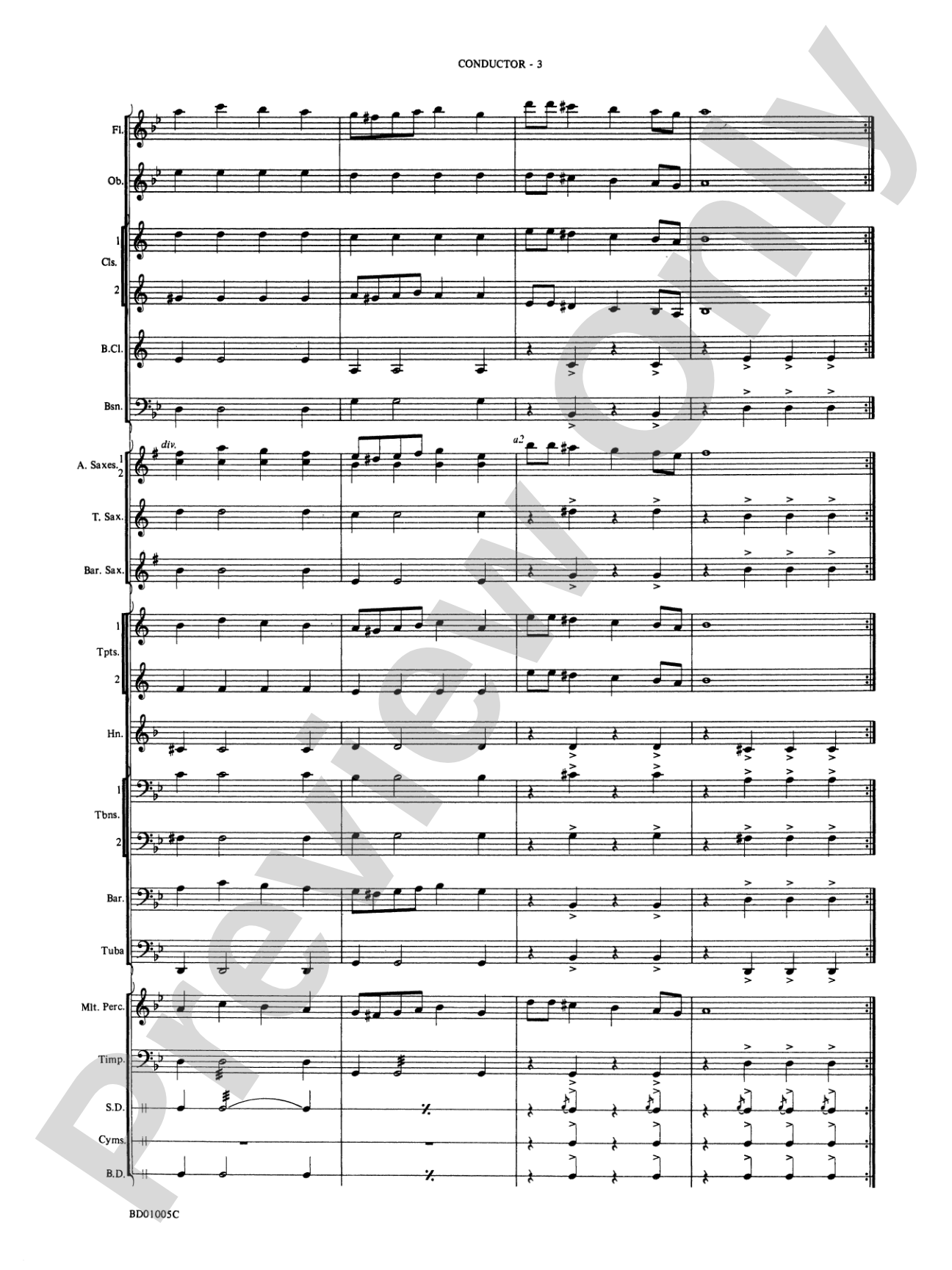
One of Tchaikovsky's most familiar melodies lends itself so very well to the idiom of the young concert band. This stirring march melody has universal appeal with its contrasting minor and major modes along with inspiring melodic content.


Don't just read it, hear it, play along with it, and watch your students grow with it. In MakeMusic Cloud, March Slav: Score comes alive with professional accompaniment, adjustable tempo, and built-in practice tools that turn solo practice into real progress.
Open in the Player
Jump straight in and assign it today.
Start Your Free Trial
Open this title and explore the full library in minutes.
Sample Audio
1
Audio File
--:--
0:00
0:00
Sample Video
Additional Details
Series:
Belwin Young Band
Publisher:
Alfred Music
Page Count:
128
SKU:
00-PR-0001966
More about this title
About the Composer: Peter Ilyich Tchaikovsky
Tchaikovsky (1840-1893) stands as one of the most performed composers in the concert hall, celebrated for his gift for unforgettable melody and orchestral color. His works span ballet, symphony, concerto, and opera, yet his music reaches audiences through simplicity and emotional directness rather than technical complexity. For young musicians, his melodies offer immediate gratification and the opportunity to play music that connects to the broader classical canon.
Why we love this
Ployhar's arrangement captures everything that makes this march irresistible while respecting the technical realities of Grade 2 bands. The contrast between minor and major sections gives young conductors genuine interpretive choices, and the familiar melody ensures immediate engagement from audiences and players alike. This is repertoire that sounds far more substantial than its grade level suggests, making it an ideal choice for building confidence in newer ensembles.
What to expect
March Slav captures the pageantry and grandeur you expect from Tchaikovsky while remaining thoroughly accessible. The minor section carries a contemplative dignity before the major section arrives with triumphant brightness; together they create a piece that feels both noble and celebratory.
Who it's for
This score and parts set serves conductors leading young concert bands who want to program music with genuine artistic substance and immediate audience recognition. It works equally well for first-year bands seeking repertoire that builds musicianship without overwhelming technical demands, and for more experienced Grade 2 groups preparing for contests or spring concerts.
How to get the most out of it
- Differentiate the minor and major sections clearly through dynamics and articulation. The minor section benefits from a slightly sharper, more pointed attack, while the major section can open up with more legato phrasing.
- Balance the melodic line against supporting parts so the primary theme sings through even in thicker textures. Young players tend to match the volume of the melody rather than support it.
- Allow the march character to breathe by slightly relaxing the tempo at key transitional moments; resist the urge to push forward during moments of harmonic interest or textural changes.
- Use the familiar quality of the melody as an opportunity to refine intonation and blend. Since players know the tune, they can focus on listening to their section and the ensemble around them rather than decoding notes.
How to use it
This arrangement sits comfortably in a concert built around Romantic-era classics or as a strong opening number that establishes musical credibility with your audience. It also serves as a natural companion to other Tchaikovsky arrangements or marches by his contemporaries, allowing you to build a thematic program around 19th-century Russian music or the march idiom itself.
Skills your students will build
- Conducting clear major and minor tonal centers
- Balancing melody against harmonic accompaniment
- Playing with stylistic character appropriate to march form
- Reading concert band instrumentation and part independence
- Managing dynamic contrast and textural clarity