
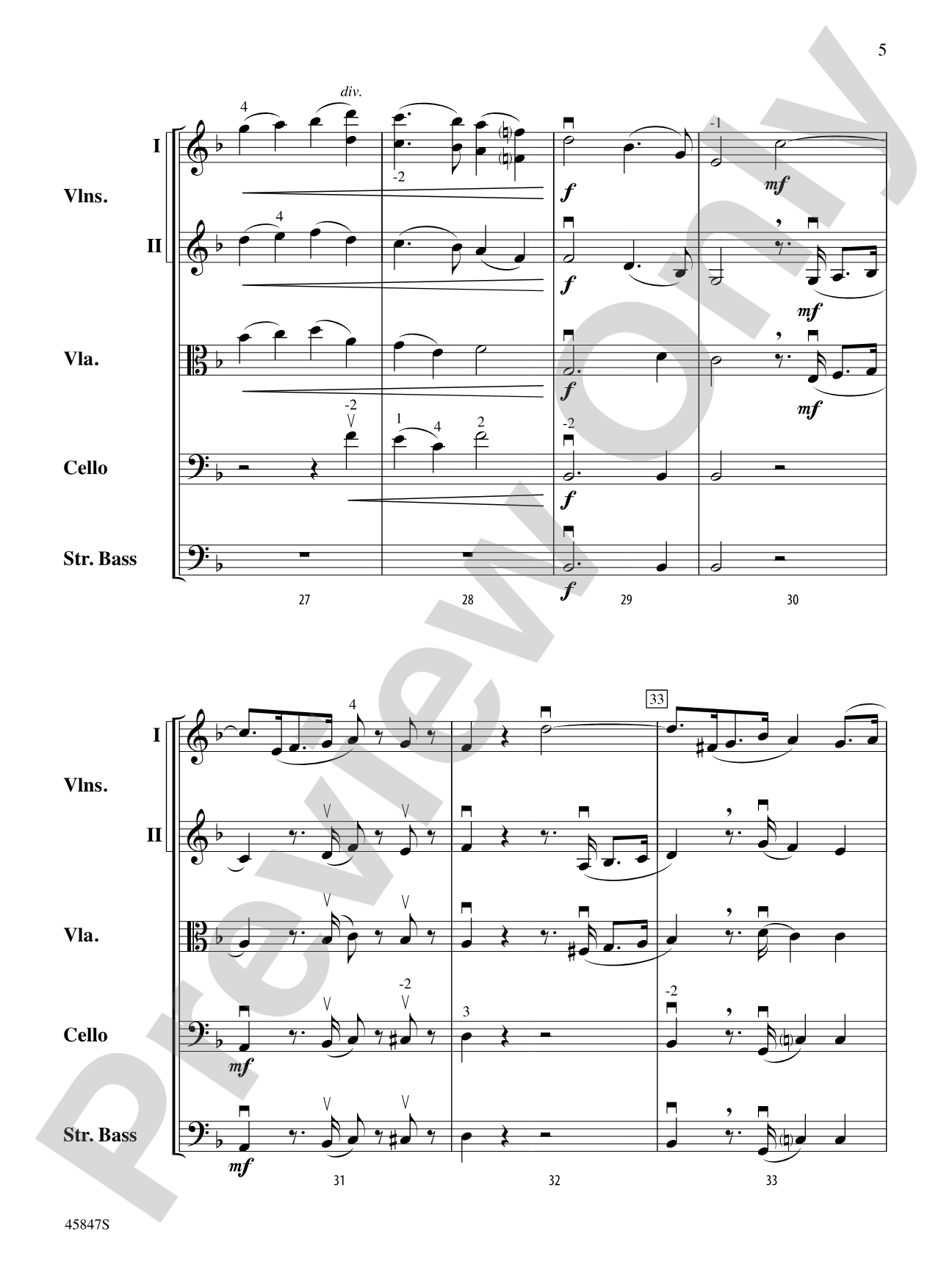
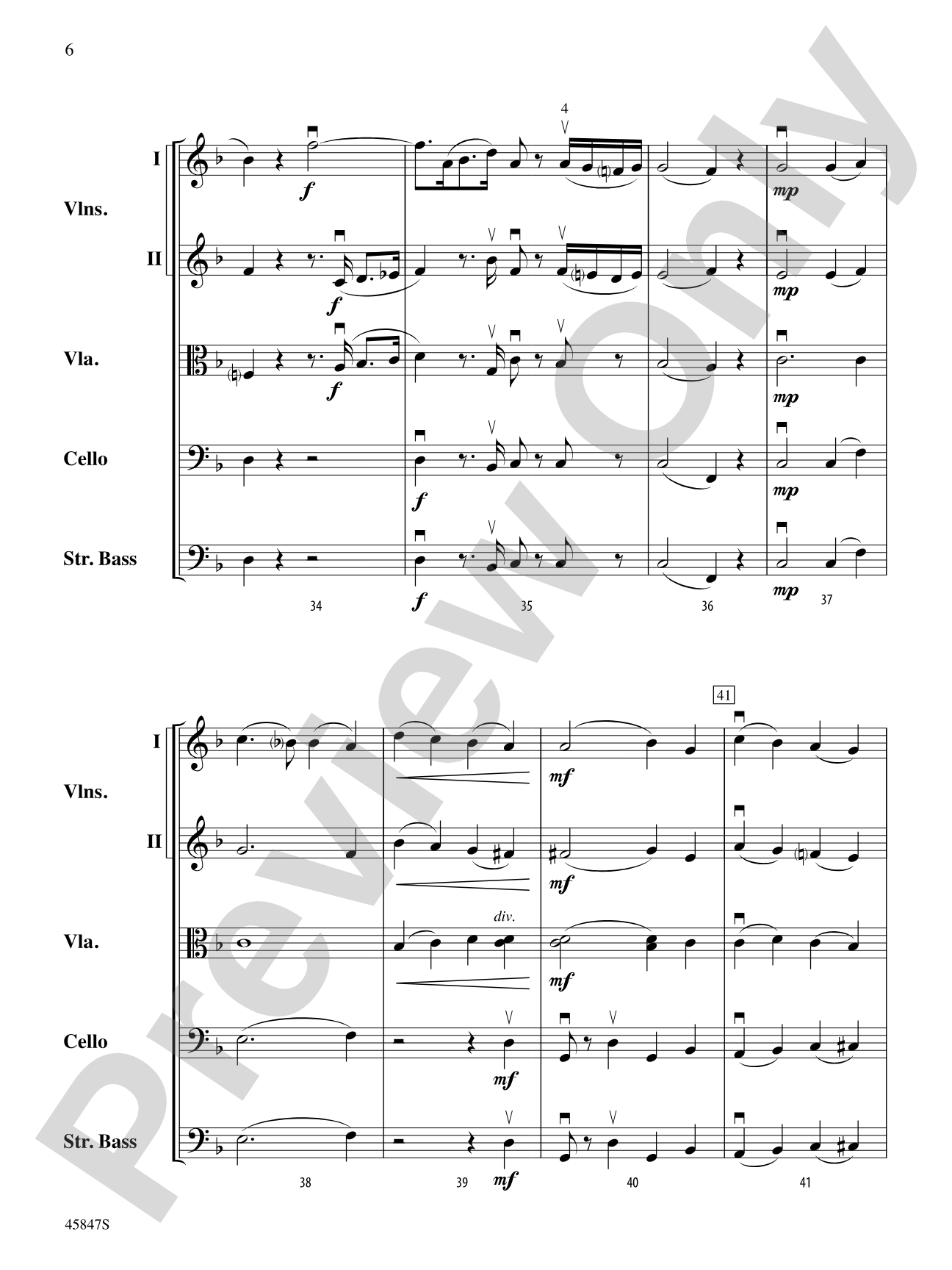
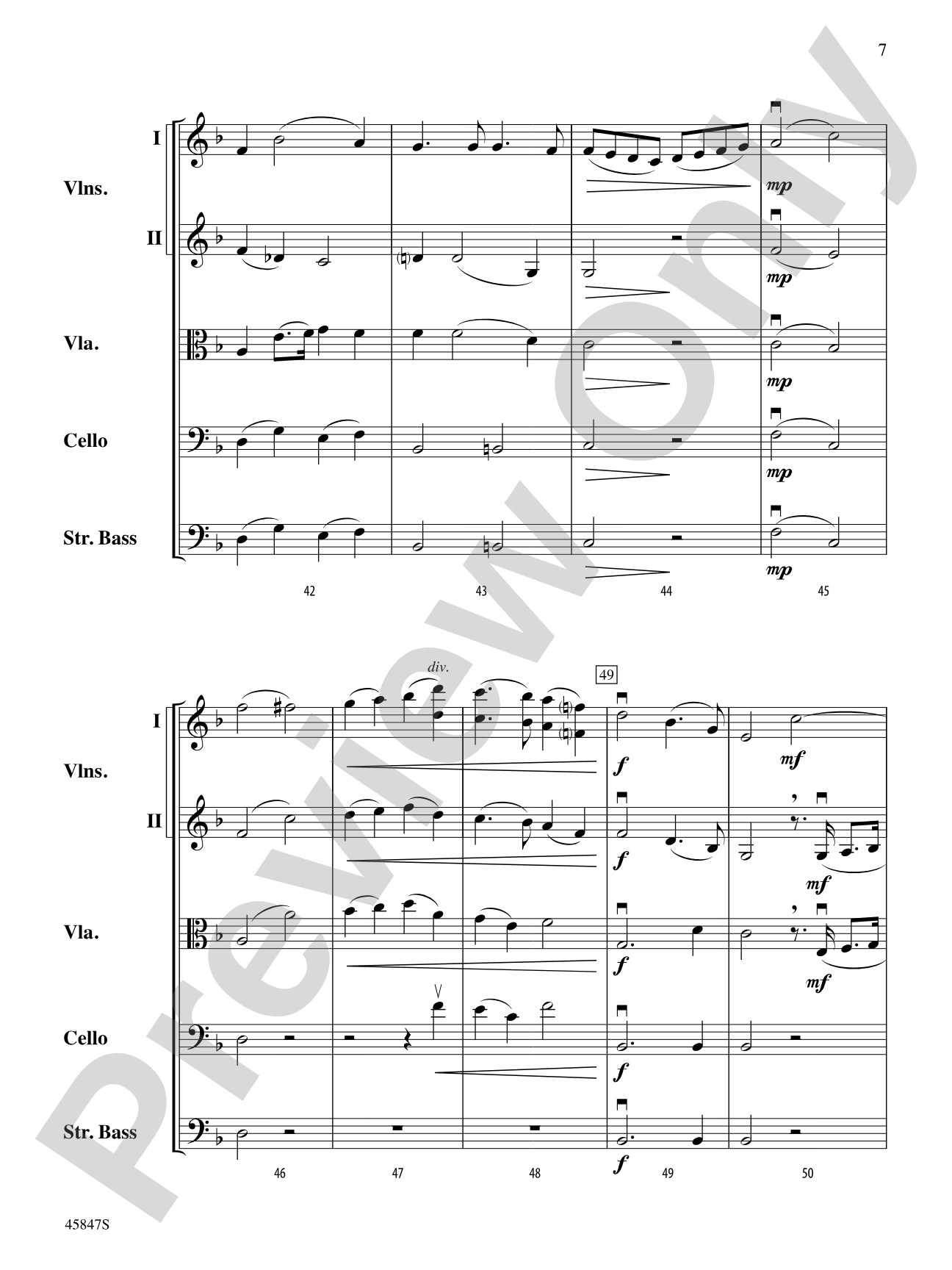
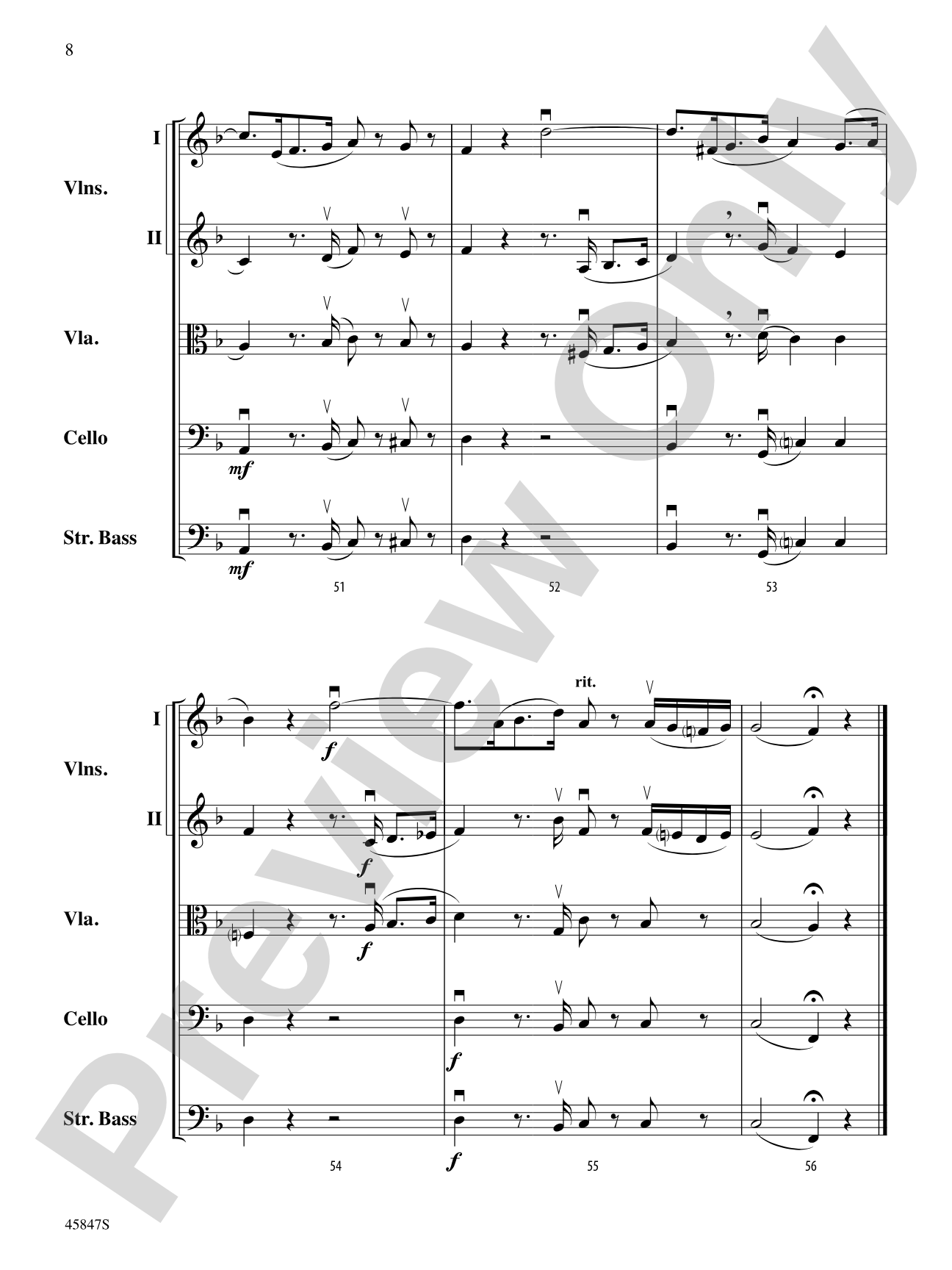

March of the Priests: String Orchestra Conductor Score & Parts
From The Magic Flute
By Wolfgang Amadeus Mozart / arr. Jerry Brubaker
Grade: 3
Item: 00-PK-0007354

$56.00
Pickup currently not available
Buy Extra Parts (Digital PDF Download)
| Product | Price | Quantity |
|---|---|---|
| March of the Priests: Score | $10.00 | |
| March of the Priests: 1st Violin | $5.99 | |
| March of the Priests: 2nd Violin | $5.99 | |
| March of the Priests: Viola | $5.99 | |
| March of the Priests: Cello | $5.99 | |
| March of the Priests: String Bass | $5.99 |
Parts Added to Cart!
Description
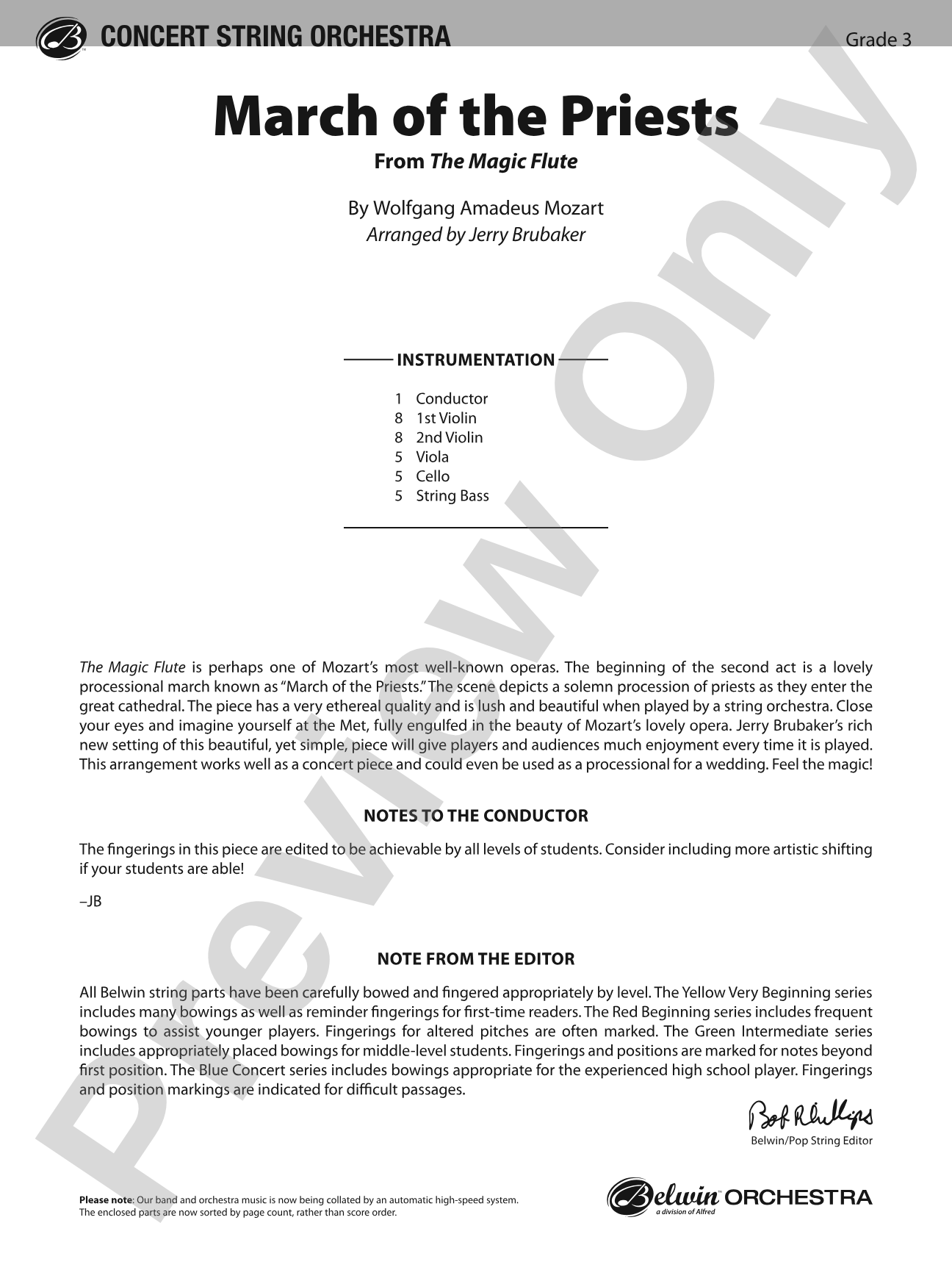
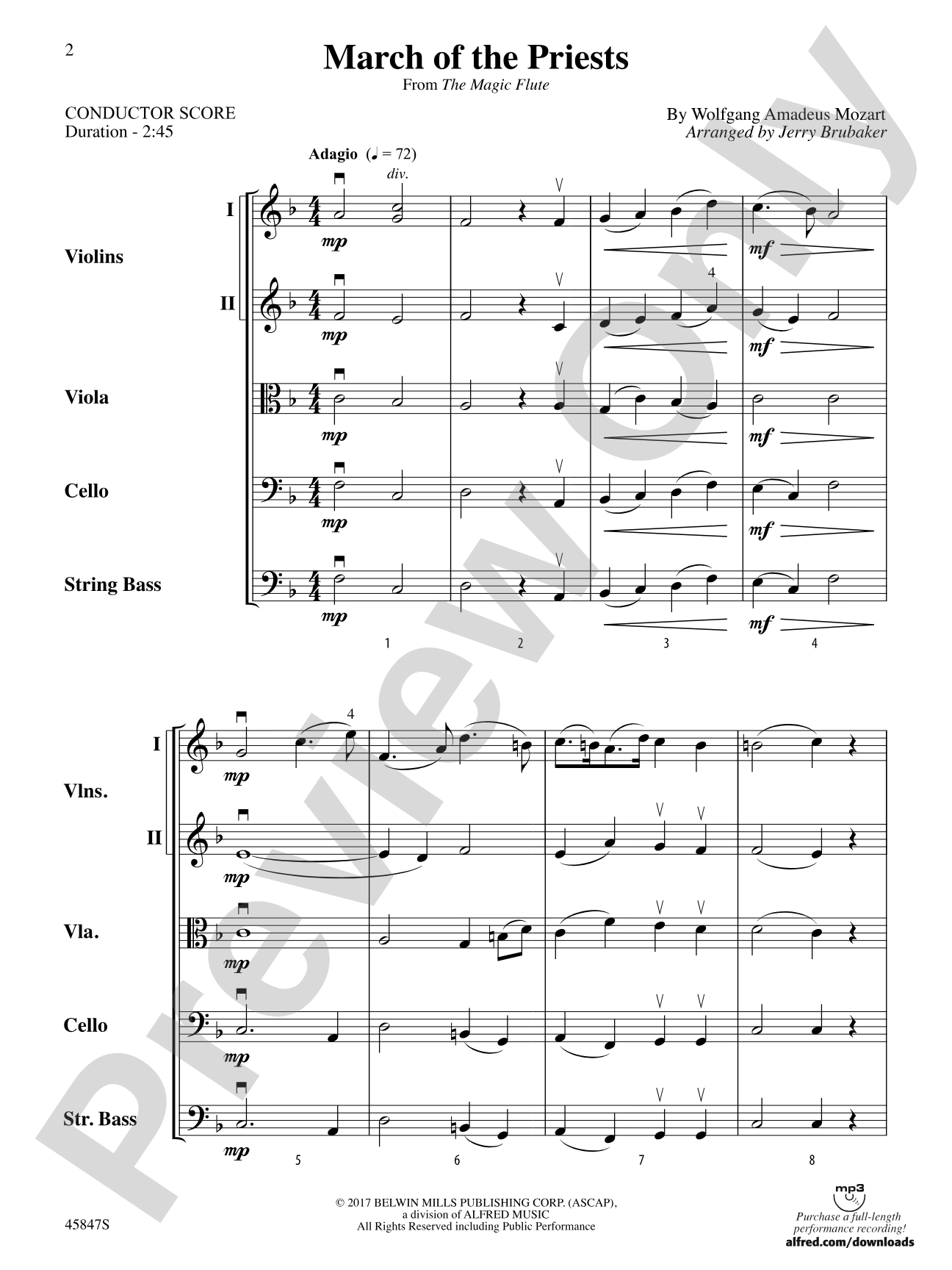
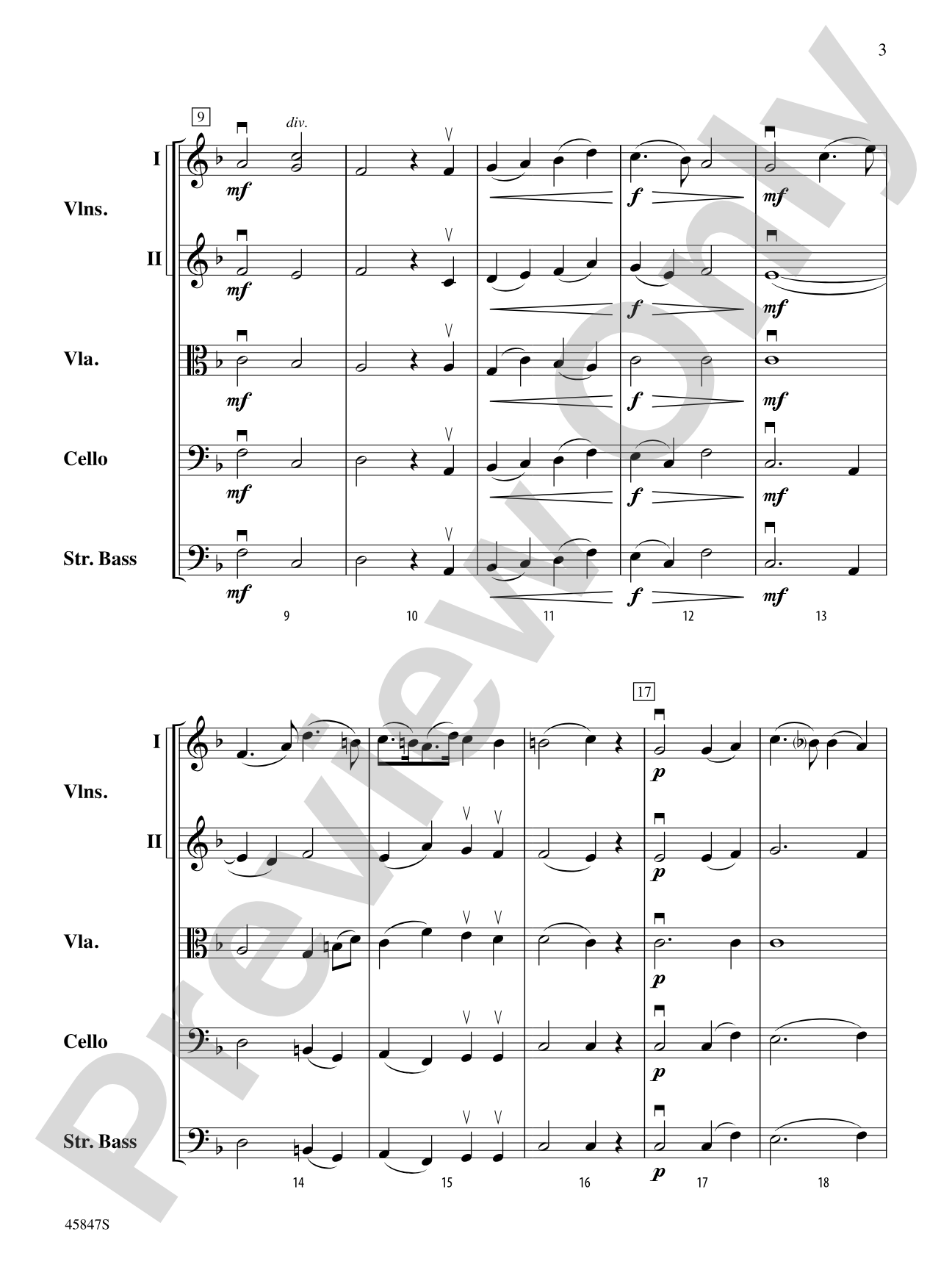
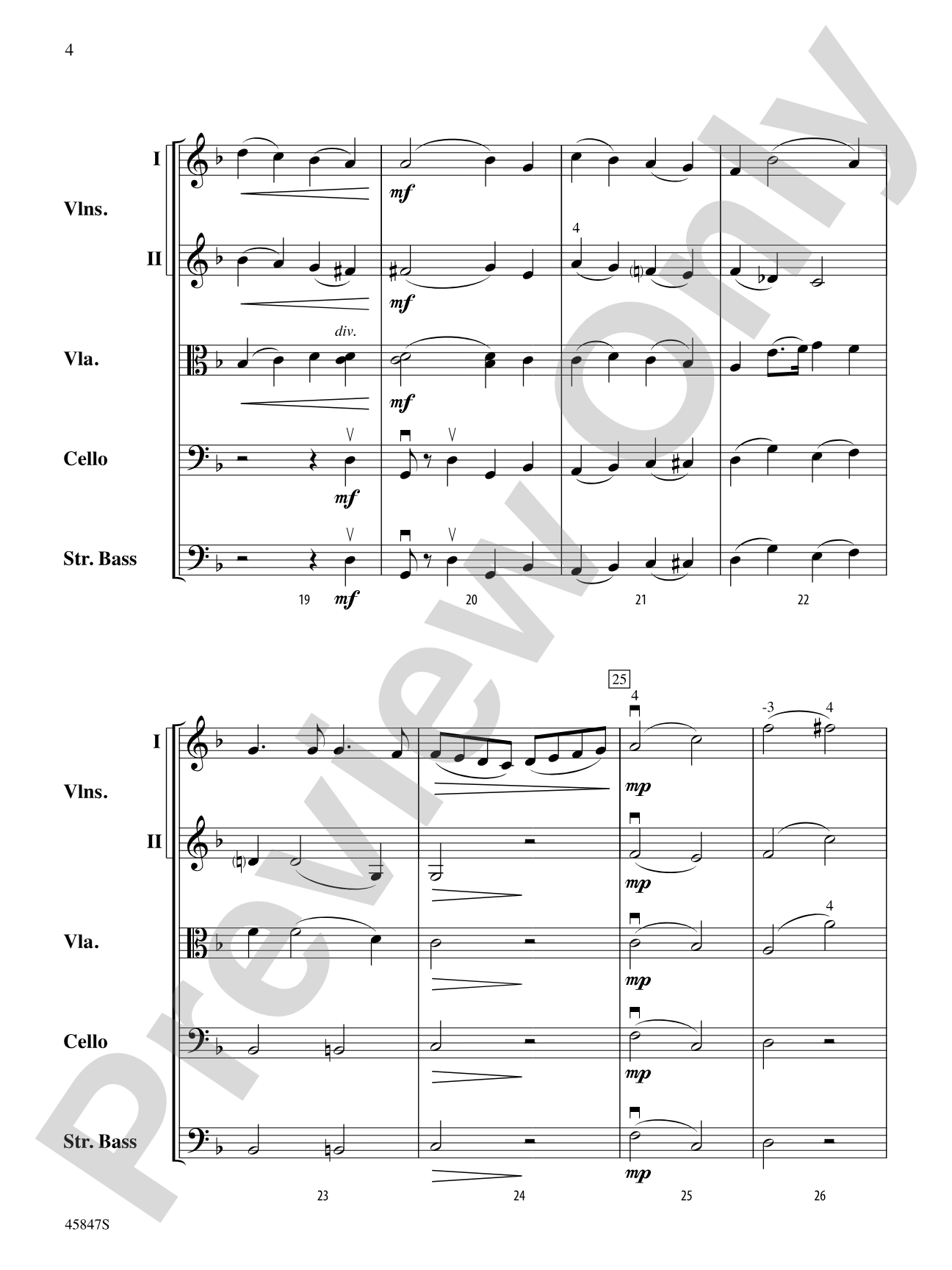
The Magic Flute is perhaps one of Mozart's most well known operas. The beginning of the second act is a lovely processional march known as "March of the Priests." The scene depicts a solemn procession of priests as they enter the great cathedral. The piece has a very ethereal quality and is lush and beautiful when played by a string orchestra. Close your eyes and imagine yourself at the Met, fully engulfed in the beauty of Mozart's lovely opera. Jerry Brubaker's rich new setting of this beautiful, yet simple piece will give players and audiences much enjoyment every time it is played. This arrangement works well as a concert piece and could even be used as a processional for a wedding. Feel the magic! (2:45)


Don't just read it, hear it, play along with it, and watch your students grow with it. In MakeMusic Cloud, March of the Priests: String Orchestra Conductor Score & Parts comes alive with professional accompaniment, adjustable tempo, and built-in practice tools that turn solo practice into real progress.
Open in the Player
Jump straight in and assign it today.
Start Your Free Trial
Open this title and explore the full library in minutes.
Sample Audio
1
Audio File
--:--
0:00
0:00
Sample Video
Additional Details
Series:
Belwin Concert String Orchestra
Publisher:
Alfred Music
Page Count:
62
SKU:
00-PK-0007354
More about this title
About the Composer: Wolfgang Amadeus Mozart
Wolfgang Amadeus Mozart (1756, 1791) composed across every major genre of his era with prolific invention and structural mastery. His operas remain cornerstones of the repertoire, combining dramatic storytelling with music of crystalline clarity and emotional depth. For music educators, Mozart's works offer students a direct line to Classical form, elegant melodic writing, and the balance between simplicity and sophistication that defines great composition.
Mozart's ability to write music that sounds effortless while remaining intellectually rigorous makes his work invaluable in the classroom. The Magic Flute, in particular, showcases his gift for memorable themes and orchestration that translates beautifully across different instrumental settings. Students studying his scores gain insight into how composers serve dramatic purpose through musical gesture.
Why we love this
This arrangement captures the solemn grace of one of opera's most iconic moments without losing the accessibility that makes it work for Grade 3 ensembles. Jerry Brubaker's writing preserves Mozart's essential character while giving string players the kind of lush, resonant sound that feels genuinely operatic. It's a piece that photographs beautifully in concert and earns genuine emotional response from audiences who recognize the source material.
What to expect
There is a ceremonial quality here, almost reverent. The piece unfolds with measured dignity, as if each phrase is part of a ritual. Lush string harmonies create an almost dreamlike atmosphere, inviting listeners to imagine Mozart's original vision of priests in procession through a grand cathedral.
Who it's for
String orchestras at the intermediate level will find this arrangement musically rewarding and technically manageable. Directors preparing concert programs, festival submissions, or ceremonial music will appreciate having a masterwork that audiences recognize and players respect.
How to get the most out of it
- Establish a steady, unhurried pulse from the opening. This processional character depends on control rather than speed; resist the urge to rush even when ensemble confidence builds.
- Balance the inner voices carefully during sustained passages. String orchestras often default to loud outer parts; here, the harmonic movement lives in the violas and second violins, so encourage those sections to sing without drowning.
- Shape phrases by listening for the underlying melodic line across all parts. The beauty emerges when players hear how their individual lines contribute to the whole harmonic arc.
- Use the recorded accompaniment to check intonation and balance during sectional rehearsals. The clarity of a reference recording helps players understand where their part sits in the texture.
How to use it
This works exceptionally well as an opening or closing piece on a concert, signaling artistic seriousness while remaining entirely accessible to general audiences. Its flexibility extends beyond the concert stage; many directors use it as a processional for weddings, graduations, and ceremonial occasions where an orchestral touch elevates the moment.
Skills your students will build
- Sustaining long, even tones with dynamic control
- Maintaining ensemble intonation through block chords and harmonic movement
- Balancing inner voices while keeping outer parts focused
- Understanding phrasing and musical shape in a Classical context
- Reading a full orchestral score and identifying their part within it